12 Inspiring Light Sage Green Bedroom Ideas and Peaceful Ambiance
- Bedroom Design
 Ben
Ben- 0
- 35 minutes read
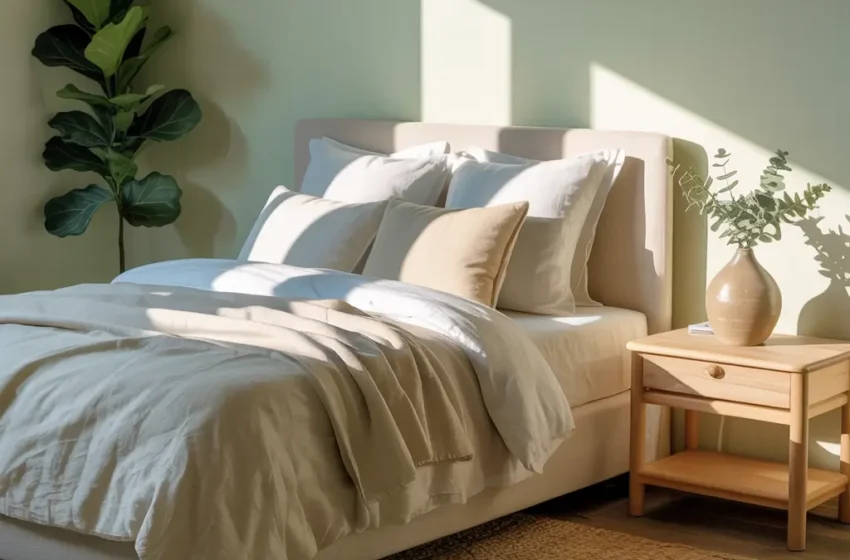
Light sage green just hit different when you wake up to it. Trust me—I spent three years staring at beige walls wondering why my bedroom felt like a dentist’s waiting room.
Then I discovered light sage, and suddenly my space became this calming oasis that actually makes me excited to retreat there after a long day.
You know that feeling when you walk into a high-end spa and instantly feel your shoulders drop? That’s what light sage green does for a bedroom.
It’s not your typical boring neutral, but it’s not screaming for attention either. It’s that perfect middle ground that whispers “I have my life together” even when you definitely don’t.
Let me show you twelve ways to use this magical color that won’t make you feel like you’re sleeping in a salad bowl.
These ideas transformed my own space from sad to spa-worthy, and they’ll do the same for yours.
Soft Sage Serenity Walls
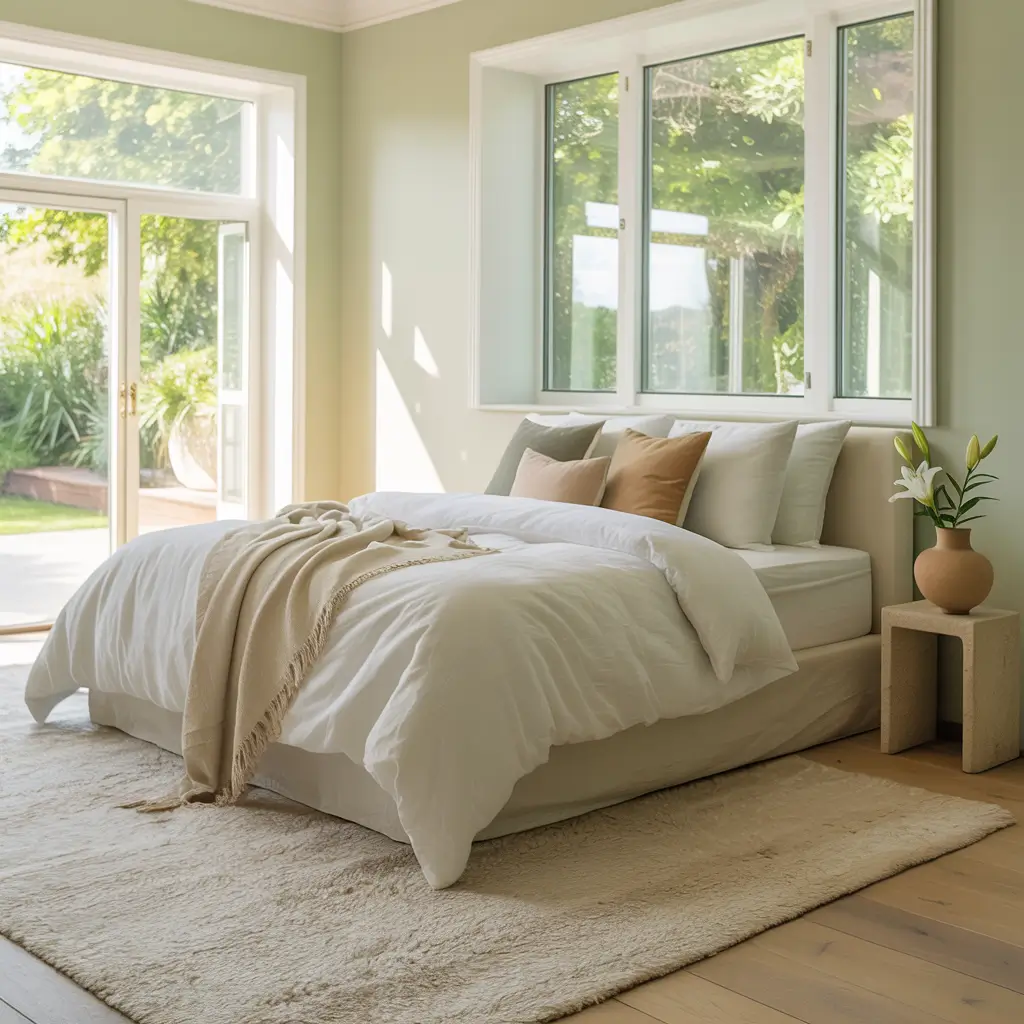
Painting all four walls sage green sounds scary, right? I thought the same thing until I actually did it. The key is choosing the right shade of light sage—we’re talking morning mist, not Shrek’s swamp.
When I first painted my walls, I made the rookie mistake of testing the color on white primer. Looked amazing in the store, turned into hospital mint under my bedroom lighting. Learn from my pain—always test your sage green on the actual wall color first. Natural light changes everything with this color, making it shift from gray-green in the morning to soft herb-green by sunset.
Here’s what makes sage walls work:
- Natural light enhances the color’s calming properties
- The shade changes throughout the day, keeping things interesting
- It pairs with literally everything (seriously, try to find something that clashes)
- Creates instant sophistication without trying too hard
Choosing Your Perfect Sage Shade
Not all sage greens are created equal. Some lean gray, others lean more olive, and choosing wrong can make or break your space. I tested seven different shades before landing on my winner.
Consider your room’s lighting situation first. North-facing rooms need warmer sage tones to combat the cooler light. South-facing? You can go cooler without your room looking like an ice cave. My east-facing bedroom gets gorgeous morning light that makes cooler sage look absolutely dreamy.
Light Sage Minimalist Retreat
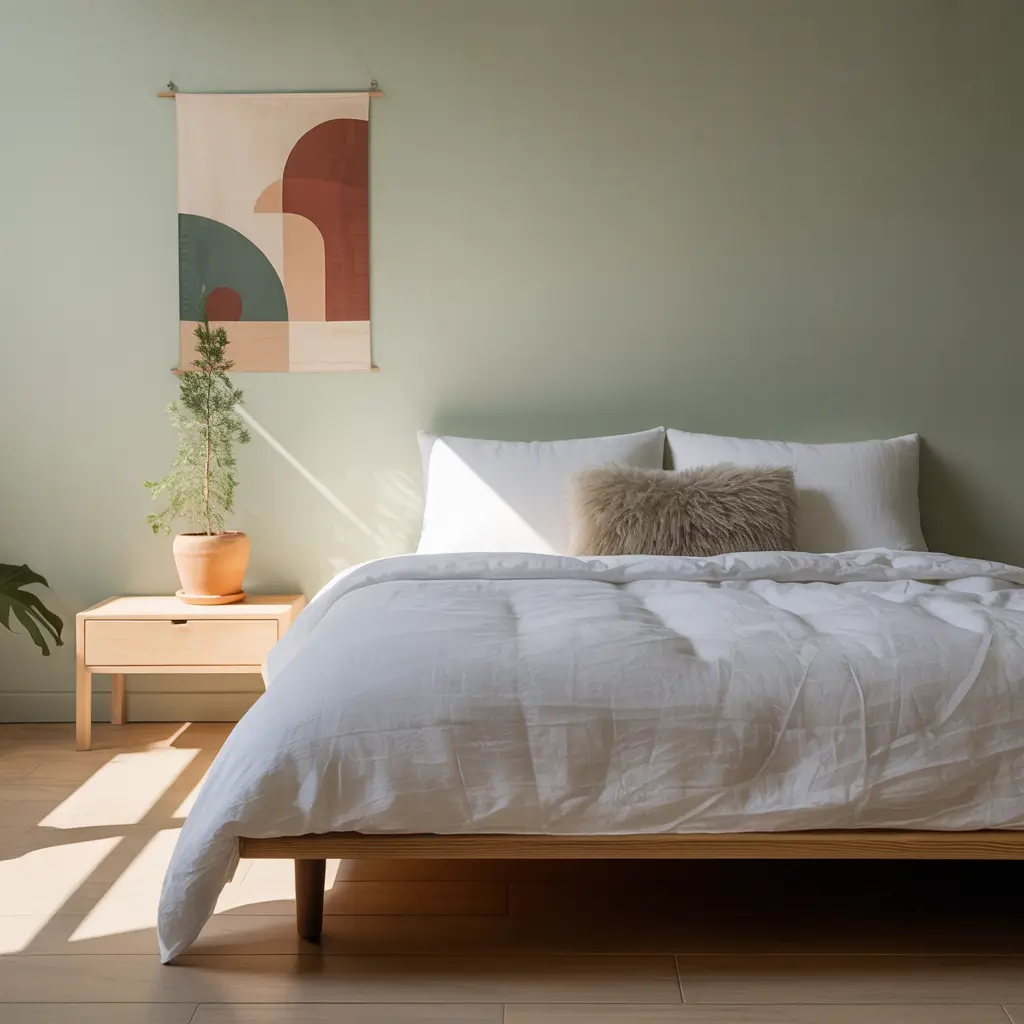
Who says minimalism has to mean white-on-white boredom? Light sage brings warmth to minimalism without adding visual clutter. It’s like minimalism finally got a personality transplant.
Start with sage as your single color statement. Maybe one accent wall, or sage bedding against white walls. The beauty of minimalist sage? You need less stuff to make an impact. I ditched half my bedroom decor when I went this route, and my space looks twice as expensive now.
Essential minimalist sage elements:
- One sage green focal point (wall, bedding, or large furniture piece)
- Clean-lined furniture in natural wood or white
- Maximum of three decorative objects
- Plenty of negative space to let the color breathe
Making Minimalism Feel Warm
The trick to warm minimalism? Texture becomes your best friend when color takes a backseat. I layer different fabrics in similar sage tones—linen sheets, cotton duvet, wool throw. Same color family, totally different feels.
Natural materials prevent that cold, sterile vibe minimalism sometimes gets. Think unfinished wood, raw linen, maybe some concrete or stone. Against light sage, these textures pop without shouting. My bamboo blinds against sage walls? Chef’s kiss.
Sage and Cream Cozy Layered Bedding
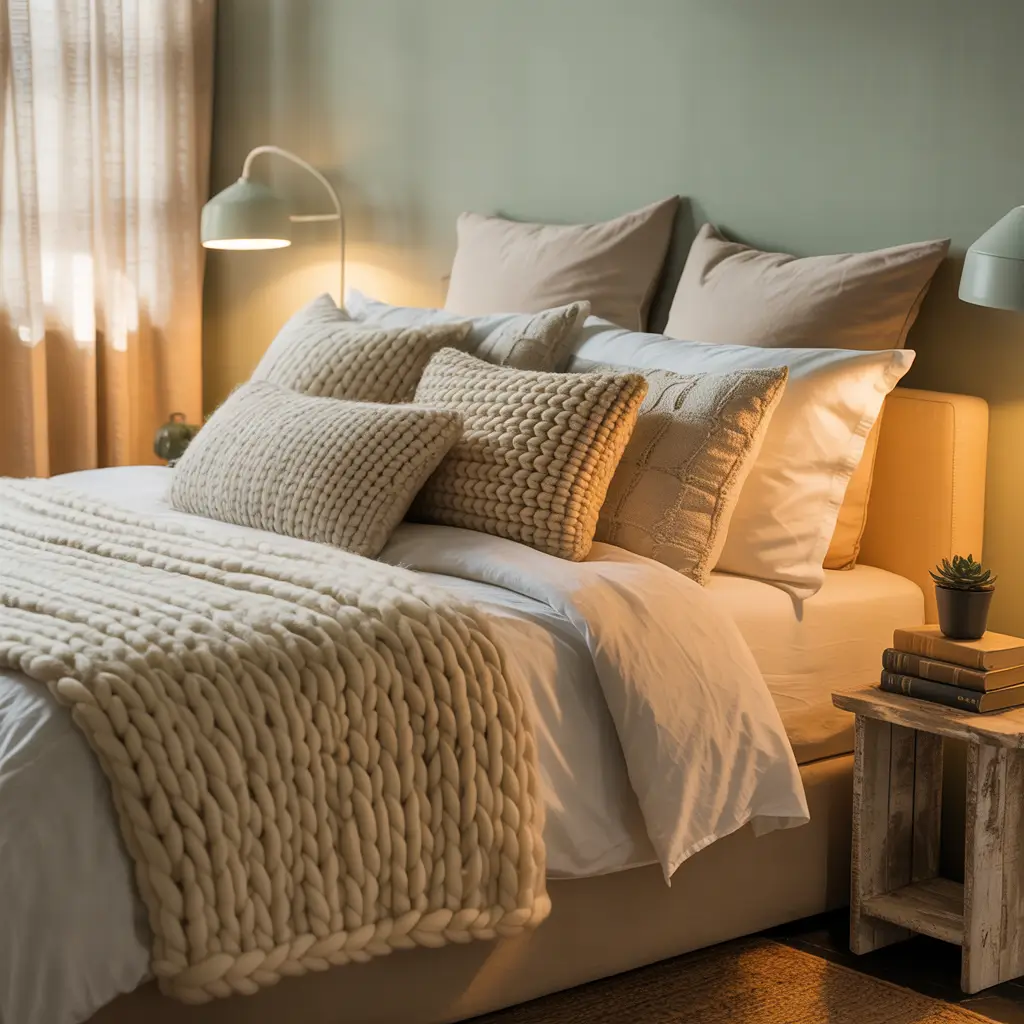
Want to know the fastest way to transform your bedroom? Layer sage and cream bedding like you’re getting paid for it. This combo creates instant luxury without the luxury price tag.
I start with cream sheets (always cream, never stark white), add a sage duvet cover, then layer with cream and sage throw pillows in different sizes. Finish with a chunky cream knit at the foot of the bed. Suddenly your bed looks like it belongs in a boutique hotel.
Layering formula that never fails:
- Base: cream fitted sheet and pillowcases
- Middle: sage green duvet or comforter
- Accent: mix of sage and cream decorative pillows
- Finishing touch: textured throw in cream or natural fiber
The Art of Pillow Arrangement
Ever wondered why hotel beds look so inviting? It’s all about the pillow game. I use the 2-2-1 formula: two sleeping pillows, two European shams, one lumbar pillow. Keeps things balanced without going overboard.
Mix textures within your sage and cream palette. Smooth cotton, nubby linen, maybe some subtle embroidery. The variety creates visual interest while the limited color palette keeps it cohesive. No more rainbow explosion of mismatched pillows!
Also Read: 10 Fresh Green and Cream Bedroom Ideas for Calm Retreats
Airy Sage Scandinavian Bedroom
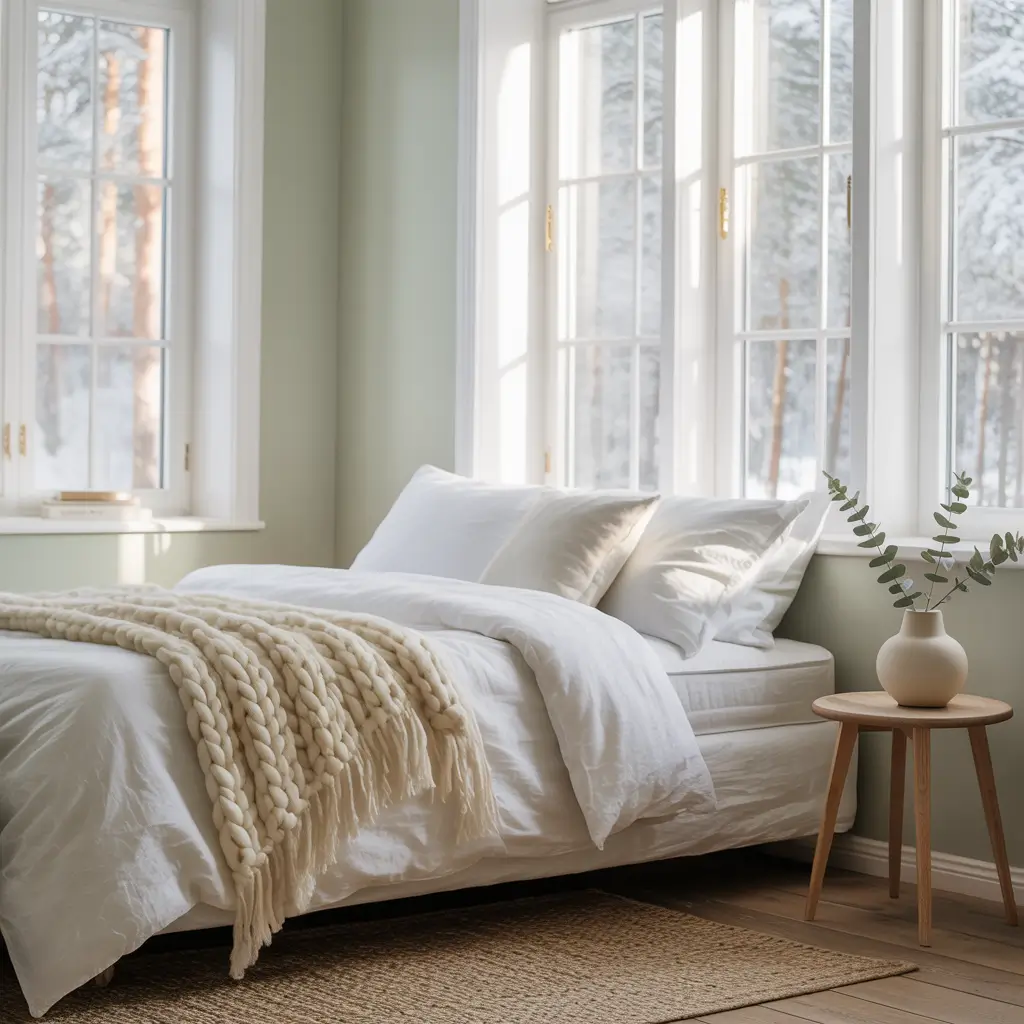
Scandinavian design and sage green? Name a better duo—I’ll wait. This combination brings color to Scandi style without betraying its minimalist roots.
The secret lies in keeping sage super light and airy. We’re talking barely-there green, like someone whispered “sage” in a white room. Pair it with blonde wood, white accents, and tons of natural light. My Swedish friend saw my sage Scandi bedroom and literally asked if I hired someone from Stockholm.
Scandi-sage essentials:
- Palest sage green on walls or textiles
- Light wood furniture (think birch or pine)
- White or cream secondary colors only
- Minimal decorative elements
Hygge Meets Sage
Creating that cozy Scandinavian vibe requires restraint. I know, restraint isn’t fun, but trust the process. One sage element per area maximum—sage throw on the bed, sage cushion on the chair, sage plant pot on the dresser.
The magic happens in the empty spaces between. Scandinavian design breathes, and sage green gives that breath a hint of nature. Less really becomes more when you nail this balance. FYI, this style photographs beautifully for all you Instagram enthusiasts.
Sage Green Woven Texture Accents
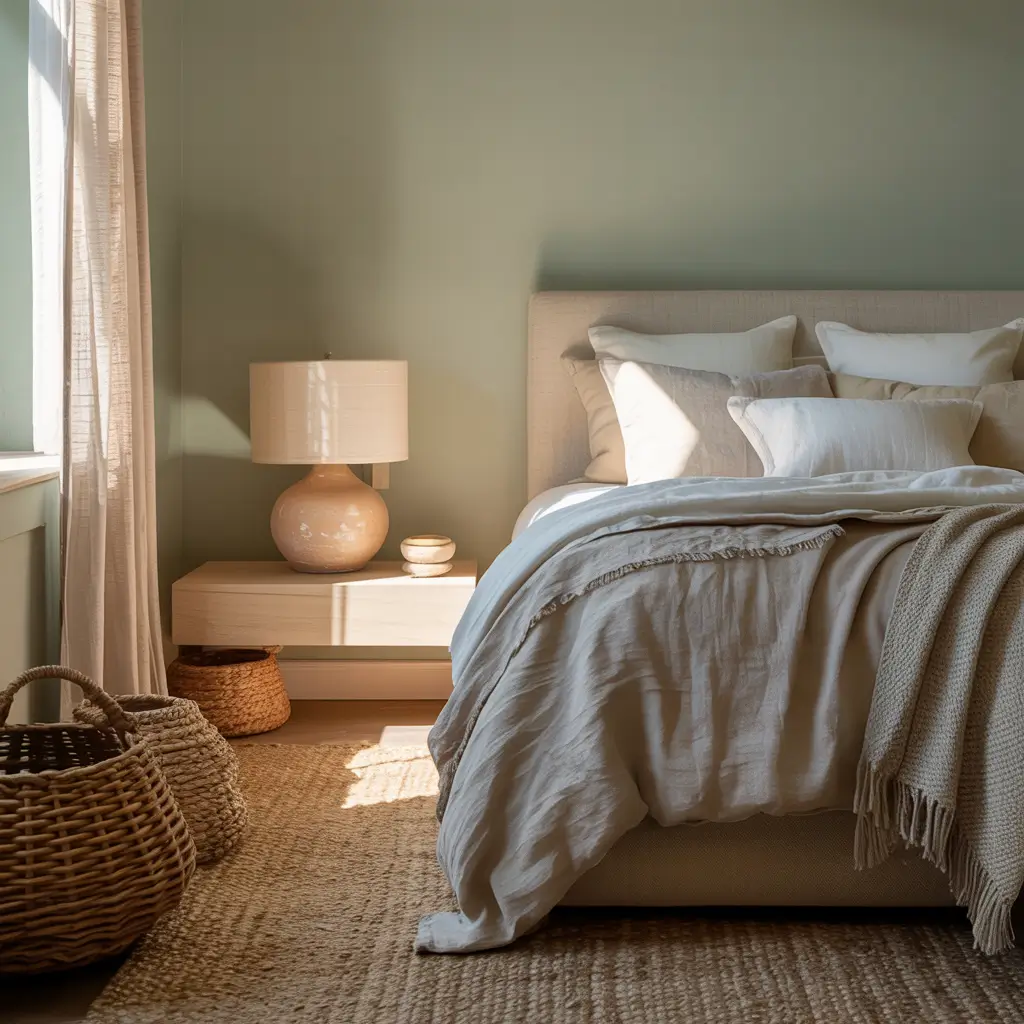
Can’t commit to sage walls? Bring in the color through woven textures instead. This approach adds depth and interest without the permanence of paint.
I started with a sage green macramé wall hanging above my bed. Then added a woven sage basket for blanket storage, and a textured sage pillow on my reading chair. The different textures keep the same color from feeling flat or boring.
Texture options that work:
- Macramé or woven wall hangings
- Textured throw pillows in various weaves
- Baskets in different sage tones
- Jute or sisal rugs with sage undertones
Building Texture Without Chaos
Here’s where people mess up—they add every texture known to mankind. Stick to three main textures repeated throughout the space. I do smooth (painted furniture), medium (woven baskets), and chunky (knit throws).
The repetition creates rhythm. Your eye moves around the room following the textures, making small spaces feel larger and large spaces feel cohesive. Plus, limiting textures means less dusting. Win-win!
Light Sage Boho Chic Makeover
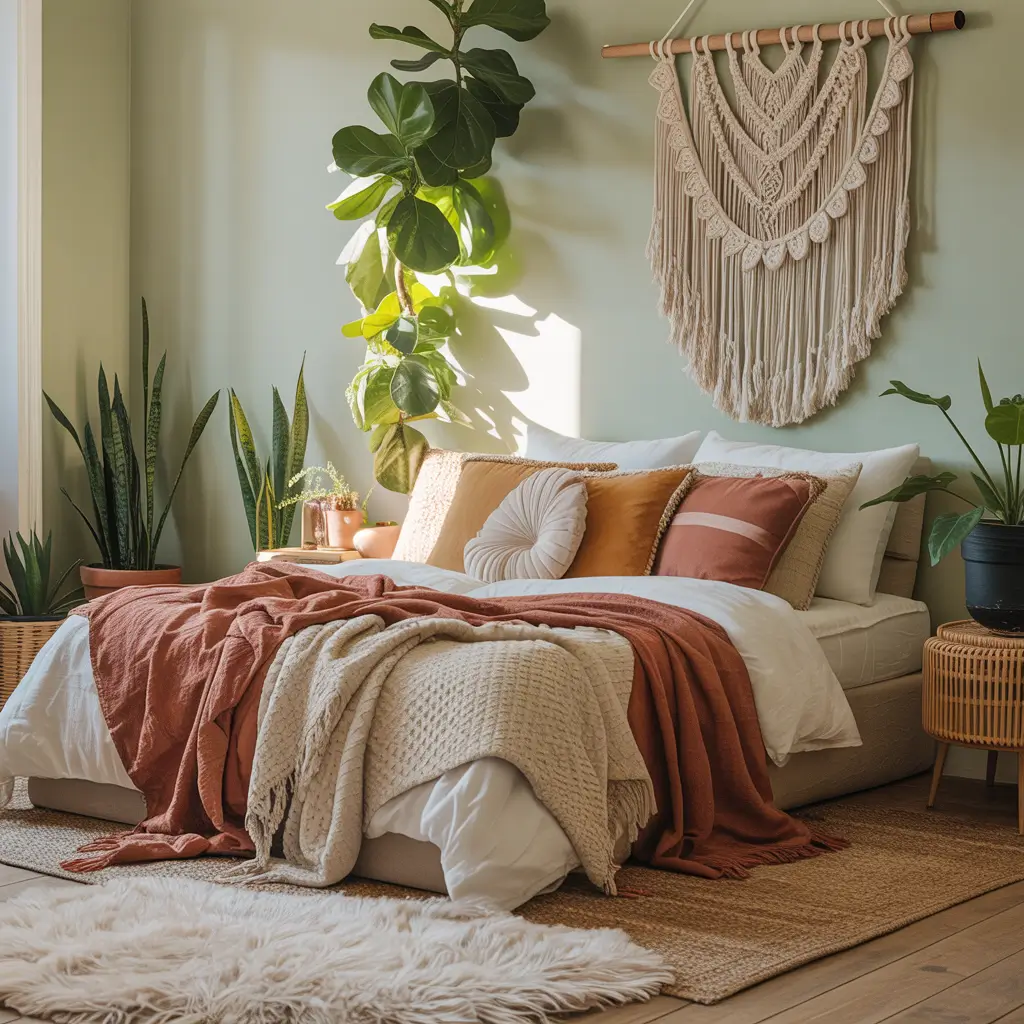
Boho style usually means color explosion, but light sage boho keeps things sophisticated while maintaining that free-spirited vibe. It’s like boho went to finishing school and came back refined but still fun.
Start with sage as your anchor color, then layer in creams, whites, and natural tones. Add plants (obviously), some rattan furniture, maybe a tapestry or two. The sage keeps everything grounded while you play with patterns and textures.
Boho elements that complement sage:
- Multiple plants in varying shades of green
- Natural fiber rugs layered for depth
- Mix of patterns in sage and neutral tones
- Vintage or thrifted wooden furniture
Pattern Mixing Without Mayhem
The secret to pattern mixing? Keep your color palette tight while your patterns go wild. I mix geometric, floral, and abstract patterns all in sage and cream tones. Looks intentional instead of “I bought everything green at the thrift store.”
Start with one large pattern (like a sage geometric rug), add a medium pattern (striped pillows), then finish with a small pattern (tiny floral throw). This size variation prevents patterns from competing. Your room looks collected, not cluttered.
Also Read: 12 Chic Purple and Green Bedroom Ideas with Unique Decor
Sage and Natural Wood Harmony
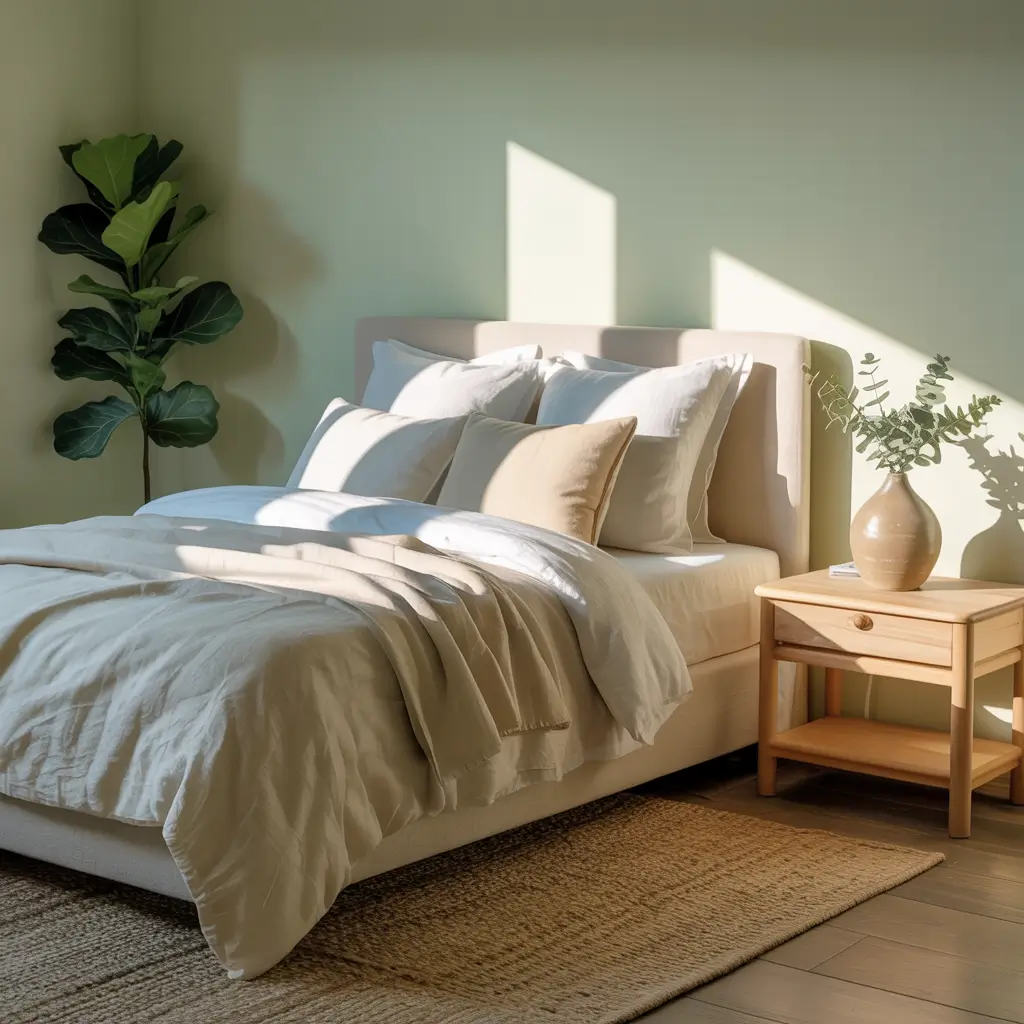
Natural wood and sage green together? This combo brings the forest inside minus the bugs and dirt. It’s organic luxury at its finest.
I paired my sage walls with a raw oak bed frame and matching nightstands. The wood’s warm tones balance sage’s coolness perfectly. Add some cream linens and suddenly you’re sleeping in a treehouse—but a really fancy one with actual mattresses and climate control.
Wood and sage combinations that work:
- Light woods (oak, pine, bamboo) with pale sage
- Medium woods (walnut, cherry) with mid-tone sage
- Natural unfinished wood with any sage shade
- Mixed wood tones unified by sage accents
Balancing Warm and Cool
Sage leans cool, wood leans warm. Getting the balance right makes or breaks this look. Too much wood and sage gets lost. Too much sage and the wood looks out of place.
I follow the 60-30-10 rule: 60% neutral (white or cream walls/bedding), 30% sage (accent wall or major furniture), 10% wood (furniture and accessories). This ratio keeps things balanced without getting too matchy-matchy. Nobody likes matchy-matchy.
Muted Sage Luxe Calm Bedroom
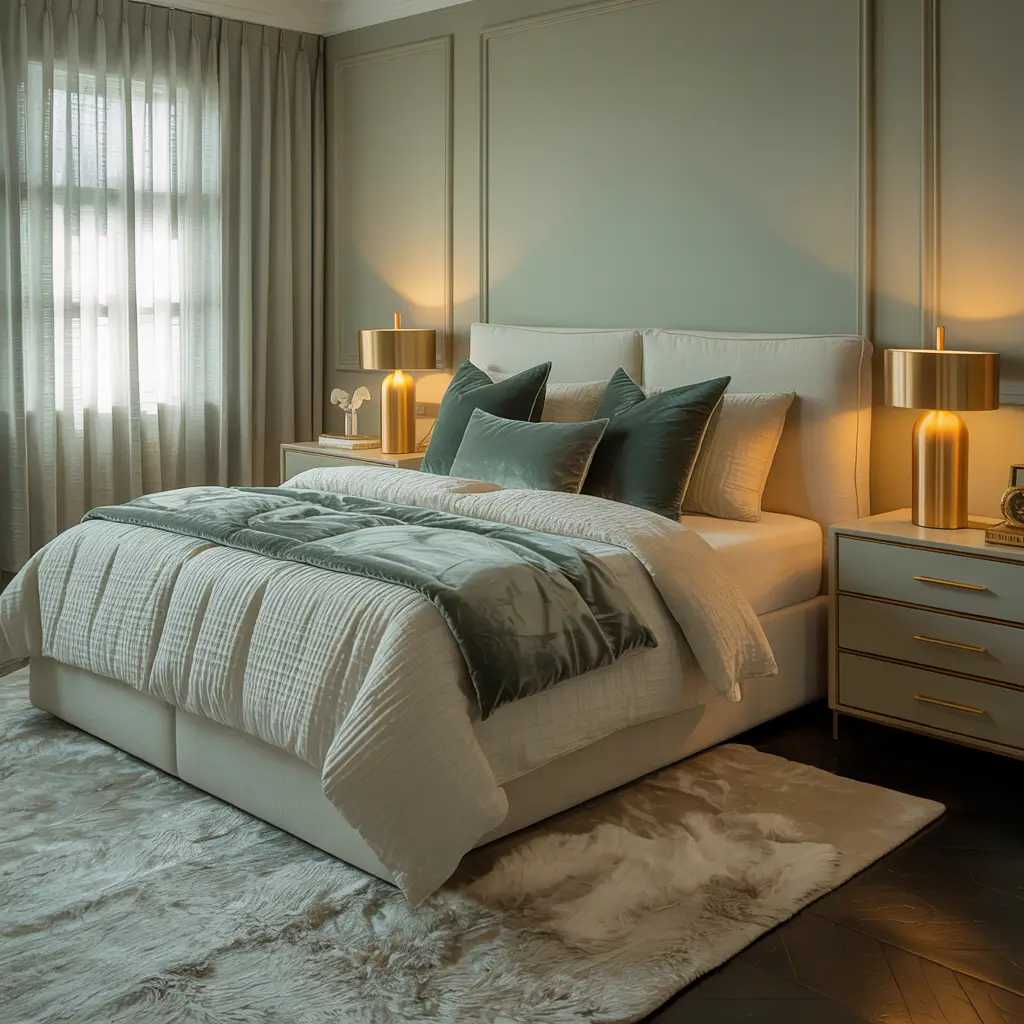
Want that expensive hotel vibe without the expensive hotel price? Muted sage creates instant luxury through sophisticated color choice alone.
Think sage so subtle it could pass for gray in certain lights. Pair it with plush textures—velvet pillows, silk curtains, cashmere throws. The muted color lets luxe textures shine while maintaining that calming sage essence.
Luxury elements that elevate muted sage:
- High-quality bedding in sage and white
- Metallic accents in brushed gold or brass
- Plush area rugs in cream or sage
- Statement lighting fixtures
Creating Expensive Vibes on Any Budget
Here’s a secret: three high-quality pieces beat ten cheap ones every time. I invested in sage Belgian linen bedding, one gorgeous brass table lamp, and a real wool area rug. Everything else? Budget-friendly finds that look expensive next to the good stuff.
The muted sage palette makes even IKEA furniture look high-end. It’s all about the color sophistication. When your color palette looks expensive, everything in it gets elevated by association.
Pastel Sage Coastal Escape
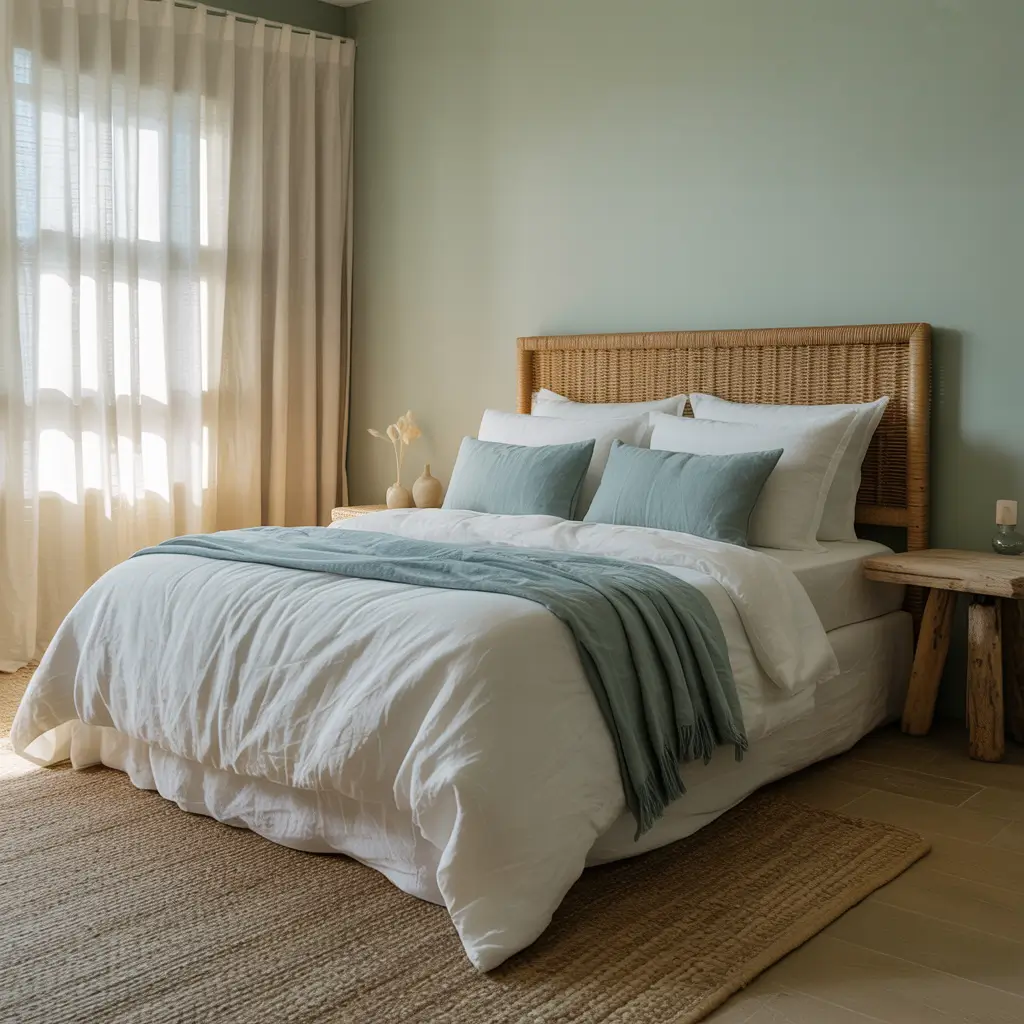
Sage green and coastal style? This unexpected combo brings sophisticated beach vibes without the cliché nautical nonsense. No anchors or “life’s a beach” signs required.
Pastel sage mimics sea glass—that soft, weathered green that makes you think of ocean treasures. Pair it with whites, creams, and maybe touches of soft blue. Add some weathered wood, natural textures, and suddenly you’re beachside even if you’re landlocked.
Coastal sage essentials:
- Pastel sage walls or major textiles
- Weathered or whitewashed wood furniture
- Natural fiber rugs and window treatments
- Subtle ocean-inspired accents
Beach Vibes Without the Cheese
Skip the seashells and sailboats. Modern coastal style suggests the beach rather than screaming it. I use abstract art in sage and blue tones, driftwood-style picture frames, and maybe one piece of coral—that’s it.
The sage does most of the work, creating that breezy, calm feeling associated with the coast. You want guests to feel relaxed, not like they’re in a beach-themed restaurant. :/
Also Read: 10 Trendy Green and Orange Bedroom Ideas for Fresh Decor
Light Sage Modern Farmhouse Room
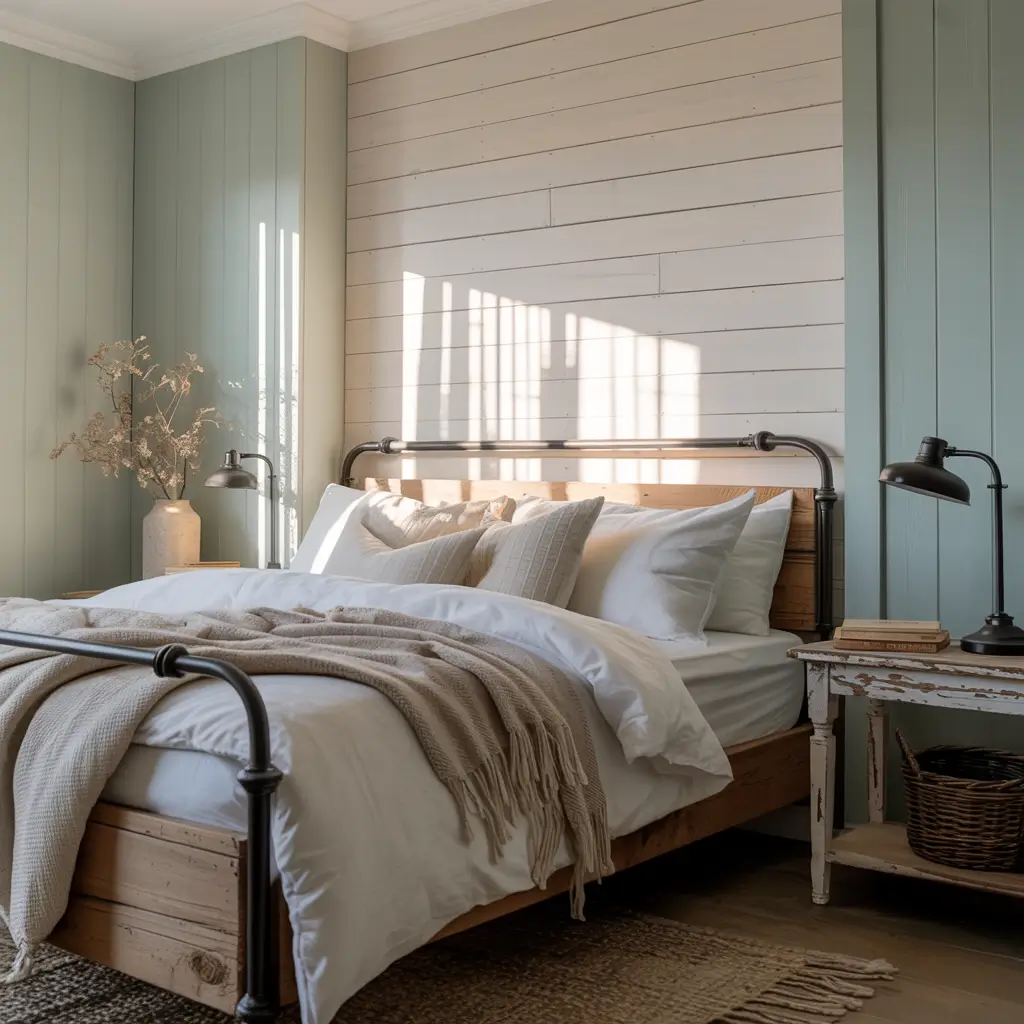
Modern farmhouse usually means white and black everything. Adding light sage brings softness to all those hard edges while maintaining that contemporary country appeal.
Picture sage board-and-batten walls with crisp white trim. Add black metal fixtures, natural wood furniture, and cream bedding. It’s farmhouse without the kitsch—no roosters or “gather” signs needed.
Modern farmhouse must-haves:
- Sage green architectural elements (board-and-batten, shiplap)
- Mixed metals in black and brass
- Natural wood and painted furniture combo
- Simple, clean-lined decorative elements
Avoiding Farmhouse Clichés
You want farmhouse charm, not farmhouse theme park. Skip the barn doors and mason jar everything. Instead, focus on the style’s core elements: natural materials, simple lines, comfortable functionality.
Light sage modernizes traditional farmhouse instantly. It’s unexpected but totally works. I painted my board-and-batten sage instead of white, and everyone asks about it. Sometimes the small twist makes the biggest impact.
Sage Green Botanical Bedroom Style
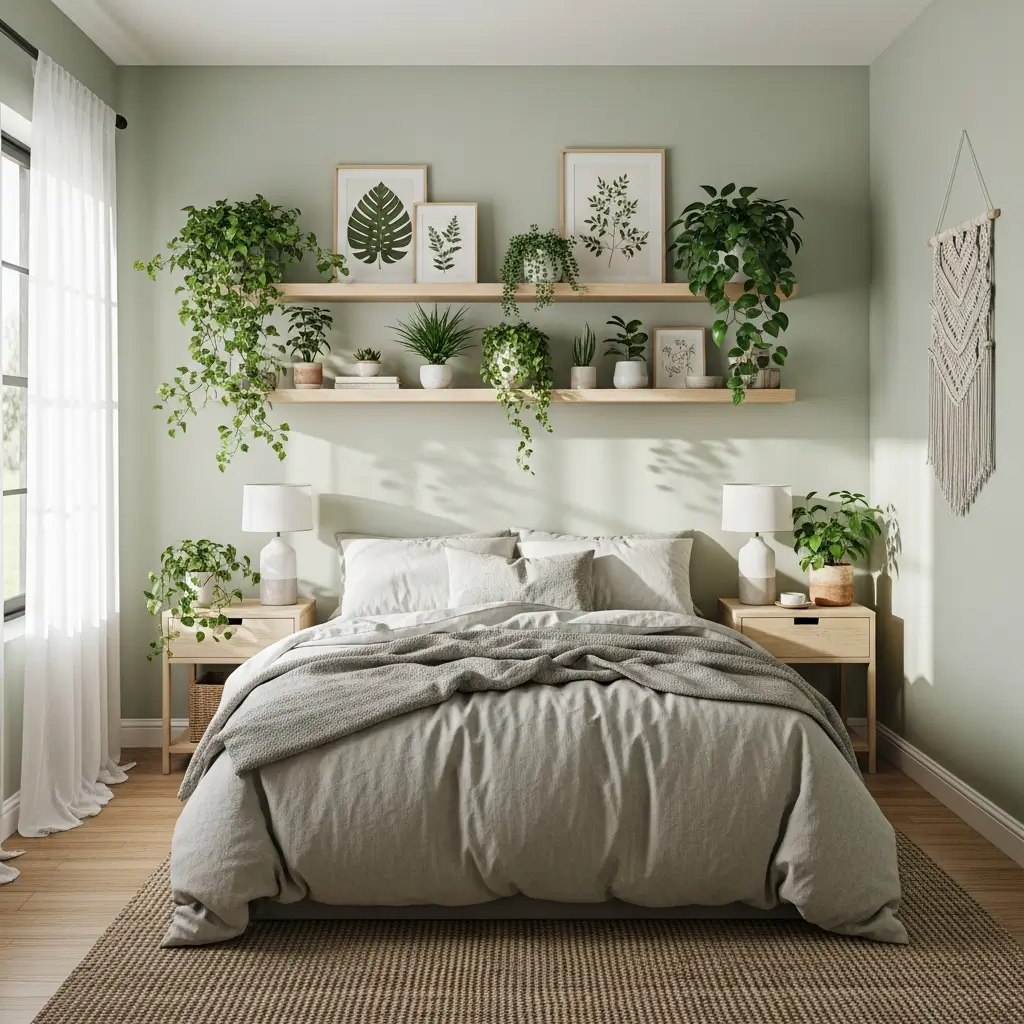
Love plants but kill everything you touch? Sage green botanical style gives you garden vibes even if you’ve got a black thumb. It’s foolproof nature inspiration.
Layer different shades of sage with botanical prints, plant-inspired patterns, and yes, actual plants if you can keep them alive. The sage backdrop makes every green pop—from artwork to actual foliage. My fake plants even look more realistic against sage walls. (Don’t judge—we can’t all be plant parents.)
Botanical elements that enhance sage:
- Botanical print artwork in various green tones
- Mix of real and quality faux plants
- Leaf-patterned textiles in sage and cream
- Natural materials like rattan and bamboo
Creating a Garden Room Without the Maintenance
The trick to botanical style? Layer your greens strategically. Sage walls or bedding as the base, darker green plants for contrast, lighter green accents for brightness. It creates depth that flat green-on-green never could.
I use the rule of odds—group plants in sets of three or five for visual impact. Mix heights and textures. Tall snake plant, medium pothos, small succulent. Even fake ones look good when you style them right. IMO, botanical style works best when it looks effortless, even though we both know you definitely tried.
Light Sage Neutral Elegance Suite
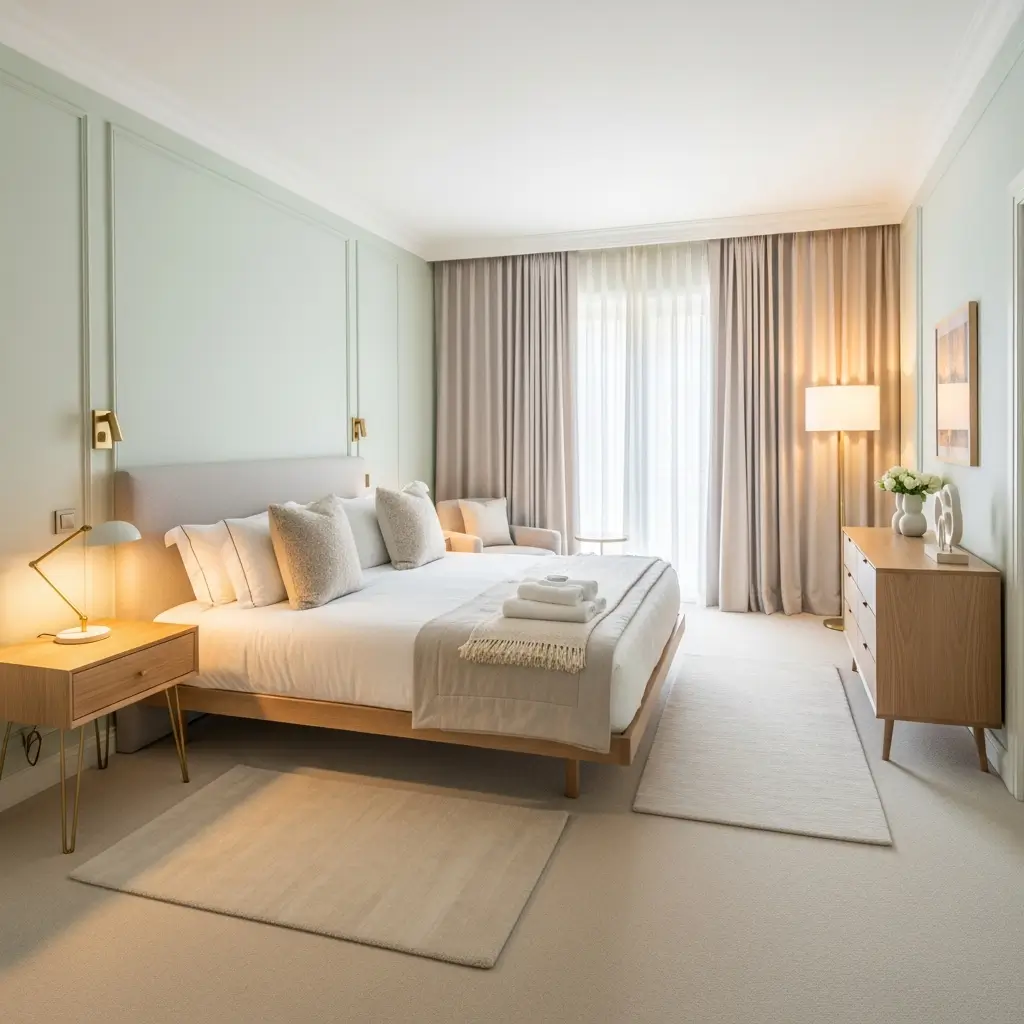
Think sage can’t be elegant? Light sage brings understated elegance that makes other neutrals jealous. It’s sophisticated without being stuffy.
Pair palest sage with warm grays, soft taupes, and creamy whites. Add elegant touches like tufted headboards, crystal drawer pulls, or silk window treatments. The sage prevents elegant from becoming boring while maintaining that refined aesthetic.
Elements for sage elegance:
- Sophisticated sage in subtle applications
- Layered neutrals in varying undertones
- Elegant furniture with classic lines
- Refined accessories in quality materials
Making Elegance Feel Liveable
Elegant doesn’t mean untouchable. The light sage keeps things approachable while maintaining sophistication. I mix elegant pieces with comfortable, lived-in elements. Silk pillows with cotton sheets. Crystal lamps with cozy throws.
The sage acts as a bridge between formal and casual. It’s elegant enough for your fancy friends but comfortable enough for Netflix binges. Best of both worlds, really.
Transform Your Space With Light Sage Confidence
So there you have it—twelve ways to bring light sage green into your bedroom without looking like you raided a herb garden. The beauty of this color lies in its versatility.
Whether you’re a minimalist, maximalist, or somewhere in between, light sage adapts to your style while adding that special something.
Here’s what I learned after living with sage for two years: start small if you’re nervous. One sage throw pillow won’t hurt anyone. Love it? Add more. Hate it? You’re only out one pillow.
The best bedrooms evolve over time, not overnight.
Light sage green transformed my bedroom from a place I slept to a space I love. It might sound dramatic, but color really does affect how you feel in a space.
And feeling good in your bedroom? That’s worth every painted wall and carefully chosen pillow. Ready to join the sage side? Your calm, sophisticated bedroom awaits. 🙂