12 Gorgeous Small Apartment Living Room Ideas and Layout Tricks
- Apartment Decor
 Ben
Ben- 0
- 30 minutes read
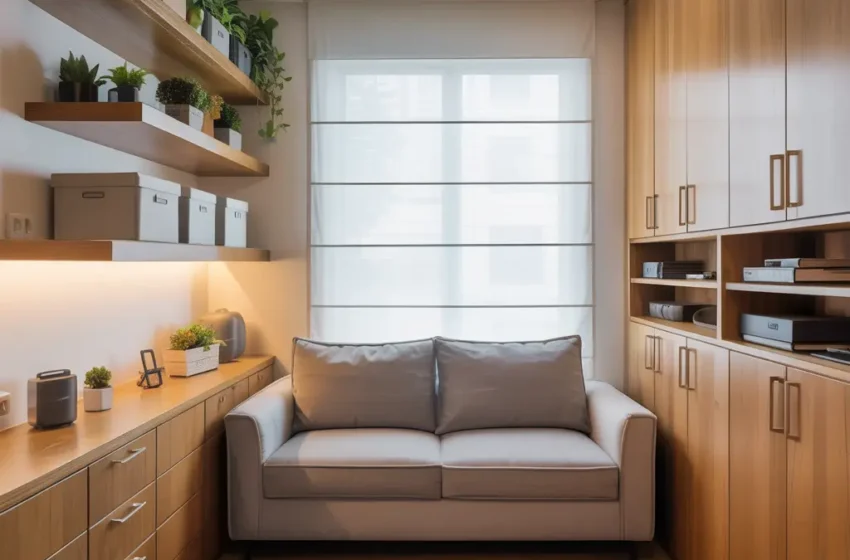
Small apartment living rooms are basically design boot camp – you either figure out how to make every inch count, or you live in chaos surrounded by furniture you can’t actually use.
I’ve spent the last eight years bouncing between tiny apartments (the smallest was a horrifying 120 square feet), and I’ve learned that smart design beats square footage every single time.
The good news? Small living rooms force you to get creative in ways spacious homes never demand.
I’ve discovered storage spots I didn’t know existed, furniture arrangements that defy logic but totally work, and budget hacks that make expensive makeovers look amateur.
My current 180-square-foot living room feels more spacious than my friend’s 400-square-foot disaster zone because I’ve finally cracked the code.
These 12 small apartment living room ideas come straight from my personal trial-and-error journey through cramped spaces.
I’ve made every mistake possible (seriously, ask me about the sectional incident of 2019), so you don’t have to. Let’s transform your tiny living room into something actually livable.
1. Multifunctional Furniture Hacks
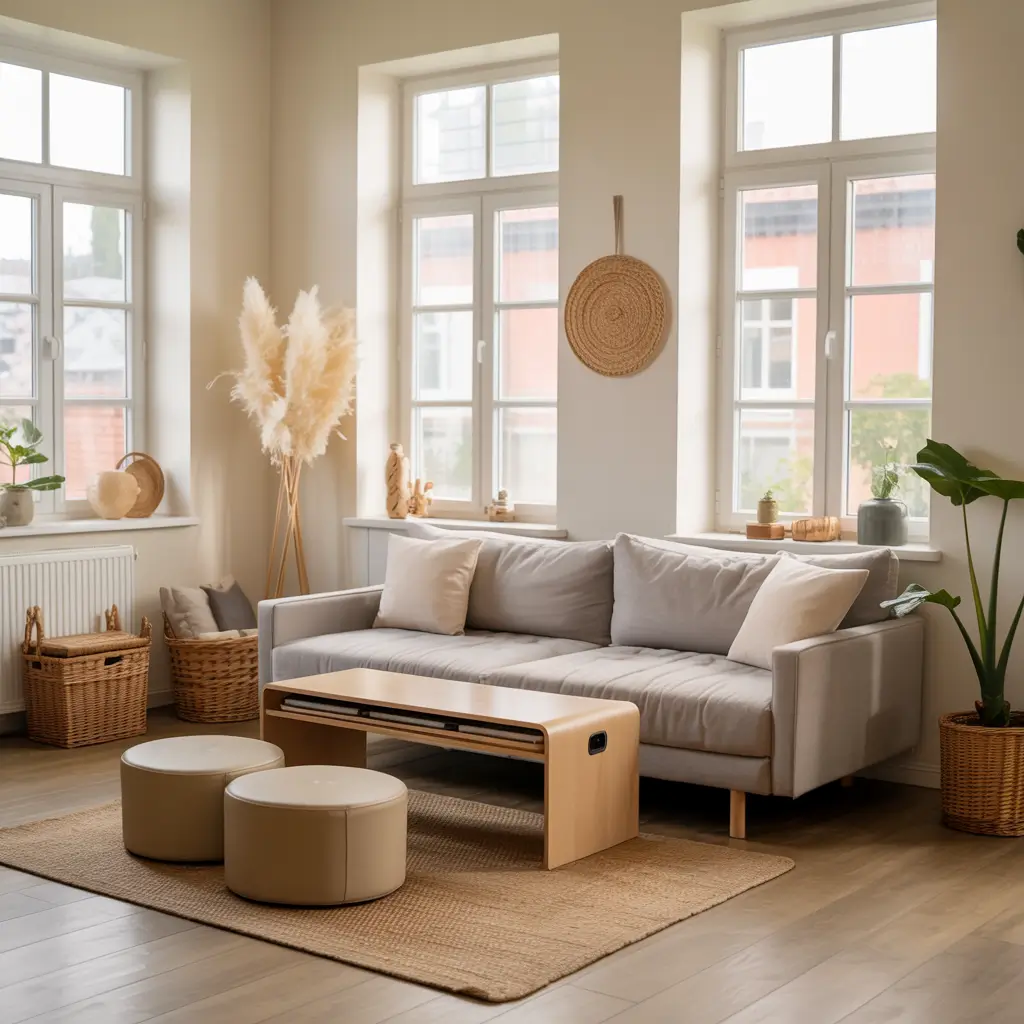
Multifunctional furniture isn’t just smart – it’s absolutely essential when you’re working with limited space. I resisted this concept for way too long, insisting I could make regular furniture work in my small apartment. Spoiler alert: I couldn’t. Once I embraced furniture that does multiple jobs, my living room stopped feeling like an obstacle course.
My coffee table lifts up to dining height, has storage inside, and wheels that let me roll it around as needed. This single piece replaced my dining table, desk, and storage ottoman. The transformation freed up probably 15 square feet of floor space, which sounds small until you’re living in 180 total square feet.
Storage ottomans changed my life – not exaggerating. I have two that hold blankets, board games, and random stuff I don’t know where else to put. They serve as extra seating when friends visit (all three of them who can actually fit), double as footrests, and occasionally become laptop stands. Furniture that serves only one purpose has no place in small apartments.
Best Multifunctional Pieces
Invest in these game-changers:
- Lift-top coffee tables with storage underneath
- Storage ottomans that seat and store
- Sofa beds for guest sleeping
- Nesting tables you can tuck away
- Console tables that extend to dining tables
2. Cozy Minimalist Living Rooms
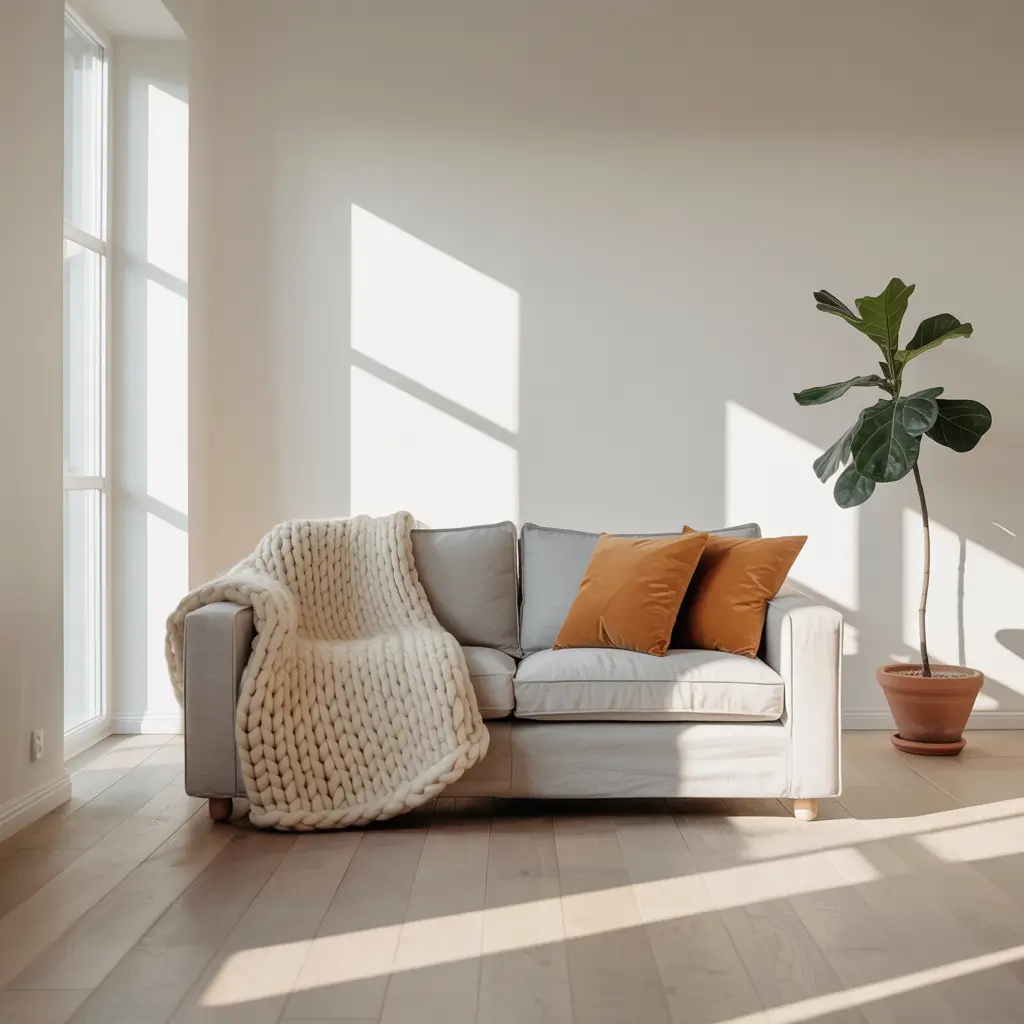
Minimalism saved me from small-space insanity. I used to think “cozy” meant lots of stuff – throw pillows, decorative objects, collections everywhere. Wrong. Cozy minimalism means keeping only what you love and use, then making those items count through texture and warmth.
I purged about 60% of my living room stuff two years ago, and the space immediately felt bigger and calmer. Kept my comfy sofa, one coffee table, two plants, and exactly five decorative items. Everything else either went to storage or got donated. The breathing room this created made my apartment feel twice its actual size.
Add warmth through textures instead of objects. My minimalist living room layers a chunky knit throw, linen curtains, velvet pillows, and a jute rug – all in neutral colors. The varied textures create visual interest without adding clutter. Plus, I can actually find my remote now, which is a bigger deal than it should be.
3. Small Space Storage Solutions
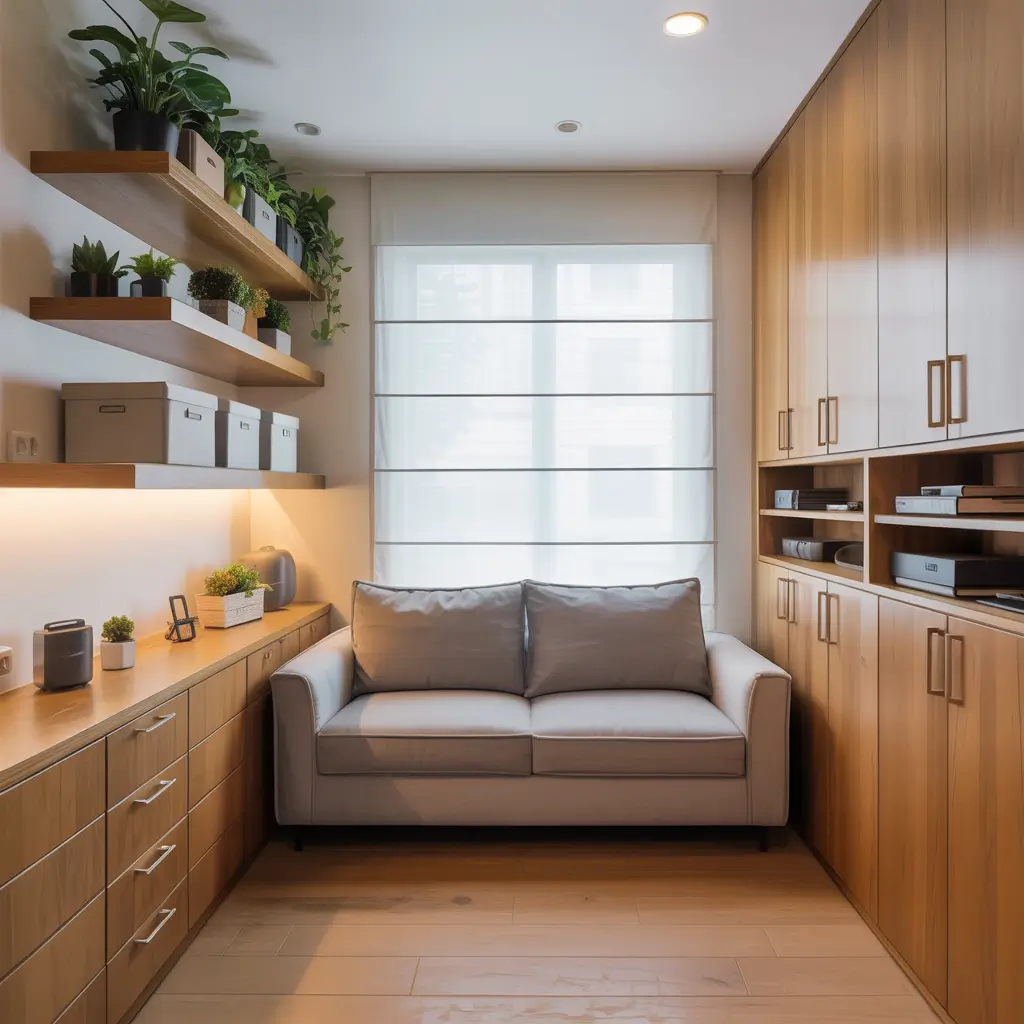
Storage in small apartments requires thinking in three dimensions – up, down, and in places you didn’t realize existed. I’ve found storage spots that would make a Tetris champion proud. The wall space above my sofa holds floating shelves storing books and plants. Vertical storage changed everything when I finally looked up instead of just around.
Under-furniture storage is criminally underutilized. I bought bed risers (yes, for my sofa) to lift it four inches, then slid flat storage bins underneath. Those bins hold seasonal decorations, extra linens, and stuff I need but don’t use daily. Nobody sees them, but I know they’re holding probably 20% of my belongings.
Behind-the-sofa storage works brilliantly if you float your furniture. I built a narrow console table (just 10 inches deep) that sits behind my sofa against the wall. It holds lamps, books, and decorative items while hiding baskets of random stuff below. FYI, this setup added storage without taking any floor space from the walking area. 🙂
Creative Storage Spots
Look for these hidden opportunities:
- Vertical wall space with floating shelves
- Under furniture with risers
- Behind sofas with console tables
- Inside ottomans and coffee tables
- Over doorways with shelving
Also Read: 10 Creative Apartment Living Room Ideas for Renters
4. Bright and Airy Apartment Layouts
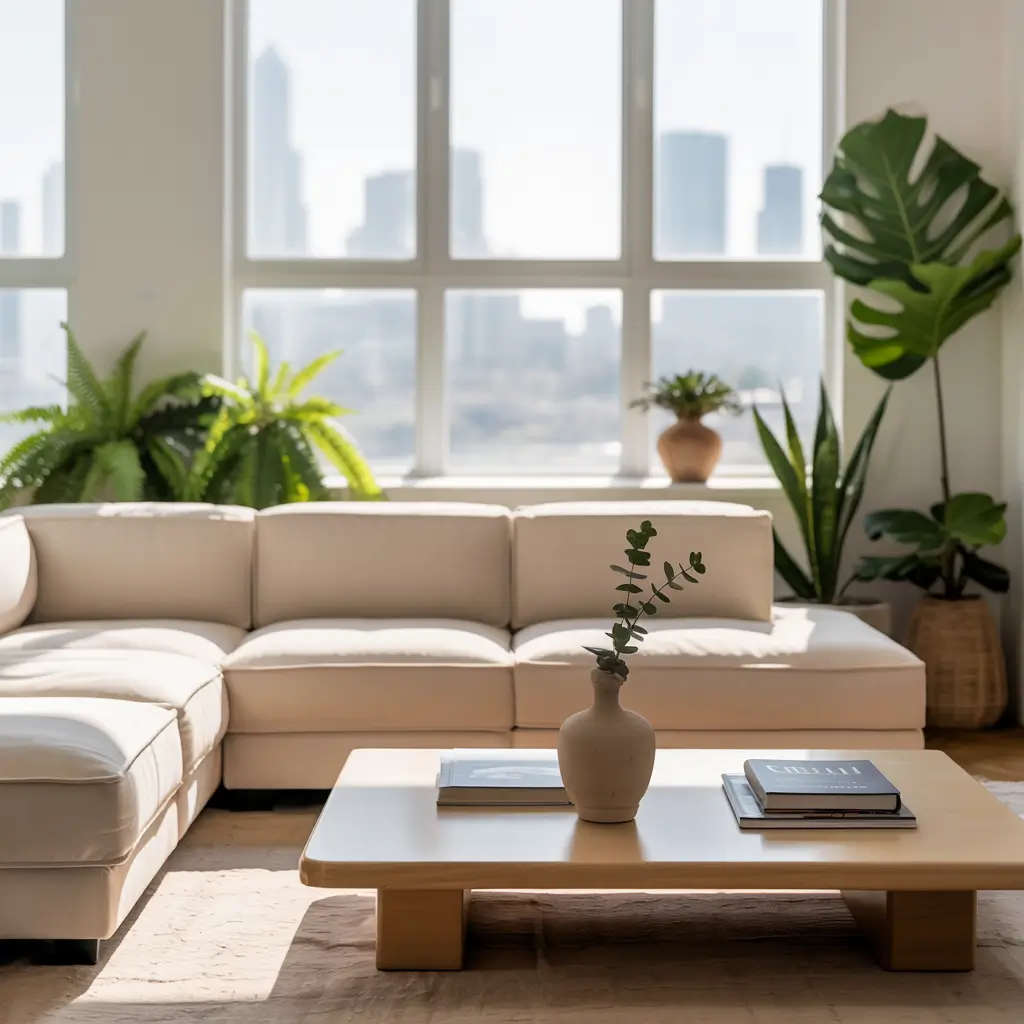
Light makes small spaces feel exponentially larger, and I’ve become obsessed with maximizing every photon that enters my apartment. My living room faces north (worst case scenario for natural light), but strategic choices make it feel bright anyway. Light colors and reflective surfaces work miracles in dark, small spaces.
I painted everything white – walls, ceiling, trim, even the radiator I can’t remove. The monochromatic approach eliminates visual breaks that make spaces feel smaller. Added a huge mirror opposite my only window, effectively doubling the natural light. The mirror cost $60 at IKEA but makes a bigger difference than any expensive renovation could.
Keep window treatments minimal to maximize light. I hung sheer white curtains that provide privacy without blocking sunshine. Heavy drapes made my apartment feel like a cave – learned that lesson the hard way. Natural light is free and makes everything look better, including your furniture and your face on Zoom calls.
5. Stylish Foldable Furniture Ideas
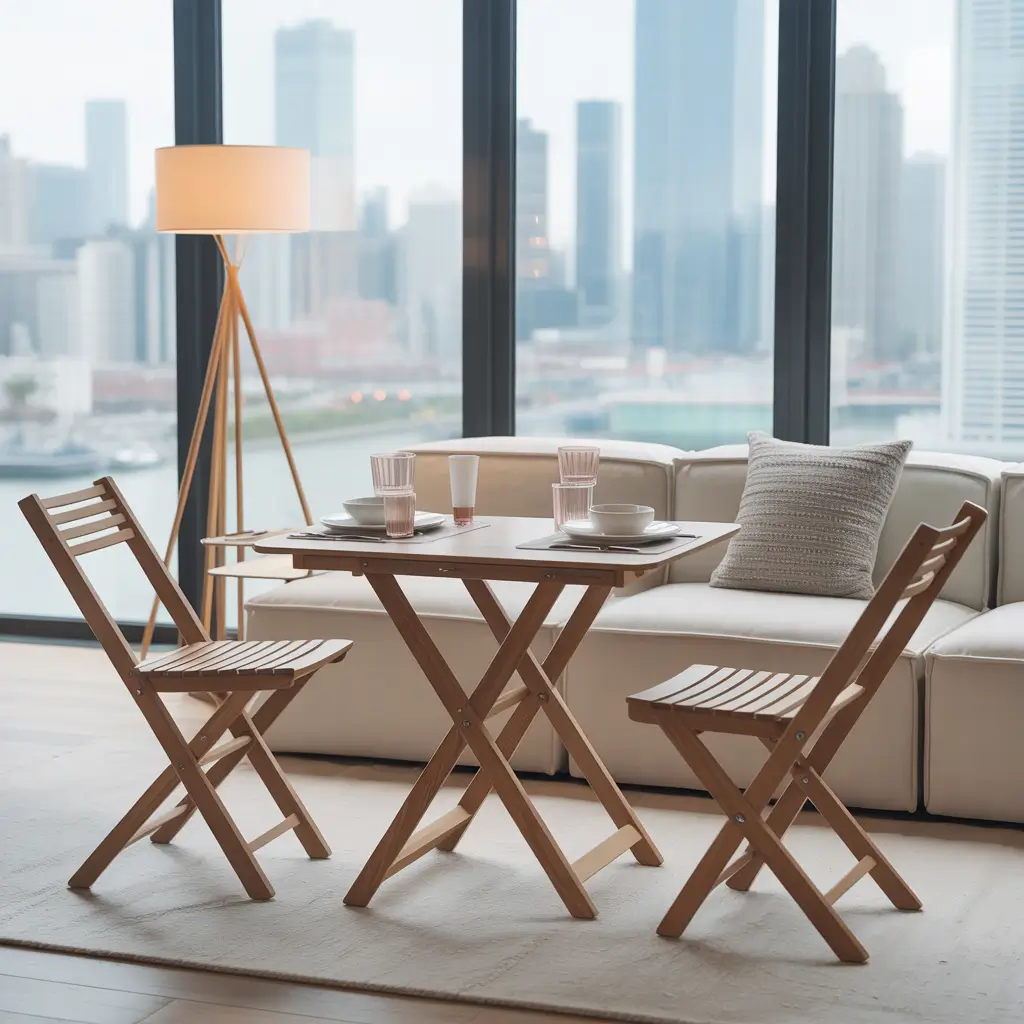
Foldable furniture sounds cheap and temporary, but modern options look surprisingly sophisticated. I bought folding chairs that actually match my decor (miracle!) and store them in my coat closet. When friends visit, I pull them out and suddenly have seating for six instead of two. The flexibility makes small spaces work for different situations.
My dining setup consists of a wall-mounted drop-leaf table that folds completely flat when not in use. Meal prep? Fold it down. Done eating? Fold it up. This gives me an extra 6 square feet of floor space most of the time, which matters enormously in my tiny layout.
Look for folding pieces that don’t scream “I’m temporary furniture!” I found a folding bar cart that looks like regular furniture but collapses to 6 inches wide. It holds drinks when I’m entertaining, craft supplies when I’m creating, and folds against the wall when I need floor space. The versatility justifies the $80 I spent on it.
Foldable Furniture Winners
These pieces actually work:
- Wall-mounted drop-leaf tables
- Folding chairs that look intentional
- Collapsible bar carts
- Nesting side tables
- Murphy desks that fold up
6. Creative Wall-Mounted Decor

Wall mounting everything possible freed up so much floor and surface space that I actually did a happy dance. My TV mounts to the wall (obviously), but so does my WiFi router, my plants in hanging planters, my shelving, and even my side table. Getting furniture off the floor creates visual space that makes rooms feel less cramped.
I installed a wall-mounted desk that folds down for working and folds up completely flat when I’m done. This replaced a bulky desk that dominated my living room and made walking through it annoying. The fold-down version cost $120 and literally gave me back 8 square feet of living space.
Picture ledges instead of individual frame hooks let me change artwork easily without adding more holes to my rental walls. I mounted two ledges and swap photos seasonally – way easier than rehanging frames constantly. The ledges also display plants and small decorative items without requiring surface space on my limited furniture.
Also Read: 15 Stunning Apartment Living Room Inspiration Ideas for Cozy Spaces
7. Compact Living Room Layouts
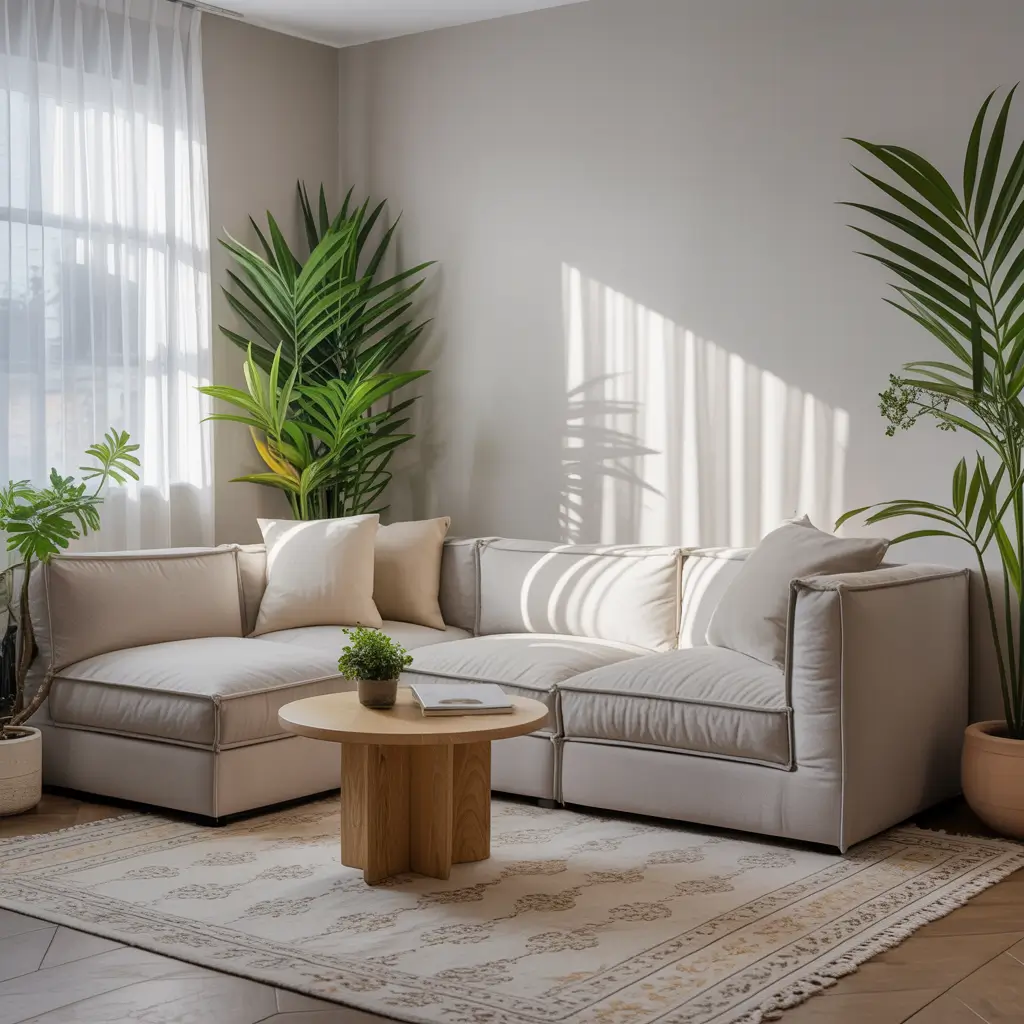
Layout makes or breaks small living rooms, and I’ve rearranged mine probably 30 times trying to find the optimal configuration. Floating furniture away from walls feels counterintuitive in small spaces, but it actually works better than pushing everything against the perimeter. Creating defined zones makes one room feel like multiple spaces.
I positioned my sofa perpendicular to the longest wall instead of against it. This created a living area on one side and a workspace/dining area on the other. Using the sofa as a room divider gave me two functional zones in 180 square feet – basically magic.
Leave at least 18 inches for walkways, or you’ll develop bruises from constantly bumping into furniture (speaking from painful experience). I measured everything with painter’s tape on the floor before committing to a layout. This simple step saved me from three terrible furniture arrangement decisions. :/
Layout Rules for Small Spaces
Follow these guidelines:
- Float furniture to create zones
- Maintain 18+ inch walkways
- Position largest piece first
- Use area rugs to define spaces
- Keep sight lines clear to windows
8. Budget-Friendly Apartment Makeovers
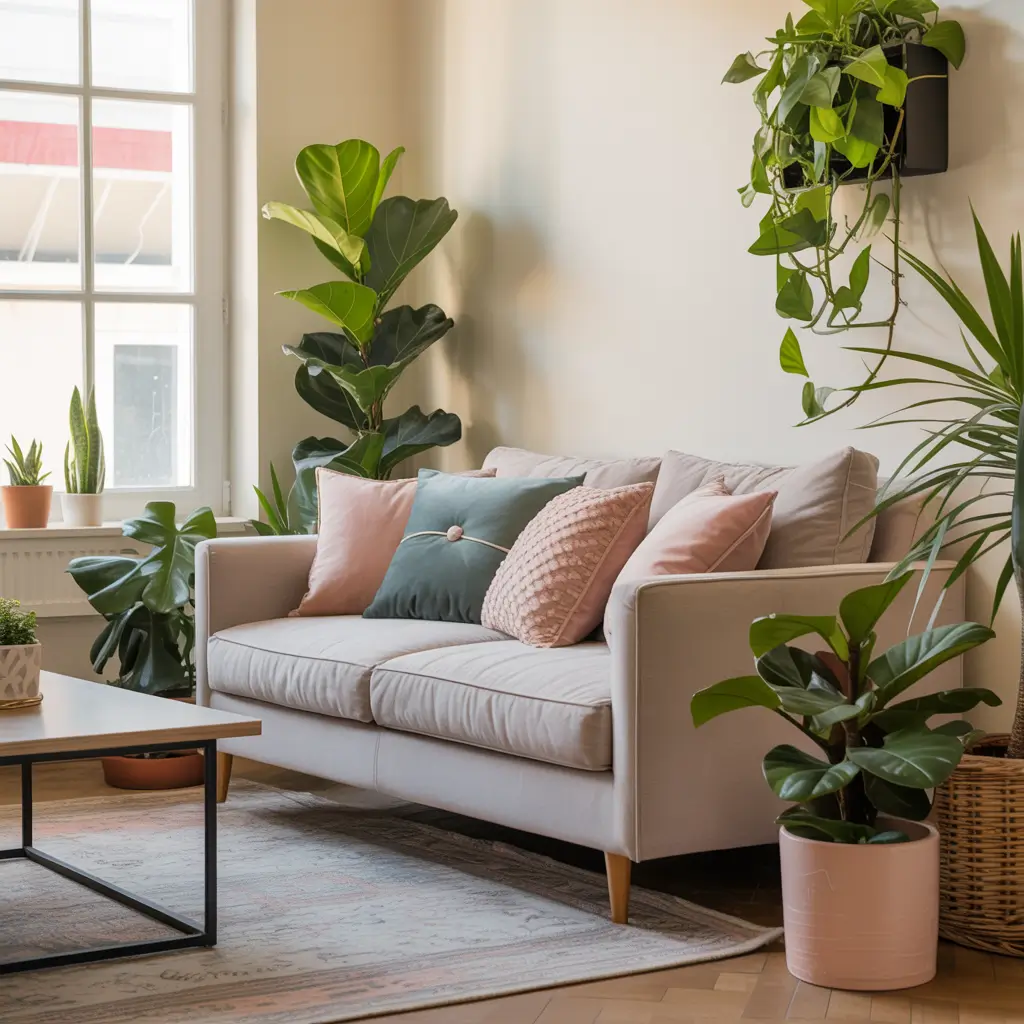
Small apartment makeovers don’t require trust funds – they require creativity and thrift store patience. I’ve transformed my living room three times for under $300 each time by shopping smart and DIY-ing what I could. Paint and rearrangement create more impact than expensive new furniture.
Thrift stores and Facebook Marketplace are absolute goldmines if you’re patient. I found my favorite leather chair for $50 because it had a tiny stain that leather cleaner removed in five minutes. That same chair retails for $600 new. I’ve furnished entire living rooms for less than one new sofa costs by hunting secondhand first.
Paint transforms everything cheaply. I’ve painted thrifted furniture, accent walls (with landlord permission), even picture frames to create cohesive looks. My emerald green bookshelf started life as a $20 laminate disaster – $8 worth of paint made it look custom. DIY beats buying new almost every time when budgets are tight.
9. Space-Saving Seating Arrangements
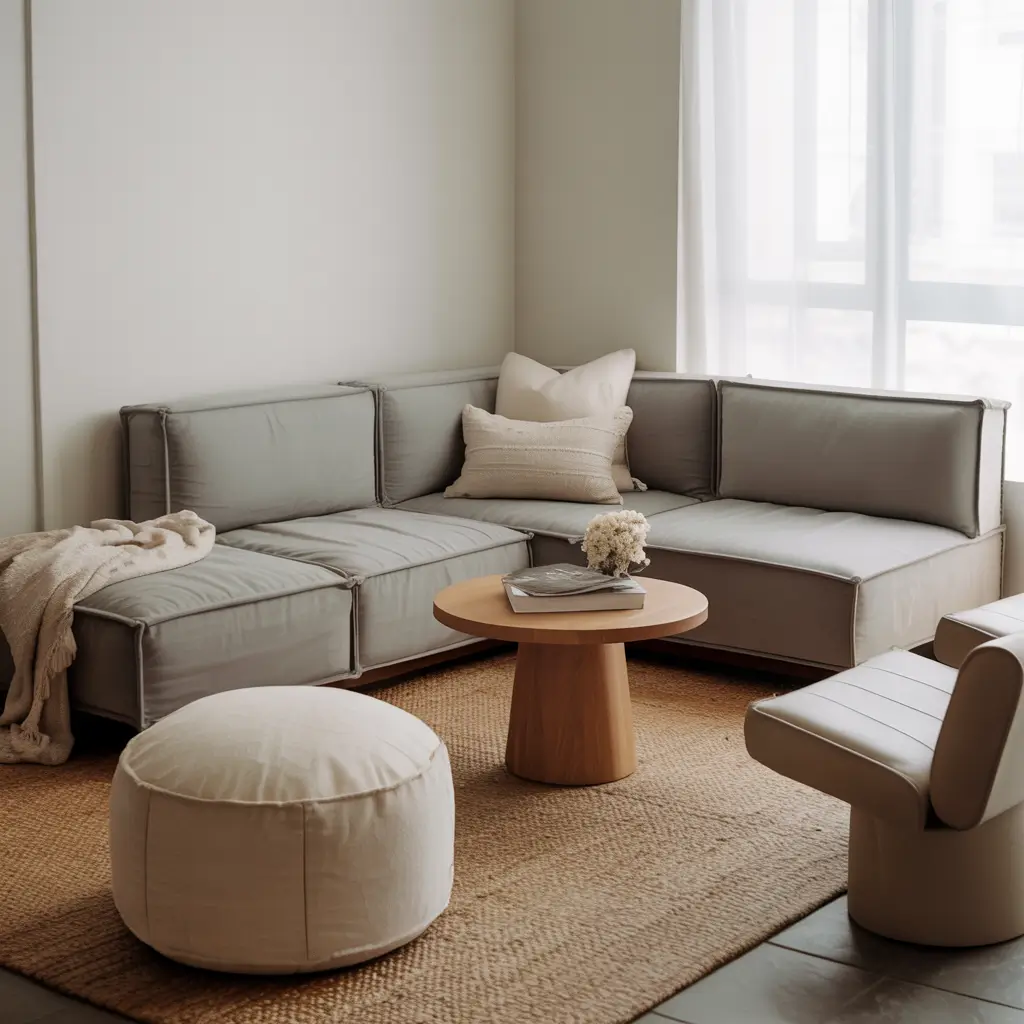
Seating in small living rooms requires strategic thinking about who actually uses your space. I live alone but occasionally have guests, so I optimized for solo comfort with expansion options. My main sofa seats two comfortably, but I keep floor cushions and a folding chair for the rare times I host more people. Design for your reality, not imaginary entertaining scenarios.
Armless chairs and sofas take up less visual and physical space than traditional options. I swapped my overstuffed armchair for a sleek armless accent chair and gained probably 8 inches of floor space. The armless version looks more modern anyway, so bonus style points.
Consider backless seating like ottomans and benches that tuck under tables when not needed. I have a small bench that slides perfectly under my console table – invisible when stored, seating when needed. This flexibility lets me adapt my living room to different situations without permanent furniture crowding the space.
Seating Solutions That Work
Maximize seats without bulk:
- Armless chairs and sofas
- Floor cushions for extra guests
- Ottomans that store and seat
- Folding chairs in closets
- Benches that tuck under tables
Also Read: 15 Fun Apartment Decorating Living Room Ideas for Perfect Vibes
10. Small Living Room Color Schemes

Color choice dramatically affects how large or small your living room feels. I learned this after painting an accent wall dark navy in my first apartment – the room immediately felt 30% smaller. Now I stick to light, cool colors for walls and large furniture because light tones reflect more light and recede visually.
My current color scheme layers various whites, creams, and light grays with touches of sage green. The monochromatic approach means your eye travels smoothly around the room instead of stopping at contrasting colors. This smooth flow creates perceived space that doesn’t actually exist.
Add personality through easily changeable accent colors in pillows, throws, and art. I rotate seasonal colors this way – coral in summer, burgundy in fall – without repainting or replacing furniture. Keeping the base neutral gives you flexibility to change vibes without expensive overhauls.
11. Tiny Apartment Lighting Tricks
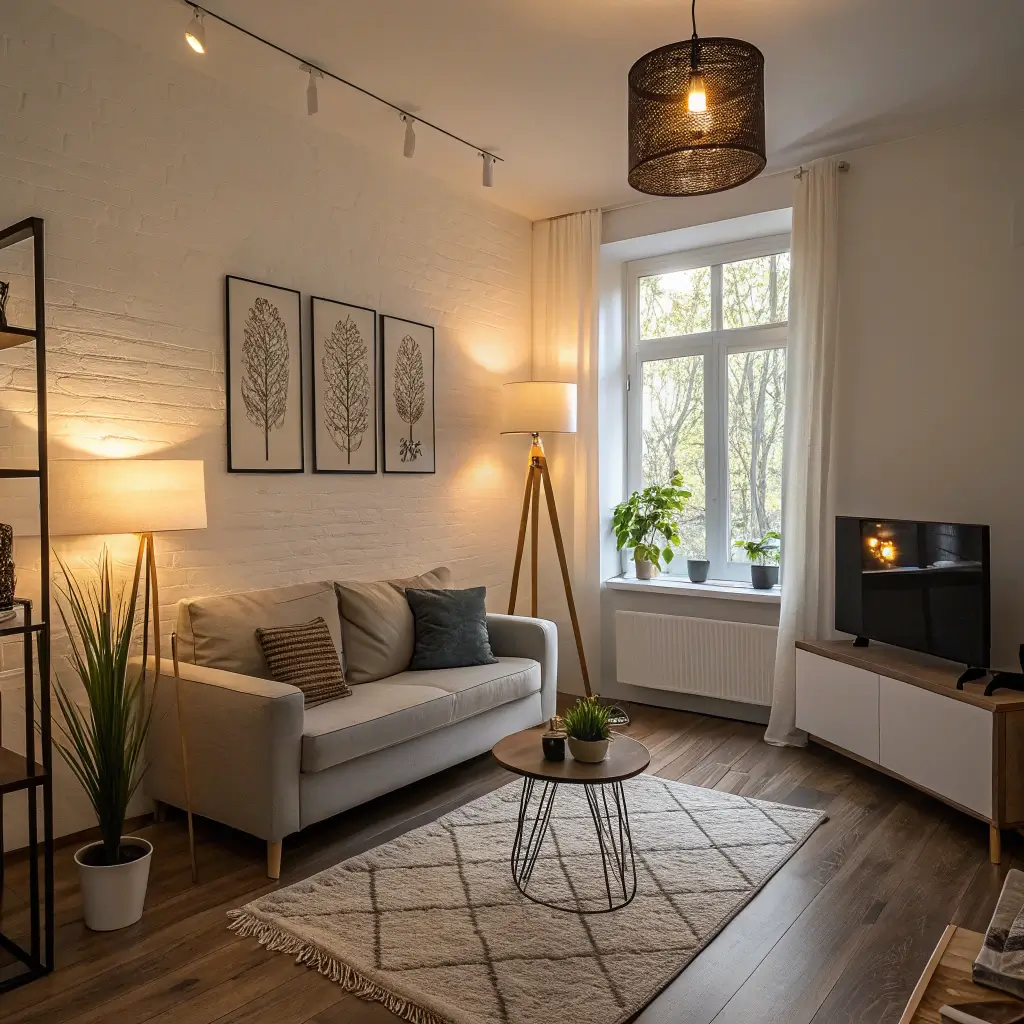
Lighting transformed my dark, cramped apartment into something that feels almost spacious. I layer multiple light sources instead of relying on one overhead fixture, and the difference is honestly shocking. Good lighting makes cheap furniture look expensive and small rooms feel larger.
My living room has five different light sources: one overhead pendant, two floor lamps, one table lamp, and LED strips behind the TV. Each serves different purposes and creates different moods depending on which combination I use. Dimmers on everything let me adjust brightness for activities – bright for cleaning, dim for Netflix marathons.
Maximize natural light by keeping windows clear and using mirrors strategically. I positioned mirrors to reflect window light deeper into my apartment. The biggest lighting upgrade? Swapping all bulbs to warm white LEDs (2700K) that make everything look cozy instead of the harsh cool white bulbs that came with the place. IMO, bulb temperature matters more than fixture style.
Lighting Layer Strategy
Build proper lighting with:
- Overhead ambient lighting
- Task lighting (floor/table lamps)
- Accent lighting (LED strips)
- Dimmers for mood control
- Warm white bulbs (2700-3000K)
12. Multi-Purpose Living Room Designs
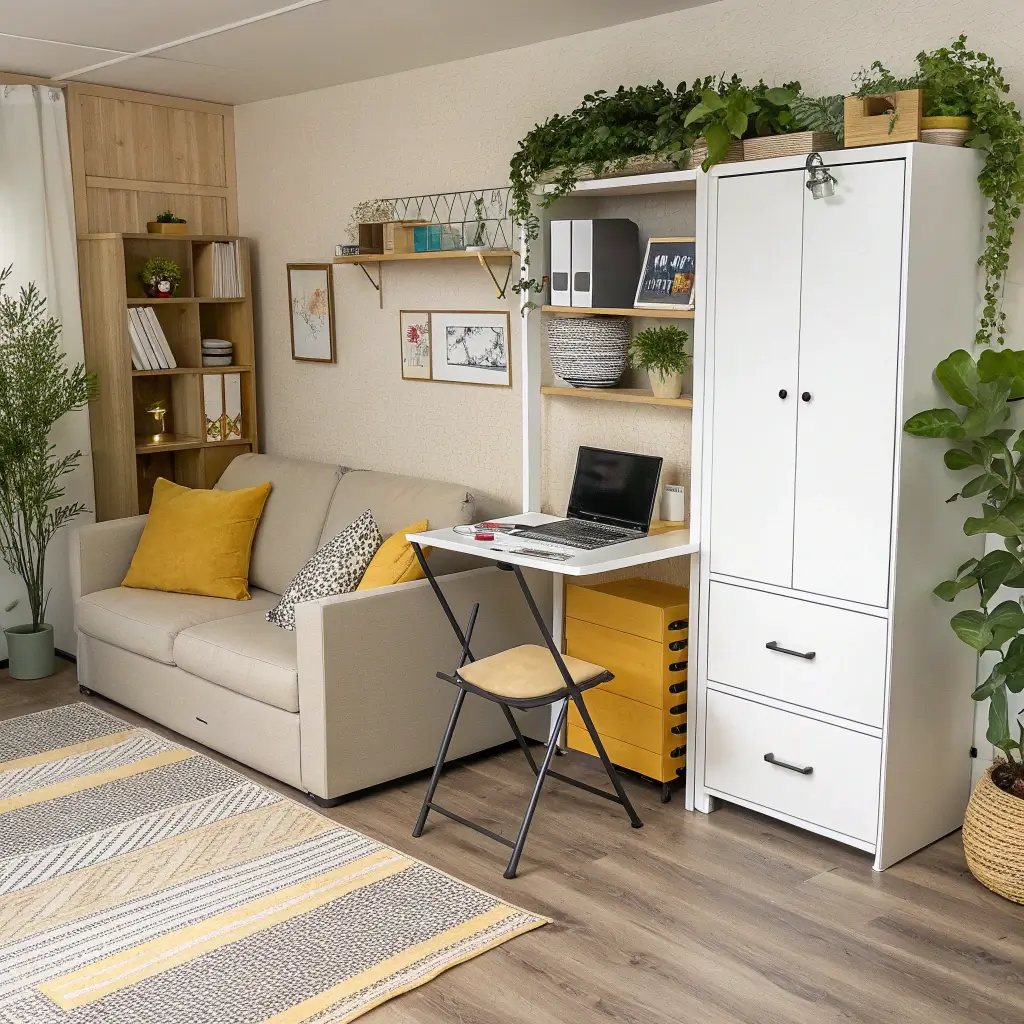
Multi-purpose design acknowledges reality – small apartment living rooms serve as entertainment centers, dining rooms, home offices, and guest bedrooms all at once. I stopped fighting this and embraced furniture and layouts that adapt to different needs throughout the day. Flexibility beats single-purpose design in small spaces.
My living room transforms based on what I’m doing. The coffee table lifts for dining and working. The sofa converts to a bed for guests. The wall desk folds down for laptop work and folds up for floor space. Each element adapts instead of staying static, which lets me use 180 square feet as effectively as others use 400.
Create zones for different activities even in tiny spaces. My workspace occupies one corner with a fold-down desk and task lighting. The entertainment area centers around the TV. The “dining room” is wherever I position my lift-top table. These zones overlap physically but feel separate mentally, making my one room function as three.
Creating Your Perfect Small Apartment Living Room
After exploring all these ideas, you’re probably ready to start rearranging furniture and measuring your walls for floating shelves.
Here’s my honest advice from years of small-space living: start with purging before buying anything new. Half your storage problems disappear when you eliminate stuff you don’t actually need or love.
Small apartment living rooms demand intentionality that bigger spaces don’t require. Every piece of furniture, every decorative object, every color choice needs to earn its place.
This sounds restrictive, but it’s actually freeing – you end up with a carefully curated space instead of random accumulation.
Remember that perfect Instagram living rooms don’t show you real life.
My living room looks great in photos, but I also actually live here – there’s usually a blanket on the sofa, yesterday’s coffee mug on the table, and my cat occupying the best seat.
Functional beauty beats sterile perfection every time.
Budget matters less than creativity in small spaces. Some of my best solutions cost nothing – rearranging furniture, using what I already owned differently, borrowing ideas from hotel rooms.
Before buying anything, measure everything twice, map it out with painter’s tape, and make sure it genuinely solves a problem.