12 Unique Safety Door Design Entrance Ideas for Every Style
- Door Design
 Ben
Ben- 0
- 43 minutes read
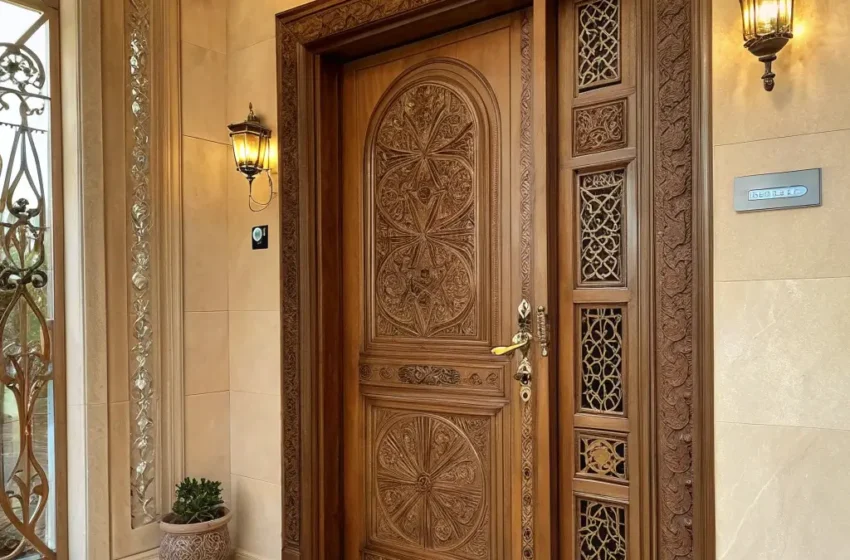
Let’s face it—your front door is basically the bouncer of your home, and most of us are working with the equivalent of a sleepy mall security guard.
While we obsess over smart home gadgets and alarm systems, we forget that a solid safety door is your first and best line of defense against both unwanted visitors and the occasional toddler escape artist.
I learned this lesson the hard way when my neighbor’s place got broken into through their flimsy front door. The thief literally kicked it in like something out of an action movie, except way less cool and way more expensive to fix.
That incident sent me down a rabbit hole of safety door designs, and now I’m that person who gets weirdly excited about reinforced strike plates and multi-point locking systems.
Whether you’re protecting your family, your vintage sneaker collection, or just want to sleep better at night, these twelve safety door design ideas will transform your entrance from vulnerable to virtually impenetrable—without making your home look like a maximum-security prison.
Smart Lock Security Door
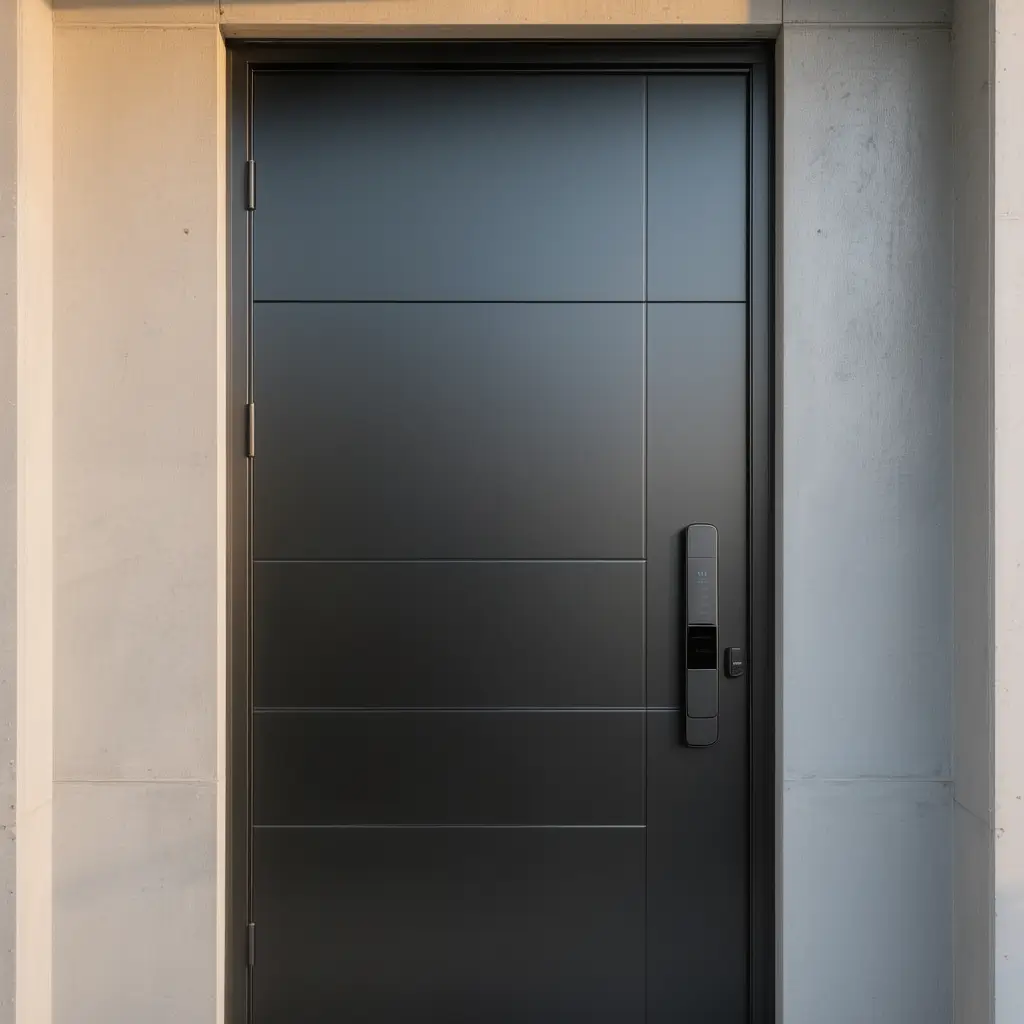
Smart locks have revolutionized home security, turning your entrance into something that feels straight out of a sci-fi movie. These high-tech doors combine traditional security with modern convenience, because who has time to fumble with keys when you’re carrying groceries?
The Tech That Changes Everything
Smart lock doors integrate technology that makes old-school locks look prehistoric. You can unlock your door with your phone, fingerprint, or even facial recognition. Some systems let you create temporary codes for guests or service people, then delete them when they’re done. It’s basically having a digital doorman who never takes coffee breaks.
I installed a smart lock system last year, and the peace of mind is incredible. I get notifications when anyone enters, can let in the dog walker remotely, and never worry about whether I locked the door—I just check my app. Plus, no more hiding spare keys under fake rocks that fool absolutely nobody.
Security Features That Matter
Modern smart lock doors offer features that traditional locks can’t touch:
- Automatic locking: Doors that lock themselves after closing
- Tamper alerts: Notifications if someone tries to break in
- Activity logs: Complete history of who entered and when
- Remote access: Lock or unlock from anywhere
- Integration: Works with home security systems
Choosing the Right Smart System
Not all smart locks are created equal. Look for doors with backup power options (dead batteries shouldn’t lock you out), encrypted communication to prevent hacking, and weatherproof construction for outdoor installation. The best systems combine electronic security with physical reinforcement—smart tech won’t help if someone can just kick your door in.
Reinforced Steel Frame Entry Door
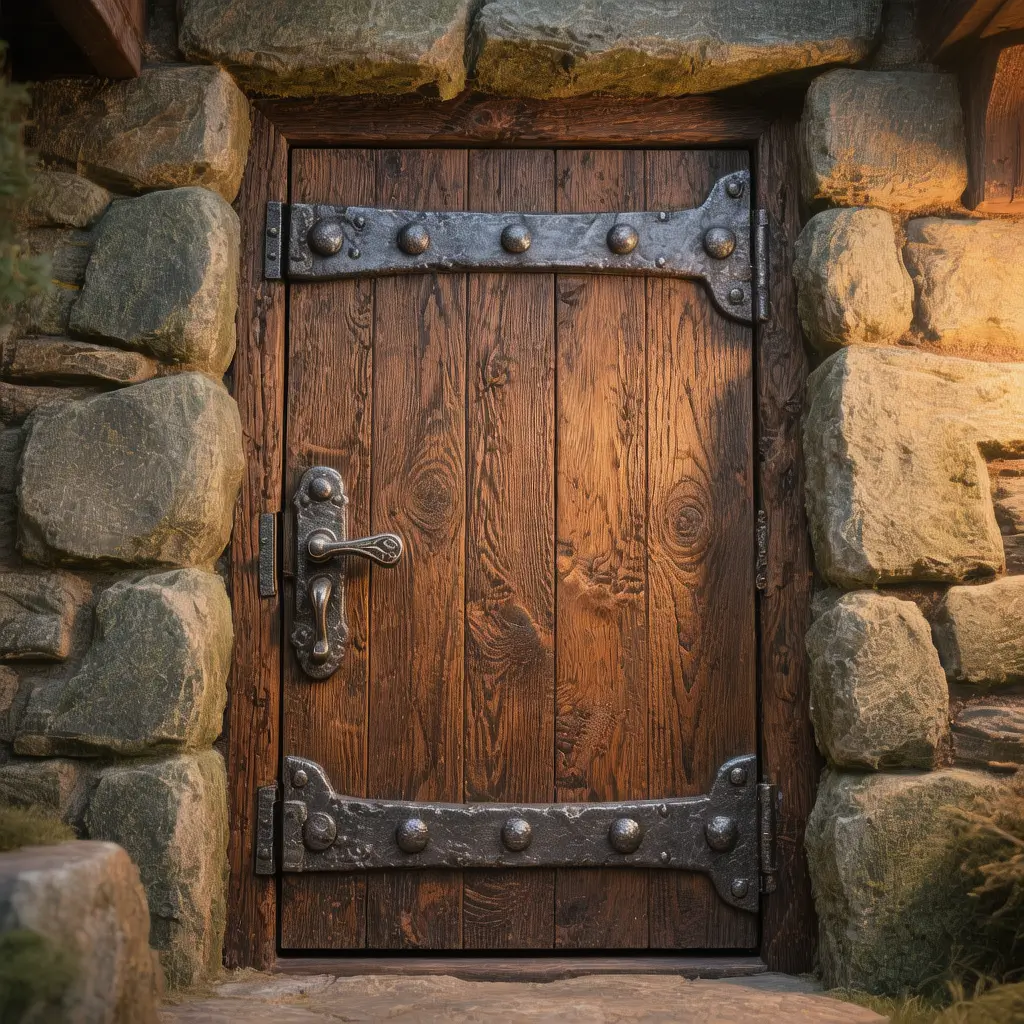
Steel frame doors are the bodybuilders of the door world—intimidating, incredibly strong, and surprisingly good-looking when designed right. These doors laugh at attempted break-ins while still managing to look stylish.
Why Steel Beats Everything Else
Steel doors offer strength that wood and fiberglass can’t match. They resist warping, won’t crack under pressure, and make forced entry extremely difficult. A quality steel door can withstand serious abuse—we’re talking sledgehammer-level attacks that would demolish other materials.
My sister upgraded to a steel frame door after a attempted break-in, and the installer demonstrated its strength by literally trying to kick it in (with permission, obviously). The door didn’t even flex. That’s the kind of confidence steel brings to your entrance.
Design Options Beyond Industrial
Modern steel doors have evolved beyond the prison-door aesthetic:
- Wood-grain textures: Steel that looks like expensive hardwood
- Custom colors: Powder-coated finishes in any shade
- Glass inserts: Combining strength with natural light
- Decorative panels: Adding style without sacrificing security
- Smart integration: Built-in spaces for electronic locks
Installation Considerations
Steel doors require proper installation to maximize security. The frame must be properly anchored to the structure, weatherstripping needs careful attention to prevent drafts, and the weight requires heavy-duty hinges. Professional installation usually pays for itself through proper function and longevity.
Multi-Point Locking System Door
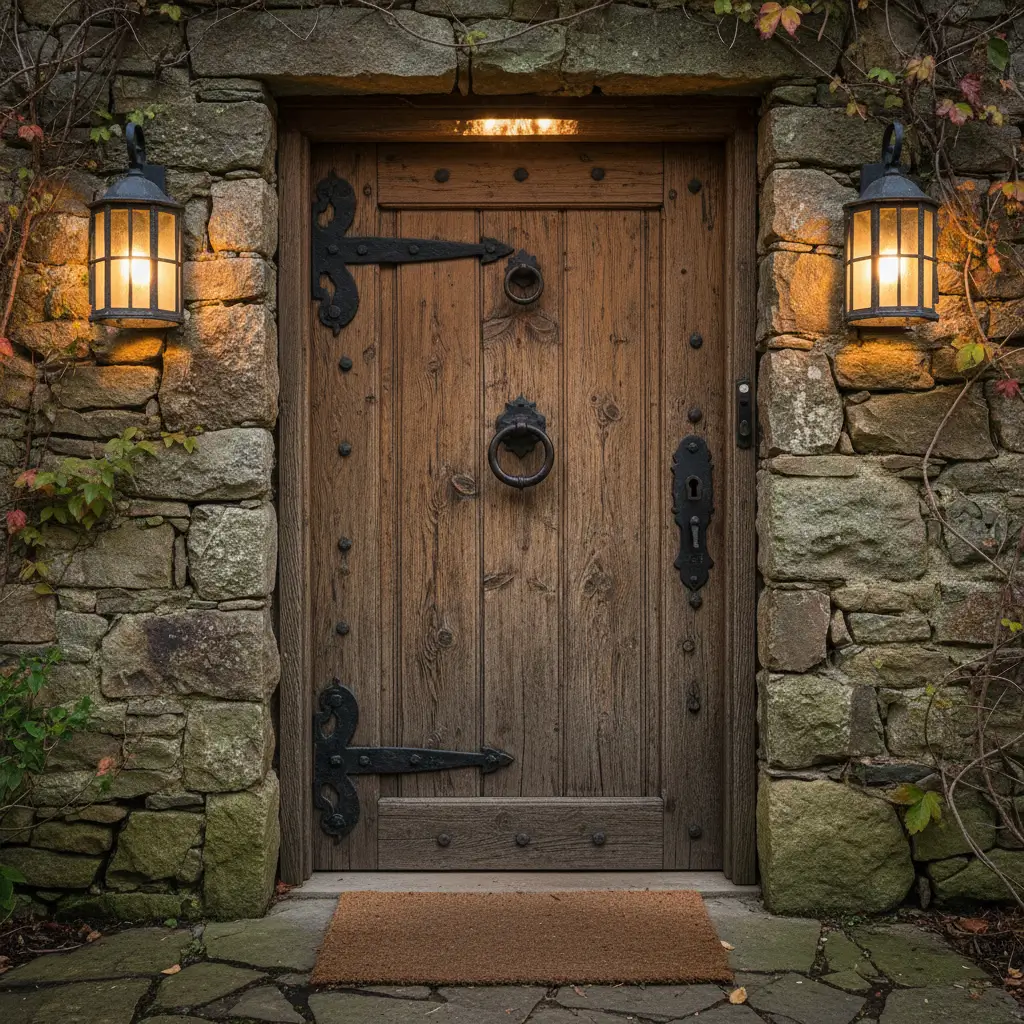
Multi-point locking doors are overachievers in the best way possible. Instead of one measly lock, these doors secure at multiple points along the frame, making forced entry about as likely as winning the lottery (but way less fun).
How Multi-Point Systems Work
Traditional doors lock at one point—usually around handle height. Multi-point systems engage locks at the top, middle, and bottom of the door simultaneously. Turn the handle or key once, and boom—your door becomes Fort Knox. It’s seriously satisfying to hear all those bolts slide into place.
I upgraded to multi-point locking after watching a security demonstration where they tried to break into different door types. The single-lock door failed in seconds. The multi-point door? Still standing strong after five minutes of aggressive attempts. Sold.
Types of Multi-Point Mechanisms
Different systems offer various locking configurations:
- Three-point: Locks at top, middle, and bottom
- Five-point: Adds side bolts for extra security
- Hook bolts: Prevents door from being lifted off hinges
- Shoot bolts: Extends into frame for deeper engagement
- Automatic locking: Engages when door closes
Benefits Beyond Security
Multi-point locking offers unexpected advantages. The multiple contact points create better weather sealing, reducing drafts and energy costs. They also distribute force evenly, reducing wear on the door and frame. Plus, they eliminate that annoying door rattle during windy days.
Also Read: 10 Stylish Wooden Door Design Ideas You’ll Want to Save
Security Door with Video Intercom
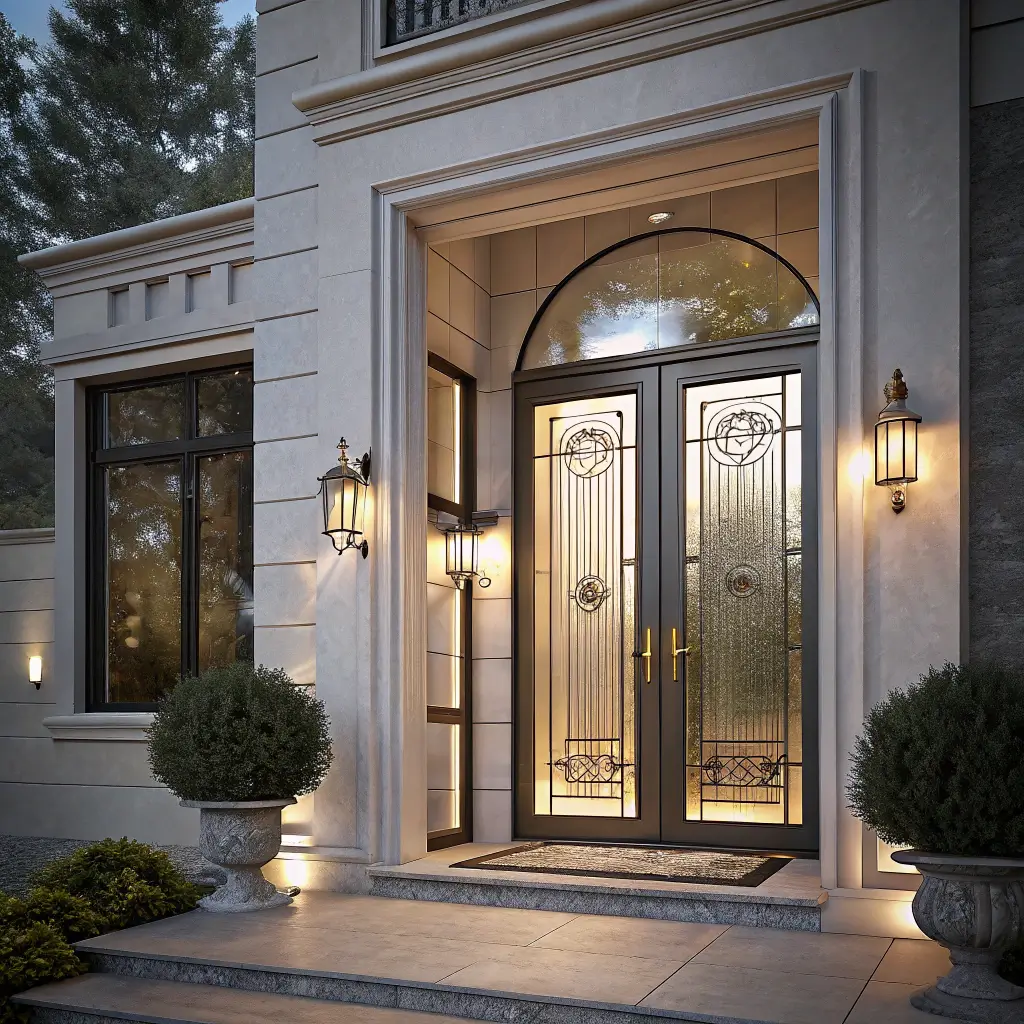
Video intercom doors combine physical security with visual verification, letting you screen visitors like a celebrity avoiding paparazzi. These systems have become surprisingly affordable and incredibly effective.
The Power of Seeing Who’s There
Video intercoms eliminate the guess-who game at your door. You can see visitors clearly, talk to them without opening the door, and record interactions for later review. It’s particularly useful for dealing with solicitors, package deliveries, or checking who’s at the door late at night.
My elderly parents installed a video intercom door, and it’s been a game-changer. They can verify visitors without getting up, communicate with delivery people safely, and even check the entrance remotely through their phones. FYI, it’s also great for avoiding those neighbors who always want to “borrow” things :/
Features That Make a Difference
Modern video intercom systems include:
- Night vision: Clear images even in darkness
- Two-way audio: Conversation without opening
- Motion detection: Alerts before doorbell rings
- Cloud storage: Saves recordings for review
- Smart home integration: Works with existing systems
Installation and Connectivity
Video intercom doors need proper power supply and internet connection for full functionality. Hardwired systems offer reliability, while wireless options provide flexibility. Consider camera placement for optimal viewing angles and ensure weather-resistant construction for outdoor use.
Impact-Resistant Glass Panel Door
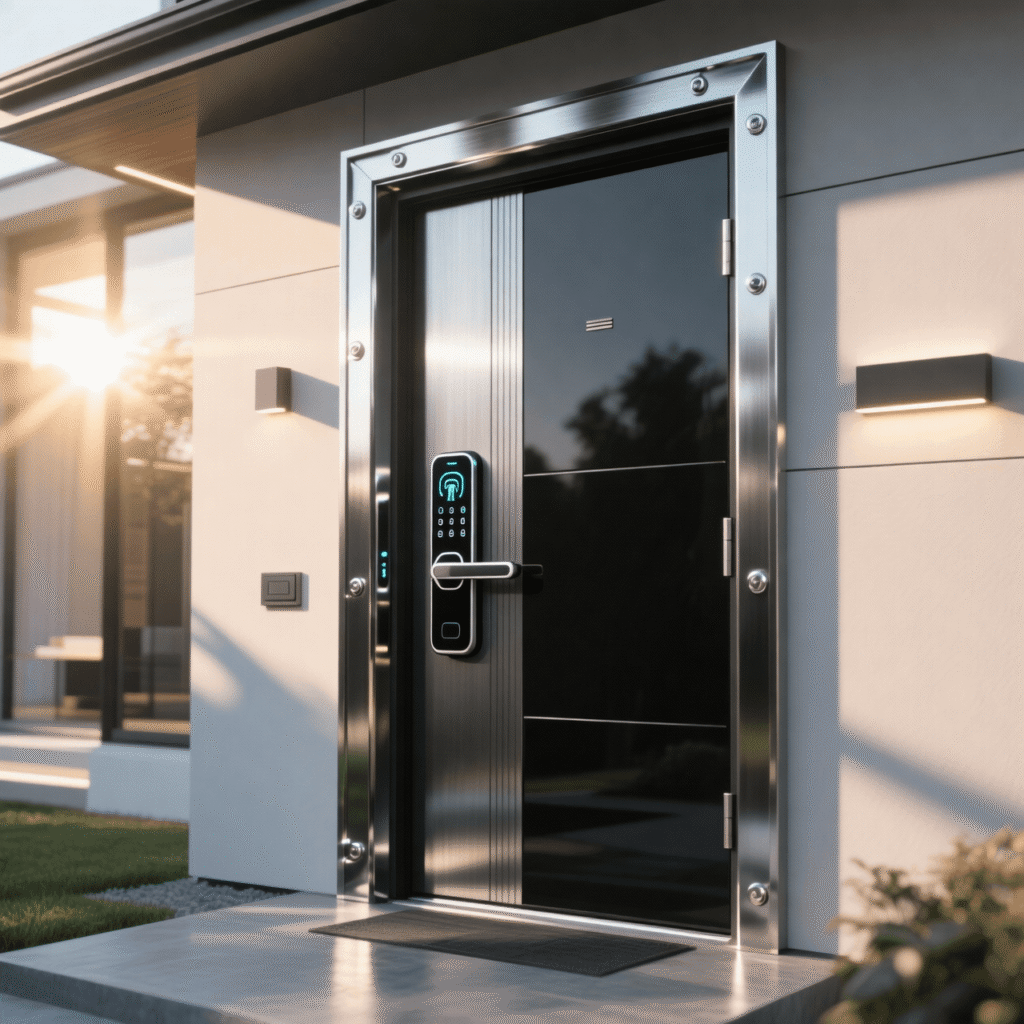
Who says safety doors can’t have glass? Impact-resistant glass doors provide natural light and visibility while maintaining serious security. These aren’t your typical glass doors—they’re engineered to withstand everything from hurricanes to hammer attacks.
The Science Behind the Strength
Impact-resistant glass uses multiple layers laminated together with special polymers. When struck, the glass might crack but won’t shatter or create an opening. It’s the same technology used in car windshields and hurricane windows, proven to withstand serious abuse.
I watched a demonstration where they hit impact-resistant glass with a baseball bat repeatedly. The glass spider-webbed but stayed intact, maintaining the barrier. Regular glass would’ve been in pieces after the first swing.
Design Flexibility
Impact-resistant glass doors offer surprising variety:
- Clear views: Maximum visibility and light
- Frosted options: Privacy with security
- Decorative patterns: Etched or textured designs
- Tinted glass: Sun protection and privacy
- Multiple panels: Combining fixed and operable sections
Beyond Break-In Protection
These doors offer benefits beyond security. They provide excellent sound insulation, UV protection for furniture and flooring, and energy efficiency through proper glazing. In storm-prone areas, they might even lower your insurance premiums.
Biometric Access Control Door
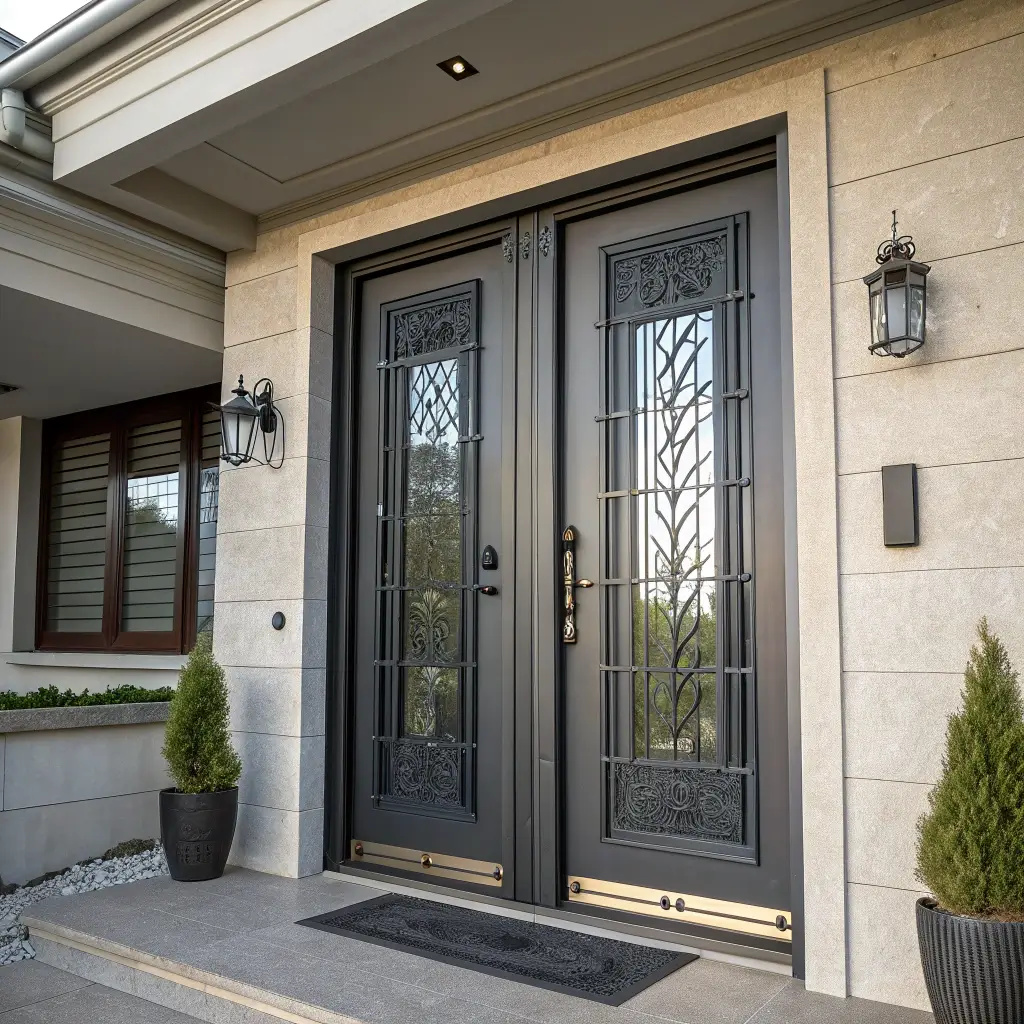
Biometric doors sound like something from a spy movie, but they’re becoming surprisingly common in residential applications. Your body becomes the key—no more lost keys or forgotten codes.
Types of Biometric Systems
Different biometric methods offer various security levels:
- Fingerprint scanners: Most common and affordable
- Facial recognition: Contactless and convenient
- Iris scanning: Extremely secure but pricey
- Palm readers: Good for dirty or damaged fingers
- Voice recognition: Hands-free operation
Real-World Performance
I installed a fingerprint scanner door at my home office, and it’s been fantastic. No more hiding keys or sharing codes—just touch and enter. The system recognizes authorized users instantly while keeping everyone else out. It even works when my hands are slightly wet or dirty, though extreme conditions can cause issues.
Backup Access Methods
Smart biometric doors always include backup entry methods. Battery backup prevents power outage lockouts, mechanical key override provides emergency access, and temporary codes allow guest entry. Never rely solely on biometric access—technology fails, and you don’t want to be locked out because the scanner doesn’t like your winter gloves.
Also Read: 10 Chic Sliding Door Design Ideas for Contemporary Rooms
Solid Core Wood Security Door
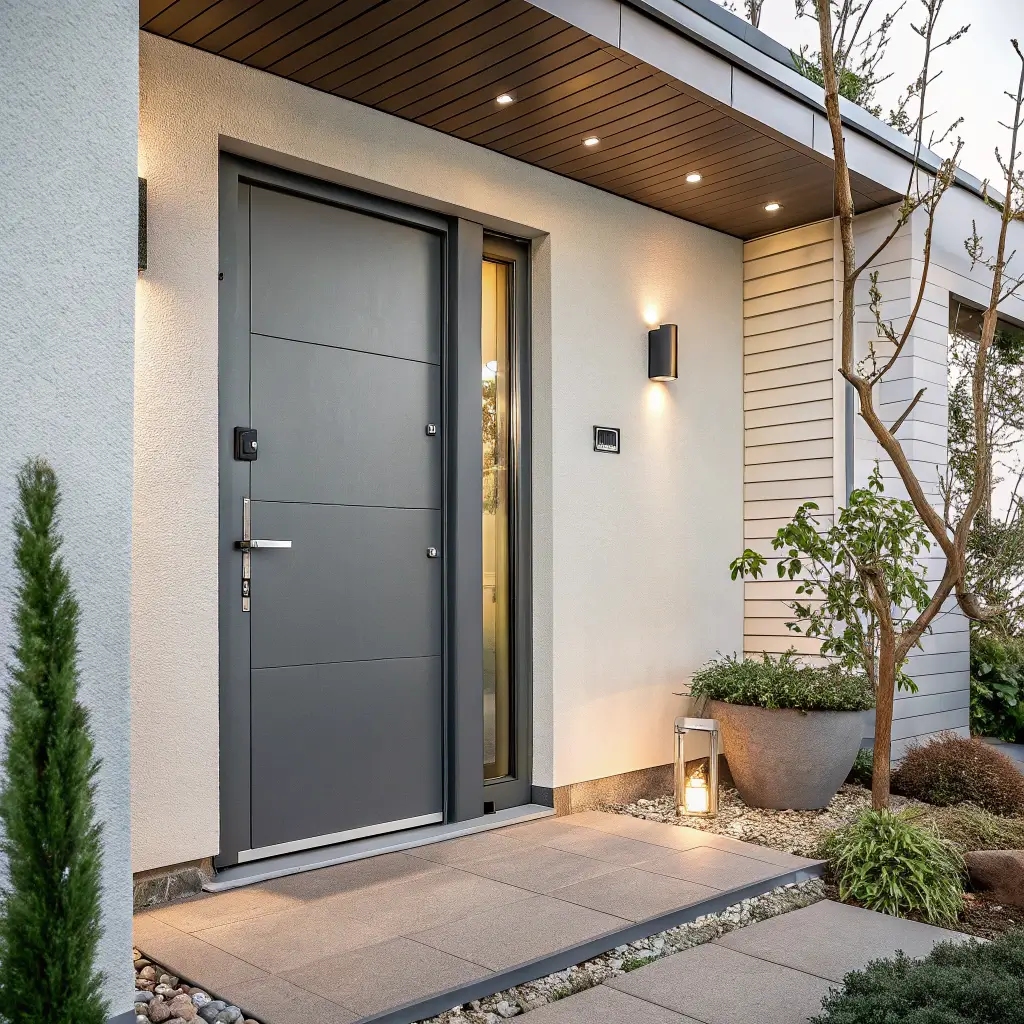
Solid core wood doors prove that traditional materials can offer serious security. These hefty doors combine classic aesthetics with substantial protection, perfect for those who want security without the industrial look.
Not Your Average Wooden Door
Solid core doors contain dense material throughout—no hollow spaces for easy breakthrough. They typically weigh 50-100% more than hollow doors, resist fire better than most materials, and provide excellent sound insulation. It’s old-school security that still works brilliantly.
My contractor friend always says, “You can tell a quality door by trying to lift it.” Solid core doors require two people to install properly because they’re so substantial. That weight translates directly to security.
Wood Options for Security
Different woods offer varying security levels:
- Oak: Extremely hard and durable
- Maple: Dense with tight grain
- Mahogany: Naturally resistant to splitting
- Ash: Strong and shock-resistant
- Composite cores: Engineered for maximum density
Reinforcement Strategies
Solid wood doors become even more secure with proper reinforcement. Add steel plates around lock areas, use longer screws into the frame, install reinforced strike plates, and consider decorative metal strapping. These additions maintain the wood aesthetic while boosting security significantly.
Decorative Security Grille Door
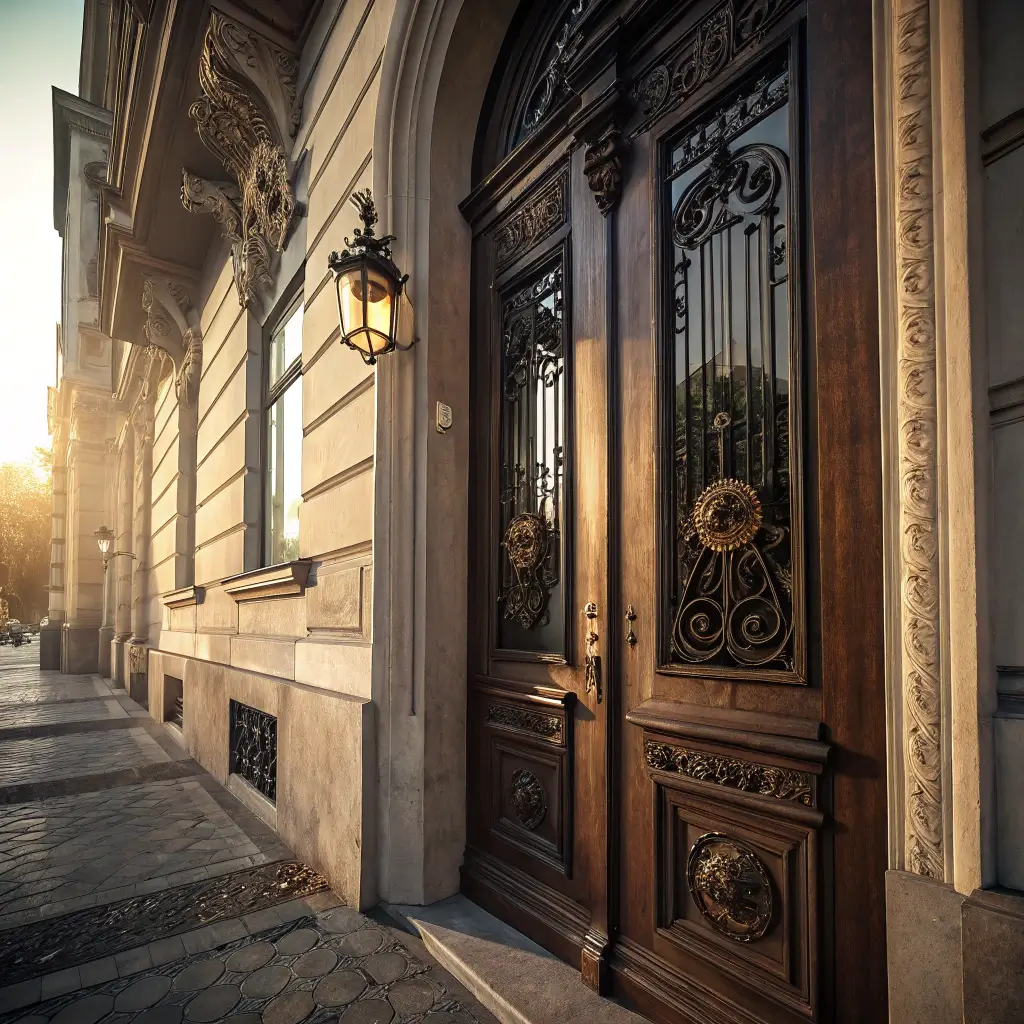
Security grille doors combine protection with curb appeal, proving that safety doesn’t mean sacrificing style. These artistic barriers add a decorative layer while seriously upgrading security.
Designs That Protect and Impress
Modern security grilles have evolved far beyond prison-bar aesthetics:
- Laser-cut patterns: Intricate designs impossible to replicate
- Traditional scrollwork: Classic elegance with strength
- Geometric patterns: Modern, clean lines
- Nature-inspired designs: Leaves, vines, and organic shapes
- Custom artwork: Personalized designs unique to your home
Materials and Finishes
Security grilles come in various materials, each with distinct advantages. Wrought iron offers traditional strength and beauty, steel provides maximum security at lower cost, and aluminum resists corrosion in coastal areas. Powder coating adds color and weather resistance while maintaining the decorative appeal.
I added a decorative grille door to my back entrance, and it’s become an unexpected focal point. Visitors always comment on the design, not realizing it’s actually a security feature. That’s the beauty of well-designed safety—it doesn’t look like safety.
Installation Flexibility
Grille doors work as primary doors, secondary barriers inside main doors, or removable seasonal additions. They’re particularly useful for allowing ventilation while maintaining security, perfect for temperate climates where fresh air flow matters.
Panic Bar Emergency Exit Door
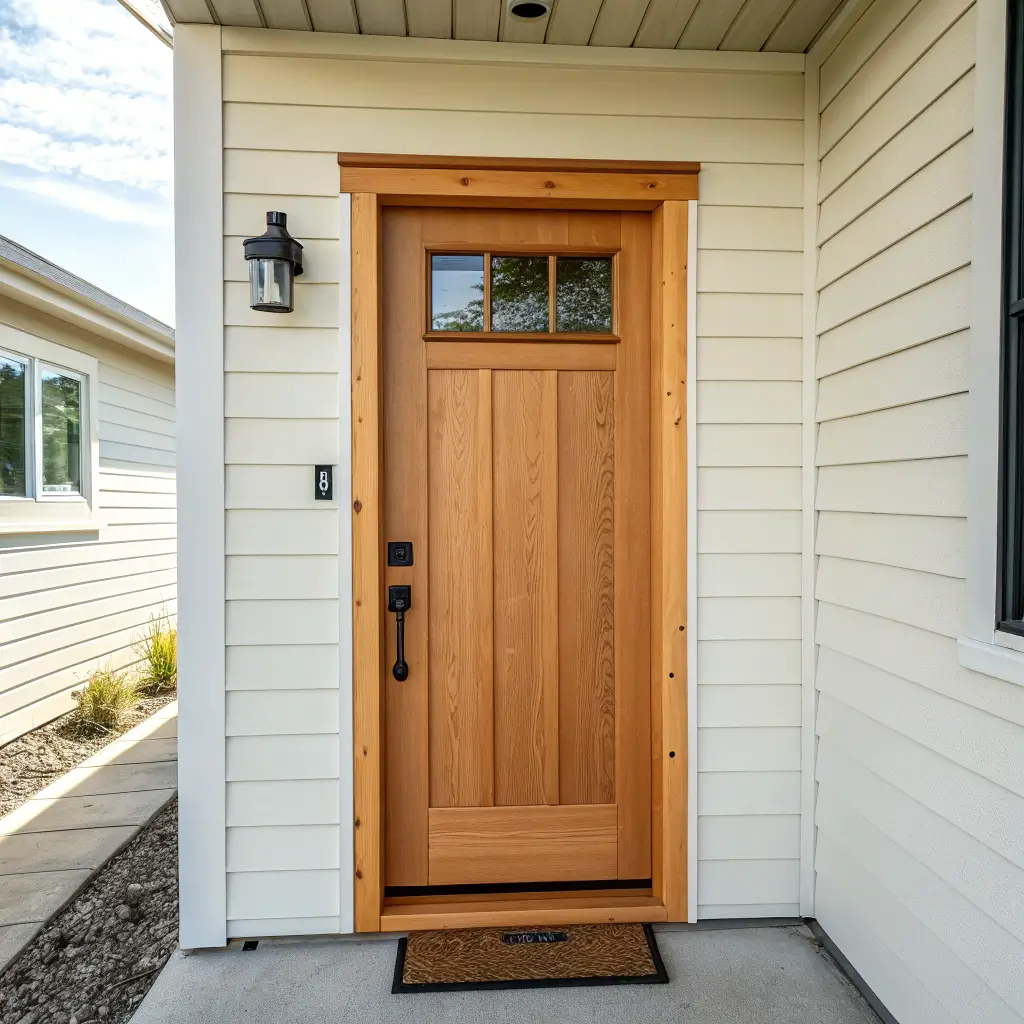
Panic bars might seem more commercial than residential, but they’re brilliant for specific home applications. These doors provide instant emergency exit while maintaining security from outside entry.
Where Panic Bars Make Sense
Home applications for panic bar doors include:
- Basement exits: Quick escape during emergencies
- Home theaters: Dark rooms needing clear egress
- Workshop spaces: Exit without fumbling when carrying items
- Garage entries: Hands-free operation when loaded down
- Pool areas: Quick exit for wet, slippery hands
Security Without Compromising Safety
Modern panic bar doors offer sophisticated security features. They allow instant exit from inside while remaining locked from outside, include alarm integration that triggers when used, and can incorporate delayed egress for controlled environments. Some even offer electronic control for remote monitoring and operation.
I installed a panic bar on my workshop’s external door after nearly getting locked in during a power outage. The mechanical operation means it always works, regardless of power status. Sometimes simple solutions are the best solutions.
Code Compliance and Installation
Many jurisdictions require panic bars in certain residential applications. Check local building codes for requirements, ensure proper installation height (typically 34-48 inches), and verify smooth operation without excessive force. Professional installation ensures compliance and proper function.
Also Read: 12 Creative Double Door Design Ideas to Elevate Your Interior
Child-Safe Magnetic Lock Door
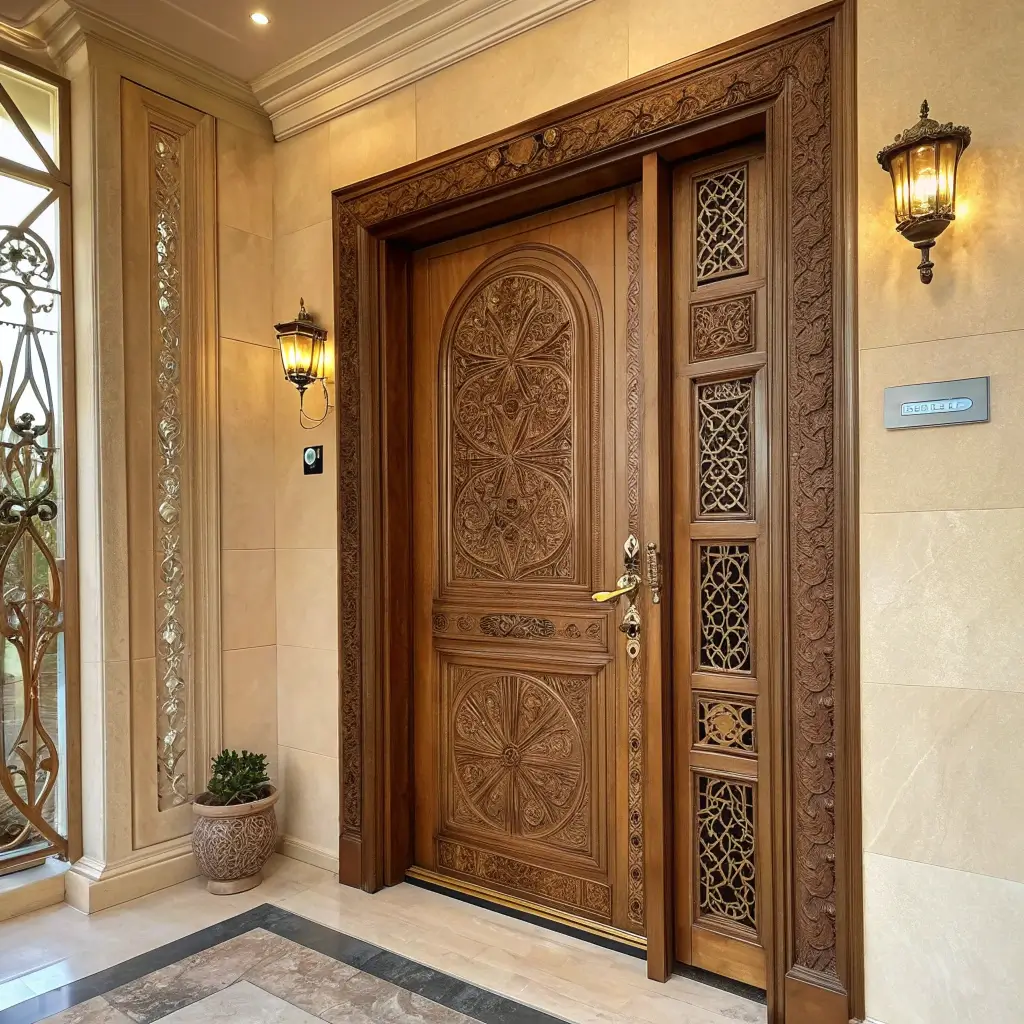
Magnetic lock doors offer unique advantages for families with young children. These systems provide serious security while eliminating pinch points and sharp edges that traditional locks present.
How Magnetic Locks Protect Everyone
Magnetic locks use powerful electromagnets to secure doors without moving parts. They eliminate finger-pinch hazards from traditional locks, prevent children from accidentally locking themselves in or out, and offer smooth, quiet operation that won’t wake sleeping babies. The lack of mechanical parts also means less maintenance and longer life.
We installed magnetic locks after my toddler figured out how to unlock our traditional deadbolt (terrifying moment for any parent). The magnetic system requires intentional action to operate—no more escape artist toddler sneaking out while I’m making breakfast.
Safety Features for Families
Child-safe magnetic doors include:
- Fail-safe operation: Unlocks during power outages
- Delayed egress: Prevents quick escapes by little ones
- Height-mounted releases: Out of children’s reach
- Visual indicators: Shows locked/unlocked status
- Quiet operation: No slamming or clicking
Integration with Home Systems
Magnetic locks integrate beautifully with smart home systems. You can control them remotely, set schedules for automatic locking, receive alerts when doors open, and even integrate with video monitoring. It’s comprehensive security that grows with your family’s needs.
Fire-Rated Safety Door
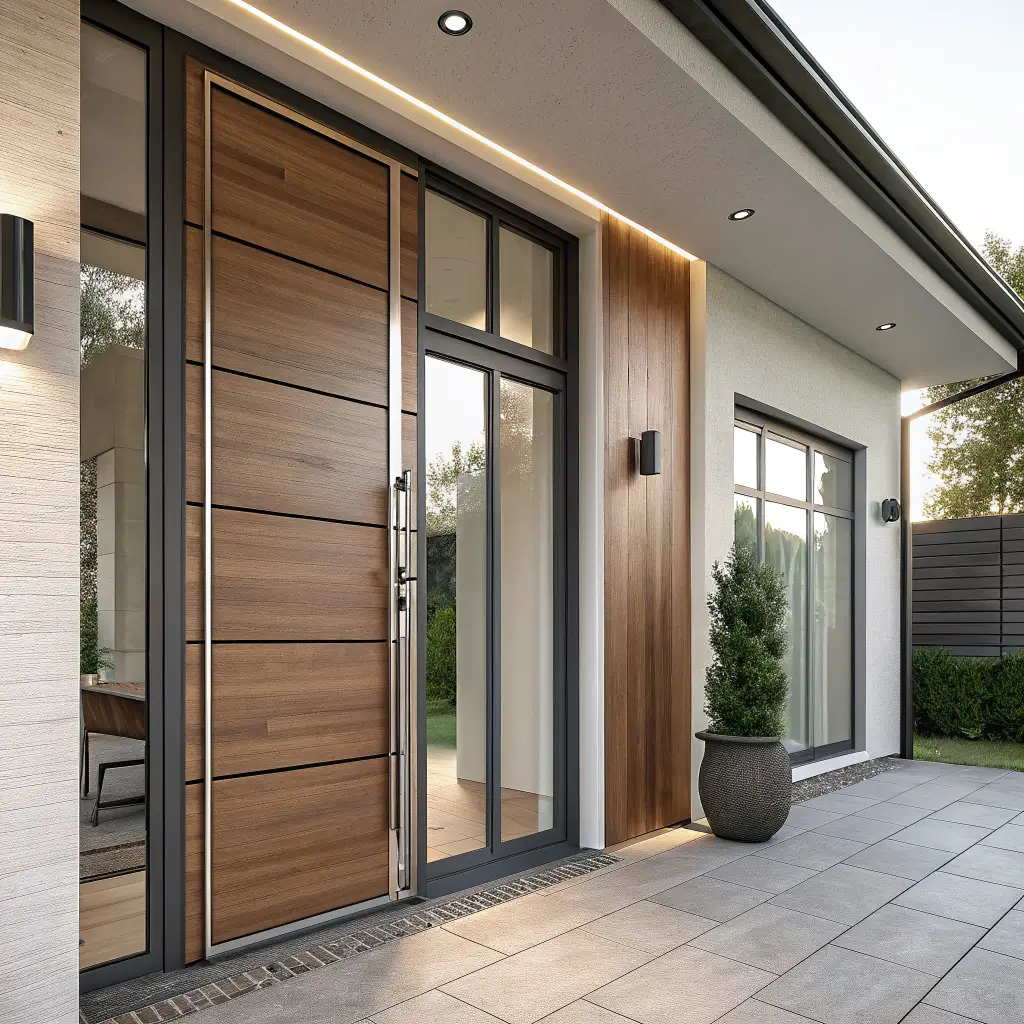
Fire-rated doors are the unsung heroes of home safety. While everyone focuses on break-ins, these doors protect against a far more common danger—fire. They buy precious time during emergencies and can literally save lives.
Understanding Fire Ratings
Fire ratings indicate how long a door can withstand fire exposure:
- 20-minute rating: Basic protection for residential use
- 45-minute rating: Enhanced protection for critical areas
- 60-90 minute ratings: Commercial-grade protection
- Smoke seals: Prevents toxic smoke infiltration
The rating indicates laboratory conditions—real-world performance varies. But even a 20-minute door can provide crucial escape time during a fire. Every second counts when you’re trying to get your family to safety.
Where Fire-Rated Doors Matter Most
Strategic placement maximizes protection:
- Doors between garage and living space (where many fires start)
- Basement entrances (containing workshop or utility fires)
- Home office or studio spaces (equipment fire risks)
- Bedrooms (protecting sleeping occupants)
- Utility rooms (furnace and water heater areas)
Design Options
Modern fire-rated doors don’t look like industrial barriers. They come in various styles matching your home’s aesthetic, include glass panels with fire-rated glazing, and offer paint or veneer finishes for customization. Many include security features for dual protection—because why choose between fire safety and security when you can have both?
Bulletproof Security Entrance Door
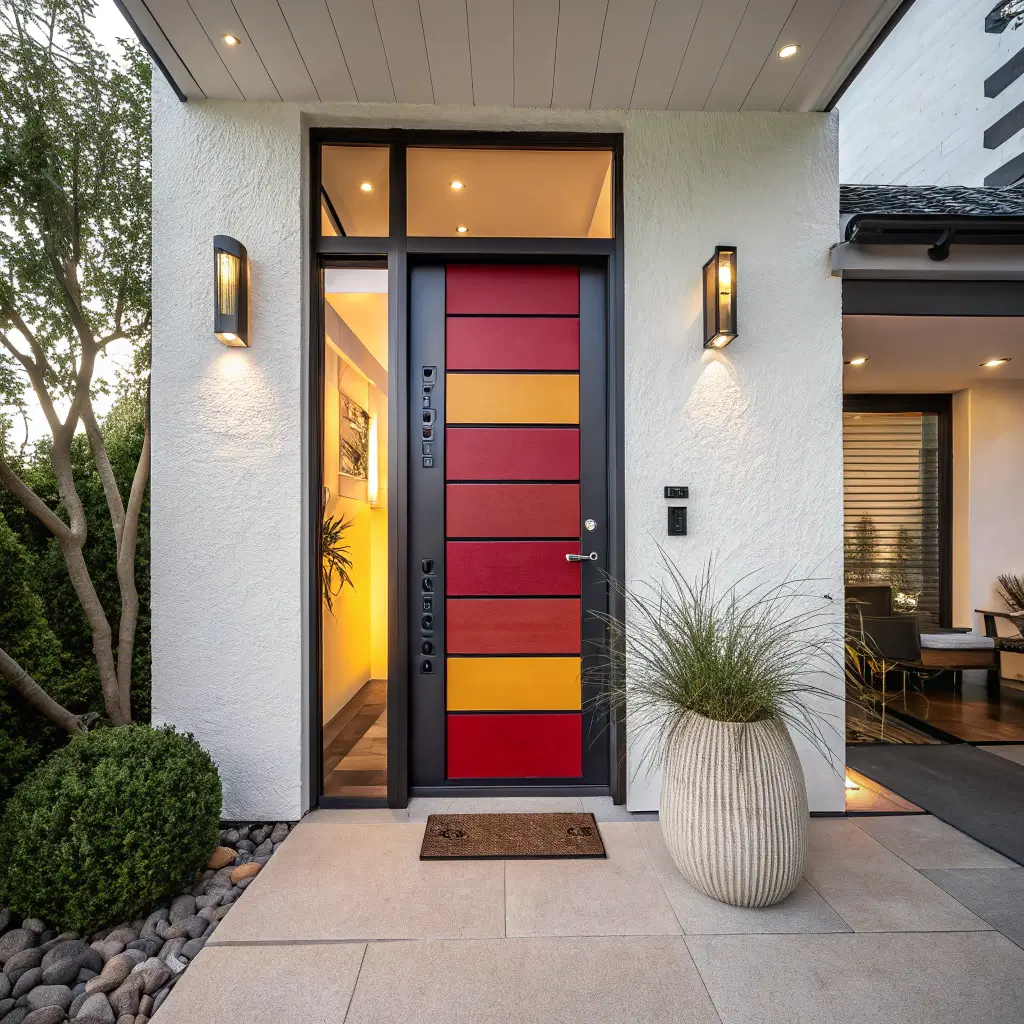
Bulletproof doors represent the ultimate in residential security. While they might seem extreme, certain situations and locations warrant this level of protection. Plus, if they can stop bullets, everything else is child’s play.
Understanding Ballistic Ratings
Bulletproof doors are rated by protection levels:
- Level 1: Handgun protection (most common for residential)
- Level 2-3: Higher caliber handgun protection
- Level 4+: Rifle protection (rare in residential settings)
Most residential applications don’t need military-grade protection. Level 1 provides serious security against forced entry, even if you’re not worried about actual gunfire. IMO, it’s like buying a truck when you only need a sedan—overkill, but you’ll never worry about capability 🙂
Construction and Materials
Bulletproof doors combine multiple technologies. Steel plates provide structural protection, ballistic fiberglass adds bullet-stopping power, and specialized cores absorb impact energy. The result weighs significantly more than standard doors but offers incomparable protection.
These doors often include additional security features like multi-point locking, reinforced frames, and anti-pry construction. They’re essentially bunkers that happen to open and close.
Practical Considerations
Bulletproof doors require serious structural support—your standard door frame won’t cut it. Professional installation is mandatory, including reinforced framing, specialized hinges for the weight, and proper alignment for smooth operation. The cost reflects the protection level—expect to invest significantly for this level of security.
Making Your Safety Door Decision
Choosing the right safety door involves balancing multiple factors: threat assessment, budget constraints, aesthetic preferences, and practical needs. Start by honestly evaluating your security concerns and local crime statistics.
Consider your lifestyle too. Families with children have different needs than empty nesters. Tech enthusiasts might prefer smart locks, while traditionalists might favor mechanical security. There’s no one-size-fits-all solution—the best door is the one that addresses your specific situation.
Don’t forget about local building codes and insurance requirements. Some safety features might lower your premiums, while others might be legally required. Check with local authorities and your insurance company before making final decisions.
Installation and Maintenance Tips
Even the best safety door fails if installed improperly. Professional installation usually proves worth the investment, especially for complex systems like biometric or bulletproof doors. If you’re DIY-ing, follow manufacturer instructions precisely and don’t skip steps to save time.
Regular maintenance keeps safety doors functioning properly. Lubricate moving parts annually, test electronic systems monthly, check weather sealing seasonally, and inspect for wear or damage regularly. Prevention beats emergency repairs every time.
Remember that doors are only as strong as their frames and surrounding walls. Reinforcing the entire entrance system provides comprehensive protection. The strongest door won’t help if thieves can simply break through the wall beside it.
Final Thoughts
Safety doors have evolved from purely functional barriers to sophisticated systems combining protection, convenience, and style.
Whether you choose high-tech biometric systems or traditional reinforced wood, the right safety door provides peace of mind that’s genuinely priceless.
I’ve learned that home security isn’t about paranoia—it’s about preparation. Every upgrade I’ve made to my entrance doors has improved not just security but daily convenience and comfort.
When you don’t worry about safety, you sleep better, travel without anxiety, and genuinely enjoy your home more.
The beauty of modern safety doors lies in their variety. From smart locks that welcome authorized visitors to fire-rated doors that protect against unseen dangers, there’s a solution for every concern and budget.
You don’t have to turn your home into a fortress—just make it secure enough that bad guys choose an easier target.
So evaluate your needs, explore your options, and invest in entrance security that makes sense for your situation.
Because at the end of the day, your door’s job is to welcome friends and family while keeping everything else out. Make sure yours is up to the task!