10 Smart Glass Door Design Ideas for Small Spaces
- Door Design
 Ben
Ben- 0
- 39 minutes read

Glass doors are having their moment, and honestly, it’s about time. While everyone else is debating wood versus fiberglass, you’re over here considering the one material that actually lets light flow through your home like it should.
Smart move—nothing transforms a space quite like replacing that solid barrier with something transparent.
I discovered the magic of glass doors when I moved from a dark, cramped apartment into a place with French glass doors.
The difference was like switching from watching TV in standard definition to 4K—suddenly everything felt brighter, bigger, and infinitely more connected.
That first morning when sunlight streamed through my glass doors instead of bouncing off a solid surface? Life-changing stuff, seriously.
Whether you’re renovating, building new, or just dreaming about ways to brighten up your cave-like hallway, these ten glass door design ideas will show you exactly how transparency can transform your home.
Let’s explore some designs that prove sometimes the best doors are the ones you can see right through.
Frosted Glass Sliding Door
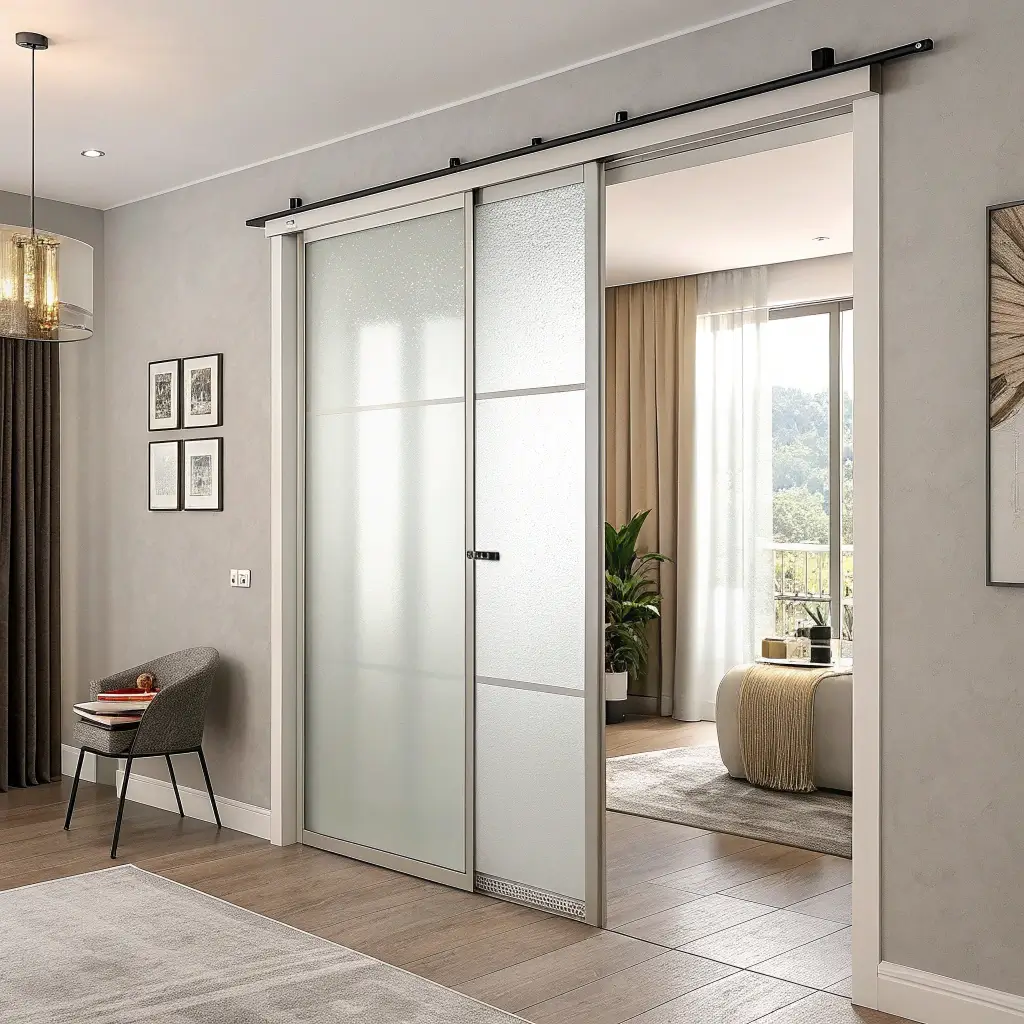
Frosted glass sliding doors are basically the Swiss Army knives of interior design—they solve multiple problems at once while looking absolutely stunning. These beauties give you privacy without sacrificing light, which is like having your cake and eating it too.
The Privacy-Light Balance
The genius of frosted glass lies in its ability to diffuse light while obscuring details. You get all the brightness of clear glass without worrying about whether you remembered to put on pants before walking past. The diffusion creates this soft, dreamy quality that makes every space feel more expensive and spa-like.
I installed frosted glass sliding doors for my home office, and the transformation was immediate. My previously dark hallway now borrows light from the office, while I maintain complete privacy during video calls. Plus, the frosted surface hides fingerprints way better than clear glass—a blessing for anyone with kids or pets.
Sliding Mechanism Benefits
The sliding mechanism adds another layer of functionality:
- Space-saving: No door swing means more usable square footage
- Smooth operation: Quality tracks make opening effortless
- Flexible opening: Partial opening for ventilation
- Contemporary look: Clean lines and modern appeal
- Quiet movement: Soft-close options prevent slamming
Frosting Options and Effects
Not all frosting is created equal. You can choose from acid-etched glass for a smooth, uniform finish, sandblasted options for more texture, or applied films for budget-friendly solutions. Some people even go for gradient frosting—clear at the top, increasingly opaque toward the bottom. It’s like Instagram filters but for your doors.
Black Frame Clear Glass Door
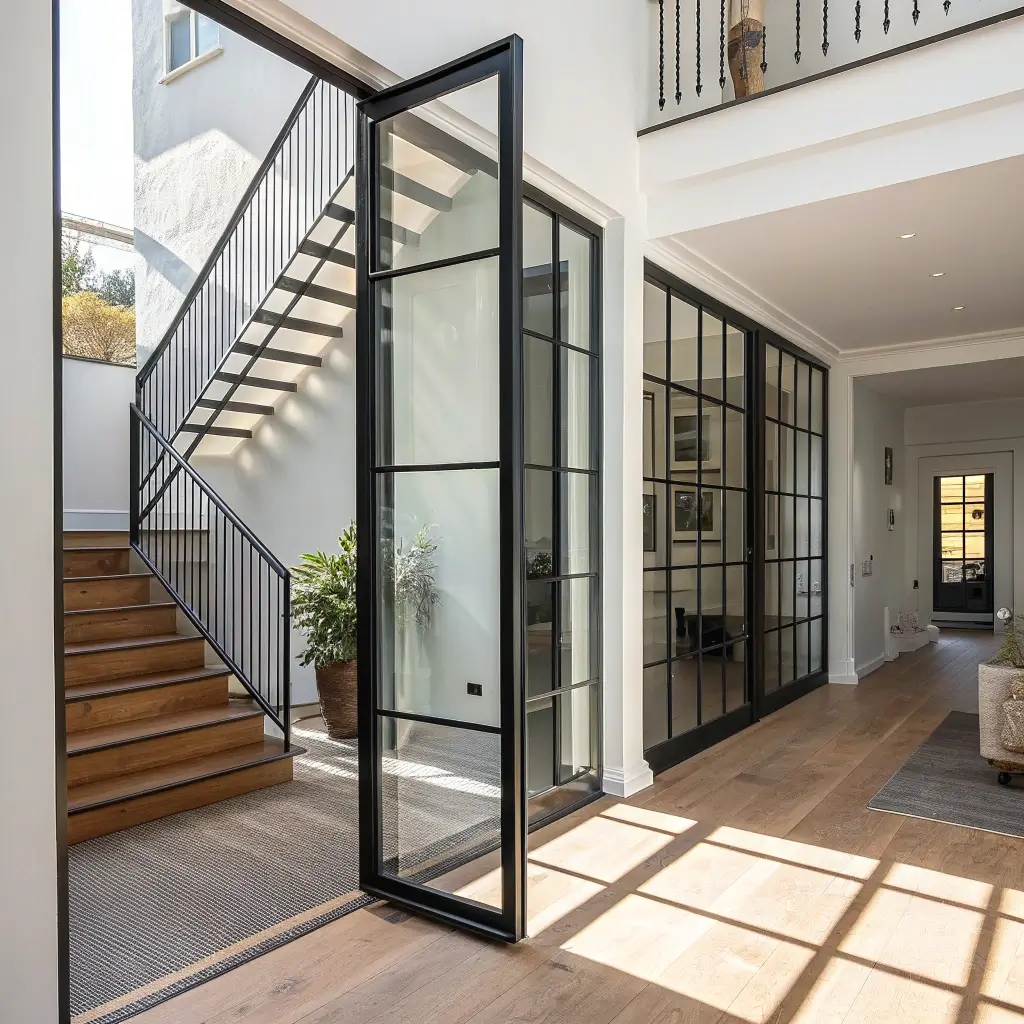
Black frame glass doors are the little black dress of interior design—classic, sophisticated, and they make everything else look better. These striking designs create architectural statements that work in literally any style of home.
Why Black Frames Rule
Black frames create instant definition and drama without overwhelming the space. They act like architectural eyeliner, outlining and emphasizing the transparency of the glass while adding visual weight that grounds the design. The contrast between dark frames and clear glass creates this perfect tension that designers absolutely love.
I replaced my boring white-framed doors with black-framed versions last year, and suddenly my basic suburban home looked like it belonged in an architecture magazine. The black frames tie together all my other black accents—light fixtures, cabinet hardware, window frames—creating this cohesive look that feels intentional rather than accidental.
Clear Glass Considerations
Clear glass doors offer maximum transparency but require some thought:
- Privacy concerns: Great for living areas, tricky for bedrooms
- Cleaning requirements: Every smudge shows
- Safety glass: Tempered or laminated for protection
- Thickness options: Thicker glass feels more substantial
- Coating choices: Low-E for energy efficiency
Style Versatility
The beauty of black frame doors lies in their adaptability:
- Industrial lofts? Perfect.
- Modern minimalist? Absolutely.
- Traditional homes? Creates stunning contrast.
- Transitional spaces? Bridges styles beautifully.
- Scandinavian design? Adds necessary definition.
Textured Pattern Glass Door
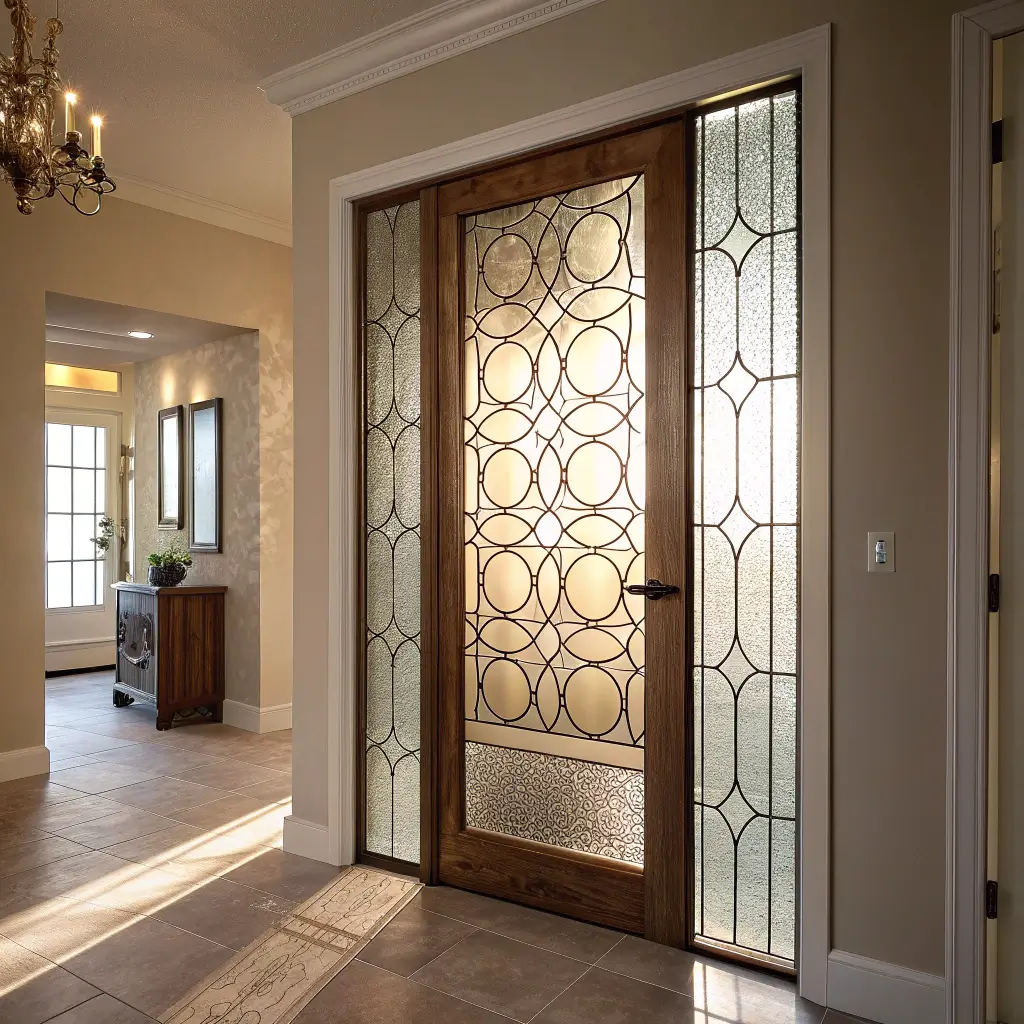
Textured glass doors are where function meets art. These designs add visual interest while providing varying levels of privacy, creating doors that are as much about aesthetics as they are about practicality.
Pattern Possibilities
The variety of textured glass patterns is honestly mind-boggling:
- Rain glass: Looks like water streaming down
- Hammered: Creates organic, irregular patterns
- Reeded: Vertical lines for elongating effect
- Diamond: Classic and timeless
- Abstract: Modern artistic patterns
Each pattern creates different light effects and privacy levels. Rain glass, for instance, obscures details while creating beautiful water-like shadows. Reeded glass maintains privacy while still allowing you to see movement and color.
Choosing the Right Texture
The texture you choose should match both your privacy needs and design aesthetic. Heavy textures work great for bathrooms and bedrooms, while lighter patterns suit living areas where you want more visual connection. I spent weeks deciding between different textures for my bathroom door before settling on reeded glass—it provides privacy while still letting me know if someone’s waiting outside.
Light Play and Shadows
Here’s what nobody tells you about textured glass—it creates incredible light effects throughout the day. As the sun moves, the patterns cast ever-changing shadows that add dynamic interest to your spaces. It’s like having living art that changes with the time of day.
Ever noticed how boring flat surfaces can be? Textured glass adds that third dimension that makes people stop and look twice.
Also Read: 10 Charming Front Door Design Wood Ideas for Rustic Homes
Wooden Frame Glass Panel Door
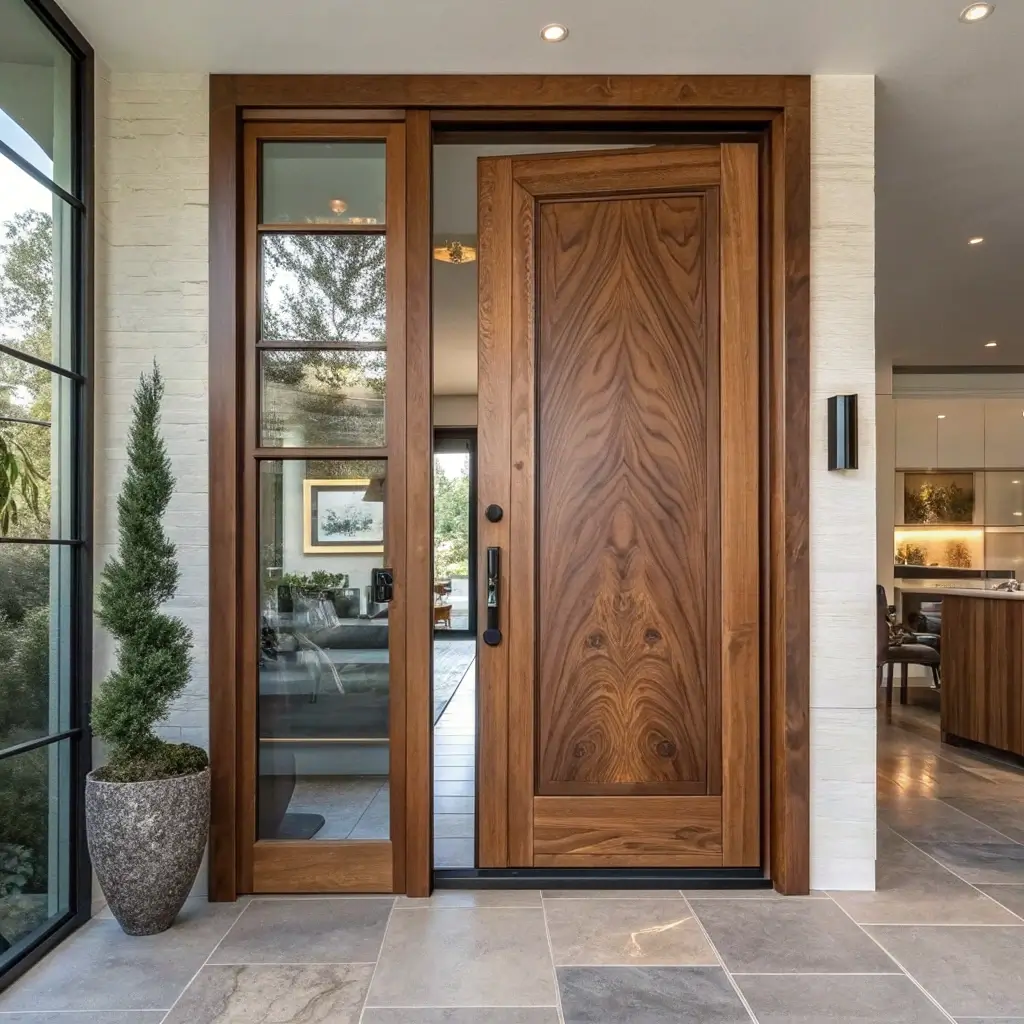
Wooden frame glass doors bring the best of both worlds—the warmth of natural wood combined with the openness of glass. These designs feel both traditional and contemporary, making them perfect for almost any home style.
The Warmth Factor
Wood frames add instant warmth and organic beauty that metal or vinyl frames simply can’t match. The natural grain patterns create visual interest while the wood’s warmth balances the coolness of glass. It’s like wearing a cozy sweater with sleek pants—the contrast creates perfect harmony.
Different wood types create different moods:
- Oak: Classic and sturdy
- Walnut: Rich and sophisticated
- Pine: Casual and affordable
- Mahogany: Luxurious and formal
- Bamboo: Sustainable and modern
Panel Configuration Options
The way glass panels are arranged within wooden frames dramatically affects the door’s character:
- Full panel: Maximum glass, minimal wood
- Multiple panels: Traditional French door style
- Asymmetrical panels: Modern and artistic
- Mixed panels: Combining clear and frosted sections
- Accent panels: Small glass insertions for light
Maintenance Balance
Wooden frames require more maintenance than metal, but many people find the trade-off worth it. Regular cleaning and occasional refinishing keep them looking beautiful, and unlike metal frames that dent or vinyl that cracks, wood can be repaired and refreshed relatively easily.
I’ve had wooden frame glass doors for five years now, and yes, they need annual maintenance. But that warm glow when afternoon light hits the wood grain? Totally worth the extra effort.
Minimal Frameless Glass Door
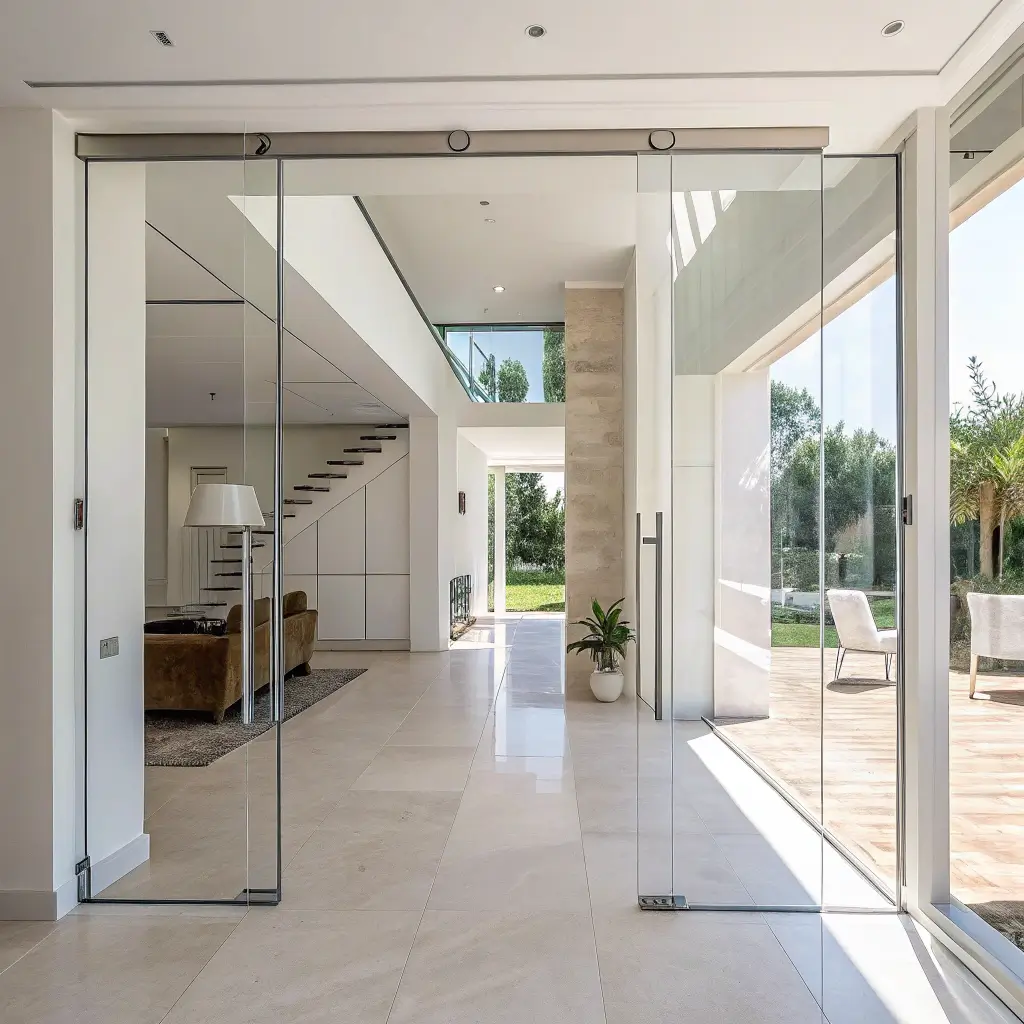
Frameless glass doors are the minimalist’s dream—pure transparency with virtually no visual interruption. These sophisticated designs make spaces feel larger and more connected while maintaining distinct zones.
The Invisible Boundary
Frameless doors create boundaries without barriers. They define spaces acoustically and functionally while maintaining complete visual connection. It’s basically architectural magic—you get room separation without the claustrophobia of solid walls.
The hardware for frameless doors is minimal but crucial. Hinges and handles must be perfectly engineered to support the glass weight without visible frames. The result looks effortless, but the engineering behind it is seriously impressive.
Thickness and Safety Requirements
Frameless doors require thicker glass for structural integrity:
- 10mm minimum: Standard for most applications
- 12mm recommended: Better sound insulation and feel
- Tempered glass mandatory: Safety requirement
- Laminated options: Extra security and sound dampening
- Edges polished: Smooth, safe finish
Installation Precision
Here’s the thing about frameless doors—installation must be absolutely perfect. Any misalignment shows immediately since there’s no frame to hide imperfections. This isn’t a DIY project unless you really know what you’re doing. Professional installation costs more but ensures proper function and safety.
FYI, frameless doors create the most dramatic impact in modern, minimalist spaces where the clean lines complement the overall design aesthetic.
Ribbed Glass Modern Door
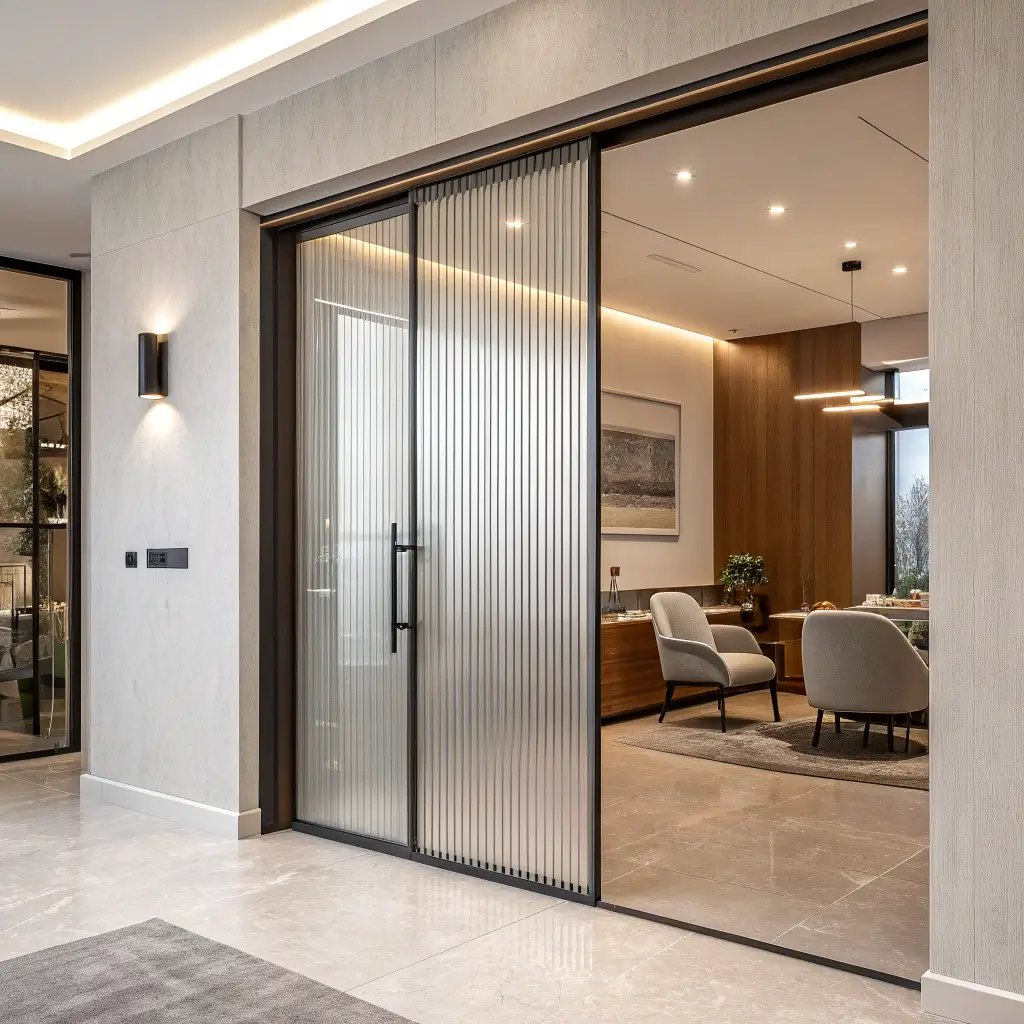
Ribbed glass doors, also known as fluted glass, have exploded in popularity lately, and for good reason. These vertically textured beauties add sophisticated privacy while creating stunning visual effects that make every space feel more expensive.
The Ribbed Renaissance
Ribbed glass creates vertical lines that draw the eye upward, making spaces feel taller and more elegant. The ribs diffuse light beautifully while maintaining privacy—you can see shapes and colors but not details. It’s like looking through a sophisticated filter that makes everything appear more refined.
I jumped on the ribbed glass trend for my bedroom door, and honestly, it transformed the entire hallway. The way light plays through the vertical ribs creates these amazing linear shadows that change throughout the day. My Instagram followers went crazy when I posted photos.
Rib Variations
Not all ribbed glass is the same:
- Narrow ribs: More privacy, formal appearance
- Wide ribs: Modern, architectural look
- Varied spacing: Adding visual rhythm
- Double-sided: Different effects from each side
- Colored glass: Adding tinted elegance
Contemporary Applications
Ribbed glass works particularly well in:
- Modern bathrooms for privacy with style
- Home offices needing separation without isolation
- Closet doors adding texture to bedrooms
- Kitchen cabinets for sophisticated storage
- Shower enclosures creating spa-like experiences
Also Read: 12 Creative Double Door Design Wood Ideas for Dream Homes
Stained Glass Accent Door
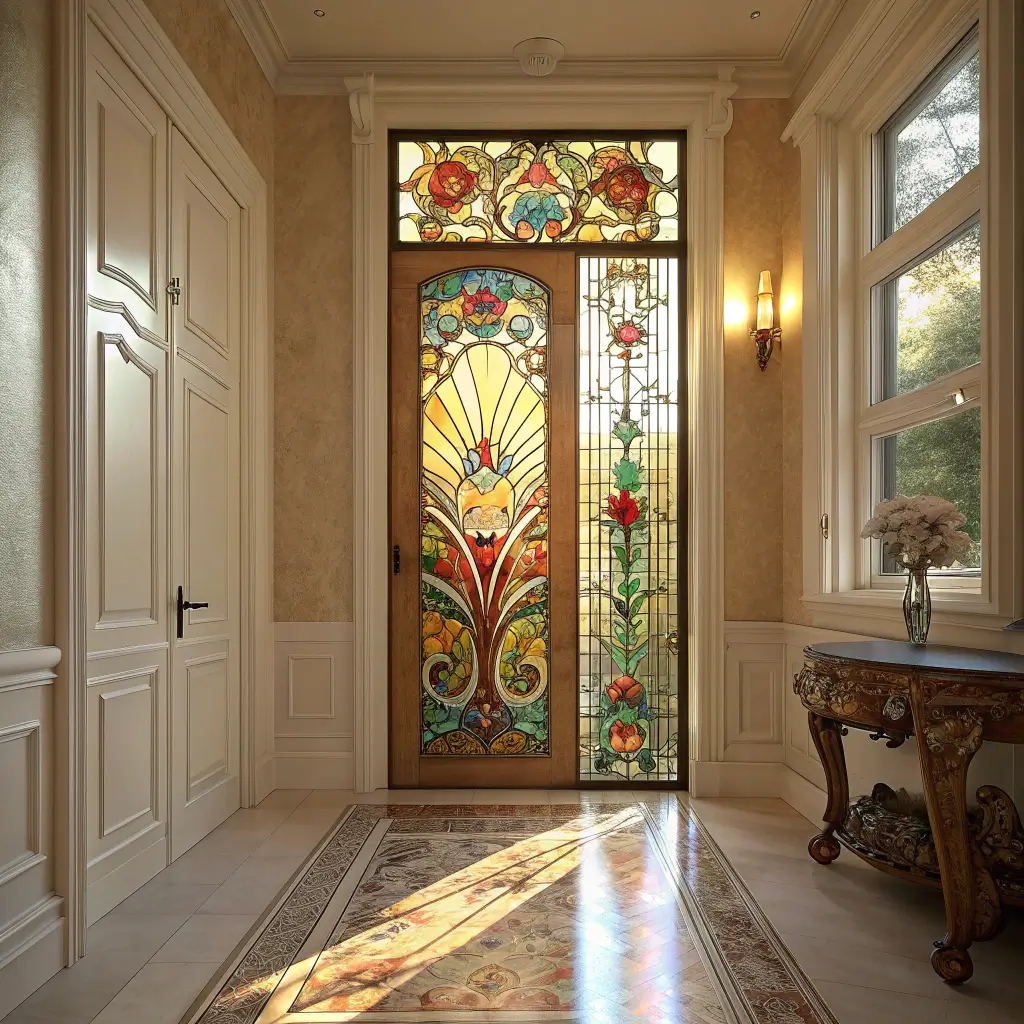
Stained glass doors are making a comeback, but forget those dated Victorian clichés. Modern stained glass designs bring artistic color and light play to contemporary homes while adding serious personality to otherwise neutral spaces.
Modern Stained Glass Aesthetics
Today’s stained glass has evolved beyond traditional church windows. Contemporary designs feature:
- Geometric patterns: Clean lines and modern shapes
- Abstract designs: Artistic expression in glass
- Subtle color palettes: Sophisticated rather than garish
- Mixed techniques: Combining clear and colored sections
- Minimalist approaches: Less is more philosophy
Light Transformation
Stained glass doesn’t just filter light—it transforms it. Colors cast beautiful hues across rooms, creating ever-changing ambiance as the sun moves. Morning light through amber glass creates warmth, while afternoon sun through blue sections adds coolness. It’s basically mood lighting that requires no electricity.
Placement Strategies
Stained glass works best as an accent rather than overwhelming feature:
- Transom windows above doors
- Side panels flanking entrances
- Bathroom doors for privacy with personality
- Interior doors where color adds interest
- Cabinet inserts for unexpected delight
The key is using stained glass strategically—too much becomes overwhelming, but the right amount adds character that makes your home memorable.
Matte Glass Pivot Door
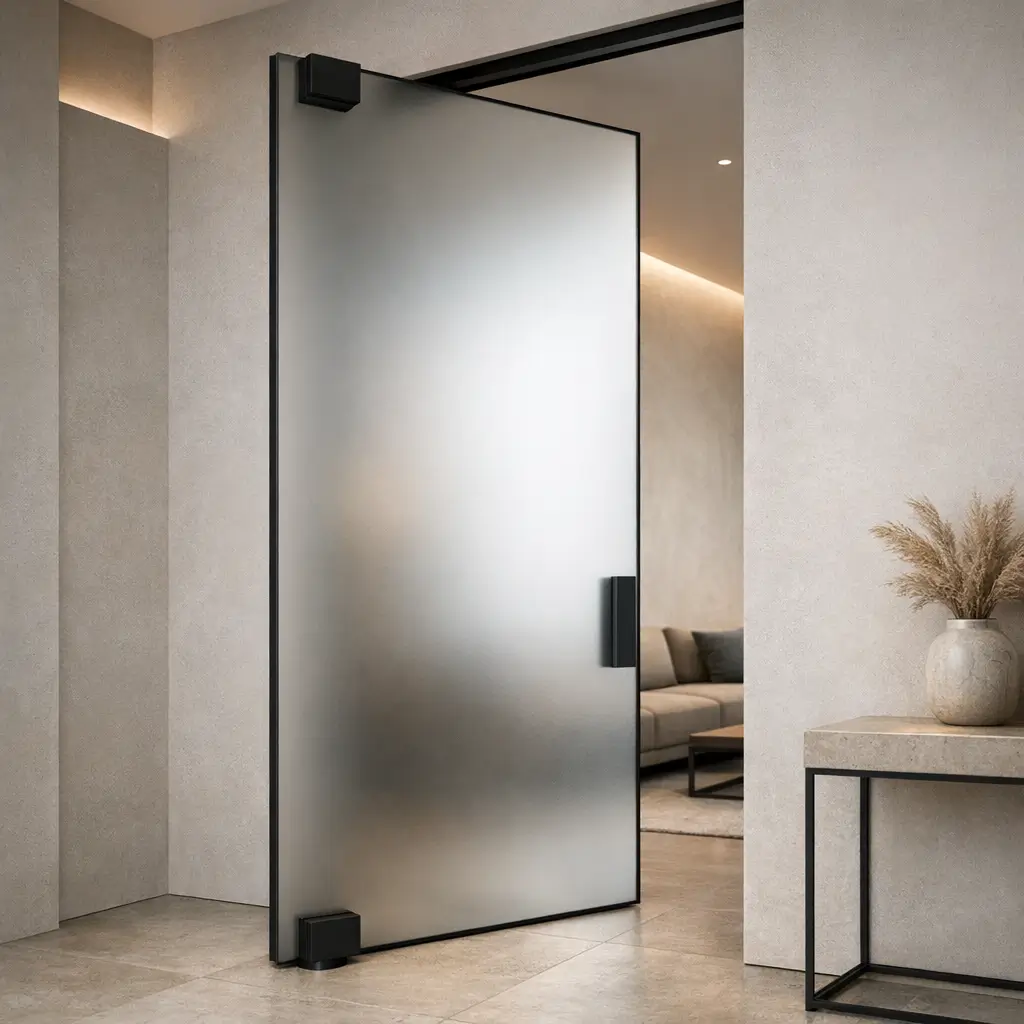
Matte glass pivot doors combine contemporary mechanics with sophisticated finishes, creating entrances that feel both substantial and ethereal. These architectural statements prove that glass doors can be both dramatic and understated.
The Pivot Advantage
Pivot doors rotate on a vertical axis rather than swinging on hinges, allowing for larger, heavier glass panels that would stress traditional hardware. The smooth rotation creates drama—watching a massive glass panel glide open never gets old.
The engineering allows for impressive sizes. I’ve seen pivot doors reaching 10 feet tall, creating entrances that feel monumental. The mechanism distributes weight evenly, so even large panels operate smoothly for decades.
Matte Finish Benefits
Matte glass offers unique advantages:
- No fingerprints: The texture hides smudges
- Soft light diffusion: Gentle rather than harsh
- Contemporary aesthetic: Very on-trend
- Reduced glare: Comfortable in bright conditions
- Privacy levels: Various opacity options
Scale and Proportion
Pivot doors work best when sized appropriately for the space. Too small and they look awkward; too large and they overwhelm. The sweet spot usually involves doors that are taller than standard but proportional to ceiling height. Remember, these doors make statements—make sure it’s the right one.
IMO, matte glass pivot doors work best in contemporary homes where their sophisticated simplicity complements clean architectural lines.
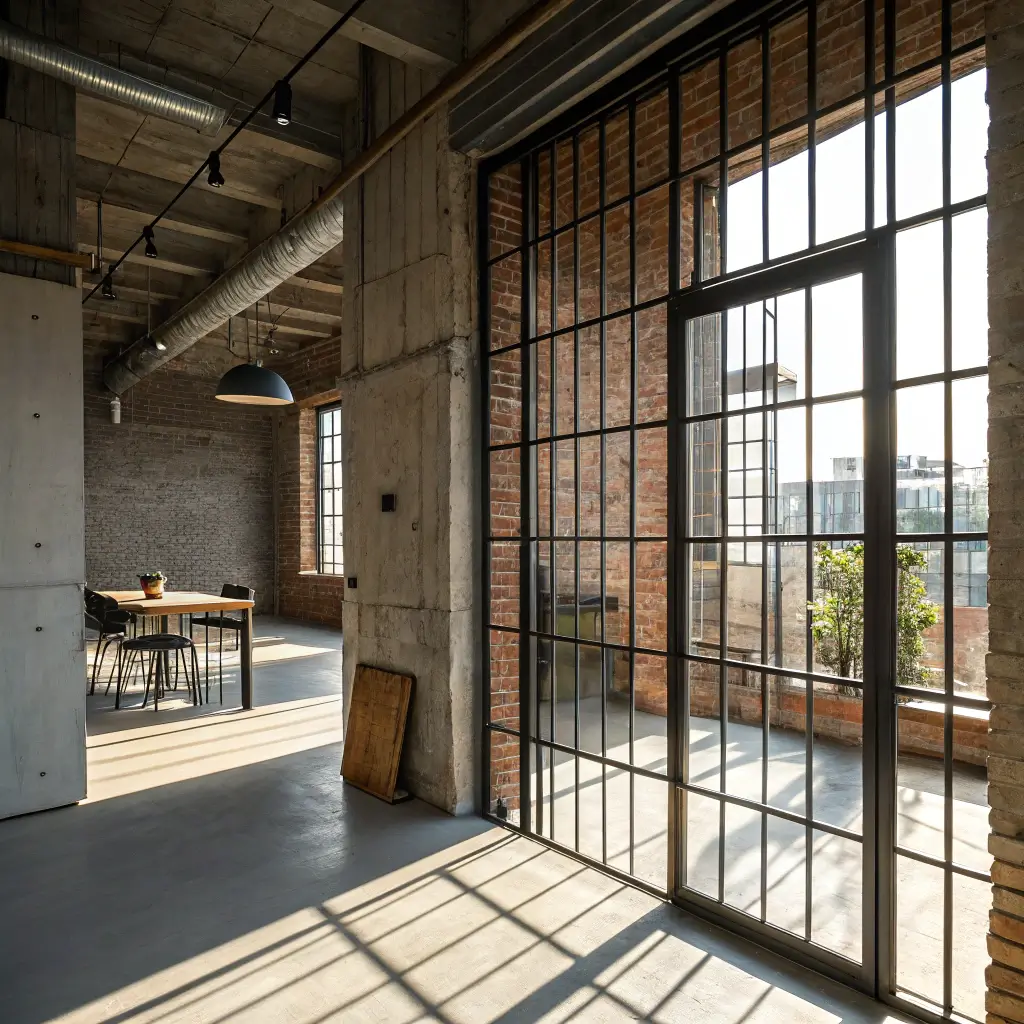
Grid Style Industrial Glass Door
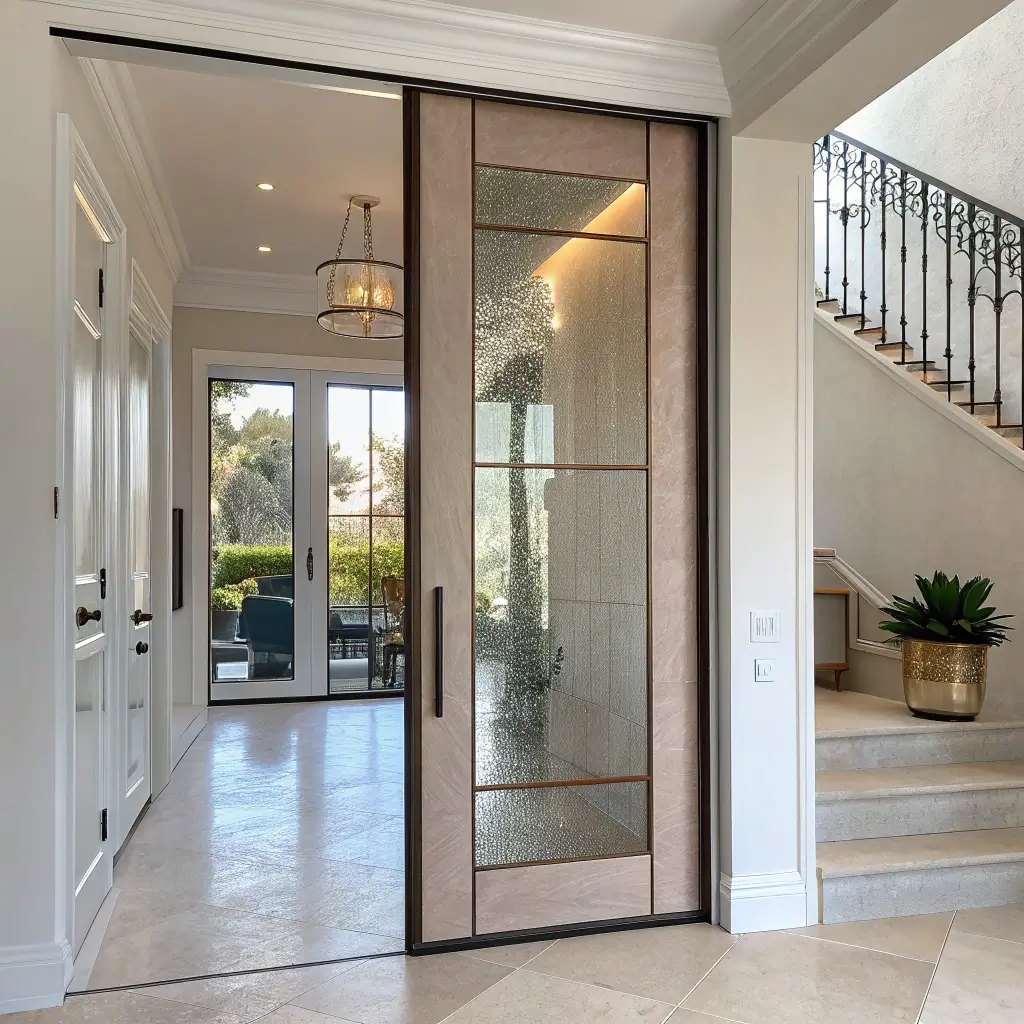
Industrial grid doors bring factory chic to residential spaces, creating that coveted loft aesthetic even in suburban homes. These designs reference historical industrial architecture while maintaining modern functionality.
The Grid Appeal
Grid patterns create rhythm and visual interest while maintaining transparency. The metal or wood divisions add structure to large glass expanses, making them feel more substantial and architectural. It’s like adding punctuation to a sentence—the pauses make everything more readable.
Different grid patterns create different effects:
- Traditional panes: Classic factory window look
- Asymmetrical grids: Modern, artistic approach
- Oversized grids: Contemporary interpretation
- Mixed grid sizes: Adding visual complexity
- Minimal grids: Just enough structure
Frame Material Choices
The frame material dramatically affects the industrial aesthetic:
- Black steel: Authentic industrial
- Raw metal: Edgy and unfinished
- Painted metal: Softer industrial
- Wood and metal: Warm industrial
- Aged finishes: Vintage industrial
Balancing Industrial and Homey
The trick with industrial doors is preventing your home from feeling like an actual factory. Balance the hard edges with soft furnishings, warm lighting, and organic elements. The door can be industrial; everything else should whisper “home.”
I installed industrial grid doors in my dining room, and they instantly made the space feel larger and more interesting. The key was balancing the industrial door with a warm wood table and soft textiles.
Also Read: 10 Creative Front Door Design Ideas to Brighten Your Entry
Tinted Glass Contemporary Door
Tinted glass doors add sophistication and functionality, controlling light and heat while creating striking visual effects. These contemporary solutions prove that glass doesn’t always have to be crystal clear.
Tint Options and Effects
Different tints create different atmospheres:
- Grey: Neutral and sophisticated
- Bronze: Warm and inviting
- Blue: Cool and calming
- Green: Natural and serene
- Mirror tint: Privacy with reflection
Each tint affects how light enters the space and how colors appear. Grey tints maintain color accuracy while reducing glare, while bronze tints warm up cool spaces. It’s like choosing sunglasses for your home.
Functional Benefits
Tinted glass offers practical advantages beyond aesthetics:
- UV protection: Preventing furniture fade
- Heat reduction: Lower cooling costs
- Glare control: Comfortable brightness
- Privacy enhancement: Harder to see through
- Energy efficiency: Better insulation properties
Design Integration
Tinted glass should complement your overall design scheme. Consider how the tint color affects your interior palette and whether it enhances or clashes with existing elements. The best tinted doors feel intentional, not like an afterthought.
Making Your Glass Door Decision
Choosing the right glass door involves balancing multiple factors: privacy needs, design preferences, maintenance willingness, and budget realities.
But here’s the thing—glass doors offer flexibility that solid doors simply can’t match.
Consider your lifestyle first. Do you need privacy? Choose frosted or textured options. Want maximum light? Go clear with strategic placement.
Love drama? Pivot doors deliver. Prefer subtle sophistication? Frameless designs excel.