10 Creative Dream House Plans Ideas and Functional Homes
- House Plans
 Ben
Ben- 0
- 36 minutes read
Let’s be honest—you’ve probably spent more hours than you’d admit scrolling through dream house plans, imagining yourself lounging in a gorgeous open-concept living room or cooking in a kitchen that would make Gordon Ramsay jealous.
Am I right? There’s something incredibly addictive about planning your perfect home, even if building it feels like a distant fantasy.
But here’s the thing: dreams become reality when you start with solid plans. And finding the right house plan can feel overwhelming when millions of options exist out there, each promising to be “the one.”
I’ve fallen down this rabbit hole myself more times than I can count, bookmarking plans I’ll “definitely build someday” while my savings account quietly weeps in the corner.
That’s why I put together this guide. We’re going to explore ten dream house plan ideas that cover everything from sleek modern designs to budget-friendly options that won’t require you to sell a kidney.
Whether you’re seriously planning to build or just enjoying some aspirational browsing (no judgment here), these ideas will spark your imagination and maybe help you figure out what you actually want in your forever home.
Grab your favorite beverage, get comfortable, and let’s talk dream houses.
Why Your Dream House Plan Matters More Than You Think
Before we jump into the specific ideas, let’s chat about why choosing the right plan deserves serious consideration. Your house plan isn’t just a pretty picture—it’s the blueprint for how you’ll live every single day for potentially decades.
The layout affects everything from your morning routine to how you entertain guests. A poorly designed floor plan can make a spacious house feel cramped, while a thoughtful design makes even modest square footage feel luxurious. I’ve toured homes that looked stunning in photos but felt awkward and disconnected when you actually walked through them.
Think about how you really live. Do you love hosting dinner parties? You’ll want an open kitchen that connects to entertaining spaces. Do you work from home? A dedicated office away from the main living area becomes essential. These practical considerations should guide your dream house planning just as much as aesthetic preferences.
Now let’s dive into those ten dream house plan ideas you came here for.
1. Modern Dream House Floor Plans
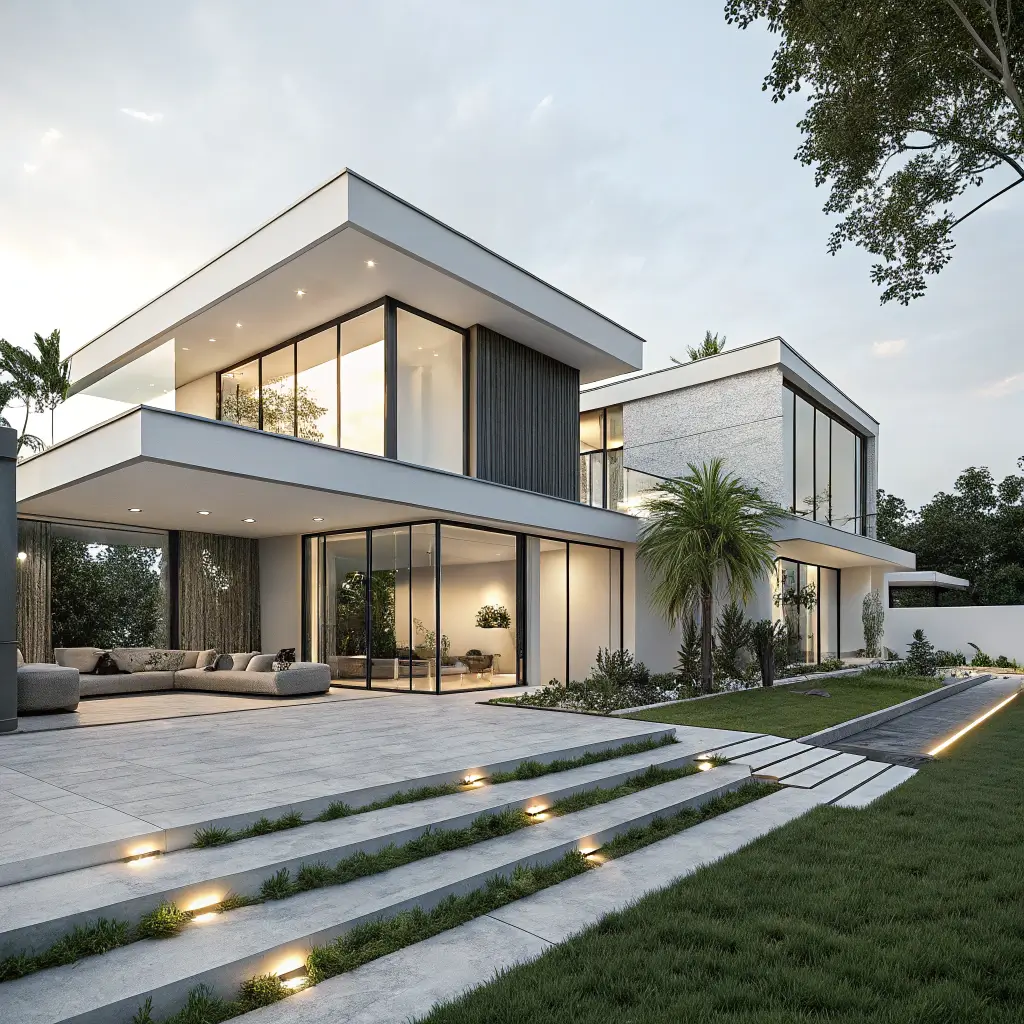
Modern architecture has captivated homeowners for decades, and honestly, it’s easy to see why. Clean lines, large windows, and seamless indoor-outdoor connections create homes that feel both striking and incredibly livable.
What Defines Modern House Design
Modern dream house plans emphasize simplicity without sacrificing sophistication. You’ll find flat or low-pitched rooflines, asymmetrical facades, and a focus on horizontal lines. Floor-to-ceiling windows flood interiors with natural light while blurring the boundaries between inside and outside.
The materials palette typically includes concrete, steel, glass, and natural wood. These elements combine to create that distinctive modern aesthetic that photographs so beautifully. But beyond looking gorgeous, modern design prioritizes function—every element serves a purpose.
Key Features of Modern Floor Plans
Open floor plans reign supreme in modern design. Walls between the kitchen, dining, and living areas disappear, creating expansive gathering spaces perfect for contemporary lifestyles. The kitchen often takes center stage with a large island serving as both workspace and social hub.
Master suites in modern plans typically feature spa-like bathrooms with walk-in showers, soaking tubs, and double vanities. Large closets with custom organization systems keep everything streamlined and clutter-free. The overall feeling emphasizes calm and order—a sanctuary from chaotic daily life.
Making Modern Work for Your Life
I’ll be honest—modern design isn’t for everyone. Some people find it cold or stark, and that’s totally valid. But modern doesn’t have to mean uncomfortable or unwelcoming. The best modern dream houses incorporate warmth through natural materials, textiles, and thoughtful lighting.
If you love the modern look but worry about livability, look for plans that balance clean lines with cozy elements. A fireplace adds instant warmth. Wood ceiling beams soften concrete and glass. Comfortable furniture and strategic landscaping make modern homes feel like actual homes rather than museums.
2. Cozy Family Home Layout Ideas
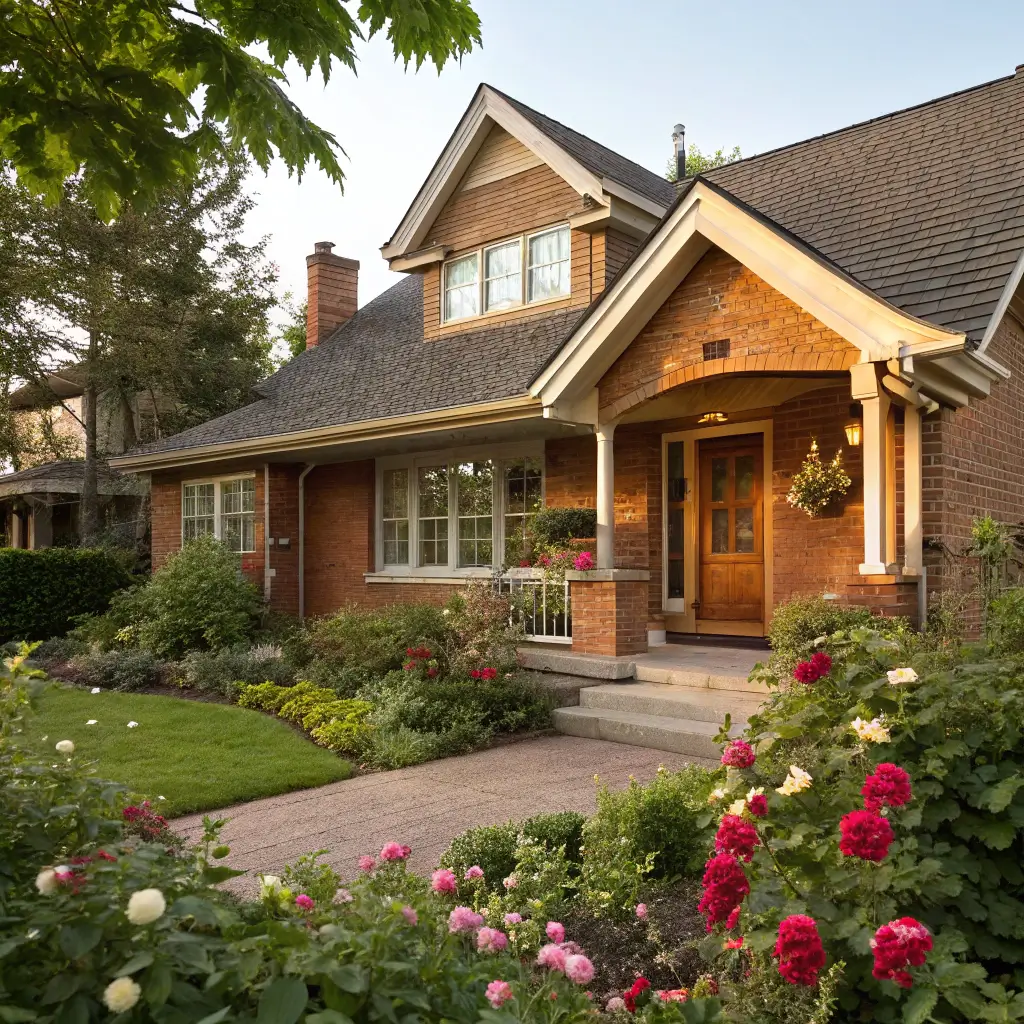
Speaking of warmth, let’s talk about family home layouts designed for real life with kids, pets, and all the beautiful chaos that entails. These plans prioritize durability, flexibility, and those intangible qualities that make a house feel like home.
Designing for Family Life
Family-friendly floor plans put practical considerations front and center. The kitchen overlooks family living spaces so parents can supervise while cooking. Mudrooms contain the mess of backpacks, sports equipment, and muddy shoes. Laundry rooms sit conveniently close to bedrooms rather than in a distant basement.
Bedroom placement matters enormously in family homes. Many parents prefer having all bedrooms on one floor during the early childhood years for nighttime accessibility. As kids grow older, split layouts with the master suite separated from children’s rooms provide everyone more privacy.
Features That Support Daily Life
Ever noticed how some homes just flow better than others? Family home layouts achieve this through careful attention to circulation patterns. Wide hallways accommodate traffic jams during busy mornings. Multiple access points to common areas prevent bottlenecks. The garage connects directly to the kitchen for easy grocery unloading.
Storage, storage, storage. I cannot emphasize this enough. The best family home plans include ample closets, built-in cabinetry, and dedicated storage rooms. Kids accumulate stuff at an alarming rate, and your dream home needs somewhere to put all of it without creating constant visual clutter.
Creating Spaces That Grow With You
The smartest family home designs anticipate how needs change over time. That nursery eventually becomes a teenager’s sanctuary and later perhaps a home office or guest room. Finished basements or bonus rooms provide flexibility for playrooms, media rooms, or whatever your family needs at different stages.
I grew up in a house my parents designed with future-proofing in mind, and watching those spaces evolve over decades proved the wisdom of their approach. The playroom became a music studio, then a home gym. Flexibility built into the original plan made all those transitions seamless.
3. Luxury Minimalist House Designs
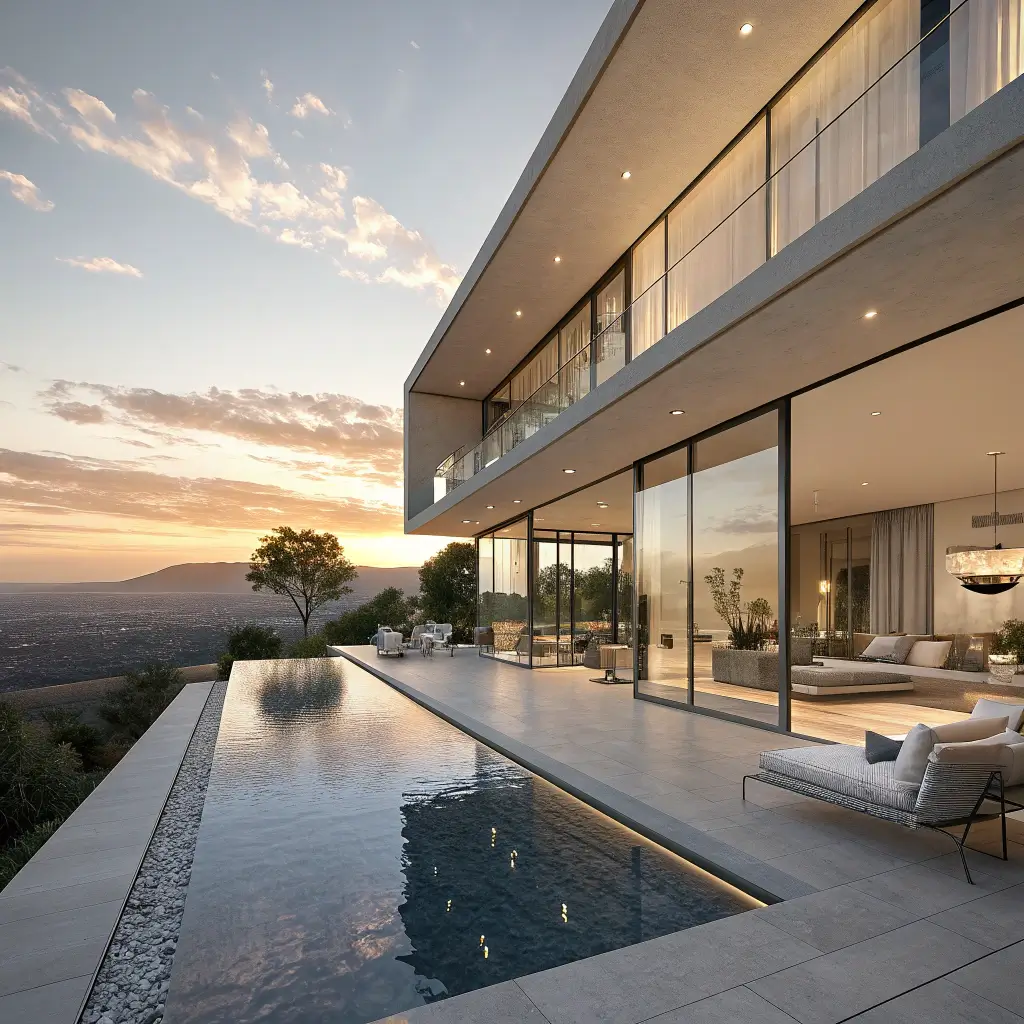
Here’s where things get interesting. Luxury minimalism sounds like an oxymoron, right? How can something be both lavish and stripped-down? But this design philosophy creates some of the most stunning dream homes imaginable.
The Philosophy Behind Luxury Minimalism
Luxury minimalism embraces the “less but better” principle. Instead of filling spaces with countless decorative objects, you invest in fewer, higher-quality elements. Each piece of furniture, each finish, each architectural detail receives careful consideration and premium execution.
The result feels spacious, serene, and quietly impressive. These homes don’t shout their luxury—they whisper it through exceptional craftsmanship, perfectly proportioned spaces, and materials you can’t help but want to touch.
Floor Plan Characteristics
Luxury minimalist house plans favor open, flowing spaces with carefully defined zones. Rather than walls, changes in flooring material, ceiling height, or furniture arrangement delineate different areas. This creates visual continuity while maintaining functional organization.
Bedrooms in these designs become true retreats. Walk-in closets hide behind seamless panels. Ensuite bathrooms feature custom millwork, natural stone, and designer fixtures. Everything aligns perfectly, with no awkward gaps or afterthoughts.
Achieving the Look Without Breaking the Bank
Let’s be real—true luxury minimalism requires serious investment. But you can capture the essence of this aesthetic at various budget levels. The key lies in restraint and quality over quantity.
Choose one or two splurge-worthy elements and let everything else support them quietly. A stunning statement light fixture over a simple dining table creates more impact than ten mediocre pieces scattered throughout. Edit ruthlessly, invest thoughtfully, and maintain that sense of spacious calm.
Also Read: 12 Elegant 4 Bedroom House Plans Ideas That Inspire Living
4. Small Plot Dream House Plans
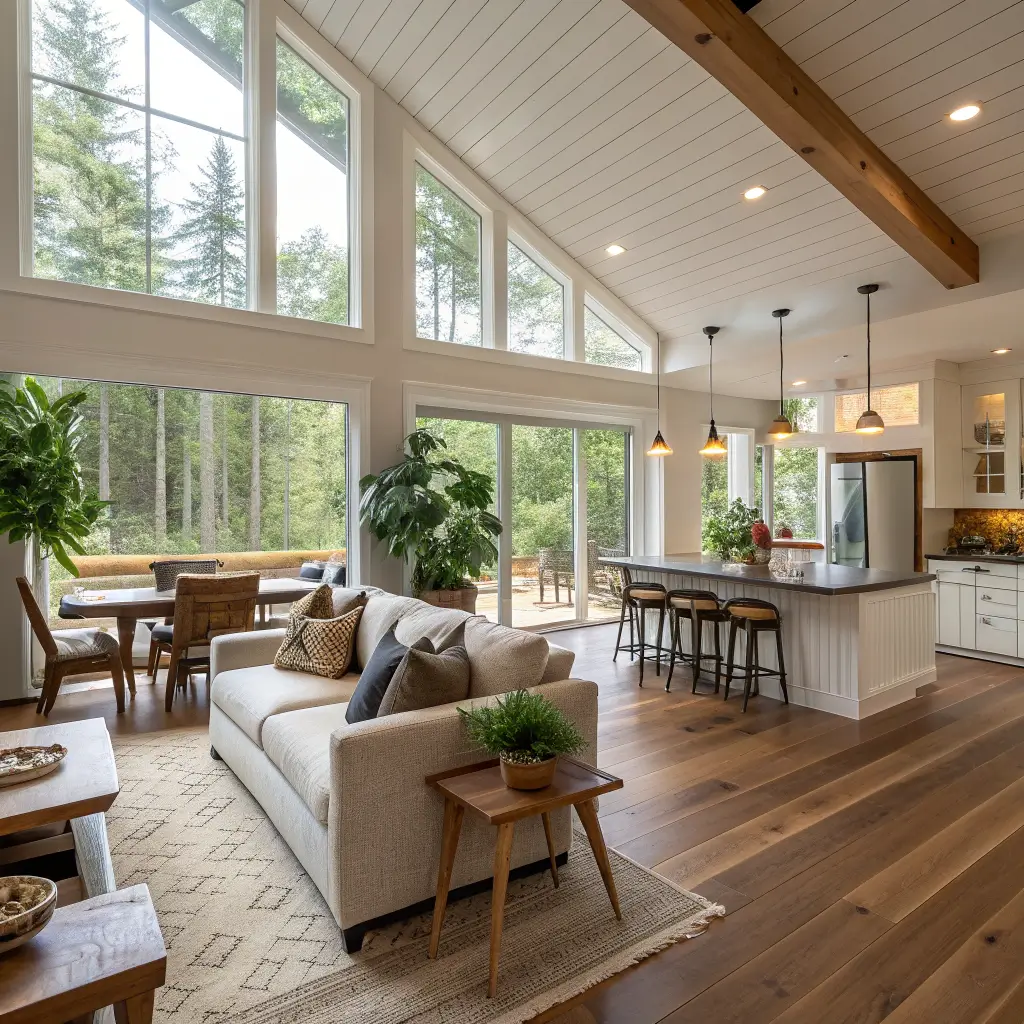
Not everyone has a sprawling lot to work with, and that’s perfectly okay. Some of the most charming dream homes make the most of compact footprints through clever design and smart prioritization.
Maximizing Limited Space
Small plot house plans require every square foot to earn its keep. Designers eliminate wasted hallway space by creating rooms that flow directly into one another. Vertical space becomes more valuable—taller ceilings, lofted areas, and multi-story designs expand usable area without requiring more land.
The key to small plot success lies in prioritizing what matters most to you. Maybe you sacrifice a formal dining room for a larger kitchen. Perhaps you choose two generous bedrooms over three cramped ones. Understanding your non-negotiables helps architects create spaces that feel anything but compromised.
Design Tricks That Expand Perception
Certain design elements make small homes feel significantly larger than their actual dimensions. Large windows and abundant natural light top the list—nothing makes a space feel more expansive than daylight streaming through generous glazing.
Light color palettes on walls, floors, and ceilings keep things feeling open and airy. Minimizing visual clutter through built-in storage and clean sightlines prevents that cramped sensation. Outdoor living spaces like decks and patios effectively extend your living area when weather permits.
Successful Small Plot Examples
Some of my favorite dream house plans occupy surprisingly modest footprints. Courtyard designs wrap rooms around central outdoor spaces, making the garden feel like an extra room. Narrow townhouse-style plans stack spaces vertically while maintaining surprising openness. Tiny house inspiration has even influenced larger custom homes, promoting thoughtful editing and dual-purpose spaces.
FYI, small doesn’t mean boring or basic. Some of the most innovative architectural designs emerge from space constraints that force creative problem-solving.
5. Open Concept Living House Ideas
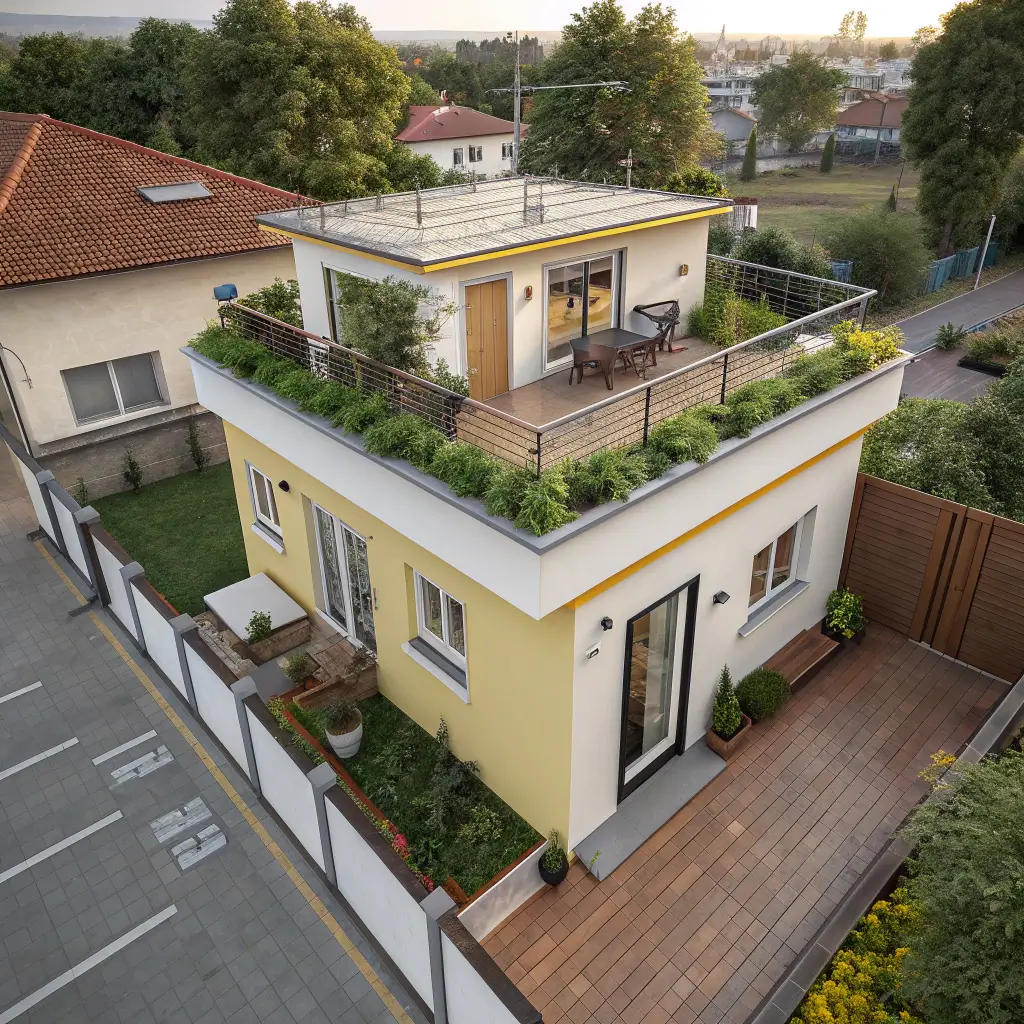
Open concept floor plans have dominated home design for years now, and despite occasional predictions of their demise, they remain incredibly popular. Let’s explore what makes these layouts so appealing and how to execute them well.
Understanding Open Concept Appeal
The open concept approach removes traditional walls between kitchen, dining, and living areas to create one continuous social space. Families spend time together even when engaged in different activities. Parents cook dinner while keeping an eye on kids doing homework. Hosts mingle with guests instead of hiding in a separate kitchen.
Natural light flows freely through open layouts, making homes feel brighter and more welcoming. Even modest square footage feels generous when not chopped into small, separate rooms. The contemporary lifestyle of casual entertaining and informal family time aligns perfectly with open plans.
Making Open Concept Actually Work
Here’s where things get tricky. Poorly executed open concept designs feel chaotic, echo-prone, and lacking in privacy. The best open floor plans use subtle strategies to define different zones without walls.
Area rugs anchor conversation groupings in living spaces. Pendant lights hanging over kitchen islands establish that zone visually. Changes in ceiling height or flooring material signal transitions between areas. Strategic furniture placement creates flow and separation simultaneously.
Acoustic considerations matter enormously in open spaces. Hard surfaces throughout create echo chambers where conversations compete with cooking clatter. Incorporating soft elements—upholstered furniture, curtains, rugs, and acoustic panels—dramatically improves sound quality and comfort.
Balancing Openness With Privacy
Even open concept enthusiasts need private spaces sometimes. The most livable open floor plans include strategic retreat areas—a cozy reading nook, a separate home office, bedrooms positioned away from main living areas.
I spent time in a home that took open concept to an extreme, with virtually no enclosed spaces beyond bathrooms. It looked amazing in photos but felt exhausting to actually live in. Balance makes these layouts sustainable for everyday life.
6. Eco-Friendly Dream Home Layouts
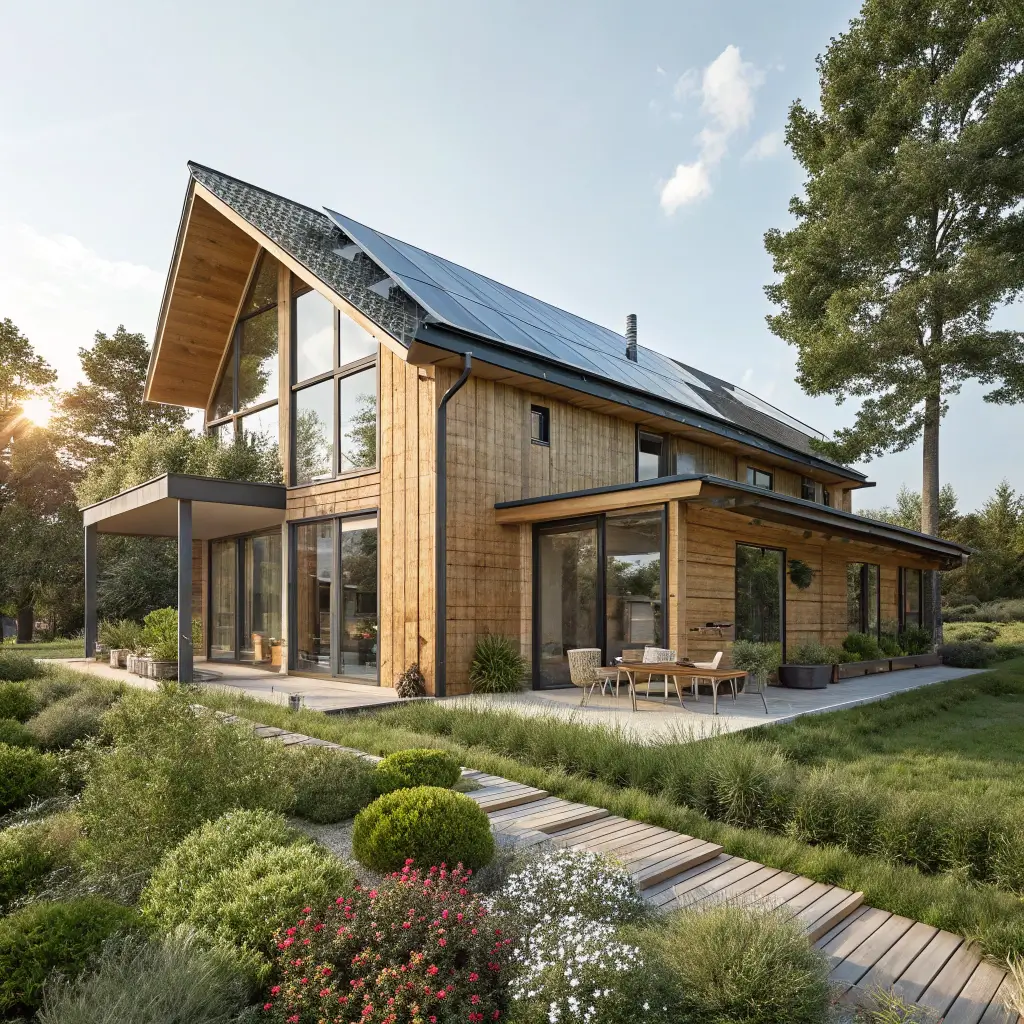
Environmental consciousness increasingly influences home design choices, and eco-friendly house plans deliver both sustainability and genuinely beautiful living spaces. Going green doesn’t mean sacrificing style or comfort.
Core Principles of Eco-Friendly Design
Sustainable house plans address environmental impact through multiple strategies. Orientation on the site maximizes passive solar heating and natural lighting. Proper insulation and high-performance windows reduce energy demands. Water-saving fixtures and rainwater collection systems conserve precious resources.
Material selection plays a huge role. Eco-friendly plans specify sustainably harvested wood, recycled materials, and locally sourced products whenever possible. The goal extends beyond the finished product to consider the environmental cost of construction itself.
Floor Plan Features That Support Sustainability
Certain layout decisions inherently support sustainability. Compact, efficient floor plans require less material to build and less energy to heat and cool. Designs that maximize natural ventilation reduce air conditioning dependence. Placement of windows captures winter sun while minimizing summer heat gain.
Indoor-outdoor connections encourage living more sustainably by bringing fresh air and daylight inside naturally. Kitchen gardens, composting areas, and outdoor living rooms become integral parts of the overall design rather than afterthoughts.
Long-Term Benefits of Going Green
Eco-friendly dream homes often cost slightly more upfront but deliver significant long-term savings through reduced utility bills. As energy costs rise and water becomes more precious, these efficient designs become increasingly valuable investments.
Beyond financial benefits, living in a sustainably designed home just feels good. You reduce your environmental footprint while enjoying healthier indoor air quality and deeper connection to natural cycles. That’s a win-win situation if I’ve ever seen one. 🙂
Also Read: 10 Inspiring Tiny House Floor Plans Ideas for Minimalist Homes
7. Contemporary Multi-Story House Plans
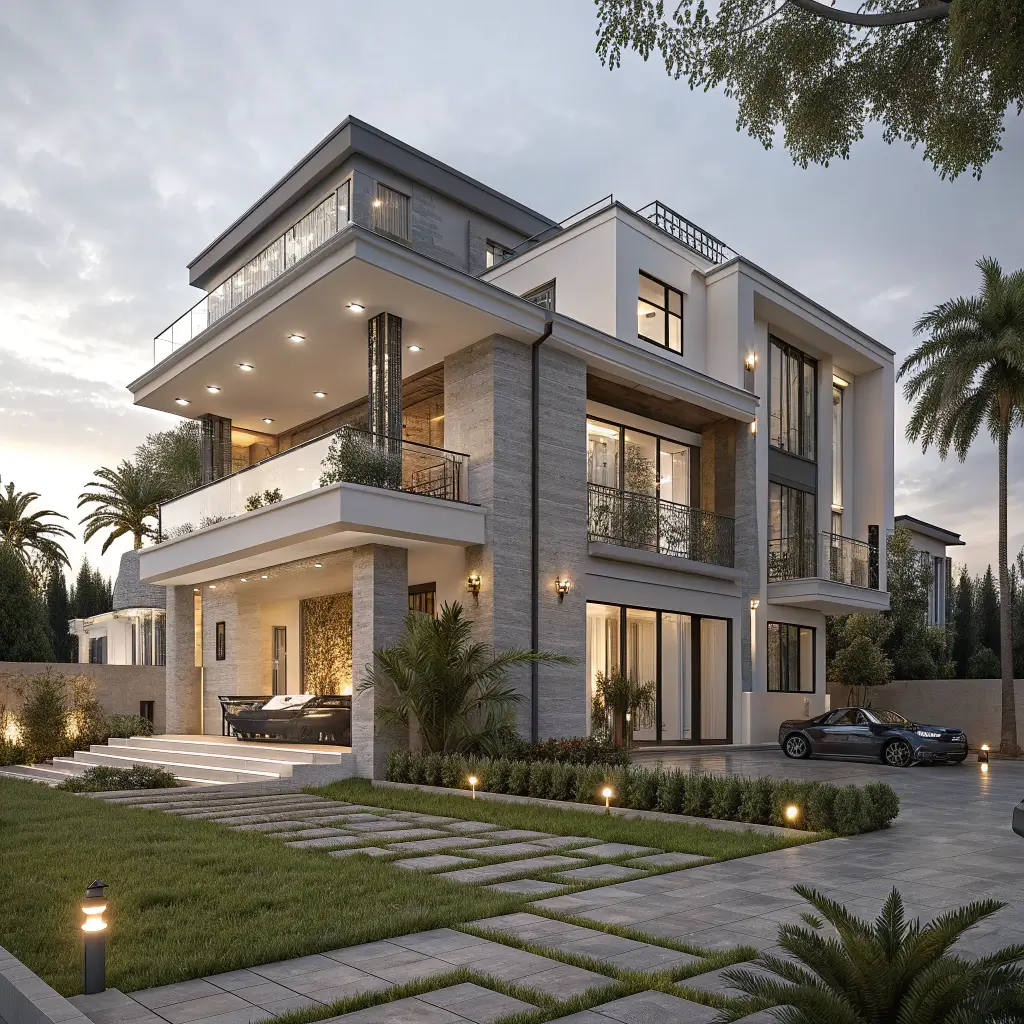
When lot size limits horizontal expansion, going vertical opens up exciting possibilities. Multi-story house plans stack living spaces efficiently while creating opportunities for dramatic architectural moments.
Advantages of Multi-Story Living
Multi-story designs concentrate square footage on smaller footprints, leaving more yard space for outdoor living. They naturally separate public and private zones, with living areas typically occupying lower floors and bedrooms above. This vertical separation provides acoustic privacy that single-story homes struggle to achieve.
Architecturally, multi-story homes offer opportunities for stunning staircases, double-height spaces, and dramatic roof forms. That two-story great room with walls of windows? You need multiple stories to achieve it. The visual drama possible in multi-story designs often exceeds what single-level homes can accomplish.
Planning Considerations for Vertical Living
Stairs represent the biggest planning consideration in multi-story homes. Placement affects traffic flow throughout the house—centrally located stairs minimize walking distances but consume prime floor space. Tucked-away staircases preserve main living areas but may create longer circulation paths.
Think carefully about what goes where. You’ll want convenient access to frequently used spaces. Putting the laundry room three floors from the bedrooms creates unnecessary trips. Positioning the master suite far from the kitchen becomes annoying for those midnight snack runs.
Accessibility and Future Planning
Here’s something worth considering: stairs become challenging as we age. Multi-story dream homes ideally include main-floor master suite options or provisions for future elevator installation. Planning for accessibility now saves expensive retrofitting later.
IMO, the best multi-story designs anticipate life changes. A first-floor bedroom currently serving as a home office could become the master bedroom if stairs eventually become difficult. This forward-thinking approach protects your investment and your independence.
8. Budget-Friendly Dream House Designs
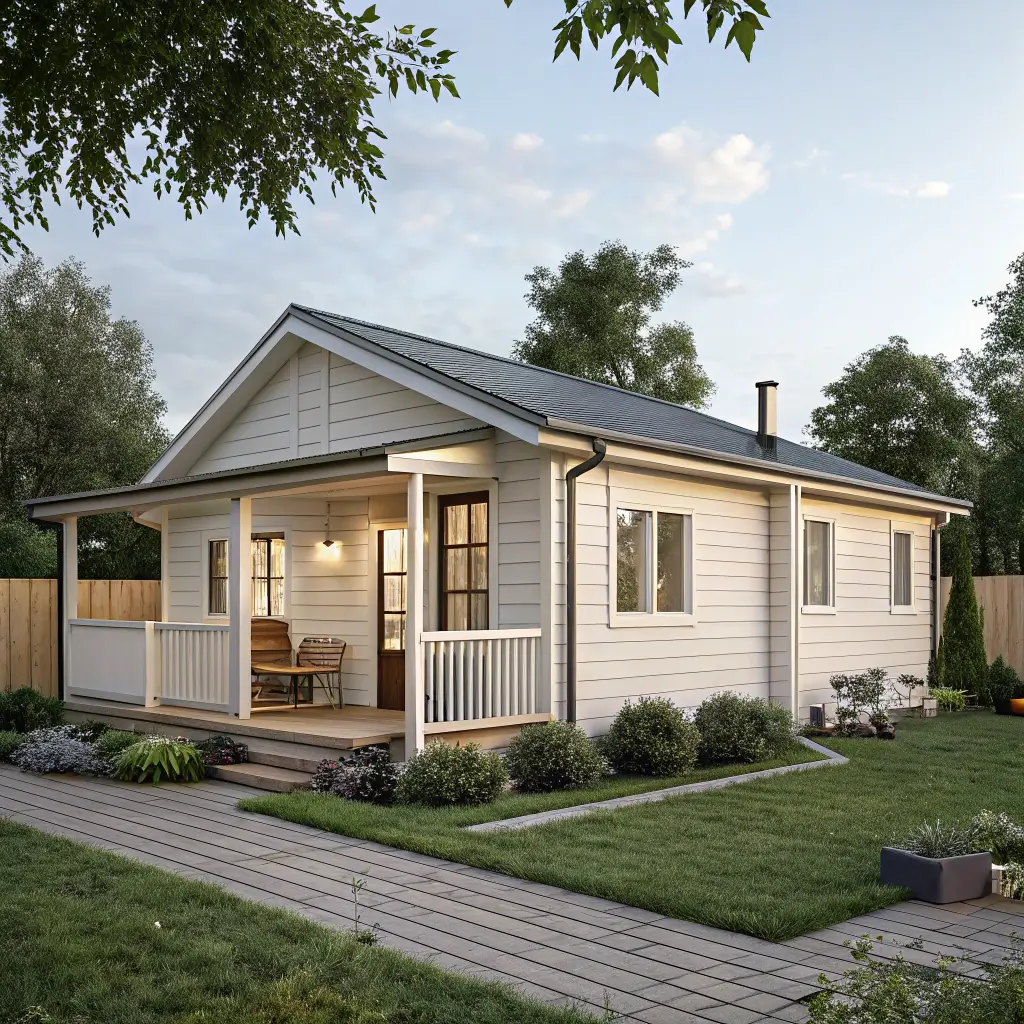
Dream houses don’t require unlimited budgets. Some of the most satisfying homes emerge from thoughtful constraints that force creative prioritization. Let’s explore how to achieve your dream within realistic financial limits.
Where Budget-Friendly Design Starts
Efficient floor plans form the foundation of budget-friendly building. Simple rectangular footprints cost less to construct than complex shapes with multiple rooflines. Reducing square footage while maximizing functionality keeps costs manageable without sacrificing livability.
Material choices significantly impact budget. Standard lumber dimensions, commonly available finishes, and regional materials cost less than specialty options. This doesn’t mean settling for ugly or cheap—plenty of beautiful, durable materials come at accessible price points.
Smart Splurges and Strategic Savings
Even tight budgets allow for a few splurge items that dramatically elevate the overall result. Choose one or two highly visible elements—maybe a stunning front door, a beautiful fireplace surround, or quality kitchen counters—and invest there while economizing elsewhere.
Save money on items easily upgraded later. Basic light fixtures and hardware can transform with minimal investment when budgets allow. Painted surfaces swap colors inexpensively as tastes evolve. Focus initial spending on elements expensive or impossible to change—foundation, framing, roof, windows.
Getting Maximum Value From Your Investment
Budget-friendly doesn’t mean cheap or disposable. The smartest approach prioritizes durability and quality where it matters most structurally, even while economizing on finishes. A well-built modest home outperforms a poorly constructed larger one every time.
Work with architects and builders who understand budget constraints and embrace them creatively. The best professionals see limitations as design challenges rather than obstacles. Their experience helps identify where to save and where to spend for maximum impact.
9. Elegant Country Style Home Plans
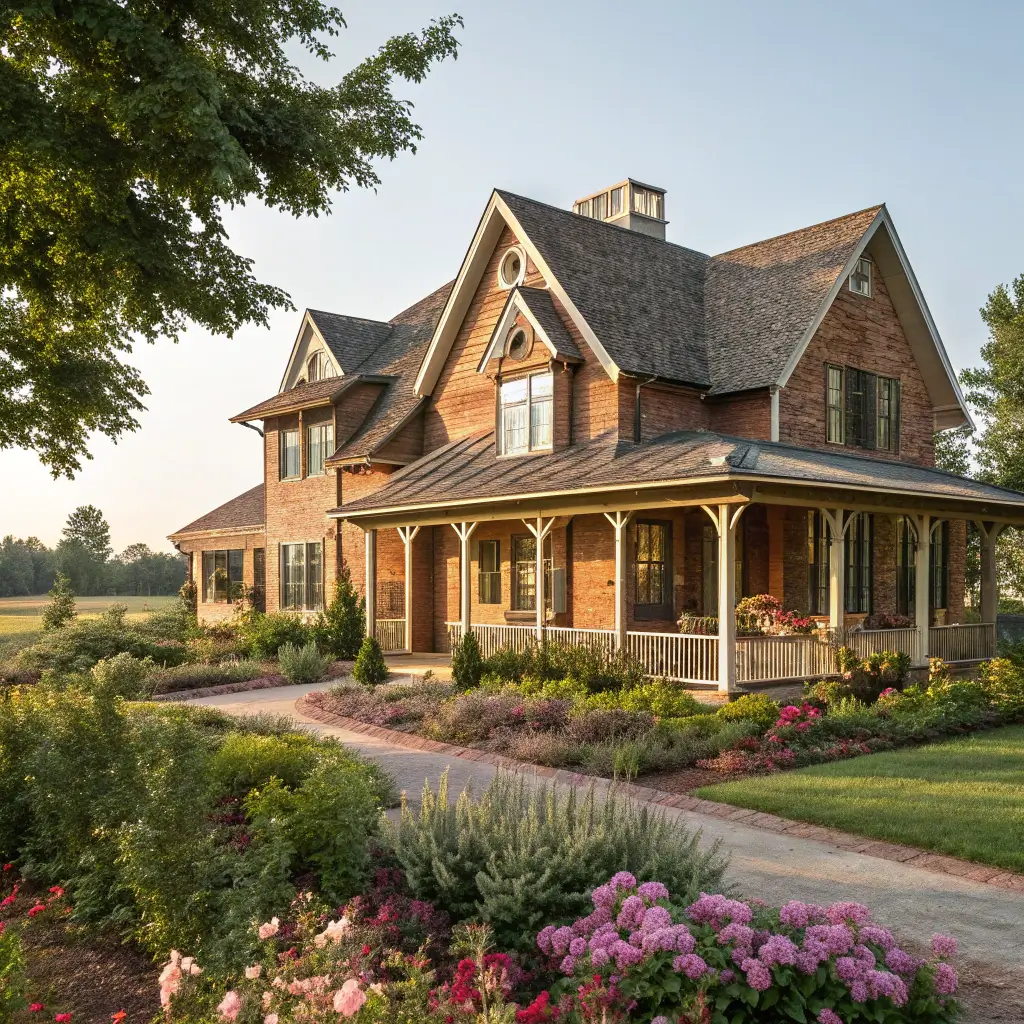
Country style homes evoke warmth, tradition, and that welcoming feeling of returning to a beloved family retreat. These designs blend classic architectural elements with modern comfort for timeless appeal.
Defining Country Style Architecture
Country home designs draw from various regional traditions—French country, American farmhouse, English cottage, and more. Common elements include welcoming front porches, pitched rooflines, natural materials, and an overall sense of casual elegance.
These homes feel connected to their surroundings through generous windows framing pastoral views, materials that echo the landscape, and indoor-outdoor living spaces that encourage time spent outside. The aesthetic celebrates craftsmanship and natural beauty over sleek minimalism.
Floor Plan Features of Country Homes
Country style floor plans often center on spacious kitchens designed for serious cooking and casual gathering. Large islands, farmhouse sinks, and open shelving characterize these heart-of-the-home spaces. Adjacent family rooms with fireplaces extend the cozy atmosphere.
Bedrooms in country homes emphasize comfort and charm. Vaulted ceilings, window seats, and architectural details create character. Master suites balance luxury with approachability—spa bathrooms with subway tile rather than exotic marble, walk-in closets with practical rather than pretentious organization.
Updating Country Style for Modern Living
Traditional country floor plans sometimes feel dated, with formal rooms rarely used and layouts that don’t match contemporary lifestyles. Updated country designs maintain the aesthetic warmth while incorporating open floor plans, mudrooms, home offices, and other modern essentials.
The key lies in capturing the spirit of country living without slavishly copying historical plans. Keep the welcoming porch, the generous kitchen, and the connection to outdoors. Lose the formal parlor nobody enters except on holidays.
Also Read: 12 Stylish Courtyard House Plans Ideas for Urban Living
10. Smart Home Layout Inspirations
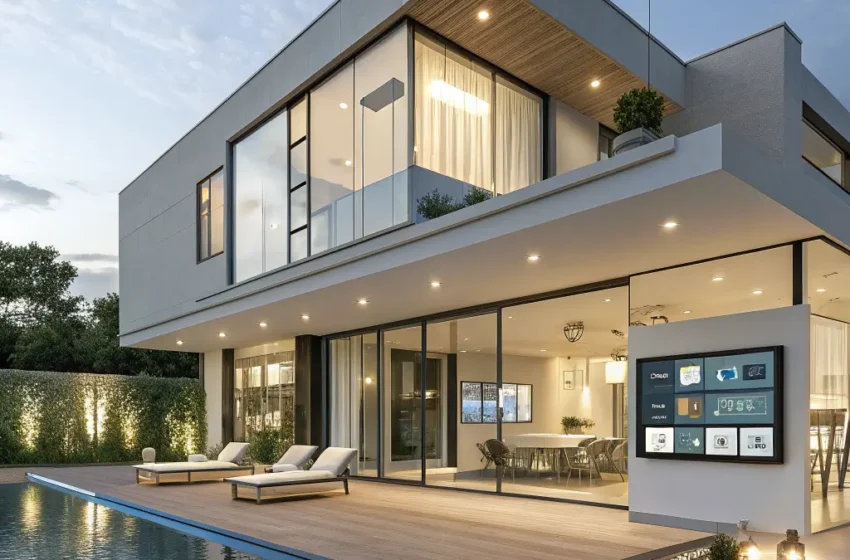
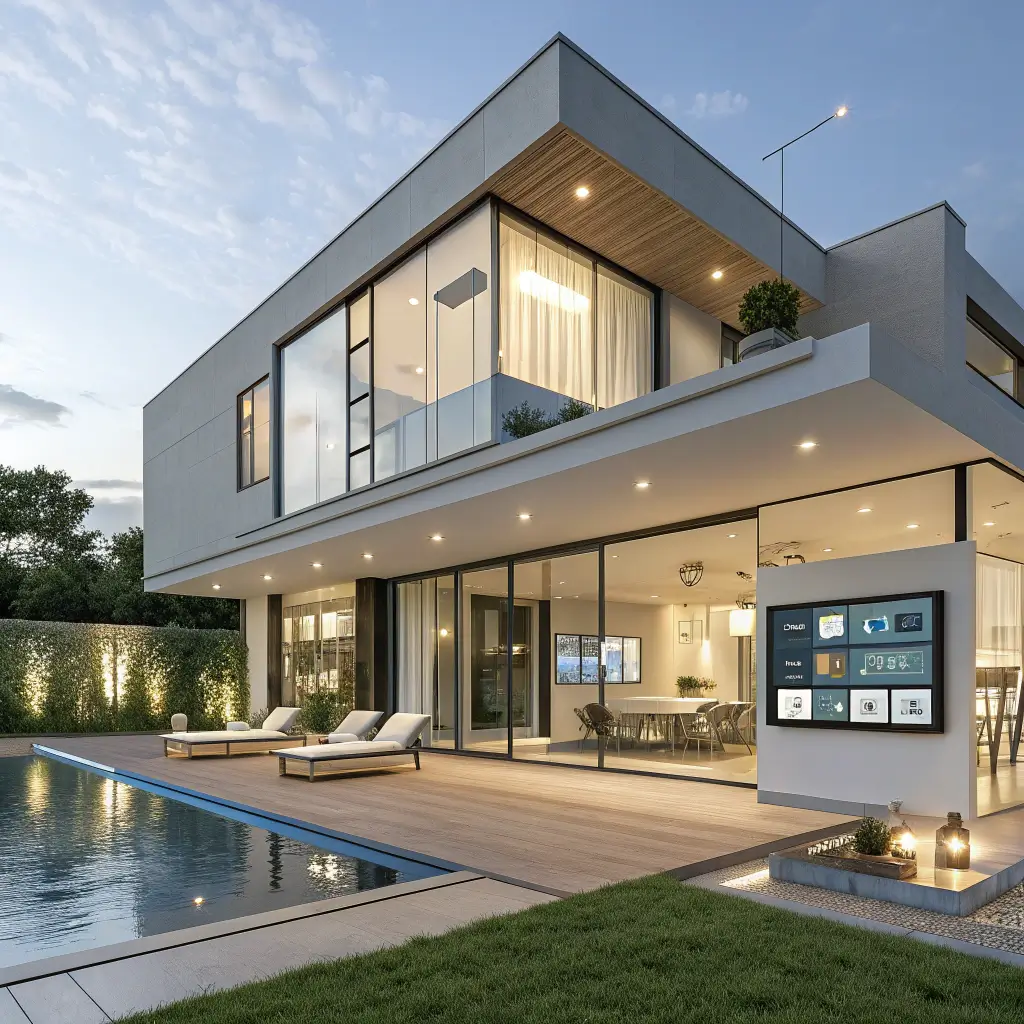
Technology increasingly shapes how we live in our homes, and smart house plans integrate technology infrastructure from the start rather than retrofitting it awkwardly later.
Building for Technology Integration
Smart home design begins with infrastructure. Robust wifi coverage requires thoughtful router placement and sometimes multiple access points. Pre-wired connections for important devices ensure reliability when wireless fails. Adequate electrical outlets and circuits support growing device demands.
Beyond wiring, smart layouts consider how technology affects daily life. Charging stations keep devices organized. Home office spaces accommodate video conferencing needs. Automation-friendly lighting, HVAC, and security systems work together seamlessly.
Features of Tech-Forward Floor Plans
Home offices have become non-negotiable for many households, and smart plans treat these spaces seriously. Proper acoustic separation, dedicated climate control, and professional-quality lighting support productive remote work.
Entertainment spaces designed for technology offer proper sight lines, acoustic treatment, and equipment storage. Media rooms or home theaters become genuinely usable rather than afterthoughts. Gaming areas, music studios, or creative spaces address specialized technology needs.
Balancing Technology With Livability
Here’s the challenge—homes stuffed with visible technology feel more like control rooms than living spaces. The best smart home designs hide the infrastructure while making the benefits accessible. Control panels integrate into millwork. Speakers disappear into ceilings. Cables route through concealed channels.
I toured a heavily automated home once that required a user manual just to turn on lights. That’s going too far. Technology should simplify life, not complicate it. Choose systems intuitive enough that guests can operate basic functions without instruction. :/
Bringing Your Dream House Plan to Life
We’ve covered a lot of ground here, from sleek modern designs to cozy country retreats, from eco-friendly layouts to tech-forward smart homes. Each approach offers something valuable depending on your priorities, budget, and lifestyle.
Finding Your Personal Style
Maybe you gravitated strongly toward one particular style. Or perhaps elements from several categories resonated with you. Most real-world dream homes blend influences rather than adhering strictly to single aesthetics. Your unique combination of preferences creates a home that feels genuinely yours.
Spend time with plans that attract you. Print them out. Mark them up. Imagine yourself living in these spaces. Walk through your morning routine mentally—does the layout support or hinder it? These exercises reveal whether initial attraction translates to genuine compatibility.
Next Steps Toward Your Dream
Once you’ve identified your preferences, professional guidance becomes invaluable. Architects and designers translate vague wishes into buildable plans. Builders provide reality checks on budgets and timelines. These experts help navigate the gap between Pinterest dreams and actual construction.
Don’t rush this process. The time invested in planning pays dividends throughout construction and for every year you live in your completed home. A few months of careful consideration prevents decades of living with regrets.
Your Dream Awaits
Building a dream house represents one of life’s most significant undertakings—financially, emotionally, and practically.
But the result, a home designed specifically for how you want to live, delivers satisfaction impossible to achieve any other way.
I hope these ten dream house plan ideas sparked your imagination and perhaps clarified what matters most to you.
Whether you’re breaking ground next month or simply enjoying aspirational planning for someday, understanding your preferences moves you closer to that dream.
Now go find your perfect plan. Your dream house awaits!