10 Inspiring Ceiling Design Ideas and Cozy Living Spaces
- Ceiling Design
 Ben
Ben- 0
- 26 minutes read
Remember the last time you walked into a room and looked up? Yeah, me neither – until I discovered that ceilings are basically the forgotten fifth wall that everyone ignores.
I spent years living under boring white ceilings, completely oblivious to the design potential floating right above my head.
Then I stayed at this boutique hotel with a stunning coffered ceiling, and suddenly I couldn’t stop staring upward like some kind of interior design bird watcher.
Here’s the thing about ceiling design: it completely transforms a room without eating up any floor space.
While everyone else obsesses over furniture arrangements and wall colors, you can create drama, add architectural interest, or inject personality overhead. Plus, a well-designed ceiling makes every room feel finished, intentional, and way more expensive than it actually is.
I’ve experimented with seven different ceiling treatments in various homes over the past five years (yes, I might have a problem), and I’ve learned what works, what’s worth the investment, and what’ll have you calling a contractor to fix your ambitious DIY disaster.
Let me share ten ceiling design ideas that’ll transform your space from forgettable to fabulous.
1. Modern Minimalist Ceiling Makeover
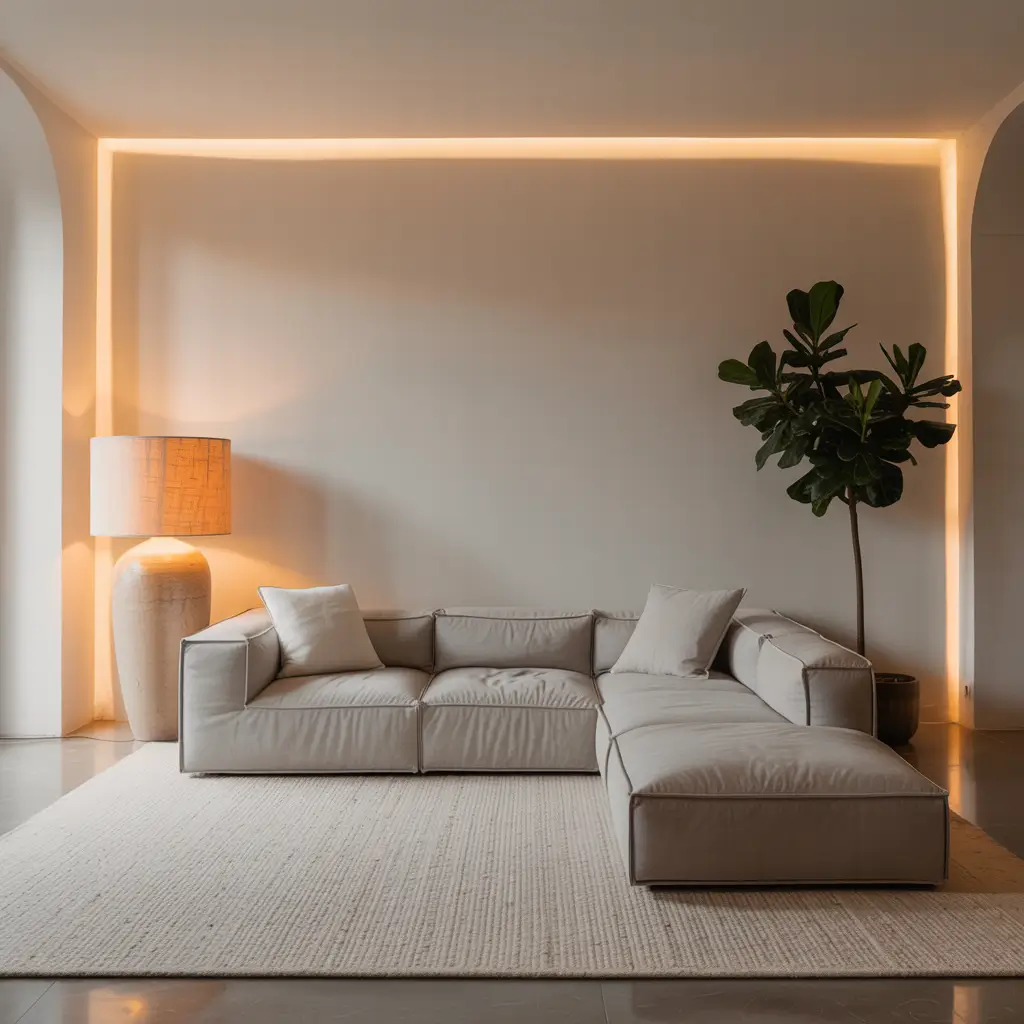
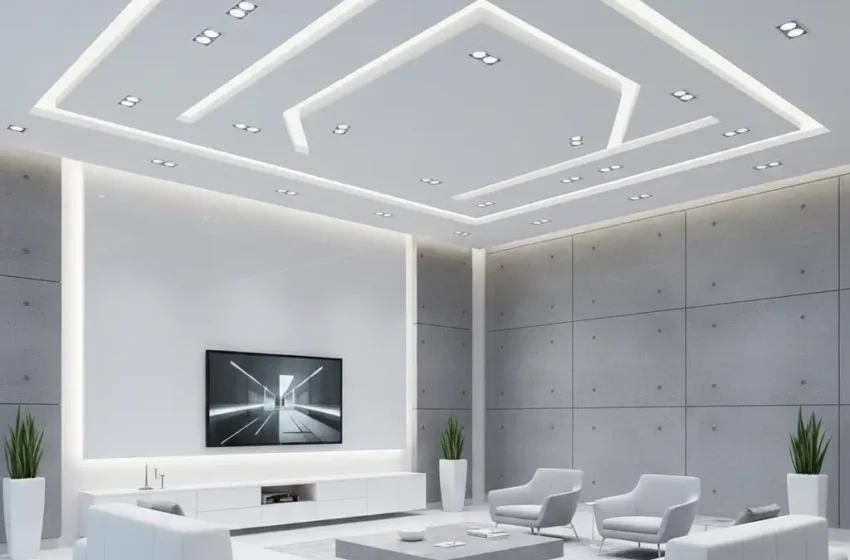
Minimalist ceilings prove that sometimes less really is more – but “less” doesn’t mean boring white paint and calling it a day. My living room’s minimalist ceiling became the most talked-about feature after I ditched the popcorn texture for a perfectly smooth, matte white surface with recessed lighting. The transformation took the room from dated to sophisticated instantly.
The beauty of minimalist ceiling design lies in the details nobody notices until they’re missing. Clean lines where the ceiling meets the walls, no visible fixtures cluttering the surface, and strategic lighting that seems to come from nowhere. It’s like the ceiling equivalent of that person who looks effortlessly put together but probably spent an hour getting ready.
Creating Minimalist Magic
Start by removing everything that doesn’t need to be there. Crown molding in a minimalist space? Nope. Ceiling fans? Find alternatives. That random ceiling medallion from 1987? Definitely gotta go. I removed my old ceiling fan and installed a sleek mini-split for climate control, and the ceiling instantly felt higher.
Focus on creating the smoothest surface possible. This might mean skim coating over texture or installing new drywall. Yes, it’s work, but the payoff is huge. My contractor thought I was crazy paying extra for level 5 finishing, but that ultra-smooth surface reflects light beautifully.
Recessed lighting becomes your best friend. Install them strategically to wash walls with light rather than creating spots on the floor. I used 4-inch ultra-thin LED wafers that sit almost flush with the ceiling – they’re practically invisible when off but provide amazing ambient lighting.
2. Rustic Wooden Beam Ceiling Designs
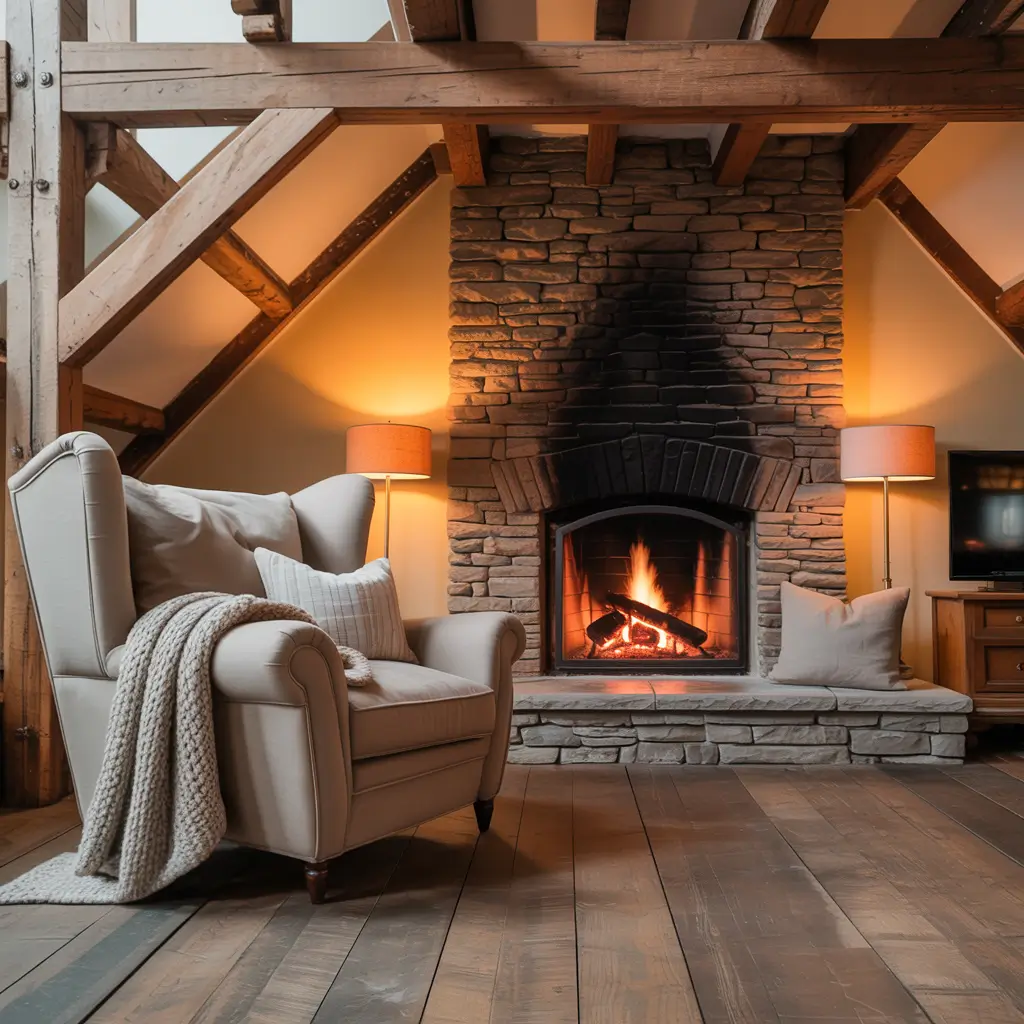
Wooden beams add instant character and warmth that makes any room feel like a cozy cabin – even if you’re in a suburban ranch house. I added faux beams to my bedroom ceiling last year, and now it feels like a mountain retreat despite being nowhere near any mountains.
Real wood beams are amazing if your structure can support them, but let’s be honest – most of us need the faux version. Modern faux beams look so realistic that my contractor asked where I sourced the reclaimed wood. The secret? High-density polyurethane beams that weigh nothing but look like centuries-old timber.
Beaming with Pride
Choose your beam color based on your room’s vibe. Dark walnut beams create drama and contrast against white ceilings. Light oak keeps things airy and Scandinavian. I went with medium-toned hickory that adds warmth without overwhelming my small bedroom.
Consider beam placement carefully. Traditional grid patterns work in formal spaces, while random placement feels more organic. I created a simple pattern with one ridge beam and four cross beams – enough to add character without looking like a tic-tac-toe board on my ceiling.
Don’t forget about scale. Massive beams in tiny rooms look ridiculous, while skinny beams in large spaces disappear. My 12×14 bedroom has 6-inch wide beams that feel substantial without crushing the space. Measure twice, order once – returns on ceiling beams are not fun.
3. Elegant False Ceiling with LED Lights

False ceilings with integrated LED lighting changed my entire perspective on what ceilings could do. My home office went from cave-like to magazine-worthy after installing a false ceiling that drops down just 6 inches but completely transforms the lighting situation.
The magic happens in that gap between your original ceiling and the new one. Hidden LED strips create ambient lighting that makes everyone look good (goodbye, harsh overhead bulbs that highlight every flaw). Plus, you can hide ugly necessities like wiring, pipes, or that weird stain from when the upstairs toilet overflowed.
Illuminating False Ceiling Facts
Plan your lighting zones before installation. I created three zones in my office: bright task lighting over the desk, ambient lighting around the perimeter, and accent lighting highlighting my bookshelf wall. Smart LED strips let me control each zone independently.
Choose the right ceiling material for your needs. Gypsum board is standard and affordable. I splurged on acoustic tiles in my media room – they dampen sound and look sophisticated. The difference in movie nights is incredible.
FYI, false ceilings can actually save money long-term. Mine improved insulation so much that my energy bills dropped noticeably. The LED lights use 75% less energy than my old fixtures. The ceiling paid for itself in under two years.
Also Read: 15 Elegant Bedroom Ceiling Design Modern Ideas for Cozy Vibes
4. Luxury Coffered Ceiling Ideas
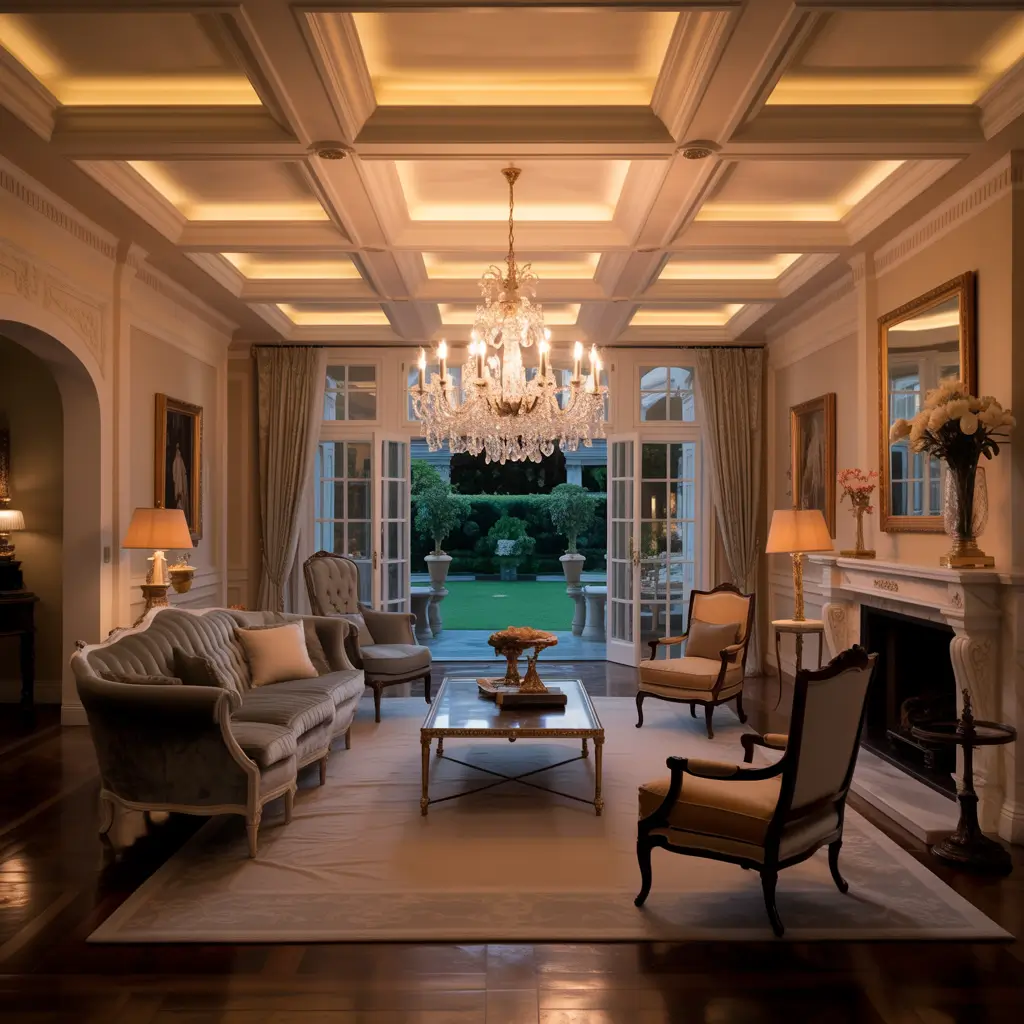
Coffered ceilings scream luxury louder than a designer handbag – but thankfully, they last longer and don’t go out of style. I installed a coffered ceiling in my dining room, and suddenly every dinner feels like a special occasion. Even pizza night seems fancier under those elegant squares.
Traditional coffered ceilings involve serious construction, but modern versions make luxury accessible. You can create the look with lightweight molding and smart painting techniques. My “coffered” ceiling is actually just a grid of crown molding creating recessed panels – total illusion, totally effective.
Coffering Without Breaking the Bank
Start with a simple grid pattern if you’re DIY-ing. Complex patterns look amazing but require precise measurements and cuts. My 3×3 grid took a weekend to install. My friend’s octagonal pattern took three weeks and a lot of swearing.
Paint creates depth without actual recesses. Paint the “recessed” areas a shade darker than the beams. This shadow effect tricks the eye into seeing depth that isn’t there. I used soft gray for panels and white for beams – instant dimension for the cost of paint.
Scale your coffers to your room size. Tiny coffers in huge rooms look busy. Massive coffers in small rooms feel oppressive. My 12×15 dining room has nine coffers (three rows of three), and the proportion feels just right.
5. Colorful Painted Ceiling Inspirations

Who decided ceilings must be white? Not me, not anymore. I painted my powder room ceiling deep emerald green, and it’s become the most Instagrammed spot in my house. Color overhead creates intimacy and personality that white ceilings never could.
The key to colored ceilings lies in choosing the right color for the right room. Bedrooms love soothing blues and soft greens. Dining rooms can handle drama with deep jewel tones. My kitchen’s soft yellow ceiling makes every morning feel sunny, even in winter.
Painting Outside the Lines
Test colors on your ceiling, not walls. Colors look completely different horizontal versus vertical, and lighting changes everything. I learned this after my “soft lavender” looked like Barney purple on the ceiling. Now I paint massive samples and live with them for a week.
Consider the room’s natural light. North-facing rooms with colored ceilings can feel cave-like. South-facing rooms can handle deeper colors. My north-facing bedroom has the palest blue ceiling that adds color without killing light.
Don’t forget the finish. Flat paint hides imperfections but can’t be cleaned. Satin reflects more light but shows every flaw. I use eggshell – enough sheen to clean but forgiving enough for amateur paint jobs.
6. DIY Textured Ceiling Patterns

Texture adds visual interest without color commitment, and you can create stunning patterns with basic tools. I transformed my bland hallway ceiling with a simple combed texture that cost less than $50 but looks like expensive plasterwork.
Skip the dated popcorn and orange peel textures. Modern texture is about intentional patterns and subtle dimension. Think geometric stamps, combed swirls, or even stenciled designs. My favorite discovery? You can create gorgeous texture with joint compound and a sponge.
Texturing Like a Pro (Sort Of)
Practice your technique on cardboard first. Texture is permanent-ish, and mistakes on ceilings are hard to fix. I practiced my swirl pattern twenty times before touching the actual ceiling. Still made mistakes, but fewer than expected.
Work in sections and maintain consistent patterns. Mark a grid lightly in pencil to keep patterns aligned. My first attempt looked like texture chaos because I didn’t plan. The second attempt with a grid looks intentional and professional.
Know when to call professionals. Some textures require skill and special equipment. I attempted a Venetian plaster ceiling myself – disaster. Hired a pro for the redo, and it looks incredible. Sometimes DIY means “Don’t Injure Yourself” :/
Also Read: 15 Stunning Hallway Ceiling Lights Ideas and Elegant Designs
7. Geometric Ceiling Design Trends

Geometric ceiling designs turn boring surfaces into modern art installations. My guest bedroom features painted triangles that create a 3D effect, and everyone asks if it’s wallpaper. Nope, just painters tape, patience, and probably too much coffee.
The beauty of geometric designs lies in their flexibility. Simple stripes work in traditional spaces. Complex patterns suit modern rooms. My favorite approach? Start simple and add complexity if needed. You can always add more, but removing painted geometric patterns means starting over.
Getting Your Angles Right
Map your design on paper first. Graph paper became my best friend during planning. I scaled my ceiling dimensions and tested different patterns. This prevented the devastating realization that my pattern wouldn’t fit evenly across the ceiling.
Use quality painters tape and seal edges properly. Bleeding paint ruins clean geometric lines. I learned to seal tape edges with the base color first, then apply the pattern color. Extra step? Yes. Worth it? Absolutely.
Consider optical illusions carefully. Some patterns make ceilings feel higher, others lower. Diagonal lines add dynamism but can feel chaotic in small rooms. My horizontal stripes make the narrow hallway feel wider – geometry magic at work.
8. Eco-Friendly Bamboo Ceiling Concepts

Bamboo ceilings bring sustainability and style together in ways that make both your designer friends and environmentalist friends happy. I installed bamboo panels in my sunroom, and the natural variation in color and grain creates visual interest no painted ceiling could match.
The sustainability factor sealed the deal for me. Bamboo grows incredibly fast, requires minimal water, and doesn’t need replanting. Plus, it naturally resists moisture and insects. My bamboo ceiling looks as good as day one despite humidity that would warp regular wood.
Bamboo Basics
Choose between solid bamboo and bamboo veneer panels. Solid costs more but lasts forever. Veneer offers the look at lower cost. I used solid bamboo in high-traffic areas and veneer in the closet – strategic splurging.
Installation varies by product type. Click-lock panels install like floating floors but on the ceiling. Traditional panels need adhesive or nailing. I hired professionals for my vaulted ceiling but DIY’d the flat closet ceiling successfully.
Embrace the natural variation. Every bamboo panel differs slightly in color and grain. This isn’t a flaw – it’s the beauty of natural materials. My ceiling has subtle stripes where panels meet, creating organic pattern without trying.
9. Vintage Tin Ceiling Panels

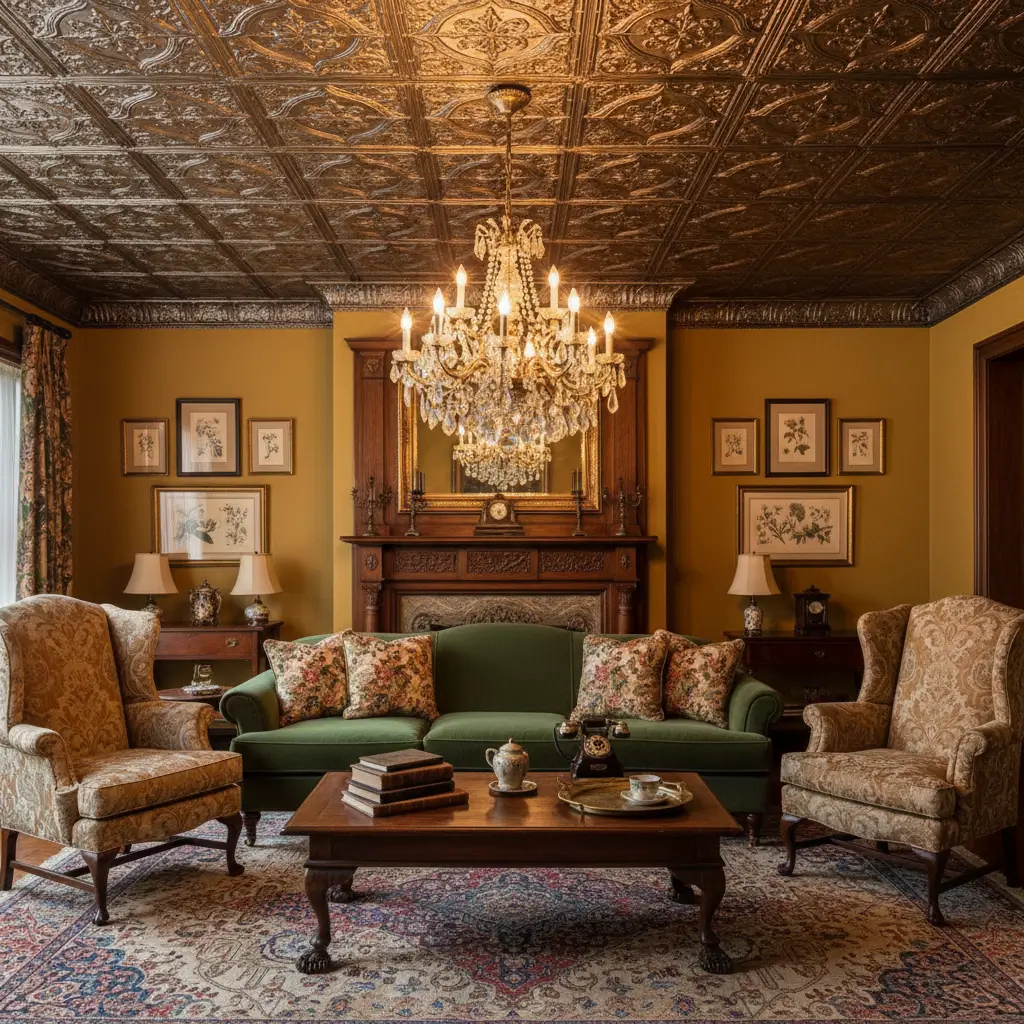
Tin ceiling panels bring vintage charm that makes new construction feel like it has history. I installed pressed tin panels in my kitchen, and now it looks like a restored 1920s café. The best part? They’re actually aluminum and won’t rust even with cooking steam.
Original tin ceilings are expensive antiques, but modern reproductions nail the aesthetic at reasonable prices. The patterns range from simple squares to elaborate Victorian designs. I chose a medium-detail pattern – enough interest without overwhelming my small kitchen.
Tin Ceiling Success
Measure precisely and order extra panels. Cutting tin panels for edges and obstacles requires sacrifice panels. I ordered 15% extra and used every bit. Better to have leftovers than run short mid-project.
Consider the finish carefully. Bare metal looks industrial. Painted panels feel traditional. I chose antique copper finish that adds warmth and hides the occasional cooking splatter. Pure white would show everything.
Don’t skip the crown molding. Tin ceilings need proper edging to look finished. I initially skipped it to save money – big mistake. Added molding later, and it transformed from “DIY project” to “professional installation.”
Also Read: 10 Cozy Bedroom Makeover on a Budget Ideas to Refresh
10. Floating Panel Ceiling with Spotlights
Floating ceiling panels create depth and hide lighting infrastructure while looking impossibly modern. My basement transformation started with floating panels that hide ugly pipes and wiring while creating zones in the open space.
The panels don’t actually float (physics still applies), but strategic mounting and hidden supports create the illusion. LED spotlights between panels provide targeted lighting that makes my basement feel like an upscale gallery rather than, well, a basement.
Making Panels Float
Plan your support structure carefully. Panels need solid mounting despite appearing weightless. I used a metal grid system hidden above the panels. Looks magical, actually very logical engineering.
Integrate lighting during installation, not after. Running wires later is a nightmare. I pre-wired everything and installed junction boxes where needed. The extra planning time saved days of frustration.
IMO, varying panel heights adds incredible dimension. My panels hang at three different levels, creating visual interest and defining spaces without walls. The lowest panels hover over the seating area, creating intimacy in the large room.
Looking Up From Here
There you have it – ten ceiling design ideas that prove the fifth wall deserves as much attention as the other four.
The biggest lesson I’ve learned? Ceilings offer the chance to add drama, character, or sophistication without sacrificing precious floor space.
Start by really looking at your ceilings. What’s working? What’s not? Maybe you just need paint, or perhaps you’re ready for a complete transformation.
Either way, remember that ceiling changes make a massive impact on how rooms feel.
The best ceiling design is one that complements your space while adding something special.
Whether that’s the simplicity of perfect white minimalism or the drama of deep color and texture, your ceiling should enhance your room’s story, not compete with it.
Don’t let fear of looking up – literally or figuratively – keep you from transforming your ceilings. Every ceiling project I’ve tackled taught me something, even the failures.
Especially the failures, actually. So grab some paint, call a contractor, or start researching materials. Your ceilings are waiting to surprise you, and trust me, once you start designing up there, you’ll never look at rooms the same way again 🙂