12 Amazing Simple Ceiling Design Ideas for Cozy Interiors
- Ceiling Design
 Ben
Ben- 0
- 28 minutes read
Simple ceiling designs changed everything for me. I spent years living under the world’s most boring white ceilings, thinking fancy ceiling designs were for people with fancy budgets and even fancier contractors.
Then my sister transformed her rental apartment with nothing but paint and some LED strips, and I realized I’d been living like a ceiling peasant for no good reason.
Here’s the secret nobody tells you: simple ceiling designs often look better than complicated ones. You don’t need cathedral ceilings or hand-carved medallions to make a room feel special.
Sometimes all it takes is the right paint color, some strategic lighting, or a few wooden panels to completely change how a space feels.
Plus, most of these ideas are so straightforward that even my friend Tom managed one (and Tom once assembled an IKEA chair backwards… twice).
I’ve tried almost every simple ceiling design imaginable over the past three years, turning my home into a testing ground for what works and what just looks like you tried too hard.
Let me share twelve simple ceiling ideas that deliver maximum impact with minimum complexity – because life’s too short to stare at boring ceilings.
1. Minimalist White False Ceiling Design
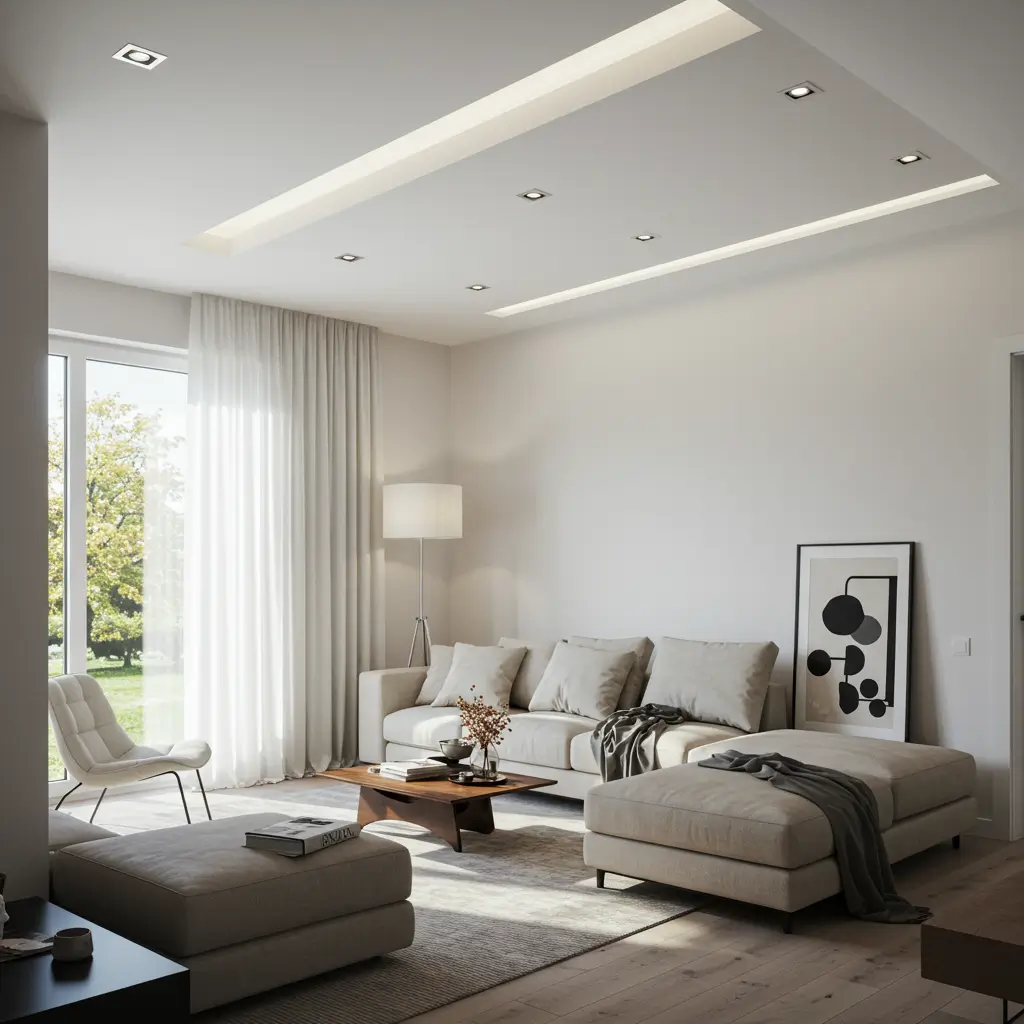
Minimalist white false ceilings prove that sometimes doing less gives you more. I installed one in my living room last year, and the transformation from “random apartment” to “architectural digest wannabe” happened instantly. Just a smooth, flat surface hiding all the ugly bits while creating this clean canvas overhead.
The beauty of minimalist white designs lies in their versatility. They work with literally any decor style, make rooms feel larger, and provide the perfect backdrop for whatever lighting scheme you dream up. My living room went from feeling cluttered to spacious just by creating this uniform white plane above.
Making White Work Wonders
Choose your white wisely – not all whites are created equal. I learned this after painting my first ceiling in pure white, which looked harsh and clinical. Warm whites with tiny hints of cream or gray create a softer, more inviting feeling without losing that clean aesthetic.
Invest in proper finishing for that flawless look. Level 5 finishing (the smoothest possible) costs more but delivers that magazine-worthy smoothness. Any bumps or imperfections show up dramatically on plain white ceilings, especially under modern LED lighting.
Hide your lighting fixtures for true minimalist impact. Recessed lights that sit flush with the ceiling maintain those clean lines. I spent extra on trimless recessed lights, and they disappear completely into the ceiling when off.
2. Wooden Panel Ceiling for Cozy Rooms
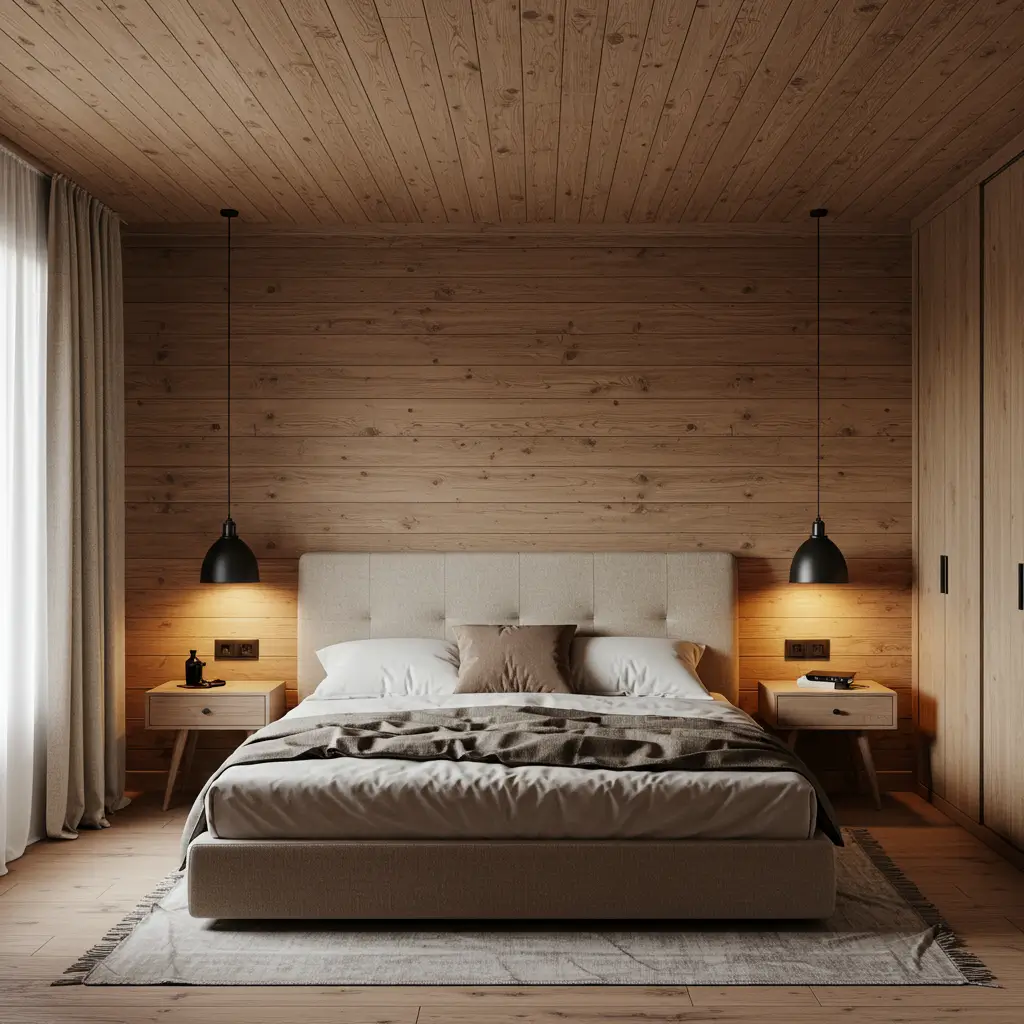
Wooden panel ceilings bring instant warmth that paint alone can’t achieve. I added wood-look panels to my bedroom, and suddenly it felt like a cozy cabin retreat instead of a box with a bed in it. The best part? They weren’t even real wood – just really convincing vinyl panels that cost a fraction of the price.
The panels create visual texture that makes ceilings feel intentional rather than just… there. Each panel catches light differently, creating subtle shadows and depth that change throughout the day. My bedroom now has this organic rhythm overhead that makes the whole space feel more natural and inviting.
Wood You Believe How Easy This Is
Start with lightweight faux wood if you’re DIY-ing. Real wood panels are gorgeous but heavy and require serious structural consideration. My vinyl panels look exactly like weathered pine but weigh practically nothing and went up with basic adhesive.
Run panels perpendicular to your room’s longest dimension. This trick makes narrow rooms feel wider and adds visual interest. I initially installed mine parallel to the length, and the room felt like a bowling alley. One reinstallation later, problem solved.
Consider the maintenance reality of your choice. Real wood needs sealing and occasional refinishing. My faux panels just need occasional dusting. Three years later, they still look exactly like day one.
3. Modern Strip LED Ceiling Design
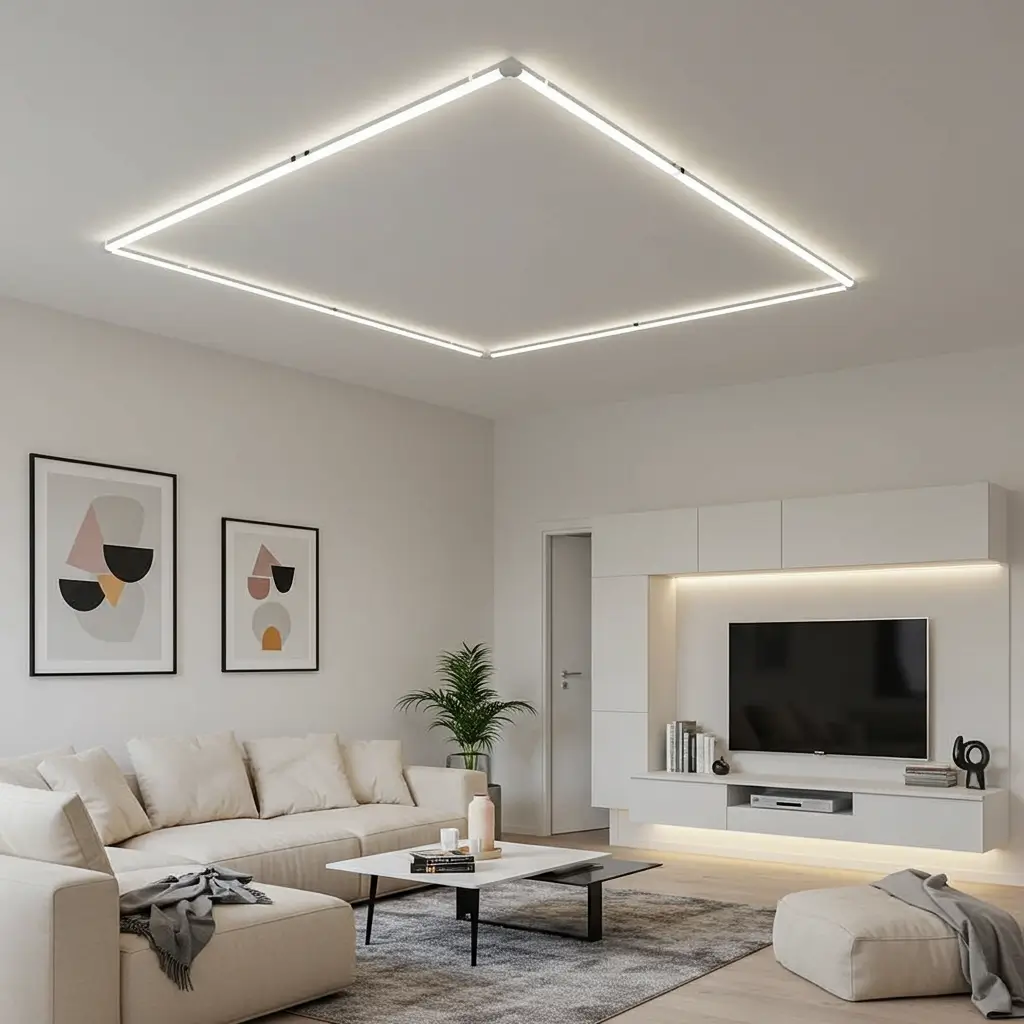
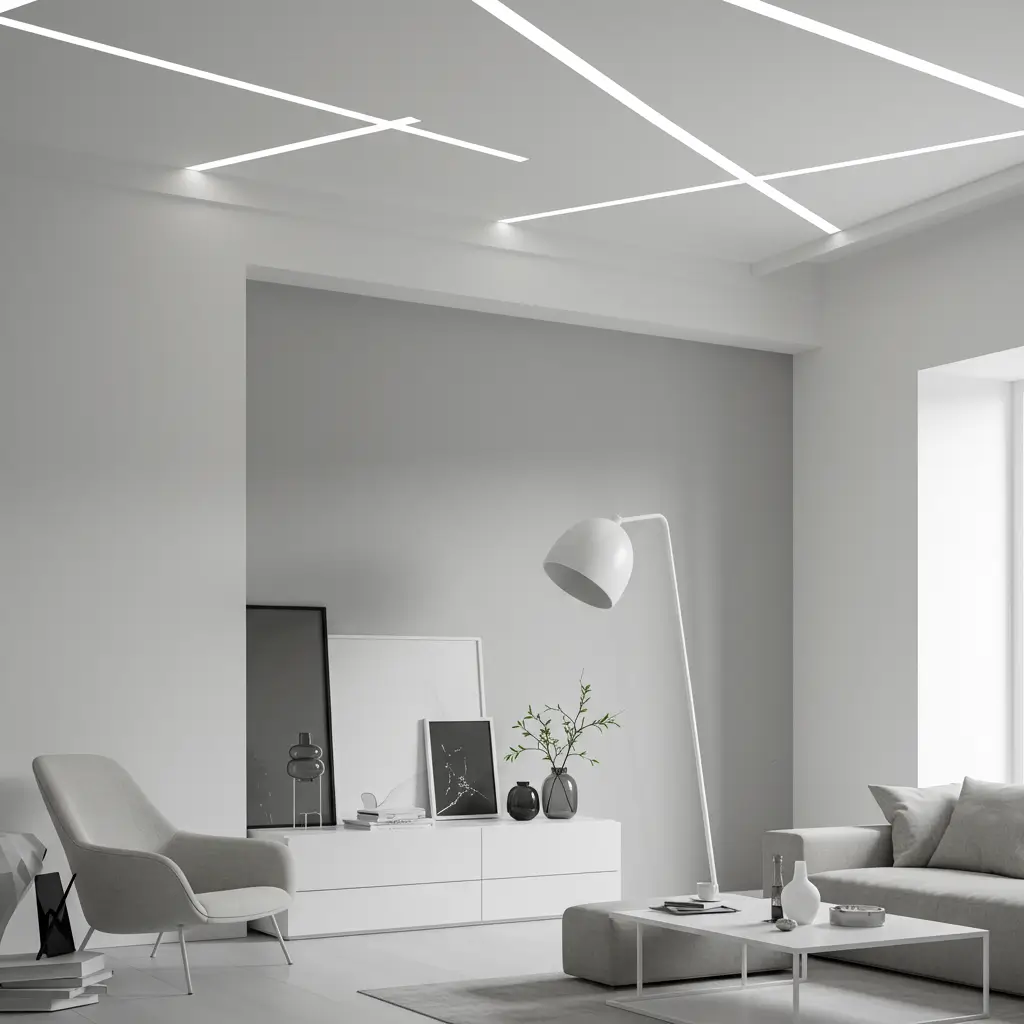
Strip LED designs turned my home office from a cave into a workspace that actually energizes me. I created simple channels in my ceiling where LED strips sit, casting light upward and eliminating those harsh shadows that made video calls look like horror movies.
The strips run in parallel lines across the ceiling, creating this rhythmic pattern that’s both functional and decorative. During the day, they supplement natural light. At night, they create ambiance that makes working late almost enjoyable (almost).
Lighting Your Way to Success
Plan your strip placement based on room function. My office strips run perpendicular to my desk, eliminating shadows on my workspace. Random placement might look cool in photos but fails in daily use.
Invest in quality LED strips with high CRI (Color Rendering Index). Cheap strips make everything look slightly green or purple. I learned this after my first installation made me look sick on every video call. Quality strips cost more but make colors look natural.
FYI, always install dimmers with LED strips. The difference between task lighting and ambient lighting is just a dimmer switch away. My office transitions from bright workspace to relaxing evening retreat with one adjustment.
Also Read: 10 Beautiful Simple False Ceiling Design Ideas on Budget
4. Elegant Coffered Ceiling in Simple Style
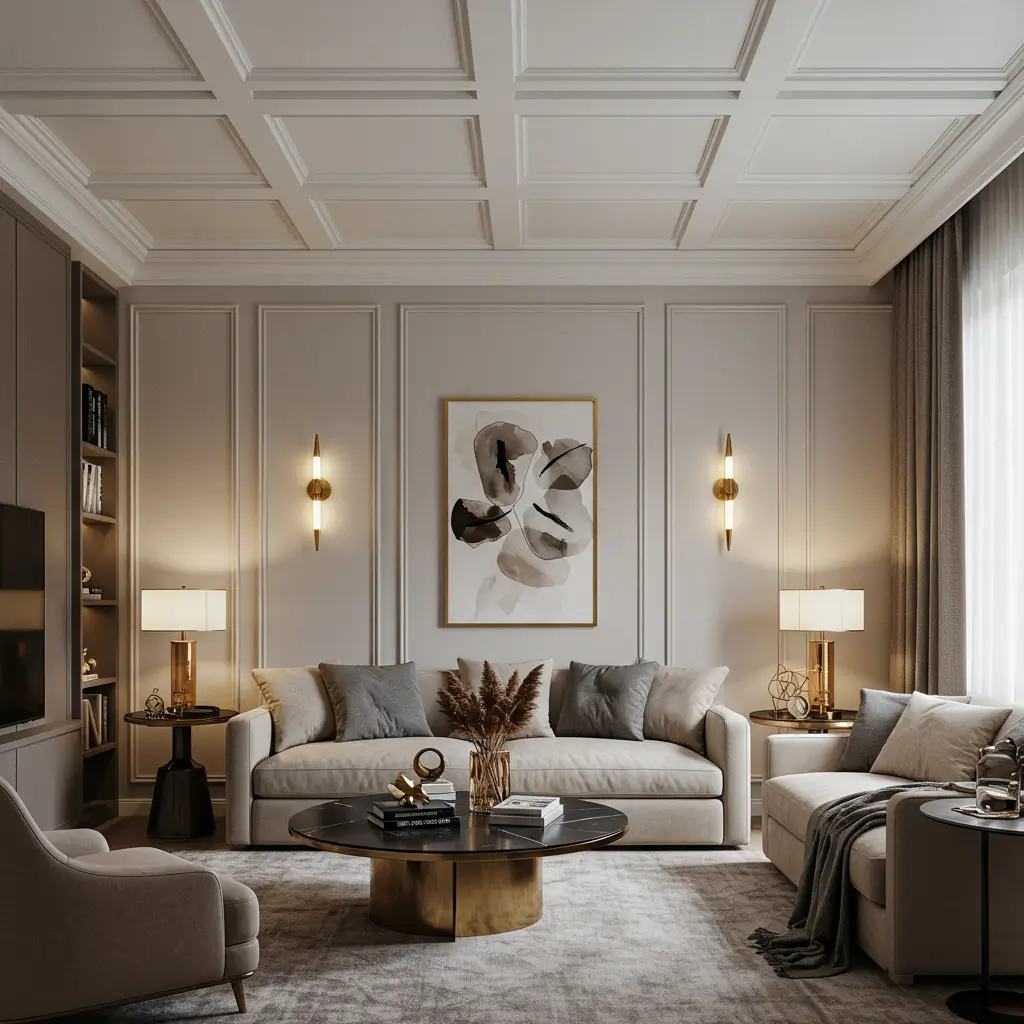
Coffered ceilings sound fancy and complicated, but simple versions deliver the same elegance without the complexity. My dining room features a basic grid of shallow coffers created with crown molding and paint, and everyone thinks I hired an expensive contractor.
The grid pattern adds architectural interest that makes the room feel custom-designed rather than builder-basic. Each coffer is just a square defined by molding, painted slightly darker than the ceiling. Simple geometry, sophisticated results.
Coffering Without Suffering
Keep your coffers shallow for easier installation. Mine are just 2 inches deep – enough to create shadow lines and visual interest without complex construction. Deep coffers look amazing but require serious framing work.
Use lightweight polyurethane molding instead of wood. It looks identical once painted, costs less, and installs with basic adhesive. My entire coffered ceiling used molding that weighs less than a gallon of milk.
Create a symmetrical grid that fits your room perfectly. My 12×14 dining room has six coffers in a 2×3 grid. Partial coffers at edges look terrible, so plan your grid to use complete squares only.
5. Textured Popcorn Ceiling Makeover
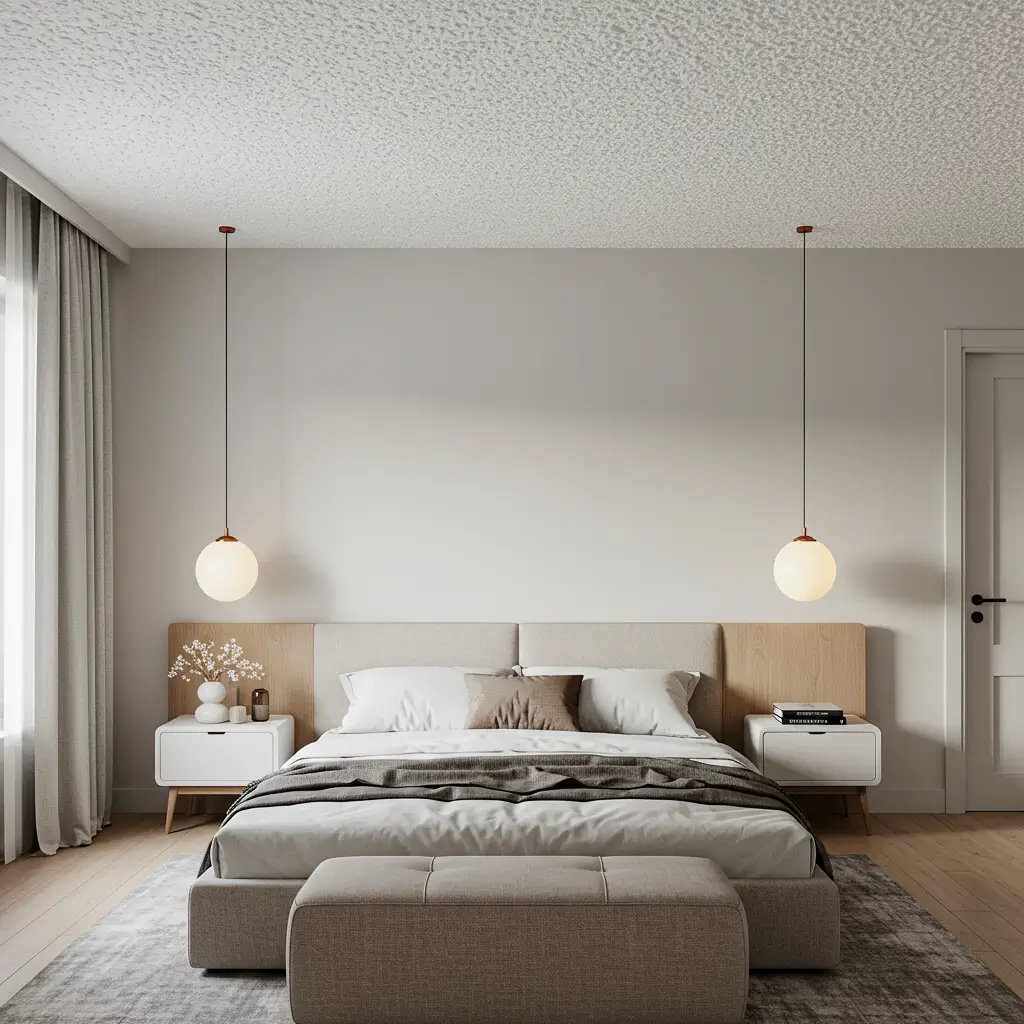
Popcorn ceilings get tons of hate, but simple makeovers can transform them from dated to dramatic. Instead of scraping off my popcorn ceiling (messy, potentially containing asbestos, definitely not simple), I covered it with thin planks that lock together like flooring.
The transformation took one weekend and zero ceiling scraping. Now my formerly embarrassing popcorn ceiling looks like expensive shiplap. Sometimes the simplest solution is just covering up the problem entirely.
Popping Off Without Scraping
Test for asbestos before doing anything to popcorn ceilings. Homes built before 1980 often used asbestos in texture. My house tested negative, but knowing for sure prevented potential health hazards.
Consider painting if your popcorn is in good condition. I painted my guest room’s popcorn ceiling dark charcoal, and suddenly it looked intentional and moody rather than dated. Sometimes embracing the texture works better than fighting it.
Use ceiling tiles or planks for complete coverage. My living room planks installed directly over the popcorn with adhesive and small nails. No mess, no scraping, just clean lines hiding the texture underneath.
6. Simple Tray Ceiling with Soft Lighting
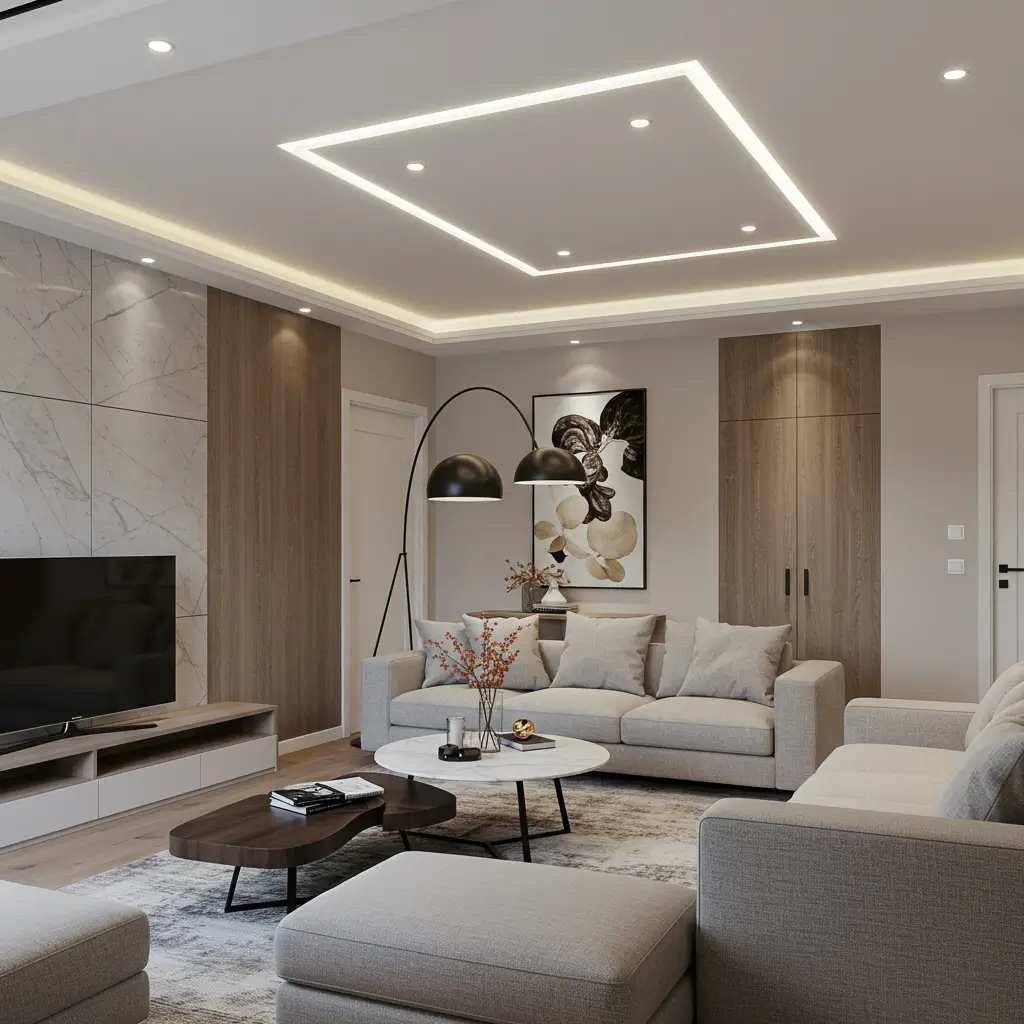
Tray ceilings create depth without complexity. My master bedroom features a simple single-level tray – just a recessed center with a raised border – and it makes the room feel like a boutique hotel suite.
The magic happens when you add lighting to the tray’s ledge. Hidden LED strips create this soft glow that makes the center appear to float. It’s architectural interest and perfect mood lighting in one simple design.
Tray Success Made Easy
Keep your tray depth modest for simple installation. My tray recesses just 6 inches – enough for visual impact and lighting but not so deep it feels oppressive. Remember, you’re losing ceiling height in the recessed area.
Paint the recessed area a shade darker than the border. This creates depth even when lights are off. I used the same color in two different sheens initially, but the contrast wasn’t enough. A slightly darker shade made all the difference.
Run your electrical before building the tray. This seems obvious, but I’ve watched friends demolish fresh drywall because they forgot to plan for power. Learn from their expensive mistakes.
Also Read: 10 Inspiring Gypsum Ceiling Design Ideas and Luxe Room Vibes
7. PVC Panel Ceiling for Budget Homes
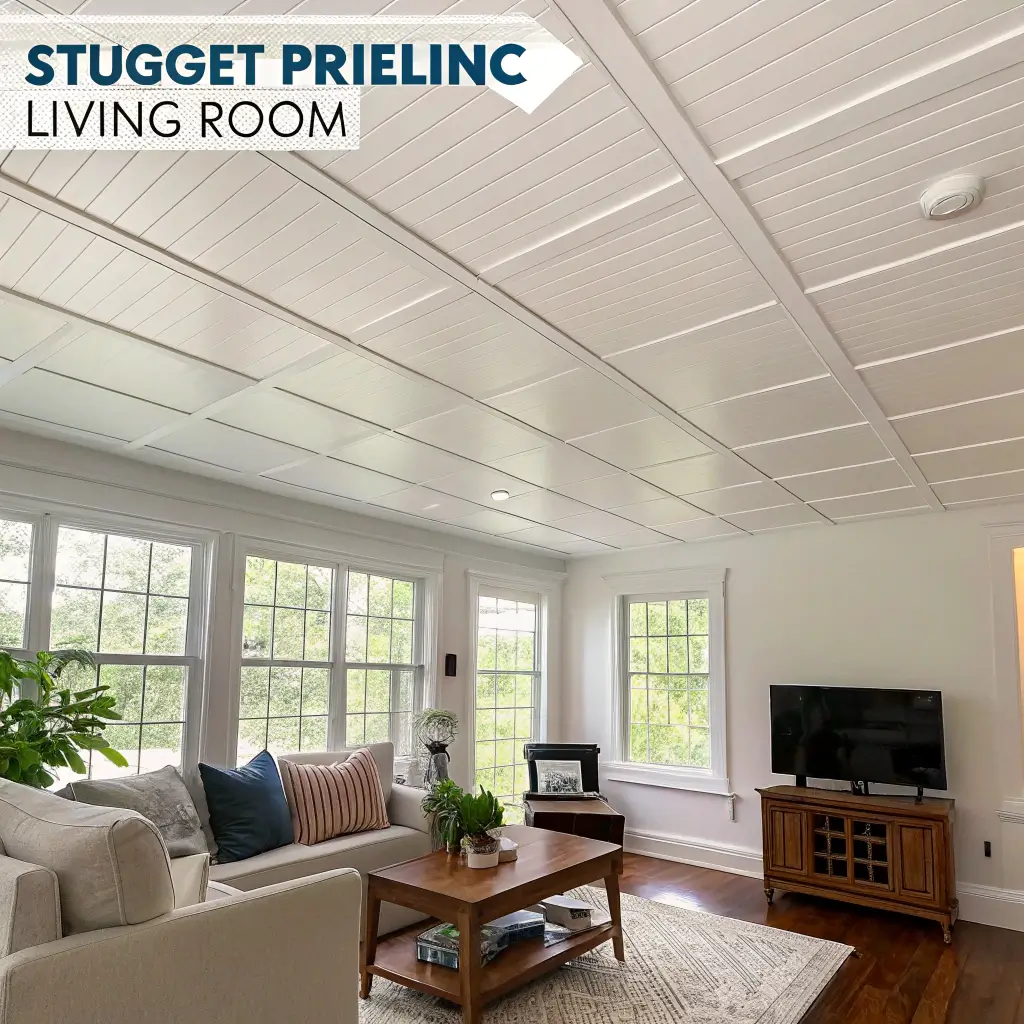
PVC panels delivered style to my bathroom for less than the cost of a nice dinner out. These lightweight panels resist moisture, install easily, and come in designs that look way more expensive than they actually are.
I chose panels that mimic white shiplap, and they transformed my basic bathroom into something that looks professionally designed. The best part? If one gets damaged, I can replace just that panel without redoing the entire ceiling.
PVC Success Stories
Choose quality panels that won’t yellow over time. Super cheap PVC turns yellow within a year, especially in sunny rooms. I spent slightly more on UV-resistant panels, and they still look pristine two years later.
Leave small gaps for expansion. PVC expands and contracts with temperature changes. I learned this when my too-tight installation started buckling during the first heat wave. Small gaps hidden by trim prevent this issue.
Don’t dismiss PVC as “cheap looking.” Modern PVC panels come in wood grains, metallic finishes, even designs that look like expensive coffered ceilings. My friend’s “tin ceiling” is actually PVC – nobody can tell the difference.
8. Floating Ceiling with Recessed Lights
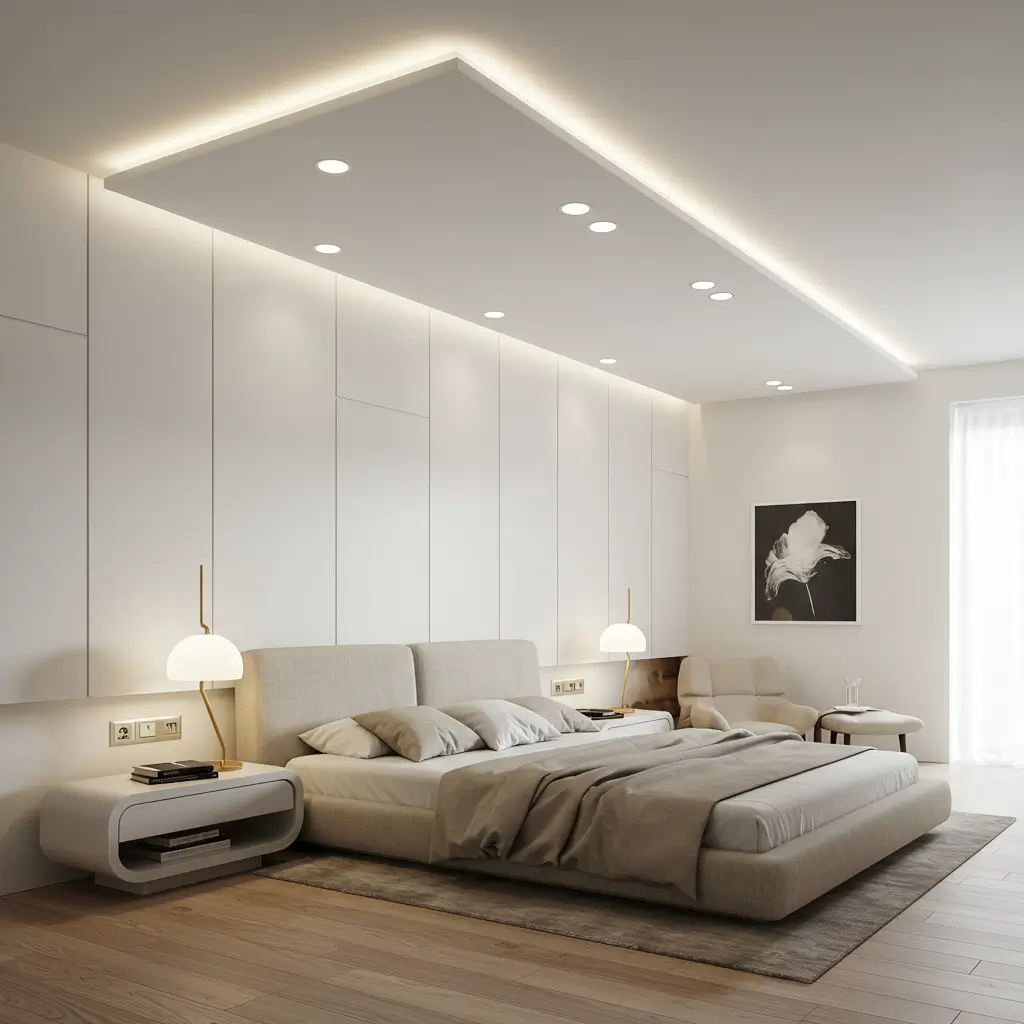
Floating ceilings create the illusion that your ceiling is hovering magically above the room. I achieved this in my hallway with a simple dropped ceiling that stops 6 inches from the walls, with LED strips in the gap creating a glowing border.
The floating effect makes narrow spaces feel wider and low ceilings feel higher. My claustrophobic hallway now feels like an art gallery corridor. The transformation required basic framing skills and one weekend of work.
Float Your Boat (Or Ceiling)
Create adequate gap width for proper floating effect. Too narrow and you lose the illusion. Too wide and it looks like a construction mistake. My 6-inch gap hits the sweet spot for most rooms.
Hide all mounting hardware for convincing floating. Visible brackets ruin the magic. I used L-brackets painted to match the ceiling and hidden in the gap. Completely invisible but rock solid.
Use consistent lighting throughout the gap. Dark spots break the floating illusion. I initially tried to save money with fewer LEDs, but the uneven lighting ruined the effect. Proper LED density is worth the extra cost.
9. Painted Accent Ceiling for Small Rooms
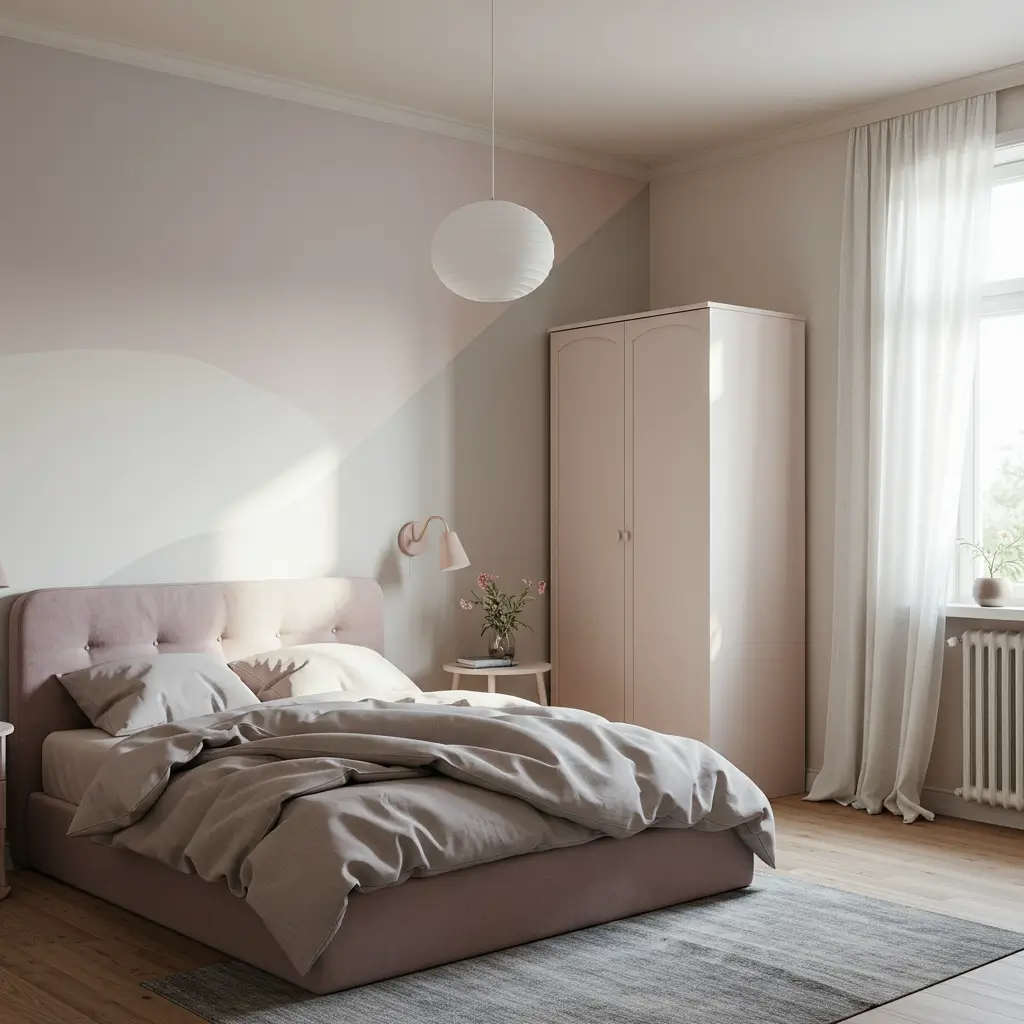
Painted accent ceilings deliver maximum impact with minimum investment. My tiny home office went from forgettable to Instagram-worthy with just a gallon of deep navy paint on the ceiling. The color draws the eye up, making the room feel intentionally designed rather than accidentally small.
Dark ceilings in small rooms sound counterintuitive, but they create intimacy rather than claustrophobia when done right. My office feels like a cozy jewel box now, not a cramped corner.
Painting Your Way to Perfect
Test colors on poster board first. Ceiling paint looks completely different than wall swatches. I taped painted poster boards to my ceiling and lived with them for a week before committing. Saved me from what would have been a terrible green choice.
Consider the room’s natural light before choosing colors. North-facing rooms can handle darker colors. South-facing rooms might find dark ceilings overwhelming. My north-facing office needed that navy to add warmth and character.
IMO, ceilings don’t always need to be lighter than walls. My navy ceiling with white walls creates drama and actually makes the room feel taller by drawing the eye upward :/
Also Read: 12 Brilliant Luxury Ceiling Design Ideas for Modern Interiors
10. Beamed Ceiling for Rustic Minimalism
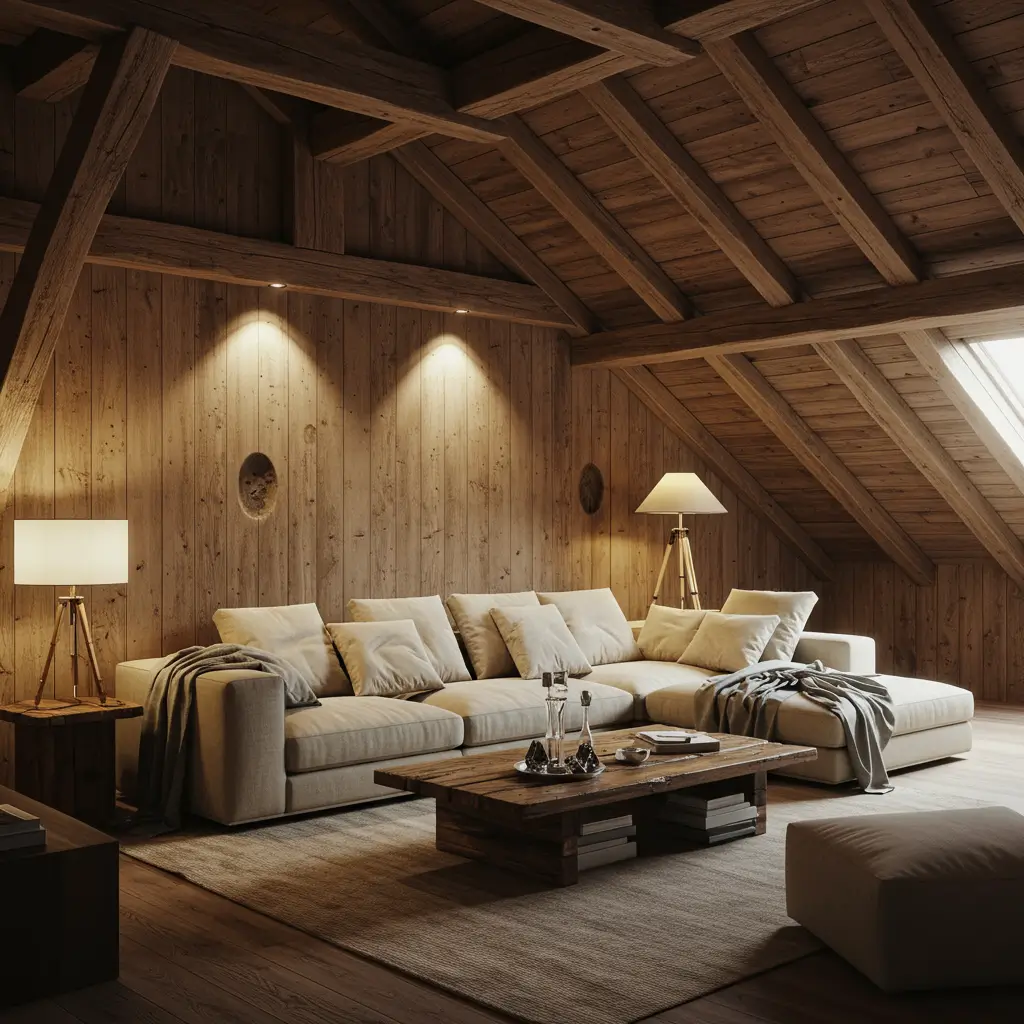
Beamed ceilings bring architectural interest without overwhelming simplicity. My kitchen features three faux beams running across a white ceiling, and they add just enough rustic charm without going full farmhouse.
The beams define the space and add visual weight that makes the room feel grounded. Plus, they hide the seam where we removed a wall during renovation. Sometimes simple ceiling designs solve practical problems while looking purely decorative.
Beaming with Pride
Space beams according to room proportions. My 12-foot-wide kitchen has three beams evenly spaced. Too many beams feel busy; too few look random. The rule of thirds usually works well.
Choose beam size based on ceiling height. Massive beams on low ceilings feel oppressive. My 8-foot ceilings handle 6-inch beams perfectly. Higher ceilings can support larger beams without feeling heavy.
Stain or paint beams before installation. Finishing beams on the ceiling is a nightmare of drips and neck pain. Complete all finishing work on sawhorses, then install the finished product.
11. Simple Geometric Ceiling Patterns
Geometric patterns add visual interest without three-dimensional construction. My daughter’s room features triangles painted directly on the ceiling in three shades of pink, creating depth through color rather than actual building.
The pattern took one weekend with painter’s tape and patience, but it completely transformed her basic bedroom into something special. No construction, no dust, just paint and creativity.
Geometry Made Easy
Start with simple shapes and limited colors. My first attempt involved five colors and hexagons – it looked like a kaleidoscope exploded. Three colors and triangles created sophistication instead of chaos.
Use laser levels for perfect lines. Crooked geometric patterns look worse than no pattern at all. I borrowed a laser level, and it made the difference between amateur hour and professional-looking results.
Create a scale drawing first. I mapped the entire pattern on graph paper, calculating exactly where each shape would fall. This prevented awkward partial shapes at ceiling edges.
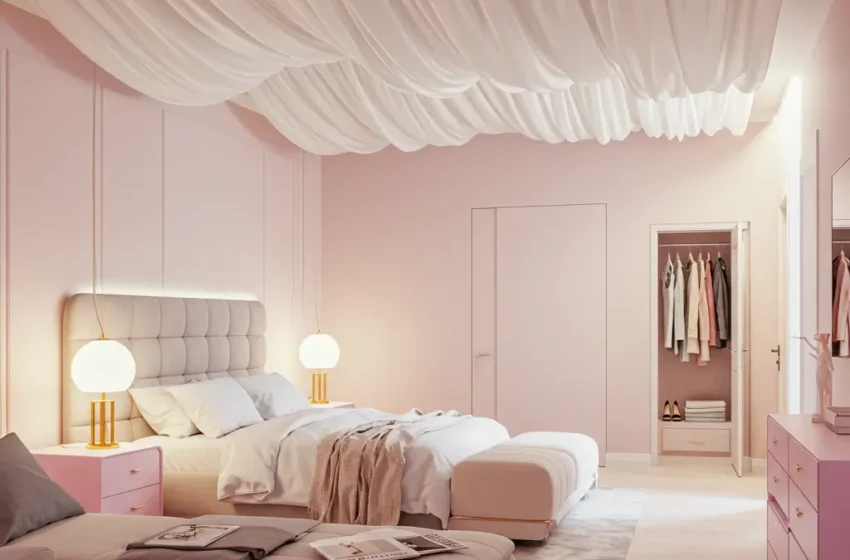
12. Fabric-Draped Ceiling for Bedroom Ambience
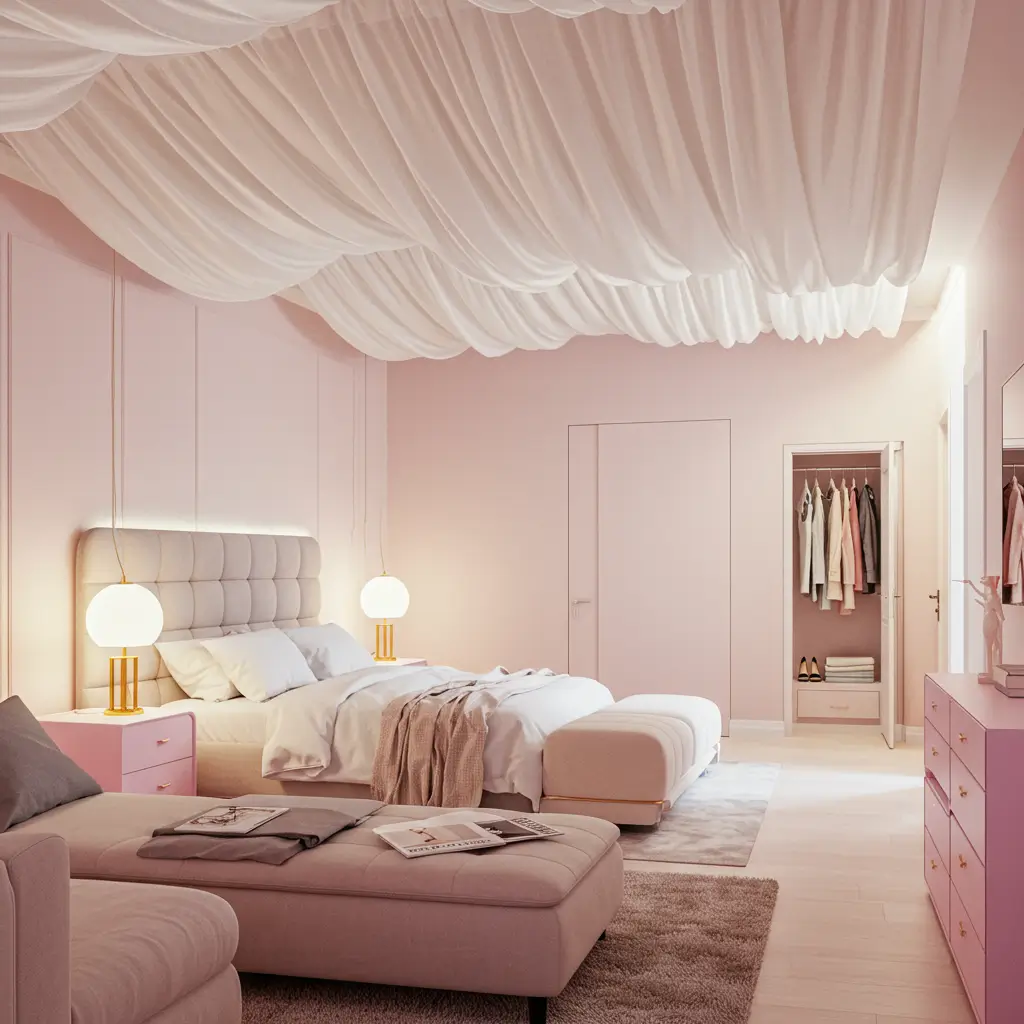
Fabric draped ceilings create instant romance and hide imperfect ceilings beautifully. My master bedroom features sheer fabric draped from a central point to the corners, creating this ethereal canopy effect that makes every night feel special.
The fabric cost less than $50, took an afternoon to install, and completely changed the room’s atmosphere. Plus, it’s completely removable for cleaning or when I get tired of it. Sometimes the simplest solutions are just fabric and creativity.
Draping for Drama
Choose lightweight fabrics for easier installation. Heavy fabrics sag and require substantial mounting hardware. My sheer voile drapes beautifully and stays put with basic ceiling hooks.
Wash and iron fabric before installation. Wrinkled ceiling fabric looks messy, not romantic. I learned this after installing unwashed fabric that shrunk after the first humid day.
Consider fire safety with fabric ceilings. Keep fabric away from light fixtures and ensure it’s flame-retardant. Style should never compromise safety, especially overhead.
Your Simple Ceiling Journey Starts Now
There you have it – twelve simple ceiling designs that prove you don’t need complexity to create beauty. Each idea transforms spaces without requiring professional contractors or professional budgets.
The key is choosing the approach that matches your skills, style, and space.
Start with the simplest idea that excites you. Maybe it’s just painting your ceiling a bold color, or perhaps you’re ready to tackle faux beams.
Every project builds skills and confidence for the next one. My journey started with one painted ceiling and evolved into increasingly adventurous projects.
Remember that ceilings are the fifth wall in your room – they deserve just as much attention as the other four.
These simple designs prove that giving your ceiling some love doesn’t require complicated construction or crushing debt. Sometimes the simplest ideas create the most dramatic transformations.
Stop staring at that boring ceiling and start planning your transformation.
Your perfect simple ceiling design is waiting, and trust me once you experience the joy of a well-designed ceiling, you’ll never ignore the fifth wall again. Happy ceiling designing! 🙂