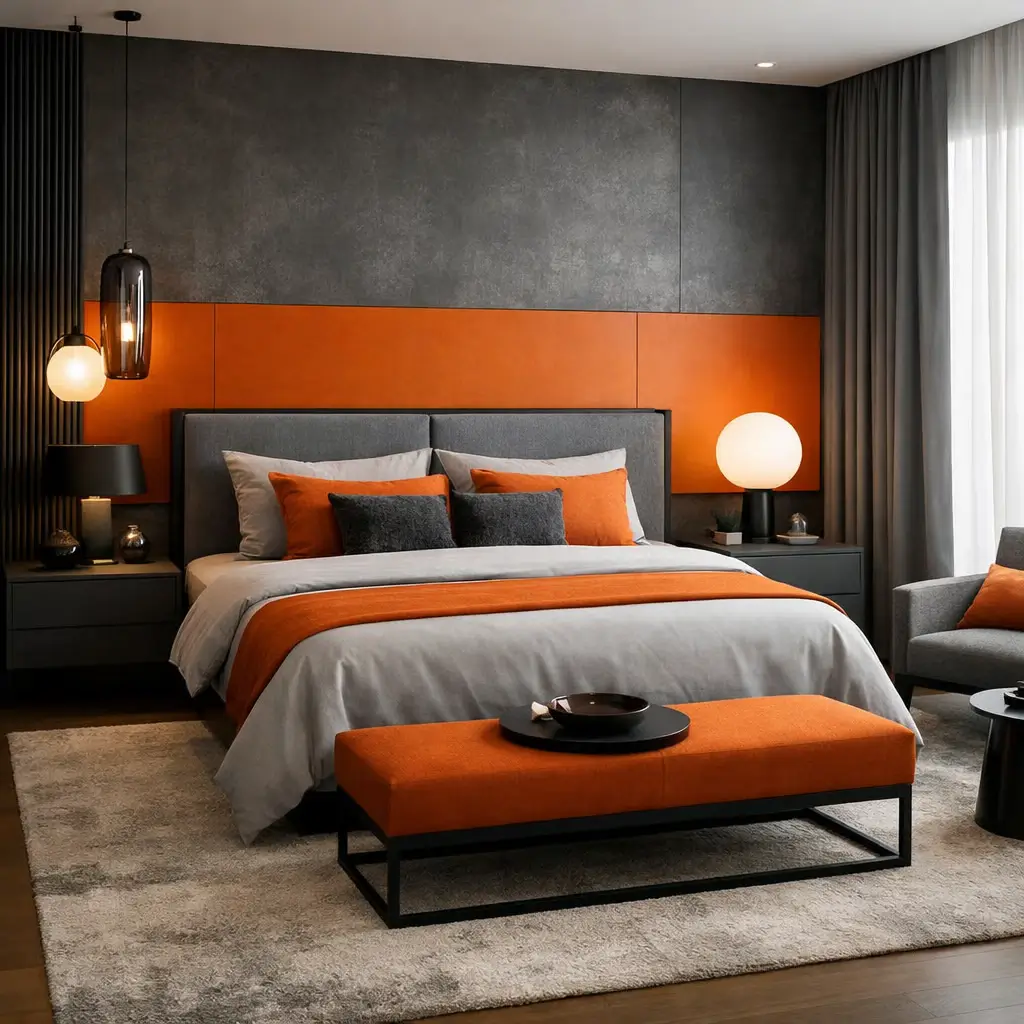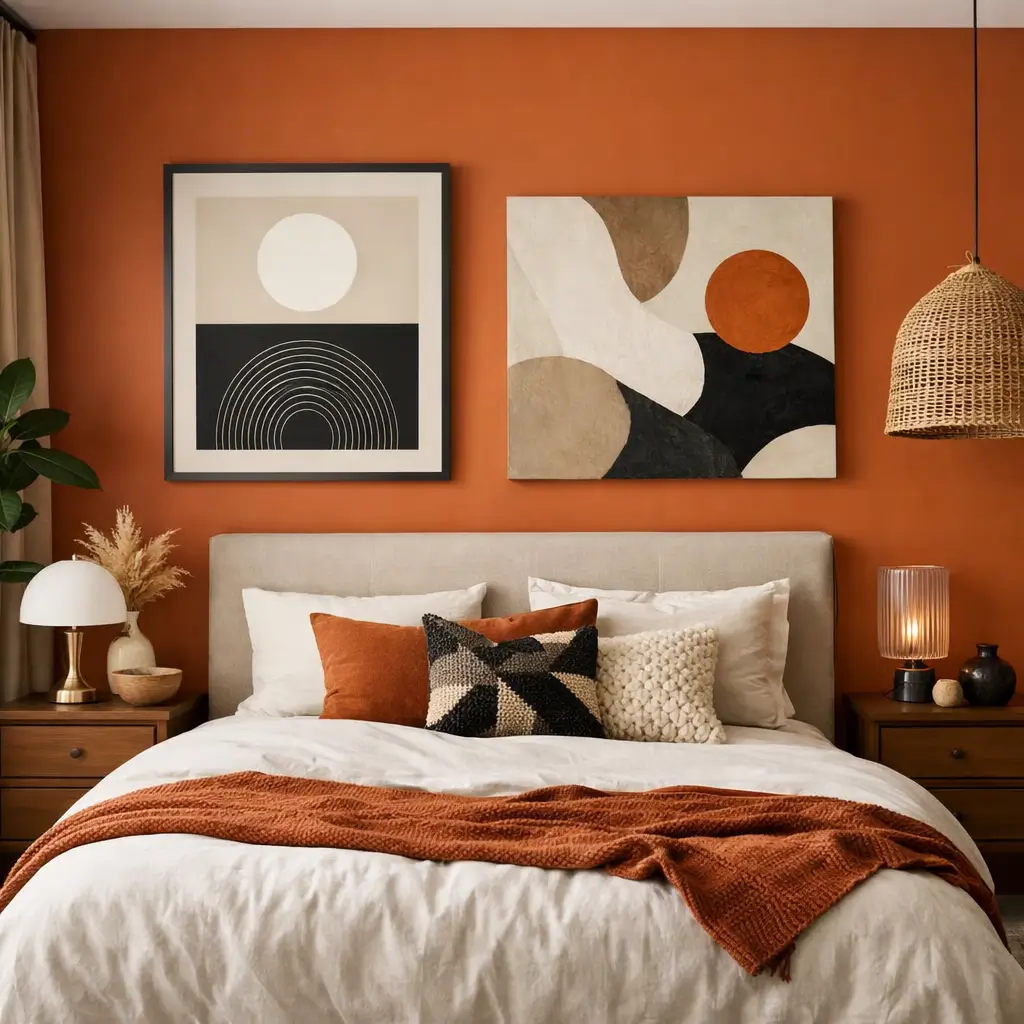
10 Minimalist Bedroom Layout Design Ideas for Calm Retreats
- Bedroom Design
 Ben
Ben- 0
- 38 minutes read
That moment when you stand in your bedroom doorway, squinting at your furniture arrangement, and just know something feels off? Yeah, we’ve all been there.
Your bed sits awkwardly, the dresser blocks half the closet, and somehow you’ve created an obstacle course between your nightstand and the bathroom door.
Here’s the truth nobody tells you: most bedroom problems aren’t about the furniture itself. They’re about layout.
You could own the most beautiful pieces in the world, but if you arrange them poorly, your bedroom will still feel like a cluttered mess that stresses you out rather than relaxing you.
I’ve spent years obsessing over bedroom layouts—rearranging my own space more times than my back appreciates, helping friends figure out their furniture puzzles, and researching what actually makes bedrooms work.
These ten layout design ideas represent the best solutions I’ve discovered for every room size, style preference, and functional need.
Whether you’re working with a massive master suite or a tiny city apartment bedroom, there’s a layout here that’ll click for you. Let’s find it.
Why Bedroom Layout Design Deserves Your Attention
Before jumping into specific layouts, let’s talk about why this matters more than you might think. Your bedroom isn’t just where you sleep—it’s where you start and end every single day. The layout you choose affects your morning energy, your evening relaxation, and everything in between.
Poor layout creates friction. You bump into furniture corners. You can’t reach your alarm clock comfortably. You trip over shoes in the dark. These small annoyances compound into genuine stress that follows you throughout your day.
Good layout creates flow. You move intuitively through your space. Everything sits within easy reach when you need it. Your room feels bigger, calmer, and more intentionally designed—even if you haven’t bought a single new piece of furniture.
I experienced this transformation firsthand when I finally stopped fighting my bedroom’s natural traffic patterns. For months, I’d positioned my bed to face the window because I liked the view. But that placement meant walking completely around the bed to reach my closet every morning. One weekend, I rotated everything ninety degrees, and suddenly my bedroom actually worked. Same furniture, completely different experience.
Now let’s explore ten layouts that create exactly that kind of transformation.
1. Minimalist Open Space Layout
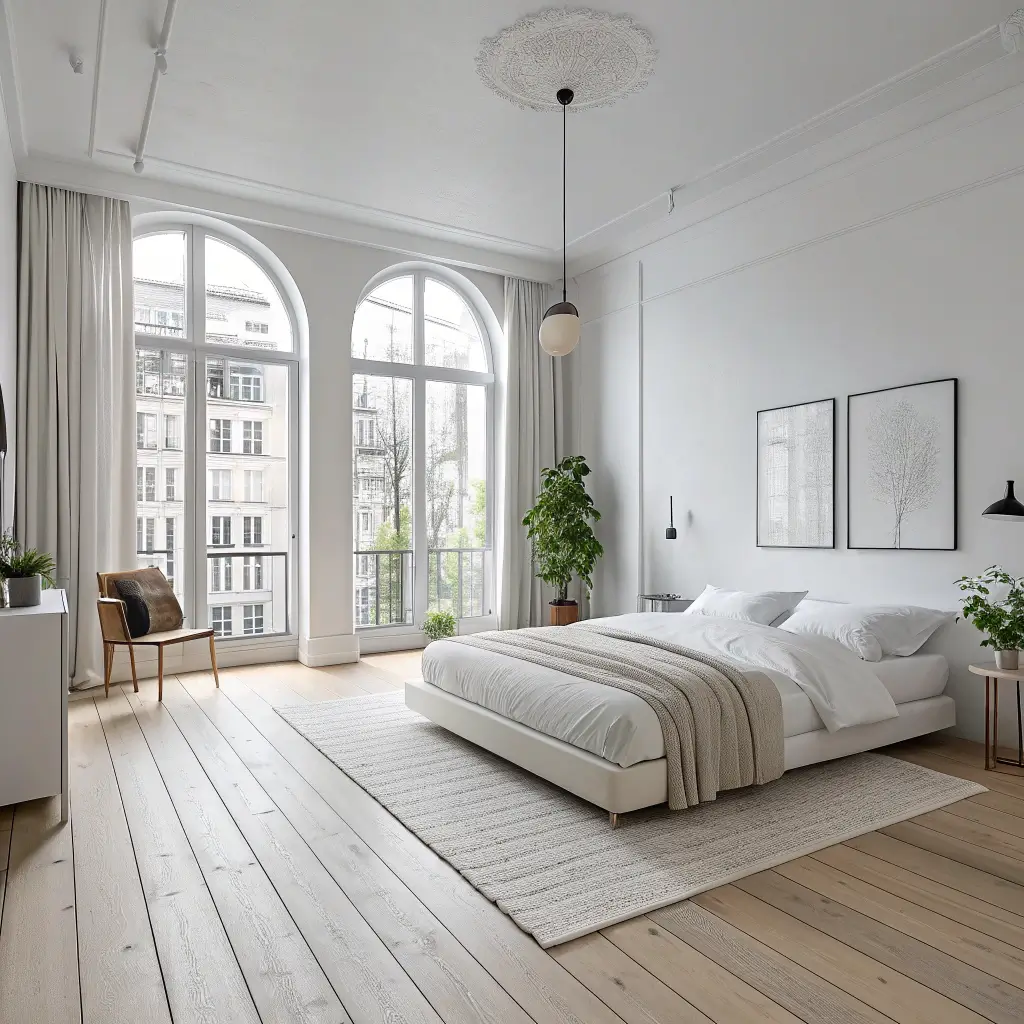
There’s something almost magical about walking into a bedroom where everything has room to breathe. The minimalist open space layout strips away clutter and excess, leaving you with a serene environment that practically forces relaxation.
The Core Philosophy
Minimalism isn’t about deprivation—it’s about intentional curation. This layout centers on keeping only essential pieces and positioning them to maximize open floor space. Your bed serves as the undisputed focal point, typically positioned along the room’s primary wall, while everything else supports that central element without competing for attention.
The key here involves restraint. One nightstand instead of two? Sometimes that’s the right call. A single statement dresser instead of multiple storage pieces? That might open up your room dramatically. You edit ruthlessly until only the truly necessary remains.
Making It Work
Start by temporarily removing everything from your bedroom except your bed. Seriously—strip it down completely. Now look at that open floor space. That’s your goal. Add back only what you genuinely need, positioning each piece to preserve as much openness as possible.
Wall-mounted elements help tremendously. Floating shelves replace bulky nightstands. Wall-mounted lamps eliminate the need for table space. Even your dresser might become wall-mounted drawers if you’re really committed to the minimal floor approach.
Color palettes stay cohesive and calm. Whites, soft grays, warm beiges, and muted tones create visual continuity that makes spaces feel larger. Every visible element should belong to this limited palette—chaos colors have no place in minimalist bedrooms.
I maintained a strictly minimalist bedroom for about a year, and I’ll admit it’s not for everyone. But walking into that uncluttered space each night genuinely improved my sleep. Sometimes less really does equal more.
2. Cozy Corner Bedroom Setup
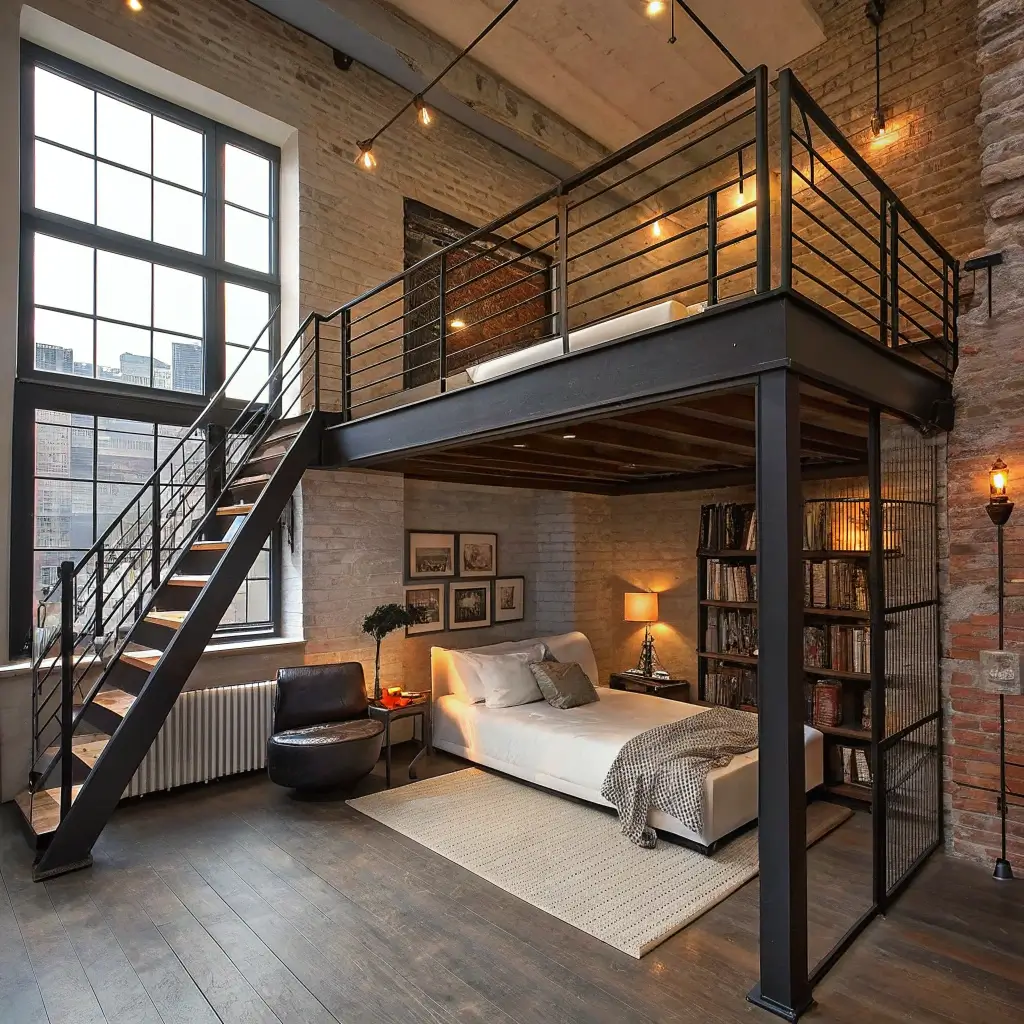
Not everyone craves open expanses. Some of us want bedrooms that feel like warm hugs—intimate, protected spaces where the outside world can’t reach us. The cozy corner setup delivers exactly that feeling.
Creating Intentional Intimacy
This layout tucks your bed snugly into a corner where two walls meet. Instead of leaving space on both sides of the mattress, you embrace the corner’s natural enclosure. One side and the headboard touch walls, while the other side remains accessible.
The corner placement automatically creates den-like comfort. Those two walls behind you provide psychological security that floating bed placements can’t match. You feel contained and protected—primal comforts that translate directly into better relaxation.
Layer textiles generously to amplify the cozy effect. Pile pillows against both corner walls. Add blankets and throws. Position a plush rug that extends well beyond the bed. These soft elements build physical warmth that matches the emotional warmth of the corner placement.
Practical Considerations
Corner setups work brilliantly in smaller bedrooms where centered layouts feel cramped. By tucking the bed into a corner, you free up substantial floor space on the opposite side of the room. That reclaimed space can accommodate a reading chair, a small desk, or simply breathing room that makes the entire space feel larger.
Lighting requires some creativity. Standard bedside lamps won’t work on the wall-side of a corner bed. Wall-mounted reading lights solve this problem elegantly, providing focused illumination without requiring nightstand surface area.
FYI, making a corner bed takes slightly more effort since you can only access from one side. But if you’re someone who loves feeling cocooned while falling asleep, that minor inconvenience is absolutely worth the trade 🙂
3. Loft-Style Multi-Level Layout
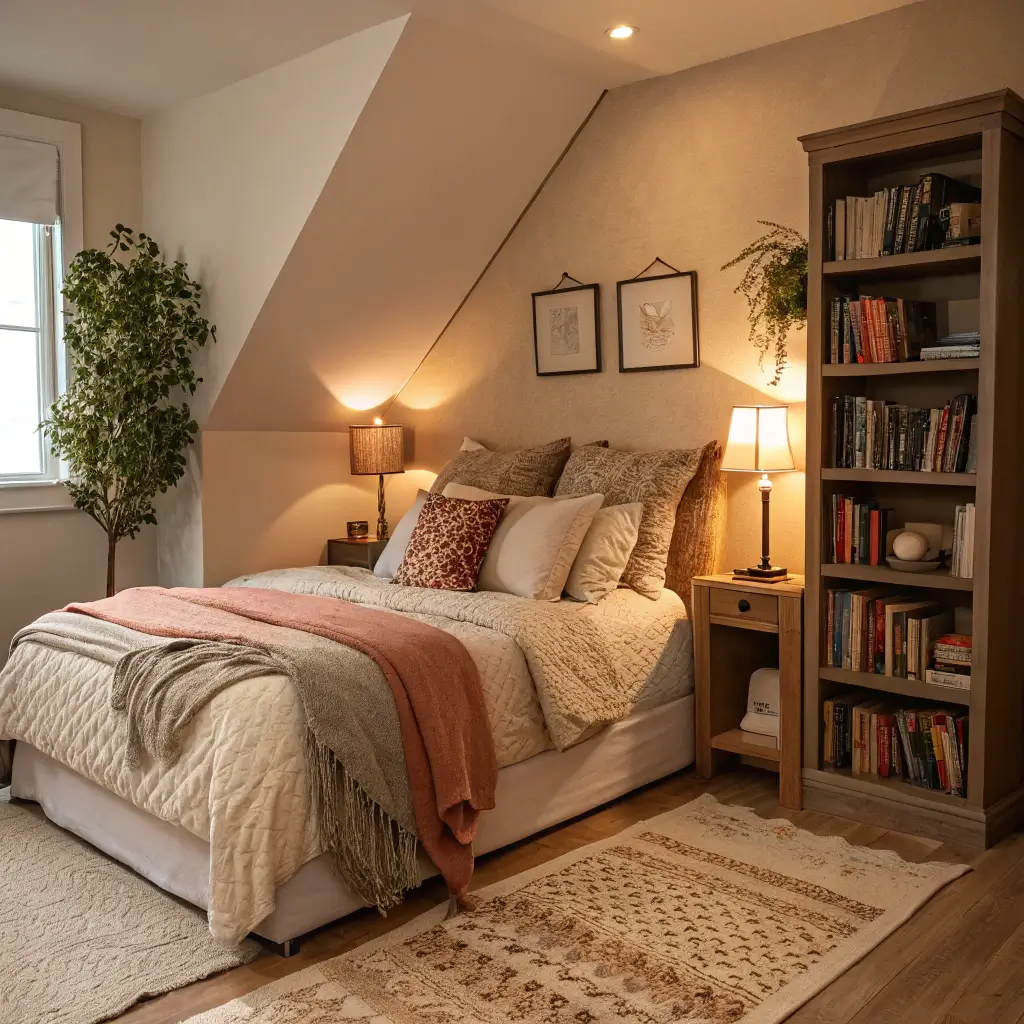
Why limit yourself to one level when you can build upward? Loft-style layouts elevate your sleeping surface, creating usable space underneath that transforms how your bedroom functions.
Vertical Thinking
Traditional bedroom layouts only use floor space. Loft layouts exploit vertical volume that typically goes completely wasted. By raising your bed several feet off the ground, you create an entirely new zone beneath it—space for storage, work areas, seating nooks, or whatever your life actually needs.
The elevated sleeping platform adds architectural interest that flat layouts simply can’t achieve. Your bedroom gains dimension, layers, and visual intrigue that makes it feel designed rather than just furnished.
Underneath Possibilities
What happens under your lofted bed depends entirely on your priorities. Some people create full home offices with desks, chairs, and shelving—perfect for studio apartments where bedrooms must serve multiple functions. Others install custom wardrobes, turning under-bed space into walk-in closet capacity that the room could never otherwise accommodate.
My college roommate converted her loft under-space into a reading sanctuary. Bean bags, string lights, stacked books, and a small speaker created her favorite spot in our cramped shared room. That eight-foot ceiling gave her two functional levels in a space that originally felt barely adequate.
Cozy seating nooks also work wonderfully under lofts. Floor cushions, a low loveseat, or even just piled pillows create lounging areas that feel separate from the sleeping zone above.
Ceiling Height Requirements
Reality check: loft layouts require sufficient ceiling height. You need comfortable clearance both above the mattress and below the loft platform. Standard eight-foot ceilings can handle low lofts with limited under-space. Higher ceilings—nine feet or more—enable true standing-height spaces beneath elevated beds.
Measure carefully before committing. Nothing ruins a loft layout faster than bumping your head every morning or creating an unusable crawl space underneath.
Also Read: 10 Stylish Small Bedroom Layout Ideas for Modern Homes
4. Symmetrical Modern Arrangement
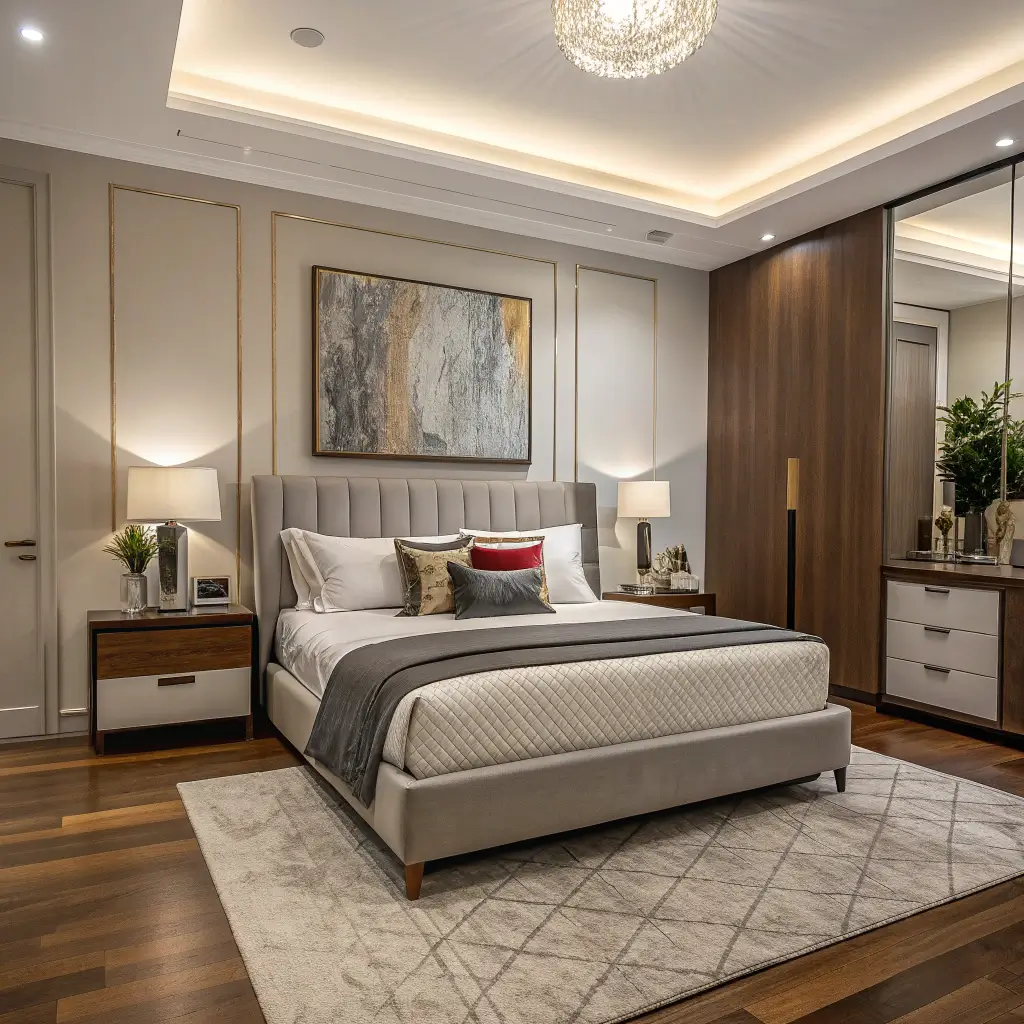
There’s deep satisfaction in perfect balance. Symmetrical layouts position matching elements on either side of a central axis, creating visual harmony that reads as sophisticated and intentional.
The Power of Twins
Symmetry starts with your bed centered precisely on the room’s main wall. Identical nightstands flank both sides. Matching lamps provide balanced lighting. Even artwork or windows above the headboard align with this central axis.
This mirror-image approach creates instant elegance. Your eye naturally seeks balance, and symmetrical rooms deliver that satisfaction immediately upon entering. Everything feels orderly, calm, and deliberately designed—even if your individual pieces are relatively modest.
The symmetrical approach works particularly well in shared bedrooms. Each partner receives equal territory—their own nightstand, their own lamp, their own side of the bed. The layout expresses fairness and equality through physical arrangement.
Executing Perfect Balance
Precision matters with symmetrical layouts. “Almost matching” elements create visual tension rather than harmony. If you commit to symmetry, commit fully—identical nightstands, identical lamp heights, identical pillow arrangements on both sides.
Measure your wall width and calculate true center before positioning your bed. Even slight off-center placement throws off the entire effect. Use a tape measure, not your eyeballs—eyes lie about symmetry more often than you’d expect.
The ceiling fixture should align with your bed’s centerline. If you have a chandelier or pendant light, it needs to hang directly over the bed’s midpoint. Wall sconces, if present, should match exactly on both sides.
Breaking the Rules Intentionally
Strict symmetry can feel static or hotel-like. Smart designers introduce small asymmetrical elements that add life without destroying balance. A stack of books on one nightstand, slightly different plant species on each side, or artwork that varies subtly—these minor variations humanize symmetrical layouts.
IMO, the best symmetrical bedrooms maintain ninety percent perfect balance with ten percent intentional imperfection. That small dose of asymmetry prevents the room from feeling like a staged showroom.
5. Small Room Smart Storage Layout
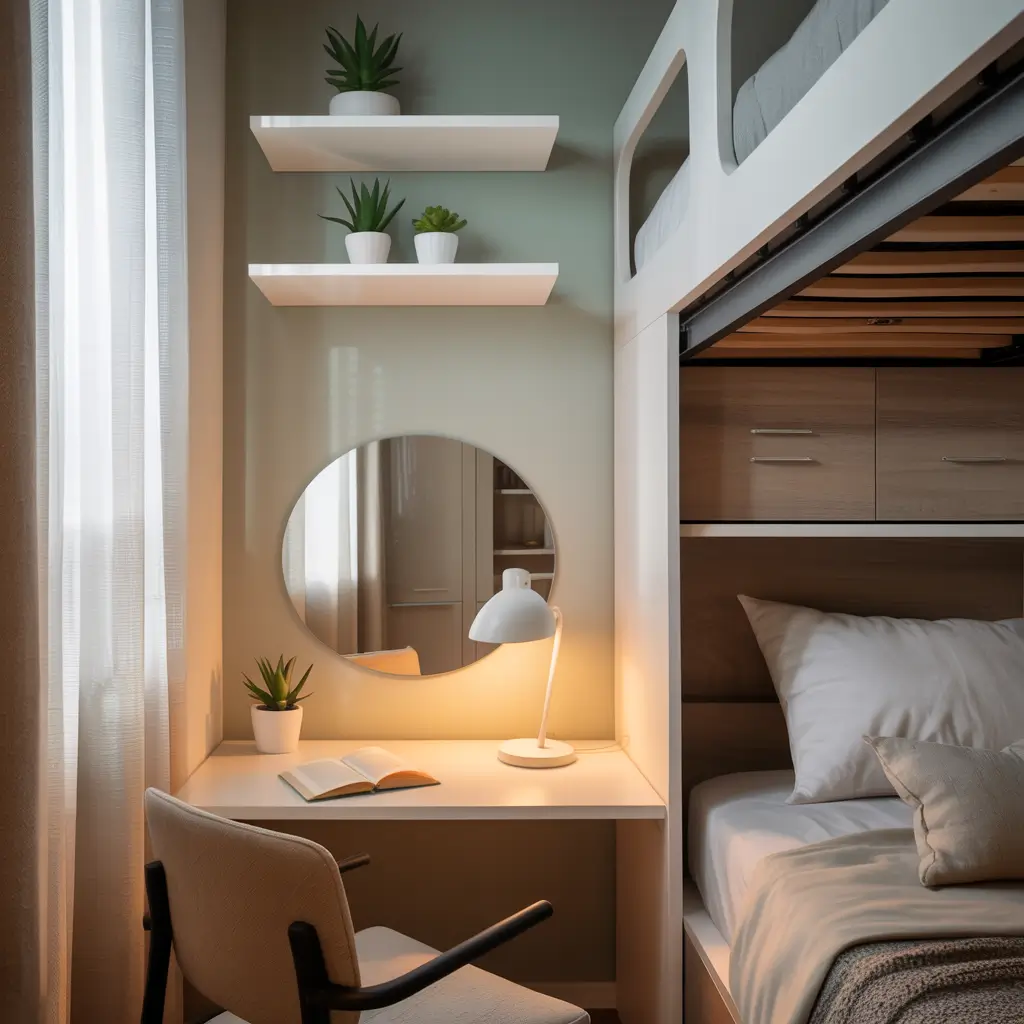
Limited square footage demands creative thinking. Smart storage layouts prove that tiny bedrooms can function beautifully when you approach them strategically and embrace furniture that works harder.
Every Inch Earning Its Keep
Small room layouts treat storage as essential infrastructure, not optional addition. Every furniture piece must provide storage capacity alongside its primary function. Your bed includes drawers underneath. Your nightstand features multiple shelves. Your headboard incorporates built-in compartments.
Vertical space becomes equally important to floor space. Tall dressers replace wide ones. Shelving climbs walls toward ceilings. Over-door organizers capture otherwise wasted territory. You think in three dimensions, not just two.
Multi-Functional Furniture
When space is tight, each piece needs to multi-task. Ottoman benches at the bed’s foot provide seating, storage, and a surface for laying out tomorrow’s outfit. Nightstands with drawer organizers handle charging stations, reading materials, and personal items without visual clutter.
Murphy beds or wall beds represent the ultimate in multi-functional small bedroom furniture. They fold completely into wall cabinets during daytime, liberating floor space for other activities. By night, they deploy for comfortable sleeping. Same room, completely different configurations.
Even standard beds can work smarter. Platform frames with built-in drawer systems eliminate the need for separate dressers entirely. The space beside your bed handles storage that would otherwise require floor-consuming furniture.
Maintaining Visual Calm
Small rooms with excessive visible storage feel cluttered rather than efficient. The trick involves hiding storage behind closed doors and consistent finishes. Matching drawer fronts read as architectural elements rather than jumbled furniture. Built-in closet systems present unified surfaces that minimize visual complexity.
Open shelving works in small rooms only when you curate contents carefully. Every visible item should contribute positively to your room’s aesthetic. Random stuff piled on open shelves creates visual noise that makes small spaces feel even smaller.
6. L-Shaped Functional Design
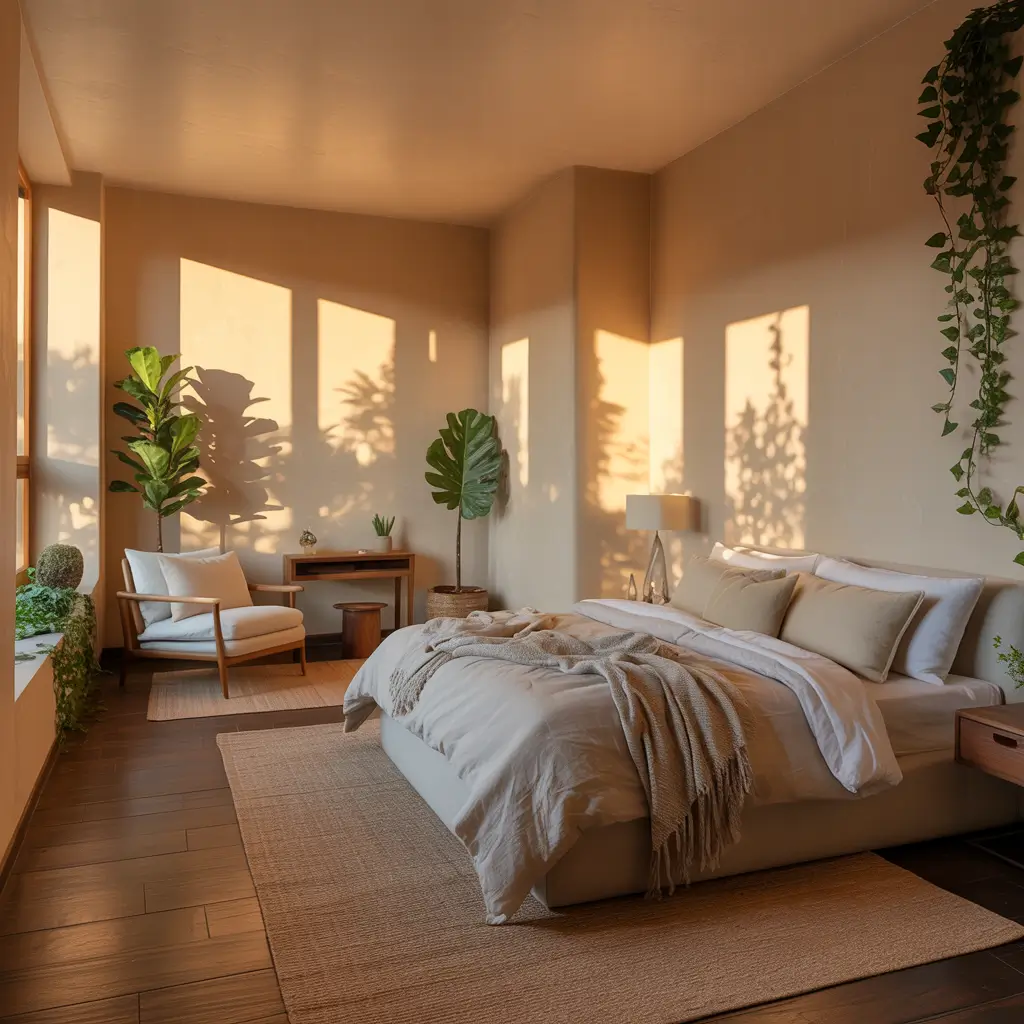
Some bedroom shapes refuse to cooperate with traditional layouts. L-shaped configurations, rooms with odd angles, or spaces with multiple doorways demand creative solutions. The L-shaped functional design embraces these challenges, using awkward architecture as a design feature rather than a problem.
Working With Your Room’s Quirks
L-shaped layouts divide irregular rooms into distinct functional zones. The main portion typically houses your sleeping area, while the extended “leg” of the L becomes something else entirely—a dressing area, workspace, reading nook, or exercise zone.
This zoning approach makes awkward spaces feel intentional. Instead of one weird room that doesn’t quite work, you create multiple coherent areas that each serve specific purposes. The L-shape becomes an asset rather than an obstacle.
Zone Definition Strategies
Area rugs help define different zones within L-shaped spaces. One rug anchors your bed and nightstands. A different rug (or no rug) delineates the secondary zone. These floor treatments signal transitions between functional areas.
Furniture placement reinforces zone boundaries. A dresser or bookshelf positioned at the L’s elbow creates a natural divider. Seating arranged to face away from the sleeping area establishes independent zones that feel deliberately separated.
Lighting varies between zones. Your sleeping area might feature warm, dimmable illumination perfect for relaxation. Your work zone might include brighter task lighting appropriate for productivity. These lighting differences help your brain recognize that different areas serve different purposes.
Maximizing Unusual Spaces
The weirdest part of your room often becomes the most interesting. That odd alcove at the L’s corner? Perfect for a built-in window seat with storage underneath. The narrow extension that seemed useless? Maybe it becomes a stunning walk-through closet or vanity area.
I once helped a friend redesign her L-shaped bedroom, and the cramped alcove we initially considered a problem became her favorite feature—a cozy reading nook with built-in bookshelves that felt like a secret room within her bedroom.
Also Read: 10 Chic Small Bedroom Makeover Ideas for Minimalist Rooms
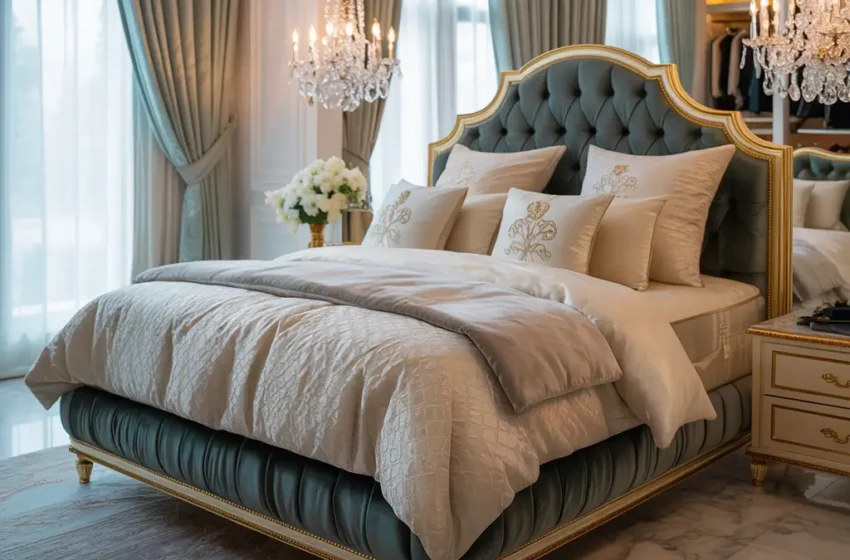
7. Luxury Master Bedroom Layout
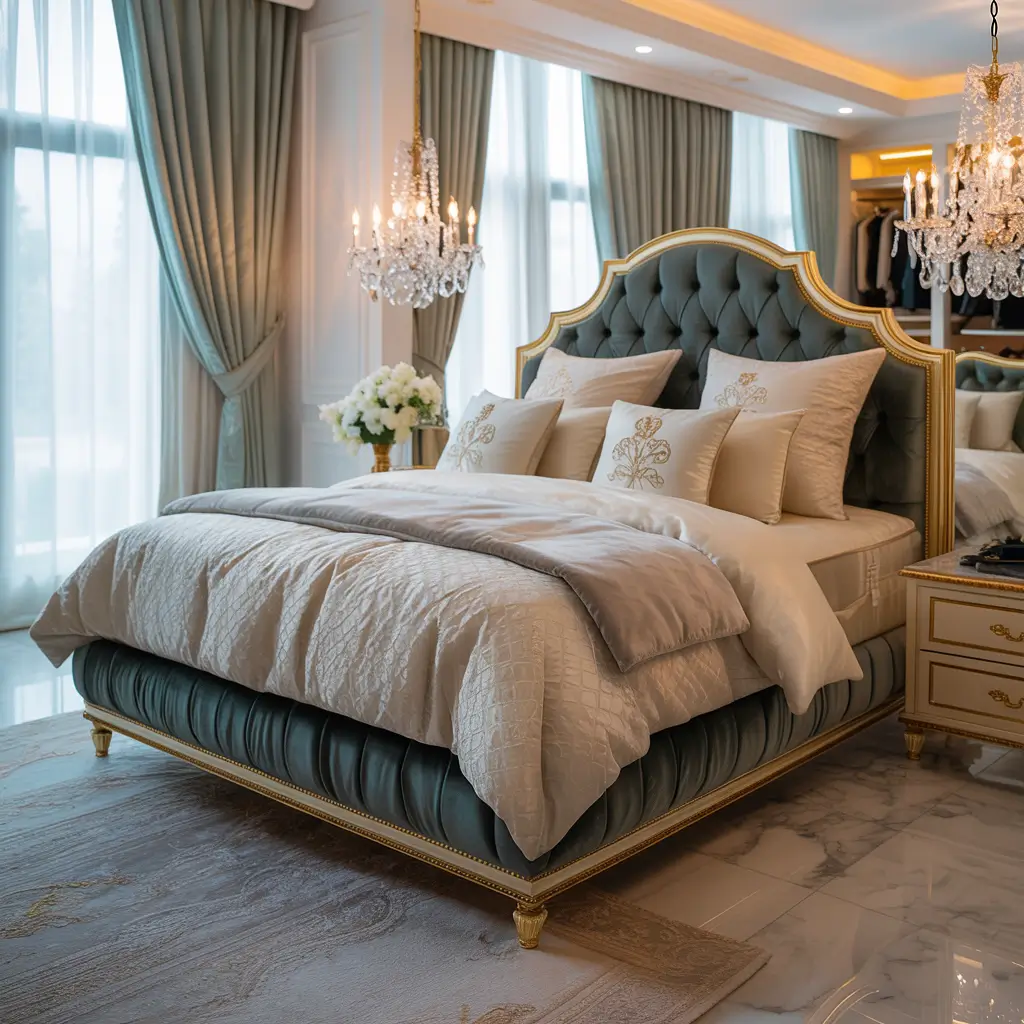
When square footage allows, why not create something truly spectacular? Luxury master layouts transform bedrooms into personal retreats with multiple zones for sleeping, sitting, relaxing, and self-care.
Defining Multiple Living Areas
Luxury layouts divide generous rooms into several distinct zones. The sleeping zone features a statement bed—typically king-sized—positioned as the room’s undeniable focal point. This area includes substantial nightstands, dramatic headboard treatment, and layered bedding that invites you to sink in.
A sitting zone provides space for morning coffee, evening reading, or quiet conversation. Position a loveseat, pair of armchairs, or elegant chaise near windows to capture views and natural light. This zone operates independently from the sleeping area, allowing different activities to coexist.
If space permits, add a vanity zone with dedicated dressing table and mirror. This creates a designated spot for personal grooming that keeps bathroom counters clear while adding old-Hollywood glamour to your daily routine.
Scale and Proportion
Furniture in luxury layouts needs appropriate scale. Pieces that fit perfectly in smaller rooms look lost in expansive master suites. Choose substantial items with visual weight—large upholstered headboards, solid wood dressers, and plush seating that anchors each zone properly.
Area rugs define zones within the larger space. A generous rug beneath the bed establishes sleeping zone boundaries. A smaller rug under seating creates that area’s territory. These visual cues help differentiate functional areas within the open room.
Traffic Flow Planning
Even spacious rooms feel cramped when furniture placement creates awkward navigation. Map clear pathways between zones and to all doors, closets, and the bathroom. Aim for at least three feet of clearance along primary traffic routes.
Consider how you’ll actually move through the space. Do you walk from bed to bathroom multiple times nightly? That pathway needs to remain clear and obstacle-free. Do you sit in your reading chair with afternoon tea? There should be surface area nearby for your cup.
8. Scandinavian Calm Zone Layout
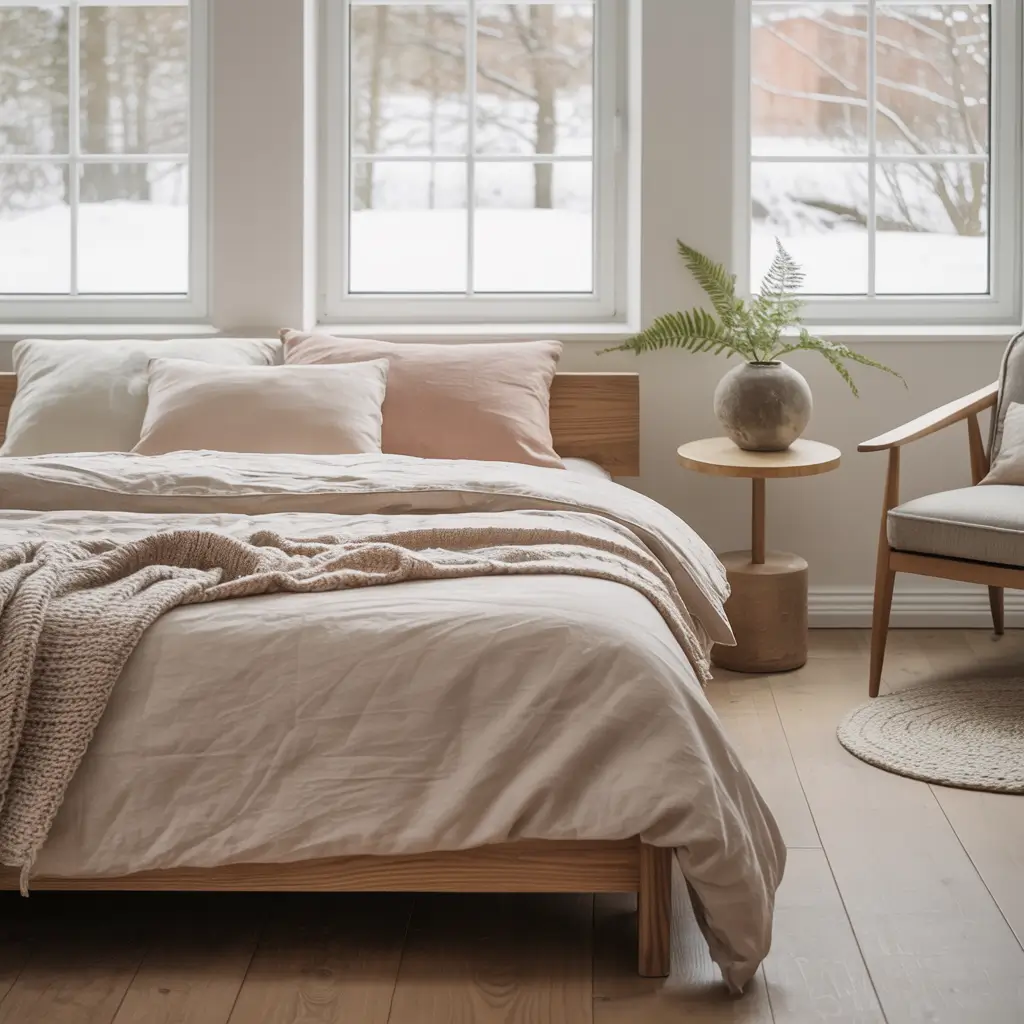
Nordic design principles emerged from small apartments in countries where maximizing light during long dark winters wasn’t just preference—it was psychological survival. These principles translate beautifully to bedroom layouts anywhere.
Light as Priority
Scandinavian layouts treat natural light as precious resource. Beds position to receive morning sunlight without harsh afternoon glare. Window treatments stay minimal—sheer curtains or simple blinds that filter rather than block. The goal involves capturing every available photon.
Artificial lighting stays warm and layered. Multiple sources—table lamps, floor lamps, candles—create ambient pools of gentle illumination rather than harsh overhead brightness. This layered approach mimics the soft, directional quality of natural Nordic light.
Wall colors and furniture finishes remain light. Whites, pale grays, blonde woods, and soft creams reflect and amplify available light. Dark colors that absorb light have limited place in true Scandinavian layouts.
Functional Simplicity
Scandinavian design celebrates functionality without pretension. Every piece serves a clear purpose. Decorative excess gets edited away. What remains feels essential and intentional rather than cluttered or random.
Furniture sits on legs whenever possible. Beds, nightstands, dressers—visible floor space beneath them maintains sight lines and makes rooms feel larger. This leggy aesthetic also simplifies cleaning, a practical benefit that aligns with Scandinavian values.
Storage stays hidden behind clean surfaces. Built-in closets with simple doors, dresser drawers with smooth fronts, and concealed organizational systems keep visual complexity minimal. The eye finds restful, uninterrupted planes rather than busy collections of stuff.
Hygge Warmth
The Danish concept of “hygge”—roughly translated as cozy contentment—prevents Scandinavian bedrooms from feeling cold or clinical. While aesthetics stay clean and minimal, comfort remains paramount throughout.
Textiles add warmth within the spare framework. Linen bedding in natural tones, wool throws draped casually, and soft area rugs underfoot provide physical and visual coziness. Natural materials—cotton, linen, wool, wood—connect the space to organic comfort.
Plants appear frequently, adding life and color without visual clutter. A single healthy plant contributes more to Scandinavian rooms than dozens of decorative accessories ever could.
9. Compact Studio Bedroom Layout
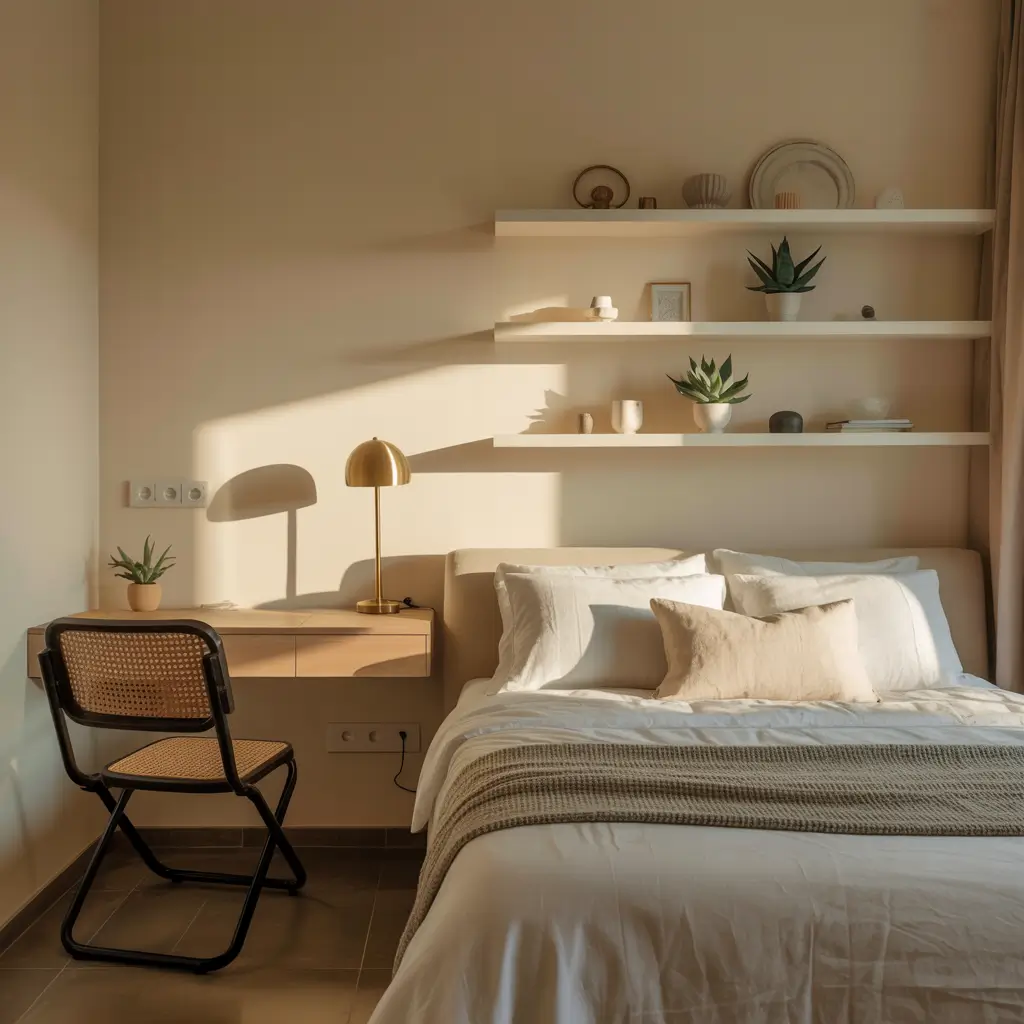
Studio apartments present the ultimate bedroom challenge: creating sleeping space within rooms that must also serve as living rooms, kitchens, and sometimes workspaces. Compact studio layouts address this challenge head-on.
Defining Bedroom Without Walls
Studio bedroom layouts carve sleeping zones from larger spaces using furniture placement, visual cues, and creative dividers rather than permanent walls. Your bed occupies a defined area that feels distinct from surrounding functions, even without physical enclosure.
Position your bed in the most private area available—typically the corner farthest from the entrance and kitchen zones. This placement creates psychological separation and reduces visual intrusion from more public areas.
Separation Strategies
Partial-height dividers provide privacy without blocking light or sight lines entirely. Bookcases work wonderfully as room dividers—they separate zones while providing storage on both sides. Tall plants create green screens that feel natural rather than barricade-like.
Ceiling-mounted curtains offer flexible separation. Draw them closed for sleeping privacy, pull them open during waking hours to maintain the studio’s open character. This adaptability lets you have both privacy and openness as needed.
Area rugs create virtual boundaries that your brain recognizes as zone transitions. A rug beneath your bed—extending well beyond its footprint—establishes sleeping territory distinct from surrounding floor.
Making Sleep Possible
The biggest challenge in studio bedroom layouts involves actually sleeping well. Without real walls separating you from other activities, maintaining good sleep hygiene requires discipline and smart design.
Your bed zone needs independent lighting control. Dim that area while other zones stay bright as needed. Blackout options—whether curtains, shades, or a good sleep mask—become essential rather than optional. Consider white noise machines to buffer sounds from kitchen appliances or street noise.
Remove work and entertainment from your immediate sleeping zone. Even if your desk sits just feet away, orient it facing opposite from your bed. The psychological separation helps your brain recognize that different areas serve different purposes.
Also Read: 12 Trendy Black and White Bedroom Decor Ideas for Small
10. Mixed-Use Work & Sleep Layout
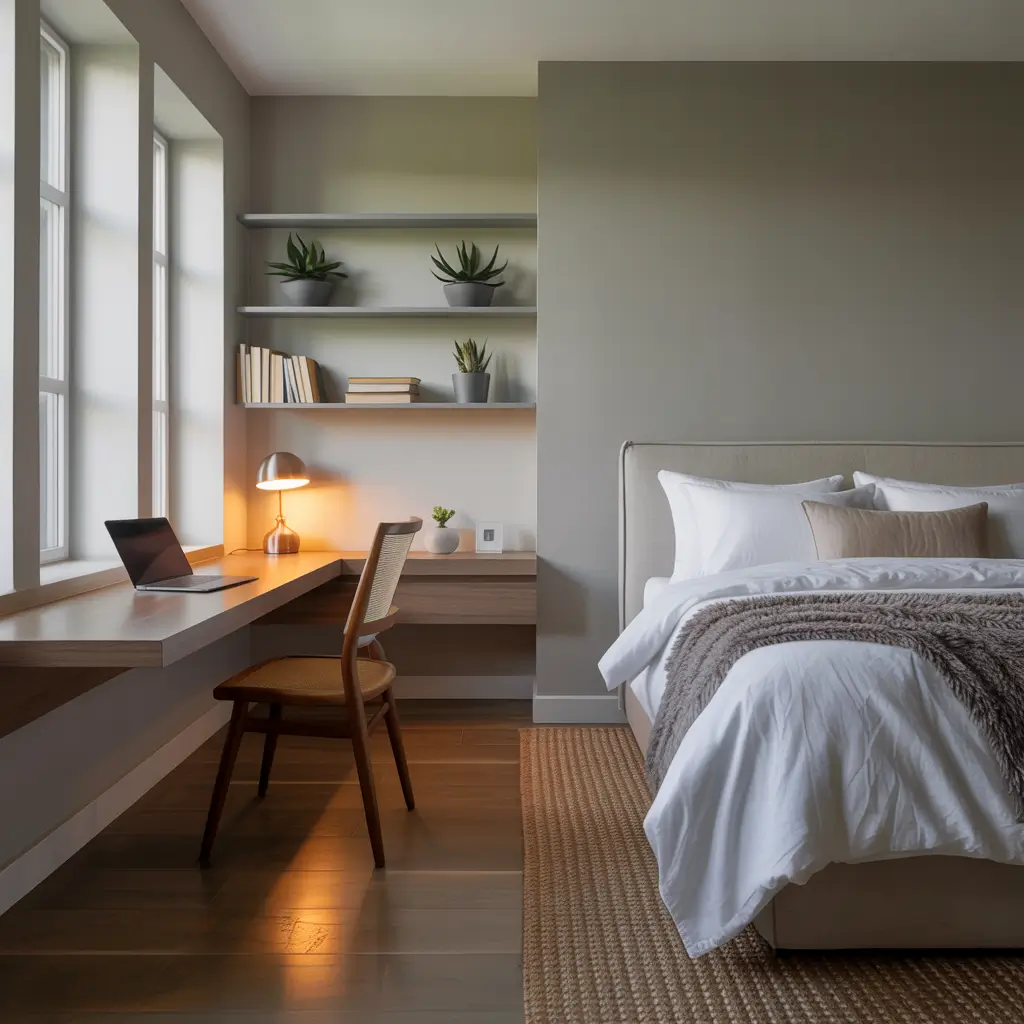
Remote work has permanently changed how many people use their bedrooms. The mixed-use layout acknowledges this reality, creating spaces that support both productivity and rest without either function compromising the other.
Distinct Zones for Distinct Functions
Mixed-use layouts divide bedrooms into clearly defined zones for work and sleep. These zones maintain visual and psychological separation even within a single room. Your brain needs to understand that different areas serve different purposes—otherwise, work stress invades your sleep space, and restful vibes undermine productivity.
Position your desk facing away from your bed. This orientation prevents you from staring at your bed while working (hello, nap temptation) and keeps work equipment out of your eye line when you’re trying to fall asleep.
Physical distance helps even when square footage is limited. Create as much separation as your room allows between work and sleep zones. Even a few feet of buffer space makes psychological difference.
Zone Transition Rituals
The mixed-use layout only works when you actually treat zones as distinct spaces. Work activities stay in the work zone. Sleep happens in the sleep zone. Mixing activities defeats the entire purpose.
Develop transition rituals that signal zone changes. When you finish work, close your laptop, push in your chair, and physically move away from that zone. When preparing for sleep, dim lights in the work area and consciously migrate to your bed zone. These small actions create mental shifts that help your brain understand where it should be and what mode it should enter.
Practical Design Elements
Work zones need proper ergonomics—appropriate desk height, supportive seating, and adequate task lighting. These elements don’t need to match your bedroom aesthetic perfectly, but they shouldn’t clash aggressively either. Look for office furniture in finishes that complement your existing bedroom pieces.
Sleep zones need protection from work’s visual intrusion. If possible, position a screen or shelf unit that blocks your desk from bed-level sight lines. You shouldn’t see your computer or work materials when lying down.
Consider time-based lighting that supports both functions. Bright, focused light for work hours transitions to warm, dim illumination for evening relaxation. Smart bulbs with programmable schedules can automate these transitions.
Finding Your Perfect Bedroom Layout Design
Ten layouts, ten different approaches and honestly, the best bedroom designs often borrow from multiple ideas rather than following a single formula.
Your perfect layout might blend Scandinavian light priorities with smart storage solutions, or combine symmetrical elegance with multi-functional work integration.
Start by honestly assessing your room’s constraints. What’s the actual shape and size? Where do doors and windows fall? What functions must your bedroom serve? These practical realities narrow your options productively.
Then consider your personal priorities. Do you crave minimalist calm or cozy enclosure? Do you need work space or pure sleeping sanctuary?
Do you share the room or occupy it solo? Your answers guide you toward layouts that’ll actually work for your life.
Finally, experiment boldly. Push furniture around. Try configurations that seem unconventional. Sleep in different positions relative to windows and doors. Layout perfection rarely emerges immediately it develops through thoughtful trial and adjustment.
Your bedroom layout fundamentally shapes your daily experience. That space deserves intentional design that supports quality sleep, reflects your personality, and functions smoothly for everything your life requires.
These ten layouts provide frameworks to build from, but your perfect bedroom arrangement awaits your own creative discovery.