10 Charming Cupboard Design Ideas to Refresh Your Room
- Cupboard Design
 Ben
Ben- 0
- 27 minutes read
Let’s be honest—most of us open our cupboards with a sense of dread, quickly grab what we need, and slam them shut before anything falls out. Sound familiar?
I used to play cupboard Jenga every morning, trying to extract a coffee mug without causing an avalanche of mismatched Tupperware.
But here’s the thing: cupboards don’t have to be the black holes of our homes where things go to disappear forever. With the right design, they can actually become functional, beautiful spaces that make you smile instead of sigh.
After years of battling cluttered cabinets and finally getting my storage game together, I’ve discovered that good cupboard design isn’t just about looks—it’s about creating systems that actually work for how you live.
Whether you’re planning a full renovation or just looking to upgrade what you’ve got, these ten cupboard design ideas will transform your storage from chaotic catch-alls to organized havens.
Let’s dive into designs that’ll make you actually excited to open those doors.
1. Minimalist Floating Cupboards
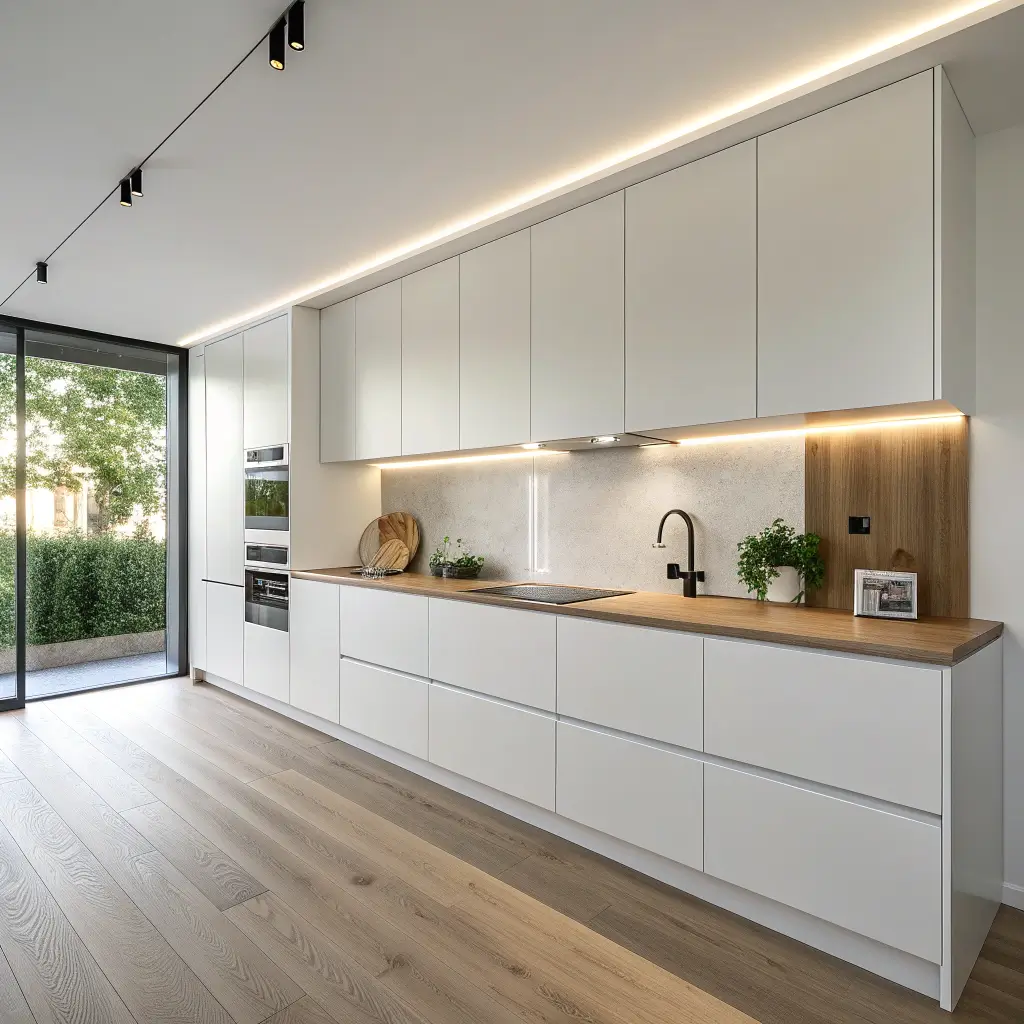
Floating cupboards are like the supermodels of the storage world—sleek, sophisticated, and they make everything around them look better. These wall-mounted wonders create the illusion of more space while providing all the storage you need.
Why Floating Cupboards Work Magic
The beauty of floating cupboards lies in what’s not there—visible legs or base cabinets. By mounting cupboards directly to the wall with hidden brackets, you create clean lines and open floor space that makes rooms feel larger and airier. This is especially brilliant in small kitchens or bathrooms where every inch counts.
I installed floating cupboards in my tiny kitchen last year, and the transformation was incredible. Suddenly, I could see the entire floor, which made the space feel twice as big. Plus, cleaning underneath became a breeze—no more getting on hands and knees to sweep out dust bunnies from under traditional cabinets.
Design Tips for Floating Success
Keep the design simple and streamlined. Flat-front doors without visible hardware (push-to-open mechanisms are your friend here) maintain that minimalist aesthetic. Stick to neutral colors—white, gray, or light wood tones—to enhance the floating effect.
The key to making floating cupboards work is proper installation. These babies need to be anchored securely into wall studs because they’re carrying all that weight without floor support. Don’t skimp on the mounting hardware, and maybe call in a professional if you’re not confident with a drill. Trust me, there’s nothing minimalist about cupboards crashing to the floor at 2 AM.
2. Rustic Wooden Kitchen Cupboards
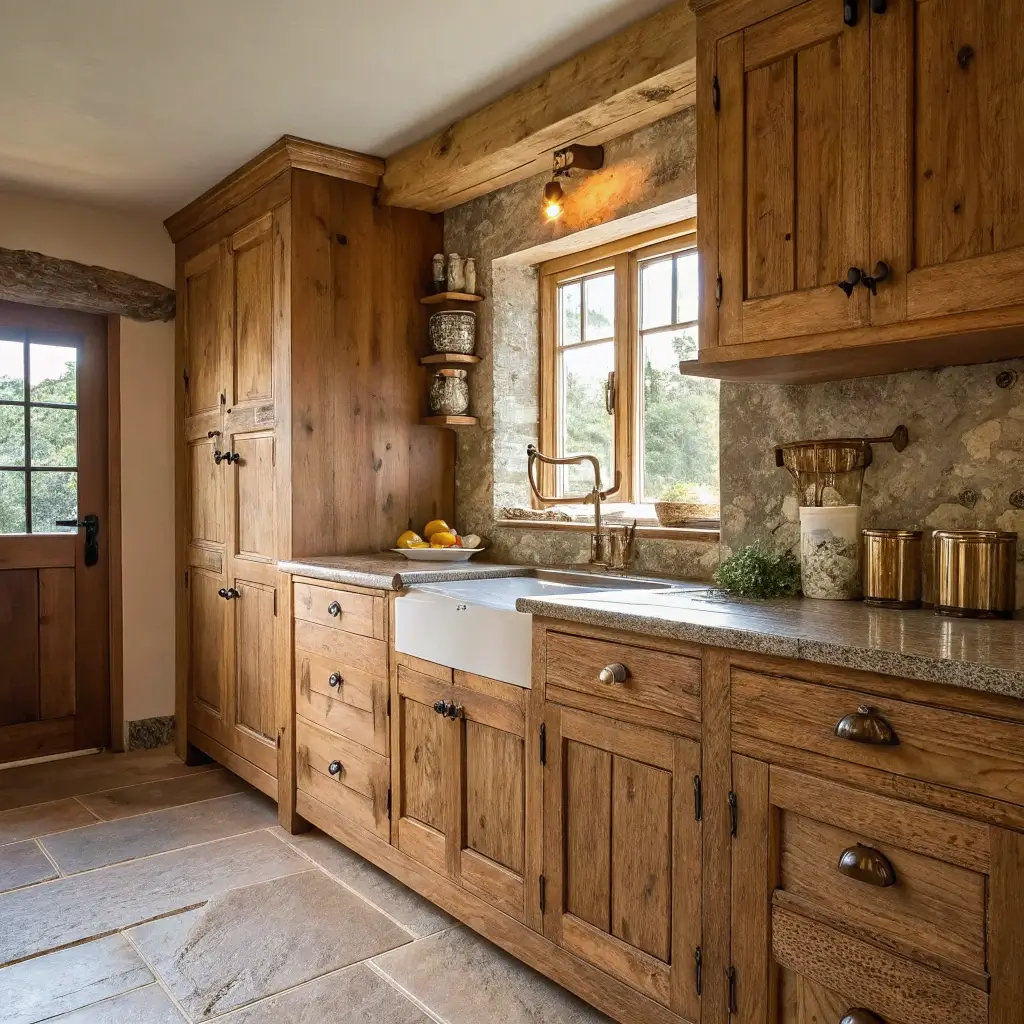
There’s something about natural wood grain that makes a kitchen feel like home. Rustic wooden cupboards bring warmth, character, and that cozy farmhouse vibe that makes you want to bake bread from scratch (even if you usually burn toast).
Choosing Your Wood Wisely
Not all woods are created equal when it comes to cupboards. Oak is the classic choice—durable, beautiful grain, and it ages like fine wine. Pine offers a more budget-friendly option with a lighter, more casual feel. For something different, consider reclaimed wood for doors—each piece tells a story with its unique weathering and patina.
The finish you choose dramatically affects the final look. Natural oil finishes let the wood grain shine through while providing protection. Distressed finishes add instant age and character. Just avoid high-gloss polyurethane if you want to maintain that rustic charm—it’ll make your cupboards look like they’re wrapped in plastic.
Styling Your Rustic Kitchen
Rustic doesn’t mean rough or unfinished. Pair wooden cupboards with modern hardware for an updated farmhouse look. Black iron handles or brass pulls add sophistication while maintaining that handcrafted feel. Mix in some open shelving to display your prettiest dishes or that collection of vintage mason jars you definitely use all the time.
The best part about rustic wooden cupboards? They’re forgiving. That ding from when you were a little too enthusiastic with the pasta pot? It just adds character. Unlike pristine white cabinets that show every mark, rustic wood embraces imperfection.
3. Glass-Front Display Cupboards
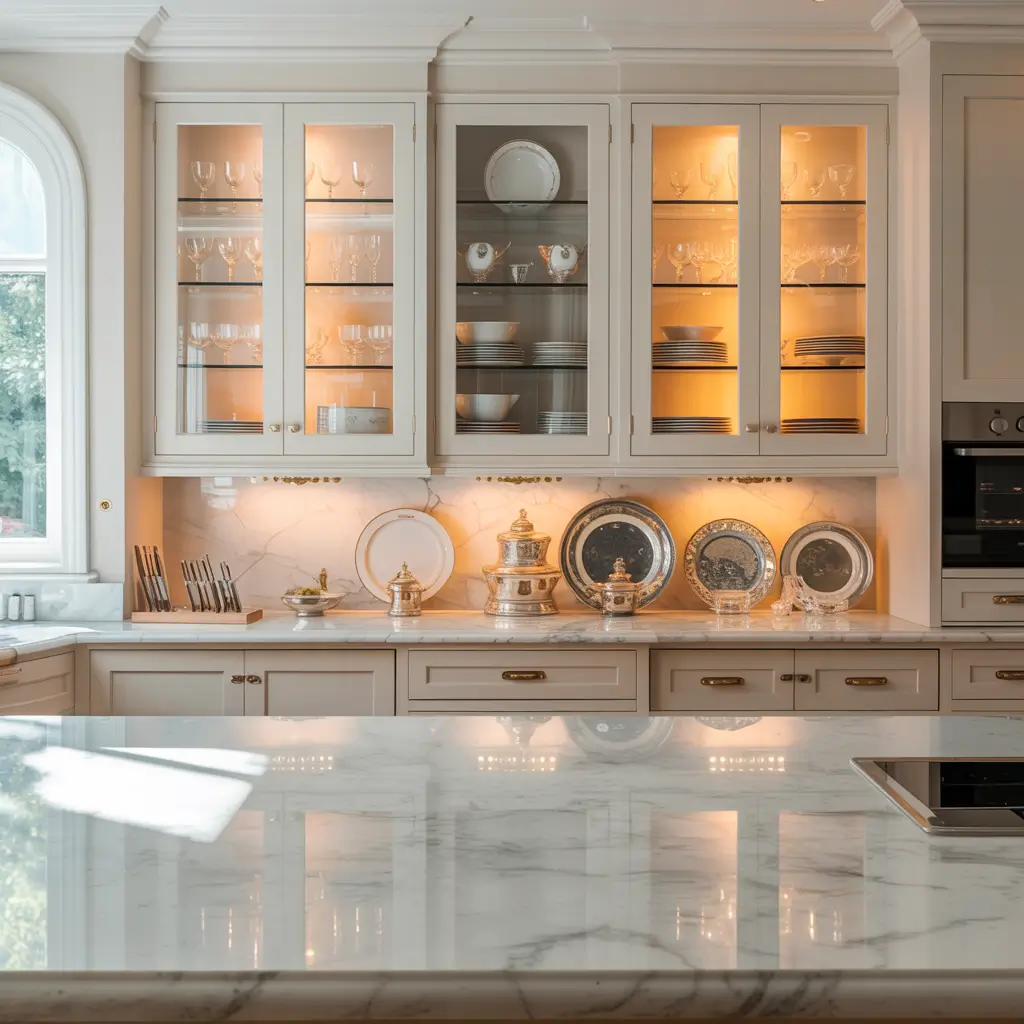
Glass-front cupboards are the extroverts of the cabinet world—they want to show off what’s inside. These transparent beauties turn everyday items into displays while keeping dust at bay.
When Glass Makes Sense
Glass fronts work best when you have something worth displaying. Beautiful dishware, colorful glassware, or a collection of vintage teacups all become part of your decor. But let’s be real—if your cupboards currently hide a jumble of mismatched plastic containers, you might want to organize first.
I learned this lesson the hard way when I installed glass-front cupboards without thinking it through. Suddenly, my chaotic spice collection and tower of takeout containers were on display for all to see. After a major organization overhaul (and some strategic shopping for matching containers), those same cupboards became the highlight of my kitchen.
Types of Glass to Consider
Clear glass is classic but unforgiving—everything inside needs to be Instagram-worthy. Frosted or textured glass offers a compromise, showing shapes and colors while hiding imperfect stacking. Seeded glass adds vintage charm with its bubble texture. For a modern twist, consider tinted glass in smoke or bronze tones.
Frame style matters too. Thin metal frames feel contemporary, while wider wood frames lean traditional. Divided light patterns (those grids that separate the glass into sections) add architectural interest but require more cleaning. Choose based on your patience level for maintenance.
Also Read: 12 Cozy Floating Book Shelves Ideas to Transform Your Walls
4. Modern Modular Storage Cupboards
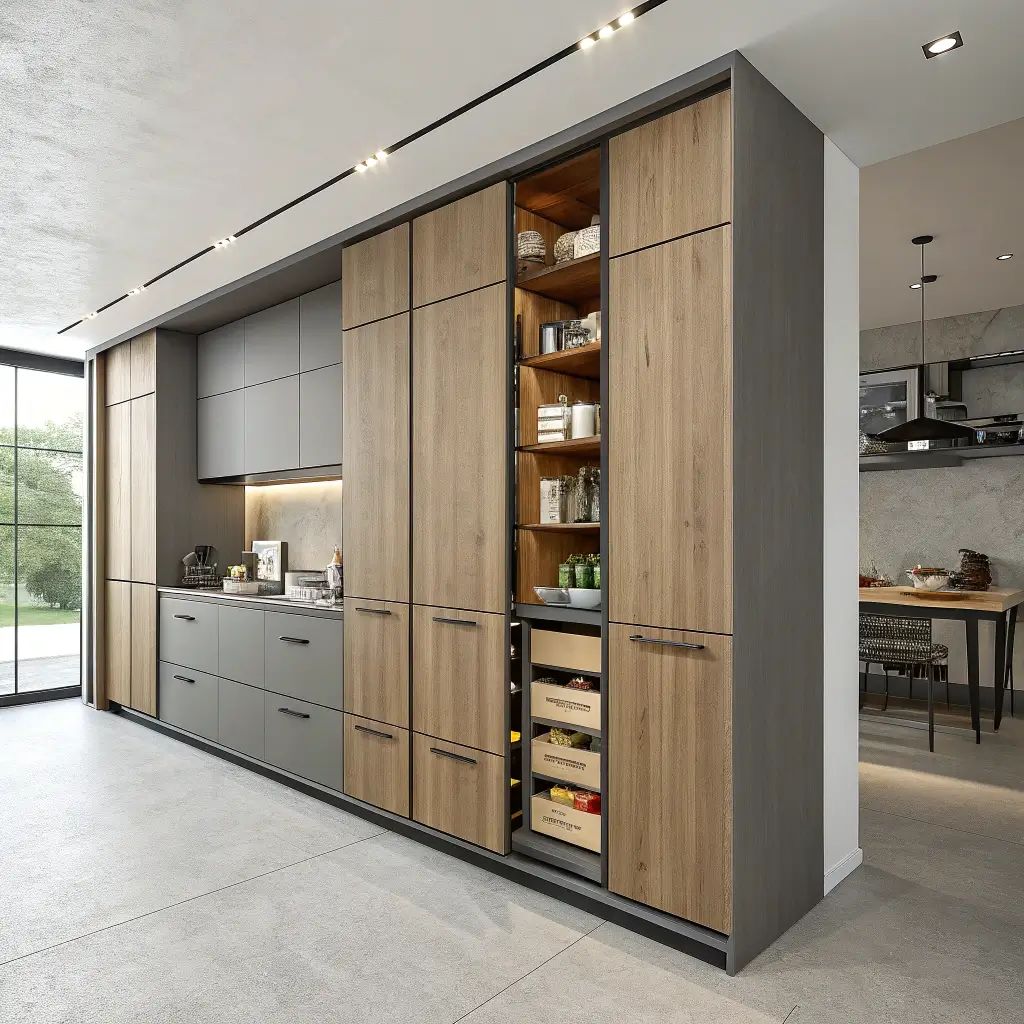
Modular cupboards are like adult LEGO—you can configure and reconfigure them to match your changing needs. This flexibility makes them perfect for renters, growing families, or anyone who gets bored easily.
The Beauty of Flexibility
Modular systems typically consist of various sized units that stack, sit side-by-side, or mount at different heights. You might start with base units and add upper storage later. Or rearrange everything when you realize your coffee station would work better on the other side of the kitchen.
The best modular systems use a standardized sizing system, so new pieces always fit with what you already have. This means you can gradually build your dream storage solution without committing to everything at once—perfect for those of us who prefer to spread out big purchases.
Making Modular Work
The key to successful modular storage is planning. Sketch out your space and think about how you actually use it. Do you need more drawer units for utensils? More tall cupboards for pantry storage? The beauty is you can customize exactly to your needs.
Don’t mix too many different module types in one area, or it’ll look chaotic rather than intentional. Stick to a cohesive color scheme and hardware style to maintain visual unity. And always buy a couple extra connectors and mounting brackets—they have a mysterious way of disappearing during installation.
5. Corner Space-Saving Cupboards
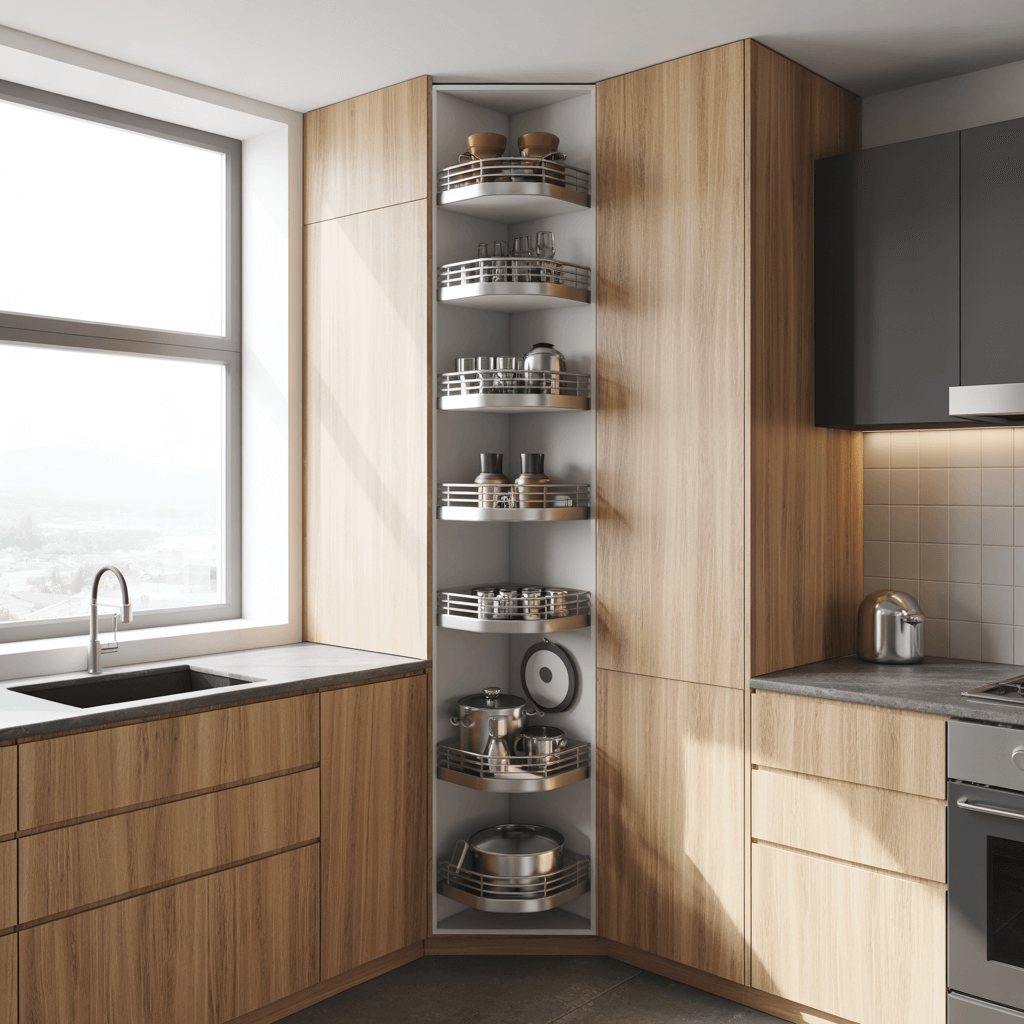
Corners are the Bermuda Triangle of kitchen design—stuff goes in and never comes out again. But with smart corner cupboard solutions, these awkward spaces become storage goldmines.
Conquering the Corner Challenge
Traditional corner cupboards waste tons of space with hard-to-reach areas. Modern solutions include lazy Susans (those rotating shelves that make everything accessible), magic corners (pull-out systems that bring contents to you), and diagonal corner cupboards that eliminate the deep, dark void altogether.
My favorite corner solution is the lazy Susan, despite its somewhat insulting name. After installing one in my kitchen corner cupboard, I discovered items I’d forgotten existed—including a really nice olive oil I’d been saving for a special occasion for approximately three years.
Design Considerations
Corner cupboards need extra attention to door design. Bi-fold doors work well, as do angled doors that follow the corner’s geometry. Some modern designs use a single curved door that glides around the corner—fancy, but make sure you have clearance for it to open fully.
Interior organization is crucial. Even the best corner cupboard design fails if you just throw stuff in randomly. Use the rotating shelves or pull-out systems as intended, grouping similar items together. This isn’t the place for your once-a-year turkey roaster—save corner space for things you actually use.
6. Two-Tone Color Contrast Cupboards
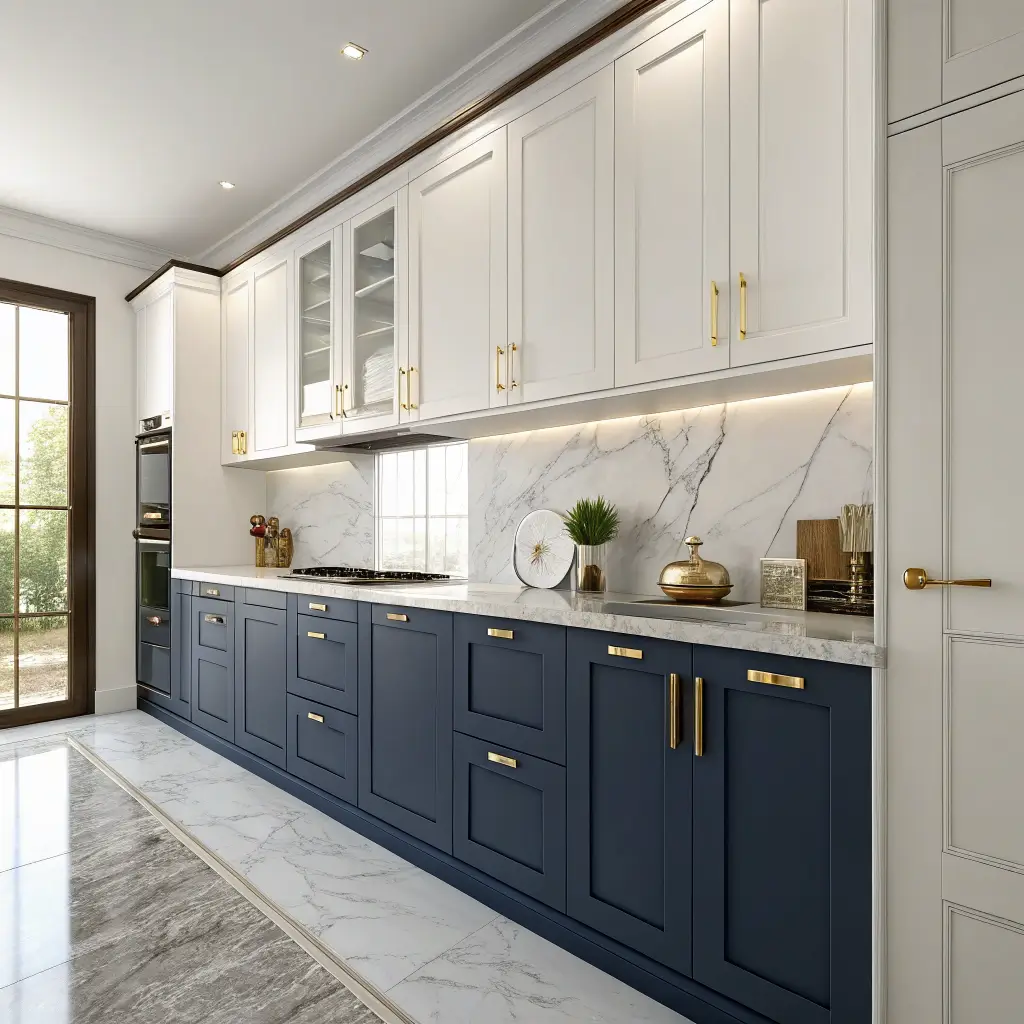
Why settle for one color when you can have two? Two-tone cupboards add visual interest and can help define different areas in open-plan spaces.
Creating Successful Contrast
The most popular approach pairs upper and lower cupboards in different colors. Light uppers with dark lowers ground the space while maintaining an open feel. Reverse it—dark uppers with light lowers—for drama, though this can feel top-heavy in small spaces.
Another approach uses a contrasting island or accent cupboards. Maybe your perimeter cabinets are crisp white, but the island sports navy blue. Or keep everything neutral except for a stunning emerald green pantry cupboard that serves as a focal point.
Color Combinations That Work
Some combinations are classics for a reason. White and wood never fails—it’s fresh yet warm. Navy and white feels nautical and timeless. Gray and white is safe but sophisticated. For something bolder, try sage green and cream, or charcoal and blush pink.
The key is maintaining balance. If you’re using a bold color, pair it with a neutral. Two bold colors together can work but requires serious design confidence and maybe a therapist on speed dial for when you inevitably second-guess yourself at 3 AM.
Also Read: 10 Beautiful Staggered Floating Shelves Ideas for Modern Walls
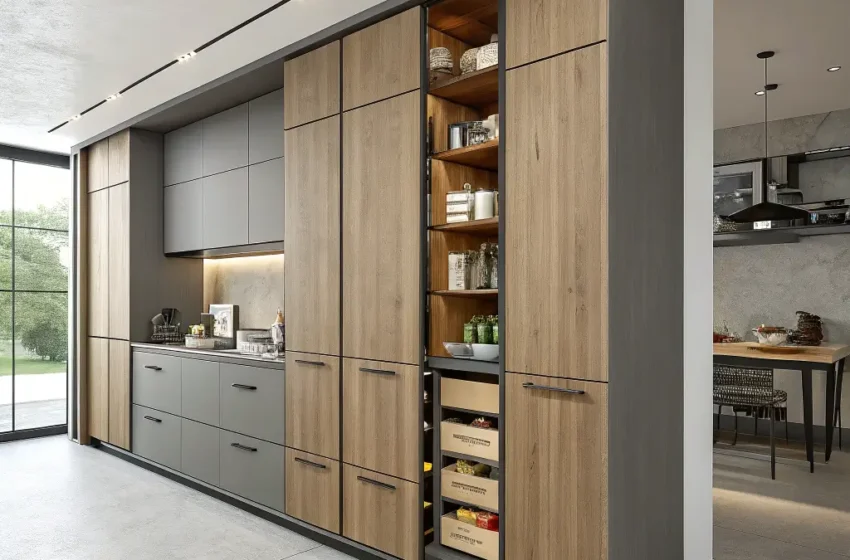
7. Hidden Pull-Out Pantry Cupboards
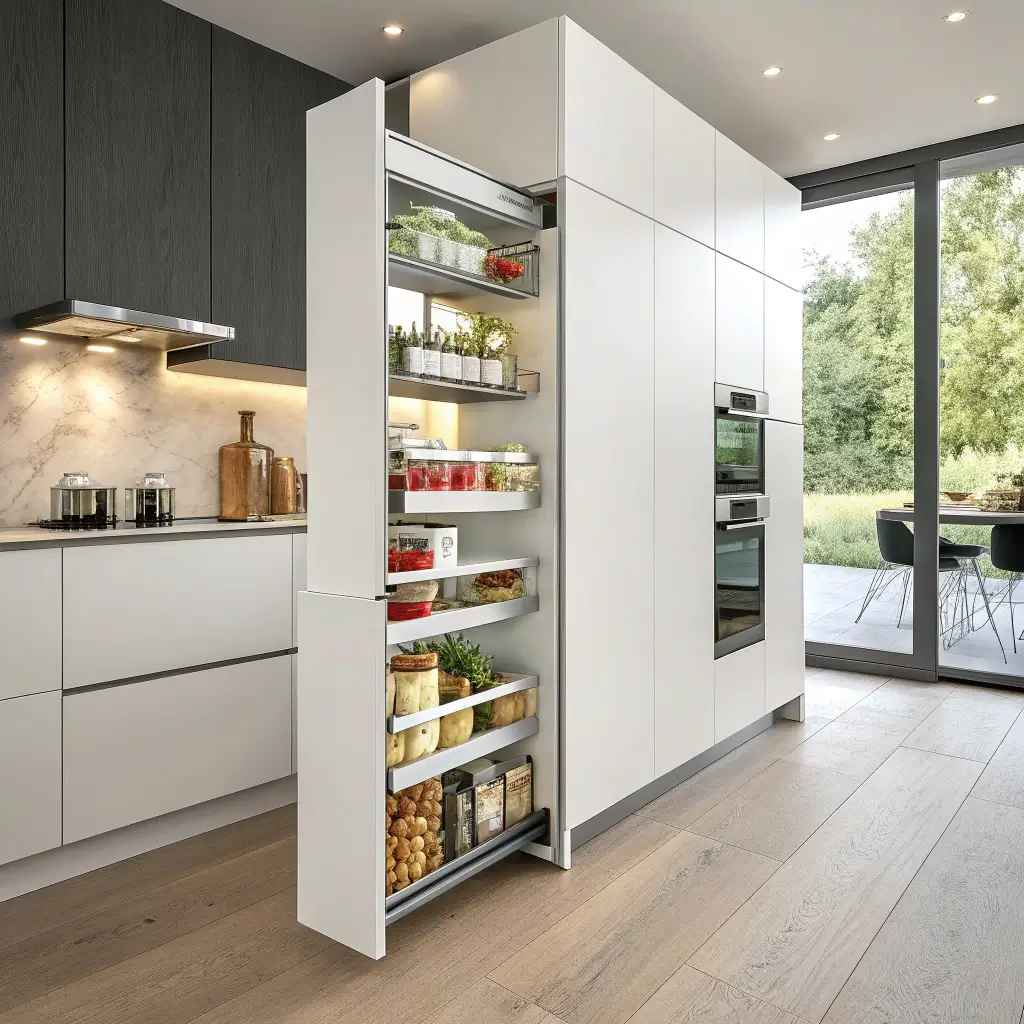
Hidden pull-out pantries are the ninjas of cupboard design—unassuming from the outside but packed with organized storage inside. These clever solutions turn narrow spaces into storage powerhouses.
Making Narrow Spaces Work
Pull-out pantries typically fit in spaces as narrow as 6 inches, making them perfect for that awkward gap between your fridge and wall. The entire unit slides out on heavy-duty rails, revealing multiple shelves of storage that would otherwise be inaccessible.
I installed a pull-out pantry in what used to be dead space beside my oven, and it’s become my favorite kitchen feature. It holds all my oils, vinegars, and spices in one easily accessible spot. No more knocking over five bottles to reach the one in the back—everything glides out smoothly for easy selection.
Design and Organization Tips
Adjustable shelves are crucial for pull-out pantries. You need flexibility to accommodate everything from tall cereal boxes to short spice jars. Include door storage too—shallow shelves on the inside of the door maximize every inch.
Label everything. When items are stored single-file in a pull-out pantry, labels help you quickly identify what you need. This also helps other household members put things back in the right spot (miracles do happen).
8. Open Shelf and Cupboard Combo
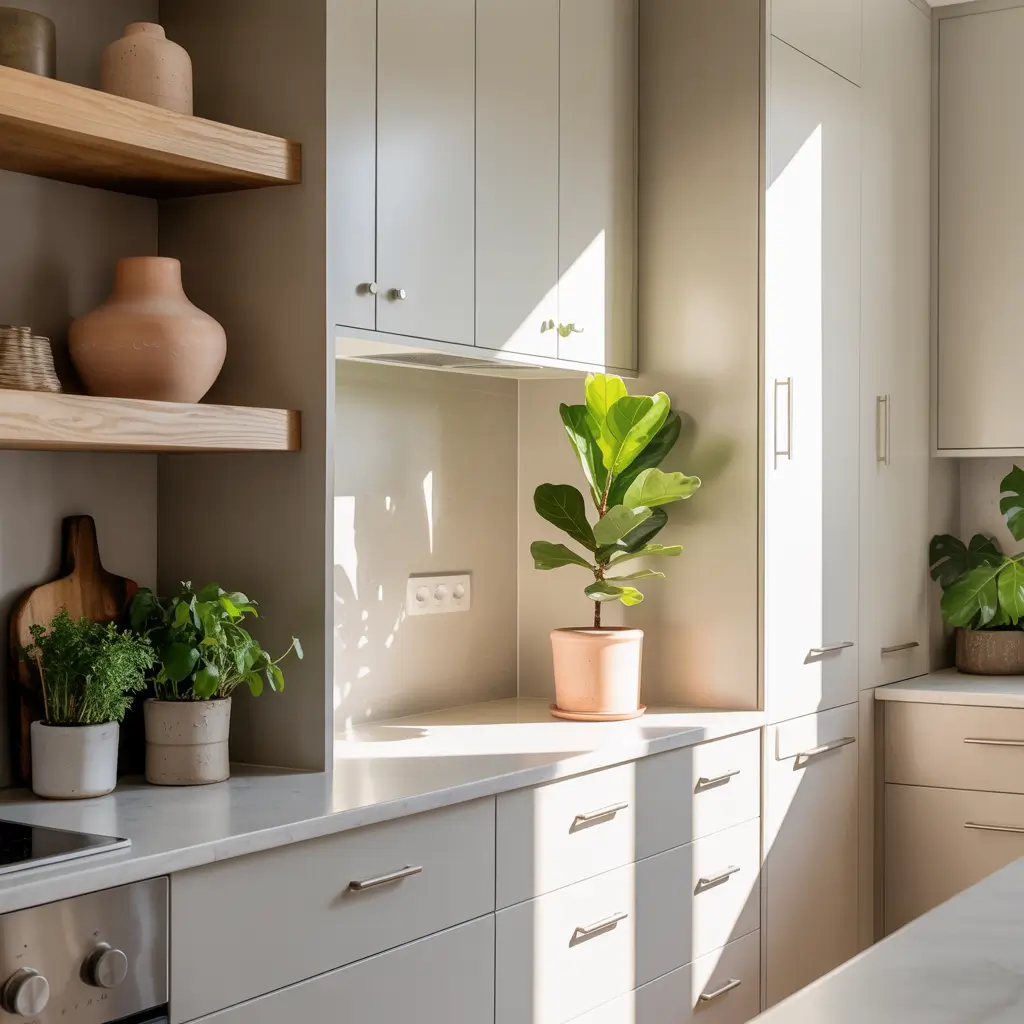
Can’t decide between open shelving and closed storage? Why not both? Combining open shelves with traditional cupboards gives you the best of both worlds—display space for pretty things and hidden storage for the not-so-pretty.
Finding the Right Balance
The ratio matters. Too many open shelves and your kitchen feels cluttered. Too many closed cupboards and you miss the opportunity for personality. A good starting point is 70% closed storage to 30% open, adjusting based on how much you have worth displaying.
Place open shelves strategically. Above closed cupboards works well, as does flanking a window or range hood. Avoid open shelves near the stove unless you enjoy greasy dish washing—trust me on this one.
Styling Your Open Shelves
Here’s where many people go wrong—they treat open shelves like regular cupboards, cramming them full. Instead, think of them as display space. Show off your prettiest dishes, interesting cookbooks, or that fancy olive oil in the beautiful bottle.
Follow the rule of thirds: one-third functional items (dishes you actually use), one-third decorative (a small plant, a pretty bowl), and one-third empty space. This prevents the cluttered look and makes what you do display more impactful.
9. Luxury Marble-Top Cupboards
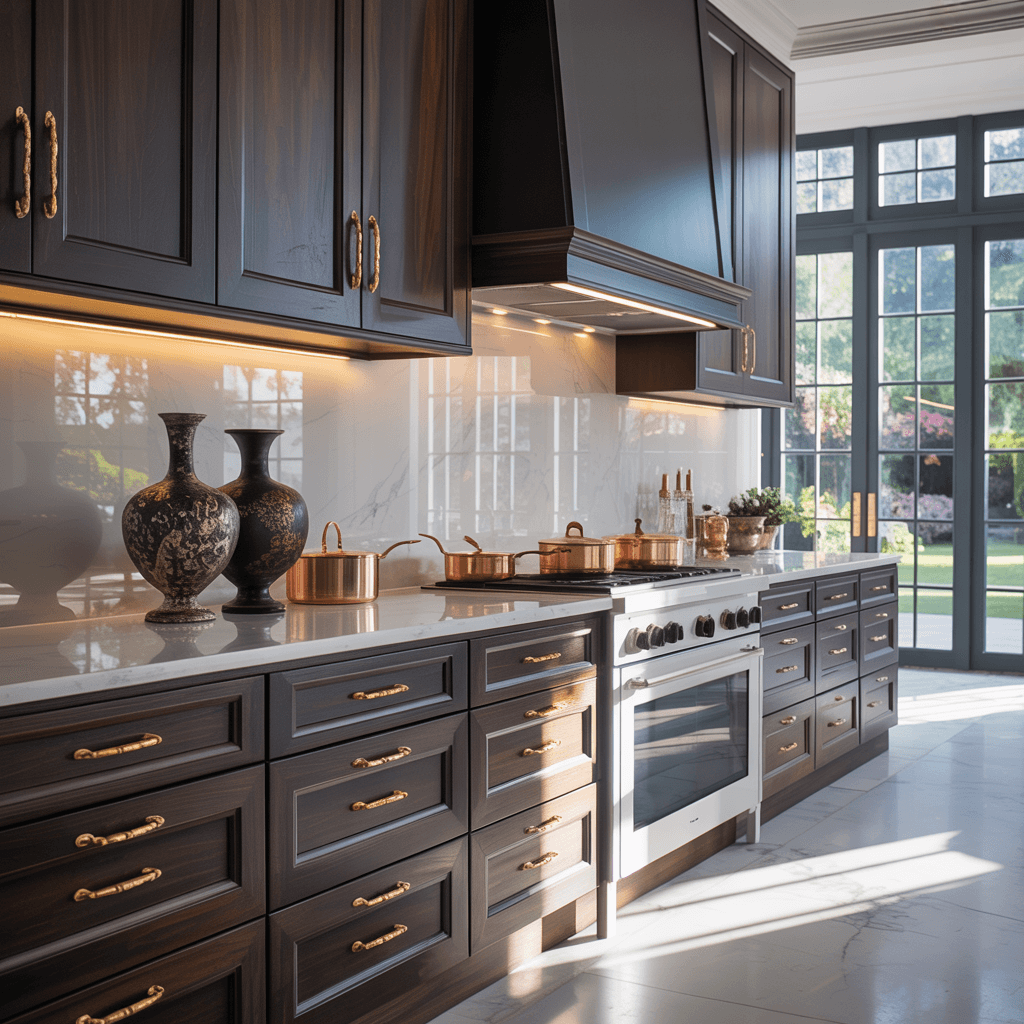
Marble-top cupboards are the Rolls-Royce of kitchen storage—elegant, expensive, and guaranteed to make you feel fancy every time you make a sandwich.
Is Marble Worth It?
Real marble is stunning but high-maintenance. It stains, etches, and requires regular sealing. But oh, those veins and that cool surface that’s perfect for pastry-making! If you’re a careful cook who doesn’t mind some patina over time, marble adds unmatched elegance.
For those who want the look without the stress, engineered quartz with marble patterns offers a practical alternative. It looks remarkably similar but resists stains and scratches. Sure, stone snobs might notice the difference, but your stress levels won’t.
Design Considerations
Marble tops work best with simple cupboard designs. Let the stone be the star—ornate cabinet doors compete for attention. Flat-front or shaker-style doors in white or light gray complement marble beautifully.
Consider waterfall edges where the marble continues down the sides of an island or peninsula. This modern detail showcases the stone’s pattern and creates a furniture-like feel. Just prepare your wallet—marble isn’t cheap, and waterfall edges use significantly more material.
Also Read: 10 Cozy Coffee Bar with Floating Shelves Ideas for Your
10. Compact Bedroom Wardrobe Cupboards
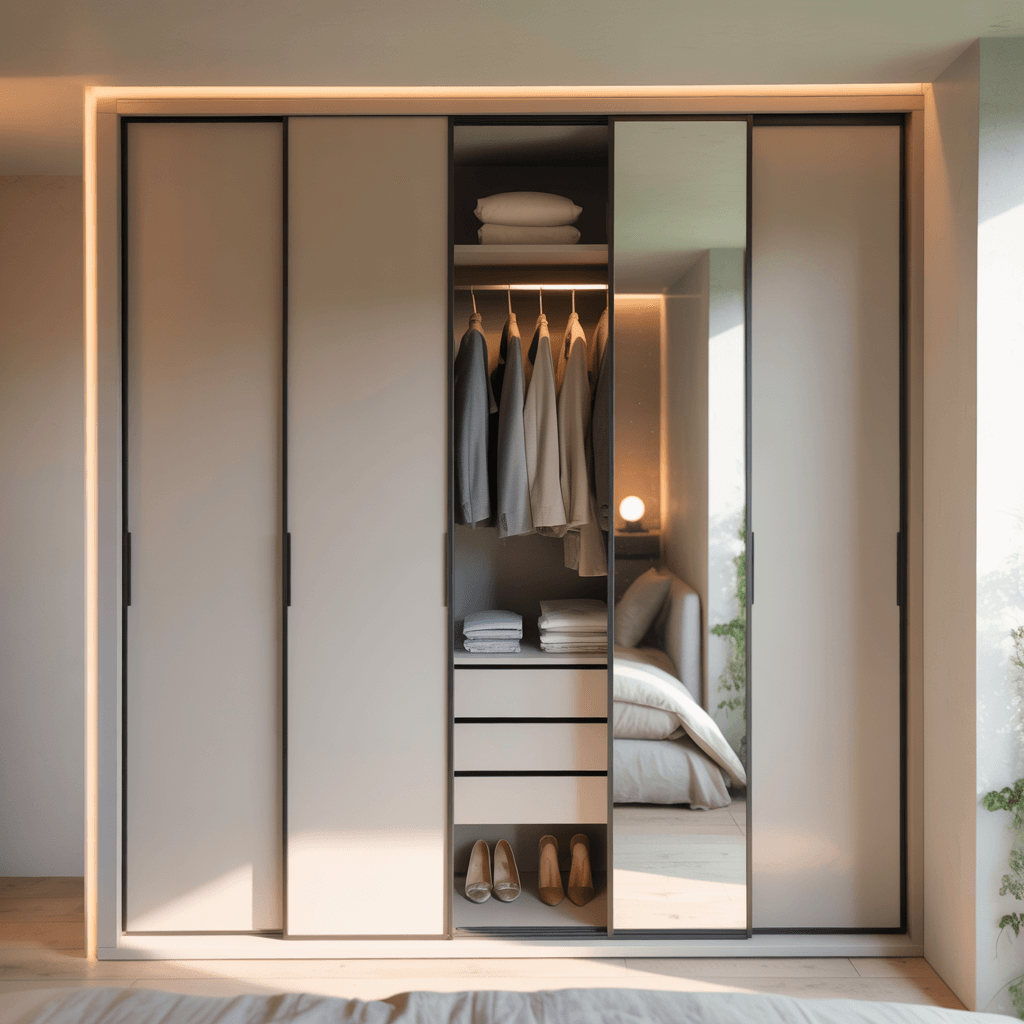
Bedroom storage is a constant battle, especially in smaller spaces. Compact wardrobe cupboards maximize every inch while keeping your clothes organized and accessible.
Smart Interior Configuration
The inside of your wardrobe matters more than the outside. A combination of hanging space, shelves, and drawers accommodates different clothing types. Double hanging rods instantly double your hanging space for shorter items like shirts and jackets.
Built-in drawer units eliminate the need for a separate dresser. Pull-out accessories organizers keep belts, ties, and scarves visible and tangle-free. Even the back of doors becomes useful with hooks or shallow shelves for accessories.
Making Small Wardrobes Feel Bigger
Mirrored doors are the oldest trick in the book because they work. They make rooms feel larger while providing a full-length mirror for outfit checks. If full mirrors feel too much, consider mirror panels combined with wood or painted sections.
Internal lighting changes everything. LED strips activated by door opening make finding clothes easier and make the wardrobe feel more luxurious. It’s a small detail that makes a big difference in daily use.
Bringing It All Together
The best cupboard design is one that works for your specific needs, space, and style. Maybe you need the flexibility of modular units, the elegance of marble tops, or the efficiency of pull-out pantries.
Most likely, you need a combination of ideas adapted to your unique situation.
Start by honestly assessing how you use your storage. Do you hide clutter behind closed doors? Display your grandmother’s china? Need space for a growing collection of small appliances? Your cupboards should support your lifestyle, not fight against it.
Remember that good cupboard design is an investment in daily happiness. You interact with these storage solutions multiple times every day. Spending time and money to get them right pays dividends in reduced frustration and increased functionality.
Don’t be afraid to mix ideas. Maybe you want floating cupboards with glass fronts, or rustic wood with modern modular interiors. The best designs often come from combining elements in unexpected ways.
Most importantly, organize as you go. The most beautiful cupboards in the world won’t help if you fill them with chaos. Take time to set up systems that make sense for how you actually live, not how you think you should live.
Your cupboards are waiting for their glow-up. Whether you’re ready for a full renovation or just some strategic upgrades, these ideas can transform your storage from necessary evil to design feature. Time to open those doors and see the potential hiding inside! 🙂