12 Elegant Grey Living Room Ideas Color Schemes for Inspiration
- Living Room Decor
 Ben
Ben- 0
- 64 minutes read
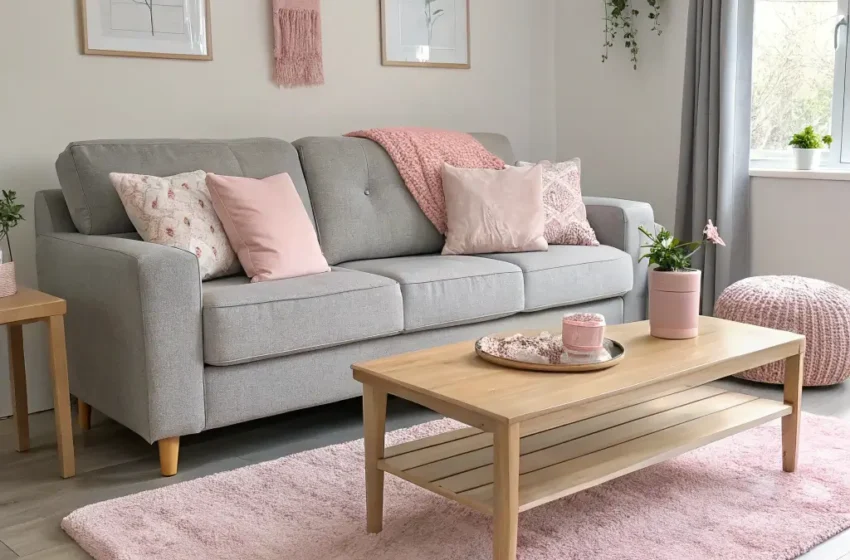
Grey might be the most popular living room color choice out there, but picking the right color scheme to pair with it? That’s where most people get stuck.
The truth about grey living rooms is simple: grey alone does nothing special. The magic happens when you pair grey with complementary colors that bring warmth, energy, or sophistication to the space.
Get the color scheme right, and your grey living room feels intentional and polished. Get it wrong, and you’re left with a space that feels cold, confused, or just plain boring.
I’ve experimented with grey living room color schemes across four different homes over the years. Some combinations worked beautifully from day one.
Others required expensive pillow replacements and awkward explanations to visitors about my “transitional design phase.” Those failures taught me more than the successes ever could.
Here’s what I’ve learned: grey’s versatility cuts both ways. It works with almost everything, which means you could go in a hundred different directions. That freedom becomes overwhelming without clear guidance.
These twelve grey living room color schemes cover everything from cozy warm neutrals to bold statement combinations. Each one creates a distinct mood and aesthetic.
Let’s find the palette that transforms your grey living room from generic to genuinely impressive.
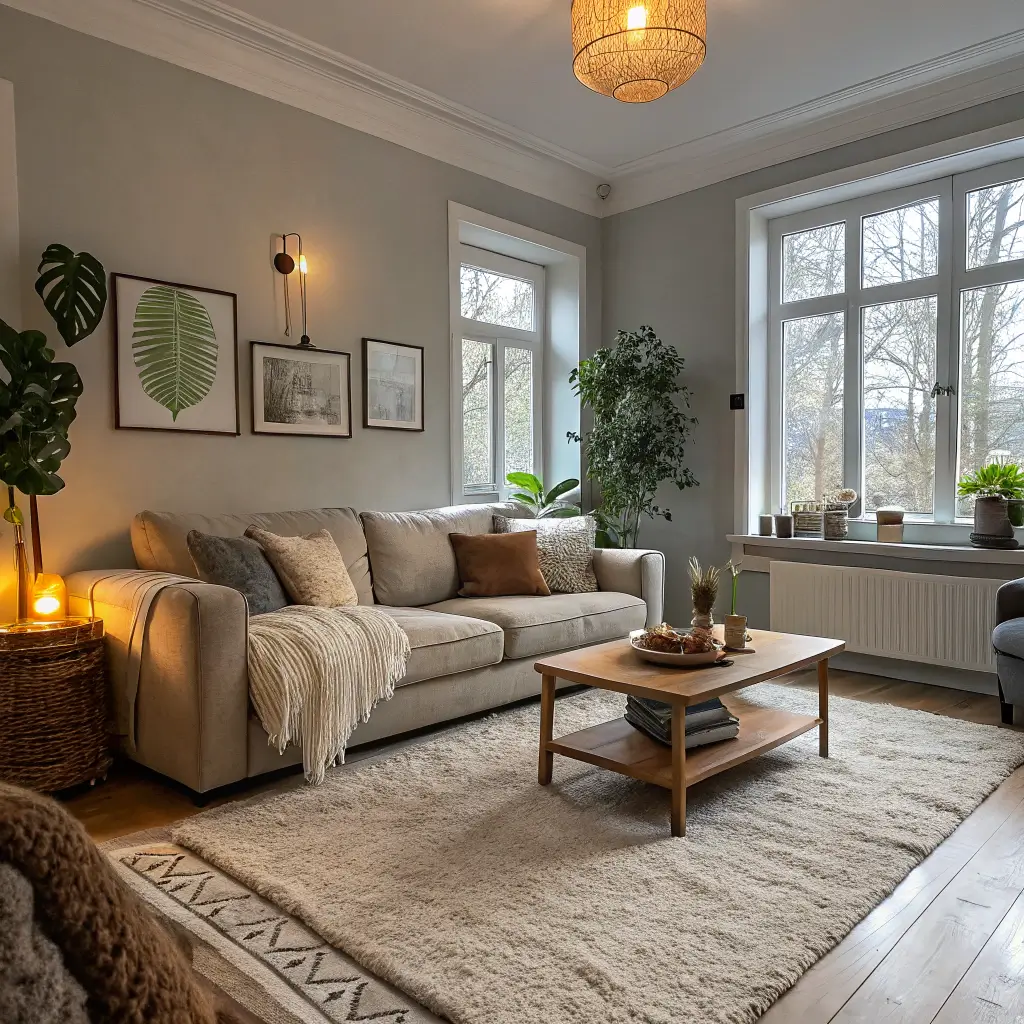
1. Cozy Grey and Warm Beige Living Room
Why This Classic Combination Works
Grey and warm beige create timeless sophistication without feeling dated or trendy. This color scheme has staying power because it balances cool and warm tones perfectly, resulting in spaces that feel both elegant and genuinely comfortable.
The combination works on a color theory level—warm beige softens grey’s cooler tendencies while grey adds sophistication to beige’s casual warmth. Neither color dominates; they genuinely complement each other.
Building Your Grey and Beige Palette
Layer these tones throughout your space:
Grey elements:
- Pale grey or greige walls
- Medium grey sofa or sectional
- Grey accent pillows with texture
- Charcoal throws or blankets
Warm beige elements:
- Cream or sand-colored curtains
- Warm beige area rugs
- Camel leather accent chairs
- Natural linen cushions
- Beige ceramic accessories
Preventing the “Bland” Problem
The risk with grey and beige? The combination can read as safe and boring without enough texture. Combat this by:
- Mixing multiple grey tones from light to charcoal
- Including rich textures like velvet, chunky knits, and natural weaves
- Adding warm metallic accents in brass or gold
- Incorporating natural wood tones
- Including greenery for organic contrast
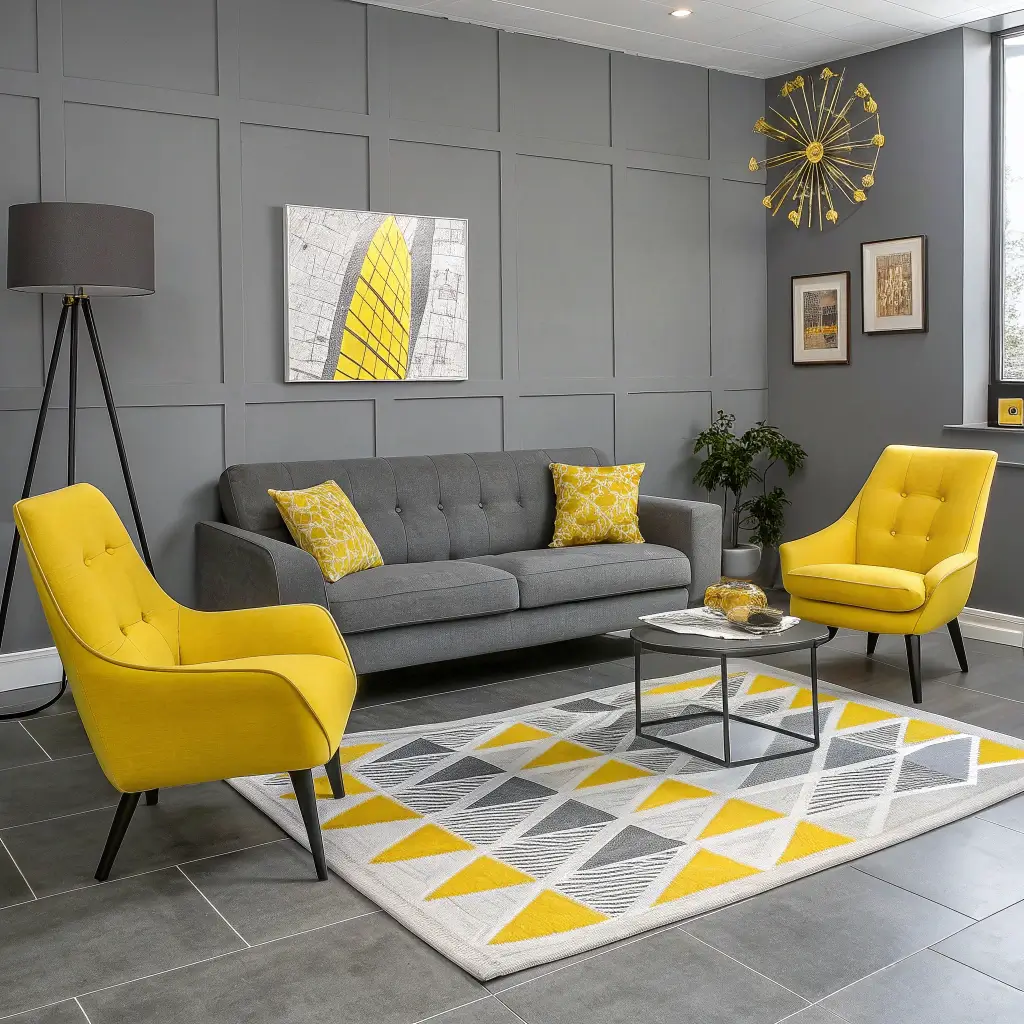
2. Modern Grey with Bold Yellow Accents
The Energy Injection Grey Needs
Yellow brings instant energy and optimism to grey living rooms. This combination has become iconic for good reason—the high contrast creates visual excitement while grey keeps things sophisticated.
Ever notice how grey skies make yellow objects pop more dramatically? The same principle applies in interior design. Grey creates the perfect backdrop for yellow’s vibrancy.
Choosing the Right Yellow
Not all yellows work equally well with grey:
Best yellow choices:
- Mustard yellow (sophisticated, not childish)
- Ochre (earthy and warm)
- Saffron (rich and luxurious)
- Golden yellow (warm and inviting)
Yellows to approach carefully:
- Bright lemon yellow (can feel too intense)
- Neon yellow (overwhelming in most spaces)
- Pale butter yellow (might not create enough contrast)
Strategic Yellow Placement
Apply the 60-30-10 rule:
- 60% grey tones (walls, large furniture)
- 30% neutral supporters (white, cream, natural wood)
- 10% yellow accents (pillows, artwork, one statement piece)
That 10% creates significant impact precisely because of its restraint. Yellow throw pillows, a piece of artwork, a vase, and maybe one accent chair provide enough without overwhelming the space.
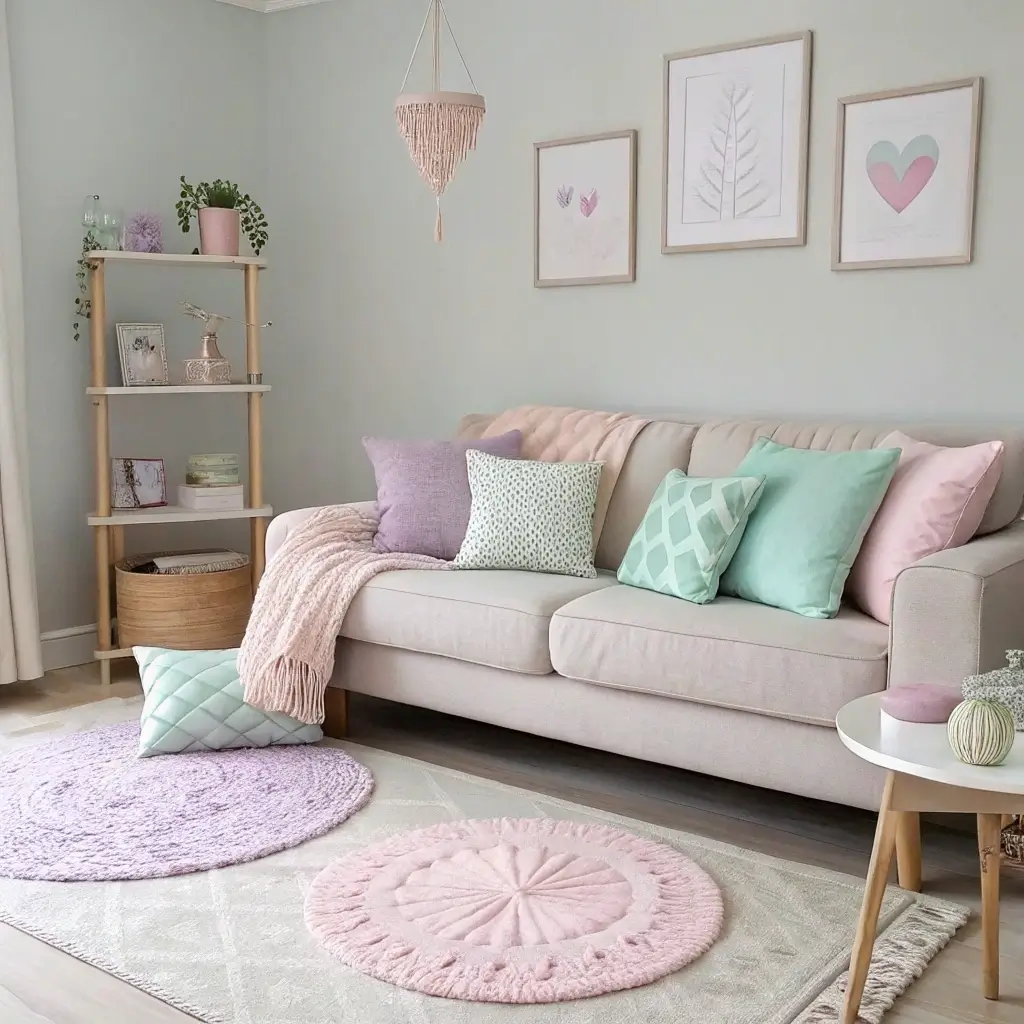
3. Soft Grey Pastel Living Room Vibes
Gentle Sophistication
Pairing grey with soft pastels creates dreamy, calming spaces that feel romantic without being overly feminine. This color scheme works beautifully in bedrooms that double as sitting areas, formal living rooms, or any space where relaxation takes priority.
The key lies in choosing pastels with grey undertones—they harmonize naturally with grey backgrounds rather than fighting against them.
Best Pastels for Grey Living Rooms
Consider these soft accent colors:
- Dusty rose – sophisticated pink with grey undertones
- Soft lavender – calming and unexpected
- Pale sage – natural and fresh
- Powder blue – classic and serene
- Blush peach – warm and inviting
Creating the Pastel Grey Palette
Build your soft color scheme with:
- Light grey walls as your base
- Medium grey sofa with pastel cushions
- White or cream as supporting neutral
- One or two pastel accents throughout
- Soft metallic touches (rose gold works beautifully)
Avoiding the Nursery Effect
The challenge with pastels? Going too sweet or childish. Keep things sophisticated by:
- Including some darker grey elements for grounding
- Choosing muted pastels rather than bright baby tones
- Adding mature metallic accents
- Including natural textures and materials
- Editing carefully—less pastel often equals more impact
Also Read: 10 Inspiring Light Grey Sofa Living Room Ideas You Must
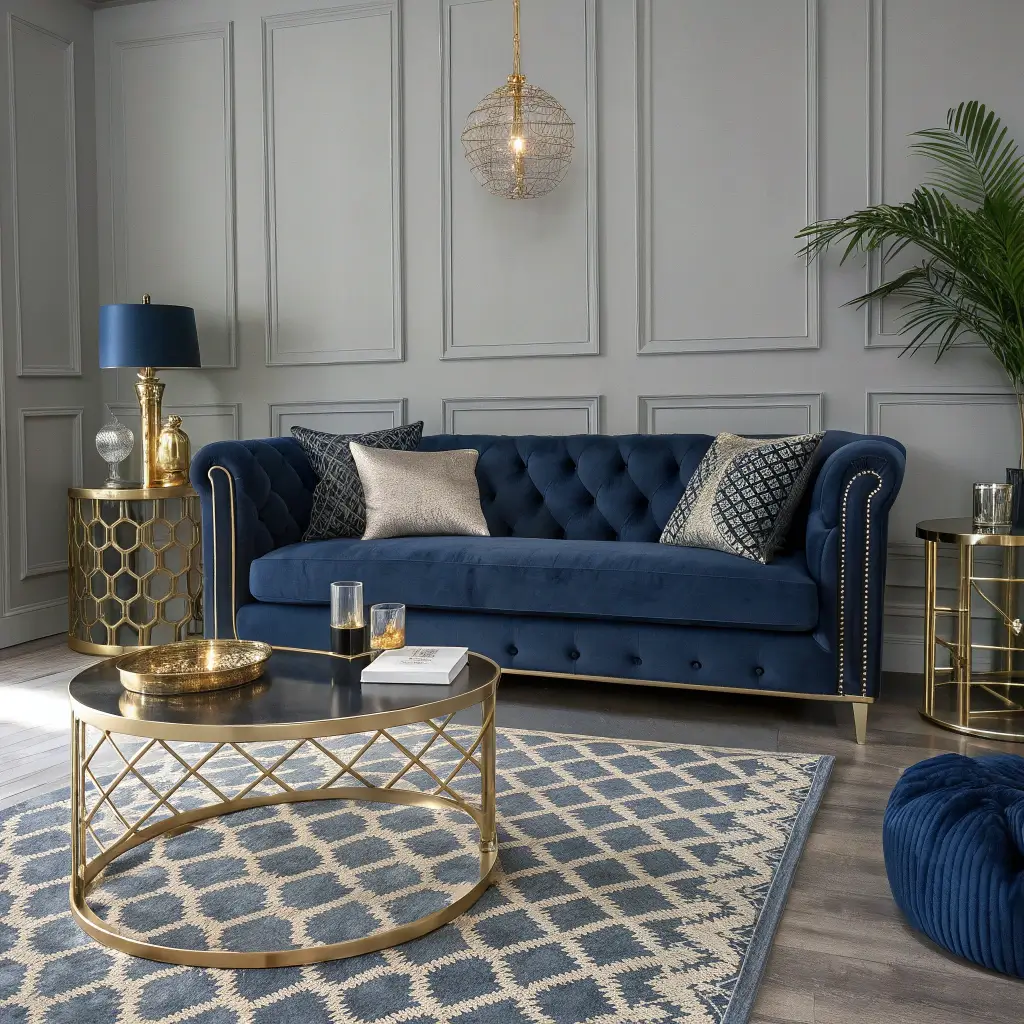
4. Elegant Grey and Navy Blue Combo
Timeless Masculine Elegance
Grey and navy blue create one of the most sophisticated, enduring color combinations in interior design. This pairing feels classic, polished, and decidedly grown-up without being stuffy or dated.
The combination works because both colors share cool undertones and similar visual weight. They feel like natural partners rather than forced companions.
Building the Grey and Navy Palette
Layer these complementary tones:
Grey elements:
- Medium grey walls or light grey with charcoal accents
- Grey sofa as the anchor piece
- Grey patterned area rug
- Varying grey textiles throughout
Navy elements:
- Navy accent chairs or ottoman
- Navy throw pillows
- Navy patterned curtains
- Navy decorative accessories
- Navy artwork or frames
Balancing elements:
- White or cream for brightness
- Natural wood tones for warmth
- Brass or gold metallics for luxury
- Greenery for organic life
Making Navy Work Without Heaviness
The risk with grey and navy? Creating a space that feels too dark or masculine. Balance by:
- Including plenty of white or cream elements
- Ensuring adequate natural and artificial light
- Adding warm wood tones throughout
- Including some lighter grey shades
- Breaking up large navy areas with texture
5. Grey Living Room with Earthy Green Tones
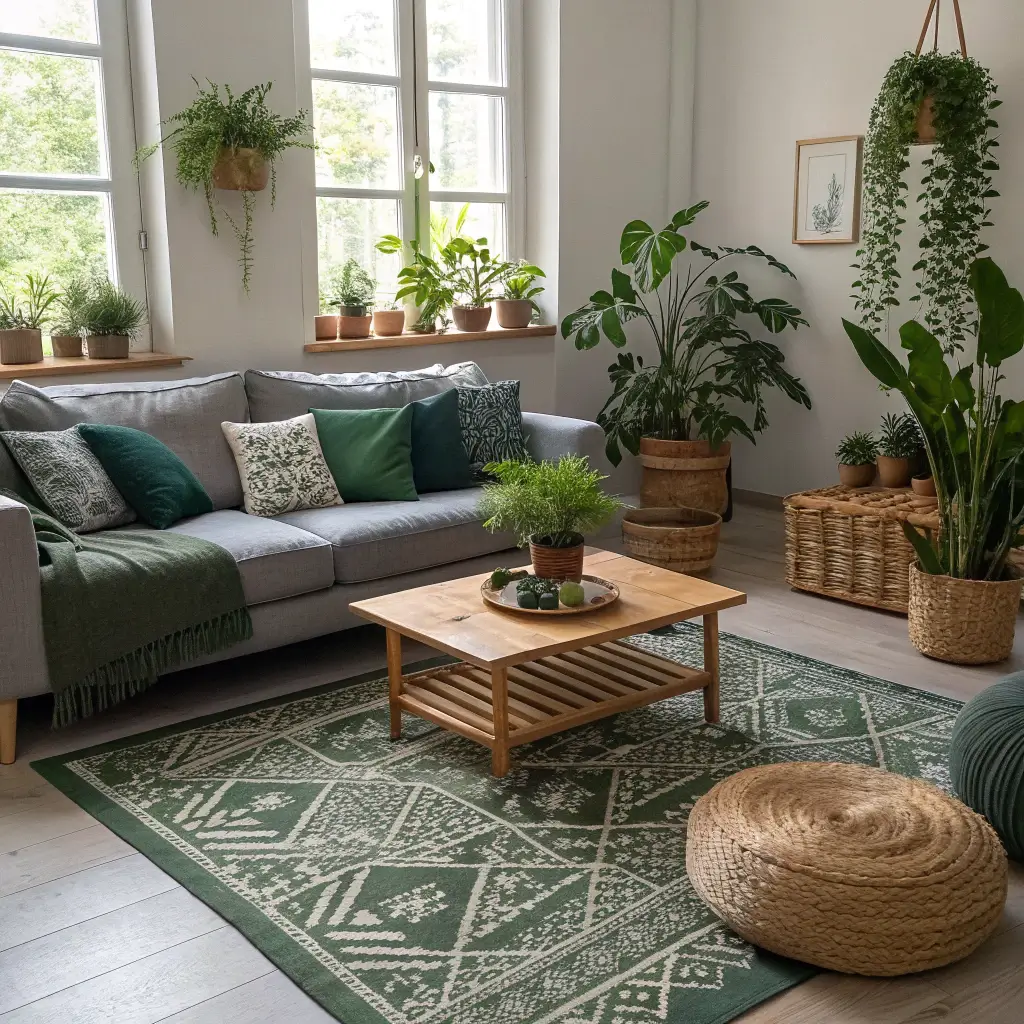
Nature-Inspired Sophistication
Green brings the outside in and creates grey living rooms that feel alive and grounded. This combination has surged in popularity because it satisfies our craving for nature while maintaining sophistication.
From sage to olive to forest green, earthy green tones complement grey beautifully while adding warmth that grey alone can’t provide.
Choosing Your Green
Different greens create different moods:
- Sage green – soft, calming, Scandinavian vibes
- Olive green – warm, earthy, organic feeling
- Forest green – dramatic, luxurious, statement-making
- Moss green – natural, cozy, collected aesthetic
- Hunter green – classic, sophisticated, timeless
Incorporating Green Throughout
Add earthy green through:
Living elements:
- Large floor plants (fiddle leaf fig, monstera)
- Trailing plants on shelves
- Herb arrangements
- Fresh branches in vases
Decorative elements:
- Green velvet cushions
- Olive or sage throw blankets
- Green ceramic vases
- Green-toned artwork
- Green patterned rugs
Furniture options:
- Sage green accent chair
- Olive velvet ottoman
- Green patterned upholstery
FYI, plants work double duty here—they add green color while also bringing life, texture, and air-purifying benefits. Win-win-win.
6. Minimalist Grey and White Dream Space
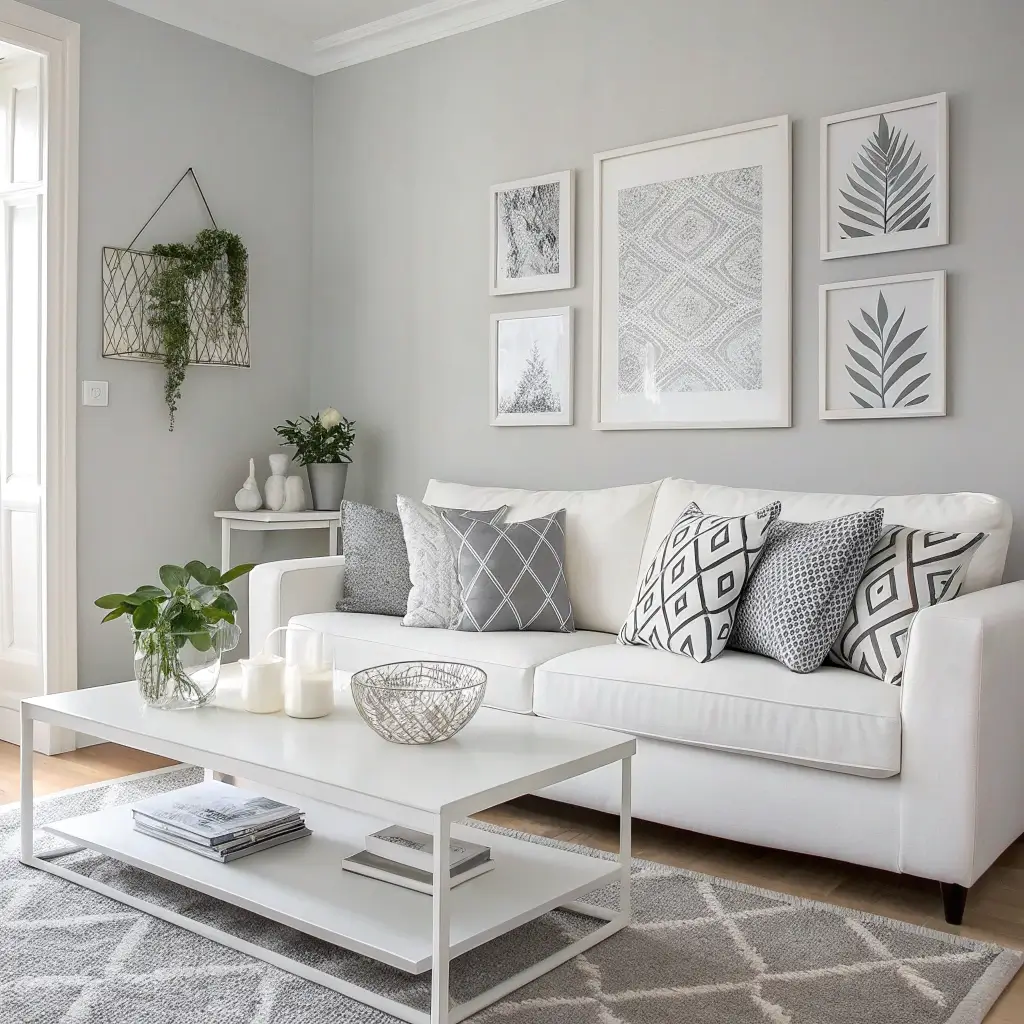
Clean, Calm, Contemporary
Grey and white create the ultimate minimalist foundation. This color scheme relies on simplicity, negative space, and the interplay of light and shadow rather than color drama.
The combination feels modern, clean, and incredibly sophisticated when executed well. It also photographs beautifully, which explains its dominance on design Instagram.
Executing Grey and White Successfully
Build your minimalist palette with:
- Warm white walls (not stark white)
- Medium grey as your anchor color
- Varying grey tones from pale to charcoal
- White accents for brightness
- Natural materials for warmth
Preventing the Sterile Hospital Vibe
Grey and white’s biggest risk? Feeling cold, clinical, and unwelcoming. Combat this by:
- Choosing warm whites over stark ones
- Including natural wood elements throughout
- Adding abundant texture (velvet, wool, linen)
- Incorporating greenery for organic life
- Using warm-toned lighting
- Including personal objects that tell your story
Texture Becomes Essential
In grey and white spaces, texture does the work that color typically handles:
- Chunky knit throws
- Velvet cushions
- Woven area rugs
- Linen curtains
- Marble accessories
- Ceramic decorative objects
Without texture variation, grey and white falls flat. With it, the combination feels luxuriously sophisticated.
Also Read: 10 Stunning Light Grey Couch Living Room Ideas for Cozy
7. Grey Living Room with Blush Pink Highlights
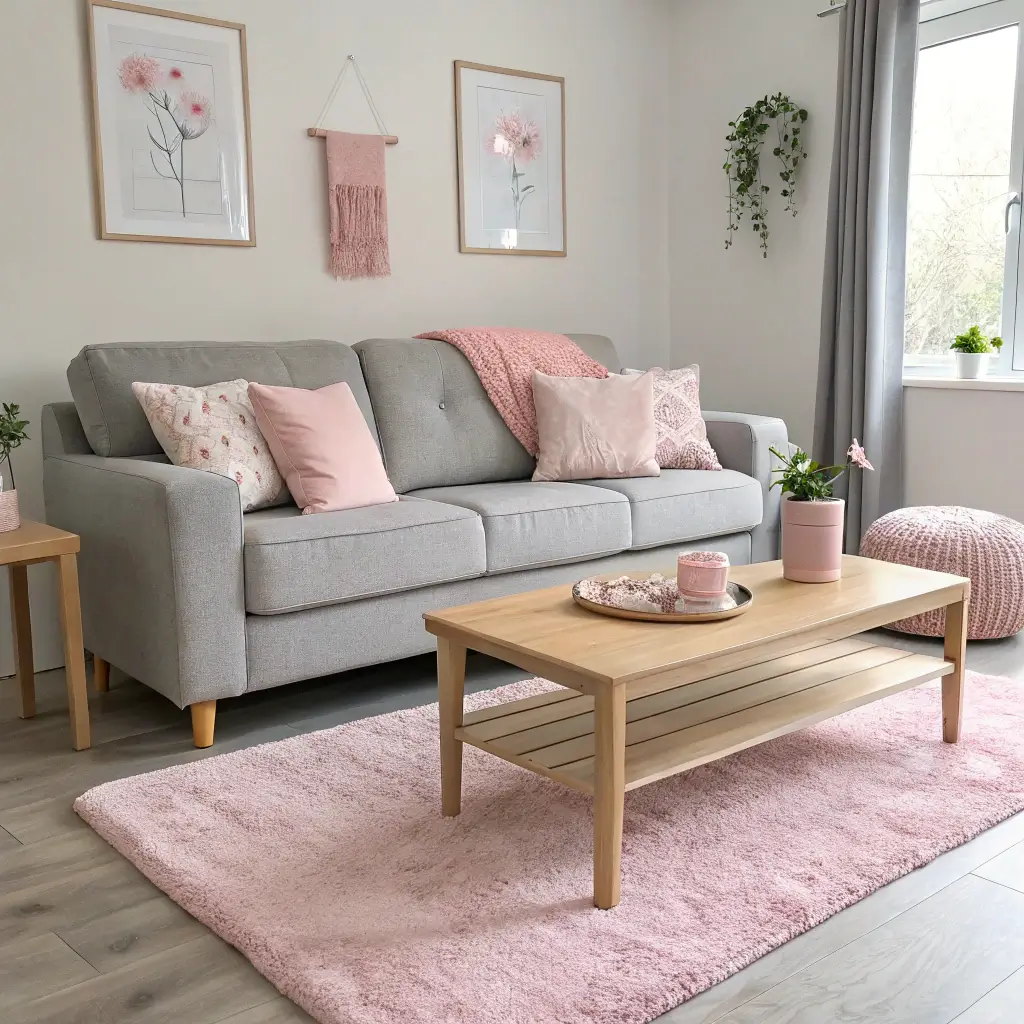
Soft Romance Meets Modern Sophistication
Blush pink adds warmth and romance to grey living rooms without feeling overly feminine. This color scheme has gained massive popularity because it strikes the perfect balance—soft enough to feel welcoming, sophisticated enough for any home.
The combination works because blush pink’s warm undertones balance grey’s cooler tendencies beautifully.
Choosing the Right Pink Tone
Stick with these sophisticated pinks:
- Dusty rose – grey undertones create natural harmony
- Blush – warm and soft
- Mauve – sophisticated with purple undertones
- Salmon pink – warmer and more coral
- Nude pink – subtle and elegant
Avoid:
- Bright hot pink (too intense for this scheme)
- Bubblegum pink (reads as childish)
- Neon pink (overwhelming)
Strategic Pink Placement
Apply blush pink thoughtfully:
- Blush velvet throw pillows
- Pink-toned artwork
- Blush ceramic vases
- Pink patterned area rug
- One blush accent chair
- Dried pampas grass or blush florals
Supporting Elements
Complete the grey and blush palette with:
- White or cream as brightness
- Rose gold or brass metallics
- Warm wood tones
- Greenery for contrast
- Soft textures throughout
8. Moody Dark Grey and Charcoal Decor
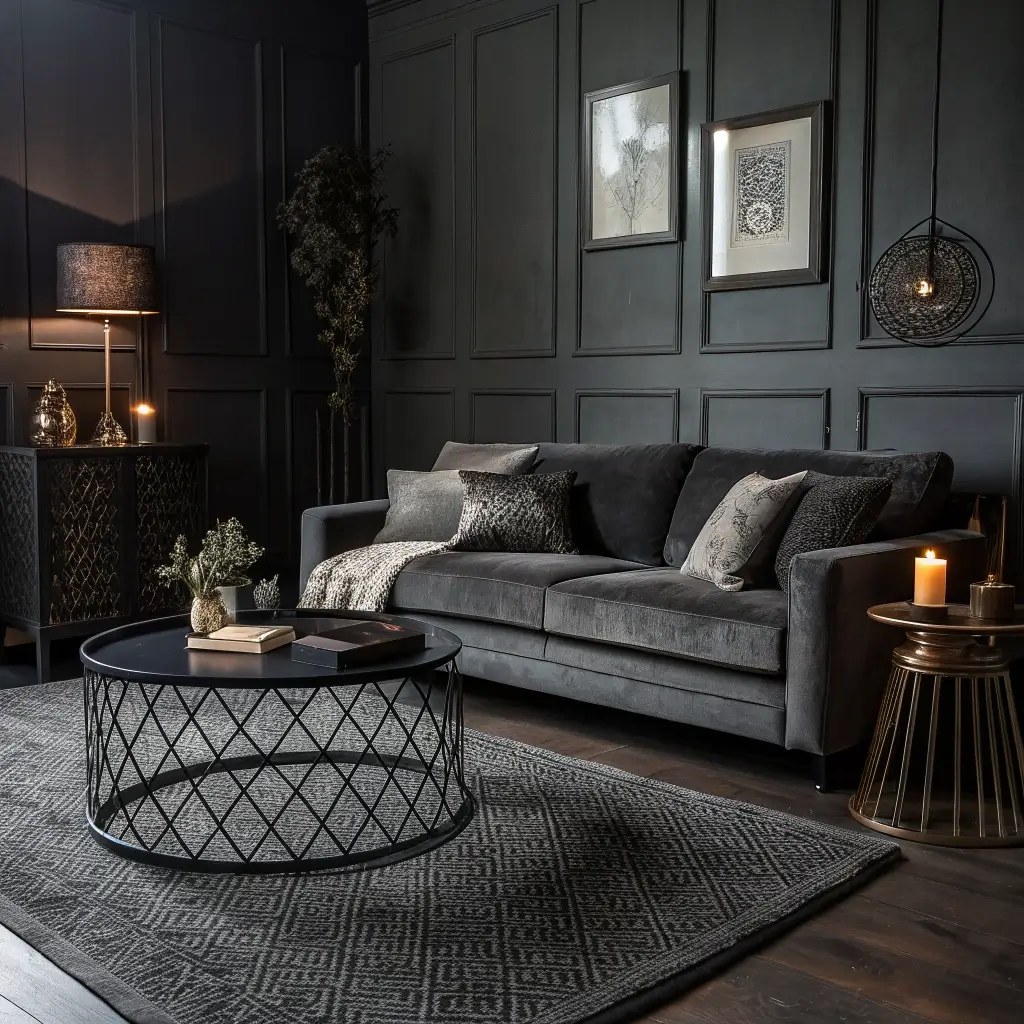
Embracing the Dark Side
Dark grey and charcoal create dramatic, enveloping spaces that feel luxuriously intimate. This color scheme works for people who want their living rooms to feel like sophisticated retreats rather than bright, airy spaces.
Think boutique hotel lobbies, upscale bars, and those moody interiors that photograph so beautifully. Dark grey creates that same sense of intentional drama.
Building a Dark Grey Palette
Layer these dramatic tones:
- Charcoal or dark grey walls
- Deep grey velvet sofa
- Varying dark grey textiles
- Near-black accents
- Touches of lighter grey for contrast
Preventing the Cave Effect
The challenge with dark schemes? Avoiding spaces that feel oppressive or gloomy. Succeed by:
- Including plenty of warm metallic accents (gold, brass, copper)
- Adding contrast with white or cream elements
- Ensuring abundant artificial lighting
- Including some lighter grey moments
- Adding texture to catch and reflect light
- Using mirrors strategically
Best Rooms for Dark Grey Schemes
Dark grey works best in:
- Rooms with abundant natural light
- North-facing rooms without harsh sun
- Spaces primarily used in evening hours
- Larger rooms that can handle visual weight
- Rooms intended to feel cocooning
IMO, dark grey living rooms feel amazing but require commitment. Test with paint samples before committing to charcoal everything.
9. Grey and Natural Wood Scandinavian Style
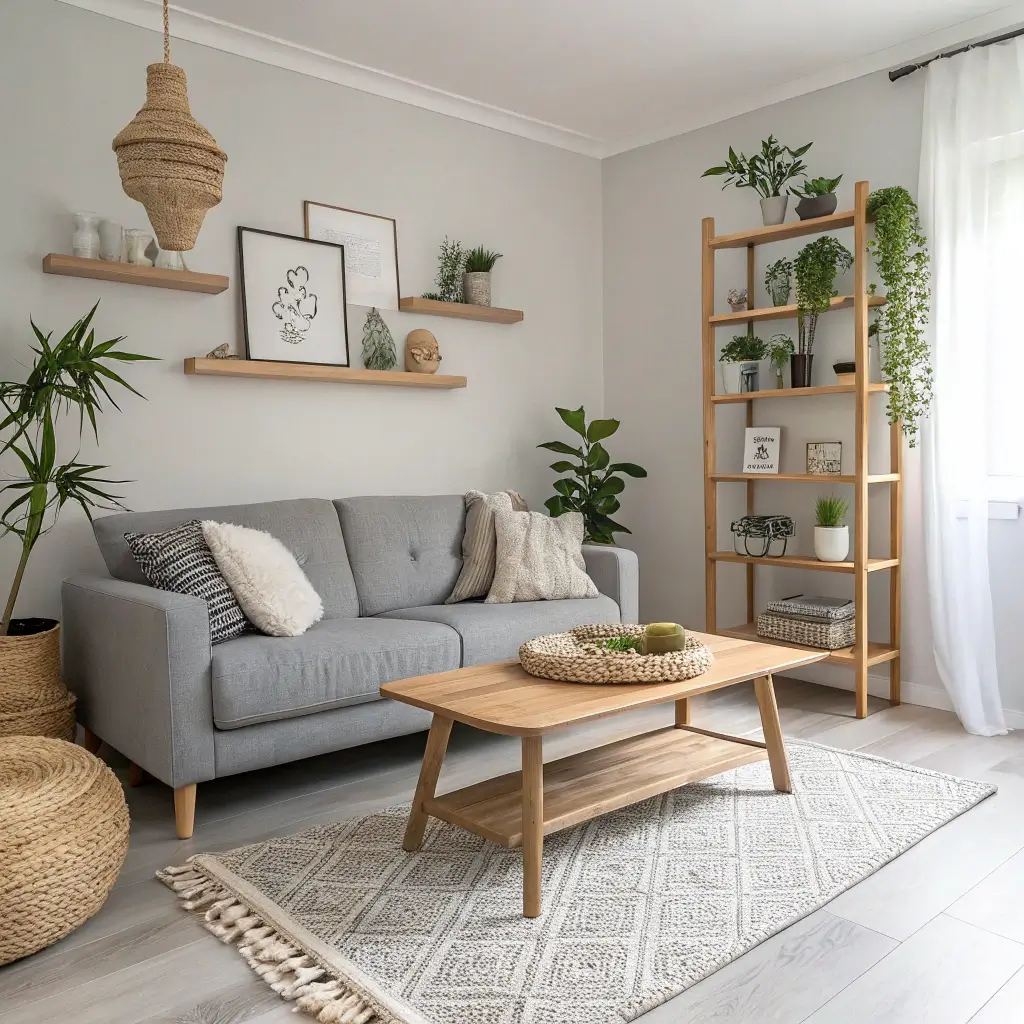
Nordic Warmth Perfected
Grey paired with natural wood creates the quintessential Scandinavian aesthetic. This color scheme balances cool grey tones with organic warmth, resulting in spaces that feel both sophisticated and genuinely cozy.
Nordic designers perfected this combination because it works in their limited-light environments. The wood brings warmth that grey alone can’t provide.
Choosing Your Wood Tones
Best wood options for grey living rooms:
Light woods:
- Light oak
- Natural birch
- Pale ash
- Whitewashed pine
Medium woods:
- Walnut
- Mid-tone oak
- Teak
- Honey-toned maple
Incorporating Wood Elements
Add natural wood through:
- Coffee tables and side tables
- Floating shelves
- Picture frames
- TV consoles
- Wooden furniture legs
- Decorative bowls and objects
- Floor lamps with wood bases
Completing the Scandi Palette
Support grey and wood with:
- White or cream walls
- Natural textiles (linen, wool, cotton)
- Greenery in simple pots
- Candles for hygge
- Ceramic accessories in neutral tones
- Woven baskets for storage
Also Read: 12 Cozy Dark Grey Couch Living Room Ideas for Family
10. Light Grey with Metallic Gold Accents
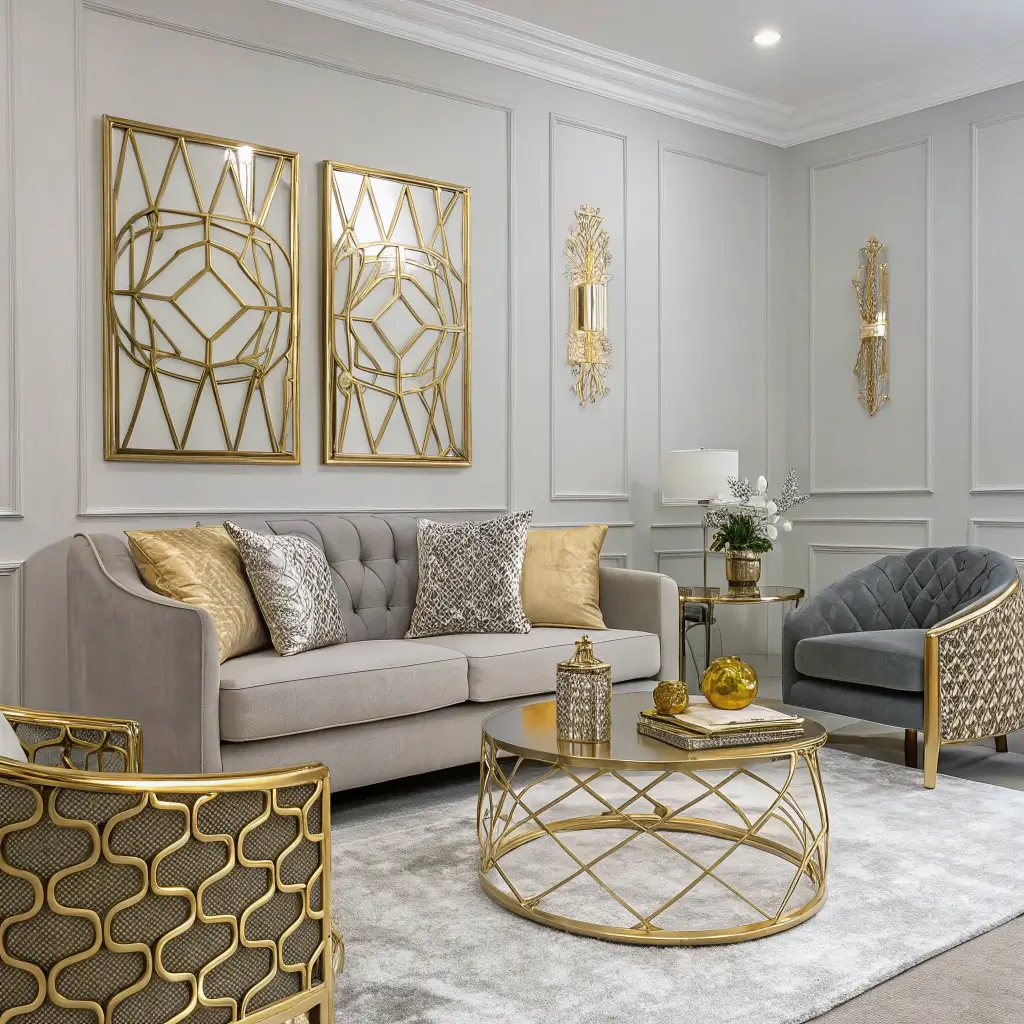
Accessible Glamour
Gold accents transform light grey from sophisticated neutral to genuine glamour. This color scheme creates luxury appeal without overwhelming the space or your budget.
The warm metallic tones elevate grey’s quiet elegance into something that feels intentionally special. The contrast between matte grey and reflective gold creates visual richness.
Choosing Your Gold Tone
Different gold finishes create different effects:
- Polished brass – warm, vintage-inspired
- Brushed gold – modern, subtle sophistication
- Antique gold – collected, traditional feeling
- Bright gold – glamorous, statement-making
- Champagne gold – soft, romantic elegance
Where to Add Gold
High-impact gold additions:
- Coffee table with gold base
- Gold-framed mirrors
- Statement light fixtures
- Gold side tables
Smaller gold touches:
- Picture frames
- Candle holders
- Vases and decorative objects
- Lamp bases
- Hardware on furniture
- Cushions with gold thread
Balancing Gold and Grey
Prevent the “overdone” look by:
- Letting light grey dominate visually
- Using gold as accent, not feature
- Including matte textures alongside shine
- Adding organic elements for grounding
- Choosing one gold finish and maintaining consistency
11. Grey Living Room with Ocean Blue Touches
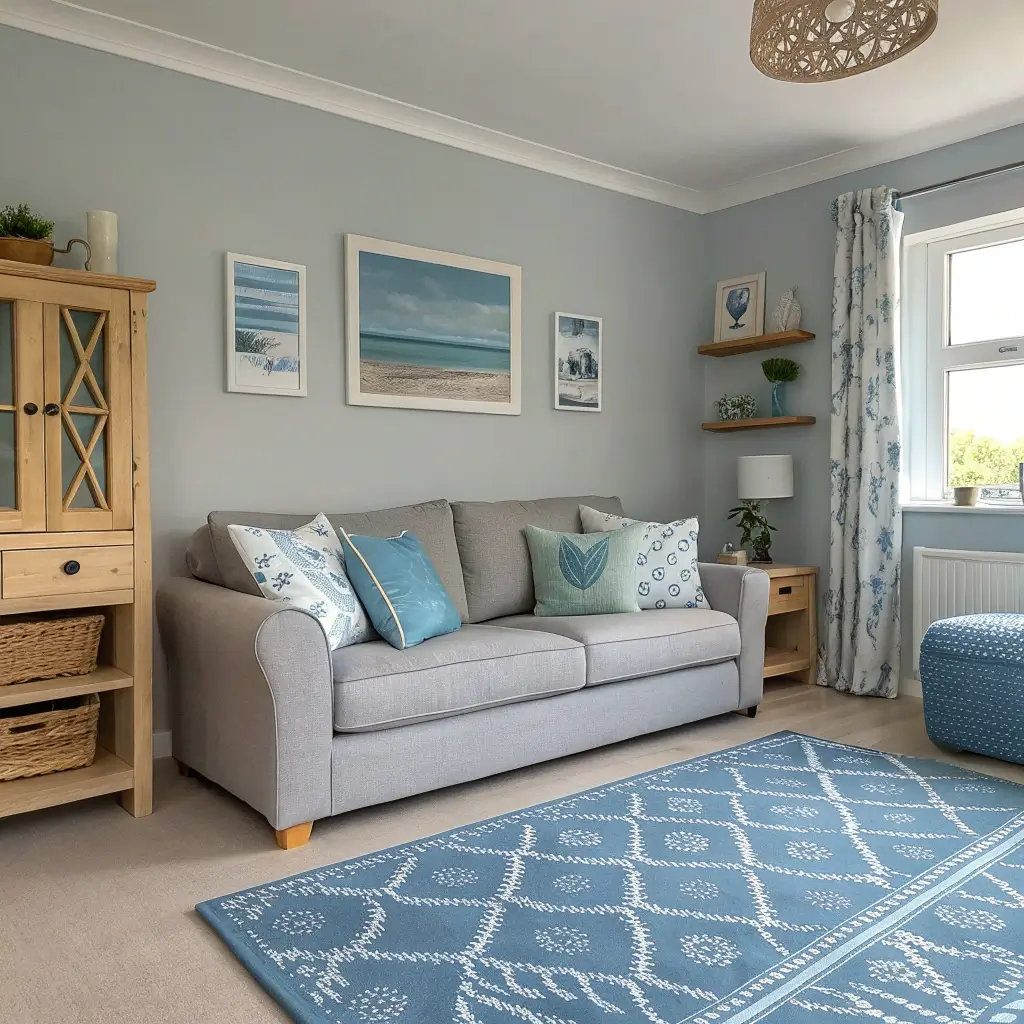
Coastal Sophistication
Ocean blue accents bring freshness and tranquility to grey living rooms. This color scheme evokes coastal living without the cliché seashells and anchor motifs. It feels sophisticated yet relaxed.
The combination works because cool grey and ocean blues share similar undertones, creating natural harmony while blue adds visual interest.
Choosing Your Ocean Blue
Consider these coastal-inspired shades:
- Teal – rich and dramatic
- Aqua – fresh and energizing
- Navy with teal undertones – sophisticated depth
- Sea glass blue – soft and serene
- Turquoise – bold and vibrant
Incorporating Ocean Blues
Add coastal color through:
- Blue velvet cushions
- Ocean-toned artwork
- Teal ceramic vases
- Blue patterned area rugs
- One statement blue chair
- Blue glass accessories
Supporting the Coastal Palette
Complete grey and ocean blue with:
- White for brightness and beach vibes
- Natural textures (jute, rattan, driftwood)
- Warm wood tones
- Sandy beige accents
- Greenery for contrast 🙂
12. Grey and Black Monochrome Chic
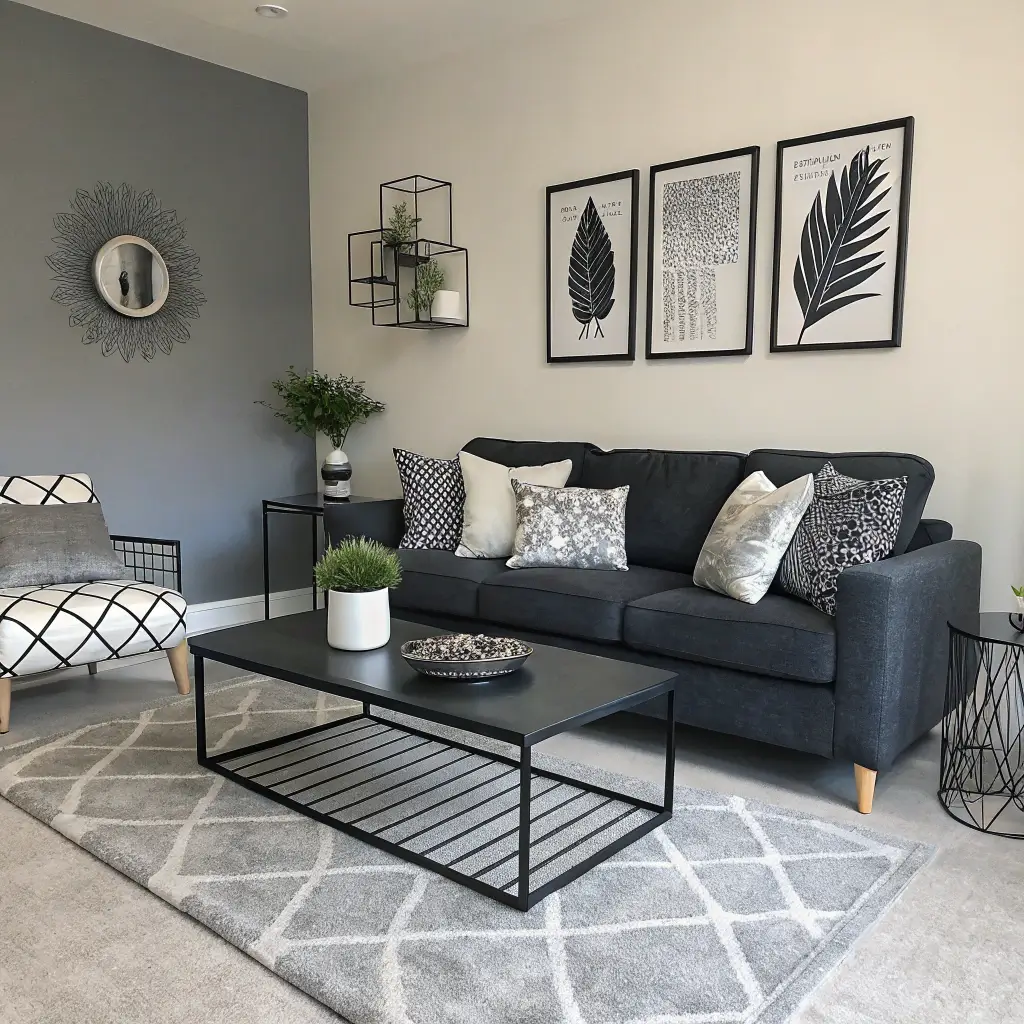
Bold Contrast, Maximum Impact
Grey and black create sophisticated monochrome spaces that feel intentional and bold. This color scheme relies on contrast and visual drama rather than color variety.
The combination works for people who love clean, modern aesthetics and aren’t afraid to commit to a strong design direction.
Building Your Monochrome Palette
Layer these tones strategically:
- Light grey walls for airiness
- Medium grey sofa as anchor
- Black accent furniture
- Charcoal textiles
- White as brightness
- Various grey shades throughout
Preventing Heaviness
The risk with grey and black? Creating spaces that feel too heavy or masculine. Balance by:
- Including plenty of white elements
- Choosing light grey for walls
- Adding warm wood accents
- Including texture variety
- Ensuring adequate lighting
- Adding greenery for organic relief
Strategic Black Placement
Use black intentionally for maximum impact:
- Black coffee table frame
- Black-framed artwork or mirrors
- Black light fixtures
- Black accent chair
- Black decorative objects
- Black hardware
The 60-30-10 Monochrome Version
Apply this ratio for balance:
- 60% grey (varying tones)
- 30% white (walls, textiles, accents)
- 10% black (strategic statement pieces)
Understanding Grey Undertones
The Key to Successful Color Schemes
Before committing to any grey living room color scheme, understand your grey’s undertones. Grey isn’t just grey—it contains undertones that dramatically affect which accent colors work.
Common Grey Undertones
Identify your grey’s undertone:
- Blue undertones – pair best with cool colors (navy, teal, blue)
- Green undertones – work with sage, olive, natural tones
- Purple undertones – complement blush, mauve, lavender
- Beige undertones (greige) – harmonize with warm colors
- True neutral – work with virtually any accent color
Testing Your Combinations
Before committing:
- View paint and fabric samples together
- Check in natural and artificial light
- Test at different times of day
- Compare against existing elements
Making Your Grey Color Scheme Work
These twelve grey living room color schemes prove that grey’s versatility extends far beyond “safe neutral.”
Whether you gravitate toward warm beige softness, bold yellow energy, moody charcoal drama, or coastal blue freshness, grey adapts to support your vision.
A few universal principles apply regardless of which scheme you choose:
- Understand your grey’s undertone. Match accent colors to those undertones for natural harmony.
- Apply the 60-30-10 rule. Balance dominant grey with supporting neutrals and strategic accent colors.
- Layer texture generously. Texture prevents color schemes from feeling flat.
- Include organic elements. Plants and natural materials bring life to every palette.
The beauty of grey living rooms lies in their endless potential. Start with one color scheme that resonates, then build gradually with pieces you genuinely love.
Your perfect grey living room emerges through thoughtful evolution, not overnight transformation.
Pick your palette and make it yours. Grey provides the foundation—now add the colors that make your living room feel unmistakably like home.