10 Unique Interior Wall Design Ideas with Bold Patterns
- Home Interior Design
 Ben
Ben- 0
- 38 minutes read
Remember that time you walked into someone’s home and the walls just… spoke to you? Not literally (that would be concerning), but you know what I mean.
The walls had personality, character, something that made you stop scrolling through your phone and actually look around. That’s what we’re after here.
I’ve repainted, wallpapered, and redesigned more walls than I care to admit. Some turned out amazing, others… well, let’s just say I got really good at painting over mistakes.
Through all that trial and error (emphasis on error), I’ve figured out what actually works and what just looks good on Instagram for exactly 2.5 seconds.
Your walls make up the largest visual surface in any room. They set the entire mood, yet most people treat them like an afterthought. Time to change that.
Geometric Accent Wall Patterns
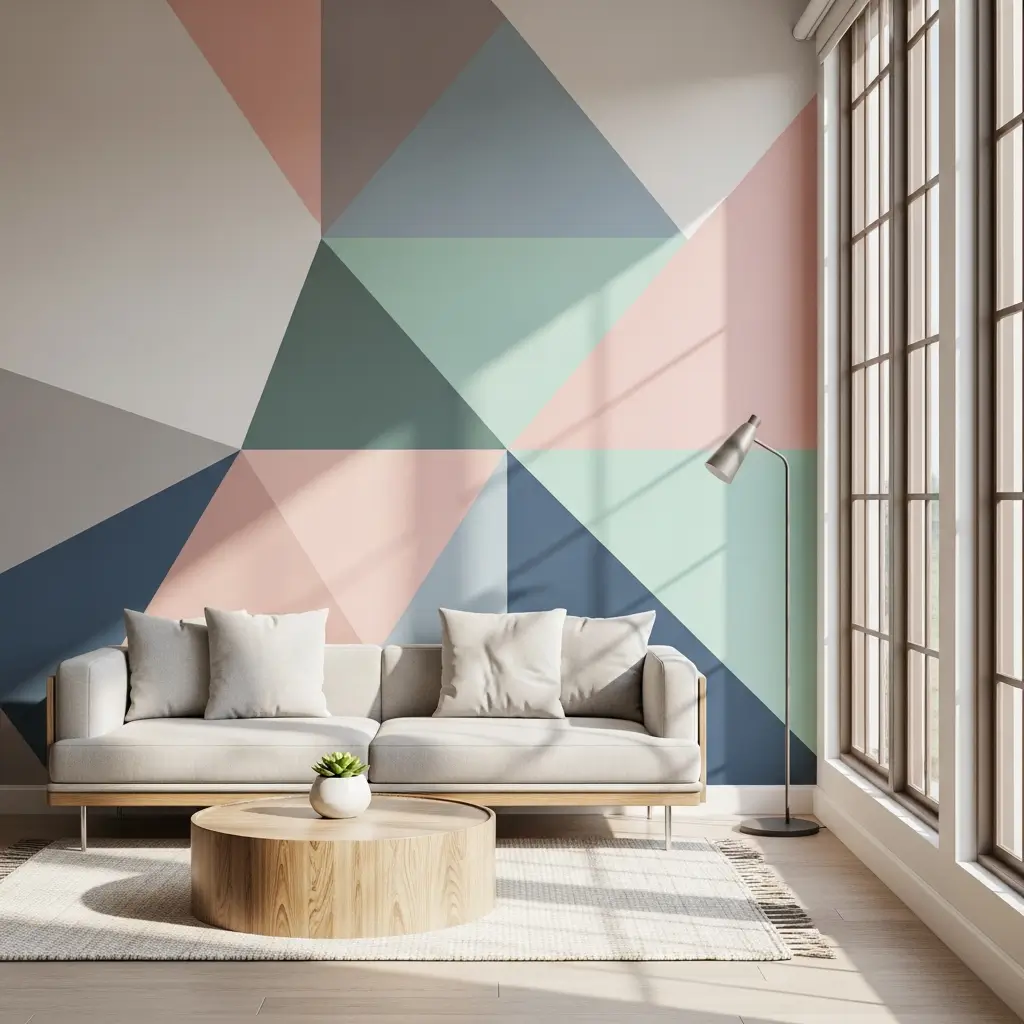
Geometric patterns pack a serious visual punch without breaking the bank. I’m talking about triangles, hexagons, chevrons – shapes that make your brain happy and your guests ask, “Did you hire someone for this?”
The best part? You totally don’t need to hire anyone. All you need is painter’s tape, patience, and maybe a glass of wine for motivation. I created a mountain-scape pattern in my home office using just three shades of gray, and people think I’m some kind of design genius. Spoiler alert: I just watched a YouTube tutorial and crossed my fingers.
Getting the Geometry Right
Here’s what makes geometric walls work:
- Sharp, clean lines – invest in quality painter’s tape (the cheap stuff will ruin your life)
- Color contrast that’s noticeable but not jarring
- Scale that fits the room – huge patterns in tiny rooms look ridiculous
- A level and measuring tape – eyeballing it never works, trust me
The trick is choosing colors that complement each other without screaming for attention. Monochromatic schemes work beautifully – think different shades of blue creating depth. Or go bold with contrasting colors if you’re feeling brave. Just remember, you’ll be looking at this every day, so maybe skip the neon yellow.
Planning Your Pattern
Start with graph paper or use one of those free online room planners. Map out your design before you touch the wall. Calculate how many triangles or shapes you’ll need, and make sure they’ll fit evenly. Nothing worse than getting to the end and realizing your last triangle is wonky.
Pro tip: Start from the center and work outward. This way, any imperfect edges end up in corners where nobody notices them anyway.
Textured 3D Wall Panels
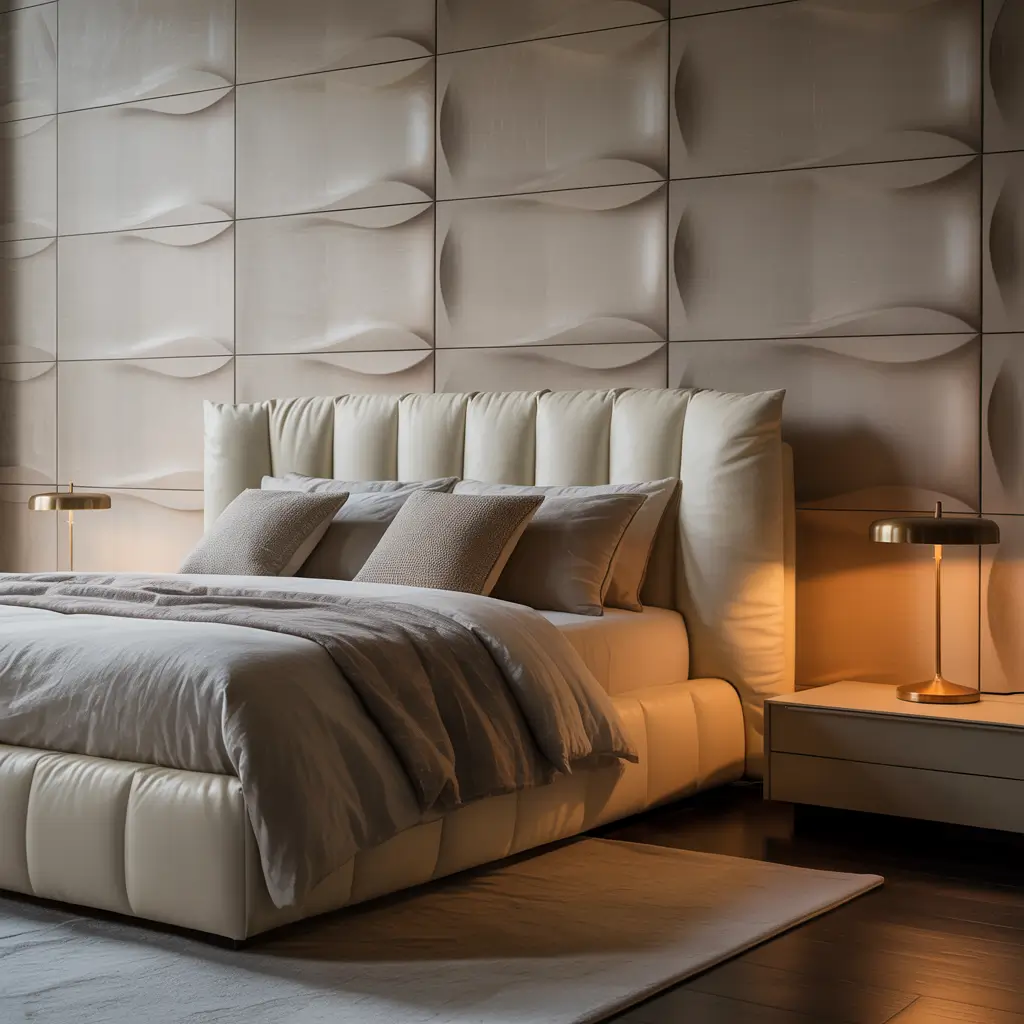
3D wall panels transform flat, boring walls into sculptural masterpieces. We’re living in the future where your walls can have more dimension than your personality (kidding!).
These panels come in everything from subtle waves to dramatic geometric patterns. I installed bamboo 3D panels behind my bed, and now my bedroom looks like it belongs in a boutique hotel. The shadows they create throughout the day as light changes? Chef’s kiss.
Choosing the Right Texture
Different textures create different vibes:
- Wave patterns for calming, flowing energy
- Geometric designs for modern, edgy feels
- Organic patterns for natural, earthy moods
- Brick or stone textures for that industrial loft look
Installation varies depending on what you choose. Some panels just stick on (renters, rejoice!), while others need proper mounting. The stick-on ones have come a long way – they actually stay put now instead of slowly peeling off in the middle of the night like horror movie props.
Where 3D Panels Shine
Not every wall needs texture, obviously. Use 3D panels strategically:
- Behind the TV to create a media wall that doesn’t scream “look at my giant TV”
- Headboard walls for instant bedroom luxury
- Entryways to make a killer first impression
- Small powder rooms where you can go wild without overwhelming the space
Rustic Wood Plank Walls
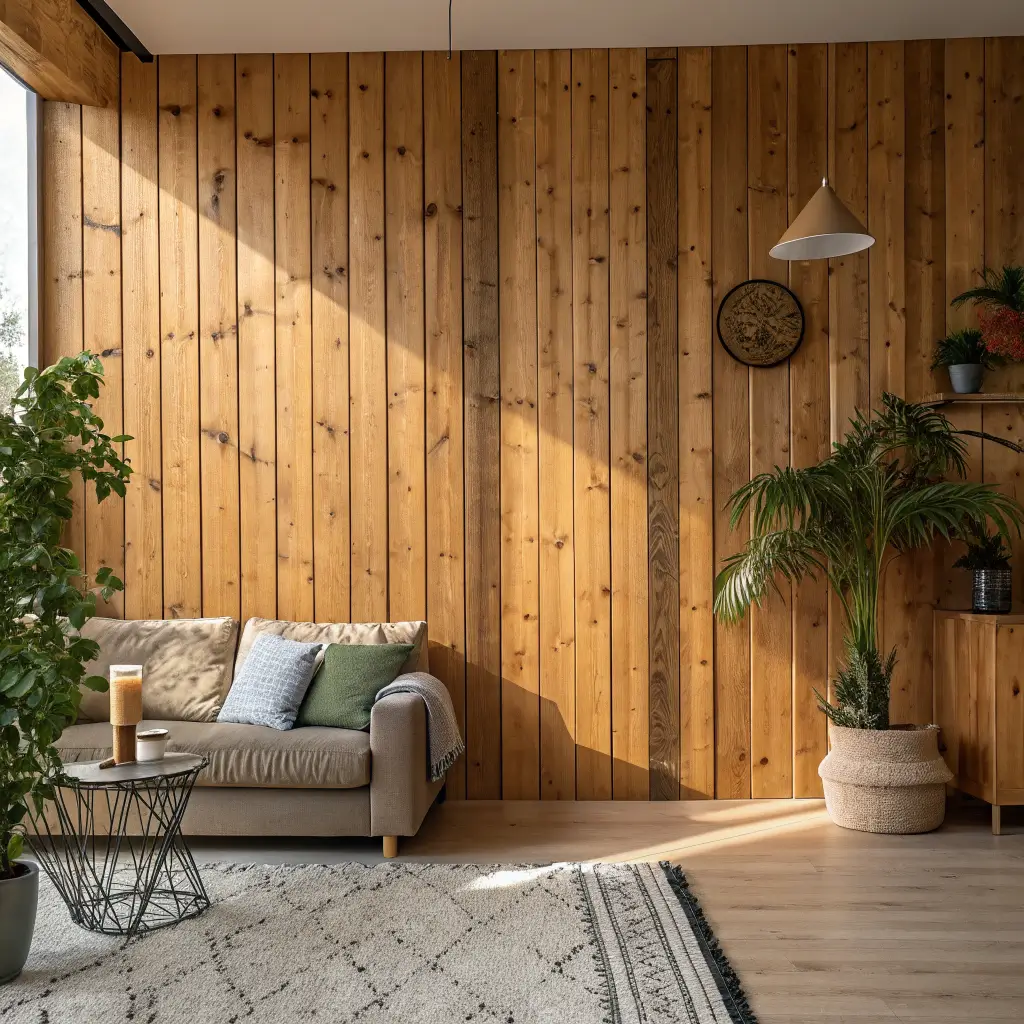
Wood plank walls bring instant warmth and character to any space. Whether you go for reclaimed barn wood or fresh pine planks, nothing beats the natural texture and variation of real wood.
I added a wood plank wall to my living room last year, and it completely changed the space’s energy. The room went from cold and echo-y to warm and inviting. Plus, wood is forgiving – dings and scratches just add to the rustic charm instead of looking like damage.
Wood Selection Matters
Your wood choice determines everything:
- Reclaimed wood brings history and varied patinas
- Pine planks offer affordability and easy installation
- Cedar smells amazing and naturally resists insects
- Pallet wood works if you’re on a tight budget (but please clean it properly)
The finish matters too. Natural wood sealed with clear poly keeps that organic look. Whitewashed planks brighten spaces while maintaining texture. Darker stains create drama and sophistication.
Installation Tips That’ll Save Your Sanity
Level is your friend here. Start with a perfectly level base board, or every subsequent row will get progressively more crooked. Learn from my mistake – I had to redo an entire wall because I thought I could eyeball the first row. Spoiler: I couldn’t.
Consider the plank direction too. Horizontal planks make rooms feel wider, while vertical installation adds height. Diagonal? Sure, if you want to seem edgy and don’t mind the extra cutting.
Also Read: 12 Elegant Interior Design Kitchen Ideas and Luxe Finishes
Minimalist Monochrome Walls
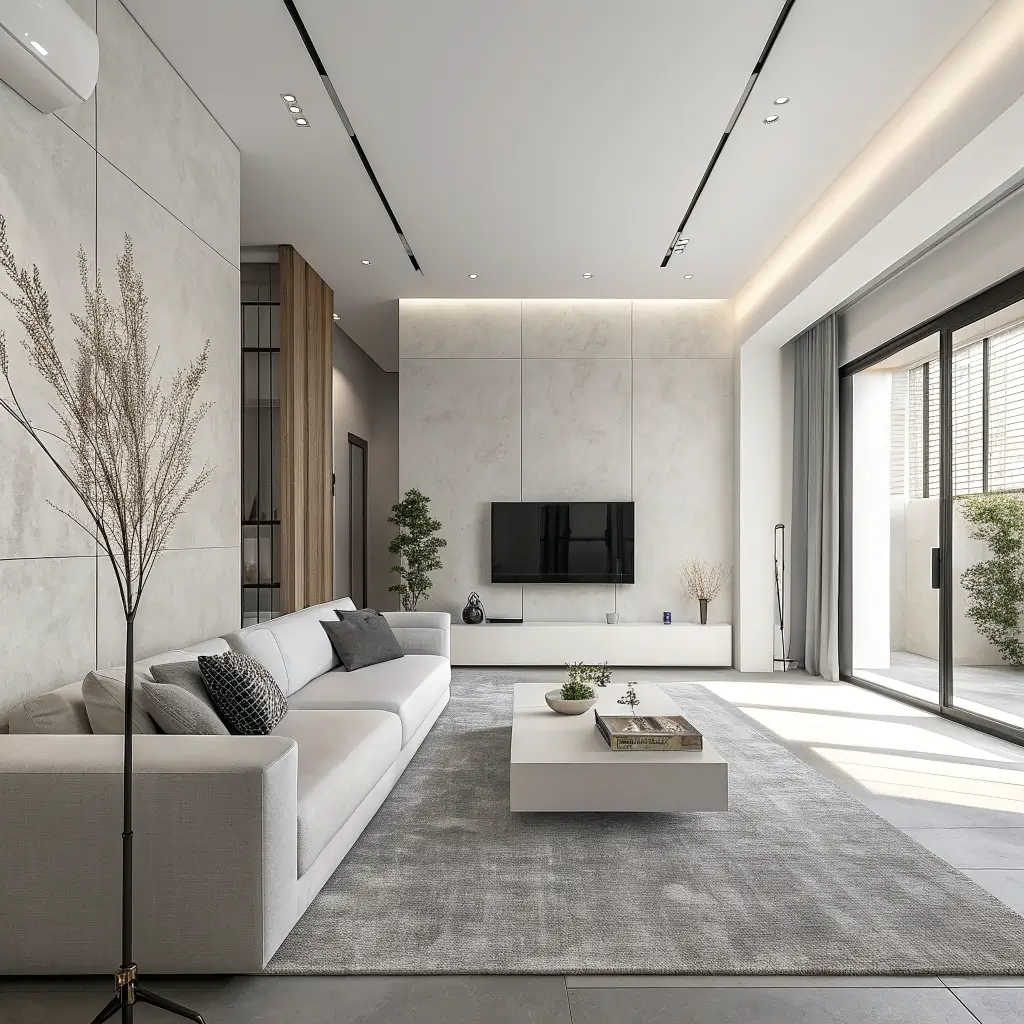
Sometimes less really is more. Minimalist monochrome walls create serene, sophisticated spaces that never go out of style. But here’s the thing – minimalist doesn’t mean boring.
The secret lies in subtle variations. Use different finishes of the same color – maybe matte on most walls with one glossy accent wall. Or play with barely-there texture differences. My friend’s all-white living room uses four different shades of white (yes, that’s a thing), and it looks like a cloud you want to live in.
Making Monochrome Interesting
Ways to add depth without adding color:
- Texture play – smooth beside rough, matte beside gloss
- Tonal variations – slight shade differences create movement
- Shadow lines – architectural details that create natural contrast
- Strategic lighting – wash lights create gradients on flat surfaces
What kills me is when people think monochrome means just painting everything the same color and calling it a day. That’s not minimalist, that’s lazy. True minimalist design requires more thought, not less.
The Psychology of Monochrome
Different monochrome schemes affect mood:
- All white feels clean, spacious, and calm
- Gray scales add sophistication and neutrality
- Black walls create drama and intimacy (yes, black walls can work!)
- Beige and tan bring warmth without color commitment
Botanical and Greenery Wall Murals
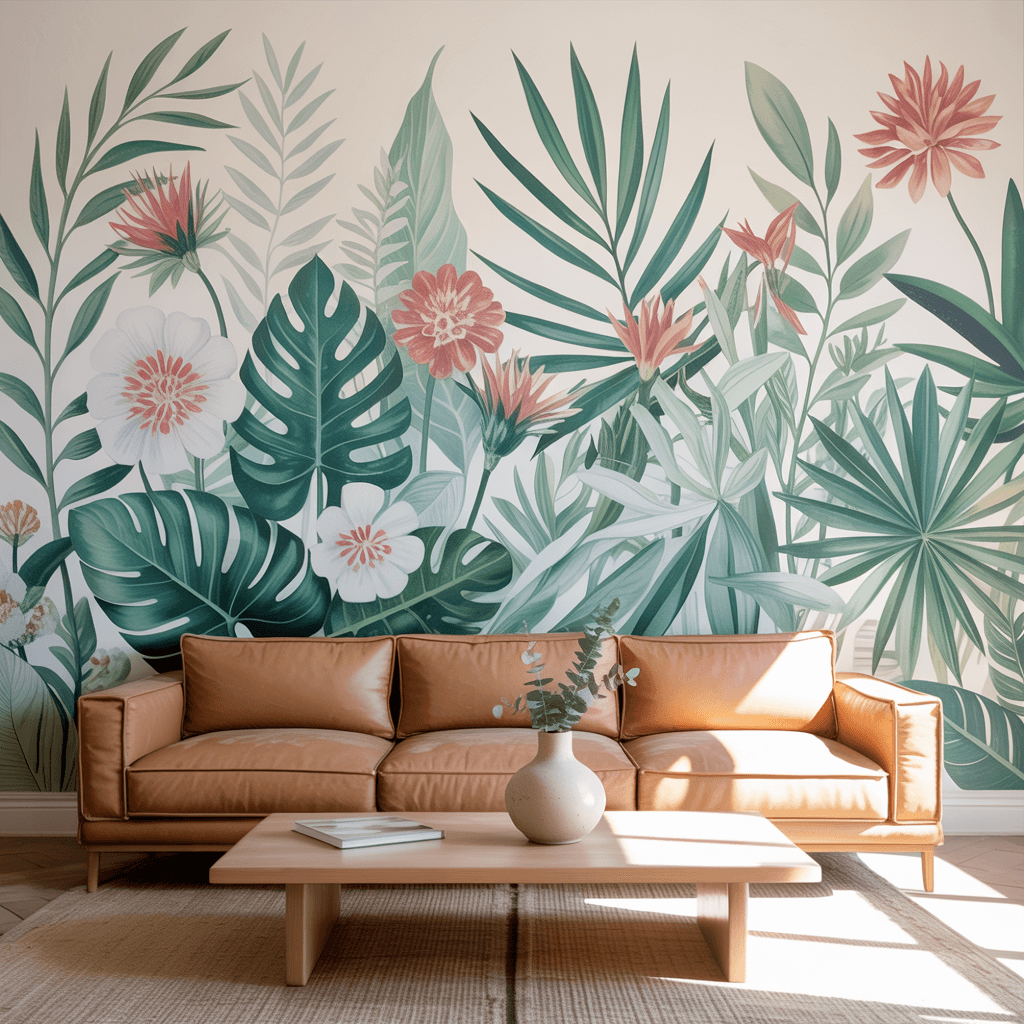
Plants on walls? Groundbreaking! But seriously, botanical murals bring life to spaces in ways that surprise even plant killers like myself. Whether you go for realistic jungle scenes or stylized leaf patterns, botanical walls connect us to nature even in the most urban settings.
I painted a tropical leaf mural in my bathroom, and now every shower feels like a spa vacation. Okay, that’s a stretch, but it definitely makes Monday mornings less terrible.
Mural Options for Every Skill Level
You don’t need to be Michelangelo:
- Peel-and-stick murals for commitment-phobes
- Projected designs you trace and paint
- Stenciled patterns for repeated botanical motifs
- Hand-painted murals if you’re feeling artistic (or hiring someone who is)
The scale makes a huge difference here. Oversized leaves create drama, while smaller, repeated patterns feel more traditional. Mix both for a layered look that keeps eyes moving.
Choosing Your Greenery
Think about the mood you want:
- Tropical leaves for vacation vibes
- Delicate ferns for subtle sophistication
- Abstract botanicals for modern spaces
- Vintage botanical prints for classic elegance
FYI, botanical walls pair beautifully with actual plants. The mural becomes a backdrop that makes your real plants pop even more.
Industrial Concrete Finish Walls
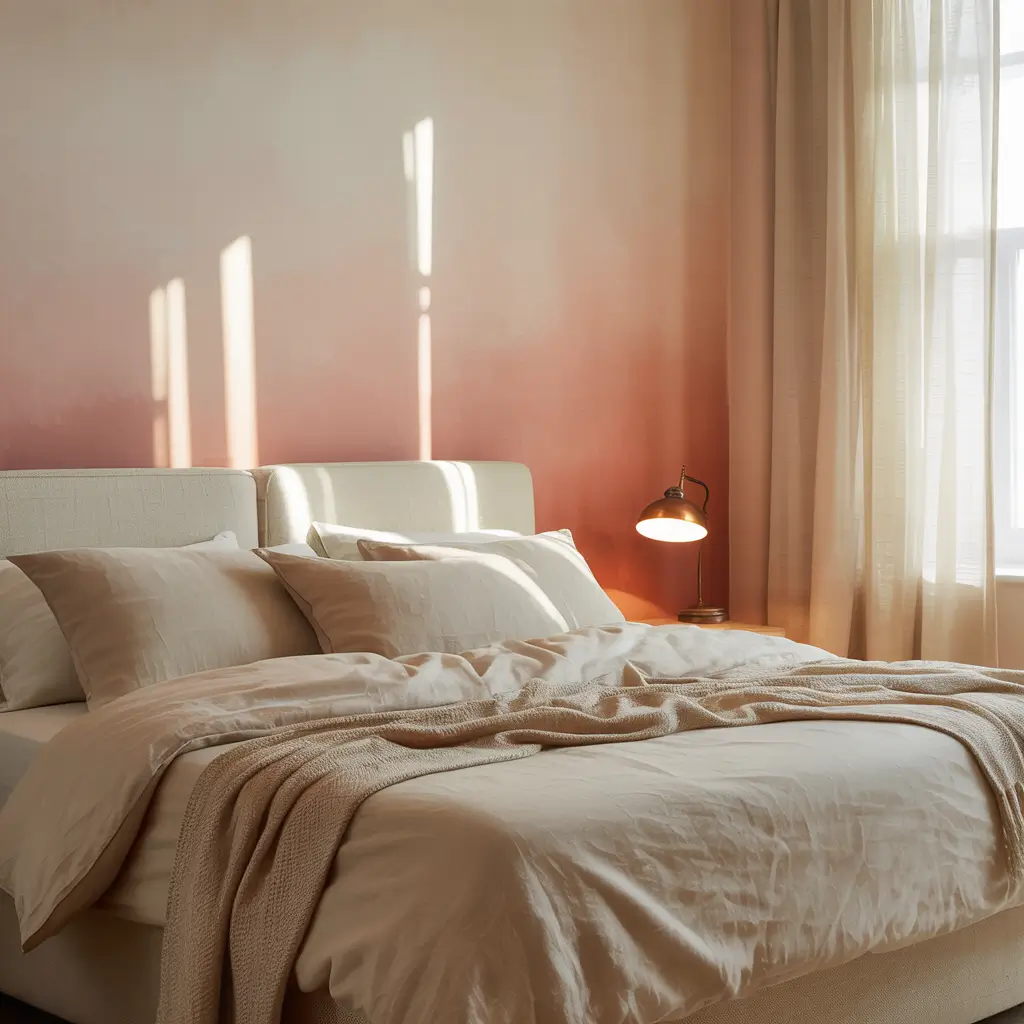
Industrial design isn’t just for lofts anymore. Concrete finish walls bring that raw, urban edge to any space. And no, you don’t need actual concrete – there are finishes that look so real, contractors do double-takes.
I used a concrete-look paint technique in my basement, and it transformed the space from creepy storage area to cool hangout spot. The texture hides imperfections (blessing for old houses) while adding serious character.
Achieving the Concrete Look
Multiple ways to get that industrial vibe:
- Specialty paints that mimic concrete texture
- Venetian plaster for authentic texture
- Concrete overlay systems for the real deal
- Concrete-look wallpaper (yes, it exists and some versions look amazing)
The beauty of concrete finishes? They’re practically indestructible visually. Scratches, marks, and wear just add to the industrial aesthetic instead of looking like damage.
Warming Up Industrial Spaces
Concrete can feel cold, so balance it:
- Wood elements for warmth
- Soft textiles to add comfort
- Warm lighting to counteract coolness
- Metallic accents in copper or brass tones
Also Read: 12 Inspiring Modern Interior Design Ideas and Elegant Interiors
Ombre Gradient Painted Walls
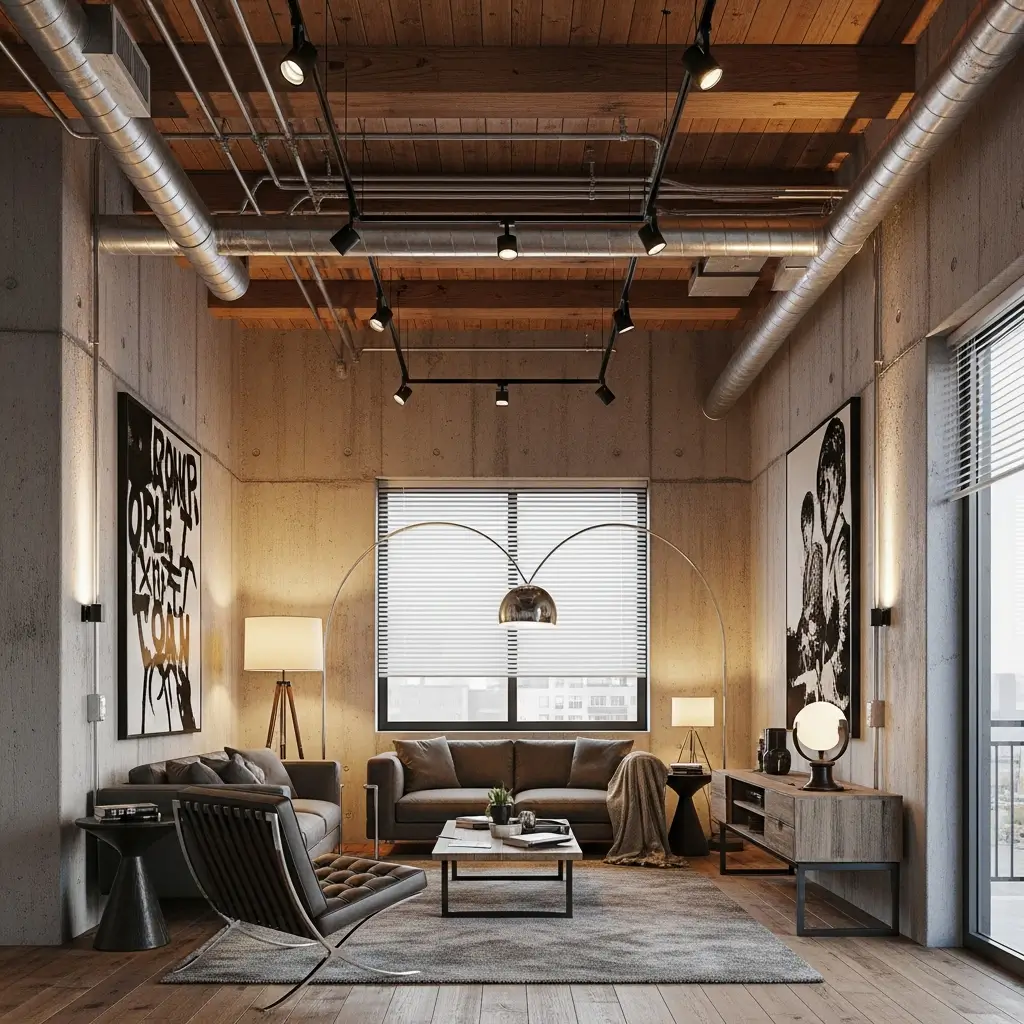
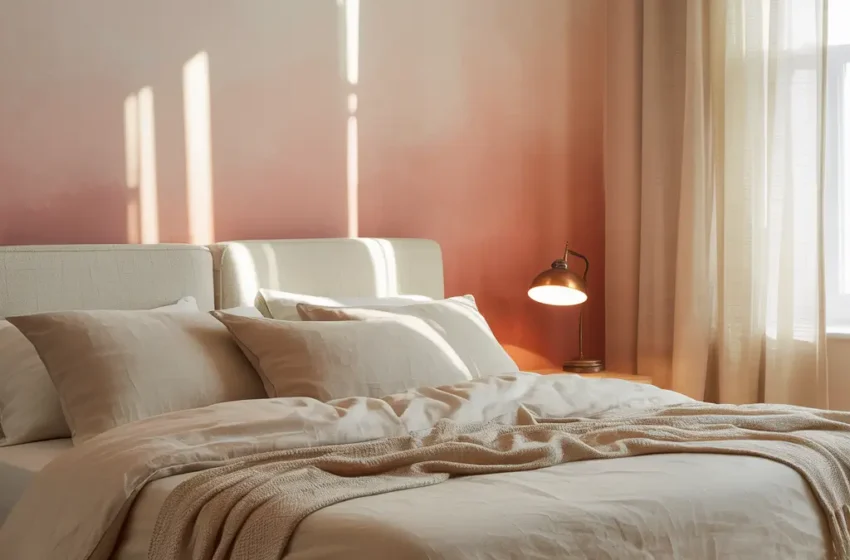
Ombre walls create dreamy color transitions that feel like watching a sunset inside your home. The gradual fade from dark to light (or between colors) adds movement and interest without overwhelming patterns.
My first attempt at ombre was… ambitious. Let’s just say blending colors is harder than Instagram makes it look. But once you get the technique down, the results are stunning. The key is patience and a good blending brush – this isn’t a rush job.
Mastering the Blend
Essential ombre techniques:
- Work in sections while paint is still wet
- Use a sponge or brush to blend transition zones
- Add glazing medium to extend working time
- Practice on cardboard first (seriously, do this)
Color choice makes or breaks ombre walls. Analogous colors (neighbors on the color wheel) blend naturally. Jumping from blue to yellow? That’s expert level – maybe start with blue to green instead.
Ombre Placement Strategy
Where ombre works best:
- Bedrooms for calming, dreamy vibes
- Powder rooms where you can be bold in small doses
- Kids’ rooms for whimsical energy
- Accent walls when full-room ombre feels too intense
Vintage Wallpaper Revival
Wallpaper is back with a vengeance, and vintage patterns are leading the charge. We’re talking William Morris prints, Art Deco geometrics, and those wild ’70s patterns that somehow look fresh again.
I fought the wallpaper comeback hard (removing old wallpaper traumatized me), but modern wallpapers changed my mind. They actually come off without destroying your walls! Revolutionary, I know.
Choosing Vintage Patterns
Popular vintage styles making comebacks:
- Victorian florals for romantic spaces
- Art Deco geometrics for glamour
- Mid-century abstracts for retro cool
- Toile de Jouy for classic elegance
The trick with vintage wallpaper? Use it sparingly unless you want your home looking like a time capsule. One accent wall or a powder room lets you enjoy the pattern without overwhelming your space.
Modern Takes on Vintage
Updates that make vintage feel current:
- Oversized patterns instead of tiny, busy prints
- Modern colorways of classic patterns
- Metallic accents adding contemporary glamour
- Digital printing creating sharper, cleaner designs
Gallery Wall with Mixed Frames
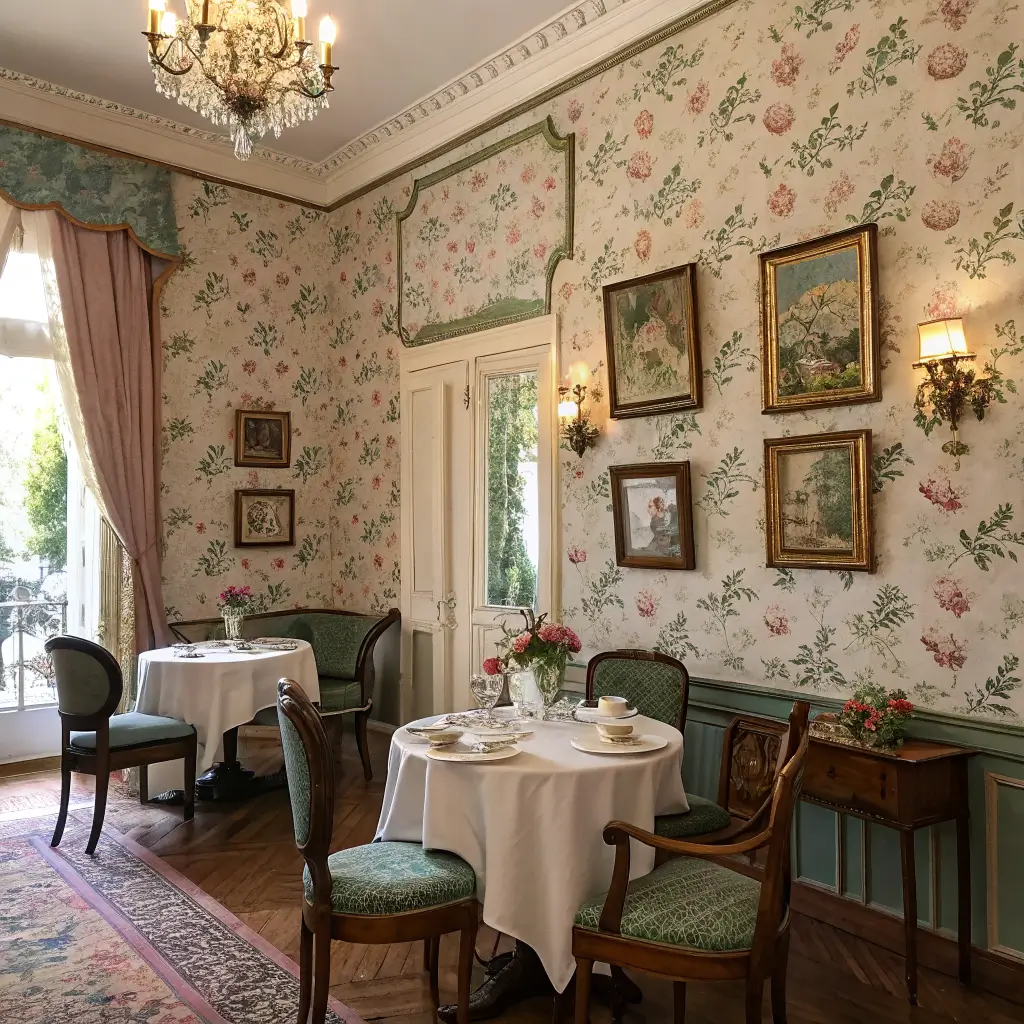
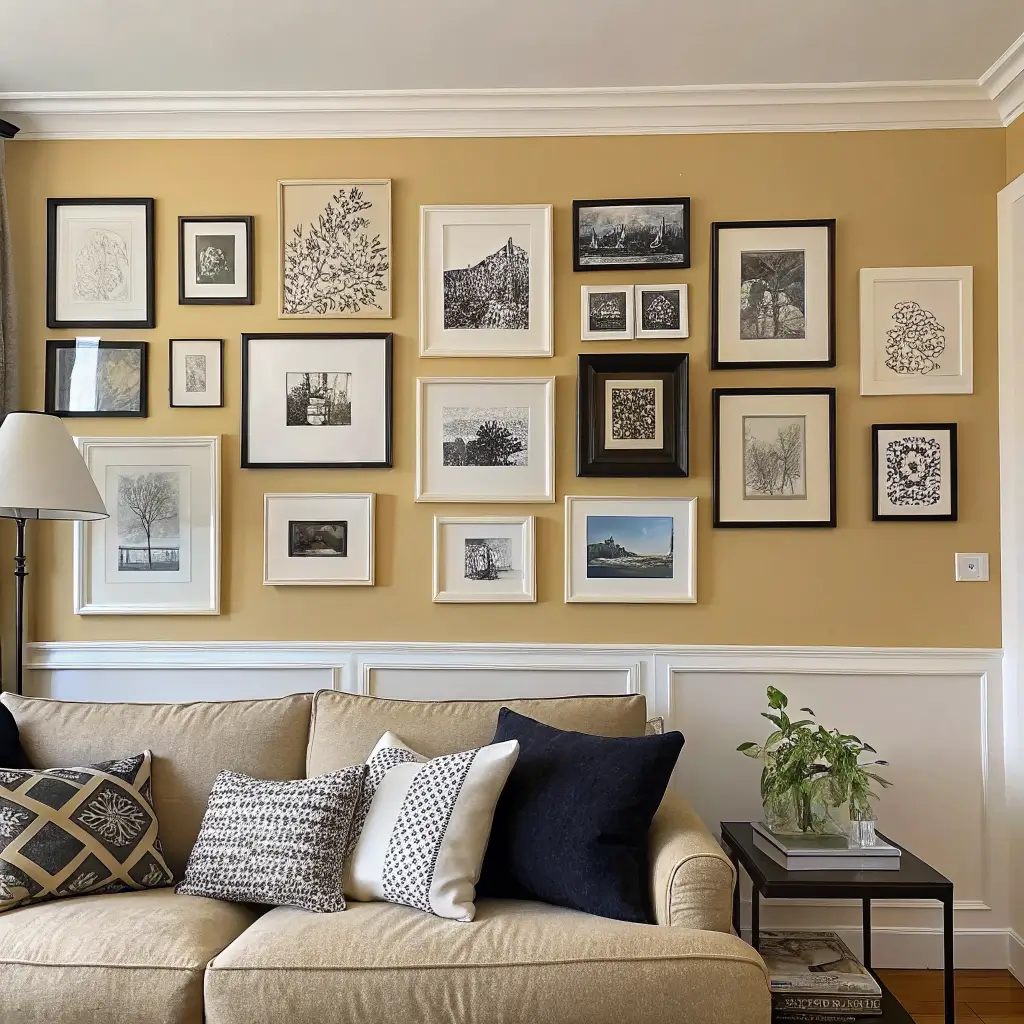
Gallery walls let you tell your story through art, and mixed frames add personality that matching frames just can’t achieve. The seemingly random arrangement actually takes planning – it’s controlled chaos at its finest.
My gallery wall started with three frames and somehow grew to 27. It’s like they multiply when you’re not looking. But each piece means something, and together they create a visual autobiography that generic art could never match.
Creating Cohesion in Chaos
Make mixed frames work together:
- Stick to a color palette for frames (all woods, all metallics, or all colors)
- Vary sizes dramatically – tiny next to huge creates interest
- Mix media types – photos, prints, objects, mirrors
- Maintain consistent spacing between pieces (usually 2-3 inches)
The paper template method saves walls from unnecessary holes. Cut paper to match each frame size, tape them to the wall, and arrange until you love it. Then mark nail spots and hang with confidence.
Gallery Wall Themes
Themes that actually work:
- Travel memories mixing photos and maps
- Family history combining generations
- Color stories where hues unite different subjects
- Eclectic collections showing your personality
Also Read: 10 Gorgeous Hall Interior Design Ideas for Modern Living
LED Backlit Feature Walls
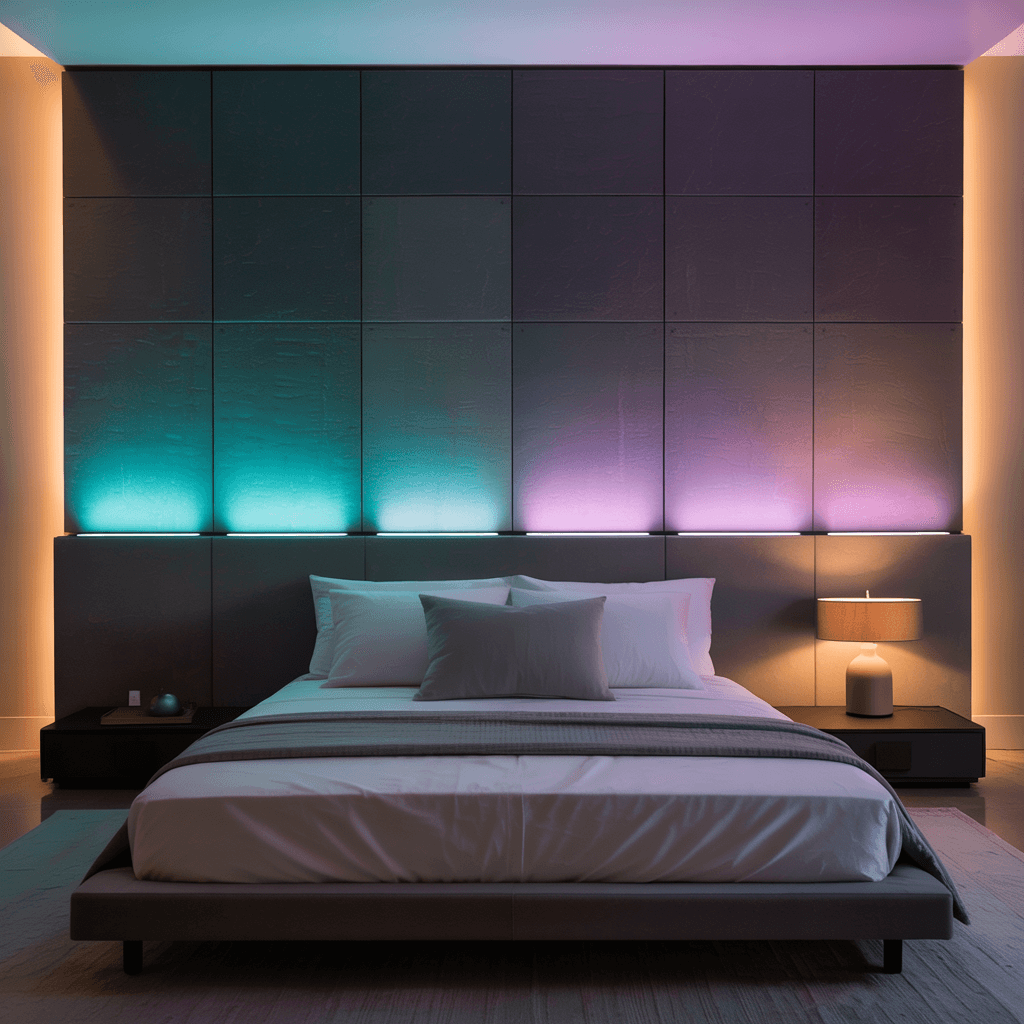
LED backlighting takes walls from static to dynamic, living surfaces. The technology has gotten so good (and affordable) that you can create museum-quality lighting effects in your own home.
I installed LED strips behind floating shelves in my home office, and the indirect lighting completely transformed the space. It’s functional and atmospheric – bright enough to work by, soft enough to not cause eye strain during those late-night deadline pushes :/
Lighting Design Options
Creative LED applications:
- Cove lighting along ceiling edges
- Behind floating panels for depth
- Under floating shelves for display lighting
- Behind translucent materials for glowing effects
Color-changing LEDs might seem gimmicky, but hear me out. Warm white for everyday, colors for parties, and you can even sync them to music if you’re into that sort of thing. Just maybe skip the disco mode during dinner parties.
Technical Considerations
What you need to know:
- LED strips vs. panels – strips for lines, panels for areas
- Color temperature matters – 3000K for warm, 5000K for daylight
- Dimmer compatibility – not all LEDs dim smoothly
- Power supply placement – hide those transformers properly
IMO, the best LED walls don’t scream “look at my lights!” They create ambiance that enhances the room without dominating it.
Pulling It All Together
Here’s the truth about interior wall design – the best rooms often combine multiple techniques. Maybe you pair a geometric accent wall with LED backlighting, or combine wood planks with a gallery wall.
The magic happens when different elements work together.
Start with one wall, one idea. See how it transforms your space, then build from there. Your walls shouldn’t just hold up your roof – they should inspire you, calm you, energize you, whatever you need from that particular room.
Remember, paint is cheap and wallpaper isn’t permanent anymore. Take risks, try that crazy idea that keeps popping into your head. The worst that happens? You repaint.
The best? You create a space that actually feels like you, not some catalog copy.
Now stop reading about wall design and go tape up some paint samples. Your perfect wall is waiting to happen, and it won’t design itself. Though wouldn’t that be nice? 🙂