10 Timeless Japanese Interior Design Ideas for Serene Homes
- Home Interior Design
 Ben
Ben- 0
- 35 minutes read
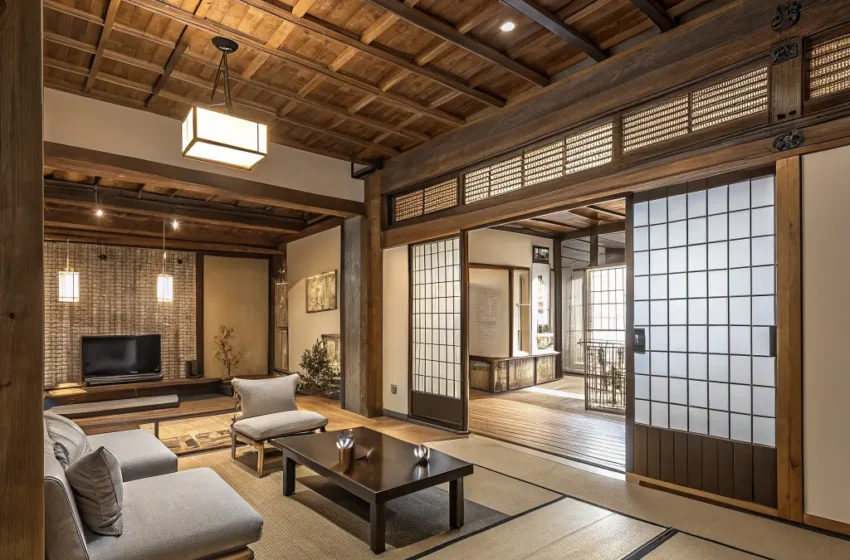
Remember that moment when you first walked into a Japanese-inspired space and felt your shoulders instantly relax? That wasn’t an accident. I discovered the magic of Japanese interior design during a trip to Kyoto five years ago, staying in a traditional ryokan where every element seemed to whisper “slow down” and “breathe.”
Japanese interior design isn’t just about making your space look pretty – it’s about creating an environment that actively improves your mental state. After incorporating these principles into my own cramped city apartment, I’ve watched visitors’ faces transform from stressed to serene within minutes of walking through my door. The philosophy behind Japanese design focuses on harmony, simplicity, and connection with nature – three things most of us desperately need more of in our chaotic daily lives.
These ten Japanese interior design ideas will show you how to bring that same tranquility into your own space, whether you’re working with a sprawling house or a tiny studio. And no, you don’t need to spend a fortune or completely overhaul your existing decor to make it work.
1. Zen Japanese Living Room Design Ideas
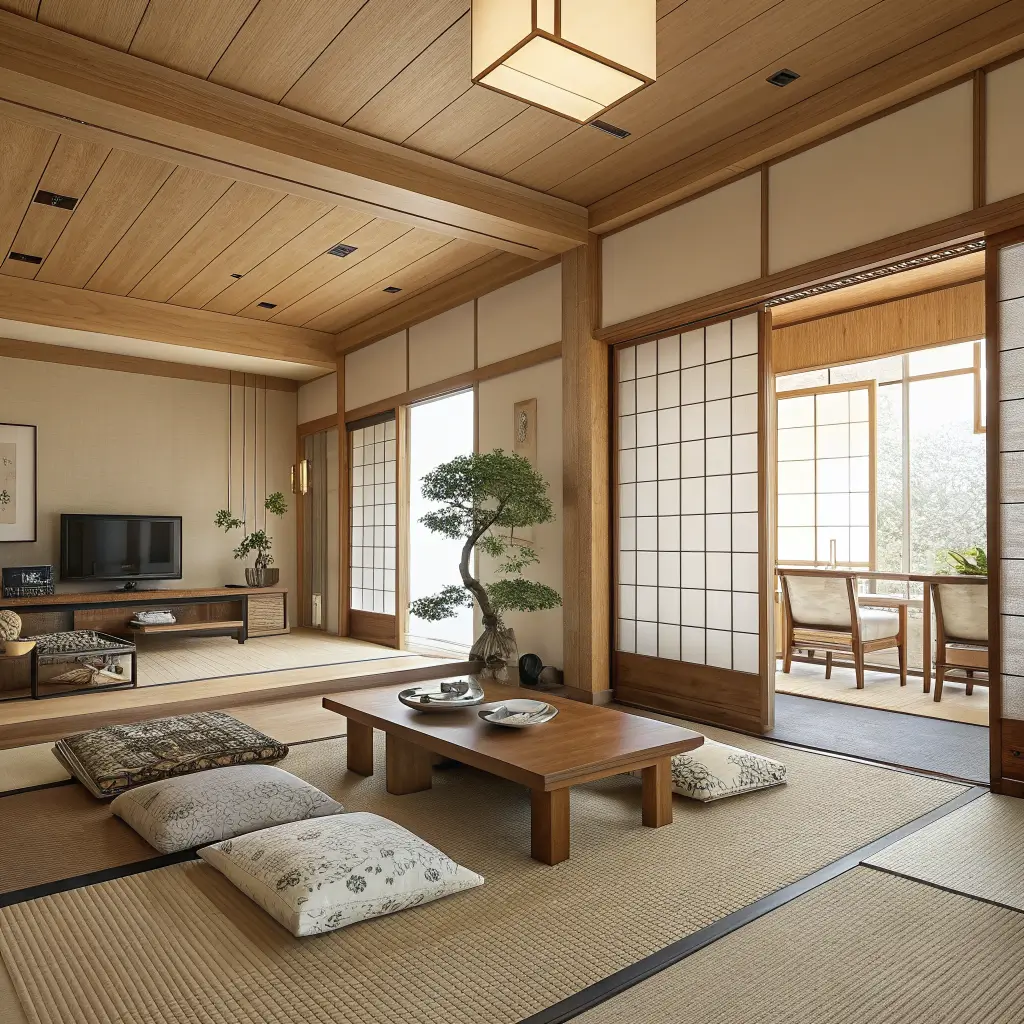
The zen Japanese living room embodies the art of purposeful emptiness – and trust me, this isn’t about having a boring, empty room. It’s about creating space for your mind to breathe while your eyes rest on carefully chosen elements that actually matter.
The foundation of a zen living room starts with low furniture. Floor cushions, low wooden tables, and platform sofas keep your visual plane open and uncluttered. I replaced my bulky sectional with a low-profile sofa and suddenly my living room felt twice as large. The psychological effect is immediate – you feel grounded rather than surrounded by stuff.
Natural materials dominate zen spaces for good reason. Wood, bamboo, stone, and natural fibers create a sensory experience that synthetic materials simply can’t match. When you touch a smooth wooden table or sink into a linen cushion, your nervous system responds differently than it does to plastic or polyester.
Creating Your Zen Foundation
Essential elements for zen success:
- Neutral color palette – whites, beiges, soft grays, and natural wood tones
- Minimal decorations – one statement piece beats ten small objects
- Natural lighting maximized through sheer curtains or blinds
- Living plants for air purification and visual softness
- Hidden storage to maintain clean surfaces
- Quality over quantity in every furniture choice
The biggest mistake people make? Thinking zen means cold and impersonal. Actually, zen spaces feel incredibly warm because every item has intention and meaning.
2. Minimal Japanese Interior Ideas for Small Apartments
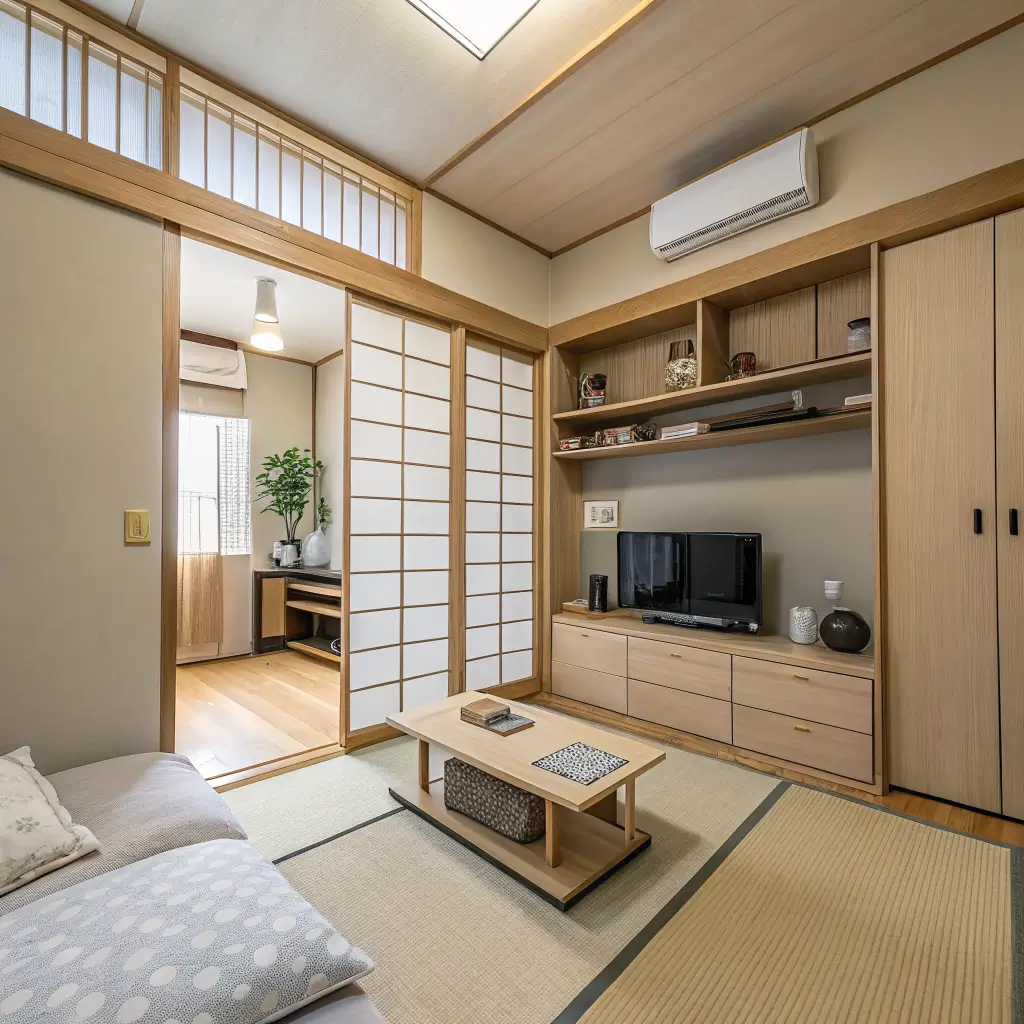
Small apartment living and Japanese minimalism are basically best friends. This design philosophy treats limitations as opportunities rather than obstacles, turning your shoebox apartment into a serene sanctuary.
The secret lies in multifunctional furniture that disappears when not in use. Futons that fold away, tables that collapse, walls that slide – these aren’t compromises but clever solutions that make small spaces feel expansive. My 500-square-foot apartment now feels more spacious than my previous 800-square-foot place, all because I embraced Japanese space-saving principles.
Vertical space becomes your playground in Japanese small apartment design. Wall-mounted shelves, hanging organizers, and tall, narrow storage units draw the eye upward while keeping floor space clear. The visual trick here is maintaining clean lines – even your storage should look intentional and beautiful.
Maximizing Minimal Square Footage
Smart solutions for tiny spaces:
- Tatami mats that define different zones without walls
- Sliding shoji screens instead of swinging doors
- Built-in storage under raised platforms
- Foldable furniture that serves multiple purposes
- Wall-mounted desks that fold flat when unused
- Minimalist color schemes to avoid visual clutter
The transformation feels almost magical. Small spaces suddenly breathe when you remove visual noise and embrace purposeful minimalism.
3. Traditional Japanese Home Design with a Modern Touch
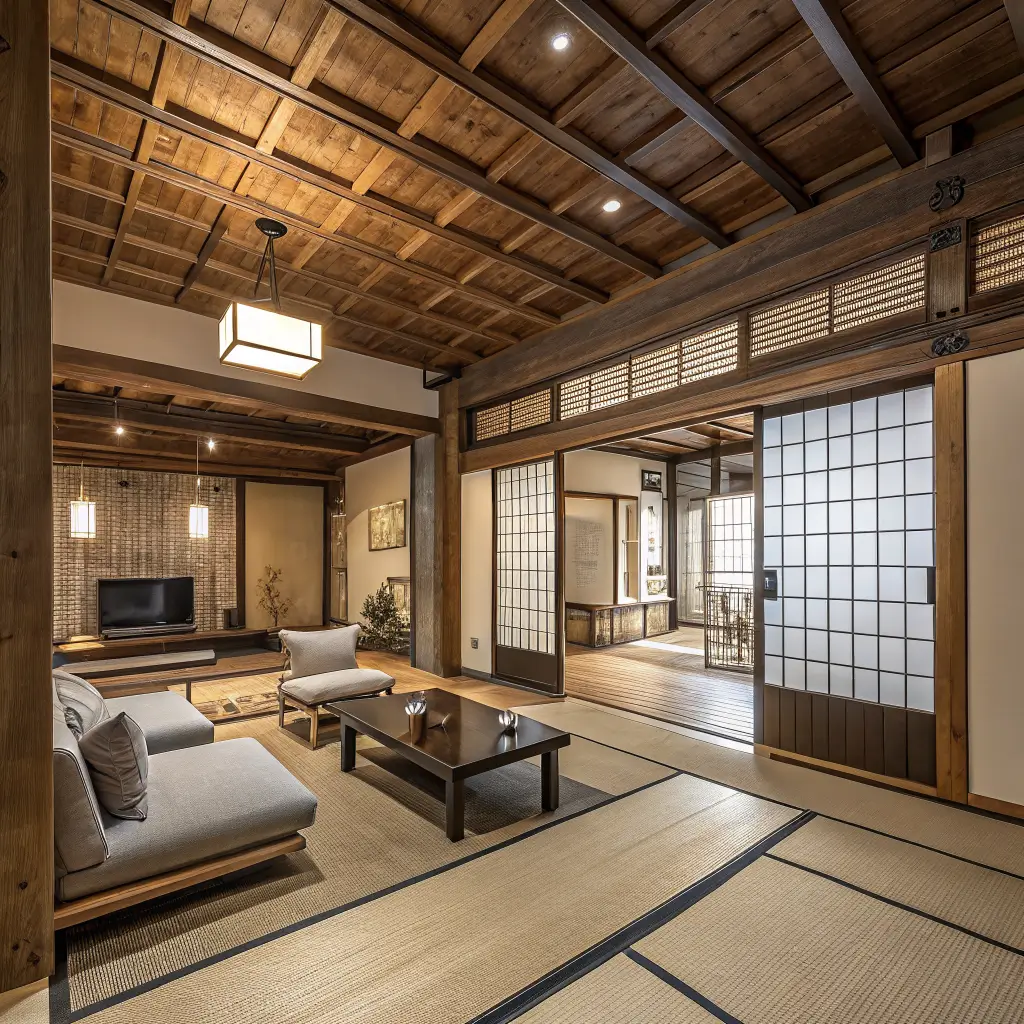
Blending traditional Japanese elements with contemporary convenience creates spaces that honor the past while embracing the present. This isn’t about turning your home into a museum – it’s about cherry-picking the best of both worlds.
Traditional elements like shoji screens and tatami mats bring authentic Japanese character. But pair them with modern furniture and technology, and suddenly you’ve created something uniquely yours. I installed sliding shoji panels to separate my home office, and the soft light filtering through creates the perfect working atmosphere while maintaining privacy.
The key is respecting traditional proportions and principles while updating materials and functionality. Modern interpretations of traditional elements often work better than authentic pieces in Western homes. Think tatami-inspired area rugs instead of full tatami flooring, or shoji-style room dividers with aluminum frames instead of wood.
Balancing Tradition and Modernity
Successful fusion strategies:
- Traditional materials in contemporary applications
- Modern furniture with traditional Japanese proportions
- Updated color palettes that reference traditional schemes
- Tech integration that remains invisibl
- Contemporary art inspired by traditional Japanese themes
- Hybrid functionality combining Eastern and Western needs
The result feels neither foreign nor familiar – it’s something entirely fresh that works for modern living.
Also Read: 10 Stylish Interior Ceiling Design Ideas and Trendy Room Looks
4. Japanese Bedroom Design Ideas for a Calm Space
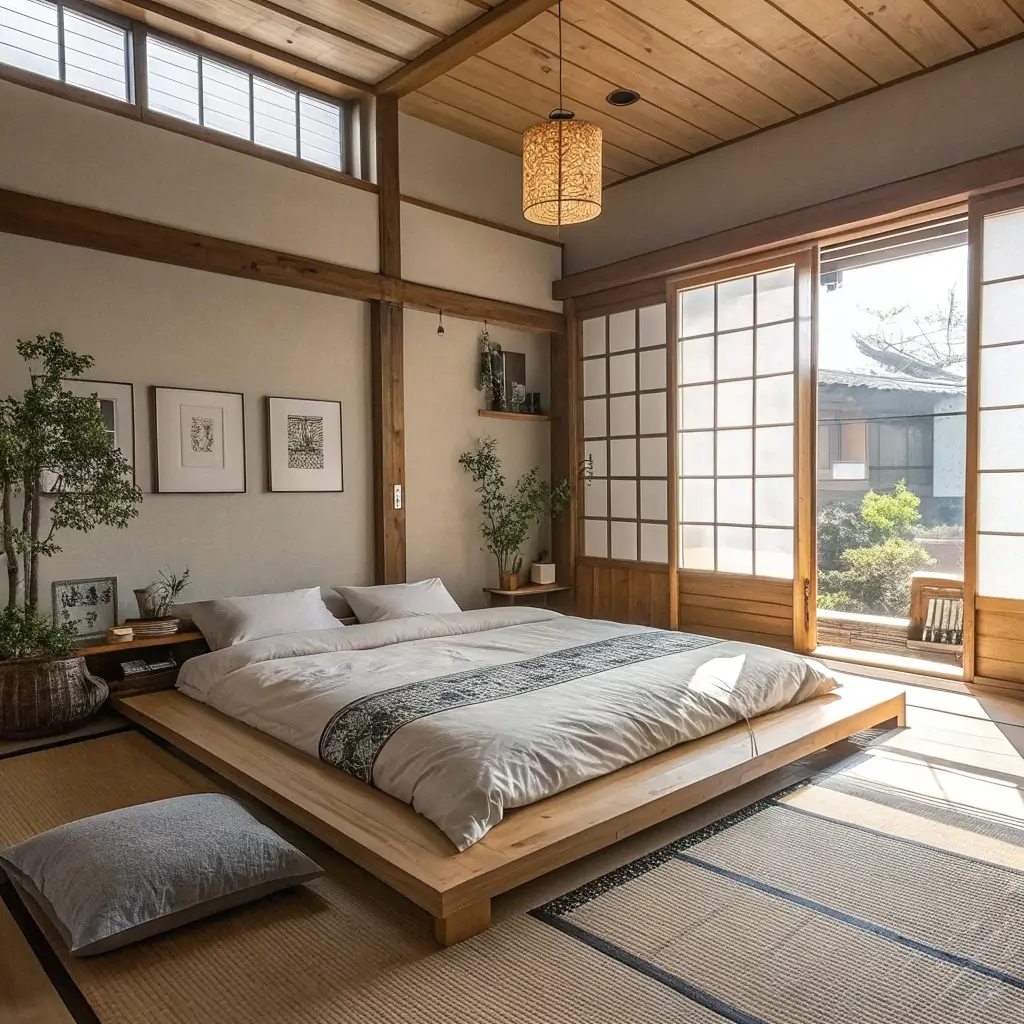
Japanese bedrooms prioritize sleep quality over everything else. Your bedroom becomes a sanctuary dedicated to rest, not a multipurpose room where you also work, watch TV, and store half your belongings.
The bed itself stays low to the ground – sometimes just a mattress on a platform. This grounding effect actually improves sleep quality according to some studies. I switched from a high bed frame to a Japanese-style platform bed, and my sleep improved within a week. Coincidence? Maybe, but I’m not switching back.
Clutter is the enemy of calm, especially in bedrooms. Everything unnecessary gets removed or hidden. No pile of clothes on the chair, no stack of books on the nightstand, no collection of water glasses. The visual simplicity translates directly into mental calm when you’re trying to fall asleep.
Designing for Deep Sleep
Bedroom elements that promote rest:
- Platform beds or floor futons for grounding
- Minimal bedside tables with just essentials
- Soft, indirect lighting on dimmers
- Natural bedding materials like cotton and linen
- Neutral, calming colors throughout
- Blackout options that maintain aesthetics
Your bedroom should make you yawn just looking at it – in the best possible way.
5. Natural Wood & Neutral Japanese Interior Ideas
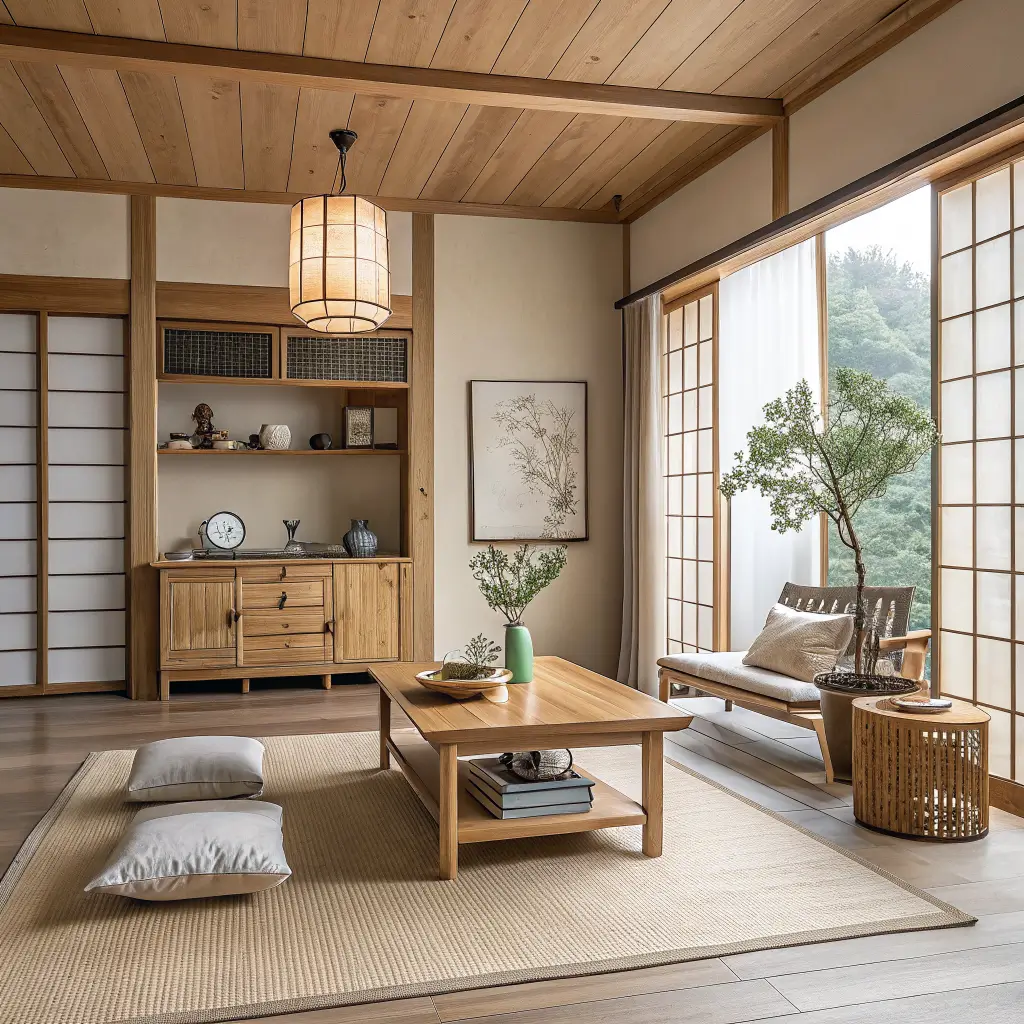
Natural wood forms the backbone of Japanese interior design, bringing warmth and life into spaces while maintaining that essential connection to nature. But this isn’t about turning your home into a log cabin.
The Japanese approach to wood is almost reverential. Every grain pattern, knot, and imperfection gets celebrated rather than hidden. Light woods like pine, bamboo, and ash create airiness, while darker woods like walnut add gravitas to important pieces. The mix creates visual rhythm throughout your space.
Neutral colors amplify wood’s natural beauty rather than competing with it. Whites, creams, soft grays, and earth tones create a backdrop that lets wooden elements shine. My living room uses three different wood tones, and instead of clashing, they create depth and interest against neutral walls.
Working with Wood and Neutrals
Creating natural harmony:
- Mix wood tones intentionally, not randomly
- Seal wood properly to maintain its natural look
- Balance warm and cool neutrals
- Use wood as accent not overwhelming presence
- Incorporate other natural materials like stone and bamboo
- Maintain wood regularly to preserve its beauty
The effect is simultaneously sophisticated and comforting – like being in a very expensive forest 🙂
6. Modern Japanese Interior Design for Minimal Homes
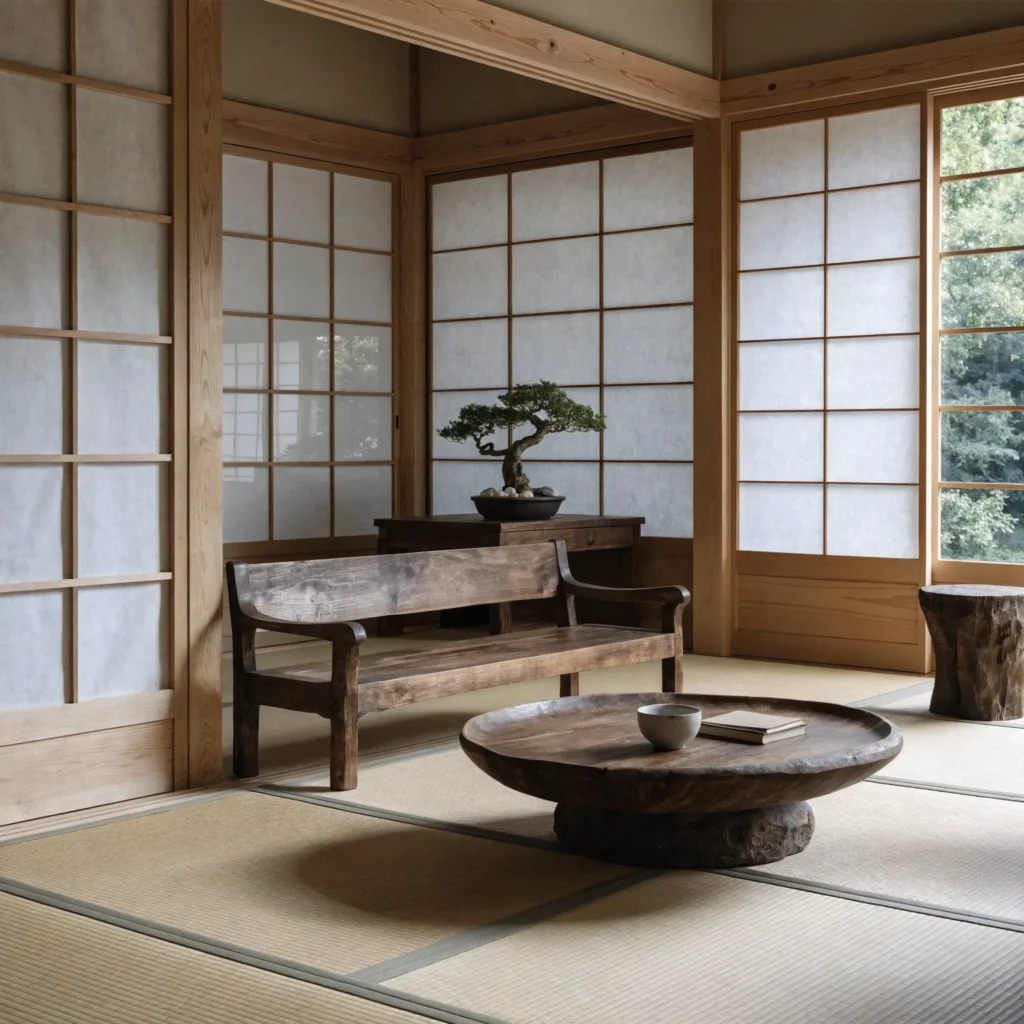
Modern Japanese design takes minimalism and pushes it into the 21st century with clean lines, innovative materials, and technology integration that would make Marie Kondo proud.
Contemporary Japanese interiors embrace new materials while maintaining traditional principles. Glass, steel, and concrete join wood and paper in creating spaces that feel both cutting-edge and timeless. The trick is using these materials with the same restraint and intention as traditional ones.
Technology hides in plain sight in modern Japanese homes. Smart home features integrate seamlessly without disrupting the visual calm. My apartment has voice-controlled lighting and climate control, but you’d never know it looking around – no visible switches or thermostats cluttering the walls.
Modern Minimalist Execution
Contemporary Japanese elements:
- Invisible technology integration
- Sustainable materials and energy systems
- Flexible spaces that adapt to different needs
- Bold geometric forms balanced with soft textures
- Monochromatic palettes with subtle variations
- Industrial materials warmed with natural elements
Modern Japanese design proves that minimalism doesn’t mean living in the past – it means living intentionally in the present.
Also Read: 12 Beautiful Interior Design Mood Board Ideas to Try Today
7. Japanese-Inspired Minimalist Home Decor Ideas
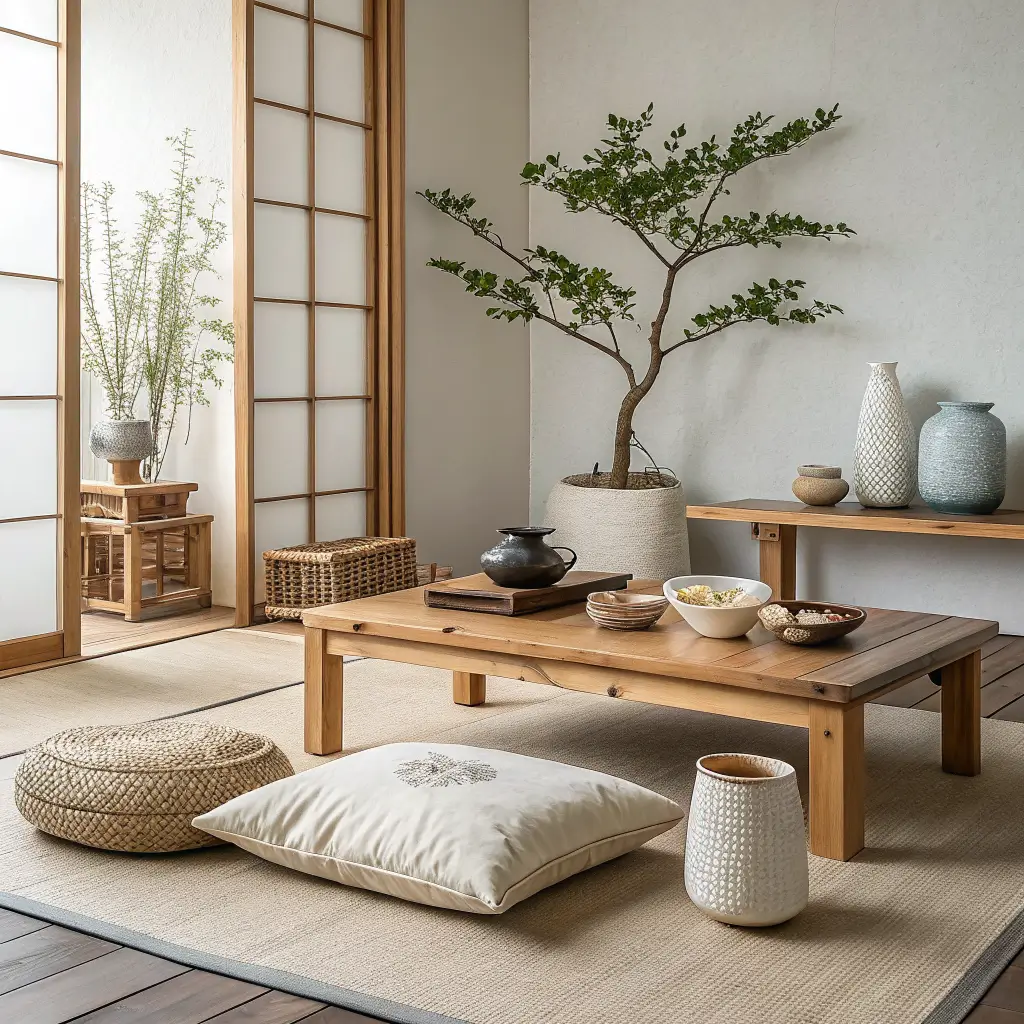
Japanese-inspired decor teaches us that decoration doesn’t mean accumulation. Every decorative element earns its place through beauty, meaning, or function – preferably all three.
The concept of “ma” or negative space becomes crucial here. Empty space isn’t wasted space – it’s an active design element that gives your eyes and mind room to rest. That empty wall isn’t boring; it’s a deliberate choice that makes your one piece of art even more impactful.
Natural elements serve as the primary decoration. A single orchid, a beautiful piece of driftwood, a perfectly placed stone – these become art when given proper space and attention. I rotate a single flower arrangement in my entryway weekly, and it provides more visual interest than a dozen knick-knacks ever could.
Mindful Decoration Choices
Selecting meaningful decor:
- One statement piece per room maximum
- Natural materials over synthetic
- Functional beauty like handmade ceramics
- Seasonal elements that change throughout the year
- Personal meaning over trendy choices
- Quality craftsmanship that improves with age
Less truly becomes more when each item tells a story or serves a purpose.
8. Small Space Japanese Interior Design Ideas
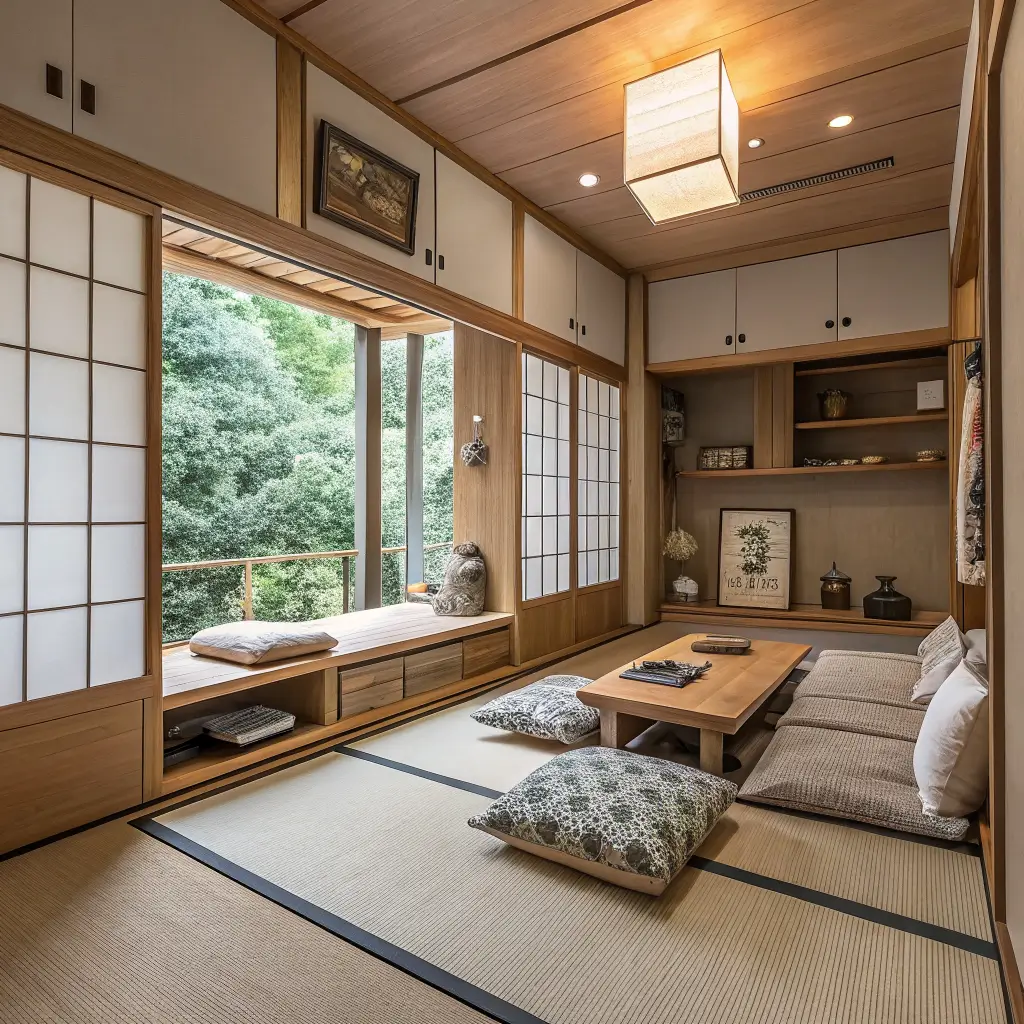
Small space design in Japanese culture isn’t about compromise – it’s about perfection through constraint. Centuries of living in compact spaces have produced ingenious solutions that make Western “space-saving” furniture look clunky by comparison.
Flexibility defines Japanese small space design. Rooms transform throughout the day – your dining room becomes your office, your living room becomes your bedroom. This isn’t about cramming multiple functions into one space but designing spaces that gracefully transition between uses.
Storage becomes invisible through clever integration. Every surface potentially conceals storage – under floors, inside walls, above ceilings. My studio apartment has more storage than my parents’ three-bedroom house, all because I learned to think three-dimensionally about space.
Small Space Mastery
Genius compact living solutions:
- Raised floor platforms with built-in storage
- Ceiling-mounted storage for seasonal items
- Modular furniture that reconfigures easily
- Transparent elements that maintain sight lines
- Mirror placement for spatial illusion
- Consistent colors to unify the space
Small spaces stop feeling cramped when every square inch has purpose and beauty.
9. Wabi-Sabi Japanese Interior Design Ideas
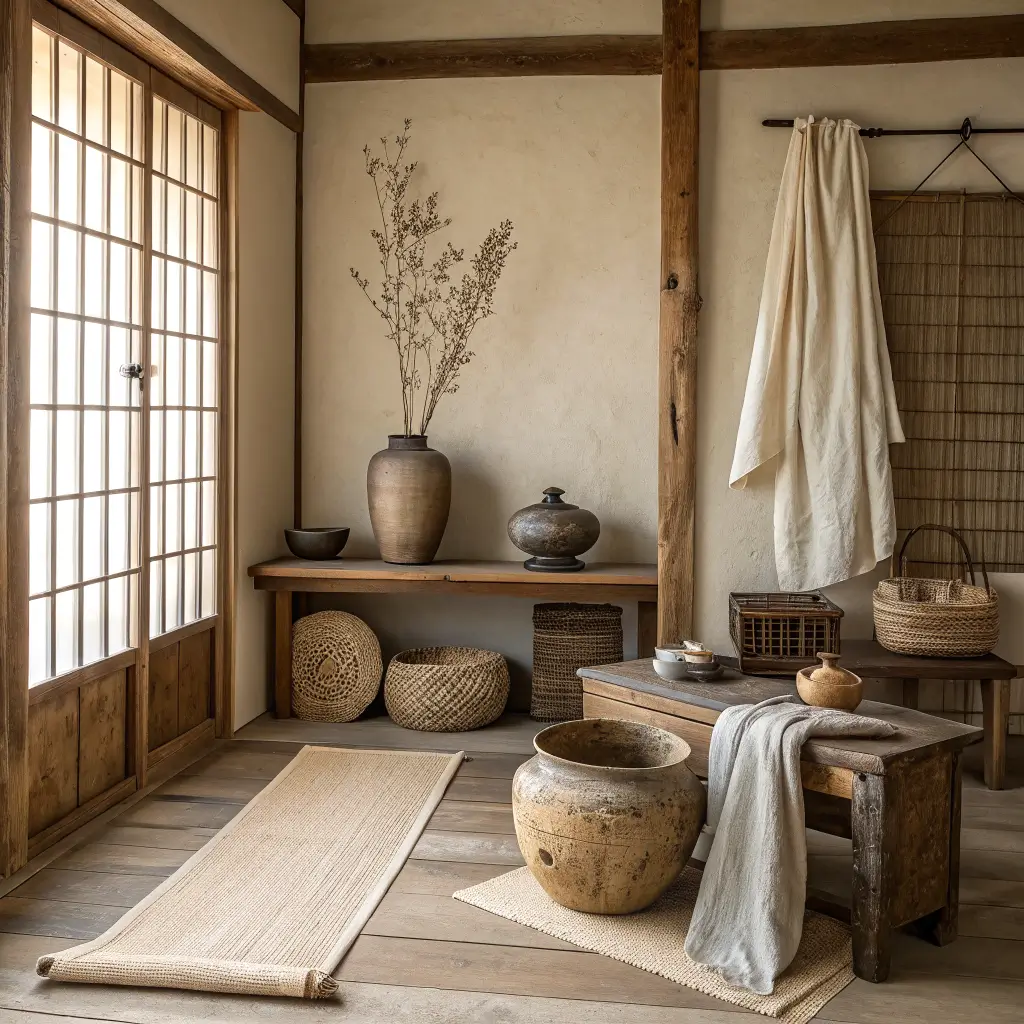
Wabi-sabi embraces the beauty of imperfection and the poetry of age. This philosophy transformed how I see my home – suddenly that scratched table wasn’t damaged, it was “distinguished.”
The aesthetic celebrates natural aging and wear. Weathered wood, oxidized metal, cracked ceramics – these imperfections add character and authenticity that perfection never could. FYI, this doesn’t mean letting your house fall apart – it means choosing materials and pieces that age gracefully.
Wabi-sabi interiors feel lived-in and welcoming rather than pristine and untouchable. Handmade items with visible craftsmanship trump mass-produced perfection. That slightly wonky ceramic bowl made by a local artist has more wabi-sabi spirit than a flawless factory piece.
Embracing Beautiful Imperfection
Wabi-sabi design elements:
- Natural materials that patina over time
- Handcrafted items with visible maker’s marks
- Asymmetrical arrangements that feel organic
- Muted colors inspired by nature
- Visible repairs celebrated as history
- Seasonal changes reflected in decor
Wabi-sabi teaches us that perfection is overrated and authenticity is priceless.
Also Read: 10 Modern Kids Room Interior Design Ideas for Growing Kids
10. Japanese Interior Design Ideas for Peaceful Living
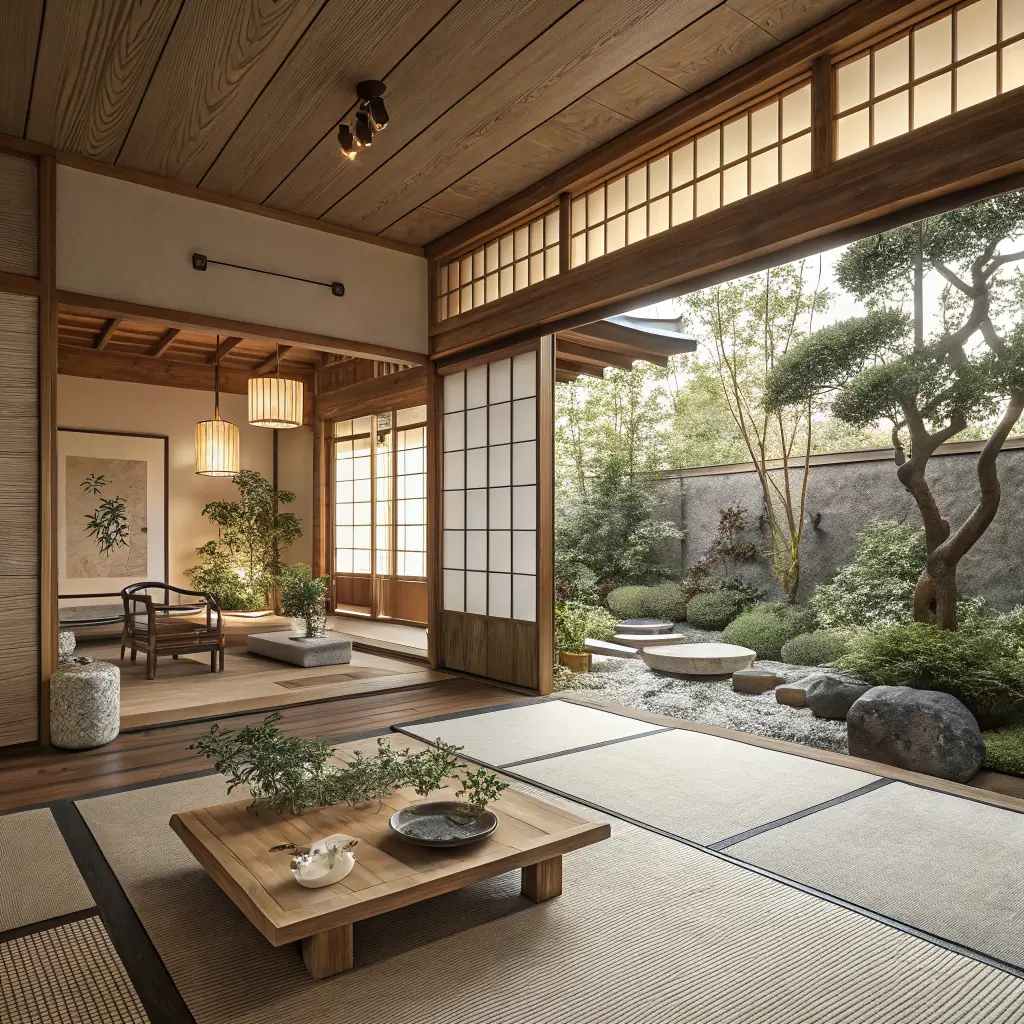
Peaceful living through Japanese design isn’t just about aesthetics – it’s about creating an environment that actively reduces stress and promotes wellbeing. Your home becomes a daily meditation rather than just a place to crash.
Sound plays a crucial role in peaceful Japanese interiors. Soft materials absorb harsh echoes, water features provide white noise, and thoughtful layouts minimize noise transmission. I added a small bamboo fountain to my apartment, and the gentle bubbling instantly makes the space feel calmer.
The flow between spaces matters enormously. Clear pathways and logical room progression prevent the frustration of navigating cluttered spaces. Every movement through your home should feel natural and unobstructed.
Creating Daily Peace
Peaceful living essentials:
- Clear circulation paths throughout the home
- Soft textiles for sound absorption
- Natural light maximization
- Indoor plants for air quality and visual calm
- Dedicated quiet zones for meditation or reading
- Consistent design language throughout
IMO, peaceful design isn’t a luxury – it’s essential for mental health in our overstimulated world :/
Bringing Japanese Design Into Your Life
After exploring these ten Japanese interior design ideas, you might feel overwhelmed about where to start. Here’s the secret:
you don’t need to transform your entire home overnight. Pick one principle that resonates with you and start there.
Maybe you begin by decluttering one room, or perhaps you invest in one piece of low, Japanese-style furniture. Small changes create momentum that naturally leads to bigger transformations.
My own journey started with removing clutter from my coffee table, and three years later, my entire apartment embodies Japanese design principles.
Remember that Japanese interior design isn’t about copying a look – it’s about embracing a philosophy.
The goal isn’t to make your home look Japanese but to create spaces that promote the same sense of peace, harmony, and connection to nature that Japanese interiors achieve.
The most important lesson Japanese design teaches us? Your home should support your wellbeing, not just store your stuff.
When you design with intention, choosing quality over quantity and embracing simplicity over excess, you create more than just a beautiful space – you create a sanctuary that nurtures your soul every single day.
Start small, think intentionally, and watch how these ancient principles transform not just your space, but your entire relationship with your home.
Because at the end of the day, that’s what great design does – it changes how we live, not just how things look.