10 Creative Showroom Interior Design Ideas and Space Hacks
- Home Interior Design
 Ben
Ben- 0
- 49 minutes read
Walking into a poorly designed showroom feels like stepping into a storage warehouse with price tags. I learned this the hard way when I opened my first furniture showroom five years ago — customers would walk in, glance around for thirty seconds, and leave.
After redesigning the space using actual showroom interior design principles, those same thirty-second visitors started staying for an hour, touching everything, taking photos, and most importantly, buying stuff.
The difference between a showroom that sells and one that repels comes down to understanding that showrooms aren’t just display spaces — they’re theatrical stages where your products perform for an audience.
Every lighting choice, every pathway, every display angle either draws customers deeper into your world or sends them running to your competitors. After working with dozens of showrooms across different industries, I’ve discovered what actually works versus what just looks pretty in design magazines.
1. Minimalist Modern Showroom Layout Ideas
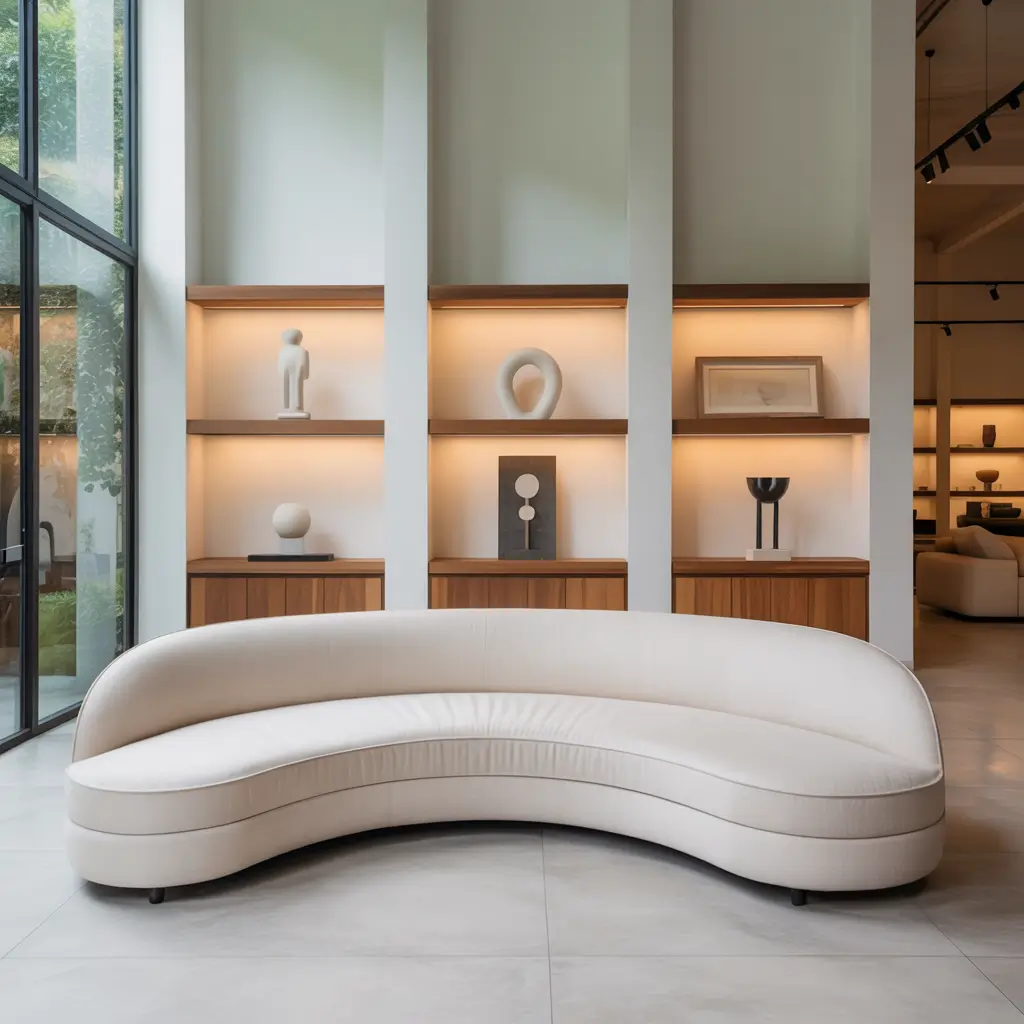
Less really is more when you nail minimalist showroom design. But here’s where most people mess up — they think minimalist means empty. Wrong. Minimalist modern showrooms strategically use negative space to make products feel like art pieces in a gallery.
The Power of Breathing Room
Products need personal space just like people do. Cramming inventory into every corner screams desperation, not abundance. I consulted for a watch retailer who displayed 500 watches in a 1,000-square-foot space. We cut it down to 150 watches with proper spacing, and sales increased 40%. Why? Each piece finally had room to tell its story.
Essential minimalist layout principles:
- 60/40 rule: 60% open space, 40% display
- Clear sight lines from entrance to back wall
- Floating displays that don’t touch walls
- Monochromatic backgrounds that don’t compete
- Strategic empty walls that reset visual fatigue
- Single focal points per display zone
Materials That Whisper, Not Shout
Minimalist showrooms thrive on subtle material choices:
- Polished concrete floors
- Matte white walls
- Natural wood accents
- Clear glass displays
- Brushed metal fixtures
- Hidden LED lighting
The furniture showroom I redesigned used white oak platforms, concrete floors, and white walls exclusively. Products became the only color in the space, making them impossible to ignore.
The Customer Journey
Map customer flow like you’re designing a museum. Create a natural pathway that exposes visitors to your best pieces without feeling forced. Use floor materials to subtly guide — I’ve seen showrooms use different tile patterns to create invisible paths customers naturally follow.
2. Luxury Boutique Showroom Interior Concepts
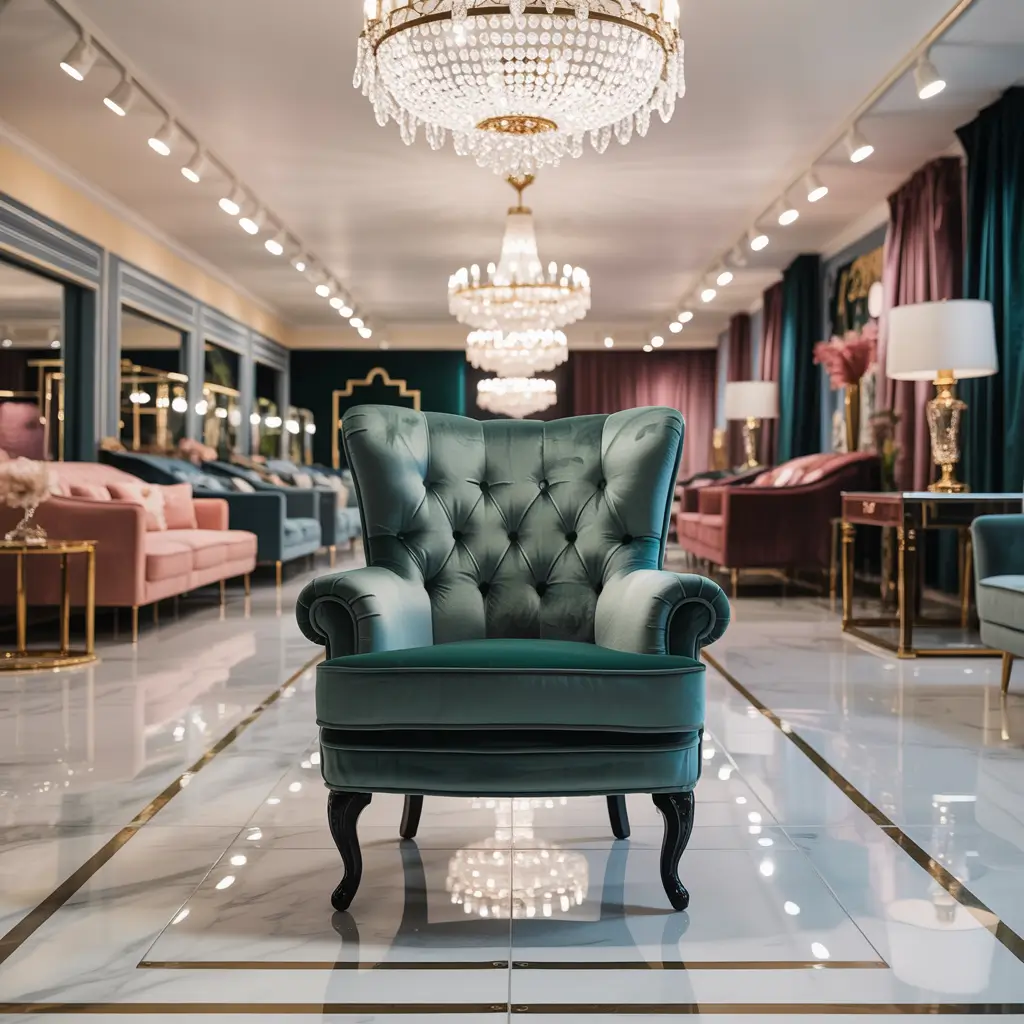
Luxury isn’t about throwing gold leaf on everything and calling it fancy. Real luxury showroom design makes customers feel special the moment they cross your threshold. It’s psychological warfare, honestly — you’re creating an environment where dropping $5,000 feels completely reasonable.
The Exclusivity Factor
High-end showrooms need to feel like private clubs. Consider these elements:
- Appointment-only sections for VIP clients
- Champagne bars or coffee stations
- Private consultation rooms with comfortable seating
- Concierge-style service desks instead of cash registers
- Museum-quality display cases with individual lighting
Material Selection Matters
Luxury reads through materials instantly. Skip the fake marble — customers know. Invest in:
- Real stone flooring (marble, granite, or limestone)
- Genuine leather seating
- Solid wood fixtures
- Hand-blown glass elements
- Custom metalwork
- Silk or velvet textiles
A jewelry showroom I worked on spent $30,000 on a single marble display table. Excessive? Their average transaction value jumped from $2,000 to $8,000. That table paid for itself in two months.
Sensory Design Elements
Luxury engages all five senses:
- Subtle signature scents through hidden diffusers
- Background music curated for your demographic
- Temperature controlled to slight coolness (makes people stay longer)
- Textural contrasts customers want to touch
- Complimentary beverages served in real glassware
Ever notice how high-end stores always smell amazing? That’s not accident — it’s strategy.
3. Compact Showroom Space Optimization Ideas
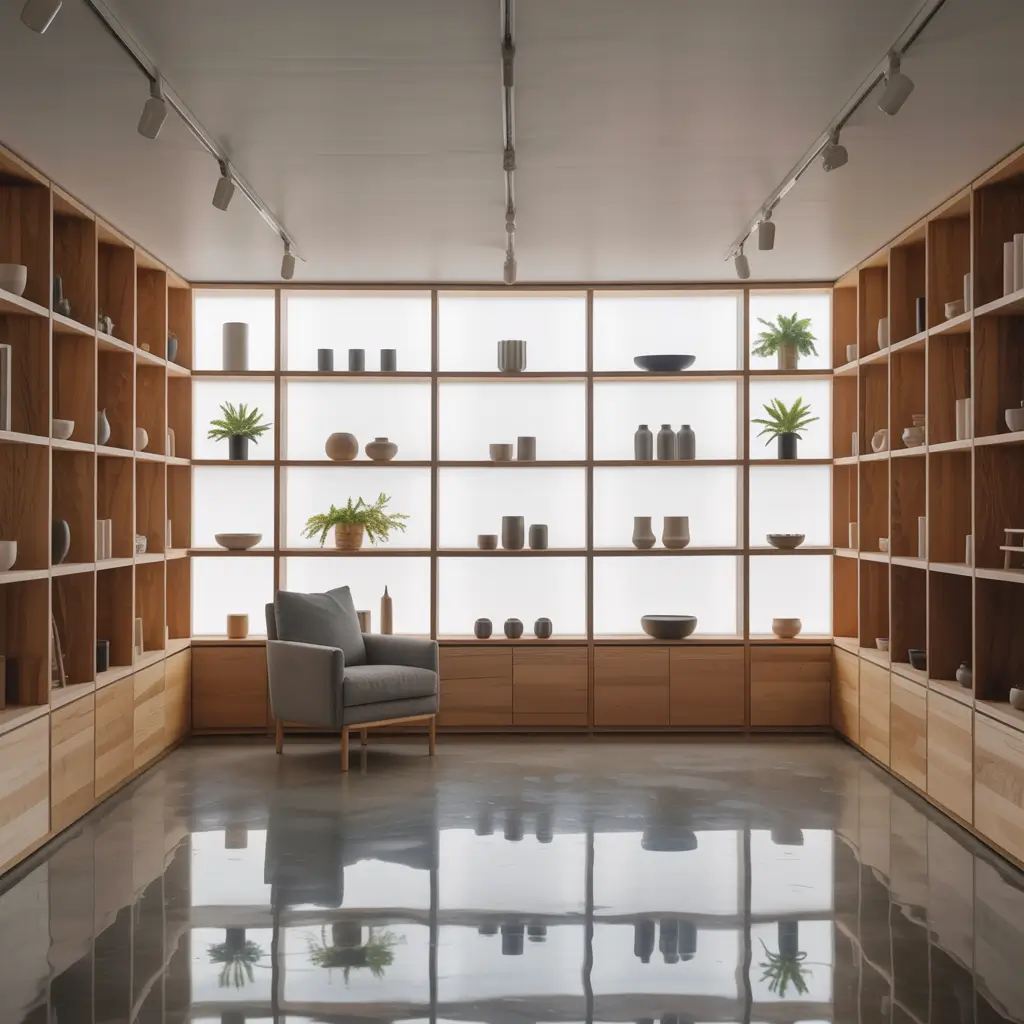
Small showrooms face unique challenges, but they also have advantages. Compact spaces feel intimate, manageable, and less overwhelming than warehouse-style showrooms. The trick lies in making 500 square feet feel like 5,000 without mirrors everywhere (though mirrors help).
Vertical Display Strategies
When floor space runs out, build up:
- Floor-to-ceiling shelving with library ladders
- Suspended displays from ceiling tracks
- Wall-mounted everything possible
- Stackable modular units that reconfigure easily
- Overhead storage for inventory rotation
- Mezzanine levels if ceiling height allows
The Rotation Revolution
Small showrooms can’t display everything simultaneously. Embrace this limitation:
- Rotate displays weekly or biweekly
- Create “limited viewing” urgency
- Use digital catalogs for full inventory
- Keep bestsellers always visible
- Store backup inventory off-site
- Theme displays by season or trend
My friend runs a 400-square-foot boutique that feels fresh every visit because she rotates 70% of her displays weekly. Regular customers literally schedule visits to see “what’s new.”
Flexible Furniture Solutions
Everything should move or fold:
- Wheels on display units for easy reconfiguration
- Nesting tables that expand for events
- Fold-down consultation desks
- Modular wall systems with adjustable shelves
- Collapsible seating for presentations
Small showrooms must transform for different purposes — morning browsing, afternoon consultations, evening events. Fixed furniture kills this flexibility.
Also Read: 12 Creative Small House Interior Design Ideas to Maximize Space
4. Eco-Friendly Showroom Design Inspirations
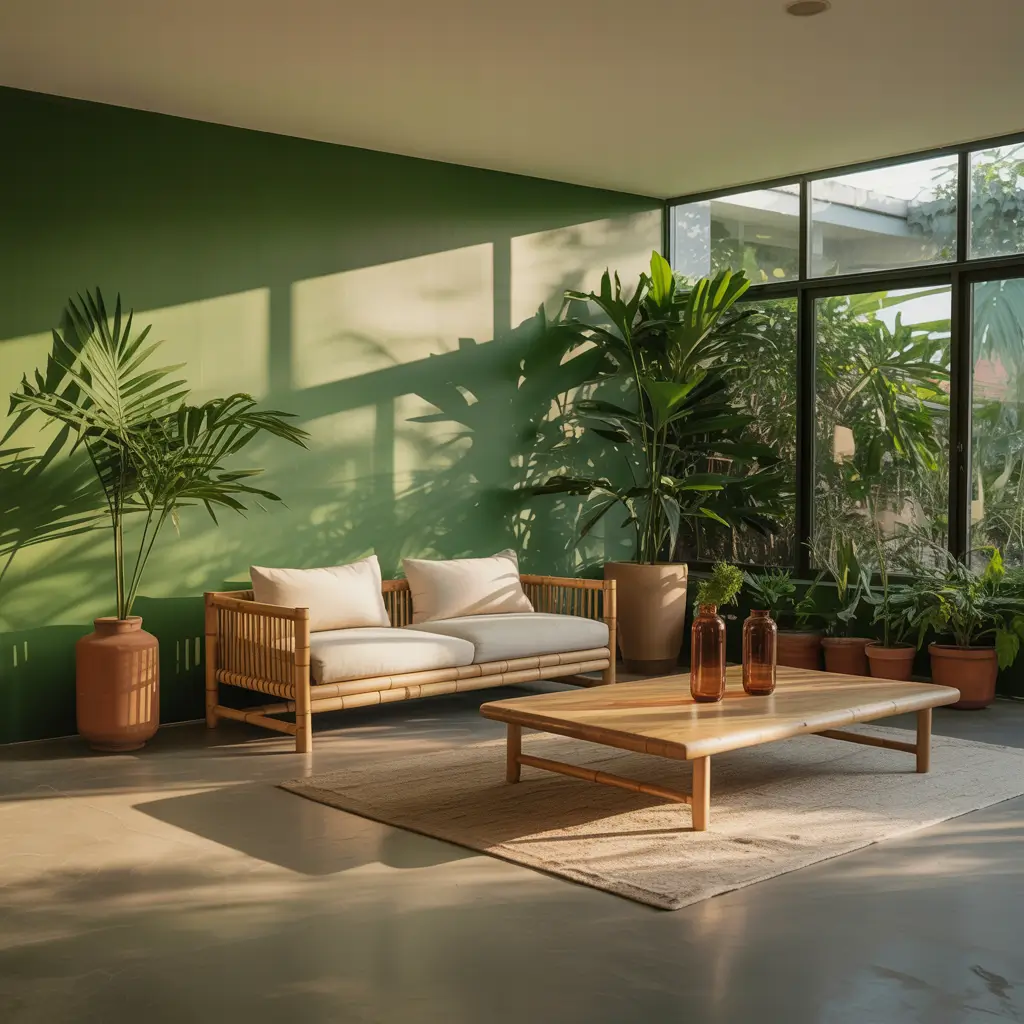
Sustainability sells, especially to millennials and Gen Z. But eco-friendly showroom design goes beyond bamboo floors and recycled materials — it’s about creating spaces that embody environmental values while still looking absolutely killer.
Sustainable Materials That Don’t Look Crunchy
Forget the granola aesthetic. Modern eco-materials look luxurious:
- Reclaimed wood with rich patinas
- Recycled metal fixtures with industrial appeal
- Cork flooring that feels amazing underfoot
- Recycled glass countertops and displays
- Living walls with integrated irrigation
- Bamboo in sophisticated applications
Energy Efficiency as Design Feature
Make sustainability visible:
- Solar panels as architectural elements
- Rainwater collection displayed in glass cylinders
- LED lighting with visible energy meters
- Natural ventilation instead of hidden HVAC
- Skylights reducing daytime lighting needs
A sustainable fashion showroom I visited displays their daily energy usage on a beautiful digital dashboard. Customers love seeing real-time environmental impact.
Biophilic Design Elements
Bring nature inside strategically:
- Living walls behind product displays
- Water features using recycled water
- Natural light maximization
- Indoor trees as space dividers
- Moss installations requiring no maintenance
- Natural material palettes throughout
Plants increase oxygen, improve air quality, and make people spend more time in your space. FYI, studies show customers stay 25% longer in biophilic environments.
5. Interactive Product Display Showroom Ideas
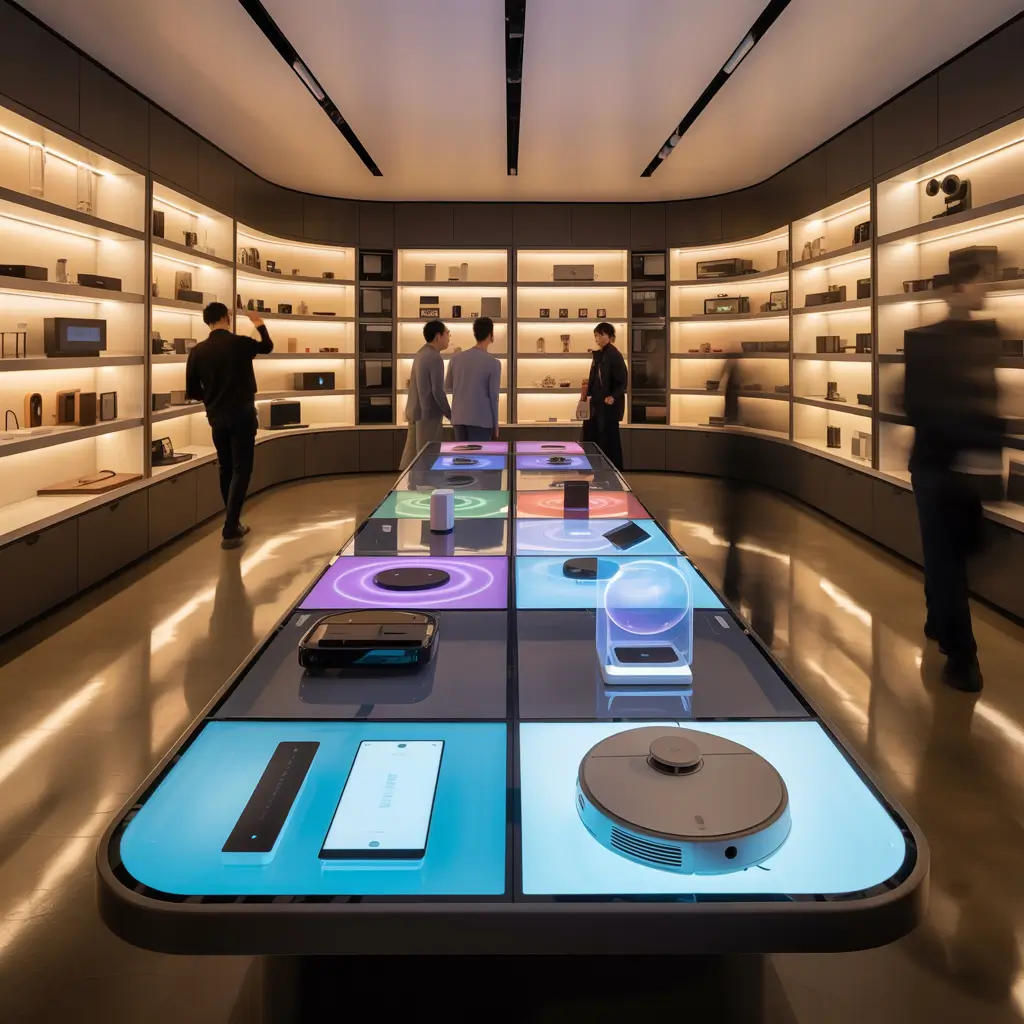
Static displays are dead. Today’s customers expect to touch, test, and play with products. Interactive showrooms transform browsing into experiencing, and experiences create emotional connections that drive sales.
Technology Integration
Smart tech creates memorable interactions:
- AR mirrors showing products on customers
- Touch screens with product customization
- Motion-activated displays that respond to presence
- VR stations for immersive experiences
- Interactive projection mapping on walls
- RFID triggers providing instant information
Hands-On Display Zones
Create designated areas for interaction:
- Test kitchens for appliance showrooms
- Fabric touching stations for furniture
- Sound rooms for audio equipment
- Lighting control panels for fixtures
- Sample application areas for cosmetics
- Build-your-own stations for customizable products
The motorcycle showroom I worked with lets customers sit on every bike, start the engines, and even test ride in an indoor track area. Sales tripled after adding these interactive elements.
Gamification Elements
Make shopping fun:
- Scavenger hunts with prizes
- Interactive quizzes matching products to needs
- Social media photo opportunities
- Competition zones for product testing
- Loyalty programs with showroom-only perks
Who says shopping can’t be entertaining? The most successful showrooms feel like attractions, not stores.
6. Bold Color Palette Showroom Designs
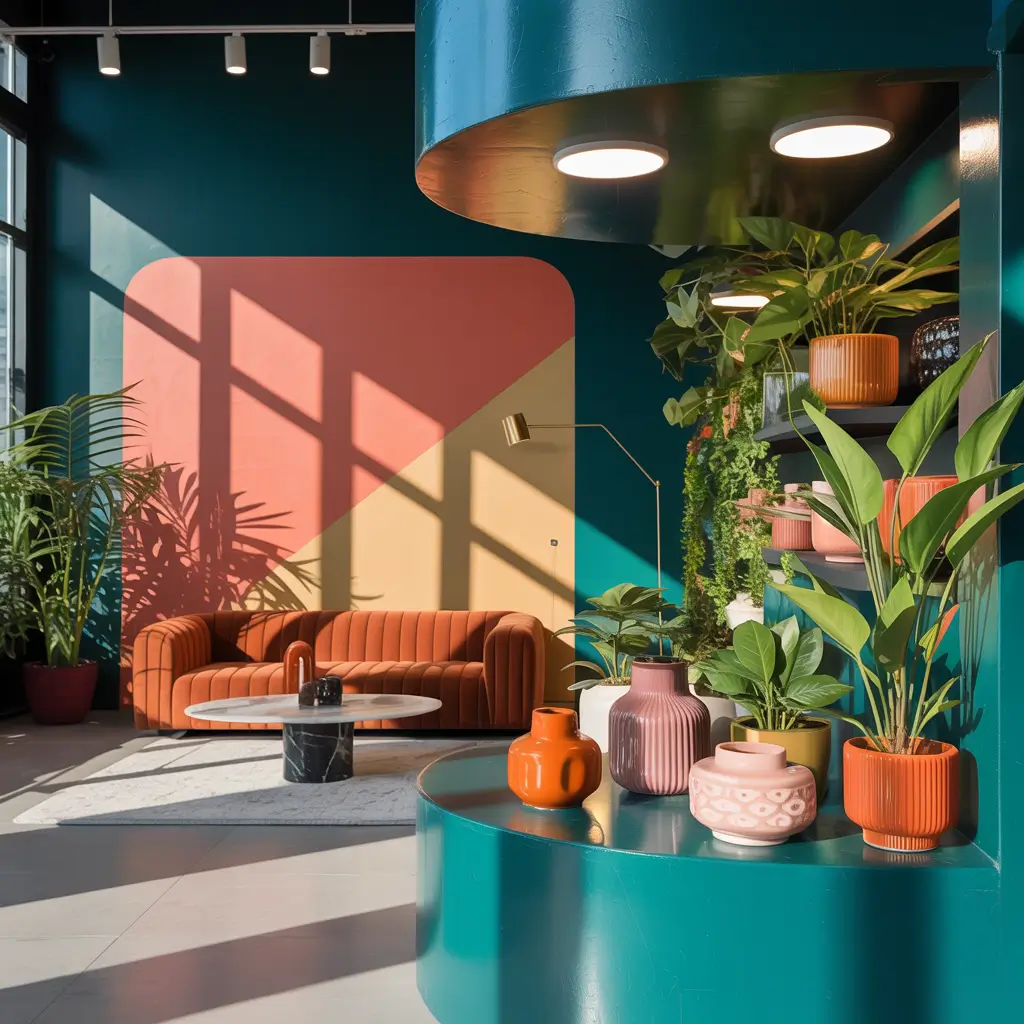
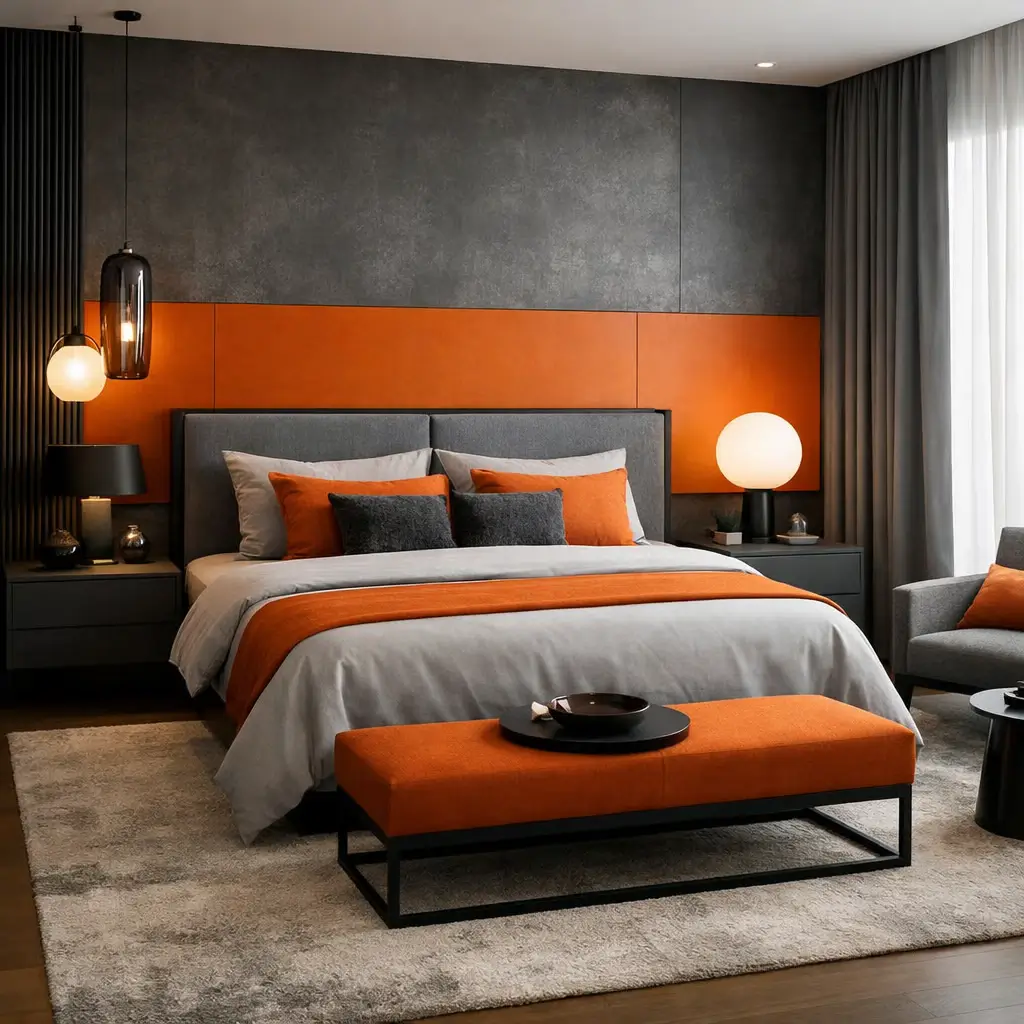
Beige is safe. Safe is boring. Boring doesn’t sell. Bold color showrooms grab attention, create energy, and stick in customers’ memories long after they leave. But there’s a fine line between bold and overwhelming.
Color Psychology in Retail
Different colors trigger different behaviors:
- Red creates urgency and excitement
- Blue builds trust and calm
- Yellow generates happiness and energy
- Green suggests growth and balance
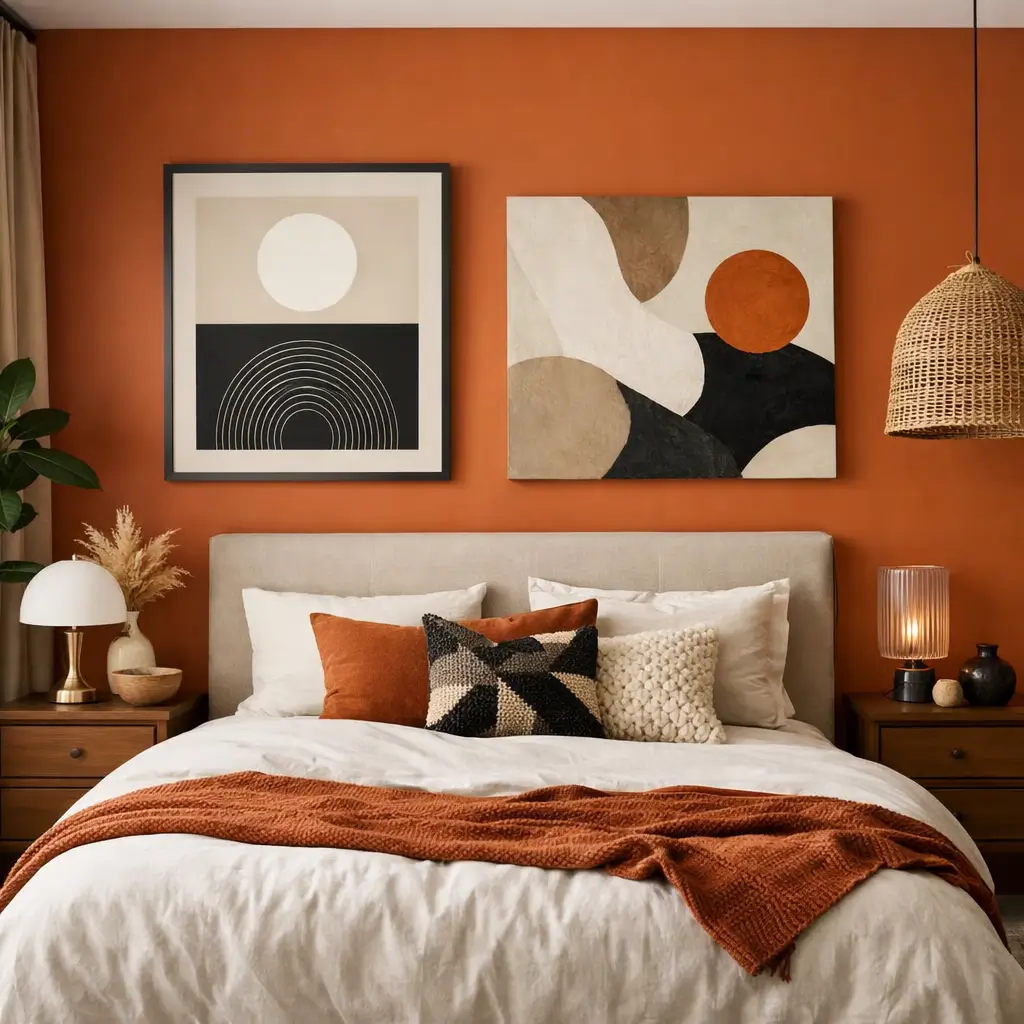
- Orange encourages action and enthusiasm
- Purple implies luxury and creativity
Strategic Color Blocking
Use bold colors strategically:
- Accent walls highlighting featured products
- Color-coded sections for easy navigation
- Gradient transitions between departments
- Monochromatic displays within color stories
- Contrasting frames around neutral products
A cosmetics showroom I designed uses hot pink walls in the lipstick section, creating an Instagram-worthy backdrop that generates tons of free social media marketing.
Balancing Bold with Neutral
Prevent color fatigue with strategic breaks:
- White or gray transition zones
- Natural wood elements as palette cleansers
- Metallic accents that work with any color
- Black fixtures grounding bright colors
- Clear glass maintaining visual flow
The 60-30-10 rule works here too: 60% neutral, 30% secondary color, 10% bold accent. This ratio keeps energy high without overwhelming senses.
Also Read: 10 Stunning Mediterranean Interior Design Ideas for Warm Homesc
7. Industrial Chic Showroom Interior Concepts
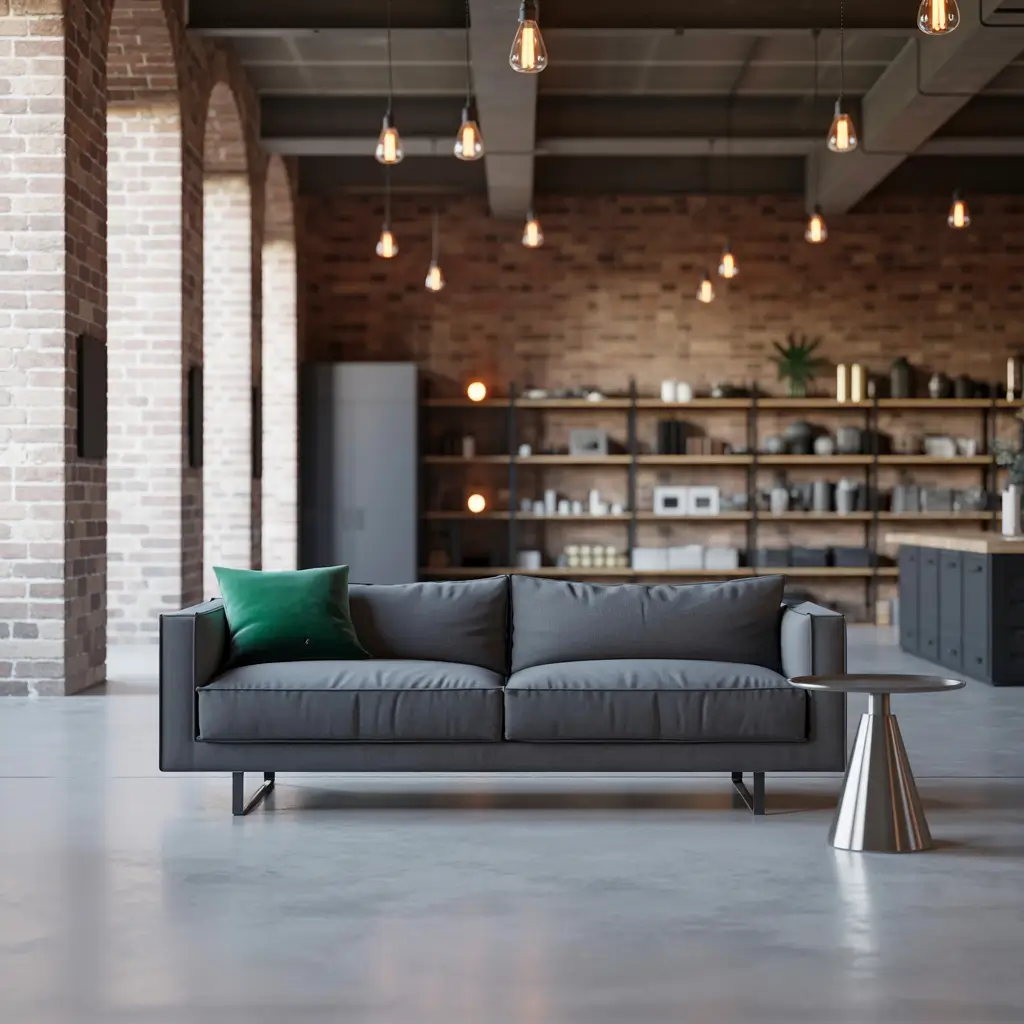
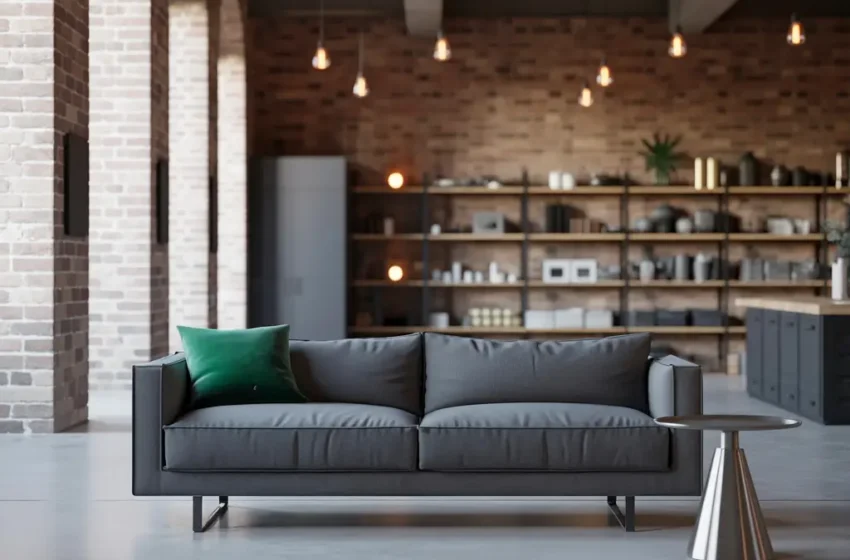
Raw meets refined in industrial chic showrooms. This style works especially well for brands wanting to appear authentic, crafted, and unpretentious. Plus, industrial design often costs less while looking incredibly expensive.
Raw Materials as Features
Celebrate imperfections:
- Exposed brick walls with original patina
- Concrete floors polished to high shine
- Visible ductwork painted matte black
- Steel beams and columns as design elements
- Reclaimed wood with nail holes and weathering
- Metal mesh panels as dividers
Industrial Lighting Solutions
Lighting makes or breaks industrial spaces:
- Edison bulb installations
- Vintage factory pendants
- Track lighting on exposed rails
- Cage lights for authentic feel
- LED strips in unexpected places
- Natural light through steel-framed windows
My favorite industrial showroom uses 50 vintage factory lights bought from a demolished warehouse. Each one is different, creating visual interest while maintaining theme coherence.
Softening the Edge
Pure industrial feels cold. Add warmth through:
- Leather furniture in rich browns
- Vintage rugs defining spaces
- Living plants in concrete planters
- Warm wood accents against metal
- Soft textiles on seating areas
The balance between hard and soft makes industrial spaces inviting rather than intimidating.
8. High-End Automotive Showroom Layouts
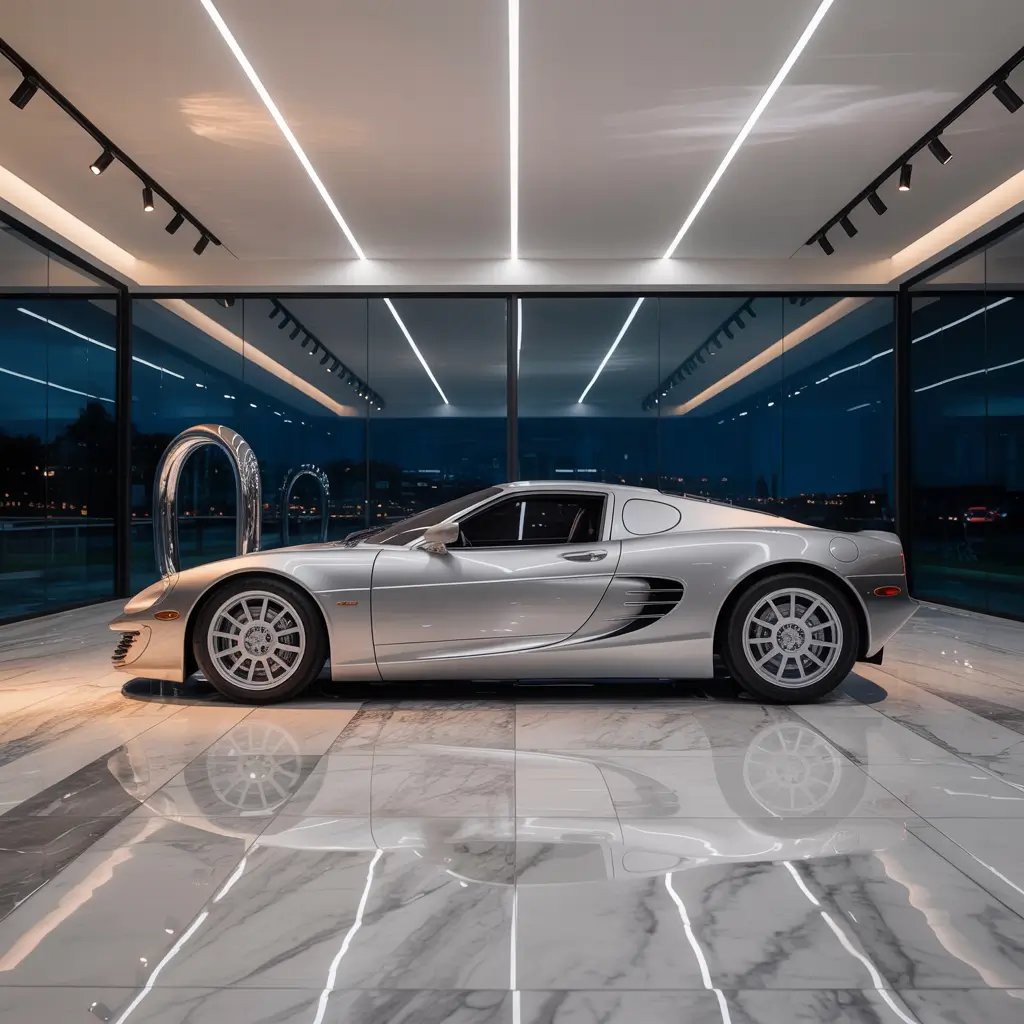
Car showrooms require special consideration. You’re displaying massive products that customers can’t impulse buy. Automotive showroom design must create desire, build brand loyalty, and justify significant investments.
The Theater of Arrival
First impressions matter enormously:
- Turntable displays for featured models
- Dramatic spotlighting on key vehicles
- Elevated platforms creating hierarchy
- Glass facades showcasing interior to street
- Reception areas resembling luxury hotels
Creating Lifestyle Zones
Modern car showrooms sell lifestyles, not just vehicles:
- Coffee bars with workspace
- Kids’ play areas for family buyers
- Merchandise boutiques
- Historical displays showing brand heritage
- Customization stations with material samples
- Delivery ceremony spaces
Tesla changed the game by making showrooms feel like Apple stores. Now everyone copies their lifestyle-focused approach because it works.
Technical Display Integration
Balance emotion with information:
- Interactive configurators on large screens
- Cutaway displays showing engineering
- VR experiences for test drives
- Sound chambers demonstrating audio systems
- Material libraries for customization options
9. Creative Lighting Solutions for Showrooms
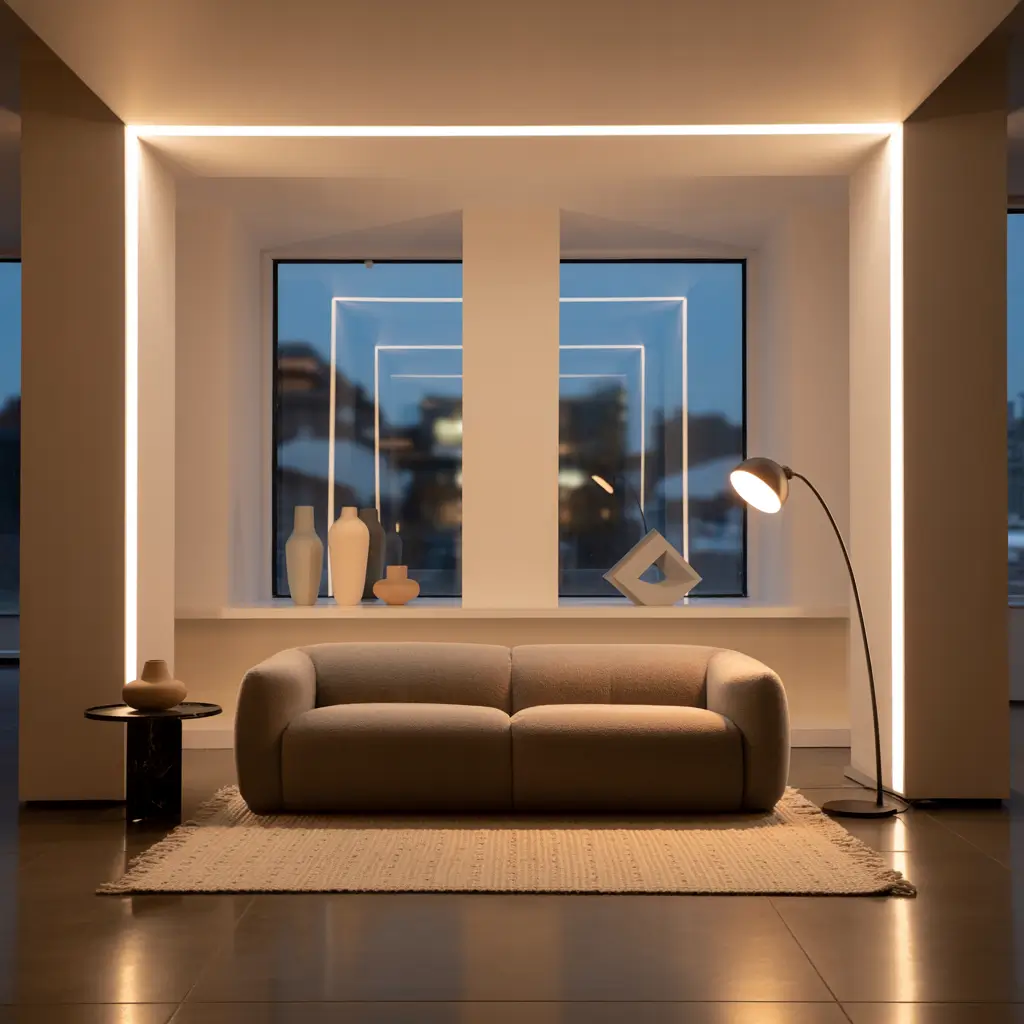
Lighting can increase sales by 30% when done right. Bad lighting kills sales just as fast. Creative showroom lighting goes beyond basic illumination — it creates mood, directs attention, and makes products irresistible.
Layered Lighting Strategy
Never rely on single light sources:
- Ambient lighting for overall illumination
- Task lighting for detailed viewing
- Accent lighting highlighting features
- Decorative lighting as design element
- Natural light whenever possible
Smart Lighting Controls
Modern lighting adapts to needs:
- Daylight sensors adjusting intensity
- Motion activation in specific zones
- Color temperature changes throughout day
- Programmable scenes for events
- Individual spot controls via tablet
The jewelry showroom I designed uses lighting that adjusts color temperature based on the gemstones being viewed. Diamonds look best under cool light, gold under warm — the system knows which case contains what.
Creative Fixture Applications
Think beyond standard fixtures:
- Backlit panels creating glow effects
- Floor uplighting for drama
- Hidden cove lighting for ambiance
- Fiber optics for sparkle effects
- Projection mapping for dynamic displays
Also Read: 12 Inspiring Interior Design Sketches Ideas for Cozy Spaces
10. Multi-Section Thematic Showroom Designs
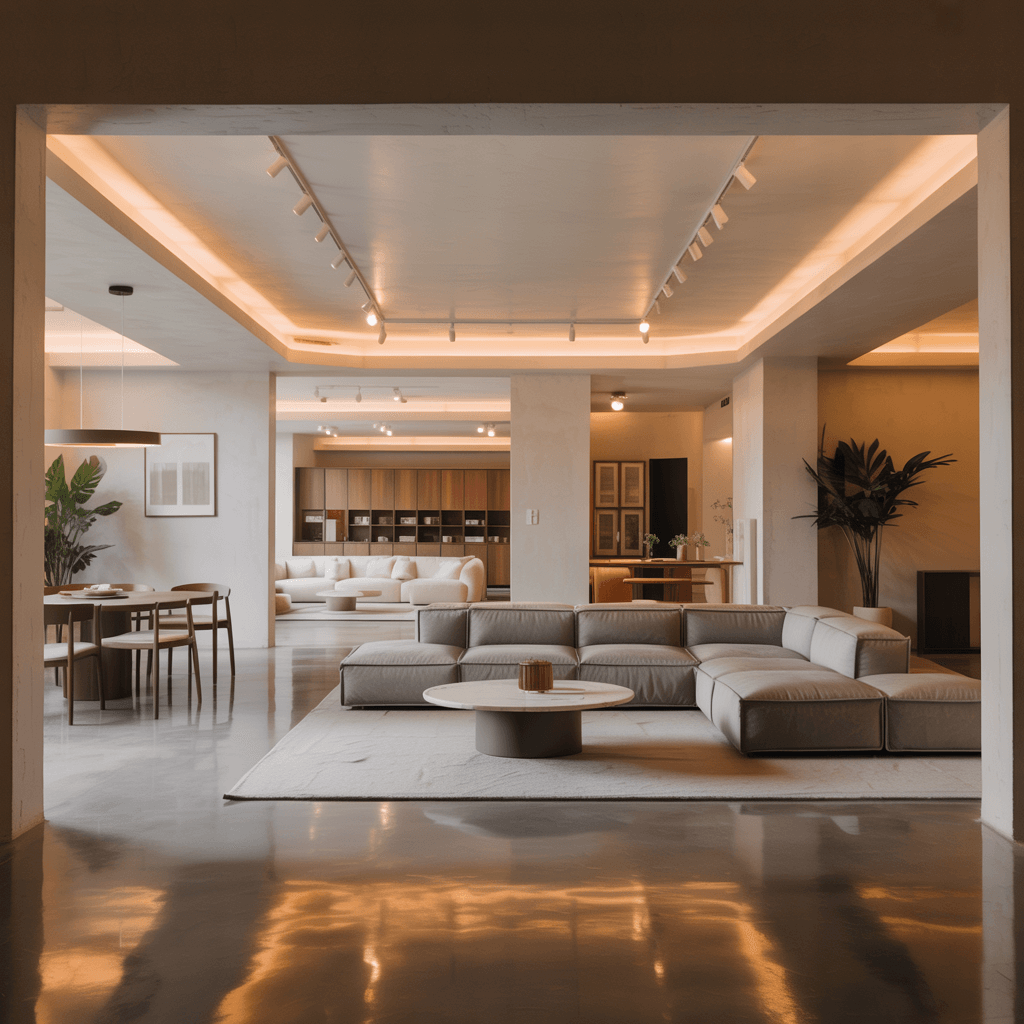
Large showrooms need clear organization without feeling like department stores. Multi-section thematic design creates distinct experiences within one space while maintaining cohesion.
Zone Creation Strategies
Define sections without building walls:
- Flooring changes signaling transitions
- Ceiling height variations creating intimacy
- Color shifts indicating new themes
- Lighting moods differentiating areas
- Sound zones with targeted audio
Maintaining Flow
Separate but connected is the goal:
- Create clear sightlines between sections
- Use consistent materials throughout
- Repeat design elements as threads
- Maintain logical product progression
- Provide obvious navigation cues
A home goods showroom I worked on uses subtle carpet pattern changes to define kitchen, bedroom, and living sections while keeping the same color family throughout. Customers naturally understand the organization without signs.
Flexible Theming
Themes should evolve:
- Seasonal rotations keeping content fresh
- Trend-based sections catching current interests
- Price-point zones for different budgets
- Lifestyle vignettes showing complete solutions
- Brand collaboration spaces
IMO, the best multi-section showrooms feel like walking through different rooms of an incredibly stylish house rather than a retail maze :/
Making Your Showroom Unforgettable
After designing dozens of showrooms, I’ve learned that the most successful ones share common traits: they tell stories, create experiences, and make customers feel something beyond “I need to buy this.”
Your showroom interior design should transport visitors into your brand’s world, whether that world is minimalist and modern or bold and chaotic.
Start by understanding your customer’s journey — from street view to purchase. Every design decision should enhance that journey, removing friction and adding delight.
Remember that showrooms are theaters where your products perform. Give them the stage they deserve, and they’ll sell themselves.
The best showroom I ever created wasn’t the most expensive or the largest. It was a 600-square-foot vintage guitar shop where every instrument hung at playing height, the lighting made wood grain glow like honey, and a small corner stage let customers test guitars through vintage amps.
Simple concept, perfect execution. Sales quadrupled in six months.
Your showroom doesn’t need every trend or technology. It needs a clear vision, consistent execution, and genuine understanding of what makes your customers tick.
Get those three things right, and even a modest budget creates magic. Get them wrong, and no amount of marble or interactive displays will save you 🙂