10 Brilliant Small Coffee Shop Design Ideas for Budget Cafés
- Coffee Shop
 Ben
Ben- 0
- 38 minutes read
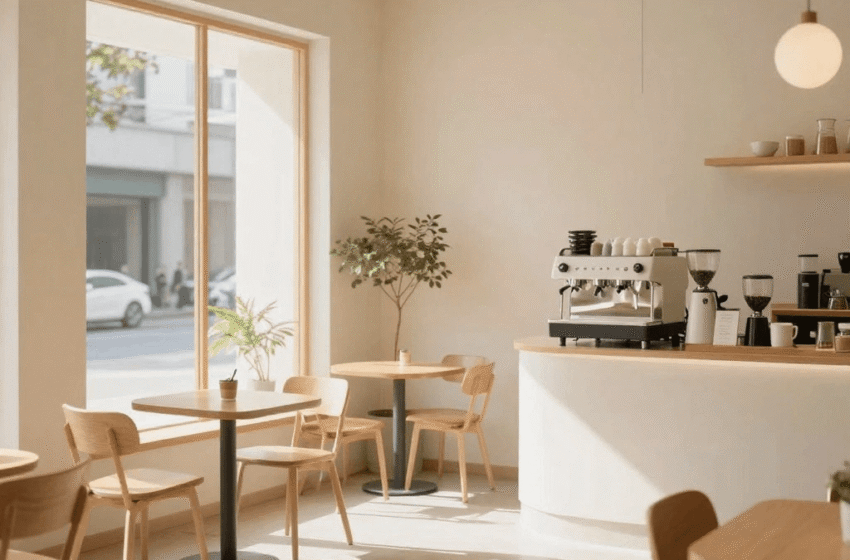
Look, I get it. You’re probably sitting there with dreams of opening your own coffee shop, scrolling through Pinterest at 2 AM, wondering how the heck you’re supposed to create that picture-perfect café vibe when your budget looks more like pocket change than venture capital. I’ve been there, and honestly? Some of my favorite coffee spots look like they cost millions but were actually pulled together with creativity, elbow grease, and some seriously clever design choices.
Here’s the thing about small coffee shops: size doesn’t dictate charm. I’ve had better lattes in 400-square-foot holes-in-the-wall than in sprawling corporate chains. The secret sauce isn’t about square footage or throwing money at expensive furniture—it’s about designing smart, staying true to your vibe, and creating a space where people actually want to hang out.
So grab your coffee (ironic, right?), and let me walk you through ten design ideas that’ll make your tiny café punch way above its weight class without demolishing your bank account.
Cozy Minimalist Small Coffee Shop Layout
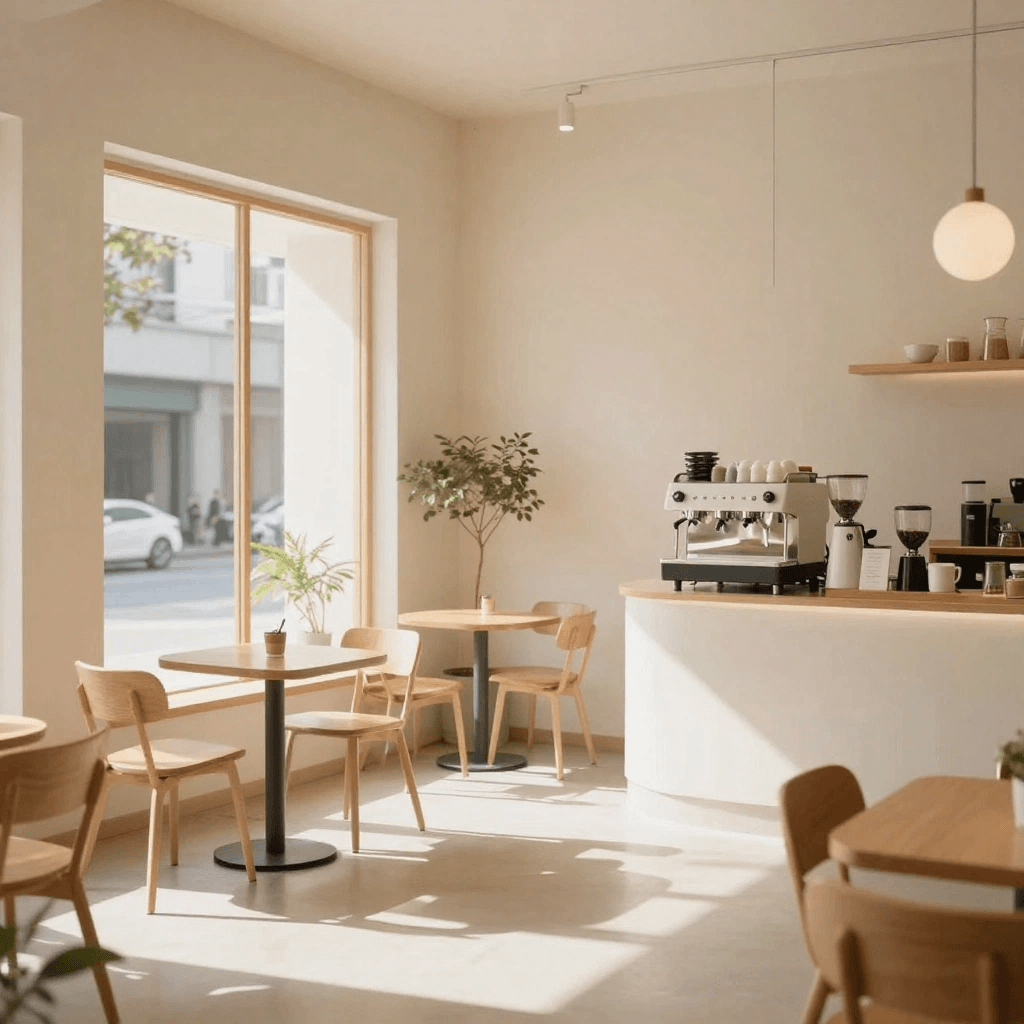
Ever walked into a space that just feels… calm? That’s minimalism doing its magic. And before you roll your eyes thinking minimalism means boring white walls and uncomfortable furniture, let me stop you right there. Cozy minimalism is about intentional comfort, not sterile showrooms.
The beauty of a minimalist approach for small coffee shops is that it makes your space feel bigger than it actually is. I’m talking clean lines, neutral color palettes (think warm beiges, soft grays, maybe a muted terracotta), and furniture that serves multiple purposes. You don’t need fifteen different decorative elements fighting for attention when three well-chosen pieces can tell your whole story.
Here’s what works:
- Simple wooden tables and chairs in light oak or ash
- One statement piece (maybe a beautiful pendant light or a single piece of wall art)
- Open shelving instead of bulky cabinets
- Hidden storage to keep clutter out of sight
- Neutral tones with one accent color maximum
I visited this minimalist café in Portland once (because of course it was Portland), and the owner told me something brilliant: “Every item in here has to earn its place.” That stuck with me. When you’re working with limited space and budget, everything needs to pull double duty. Your menu board becomes your wall art. Your coffee bean storage becomes your décor. Your seating doubles as Instagram bait.
The money-saving hack here? You can snag simple furniture from IKEA or secondhand stores and make it look intentional by keeping everything cohesive. One color story, clean lines, and boom—you’ve got yourself a vibe.
Rustic Wooden Tiny Café Interior Design
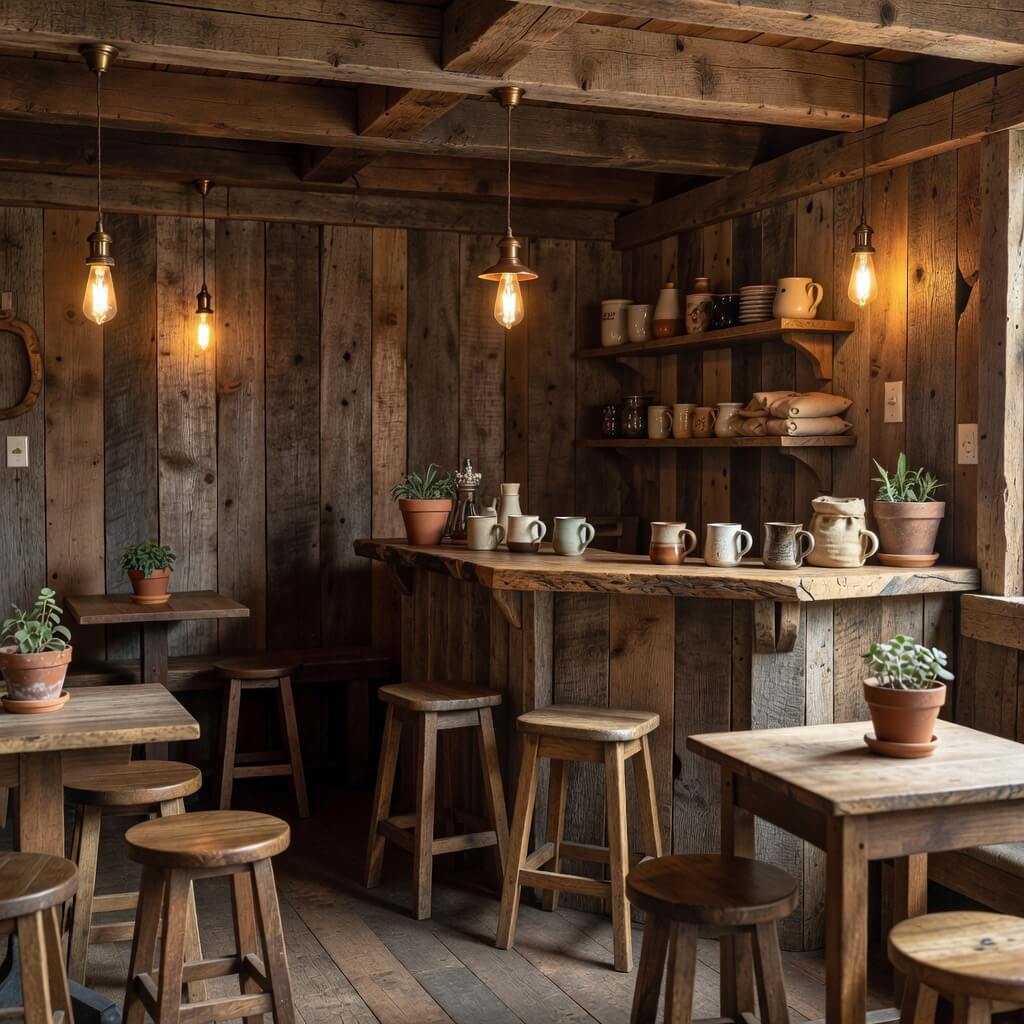
Nothing—and I mean nothing—beats the warmth of a rustic wooden interior when you want people to feel like they’ve stepped into someone’s cozy living room. The rustic look screams “stay awhile,” which is exactly what you want when you’re building a community around your coffee shop.
Reclaimed wood is your best friend on a budget. Seriously, you can find old pallets, barn wood, or salvaged lumber for next to nothing (sometimes literally nothing if you know where to look). I’ve seen coffee shop owners transform their entire spaces using wood they pulled from renovation dumpsters. Zero shame in that game—it’s called being resourceful.
For a rustic wooden design that doesn’t feel like you’re trying too hard to be a farmhouse reject, focus on these elements:
- Exposed wooden beams (or faux beams if you’re not that lucky)
- Reclaimed wood accent walls behind the counter
- Chunky wooden communal tables that encourage socializing
- Vintage-style Edison bulbs hanging from simple cords
- Wooden crates used as shelving or plant stands
- Metal accents like wrought iron brackets or copper pipes
The trick is balancing rustic with clean. You want cozy cabin vibes, not “I might get tetanus from sitting here” vibes. Keep your wood well-sanded and sealed, mix in some greenery to soften the look, and don’t go overboard with the distressing. Some coffee shops think rustic means everything needs to look like it survived a natural disaster. It doesn’t.
What’s brilliant about this style? Wood ages beautifully, so those nicks and scratches that’ll inevitably happen? They just add character instead of making your space look worn out. FYI, that’s called planning for real life 🙂
Modern Industrial Small Coffee Shop Aesthetic
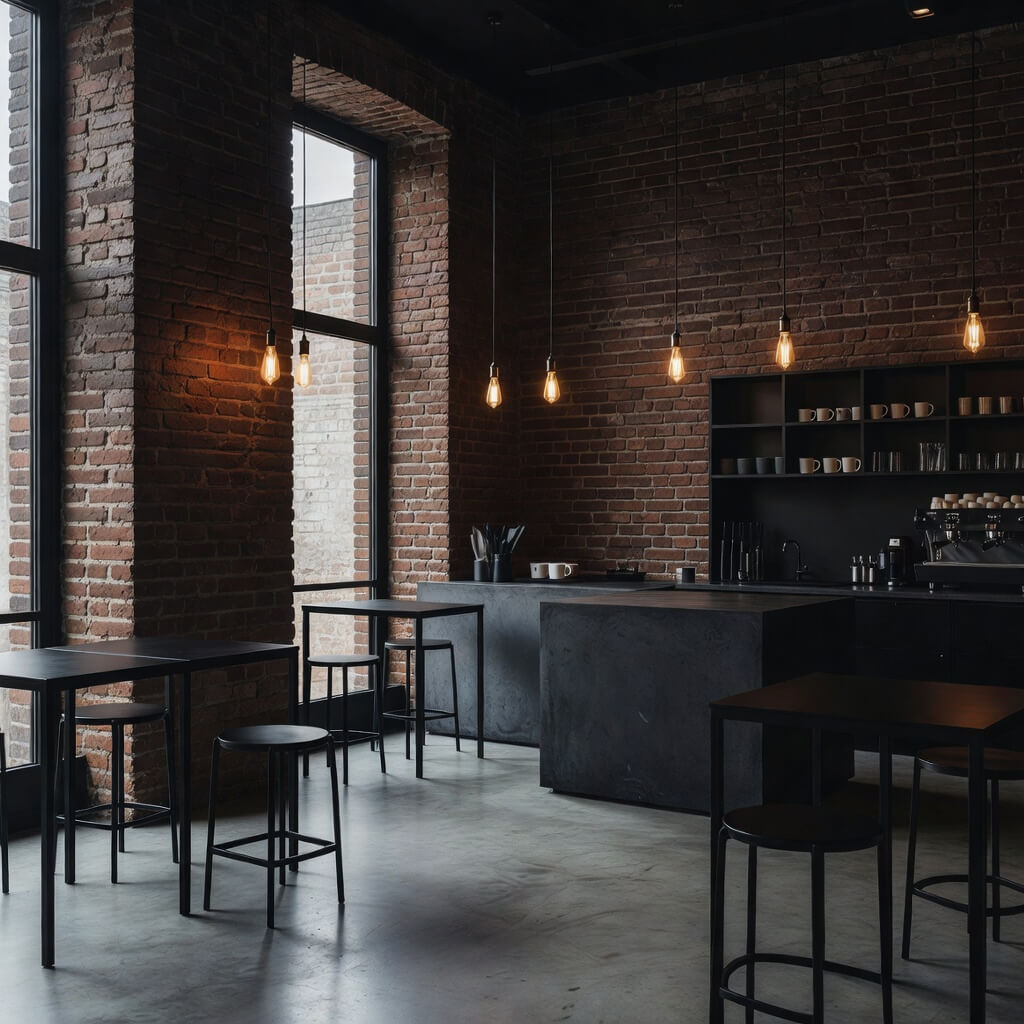
Can we talk about how the industrial look refuses to die? And honestly, I’m not mad about it. When you’re working with a small budget, the industrial aesthetic is basically a gift because it celebrates the unfinished, the raw, and the “we didn’t cover up that exposed brick because we couldn’t afford it” elements that you can spin as intentional design.
The modern industrial vibe combines rough textures with sleek lines. Think exposed brick walls, concrete floors, metal fixtures, and minimalist furniture. It’s edgy without trying too hard, and it photographs like a dream (hello, free marketing when customers post on social media).
Here’s what makes industrial design work for budget cafés:
- Exposed brick or concrete walls (no finishing required = money saved)
- Metal bar stools and wire chairs (usually cheaper than upholstered options)
- Pipe shelving you can DIY for under $100
- Black metal pendant lights (affordable and impactful)
- Concrete or polished cement floors (durable and low-maintenance)
- Subway tiles for the counter area
- Open ceiling showing ductwork and pipes
I helped a friend design their industrial café last year, and we literally made shelving from plumbing pipes and reclaimed wood for about $75 total. It became their most photographed feature. Sometimes the best designs come from asking “what can I build instead of buy?”
The industrial look also hides wear and tear like a champ. Coffee shops get beat up—it’s just reality. With industrial design, that worn-in look actually enhances the aesthetic instead of making your place look run-down.
Also Read: 10 Cozy Coffee Shop Interior Design Ideas Small Space Magic
Scandinavian Bright Small Café Design Ideas
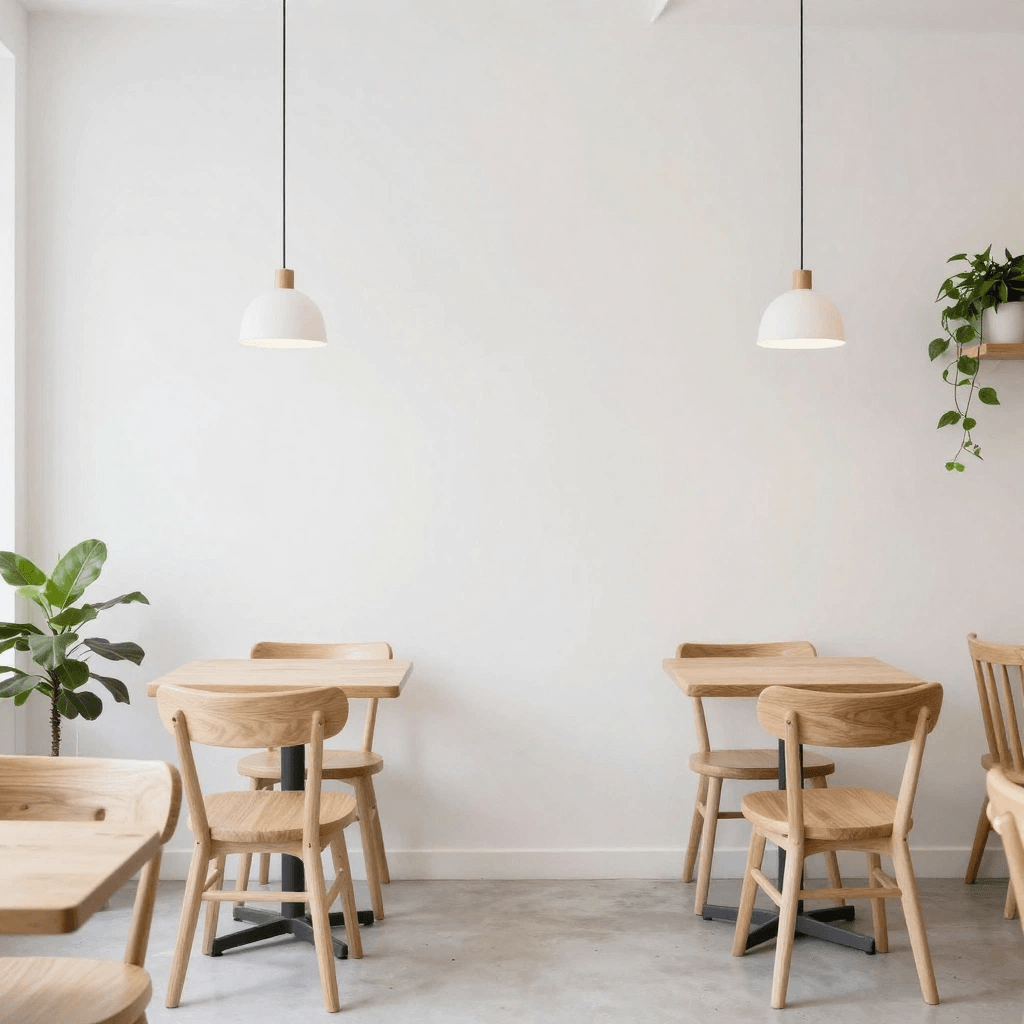
If minimalism and hygge had a baby, you’d get Scandinavian design. This style is perfect for small coffee shops because it maximizes natural light, creates airiness, and feels incredibly welcoming without requiring tons of space or money.
Scandinavian design is all about brightness, functionality, and that effortless cool that makes people wonder if you secretly hired an expensive designer. Spoiler alert: you didn’t. You just understand that white walls, natural wood, and strategic pops of color can do more heavy lifting than most people realize.
Key elements for nailing the Scandi look:
- All-white or off-white walls to bounce light around
- Light wood furniture (birch, ash, or light pine)
- Simple pendant lights in white, black, or natural materials
- Greenery in white or gray pots (fake plants count—no judgment)
- Pops of muted color like dusty pink, sage green, or soft blue
- Functional storage that looks good (think floating shelves)
- Natural textiles like linen or cotton for any soft furnishings
The genius of Scandinavian design for budget cafés? It looks expensive while being incredibly affordable. A can of white paint is cheap. Simple wooden chairs from secondhand stores painted white? Even cheaper. Some strategic greenery? You’re golden.
I’ve noticed that Scandinavian-designed coffee shops photograph beautifully in natural light, which means your customers become your marketing team without you spending a dime on professional photography. Smart, right?
Budget-Friendly Small Coffee Shop Setup
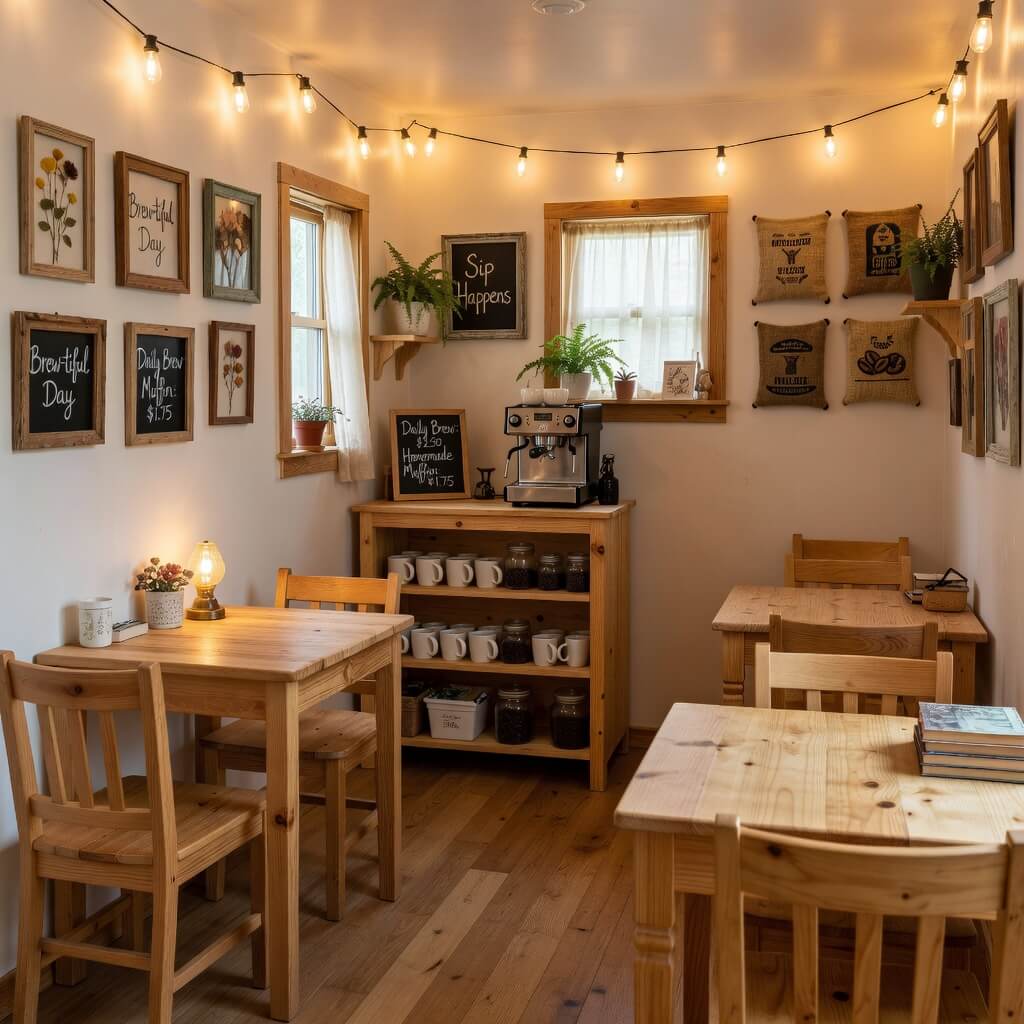
Okay, let’s get real for a second. This whole section is basically “how to make your coffee shop look intentional when you’re running on fumes and a prayer financially.” And you know what? Some of the most successful small cafés I’ve visited were designed with more creativity than capital.
Budget-friendly doesn’t mean cheap-looking—it means being strategic about where you spend and where you save. You need to invest in the things customers notice and care about (quality coffee, comfortable seating, cleanliness) and get creative with everything else.
Money-saving design strategies that actually work:
- DIY furniture and fixtures (YouTube is your friend here)
- Secondhand shopping at thrift stores, estate sales, and Facebook Marketplace
- Paint as transformation (never underestimate what a fresh coat can do)
- Upcycling and repurposing (old doors become tables, crates become shelves)
- Doing your own labor when possible
- Shopping restaurant supply stores instead of designer furniture shops
- Using what you’ve got (exposed elements instead of expensive finishes)
- Keeping the menu board simple (chalkboard paint is like $10)
Here’s a secret: customers can’t tell the difference between expensive and well-styled if you commit to a cohesive look. I’ve seen coffee shops furnished almost entirely from thrift stores that looked more pulled-together than some high-budget operations. The difference? They had a vision and stuck to it.
Mix high and low. Splurge on your espresso machine and a few key pieces (like really comfortable chairs), then save everywhere else. Your customers care way more about the quality of their latte and the comfort of their seat than whether your light fixtures came from West Elm or a hardware store.
Instagram-Worthy Tiny Coffee Shop Corner Design
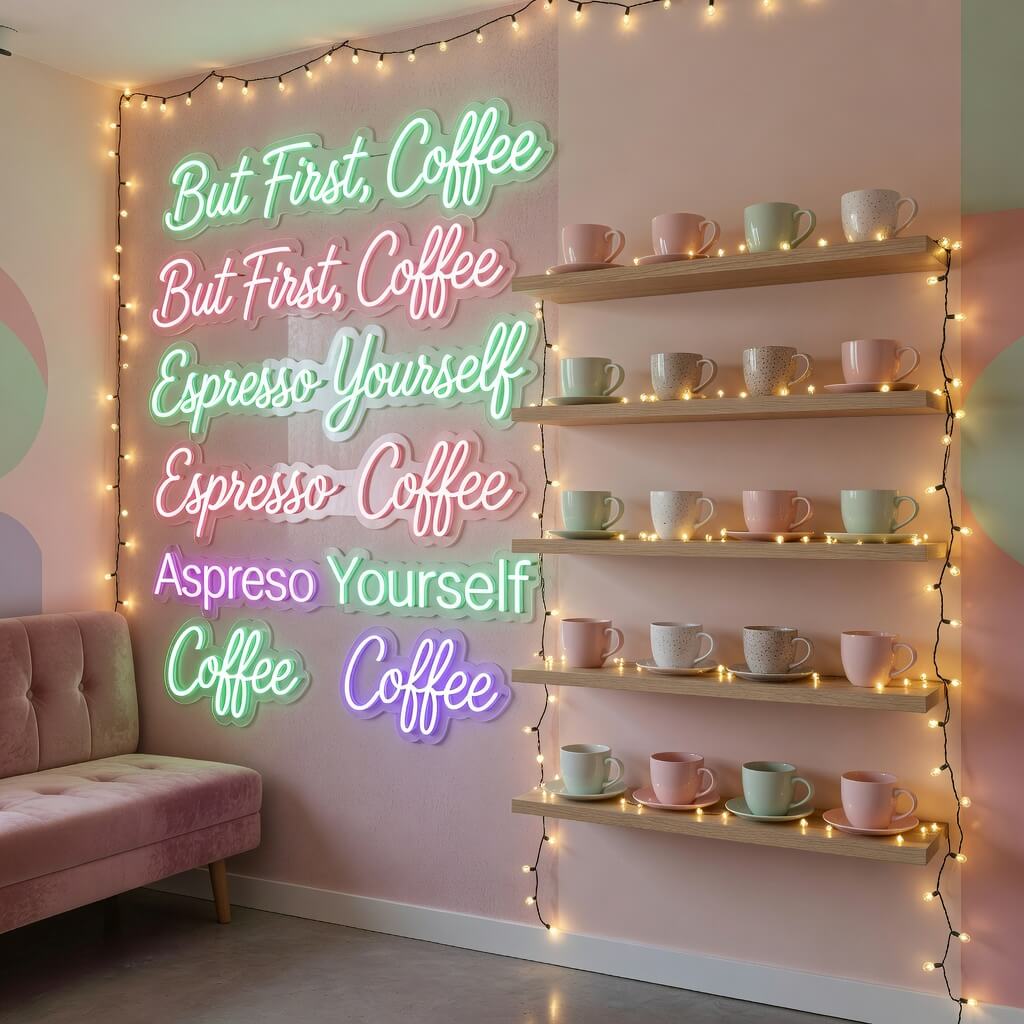
Let’s not pretend Instagram doesn’t matter. We’re past that. If people love your space, they’ll photograph it, tag you, and basically give you free advertising. The trick is creating photo-worthy moments without turning your café into a themed restaurant that prioritizes aesthetics over actual functionality.
An Instagram-worthy design doesn’t mean covering every surface with neon signs and pink velvet (although if that’s your vibe, do you). It means creating visual interest, good lighting, and at least one or two spots that make people reach for their phones.
Elements that make small spaces camera-ready:
- A statement wall (murals, unique wallpaper, or a living plant wall)
- Good lighting (this is crucial—dim cafés don’t photograph well)
- Textural variety (smooth, rough, soft, hard all in one space)
- One unique seating option (a swing, a vintage velvet chair, window nook)
- Interesting ceiling treatments (hanging plants, cool light fixtures)
- Color blocking or patterns in strategic spots
- Mirrors to create depth and reflect light
- A “signature” element people can only find at your shop
IMO, the best Instagram-worthy design feels natural, not forced. I’ve seen cafés try so hard to be “grammable” that they forget to be functional or comfortable. You know the type—beautiful but nowhere to actually set down your coffee while you take a photo. Don’t be that place.
One café I love has a simple swing instead of a regular chair by their window. It cost them maybe $50 to install, and literally everyone who visits takes a photo on it. That’s smart design—high impact, low investment.
Also Read: 10 Creative Coffee Shop Design Ideas That Attract Customers
Green Plant-Filled Small Café Interior Concept
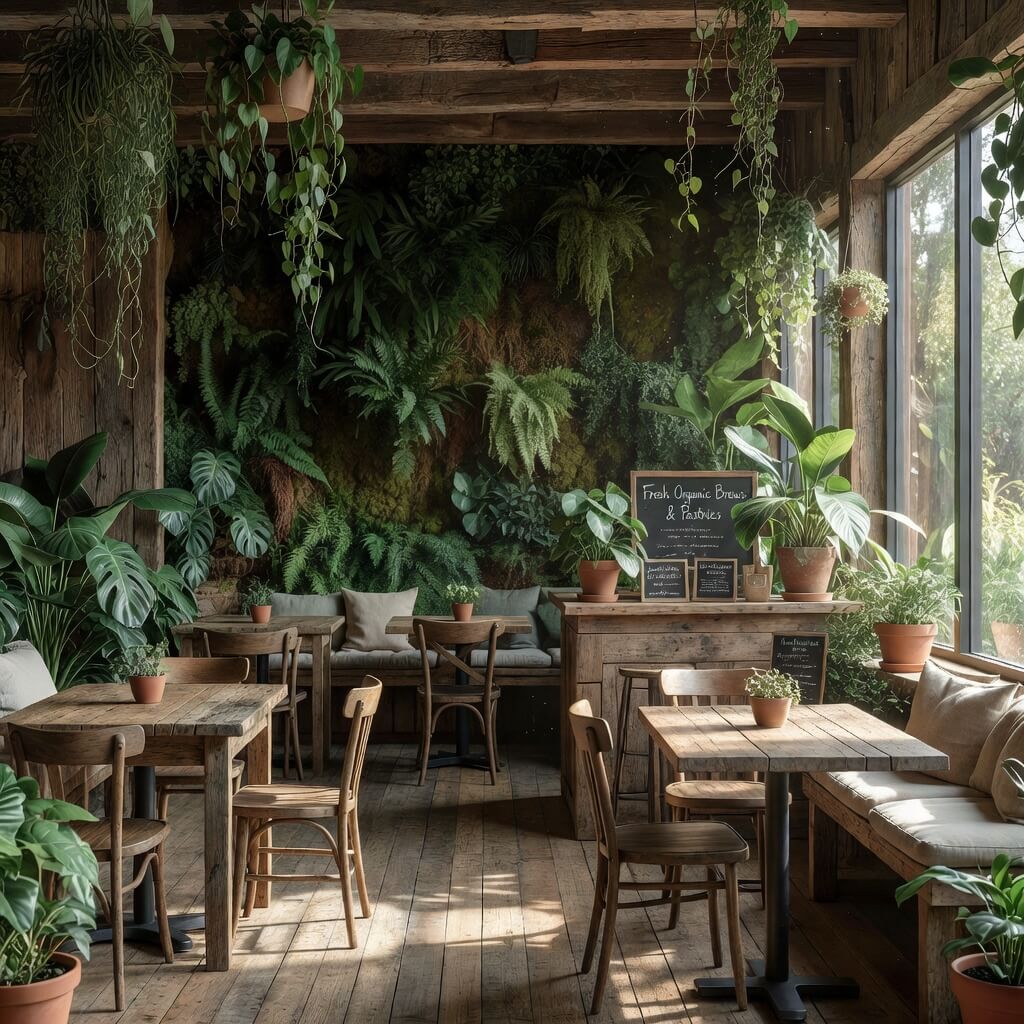
Want to know the cheapest way to make any space feel more expensive, fresh, and Instagram-worthy? Plants. Lots of them. I’m talking jungle vibes, green everywhere, the kind of space that makes people take deeper breaths without realizing why.
Plants do some serious heavy lifting in small café design. They purify air, add color and texture, fill awkward corners, create privacy between tables, and make spaces feel alive (because they literally are). Plus, they’re way cheaper than most décor options and they keep getting better with time instead of wearing out.
How to execute a plant-filled café without killing everything (or your budget):
- Start with hardy, low-maintenance plants like pothos, snake plants, or ZZ plants
- Use vertical space with hanging planters and wall-mounted pots
- Mix real and fake (controversial, but hear me out—some spots just don’t have good light)
- Create a plant wall as a focal point behind the counter
- Use plants as space dividers with tall floor plants
- Group plants in odd numbers for visual interest
- Choose pots that match your aesthetic (this ties everything together)
Here’s what nobody tells you about plants in coffee shops: they’re conversation starters. I can’t count how many times I’ve seen customers chatting about plants, asking staff about care tips, or even bringing in cuttings to share. It builds community in a way that regular décor just doesn’t.
The plant-filled look works especially well for small spaces because it draws the eye upward and outward, making your café feel bigger than it actually is. Plus, if you’re on a tight budget, you can literally grow your collection over time. Start with five plants, add more as you can afford them, and before you know it, you’ve got a jungle café that people rave about.
Luxury Look Small Coffee Shop Design on Budget
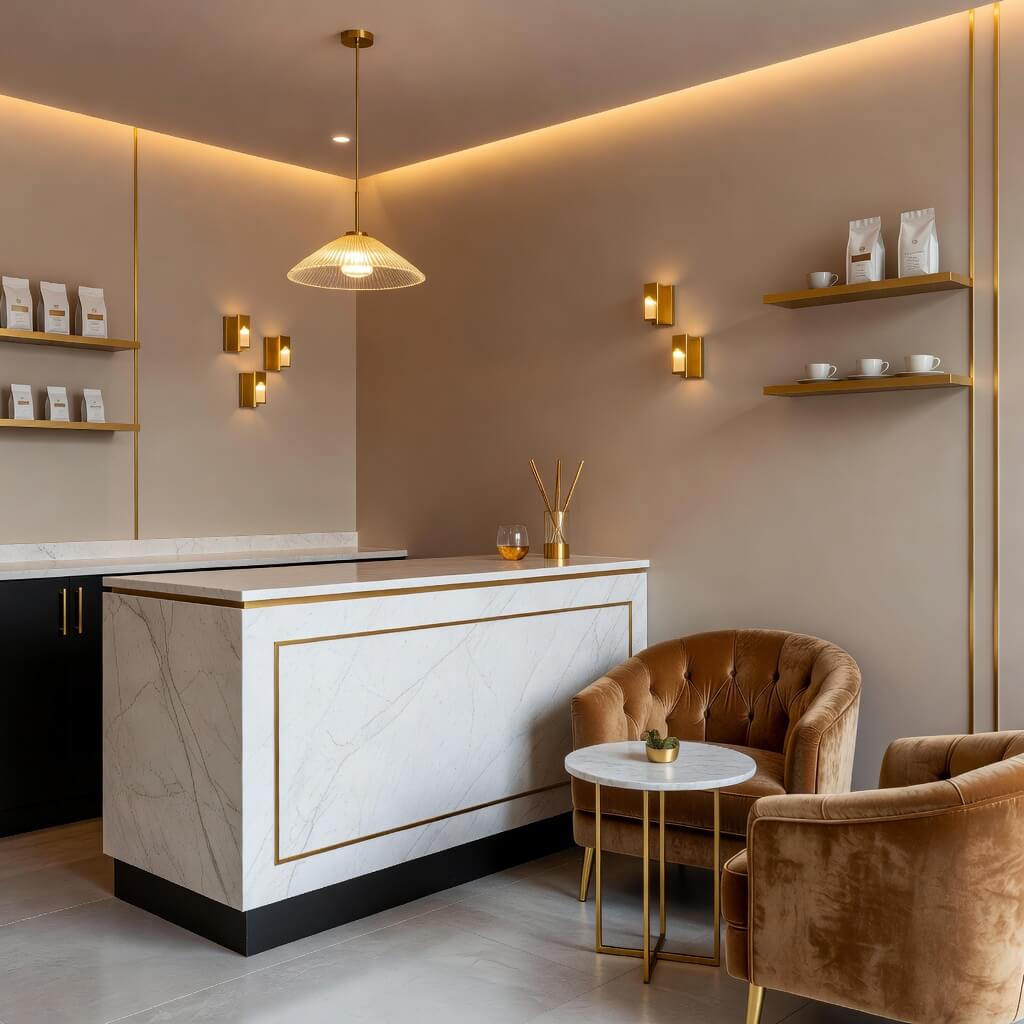
Here’s where we get a bit sneaky. You want that high-end, bougie café aesthetic without the high-end, bougie price tag? It’s totally possible, but it requires understanding what actually makes spaces feel luxurious versus what actually costs money. (Hint: they’re not always the same thing.)
Luxury is about perception—clean lines, quality materials in key spots, thoughtful details, and impeccable execution. You can fake a lot of it with smart choices and attention to detail.
How to create luxury vibes without luxury spending:
- Invest in lighting (this is non-negotiable—good lighting reads as expensive)
- Keep everything immaculate (cleanliness feels luxurious, always)
- Use mirrors strategically to add depth and reflection
- Add metallic accents (brass, copper, or gold-tone fixtures)
- Choose one rich material (maybe velvet for one seating area, or marble-look laminate for one surface)
- Create symmetry where possible (humans read symmetry as intentional and upscale)
- Pay attention to small details (nice soap in the bathroom, real plants, quality napkins)
- Use a sophisticated color palette (jewel tones or monochromatic schemes)
I visited a tiny café in my neighborhood that feels like a million bucks. Their secret? They splurged on three things: amazing pendant lights, one velvet bench seat, and fancy wallpaper on a single accent wall. Everything else? Thrifted, DIY’d, or bought at discount stores. But because those three elements were so impactful and the space was meticulously clean and well-organized, your brain registered “expensive” even though the total budget was probably under $3,000.
The luxury look also comes from what you DON’T do. Avoid clutter, skip the tchotchkes, don’t go crazy with signage, and for the love of good coffee, please avoid those cheesy “But First, Coffee” mass-produced signs. :/
Vintage Retro Style Small Coffee Shop Ideas
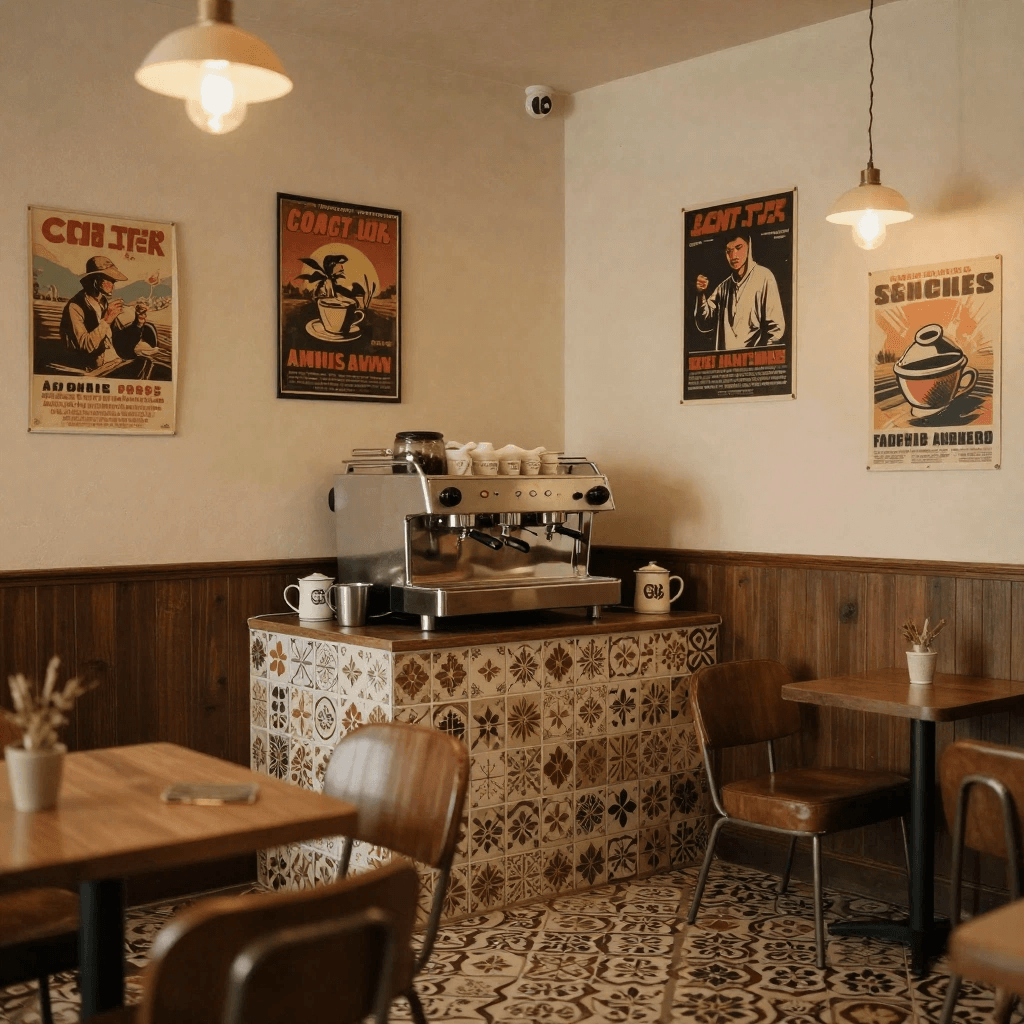
Okay, confession time: I’m a sucker for a good vintage vibe. There’s something about retro design that feels simultaneously nostalgic and fresh, especially when everyone else is going modern or industrial. Vintage style gives your coffee shop instant personality and history, even if you opened last Tuesday.
The beautiful thing about vintage and retro design? You’re literally shopping for old stuff, which is often way cheaper than new stuff. Estate sales, antique stores, flea markets, and your grandma’s garage become your shopping destinations. Just make sure you’re going for intentional vintage, not “we couldn’t afford real furniture so we grabbed whatever.”
Essential elements for vintage café design:
- Retro diner-style seating (red vinyl booths or chrome chairs)
- Vintage signs and advertisements (authentic or reproduction)
- Antique coffee equipment used as decoration
- Checkerboard or patterned floors (or floor tiles that mimic vintage styles)
- Old-school menu boards (the ones with removable letters)
- Vintage lighting (think art deco or mid-century modern fixtures)
- Mismatched vintage chairs around tables (the eclectic look is very in)
- Retro color schemes (mint green and pink, orange and brown, turquoise and red)
The key to pulling off vintage without looking like a themed restaurant? Mix eras and don’t go too literal. A 1950s diner replica feels gimmicky. A modern café with carefully chosen vintage elements feels curated and cool.
I’ve got a friend who designed her entire coffee shop using furniture and décor from the 1960s-1980s that she found at estate sales. Her total furniture budget was under $1,200, and her café has been featured in local magazines twice. People love spaces with character and history, even if that history is borrowed from someone else’s old dining room set.
Also Read: 10 Space Saving Shoe Rack Wall Design Ideas for Apartments
Space-Saving Compact Coffee Shop Seating Layout
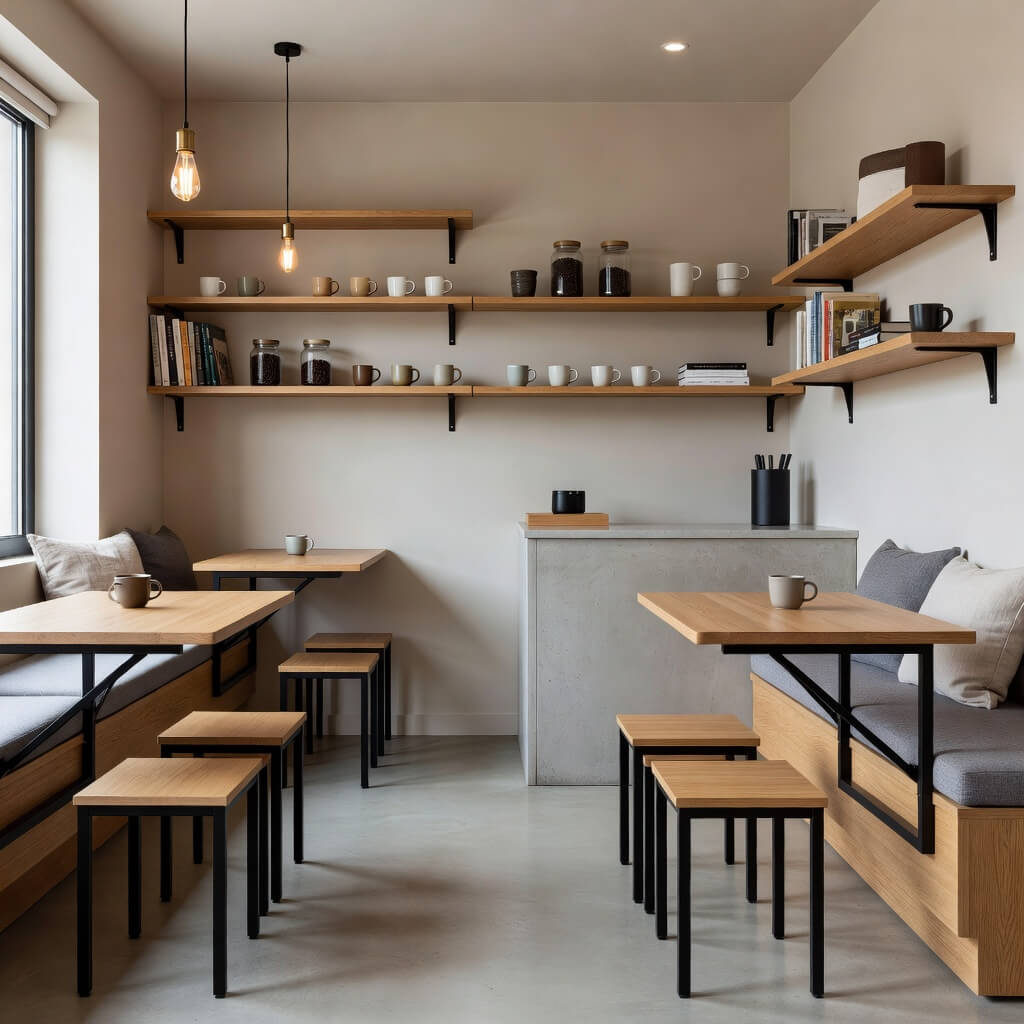
Right, let’s tackle the elephant in the (very small) room: how do you fit enough seating to make money without making people feel like sardines? This is where smart spatial planning separates the pros from the amateurs.
Small coffee shops need to maximize every square inch without feeling cramped or uncomfortable. It’s a delicate balance between capacity and comfort, and honestly? It requires some strategic thinking and maybe a little bit of ruthlessness about what actually needs to be in your space.
Space-saving seating strategies:
- Wall-mounted fold-down tables (people can use them during rush times, fold them up during slow periods)
- Bench seating along walls (saves space compared to chairs with backs that stick out)
- Communal tables (one long table seats more people than individual tables)
- Stackable or lightweight chairs (easy to rearrange based on needs)
- Window bars with high stools (uses otherwise wasted window space)
- Corner nooks with built-in seating (maximizes awkward spaces)
- Multi-level seating (if you have vertical space, use it)
- Keep pathways clear (36 inches minimum for comfortable navigation)
Here’s something I learned from observing successful tiny cafés: not every customer needs a table. Some people genuinely prefer grabbing their coffee and going. Others are happy perching at a narrow bar with a laptop. Design for different customer behaviors, not just traditional café seating.
Also, and this might be controversial, but sometimes less seating is better. I’d rather have eight really comfortable seats that turn over regularly than fifteen cramped ones that make everyone miserable. Happy customers come back and bring friends. Uncomfortable customers find somewhere else to hang out.
The smartest small café I’ve seen had maybe ten seats total, but they designed a beautiful outdoor bench area with planters that created about six more spots when weather permitted. They worked with their limitations instead of fighting them, and honestly? There’s almost always a line because everyone wants to snag one of those coveted seats.
Look, here’s the bottom line: designing a small coffee shop on a budget isn’t about limitations—it’s about creativity. Some of the most memorable, successful, and beloved cafés I’ve visited were tiny spaces designed by owners who had more vision than venture capital.
You don’t need massive square footage or unlimited funds to create a space where people want to spend time (and money). You need a clear vision, smart design choices, a willingness to DIY or hunt for deals, and the confidence to commit to your aesthetic. Whether you’re going cozy minimalist, rustic wooden, or full-on plant jungle, own it completely.
Start with one or two of these design ideas that resonate with your vision and budget. You don’t have to implement everything at once—coffee shops are living spaces that evolve over time. I’ve watched countless cafés grow and change as owners learn what works for their specific space and community.
And hey, if all else fails, just remember: good coffee and genuine hospitality can carry a lot of weight, even if your furniture comes from Craigslist and your décor is 90% plants and string lights. Sometimes the best design element in any café is the person behind the counter who remembers your name and your order. No amount of money can buy that.
Now go create something brilliant. Your future regular customers are waiting.