10 Stylish Small Terrace Ideas for a Luxury Mini Retreat
- Terrace Design
 Ben
Ben- 0
- 32 minutes read
You know that feeling when you step onto your small terrace and think, “There’s gotta be more I can do with this space”? I’ve been there, staring at my tiny outdoor area wondering how to transform it from a glorified storage spot into something that actually makes me want to spend time outside.
Here’s the thing about small terraces – they’re like that friend who’s small but mighty. You might think size limits your options, but I’ve discovered that some of the most stunning outdoor retreats I’ve seen pack serious style into compact spaces. The secret isn’t about having more room; it’s about making every square inch work harder and smarter.
I’ve spent years experimenting with different terrace setups, made plenty of mistakes (trust me, that oversized furniture phase was not my finest moment), and finally cracked the code on creating luxury vibes without breaking the bank or needing a mansion-sized space.
Cozy Boho Small Terrace Lounge Setup
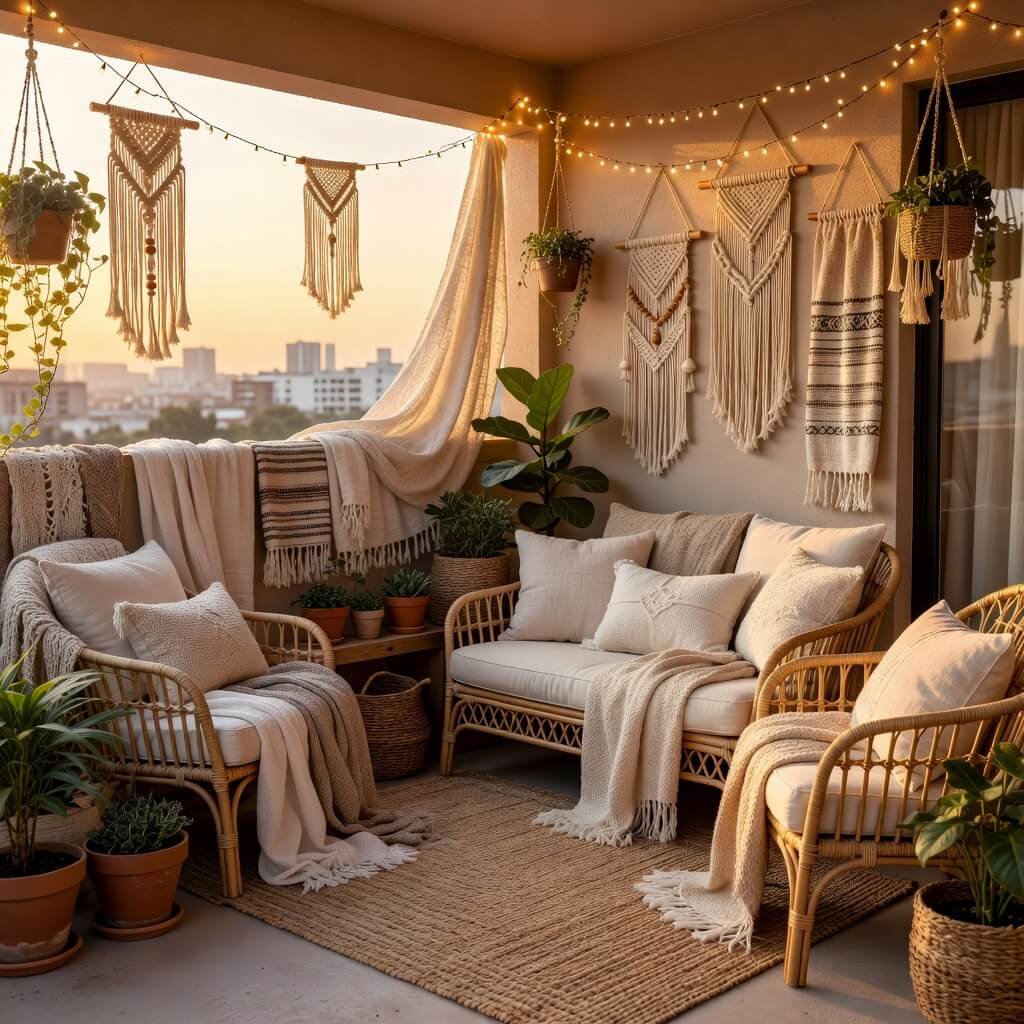
Boho style hits different when you nail it right. I’m talking about that effortless, “I just threw this together but it looks like a Pinterest board” vibe that everyone secretly wants to achieve.
The foundation of any killer boho terrace starts with layered textures. You want to create depth that draws people in and makes them want to sink into your space. I learned this the hard way after my first attempt looked more like a furniture showroom than a cozy retreat.
Here’s what actually works:
• Floor layers: Start with an outdoor rug as your base, then add smaller textured mats or even vintage kilim rugs if you can protect them from weather
• Seating variety: Mix low-profile cushions, poufs, and a hanging chair if you’ve got ceiling support
• Textile magic: Throw blankets, macramé wall hangings, and plenty of pillows in warm earth tones
The color palette makes or breaks this look. Stick to warm neutrals with pops of terracotta, mustard, and deep burgundy. I’ve found that adding too many bright colors kills the sophisticated boho vibe you’re going for.
Plant selection becomes crucial here. You want that jungle-meets-desert aesthetic, so think trailing plants like pothos or string of hearts mixed with some statement pieces like a fiddle leaf fig or bird of paradise. The key is creating different height levels – hanging plants, floor plants, and table-top greenery all working together.
Ever notice how the most Instagram-worthy boho spaces always have that perfect lighting? That’s because lighting is everything in this setup. String lights are obvious but effective. I prefer warm white LEDs over the harsh cool ones. Add some lanterns at different heights and maybe a few battery-operated candles for those evening hangout sessions.
Minimalist Urban Green Terrace Garden
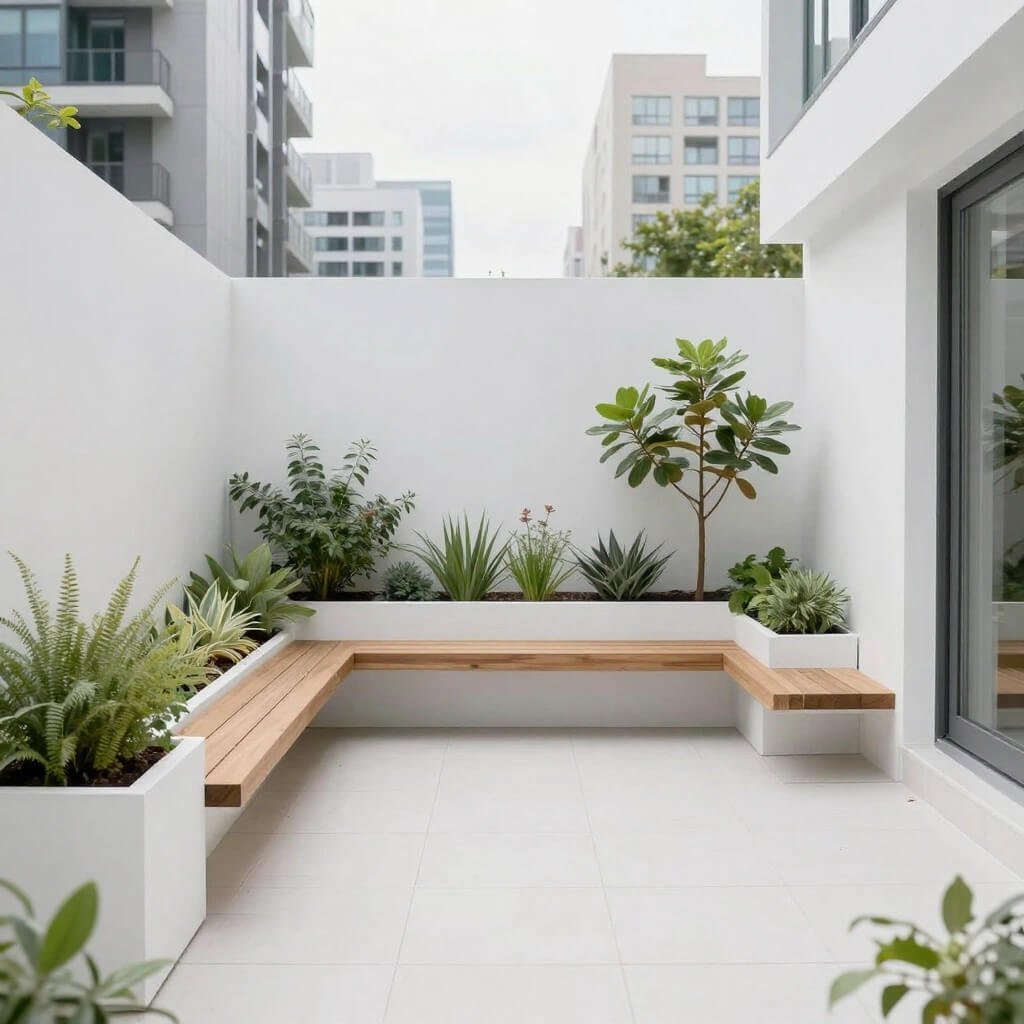
Minimalism isn’t about having less stuff – it’s about having the right stuff. When I first tried minimalist design, I made everything so sparse it felt like a doctor’s waiting room. The trick is finding that sweet spot between clean lines and actual comfort.
Your plant selection needs to be strategic and intentional. Forget the chaotic jungle look; we’re going for architectural plants that make statements without screaming for attention. Think snake plants, ZZ plants, and some structured succulents in matching planters.
Container choice matters more than you’d think. I’ve wasted money on mismatched pots that looked fine individually but created visual chaos together. Stick to one material family – all ceramic, all concrete, or all metal. The consistency creates that polished look that defines good minimalist design.
Here’s your plant lineup for maximum impact:
• Structural elements: Large planters with architectural plants like yucca or dragon trees
• Mid-level interest: Medium containers with hostas or ornamental grasses
• Ground coverage: Low planters with succulents or small flowering plants
The furniture in a minimalist setup should follow the “buy less, buy better” philosophy. One really good piece beats three mediocre ones every time. I’m talking about a sleek bench that doubles as storage, or a simple table that doesn’t compete with your plants for attention.
Color discipline is non-negotiable here. Choose a palette and stick to it religiously. I usually go with whites, grays, and one accent color. Too many colors and you’ve lost the minimalist vibe faster than you can say “design disaster.”
Budget-Friendly Small Terrace Makeover
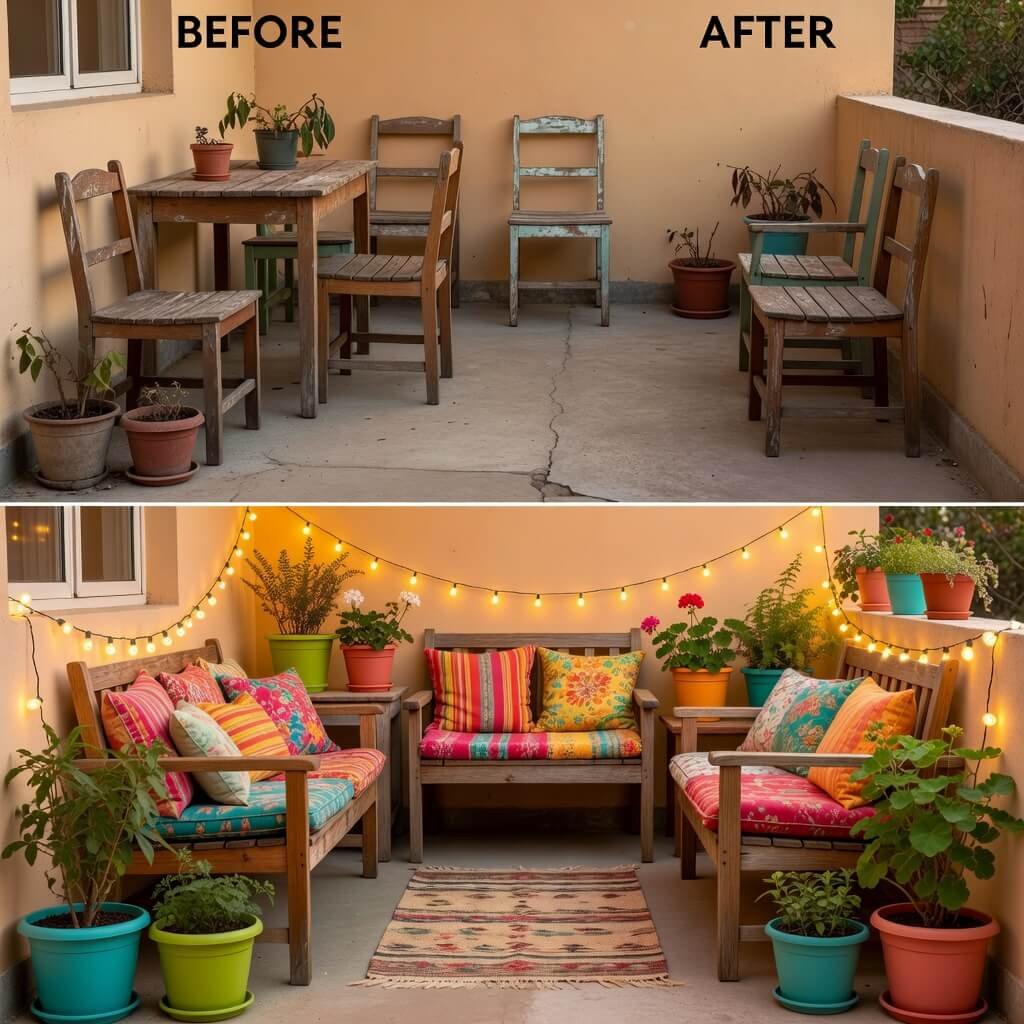
Let’s be real – luxury doesn’t have to mean expensive. Some of the best terrace transformations I’ve seen happened with more creativity than cash, and honestly? Those spaces often have more personality than their big-budget counterparts.
DIY projects become your best friend when you’re working with a tight budget. I’ve built plant stands from repurposed wood, created privacy screens from bamboo fence panels, and made cushion covers from outdoor fabric remnants. The satisfaction of creating something perfect for your space? Totally worth the weekend spent crafting.
Thrift stores and online marketplaces are goldmines for outdoor furniture. You just need to know what to look for. Metal chairs can be spray-painted, wooden pieces can be sanded and stained, and fabric items can be reupholstered. I once scored a teak dining set for $50 that just needed some TLC and new cushions.
Smart shopping strategies that actually work:
• End-of-season sales: Buy summer furniture in fall, winter decor in spring
• Clearance hunting: Check the back corners of garden centers for marked-down plants
• Multi-purpose items: Ottoman that stores cushions, table that converts to extra seating
Plant propagation saves serious money over time. Those expensive trailing plants you see in fancy outdoor spaces? You can grow them from cuttings. I started with one pothos cutting from a friend and now have enough plants to fill three terraces. The patience pays off, trust me.
Container gardening doesn’t require expensive planters. I’ve used everything from old boots (drainage holes are key!) to repurposed food containers painted to match my color scheme. The plants don’t care what they’re growing in as long as they’ve got proper drainage and enough space.
Also Read: 10 Dreamy Open Terrace Ideas for Cozy Night Ambience
Vertical Garden Terrace Wall Design
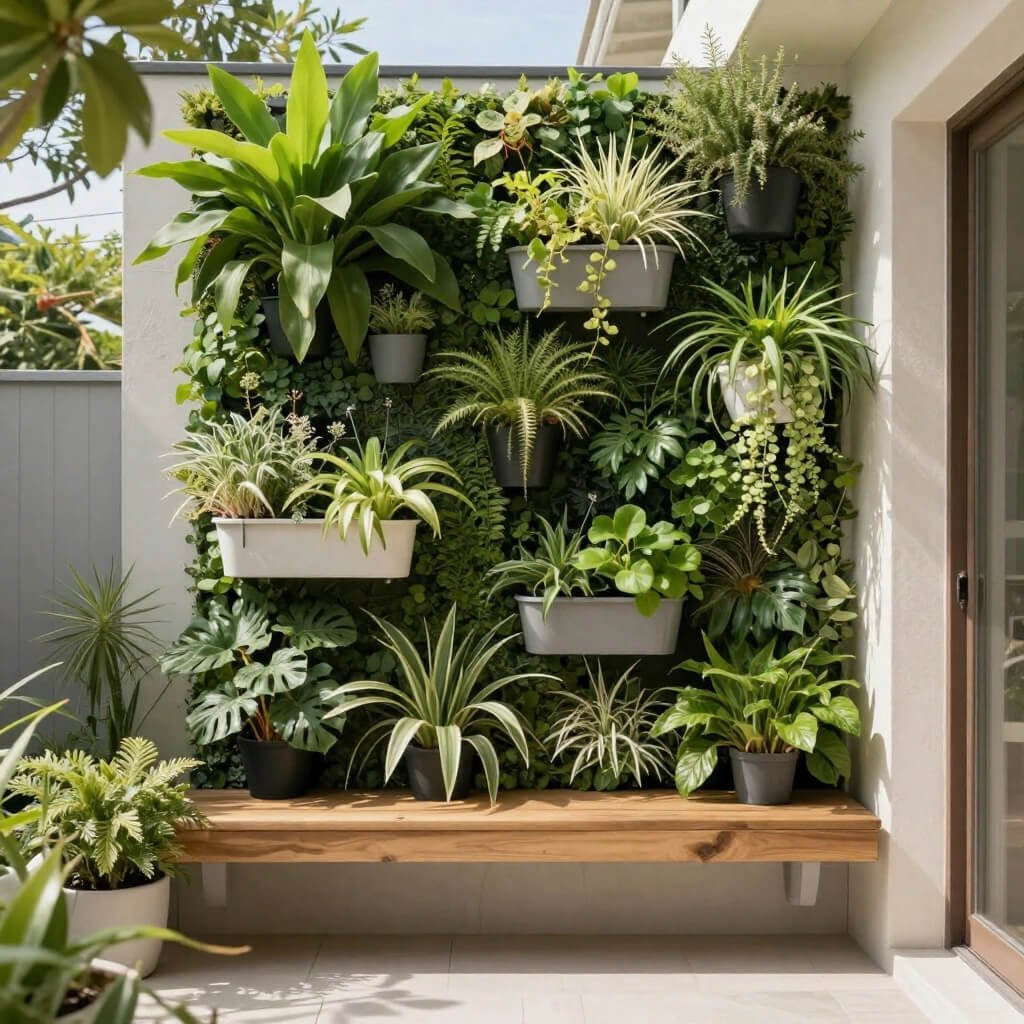
When floor space is limited, you think up. Vertical gardening revolutionized how I approach small terraces, and once you see how much growing space you can create on walls, you’ll never look at bare surfaces the same way.
The engineering side matters more than most people realize. You’re essentially creating a living wall system that needs to support weight, provide drainage, and allow for plant growth. I learned this lesson when my first attempt collapsed during a rainstorm – not exactly the aesthetic I was going for :/.
Support structure is everything. You need mounting systems that can handle wet soil weight, which is significantly heavier than dry soil. I prefer metal grid systems or purpose-built vertical planter systems over DIY solutions for anything larger than a few small pots.
Successful vertical garden components:
• Irrigation system: Hand-watering a wall garden gets old fast; drip systems or self-watering planters save your sanity
• Plant selection: Choose plants with similar water and light requirements for each section
• Drainage solutions: Water needs somewhere to go, and your neighbors won’t appreciate surprise waterfalls
Plant placement follows hierarchy rules. Heavy feeders and larger plants go toward the bottom, while lighter, trailing plants work better higher up. I’ve found that creating visual clusters rather than uniform spacing creates more natural, appealing arrangements.
Maintenance becomes easier when you plan for it from the beginning. Can you reach every planter for pruning? Is there adequate lighting for all levels? Will you be able to replant sections without dismantling the entire system? These questions save major headaches later.
Small Terrace Café Style Seating Corner
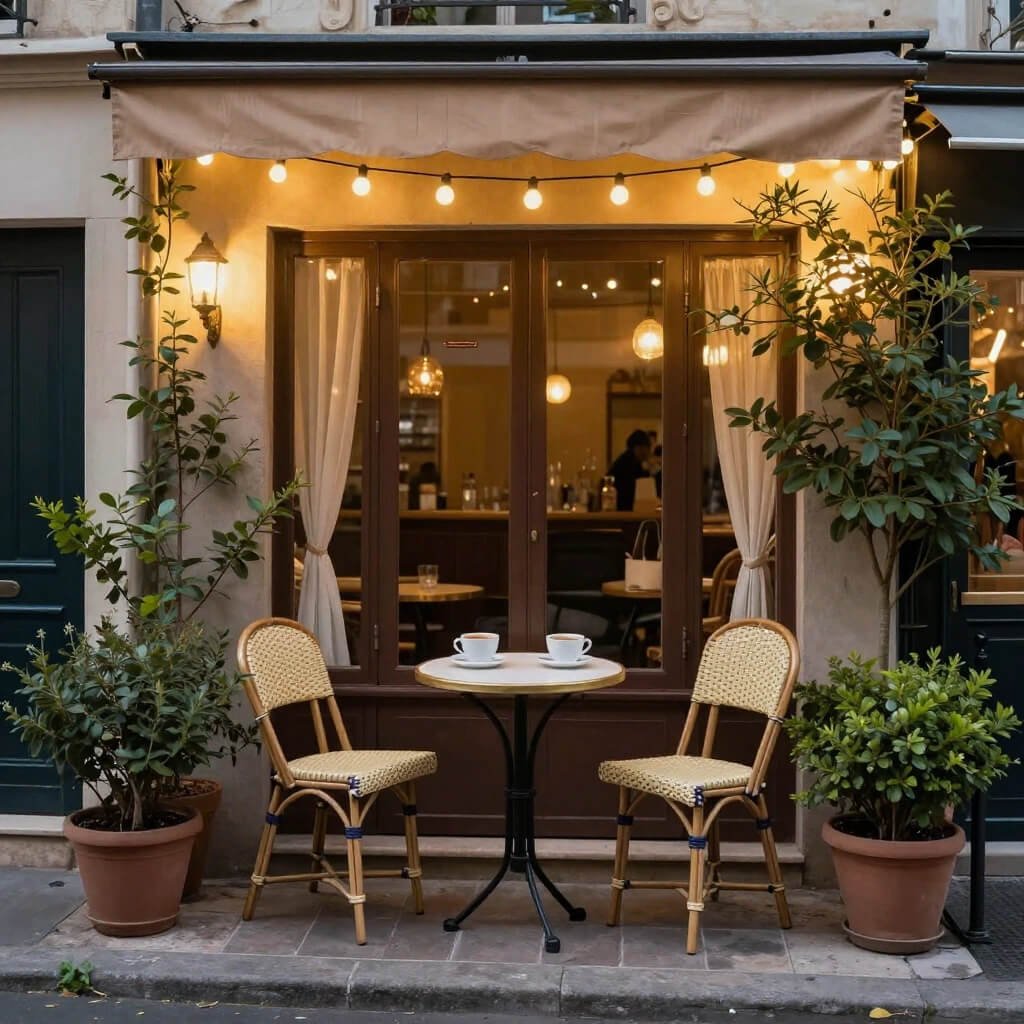
There’s something magical about recreating that perfect café corner where you could spend hours with a good book and better coffee. The challenge is capturing that vibe without the bustling street scene and endless espresso supply.
Bistro furniture forms the foundation of this look. Small round tables, metal chairs with curved backs, and that slightly worn aesthetic that suggests countless conversations and lazy afternoon. I hunt for pieces that look like they’ve got stories to tell rather than fresh-from-the-factory perfection.
The seating arrangement needs to feel intentional but not rigid. You want conversation-friendly positioning that also works for solo relaxation. I’ve found that angling chairs slightly toward each other rather than placing them perfectly parallel creates a more inviting dynamic.
Essential café corner elements:
• Compact table: Round works better than square in tight spaces; aim for 24-30 inch diameter
• Comfortable chairs: Test before you buy – cute doesn’t matter if sitting hurts after 10 minutes
• Weather protection: Umbrella or overhead coverage for sun and light rain
• Surface styling: Small planters, candles, or a permanent centerpiece that won’t blow away
Ambiance details make or break this setup. String lights create that golden hour feeling even at noon. Small planters with herbs like rosemary or lavender add sensory appeal – nothing beats brushing against fragrant plants while you’re relaxing. A small side table for books, drinks, or plants gives you function without cluttering your main table.
The café aesthetic relies heavily on patina and character. New stuff can work, but weathered metals, slightly faded fabrics, and plants that look established rather than just-planted create authentic charm that you can’t fake.
Modern Luxury Small Terrace Retreat
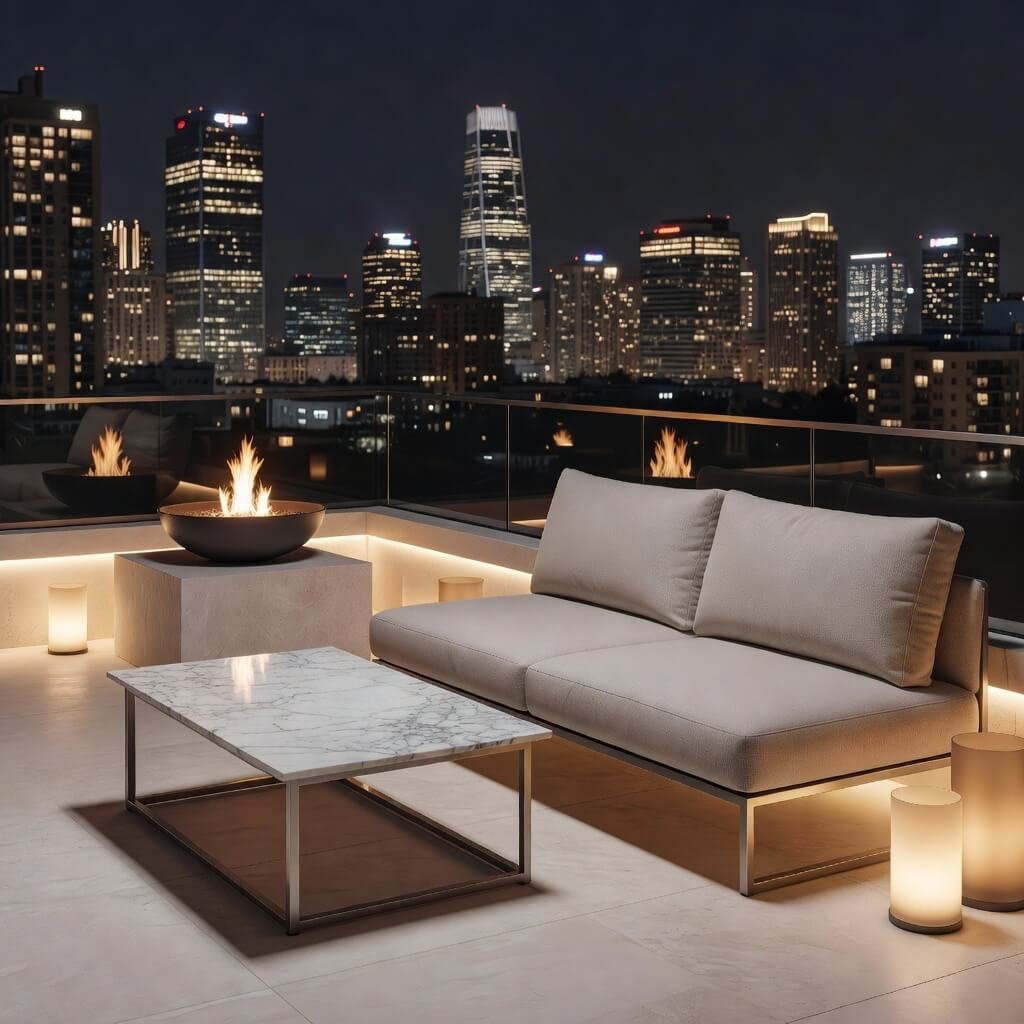
Luxury in small spaces requires precision. Every element needs to earn its place through function, beauty, or both. This isn’t about showing off expensive stuff; it’s about creating an environment that feels effortlessly sophisticated.
Material quality becomes paramount when you’re working with limited pieces. One gorgeous teak lounger beats three mediocre plastic chairs every time. The investment pays off in durability, comfort, and that indefinable sense of refinement that cheap alternatives never quite achieve.
The color palette should be sophisticated and restrained. I lean toward monochromatic schemes with one carefully chosen accent color. Think charcoal, cream, and warm brass, or deep navy, white, and copper. Too many colors compete for attention in small spaces.
Luxury material combinations that work:
• Natural stone or high-quality composite decking for flooring
• Teak or powder-coated aluminum for furniture frames
• Solution-dyed acrylic or Sunbrella fabrics for cushions and shade
• Brass or brushed stainless steel for lighting and hardware accents
Lighting design separates amateur from professional setups. Layer your lighting with ambient (string lights or lanterns), task (reading lights), and accent (uplighting for plants) sources. Dimmer controls let you adjust the mood from bright and energetic to soft and romantic.
Plant selection should emphasize architectural forms and sophisticated colors. Skip the bright annuals in favor of structural evergreens, ornamental grasses, and plants with interesting foliage. The goal is creating year-round interest without constant replanting.
Also Read: 10 Wonderful Rooftop Terrace Design Ideas for Budget Makeovers
Tiny Rooftop Terrace with Fairy Lights
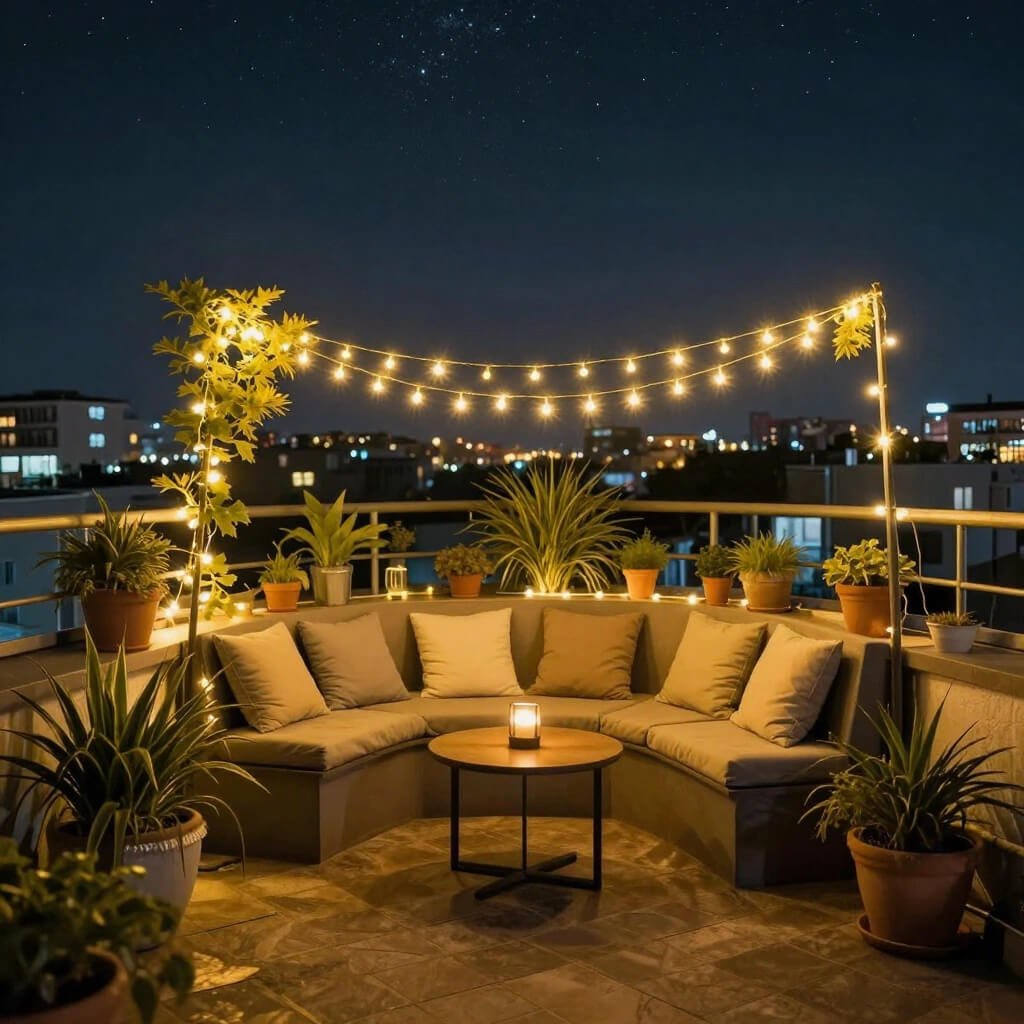
Rooftop terraces come with unique challenges – wind, sun exposure, and often zero natural shelter. But they also offer incredible opportunities for creating magical spaces that feel completely removed from street-level reality.
Wind protection becomes your first priority. I learned this during my first rooftop dinner party when every napkin ended up three buildings over. Strategic placement of tall planters, screens, or even clear wind barriers can create surprisingly calm microclimates within your space.
Fairy lights transform any space, but rooftops offer special opportunities for dramatic lighting effects. You can create canopies, wrap vertical elements, or even outline the entire perimeter. The key is using warm-toned LEDs and avoiding the harsh, cool-white lights that make everything look like a parking lot.
Rooftop lighting strategies:
• Overhead canopies: String lights between anchor points to create ceiling effects
• Perimeter definition: Outline railings or edges to define your space boundaries
• Vertical accents: Wrap plants, posts, or furniture legs for layered lighting
• Ground-level: Solar stake lights or lanterns for pathway definition
Plant selection needs to account for extreme conditions. Rooftops are basically deserts – hot, windy, and often lacking natural water sources. I stick to drought-tolerant plants and invest in good irrigation systems. Self-watering planters save your sanity during hot summers.
The furniture needs to be either heavy enough to stay put or easy to secure. Lightweight pieces look great until the first strong wind turns your carefully arranged setup into projectiles. I prefer heavier materials or furniture with built-in tie-down points.
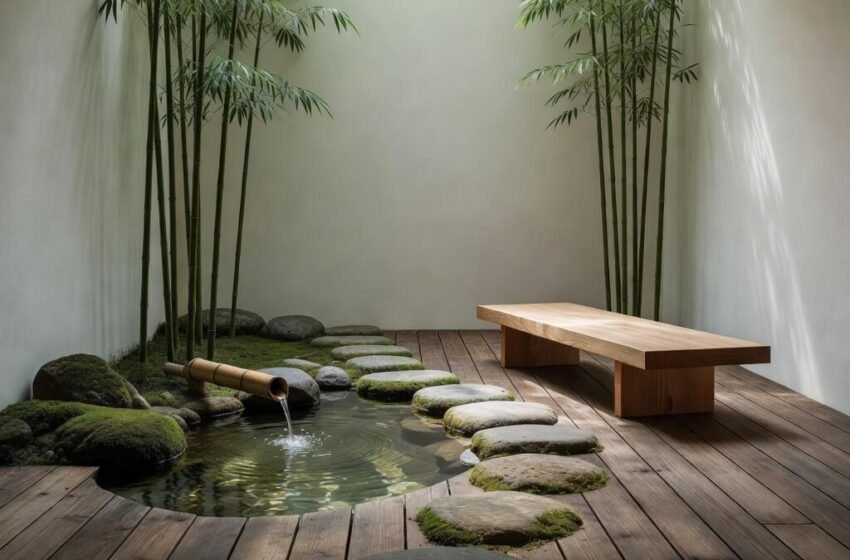
Japanese Zen Inspired Small Terrace Space
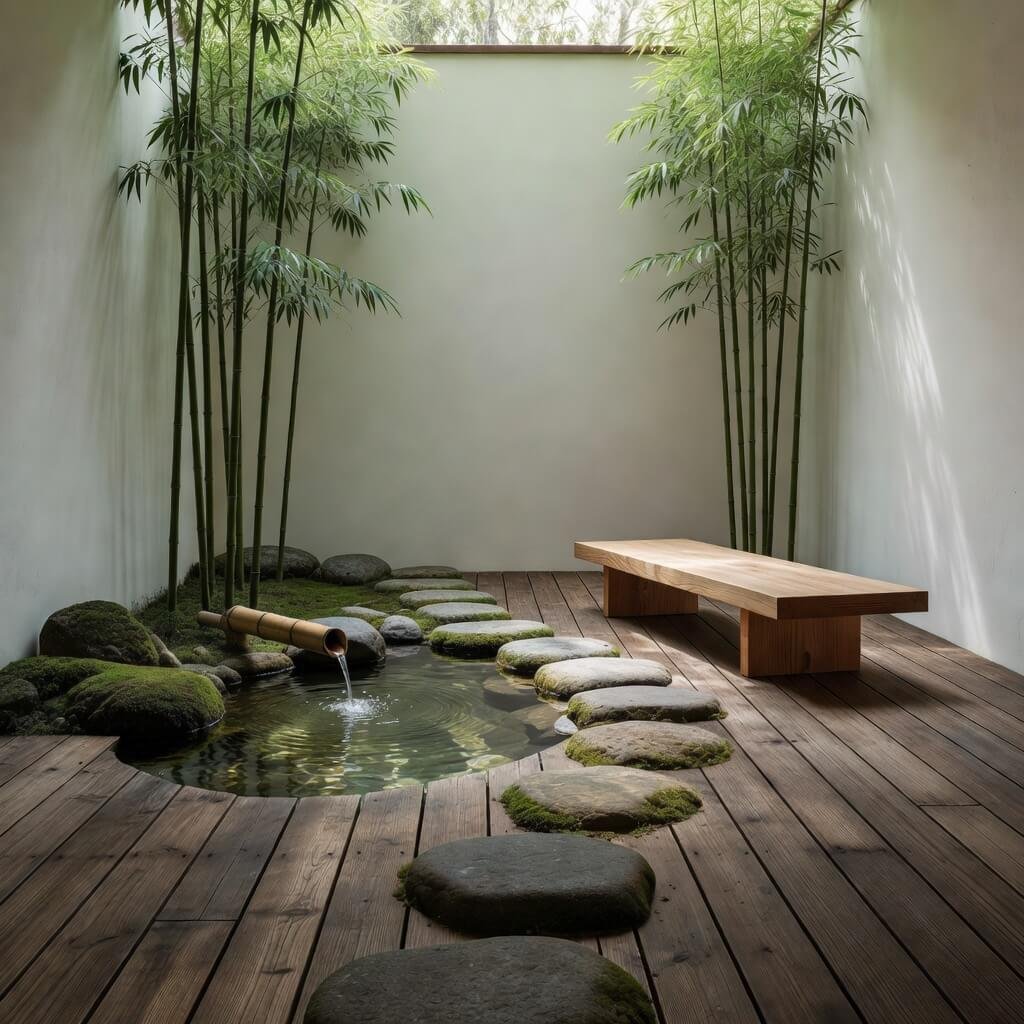
Zen design teaches us that less truly can be more, but achieving authentic zen aesthetics requires understanding the principles behind the style, not just copying the look.
Balance and asymmetry guide every decision in zen design. Western minds often equate balance with symmetry, but Japanese aesthetics embrace dynamic balance through carefully considered asymmetrical arrangements. Three rocks of different sizes create more visual interest than two identical ones.
The material palette should emphasize natural textures and muted colors. Think weathered wood, natural stone, and plants in shades of green with minimal flowering varieties. The goal is creating a space that feels timeless and connected to nature rather than trendy or flashy.
Essential zen elements for small terraces:
• Water feature: Even a small fountain or water bowl adds crucial sound and movement
• Natural materials: Wood, stone, bamboo, and ceramic in their natural colors
• Carefully curated plants: Ferns, mosses, small Japanese maples, or bamboo varieties
• Negative space: Empty areas are as important as filled ones
The arrangement follows principles of ma (negative space) and wabi-sabi (finding beauty in imperfection). You’re not trying to fill every corner; you’re creating breathing room that lets each element shine. A single perfect stone can be more impactful than a collection of mediocre ones.
Maintenance becomes part of the zen practice. Regular pruning, cleaning, and tending aren’t chores – they’re opportunities for mindful interaction with your space. The goal is creating an environment that promotes calm reflection rather than demanding constant attention.
Small Terrace Dining Area with Plants
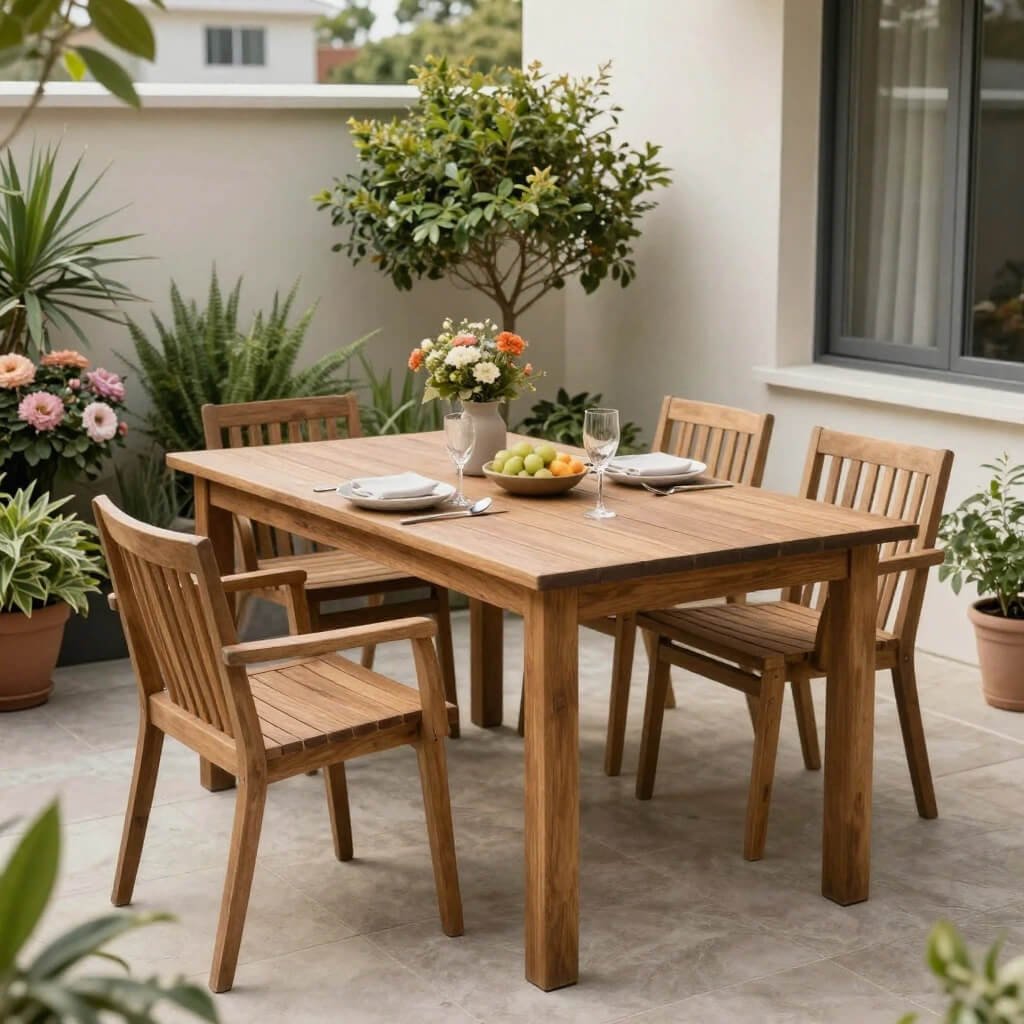
Creating a functional dining space in a small terrace requires strategic thinking about traffic flow, comfort, and ambiance. You want people to linger over meals, not feel cramped or rushed.
Table sizing matters more than you’d think. Too small and you can’t fit proper place settings; too large and you can’t move around the space. I’ve found that 30-inch round tables work perfectly for two people, while 36-inch rounds can accommodate four if needed. Rectangular tables require more clearance but can work better against walls.
Plant integration shouldn’t be an afterthought. Strategic placement creates natural room division, adds privacy, and brings life to your dining experience. I prefer larger statement plants over lots of small ones – they create more dramatic impact without cluttering surfaces.
Dining area plant strategy:
• Corner anchors: Large planters with substantial plants to define space boundaries
• Table-level interest: Medium plants on stands or hanging varieties at eye level
• Aromatic herbs: Basil, rosemary, or mint within easy reach for cooking
• Seasonal color: Rotating planters with flowering plants for special occasions
Seating comfort becomes critical when you want people to stay and enjoy meals. Those cute metal chairs might look great, but if they’re uncomfortable after 20 minutes, your dinner parties will be short affairs. Invest in proper cushions or choose chairs with ergonomic design.
Lighting for dining needs to be flattering and functional. You want enough light to see your food clearly but not so much that it feels like a cafeteria. I prefer warm, dimmable options that can adjust from bright task lighting to romantic ambiance as the evening progresses.
Also Read: 10 Relaxing Terrace Garden Ideas for Peaceful Living Space
Privacy-Focused Green Screen Terrace Design
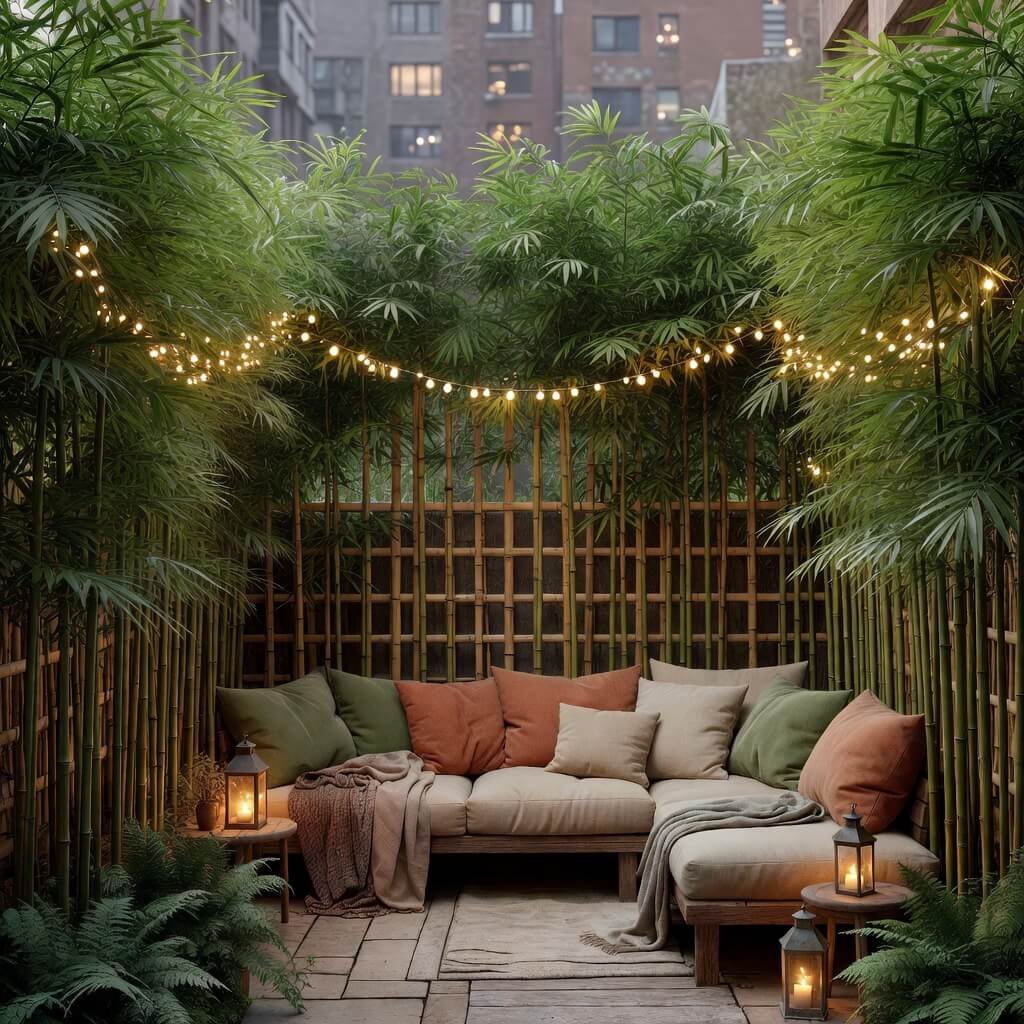
Urban terraces often suffer from goldfish bowl syndrome – everyone can see everything you’re doing. Creating privacy without feeling closed-in requires strategic screening that adds beauty while blocking unwanted views.
Living screens work better than solid barriers for most situations. Plants filter views while maintaining airflow and visual interest. Solid walls can make small spaces feel claustrophobic, while plant screens create filtered privacy that feels more natural and inviting.
The plant selection should prioritize fast-growing, dense foliage varieties that provide coverage quickly. I’ve had success with climbing vines on trellises, tall ornamental grasses in planters, and even small trees in large containers for instant impact.
Effective privacy plant options:
• Fast-growing vines: Clematis, honeysuckle, or Virginia creeper on trellises
• Tall grasses: Bamboo varieties, miscanthus, or fountain grass in large planters
• Screening shrubs: Boxwood, privet, or evergreen varieties for year-round coverage
• Climbing plants: Ivy, jasmine, or grape vines for vertical coverage
Screen placement requires strategic thinking about sight lines and seasonal changes. What provides privacy in summer might leave you exposed in winter if you choose deciduous plants. I prefer mixing evergreen and deciduous varieties for year-round coverage with seasonal interest.
The screening structure needs to be robust enough to support mature plant growth. Lightweight trellises work initially but may fail as plants gain weight and catch wind. Investing in proper support systems saves replanting and reconstruction later.
FYI, you don’t need to block every possible view – just the main ones that bother you. Strategic screening often works better than trying to create complete enclosure, which can make small spaces feel claustrophobic.
Bringing It All Together
Here’s what I’ve learned after years of experimenting with small terrace designs: the best spaces aren’t about following rules perfectly, they’re about understanding principles and adapting them to your specific situation.
Your terrace should reflect your personality and lifestyle, not just look good in photos. If you’re someone who loves entertaining, prioritize seating and lighting. If you’re more of a quiet morning coffee person, focus on creating a peaceful retreat with comfortable seating and beautiful views.
The most successful small terrace transformations I’ve seen combine elements from multiple styles rather than sticking rigidly to one aesthetic. Maybe you love the plant density of the vertical garden idea but prefer the furniture style from the café corner setup. That’s totally valid – your space should make you happy, not win design awards.
Budget constraints don’t have to limit creativity. Some of my favorite terrace elements have been DIY projects or thrift store finds that I customized to fit my vision. The key is investing your time and energy thoughtfully rather than just throwing money at problems.
Maintenance reality check: choose a design complexity level that matches your available time and interest. A high-maintenance setup that you neglect will always look worse than a simple design that you keep in great condition.
Remember, creating your perfect small terrace retreat isn’t a one-time project – it’s an evolving process. Start with one area or element and build from there. Your terrace will develop character and functionality over time as you discover what works best for your lifestyle and space.
Whether you’re drawn to bohemian coziness, minimalist sophistication, or zen tranquility, the key is starting somewhere and being willing to adjust as you learn what makes your space truly feel like a luxury retreat. Trust me, that moment when you step onto your transformed terrace and think “I actually created this” – that’s when you know you’ve succeeded.