
5 Steps-How to Light a Gas Fireplace with Electronic Ignition


Lighting a gas fireplace with electronic ignition represents a significant advancement in home heating technology, offering homeowners unprecedented convenience, energy efficiency, and safety compared to traditional standing pilot systems. These modern systems eliminate the need for a continuously burning pilot light, instead igniting only when you desire warmth and ambiance. Understanding the proper procedures for how to light a gas fireplace with electronic ignition is essential for maximizing your fireplace’s performance while ensuring safe operation.
This comprehensive guide will walk you through everything you need to know about electronic ignition systems. We’ll explore the different types available, provide detailed step-by-step lighting instructions, troubleshoot common problems, and outline essential maintenance practices. Whether you’re a new homeowner or simply new to electronic ignition technology, this article will equip you with the knowledge to confidently and safely operate your gas fireplace throughout the heating season.
Section 1: Understanding Electronic Ignition Systems
Electronic ignition systems represent the modern evolution of gas fireplace technology, offering significant improvements over traditional standing pilot systems. Unlike older models that maintain a constant small flame, electronic ignition systems only activate when needed, creating sparks or heating an element to ignite the gas precisely when you want warmth .
How Electronic Ignition Works
When you activate your fireplace—whether via remote control, wall switch, or control panel—the system initiates a precise sequence. The control module, acting as the system’s brain, first signals the gas valve to release a small amount of gas to the pilot assembly. Simultaneously, it activates the ignitor, which creates a spark or heats up to ignite this gas. Once a flame sensor confirms successful ignition, the module opens the main gas valve, allowing the pilot light to ignite the primary burners .
Types of Electronic Ignition Systems
There are several electronic ignition technologies available, each with distinct characteristics:
- Intermittent Pilot Ignition (IPI): This popular system creates a spark to light the pilot only when the fireplace is turned on, making it highly energy-efficient. The pilot then ignites the main burner .
- Hot Surface Ignition (HSI): This system uses an electrically heated element (similar to a filament) to directly ignite the main burner gas without a pilot light, offering quick ignition and high efficiency .
- Millivolt Ignition System: While technically not electronic ignition, this system uses a standing pilot light that generates electricity to power the system, allowing operation during power outages but consuming more gas .
Advantages Over Traditional Systems
Electronic ignition systems offer several significant benefits :
- Energy Efficiency: By eliminating the continuously burning pilot light, these systems can save homeowners approximately $75 per heating season in gas costs .
- Enhanced Safety: Multiple safety mechanisms automatically shut off gas flow if ignition fails or the flame goes out, preventing dangerous gas accumulation .
- Improved Control: Most systems integrate with remotes, wall switches, or thermostats for precise flame and temperature control .
- Reduced Maintenance: Without a constant pilot light, there’s less susceptibility to drafts blowing out the flame and requiring relighting .
Table: Electronic Ignition System Comparison
| System Type | Ignition Method | Power Requirement | Best For |
|---|---|---|---|
| Intermittent Pilot (IPI) | Sparks to light pilot on demand | Household current or battery backup | Energy-conscious homeowners |
| Hot Surface Ignition (HSI) | Heated element ignites main burner directly | Household current | Quick, efficient heating |
| Millivolt System | Standing pilot light | Self-powered by pilot | Power outage preparedness |
Section 2: Essential Safety Precautions Before Lighting
Safety should always be your top priority when operating any gas appliance. Taking proper precautions before lighting your fireplace can prevent dangerous situations and ensure safe operation .
Gas Leak Detection
Before attempting to light your fireplace, always check for gas leaks. Use your sense of smell to detect the distinctive sulfur-like odor added to natural gas and propane. If you detect even a faint gas smell :
- Do not attempt to light the fireplace
- Evacuate the area immediately
- Avoid operating electrical switches or creating sparks
- Contact your gas company or a professional technician from a safe location
Ventilation Requirements
Proper ventilation is crucial for safe operation. For vented fireplaces, ensure the chimney damper or vent is fully open before lighting to prevent carbon monoxide buildup. Even vent-free models require adequate room airflow—check your manufacturer’s guidelines for specific ventilation requirements .
Clearance and Combustible Materials
Maintain proper clearances around your fireplace. Keep flammable materials such as furniture, curtains, decorations, and books at least three feet away from the fireplace opening. Modern gas fireplaces include protective barrier screens or safety glass that can reach temperatures exceeding 400°F within minutes—essential protections, especially in homes with children or pets .
Carbon Monoxide Safety
Every home with gas appliances should have functioning carbon monoxide detectors installed on every level, particularly near sleeping areas. Test these detectors monthly and replace them according to manufacturer guidelines (typically every 5-7 years). Place detectors at least 15 feet from the fireplace to reduce false alarms while maintaining effective monitoring .
Section 3: Step-by-Step Lighting Instructions
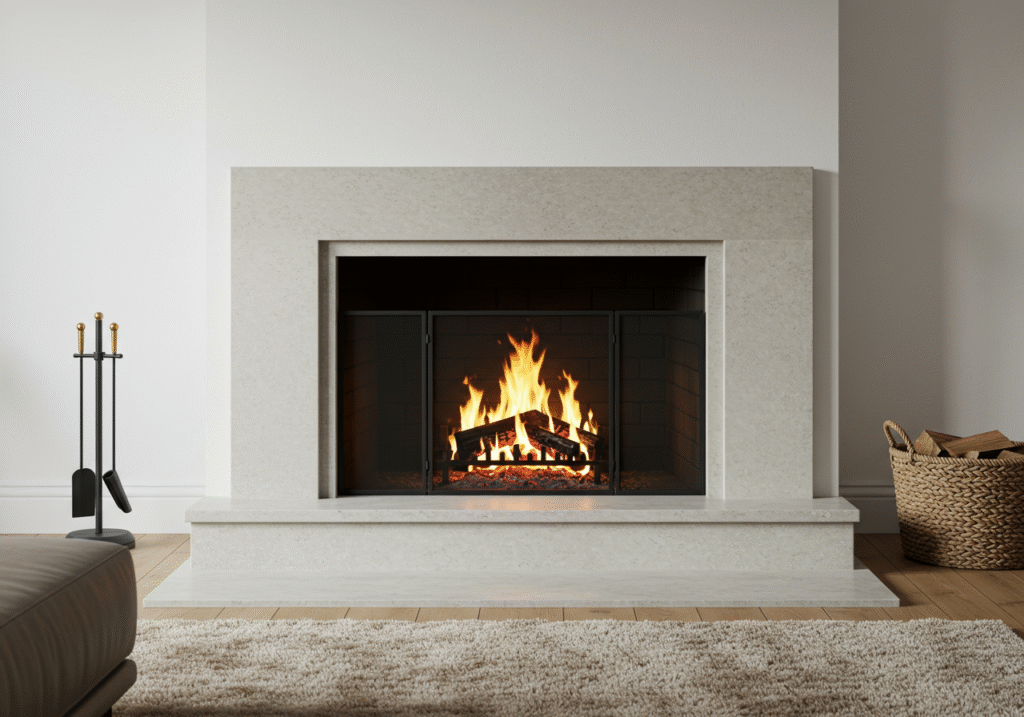
The process for lighting a gas fireplace with electronic ignition varies slightly depending on your specific system. Below are detailed instructions for the most common configurations.
Systems with Control Panel and Ignition Button
Many electronic ignition fireplaces feature a manual control panel, typically located behind a lower louver or access panel :
- Locate the Control Panel: Find and open the access panel to reveal the control module with its knobs and switches .
- Turn Gas Valve to “Off”: Set the control knob to the “Off” position and wait at least five minutes to allow any accumulated gas to dissipate .
- Initiate Pilot Ignition: Turn the knob to the “Pilot” position, then press and hold it down. While holding the knob, press the ignition button repeatedly (typically for about 30 seconds) until the pilot light ignites .
- Verify and Sustain Pilot Flame: Continue holding the control knob down for approximately 30-60 seconds after the pilot ignites. This allows the safety sensor to heat up and recognize the flame .
- Activate Main Burner: Once the pilot remains lit after releasing the knob, turn it to the “On” position. The main burner should ignite, providing full fireplace operation .
Systems with Wall Switch or Remote Control
Modern electronic ignition systems offer the convenience of switch or remote operation :
- Ensure System Readiness: Verify that the area around the fireplace is clear and that vents are open .
- Activate the System: Simply flip the wall switch or press the “On” button on your remote control .
- Observe Ignition Sequence: The system will automatically initiate the ignition sequence—you should hear sparking or see the pilot light ignite within a few seconds, followed by the main burner .
- Adjust Settings: Use your remote or wall control to adjust flame height and thermostat settings if your system supports these features .
Understanding Pilot Light Modes
Many electronic ignition systems offer two operational modes :
- Intermittent Pilot Ignition (IPI): The default mode where the pilot lights only when the fireplace is activated, maximizing energy efficiency .
- Continuous Pilot Ignition (CPI): A mode where the pilot remains lit continuously, recommended for cold climates (below 50°F) to maintain proper draft and prevent condensation issues .
Section 4: Troubleshooting Common Problems
Even well-maintained electronic ignition systems can occasionally experience issues. Understanding common problems and their solutions can help you restore operation safely.
Pilot Light Won’t Ignite
If the pilot light fails to ignite during the lighting sequence :
- Check Power Source: Ensure the fireplace is receiving power. Check circuit breakers for hardwired units, or replace batteries in remote controls and battery-operated systems .
- Verify Gas Supply: Confirm that the main gas shut-off valve is open and that other gas appliances in your home are functioning .
- Cold Weather Considerations: In colder climates, air in the gas lines or cold components can delay ignition. Try the ignition sequence multiple times to purge air from the line .
Pilot Lights But Won’t Stay Lit
If the pilot light ignites but extinguishes when you release the control knob :
- Extended Holding Time: Try holding the control knob down longer (up to 60-90 seconds) to ensure the flame sensor adequately heats up .
- Sensor Issues: The thermocouple or flame sensor may be faulty, dirty, or mispositioned. These components typically require professional inspection and possible replacement .
- Drafts: Check for drafts that might be blowing out the pilot light once ignited .
Main Burner Won’t Ignite After Pilot is Lit
When the pilot remains lit but the main burner fails to ignite :
- Thermopile Issues: A weak or faulty thermopile may not generate sufficient electricity to open the main gas valve .
- Control System Problems: Faulty wall switches, remote controls, or wiring may prevent the signal from reaching the gas valve .
- Gas Valve Malfunction: The main gas valve itself may be defective and require professional replacement .
Understanding Error Codes
Many modern electronic ignition systems feature self-diagnostic capabilities that display error codes. These codes indicate specific issues such as overheating, faulty sensors, or gas supply problems. Consult your owner’s manual for code interpretations, and share this information with a professional technician for efficient troubleshooting .
Section 5: Maintenance Guidelines for Optimal Performance
Regular maintenance is essential for keeping your electronic ignition system operating safely and efficiently throughout its lifespan.
Professional Annual Service
Schedule a professional inspection and cleaning at least once per year, ideally before the heating season begins. A qualified technician will :
- Inspect for Gas Leaks: Check all connections and valves for leaks.
- Clean Components: Remove dust and debris from the pilot assembly, burners, and logs.
- Test Safety Systems: Verify proper operation of all safety mechanisms and sensors.
- Check Ventilation: Ensure vents and chimneys are clear of obstructions.
DIY Maintenance Between Professional Services
Homeowners can perform several maintenance tasks to keep their system running smoothly :
- Visual Inspections: Periodically check the pilot flame and burner patterns for consistency.
- Battery Replacement: Replace batteries in remote controls and battery-backed systems annually.
- Component Cleaning: Gently clean the glass door with appropriate fireplace glass cleaner.
- Area Clearance: Regularly ensure the fireplace surround remains free of flammable materials.
Seasonal Considerations
Your maintenance routine should adapt to seasonal changes :
- Winter Operation: In colder climates (average daily high below 50°F), consider using CPI mode to maintain proper draft and prevent condensation .
- Summer Downtime: For extended non-use periods, you may turn off the system completely, though modern electronic ignition systems are designed for year-round reliability .
Section 6: Enhancing Your Fireplace Experience
Modern electronic ignition systems offer numerous features that enhance convenience, efficiency, and ambiance.
Control Options and Smart Home Integration
Today’s electronic ignition systems support various control methods :
- Remote Controls: Basic on/off functionality to advanced models with thermostat control and flame height adjustment.
- Wall Switches: Convenient hardwired controls located near room entrances.
- Smart Home Integration: Some systems can integrate with home automation for voice control or smartphone operation .
Battery Backup Systems
A common concern with electronic ignition is operation during power outages. Many systems can be equipped with battery backup units that provide temporary power, ensuring your fireplace remains functional when you need it most .
Conversion from Standing Pilot Systems
Many traditional standing pilot fireplaces can be upgraded to electronic ignition using conversion kits. Consult with a qualified professional to determine if your system is compatible and to ensure proper installation .
Conclusion
Learning how to light a gas fireplace with electronic ignition properly empowers homeowners to enjoy the numerous benefits of modern fireplace technology safely and efficiently. These systems offer significant advantages over traditional standing pilot models, including enhanced energy efficiency, improved safety features, and greater control convenience.
By following the detailed steps outlined in this guide—prioritizing safety checks, understanding your specific system’s operation, performing routine maintenance, and knowing when to call professionals—you can ensure years of reliable performance from your electronic ignition fireplace. Remember that while modern systems are designed for user-friendly operation, your owner’s manual remains the most valuable resource for model-specific information, and professional technicians are essential for complex issues beyond basic troubleshooting.
With proper care and operation, your gas fireplace with electronic ignition will provide warmth, ambiance, and comfort for countless cozy evenings with family and friends.
Key Takeaways
- Electronic ignition systems are more energy-efficient than traditional standing pilot models, saving approximately $75 per heating season .
- Safety precautions including gas leak checks, proper ventilation, and carbon monoxide detectors are non-negotiable for safe operation .
- The lighting process varies by system but typically involves activating the pilot light before the main burner ignites .
- Common issues like failure to ignite often relate to power sources, gas supply, or sensor problems .
- Annual professional maintenance is crucial for safe, efficient operation and early problem detection .