
Are Ventless Fireplaces Safe? Expert Guide to Risks and Safety


The allure of a cozy fire without the need for a chimney or expensive installation is undeniable. Ventless fireplaces, also known as vent-free fireplaces, offer this tempting combination of convenience and ambiance, making them an increasingly popular choice for homeowners.
But this convenience brings a critical question to the forefront: Are ventless fireplaces safe? The answer is not a simple yes or no. It hinges on a clear understanding of how they work, a rigorous commitment to safety protocols, and an awareness of their potential impact on your home and health.
This comprehensive guide will provide you with everything you need to know to make an informed decision. We will delve into the technology behind ventless fireplaces, examine the legitimate safety concerns raised by experts, and outline the non-negotiable safety measures you must follow.
By separating fact from fiction and providing a clear framework for safe operation, we aim to empower you to determine if a ventless fireplace is a safe and suitable addition to your home.
Section 1: Understanding Ventless Fireplace Technology
To understand the safety debate, one must first understand how a ventless fireplace operates. Unlike traditional wood-burning or direct-vent gas fireplaces that expel combustion byproducts outside through a flue or chimney, ventless fireplaces are designed to burn fuel with nearly 100% efficiency, releasing all combustion outputs directly into the room where they are installed .
The Core Principle: Closed-Loop Combustion
Ventless fireplaces function on a closed-loop system. They draw in cool air from the room for the combustion process. This air is mixed with either natural gas or propane and ignited by a specially designed burner. The key claim is that this high-efficiency combustion process leaves minimal harmful residues, producing primarily heat, water vapor, and carbon dioxide . Because no heat escapes through a vent, they are exceptionally efficient at heating a space, with nearly all the energy converted into usable warmth .
The Critical Safety Net: The Oxygen Depletion Sensor (ODS)
The cornerstone of ventless fireplace safety is the Oxygen Depletion Sensor (ODS). This is a mandatory safety feature on all modern units. The ODS continuously monitors the oxygen level in the room. If the oxygen concentration drops below a safe threshold (typically around 18%), the sensor automatically shuts off the gas supply to the fireplace, preventing the dangerous production of carbon monoxide that occurs during incomplete combustion .
Section 2: The Primary Safety Concerns and Health Risks
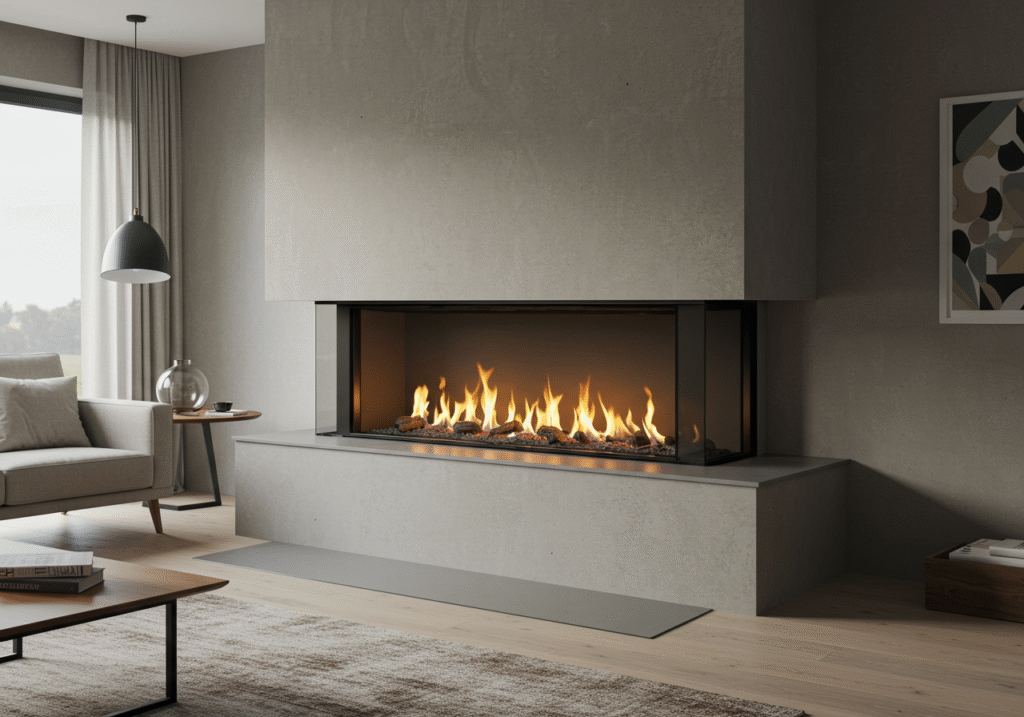
Despite their engineered safety features, ventless fireplaces remain controversial. Several health and safety concerns are consistently highlighted by building codes, fire safety officials, and health organizations .
1. Indoor Air Quality and Combustion Byproducts
The most significant concern is the impact on indoor air quality. Even with 99.9% efficiency, the combustion process can still produce low levels of potentially harmful substances, including:
- Carbon Monoxide (CO): A colorless, odorless gas that is toxic and can be fatal at high concentrations. While the ODS is designed to prevent dangerous CO production, any malfunction or improper use could lead to a buildup .
- Nitrogen Dioxide (NO2): This gas can irritate the respiratory system and exacerbate conditions like asthma .
- Water Vapor: Combustion produces a significant amount of water vapor. In poorly ventilated spaces, this can lead to excessive humidity, condensation on windows, and ultimately, mold and mildew growth, which poses its own health risks and can damage your home .
2. The Limitations of Safety Sensors
The ODS is a critical safety device, but it is not infallible. Critics point out that the sensor is typically located near the floor, where it detects cooler, oxygen-rich air. However, hot combustion gases rise and can pool near the ceiling, potentially creating a hazardous situation that the floor-level sensor may not detect immediately . Furthermore, like any mechanical or electronic component, the ODS can fail, which is why it should never be the sole line of defense .
3. Sensitivity for Vulnerable Individuals
Ventless fireplaces can intensify odors already present in the home, such as those from cleaning chemicals, pets, or scented candles, as these impurities are drawn into the firebox . For individuals with asthma, allergies, chronic bronchitis, or other respiratory sensitivities, this can lead to significant irritation and health issues. Major health organizations, including the American Lung Association, often advise against the use of these appliances in households with vulnerable individuals .
Table: Summary of Ventless Fireplace Safety Concerns
Section 3: The Non-Negotiable Rules for Safe Operation
If you choose to use a ventless fireplace, your safety and the safety of your family depend on adhering to the following rules without exception.
1. Professional Installation is Mandatory
A ventless fireplace must be installed by a licensed and certified professional, preferably one certified by the National Fireplace Institute (NFI) . Proper installation ensures:
- The unit is correctly sized for the room’s cubic footage (BTU limits exist for a reason) .
- Gas lines are connected without leaks.
- Required clearances from combustible materials (like walls and mantels) are strictly followed .
A DIY installation voids warranties and creates severe health and safety risks .
2. Install and Maintain Carbon Monoxide Detectors
This is the most important safety step you can take. Install a battery-operated or hardwired carbon monoxide detector with an audible alarm in the same room as the fireplace. Test it monthly and replace batteries as needed. For whole-home protection, install CO detectors on every level of your home and near sleeping areas .
3. Ensure Adequate Ventilation
Never operate a ventless fireplace in a completely airtight room. Always crack a window or door in the room while the fireplace is in use . This provides the necessary fresh air for combustion and helps prevent the buildup of moisture and any trace gases. This simple step is often ignored but is critical for safe operation.
4. Adhere to Strict Usage Guidelines
- Limit Operation Time: Most manufacturers and safety experts recommend operating a ventless fireplace for six hours or less per day .
- Never Leave Unattended: Do not operate the fireplace when no one is home or while you are asleep .
- Follow Manufacturer’s Instructions: Only use approved burning media (e.g., specific vent-free logs) and ensure they are arranged exactly as shown in the manual to prevent flame impingement, which can create soot and carbon monoxide .
- Annual Maintenance: Have the fireplace inspected and serviced annually by a qualified technician to check for gas leaks, clean the burner ports, and ensure the ODS is functioning correctly .
Section 4: Weighing the Pros and Cons
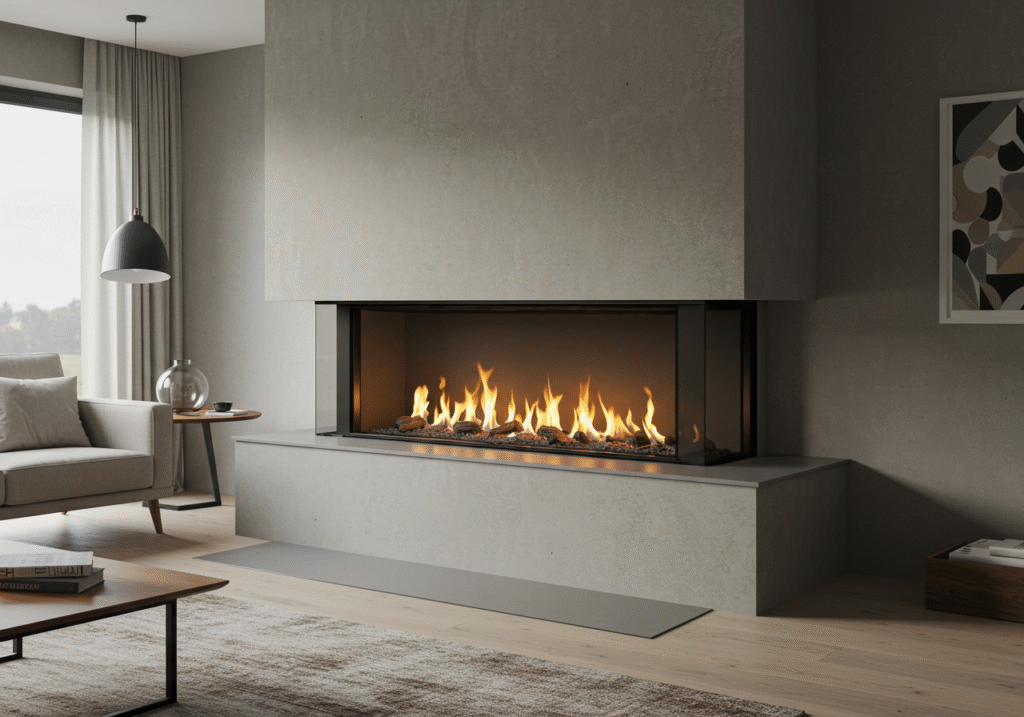
To make a balanced decision, it’s essential to consider the advantages that make ventless fireplaces appealing against their potential drawbacks.
Pros of Ventless Fireplaces
- High Efficiency: They provide excellent heat output with almost 100% efficiency, as no heat is lost through a vent .
- Easy and Flexible Installation: Without the need for a chimney or flue, they can be installed in almost any room at a lower cost than traditional fireplaces .
- Cost-Effective Heating: They can serve as an effective supplemental heat source, potentially reducing your overall heating bills .
Cons of Ventless Fireplaces
- Indoor Air Quality Risks: The potential release of CO, NO2, and water vapor into the living space is the most significant disadvantage .
- Moisture Problems: Excessive humidity can lead to mold and mildew growth .
- Safety Dependencies: Safety relies heavily on properly functioning sensors and responsible user behavior .
- Not for Everyone: They are banned in some states and municipalities (like Massachusetts and California) and are not recommended for households with vulnerable individuals .
Section 5: Frequently Asked Questions (FAQ)
Q1: Are ventless fireplaces legal where I live?
A: Ventless fireplace regulations vary widely. They are banned entirely in some states, including California and Massachusetts, and in many municipalities . You must check your local and state building codes before purchasing or installing one.
Q2: What should I do if my carbon monoxide alarm goes off?
A: Treat every CO alarm as a life-threatening emergency. Immediately shut off the fireplace, open windows if possible, evacuate your home, and call 911 from a safe location outside .
Q3: Can I use a ventless fireplace as my primary heat source?
A: No. Ventless fireplaces are designed and certified as supplemental heating sources only. They are not intended for continuous, whole-house heating .
Q4: How do I prevent moisture problems from my ventless fireplace?
A: The key is ventilation. Always crack a window when the fireplace is running. If you notice condensation on windows, increase ventilation or reduce the duration of use. Using a dehumidifier can also help manage overall humidity levels .
Conclusion: A Conditional “Yes” with Paramount Precautions
So, are ventless fireplaces safe? The answer is a conditional yes, but only under specific circumstances. They can be operated safely if you commit to professional installation, ensure mandatory ventilation, install and maintain carbon monoxide detectors, strictly adhere to usage limits, and live in an area where they are legally permitted.
However, if you have respiratory issues, have small children or elderly family members at home, are not willing to follow safety protocols diligently, or live in a very tight, modern home with little natural air leakage, a direct-vent fireplace is a much safer alternative. Direct-vent units offer the beauty of a real flame while using a sealed combustion system to completely isolate the fire from your home’s air, eliminating the risks associated with ventless models .
Your safety is paramount. By making an informed choice and prioritizing caution, you can ensure your fireplace remains a source of comfort, not concern.