
Power Outage Panic? Real Story on Gas Fireplaces and Electricity


A crackling fire is the epitome of comfort, but when a winter storm knocks out your power, that comforting flame becomes a potential lifeline. This scenario leads many homeowners to a critical question: can a gas fireplace work without electricity? The answer is both reassuring and complex. The short answer is yes, many gas fireplaces can and will work without electricity, but this capability depends entirely on the specific type of ignition and venting system your fireplace uses. Understanding this distinction is the difference between a cozy, warm haven and a chilly disappointment during a blackout.
This comprehensive guide will illuminate everything you need to know about your gas fireplace’s operation during a power failure. We will demystify the different types of gas fireplaces, explain the key components that dictate their need for power, and provide a clear checklist to help you determine your fireplace’s capabilities. You will learn not only how to use your fireplace in an emergency but also how to ensure it remains a reliable and safe source of heat for your family when you need it most.
The Core Question: Can a Gas Fireplace Work Without Electricity?
Whether your gas fireplace will work when the lights go out hinges on its fundamental design, particularly its ignition and venting systems.
Gas fireplaces that use a standing pilot light and a millivolt ignition system are fully operational during a power outage . These systems are self-sufficient, creating their own small amount of electricity to open the gas valve and ignite the main burner, requiring no external power source .
Conversely, fireplaces with an intermittent pilot ignition (IPI) system, which uses an electric spark to light the pilot only when the fireplace is turned on, typically require electricity to function . Without power, they cannot create the spark needed for ignition.
It’s also crucial to distinguish between heat production and heat distribution. Even if your fireplace’s blower (which circulates warm air) doesn’t work without power, the fireplace itself can still produce radiant heat. You’ll still get warmth, though it may not be distributed as efficiently throughout the room .
Understanding Your Gas Fireplace’s Anatomy and Power Needs
To fully grasp your fireplace’s capabilities, it helps to understand the key components involved in its operation.
The Ignition System: The Heart of the Matter
The method your fireplace uses to light its flame is the single most important factor in its power outage performance.
Standing Pilot Light and Millivolt Systems
This traditional system features a small, continuously burning flame known as a pilot light. The magic lies in the thermopile or thermocouple, a device that uses the heat from the pilot light to generate a very small electrical current (measured in millivolts) . This self-generated electricity is sufficient to operate the gas valve and ignite the main burner. Because it creates its own power, it does not require any household electricity, making it the most reliable option for power outages .
Intermittent Pilot Ignition (IPI) Systems
Also known as electronic ignition, this newer, more energy-efficient system does not keep a pilot light burning constantly. Instead, when you turn on the fireplace, an electric spark ignites the pilot, which then lights the main burner . This spark requires an external electrical source. Therefore, during a power outage, a standard IPI system will not function unless it is equipped with a battery backup system .
Venting Systems and Their Role
How your fireplace vents exhaust gases can also be a factor in its operation and safety during an outage.
Direct Vent Fireplaces
These are excellent and safe options for power-outage use. They use a sealed combustion system, drawing air from outside for the fire and expelling exhaust directly outside, typically through a wall . This process relies on natural convection and does not require an electric blower for ventilation, making them inherently safe to run without power .
Vent-Free (Ventless) Fireplaces
As the name implies, these units do not require a chimney or flue. They are designed to burn gas so cleanly that no venting is needed. While this makes them highly efficient, most modern ventless models require electricity for their control systems and ignition, meaning they may not work in a power outage .
A Practical Guide: Determining if YOUR Fireplace Works Without Power
You don’t need to be a technician to figure out your fireplace’s potential. Follow this straightforward guide.
How to Identify Your Fireplace Type
- Check the Manufacturer’s Manual: This is the most reliable source of information. Look for terms like “standing pilot,” “millivolt,” “intermittent pilot ignition (IPI),” or “battery backup.”
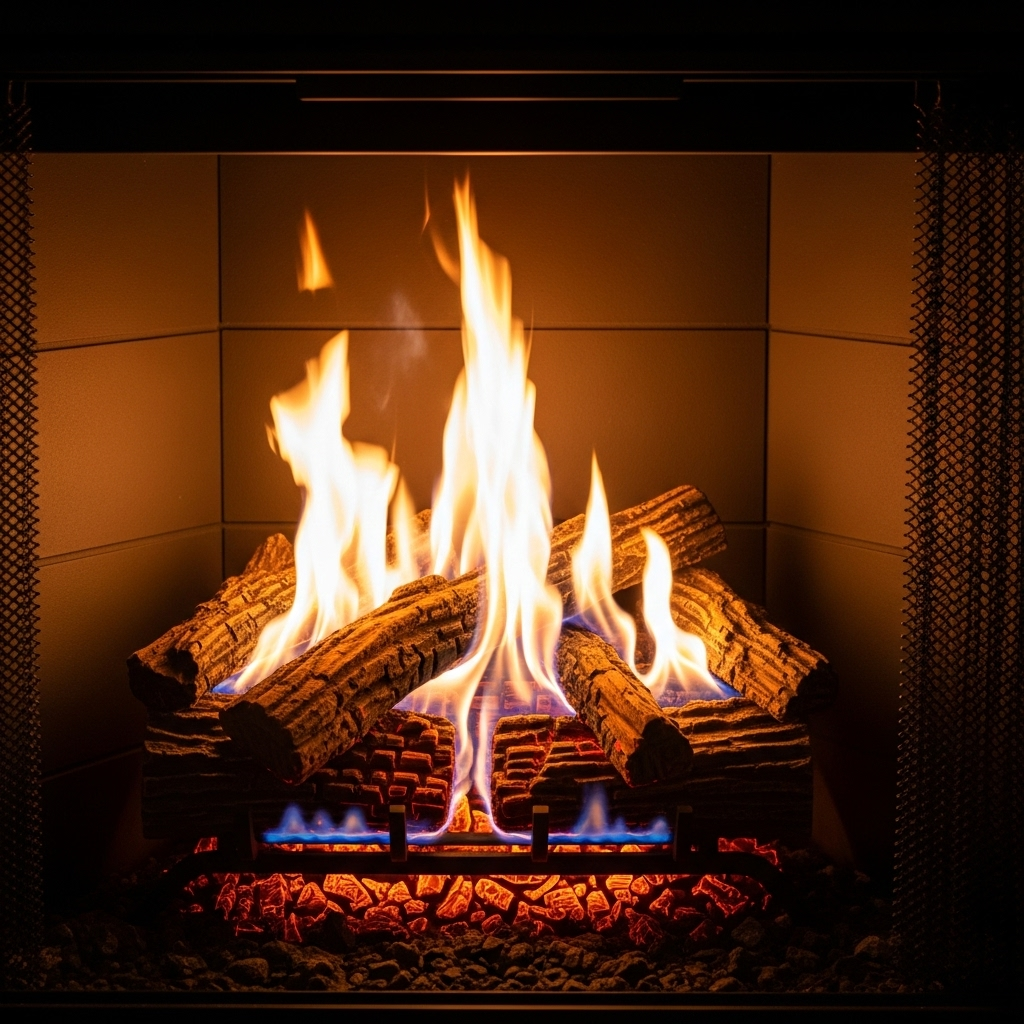
- Inspect the Fireplace Unit: Look for a small, always-on flame near the burner assembly. If you see one, you have a standing pilot system, and your fireplace is outage-ready.
- Look for a Battery Compartment: Some fireplaces, particularly those with IPI systems, have a compartment for D-cell or AA batteries that serves as a backup ignition source . This is a clear indicator that your fireplace is designed for outage use.
- Consult a Professional: If you are unsure, the safest and most accurate step is to have a certified fireplace technician inspect your unit. They can identify the system type and ensure it is safe to operate.
Step-by-Step Checklist for Power Outage Operation
- Confirm you have a standing pilot system (visible pilot light) or an IPI system with a battery backup.
- Ensure the gas supply valve is fully open. This valve is typically located in the fireplace’s control compartment or nearby on the gas line .
- If you have a battery backup, install fresh batteries. Do not leave batteries in the compartment indefinitely, as heat can cause them to leak and drain over time .
- Switch control to “manual” mode. If you use a remote or wall switch, locate the control box; many models have a slide switch to change from “remote” to “manual” for outage operation .
- Light the pilot light (if necessary). If your pilot is out, follow the manufacturer’s specific lighting instructions, usually found on a label inside the fireplace.
- Turn on the fireplace using its manual control knob.
Table: Gas Fireplace Functionality During a Power Outage
Essential Safety Precautions for Using Your Fireplace in an Outage
Safety must always be your top priority, especially when using appliances during an emergency situation.
Install and Maintain Carbon Monoxide Detectors
This is non-negotiable. Any fuel-burning appliance can potentially produce carbon monoxide (CO), an odorless, colorless, and deadly gas. Ensure you have working CO detectors with battery backups installed on every level of your home, especially near sleeping areas and in the same room as the fireplace .
Ensure Proper Ventilation
Never block the air intake or exhaust vents of your fireplace. For direct vent units, ensure the exterior termination is clear of snow, ice, or debris. Proper ventilation is critical to preventing CO buildup inside your home .
Keep the Area Clear
Maintain a three-foot “kid-free and clutter-free” zone around the fireplace. Keep furniture, curtains, and other flammable materials well away from the unit, even if the exterior feels cool.
Do Not Leave the Fireplace Unattended
While generally safe, it is good practice not to leave a burning fireplace unattended for long periods, especially while sleeping during a power outage.
Schedule Annual Professional Maintenance
The National Fire Protection Association (NFPA) recommends an annual inspection by a qualified professional to ensure your fireplace and venting system are in safe working order . This is the best way to catch issues like a cracked safety screen or a partially blocked vent that could become hazardous .
Troubleshooting Common Power Outage Issues
Even with a compatible fireplace, you might encounter some hiccups.
The pilot light won’t stay lit.
A pilot light that repeatedly goes out could indicate a dirty or faulty thermocouple . This safety device senses the pilot flame and allows gas to flow. If it’s not working correctly, it will shut off the gas. This typically requires cleaning by a professional or replacement.
The fireplace has a battery backup but won’t ignite.
First, ensure you are using fresh, high-quality batteries. If the problem persists, the battery terminals could be corroded, or the ignition module itself could be faulty .
I can smell gas.
If you smell a sulfuric, “rotten egg” odor, this could indicate a gas leak. Do not attempt to light the fireplace. Evacuate your home immediately and contact your local gas utility or emergency services from a safe distance .
The fire is on, but the room isn’t getting very warm.
Remember, the blower will not work without power. The heat you are feeling is radiant heat, which is effective but doesn’t circulate as well. Position yourself closer to the fireplace to feel its direct warmth .
Proactive Steps for Uninterrupted Warmth
Being prepared before a storm hits is the key to comfort and safety.
Create an Emergency Kit
Keep a kit specifically for your fireplace that includes:
- Fresh batteries (for both your fireplace backup and carbon monoxide detectors)
- A long-reach lighter or matches
- A flashlight
- A printed copy of your fireplace’s lighting instructions
Test Your System Seasonally
Before the heating season begins, test your fireplace’s battery backup and pilot light to ensure everything is in working order. It’s better to discover a problem on a sunny afternoon than during a blizzard.
Consider an Upgrade
If your current fireplace is not outage-compatible and this is a priority for you, consult with a professional about the cost of adding a battery backup system or upgrading to a model with a standing pilot or a dedicated battery-powered system like those offered by Valor and other brands .
Final Verdict: Can a Gas Fireplace Work Without Electricity?
So, can a gas fireplace work without electricity? The definitive answer is that many can, and do, providing crucial heat and comfort when the grid goes down. Fireplaces equipped with standing pilot lights and millivolt systems are fully self-sufficient, while modern IPI systems can offer the same reliability if they are equipped with a functioning battery backup.
Your responsibility as a homeowner is to know which type of system you have, ensure it is maintained in safe working condition, and follow all critical safety protocols—foremost among them, the use of battery-backed carbon monoxide detectors. By taking these proactive steps, you can transform your gas fireplace from a simple aesthetic luxury into a dependable emergency heat source, ensuring that even when the power fails, your home remains a warm and safe sanctuary.