10 Dreamy Baby Girl Nursery Room Ideas with Soft Colors
- Bedroom Design
 Ben
Ben- 0
- 39 minutes read
Picture this: you’re standing in an empty room, Pinterest board in hand, completely overwhelmed by the million different directions you could take your baby girl’s nursery.
Been there? Yeah, me too. Three times actually, and each time I swore I’d learned my lesson about overthinking nursery design.
Here’s what nobody tells you about designing a nursery – your baby won’t care if the throw pillows match the wall art.
But you know what? YOU will care, because you’ll be spending approximately 3,847 hours in that room during the first year alone. So let’s make it a space that makes both of you happy, shall we?
I’ve pulled together 10 nursery ideas that real parents actually pull off – not just those suspiciously perfect Instagram nurseries where the toys somehow never look touched.
These designs work with real budgets, real time constraints, and real life (you know, where babies actually spit up on things).
1. Soft Blush Floral Nursery
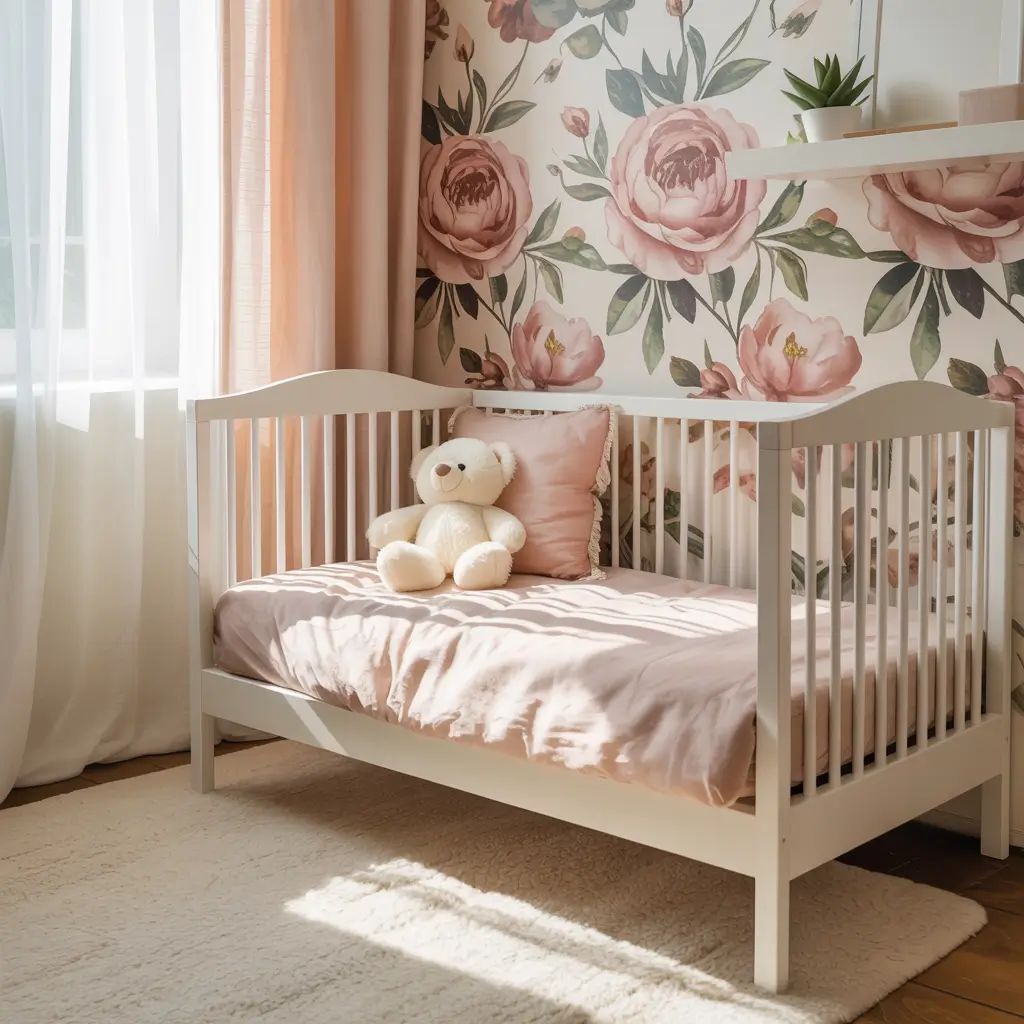
Let me guess – you saw that gorgeous floral wallpaper on Pinterest and immediately thought “that’s the one!” But then reality hit. Wallpaper installation? In this economy? Here’s the secret: you don’t need to wallpaper the entire room to nail the soft blush floral look.
Start with one accent wall. Seriously, just one. Peel-and-stick wallpaper has come so far that even I managed to install it without crying. Choose a large-scale floral print in soft blush tones – think dusty rose, peachy pink, and cream. The bigger the flowers, the more modern it looks.
Making Florals Feel Fresh
The trick to keeping a floral nursery from looking like grandma’s guest room? Balance those flowers with clean, modern elements:
• Crisp white furniture with simple lines
• Natural wood accents in light oak or birch
• Geometric patterns mixed in through rugs or pillows
• Metallic touches in rose gold or brass
• Minimal accessories – let the flowers be the star
I learned this lesson the hard way. My first attempt at a floral nursery looked like a flower shop exploded. Flowers on the walls, flowers on the bedding, flower-shaped pillows… it was a lot. Remember, restraint is your friend when working with bold patterns.
Color Coordination Without the Headache
Here’s what works: pick three colors from your floral pattern and stick to them. For a soft blush floral theme, I recommend:
- Blush pink as your main color
- Cream or ivory for balance
- One accent color (sage green or soft gray works beautifully)
Ever notice how designer nurseries always look cohesive? They’re usually working with just 3-4 colors max. More than that and things start looking chaotic fast.
2. Neutral Pink and Beige Minimal Nursery
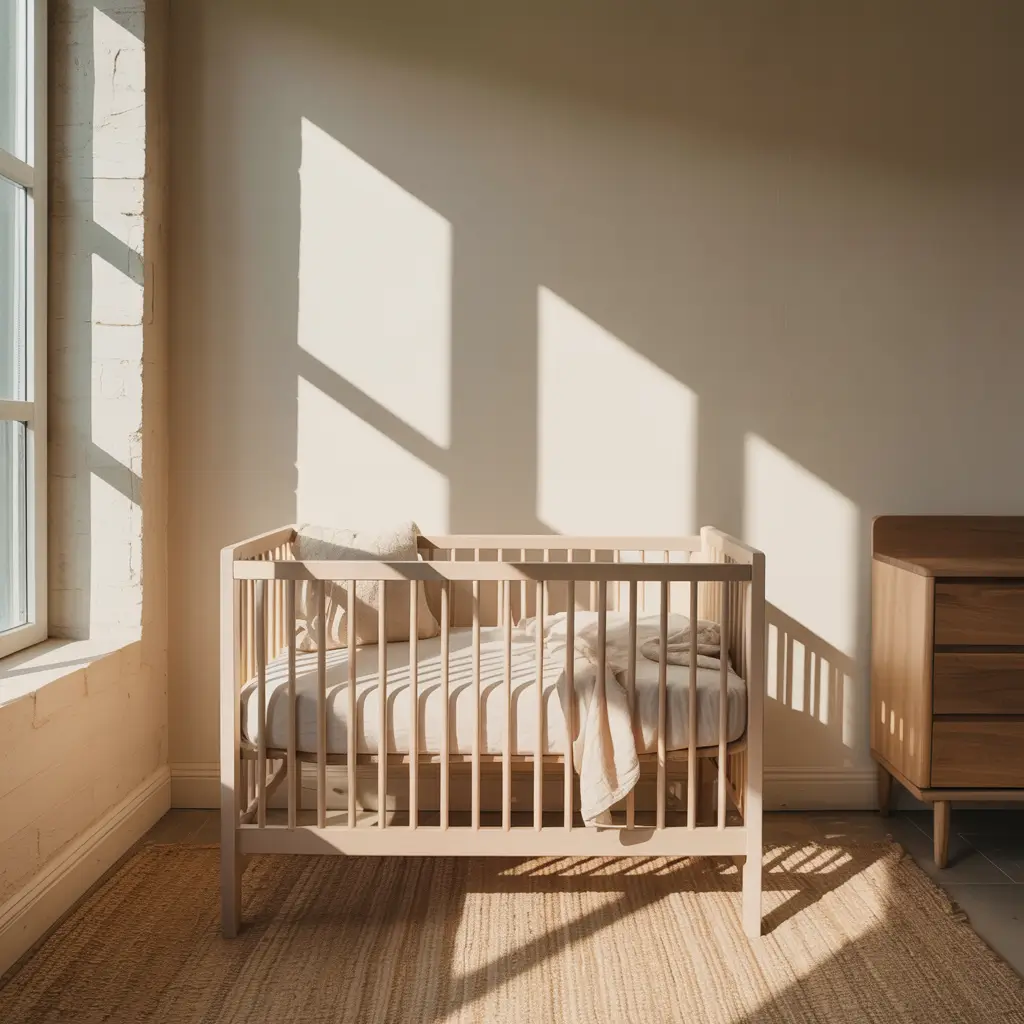
Okay, can we talk about how minimalist nurseries are basically a parent’s secret weapon? Less stuff equals less mess, which equals more sanity. And when you’re operating on two hours of sleep, sanity is everything.
The neutral pink and beige combo hits that sweet spot – it’s feminine without screaming “GIRL!” from the rooftops. Plus, these colors hide stains like champions. That beige crib sheet? Genius choice when dealing with diaper blowouts.
The Art of Minimal Without Boring
People think minimal means boring. Wrong! It means every single piece counts. When I designed my daughter’s minimal nursery, I spent more time choosing the right dresser than I did picking my wedding dress. True story.
Focus on these key pieces:
• A statement crib in natural wood or white
• One perfect chair for feeding (comfort over style here, trust me)
• Smart storage that actually hides things
• Quality bedding in your neutral palette
• One or two pieces of meaningful art
Adding Warmth to Minimal Spaces
The biggest complaint about minimal nurseries? They can feel cold. Here’s how to add warmth without adding clutter:
Layer different textures – a chunky knit blanket, smooth wooden toys, a fluffy sheepskin rug. Texture adds interest without adding visual chaos. I have this theory that babies actually prefer calm spaces. My daughter slept better in her minimal room than she ever did in busy environments.
Keep your color palette warm – choose warm beiges over cool grays, peachy pinks over bubble gum shades. The temperature of your colors makes a huge difference in how inviting the space feels.
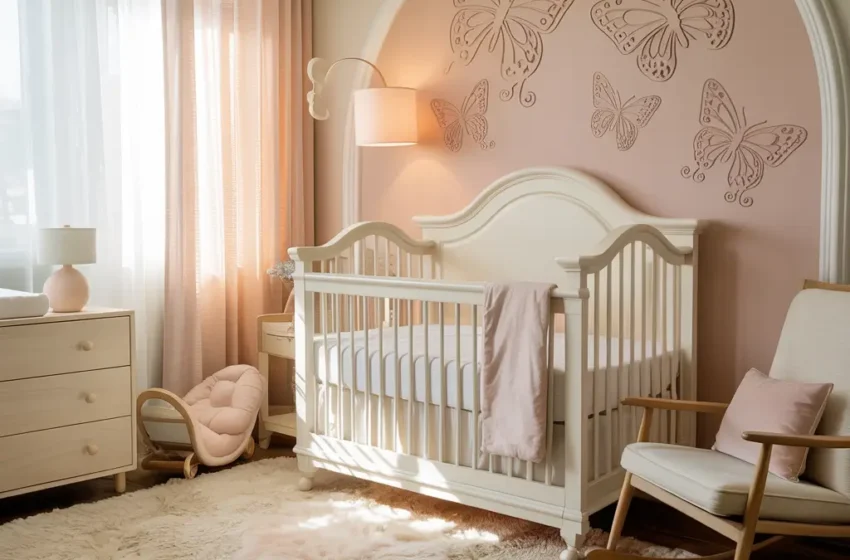
3. Whimsical Butterfly Accent Wall Nursery
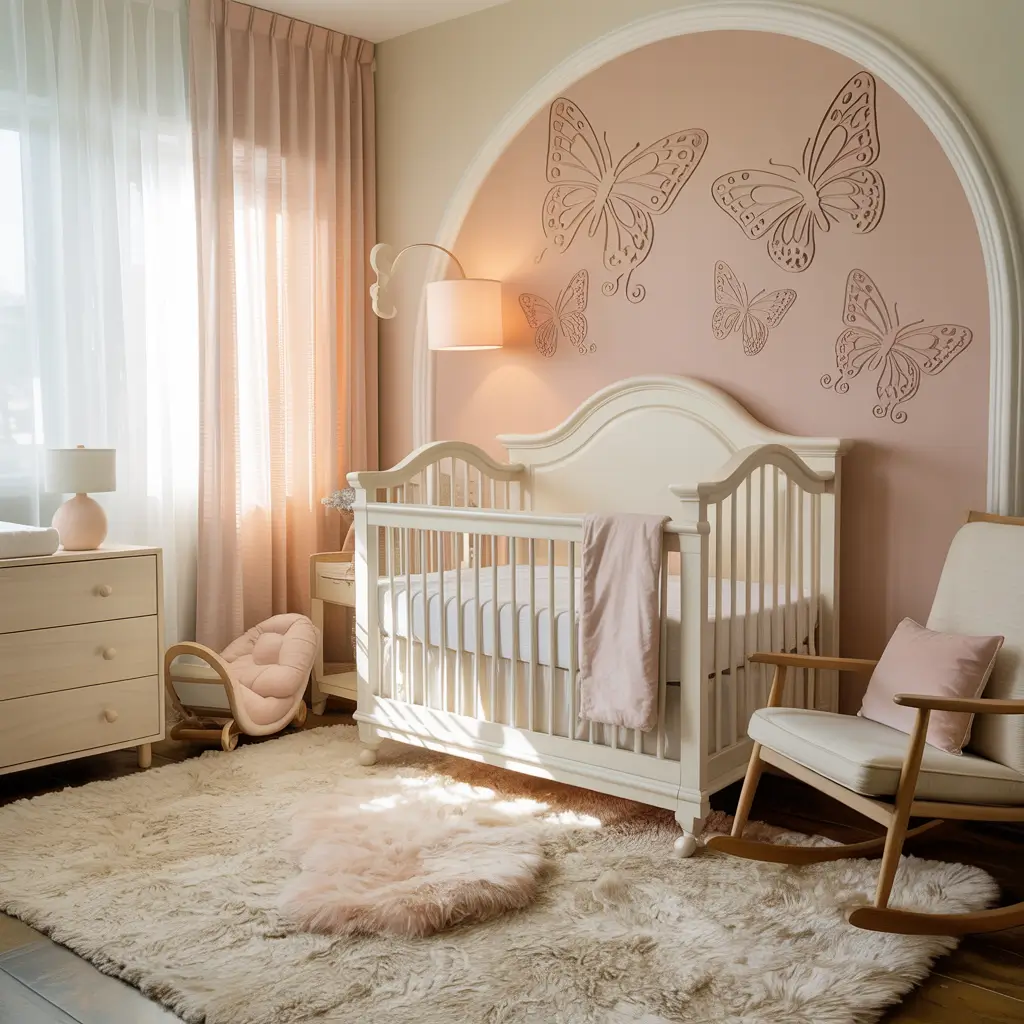
Who decided butterflies were just for spring? A butterfly-themed nursery works year-round and grows beautifully with your child. Plus, butterflies naturally lend themselves to so many color combinations that you’re not locked into one specific palette.
The accent wall is where you make your statement. You’ve got options here – butterfly decals, hand-painted butterflies, or even 3D paper butterflies. I went the 3D route with my niece’s nursery, and let me tell you, cutting out 50 paper butterflies seemed like a good idea until about butterfly number 15.
Creating Movement and Magic
The best butterfly nurseries create a sense of movement:
• Arrange butterflies in a flowing pattern across the wall
• Vary the sizes for visual interest
• Use different shades of the same color family
• Add some metallic butterflies for sparkle
• Consider extending butterflies onto the ceiling
Want to know a secret? You don’t need artistic skills for this. Print butterfly templates, trace them onto pretty scrapbook paper, cut them out, and fold the wings slightly. Attach with removable adhesive dots. Total cost? Maybe $30. Impact? Priceless.
Color Schemes That Soar
Butterfly nurseries don’t have to be all pastels. Consider these combinations:
- Navy, gold, and white for a sophisticated look
- Rainbow butterflies on a neutral background
- Monochromatic purple in different shades
- Coral, mint, and gold for something unexpected
The beauty of butterflies is their versatility. They can be sweet and delicate or bold and modern, depending on your execution.
Also Read: 10 Smart Small Nursery Ideas and Functional Furniture Plans
4. Modern Boho Baby Girl Nursery
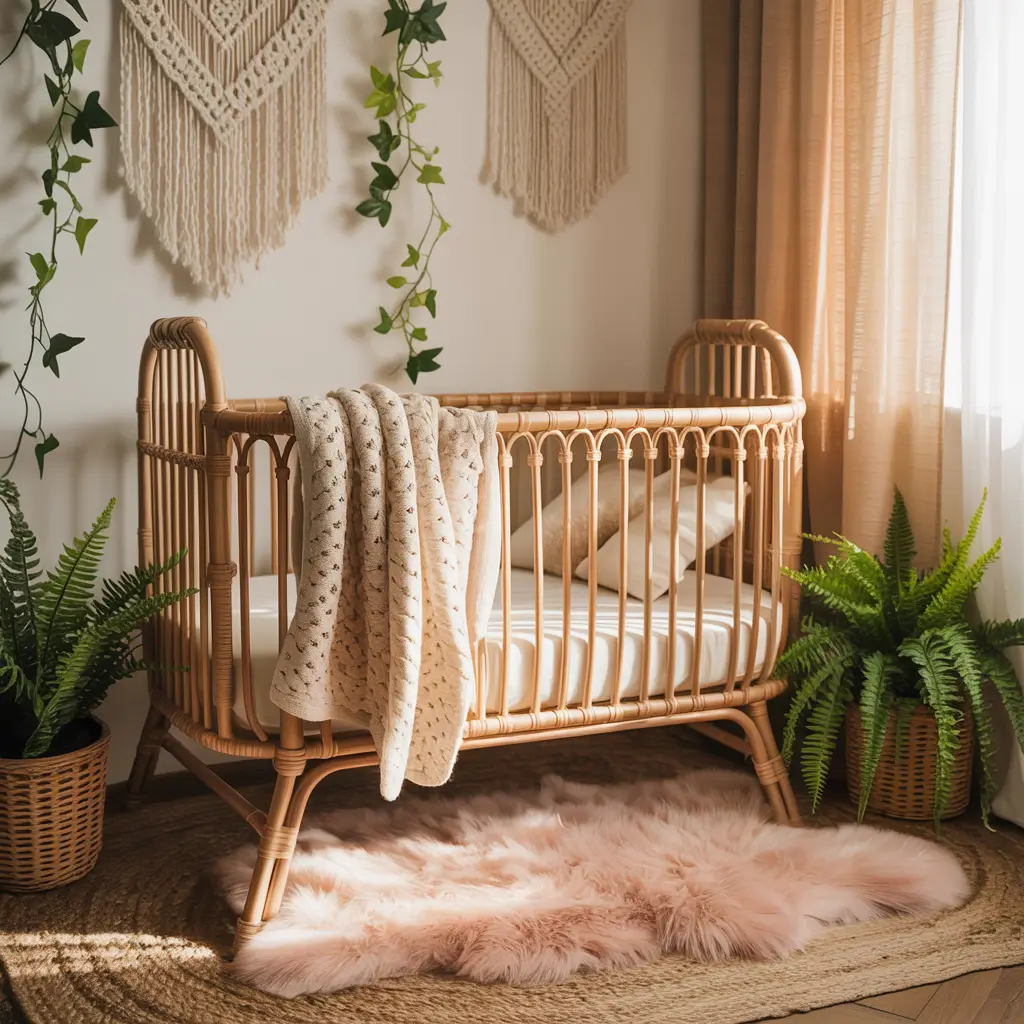
Modern boho is having such a moment, and honestly, it might never leave. Why? Because it’s basically permission to mix patterns, layer textures, and call it “eclectic” instead of “I couldn’t decide.” My kind of design style!
The key to modern boho versus regular boho? Clean lines mixed with organic elements. Think geometric patterns alongside macramé, or a super modern crib paired with a vintage Moroccan rug. It’s all about that unexpected mix.
Essential Boho Elements
To nail the modern boho vibe, you need:
• Neutral base colors – white, cream, tan, soft gray
• Natural materials – rattan, jute, wood, cotton
• Layered textiles – multiple rugs, throw pillows, blankets
• Plants (real or fake, no judgment here)
• Global-inspired patterns and textures
FYI, you don’t need to spend a fortune on authentic Moroccan poufs. HomeGoods and Target have amazing boho pieces for a fraction of the cost. Mix high and low – splurge on one statement piece and fake the rest.
Making Boho Baby-Safe
Here’s where boho gets tricky with babies. All those gorgeous tassels and fringe details? They need to stay well out of reach. Mount that macramé wall hanging high, skip the low-hanging plants, and save the floor cushions for when she’s older.
I made the mistake of putting a beautiful woven wall hanging too low. My daughter discovered she could pull the threads out one by one. RIP wall hanging, you were beautiful while you lasted.
5. Sage Green and Blush Calm Nursery
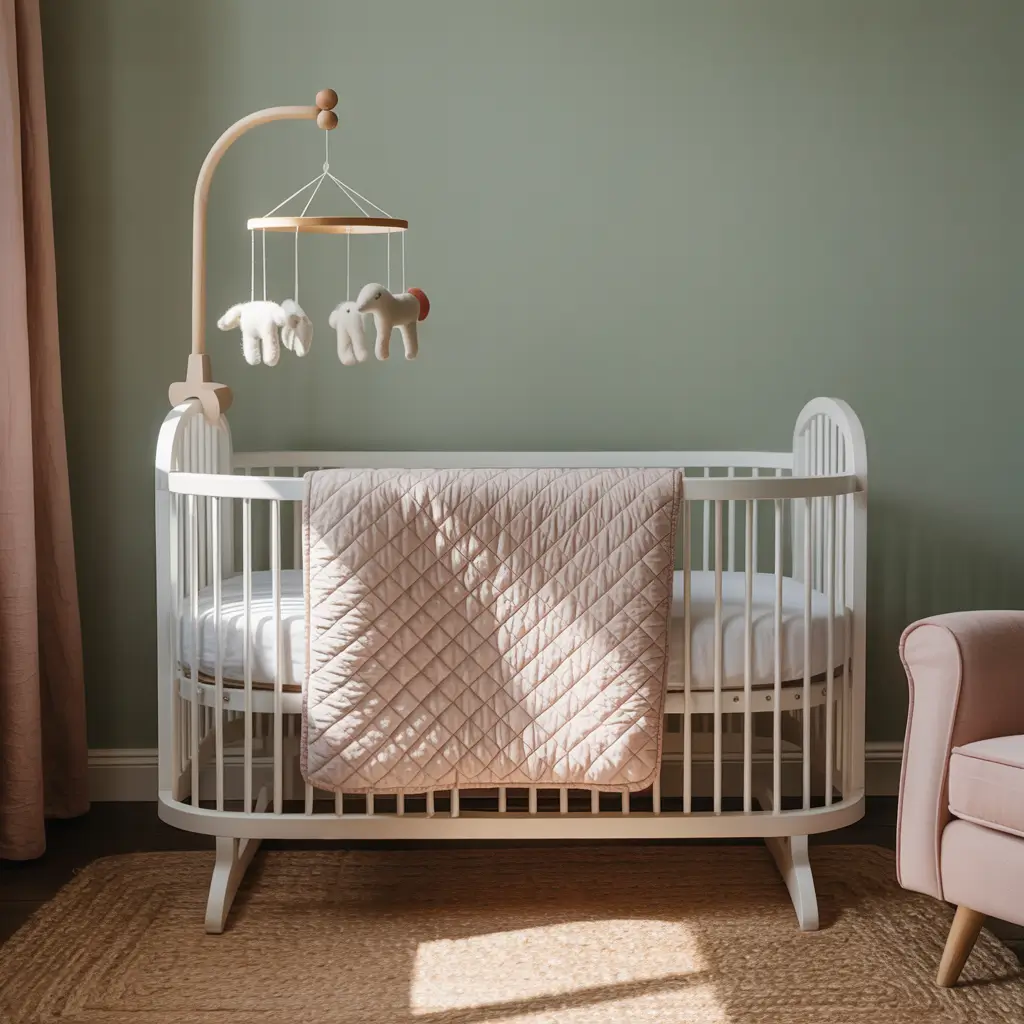
Can we just appreciate how sage green became the unofficial color of calm? Pair it with blush and you’ve got the most soothing color combination that still feels fresh and modern. It’s basically the design equivalent of a deep breath.
This color combo works because neither color dominates. They balance each other perfectly – the green grounds the space while the blush adds warmth. Every parent I know who’s used this palette swears their baby sleeps better. Coincidence? Maybe. But I’ll take any help I can get in the sleep department.
Creating Your Calm Oasis
To maximize the calming effect:
• Paint walls in the lightest shade (sage or blush)
• Use the darker tone for accents and furniture
• Add white or cream to keep things airy
• Include natural wood elements
• Keep patterns minimal and organic
The biggest mistake people make? Going too dark with the sage. You want whisper-soft sage, not forest green. Think the color of eucalyptus leaves after they’ve dried, not fresh spinach.
Textures That Enhance Tranquility
In a calm nursery, texture does the heavy lifting:
- Linen curtains that filter light beautifully
- Knit or waffle-weave blankets
- A plush area rug underfoot
- Smooth wooden furniture
- Maybe one faux fur element for luxury
I swear my daughter’s sage and blush room had magical powers. Even visitors would comment on how peaceful they felt in there. Sometimes the right colors really do make all the difference.
6. Elegant White and Gold Girl Nursery
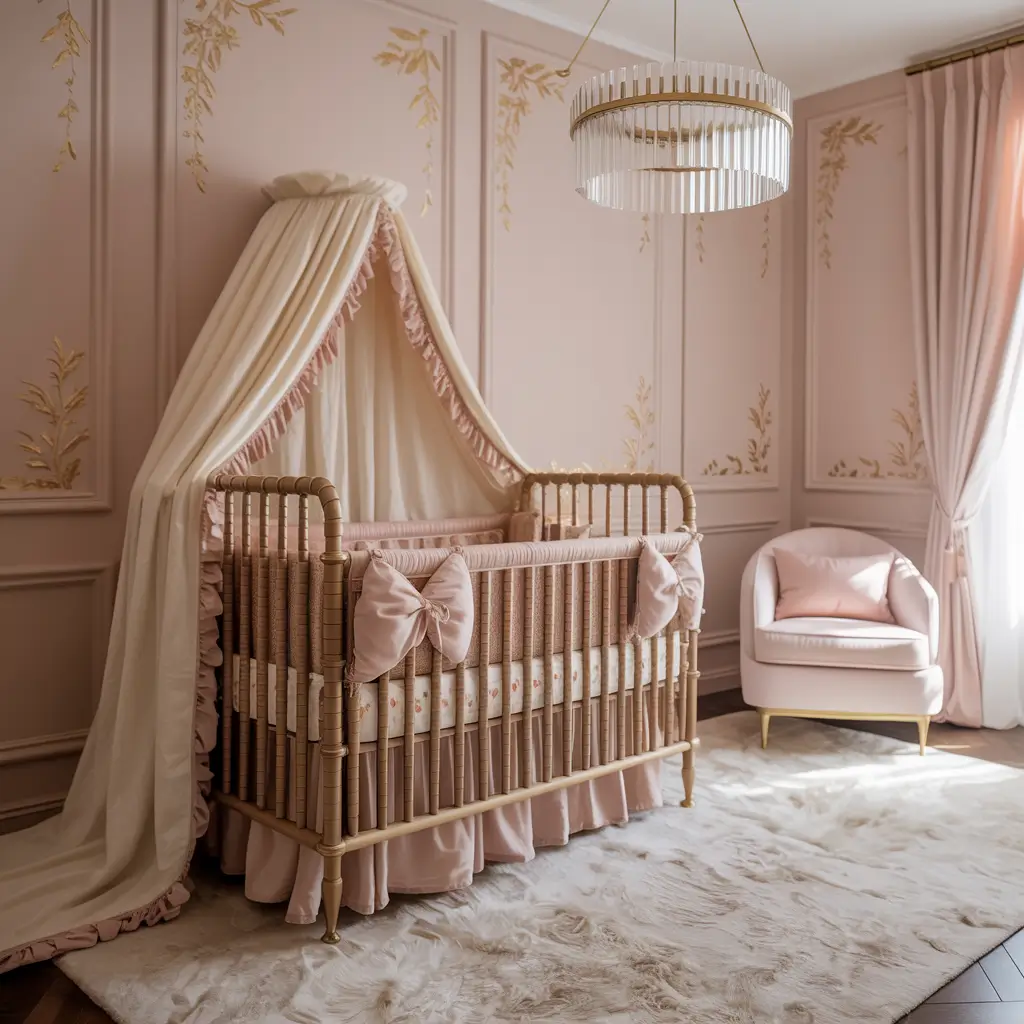
White and gold sounds fancy, right? Like something out of a palace? Here’s the thing – you can create elegance without the royal budget. The trick is knowing where to add the gold and where to keep things simple.
Start with white as your base. White walls, white crib, white dresser. I know what you’re thinking – white with a baby? Have you lost your mind? But hear me out. White furniture actually shows wear less than dark colors (scratches and dings blend in), and everything is bleachable 🙂
Strategic Gold Placement
Gold works best as an accent:
• Hardware on furniture – drawer pulls, knobs
• Picture frames and mirrors
• Light fixtures (this is where you splurge)
• Decorative objects on shelves
• Subtle gold dots or stars on one wall
The key is restraint. Too much gold and you’ve got a Vegas hotel room. Just enough and you’ve got elegance. I learned this after my first attempt looked like King Midas had visited. Less is definitely more here.
Adding Warmth to White
All white can feel sterile. Here’s how to warm it up:
- Layer different shades of white and cream
- Add natural wood elements
- Include soft textiles in warm tones
- Use warm lighting (avoid cool LED bulbs)
- Incorporate one additional soft color if needed
Want a pro tip? Mixing metallic finishes keeps things interesting. A little brass here, some rose gold there, maybe brushed gold on the light fixture. It adds depth without adding color.
Also Read: 12 Cute Boy Nursery Ideas and Cozy Decor Tips
7. Cozy Cottage-Style Baby Girl Nursery
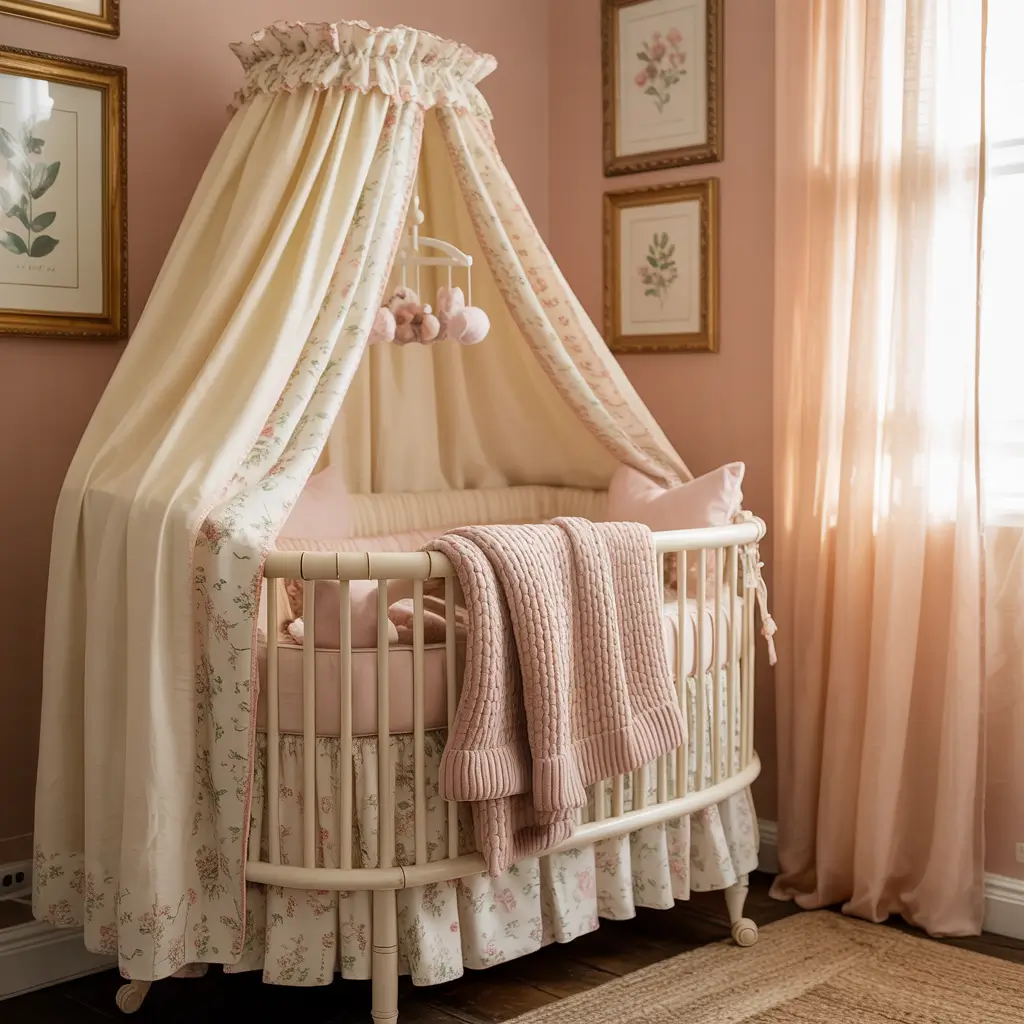
Cottage style is basically comfort food in nursery form. It’s warm, inviting, and makes you want to curl up with a good book. Perfect for all those hours you’ll spend nursing or rocking your little one.
Think English countryside meets modern convenience. We’re talking vintage-inspired furniture with a fresh coat of paint, gingham or small floral patterns, and enough cozy textiles to make you want to move in yourself.
Cottage Elements That Work
Essential cottage style pieces:
• Painted furniture in soft colors
• Mix-and-match patterns (but keep the color palette cohesive)
• Vintage or vintage-inspired accessories
• Natural materials like wicker and wood
• Romantic lighting – think table lamps over overhead lights
I found most of my cottage nursery pieces at estate sales and painted them myself. That “antique” changing table? $40 and a can of chalk paint. The expensive-looking vintage mirror? Facebook Marketplace gold.
Modern Cottage Balance
The trick to cottage style without looking dated:
- Keep walls light and neutral
- Mix in some modern elements
- Avoid too many ruffles and bows
- Choose quality over quantity with accessories
- Update vintage pieces with modern hardware
Cottage style grows beautifully with kids. That same cozy vibe works for toddlers, big kids, even teenagers with minor adjustments.
8. Rainbow Pastel Baby Girl Nursery
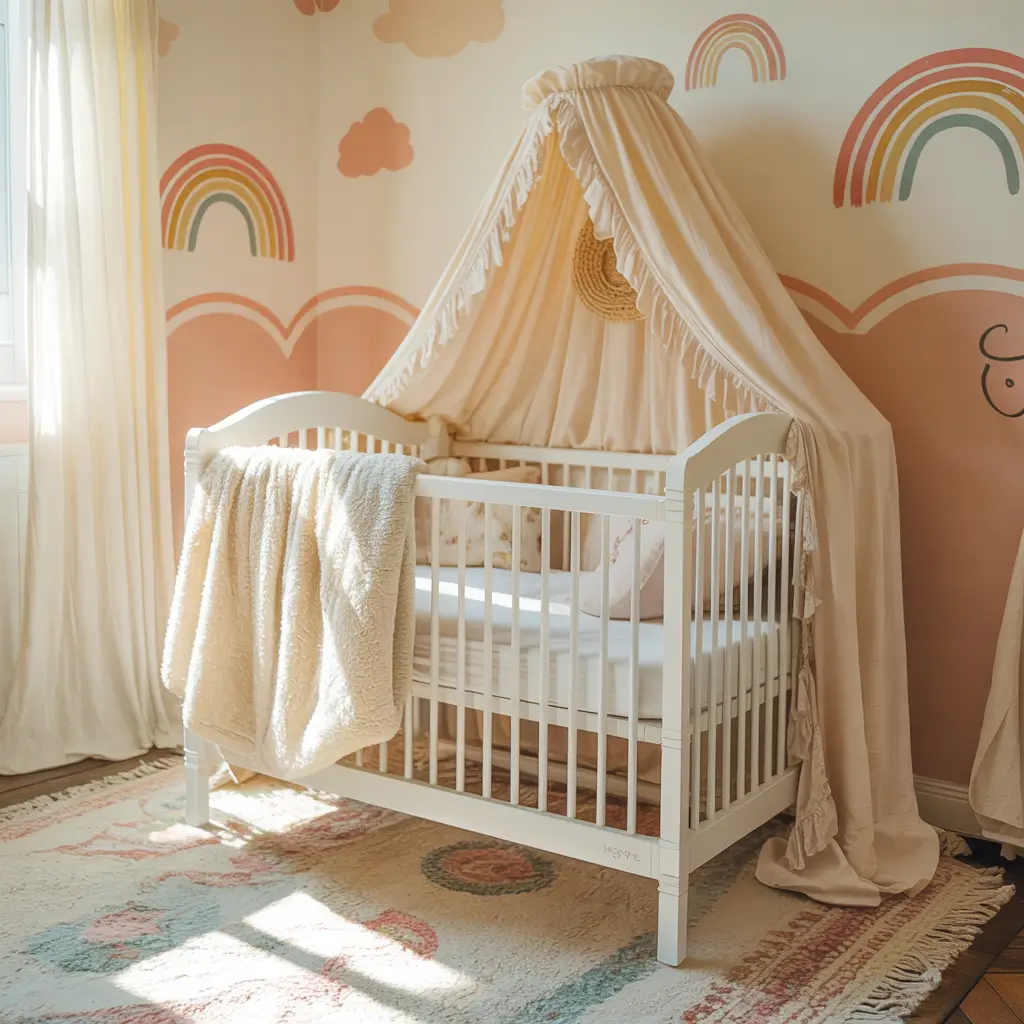
Remember when rainbows meant bold, primary colors? Well, pastel rainbows are here to change the game. They’re soft enough for a baby’s room but playful enough to spark joy every time you walk in.
The best part about a rainbow theme? You’re not locked into one or two colors. Indecisive decorators, rejoice! You can literally use every soft color you love and call it intentional.
Executing Pastel Rainbows Without Chaos
Here’s how to rainbow without overwhelming:
• Choose muted versions of rainbow colors
• Keep furniture neutral (white or light wood)
• Use rainbow elements strategically – not everywhere
• Balance color with plenty of white space
• Stick to 5-6 colors maximum
I did a rainbow accent wall using paint samples from the hardware store. Cost me literally nothing except time and painter’s tape. The effect? Everyone assumes I hired a professional.
Where to Add Rainbow Magic
Strategic rainbow placement ideas:
- One rainbow accent wall
- Rainbow-ordered book spines on shelves
- Colorful storage baskets in rainbow order
- Rainbow mobile or wall hanging
- Pastel rainbow rug as a focal point
The secret to sophisticated rainbow? Consistent color saturation. Keep all your colors at the same intensity level – all soft, all bright, or all muted. Mixing intensities is where things get messy-looking.
9. Vintage-Inspired Baby Girl Nursery
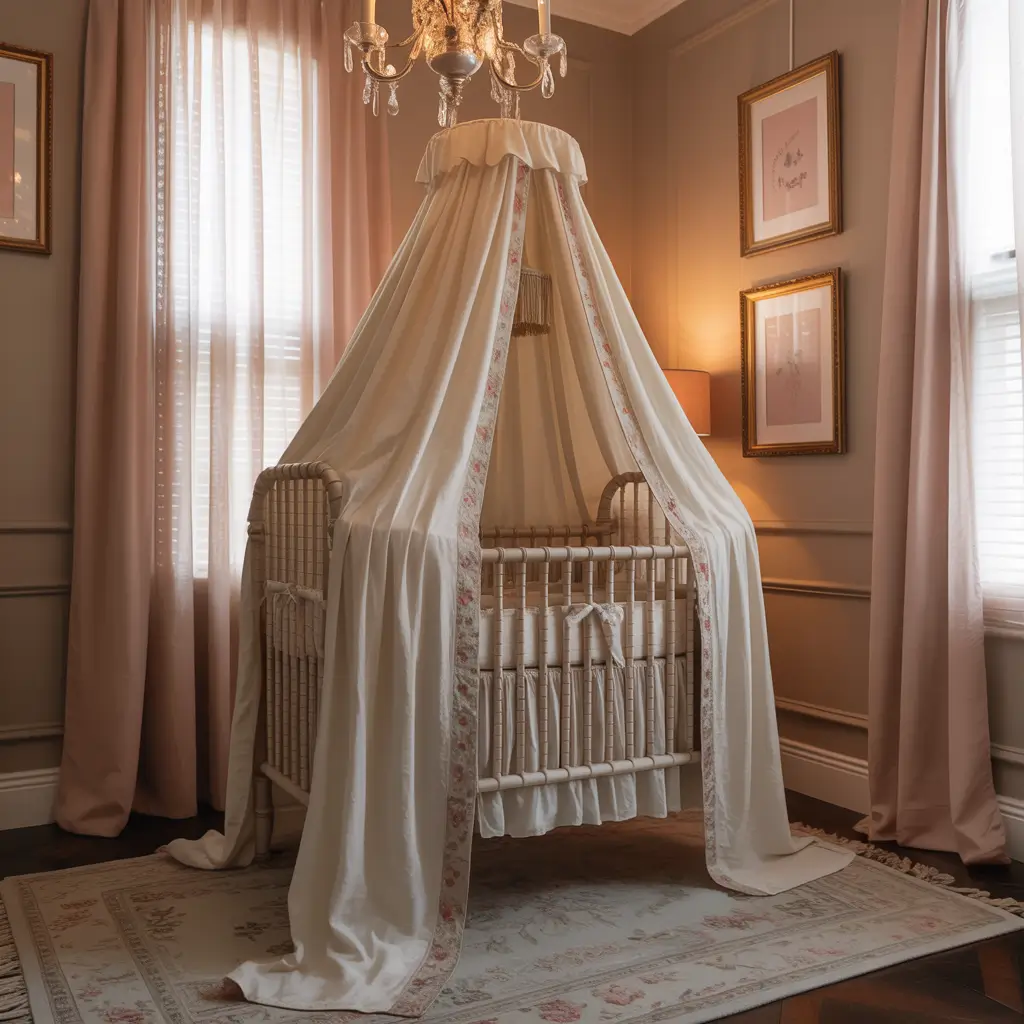
Vintage-inspired doesn’t mean dusty antiques and doilies everywhere. Modern vintage is all about taking the best of the past and making it work for today. Think classic pieces with modern functionality.
My favorite thing about vintage nurseries? They tell a story. That dresser might be from your grandmother, the rocking chair from an estate sale, the mirror from your own childhood room. Every piece has meaning.
Vintage Elements That Always Work
Key vintage-inspired pieces:
• Classic furniture shapes with updated finishes
• Vintage-style lighting (but with modern wiring!)
• Antique or reproduction frames
• Classic patterns like toile or damask in modern colors
• Vintage toys or books as decor
The biggest challenge with vintage? Making sure everything meets current safety standards. That gorgeous 1950s crib might be Instagram-worthy, but it’s not safe by today’s standards. Use it as a book display instead.
Mixing Eras Successfully
The best vintage nurseries mix time periods:
- Pair a mid-century modern chair with Victorian-inspired wallpaper
- Mix art deco lighting with farmhouse furniture
- Combine different decades but keep the color palette consistent
- Balance ornate pieces with simple ones
IMO, the most successful vintage nurseries feel collected over time, not bought all at once from the same place. Mix your sources – antique stores, family pieces, and new vintage-inspired items.
Also Read: 10 Fun Girl Nursery Ideas and Playful Color Combos
10. Space-Saving Small Baby Girl Nursery
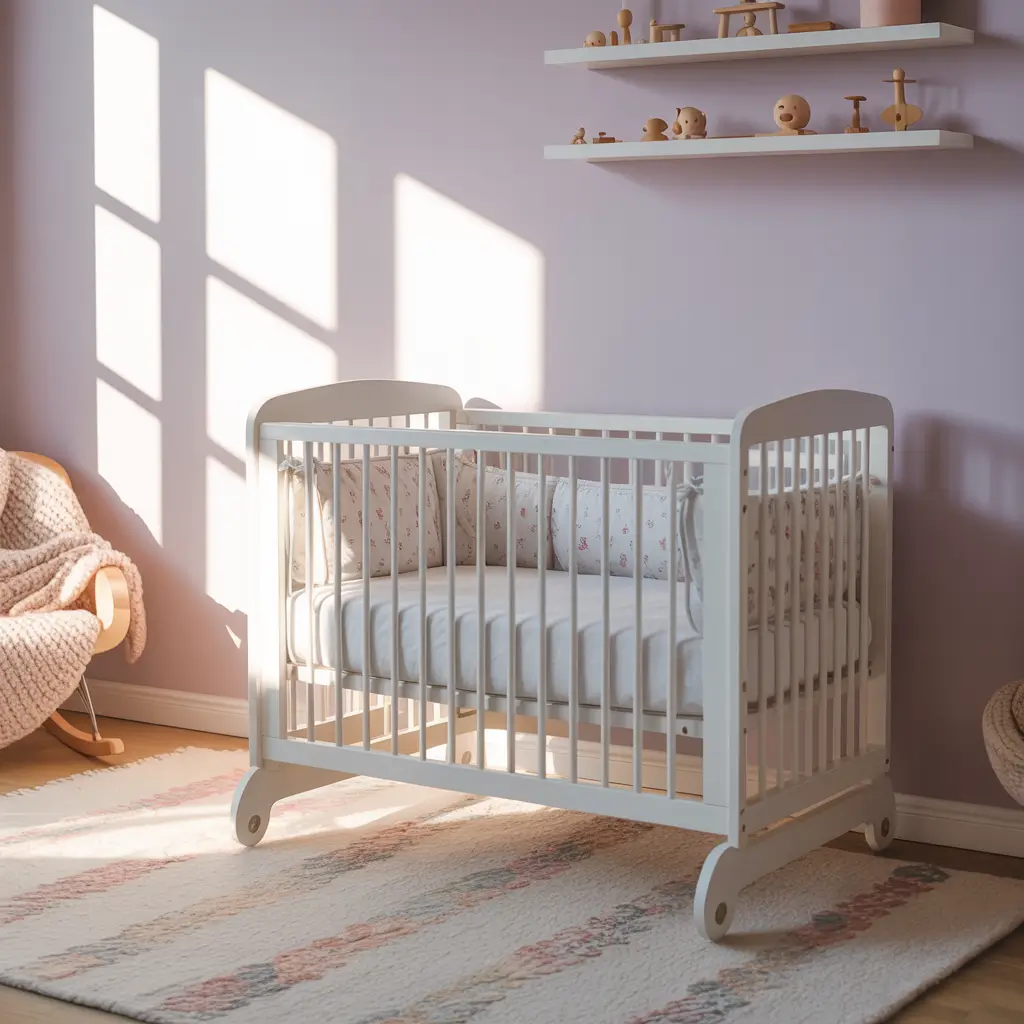
Small nursery? Welcome to the club! Most of us don’t have a spare mansion wing for the baby. But here’s the thing – small nurseries can be just as beautiful and way more functional than huge ones.
The key to a small nursery is brutal honesty about what you actually need. That gorgeous changing table? You’ll probably end up changing diapers on your bed anyway. The glider and the ottoman? Pick one. That extensive library of books? She won’t care about books for months.
Maximizing Every Square Inch
Smart solutions for tiny spaces:
• Wall-mounted everything – shelves, lighting, even changing tables
• Multi-functional furniture only
• Vertical storage solutions
• Under-crib storage boxes
• Over-door organizers
I once designed a nursery in a 6×8 room. Seemed impossible until I realized babies don’t need much floor space. Go up, not out. Use those walls like your life depends on it.
Color Tricks for Small Spaces
Make small rooms feel bigger:
- Light colors on walls and ceiling
- One accent wall maximum
- Mirrors to reflect light
- Consistent color palette throughout
- Minimal patterns
The biggest mistake in small nurseries? Trying to fit too much. Edit ruthlessly. If you’re debating whether you need something, you probably don’t.
Small Space Style Ideas
Just because it’s small doesn’t mean boring:
- Create one stunning focal point
- Use bold wallpaper on just the ceiling
- Hang curtains high and wide
- Choose a few special pieces over many average ones
- Let lighting be your statement piece
Small nurseries actually photograph better than large ones. Everything’s in frame! And honestly, babies prefer cozy spaces. You’re creating a little nest, not a playground.
Making Your Vision Reality
Here’s what I wish someone had told me before I started my first nursery: perfection is overrated. That Pinterest-perfect nursery you’re dreaming of? The baby will spit up in it. The toddler will color on the walls. Life will happen.
Choose a design you love, but don’t stress about every detail. Focus on safety first, comfort second, and style third. Make sure you can navigate the room in the dark (you will, often). Ensure everything you need for diaper changes is within arm’s reach. Test that chair for hours of comfort, not just looks.
The Reality Check Questions
Before committing to any design:
• Can you maintain this when sleep-deprived?
• Will it grow with your child?
• Does it fit your actual budget (not your dream budget)?
• Is everything baby-safe?
• Will you still love it in six months?
Remember, you can always add or change things later. Start simple and build. The nursery doesn’t need to be “done” before baby arrives. Some of my favorite nursery elements were added months after my daughters were born, when I actually knew what we needed.
Budget-Friendly Truth Bombs
Real talk about nursery budgets:
- Paint makes the biggest impact for the least money
- DIY what you can, buy safety items new
- Shop off-season for the best deals
- Mix high and low – splurge on one thing, save on others
- Remember that babies literally don’t care about decor
The most expensive nursery isn’t necessarily the best. Some of the most beautiful nurseries I’ve seen were created on shoestring budgets by creative parents. It’s about love, not money.
Your Nursery, Your Rules
At the end of the day, the best nursery is one that makes you happy. Whether you go full rainbow or stick to white, choose vintage charm or modern minimalism, create a space that feels right for your family.
Your baby won’t remember the wallpaper, but you’ll remember the moments you shared in that room.
Start with one idea that excites you and build from there. Don’t try to incorporate every trend or please everyone else. This is your space to create memories with your little girl.
Make it special, make it safe, and most importantly, make it yours.
Trust your instincts, have fun with the process, and remember – in a few years, she’ll want to redecorate everything in unicorns or dinosaurs anyway. Enjoy your design choices while you still get to make them!