10 Affordable Barn House Plans Ideas for DIY Builders
- House Plans
 Ben
Ben- 0
- 33 minutes read
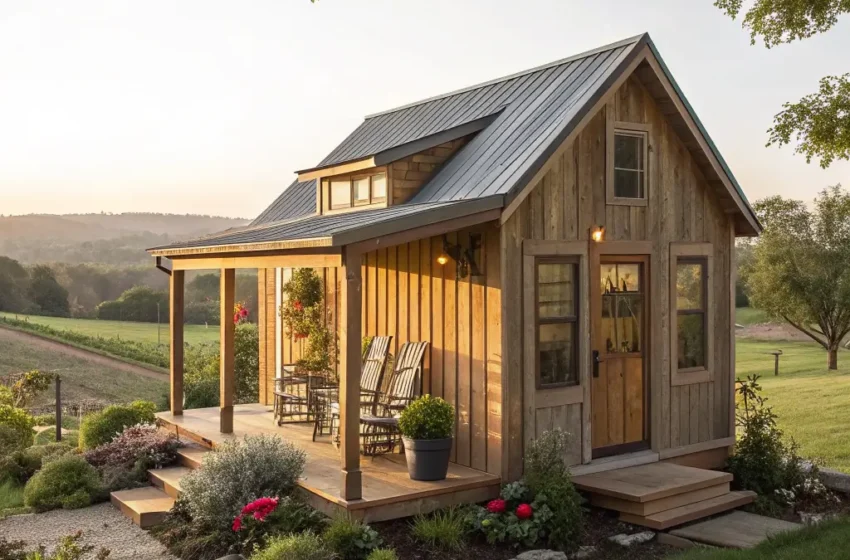
Picture this: soaring ceilings, exposed beams that actually mean something, and enough space to park your tractor—even though the closest you’ve come to farming is that basil plant dying on your windowsill.
Barn houses have gone from storing hay to storing our dreams of the perfect home, and honestly, they’re absolutely killing it.
I discovered barn homes the hard way—by accidentally touring one thinking it was a regular house. The realtor opened the door to reveal this massive open space with 30-foot ceilings and wooden beams that looked like they could hold up the world.
My jaw literally dropped. Here I was, living in a regular house with popcorn ceilings and carpet from 1987, and this barn-turned-home had more character in one beam than my entire neighborhood.
So let’s dive into ten barn house plan ideas that prove these structures aren’t just for horses anymore.
Whether you’re seriously considering building one or just love drooling over architectural porn on Pinterest, these layouts will show you why barn homes have become the ultimate blend of rustic charm and modern living.
Why Barn Houses Have Become Everyone’s Dream Home
Before we explore specific plans, let’s talk about why barn houses have captured our collective imagination. These aren’t just trendy Instagram backdrops—they solve real design problems while looking absolutely stunning.
Barn houses offer massive open spaces that traditional homes can’t match without serious structural gymnastics. Those high ceilings and open floor plans come naturally when you’re working with agricultural architecture. You get dramatic vertical space, incredible natural light, and the flexibility to create whatever layout you want inside that shell.
The aesthetic appeal runs deeper than just looking cool. Barn houses connect us to something authentic and grounded. In our world of particle board and vinyl siding, there’s something deeply satisfying about exposed wood, metal roofs, and honest construction you can actually see and understand.
1. Modern Rustic Barn House Layouts
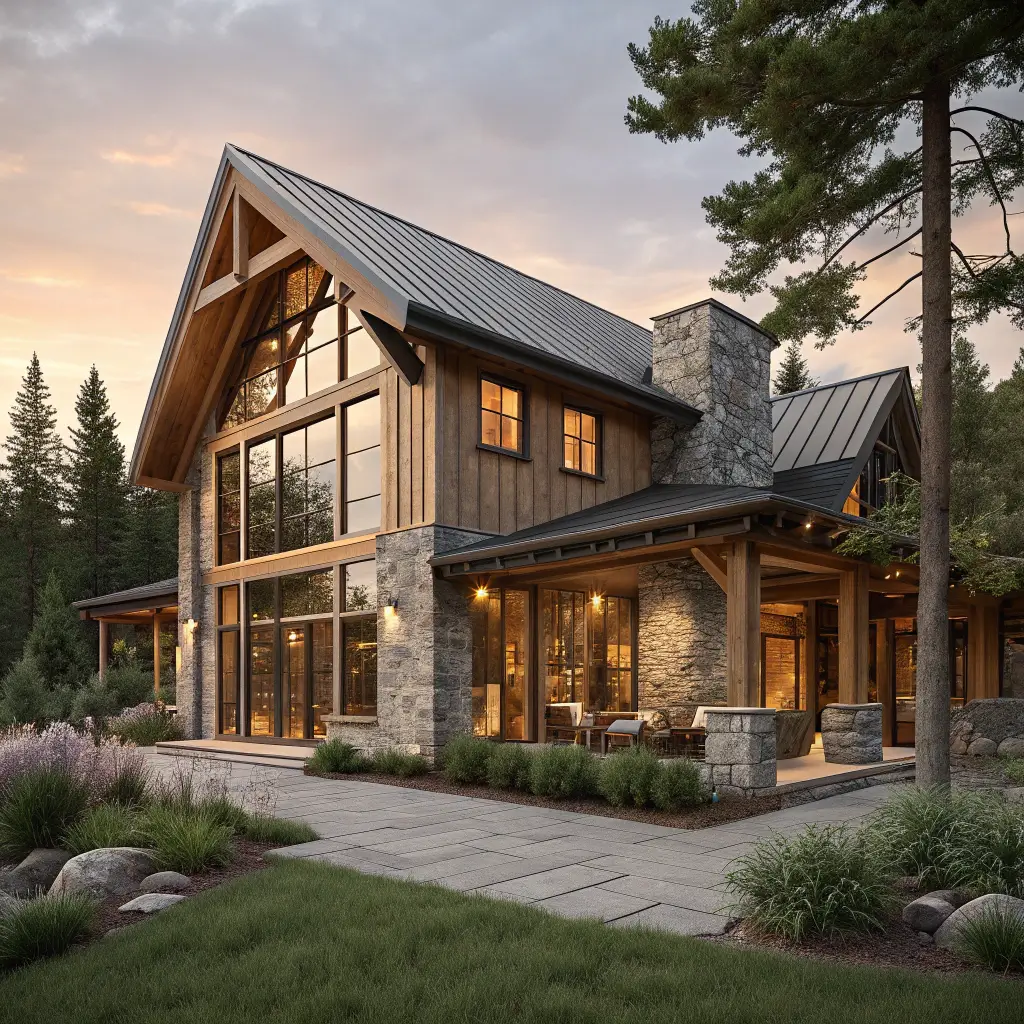
Modern rustic barn houses strike that perfect balance between country charm and contemporary convenience. These designs keep the barn’s soul while adding every modern amenity you could want.
Blending Old and New
Modern rustic barn layouts maintain traditional barn elements—gambrel roofs, board-and-batten siding, and those iconic sliding doors—while incorporating contemporary features. Think massive glass windows where hay doors used to be. Sleek kitchens tucked under hand-hewn beams. Concrete floors polished to perfection beneath century-old rafters.
The magic happens when you contrast materials. Rough wooden beams meet smooth drywall. Industrial metal stairs lead to cozy loft bedrooms. Vintage barn doors slide on modern hardware to reveal spa-like bathrooms. This tension between old and new creates spaces that feel both timeless and current.
Open Living with Defined Zones
Modern rustic barn plans embrace the barn’s natural openness while creating distinct living areas. Without load-bearing walls cluttering the space, designers use furniture placement, area rugs, and ceiling treatments to define zones.
The kitchen might anchor one end with a massive island that seats eight. The living area centers around a stone fireplace that reaches toward those soaring ceilings. A dining space floats between them, maybe under a dropped ceiling section that creates intimacy within the vastness.
Material Choices That Matter
These layouts showcase materials in their natural glory. Reclaimed wood tells stories through its patina and imperfections. Steel beams add industrial strength and visual weight. Stone accents ground the space and add textural variety.
I visited a modern rustic barn home where they’d kept the original barn siding as an interior accent wall. You could still see the weathering patterns and old nail holes. It cost nothing but added more character than any expensive wallpaper ever could.
2. Cozy Small Barn Home Designs
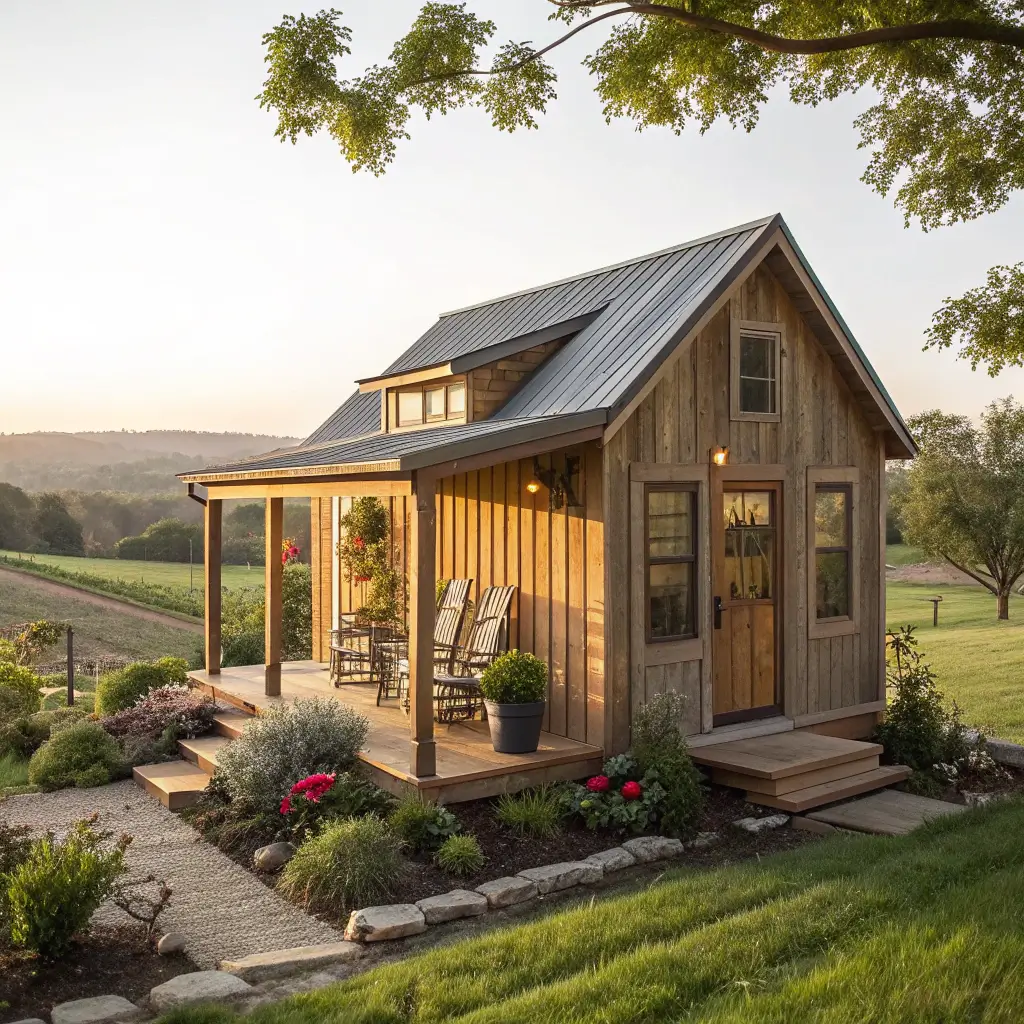
Not everyone needs 5,000 square feet of barn. Small barn homes prove you can capture that barn aesthetic in compact, manageable packages.
Efficient Use of Vertical Space
Small barn homes maximize their modest footprints by embracing vertical space. Loft bedrooms tuck under the roofline. Storage builds into walls and under stairs. The vertical emphasis makes even 1,000 square feet feel spacious.
These designs often feature 1.5 stories—full height main floors with cozy loft spaces above. The loft might serve as a master bedroom, kids’ play area, or home office. Skylights and dormer windows keep these upper spaces bright and airy despite lower ceiling heights.
Smart Storage Solutions
Small barn homes incorporate storage everywhere. Built-in benches along walls provide seating and hidden storage. Kitchen cabinets extend to the ceiling. Bathroom vanities maximize every inch. The key involves making storage invisible while keeping everything accessible.
Some small barn plans include clever solutions like pull-down attic stairs, murphy beds that fold into walls, or entire storage walls that look like rustic barn siding but hide closets behind.
Creating Coziness in Open Spaces
Small barn homes face an interesting challenge—maintaining the open barn feel while creating cozy, intimate spaces. Designers achieve this through strategic ceiling heights (lower over living areas, higher in circulation spaces), warm materials like wood and stone, and thoughtful lighting that creates pools of warmth.
3. Luxury Two-Story Barn House Plans
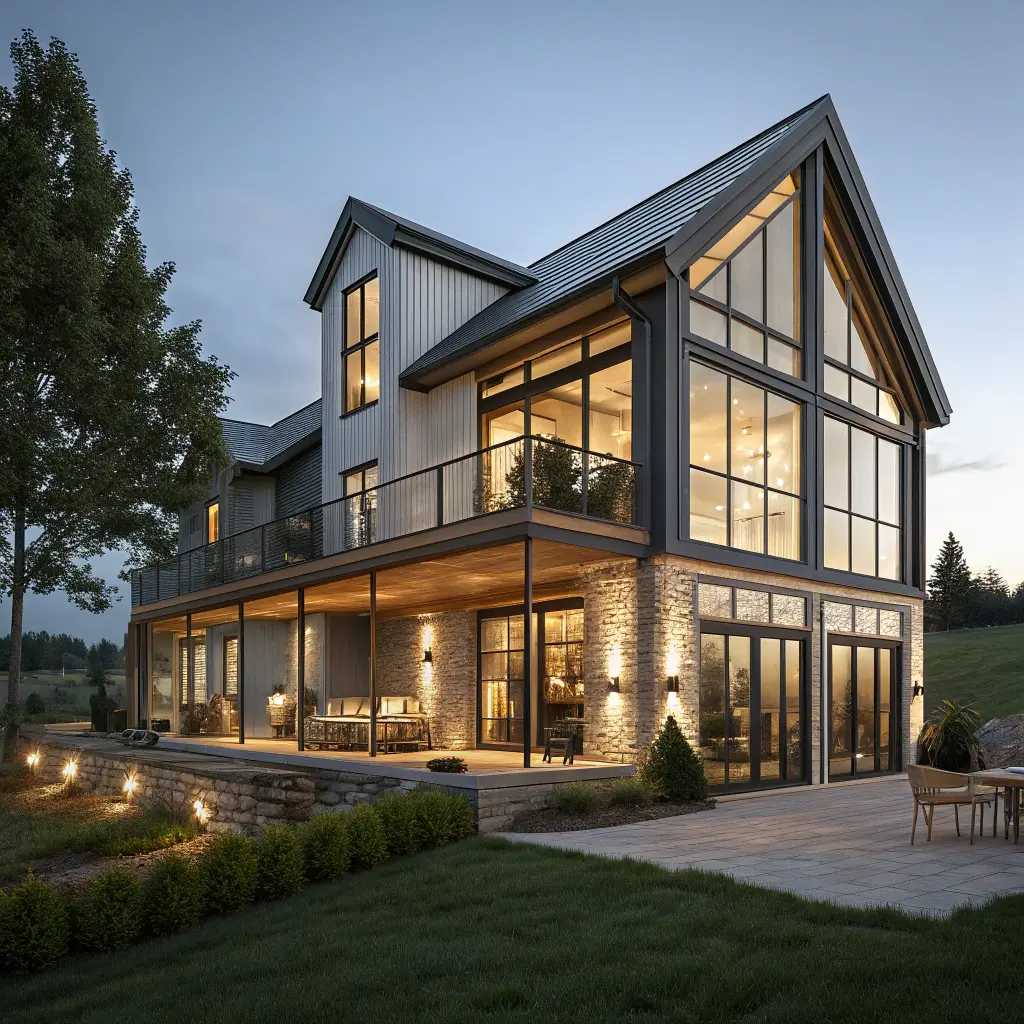
When budget isn’t the primary concern, luxury barn houses take the concept to spectacular heights—literally. These plans maximize the barn structure’s potential for drama and sophistication.
Grand Entrances and Soaring Spaces
Luxury two-story barn plans make incredible first impressions. Double-height entryways with massive windows flood the space with light. Floating staircases become sculptural elements. Bridges and catwalks connect upper-level spaces while maintaining visual openness.
The great rooms in these homes can reach 30-40 feet high, with entire walls of windows showcasing views. Some plans incorporate indoor/outdoor rooms where massive sliding doors completely open one wall to merge interior and exterior spaces.
Master Suite Retreats
Luxury barn houses often position master suites in loft spaces overlooking the main living areas. These aren’t cramped attic bedrooms—they’re full suites with sitting areas, walk-in closets, and spa bathrooms. Imagine soaking in a freestanding tub while looking out through the original hay loft doors at mountain views.
Secondary bedrooms might occupy a separate wing or lower level, providing privacy and separation. Each bedroom becomes its own retreat with ensuite bathrooms and custom built-ins.
High-End Finishes and Features
Luxury barn plans incorporate premium materials throughout. Radiant floor heating runs beneath reclaimed hardwood. Chef-grade kitchens hide behind custom cabinetry that looks like it belongs in the barn. Smart home systems control lighting, climate, and security without visible technology cluttering the rustic aesthetic.
FYI, I toured a luxury barn house with a glass-enclosed wine cellar suspended between floors. You could see it from the living room, dining room, and upstairs hallway. Completely over the top? Yes. Absolutely amazing? Also yes.
Also Read: 10 Elegant 2 Bedroom 2 Bath House Plans Ideas That
4. Minimalist Open-Concept Barn Homes
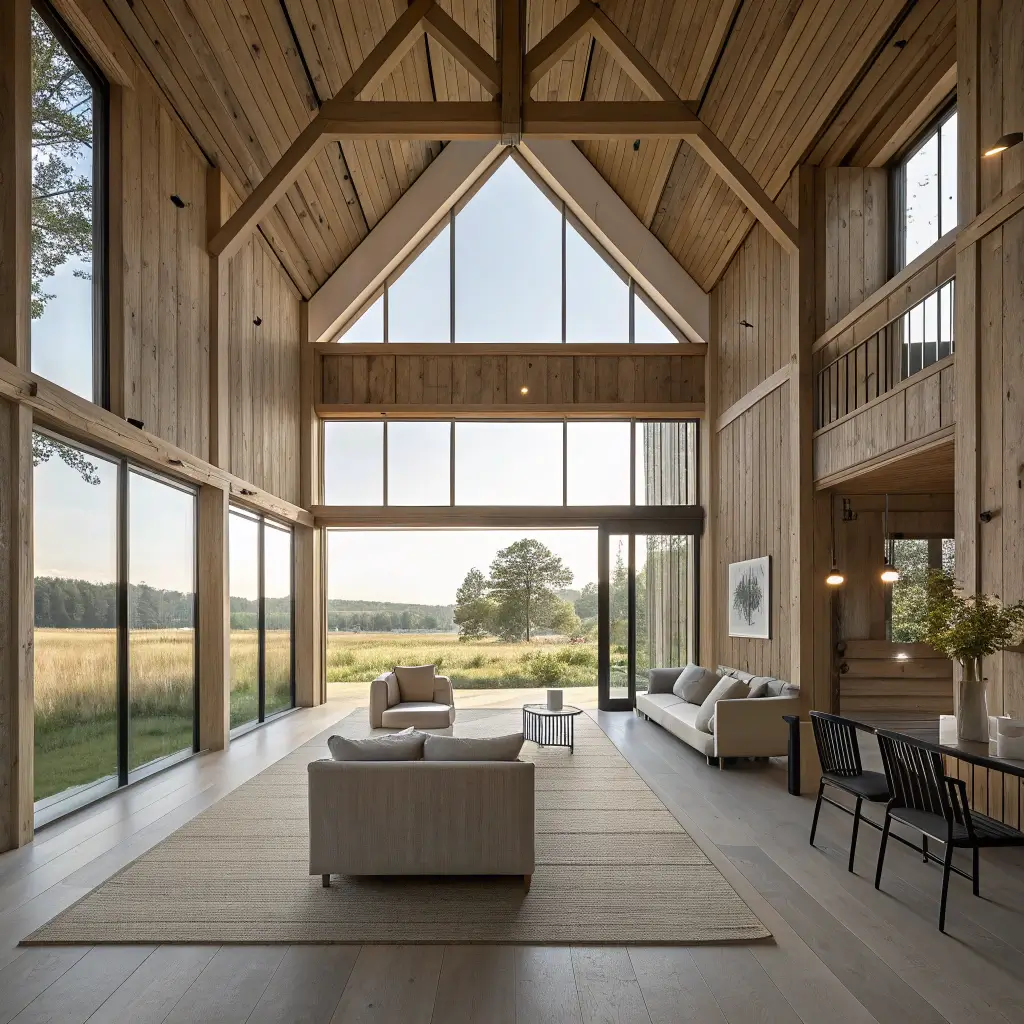
Minimalist barn homes strip the concept down to its essential elements—space, light, and honest materials. These designs prove that sometimes less really is more.
Embracing Negative Space
Minimalist barn plans celebrate the emptiness between elements. High ceilings feel even higher without visual clutter. Open floor plans flow without unnecessary furniture or decoration. The barn structure itself becomes the primary design element.
These homes might feature just one or two material choices—concrete floors and white walls with natural wood beams, for example. The restraint creates sophisticated, calming environments where the architecture shines.
Functional Simplicity
Every element in minimalist barn homes serves a clear purpose. Built-in storage maintains clean lines. Furniture pieces are carefully chosen for both function and form. Even decorative elements like lighting fixtures become sculptural statements rather than fussy details.
The kitchen might feature a single long counter with hidden appliances. Bedrooms contain just essential furniture. Bathrooms embrace spa-like simplicity with walk-in showers and floating vanities.
Light as Design Element
Minimalist barn homes treat natural light as a material. Large windows remain unadorned or feature simple roller shades. Skylights puncture the roofline strategically. The changing light throughout the day becomes the home’s primary decoration.
White or light-colored walls amplify available light, making spaces feel even larger. The contrast between bright open areas and darker, more intimate spaces creates visual interest without adding physical elements.
5. Farmhouse-Inspired Barn Living Spaces
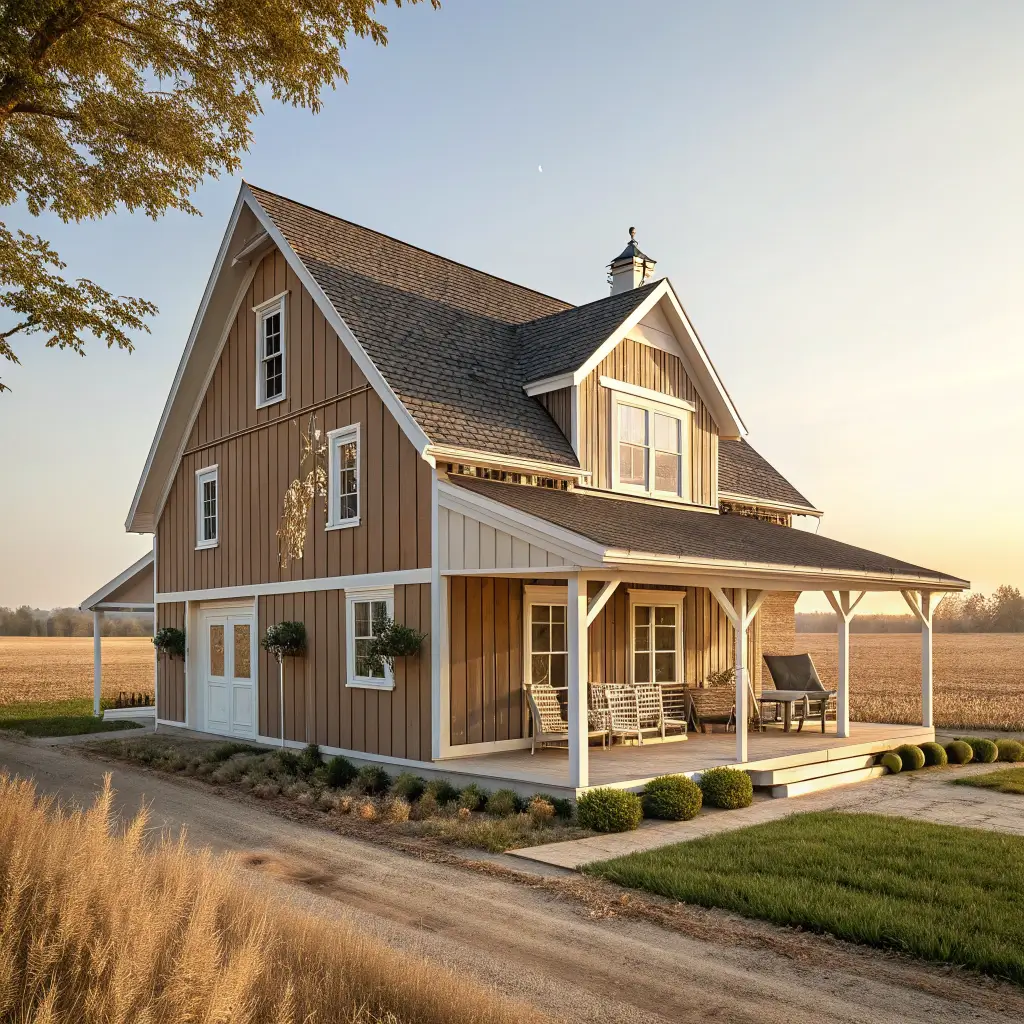
Farmhouse style and barn architecture go together like peanut butter and jelly. These plans embrace the agricultural heritage while creating comfortable modern homes.
Authentic Farmhouse Elements
Farmhouse barn plans incorporate genuine agricultural elements rather than fake rustic décor. Original barn doors slide on proper hardware. Grain bins become unique storage features. Feed troughs transform into planters or unique sinks.
The kitchen becomes the heart of these homes with massive farmhouse sinks, open shelving displaying dishes, and islands that could feed a harvest crew. These aren’t precious, magazine-ready spaces—they’re designed for real cooking and gathering.
Mixing Work and Living Spaces
True farmhouse barn plans often incorporate functional work areas. Mudrooms handle dirty boots and wet dogs. Craft rooms or workshops occupy ground-level spaces. Some plans include areas for actual agricultural activities—potting sheds, equipment storage, or processing areas for gardens.
This blend of living and working spaces reflects the barn’s original multi-purpose nature. Your home becomes not just a place to sleep but a productive space for hobbies, crafts, or even small business ventures.
Connection to the Land
Farmhouse barn homes emphasize their relationship with surrounding land. Large windows frame pastoral views. Covered porches provide transition zones between inside and outside. Garden access from kitchens makes herb-snipping convenient.
Many plans include animal-friendly features—dog washing stations, cat doors, or even small barn areas for chickens or goats. The home becomes part of a larger homestead vision, even if your “farm” is just a large suburban lot.
6. Multi-Purpose Barn House Floor Plans
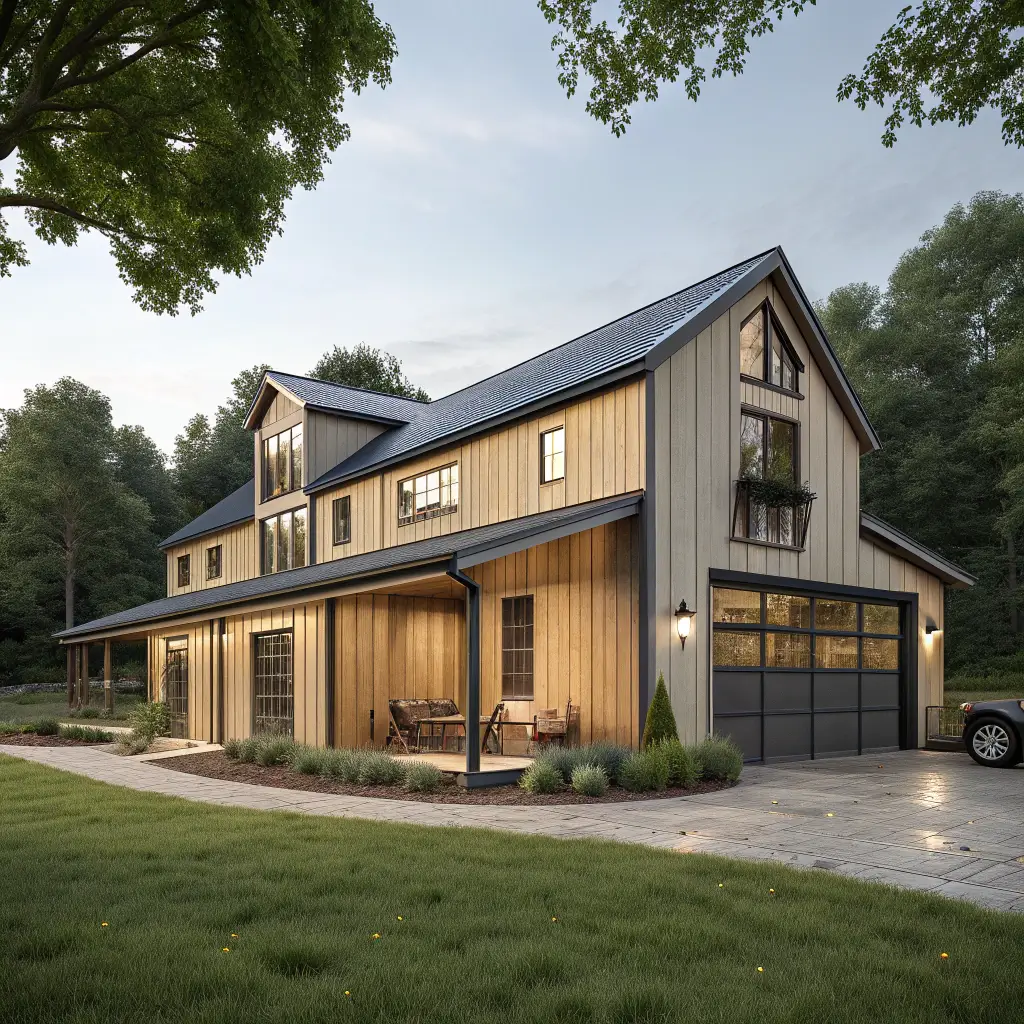
Some barn houses embrace their agricultural DNA by maintaining truly multi-purpose spaces. These plans combine living areas with workshops, studios, or even small business spaces.
Live/Work Configurations
Multi-purpose barn plans might include ground-floor workshops with living spaces above. Artists use these for studios. Woodworkers create dream workshops. Car enthusiasts build ultimate garages. The barn structure easily accommodates these mixed uses.
The key involves proper separation between work and living zones. Sound insulation prevents workshop noise from disturbing living areas. Separate entrances maintain privacy. Different HVAC zones ensure sawdust doesn’t infiltrate bedrooms.
Flexible Open Spaces
These plans often include large, undefined spaces that adapt to changing needs. What starts as a game room might become a home business. Today’s yoga studio could be tomorrow’s pottery workshop. The barn’s open structure makes these transitions easy.
Some multi-purpose plans include moveable walls or modular systems that reconfigure spaces quickly. Your barn home becomes a transformer, adapting to whatever life throws at you. 🙂
Income-Generating Possibilities
Multi-purpose barn houses can incorporate rental units, Airbnb spaces, or areas for classes and workshops. The barn aesthetic actually attracts renters willing to pay premium prices for unique spaces.
One couple I know built a barn house with a separate studio apartment above their workshop. The rental income covers most of their mortgage while giving them the workshop space they’d always dreamed of. Smart planning turned their home into an investment.
Also Read: 10 Charming 2 Story House Plans Ideas for Small Lots
7. Contemporary Barn Loft Ideas
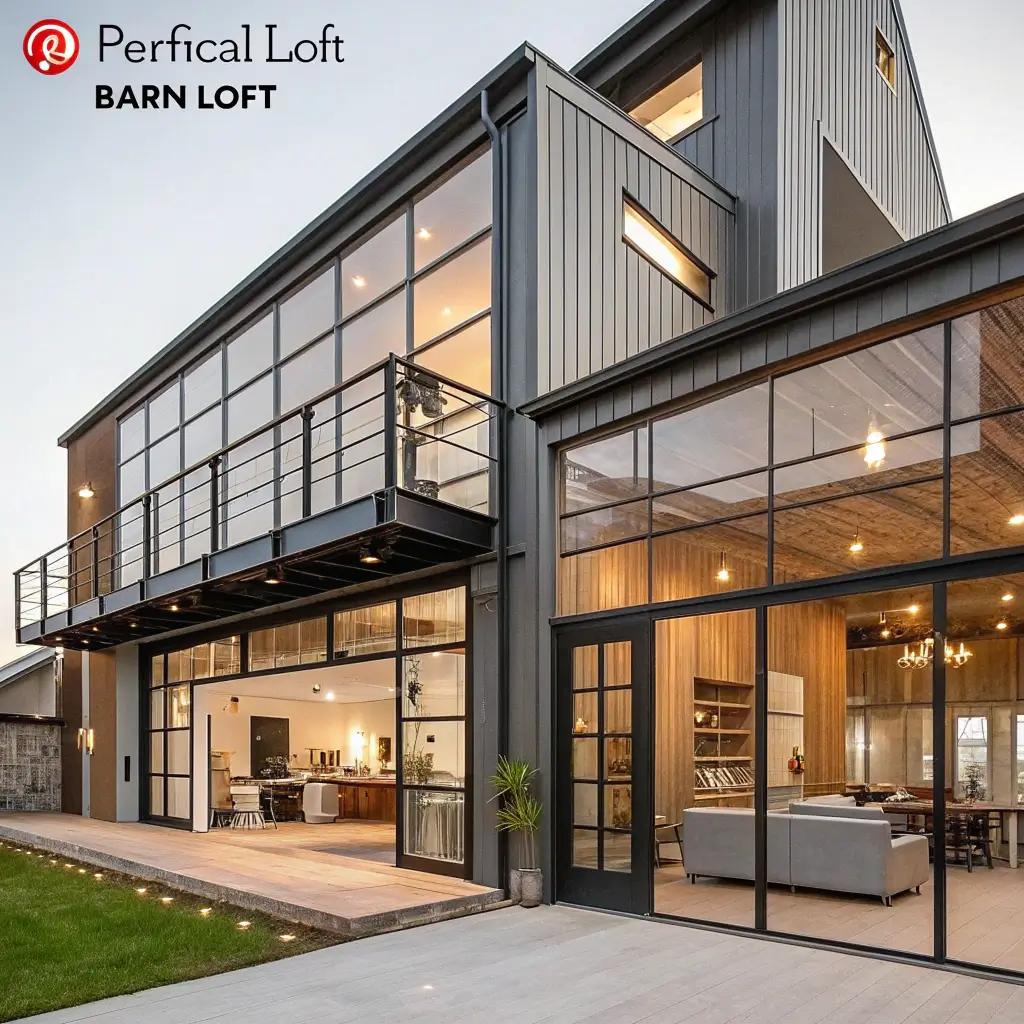
Contemporary barn lofts take the barn concept urban and ultra-modern. These designs appeal to those who love the barn aesthetic but want cutting-edge design.
Industrial Meets Agricultural
Contemporary barn lofts embrace the industrial side of agricultural buildings. Exposed steel framing, corrugated metal siding, and concrete floors create sophisticated urban aesthetics. These aren’t country barns—they’re architectural statements.
The plans might incorporate glass garage doors, steel stairs with cable railings, and minimalist fixtures. The barn shape provides the framework, but the execution feels thoroughly modern.
Maximizing Loft Spaces
Contemporary designs treat loft spaces as primary living areas rather than afterthoughts. Open loft bedrooms overlook living spaces below. Loft offices provide private work areas. Some plans include multiple loft levels creating interesting vertical relationships.
Glass railings maintain visual openness while providing safety. Skylights flood upper spaces with light. The vertical circulation becomes part of the design aesthetic rather than hidden away.
Urban Barn Adaptations
These plans work brilliantly on urban lots where traditional barns would look out of place. The contemporary interpretation fits city contexts while maintaining the barn’s spatial advantages.
Some contemporary barn lofts incorporate rooftop decks, taking advantage of the barn’s strong structure to support outdoor living spaces with city views. Others include ground-floor commercial spaces, creating true mixed-use buildings.
8. Affordable DIY Barn House Designs
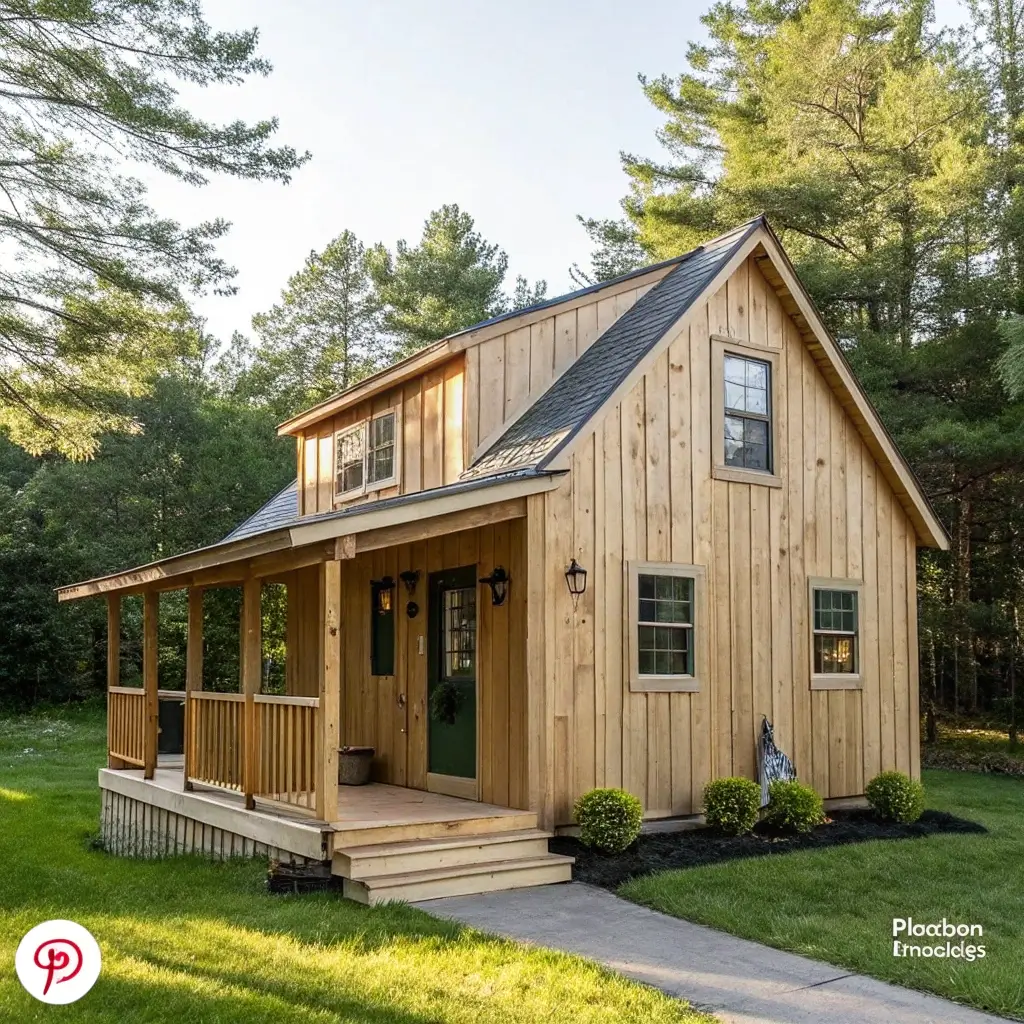
Not everyone has a massive budget, but that doesn’t mean barn house dreams are out of reach. DIY-friendly barn plans make these homes accessible to determined self-builders.
Kit Homes and Pole Barn Conversions
Affordable barn homes often start as pole barn kits that owners finish themselves. These kits provide the structure—posts, beams, roof, and siding—while owners handle interior finishing. The savings can be substantial for those willing to invest sweat equity.
Pole barn construction simplifies the building process. No complex foundations needed—just poles set in concrete. The structure goes up quickly, getting you under roof fast. Then you can finish the interior at your own pace as budget allows.
Phased Construction Approaches
DIY barn plans often accommodate phased building. Maybe you build the shell and live in a finished apartment section while completing the rest. Or you leave the upper level unfinished initially, adding bedrooms as family grows.
This approach spreads costs over time while getting you into your barn home sooner. Each phase adds value and livability without requiring massive upfront investment.
Simple Finishes That Look Great
Affordable barn homes embrace honest, simple finishes. Plywood walls look intentional when properly finished. Concrete floors cost less than hardwood but look totally appropriate. Exposed insulation between beams becomes a design feature when done right.
The barn aesthetic actually works in your favor here—rough finishes and visible construction feel authentic rather than cheap. Your budget constraints become design features.
9. Eco-Friendly Sustainable Barn Homes
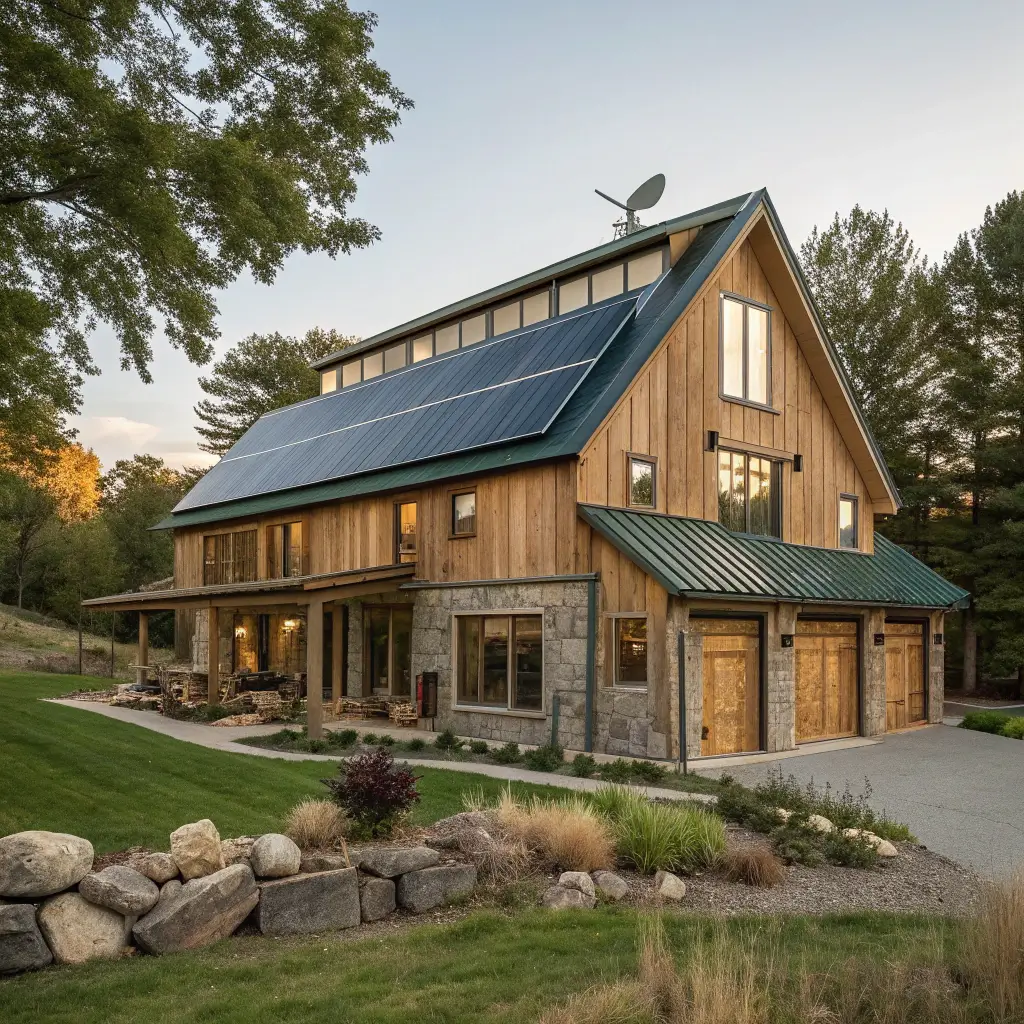
Barn structures lend themselves naturally to sustainable building practices. These eco-friendly plans minimize environmental impact while maximizing efficiency.
Passive Solar Design
Barn homes’ simple shapes and large roof areas work perfectly for passive solar strategies. South-facing windows capture winter sun. Roof overhangs provide summer shade. The thermal mass of concrete floors stores and releases heat naturally.
Some plans incorporate greenhouse spaces or solar rooms that heat adjacent living areas. The barn’s height creates natural convection currents that cool spaces without mechanical systems.
Sustainable Materials and Methods
Eco-friendly barn homes often use reclaimed materials—old barn wood, recycled metal roofing, and salvaged fixtures. These materials reduce environmental impact while adding authentic character.
New materials might include sustainably harvested wood, low-VOC finishes, and natural insulation materials like wool or cellulose. Some builders use straw bale or rammed earth construction within the barn framework.
Energy Independence Features
Barn roofs provide perfect platforms for solar panels—large, unobstructed surfaces at optimal angles. Some plans incorporate wind turbines, geothermal systems, or rainwater harvesting. The goal involves reducing or eliminating dependence on outside utilities.
Battery storage systems, composting toilets, and greywater recycling might complete the off-grid package. Your barn home becomes a self-sufficient homestead, even in suburban settings.
Also Read: 12 Practical House Plans One Story Ideas and Elegant Interiors
10. Barn Homes with Wraparound Porches
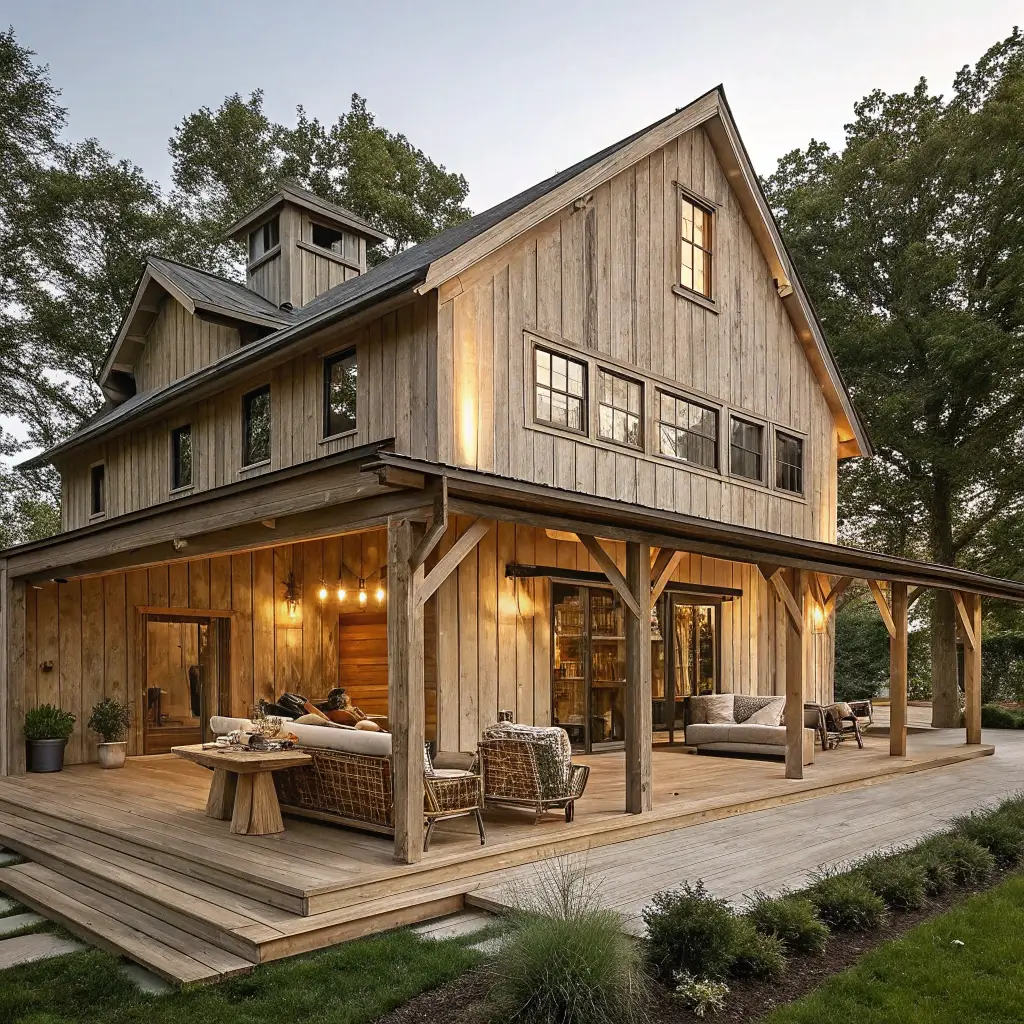
Nothing says “country living” quite like a barn house wrapped in generous porches. These plans maximize outdoor living while maintaining the barn aesthetic.
Porch as Transitional Space
Wraparound porches on barn homes serve multiple functions. They provide weather protection for the structure, outdoor living space, and visual transition between the barn’s height and human scale.
These porches might be 8-10 feet deep—enough for real furniture, not just a couple of rocking chairs. Different sections serve different purposes: morning coffee spots, afternoon shade retreats, evening entertainment areas.
Structural Integration
The best porch plans integrate structurally with the barn frame. Posts align with interior framing. Rooflines flow naturally from the main structure. The porch feels essential rather than tacked on.
Some designs incorporate screened sections, outdoor kitchens, or fireplace areas. The porch becomes a series of outdoor rooms that extend the home’s living space significantly during pleasant weather.
Year-Round Usability
Smart porch designs work across seasons. Deep overhangs provide summer shade and winter sun penetration. Ceiling fans create cooling breezes. Outdoor heaters or fireplaces extend usability into cooler months.
IMO, a barn house without a proper porch is missing half its potential. That porch becomes your decompression zone, your entertainment space, and your connection to the landscape all in one.
Making Your Barn House Dreams Reality
After exploring these ten approaches to barn house living, you might wonder which style fits your situation best. Start by considering your land—barn houses need room to breathe and look their best on larger lots with some distance from neighbors.
Think about your lifestyle too. Do you need workshop space? Love entertaining? Work from home? Barn houses adapt to almost any need, but different plans serve different purposes better.
The Investment Perspective
Barn houses often cost less per square foot than traditional construction, especially if you’re comparing the volume of space rather than just floor area. Those soaring ceilings and open spaces would require expensive engineering in traditional homes but come naturally in barn structures.
The uniqueness factor also affects value. Well-designed barn homes attract buyers willing to pay premiums for character and authenticity. You’re not building another cookie-cutter house—you’re creating something special that stands out in the market.
Starting Your Barn House Journey
Whether you choose modern rustic elegance, minimalist simplicity, or affordable DIY construction, remember that barn house offer something traditional homes can’t match—authentic character, incredible space, and connection to architectural heritage.
Visit barn homes if possible. Walk through them feeling the volume, the light, the materials. Notice how the space makes you feel. That emotional response matters more than any floor plan or finish choice.
The perfect barn house plan is out there, waiting to transform your living experience.
These aren’t just homes—they’re lifestyle statements that declare you value authenticity, space, and character over conformity.
Your barn house adventure starts with choosing the approach that speaks to your soul, then making it uniquely yours. :/
Now get out there and start planning your barn house dream. Who knows? You might actually end up with that tractor after all!