10 Amazing Basement Apartment Ideas and Cozy Living Tips
- Basement Decor
 Ben
Ben- 0
- 30 minutes read
So you’ve got a basement that’s currently serving as a glorified storage unit for Christmas decorations and that exercise bike you swore you’d use? Yeah, I’ve been there. But here’s the thing – that underground space is basically a goldmine waiting to happen. Whether you’re looking to create a rental income stream, need extra living space for family, or just want to transform that dungeon into something actually livable, I’ve got your back.
After spending way too much time scrolling through basement transformations (and maybe getting a little obsessed with before-and-after photos), I’ve compiled the most jaw-dropping basement apartment ideas that’ll make you wonder why you waited so long to tackle this project. Trust me, some of these will blow your mind.
Modern Minimalist Basement Apartment
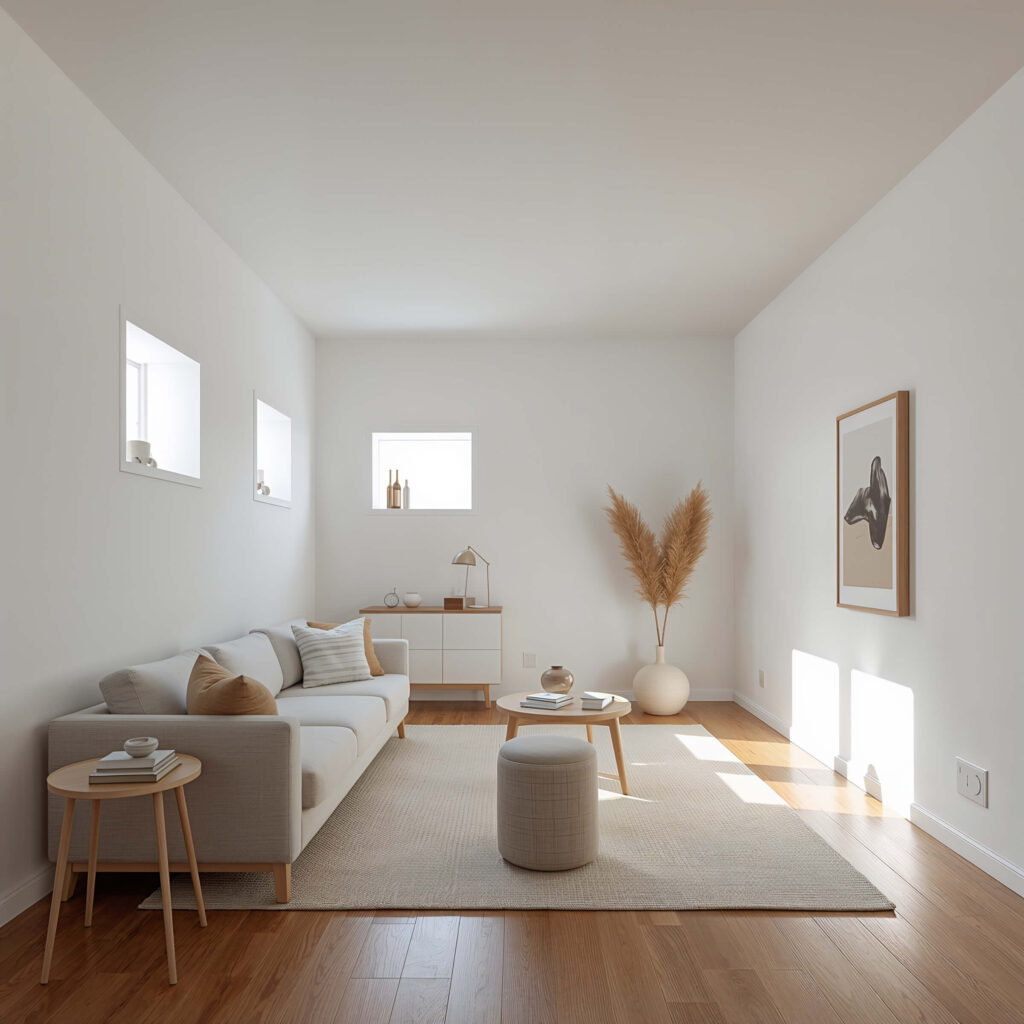
Let’s start with something clean and sophisticated, shall we? The modern minimalist approach is perfect if you’re the type who breaks out in hives at the sight of clutter. I absolutely love how this style transforms even the most cramped basement into something that feels spacious and zen-like.
The secret sauce here is all about strategic color choices and smart furniture selection. You’ll want to stick with a neutral palette – think whites, grays, and maybe a pop of black for contrast. I learned this the hard way after painting my first basement attempt in what I thought was a “cozy” dark blue. Spoiler alert: it looked like a cave.
Key elements that make this style work include:
• Sleek, low-profile furniture that doesn’t overwhelm the space
• Hidden storage solutions built into walls or under stairs
• Large mirrors strategically placed to bounce light around
• Minimal decorative elements – less really is more here
The lighting game is crucial in a minimalist basement. You can’t just slap up a single overhead fixture and call it a day. Layer your lighting with recessed ceiling lights, sleek floor lamps, and maybe some LED strip lighting under cabinets. It creates this amazing ambient glow that makes the space feel twice as big.
One trick I picked up from a designer friend? Use furniture with legs instead of pieces that sit directly on the floor. It creates visual breathing room and makes everything feel less heavy. Who knew furniture could be so psychological?
Cozy Rustic Basement Retreat
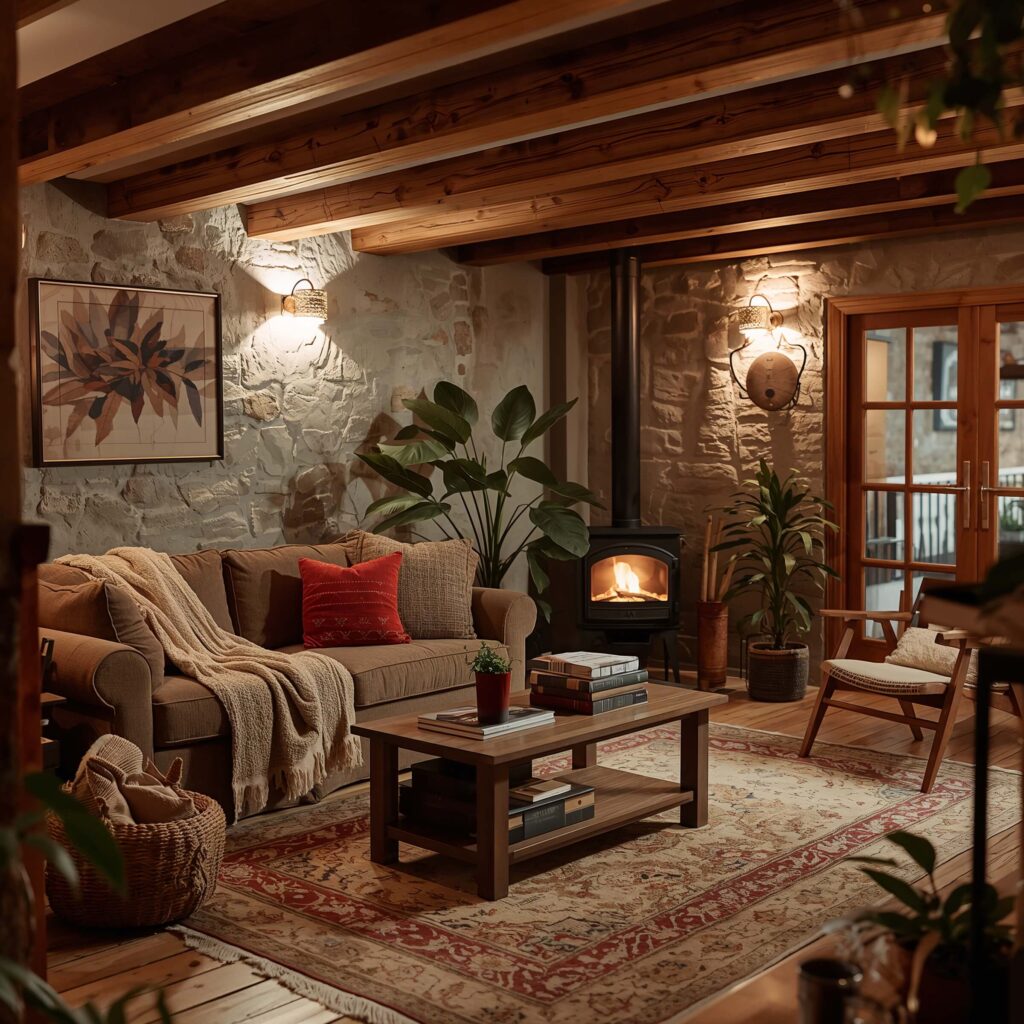
Now, if minimalism makes you feel like you’re living in a sterile laboratory, let’s swing completely in the other direction. The rustic basement retreat is where comfort meets character, and honestly, it’s my personal favorite for creating that “I never want to leave this space” vibe.
This style embraces all those basement quirks that other designs try to hide. Exposed brick walls? Feature them. Wooden ceiling beams? Make them the star of the show. Stone foundation walls? Perfect backdrop for your cozy corner.
The magic happens when you layer in these elements:
• Warm, earthy color schemes – think deep browns, forest greens, and burnt oranges
• Natural materials like reclaimed wood, stone, and wrought iron
• Soft textiles everywhere – throw blankets, area rugs, and plenty of pillows
• Vintage or antique furniture pieces that tell a story
Ever wondered why rustic spaces feel so instantly relaxing? It’s because they connect us to natural elements and simpler times. Plus, this style is incredibly forgiving – that slightly uneven floor or quirky ceiling height just adds to the charm.
Lighting in a rustic basement should feel warm and inviting. Skip the harsh fluorescents and go for table lamps with warm bulbs, string lights (yes, even indoors), and maybe a statement chandelier made from natural materials. I once saw someone use mason jar pendant lights, and while it sounds cheesy, it actually looked amazing.
Industrial Loft-Style Basement Apartment
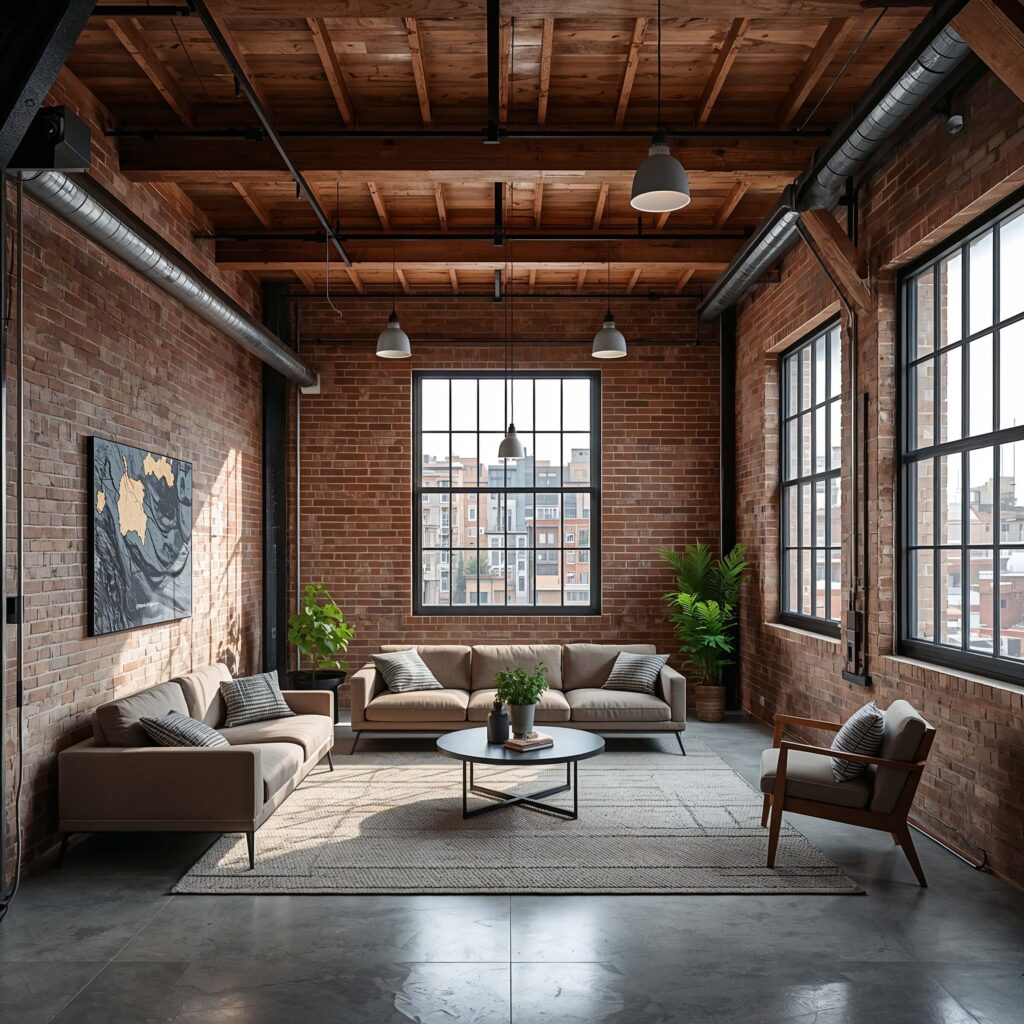
Ready to embrace your inner urban dweller? The industrial loft style is perfect for basements because it actually celebrates all those mechanical elements that other styles try to disguise. Those exposed pipes and ductwork? They’re not bugs, they’re features!
This style originated in converted warehouses and factories, so it’s naturally suited to basement spaces. The key is balancing raw industrial elements with comfortable living features. You don’t want it to feel like you’re actually living in a factory (unless that’s your thing, no judgment here).
Essential industrial elements include:
• Exposed ceiling systems – pipes, ducts, and beams painted in coordinating colors
• Metal and concrete materials mixed with warmer elements like wood
• Large-scale furniture that can handle the bold aesthetic
• Edison bulb lighting and metal fixtures
The color palette typically revolves around grays, blacks, and metallics, but you can warm it up with rich browns or deep blues. I’ve seen some incredible industrial basements that incorporated burgundy or forest green as accent colors – it adds sophistication without losing that edgy vibe.
Storage in industrial spaces should look intentional and functional. Think metal shelving units, vintage lockers, or custom-built storage that looks like it belongs in a high-end loft. The goal is making everything look purposeful rather than just thrown together.
Also Read: 10 Creative Basement Playroom Ideas to Inspire Kids
Bright Scandinavian Basement Design
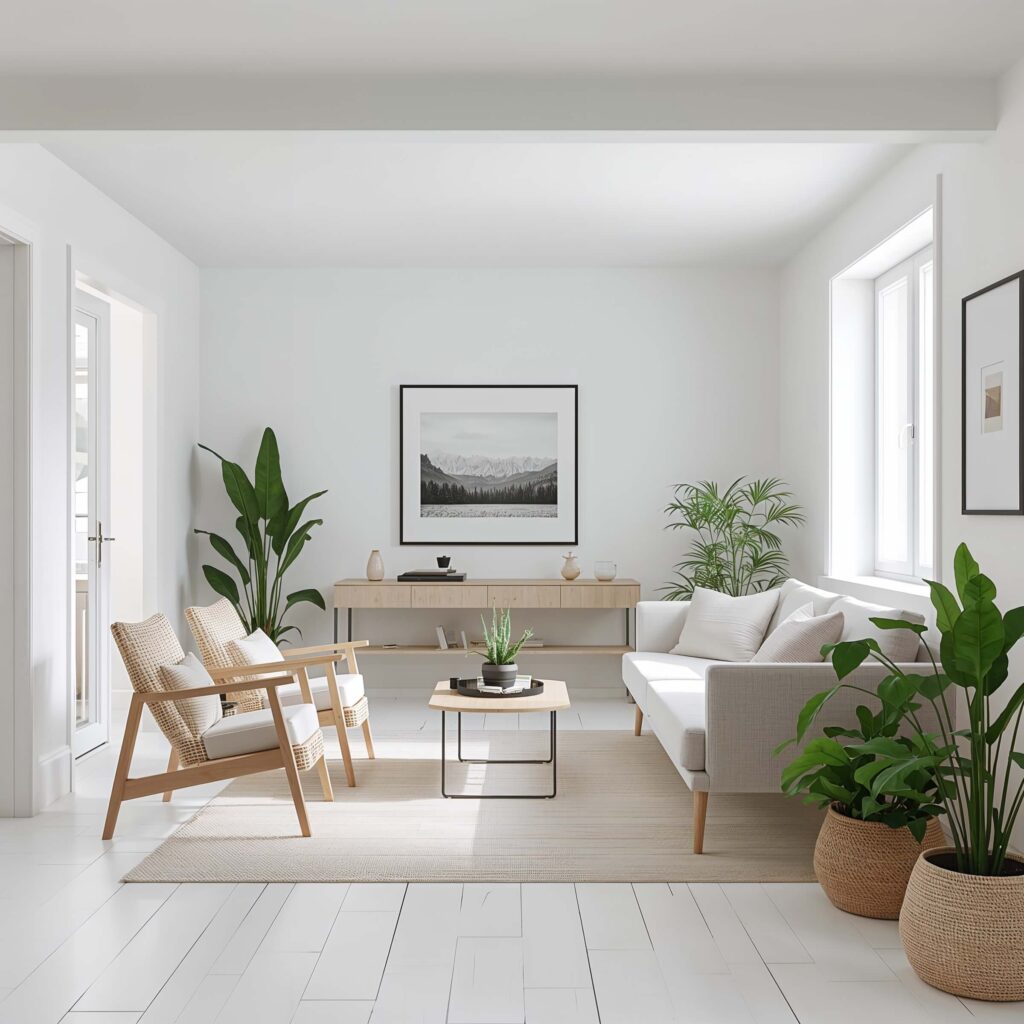
If you’ve ever wondered how to make a basement feel like a sunny Nordic cabin, the Scandinavian design approach is your answer. This style is basically the master class in making small, potentially dark spaces feel bright and airy.
The Scandinavian philosophy is all about hygge (that Danish concept of cozy contentment), and it translates beautifully to basement living. The secret is creating a space that feels both minimal and incredibly warm – kind of like a hug in design form.
Core Scandinavian elements that work magic in basements:
• Light wood tones – think blonde oak, birch, or pine
• White and cream color schemes with subtle gray accents
• Natural textures like wool, linen, and sheepskin
• Functional, beautiful furniture that serves multiple purposes
Lighting is absolutely critical in a Scandinavian basement. You’ll want to maximize any natural light sources and supplement with plenty of artificial options. Paper pendant lamps, simple table lamps with linen shades, and candles (lots of candles) create that signature Nordic glow.
The furniture should be clean-lined but comfortable. Think mid-century modern pieces in light woods, cozy reading chairs with soft throws, and maybe a beautiful area rug that ties everything together. IMO, this style creates the most livable basement apartments because everything feels so intentionally comfortable.
Compact Studio Basement Conversion
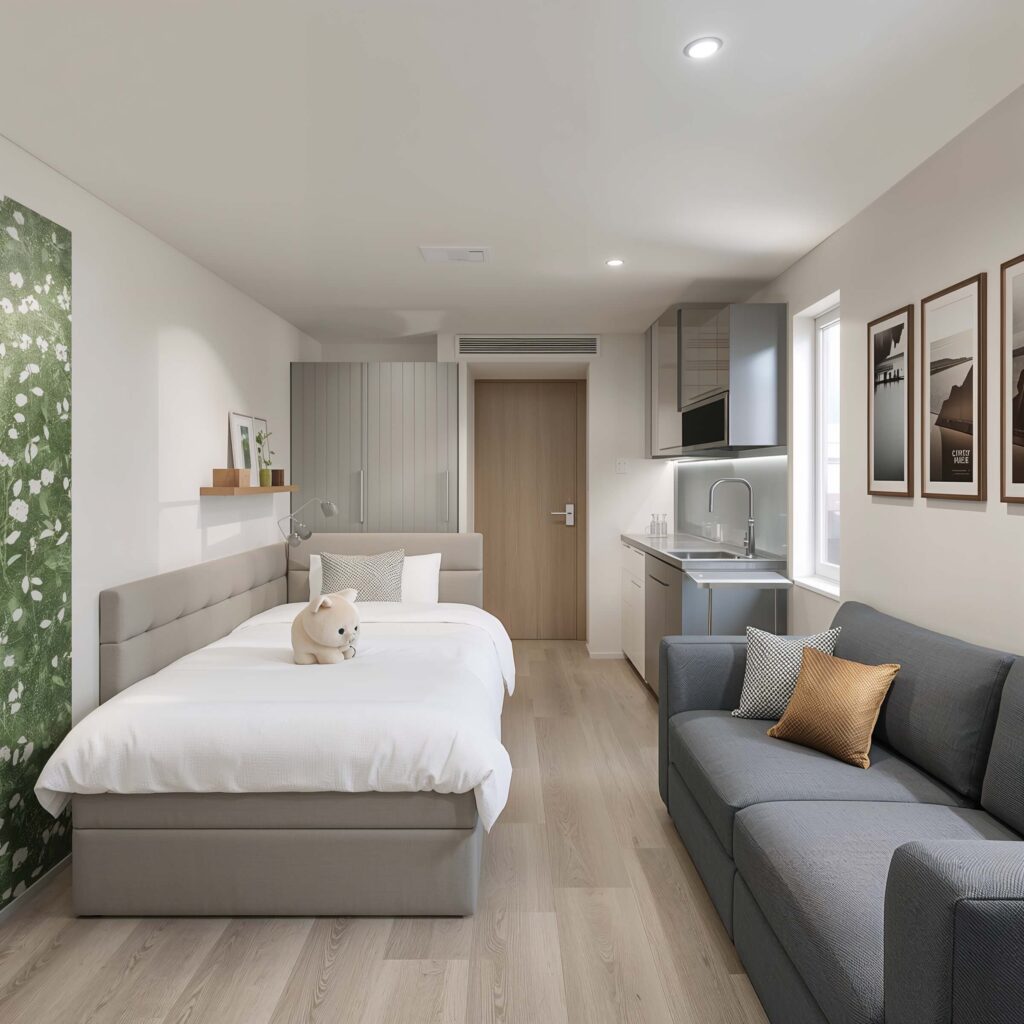
Working with a seriously small basement? Don’t panic – studio-style conversions can be incredibly functional and stylish when done right. The trick is thinking like a yacht designer: every square inch needs to earn its keep.
I’ve seen 400-square-foot basements that feel more spacious than some regular apartments, and it all comes down to smart space planning and multi-functional design. You’re basically creating a one-room living solution that doesn’t feel cramped or chaotic.
Essential studio basement strategies:
• Define zones without walls – use furniture placement, rugs, or lighting to create distinct areas
• Vertical storage solutions that draw the eye upward
• Multi-purpose furniture like storage ottomans, fold-down desks, or murphy beds
• Light colors and reflective surfaces to maximize the sense of space
The kitchen area in a studio basement needs to be compact but fully functional. Think galley-style layouts, apartment-sized appliances, and clever storage solutions like magnetic spice racks or hanging pot storage. You can create a surprisingly complete kitchen in just a few linear feet if you plan it right.
Sleeping areas can be separated from living spaces using room dividers, curtains, or even just strategic furniture placement. A tall bookshelf can create privacy while providing storage – it’s like getting two functions for the price of one piece of furniture.
Luxury Basement Apartment Makeover
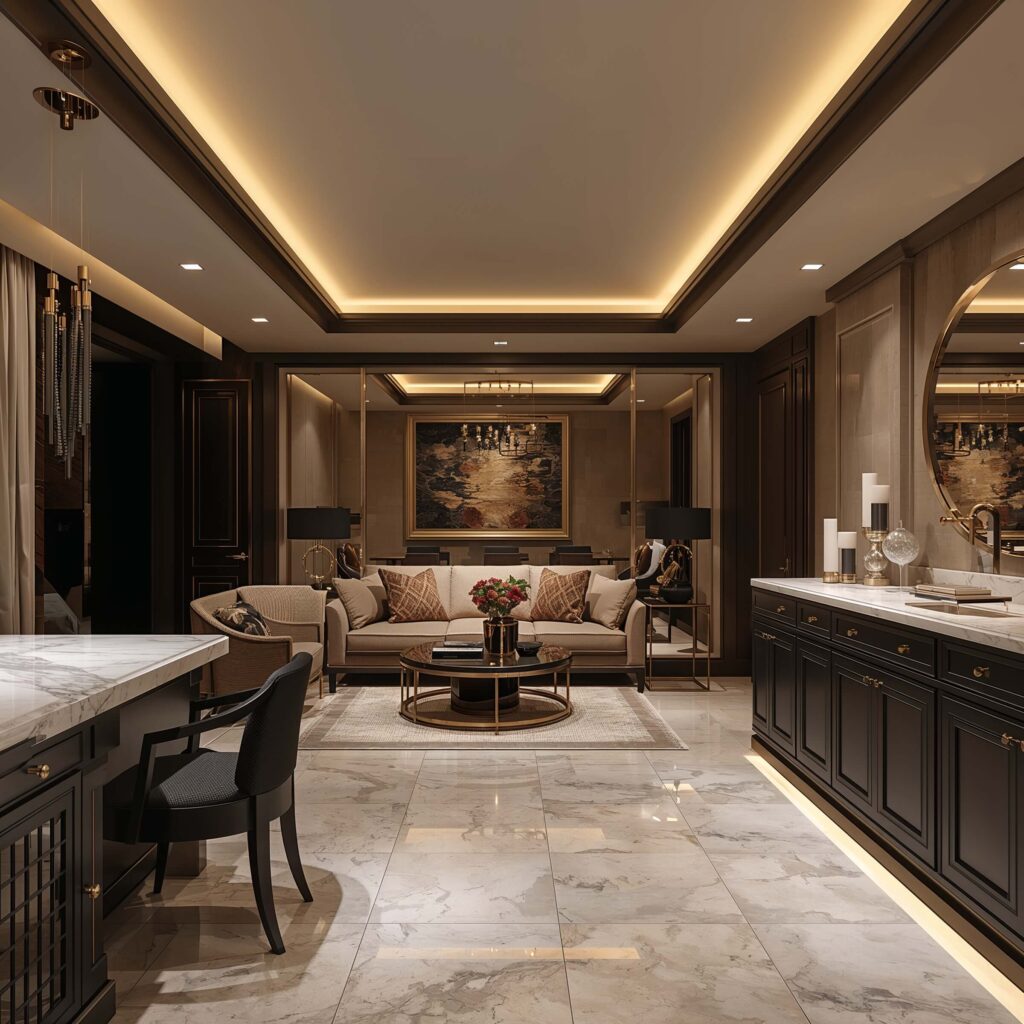
Sometimes you want to go all out and create something that rivals any upscale apartment. A luxury basement makeover is where you pull out all the stops and create a space that makes people forget they’re underground.
The key to luxury basement design is attention to detail and high-quality finishes. You’re not just covering up basement issues – you’re creating something genuinely beautiful and sophisticated. This is where you invest in the good stuff because the details make all the difference.
Luxury basement features that create wow factor:
• High-end flooring like hardwood, luxury vinyl plank, or beautiful tile
• Custom built-ins that look like they belong in a magazine
• Premium lighting fixtures that serve as statement pieces
• Upgraded mechanical systems for perfect climate control
Bathrooms in luxury basements should feel like spa retreats. Think rainfall showerheads, heated floors, beautiful tile work, and maybe even a soaking tub if space allows. I’ve seen basement bathrooms that are nicer than the master baths in the main house – it’s all about prioritizing quality over quantity.
The kitchen area can include high-end appliances, stone countertops, and custom cabinetry. You’re creating a space where someone would genuinely want to cook and entertain, not just heat up leftovers.
Also Read: 10 Stunning Small Basement Ideas Layout and Space-Saving Tricks
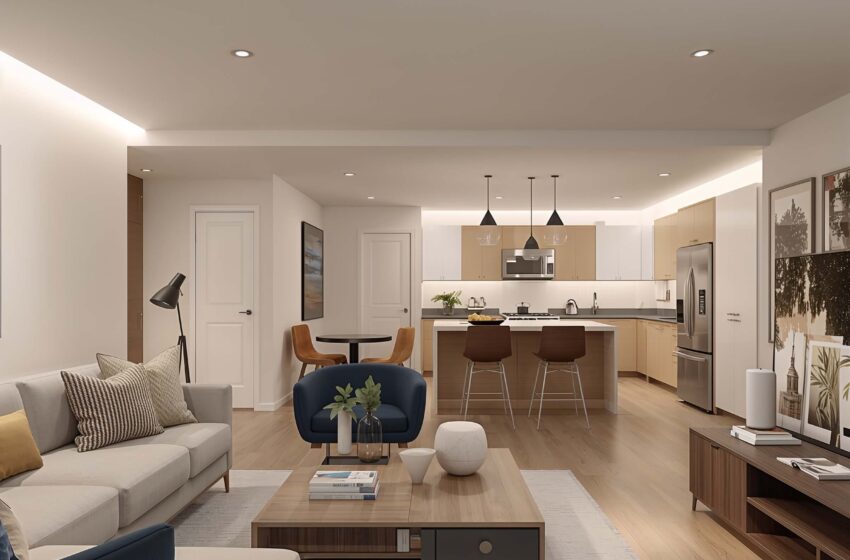
Basement Apartment with Open Floor Plan
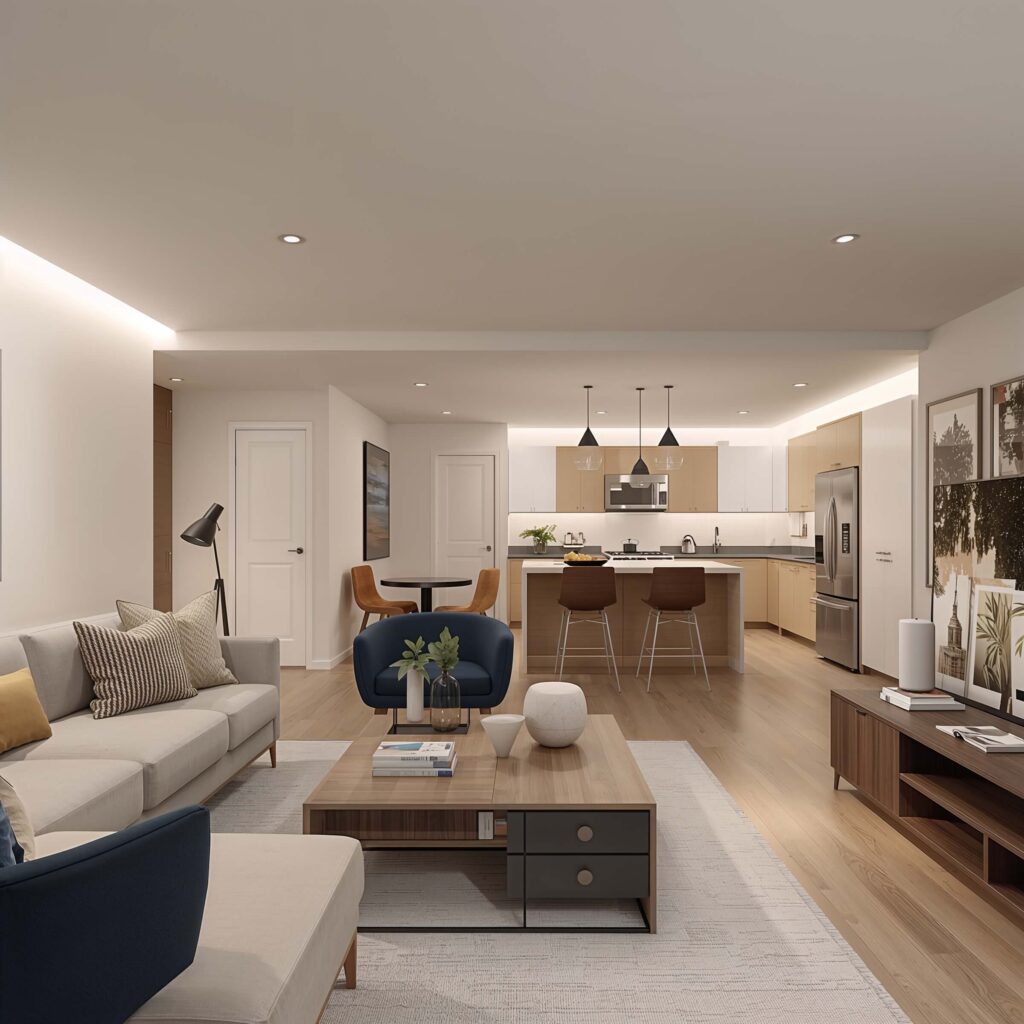
Open floor plans work incredibly well in basements because they maximize the sense of space and allow light to flow freely throughout the area. Instead of chopping up your basement with walls, you create one flowing space that feels much larger than its actual square footage.
The challenge with open basement floor plans is creating definition without walls. You need to establish different functional areas while maintaining that spacious, flowing feeling. It’s like conducting an orchestra – every element needs to work together harmoniously.
Effective open floor plan strategies:
• Use area rugs to define different zones – living area, dining space, sleeping area
• Vary ceiling heights where possible to create visual interest
• Strategic furniture placement to guide traffic flow and create natural boundaries
• Consistent color schemes that unify the entire space
Kitchen islands or peninsulas work beautifully in open basement floor plans because they provide workspace and storage while creating a natural boundary between cooking and living areas. Plus, they’re perfect for casual dining or entertaining.
The lighting design in an open floor plan needs to be carefully planned. You’ll want different types of lighting for different zones – task lighting for work areas, ambient lighting for relaxation spaces, and accent lighting to highlight architectural features.
Creative Multi-Functional Basement Space
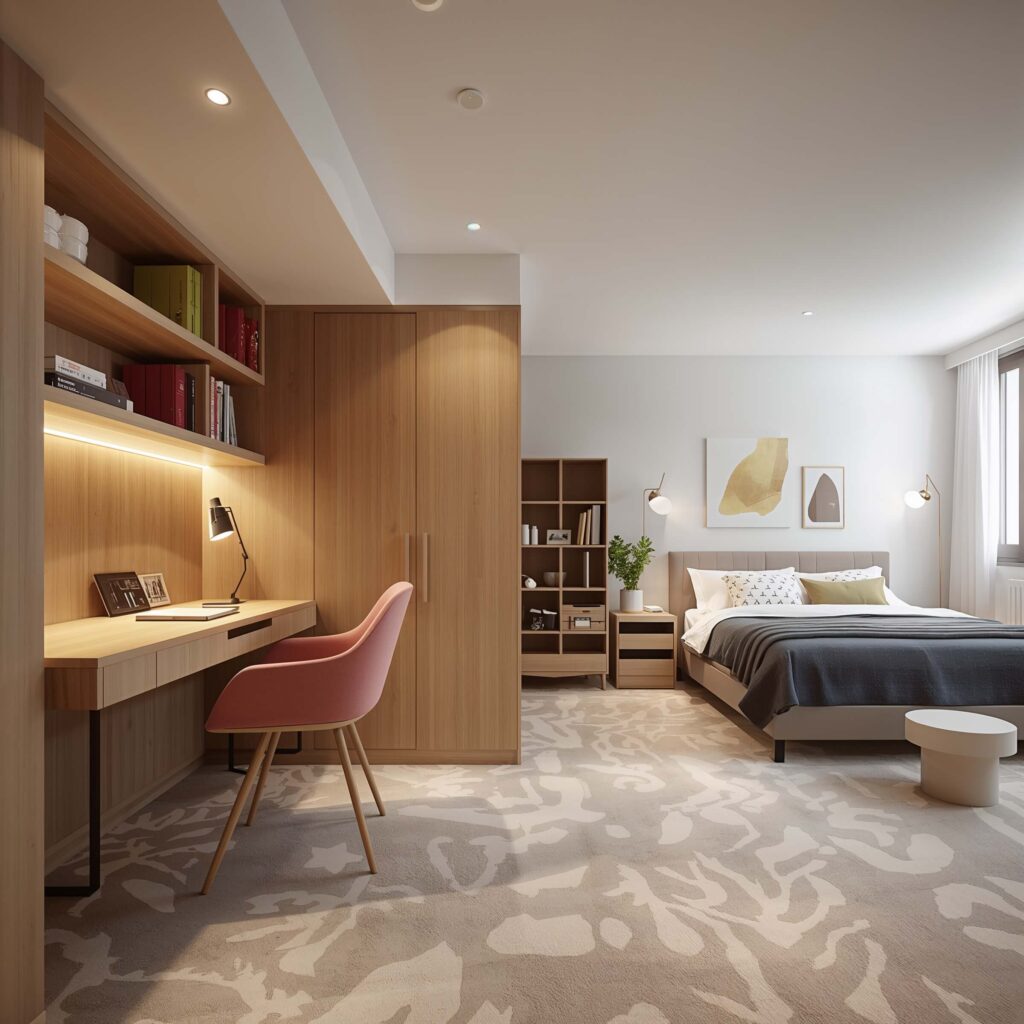
This is where things get really fun. Multi-functional basement spaces are perfect for families who need their basement to wear many hats throughout the day. Maybe it’s a home office during the day, entertainment space in the evening, and guest room on weekends?
The secret to successful multi-functional design is flexible furniture and smart storage solutions. You need pieces that can transform or move easily, and everything needs a designated home when not in use. It’s like having a transformer for a basement 🙂
Key multi-functional elements:
• Modular furniture that can be reconfigured for different uses
• Hidden storage that keeps spaces clutter-free when switching functions
• Moveable partitions or screens for creating privacy when needed
• Technology integration for different entertainment and work needs
Home office areas can double as craft spaces or homework stations. Entertainment zones can transform into guest sleeping areas with the right furniture choices. Exercise areas can become play spaces for kids when the equipment is stored away.
The storage game is crucial in multi-functional spaces. Built-in cabinets, under-stair storage, and furniture with hidden compartments help keep everything organized and accessible. You want to be able to transform your space quickly without it feeling like a major production.
Budget-Friendly Basement Apartment Remodel
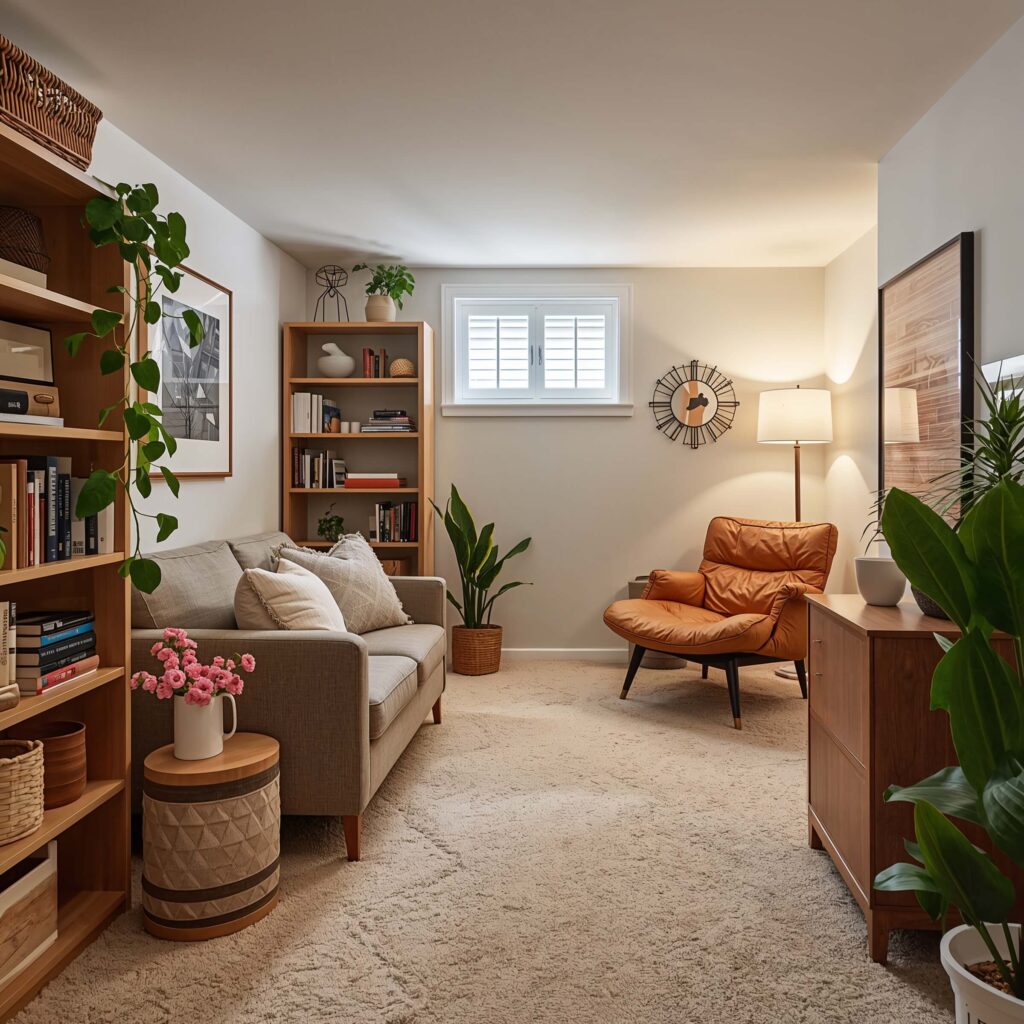
Let’s be real – not everyone has unlimited funds for their basement transformation. But here’s the thing: budget-friendly doesn’t have to mean cheap-looking. Some of the most creative and charming basement apartments I’ve seen were done on shoestring budgets with lots of creativity and elbow grease.
The key to budget basement remodeling is prioritizing your spending and getting creative with DIY solutions. You focus your money on the things that make the biggest impact and find clever ways to handle everything else.
Budget-smart strategies that deliver big impact:
• Paint everything – it’s the cheapest way to completely transform a space
• DIY storage solutions using basic lumber and creativity
• Thrift store and marketplace finds that you can refinish or repurpose
• Focus on lighting – good lighting makes everything look more expensive
Flooring can be one of the biggest expenses, but there are budget-friendly options that look great. Luxury vinyl plank, laminate, or even painted concrete can create beautiful floors without breaking the bank. I’ve seen some amazing painted concrete floors that look like expensive tile – it just takes some patience and the right technique.
Furniture doesn’t have to be brand new to look amazing. Some of my favorite basement spaces feature vintage pieces that were refinished, repurposed furniture, or clever DIY builds. A coat of paint and new hardware can make a thrift store dresser look like a custom piece.
Also Read: 10 Refreshing Basement Paint Colors Ideas to Lighten Rooms
Chic Contemporary Basement Living Space
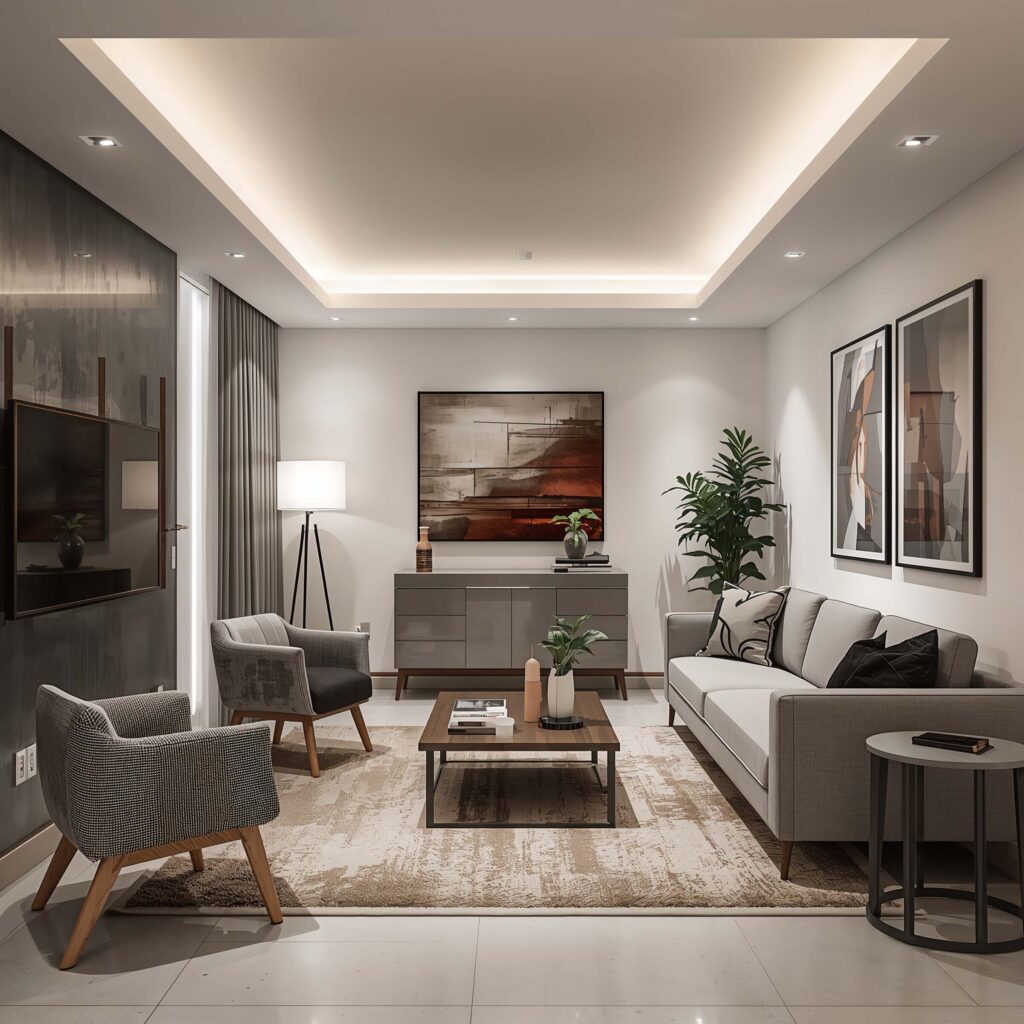
Contemporary design in basements is all about clean lines, current trends, and creating a space that feels fresh and modern. It’s different from minimalist design because it embraces current colors, patterns, and styles rather than sticking to stark simplicity.
Contemporary basement design allows you to experiment with current trends without committing to them throughout your entire house. Want to try that bold wallpaper or trendy color? Your basement is the perfect testing ground.
Contemporary elements that work well in basements:
• Current color trends – whether that’s jewel tones, earth tones, or bold contrasts
• Mixed materials like combining wood, metal, and fabric in interesting ways
• Statement lighting that serves as art pieces
• Geometric patterns in rugs, wallpaper, or tile
The furniture in contemporary spaces should feel current but not trendy to the point of being dated quickly. You want pieces that reflect current design sensibilities while having some staying power. Think clean lines with interesting details, current colors in classic silhouettes.
Technology integration is often a big part of contemporary design. Smart home features, built-in charging stations, and entertainment systems that blend seamlessly into the design all contribute to that modern, current feeling.
FYI, contemporary design is perfect for basement apartments because it embraces the idea that basements can be just as stylish and current as any other living space. You’re not trying to hide the fact that it’s a basement – you’re celebrating it as a legitimate, beautiful living space.
Making It All Work: Essential Cozy Living Tips
No matter which style direction you choose, there are some universal truths about creating cozy, livable basement apartments. These are the details that separate a successful basement conversion from one that feels like you’re living in a bunker.
Moisture control is absolutely non-negotiable. You can have the most beautiful design in the world, but if you don’t address moisture issues, you’ll end up with problems that no amount of cute decor can fix. Proper waterproofing, ventilation, and humidity control are your foundation for everything else.
Ceiling height can be challenging in basements, but there are ways to work with what you have. Light colors, vertical lines, and strategic lighting can make low ceilings feel higher. If you have really low ceilings, embrace it and create a cozy, intimate feeling rather than fighting it.
Natural light should be maximized wherever possible. Clean those basement windows, consider window wells if needed, and use mirrors strategically to bounce light around. Every bit of natural light makes a huge difference in how the space feels.
Ventilation and air quality are crucial for comfort. Basement apartments need good air circulation to feel fresh and healthy. This might mean upgrading your HVAC system, adding ventilation fans, or incorporating air purifiers into your design.
The bottom line? Your basement has incredible potential, whether you’re working with a tiny space on a tight budget or going all-out with a luxury conversion. The key is choosing a design approach that fits your space, your budget, and your lifestyle, then executing it with attention to the details that make a space truly livable.
Your basement apartment can be just as comfortable, stylish, and functional as any above-ground living space – it just takes some creativity and planning to get there. And honestly? Some of the coziest, most interesting living spaces I’ve ever seen have been basement apartments that embraced their unique character rather than trying to pretend they were something else.