10 Luxurious Basement Gym Ideas and High-Tech Designs
- Basement Decor
 Ben
Ben- 0
- 40 minutes read
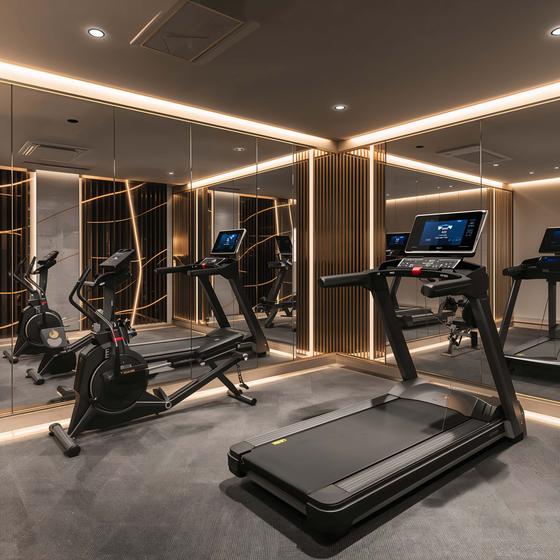
Picture this: you wake up, grab your coffee, and instead of battling traffic to get to a crowded gym, you simply head downstairs to your own personal fitness paradise. Sounds pretty sweet, right? I’ve been obsessing over basement gym designs for the past few years, and let me tell you, transforming that dusty underground space into a workout haven completely changed my fitness game.
Having helped design three basement gyms (including my own disaster-turned-masterpiece), I’ve learned that creating the perfect home gym goes way beyond just throwing some weights in a corner. The magic happens when you blend functionality with style, and today I’m sharing the most jaw-dropping basement gym ideas that’ll make you actually excited about leg day.
Minimalist Home Gym with Compact Equipment
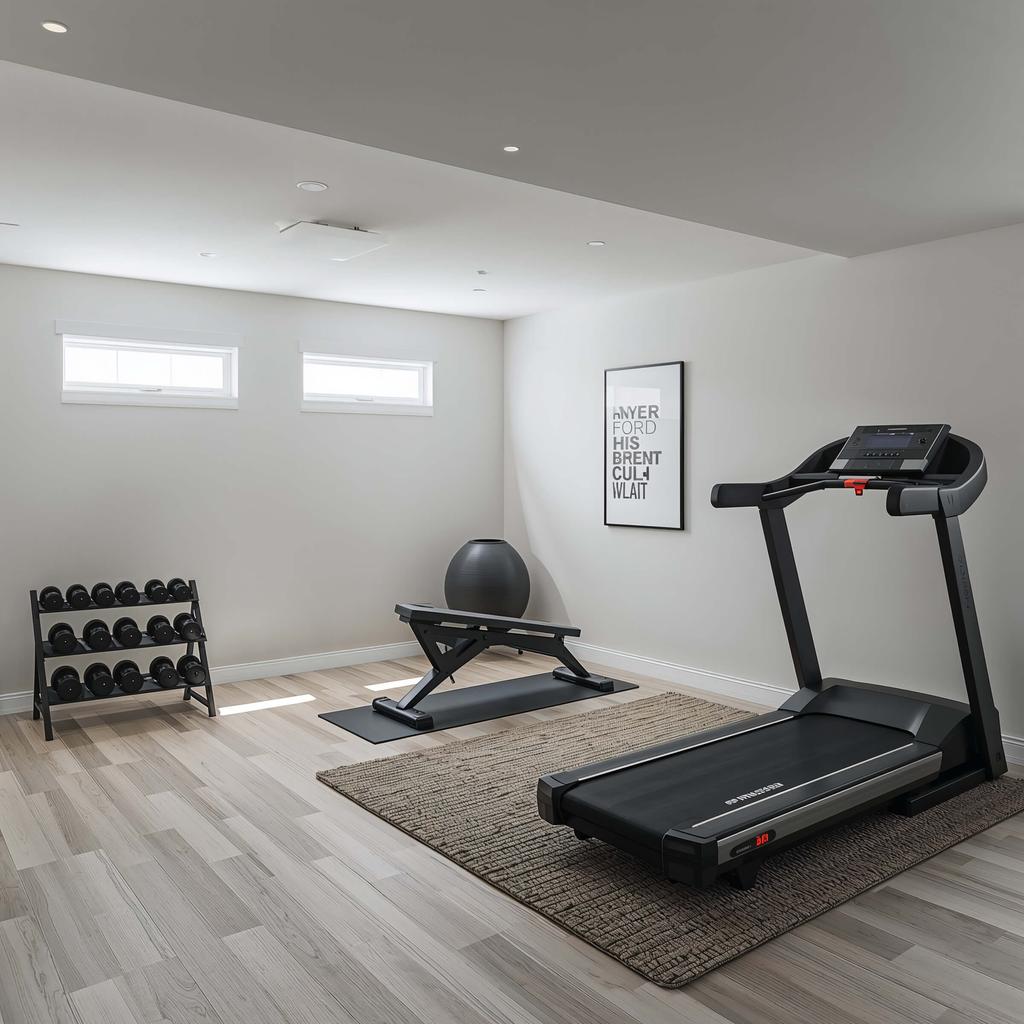
Let’s kick things off with my personal favorite – the minimalist approach. You know how everyone thinks you need a massive space and every piece of equipment known to mankind? Total nonsense. A minimalist basement gym proves that less really can be more, especially when you choose the right compact equipment.
I transformed my friend Sarah’s 200-square-foot basement into a sleek workout space using just a few key pieces. We started with adjustable dumbbells (the PowerBlock series saved us so much space), a foldable bench, and a wall-mounted pull-up bar. The beauty of this setup? Everything serves multiple purposes, and nothing screams “gym equipment graveyard.”
Smart Equipment Choices for Minimal Spaces
Here’s what works brilliantly in a minimalist setup:
- Resistance bands with wall anchors – seriously underrated and take up literally no space
- Kettlebells in 3-4 key weights – stored on a simple rack against the wall
- TRX suspension system – mounts to the ceiling and disappears when not in use
- Foldable rowing machine – slides right under a couch or against the wall
- Medicine balls – double as workout tools and quirky decor
The color scheme makes all the difference here. Stick with neutral tones like grey, white, and black to maintain that clean aesthetic. I added one accent wall in charcoal grey, and boom – instant sophistication without the clutter.
Storage Solutions That Don’t Suck
Nobody talks about this enough, but storage can make or break your minimalist gym. Floating shelves became my best friend – they hold smaller equipment without eating up floor space. Wall-mounted storage cubbies keep everything organized while maintaining those clean lines we’re after.
Bright and Airy Basement Gym with Mirrors
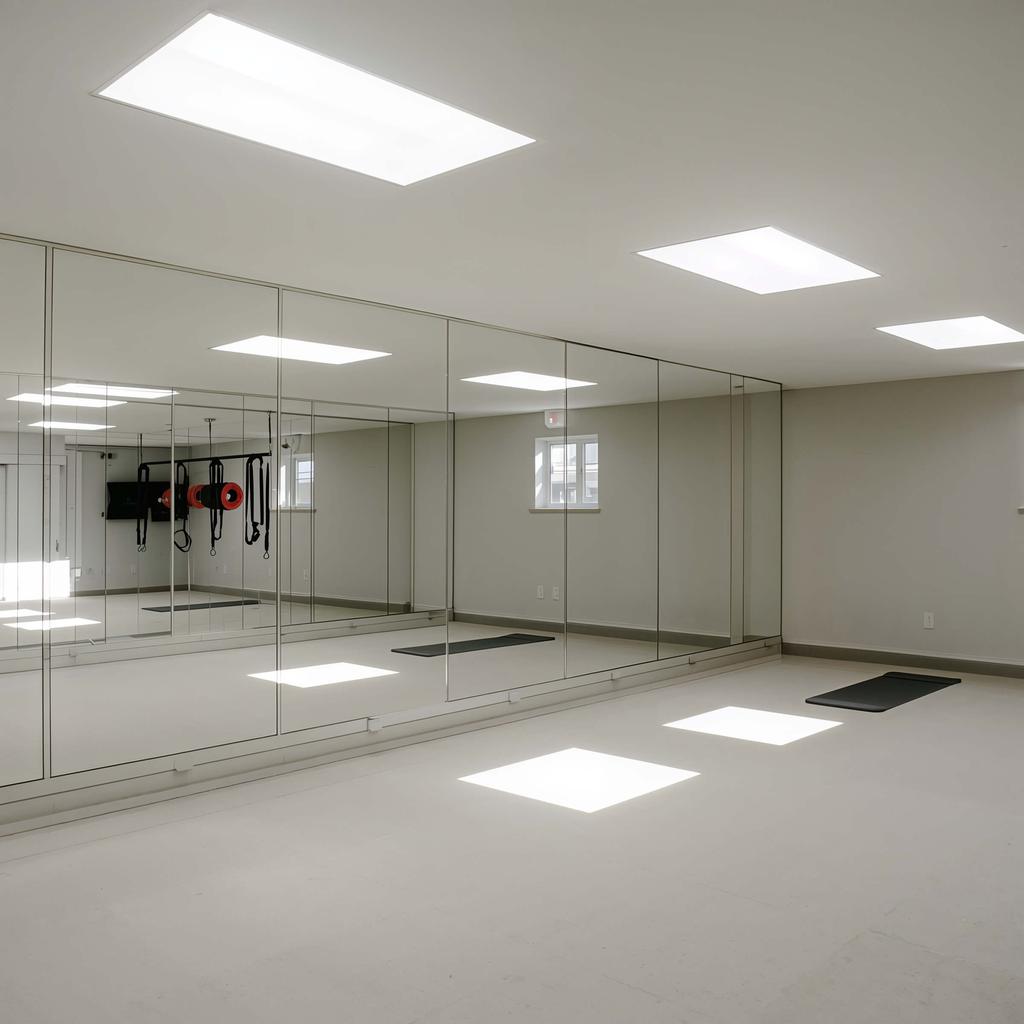
Remember that claustrophobic feeling most basements give you? Yeah, mirrors completely obliterate that problem. When I designed my own basement gym, strategically placed mirrors transformed the space from dungeon-like to studio-quality.
Full-length mirrors serve triple duty here. First, they obviously help you check your form (crucial for avoiding those embarrassing gym fails). Second, they double the visual space – my 300-square-foot basement suddenly felt like 600. Third, they bounce light around like nobody’s business.
Lighting That Actually Works
Natural light in a basement? Good luck with that. But here’s what actually works:
- LED panel lights that mimic daylight (4000K-5000K color temperature)
- Track lighting positioned to eliminate shadows during workouts
- Smart bulbs you can control with voice commands (because who wants to touch light switches with sweaty hands?)
I installed four large mirrors along one wall and two on the opposite side, creating this infinite reflection effect that’s honestly kind of trippy during cardio sessions. Pro tip: invest in shatterproof gym mirrors – they cost more upfront but trust me, regular mirrors and flying dumbbells don’t mix well.
The paint color matters too. Go with light, reflective colors like soft white or pale grey. Dark colors in a basement gym? That’s a recipe for seasonal depression, IMO.
Budget-Friendly DIY Basement Gym
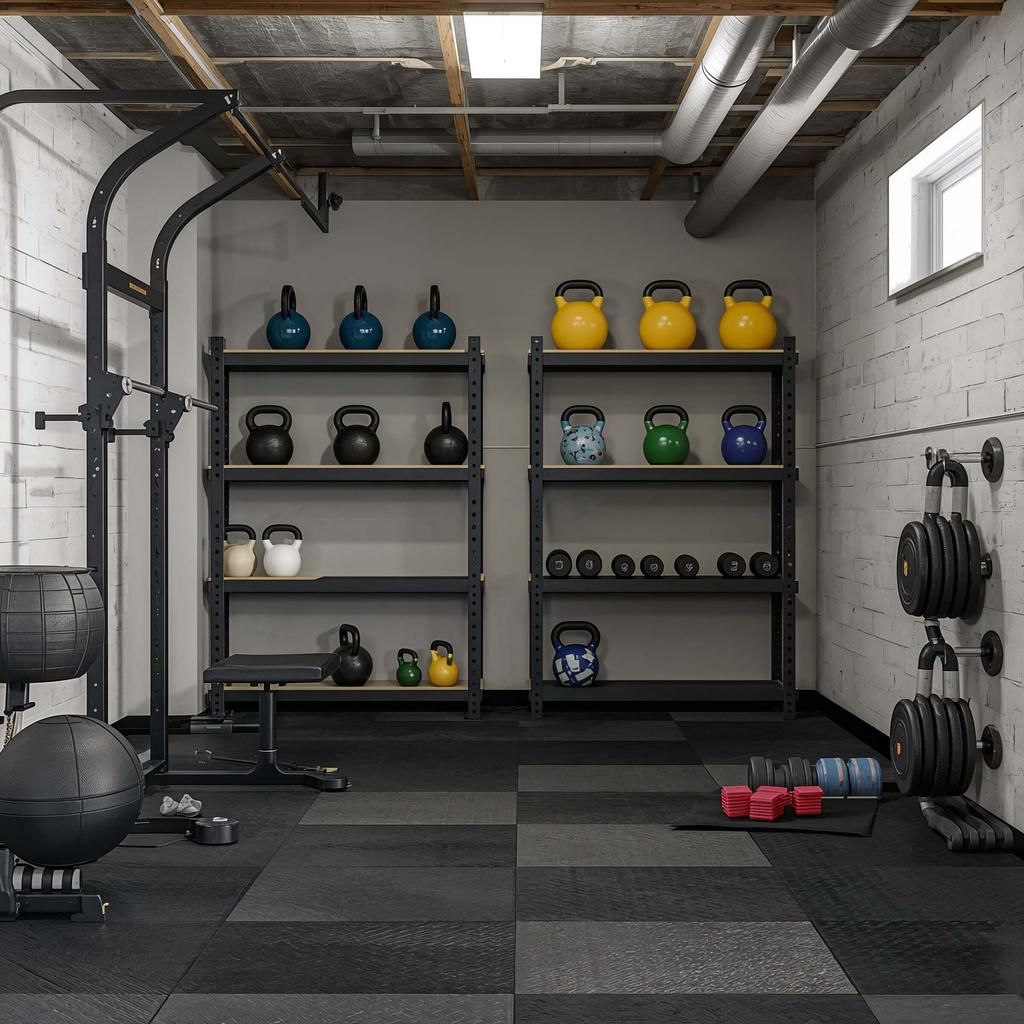
Alright, let’s get real – not everyone has $10,000 lying around for a gym renovation. Good news: you can create an amazing basement gym for under $1,500 if you’re smart about it. I helped my neighbor Mike build his entire setup for $1,200, and it rivals some commercial gyms.
The Art of Craigslist and Facebook Marketplace
People constantly upgrade their home gym equipment, which means killer deals on barely-used gear. I scored a $2,000 power rack for $400 because someone was moving. The key? Set up alerts for specific equipment and pounce fast when deals appear.
Here’s my proven budget breakdown:
- Used power rack or squat stand: $300-500
- Olympic barbell and plates (used): $200-400
- Rubber floor mats: $150-200
- DIY platform: $100 in materials
- Basic dumbbell set: $100-200
- Pull-up bar: $50
DIY Projects That Save Serious Cash
Building your own equipment sounds intimidating, but some projects are stupidly simple:
DIY Lifting Platform: Two sheets of plywood, one sheet of OSB, and some rubber stall mats. Total cost? Under $150. YouTube tutorials make this a weekend project even I could handle (and I once assembled an IKEA dresser backwards).
Homemade Cable System: Using pulleys, carabiners, and loading pins, you can create a functional cable system for under $100. It won’t be as smooth as commercial equipment, but it gets the job done.
Mirror Installation: Skip the professional installation. Home Depot sells mirror tiles for a fraction of gym mirror costs. With some mirror adhesive and an afternoon, you’ve saved hundreds.
Also Read: 10 Brilliant Basement Laundry Room Ideas
Luxury Basement Gym with Smart Tech
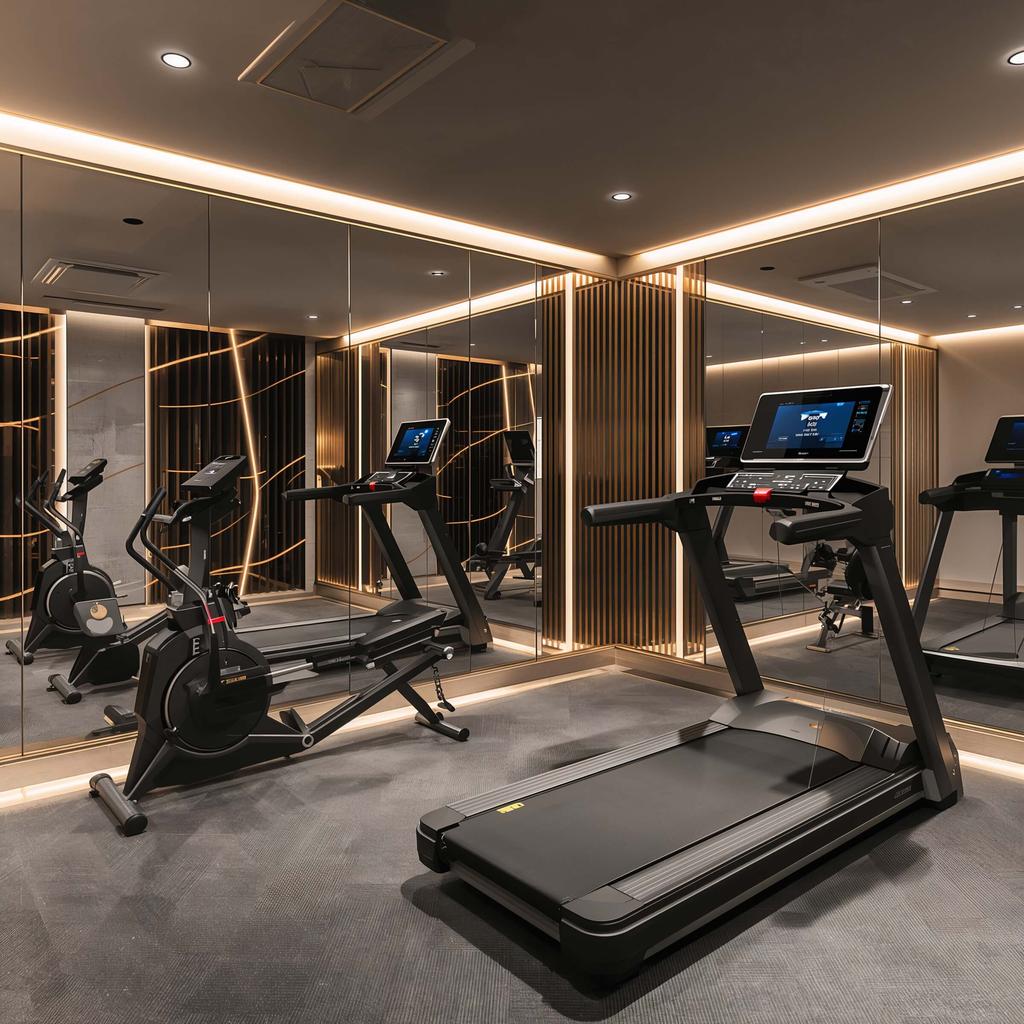
Now let’s talk about the opposite end of the spectrum – the luxury smart gym that makes you feel like Tony Stark working out. If budget isn’t your primary concern, integrating smart technology creates an experience that rivals high-end fitness clubs.
I recently consulted on a project where we installed a Mirror home gym system, Peloton Tread, and Tonal smart home gym. The homeowner controls everything through voice commands – lighting, music, climate, even the TV. Walking into that space feels like entering the future.
Tech That’s Actually Worth the Splurge
Not all smart gym tech deserves your money. Here’s what actually enhances your workout:
- Smart mirrors (Mirror, Tempo, or Tonal) – real-time form correction is a game-changer
- Automated climate control – maintaining 65-68°F during workouts
- Integrated sound system – ceiling-mounted speakers beat earbuds every time
- Smart flooring that tracks movement and force
- App-controlled lighting that adjusts based on workout type
Creating the Ultimate Connected Experience
The magic happens when everything talks to each other. Your Apple Watch starts a workout, the lights dim for yoga or brighten for HIIT, the climate control kicks in, and your playlist automatically starts. It sounds excessive until you experience it – then going back to a regular gym feels prehistoric.
Don’t forget about recovery tech either. Infrared saunas, cold plunge tubs, and massage chairs turn your basement into a complete wellness center. Sure, it’s an investment, but compared to monthly gym memberships plus recovery services? The math starts making sense after a few years.
Small Space Functional Gym Layout
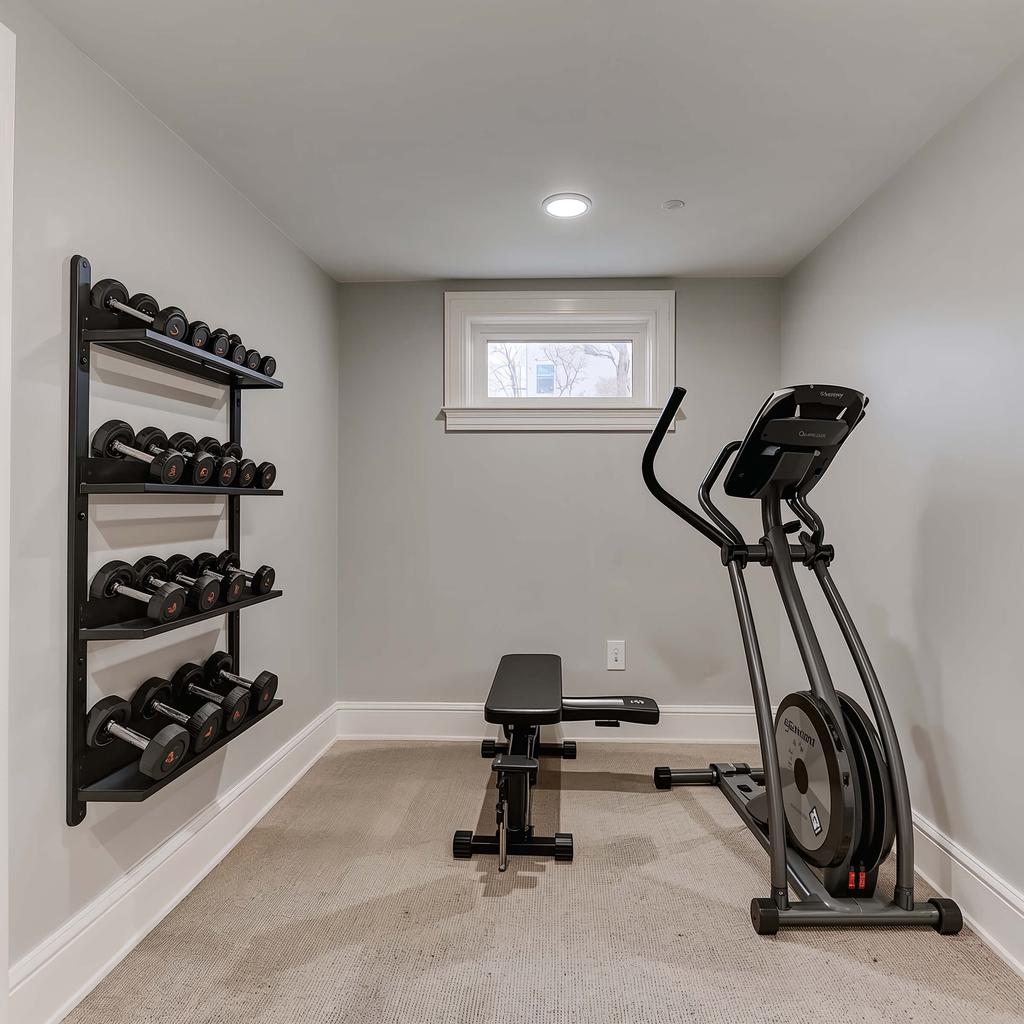
Got a basement that’s more “closet” than “cavern”? Join the club. My first apartment had a 150-square-foot basement, and I still managed to create a fully functional gym. The secret lies in vertical thinking and multi-functional equipment.
Maximizing Every Square Inch
Wall space becomes your best friend in small gyms. Wall-mounted squat racks fold flat when not in use, freeing up the entire floor. I installed one that sticks out just 6 inches from the wall when folded – practically invisible.
Ceiling-mounted storage keeps plates and accessories off the floor. Those exposed ceiling joists everyone hates? Perfect for hanging gymnastics rings, battle ropes, and TRX straps. Suddenly, your “disadvantage” becomes a feature.
Equipment Priority List for Tiny Spaces
When space is tight, every piece needs to earn its spot:
- Adjustable dumbbells (absolute must-have)
- Foldable bench
- Resistance bands set
- Single kettlebell (35-45 lbs for most people)
- Jump rope (cardio in 2 square feet)
- Foam roller (doubles as a yoga prop)
Skip the treadmill – seriously. A good jump rope provides better cardio in a fraction of the space. If you absolutely need a cardio machine, go with a compact rowing machine that stores vertically.
Industrial-Style Basement Gym with Exposed Pipes
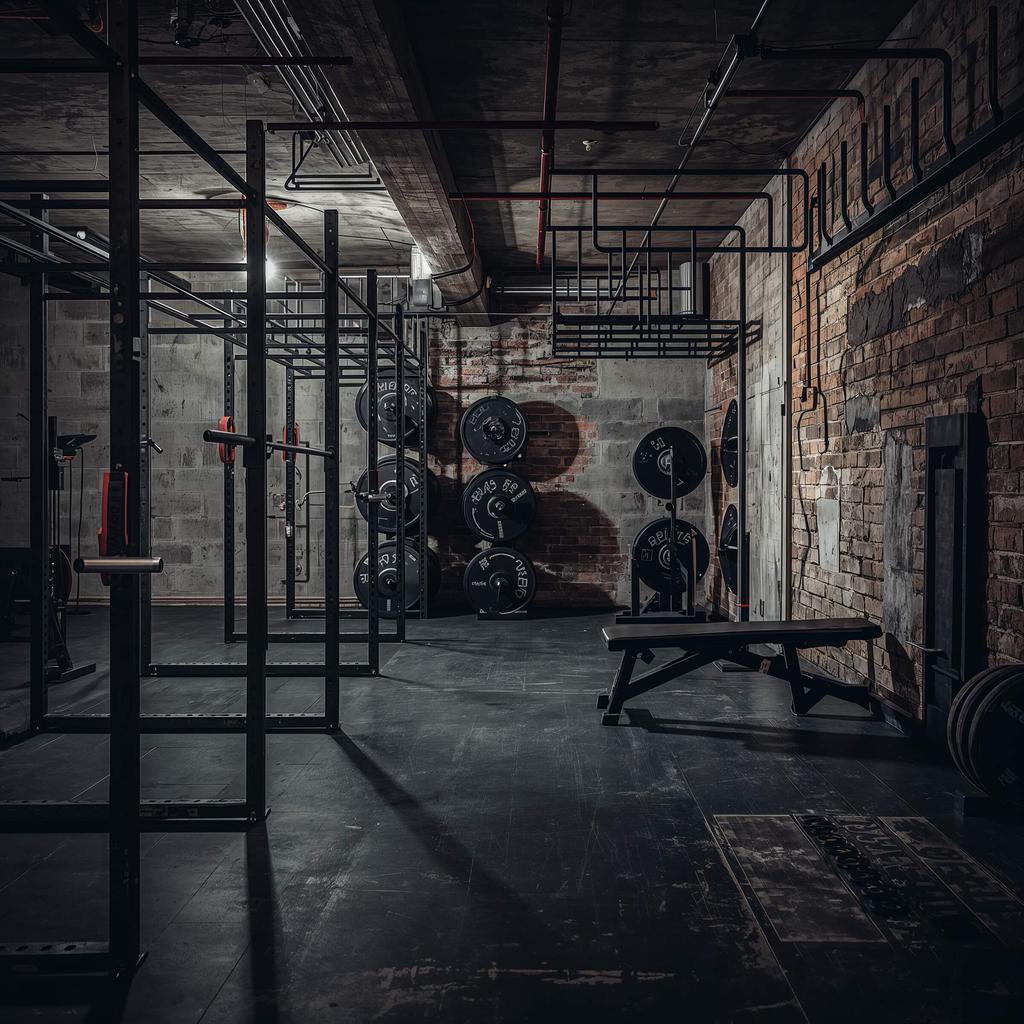
Who says exposed pipes and concrete walls are problems to hide? Embracing the industrial aesthetic creates a raw, motivating atmosphere that screams “get to work.” This style particularly rocks in unfinished basements where covering everything up would cost a fortune.
I helped design one of these for a CrossFit enthusiast, and the exposed elements became the star of the show. Black iron pipes served as pull-up bars and equipment storage. The concrete floor meant no worrying about dropping weights. The exposed ceiling joists? Perfect for rope climbs and ring work.
Design Elements That Nail the Industrial Vibe
The industrial look thrives on contrast and raw materials:
- Exposed brick or concrete walls – seal them but keep them raw
- Metal mesh panels for equipment storage
- Edison bulb string lights mixed with bright LED work lights
- Reclaimed wood accents for benches or platforms
- Chain and pipe-based storage solutions
Making It Feel Intentional, Not Unfinished
The difference between “unfinished basement” and “industrial chic” comes down to intentional choices. Paint exposed pipes matte black instead of leaving them random colors. Add strategic lighting that highlights architectural elements. Use weathered metal signs or vintage gym posters as art.
One killer trick? Install a few sections of diamond plate steel as an accent wall or equipment area. It costs less than drywall and looks absolutely badass. The sound of weights hitting that platform? Pure motivation.
Also Read: 10 Practical Basement Bathroom Ideas for Compact Spaces
Modern Zen Workout Space with Natural Lighting
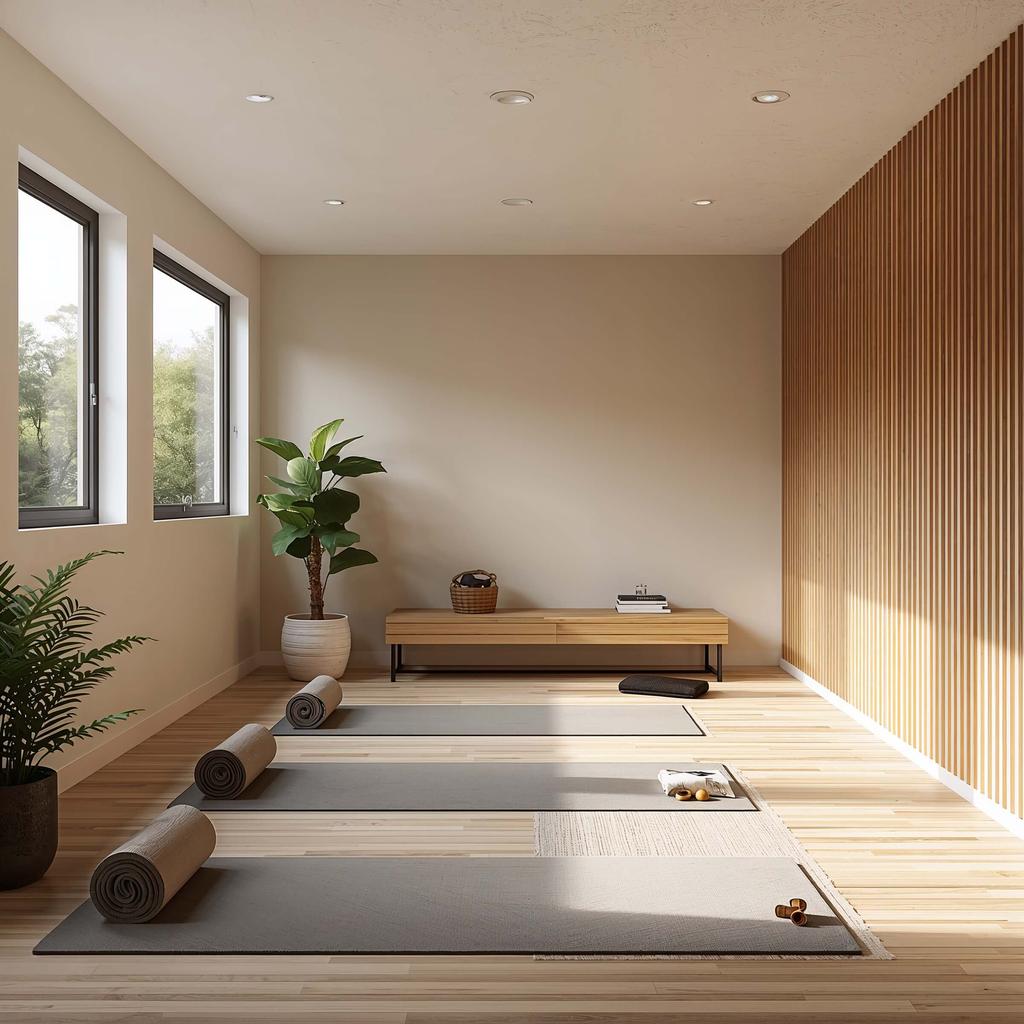
Ever notice how some gyms make you want to rage-lift while others make you want to do yoga? Creating a zen-inspired basement gym gives you the perfect environment for both intense training and recovery work. This design philosophy changed how I approach my workouts entirely.
My zen basement gym project started with maximizing natural light – not easy in a basement, right? Wrong. Egress windows and window wells with proper landscaping can flood your space with natural light. Adding light tubes or skylights (if possible) transforms the entire vibe.
Elements of Zen Design
Creating that calming atmosphere requires specific choices:
- Bamboo or cork flooring over sections for yoga/stretching
- Living wall or potted plants (snake plants and pothos thrive in low light)
- Water feature for white noise and ambiance
- Neutral, earthy color palette (think sage green, warm grey, natural wood)
- Hidden storage to maintain visual calm
The equipment selection matters too. Choose pieces with clean lines and minimal branding. Wooden plyo boxes, leather medicine balls, and cast iron kettlebells fit the aesthetic better than plastic-coated everything.
Balancing Intensity with Tranquility
Here’s what most people miss: a zen gym doesn’t mean low-intensity only. The calm environment actually helps you focus better during heavy lifts. No blaring music or aggressive décor means you can tune into your body’s signals.
I installed dimmable warm lights on one circuit and bright white lights on another. Yoga session? Warm and low. Heavy deadlifts? Bright and focused. The flexibility to shift the room’s energy based on your workout is absolutely game-changing 🙂
Basement Gym with Wall-Mounted Storage Solutions
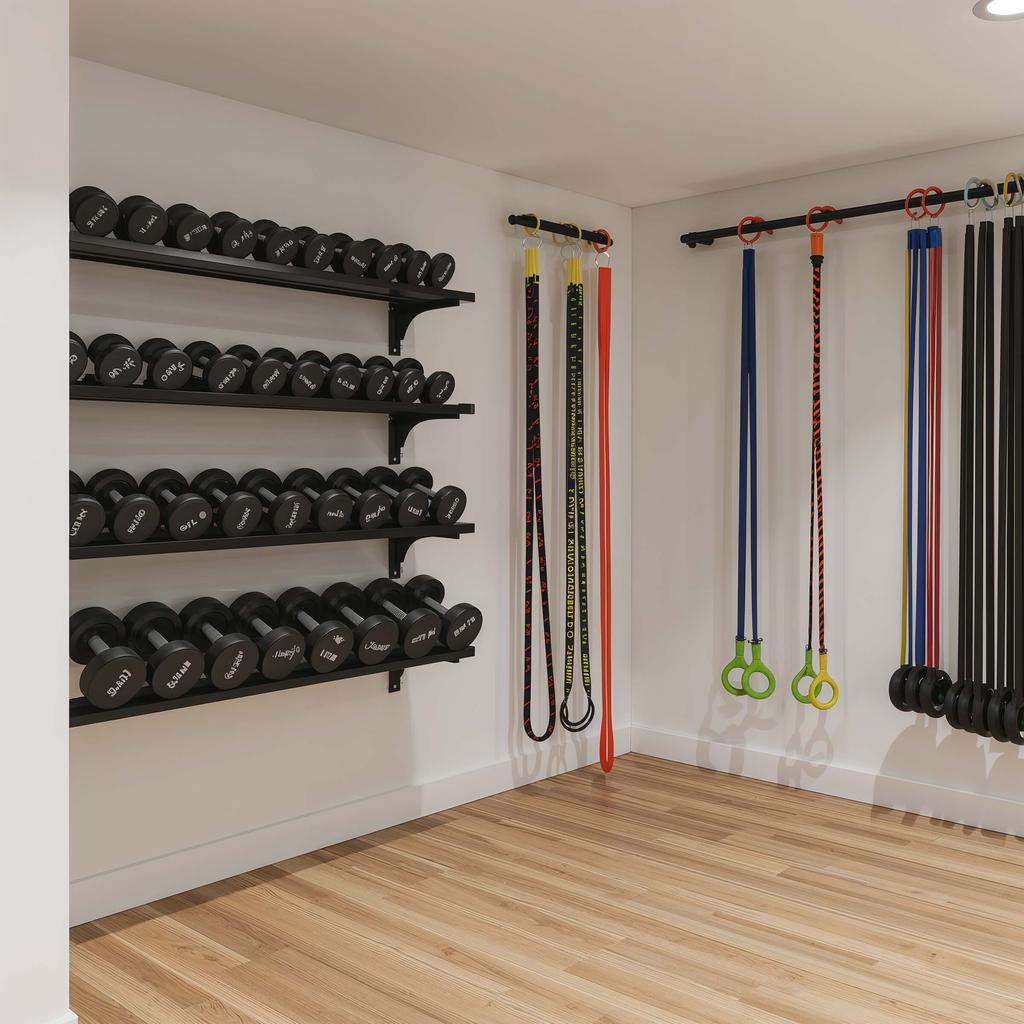
Storage might not be sexy, but you know what is? A clutter-free gym where you can actually find your equipment. Wall-mounted storage transformed my chaotic basement gym into an organized paradise where everything has its place.
I learned this lesson the hard way after tripping over a dumbbell and nearly taking out my TV. Now? Everything lives on the walls when not in use. The floor stays clear, workouts flow better, and the space feels twice as large.
Strategic Wall Storage Systems
The best wall storage combines functionality with accessibility:
- Pegboard systems – infinitely customizable and cheap
- Rail systems with hooks – perfect for resistance bands and jump ropes
- Vertical barbell storage – holds 6-9 bars in 2 square feet
- Magnetic strips for metal accessories
- Floating shelves at different heights for various equipment
Installation Tips That’ll Save Your Sanity
Find the studs. Seriously, mounting anything heavy requires hitting studs, not just drywall. I use a stud finder religiously now after my first shelf full of plates came crashing down at 2 AM (my wife was thrilled).
Create zones on your walls – cardio accessories in one area, strength equipment in another, recovery tools in a third. This systematic approach means you’re not hunting for gear mid-workout. Label everything if you’re sharing the space. Trust me, it prevents the “where’s my foam roller” arguments.
Position frequently used items at chest height, occasionally used items higher or lower. Your most-grabbed equipment should require zero effort to access. Those 5-pound dumbbells you never use? They can live up high.
Family-Friendly Multi-Purpose Basement Gym
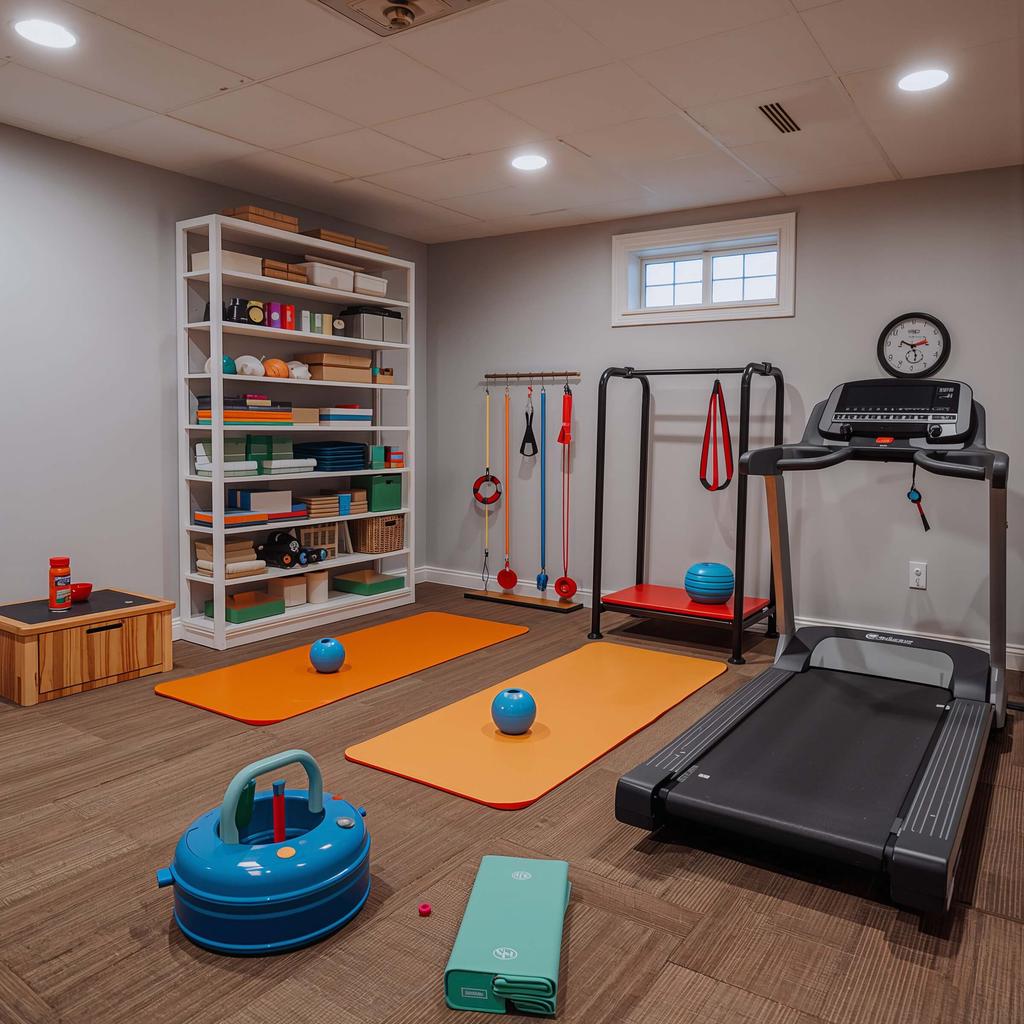
Creating a basement gym the whole family actually uses? That’s the dream. A multi-purpose space needs to accommodate everyone from your CrossFit-obsessed partner to your yoga-loving teenager to your 5-year-old who just wants to hang from things.
My family gym project taught me that zones are everything. We created distinct areas: adult strength training zone, kids’ movement area, and flexible space for yoga/stretching. Everyone gets their space without equipment chaos.
Kid-Safe Equipment Choices
Safety first, but fun is a close second:
- Adjustable pull-up bar with gymnastics rings (kids love these)
- Crash mats for tumbling and jumping
- Battle ropes (surprisingly kid-friendly when supervised)
- Agility ladder and cones for fun movement games
- Stability balls in various sizes
Lock up the heavy weights. I built a simple cage with a padlock for plates and dumbbells. Kids can access safe equipment freely, but the dangerous stuff stays secured. This setup gives parents peace of mind while encouraging kids to be active.
Making It Work for Everyone
The schedule board became our secret weapon. Everyone posts their workout times, preventing the “I was using that!” fights. We also established basic rules: wipe down equipment, re-rack weights, and respect others’ workout time.
Consider modular flooring that can handle both heavy deadlifts and kids’ tumbling. We used thick rubber tiles that interlock – easy to clean and replace if damaged. Different colored tiles create natural zones without permanent barriers.
Entertainment matters too. A mounted TV with streaming capabilities means adults can follow workout programs while kids can do cosmic yoga or dance videos. Bluetooth speakers let everyone control music from their phones during their time slots.
Also Read: 10 Stunning Basement Ceiling Ideas to Brighten Rooms
Basement Cardio and Strength Training Combo
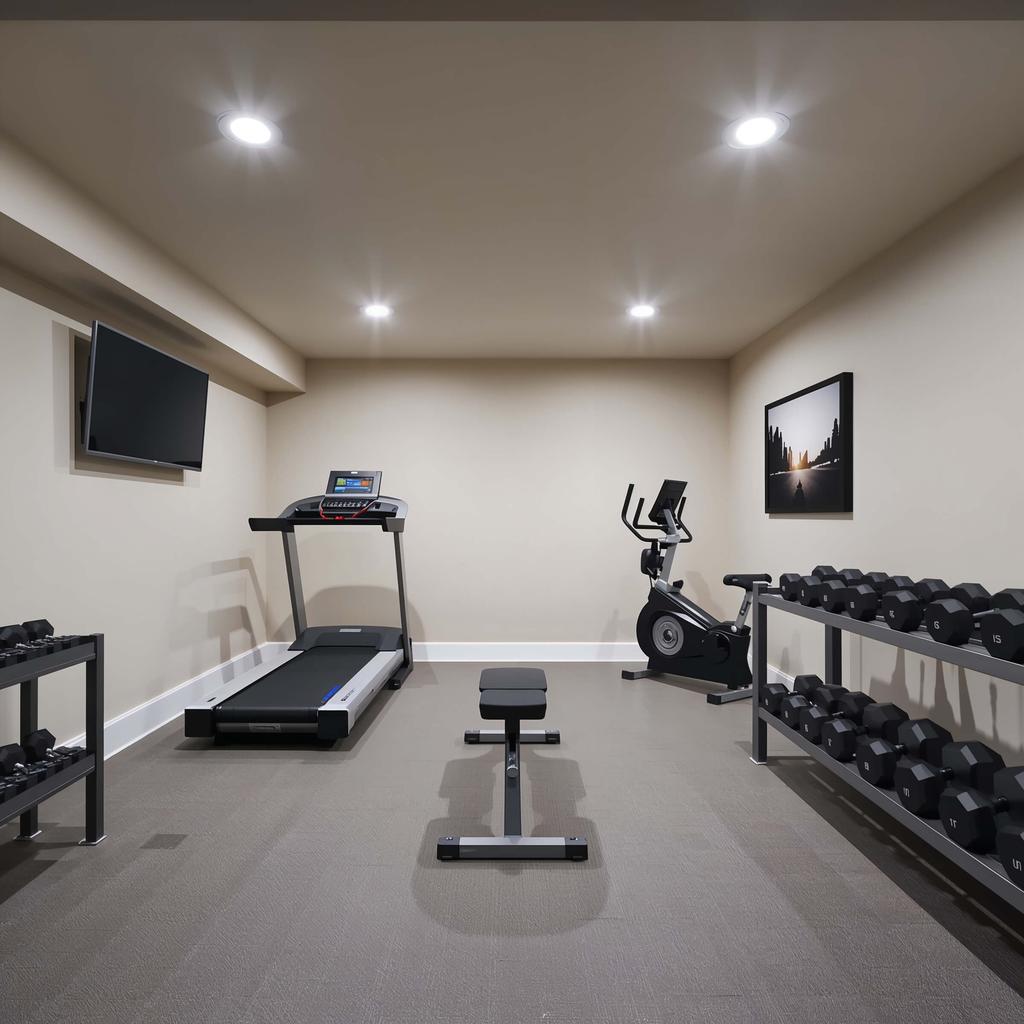
Why choose between cardio and strength when you can dominate both? Creating a balanced basement gym that caters to both training styles gives you the ultimate flexibility in your fitness routine. No more “cardio days” at one gym and “lifting days” at another.
The layout here is crucial. I learned to separate cardio and strength zones not just for organization, but for safety. Nobody wants to dodge a treadmill runner while setting up for squats. My setup puts cardio equipment along one wall and strength training on the opposite side, with a clear pathway between.
Choosing the Right Cardio Equipment
Not all cardio machines deserve your basement space:
Winners:
- Rowing machines – full-body workout, relatively quiet, many fold up
- Assault bikes – brutal cardio in minimal space
- Compact ellipticals – easier on joints than treadmills
- Smart bikes (Peloton, NordicTrack) – interactive classes keep you motivated
Skip These:
- Cheap treadmills (they’re loud and break constantly)
- Stair climbers (unless you have high ceilings)
- Standard exercise bikes (boring compared to smart alternatives)
Integrating Strength and Cardio Training
The magic happens when your space supports circuit training and supersets. Position equipment so you can flow from strength to cardio seamlessly. I keep lighter dumbbells near the rower for quick burnout sets. The pull-up bar sits above the bike for active recovery hangs.
Mirrors on the strength side, TV on the cardio side – this setup lets you check form during lifts and zone out to Netflix during steady-state cardio. Different flooring helps too: thick rubber mats under weights, thinner mats under cardio equipment.
Consider a white board for tracking workouts. Writing down your intervals, weights, and times creates accountability. Plus, seeing your progress posted on the wall? That’s motivation you can’t ignore.
FYI, the smell situation in a combo gym gets real. Invest in proper ventilation – a good dehumidifier and fan system prevents that signature “gym sock” basement aroma. Your family will thank you.
Creating Flow Between Training Styles
The best basement gyms support spontaneous workouts. Strategic equipment placement means you can grab dumbbells for a quick shoulder burn between rowing intervals. Position a timer where it’s visible from everywhere – those HIIT workouts become way more effective.
I installed a sound system with zone control. Chill music for stretching, pump-up tracks for lifting, and podcasts for long cardio sessions. Being able to switch audio instantly based on your training keeps energy levels right where they need to be.
Maximizing Your Basement Gym Investment
After building and consulting on dozens of basement gyms, here’s what I know for sure: the best basement gym is the one you’ll actually use. That minimalist setup that looks amazing on Instagram? Worthless if you hate working out in it.
Start with your actual fitness habits, not your aspirational ones. Love running? Invest in a quality treadmill before that squat rack. Hate cardio but love lifting heavy? Skip the elliptical and get the power rack. Your gym should support your fitness journey, not someone else’s.
The transformation doesn’t happen overnight either. My basement gym evolved over three years, starting with basic equipment and gradually adding pieces as my needs changed. That industrial-style gym I mentioned? The owner started with just a barbell and plates, adding elements as the vision clarified.
Remember, even the most luxurious commercial gym can’t compete with the convenience of walking downstairs. No commute, no waiting for equipment, no membership fees, and no weird guy grunting unnecessarily loud during every rep. Your basement gym becomes your sanctuary, designed exactly how you want it.
Whether you go minimalist or high-tech, industrial or zen, the goal remains the same: creating a space that motivates you to show up consistently. Because at the end of the day, the fanciest equipment in the world means nothing if it’s collecting dust.
So grab that measuring tape, start stalking Facebook Marketplace, and begin transforming that forgotten basement into your personal fitness headquarters. Your future fit self will thank you every single morning when you skip the gym commute and head straight to your iron paradise. Who knows? You might even start looking forward to leg day.
Okay, let’s not get too crazy 😉