10 Stunning Basement Living Room Ideas and Design Hacks
- Basement Decor
 Ben
Ben- 0
- 39 minutes read
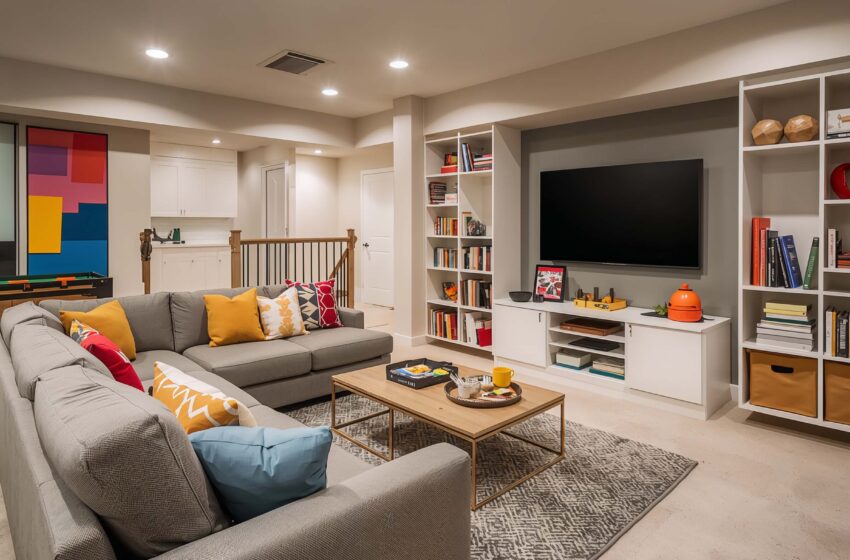
You know that awkward basement space that’s been collecting dust and random holiday decorations for years? Yeah, that one. What if I told you it could become the most coveted room in your house? I’ve spent countless hours transforming underground spaces from creepy storage dungeons into jaw-dropping living areas, and trust me – the potential down there is absolutely mind-blowing.
Your basement isn’t just extra square footage; it’s a blank canvas waiting for some serious magic. Whether you’re dealing with low ceilings, moisture issues, or that lovely concrete aesthetic, I’ve got your back with ten game-changing design ideas that’ll make your friends wonder why they’re still hanging out upstairs.
1. Cozy Rustic Basement Retreat
Creating Your Underground Cabin Vibe
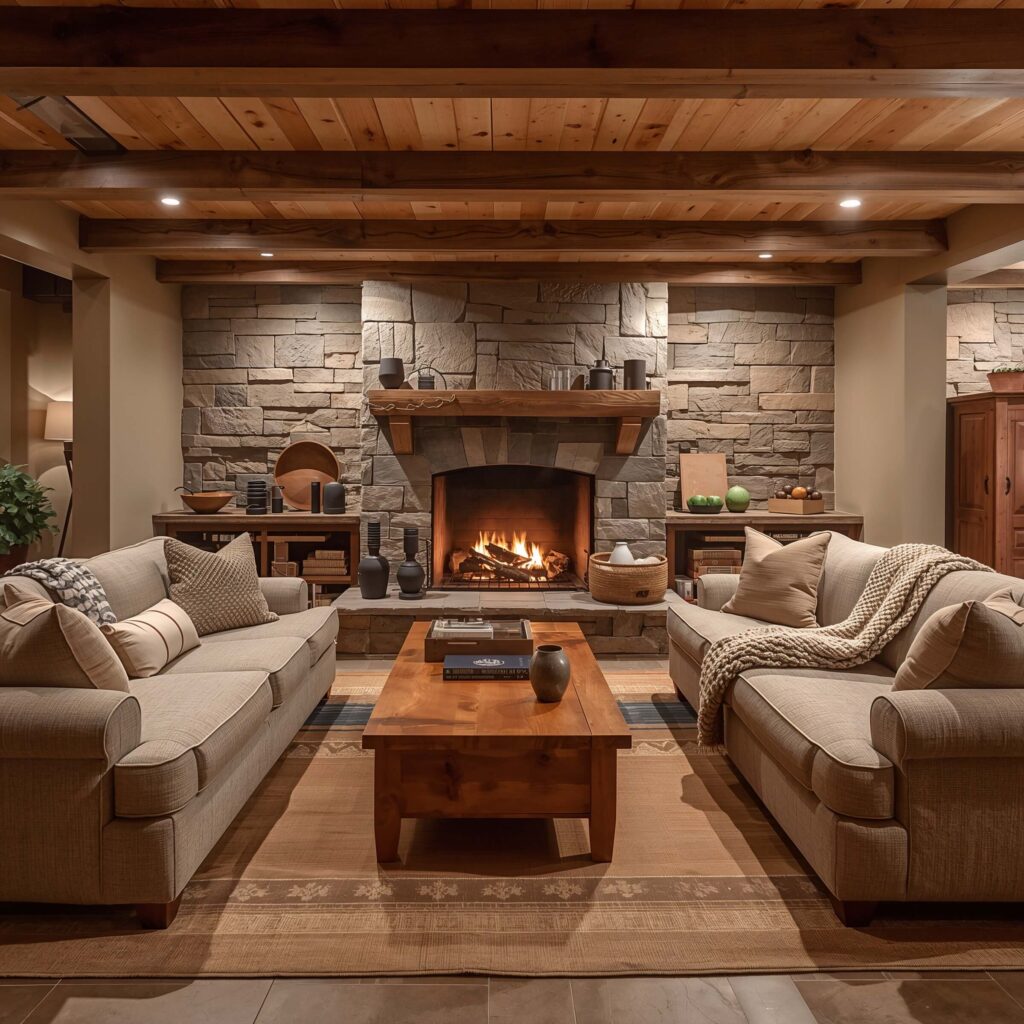
Picture this: exposed wooden beams, stone accents, and that perfect “cabin in the woods” feeling – except you’re literally underground. I’ve fallen head-over-heels for rustic basement transformations because they work with your space’s natural characteristics instead of fighting them.
The secret sauce here? Embrace those structural elements everyone tells you to hide. Those support beams? Leave them exposed and stain them a rich walnut. That concrete foundation? Add some reclaimed wood paneling or stone veneer to create texture that screams cozy mountain lodge.
For furniture, think oversized leather sectionals, vintage wooden coffee tables, and plenty of soft throws. I always tell people to layer textures like crazy – wool rugs over concrete floors, linen cushions on leather furniture, and rough-hewn wood against smooth stone surfaces.
Lighting That Sets the Mood
Ever notice how rustic spaces always feel so inviting? It’s all about the lighting, my friend. Ditch those harsh fluorescents and go for warm, ambient options:
- Edison bulb fixtures hanging from those exposed beams
- Table lamps with burlap or linen shades for soft corner lighting
- String lights draped along the ceiling for that magical twinkle
- Candles and lanterns for ultimate cozy factor
The goal is creating multiple light sources at different heights. Trust me, your basement will transform from “scary movie set” to “weekend getaway destination” 🙂
2. Modern Minimalist Basement Lounge
Less Is Definitely More Down Here
Okay, I’ll be honest – when someone first suggested a minimalist basement to me, I thought they were nuts. How do you make a basement feel spacious and airy? Turns out, it’s all about strategic design choices and understanding that minimalism isn’t about having nothing; it’s about having exactly what you need.
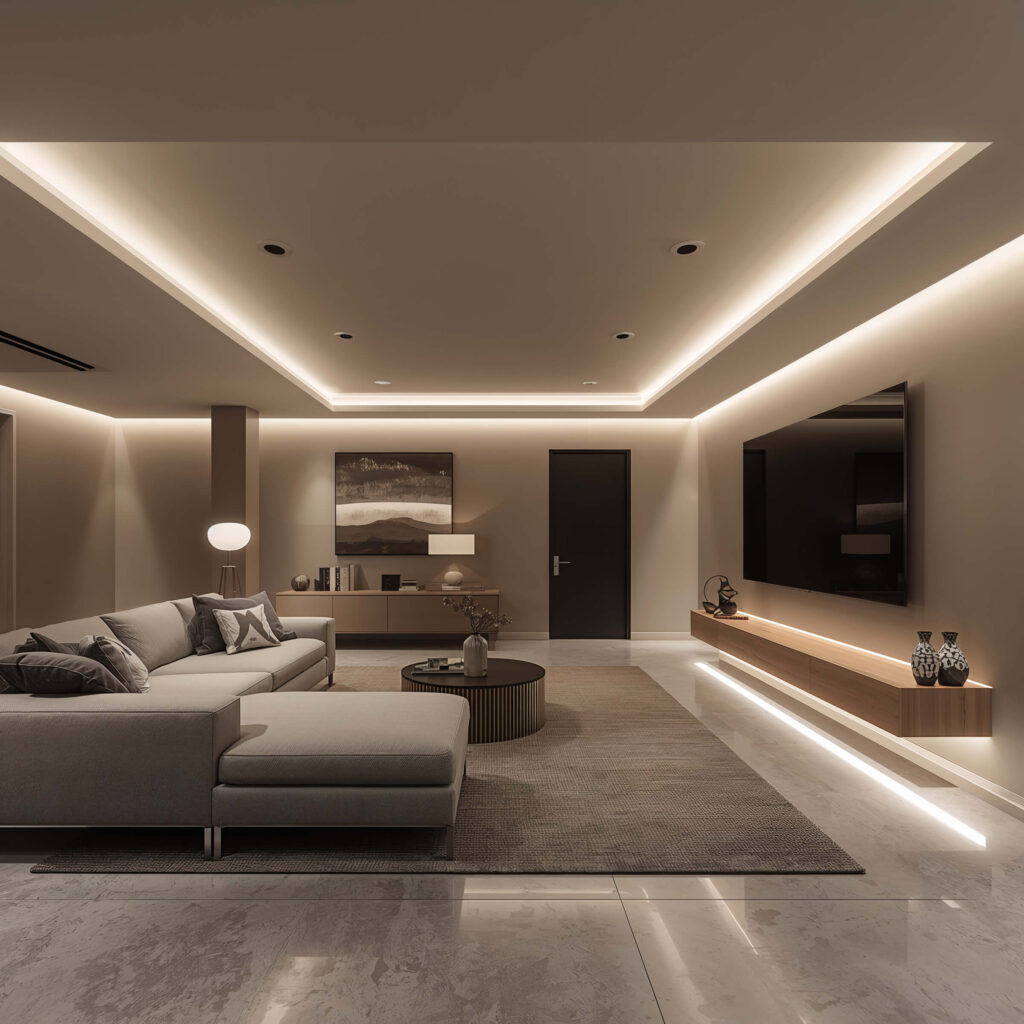
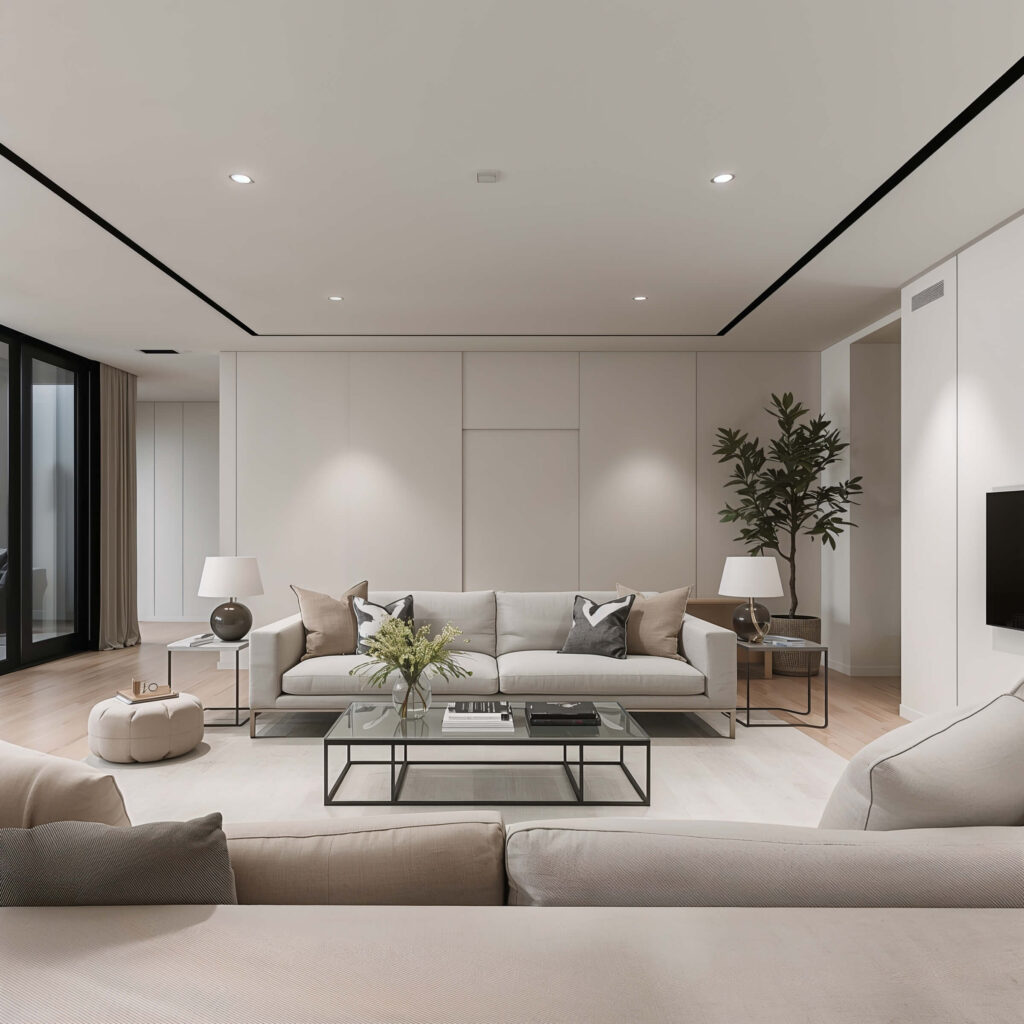
Start with a neutral color palette – whites, grays, and soft beiges work wonders for opening up the space. I’ve seen basements completely transformed just by painting everything the same light color, including the ceiling. It creates this seamless, expansive feeling that tricks your brain into thinking the space is way bigger than it actually is.
Furniture Selection That Makes Sense
The key to minimalist basement furniture? Clean lines and multi-functionality. Think sleek sectionals with hidden storage, floating shelves instead of bulky bookcases, and coffee tables that double as storage ottomans.
One trick I absolutely love: choose furniture with legs that lift pieces off the floor. It creates visual breathing room and makes the space feel less cramped. Plus, it’s way easier to clean under everything – and let’s be real, basements need all the cleaning help they can get.
Smart Storage Solutions
IMO, the biggest challenge in minimalist design is hiding all your stuff without creating clutter. Built-in storage is your best friend here:
- Floor-to-ceiling cabinets that blend into the walls
- Under-stair storage that’s completely hidden
- Ottoman storage that serves double duty
- Wall-mounted everything to keep floors clear
3. Family-Friendly Entertainment Basement
The Ultimate Kid-Approved Hangout
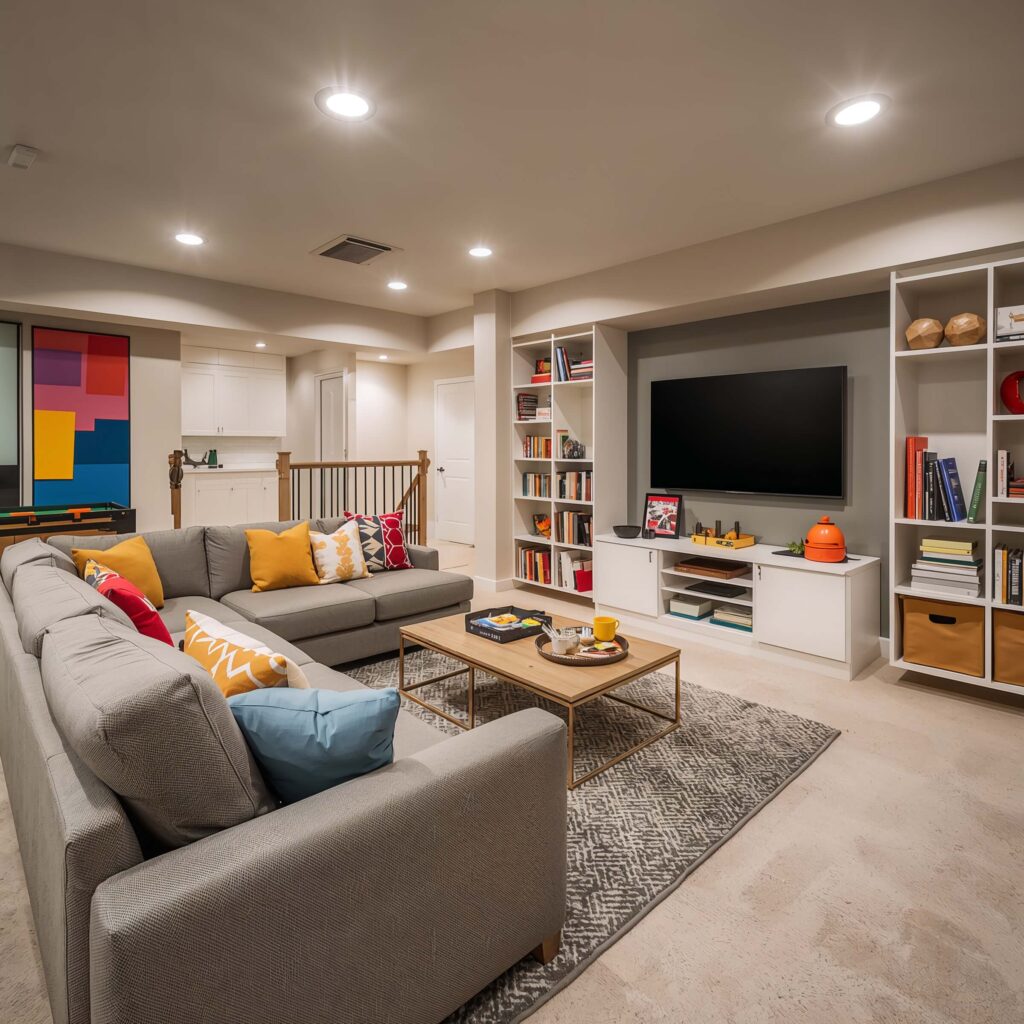
Let’s talk about creating a space where both kids and adults actually want to spend time. I’ve designed dozens of family basements, and the secret is zoning different areas for different activities while keeping everything connected and visible.
Think about it – you want the kids to have their gaming corner while you can still supervise from the main seating area. Open sight lines are crucial for family spaces. No one wants to be shouting “What are you doing over there?” every five minutes.
Durable Materials That Can Handle Chaos
Family basements need to be practically bulletproof. I always recommend:
- Performance fabrics on furniture (seriously, they’re game-changers)
- Luxury vinyl plank flooring that looks like wood but handles spills
- Washable rugs because accidents happen
- Rounded furniture edges to prevent those inevitable bumps
The goal is creating a space that looks great but doesn’t require constant maintenance. Because who has time for that when there are snacks to serve and movies to watch?
Entertainment Zones That Work
Smart zoning makes all the difference in family spaces:
Gaming Area: Comfortable floor seating, good lighting, and plenty of storage for controllers and games.
Movie Zone: Big sectional facing the TV, with side tables for snacks and drinks.
Craft Corner: Easy-to-clean surfaces and organized storage for art supplies.
Reading Nook: Cozy chair with good lighting and a small bookshelf.
Also Read: 10 Creative Basement Playroom Ideas to Inspire Kids
4. Industrial Chic Basement Living Room
Embracing Your Inner Urban Loft
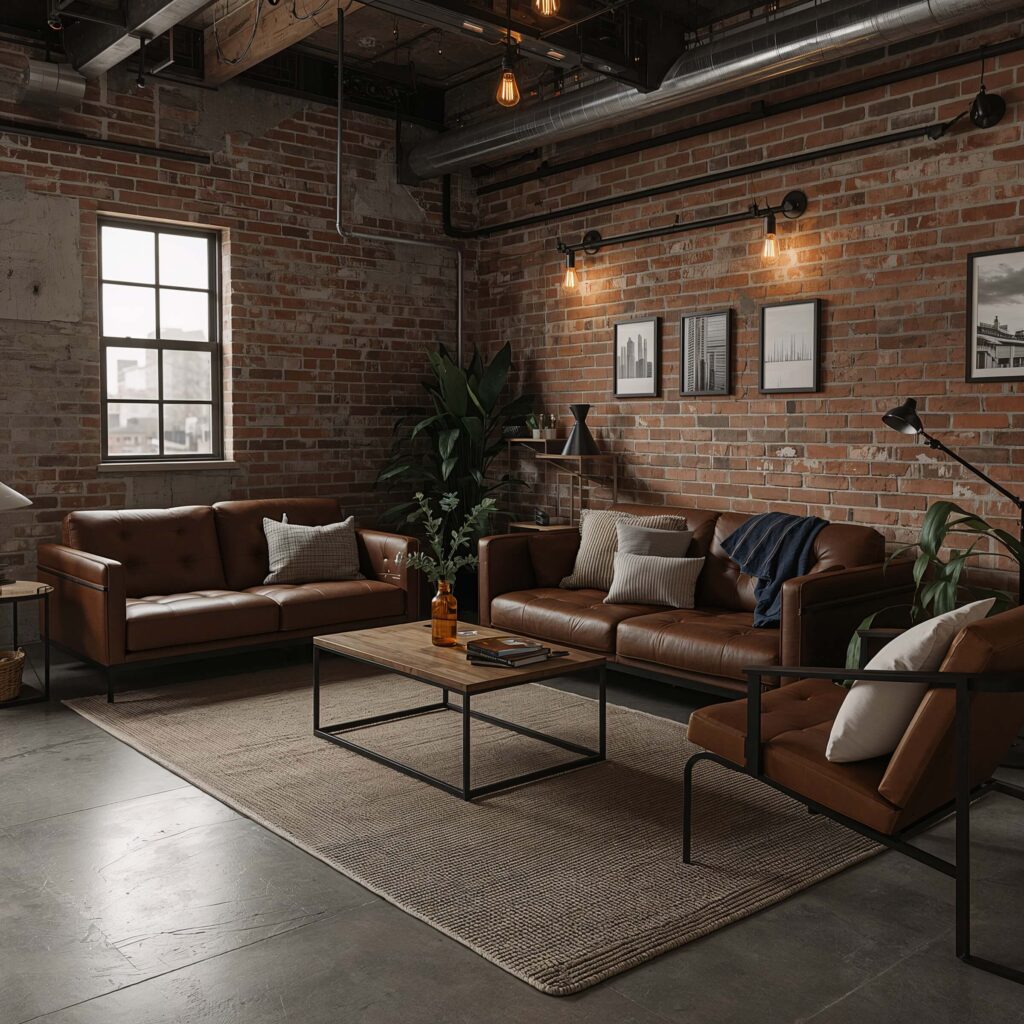
Here’s where basements really shine – that raw, unfinished aesthetic that costs a fortune to recreate in regular rooms? You’ve already got it! Industrial design is all about celebrating structural elements and mixing materials in unexpected ways.
I love working with industrial basements because you can leave so much exposed. Those concrete walls? Perfect backdrop for metal and wood furniture. Exposed ductwork? Paint it black and call it a design feature. Support columns? Wrap them in reclaimed wood or leave them raw.
Material Mix That Actually Works
The industrial look is all about balancing hard and soft elements:
- Metal furniture with soft cushions
- Concrete surfaces with warm wood accents
- Exposed brick with cozy textiles
- Industrial lighting with comfortable seating
One mistake I see constantly? Going too hard on the industrial elements. You still want this to be a comfortable living space, not a warehouse. Add plenty of soft textures through rugs, pillows, and throws.
Lighting That Defines the Space
Industrial lighting is where you can really have fun:
- Track lighting along exposed beams
- Pendant lights with metal shades
- Floor lamps with Edison bulbs
- Wall sconces with industrial fixtures
The key is mixing different types of industrial lighting to create layers and avoid that “interrogation room” vibe.
5. Bright Scandinavian Style Basement
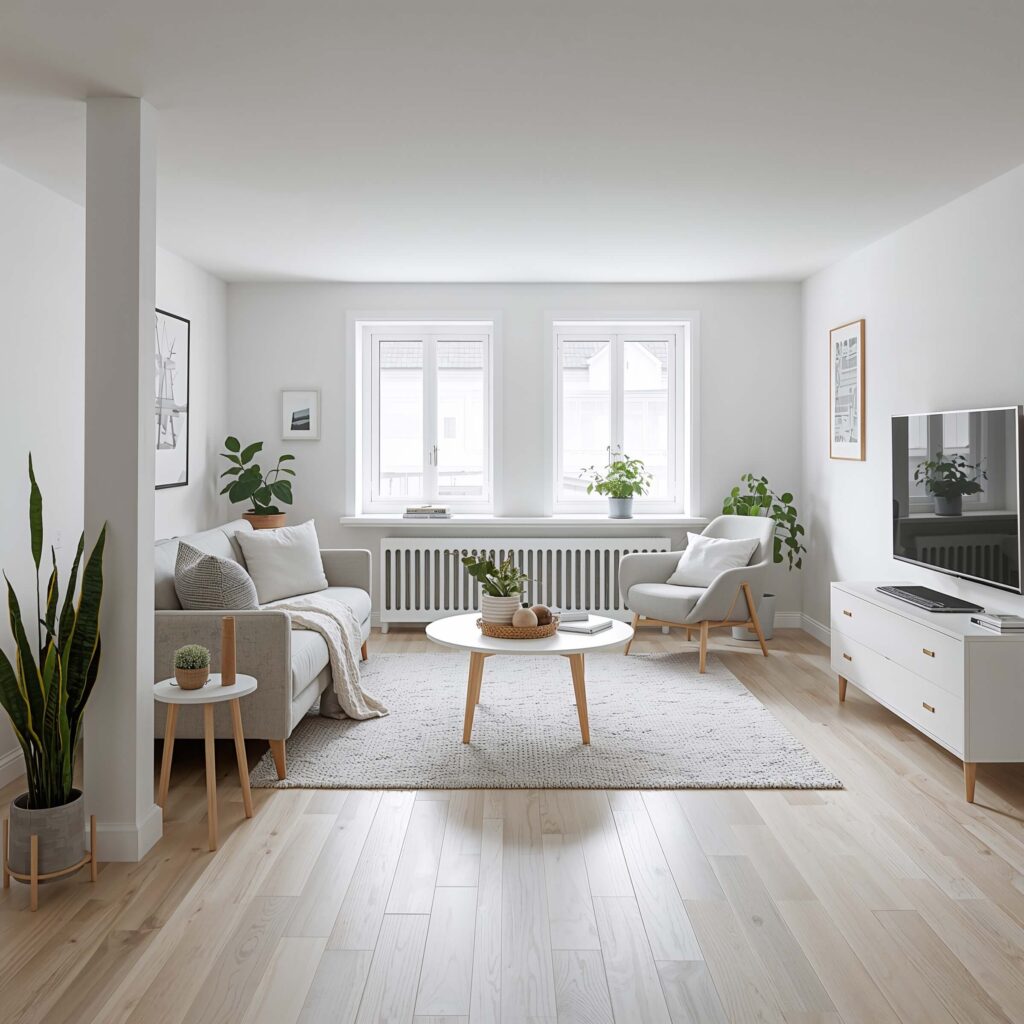
Bringing Nordic Hygge Underground
Scandinavian design in a basement might sound impossible, but hear me out. The whole philosophy behind Scandi style is creating bright, cozy spaces that feel welcoming despite harsh conditions. Sound familiar? That’s basically the basement design challenge in a nutshell.
The secret is maximizing every bit of natural light you can get and supplementing with the right artificial lighting. Paint everything white or light gray, add mirrors strategically, and choose furniture with light wood tones.
Color Palette That Opens Everything Up
Stick to the classic Scandinavian palette:
- Pure whites for walls and ceilings
- Light grays for accent pieces
- Natural wood tones for warmth
- Soft blues and greens for subtle color
I always tell people to resist the urge to add too much color. The beauty of Scandinavian design is in its restraint and the way it makes spaces feel larger and brighter.
Cozy Textures Without the Clutter
Scandinavian style is all about hygge – that untranslatable concept of coziness and contentment. In basements, this means:
- Chunky knit throws draped over simple furniture
- Sheepskin rugs for texture and warmth
- Linen cushions in natural tones
- Wooden accessories with clean lines
The goal is creating warmth through texture rather than color or pattern.
6. Vintage-Inspired Basement Haven
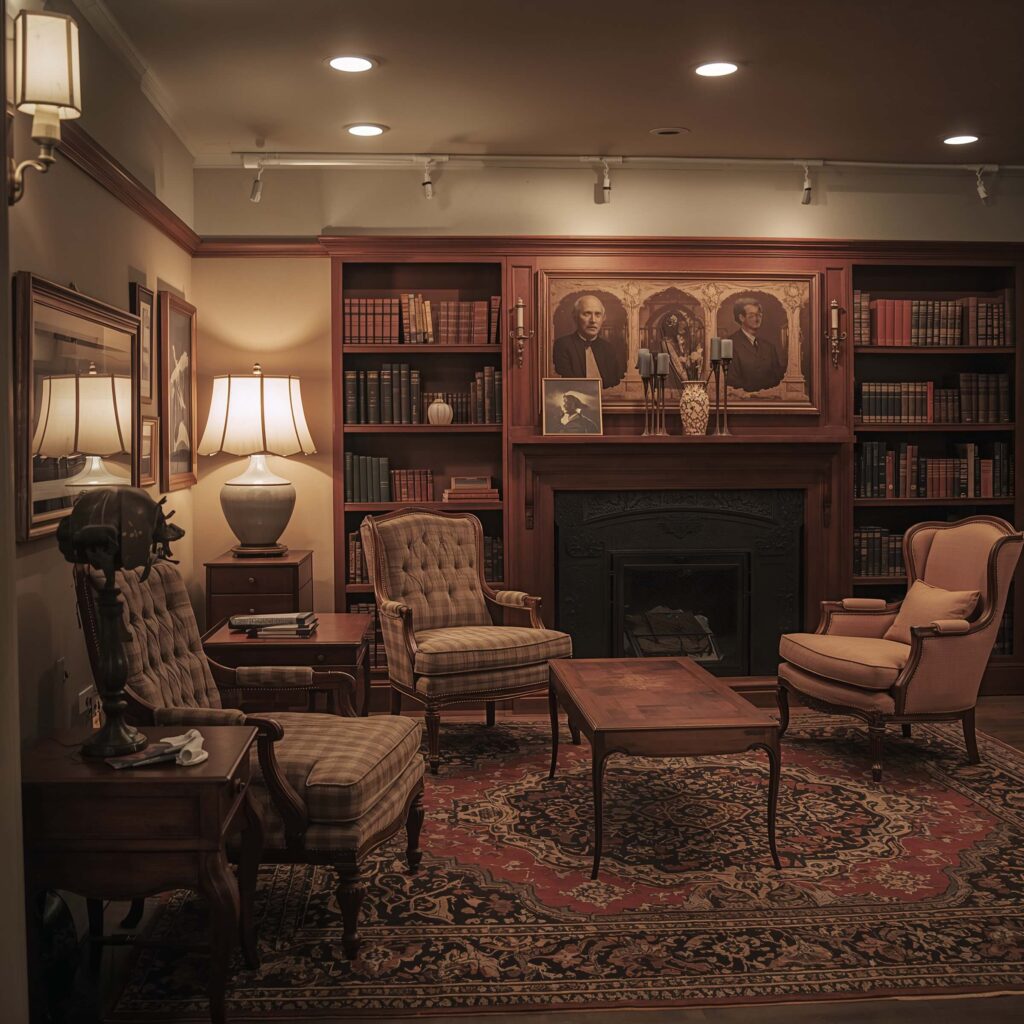
Curating Your Personal Time Capsule
There’s something magical about vintage design in basements – maybe it’s because these spaces already feel like they’re from another era? I’ve helped clients create everything from 1950s rec rooms to 1970s conversation pits, and the key is committing to your chosen decade.
Don’t try to mix too many eras unless you really know what you’re doing. Pick a time period that speaks to you and dive deep into the furniture, colors, and accessories that defined that era.
Authentic Pieces vs. Reproductions
Here’s where it gets tricky – finding authentic vintage pieces that work in basement conditions. Moisture and temperature fluctuations can be rough on antique furniture, so sometimes reproductions are actually the smarter choice.
I always recommend:
- Authentic accessories and decor for character
- High-quality reproductions for major furniture pieces
- Vintage-inspired lighting that meets modern electrical codes
- Period-appropriate colors in modern, durable paints
Creating Authentic Atmosphere
The devil is in the details with vintage design:
- Period-appropriate lighting fixtures (even if they’re reproductions)
- Vintage artwork and posters in authentic frames
- Era-specific accessories like rotary phones or vintage barware
- Music from the period playing softly in the background
Remember, you’re creating an experience, not a museum. Everything should still be functional and comfortable for modern living.
Also Read: 10 Stunning Small Basement Ideas Layout and Space-Saving Tricks
7. Warm Farmhouse Basement Living Area
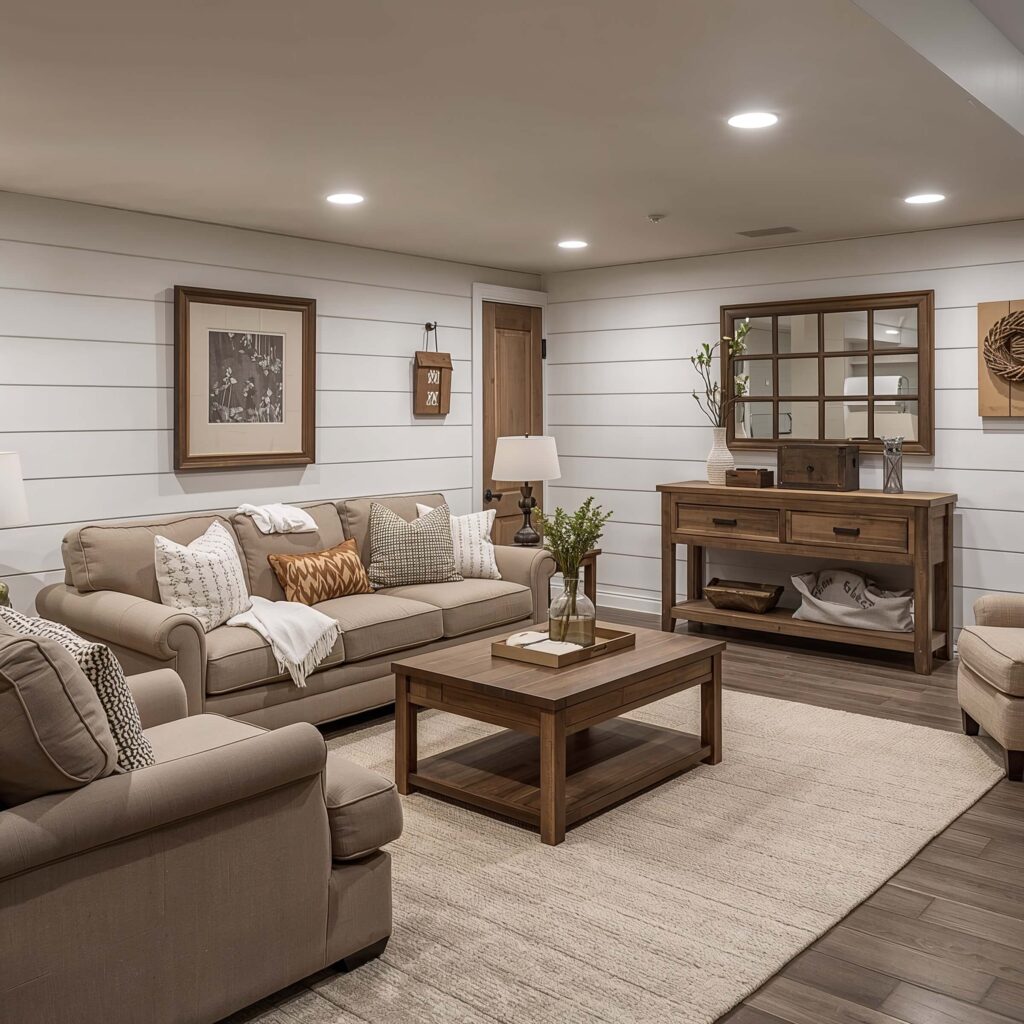
Bringing Country Charm Underground
Farmhouse style has taken over Pinterest for good reason – it’s comfortable, welcoming, and surprisingly versatile. In basements, farmhouse design works because it embraces imperfection and celebrates functional beauty.
The key elements? Shiplap walls, barn doors, vintage signs, and plenty of natural textures. I love how farmhouse style makes basements feel like they’ve always been part of the home rather than an afterthought.
Essential Farmhouse Elements
Every great farmhouse basement needs:
- Shiplap or board-and-batten walls for instant character
- Barn doors for storage areas or room dividers
- Vintage or vintage-inspired furniture with distressed finishes
- Mason jar lighting and galvanized metal accents
- Natural fiber rugs in neutral tones
The beauty of farmhouse style is that it’s forgiving and lived-in. Scuffs and wear marks just add to the authentic feel.
Color Schemes That Work
Farmhouse basements work best with warm, neutral palettes:
- Creamy whites for walls and trim
- Soft grays for accent pieces
- Warm browns in wood tones
- Muted blues and greens for subtle color pops
Avoid anything too bright or modern – farmhouse style is all about that weathered, timeless feel.
8. Home Theater Basement Experience
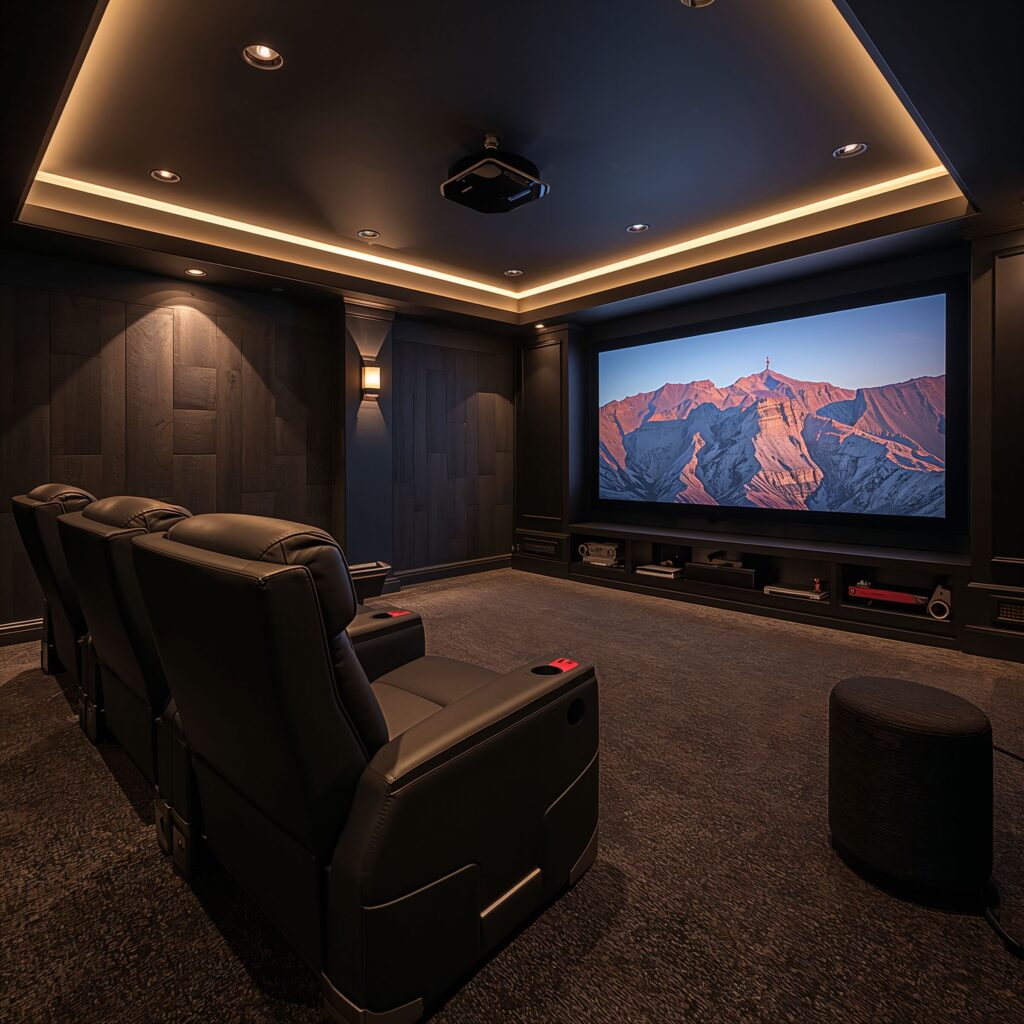
Creating Your Personal Cinema
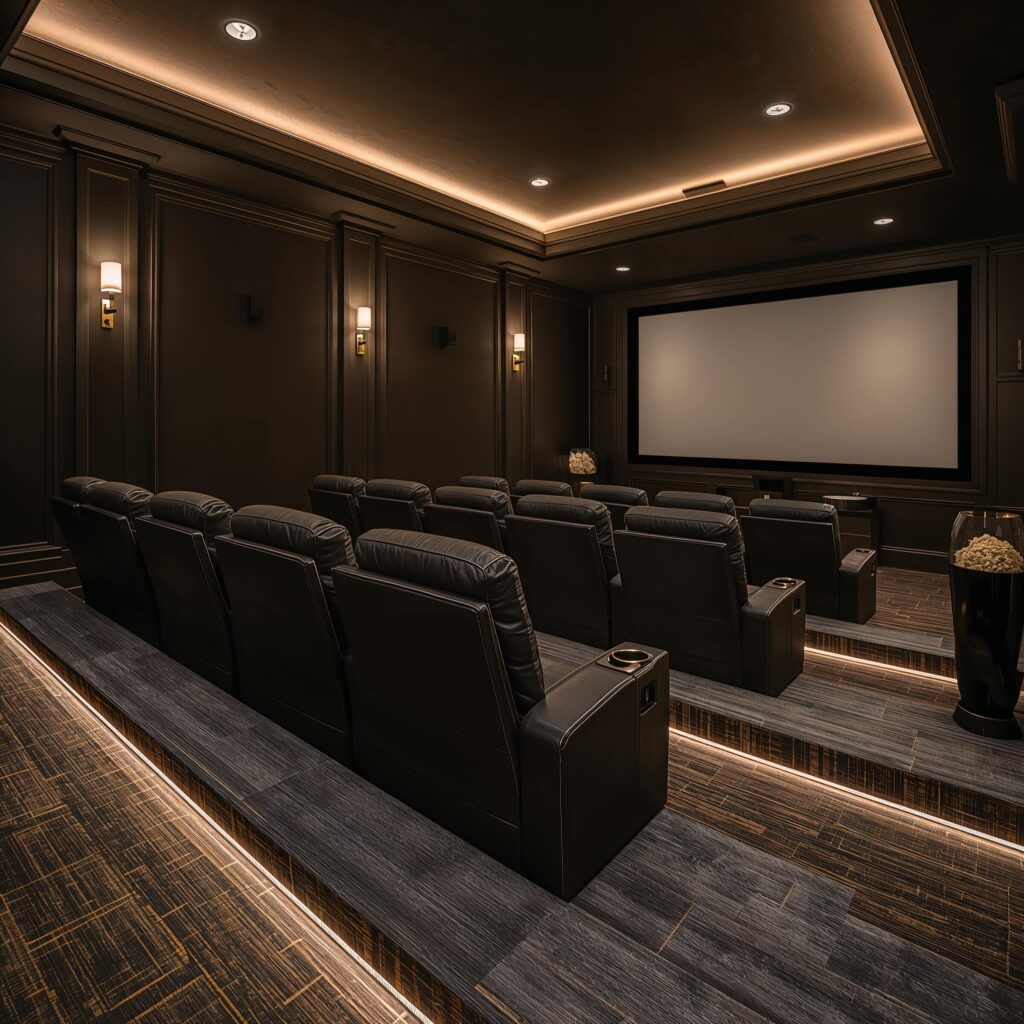
Let’s be honest – basements are basically made for home theaters. The lack of windows eliminates glare issues, the underground location provides natural sound insulation, and you can control the lighting completely.
I’ve designed home theaters ranging from simple TV rooms to full-blown cinema experiences, and the key is planning your layout around the viewing experience. Everything else – decor, storage, snack areas – should support that primary function.
Seating That Actually Works
Theater seating is where most people go wrong. You don’t need those massive recliners (unless you want them). Comfortable sectionals with good sight lines often work better and give you more flexibility for non-movie activities.
Consider these seating options:
- Tiered seating if your ceiling height allows
- Sectionals with recliners for the best of both worlds
- Bean bags or floor cushions for kids’ movie nights
- Bar-height seating in the back for casual viewing
Audio-Visual Setup That Doesn’t Dominate
The goal is creating a seamless entertainment experience without turning your basement into a Best Buy showroom. Hide wires, choose equipment that blends with your decor, and plan your layout around optimal viewing angles.
FYI, acoustic treatments don’t have to look like recording studio foam. Fabric wall panels, heavy curtains, and upholstered furniture all help with sound quality while maintaining your design aesthetic.
9. Multi-Purpose Basement with Storage
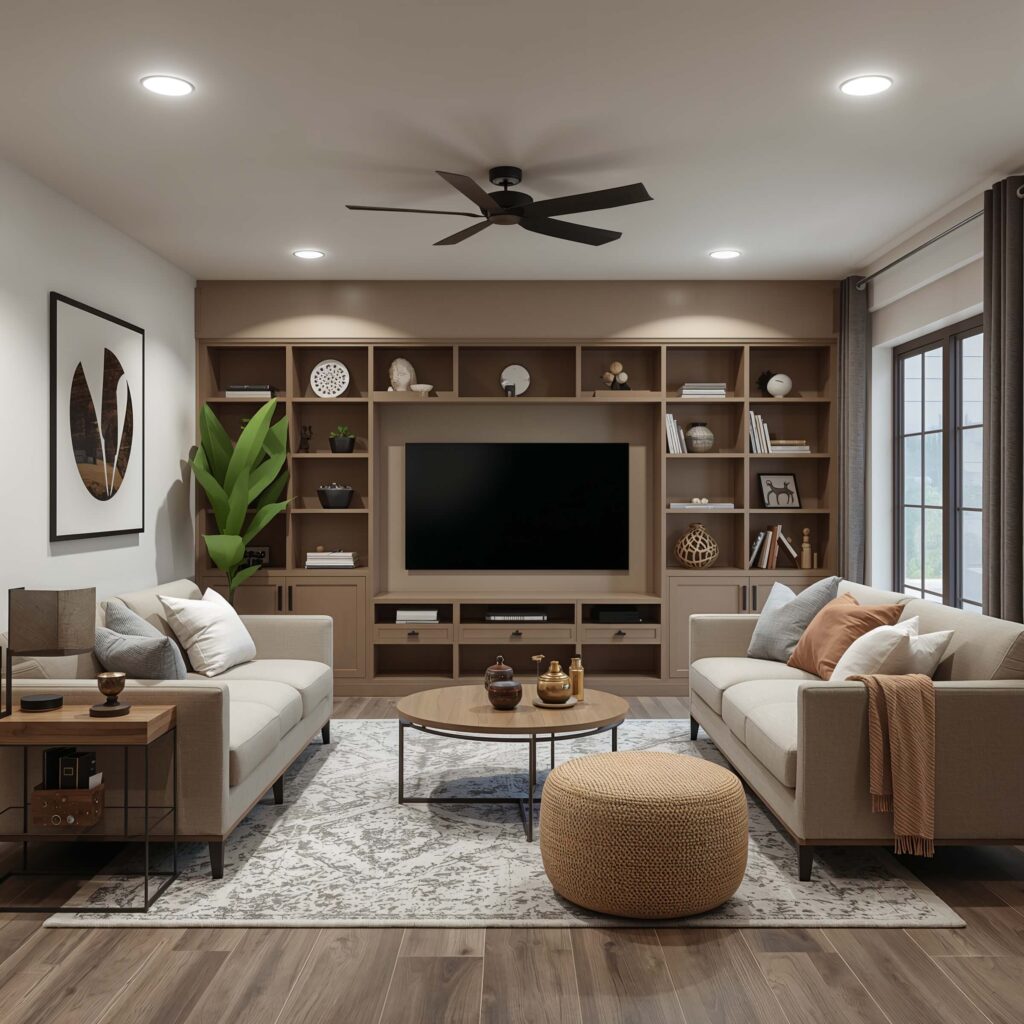
Making Every Square Foot Count
Real talk – most of us need our basements to do way more than just look pretty. Between holiday decorations, sports equipment, and all that stuff we can’t quite throw away, storage is a real concern.
The trick is integrating storage so seamlessly that it becomes part of the design rather than an eyesore. Built-ins are your best friend here, but there are plenty of creative solutions that don’t require major construction.
Smart Storage Solutions
Here are my go-to storage strategies:
- Ottoman storage that doubles as seating
- Built-in shelving that looks like intentional design
- Under-stair storage with custom doors
- Armoires and cabinets that hide clutter completely
- Wall-mounted systems that keep floors clear
The key is choosing storage that matches your overall design style. Rustic basements get wooden crates and vintage lockers. Modern spaces need sleek, hidden storage. Industrial designs can handle exposed shelving and metal storage units.
Flexible Furniture Arrangements
Multi-purpose spaces need furniture that can adapt:
- Modular seating that reconfigures easily
- Nesting tables that tuck away when not needed
- Folding chairs for extra seating that stores flat
- Rolling carts that move between different activity zones
Think about how you’ll actually use the space and plan accordingly. Movie night might need different furniture arrangements than game day or kids’ playtime.
Also Read: 10 Amazing Basement Apartment Ideas and Cozy Living Tips
10. Luxurious Contemporary Basement Lounge
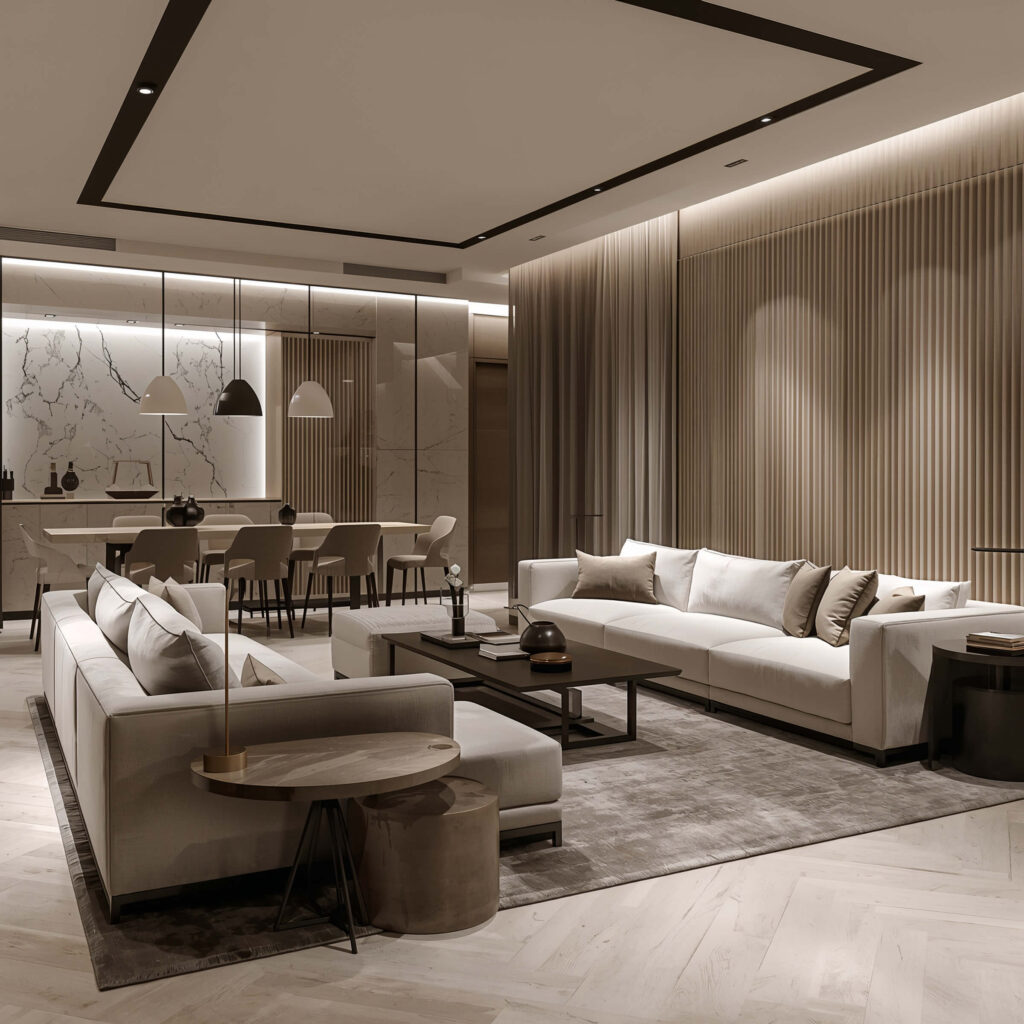
Bringing Upscale Vibes Downstairs
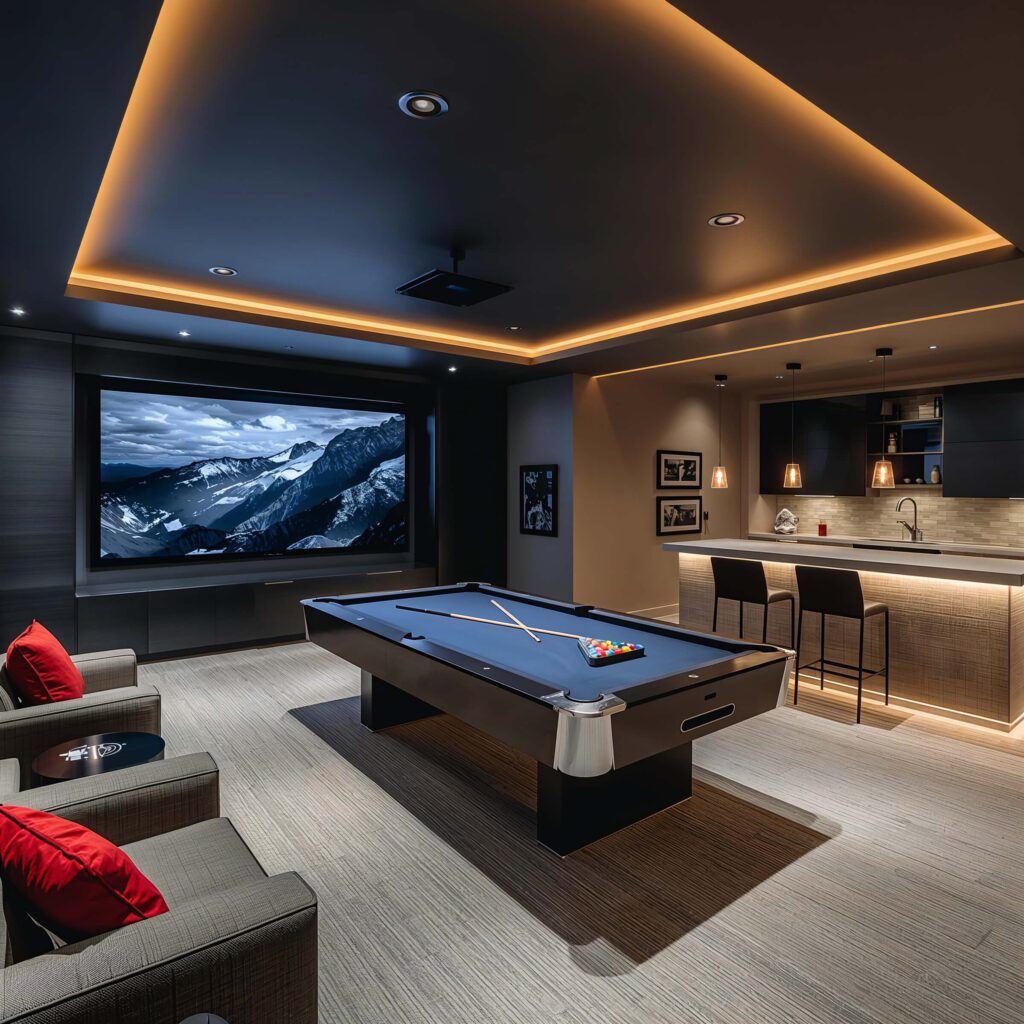
Who says basements can’t be sophisticated? I’ve created basement lounges that rival any upscale hotel bar, and the secret is treating the space with the same design attention you’d give your main living areas.
Contemporary luxury is all about clean lines, high-quality materials, and thoughtful details. Think rich textures, statement lighting, and furniture that looks like it belongs in a design magazine.
Materials That Scream Luxury
Invest in quality materials that feel expensive:
- Natural stone or high-end tile for accent walls
- Rich hardwood or luxury vinyl for flooring
- Leather or high-performance fabric for seating
- Metal accents in brushed gold or matte black
- Glass elements for lightness and sophistication
The goal is creating a space that feels intentionally designed rather than thrown together. Every element should feel purposeful and high-quality.
Lighting That Sets the Mood
Contemporary luxury lighting is all about creating ambiance:
- Recessed lighting with dimmer controls
- Statement pendant lights over seating areas
- LED strip lighting for subtle accent illumination
- Table and floor lamps for layered lighting options
Don’t forget about smart home integration – being able to control lighting, temperature, and entertainment systems from your phone adds that extra touch of luxury.
Wrapping It All Up
Your basement doesn’t have to be the forgotten stepchild of your home. With the right design approach, it can become the space everyone gravitates toward – whether that’s a cozy retreat, an entertainment hub, or a sophisticated lounge.
The key is working with your space’s unique characteristics rather than fighting them. Embrace those low ceilings, celebrate that concrete, and turn potential challenges into design opportunities. Remember, some of the most stunning spaces I’ve seen started as the most challenging basements.
Whatever style speaks to you, commit to it fully and don’t be afraid to invest in quality pieces that’ll stand up to basement conditions. Your underground oasis is waiting – it just needs someone with vision to bring it to life. And hey, when your friends start asking why they never want to leave your basement, you’ll know you’ve succeeded :/