10 Brilliant Basement Parking Ideas to Maximize Space
- Basement Decor
 Ben
Ben- 0
- 49 minutes read
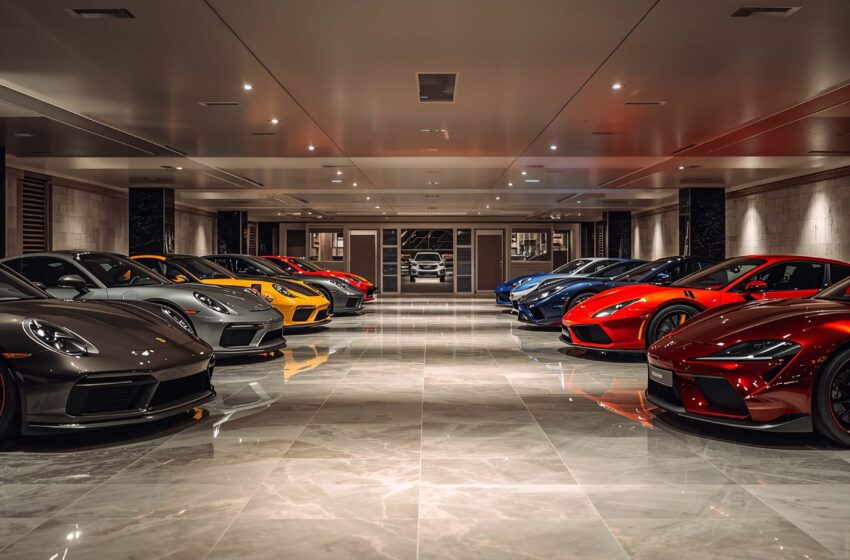
Look, we need to talk about that basement parking situation you’ve got going on. You know what I mean – that dark, cramped space where you play automotive Tetris every time you need to park. I’ve been there, done that, and bumped my side mirror more times than I care to admit.
After spending years obsessing over basement parking designs (yes, I’m that person at parties), I’ve discovered some genuinely brilliant solutions that’ll transform your underground cave into a space that actually works. Whether you’re dealing with a tight squeeze or blessed with a sprawling basement, these ideas will make you rethink everything you thought you knew about parking below ground.
Multi-level Car Parking Layout
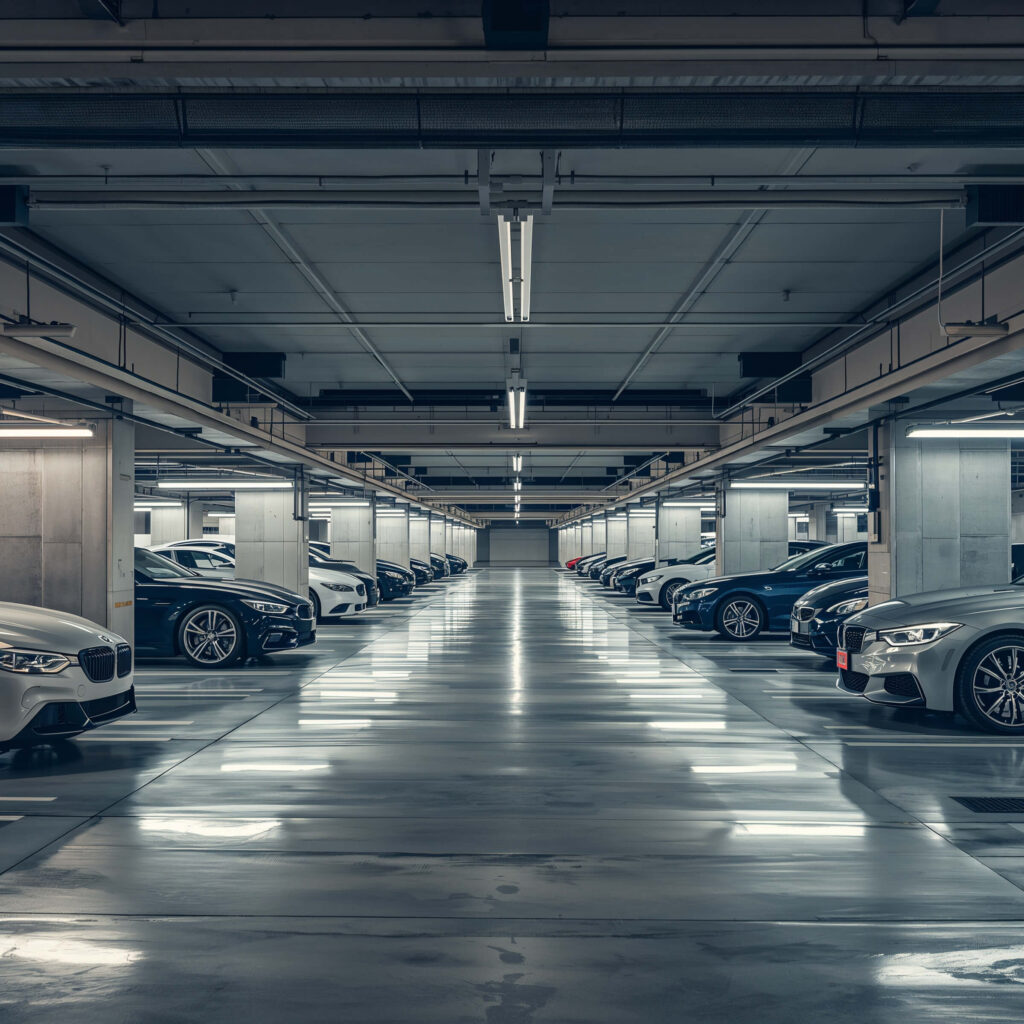
Let me blow your mind for a second – multi-level parking systems aren’t just for commercial buildings anymore. I installed one of these bad boys last year, and honestly? Game-changer doesn’t even begin to cover it.
Picture this: you drive into your basement, press a button, and your car lifts up while another parking spot appears underneath. It’s like having a parking space multiplier in your own home. The best part? You can fit two or even three cars in the space where one used to struggle.
The Technical Stuff That Actually Matters
Here’s what you need to know before jumping in:
- Ceiling height requirements: minimum 12-14 feet for a two-tier system
- Weight capacity: typically handles 4,000-6,000 pounds per platform
- Power requirements: 220V outlet (same as your dryer)
- Installation time: usually 2-3 days with professional help
I won’t sugarcoat it – the initial investment hits hard. We’re talking $8,000 to $15,000 for a decent system. But when you consider the alternative of expanding your basement (hello, structural nightmare), it starts making serious financial sense.
Making It Work in Real Life
The trick with multi-level systems? Planning your daily car rotation. I keep my weekend toy car on top and the daily driver at ground level. Simple logic, right? Yet you’d be amazed how many people get this backwards and curse themselves every Monday morning.
Safety concerns pop up naturally when you’re parking cars in the air. Modern systems come with automatic locks, emergency stops, and backup power systems. Mine even has sensors that stop the platform if anything gets in the way – learned that the hard way when I left a rake leaning against the wall.
Modern Minimalist Basement Garage
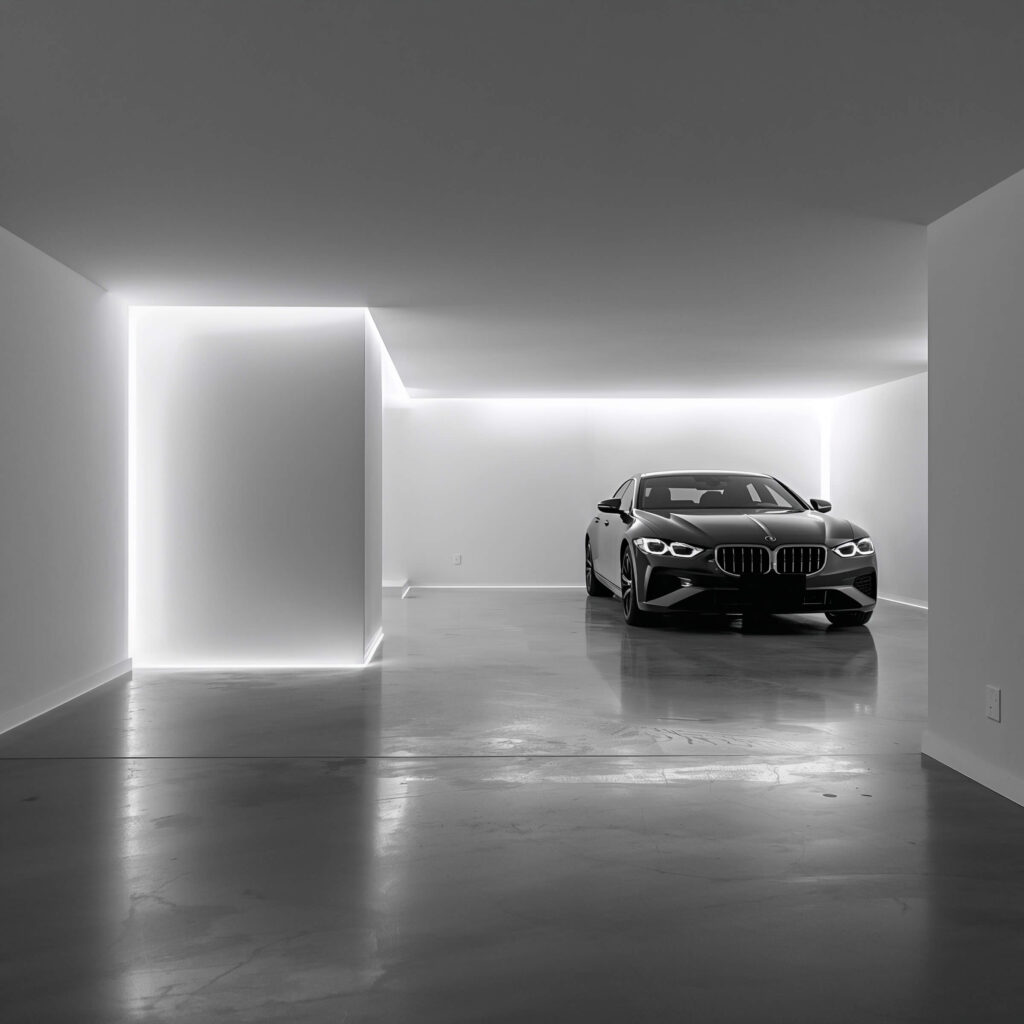
Minimalism in a basement garage sounds contradictory, doesn’t it? How can you be minimalist when you need to store cars, tools, and all that other stuff we accumulate? Well, I’ve cracked the code, and it’s simpler than you think.
The secret lies in treating your basement parking like a high-end showroom. Strip away everything unnecessary, focus on clean lines, and suddenly that dungeon transforms into something magazine-worthy.
Color Schemes That Don’t Suck
Forget what you’ve heard about basement garages needing to be gray concrete boxes. I went with:
- Polished white epoxy floors that reflect light like crazy
- Matte charcoal walls for that sophisticated contrast
- LED strip lighting hidden in the ceiling corners
- Minimal black hardware on any visible storage
The transformation shocked everyone who saw it. My neighbor literally asked if I hired the same designer who did the local Mercedes dealership. (I didn’t – just YouTube University and some trial and error.)
Storage That Disappears
Here’s where minimalism gets tricky in a parking space. You need storage, but visible clutter kills the vibe instantly. Built-in wall cabinets with push-to-open doors save the day here.
I installed floor-to-ceiling cabinets along one wall, all in the same color as the wall itself. When closed, they virtually disappear. Inside? Complete chaos of tools and car supplies, but who’s checking? The visual calm makes parking feel less like a chore and more like entering your personal gallery.
Basement Parking with Smart Lighting
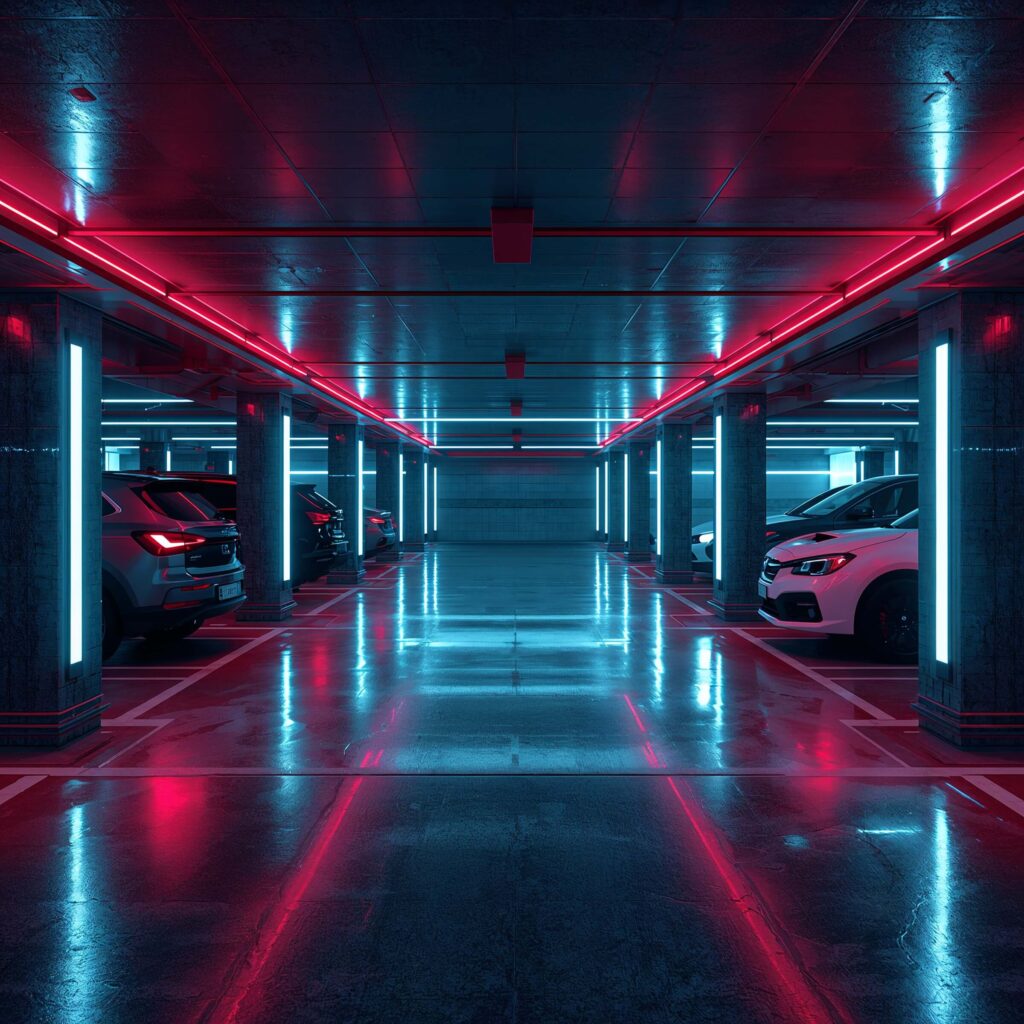
Can we talk about how most basement garages have the lighting ambiance of a horror movie set? Those single bulbs casting shadows everywhere make me wonder how we’ve accepted this as normal for so long.
Smart lighting changes everything about basement parking. And no, I’m not just talking about clapping to turn lights on (though that’s fun at parties).
Motion-Activated Zones
I divided my basement into three lighting zones: entry ramp, main parking area, and storage corners. Each zone has its own motion sensors and brightness settings. Why waste electricity lighting the entire space when you’re just grabbing something from storage?
The entry ramp lights activate as soon as my car approaches – the sensors pick up the movement from 20 feet away. No more fumbling for switches with arms full of groceries. The main parking area floods with light once I’m inside, then dims to accent lighting after five minutes of no movement.
The Color Temperature Game
Ever noticed how some lights make you feel energized while others make you sleepy? That’s color temperature at work, and it matters more than you’d think in basement parking:
- 5000K daylight bulbs for the main area (crisp, clear visibility)
- 3000K warm white for accent lighting (cozy, less harsh)
- RGB strips for fun (because why not?)
FYI, I installed app-controlled smart bulbs everywhere. Now I can check if I left the garage lights on from my bed. The peace of mind alone makes it worth the upgrade 🙂
Also Read: 10 Fantastic Basement Kitchen Ideas and Functional Upgrades
Compact Space Optimization Parking
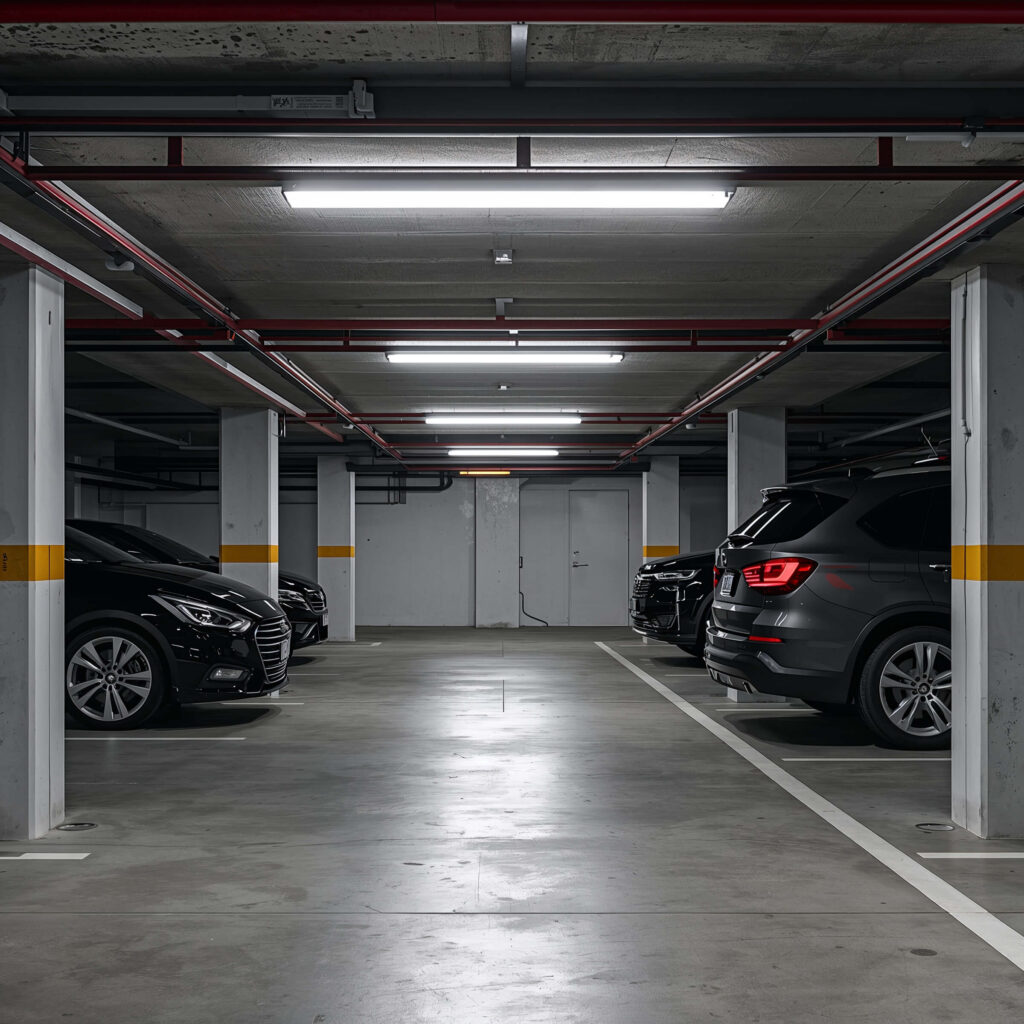
Got a basement parking space tighter than a jar lid? Join the club. My first basement could barely fit a sedan, let alone anything practical. But I learned some tricks that squeezed every usable inch out of that concrete box.
The Art of Angled Parking
Here’s something most people don’t realize: parking at a 45-degree angle instead of straight can actually give you more maneuvering room in tight spaces. Sounds backwards, right?
I marked out angled parking lines in my basement, and suddenly getting in and out became way easier. The car door swings into open space instead of hitting the wall. Plus, the angle naturally guides you into position – no more 15-point turns to get parked straight.
Mirrors Aren’t Just for Vanity
Installing convex mirrors in strategic corners turned my parking game from amateur to pro level. I mounted three of them:
- One at the bottom of the ramp for seeing around the corner
- Two at the back corners for perfect alignment every time
- One bonus mirror at ceiling height for checking clearance
These mirrors cost me less than $100 total but probably saved thousands in potential scratches and dings. Best ROI in my entire garage setup, hands down.
Folding Everything
When space gets really tight, everything needs to fold away:
- Wall-mounted folding workbench that disappears when not needed
- Retractable extension cord reels instead of cables everywhere
- Fold-up bike racks that tuck against the ceiling
- Collapsible storage bins for seasonal items
The transformation happens in seconds. Park the car, fold everything flat, and suddenly you’ve got room to actually walk around your vehicle.
Underground Luxury Car Display

Why should car dealerships have all the fun with fancy displays? If you’re storing something special in your basement, it deserves better than hiding in the shadows like some guilty secret.
I helped a friend transform his basement into what I call a “private auto gallery”, and the results made me seriously reconsider my own setup. We’re talking museum-quality presentation for his collection, all underground.
The Platform Treatment
Custom rotating platforms might sound excessive, but hear me out. They serve real purposes beyond showing off:
- Easier maintenance access to all sides of the car
- Even tire wear during long-term storage
- Space optimization (no need for walk-around room)
- And yes, the wow factor when someone visits
We installed a platform that rotates one full revolution per hour when in display mode. Slow enough that you don’t notice it moving, but the car’s always showing a different angle when you glance over. The motor’s whisper-quiet – you can’t even hear it running.
Gallery Lighting Design
Luxury displays need lighting that makes paint jobs pop and chrome gleam:
- Overhead track lighting with adjustable spots
- Floor-level LED strips for that floating effect
- Wall washers to eliminate harsh shadows
- Display case lighting for memorabilia shelves
The trick? Layer your lighting at different heights and intensities. We spent an entire weekend just adjusting light positions until every angle looked magazine-worthy. Obsessive? Maybe. Worth it? Absolutely.
Climate Control Matters
Storing valuable cars underground without proper climate control is basically asking for trouble. Humidity wreaks havoc on everything from leather to electronics. We installed:
- Dehumidification system keeping levels at 40-50%
- Temperature control maintaining steady 65-70°F
- Air circulation fans preventing dead zones
- Monitoring system sending alerts to phone
IMO, this setup’s overkill for daily drivers, but for collectibles? It’s cheap insurance against deterioration.
Basement Parking with Storage Integration
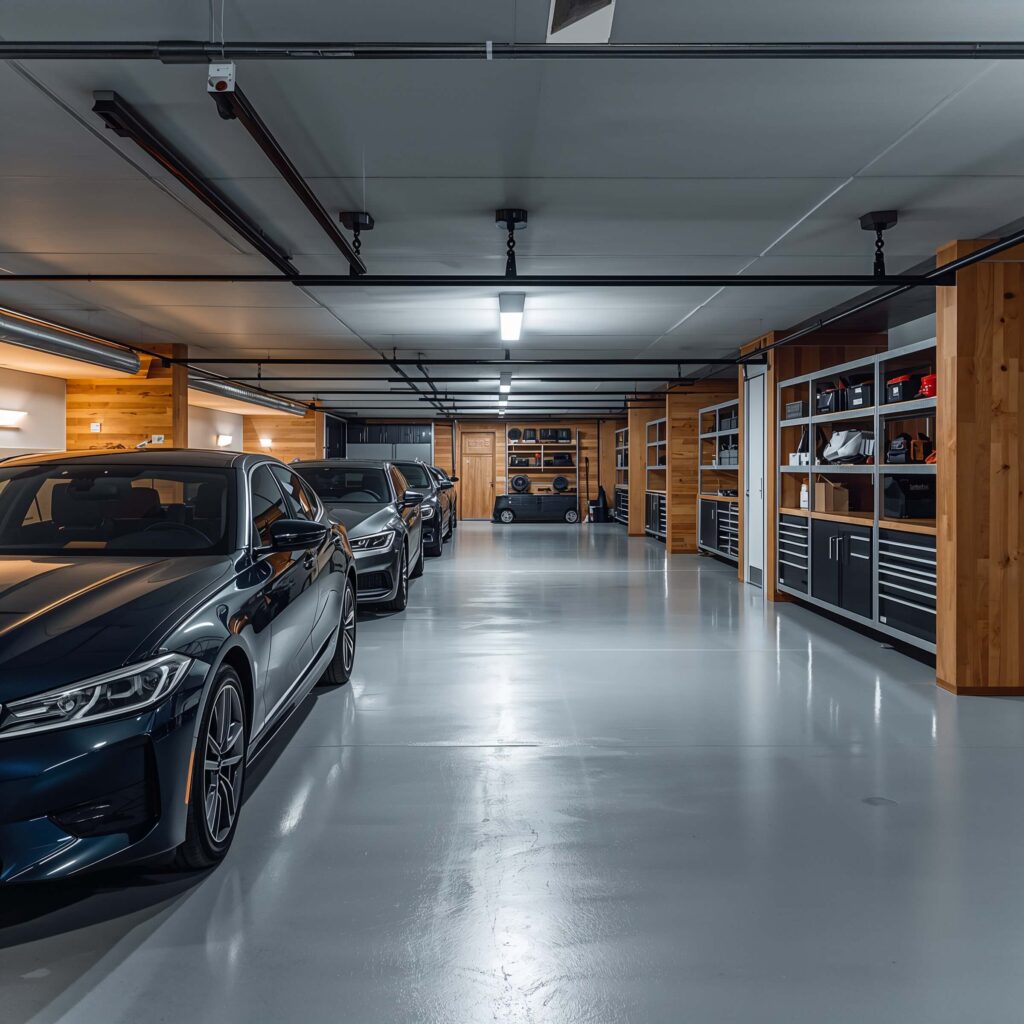
Real talk – basement parking without storage is just wasted vertical space. I’ve seen too many people park their cars in cavernous basements with completely bare walls. What a waste!
The key to great storage integration? Making it so seamless that it enhances rather than clutters your parking space. I learned this lesson after my first attempt looked like a garage sale exploded.
Overhead Storage Systems
The ceiling’s your best friend when floor space is at a premium:
- Heavy-duty ceiling racks for seasonal items
- Motorized storage lifts for heavy boxes
- Pulley systems for bikes and kayaks
- Mesh platforms between ceiling joists
I installed motorized lifts that lower bins to chest height at the push of a button. No more ladder climbing with heavy boxes – my back thanks me every time I use them.
The Modular Wall System
Slat wall panels changed my storage game completely. Instead of permanent shelves and hooks, everything adjusts based on current needs:
- Hook configurations for tools
- Basket attachments for supplies
- Shelf brackets for bins
- Specialized holders for specific equipment
Last month I needed to store skis; this month it’s camping gear. The flexibility means I’m never fighting against my own storage system.
Hidden Storage Wins
Built-in storage between wall studs maximizes space without eating into your parking area. I created shallow cabinets in the dead space between studs:
- 4-inch deep shelves for spray cans and small tools
- Magnetic strips for metal items
- Charging stations for battery-powered tools
- Document storage for car paperwork
These additions gave me 20+ feet of linear storage without losing an inch of parking space. Sometimes the best solutions are hiding in plain sight.
Also Read: 10 Unique Moody Basement Ideas for Warm and Inviting Rooms
Industrial Style Basement Garage
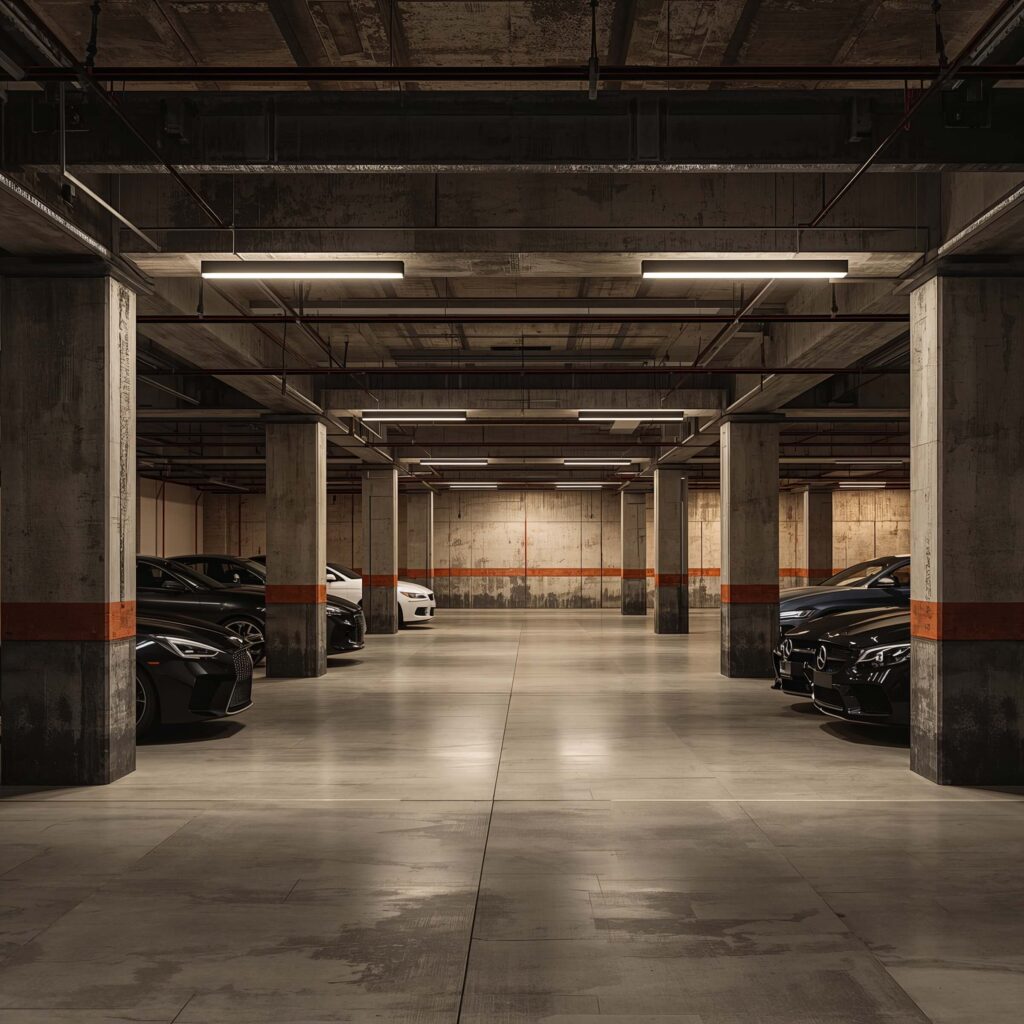
Exposed pipes and raw concrete might sound like a contractor’s unfinished work, but industrial style basement garages have serious character. Plus, they’re surprisingly practical for working spaces.
I went full industrial in my last basement, and the aesthetic fits perfectly with the functional nature of a garage. No pretending it’s something it’s not – just embracing the raw, utilitarian vibe.
Exposed Elements That Work
Instead of hiding infrastructure, industrial design celebrates it:
- Exposed ceiling beams painted matte black
- Visible conduit for electrical runs
- Unpainted concrete walls sealed for durability
- Metal mesh panels for tool organization
The beauty? Maintenance becomes infinitely easier when everything’s accessible. Need to add a new outlet? The conduit’s right there. Pipe leak? You’ll spot it immediately.
The Right Finishing Touches
Industrial doesn’t mean unfinished. The key details that elevate the look:
- Polished concrete floors with high-gloss sealer
- Edison bulb string lights for ambiance
- Reclaimed wood accents for warmth
- Vintage automotive signage for personality
I scored an old mechanic’s tool chest from an estate sale and made it my centerpiece. That single piece ties the whole industrial theme together while providing killer storage.
Functional First, Aesthetic Second
What I love about industrial style? Everything serves a purpose:
- Metal shelving units that can hold serious weight
- Workbenches made from actual butcher blocks
- Commercial-grade lighting that brightens every corner
- Tool organization systems from actual factories
This style gives you permission to prioritize function without apologizing for the appearance.
Eco-Friendly Basement Parking Design
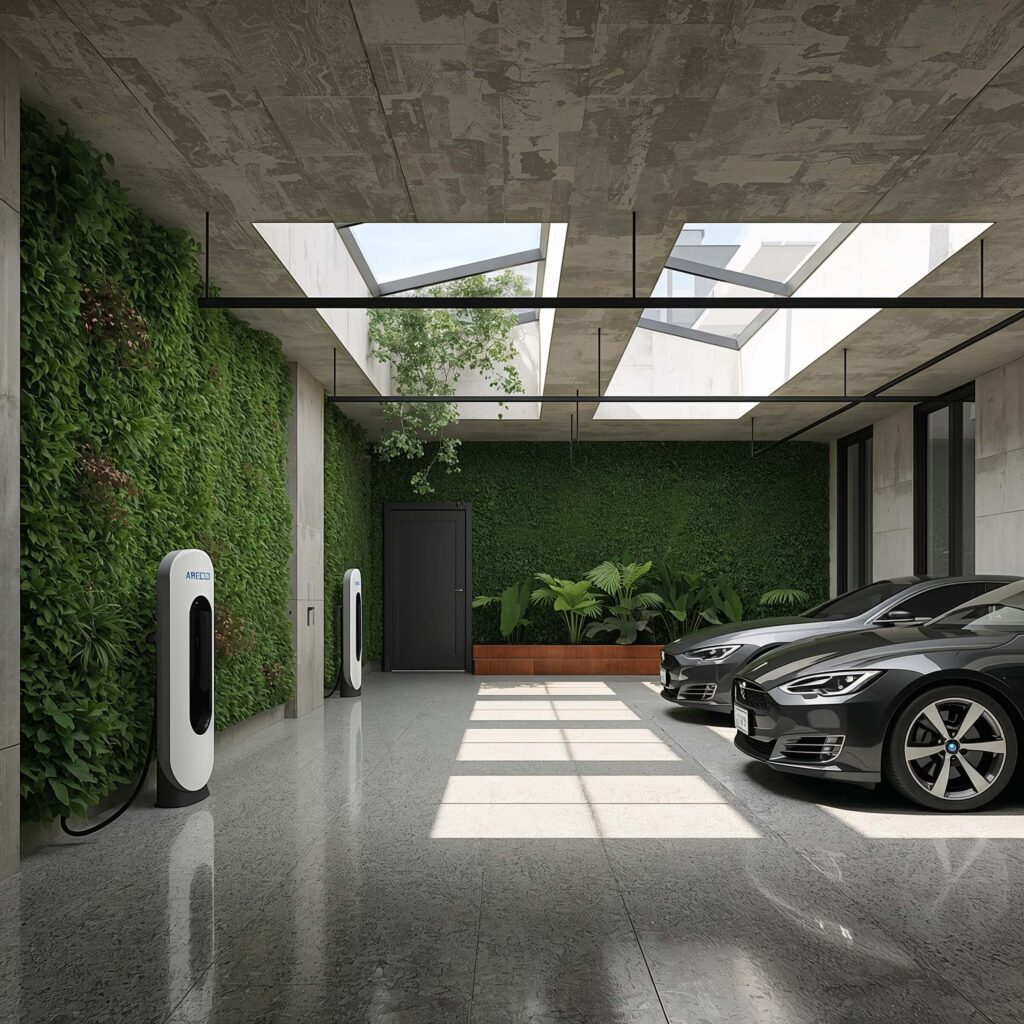
Before you roll your eyes at another “green” lecture, hear me out. Eco-friendly basement parking saves money long-term while actually improving the space. I converted my basement to eco-friendly design two years ago, and my utility bills tell the success story.
Solar Tube Lighting Magic
Who says basements can’t have natural light? Solar tubes changed the game for my basement parking:
- Zero electricity cost during daylight hours
- Natural light that doesn’t generate heat
- Improved mood (seriously, it matters)
- Installation through existing structure
I installed three 14-inch tubes, and now I rarely need artificial lights before sunset. The initial cost of $500 per tube paid for itself in under two years through energy savings.
Permeable Flooring Solutions
Traditional concrete creates water runoff issues. Permeable pavers in the right spots help manage moisture:
- Reduces puddles and standing water
- Prevents mold and mildew growth
- Manages snow melt naturally
- Reduces humidity levels
I used permeable pavers near the entrance where snow melt happens. Water drains through instead of pooling, and my basement stays noticeably drier.
Electric Vehicle Readiness
Even if you don’t own an EV yet, installing charging infrastructure now makes sense:
- 240V outlet installation costs less during renovation
- Increases home value immediately
- Federal tax credits might apply
- Future-proofs your space
I added two 240V outlets even though I still drive gas. The installation cost me $800, but it added roughly $2,000 to my home appraisal. Sometimes being eco-friendly literally pays.
Recycled and Reclaimed Materials
Building with reclaimed materials adds character while reducing waste:
- Reclaimed wood for accent walls
- Recycled rubber flooring in work areas
- Salvaged metal for custom shelving
- Repurposed containers for storage
My favorite find? Old gym flooring that I installed in my parking area. Cushioned surface that’s easier on the knees when working on cars, plus it was heading to a landfill otherwise.
Basement Parking with Safety Rails
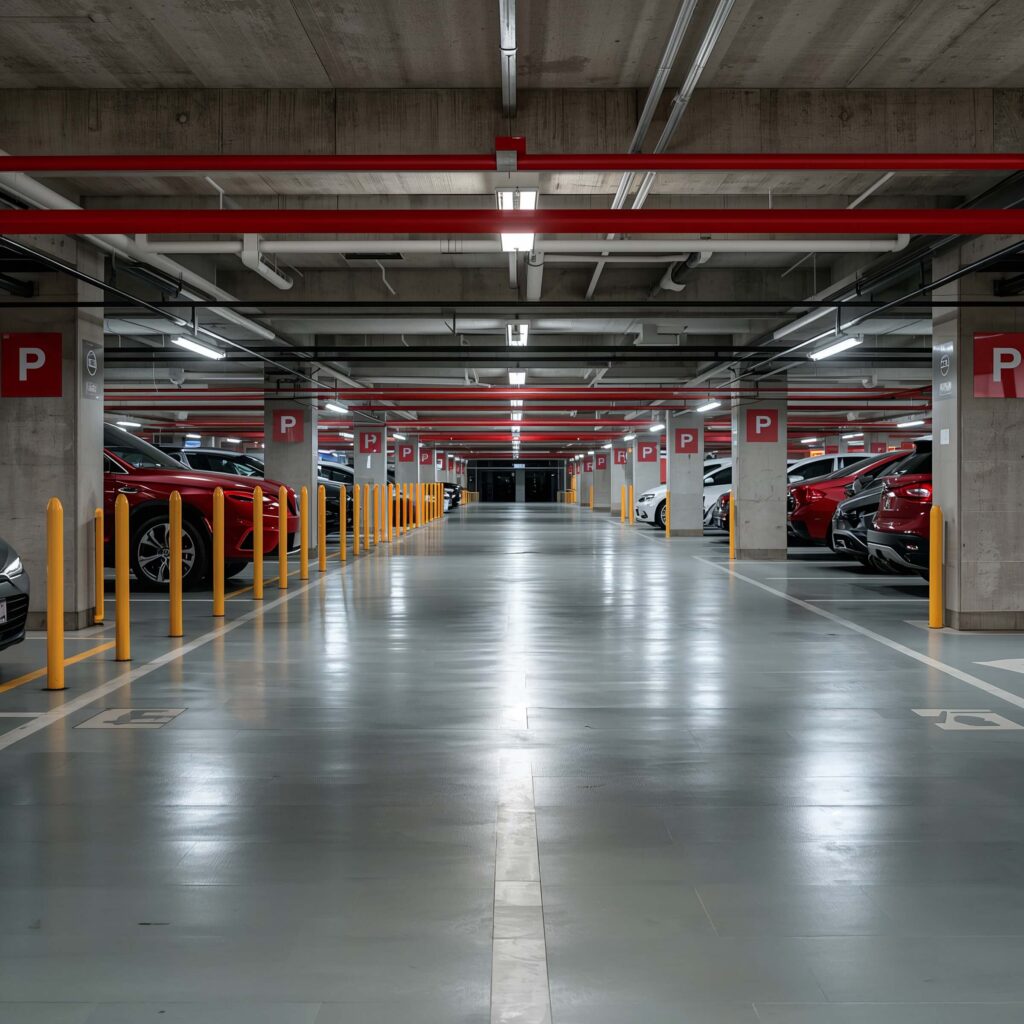
Safety rails in basement parking might not sound exciting, but after watching my neighbor’s teenager scrape their car door along a concrete wall, I became a convert. Good safety features prevent expensive mistakes.
Strategic Rail Placement
Not every wall needs rails. Focus on high-risk areas:
- Tight corners where turns happen
- Narrow passages between obstacles
- Ramp edges where drops exist
- Structural columns that stick out
I installed padded rails at bumper height along my tightest wall. Six months later, those rails showed multiple scuffs – damage that would’ve been on my car otherwise.
The Right Rail Materials
Different situations call for different protection:
- Foam padding for low-speed contact areas
- Rubber bumpers for corner protection
- Steel rails for structural protection
- Flexible bollards for space definition
My setup combines foam rails along walls with rubber corner guards on every concrete edge. Overkill? Maybe. But I sleep better knowing my parking space is basically idiot-proof :/
Beyond Basic Rails
Modern safety systems go way beyond simple barriers:
- Laser parking guides for perfect positioning
- Sensor systems that beep when too close
- LED rail lighting for visibility
- Retractable barriers for flexible protection
I splurged on laser guides that project lines showing exactly where to stop. Best $50 I’ve spent – perfect parking every single time.
Kid-Proofing Considerations
If you’ve got kids, basement parking needs extra safety thought:
- Bright colored rails at kid eye-level
- Motion sensors triggering warnings
- Automatic door locks preventing access
- Emergency stops on any motorized systems
After my nephew’s bike-riding incident (don’t ask), I added motion sensors that trigger flashing lights when someone enters while a car’s running. Paranoid? Maybe. But accidents happen fast in confined spaces.
Also Read: 10 Smart Basement Renovations Ideas to Upgrade Your Space
Sleek Contemporary Car Ramp Design

The ramp into your basement parking sets the entire tone. Yet most of us treat it like an afterthought – just a concrete slope to endure. Contemporary ramp design changes the entire parking experience.
Heated Ramp Systems
Living somewhere with winter? Heated ramps eliminate the ice rink effect:
- No more white-knuckle descents
- Reduced salt and chemical needs
- Lower maintenance requirements
- Safer for everyone
I installed heating cables before pouring new concrete on my ramp. The system costs pennies per hour to run and only activates when temperatures drop near freezing. No more morning anxiety about whether I’ll slide into my own garage door.
The Perfect Slope
Ramp angles matter more than you’d think:
- 15% grade maximum for comfort
- 12% ideal for most vehicles
- Transition zones preventing scraping
- Proper drainage throughout
I learned the hard way that steeper isn’t better. My original 20% grade ramp got reduced after one too many bumper scrapes. The gentler slope takes more space but saves car undersides and passenger comfort.
Aesthetic Upgrades
Contemporary design means your ramp can actually look good:
- Stamped concrete patterns
- LED strip lighting along edges
- Stainless steel railings for modern flair
- Textured surfaces for grip and style
My ramp features a herringbone stamp pattern with embedded LED strips on both sides. Visitors consistently comment on it – when’s the last time someone complimented your garage ramp?
Smart Ramp Features
Technology makes ramps safer and more convenient:
- Automatic de-icing systems
- Motion-activated lighting
- Security cameras with clear angles
- Weight sensors for monitoring
The motion lighting alone changed my life. No more hoping the sensor catches me before I start descending into darkness. The lights activate 30 feet away and stay on until I’m parked.
Drainage Solutions
Water on ramps causes endless problems:
- Trench drains at top and bottom
- Slope design directing water properly
- Permeable sections where possible
- Heating elements preventing freeze
I installed a trench drain at my ramp’s base after the third flooding incident. Best improvement I never knew I needed. No more lake at the bottom after heavy rain.
Wrapping This Up
Look, transforming your basement parking doesn’t happen overnight. I’ve been tweaking mine for years, and I’m still finding new improvements. The key? Start with one idea that solves your biggest pain point.
Maybe it’s better lighting that stops the daily game of “will I hit the wall today?” Or perhaps it’s storage that finally gets those boxes off the floor. Whatever you choose, each improvement builds momentum for the next one.
The best basement parking combines function with personality. These aren’t just concrete boxes for storing cars – they’re extensions of our homes that we use daily. Make yours a space you actually enjoy entering.
Your car spends more time in that basement than anywhere else. Doesn’t it deserve better than a dim, cramped afterthought of a space? Plus, every upgrade adds value to your home while making daily life genuinely easier.
Take it from someone who’s made every mistake possible – investing in your basement parking pays dividends in convenience, safety, and yes, even enjoyment. Who knows? You might actually start looking forward to parking. And if that’s not a sign of success, I don’t know what is.