10 Smart Basement Stairs Ideas That Save Space
- Basement Decor
 Ben
Ben- 0
- 34 minutes read
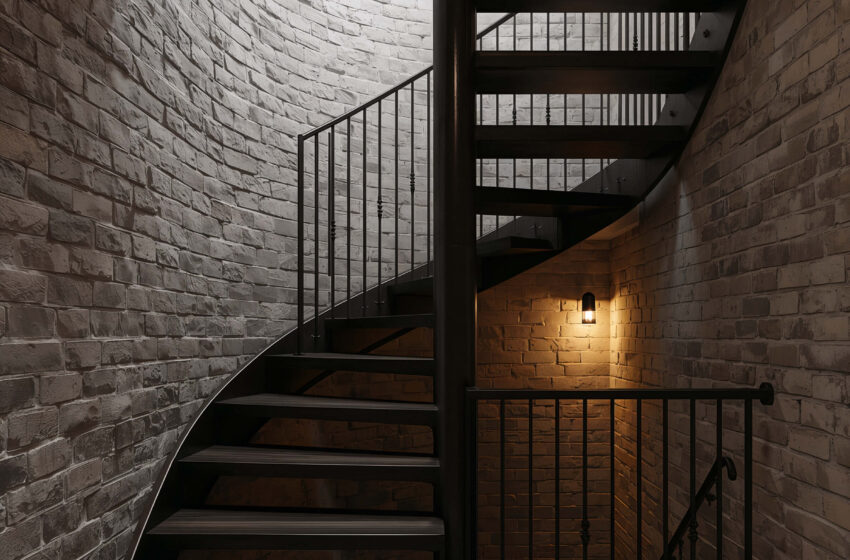
You know that awkward moment when you’re standing at the top of your basement stairs, wondering if there’s a better way to get down there without feeling like you’re descending into a dungeon? Yeah, I’ve been there. After renovating three different basements (and making plenty of mistakes along the way), I’ve learned that the right staircase can completely transform your basement from a forgotten storage cave into your favorite hangout spot.
Here’s the thing – most people treat basement stairs like an afterthought. They slap in whatever fits and call it a day. But what if I told you those stairs could actually add space to your home instead of eating it up? Mind-blowing, right?
Floating Basement Stairs with Modern Railings
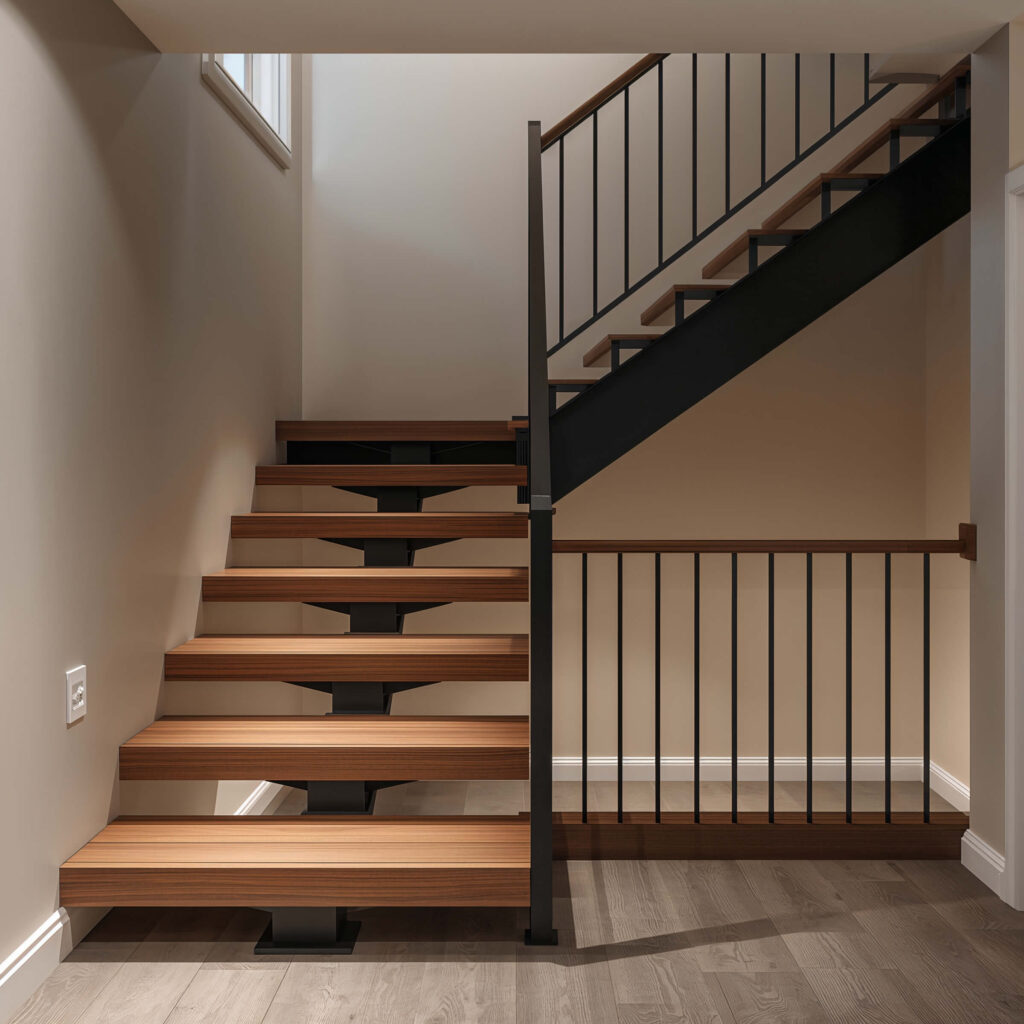
Let me start with my personal favorite – floating stairs. When I first saw these bad boys in a friend’s renovated basement, I literally stopped mid-conversation and stared. Floating stairs create an illusion of weightlessness that makes your entire basement feel more open and airy.
The magic happens because you can see through the gaps between each step. Light flows through, and suddenly that cramped stairwell feels twice as big. Plus, pairing them with sleek modern railings – think horizontal cables or minimalist metal bars – takes the whole look to another level.
Why Floating Stairs Work So Well
Here’s what makes floating stairs a game-changer:
- Visual space expansion – you can see through them, making rooms feel larger
- Natural light penetration – sunlight reaches areas that would normally be shadowed
- Modern aesthetic appeal – instantly upgrades your home’s value
- Structural efficiency – requires less material than traditional closed stairs
I installed floating stairs in my last renovation, and visitors always comment on them first. The contractor warned me they’d be pricier than traditional stairs (about 20-30% more), but honestly? Worth every penny. The space feels completely different now.
Installation Considerations
Before you jump on the floating stairs bandwagon, you need to know a few things. The wall they’re attached to needs serious reinforcement – we’re talking steel brackets anchored deep into the studs. My contractor had to add extra support beams, which added a week to the project timeline.
Also, check your local building codes. Some areas have strict requirements about gaps between steps (usually can’t exceed 4 inches) for safety reasons. FYI, if you have small kids or pets, you might want to reconsider or add some safety modifications.
Space-Saving Spiral Basement Stairs
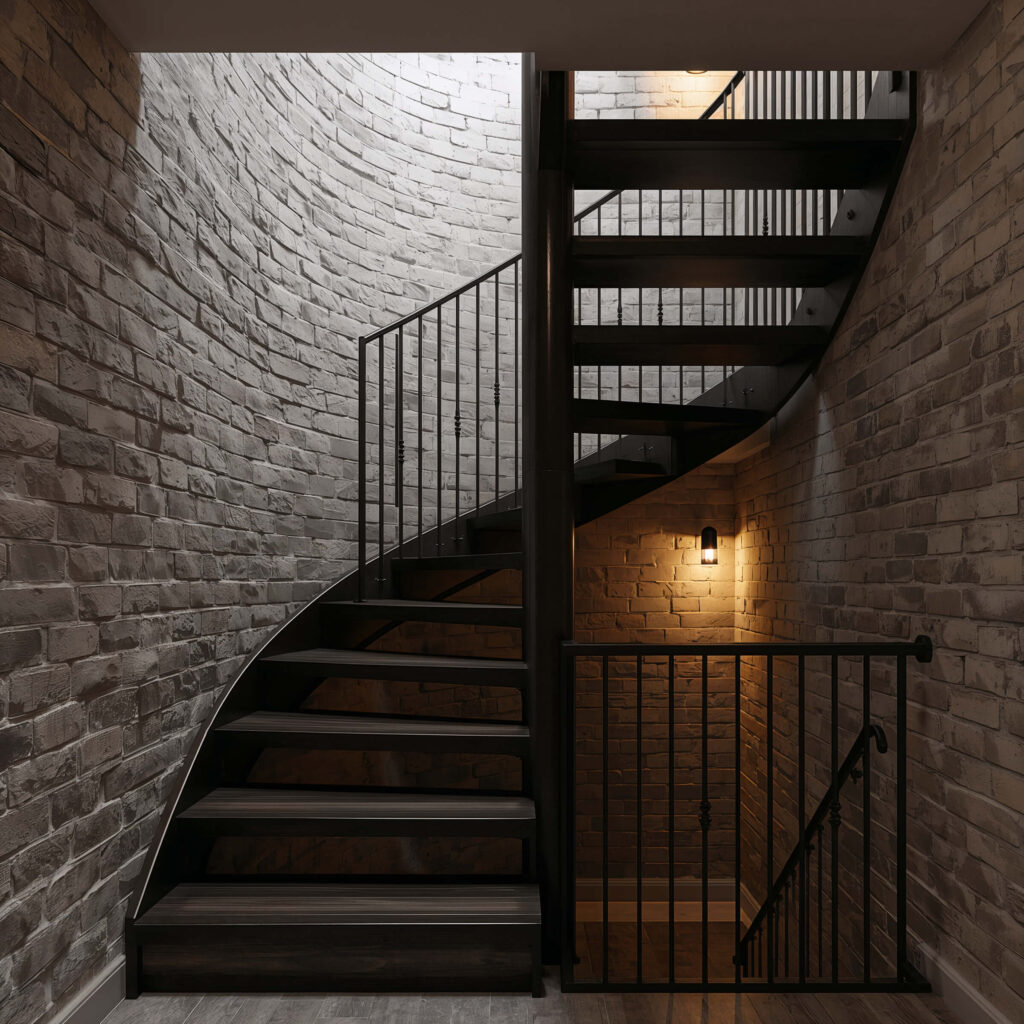
Okay, let’s talk about the ultimate space-saver: spiral stairs. Remember those old Victorian houses with the creaky spiral staircases? Well, modern versions are nothing like those ankle-twisters. Today’s spiral stairs can fit in a space as small as 4×4 feet while still meeting building codes.
I helped my neighbor install a spiral staircase last summer, and the transformation was insane. They went from having a clunky straight staircase eating up half their basement to having this elegant spiral that freed up enough room for an entire home office.
The Real Benefits of Going Spiral
What makes spiral stairs so brilliant for basements?
- Minimal footprint – takes up about 1/3 the space of traditional stairs
- 360-degree access – you can enter and exit from any direction
- Architectural interest – becomes a focal point rather than an eyesore
- Cost-effective – often cheaper than reconstructing traditional stairs
The only downside? Moving furniture becomes a bit of a puzzle. We had to hoist my neighbor’s couch through a basement window because it wouldn’t fit down the spiral. But for everyday use? Absolutely perfect.
Material Options That Make Sense
You’ve got tons of choices here. Steel spirals are the most affordable and durable – perfect if you’re going for that industrial vibe. Wood spirals warm up the space but need more maintenance. And if you really want to splurge, glass and steel combinations look absolutely stunning (though your wallet might cry a little).
Rustic Wooden Basement Staircase Design
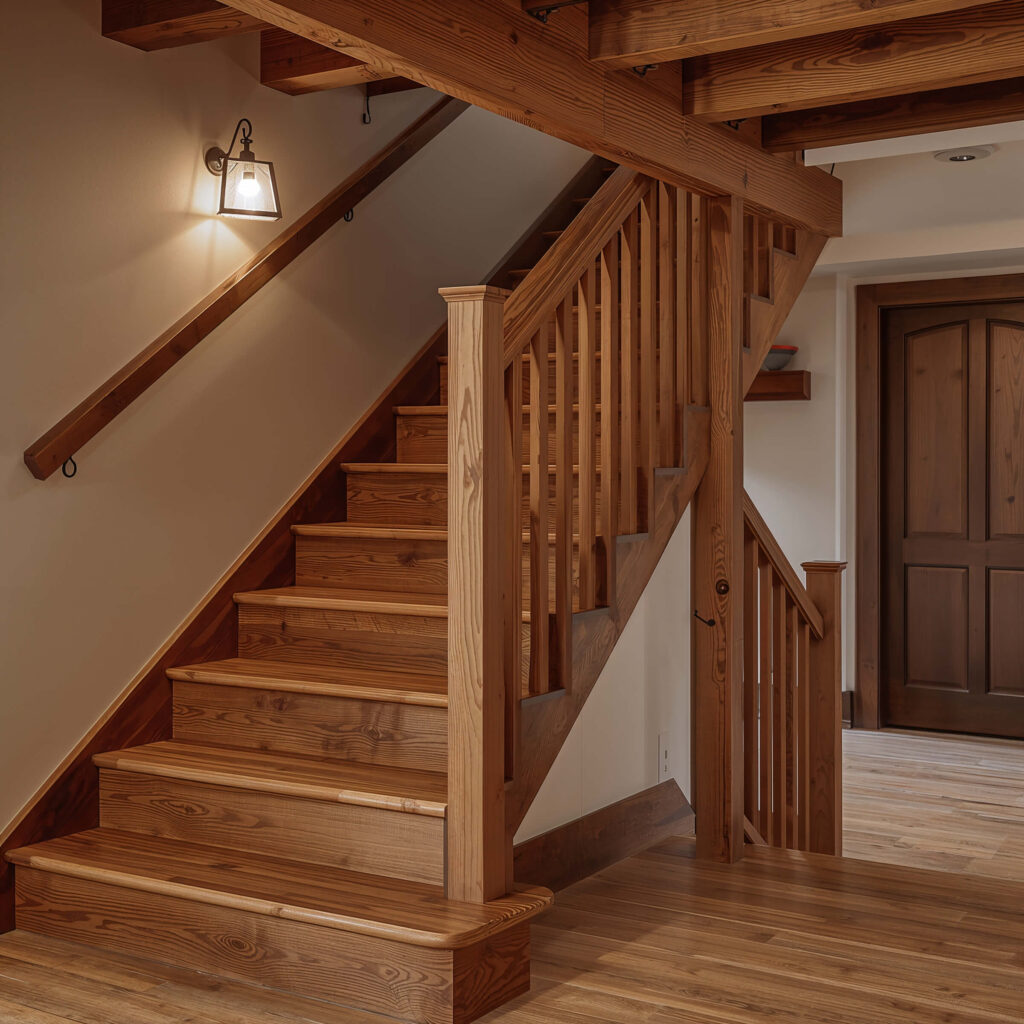
Sometimes you want your basement to feel like a cozy cabin retreat, and nothing beats rustic wooden stairs for that vibe. I’m talking about reclaimed barn wood, live-edge treads, and hand-hewn railings that make you want to grab a flannel shirt and some hot cocoa.
My brother-in-law built his entire basement staircase from reclaimed oak beams from an old barn. Did it take forever? Absolutely. Does it look incredible? You bet. Every step has character – knots, grain patterns, even old nail holes that tell a story.
Creating That Authentic Rustic Feel
Here’s how to nail the rustic look:
- Choose imperfect wood – knots, cracks, and variations add character
- Skip the perfect finish – rough-sawn or hand-planed surfaces look more authentic
- Mix wood tones – combine different stains or wood types for visual interest
- Add wrought iron details – brackets, balusters, or handrails in black iron complete the look
The beauty of rustic stairs? They hide wear and tear like champions. Scratches and dings just add to the character. Plus, they’re surprisingly forgiving if your measurements aren’t perfect (ask me how I know :/).
Also Read: 10 Brilliant Basement Laundry Room Ideas
Glass Panel Basement Stairs for a Sleek Look
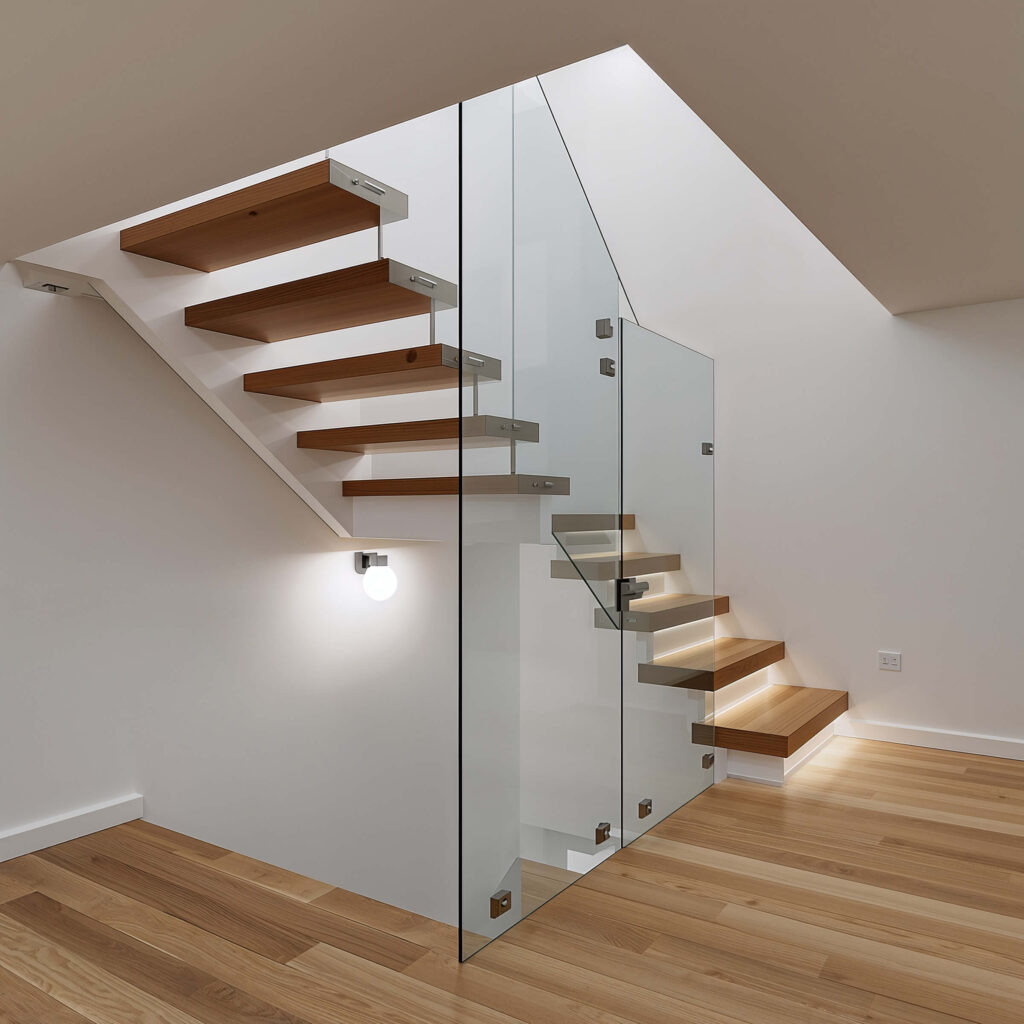
Want to feel like you’re living in a modern art gallery? Glass panel stairs might be your answer. I installed these in a client’s contemporary home, and the transformation was jaw-dropping. The glass panels act like invisible walls, maintaining safety while preserving sight lines.
The coolest part? Light bounces off the glass and brightens up the entire stairwell. We paired them with LED strip lighting, and at night, the whole staircase glows like something out of a sci-fi movie.
Practical Considerations for Glass Stairs
Before you go all-in on glass, consider these factors:
- Tempered glass is non-negotiable – regular glass is a safety hazard
- Maintenance is real – fingerprints and dust show up instantly
- Privacy matters – frosted options available if you need them
- Budget accordingly – quality glass panels aren’t cheap
My client initially balked at the price (about $200-300 per panel), but now says it’s their favorite feature. Just keep some glass cleaner handy – trust me on this one.
Combining Glass with Other Materials
The secret to stunning glass stairs is mixing materials. Try combining glass panels with warm wood treads or sleek metal frames. I’ve seen amazing designs using colored or textured glass that cast beautiful shadows. One client even installed smart glass that turns opaque with the flip of a switch – talk about living in the future!
Built-In Storage Under Basement Stairs

This one’s for all you storage addicts out there (guilty as charged). That triangle of wasted space under your stairs? It’s prime real estate for storage that doesn’t eat up any additional floor space. I’ve turned under-stair areas into wine cellars, pantries, home offices, and even tiny reading nooks.
My favorite project involved creating pull-out drawers that maximize every inch. The deepest drawer holds holiday decorations, middle ones store board games, and the shallow ones at the top are perfect for tools and hardware. The homeowner literally gained an entire closet’s worth of storage without sacrificing a single square foot.
Smart Storage Solutions That Actually Work
Here are the best under-stair storage ideas I’ve implemented:
- Pull-out drawers on heavy-duty slides – access everything easily
- Built-in shelving with doors – hides clutter while maximizing vertical space
- Wine rack installation – perfect temperature-controlled environment
- Pet hideaway – dogs love having their own cozy space
- Compact home office – fits a desk, chair, and shelving perfectly
The key is custom-fitting everything to your exact measurements. Those prefab solutions rarely work because every staircase is different. Measure twice, cut once, and maybe measure a third time just to be safe.
Industrial Metal Basement Stairs with Wood Steps
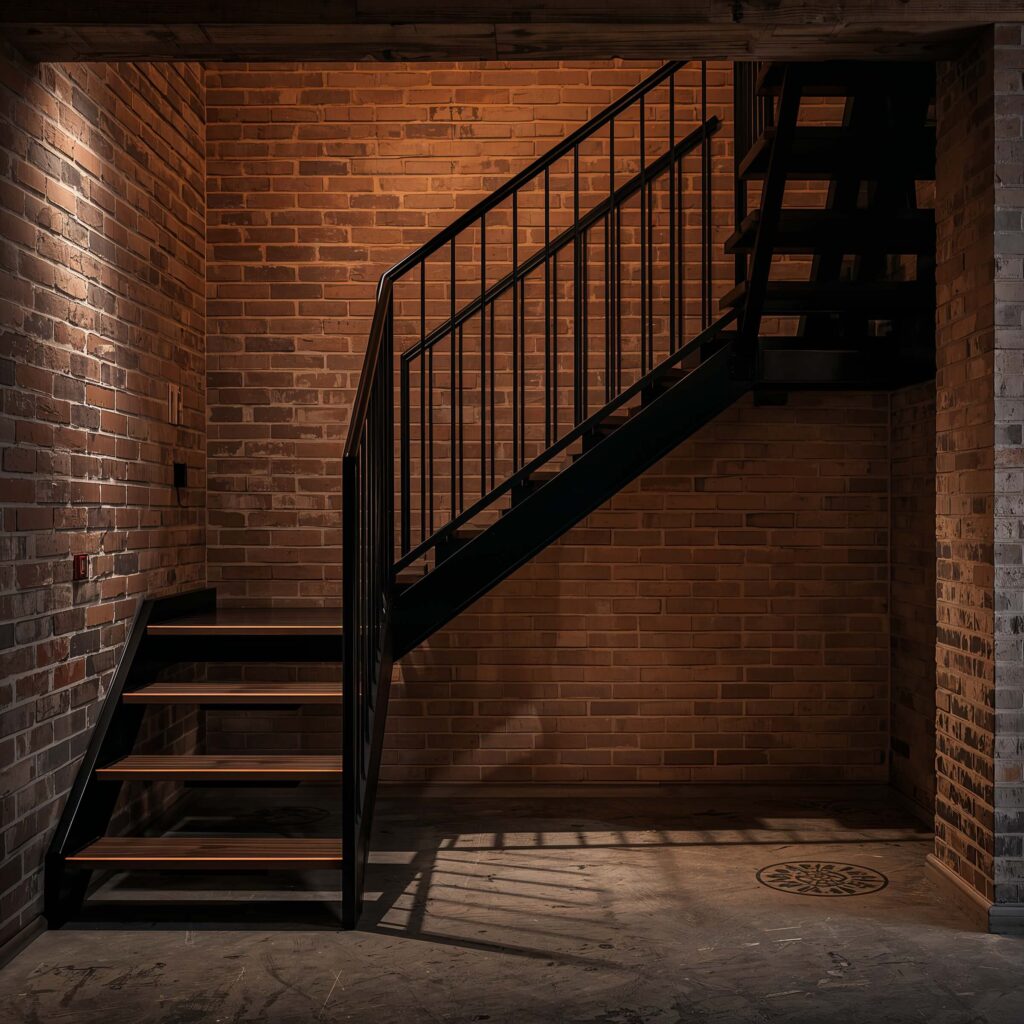
Industrial style isn’t going anywhere, and honestly, I’m here for it. Combining raw metal structures with warm wood steps creates this perfect balance between tough and inviting. Plus, metal stairs are practically indestructible – perfect for high-traffic basements.
I recently helped design stairs using black steel stringers with reclaimed pine treads. The contrast was striking, and the best part? The open metal framework kept the space feeling light and airy. We added pipe railings for that authentic industrial vibe, and the whole project cost less than traditional wooden stairs.
Why Industrial Stairs Make Sense
The benefits go beyond just looking cool:
- Incredible durability – metal lasts forever with minimal maintenance
- Thinner profiles – steel can be much slimmer than wood while supporting the same weight
- Easy to clean – no carpet to vacuum or wood to refinish
- DIY-friendly – many companies sell pre-fab metal stringers you can customize
IMO, if you’re planning a basement renovation on a budget, industrial stairs give you the biggest bang for your buck. They look expensive but cost way less than you’d think.
Customization Options
Don’t think industrial means one-size-fits-all. You can powder-coat metal in any color – I’ve seen gorgeous stairs in deep navy, forest green, even rose gold. Mix different metal finishes (matte black frames with brushed steel railings) for added depth. And those wood steps? Stain them dark for drama or keep them light for contrast.
Also Read: 10 Luxurious Basement Gym Ideas and High-Tech Designs
Carpeted Basement Stairs for Cozy Comfort
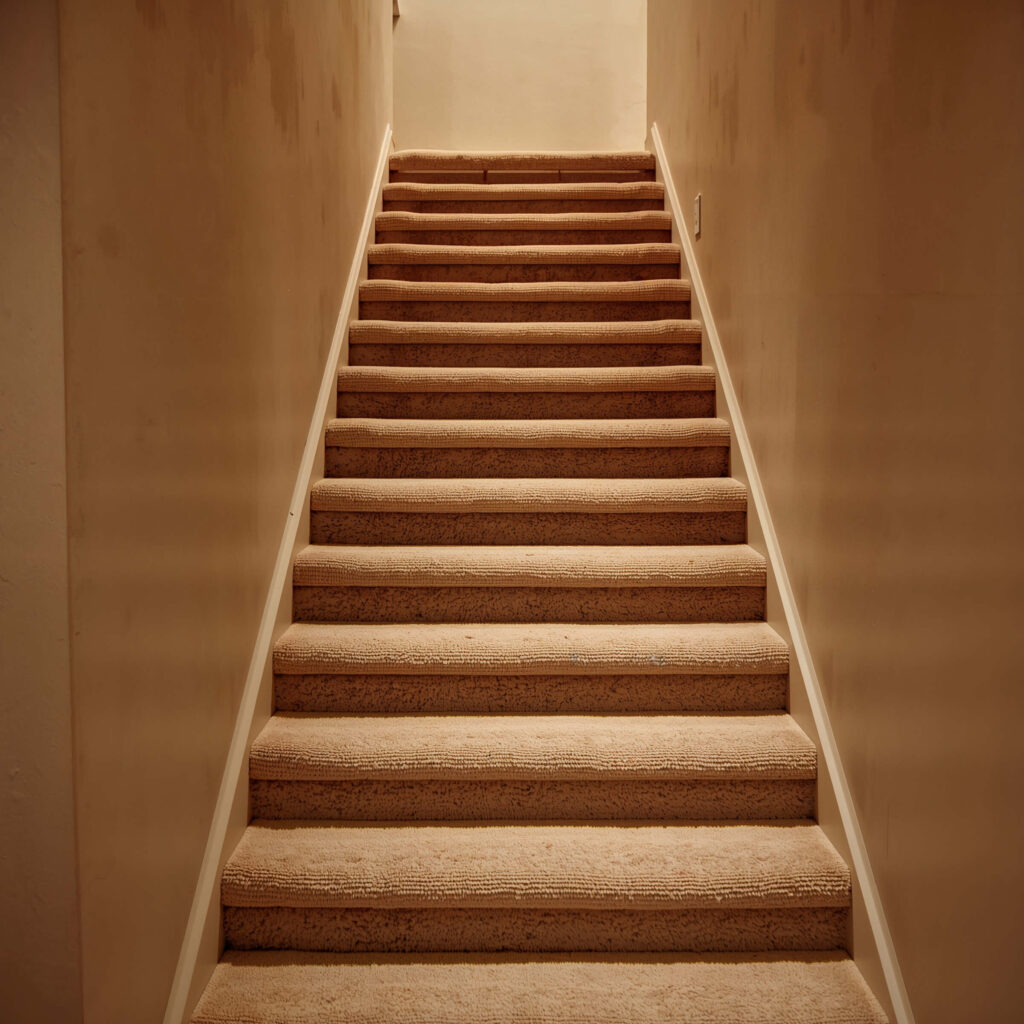
I know what you’re thinking – carpet on stairs? Isn’t that outdated? Hear me out. Modern stair carpeting isn’t your grandma’s shag nightmare. Today’s options include low-profile, high-durability carpets that add warmth, reduce noise, and prevent slips.
My kids used to thunder down our wooden basement stairs like a herd of elephants. After installing carpet runners with proper padding, the noise dropped by about 70%. Plus, no more worrying about slipping in socks (we’ve all been there, right?).
Choosing the Right Carpet
Not all carpets are created equal for stairs:
- Low pile or berber – easier to clean and less likely to show wear
- Solution-dyed fibers – resist staining and fading
- Quality padding – essential for comfort and longevity
- Proper installation – stretched tight to prevent bunching or sliding
Pro tip: Choose patterns or flecked colors that hide dirt and wear. Solid light colors might look gorgeous in the showroom, but they’ll show every speck of dirt. I learned this the hard way with cream-colored carpet that looked dingy after six months.
Runner vs. Wall-to-Wall
You’ve got options here. Runners leave the edges of your stairs exposed, which looks great if you have nice wood underneath. Wall-to-wall provides maximum comfort and noise reduction. I usually recommend runners for formal spaces and wall-to-wall for family basements where kids play.
Illuminated Basement Stairs with LED Lighting

Let’s shed some light on one of my favorite upgrades – LED stair lighting. Ever tried navigating basement stairs in the dark? Yeah, not fun. Strategic LED placement transforms your stairs from a safety hazard into a architectural feature that looks like it belongs in a luxury hotel.
I installed LED strips under each tread nosing in my basement last year. Now, the stairs emit this soft, ambient glow that makes midnight snack runs actually enjoyable. The whole system cost less than $200 and took a weekend to install.
Lighting Options That Work
Here are the best ways to light your basement stairs:
- Under-tread LED strips – creates floating effect and illuminates each step
- Recessed wall lights – subtle and sophisticated
- Motion-activated systems – lights turn on automatically when you approach
- Color-changing RGBs – fun for entertaining or setting moods
- Handrail lighting – LED strips integrated into the railing itself
The energy savings alone make this worthwhile. My LED system uses about 20 watts total – less than a single old-school bulb. Plus, they last for years without replacement.
Installation Tips from Experience
Don’t just slap lights anywhere. Position LEDs to avoid glare – you want to illuminate the steps, not blind people. Use warm white (3000K) for cozy vibes or cool white (4000K) for modern spaces. And definitely spring for a dimmer switch – full brightness at 2 AM is nobody’s friend.
Narrow Basement Stairs Optimized for Small Spaces

Got a tight squeeze? Join the club. Narrow stairs (32-36 inches wide) can actually work better than standard width in small basements. They free up precious square footage while still meeting most building codes.
I recently worked on a tiny basement where every inch mattered. We installed alternating tread stairs (also called ship’s ladders) that take up half the space of regular stairs. Are they slightly awkward at first? Sure. But the homeowner gained enough space for an entire bathroom, so… worth it!
Making Narrow Stairs Feel Bigger
Here’s how to maximize narrow stairs:
- Light colors on walls and treads – reflects light and opens up the space
- Minimal or transparent railings – cable or glass prevents visual blocking
- Mirrors on adjacent walls – doubles the perceived width
- Vertical lines or patterns – draws the eye upward
- Good lighting – crucial for safety and ambiance
The trick is embracing the narrowness rather than fighting it. Make it feel intentional, like a secret passage to your awesome basement hangout.
Safety First
Narrow doesn’t mean dangerous. Proper handrails on both sides are essential (and often required by code). Non-slip treads are non-negotiable. And keep the path clear – no decorative objects or stored items on narrow stairs, ever.
Also Read: 10 Practical Basement Bathroom Ideas for Compact Spaces
Painted Patterned Basement Stairs for a Bold Statement

Want to make a statement without breaking the bank? Paint is your best friend. A gallon of paint and some creativity can transform boring stairs into an Instagram-worthy focal point. I’ve seen everything from geometric patterns to faux runners to trompe-l’oeil designs that look 3D.
My sister painted her basement stairs with a black and white checkered pattern. Total cost? About $50 and a weekend. The impact? Massive. Everyone who visits wants to know who her “designer” was (spoiler: it was YouTube tutorials and patience).
Pattern Ideas That Pop
Get creative with these painted stair ideas:
- Geometric patterns – triangles, hexagons, or chevrons for modern vibes
- Faux runners – paint a “carpet” down the middle
- Ombre effects – gradually transition from dark to light
- Stenciled designs – moroccan tiles, florals, or custom patterns
- Numbers or words – paint inspiring quotes or number each step
The beauty of paint is you can change it anytime. Tired of your pattern? Paint over it and try something new. It’s the most budget-friendly way to experiment with bold design choices.
Paint That Lasts
Not all paint is created equal for stairs. Use porch and floor paint – it’s formulated for foot traffic. Prime first (always!), especially on raw wood. Apply thin, even coats and let each one dry completely. And here’s the secret weapon: finish with three coats of water-based polyurethane. Your painted stairs will survive years of abuse.
Final Thoughts on Basement Stair Transformation
Look, transforming your basement stairs isn’t just about making them prettier (though that’s definitely a perk). It’s about maximizing every square foot of your home and creating a space that actually works for how you live.
Whether you go for floating stairs that disappear into thin air or painted patterns that scream personality, the key is choosing what fits your lifestyle, budget, and basement needs. Don’t let anyone tell you there’s only one “right” way to do basement stairs. I’ve seen gorgeous solutions at every price point.
My advice? Start with function – how much space do you have, how often do you use the stairs, who uses them? Then layer on the style. And remember, even small changes make a big impact. Sometimes just adding LED strips or a fresh coat of paint completely transforms the space.
Ready to tackle those basement stairs? Trust me, once you upgrade them, you’ll wonder why you waited so long. Your basement is about to become everyone’s favorite hangout spot – just don’t blame me when your teenagers never want to leave! 😉