12 Beautiful Bedroom Layout Ideas and Cozy Design Tricks
- Bedroom Design
 Ben
Ben- 0
- 38 minutes read

Your bedroom layout can make or break your entire living experience.
I’m not being dramatic here the way you arrange your furniture directly impacts how you sleep, how you feel when you wake up, and whether your room actually functions as the peaceful retreat it should be.
I’ve rearranged my bedroom more times than I care to admit. Some experiments ended brilliantly.
Others left me wondering what on earth I was thinking at 2 AM while pushing a heavy dresser across hardwood floors. But through all that trial and error, I’ve discovered that the perfect bedroom layout isn’t about following rigid rules.
It’s about understanding what works for your space, your lifestyle, and your personal vibe.
Whether you’re moving into a new place, renovating your current bedroom, or just feeling restless about your existing setup, these twelve bedroom layout ideas will give you serious inspiration.
From minimalist zen retreats to luxurious master suites, there’s something here for every room size, style preference, and functional need.
Let’s transform that bedroom from “meh” to “magnificent.”
Why Your Bedroom Layout Actually Matters
Before we dive into specific layouts, let’s talk about why this matters so much. Ever walked into a bedroom that just felt off? Maybe the furniture blocked natural pathways, or the bed sat in a spot that made the whole room feel awkward. That uncomfortable feeling isn’t random—it’s your brain responding to poor spatial design.
A thoughtfully planned bedroom layout accomplishes several crucial things. First, it creates intuitive flow so you can move through your morning and evening routines without bumping into furniture or performing gymnastics. Second, it maximizes your available square footage, making even modest rooms feel spacious and functional.
Third—and this is the part most people overlook—good layout supports good sleep. The position of your bed relative to windows, doors, and electronics directly impacts sleep quality. Light exposure, air circulation, and psychological comfort all connect to how you arrange your space.
I learned this lesson the hard way when I positioned my bed directly across from my bedroom door. Every time someone walked past, movement caught my eye and disrupted my sleep. One simple bed rotation later, I finally started sleeping through the night. Sometimes the smallest layout changes create the biggest improvements.
Now let’s explore twelve layouts that actually work.
1. Minimalist Modern Bedroom Layout

Minimalism isn’t about having nothing—it’s about having exactly what you need and nothing more. The minimalist modern bedroom layout strips away clutter and excess, creating a serene environment where rest becomes effortless.
Core Elements of Minimalist Layout
This layout centers on a low-profile bed as the undisputed focal point. Platform beds work exceptionally well here, especially those with clean lines and simple headboards. You position the bed along the room’s main wall, typically opposite the entrance, creating immediate visual impact without overwhelming the space.
Nightstands stay small and functional—sometimes just floating shelves mounted at mattress height. A single dresser or built-in closet handles all storage needs. Nothing sits on the floor that doesn’t absolutely need to be there.
The magic of minimalist layouts comes from negative space. You intentionally leave areas empty, allowing your eye to rest and your mind to calm. This breathing room makes even tiny bedrooms feel expansive.
Making Minimalism Work For You
Start by ruthlessly editing what lives in your bedroom. If something doesn’t serve sleep, relaxation, or getting dressed, it probably belongs elsewhere. That exercise bike you never use? Out. The stack of books you’ll “definitely read someday”? Find them a new home.
Color palettes stay neutral and cohesive—whites, grays, warm beiges, or soft blacks. Every item visible in the room should belong to this limited palette. The visual consistency creates calm that busy patterns and competing colors simply can’t achieve.
I spent six months with a true minimalist bedroom setup, and honestly? It changed how I thought about personal space. Walking into that uncluttered room each night felt like a mini vacation from the chaos of daily life.
2. Cozy Corner Bedroom Arrangement
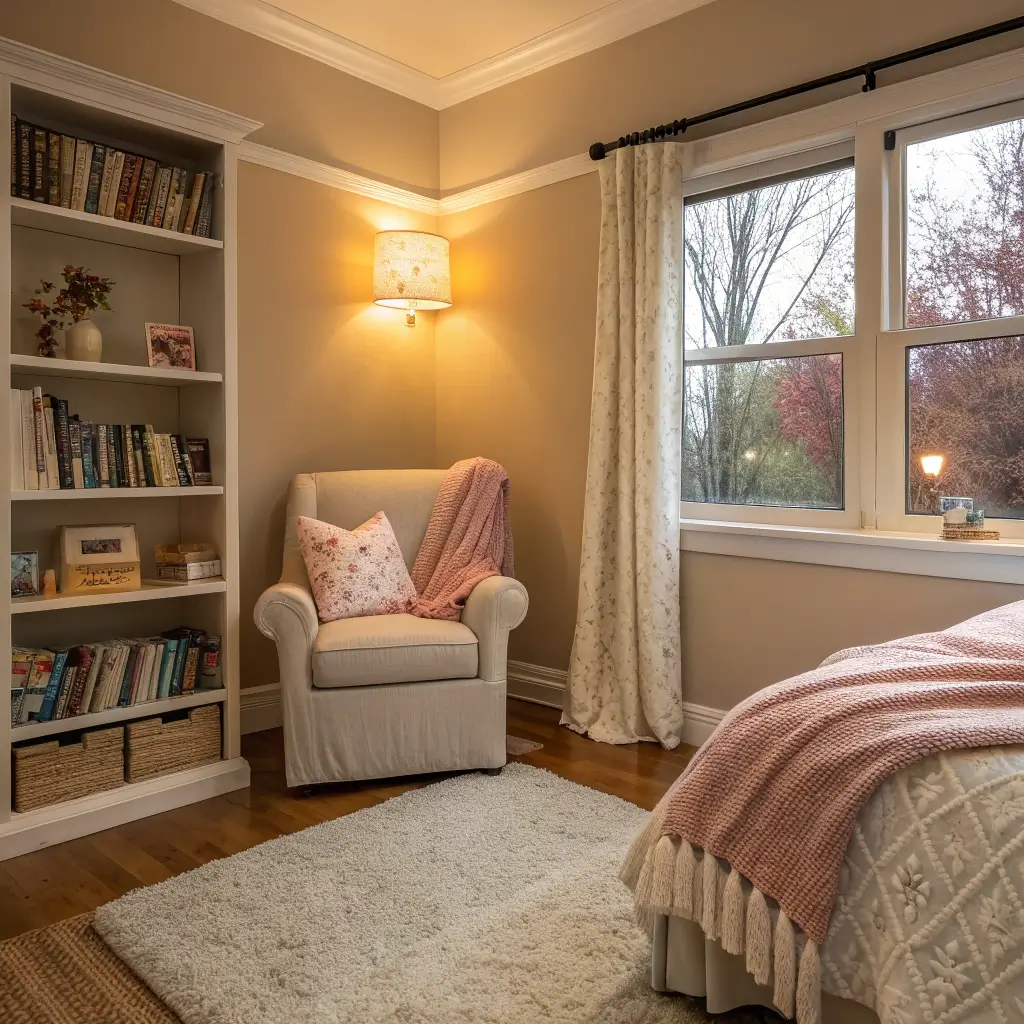
Some bedrooms just beg for warmth and intimacy. The cozy corner arrangement embraces this vibe, creating a nurturing nest that wraps you in comfort the moment you enter.
Creating the Cozy Effect
This layout positions your bed in a corner, with two walls creating a protective embrace around your sleeping space. Unlike minimalist approaches that leave everything open, cozy corners deliberately create enclosed, den-like atmospheres.
Layer textiles generously. Pile pillows against both corner walls. Add a plush throw at the foot of the bed. Position a soft rug that extends well beyond the mattress. These elements build physical and visual warmth that makes the corner feel like a genuine retreat.
Lighting stays soft and warm. Skip harsh overhead fixtures in favor of table lamps, string lights, or wall sconces that cast gentle pools of illumination. The goal is ambiance, not brightness.
Best Rooms for Corner Layouts
Corner arrangements shine in smaller bedrooms where traditional centered layouts feel cramped. By tucking the bed into a corner, you free up floor space for other functions—a reading nook, a small workspace, or simply room to move.
They also work beautifully in larger rooms where you want to create intimacy within an expansive space. The corner becomes a defined zone, a room-within-a-room that feels intentionally designed.
FYI, this layout does make bed-making slightly more challenging since you can only access from one side. But if you’re the type who loves that snug, protected feeling while falling asleep, the trade-off is absolutely worth it 🙂
3. Small Space Functional Bedroom Layout

Not everyone enjoys the luxury of sprawling square footage. Small space layouts prioritize function without sacrificing style, proving that limited dimensions don’t mean limited possibilities.
Maximizing Every Inch
This layout treats vertical space as equally important to floor space. Tall dressers replace wide ones. Shelving climbs walls. Beds feature built-in storage drawers underneath. Nothing sits unused—every surface and volume serves a purpose.
Furniture stays proportional to the room. That oversized king bed you love? It probably needs to become a queen or even a full. The massive armoire from your grandmother? Maybe it lives in a hallway instead. Small rooms demand properly scaled pieces.
Multi-functional furniture becomes your best friend. Ottoman benches that open for storage, nightstands with multiple shelves, headboards with built-in compartments—these hybrid pieces do double duty without doubling your furniture footprint.
Smart Placement Strategies
In small bedrooms, door swing and closet access often dictate layout options. Map these clearance needs before committing to any arrangement. Nothing ruins a small space faster than furniture that blocks essential pathways.
Consider murphy beds or daybeds if your small bedroom serves multiple purposes. These transformable options create entirely different room configurations depending on time of day. Sleep at night, work or lounge during daytime—same room, completely different function.
Mirrors work magic in small spaces. A large mirror opposite your window effectively doubles the natural light and creates depth illusion. Just avoid positioning mirrors directly opposite your bed—waking up to your own startled reflection gets old fast.
Also Read: 10 Stylish Small Bedroom Layout Ideas for Modern Homes
4. Luxury Master Suite Layout
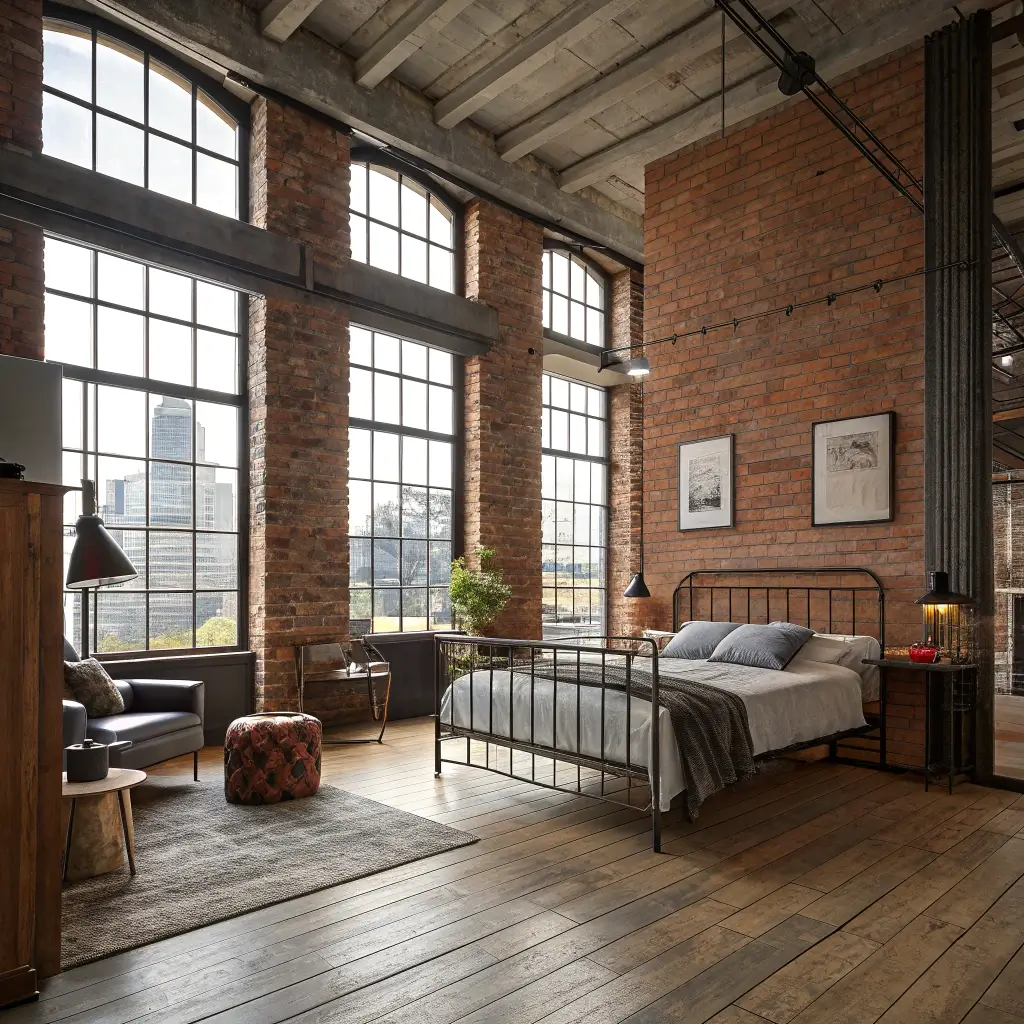
When square footage allows, why not create a true bedroom sanctuary? The luxury master suite layout transforms your bedroom into a personal resort experience, complete with distinct zones for sleeping, sitting, and self-care.
Defining Multiple Zones
Luxury layouts divide one large room into several functional areas. Your sleeping zone features a statement bed—usually king-sized—positioned as the room’s focal point. Generous nightstands flank both sides, with matching lamps for symmetrical elegance.
A sitting zone provides space for morning coffee, evening reading, or intimate conversation. Position a loveseat, two armchairs, or a chaise lounge near windows to capture natural light and views. This zone operates independently from the sleeping area.
If space permits, add a vanity zone with a dedicated dressing table and mirror. This creates a designated spot for personal grooming that keeps bathroom counters clear and adds old-Hollywood glamour to your morning routine.
Luxury Layout Essentials
Scale matters enormously in master suites. Furniture that fits perfectly in a small room looks lost in larger spaces. Choose substantial pieces with visual weight—upholstered headboards, solid wood dressers, and plush seating that anchor each zone appropriately.
Area rugs define zones within the larger space. A large rug beneath the bed creates the sleeping zone boundary. A smaller rug under the seating area establishes that zone’s territory. These visual cues help your brain recognize different functional areas.
Traffic flow needs extra attention in multi-zone layouts. Create clear pathways between zones and to doors, closets, and bathrooms. Even generous rooms feel cramped when furniture placement creates awkward navigation.
5. Loft Style Open Bedroom Design

Loft bedrooms present unique layout challenges—and opportunities. Without walls to define your sleeping space, you create boundaries through furniture placement, visual cues, and creative zoning.
Working With Open Plans
Loft bedroom layouts use furniture as architecture. Your bed placement defines where “bedroom” begins and “living area” ends. Typically, you position the bed against the most private wall or in a corner that feels naturally separated from more public zones.
Headboards become particularly important in open lofts. A tall, solid headboard creates a visual wall behind your bed, offering psychological privacy even without physical enclosure. Some loft dwellers use bookcase headboards that function as actual room dividers.
The area rug trick works overtime in lofts. A generously sized rug beneath your bed—extending well beyond its footprint—establishes your sleeping zone as distinct territory. When you step onto that rug, you enter your bedroom space.
Privacy Solutions
Open bedrooms need creative privacy strategies. Ceiling-mounted curtains can enclose your sleeping area when desired, then pull back during waking hours to maintain the loft’s open character. This flexibility lets you have both openness and privacy as needed.
Partial walls or room dividers offer compromise solutions. A half-wall rising to chest height maintains sight lines while creating genuine separation. Translucent panels or artistic screens provide similar benefits with added visual interest.
I lived in a loft space for two years and learned that privacy matters most for sleep quality. My solution involved a ceiling track with heavy curtains that completely enclosed my bed area at night. During the day, those curtains swept dramatically to one side, becoming a design feature rather than a barrier.
6. Scandinavian Inspired Bedroom Layout
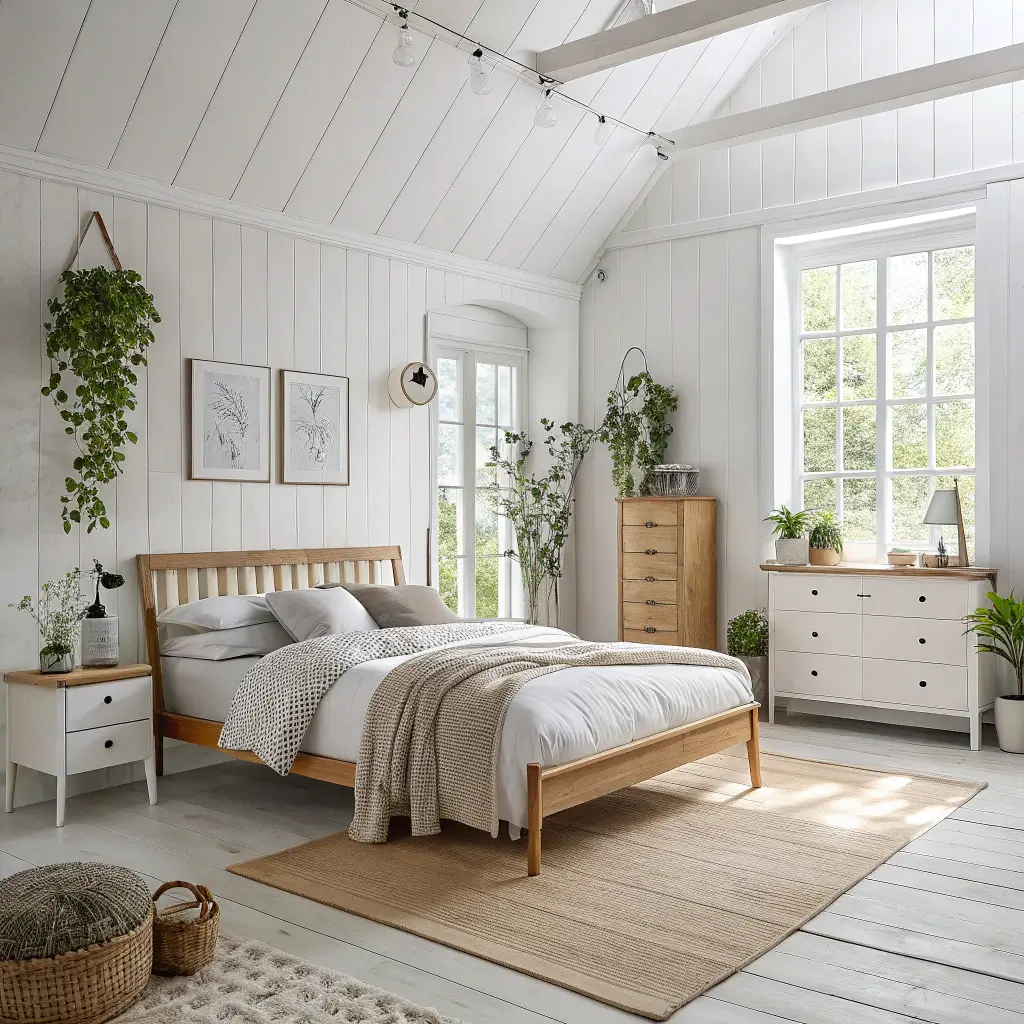
Scandinavian design emerged from small Nordic homes where maximizing light and minimizing clutter wasn’t stylistic choice—it was survival necessity during long dark winters. These principles translate brilliantly to bedroom layouts anywhere.
Light, Bright, and Functional
Scandinavian layouts prioritize natural light above almost everything else. Beds position to receive morning sunlight without harsh afternoon glare. Window treatments stay minimal—sheer curtains or simple blinds that filter rather than block. The goal is harnessing every available photon.
Color palettes stick to whites, pale grays, and natural wood tones. This isn’t about blandness—it’s about creating backgrounds that reflect and amplify light. Texture provides visual interest instead of color variation.
Furniture sits on legs whenever possible. Beds, nightstands, and dressers with visible floor space beneath them maintain sight lines and make rooms feel larger. This leggy look also makes cleaning easier—a practical benefit that aligns with Scandinavian values.
Hygge in Layout Form
The Danish concept of “hygge”—roughly translated as cozy contentment—influences Scandinavian bedroom layouts significantly. While the aesthetic stays clean and minimal, comfort remains paramount. Plush bedding, soft rugs, and ambient lighting create warmth within the spare framework.
Natural materials dominate. Wood furniture in light oak or birch tones, linen bedding, wool throws, and cotton curtains connect the space to the natural world. Plants appear frequently, adding life and color without visual clutter.
IMO, Scandinavian layouts work particularly well for people who want calm without coldness. The style strips away excess while maintaining genuine comfort—a balance that many minimalist approaches fail to achieve.
Also Read: 10 Chic Small Bedroom Makeover Ideas for Minimalist Rooms
7. Multi-Purpose Bedroom Layout
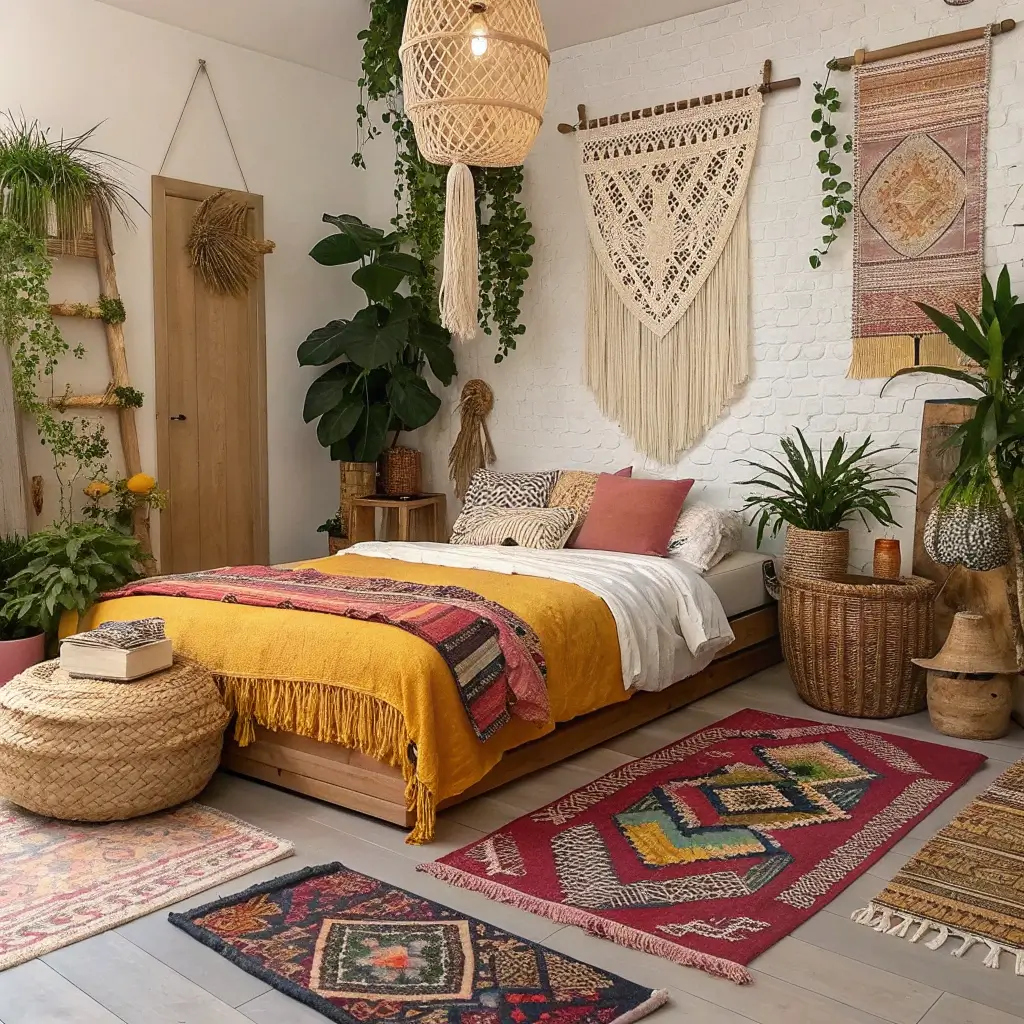
Modern life often demands that bedrooms serve multiple functions. The multi-purpose layout acknowledges this reality, creating spaces that handle sleeping, working, exercising, and living without feeling chaotic or overwhelming.
Zone Planning for Multiple Functions
Start by listing every function your bedroom needs to serve. Sleep, obviously. But what else? Home office work? Exercise routines? Hobby projects? Meditation practice? Each function needs its dedicated zone, even if that zone is tiny.
Physical separation helps your brain switch between modes. A small desk facing away from the bed creates mental distance between work and rest. A cleared floor area near the window becomes your yoga spot. A cozy chair in the corner transforms into a reading nook.
Furniture often needs to serve double duty. Your bed can include storage drawers for office supplies or workout gear. A nightstand might also function as a charging station and small desktop. A bench at the foot of the bed provides exercise seating and extra surface area.
Avoiding Multi-Purpose Chaos
The danger of multi-purpose bedrooms is visual overwhelm. Too many functions competing for attention creates stress rather than versatility. Combat this with consistent color palettes and matching furniture styles across all zones.
Dedicated storage for each function prevents bleed-over. Work materials stay in desk drawers, not piled on nightstands. Workout equipment lives in a specific basket or cabinet, not scattered across the floor. This containment keeps zones clean and functional.
Transition rituals help your brain recognize zone changes. When you finish work, close your laptop, push in your chair, and physically move away from that zone. When preparing for sleep, dim lights in other zones and migrate to your bed area. These small actions signal important mental shifts.
8. Bohemian Chic Bedroom Arrangement
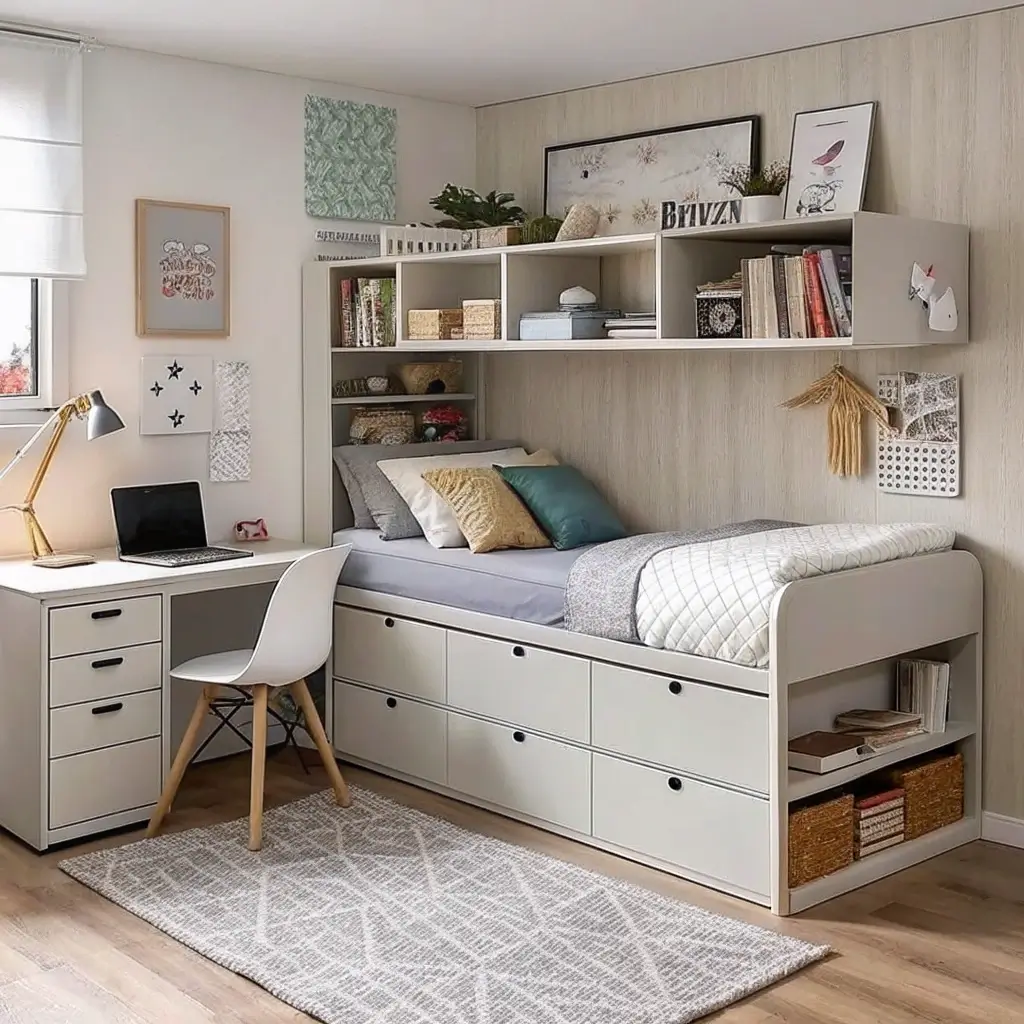
Bohemian style celebrates maximalism, eclecticism, and personal expression. The boho bedroom layout throws rulebooks out the window, embracing collected treasures and layered textures that tell your unique story.
Curated Chaos Approach
Bohemian layouts start with low-profile beds—often platforms close to the ground or even mattresses directly on floors. This grounded position creates intimate, den-like spaces that invite lounging and relaxation.
Layer textiles generously. Mix patterned quilts with solid throws. Pile pillows of various sizes, textures, and origins. Add floor cushions and poufs for extra seating. The goal is abundance that feels collected over time rather than purchased in a single shopping trip.
Furniture placement follows intuition rather than strict rules. Beds might angle slightly off-center. Dressers could sit wherever they fit comfortably. Nightstands needn’t match—mismatched vintage pieces often work better than coordinated sets.
Making Bohemian Work
The key to successful boho layouts is intentional eclecticism. You’re not just throwing random stuff together—you’re curating pieces that share some connecting thread. Maybe that’s color palette. Maybe it’s geographic origin. Maybe it’s personal meaning. Some underlying logic prevents chaos from tipping into mess.
Plants appear everywhere in bohemian bedrooms. Hanging plants cascade from ceiling hooks. Potted plants crowd windowsills. Small succulents perch on nightstands. This green abundance connects interior spaces to natural worlds.
Lighting stays warm and dimensional. Skip single overhead fixtures in favor of multiple sources—floor lamps, table lamps, string lights, candles. This layered illumination creates the romantic atmosphere bohemian style demands.
9. Symmetrical Balanced Bedroom Layout
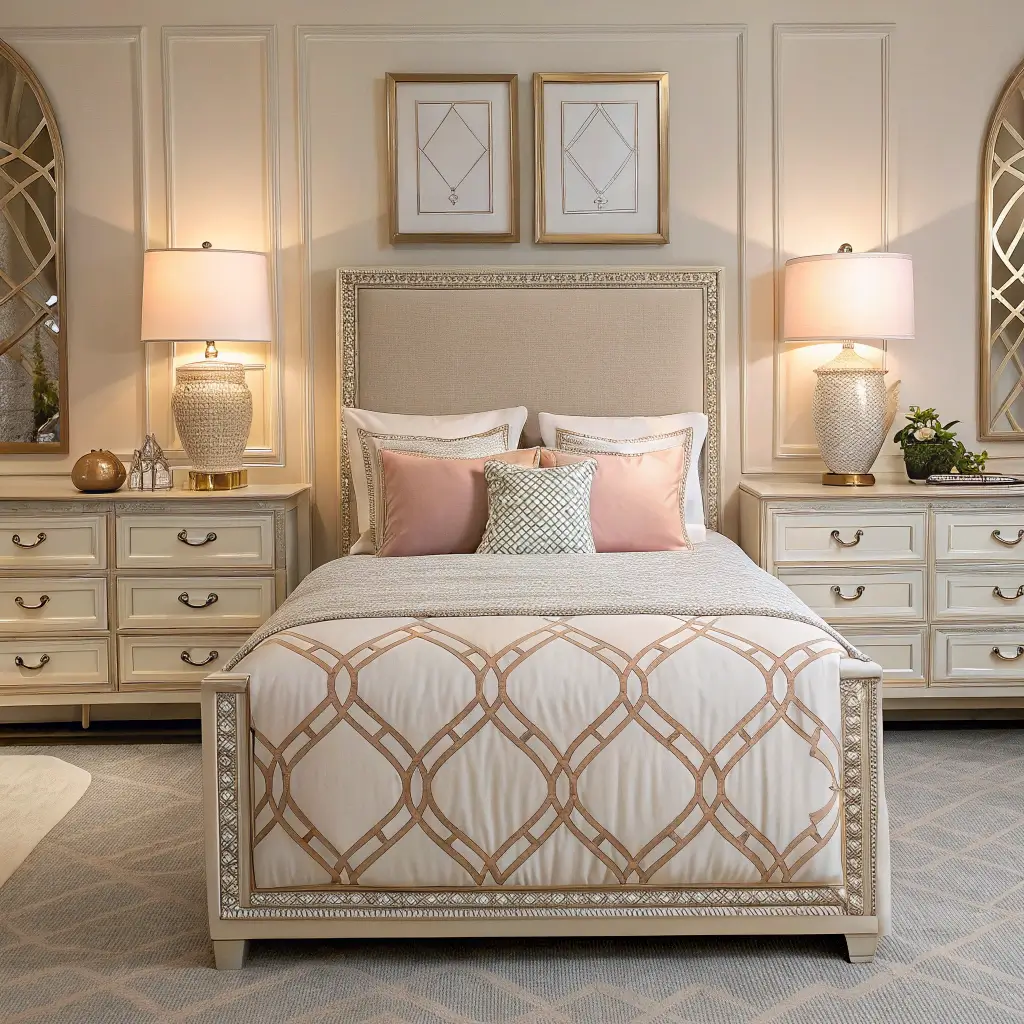
There’s something deeply satisfying about perfect symmetry. The balanced bedroom layout places matching elements on either side of a central axis, creating visual harmony that feels inherently restful and orderly.
The Power of Matching
Symmetrical layouts center your bed precisely on the room’s main wall, with identical nightstands, lamps, and accessories flanking both sides. This mirror-image arrangement creates instant sophistication that reads as deliberately designed.
The bed serves as the central axis from which all symmetry radiates. Other furniture pieces position in balanced pairs—two matching chairs, two matching artwork pieces, two matching plants. Even if every element doesn’t have a twin, the overall impression maintains bilateral balance.
Centered ceiling fixtures and symmetrical window treatments reinforce the balanced effect. Your eye naturally follows the central axis, finding matching elements that confirm the room’s orderly logic.
When Symmetry Works Best
Symmetrical layouts suit larger bedrooms where furniture can spread evenly without crowding. Small rooms often lack space for balanced furniture pairs, making true symmetry difficult to achieve.
This approach works beautifully in shared bedrooms. Each partner gets their own nightstand, their own lamp, their own side of the bed—equal territory that feels fair and considered. The balance extends beyond visual appeal to functional equality.
Symmetry also pairs well with traditional, transitional, and formal contemporary styles. Bohemian or eclectic aesthetics don’t typically suit rigid balance—their energy comes from asymmetrical arrangement.
Breaking Symmetry Intentionally
Perfect symmetry can feel static or hotel-like. Break the formula intentionally with small asymmetrical touches—a stack of books on one nightstand but not the other, or slightly different plant species on each side. These minor variations add life while maintaining overall balance.
Also Read: 12 Trendy Black and White Bedroom Decor Ideas for Small
10. Floating Furniture Bedroom Design

Here’s a counterintuitive trick: in many bedrooms, pulling furniture away from walls actually makes spaces feel larger. The floating furniture approach creates breathing room that tight wall-hugging layouts can’t achieve.
Understanding the Float
Floating layouts pull beds six to twelve inches away from walls, creating visible space behind headboards. Dressers and chairs similarly maintain gaps between themselves and walls. This breathing room allows sight lines to continue past furniture edges, creating depth perception that wall-hugging placement prevents.
The shadows created behind floated furniture add dimension to otherwise flat spaces. Light plays across these gaps throughout the day, making your room feel dynamic rather than static.
I was skeptical when I first tried floating my bed, but the difference shocked me. That eight-inch gap behind my headboard made my medium-sized bedroom feel noticeably more spacious. The visual breathing room translated directly into psychological breathing room.
Executing Floated Layouts
Measure carefully before committing to floated placement. You need sufficient room to pull furniture forward without blocking pathways or cramping functional zones. Bedrooms under 12×12 feet often lack space for true floating layouts.
Consider what happens in those behind-furniture gaps. Dust accumulates there quickly, so regular cleaning becomes more important. Some people run LED strip lights behind floated headboards, turning the gap into a design feature rather than just empty space.
All furniture should float if any furniture floats. Mixing floated and wall-hugged pieces creates visual confusion. Commit fully to the approach for cohesive results.
11. Contemporary Compact Bedroom Layout
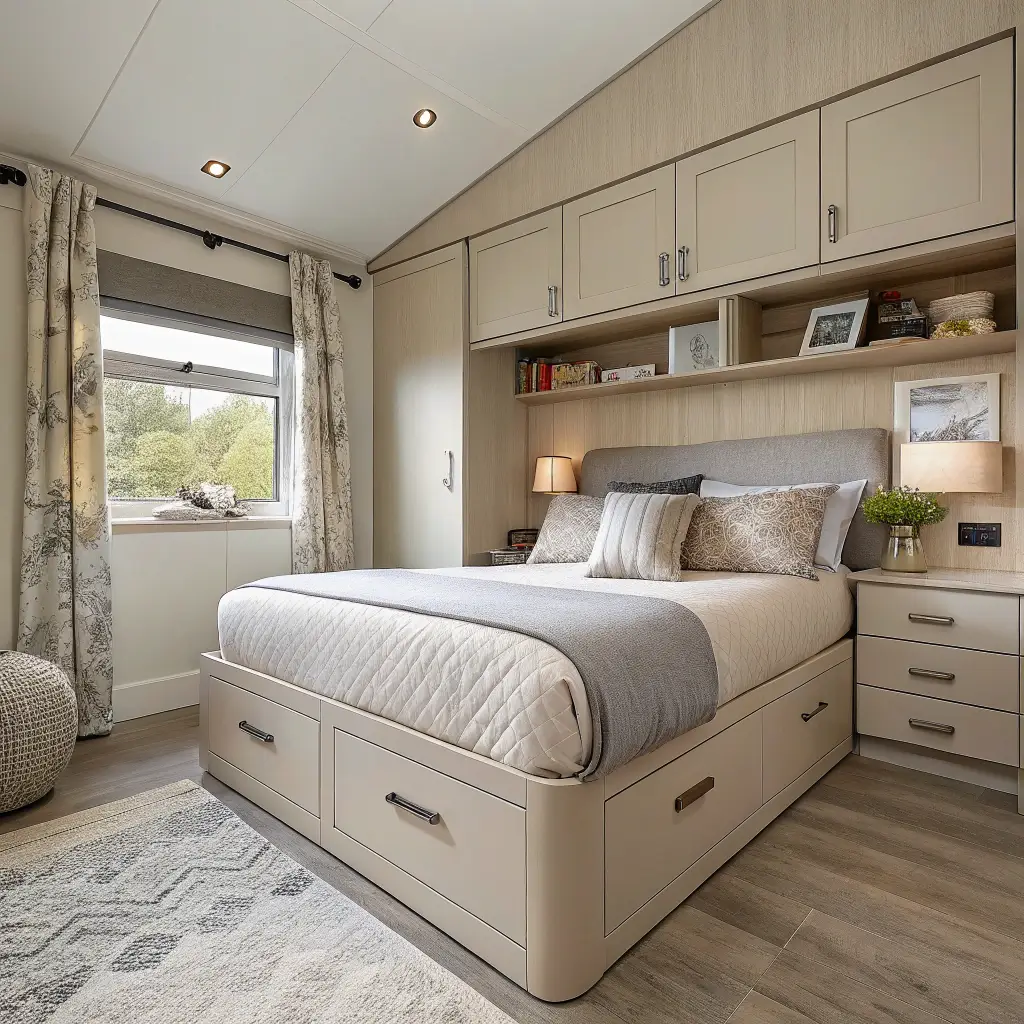
Contemporary compact layouts prove that limited space doesn’t require boring solutions. These designs embrace modern aesthetics while solving real-world constraints of urban living and smaller homes.
Sleek Solutions for Small Spaces
Contemporary compact layouts favor furniture with clean lines and minimal ornamentation. Beds feature simple frames—often platform styles with integrated storage drawers. Nightstands stay petite and functional. Every piece earns its place through utility and beauty.
Wall-mounting eliminates floor footprints for many items. Floating shelves replace traditional nightstands. Wall-mounted lamps free up surface area. Even entertainment elements like small TVs or speakers mount to walls rather than sitting on furniture.
Color palettes stay restrained but not boring. White and gray foundations anchor most contemporary compact rooms, with single accent colors adding personality. Matte black hardware and frames provide sophisticated contrast without visual clutter.
Smart Storage Integration
Storage becomes almost invisible in well-designed compact layouts. Under-bed drawers hide within platform frames. Closet systems maximize every vertical inch. Multi-functional furniture—like headboards with built-in shelving—serves double purposes without consuming extra floor space.
The contemporary aesthetic actually helps small spaces feel larger. Clean lines don’t compete for visual attention. Unadorned surfaces reflect light efficiently. The overall effect is space that feels designed and intentional rather than cramped and cluttered.
12. Zen Inspired Relaxing Bedroom Arrangement
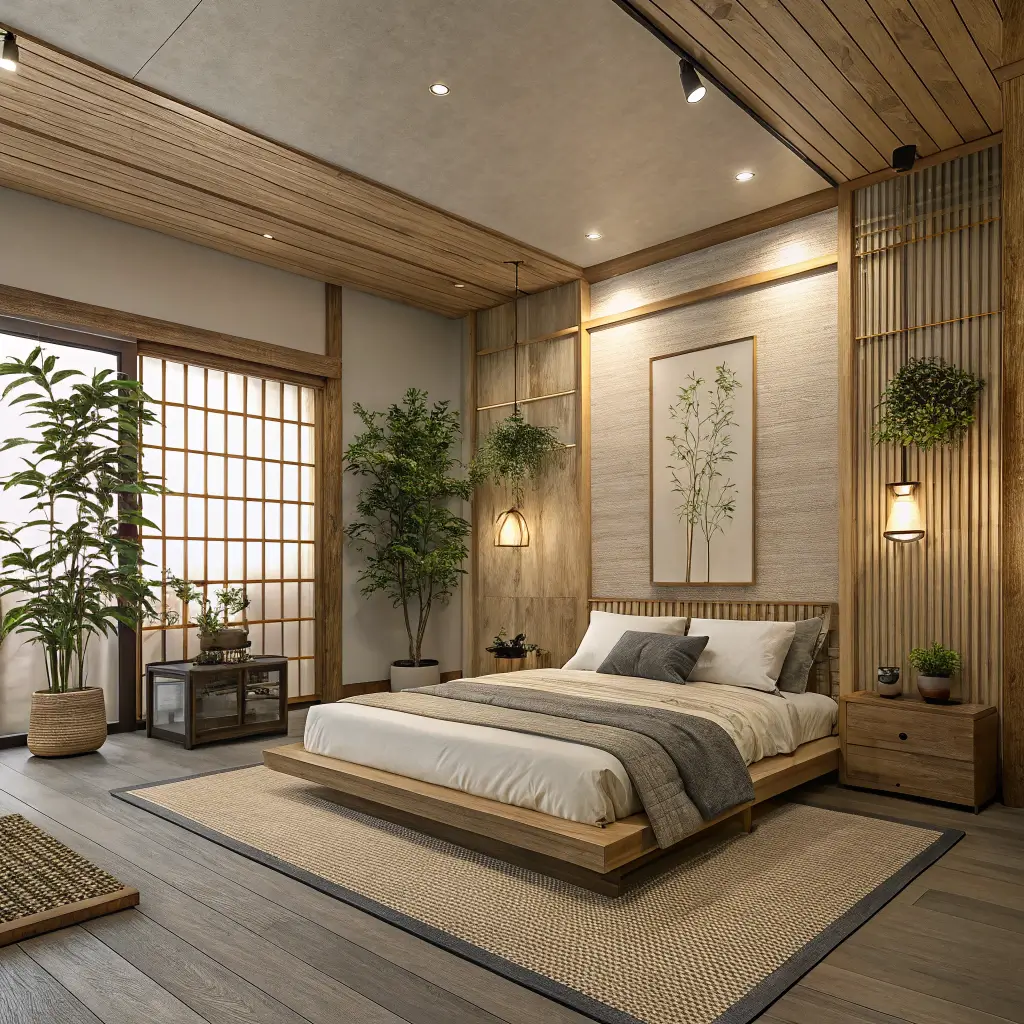
When your primary goal is rest and restoration, Zen-inspired layouts create the ultimate sleep sanctuary. These arrangements draw from Japanese design principles and meditation spaces, prioritizing peace above all else.
Creating Genuine Calm
Zen layouts position beds low to the ground—traditional Japanese futons or low platform beds work ideally. This grounded placement creates intimacy with the floor and removes visual height that can feel imposing or busy.
Furniture reduces to absolute minimums. A bed, perhaps one small side table, and nothing more. Everything else—storage, seating, decoration—either lives elsewhere or disappears into built-in closets. The room contains only what serves sleep and relaxation.
Natural materials dominate every surface. Wood flooring or natural fiber rugs. Linen or cotton bedding in neutral tones. Bamboo or paper screens for window coverage. These organic textures connect you to natural rhythms that support restful sleep.
The Role of Empty Space
Zen philosophy treasures “ma”—the intentional use of negative space that gives meaning to filled space. Your Zen bedroom should feel slightly empty by typical Western standards. This isn’t deprivation; it’s deliberate restraint that allows genuine peace.
Lighting stays soft and warm. Natural light during daytime, amber-toned artificial light in evening. Harsh overhead fixtures have no place in Zen bedrooms. Instead, use floor lamps, paper lanterns, or candles that create gentle pools of illumination.
Remove electronics completely if possible. Phones charge elsewhere. TVs don’t exist in this space. The bedroom becomes a technology-free zone where your mind can actually rest without digital stimulation. This single change often transforms sleep quality more than any furniture arrangement 🙂
Finding Your Perfect Layout
Twelve layouts, twelve different approaches and honestly, the best bedroom design usually borrows from several ideas rather than following one formula rigidly.
Your perfect layout might combine Scandinavian light priorities with Zen minimalism, or pair bohemian textiles with symmetrical arrangement.
Start by identifying your non-negotiables. What functions must your bedroom serve? What’s your room’s actual size and shape? Where do windows and doors fall? These constraints narrow your options productively.
Then consider your personal style and sleep priorities. Do you crave cozy enclosure or open airiness? Do you prefer perfect order or curated eclecticism?
Do electronics belong in your bedroom or not? Your answers guide you toward layouts that’ll actually work for how you live.
Finally, experiment. Push furniture around. Try arrangements that seem weird. Sleep in different positions relative to windows and doors. Layout perfection rarely happens on the first try—it emerges through thoughtful trial and error.
Your bedroom is where each day ends and begins. That space deserves intentional design that supports your rest, reflects your personality, and functions smoothly for your daily routines.
These twelve layouts give you frameworks to start from, but your perfect bedroom arrangement is waiting for you to discover it through your own creative exploration.