10 Stunning Bookshelf Drawing Ideas and Creative Inspirations
- Bookshelf Styling
 Ben
Ben- 0
- 28 minutes read
So you’re staring at that blank page, pencil in hand, wondering what to draw next? Let me guess – you’ve already sketched every coffee mug in your kitchen and your cat won’t sit still long enough to be your model anymore.
Well, I’ve got something way more exciting for you: bookshelf drawings that actually look cool.
Trust me, I used to think drawing furniture was about as thrilling as watching paint dry. Then I discovered how creative you can get with bookshelf designs, and now I can’t stop sketching them.
These aren’t your grandma’s boring old shelving units – we’re talking about designs that’ll make people stop and stare at your sketchbook.
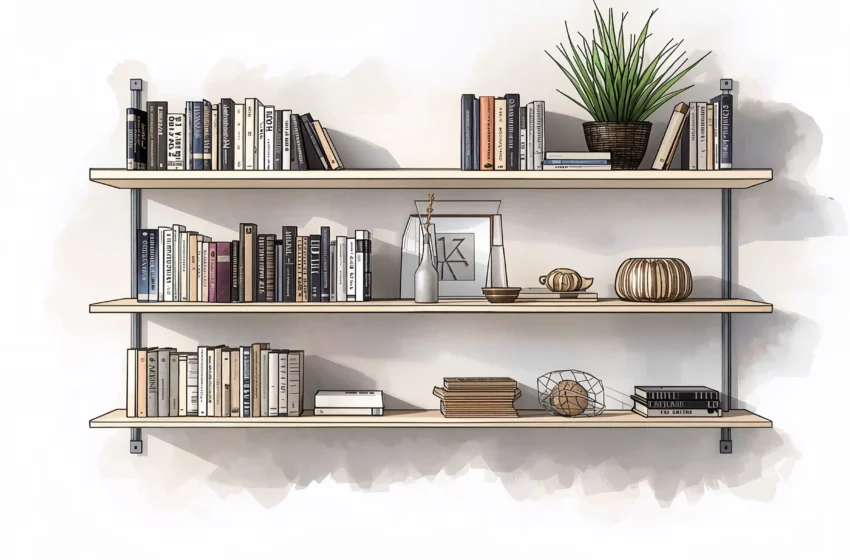
Floating Wall Bookshelf Sketch
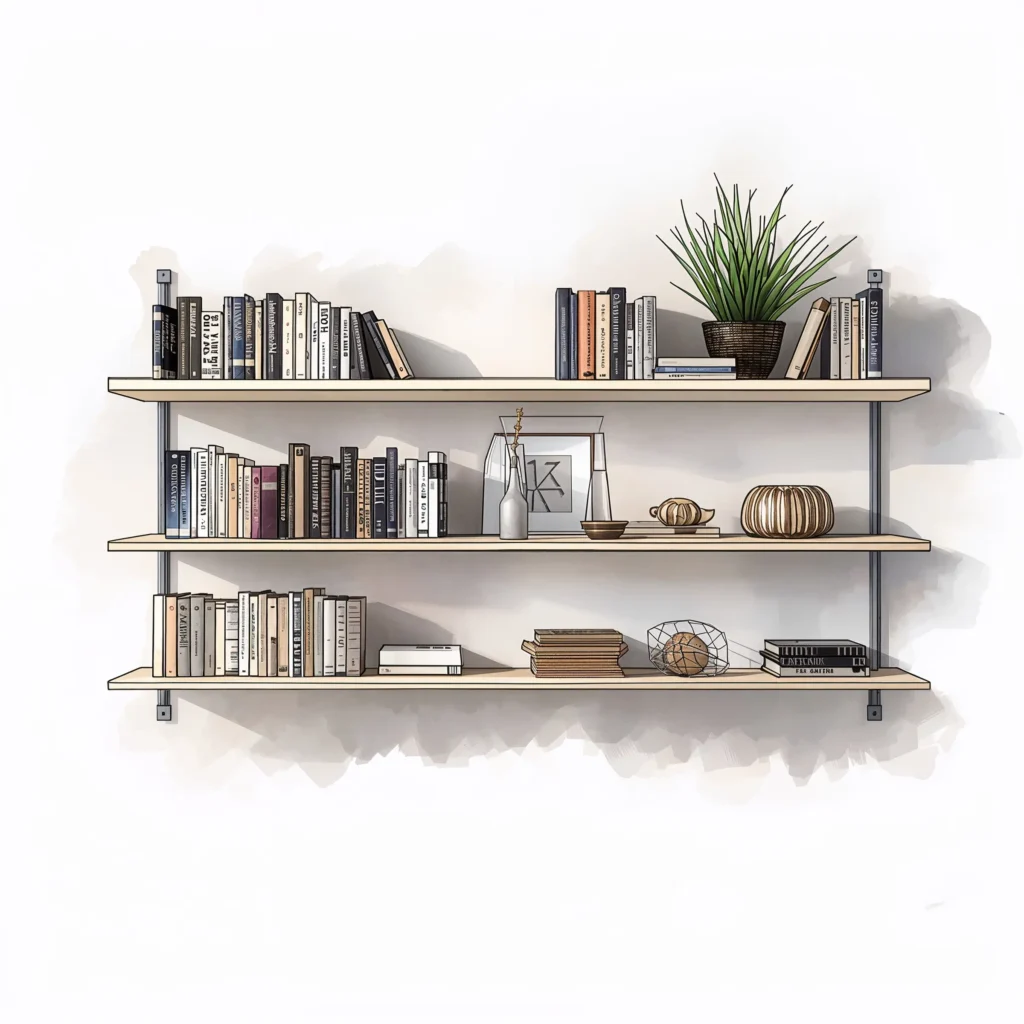
Ever seen those bookshelves that look like they’re defying gravity? That’s exactly what makes floating wall bookshelves such a killer drawing subject. I remember the first time I tried sketching one – I kept erasing and redrawing because my brain couldn’t wrap around how something could hold books without visible brackets.
The trick here is playing with shadows and perspective. You want to create that illusion that the shelf is literally floating against the wall. Start with a simple rectangular shape, then add subtle shading underneath to give it depth. The books themselves become part of the magic – arrange them at different heights and angles to create visual interest.
Making It Pop Off the Page
Here’s what I’ve learned works best:
- Use dramatic shadows beneath the shelf to emphasize the floating effect
- Add small details like book spines with varied thicknesses
- Include a few books leaning at angles for that lived-in look
- Draw the wall texture lightly to contrast with the solid shelf
What really sells this drawing is the contrast between the heavy-looking books and the impossibly thin shelf supporting them. It’s that visual tension that makes viewers do a double-take.
Rustic Wooden Ladder Bookshelf Design
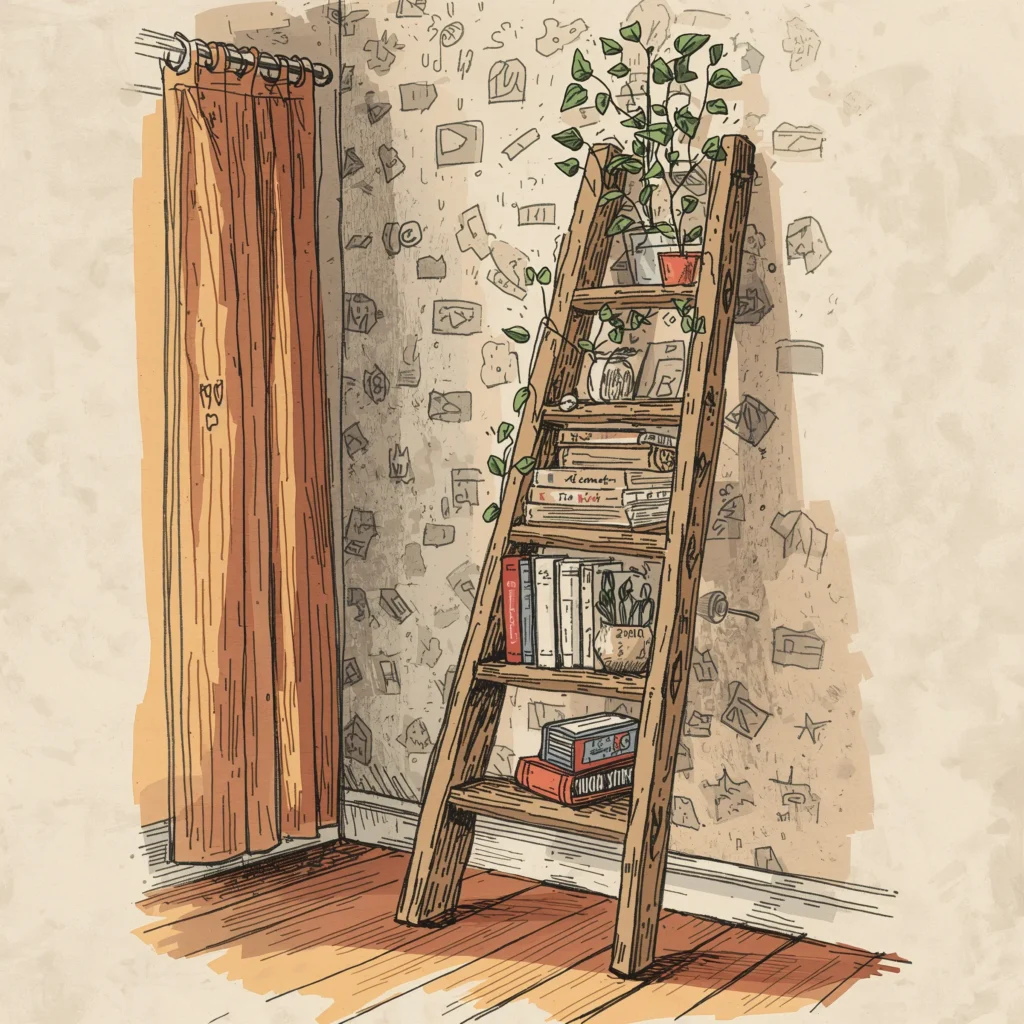
Now we’re talking about something with serious character. Rustic ladder bookshelves combine that farmhouse charm with practical storage, and they’re ridiculously fun to draw. I actually have one in my living room (DIY project gone surprisingly right), so I’ve spent hours studying how the wood grain flows and how the shelves integrate with the ladder structure.
The beauty of drawing rustic designs? You can be imperfect and it actually makes the drawing better. Those wonky lines and uneven textures? They’re not mistakes – they’re “character.” See what I did there? 😉
Capturing That Rustic Vibe
When sketching your ladder bookshelf, focus on:
- Wood grain patterns that flow naturally along each plank
- Visible screws or nails for authenticity
- Slightly uneven shelf spacing (perfection is overrated anyway)
- Books mixed with plants and decorative objects
I like to use cross-hatching techniques to show the wood texture. Start light and build up the darker areas where shadows would naturally fall. Don’t forget to add some wear and tear – maybe a chip here, a scratch there. These imperfections tell a story.
Minimalist Modern Bookshelf Illustration
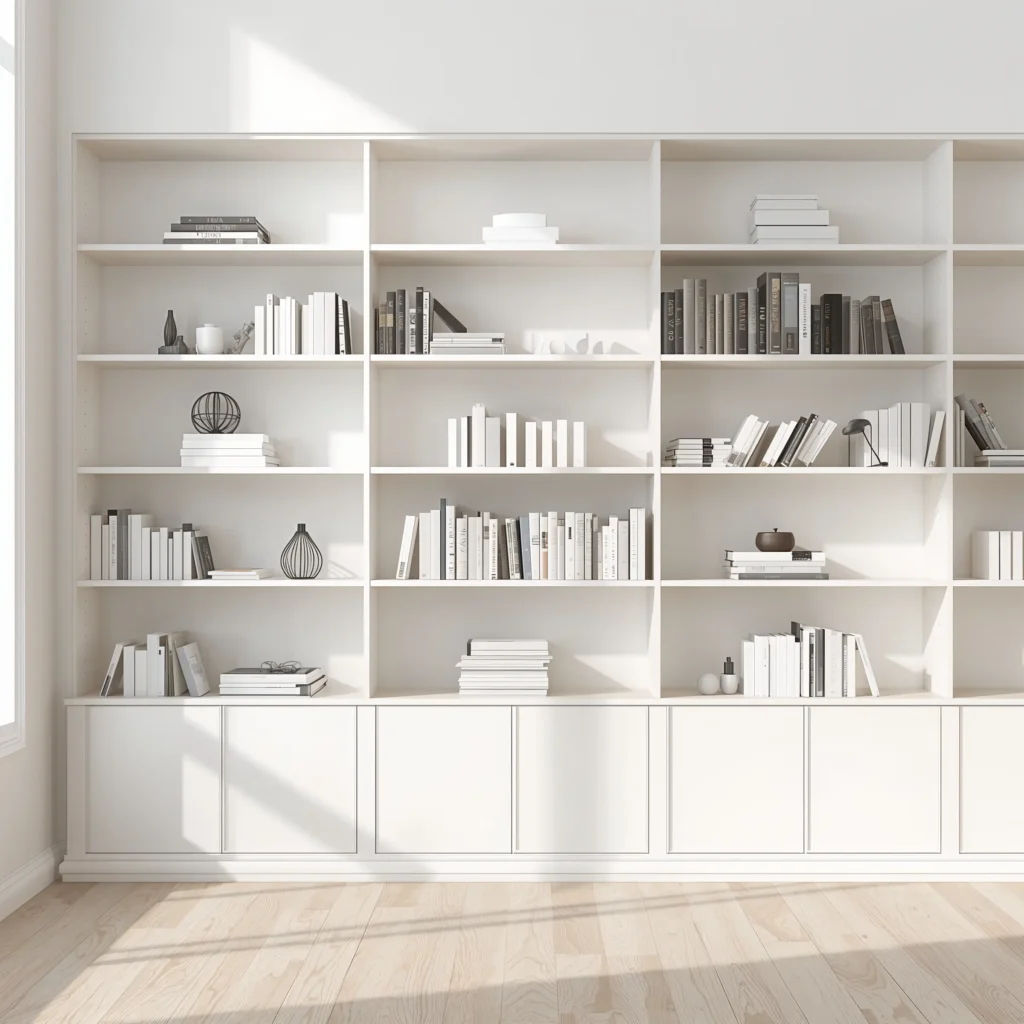
After all that rustic detail, sometimes you need to cleanse your artistic palate with something clean and simple. Minimalist bookshelf designs are like the meditation of furniture drawing – less is definitely more here.
I’ll be honest, my first attempts at minimalist drawings looked boring. Then I realized the secret: it’s all about perfect proportions and negative space. Every line counts when you’re only using a few of them. The empty spaces become just as important as the filled ones.
The Art of Leaving Things Out
Key elements for nailing minimalist bookshelf drawings:
- Clean, straight lines (break out that ruler, no shame)
- Strategic use of empty shelf space
- Monochromatic color scheme or simple grayscale
- Focus on geometric shapes and symmetry
What makes these drawings interesting isn’t what you include – it’s what you leave out. Try drawing just the outline of the shelf with a few carefully placed books. The viewer’s brain fills in the rest, and that engagement makes the drawing more memorable.
Also Read: 10 Fun Mini Bookshelf Ideas to Organize Your Books Beautifully
Tree-Shaped Bookshelf Drawing
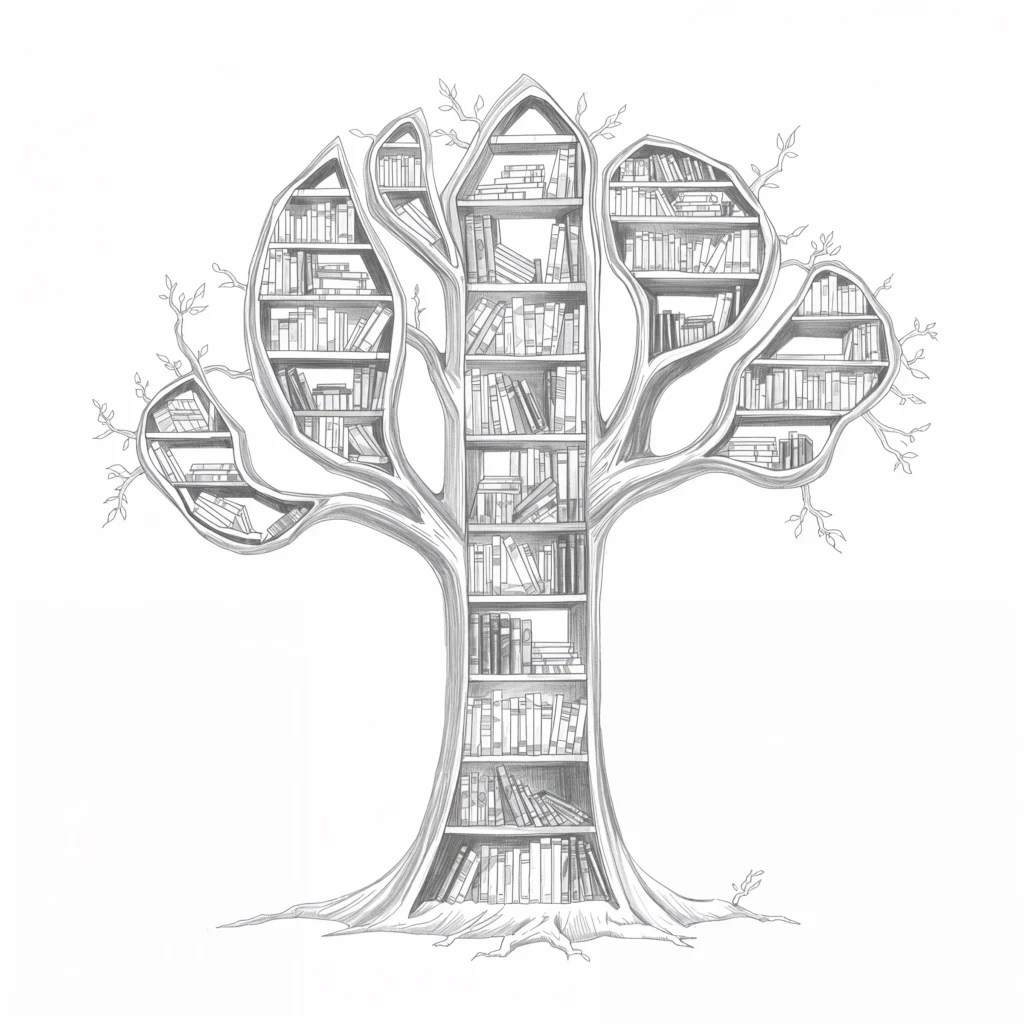
Okay, this is where things get really fun. Tree-shaped bookshelves are basically functional art pieces, and drawing them lets you combine organic shapes with structured storage. Who says furniture has to be boring rectangles?
I discovered these while browsing Pinterest (guilty pleasure alert), and I immediately grabbed my sketchbook. The challenge is balancing the natural, flowing lines of tree branches with the practical need for horizontal surfaces to hold books. It’s like nature and function had a baby, and that baby holds your novel collection.
Growing Your Design Skills
To create a convincing tree bookshelf:
- Start with a strong trunk base that looks sturdy enough to support weight
- Branch out gradually, ensuring each “branch” can realistically hold books
- Vary the shelf sizes – not every branch needs to be the same length
- Add subtle bark texture to maintain the tree illusion
The coolest part? You can add tiny details like leaves sprouting from the tips or even a small bird perched on top. These touches transform a simple storage solution into a conversation piece. FYI, kids absolutely love these designs – I’ve had my nephew beg me to draw one for his room.
Spiral Corner Bookshelf Concept
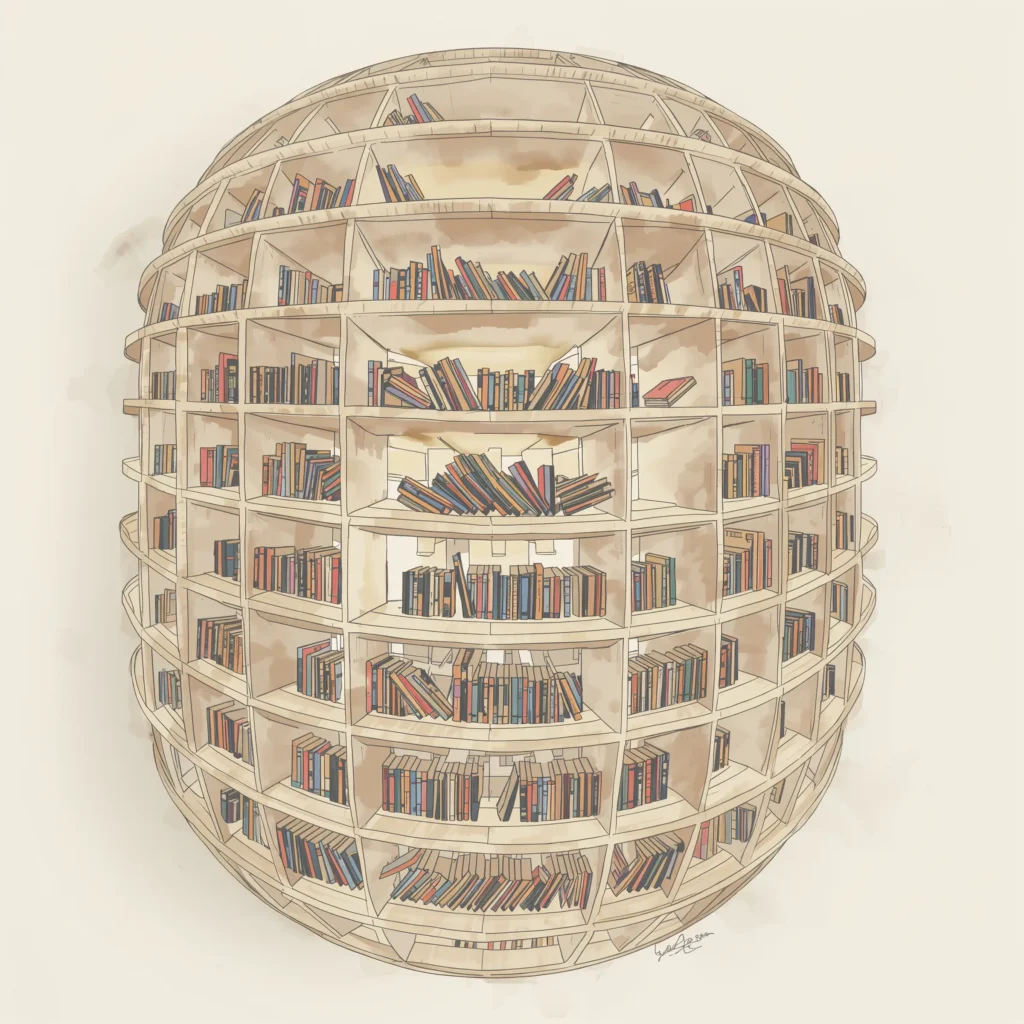
Corner spaces are usually wasted, but spiral corner bookshelves turn that awkward angle into the star of the room. Drawing these requires you to think in three dimensions, which honestly hurt my brain at first. But once you get the hang of the spiral motion, it’s addictively fun to sketch.
The spiral creates natural movement in your drawing. Your eye follows the curve upward, making even a static sketch feel dynamic. I love how these designs maximize vertical space while adding architectural interest.
Mastering the Spiral
Essential techniques for spiral bookshelf drawings:
- Start with a central axis to keep your spiral consistent
- Gradually decrease shelf size as you move upward
- Use perspective lines to show depth in the corner
- Add books at various angles to emphasize the spiral motion
Pro tip: Don’t try to make your spiral perfect. A slightly organic curve looks more interesting than a mathematically precise one. Unless you’re going for that technical drawing vibe, in which case, spiral away with your compass!
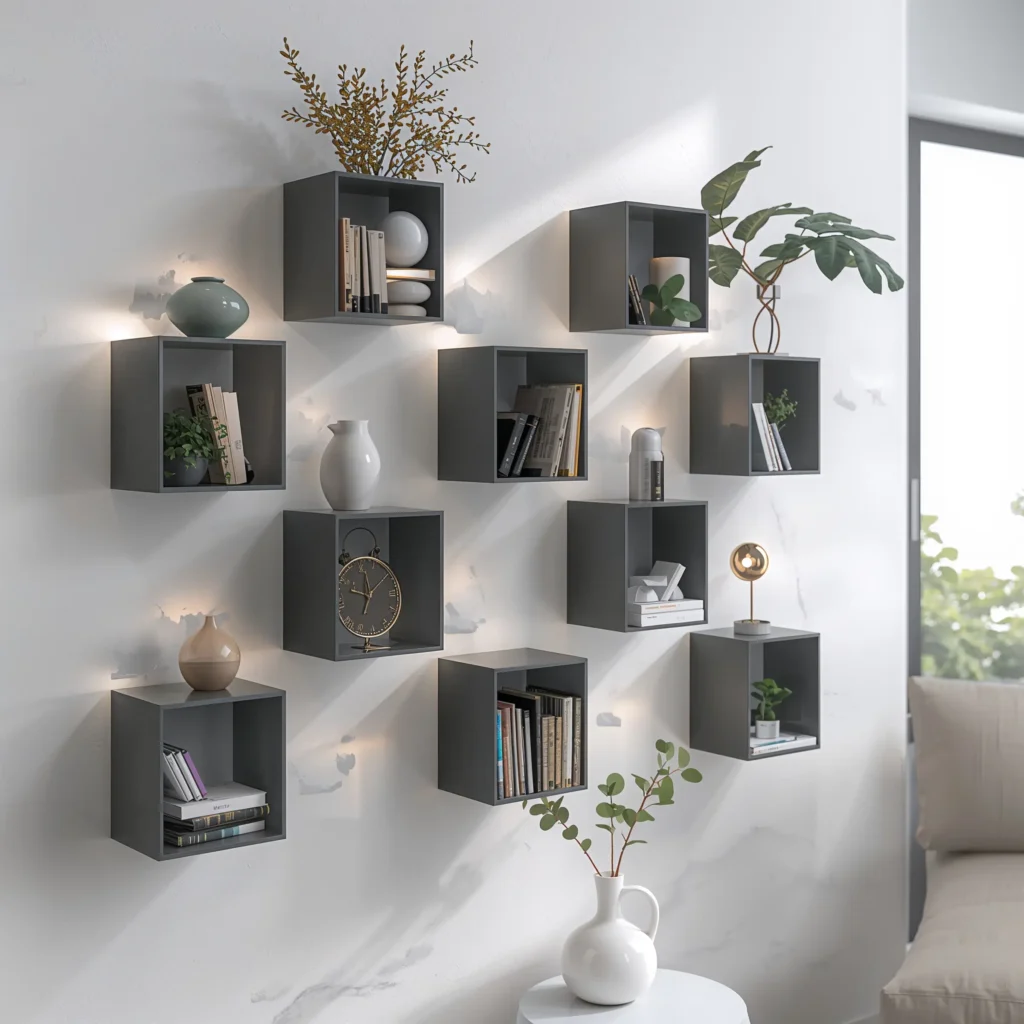
Geometric Cube Bookshelf Art
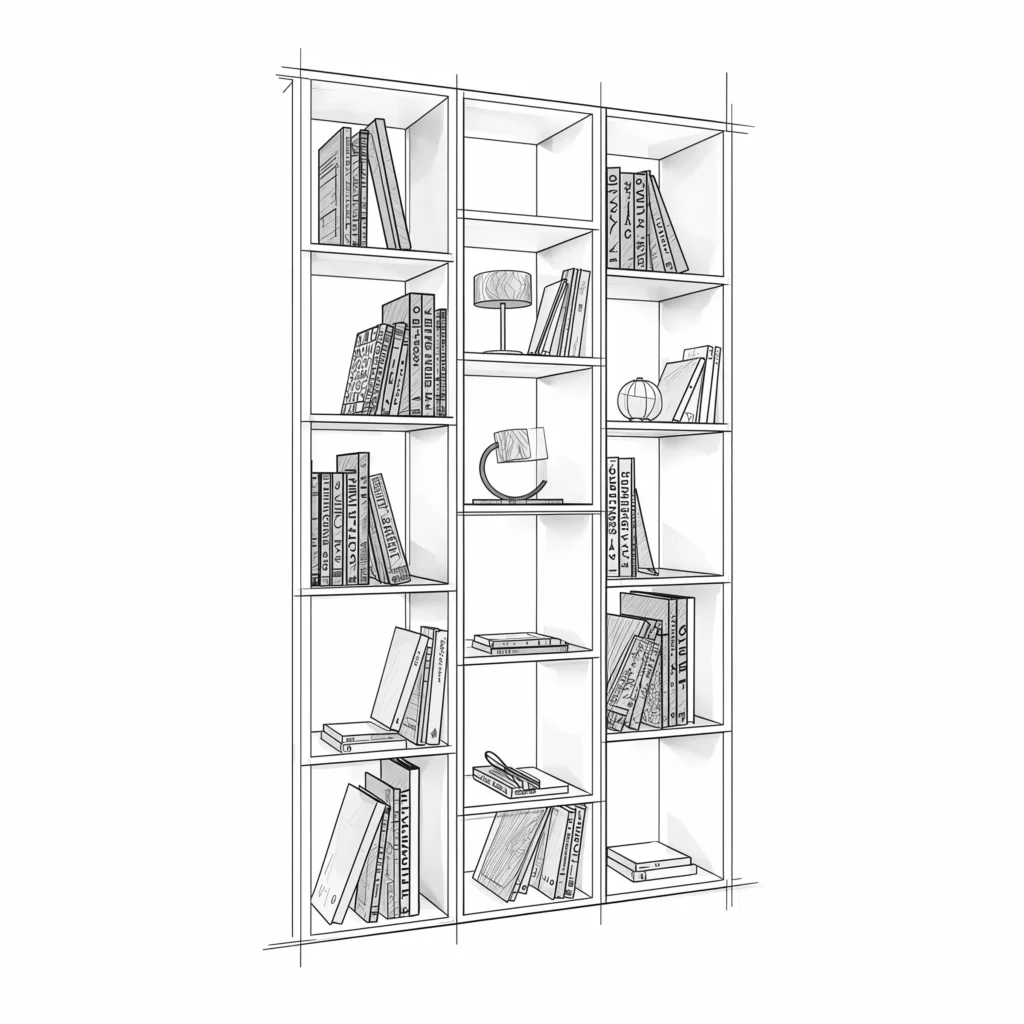
Geometric cube bookshelves are like adult LEGO sets – modular, customizable, and endlessly fascinating to draw. Each cube becomes its own little world, and you can arrange them in countless configurations. It’s basically Tetris for book lovers.
What I love about drawing these is the play between positive and negative space. Some cubes hold books, others stay empty, creating a rhythm across your drawing. You can go symmetric for a clean look or asymmetric for something more dynamic.
Building Block by Block
Creating compelling geometric bookshelf drawings:
- Vary the cube arrangements – stack, stagger, or scatter them
- Mix filled and empty cubes for visual interest
- Use consistent perspective across all cubes
- Add shadows to show which cubes protrude or recede
Here’s a fun challenge: try drawing the same cube configuration from different angles. It completely changes the composition and helps you understand how these modular systems work in real space. Plus, it’s great practice for perspective drawing.
Also Read: 10 Amazing IKEA Bookshelf Ideas and DIY Inspiration
Vintage Library Bookshelf Sketch
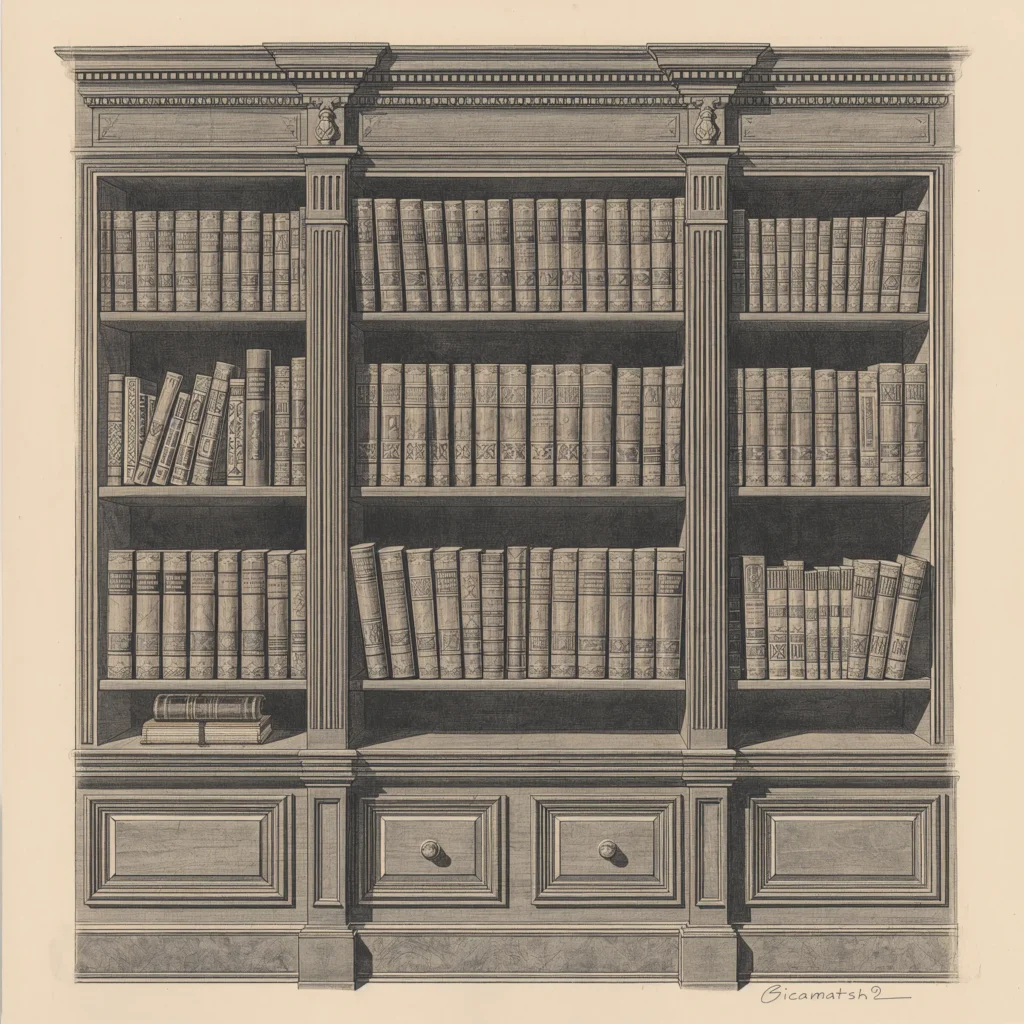
There’s something magical about vintage library bookshelves – those floor-to-ceiling beauties with rolling ladders and leather-bound volumes. Drawing these makes me feel like I should be wearing a monocle and sipping brandy (I usually settle for coffee and my reading glasses).
These drawings let you go absolutely wild with detail. Every book spine tells a story, every carved ornament adds character. I once spent three hours on a single vintage bookshelf drawing, and I regret nothing.
Channeling Your Inner Librarian
Elements that scream vintage library:
- Ornate woodwork on the shelf frames
- Mix of book sizes and colors
- A rolling ladder (because obviously)
- Decorative elements like crown molding or carved details
- Aged appearance with worn edges and patina
Don’t forget to add those little touches that bring authenticity – maybe a dusty globe on one shelf, an old clock, or a mysterious locked cabinet at the bottom. These details transform your drawing from “nice bookshelf” to “I want to explore this library immediately.”
Floating Corner Bookshelf Idea
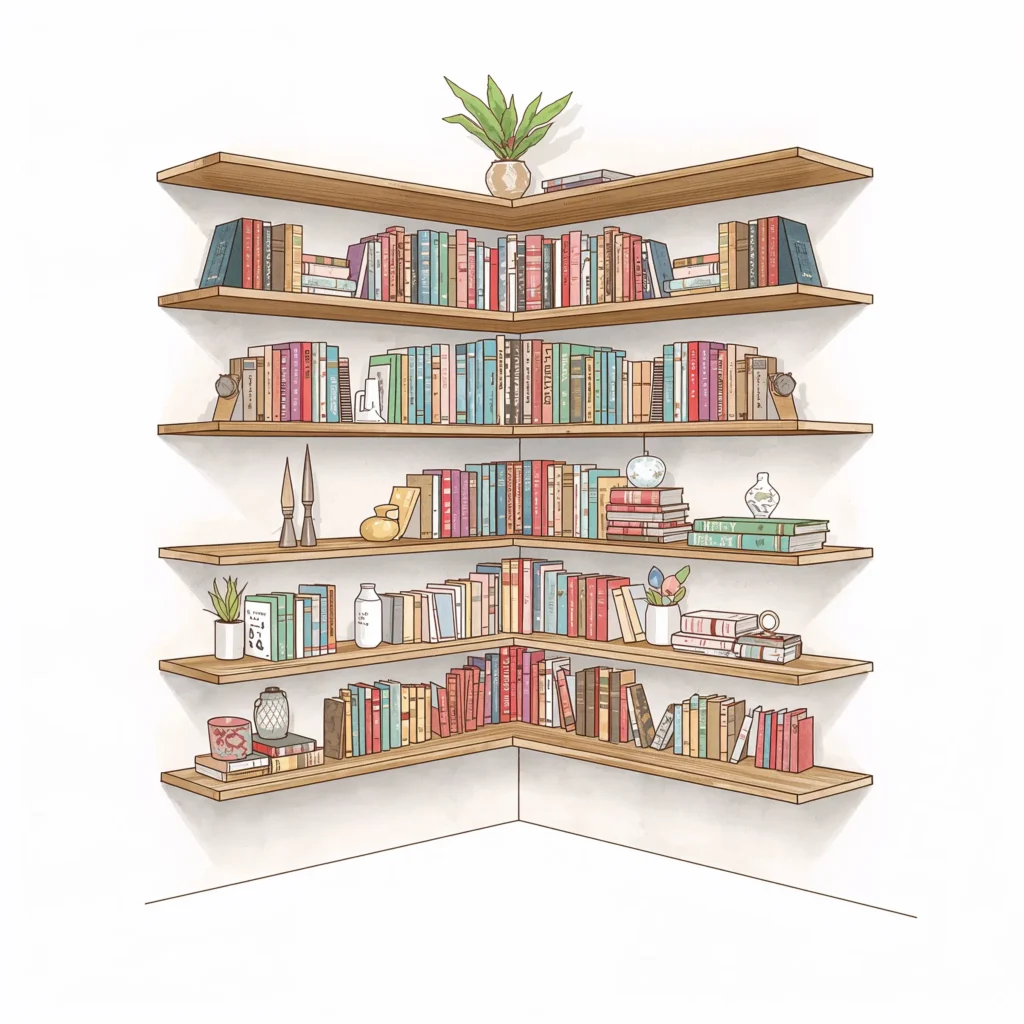
Corner floating shelves combine two of my favorite things: space-saving design and optical illusions. These bad boys make use of typically dead corner space while maintaining that gravity-defying floating appearance. Drawing them requires understanding how two walls meet and how objects interact with that junction.
The perspective can be tricky here. You’re dealing with two vanishing points, and the shelves need to look believable from both angles. I usually start with the corner line and work outward, making sure both sides match in terms of depth and proportion.
Cornering the Market on Cool Designs
Tips for drawing corner floating shelves:
- Establish your corner angle first – this anchors everything else
- Keep shelf thickness consistent on both walls
- Use shadows to enhance the floating effect
- Add items that bridge both sides of the corner
What really makes these drawings pop is showing how objects span across the corner. Maybe a long decorative box or a series of matching books that create a visual bridge. This emphasizes the unique corner placement and makes the design feel intentional, not just stuck there.
Circular Bookshelf Illustration
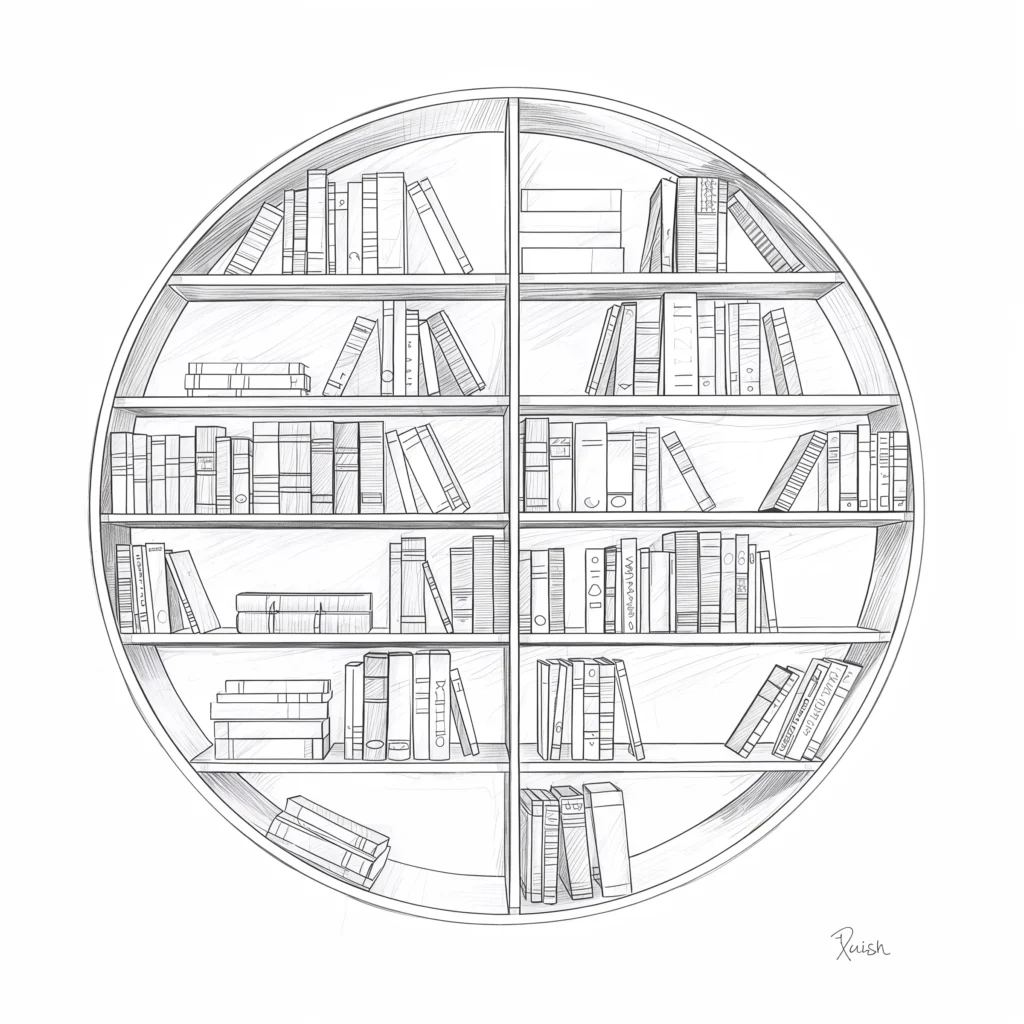
Round bookshelves are having a moment, and honestly, I’m here for it. Circular bookshelf designs break every rule about furniture being square and boring. Drawing circles might seem basic, but creating a functional, beautiful circular bookshelf that looks three-dimensional? That’s where the challenge lies.
My first attempt looked like a wagon wheel had a baby with a pizza. Not cute. But once I figured out how to show depth and divide the circle into believable compartments, these became some of my favorite sketches. IMO, they’re perfect for adding a modern, playful touch to any room drawing.
Going Full Circle
Mastering circular bookshelf drawings:
- Start with a perfect circle (compass or trace something round)
- Divide sections evenly using light guidelines
- Vary compartment contents – books, plants, objects
- Add depth by showing the shelf thickness
- Use shading to create dimension
The trick is making the circle look three-dimensional without losing its circular shape. I like to imagine it as a cylinder viewed slightly from an angle, which helps me figure out where shadows and highlights should go. Books placed at different angles within the compartments really sell the 3D effect.
Also Read: 10 Creative Bookshelf Organization Ideas for Small Spaces
Hanging Bookshelf Design Concept
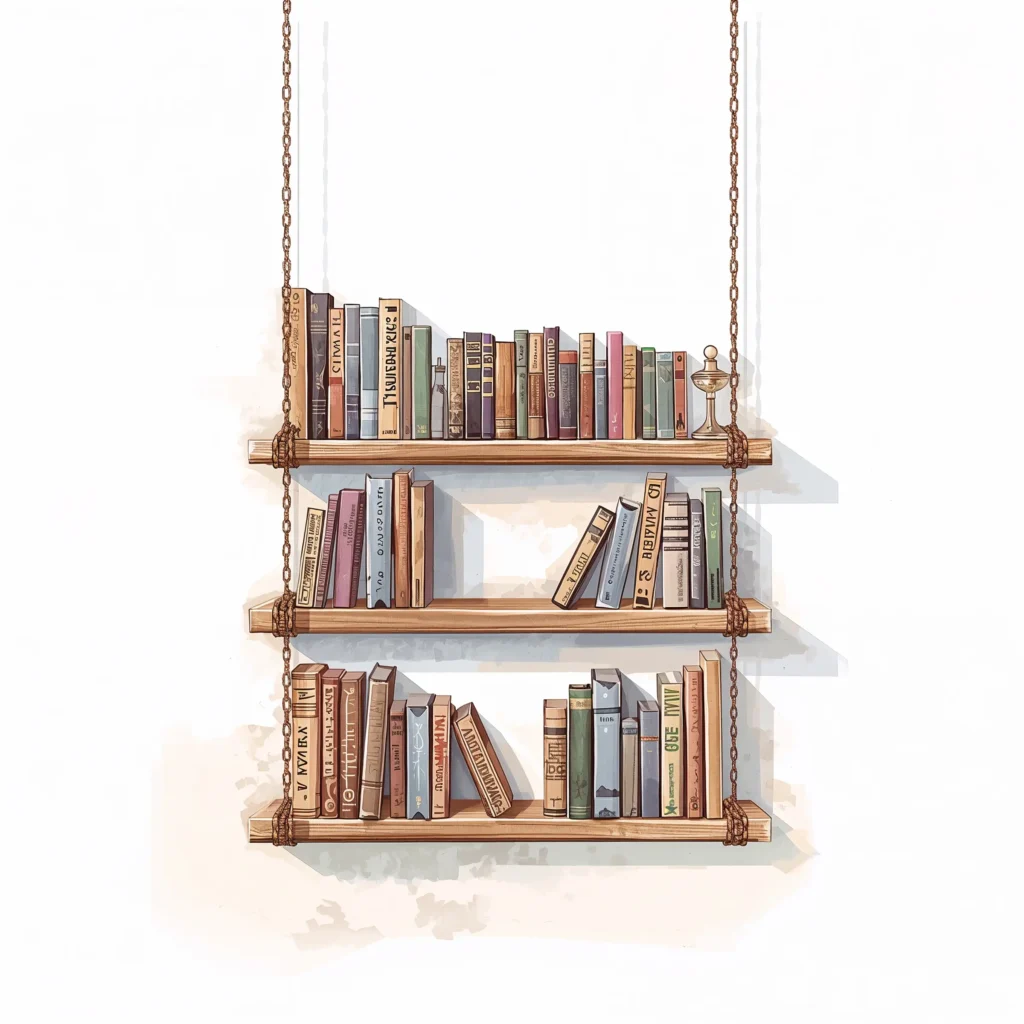
Last but definitely not least, hanging bookshelves bring a whole different energy to your drawings. These suspended storage solutions can range from simple rope-and-plank designs to elaborate macramé creations. They add movement and lightness to what’s usually a heavy piece of furniture.
Drawing hanging shelves means you’re not just sketching the shelf itself – you’re showing how it interacts with the ceiling, the wall, and gravity. The hanging mechanism becomes part of the design, whether it’s chains, rope, or cables.
Suspended Animation
Key elements for hanging bookshelf drawings:
- Visible hanging mechanism – make it part of the design
- Show slight movement or sway in the shelves
- Include shadows both below and where it attaches above
- Consider weight distribution in your book placement
I love adding subtle details that suggest movement – maybe a book slightly askew or a plant with leaves that seem to sway. These touches bring life to your drawing and make viewers feel like they could reach out and give the shelf a gentle push.
Bringing It All Together
The best part about drawing different bookshelf designs? You’re not just practicing your sketching skills – you’re exploring how form meets function in infinite ways. Each style tells a different story and creates a unique mood.
When I started this journey, I thought I was just drawing furniture. But these bookshelf designs taught me about perspective, shadow, texture, and storytelling through objects. They’re not just storage solutions; they’re personality statements.
Whether you prefer the impossible elegance of floating shelves, the organic flow of tree-shaped designs, or the nostalgic charm of vintage library cases, there’s a bookshelf drawing waiting to challenge and inspire you. The beauty is that you can mix and match elements, creating hybrid designs that exist nowhere but in your sketchbook.
So grab your pencil, find a comfy spot, and start sketching. Your bookshelf doesn’t need to hold actual books to tell a story – sometimes the best libraries exist only on paper. And who knows? Today’s sketch might become tomorrow’s DIY project. Just maybe practice your carpentry skills first – trust me on that one 🙂
Remember, every architect and designer started with a simple sketch. Your bookshelf drawings might seem like casual doodles now, but you’re developing skills that translate into understanding space, proportion, and design. Plus, it’s way more interesting than drawing another bowl of fruit, right?