
From Gas to Glowing Embers: Guide to Fireplace Conversion

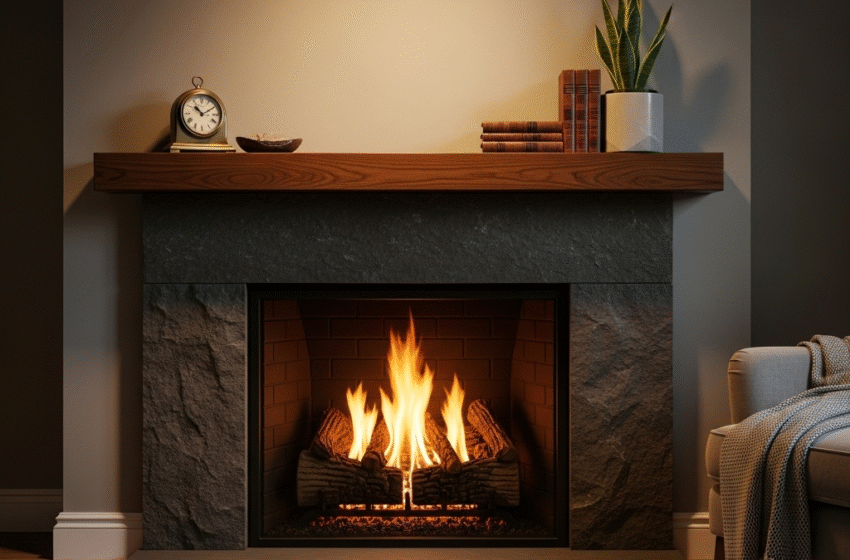
There’s an undeniable magic to a wood-burning fireplace. The crackling symphony of logs, the rich, earthy aroma, and the dance of real flames create an ambiance that modern gas fireplaces struggle to replicate. If you’re a homeowner who feels this pull, you’ve likely found yourself staring at your gas unit and asking the pivotal question: Can a gas fireplace be converted to wood burning?
The short answer is maybe, but it’s a complex process that demands professional expertise and is not always possible. This isn’t a simple weekend DIY project. Converting a gas fireplace to wood burning is a significant undertaking that involves stringent safety checks, structural modifications, and a thorough understanding of local building codes.
This comprehensive guide will walk you through every critical consideration, from assessing your fireplace’s feasibility to the final inspection, ensuring you have all the information needed to make an informed and safe decision.
Why Consider Converting to a Wood-Burning Fireplace?
Before diving into the “how,” it’s essential to understand the “why.” Homeowners choose to make this switch for a variety of compelling reasons.
- The Authentic Ambiance: This is the most common driver. The multi-sensory experience of a wood fire—the sound, smell, and sight of genuine burning logs—is something gas cannot truly duplicate. It creates a cozy, traditional focal point that many find more inviting .
- Potential Cost Savings on Fuel: In many regions, wood can be a more affordable fuel source than natural gas or propane, especially if you have access to a sustainable supply. This can lead to significant long-term savings on heating costs, particularly in volatile energy markets .
- Heating Efficiency and Performance: While modern gas fireplaces are efficient, a well-built wood fire can produce intense radiant heat that many find more penetrating and comfortable. Modern wood-burning inserts, in particular, are designed to maximize heat output and retain it longer .
- Eco-Friendliness and Sustainability: Wood is a renewable resource. When sourced responsibly from well-managed forests, it can have a lower carbon footprint compared to fossil fuels like natural gas. Burning wood is considered carbon-neutral over its lifecycle, as the carbon released is roughly equal to what the tree absorbed during its growth .
- Energy Independence: Using wood for heat can provide a degree of self-sufficiency, keeping your home warm even during power or gas supply interruptions.
The Golden Rule: Feasibility First – Is Your Fireplace a Candidate?
The most critical step in this journey is determining if your specific gas fireplace can be converted. Not all units are created equal, and many cannot be safely altered.
Fireplaces That Can Often Be Converted
The best candidates for conversion are typically found in older homes. These are often traditional masonry fireplaces that were originally designed for wood but were later retrofitted with a gas log set for convenience . In these cases, the fundamental structure—a robust brick or stone firebox and a full chimney—is already in place and may be suitable for wood burning once the gas components are removed.
Fireplaces That Likely Cannot Be Converted
This is where many homeowners hit a roadblock. Prefabricated or “zero-clearance” gas fireplaces, which are common in newer construction, are often impossible to convert .
- Why? These units are lightweight, factory-built, and installed with specific clearance and ventilation requirements for gas only.
- The Dangers: Their fireboxes are not built with materials that can withstand the intense, direct heat of a wood fire. The venting systems are designed for the lower temperatures and different byproducts of gas combustion and cannot handle wood smoke or creosote . Attempting to burn wood in them creates a severe fire hazard.
- The Alternative: If you have a prefabricated unit, you are likely looking at a full replacement, which involves removing the old unit and installing a new, dedicated wood-burning fireplace or insert. This is a more involved and costly project .
The Critical Safety and Regulatory Landscape
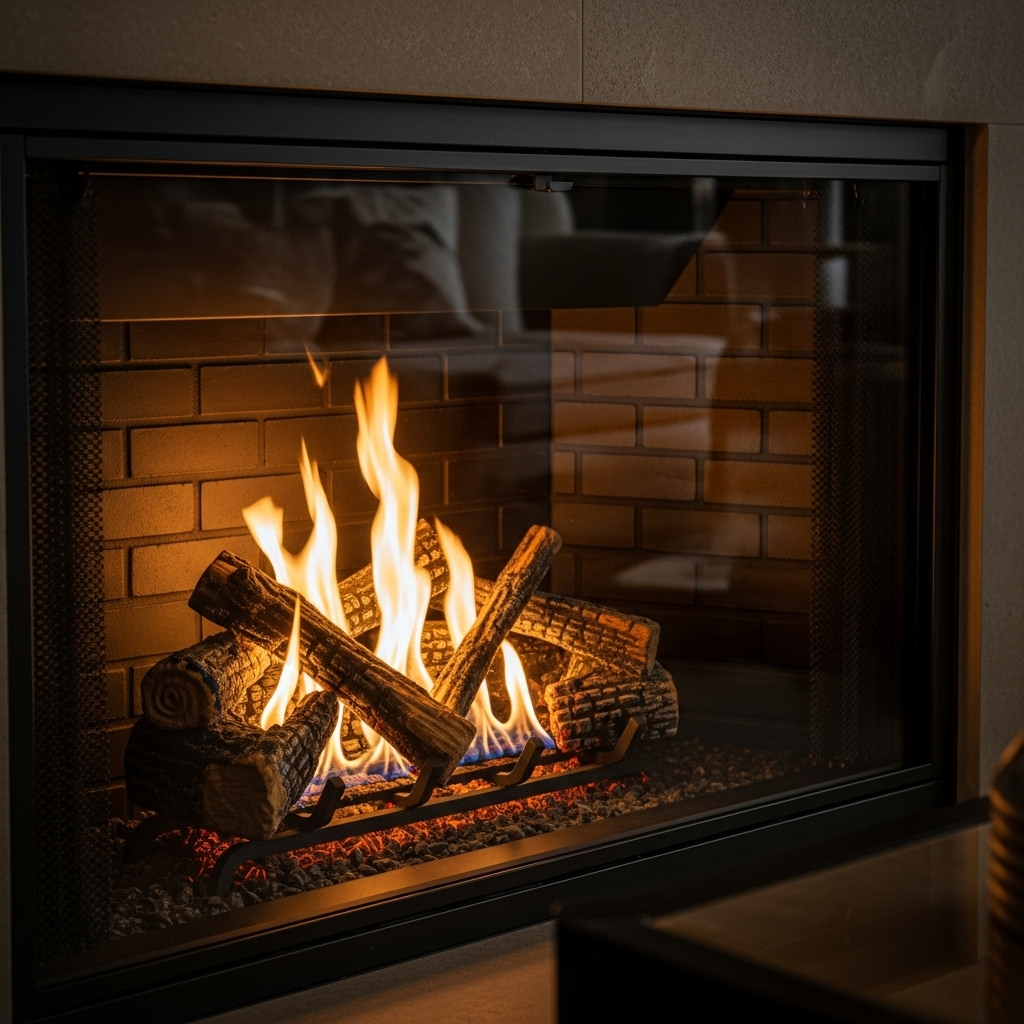
Converting a fireplace is not just about preference; it’s a matter of safety and law. Overlooking these aspects can have dire consequences.
The Dangers of Improper Conversion
Attempting to burn wood in a non-converted gas fireplace or doing a DIY conversion is incredibly risky. The potential hazards include:
- House Fire: This is the most significant risk. Gas fireplaces lack the necessary clearance to combustibles and are built with materials that can crack, warp, or ignite when exposed to the extreme heat of a wood fire. This can lead to the ignition of your home’s framing .
- Carbon Monoxide Poisoning: Gas fireplace vents are not designed to handle the volume and type of fumes produced by wood. A clogged or insufficient vent can cause lethal carbon monoxide (CO) gas to spill back into your home instead of being safely expelled outside .
- Chimney Fires: Gas fires produce minimal creosote—a highly flammable, tar-like substance that condenses inside chimneys. Wood fires, however, produce it in abundance. If your chimney is not properly sized, lined, and maintained, creosote buildup can ignite, causing a dangerous chimney fire .
- Structural Damage: The intense heat from a wood fire can crack the masonry of a firebox not designed for it or damage the internal components of a prefab unit, leading to costly repairs .
Navigating Building Codes and Permits
You will almost certainly need a permit for this project. Converting a fireplace is governed by local building codes and regulations designed to ensure safety .
- Always Check First: Before any work begins, contact your local building or fire department to understand the specific codes in your area. These codes cover everything from the required type of chimney liner to clearance distances from combustible materials .
- The Role of Professionals: A licensed professional will be familiar with these codes and can handle the permit application process, ensuring the work is done to the legally required standard. Failure to obtain permits can result in fines and will certainly cause problems if you ever decide to sell your home .
The Step-by-Step Conversion Process
A safe and successful conversion is a multi-stage process that should always be led by a qualified expert, such as a certified chimney sweep or a licensed fireplace contractor.
Step 1: The Professional Assessment
The first step is a thorough inspection by a qualified professional. They will evaluate :
- The Firebox: Is it masonry? Is it structurally sound and large enough?
- The Chimney: Does one exist? What is its condition? Is it lined? Is the liner appropriate for wood (often requiring a durable, insulated stainless-steel liner)?
- The Venting System: Is it sized correctly for wood smoke and the draft required?
Step 2: Securing Permits
Your contractor will pull the necessary permits based on the assessment and the planned work, ensuring the project is legal and up to code .
Step 3: Removing Gas Components
A licensed professional must safely disconnect and cap the gas supply line to eliminate any risk of leaks. They will then remove the gas logs, burners, and any other gas-specific parts .
Step 4: Preparing the Firebox and Chimney
This is where the major modifications happen:
- Chimney Lining: Most conversions will require the installation of a new, UL-listed stainless-steel chimney liner suitable for wood burning. This ensures proper draft, contains heat safely, and reduces creosote buildup .
- Firebox Preparation: The existing firebox may need repairs. A grate for holding wood logs will be installed to replace the fragile gas log set.
Step 5: Installing New Components
Key components for wood burning are installed, which may include:
- A functional damper to control airflow when the fireplace is not in use.
- A chimney cap with a spark arrestor to prevent embers from escaping and animals from entering.
- A smoke shelf (if not already present) to improve draft and prevent downdrafts.
Step 6: The Final Inspection and Testing
Once work is complete, a final inspection by your local building official is often required. Your contractor will also test the fireplace to ensure it drafts correctly, burns efficiently, and operates safely before handing it over to you .
Understanding the Financial and Time Investment
Converting a fireplace is a significant investment. Costs can vary dramatically based on your starting point.
Cost Breakdown
Table: Cost estimates are compiled from multiple sources and can vary based on region and project complexity .
Project Timeline
You should expect this to be a multi-day to multi-week project, not a one-day job. The timeline can be affected by the time needed for the initial inspection, permit approval, sourcing materials, and the complexity of the chimney work.
Weighing the Pros and Cons: A Clear-Eyed View
Before making a final decision, it’s crucial to balance the romantic appeal of a wood fire with the practical realities.
Advantages of Wood-Burning Fireplaces
- Authentic Ambiance: Unmatched atmosphere with crackling sounds and wood scent .
- Potential for Lower Fuel Costs: Wood can be cheaper than gas, especially if self-sourced .
- Heat During Power Outages: Provides warmth and a cooking surface when the electricity is out.
- Increased Home Value: A real wood-burning fireplace can be a desirable feature for many buyers.
Disadvantages and Ongoing Responsibilities
- High Upfront Conversion Cost: The initial investment is substantial .
- Regular Maintenance: Requires frequent ash cleaning and, most importantly, annual chimney sweeping to remove dangerous creosote .
- Fuel Storage and Handling: You need a dry, accessible place to store firewood and must be prepared to haul and stack it.
- Lower Overall Convenience: Requires manual lighting and tending; cannot be turned on with a switch.
- Environmental Emissions: Produces more particulate pollution than gas fireplaces, which may be regulated in your area .
The Verdict: Can a Gas Fireplace Be Converted to Wood Burning?
So, can a gas fireplace be converted to wood burning? The answer is a conditional yes. It is a technically possible and deeply rewarding project for homeowners with a suitable masonry fireplace and a clear understanding of the commitment involved. However, for those with modern prefabricated gas units, a full replacement is the only safe path forward.
The journey from the clean, convenient flame of gas to the primal glow of wood embers is not one to be taken lightly. It demands a significant investment of time and money and a steadfast commitment to safety through professional installation and rigorous maintenance. If, after considering all these factors, the call of a crackling log is still irresistible, your next step is to contact a certified and experienced fireplace professional for a thorough assessment. With careful planning and expert execution, you can safely achieve the authentic fireplace experience you desire.