
Can You Use a Gas Fireplace When the Power Is Out?

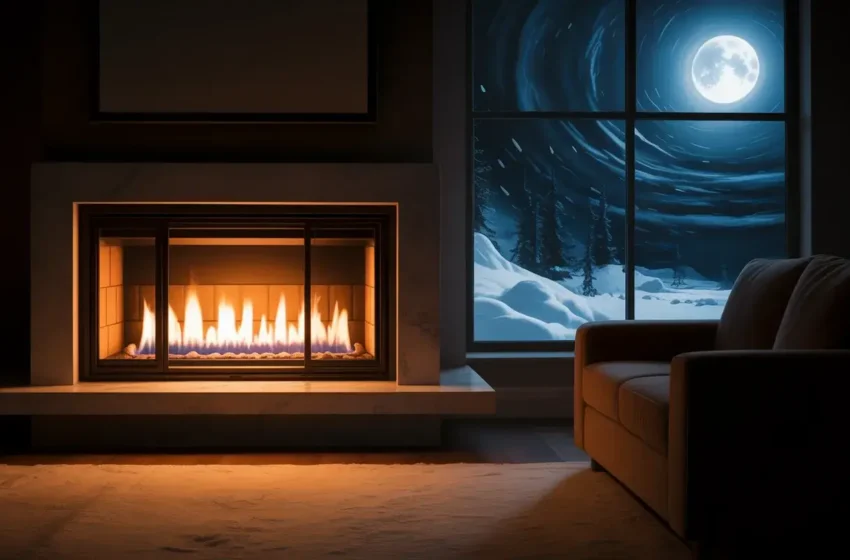
So picture this: You’re sitting on your couch, maybe binge-watching your favorite show, when suddenly—boom—the power goes out. Your TV dies, the lights flicker off, and you’re left in darkness wondering if your gas fireplace can save the day.
Spoiler alert: it depends. Yeah, I know, not the definitive answer you wanted, but stick with me here because we’re about to break down everything you need to know about running your gas fireplace during a blackout.
I’ve been through enough power outages to know that this question isn’t just academic—it’s genuinely important when you’re trying to keep your family warm during a winter storm.
Let me walk you through the whole situation so you can figure out what your specific setup can do.
Understanding How Gas Fireplaces Actually Work
Before we get into the nitty-gritty of power outages, you need to understand what’s happening behind that pretty glass panel. Gas fireplaces aren’t just magic boxes that produce heat—they’re actually pretty sophisticated pieces of equipment.
The basic setup involves a few key components: the gas supply (obviously), the pilot light or electronic ignition system, the burner assembly, and often a blower fan. Some models also have fancy electronic controls, thermostats, and remote systems. The more bells and whistles your fireplace has, the more likely it needs electricity to function.
Here’s where things get interesting. Your gas supply itself doesn’t need electricity—natural gas comes to your home through underground pipes using pressure, not pumps. So even when the power’s out, gas is still flowing to your house. Pretty convenient, right?
The real question is whether your specific fireplace can actually use that gas without electricity. And that’s where we need to look at different types of systems.
Types of Gas Fireplaces and Their Power Requirements
Not all gas fireplaces are created equal. Some will keep chugging along during a blackout like absolute champions, while others will leave you in the cold faster than you can say “I should’ve gotten a different model.”
Standing Pilot Light Systems
These are the old-school champs of power outages. A standing pilot light burns 24/7, which means there’s always a flame ready to ignite the main burner. No electricity required—just you, the gas, and good old-fashioned combustion.
When the power goes out, you can typically operate these fireplaces manually. Most have a control knob you can turn to adjust the flame height. It’s beautifully simple, and honestly, I’m a big fan of this setup for emergency preparedness.
The downside? That pilot light is constantly burning gas, which costs you money even when you’re not using the fireplace. But hey, in a power outage situation, you’ll be thanking your past self for choosing reliability over efficiency.
Intermittent Pilot Ignition (IPI) Systems
Now we’re getting into the territory where things get complicated. IPI systems are more energy-efficient because they only light the pilot when you actually want to use the fireplace. Sounds great, right? Well, here’s the catch: they need electricity to create that spark.
Most IPI systems use a battery backup specifically for power outage situations. If your fireplace has this feature (and you’ve actually remembered to change the batteries—FYI, you should check those annually), you’ll be good to go when the lights go out.
Without battery backup? You’re basically looking at an expensive piece of wall decoration during a blackout. Not exactly what you want when it’s freezing outside.
Electronic Ignition Systems
These are the modern, tech-savvy fireplaces that probably have more features than your smartphone. Electronic ignition systems need electricity to operate, period. Some have battery backup options, but many don’t.
I’ve seen people drop thousands on these beautiful, feature-rich fireplaces only to discover they’re completely useless during power outages. It’s like having a Ferrari with no gas station nearby—impressive, but ultimately frustrating.
The Blower Fan Situation
Let’s talk about something that catches a lot of people off guard: the blower fan. Even if your gas fireplace can ignite and burn without electricity, there’s a good chance it has a fan that distributes heat throughout the room. That fan needs electricity.
Without the fan running, your fireplace will still produce heat—it just won’t circulate it as efficiently. You’ll get radiant heat directly in front of the unit, but the room won’t warm up as quickly or evenly. It’s not ideal, but it’s definitely better than nothing when you’re freezing.
Some folks don’t even realize their fireplace has a blower because it’s tucked away and runs automatically. Then the power goes out, and they wonder why the heat distribution suddenly sucks. Mystery solved 🙂
Safety First: Why You Can’t Just Wing It
Okay, real talk for a second. I know the temptation when the power goes out is to just try anything to get warm, but you absolutely cannot mess around with gas appliances. Safety isn’t negotiable here.
Gas fireplaces are designed with multiple safety features, and many of them require electricity. For example:
- Oxygen depletion sensors that shut off the gas if oxygen levels drop too low
- Flame sensors that detect whether the pilot is actually lit
- Temperature limit switches that prevent overheating
- Automatic shut-off valves in case something goes wrong
Some of these safety features work mechanically and don’t need power, but others are electronic. If you try to bypass safety systems or operate your fireplace in ways it wasn’t designed for, you’re risking carbon monoxide poisoning, gas leaks, or even explosions. Not exactly the vibe you’re going for during a cozy blackout.
Always—and I mean always—follow the manufacturer’s instructions for your specific model. Your owner’s manual should explicitly tell you whether the unit can operate during power outages and how to do it safely.
How to Actually Operate Your Gas Fireplace Without Power
Assuming you’ve got a fireplace that can run without electricity, let’s talk about the practical steps. This varies by model, but here’s the general approach.
Manual Operation Steps
First, locate the manual control valve. On most standing pilot systems, this is behind the front panel or screen of your fireplace. You might need to remove the glass front to access it—check your manual for specifics.
The typical control knob has three positions: Off, Pilot, and On. When the power’s out, you’ll manually control everything:
- Make sure the knob is set to “Off” initially
- Turn the knob to “Pilot”
- Press and hold the knob down while using a long lighter or match to ignite the pilot (if it’s not already lit)
- Hold the knob down for about 30 seconds to let the thermocouple heat up
- Release the knob—the pilot should stay lit
- Turn the knob to “On” to ignite the main burner
- Adjust the flame height as needed
Sounds simple enough, right? It usually is, once you’ve done it a couple of times. The first time might feel a bit sketchy if you’re not used to manual ignition, but you’ll get the hang of it.
Battery Backup Operation
If your fireplace has battery backup for the ignition system, the process is even easier. You might not even notice the power’s out in terms of fireplace operation. The batteries kick in, and you can use your regular controls—wall switch, remote, or thermostat—just like normal.
The key here is maintenance. Those batteries don’t last forever. Most manufacturers recommend replacing them annually, whether you’ve used them or not. I learned this the hard way during a winter storm when I discovered my “backup” batteries had died sometime during the previous summer. Not my finest moment, IMO.
Ventilation Concerns During Power Outages
Here’s something people often overlook: ventilation. Gas fireplaces produce combustion byproducts that need to go somewhere—usually up a chimney or through a direct vent system.
Direct vent fireplaces pull combustion air from outside and exhaust back outside through a sealed system. These work fine without power because they’re designed with natural draft principles. The hot exhaust naturally rises and creates the airflow needed.
Vent-free (or ventless) fireplaces are a different beast. They’re designed to burn so cleanly that they don’t need external venting—the combustion byproducts are supposedly safe to release into your home in small quantities. Personally, I’m not a huge fan of these for extended use, especially during power outages when you might be running the fireplace for hours or days.
Why? Because proper ventilation becomes even more critical when you can’t open windows easily (it’s cold outside, remember?) and you’re relying on the fireplace as your primary heat source. The oxygen depletion sensors are there for a reason, and if those are electric and the power’s out, you’ve lost an important safety net.
What About Gas Fireplace Inserts?
Gas fireplace inserts are basically gas fireplaces installed into existing wood-burning fireplaces. The power outage question for these is the same as for regular gas fireplaces—it depends on the ignition system and controls.
One advantage of inserts is that they often have better natural heat distribution because they’re designed to fit into a traditional fireplace opening. Even without a blower fan, you might get decent heat output just from the design of the unit.
The chimney or flue system is already there from the original wood-burning setup, which generally means good natural ventilation. That’s a plus for power outage situations.
Preparing Your Gas Fireplace for Power Outages
Ever wondered why some people seem to handle power outages like pros while others are caught completely off guard? Preparation, my friend. Here’s what you should do before the next blackout hits:
Know Your System
Read your owner’s manual—seriously, do it now before you need it in the dark. Figure out what type of ignition system you have, whether it requires power, and what the manual operation procedures are. Take photos of the relevant pages with your phone so you have them handy.
Test the manual operation while you still have power. Light the pilot manually, operate the controls, and make sure you understand the process. It’s way easier to figure this out when you’re not freezing and fumbling around with a flashlight.
Stock the Right Supplies
If your system needs batteries, buy a spare set and store them somewhere you’ll remember. Label them with the date so you know when to replace them.
Keep a long lighter or fireplace matches accessible. Regular matches might not reach far enough to safely light the pilot, and you don’t want to be learning that lesson when your fingers are already numb from the cold.
A flashlight or headlamp is essential. You’ll need both hands free to operate the controls and light the pilot. Trust me on this one.
Maintenance Matters
Schedule annual maintenance for your gas fireplace. A technician can check all the safety systems, clean the components, and verify that everything works correctly—including the manual operation features you’ll need during power outages.
Clean or replace air filters if your system has them. A clogged filter restricts airflow and makes your fireplace less efficient, which is the last thing you want when it’s your only heat source.
Realistic Expectations: How Much Heat Can You Actually Get?
Let’s be honest about what a gas fireplace can and can’t do during a power outage. I’ve seen people assume their decorative gas fireplace will heat their entire 3,000-square-foot home. Yeah… no.
Most gas fireplaces produce between 10,000 and 40,000 BTUs. For context, you need roughly 20 BTUs per square foot in moderate climates, more in colder regions. So even a good-sized fireplace might only effectively heat one medium-sized room or maybe two small adjacent rooms.
Without the blower fan, that heat output gets even more localized. You’ll have a nice, warm spot in front of the fireplace, but the rest of the room will be significantly cooler. Think of it as a heating gradient rather than even room temperature.
This doesn’t mean gas fireplaces are useless during power outages—far from it. They can keep one room comfortable enough to camp out in with your family, which is often all you really need during a temporary blackout. Just don’t expect miracles.
Alternative Solutions and Backup Plans
What if your gas fireplace can’t operate without power? You’re not completely out of luck, but you’ll need backup plans.
Portable generators can power your fireplace if it has electronic ignition, but you need to set them up safely outside with proper ventilation. Never run a generator inside your home or garage—carbon monoxide poisoning kills people every year who make this mistake.
Some people install battery backup systems specifically for their gas fireplaces. These are basically like UPS systems for computers but designed for the higher power draw of fireplace igniters and blowers. They won’t run indefinitely, but they’ll give you several hours of operation.
Of course, there are also non-gas alternatives like wood-burning stoves, pellet stoves, or good old-fashioned blankets and layers. Diversifying your heating options isn’t a bad idea if you live in an area prone to extended power outages.
Common Mistakes People Make
I’ve seen (and made) enough mistakes with gas fireplaces during power outages to write a whole separate article. Here are the big ones to avoid:
Don’t try to convert an electronic ignition system to manual operation unless the manufacturer specifically provides instructions for this. You’ll void warranties and potentially create serious safety hazards.
Don’t run your fireplace continuously for days without adequate ventilation, even if it’s designed for it. Give your home—and yourself—fresh air breaks periodically.
Don’t assume your fireplace works without power just because it uses gas. Test it before you need it, or you’ll be disappointed when the blackout actually happens.
Don’t forget about carbon monoxide detectors. If yours are electric-only, consider battery-backup models. Carbon monoxide is odorless and deadly—you need working detectors, especially when you’re relying on combustion appliances for heat.
The Bottom Line
So, can you use a gas fireplace when the power is out? For many people with standing pilot systems or battery-backup ignition, the answer is yes. For others with fully electric systems and no backup power, the answer is unfortunately no.
The key is knowing your specific system before you need it. Spend an hour this weekend reading your manual, testing the manual operation, and making sure you have the supplies you need.
That small investment of time could make a huge difference during the next winter storm or grid failure.
And look, I get it—dealing with technical specifications and safety procedures isn’t exactly thrilling. But being warm and safe during a power outage while your neighbors are huddled under blankets? That’s pretty satisfying.
Plus, there’s something oddly empowering about knowing you can operate your home’s systems manually when the grid goes down.
Stay warm out there, folks, and may your pilots always stay lit when you need them most!