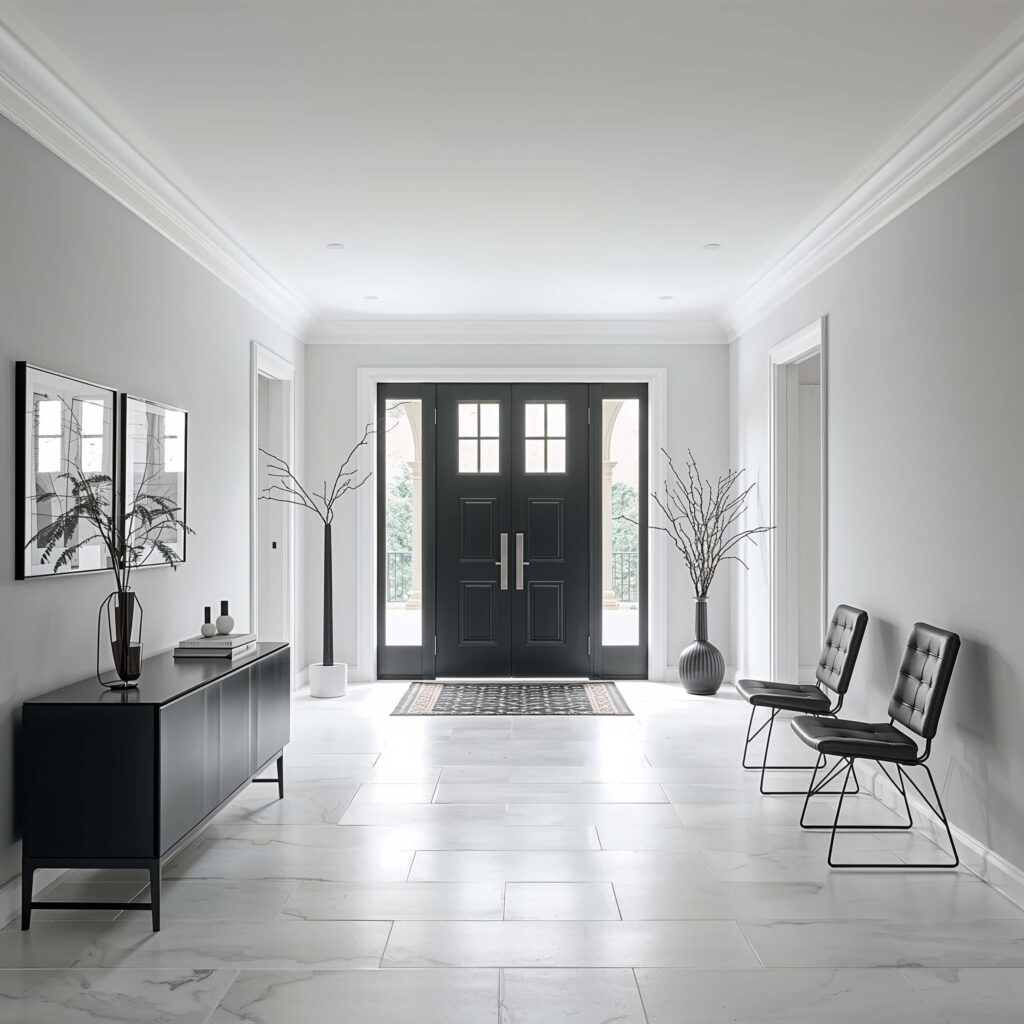
10 Cozy Ceiling Design Modern Ideas for Stylish Living Spaces
- Ceiling Design
 Ben
Ben- 0
- 25 minutes read
Modern ceiling design completely changed how I think about interior spaces. I used to walk into rooms and never look up – until I stayed at this insanely cool boutique hotel in Copenhagen where the ceiling was literally the star of the show.
Black geometric patterns, hidden LED strips, and this floating effect that made me question physics. That’s when it hit me: we’ve been ignoring the fifth wall for way too long.
Here’s what nobody tells you about modern ceiling design: it’s the fastest way to make any room look expensive, current, and professionally designed.
While everyone else obsesses over throw pillows and wall art, you can create a space that feels like it belongs in an architecture magazine just by looking up and getting creative.
I’ve experimented with eight different modern ceiling designs in my own home and helped friends with countless others.
Some worked brilliantly (my floating ceiling gets compliments daily), others taught me valuable lessons (turns out, all-black ceilings in small rooms aren’t always the vibe). Let me share ten modern ceiling ideas that actually deliver on both style and function.
1. Minimalist Floating Ceiling with LED Strips
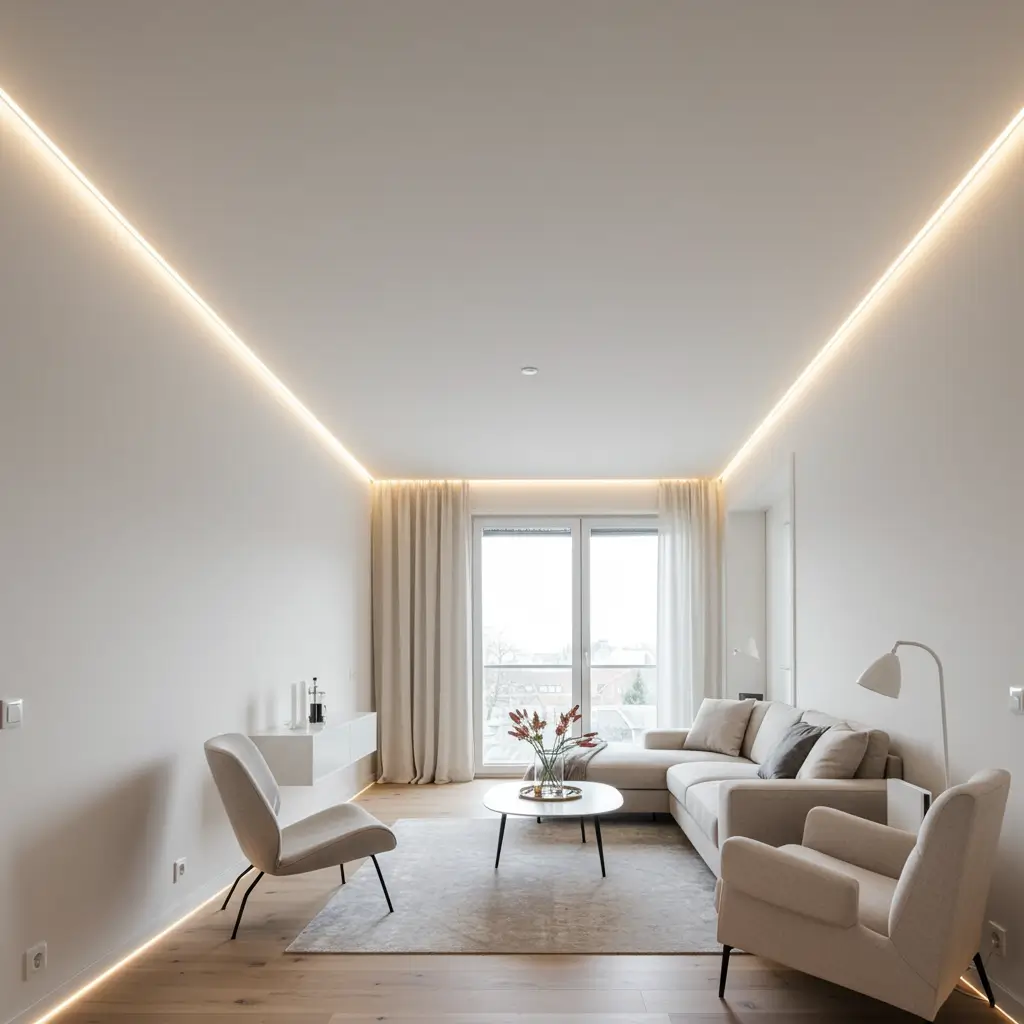
Floating ceilings with LED strips create this incredible illusion that makes your ceiling look like it’s levitating. I installed one in my living room last year, and every single person who visits asks how the ceiling is “floating.” The gap between the ceiling and walls, filled with hidden LED strips, creates a soft glow that makes the entire ceiling appear weightless.
The beauty of this design lies in its simplicity. Clean lines, no visible fixtures, just pure architectural elegance that makes everything else in the room look more expensive. My furniture didn’t change, but suddenly my IKEA sofa looked like it belonged in a designer showroom.
Creating the Float Effect
The key to a convincing floating ceiling is the shadow gap. Mine is exactly 4 inches wide – enough to hide the LED strips completely while creating that dramatic separation. Too narrow and you lose the effect. Too wide and it looks like a construction mistake.
Choose your LED color temperature wisely. I went with tunable whites that shift from energizing daylight to warm candlelight. Morning coffee gets bright, crisp light. Evening Netflix sessions get that cozy amber glow. The mood shift is incredible.
Don’t cheap out on the LED strips. I learned this the hard way when my first bargain strips started flickering after three months. Quality strips with proper drivers cost more upfront but save headaches later. Plus, consistent light without dead spots makes all the difference.
2. Geometric Patterned False Ceiling
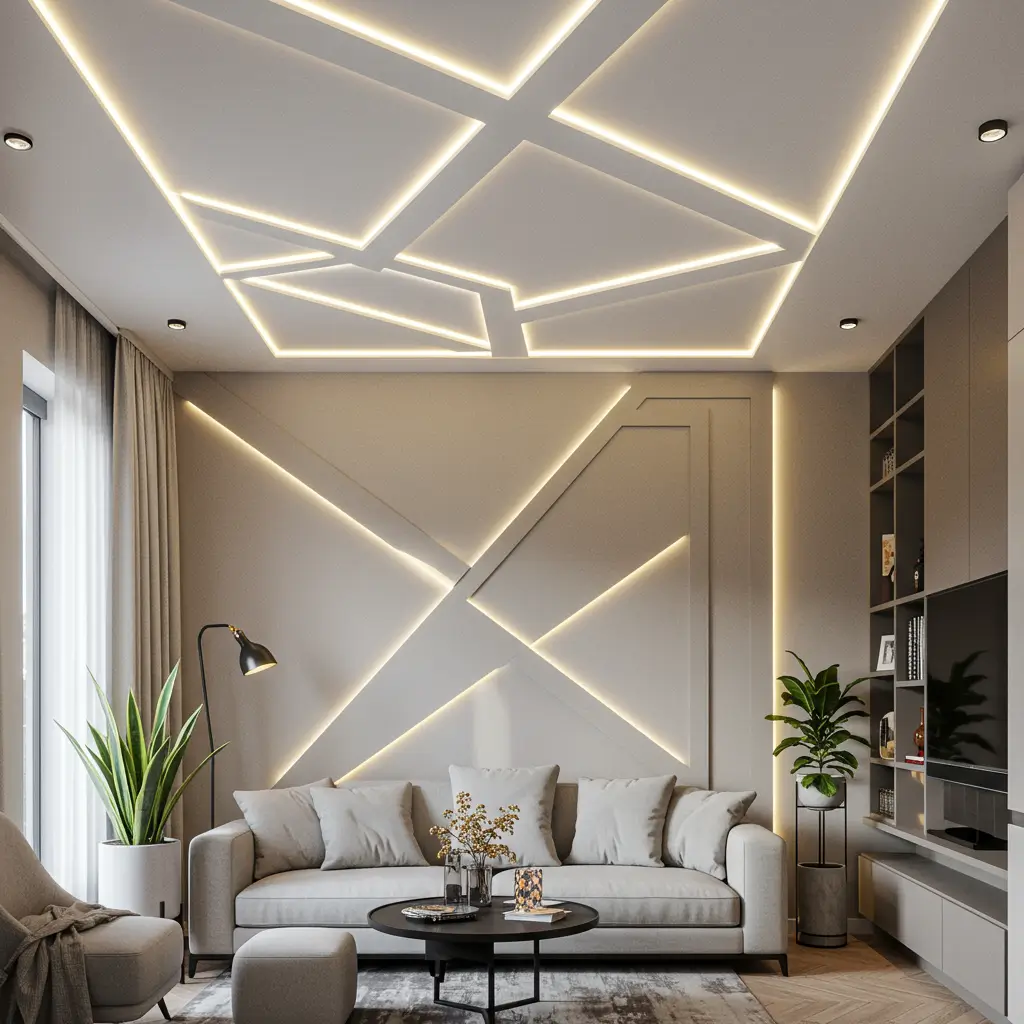
Geometric patterns on ceilings turn boring flat surfaces into three-dimensional art installations. My home office features interlocking triangles at different depths, and the play of shadows throughout the day creates this constantly changing visual that keeps my creative juices flowing.
The pattern you choose says everything about your style. Hexagons feel organic and modern. Triangles create dynamic energy. Squares and rectangles offer classic sophistication. I spent weeks sketching patterns before landing on my triangular design, and the effort shows.
Geometry That Works
Start with a scaled drawing before committing to any geometric pattern. What looks amazing on paper might feel overwhelming full-size. I created cardboard templates and taped them to my ceiling for a week. Living with the pattern helps you know if you’ll love it long-term.
Consider how your pattern interacts with room proportions. Long, narrow rooms benefit from patterns that run width-wise. Square rooms can handle radial patterns emanating from the center. My rectangular office uses diagonal triangles that make the space feel larger and more dynamic.
Lighting makes or breaks geometric ceilings. I installed micro-spotlights at key intersections of my pattern. The focused light creates dramatic shadows that emphasize the geometry. Without proper lighting, even the best pattern looks flat and lifeless.
3. Wooden Slat Modern Ceiling Design
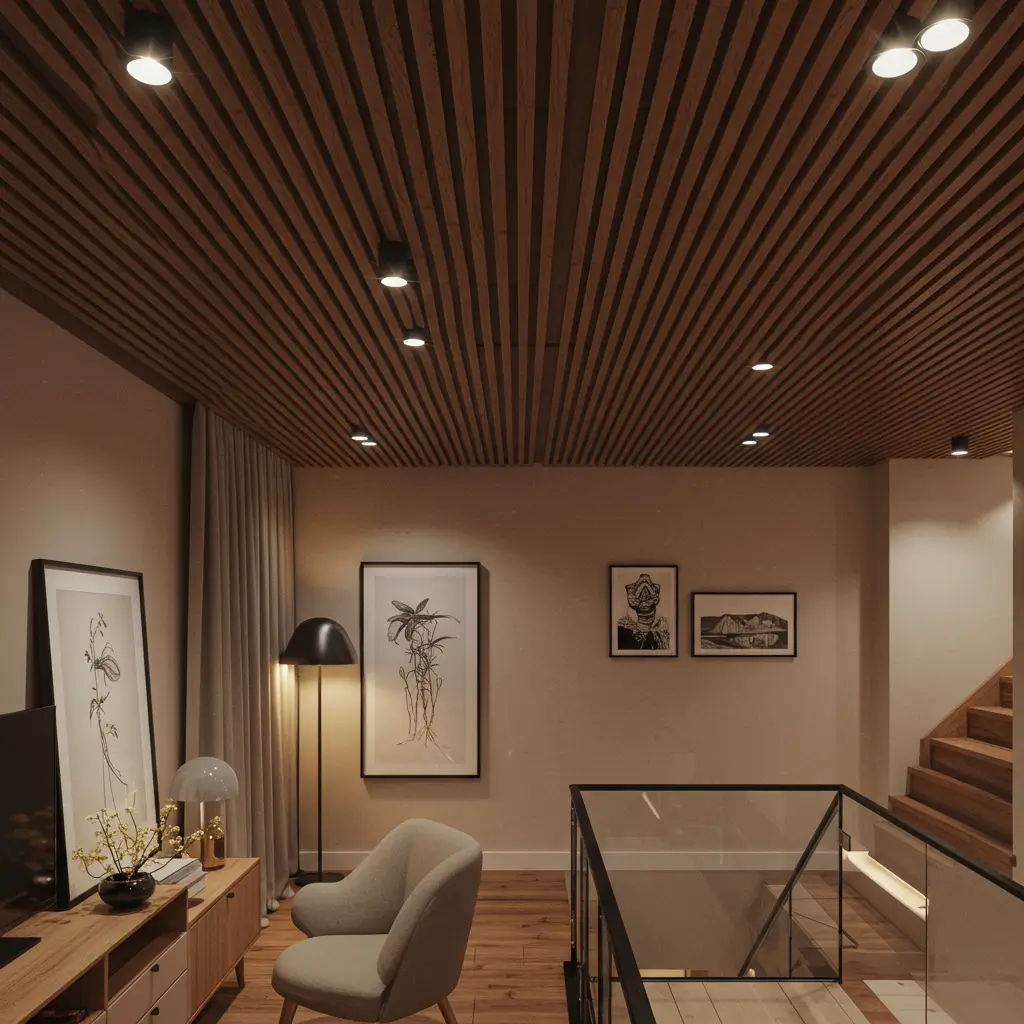
Wooden slats bring warmth to modern design without sacrificing clean lines. I installed parallel oak slats in my bedroom, and the natural wood grain adds texture and coziness that painted ceilings could never achieve. Plus, the acoustic benefits are real – my room went from echo chamber to recording studio quality.
The spacing between slats creates rhythm and visual interest. Mine are spaced exactly 2 inches apart with black acoustic backing visible between them. This creates a striking linear pattern while also absorbing sound. My upstairs neighbors’ footsteps? Barely audible now.
Slat Success Strategies
Direction matters more than you’d think. Slats running parallel to the longest wall make rooms feel even longer. Perpendicular slats widen narrow spaces. I ran mine diagonally for a dynamic effect that draws the eye upward and outward.
Mix slat widths for a more organic, less institutional look. My bedroom combines 2-inch, 3-inch, and 4-inch slats in a repeating pattern. The variation adds visual interest without chaos. All identical slats can feel too rigid and commercial.
Consider the maintenance factor. Wood slats collect dust in the gaps. I vacuum mine monthly with a brush attachment. Some friends opted for sealed designs that are easier to clean but lose some acoustic benefit. Choose based on your tolerance for maintenance.
Also Read: 12 Stylish False Ceiling Design Ideas and Home Makeovers
4. Curved Layered Ceiling with Recessed Lights
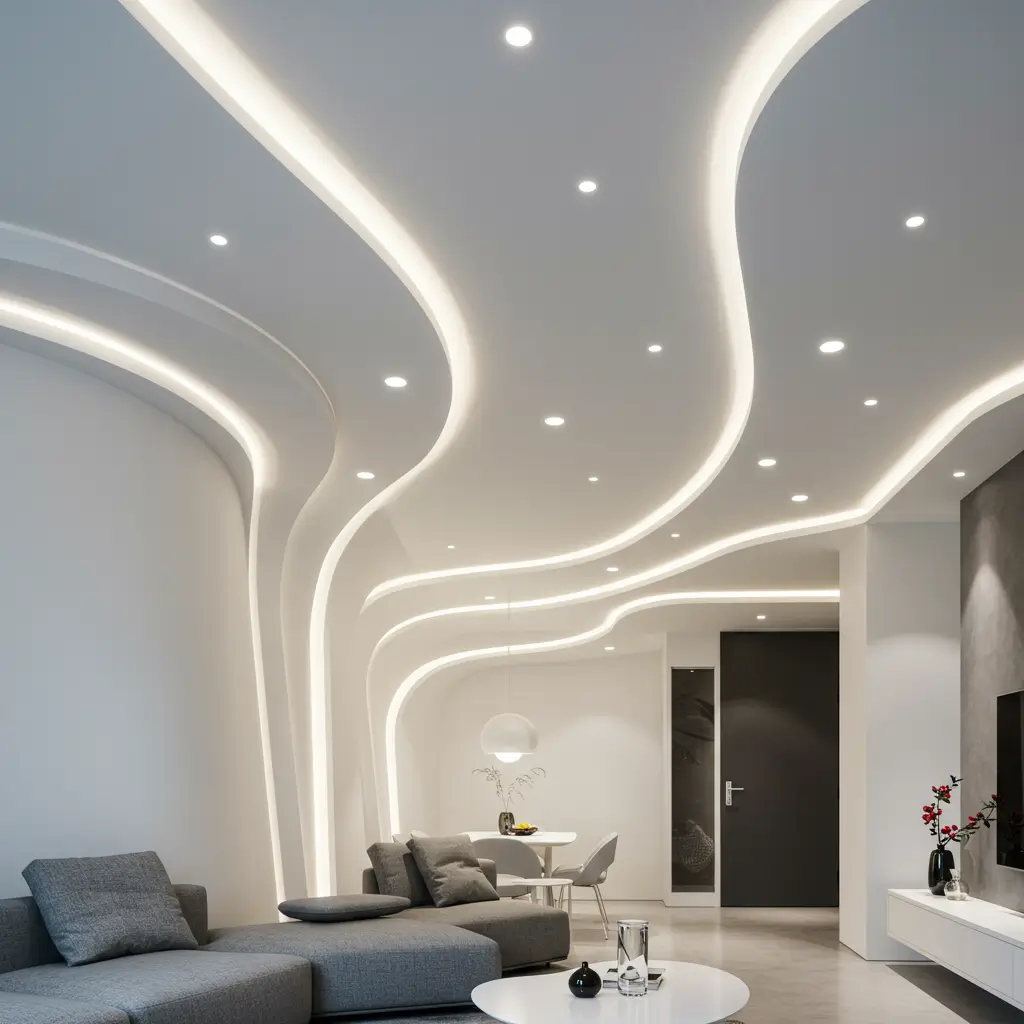
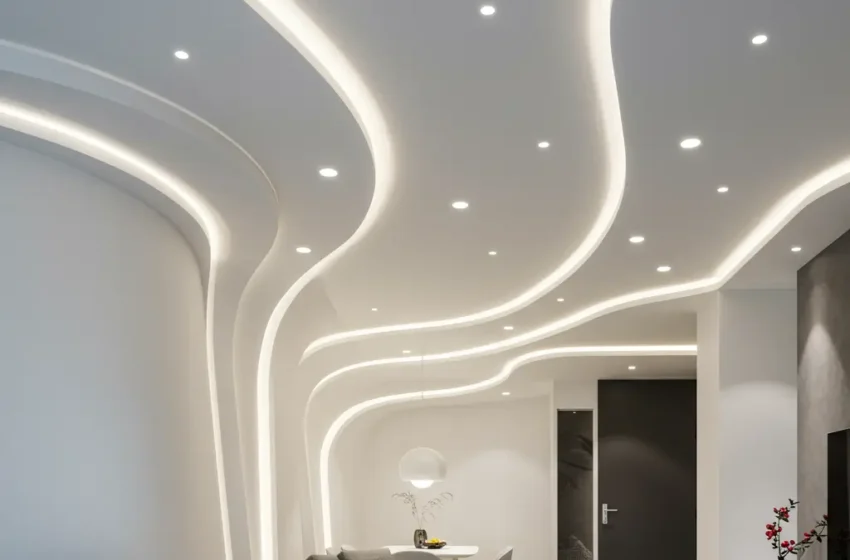
Curved ceilings break up all those right angles that dominate modern architecture. My dining room features a swooping curved layer that drops from the main ceiling, creating this river of light from recessed fixtures. Every dinner party feels special under that sculptural ceiling.
The curves soften harsh modern aesthetics while maintaining contemporary appeal. Think of it as adding a smile to your room’s face. The gentle arc in my dining room makes the space feel more welcoming and less “modernist box.”
Mastering the Curve
Plan your curves to complement traffic flow. My dining room curve follows the natural path from kitchen to living room. The ceiling literally guides movement through the space. Random curves look arbitrary, but thoughtful ones feel inevitable.
Multiple layers create incredible depth. My design has three subtle levels – the main ceiling, a curved intermediate layer, and the lowest section over the dining table. Each houses different lighting for ultimate flexibility. The layering makes my standard 9-foot ceiling feel cathedral-like.
FYI, curved ceilings require skilled installers. This isn’t a weekend DIY project unless you’re seriously experienced. My installer created custom formwork for the curves. The result justified the extra cost, but budget accordingly.
5. Black and White Contrast Modern Ceiling
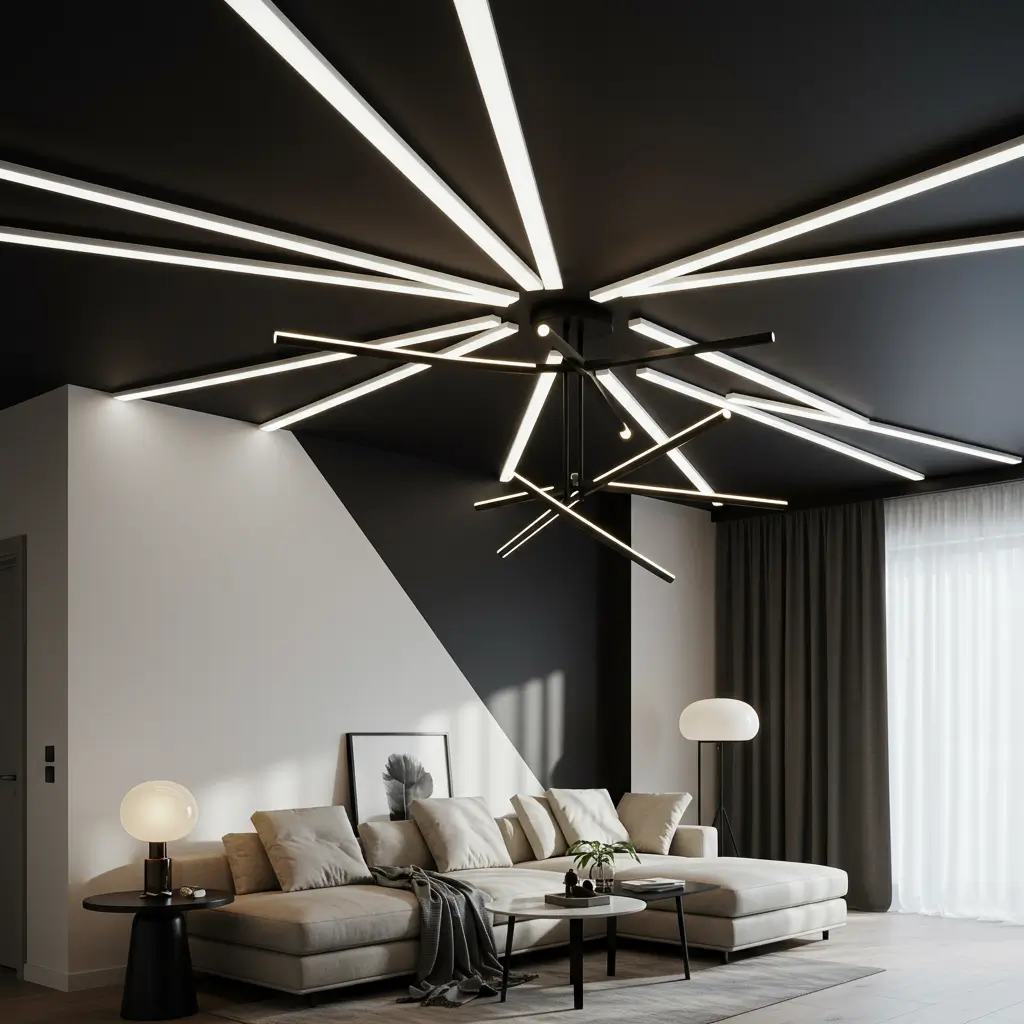
Black and white ceilings create drama that color simply can’t match. I painted my guest bedroom ceiling with bold black and white stripes, and it went from forgettable spare room to the most photographed space in my house. The high contrast makes everything else in the room pop.
The key lies in balance and proportion. Too much black feels oppressive. Too much white feels safe and boring. My 60/40 white-to-black ratio creates impact without overwhelming. The room feels sophisticated, not goth teenager bedroom.
Contrasting Without Clashing
Use the contrast to define zones in open spaces. My open-plan apartment has white ceiling over the living area and black over the dining space. The color change creates distinct areas without walls. It’s like having separate rooms while maintaining flow.
Finish matters enormously with black ceilings. Matte black absorbs light and can make rooms feel smaller. Semi-gloss reflects light and maintains spaciousness. I chose eggshell – enough sheen to reflect light without looking like a patent leather ceiling.
Add metallic accents to bridge black and white. Chrome, silver, or brushed nickel fixtures tie the contrast together. My silver track lighting works perfectly against both colors. Gold or brass can work too but require more careful coordination.
6. Glass Panel Ceiling with Ambient Lighting
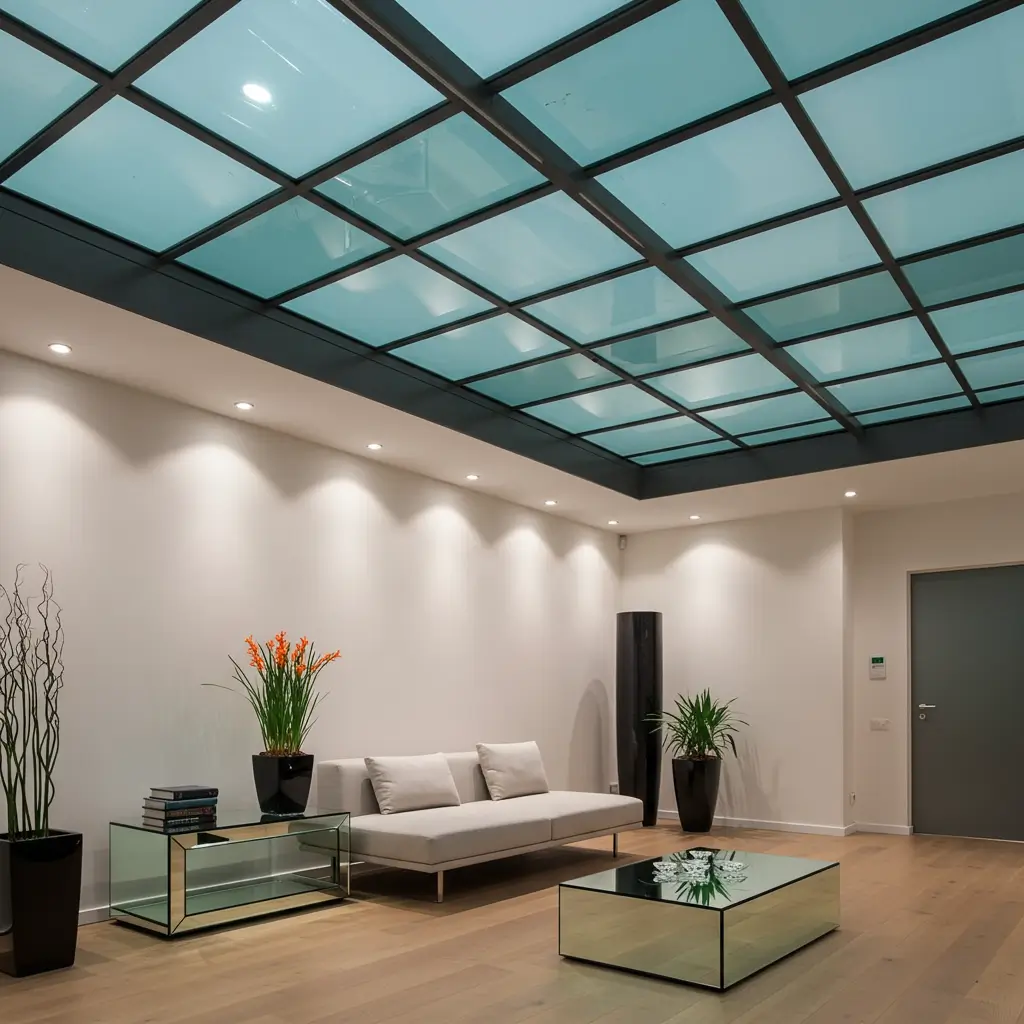
Glass panel ceilings create luminous surfaces that feel both modern and ethereal. I installed frosted glass panels with color-changing LEDs above them in my bathroom, and now every shower feels like a spa experience. The diffused light eliminates harsh shadows completely.
The panels don’t just look amazing – they’re functional too. The smooth glass surface resists moisture better than painted drywall. No more ceiling mold or peeling paint in the bathroom. The panels wipe clean with glass cleaner.
Getting Glassy
Safety comes first with overhead glass. Always use tempered or laminated glass. Regular glass is a lawsuit waiting to happen. My panels are laminated with a safety film that holds everything together even if the glass cracks.
Consider privacy when choosing glass opacity. Frosted diffuses light beautifully while hiding what’s above. Clear glass shows every wire and duct. I learned this after installing one clear panel as an accent – immediately replaced it with frosted.
Plan access panels for maintenance. Glass ceilings look seamless but you still need to access what’s above occasionally. My bathroom has one hinged panel in the corner for electrical access. It’s nearly invisible but saves major headaches when needed.
Also Read: 10 Inspiring Ceiling Design Ideas and Cozy Living Spaces
7. Industrial Concrete Modern Ceiling
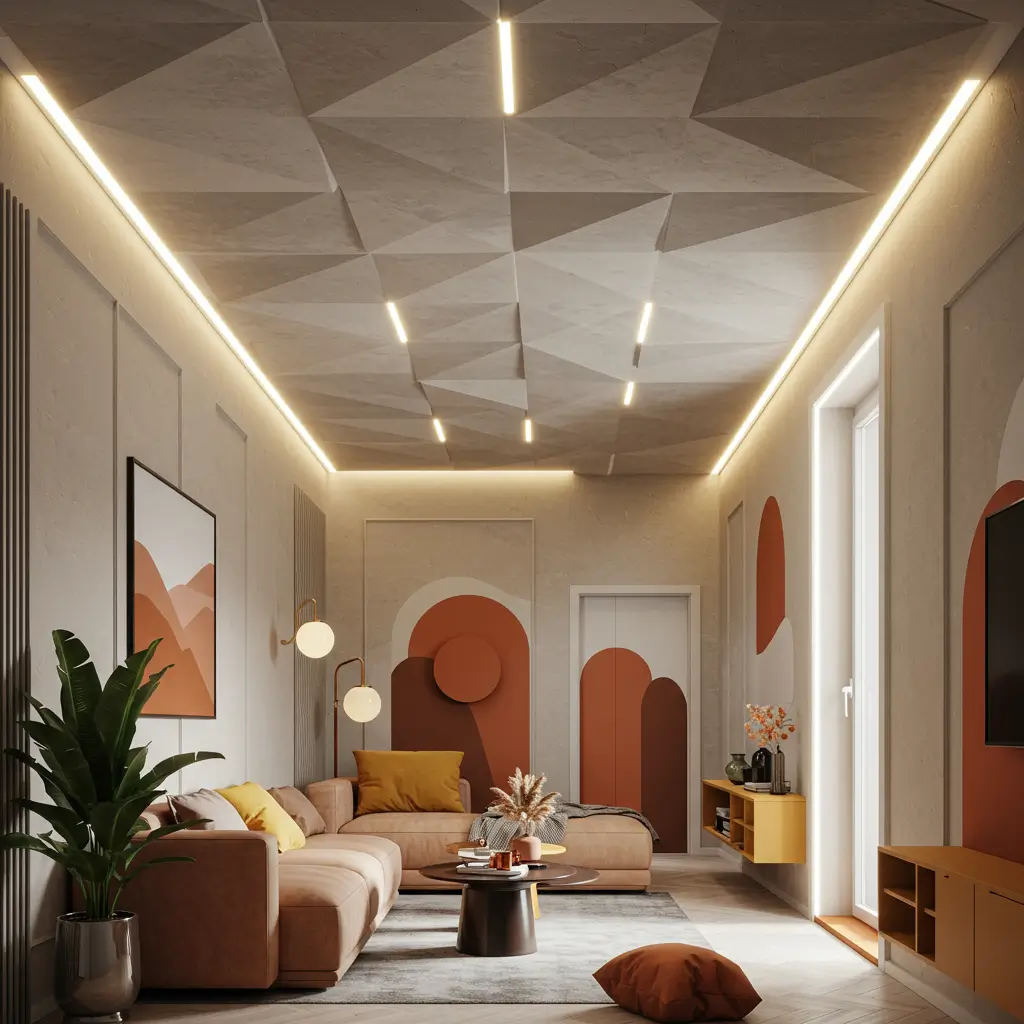
Concrete ceilings bring raw industrial edge to modern spaces. I kept the exposed concrete ceiling when renovating my loft, and it’s become the defining feature everyone remembers. The texture and color variations tell the building’s story while looking utterly contemporary.
Not everyone has actual concrete ceilings to expose, but modern techniques can create the look. Microcement overlays, concrete-look tiles, or even specialized paint techniques deliver industrial vibes without structural concrete. My friend’s bedroom has faux concrete that fooled a contractor.
Concrete Considerations
Sealing is non-negotiable with real concrete ceilings. Unsealed concrete releases dust constantly. I learned this the hard way – everything in my loft had a fine gray coating until I properly sealed the ceiling. Now it’s maintenance-free and gorgeous.
Lighting becomes crucial with concrete ceilings. The dark surface absorbs light like crazy. I installed twice as many light fixtures as originally planned. Track lighting, pendants, and uplighters work together to prevent cave vibes.
Soften concrete with contrasting textures. All hard surfaces feel cold and unwelcoming. My loft balances concrete with soft furnishings, warm wood, and plenty of textiles. The contrast makes both elements more impactful.
8. Textured 3D Wall-to-Ceiling Design
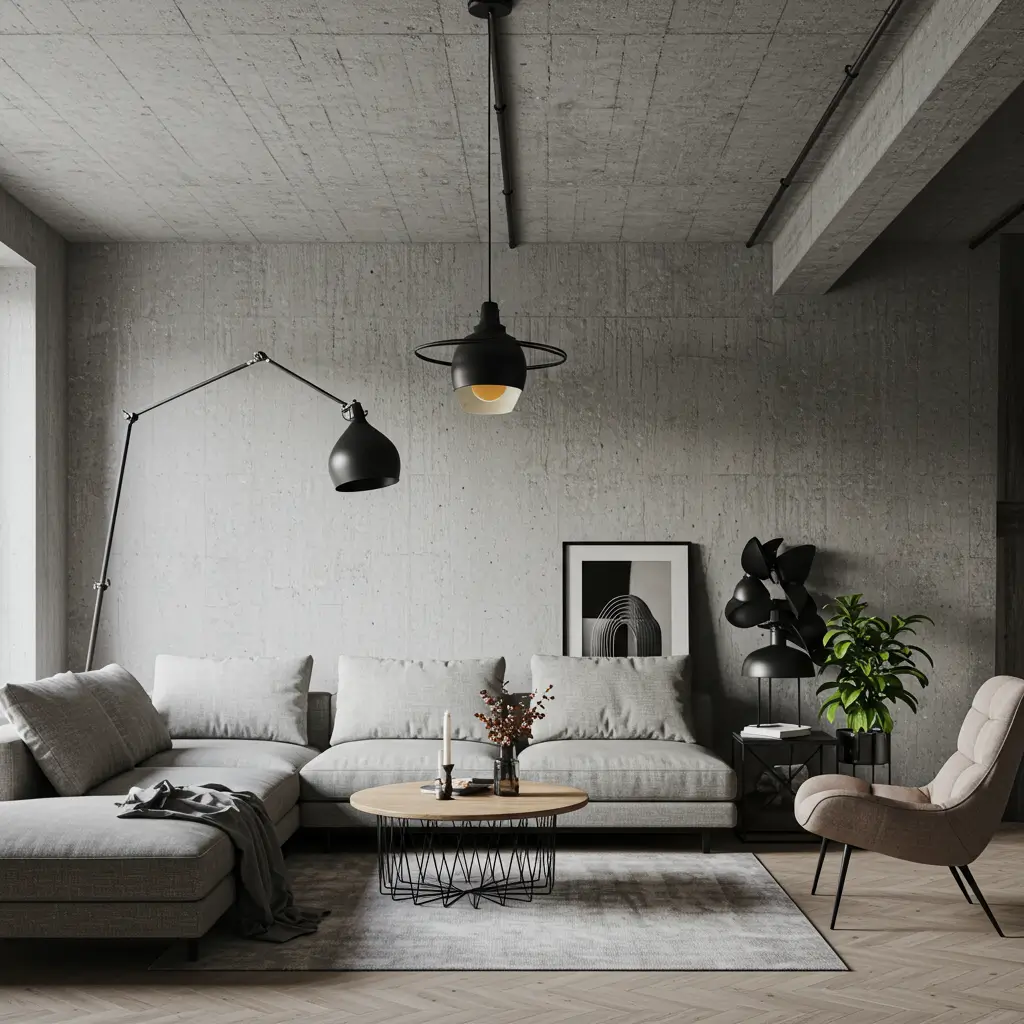
3D textures that flow from wall to ceiling create seamless sculptural environments. My entryway features wavelike patterns that start on one wall and ripple across the ceiling, making the small space feel like an art installation.
Modern 3D panels come in countless patterns – waves, geometric shapes, organic forms. The key is choosing patterns that enhance rather than overwhelm your space. My subtle wave pattern adds interest without inducing seasickness.
Adding Dimension Successfully
Scale your texture to room size. Large patterns in small rooms feel oppressive. Tiny patterns in huge spaces disappear. My 8×10 entryway has medium-scale waves that feel proportional. Test with samples before committing to full installation.
Lighting transforms 3D textures throughout the day. Morning sun creates long shadows. Evening spotlights emphasize depth. I installed adjustable spots specifically to highlight different texture aspects at different times. The ceiling becomes kinetic art.
Know when to stop. Textured ceilings make huge statements. Keep walls and floors simple to avoid sensory overload. My entryway has textured ceiling flowing onto one wall, but other walls stay plain white. Balance prevents chaos.
9. Cove Lighting Tray Ceiling
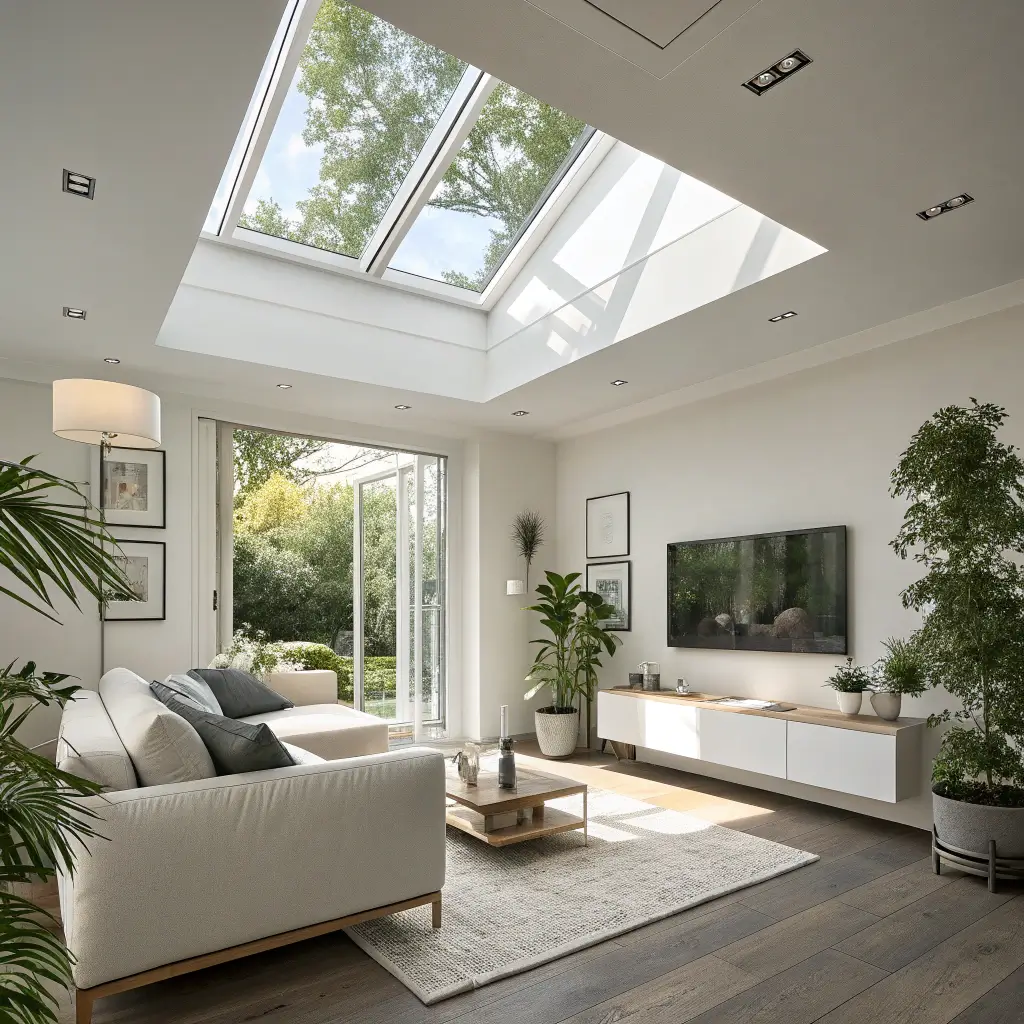
Tray ceilings with cove lighting create layers of illumination that make rooms feel larger and more luxurious. My master bedroom’s tray ceiling has three lighting zones – perimeter cove lights, center chandelier, and reading spots. The flexibility transforms the room for any activity.
The recessed center section adds architectural interest while housing utilities. My tray hides AC vents, smoke detectors, and speakers while looking intentional and elegant. Form meets function in the best way.
Tray Ceiling Mastery
Proportion the tray to your room size. Standard drops are 6-12 inches. My 12×14 bedroom has an 8-inch drop – enough for impact without feeling low. Deeper trays work in rooms with higher ceilings.
Layer your lighting types for maximum flexibility. My cove has warm white strips for ambiance. The center has cool white for tasks. Reading lights provide focused illumination. Each circuit has separate controls for infinite combinations.
IMO, painted tray interiors add unexpected interest. My tray interior is deep navy while the room stays white. The color adds depth and makes the white ceiling appear higher. Subtle but impactful :/
Also Read: 15 Elegant Bedroom Ceiling Design Modern Ideas for Cozy Vibe
10. Modern Skylight Integration Ceiling
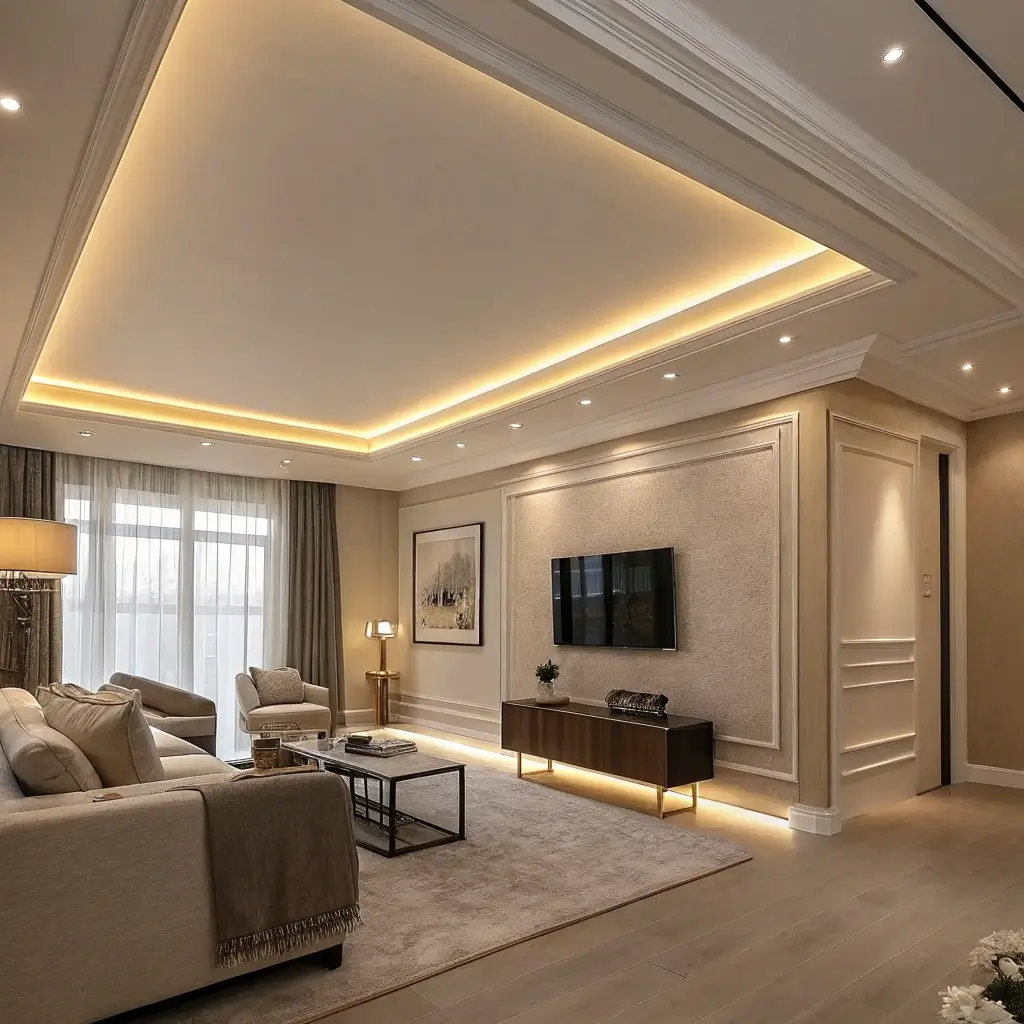
Skylights aren’t just holes in your roof anymore. Modern skylight integration creates architectural features that flood spaces with natural light while maintaining clean ceiling lines. My kitchen skylight well extends into a light shaft with LED supplements for cloudy days.
The integration goes beyond the skylight itself. Surrounding ceiling design emphasizes the natural light source. My kitchen has concentric rectangular frames stepping up toward the skylight, creating a sculptural light well that’s gorgeous even at night.
Skylight Success
Position skylights based on sun path, not just room center. My kitchen skylight sits slightly north of center to avoid harsh afternoon sun on the cooking area. Morning light brightens breakfast; afternoon light stays indirect.
Add automated blinds or smart glass for light control. Nothing worse than being blinded while chopping vegetables. My electrochromic glass tints on command. Expensive? Yes. Worth it? Absolutely. No more climbing ladders to adjust blinds.
Integrate artificial lighting for consistency. LED strips around my skylight well provide seamless transition from natural to artificial light. Cloudy days don’t feel gloomy because the light quality stays consistent.
Looking Up to Modern Design
There you have it – ten modern ceiling designs that prove the fifth wall deserves serious attention.
Each approach offers unique benefits, but they all share one goal: transforming forgotten ceiling space into architectural features that define your rooms.
The best modern ceiling design for your space depends on your room’s architecture, your lifestyle, and your commitment to the look. Start with one room and one idea.
My journey began with simple LED strips and evolved into increasingly complex designs as confidence and budget grew.
Remember that modern ceiling design isn’t just about aesthetics. These designs improve lighting quality, define spaces, add acoustic benefits, and can even increase property value.
The upfront investment pays off every time you or guests look up in appreciation.
Don’t let fear of complexity stop you from elevating your ceiling game. Even simple modern updates like painted geometric patterns or basic LED coves create dramatic improvements.
Your ceiling is waiting to become more than just a flat, white afterthought. Time to look up and embrace what modern design can do overhead 🙂