12 Delightful Church Nursery Ideas for Soft and Serene Decor
- Bedroom Design
 Ben
Ben- 0
- 44 minutes read
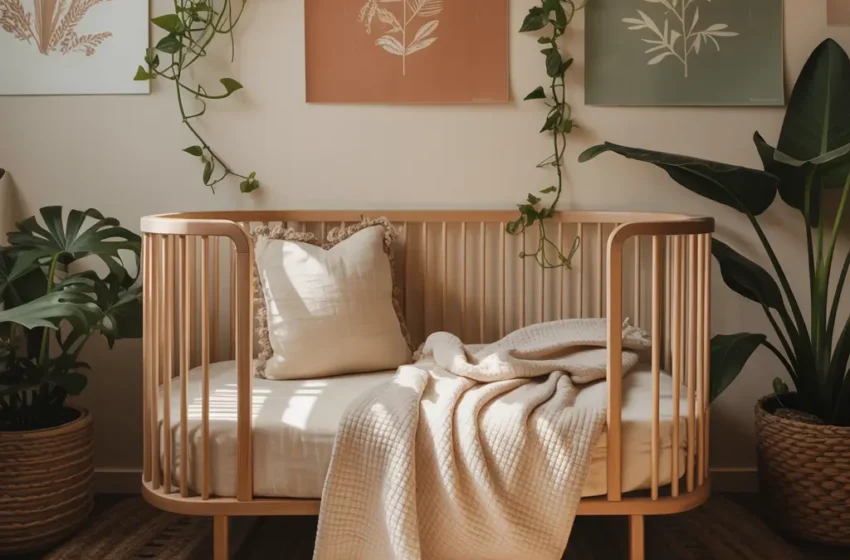
Remember when “neutral nursery” meant beige walls and calling it a day? Yeah, those days are long gone.
Now, neutral nurseries are having their moment, and honestly, after designing three nurseries myself (and repainting them approximately 47 times), I finally get why parents are obsessed with them.
Here’s the thing – neutral doesn’t mean boring. It means you won’t have a panic attack when you find out baby number two is a different gender than expected.
It means your nursery photos won’t look dated in five years. And most importantly, it means you can actually create a calming space that doesn’t assault your eyeballs at 3 AM feedings.
I’ve pulled together 12 neutral nursery ideas that actually have personality. These aren’t your grandmother’s beige boxes – they’re thoughtfully designed spaces that happen to work for any baby, any gender, any time.
Plus, they photograph beautifully for all those monthly milestone shots you’ll definitely keep up with (for the first three months, anyway).
1. Soft Beige & Natural Wood Nursery
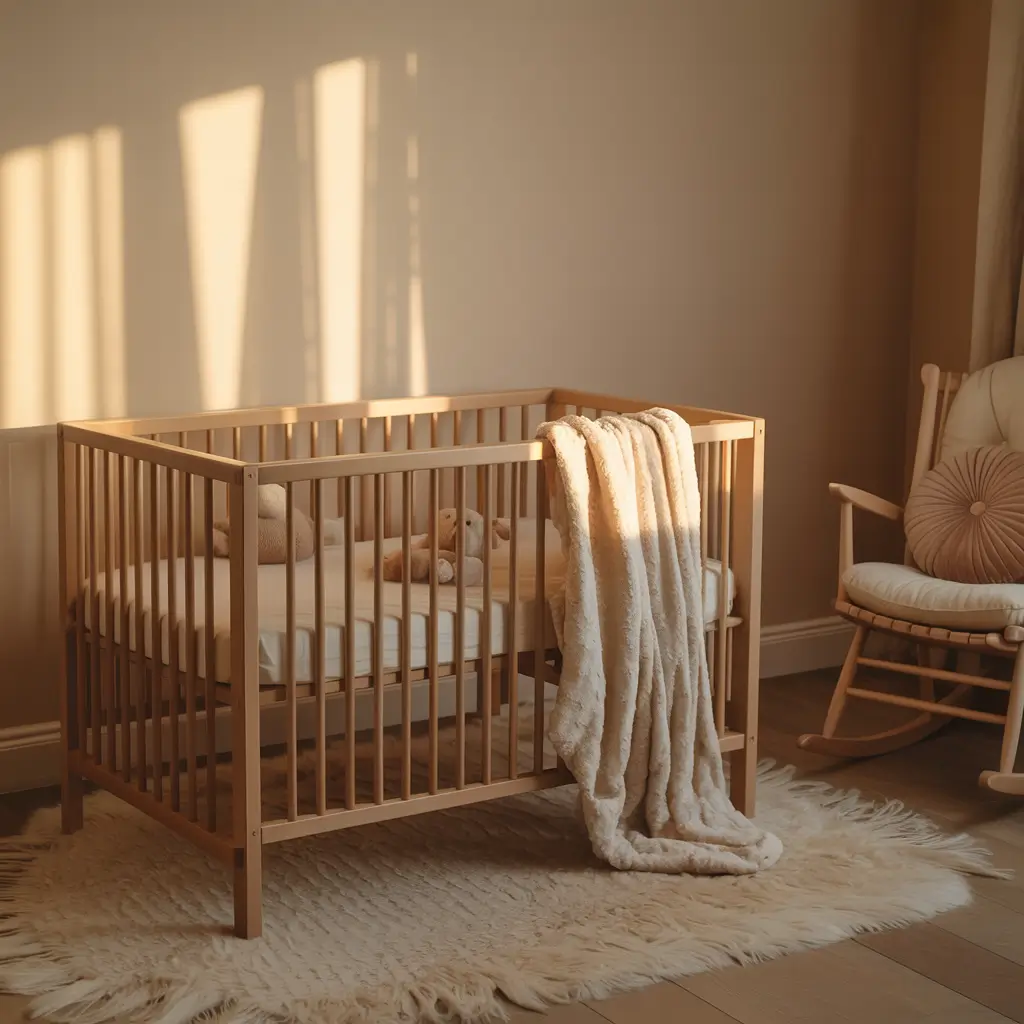
Let’s start with the classic that never fails – soft beige and natural wood. But wait, before you roll your eyes and mutter “boring,” hear me out. This combination creates the perfect blank canvas for literally any style direction you want to take later.
I fell into this design completely by accident. We inherited a gorgeous oak dresser from my mother-in-law, and rather than fight it, I built the whole nursery around it. Best accident ever. The warm wood tones made the beige walls look expensive instead of builder-grade basic.
Why Natural Wood Works Every Time
Natural wood brings something special to a nursery:
• Warmth without color commitment
• Texture that adds visual interest
• Durability that survives toddler years
• Timeless appeal that never looks dated
• Easy coordination with any accent colors
The trick is choosing the right beige. You want warm undertones – think sand, not gray. I made the mistake of choosing a cool beige once, and the whole room felt like a doctor’s office. Warm beiges create that cozy, nestled feeling babies (and exhausted parents) crave.
Making Beige and Wood Pop
Here’s how to keep it interesting:
- Mix different wood tones (yes, it’s allowed!)
- Layer various beige shades through textiles
- Add black accents for contrast
- Include plants for life and color
- Use metallic hardware for subtle glamour
Want to know something funny? This “safe” color scheme actually gives you the most flexibility. You can change the entire vibe with just accessories. Throw in some pink pillows? Suddenly feminine. Add navy accents? Now it’s preppy. Green plants everywhere? Hello, jungle vibes.
2. Scandinavian Minimal Neutral Nursery
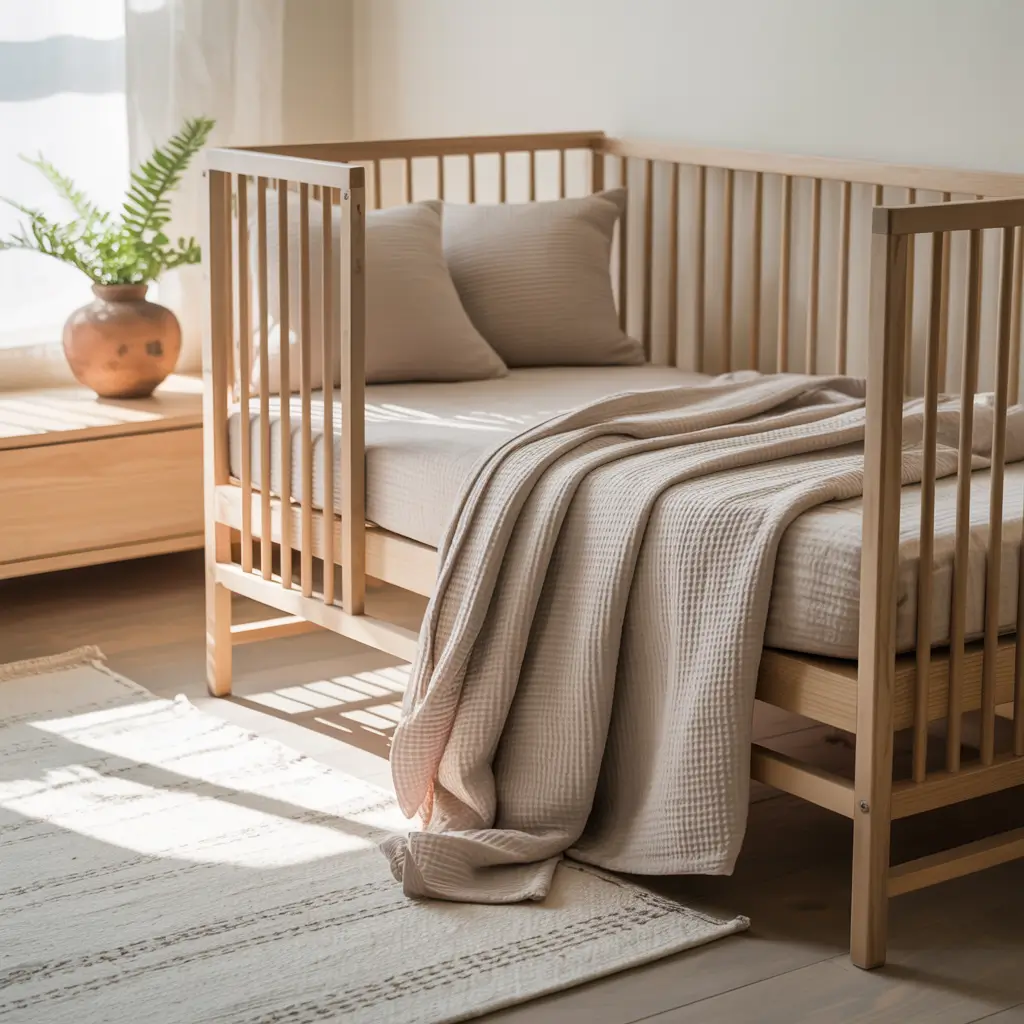
Scandinavian design basically wrote the book on functional beauty, and their nursery game is strong. Think bright, airy spaces with just enough stuff to be functional and not one thing more. As someone who tends to over-decorate (guilty!), this style keeps me in check.
The Scandi approach starts with white walls. Not cream, not ivory – white. It sounds stark, but when you see it in person with all that reflected light, you’ll understand why Norwegians know what they’re doing. My friend’s Scandi nursery literally glows in the morning light.
Essential Scandinavian Elements
To nail authentic Scandi style:
• White or light gray walls as your base
• Pale wood furniture (think birch or white oak)
• Minimal color palette (white, gray, black, wood)
• Functional furniture only – no excess
• Cozy textiles in natural materials
The philosophy here is “lagom” – just the right amount. Not too much, not too little. Every item serves a purpose, and beauty comes from simplicity. Your baby won’t miss the 47 decorative pillows, I promise.
Adding Warmth Without Clutter
Scandinavian doesn’t mean cold:
- Layer different textures (wool, cotton, linen)
- Add one sheepskin rug for instant coziness
- Include warm lighting (never overhead only)
- Display one or two meaningful art pieces
- Keep one basket of carefully chosen toys visible
FYI, this style is perfect for small spaces. When you don’t have room for extras, Scandinavian design makes limitations look intentional. Plus, cleaning takes literally five minutes when you only have five things to clean.
3. Warm Greige Modern Nursery
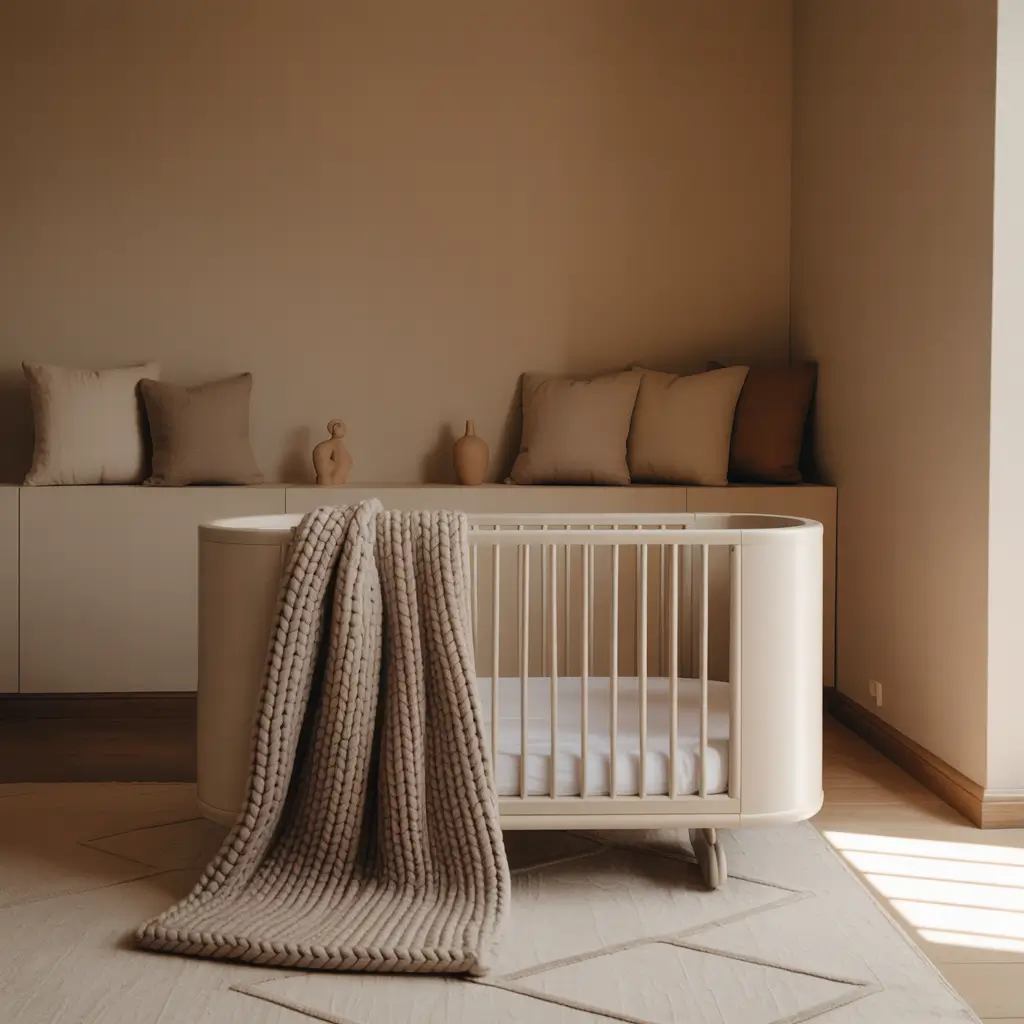
Can we talk about greige for a second? This magical color that couldn’t decide if it wanted to be gray or beige ended up being the perfect neutral that goes with absolutely everything. It’s like the Switzerland of paint colors – completely neutral but somehow interesting.
I discovered greige after my epic fail with a “perfect gray” that looked purple in certain lights. (Why do paint colors lie like that?) Greige eliminates the color-shifting drama while still giving you that modern, sophisticated look gray promises but rarely delivers.
Choosing Your Perfect Greige
Not all greiges are created equal:
• Warm greiges lean beige (perfect for north-facing rooms)
• Cool greiges lean gray (great for sunny spaces)
• True greiges balance both perfectly
• Test samples at different times of day
• Consider your flooring undertones
The best greige for nurseries? Something warm enough to feel cozy but cool enough to feel current. I spent three weeks testing samples – my husband thought I’d lost it. But when we finally found “the one,” even he admitted it was worth the obsession.
Modern Elements That Elevate Greige
Make greige feel contemporary:
- Add black metal accents for contrast
- Include geometric patterns in textiles
- Choose furniture with clean lines
- Layer in white for brightness
- Use wood tones to warm things up
Greige works with literally any accent color. Want to add blush pink later? Perfect. Deciding on navy? Great choice. Going green? Why not? It’s the ultimate foundation for an evolving nursery.
Also Read: 10 Dreamy Baby Girl Nursery Room Ideas with Soft Colors
4. Boho Neutral Nursery with Textures
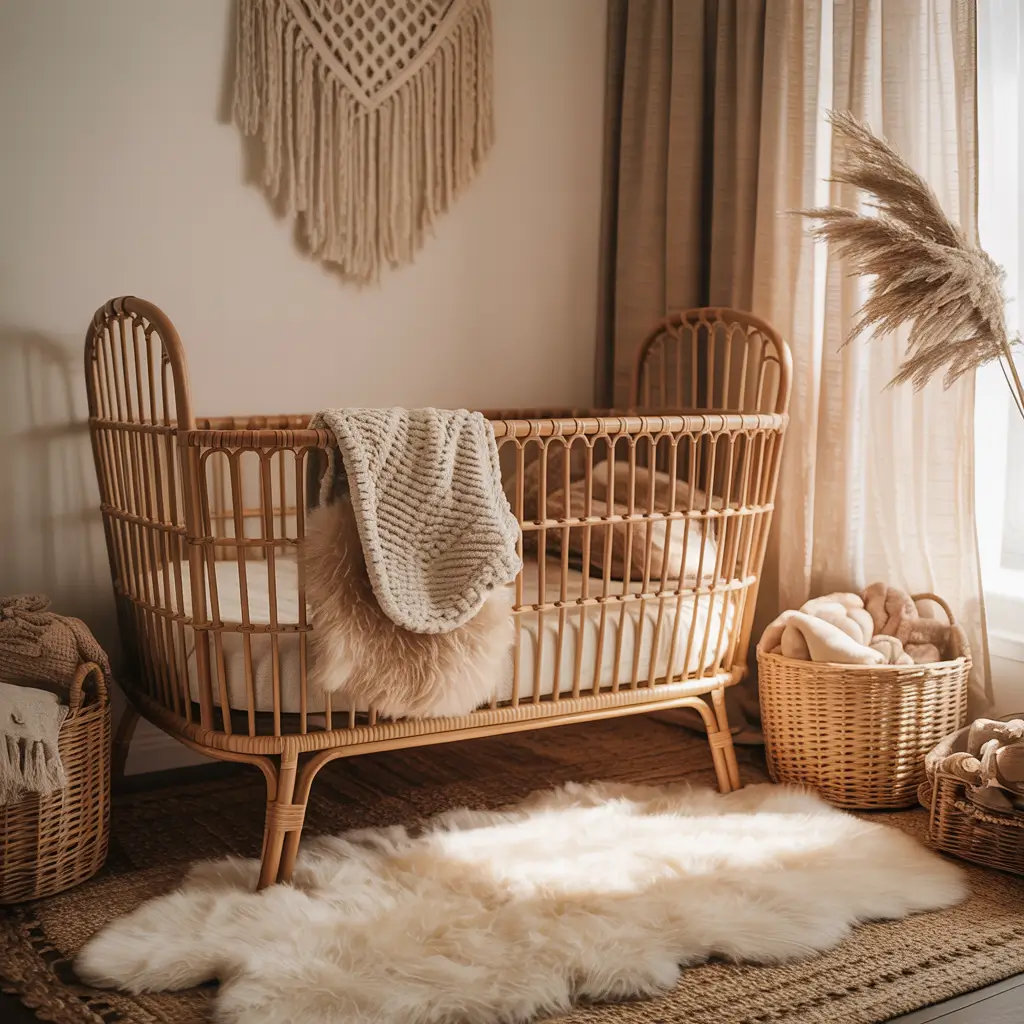
Boho neutral is basically permission to layer every texture you love and call it intentional. After years of trying to match everything perfectly, this style finally let me embrace my “more is more” tendencies while keeping a cohesive color palette.
The secret to neutral boho? Stick to a tight color scheme but go wild with textures. We’re talking macramé, rattan, jute, cotton, wool, wood – if it’s natural and touchable, it belongs here.
Texture Layering Like a Pro
Essential boho textures to mix:
• Macramé wall hangings (at safe heights!)
• Jute or sisal rugs for grounding
• Rattan furniture or lighting
• Chunky knit blankets for softness
• Tasseled or fringed accents
• Woven baskets for storage
The key is balance. For every rough texture (jute, rattan), add something soft (cotton, wool). For every busy pattern, include solid colors. It’s controlled chaos, and somehow it works.
Keeping Boho Baby-Safe
Real talk about boho with babies:
- Mount all hangings well above crib height
- Skip floor cushions until toddler years
- Choose washable rugs (trust me on this)
- Secure lightweight furniture to walls
- Avoid small decorative objects
I learned these lessons the hard way. That gorgeous low-hanging plant? My daughter tried to eat it. The decorative ladder shelf? Became a climbing structure. Safety first, Instagram second.
5. Earth-Tone Nature Inspired Nursery
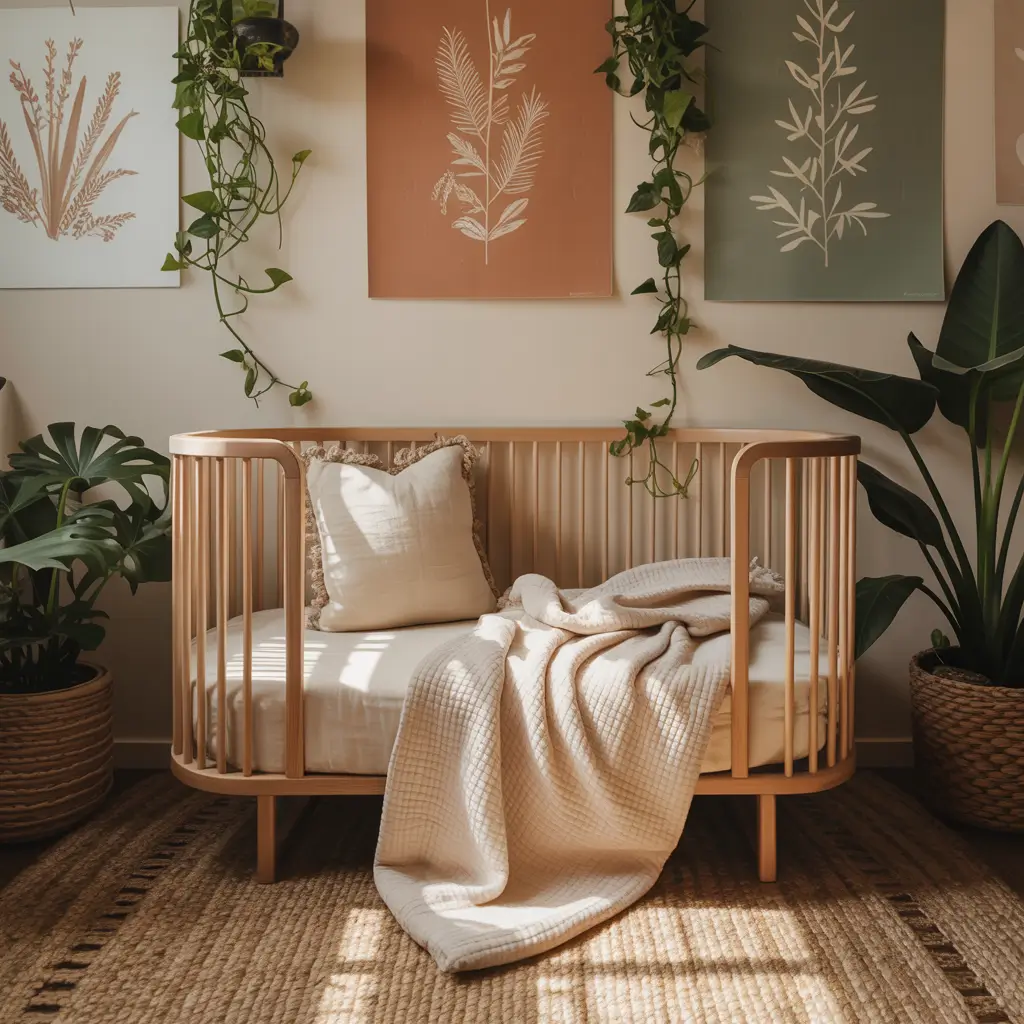
Earth tones are having such a moment, and honestly, it makes sense. These colors literally surround us in nature, so of course they create calming, grounding spaces. Plus, they hide dirt like champions – crucial for nursery survival.
My earth-tone nursery started with a paint chip called “Canyon Clay” that made my heart skip a beat. From there, I built a palette of terracotta, sage, sand, and warm brown. The result? A room that feels like a very chic desert retreat.
Building Your Earth Tone Palette
Colors that work beautifully together:
• Terracotta or rust for warmth
• Sage or olive green for life
• Sand or tan for neutrality
• Warm brown for grounding
• Cream for breathing room
The trick is choosing muted versions of these colors. You want whisper-soft sage, not kelly green. Think dusty terracotta, not bright orange. Subtlety is your friend here.
Natural Elements That Complete the Look
Bring the outdoors in:
- Wood furniture in various tones
- Stone or ceramic accessories
- Woven grass baskets
- Linen or cotton textiles
- Live plants (in safe locations)
Ever notice how nature never clashes with itself? That’s the beauty of earth tones – they naturally harmonize. You can mix warm and cool earth tones without the usual color theory stress.
6. Cream & Linen Cozy Nursery
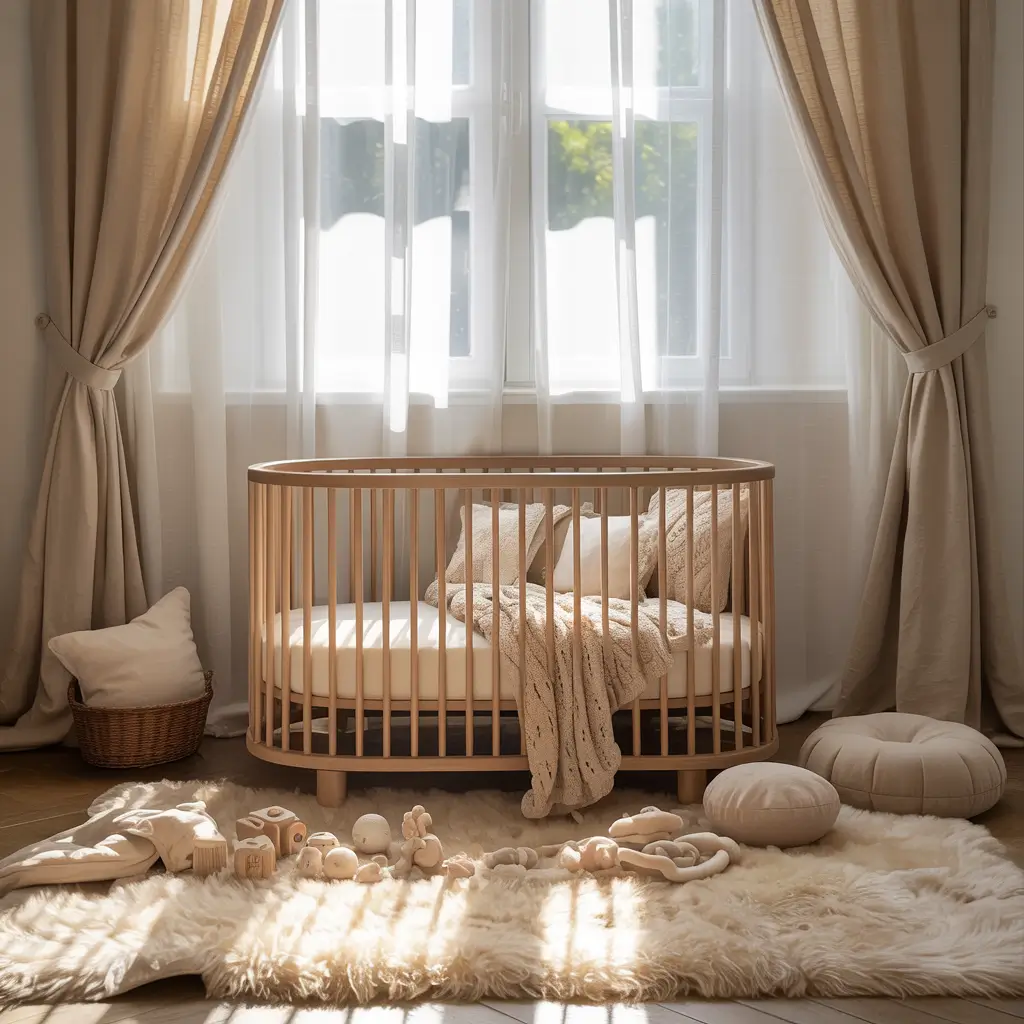
Cream and linen is basically the nursery equivalent of a warm hug. It’s soft, inviting, and makes everyone want to take a nap immediately. Which, let’s be honest, is exactly the vibe you want in a nursery.
I stumbled into this palette when I couldn’t decide between white and beige. Cream split the difference perfectly, and linen (the color, not just the fabric) added just enough depth to keep things interesting.
Why Cream Beats White
Cream has secret superpowers:
• More forgiving than white with stains
• Warmer and cozier feeling
• Works with both warm and cool accents
• Less stark in photos
• Ages beautifully over time
The biggest mistake people make with cream? Choosing one that’s too yellow. You want barely-there cream, like white with just a whisper of warmth. Test it against pure white – if it looks obviously yellow, keep looking.
Layering Linens for Luxury
Create that expensive hotel feel:
- Mix different linen shades
- Vary textures (smooth, slubby, woven)
- Add one plush element (faux fur or velvet)
- Include natural wood accents
- Keep metals warm (brass or gold)
This palette grows beautifully with kids. Add any color as they develop preferences, and it works. My daughter’s cream nursery now has rainbow art everywhere, and somehow it still looks intentional.
Also Read: 10 Smart Small Nursery Ideas and Functional Furniture Plans
7. Neutral Safari Animal Nursery
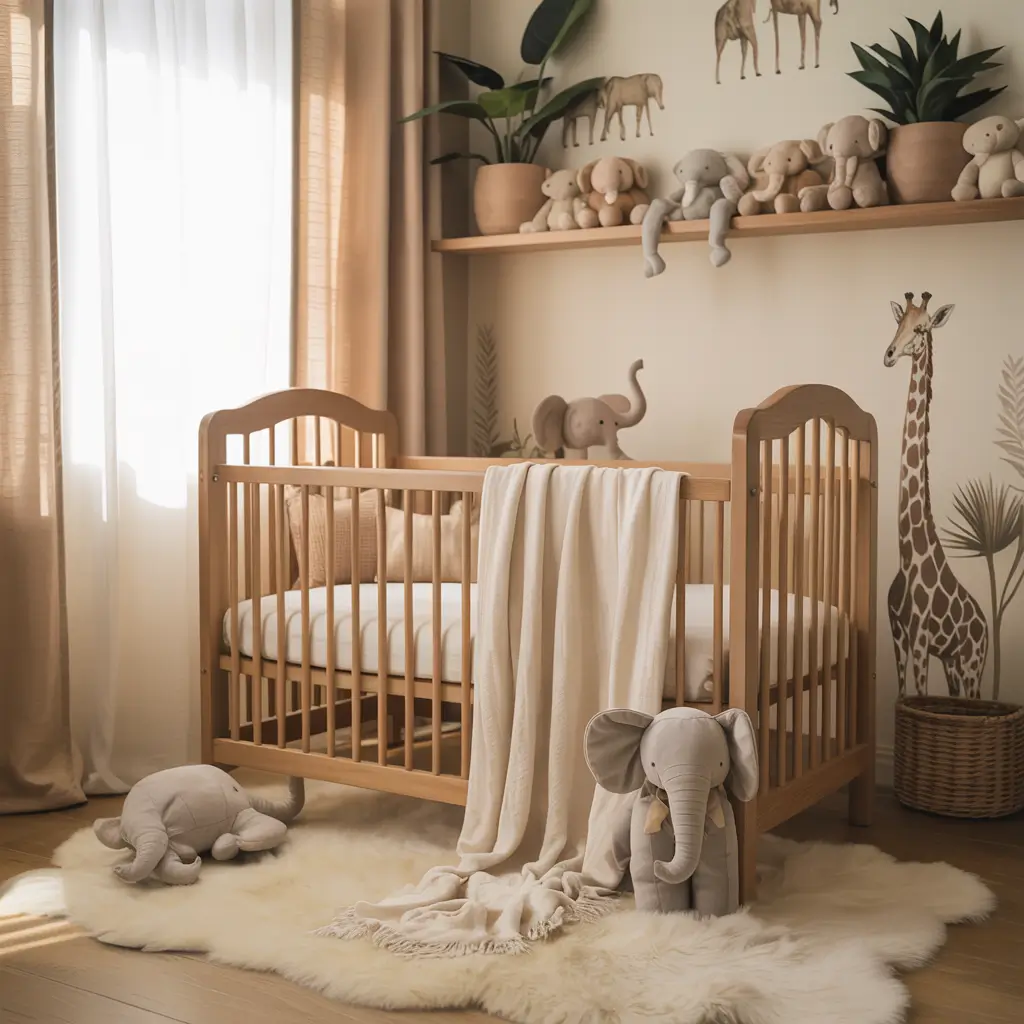
Who says safari has to mean bright orange tigers and neon green leaves? Neutral safari is sophisticated, educational, and genuinely adorable. Plus, you get to make animal sounds during storytime, which never gets old.
My neighbor nailed this theme using only browns, tans, and creams with the most beautiful watercolor animal prints. No cartoon characters, no primary colors – just elegant animals that looked like they belonged in an art gallery.
Choosing Your Safari Stars
Animal art that works:
• Watercolor or sketch-style prints
• Black and white animal photography
• Minimalist line drawings
• Vintage zoological illustrations
• Abstract animal shapes
Skip the googly-eyed cartoon animals. You want pieces that’ll still look good when your kid is ten and too cool for “baby stuff.”
Safari Styling Without the Kitsch
Keep it classy:
- Stick to neutral colored animals
- Use natural textures (jute, rattan, wood)
- Add subtle pattern through textiles
- Include maps or botanical prints
- Display wooden animal toys as decor
The best part about safari themes? Built-in education. You’ll naturally teach animal names, sounds, and habitats. It’s basically a nursery that doubles as a classroom :/
8. Japandi Style Neutral Nursery
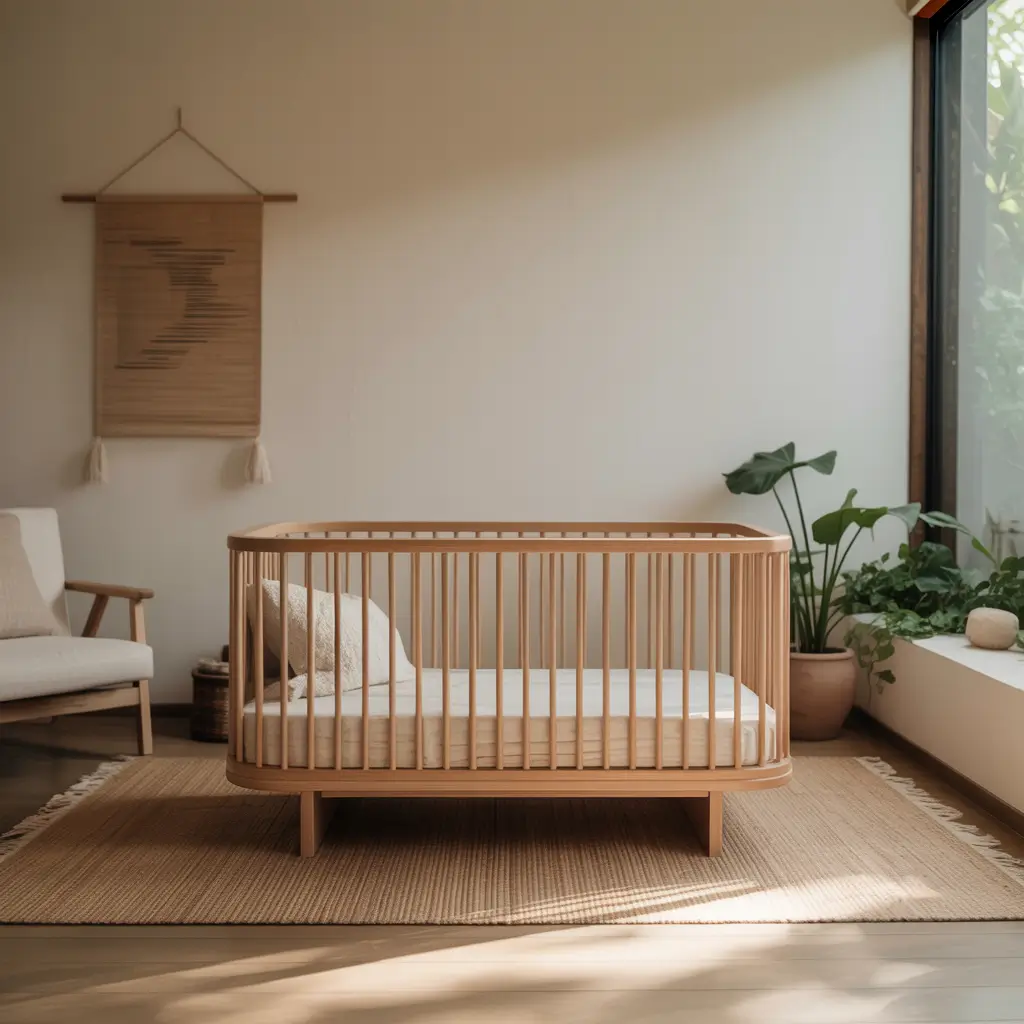
Japandi is what happens when Japanese minimalism meets Scandinavian coziness, and honestly, it might be the perfect nursery style. You get the calm of Japanese design with the warmth of Scandinavian comfort. Best of both worlds.
I discovered Japandi after failing at pure minimalism (turns out I need some cozy elements or I feel like I’m living in a museum). This hybrid style gave me permission to be minimal but not austere.
Core Japandi Principles
Essential Japandi elements:
• Low, simple furniture when possible
• Natural materials only
• Neutral, muted colors
• Minimal decoration
• Focus on craftsmanship
• Balance and harmony
The Japanese concept of “wabi-sabi” – finding beauty in imperfection – really shines here. That slightly wonky handmade mobile? Perfect. The wooden toy with visible grain? Exactly right.
Creating Zen Without Boredom
Add interest through:
- Varied wood tones (but all natural)
- Textural contrast (smooth vs rough)
- One statement plant or branch
- Simple, meaningful art
- Quality over quantity always
Japandi nurseries are incredibly calming. Something about the simplicity and natural materials just makes everyone breathe deeper. My friend swears her baby sleeps better in their Japandi room. Coincidence? Maybe not.
9. Neutral Nursery with Organic Shapes
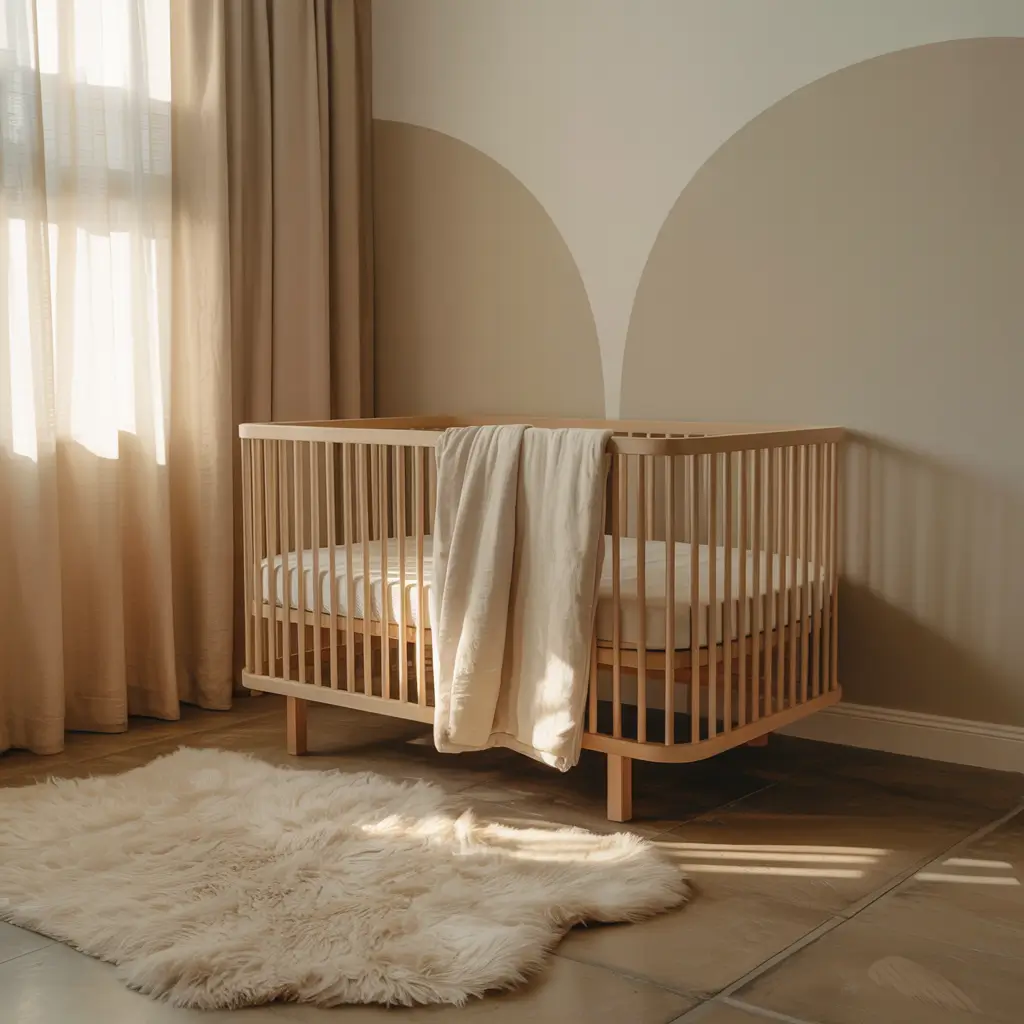
Forget perfect circles and rigid squares – organic shapes are where it’s at. These flowing, natural forms create visual interest without adding color, and they’re oddly soothing to look at. Nature doesn’t do perfect geometry, so why should we?
I became obsessed with organic shapes after seeing a nursery with abstract mountain shapes painted on the wall. Not realistic mountains, just flowing, curved forms that suggested hills. It was subtle but so impactful.
Incorporating Organic Forms
Ways to add organic shapes:
• Abstract wall murals in neutral tones
• Curved furniture pieces
• Irregular shaped mirrors
• Free-form shelving
• Organic print textiles
• Asymmetrical layouts
The key is restraint. One or two organic elements make a statement. Too many and your nursery looks like a Salvador Dali painting.
Balancing Organic with Structure
Keep things grounded:
- Pair organic shapes with geometric furniture
- Use neutral colors to unify different forms
- Include some straight lines for contrast
- Keep the overall layout organized
- Let one organic element be the star
IMO, organic shapes make rooms feel more human and less catalog-perfect. They add personality without requiring color or pattern commitment.
Also Read: 12 Cute Boy Nursery Ideas and Cozy Decor Tips
10. Minimal Neutral Nursery with Statement Wall
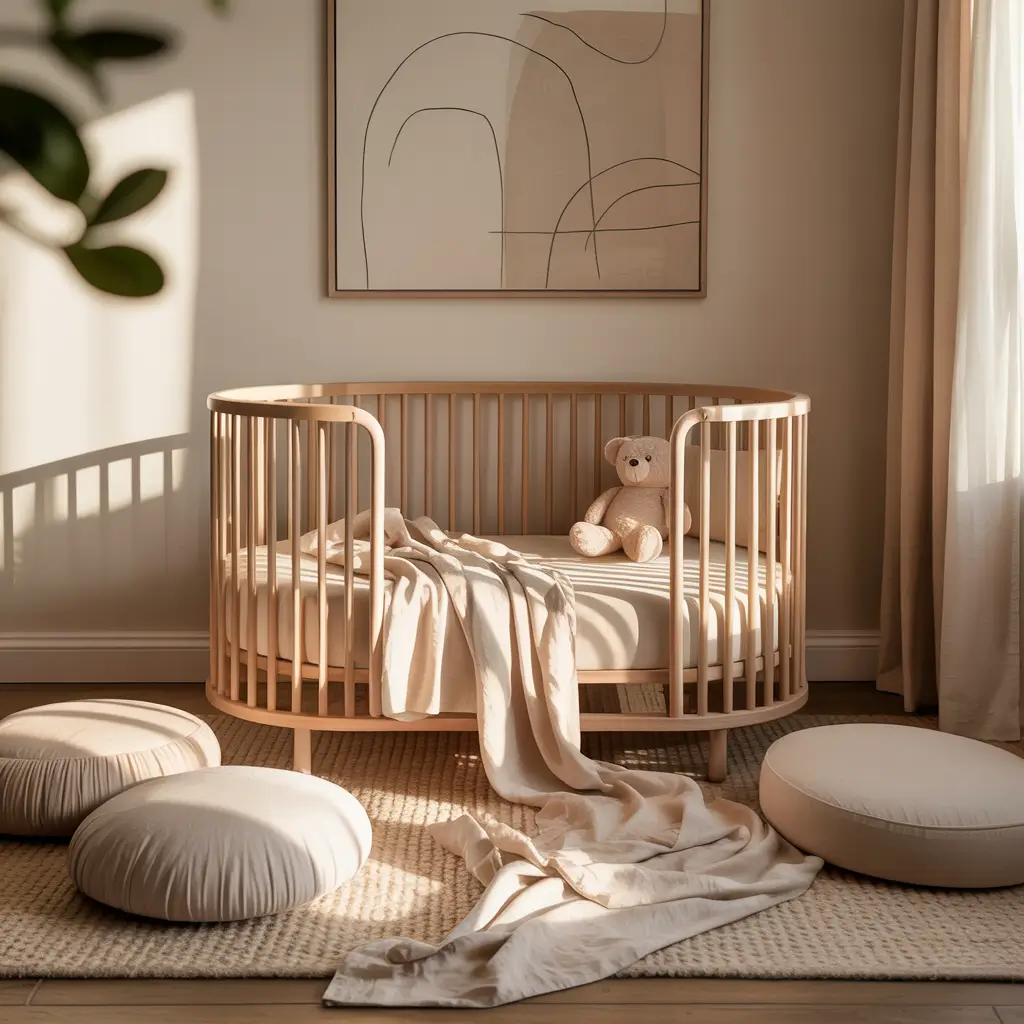
Minimalism doesn’t mean boring walls! One statement wall can transform your entire minimal nursery without adding clutter or complexity. It’s like the nursery equivalent of wearing all black with amazing shoes.
My statement wall journey started with board and batten. Simple vertical lines that added architectural interest without overwhelming the space. Cost? About $100. Impact? Looked like we hired a designer.
Statement Wall Ideas That Work
Minimal but impactful options:
• Board and batten or wainscoting
• Tone-on-tone painted shapes
• Textured wallpaper in neutral shades
• Wood slat or shiplap treatment
• Large-scale minimal mural
• Floor-to-ceiling bookshelf wall
The rule for minimal statement walls? Keep the color palette tight. If your walls are white, your statement wall should be white, off-white, or light gray. Drama comes from texture or pattern, not color.
Supporting Your Statement
Let the wall shine:
- Keep furniture simple and low-profile
- Minimize wall decor on other walls
- Choose solid colored textiles
- Place the crib against the statement wall
- Use lighting to highlight the texture
A statement wall grows with your child. That board and batten that looks sophisticated now? Still cool when they’re teenagers. Try saying that about cartoon character wallpaper.
11. Neutral Nursery with Vintage Accents
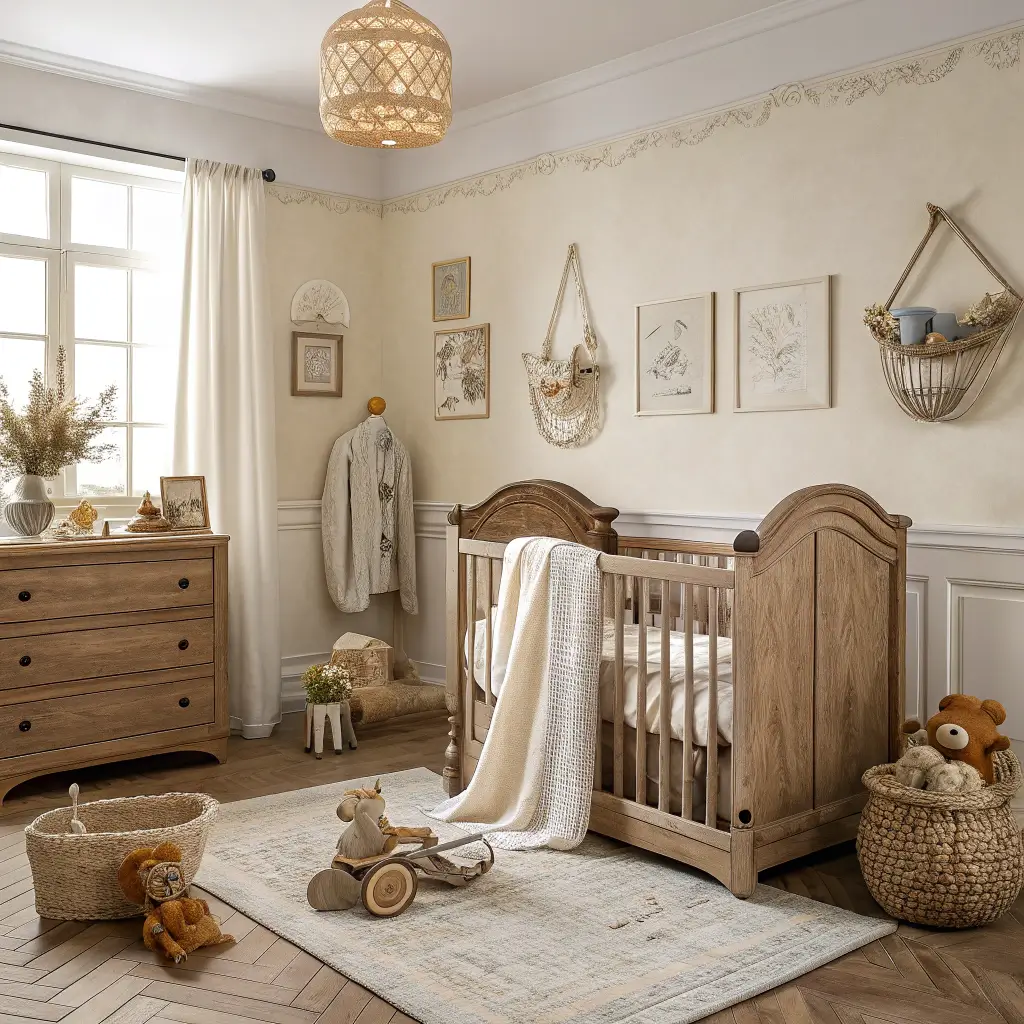
Mixing neutral palettes with vintage pieces creates this amazing timeless quality that new furniture just can’t match. Every vintage piece has a story, and that adds soul to your nursery that you can’t buy at Target.
I inherited my grandmother’s rocking chair – worn arms, creaky joints, and all. Instead of reupholstering it to match perfectly, I kept the original faded fabric. It became the heart of the nursery, and everyone who sees it asks about it.
Vintage Pieces Worth Finding
Hunt for these treasures:
• Vintage dressers (perfect as changing tables)
• Old rocking chairs or gliders
• Antique mirrors or frames
• Vintage toys or books for display
• Classic wooden cribs (if they meet safety standards)
• Weathered wooden shelves or crates
The trick with vintage in nurseries? Safety first. That 1960s crib might be gorgeous, but if it doesn’t meet current safety standards, use it for stuffed animal storage instead.
Blending Old with New
Make vintage work today:
- Keep walls and major furniture neutral
- Mix just 2-3 vintage pieces with modern items
- Update hardware for function and safety
- Use vintage textiles carefully (some can’t be washed)
- Balance ornate vintage with simple modern
Some of my best vintage finds came from Facebook Marketplace and estate sales. Pro tip: search for “nursery” in estate sale listings. Grandparents often have pristine vintage baby furniture stored away.
12. Neutral Nursery with Soft Botanical Touches
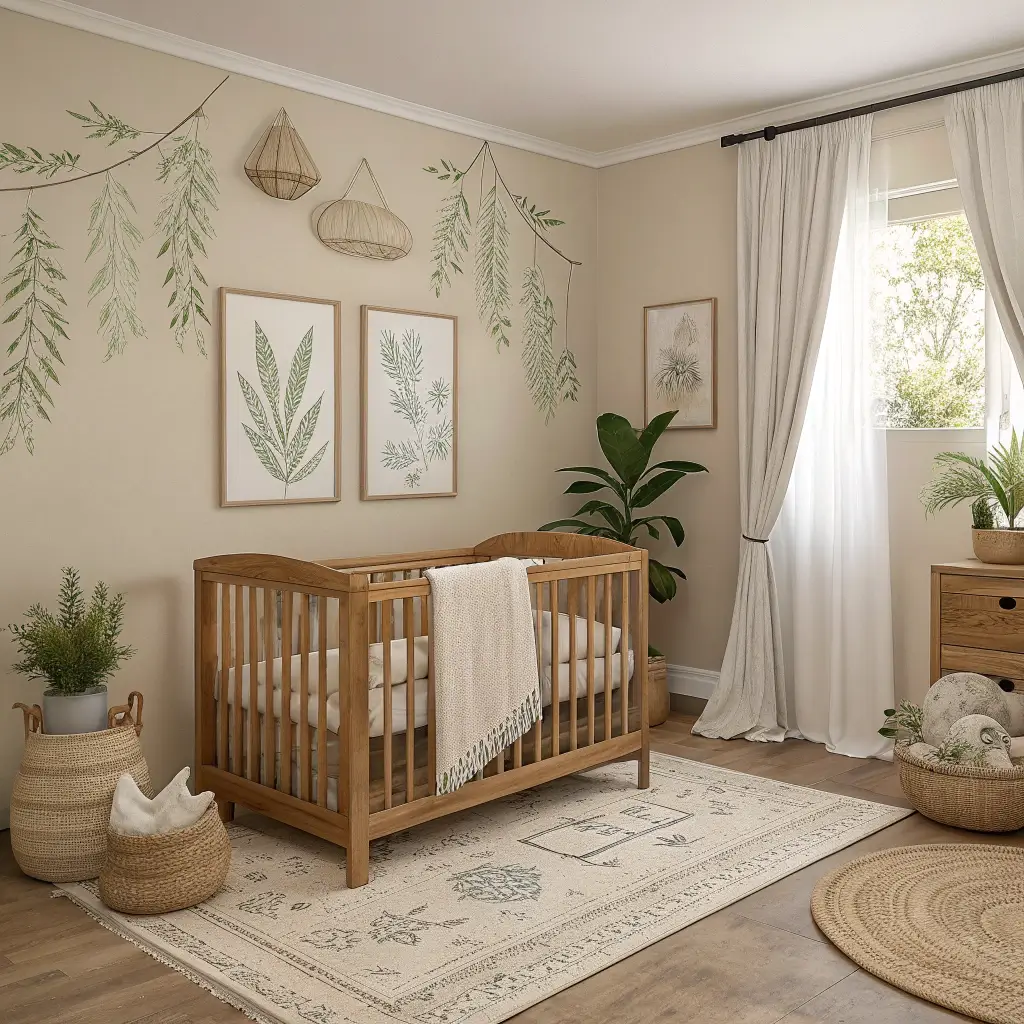
Botanical doesn’t have to mean jungle. Soft botanical touches in neutral tones create this gorgeous, organic feel without the overwhelming green explosion. Think wheat stalks, not palm fronds.
My botanical nursery started with one dried eucalyptus branch in a vase. That single element inspired the whole room – sage green accents, natural wood, and the softest botanical print curtains that looked like watercolor paintings.
Botanical Elements That Stay Neutral
Nature-inspired additions:
• Dried grasses or branches in tall vases
• Botanical line drawings or prints
• Leaf patterns in neutral tones
• Natural wood branch mobiles
• Pressed flower art in neutral frames
• Subtle leaf motifs in textiles
The beauty of botanical elements? They’re literally everywhere. That interesting branch from your yard? Free decor. Those pressed flowers from your garden? Frame them. Nature provides the best accessories.
Keeping Botanicals Baby-Safe
Safety with plants and botanicals:
- Keep all plants out of reach
- Choose non-toxic plants only
- Secure tall vases to prevent tipping
- Avoid plants that drop leaves or berries
- Consider high-quality fake plants (no shame!)
Botanical nurseries age brilliantly. As your child grows, you can add more plants, change the botanical prints, or even let them help choose new natural elements. It’s a theme that evolves naturally (pun intended).
Making Neutral Work for You
Here’s what nobody tells you about neutral nurseries – they’re actually the most practical choice you can make. Not because they’re boring or safe, but because they adapt to whatever life throws at you.
Surprise second baby? The nursery’s ready. Your style evolves? Add new accents. Your toddler develops strong opinions about purple? Throw in some purple pillows. The neutral base supports every change without requiring a complete overhaul.
The Secret Benefits
Why neutral wins:
• Photos always look timeless
• Everything coordinates effortlessly
• Resale value stays high
• Gender reveals don’t require repainting
• Your style can evolve without starting over
I’ve watched friends repaint gender-specific nurseries for second babies, and it’s always a hassle. Meanwhile, my neutral nursery has housed two kids of different genders without changing a thing except the art.
Adding Personality to Neutral
Keep it interesting:
- Layer different textures obsessively
- Mix warm and cool neutrals
- Add one unexpected element
- Use lighting as decoration
- Change accessories seasonally
The biggest mistake with neutral nurseries? Playing it too safe. Pick one element to be bold about – maybe it’s an oversized piece of art, an unusual light fixture, or a vintage statement piece. Give people something to remember.
Your Neutral, Your Way
Look, at the end of the day, the best nursery is one that makes you happy to walk into at 2 AM.
Whether you go full minimalist or layer every neutral texture known to mankind, create a space that feels like home to you and your baby.
Start with one neutral element you love and build from there. Don’t try to execute all twelve ideas at once (learned that the hard way).
Pick what resonates, ignore what doesn’t, and remember – your baby literally doesn’t care if the throw pillows match the curtains.
The beauty of neutral nurseries is their flexibility. You’re not locked into anything. As your child grows and develops preferences, you can adapt without starting from scratch.
That neutral base you create now? It’s the gift that keeps on giving, through toddlerhood, childhood, and beyond.
Trust your instincts, embrace the calm that neutral brings, and remember – some of the most beautiful nurseries are the simplest ones.
Now go forth and create your perfectly imperfect neutral sanctuary. You’ve got this!