10 Dreamy Cozy Study Room Ideas and Soft Lighting
- Bedroom Design
 Ben
Ben- 0
- 47 minutes read
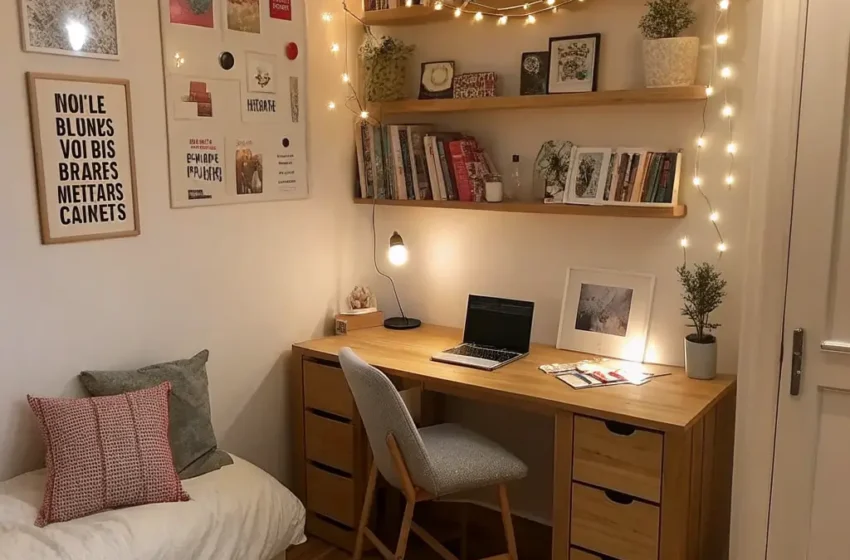
You know that feeling when you sink into a comfy chair with a hot cup of tea and a good book? Why can’t your study room feel like that? I spent years working in a sterile, white office space that felt like a doctor’s waiting room, and my productivity was as dead as the single, sad-looking plant in the corner.
Then, I discovered that a cozy study room isn’t a distraction; it’s a performance enhancer.
Creating a space that makes you feel safe, comfortable, and inspired is a total game-changer. You don’t need a massive budget or a professional designer to pull this off.
You just need a bit of intention and some clever styling tricks. Let’s look at 10 cozy study room ideas that will turn your workspace from a high-stress zone into a sanctuary of calm focus.
1. Warm Minimalist Study Nook
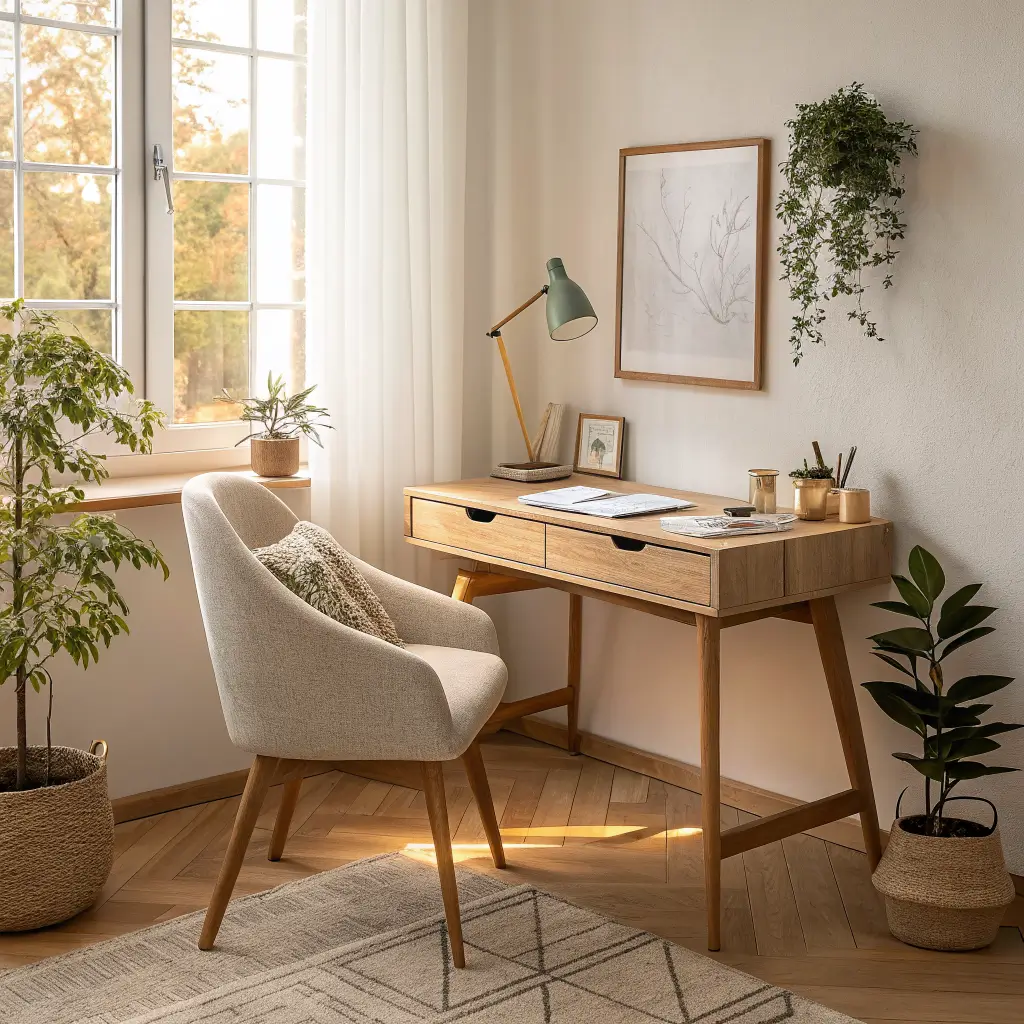
Minimalism often gets a bad rap for feeling cold or empty. I disagree entirely. A warm minimalist study nook uses clean lines and open space to reduce mental clutter while adding soft textures and warm tones to keep you comfortable. It feels like a deep breath for your brain.
Mastering the Cozy Palette
I recommend sticking to a base of warm whites, soft beiges, and light grays. These colors reflect natural light, which keeps your energy levels high during long study sessions. I painted my walls a soft cream last year, and the room suddenly felt three times larger. Warm neutral tones prevent visual overstimulation, allowing you to focus on your work.
Essential Minimalist Elements
- A simple wooden tabletop with thin metal legs.
- A high-quality task lamp with a warm, amber bulb.
- One single piece of framed art to anchor the wall.
- A neutral-toned wool rug to dampen sound.
- A small ceramic tray to corral pens and loose papers.
Ever wondered why this works so well? When your eyes find fewer distractions, your brain enters the “flow state” much faster. Warm minimalism removes the noise and leaves only the essentials. I personally love this look because it makes cleaning up at the end of the day take about thirty seconds.
2. Candlelit Evening Study Corner
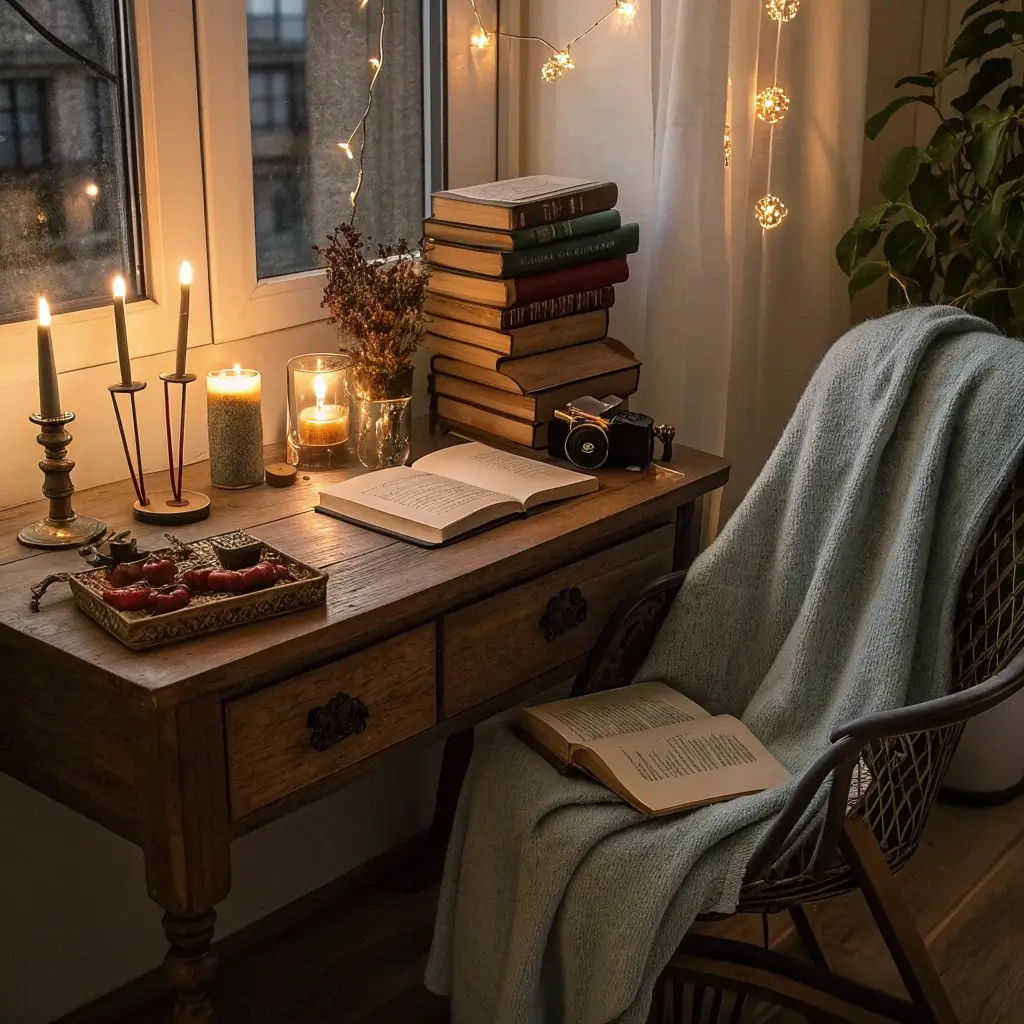
Not every study session happens during the day. For the night owls and the evening crammers, a candlelit evening study corner provides the perfect ambiance for deep focus. I swear by this setup when I need to read 200 pages of dense material without my eyes burning out.
Ditch the “Big Light”
I hate overhead hospital lighting. It causes headaches and makes the room feel cold. To create a cozy evening study area, you must layer your lighting. I use a warm-toned floor lamp for general ambiance and a collection of candles for a soft, flickering glow.
Essentials for a study nook:
- A plush armchair with a high back.
- A high-pile rug or a faux fur throw under your feet.
- A small side table for your tea or coffee.
- A weighted blanket to keep you grounded and focused.
- Plenty of unscented candles (you want to smell your books, not fake vanilla).
The Psychology of Flickering Light
I once bought a cheap plastic chair for my study corner, and I regretted it within twenty minutes. My back started aching, and the room felt cold. I swapped it for a soft velvet chair and added a small area rug. Suddenly, that corner became the most popular spot in my entire house. The flickering light of candles creates a primal sense of safety that allows your brain to relax into a deep state of concentration.
Safety First, Ambiance Second
Look, I love real candles, but I also love my house not burning down. I recommend you mix real candles with high-quality LED flameless candles. The new ones look incredibly realistic and provide the same warm glow without the fire hazard. Place them inside lanterns or glass hurricanes to diffuse the light even more. 🙂
3. Soft Neutral Aesthetic Study Room
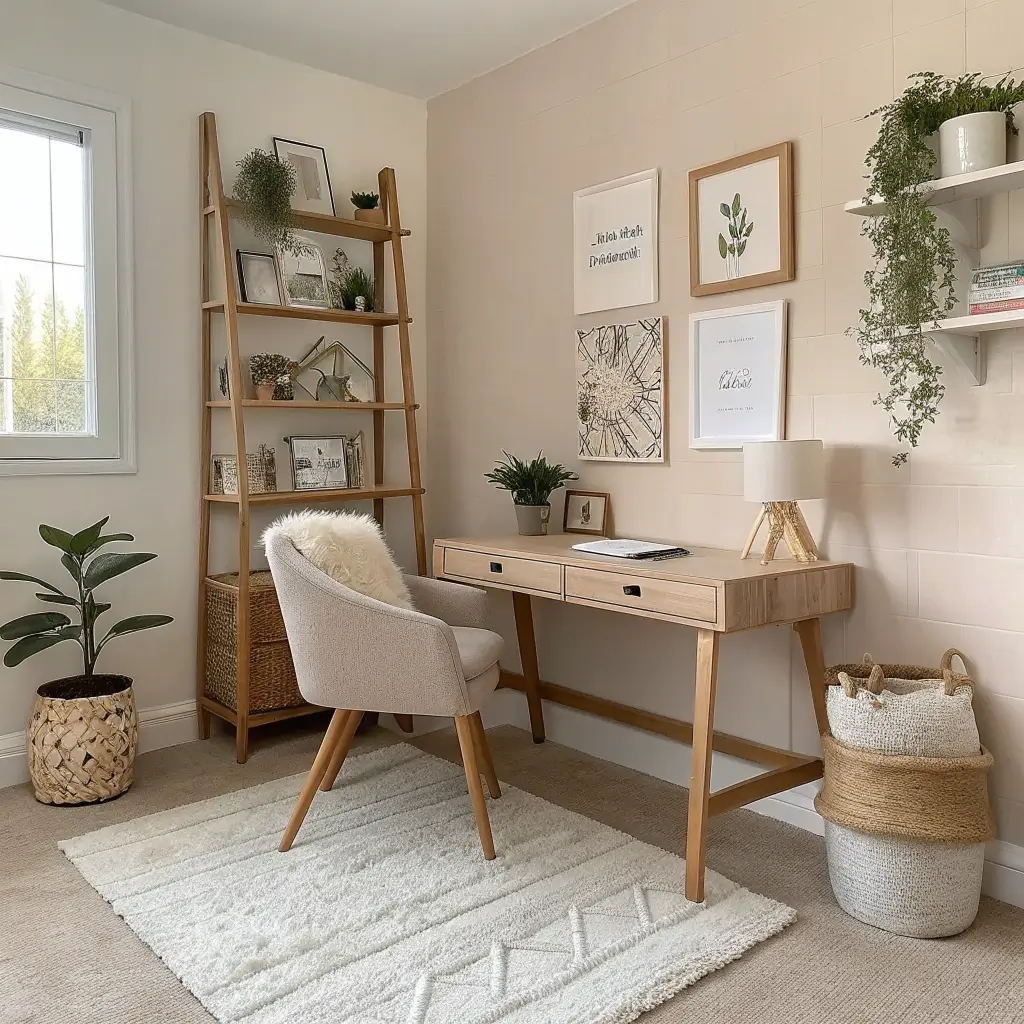
If you want a workspace that feels like a quiet, high-end spa, a soft neutral aesthetic study room is the way to go. This look focuses on a sophisticated palette of creams, taupes, and soft browns to create a calm, luxurious environment. I love this aesthetic because it feels timeless and professional.
Building Your Layered Neutrals
The secret to a beautiful neutral room lies in texture. If you use the same smooth texture everywhere, the room will look flat. I suggest you mix a wool rug with a linen chair and a wooden desk. The different surfaces catch the light in different ways, creating visual interest without the need for color.
Soft neutral palette essentials:
- Warm White Walls: Look for whites with a creamy or yellow undertone.
- Oatmeal or Taupe Accents: Use these for your rug or curtains.
- Natural Wood Tones: A desk in a warm oak or walnut adds richness.
- Leather Details: A leather mousepad or desk chair brings a touch of luxury.
- Brass or Gold Hardware: These warm metals complement the neutral tones perfectly.
The “Quiet Luxury” Vibe
Ever wondered why high-end hotel rooms feel so relaxing? They use this exact strategy. A soft neutral palette signals quality and calm. It’s a mature, sophisticated look that helps you feel like a “serious” student or professional. I personally find that this aesthetic helps me focus on complex, long-form writing tasks.
The Psychology of Warm Tones
Warm neutrals like beige and cream create a sense of comfort and stability. They make a room feel like a safe cocoon, which is perfect for students who need to block out the outside world and concentrate. Warm neutrals are the color equivalent of a cozy blanket.
Also Read: 10 Minimal Study Room Inspiration Ideas for Clean Setup
4. Small Bedroom Cozy Study Setup
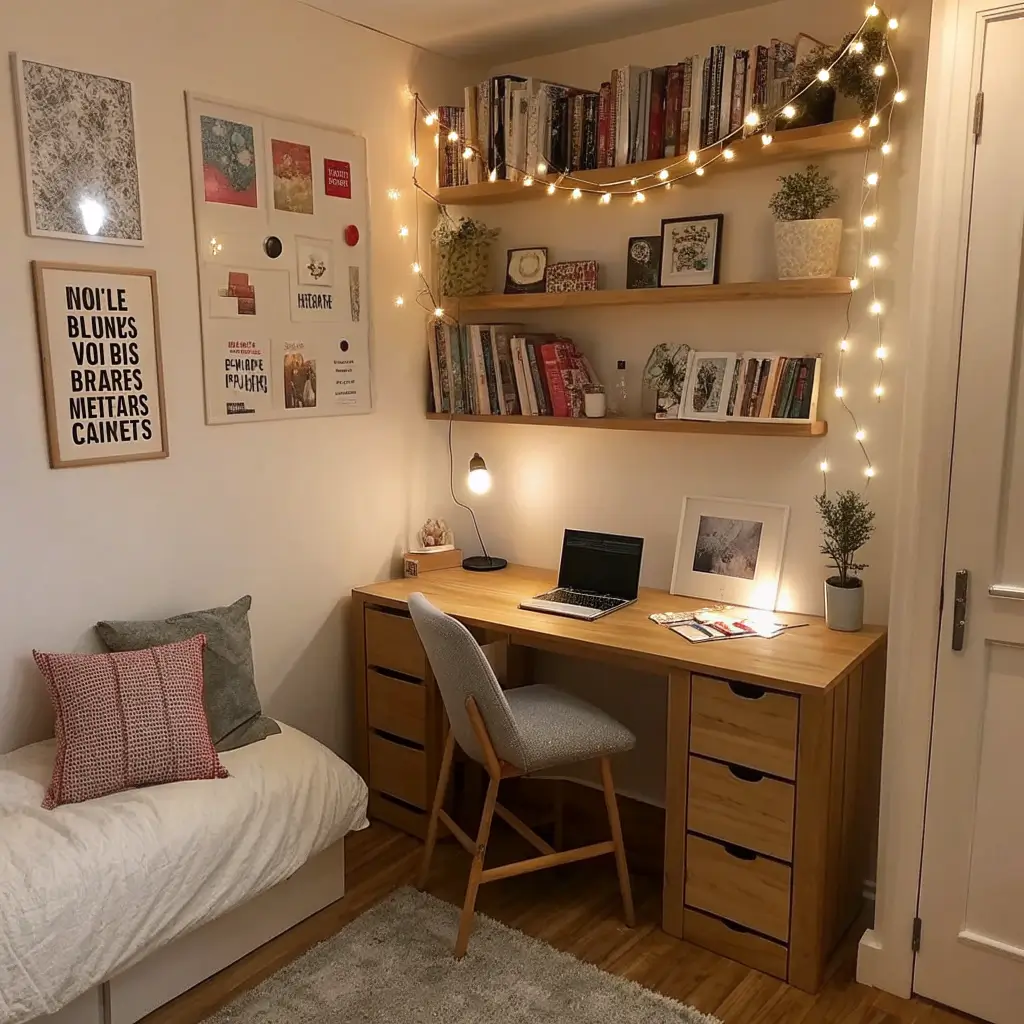
Not everyone has a spare bedroom to convert into a library. Most of us are fighting for every square inch. A small bedroom cozy study setup requires you to think vertically and use furniture that tricks the eye. I lived in a 500-square-foot apartment for two years, and I built a study nook in a literal closet.
The Magic of Floating Furniture
When floor space disappears, look at your walls. I recommend a wall-mounted floating desk. By keeping the floor visible under the desk, the room feels much more open. I installed a floating shelf system above my desk to hold my printer and books, which freed up my entire workspace. Vertical storage saves your sanity when you live in a tiny home.
Creating Cozy Without the Clutter
In a small space, “cozy” can quickly slide into “cramped.”
- Use a “Ghost Chair” (clear acrylic) to keep the visual weight low.
- Add a small, soft rug to define the study “zone.”
- Use clip-on lamps to save precious desk surface space.
- Incorporate a single, plush throw pillow for your chair.
- Stick to a light color palette to keep the room feeling airy.
FYI, small spaces actually help some people focus better because there’s nowhere else to go. The key is to keep the “cozy” elements textural rather than bulky. A soft rug feels cozy but doesn’t take up any more space than a flat one.
The “Cloffice” Solution
If your bedroom has a spare closet, you have a potential office. I love this feature because at the end of the day, you can literally close the door on your work. This physical boundary creates a mental boundary, which is essential for work-life balance when your desk is three feet from your bed. :/
5. Boho-Inspired Cozy Study Space
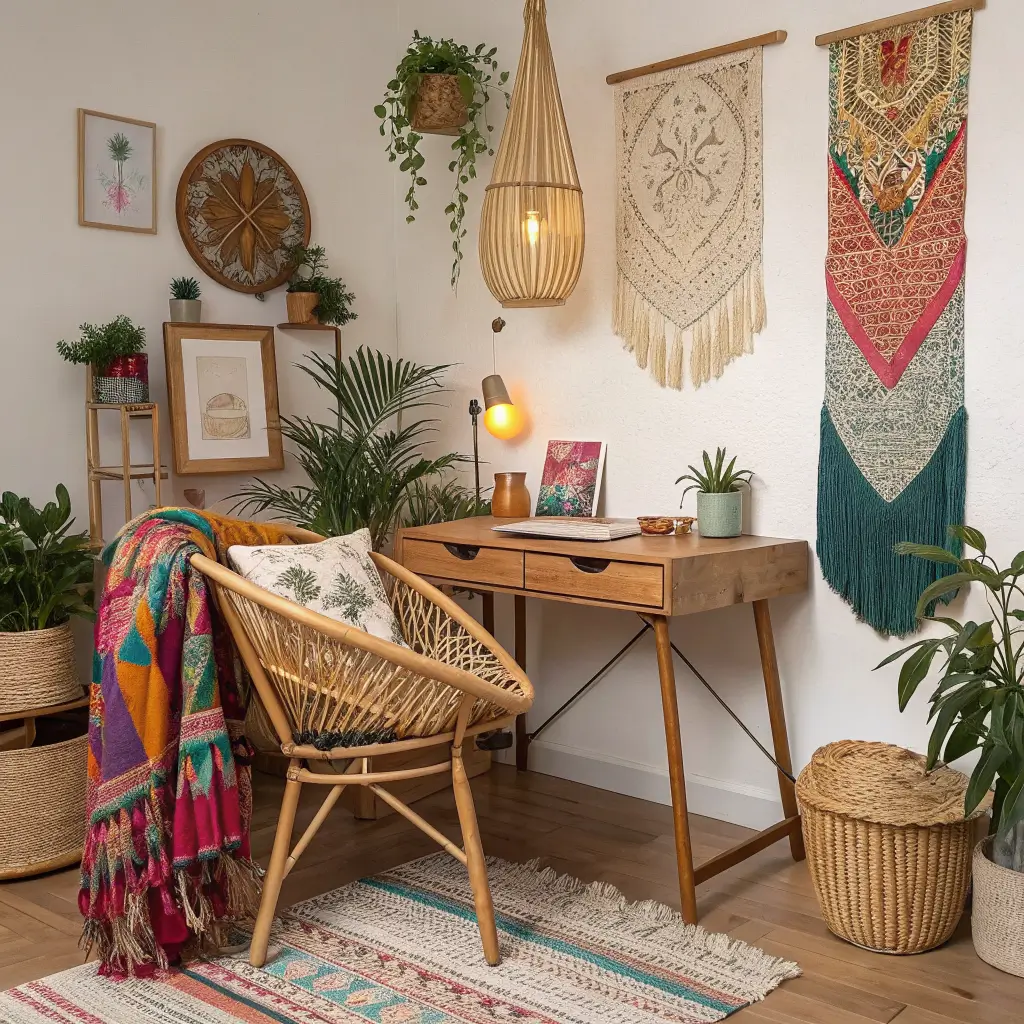
Creativity hates rules. If your work involves brainstorming, designing, or writing, the Boho-inspired cozy study space will keep your inspiration flowing. This style is all about layers, patterns, and personal expression. I find that a Boho room feels more like a living space than an office, which helps lower the “I have to work” anxiety.
Textures and Textiles
Boho design loves fabrics. I recommend covering your chair with a chunky knit throw and placing a colorful Persian or Moroccan rug on the floor. These layers absorb sound, making the room much quieter for deep thinking.
Boho essentials for your study:
- Macrame wall hangings for a soft, artistic touch.
- Mismatched vintage furniture that tells a story.
- Floor cushions for when you need to read or meditate.
- Beaded or rattan light shades that create interesting shadows.
The More-is-More Philosophy
Unlike the minimalists, Bohemians embrace “curated clutter.” Display your favorite travel souvenirs, old cameras, or a collection of crystals on your desk. These personal artifacts spark joy and keep your workspace feeling human. It’s your room; make it look like it belongs to you, not a catalog.
Lighting for Boho
Skip the harsh LEDs. Use string lights, lanterns, or lamps with woven rattan shades. You want the light to be diffused and soft. This creates a dreamlike atmosphere where time seems to slow down—perfect for those long afternoons of writing or sketching.
6. Window-Side Reading & Study Retreat
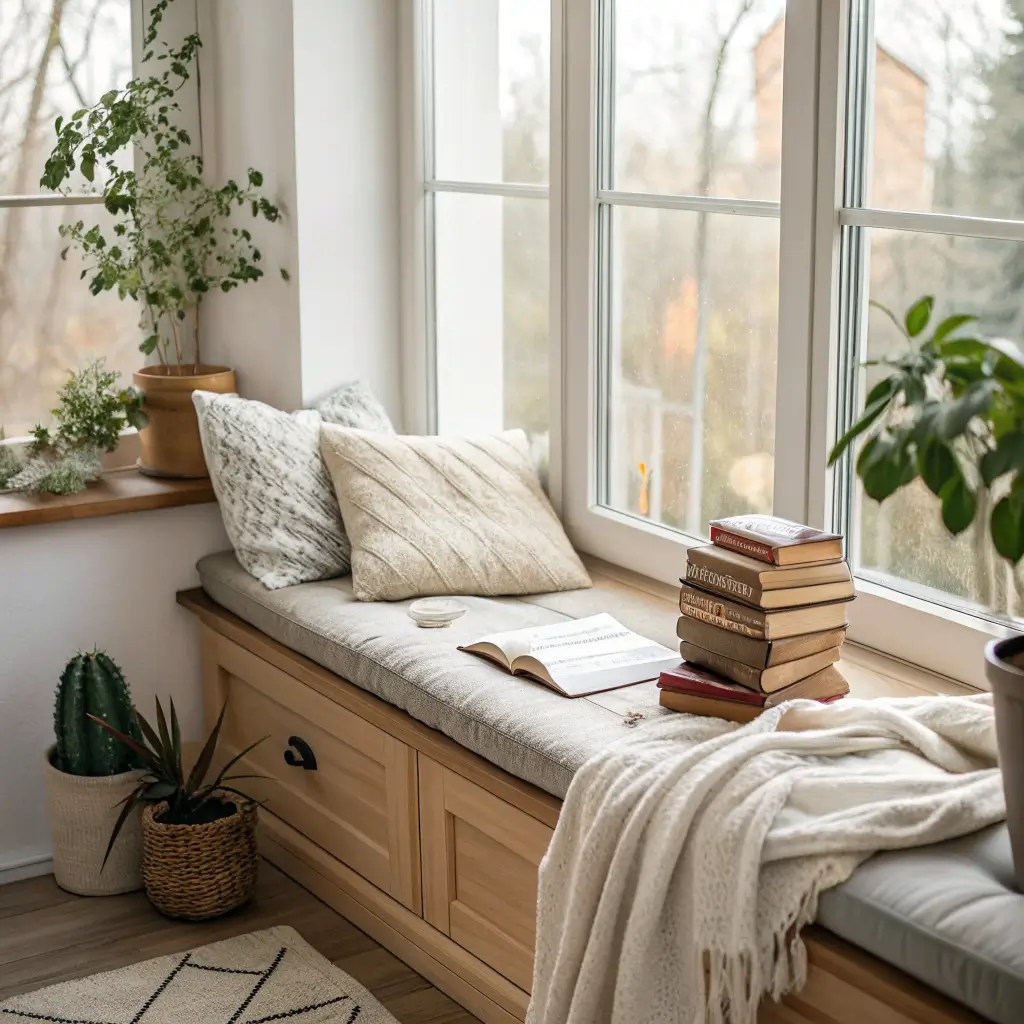
If you are lucky enough to have a window in your small study, you must use it. A window-side reading & study retreat combines a traditional desk with a built-in or makeshift bench right against the glass. There is no better way to boost your Vitamin D levels while you grind through a spreadsheet.
Natural Light is a Superpower
Studies show that natural light increases productivity and improves sleep quality. I suggest you position your desk so you look out the window rather than having the window behind you. This prevents annoying screen glare and gives you a “visual break” every few minutes. Looking at a tree for 20 seconds helps your eyes recalibrate after staring at pixels.
Building the Window Nook
- Use a deep windowsill as a secondary shelf for your plants.
- Add a padded bench next to the desk for those long reading sessions.
- Install “Top-Down, Bottom-Up” blinds so you can let in light while maintaining privacy.
- Keep a small fan nearby, as windows can get a bit warm in the afternoon.
I once spent an entire winter working from a window seat, and I didn’t get nearly as many “winter blues” as I usually do. Connection to the outdoors makes a small room feel infinite. Don’t waste your window!
The Dual-Purpose Design
The beauty of a window retreat is that it serves two purposes. During the day, it’s a bright, energizing workspace. In the evening, with the addition of a floor lamp and a cozy blanket, it transforms into the perfect reading nook. This multi-functional design is a huge win for small homes where every piece of furniture needs to pull double duty.
Also Read: 12 Inspiring Study Room Decor Ideas DIY Ideas for Focus
7. Scandinavian Cozy Study Room
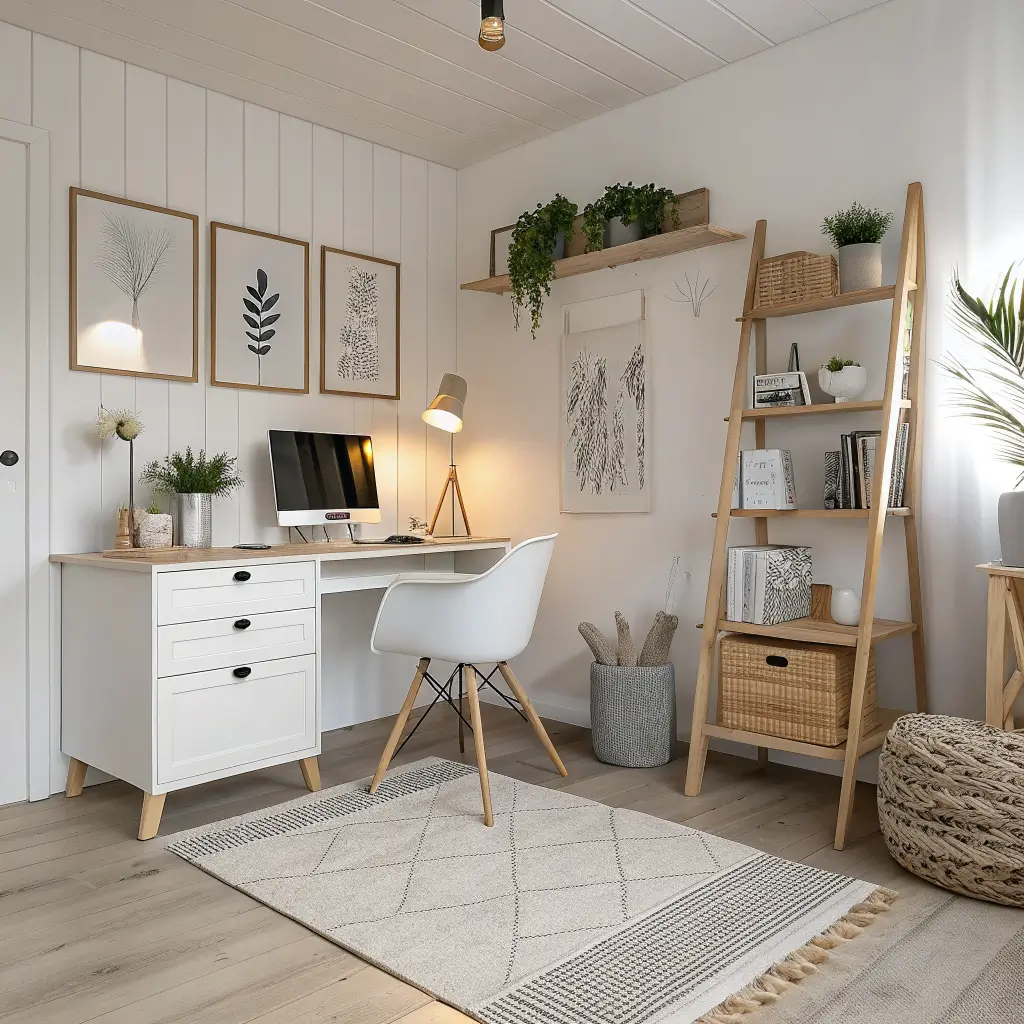
Scandinavian design, or “Scandi,” focuses on functionality, minimalism, and light. It’s very similar to the minimalist style but with a focus on “hygge”—the Danish concept of cozy contentment. I love Scandi design for study rooms because it prioritizes the user’s comfort above all else.
The “White and Wood” Rule
The Scandi look almost always involves a white desk with light-colored wooden legs. This combination feels fresh and modern. I use a white desk in my current study, and I find that it makes the whole room feel much cleaner. Scandi design maximizes available light, which is essential during gray winter months.
Scandi decor checklist:
- Functional shelving units like the IKEA Kallax.
- A simple wool rug to dampen sound.
- Tapered furniture legs to create an airy feel.
- One or two “Hygge” touches like a ceramic mug or a white candle.
Smart Storage for Busy Students
Scandi aesthetics hate clutter, so you need hidden storage.
- Modular drawers: Keep your supplies out of sight but within reach.
- Wall grids: Use a metal wire grid to hang photos and notes without cluttering the desk.
- Pegboards: A wooden pegboard allows you to customize your storage daily.
The Beauty of Utility
Ever wondered why everyone is obsessed with Scandi furniture? It’s because it merges beauty with utility perfectly. You don’t have to choose between a room that looks good and a room that works well. Scandinavian design creates an efficient, peaceful environment that boosts your productivity.
8. Rustic Wood & Linen Study Area
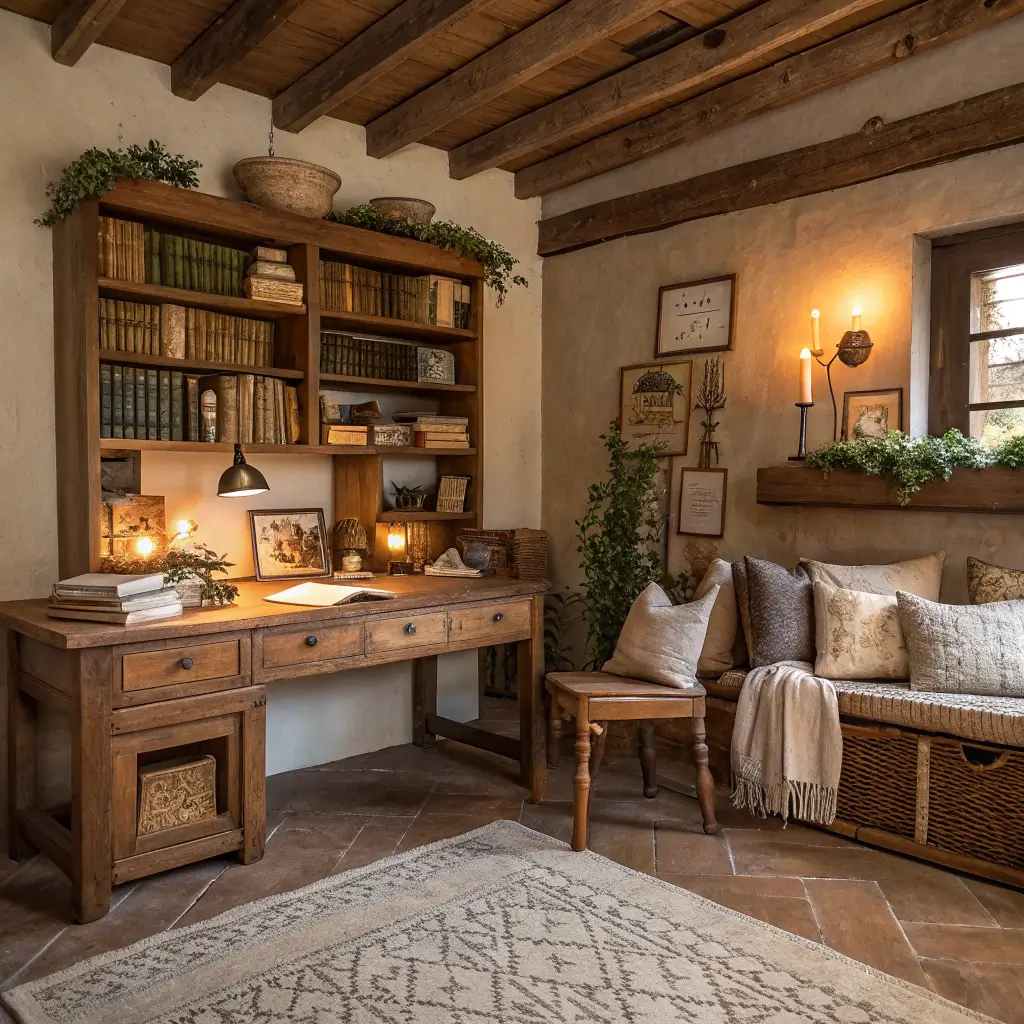
For those who crave the feeling of a cozy cabin or an old-world library, rustic wood & linen decor hits the spot. This style emphasizes durability, history, and warmth. I once helped my uncle refinish an old farmhouse table to use as a desk, and the character of that piece changed the whole room.
Highlighting the Wood Grain
In a rustic study, the desk acts as the hero of the room. I suggest a solid oak or walnut desk with a visible grain. Don’t worry about a few scratches or dings; they only add to the story. Reclaimed wood adds a sense of history that factory-made furniture simply lacks.
Softening with Linen
Pair the heavy wood with soft, natural linen fabrics.
- Linen Curtains: These soften the light without blocking it.
- A Linen Pinboard: Adds texture and a place for notes.
- Linen Baskets: A beautiful way to hide your less-attractive supplies.
- A Linen-Upholstered Chair: Provides comfort and a soft contrast to the wood.
I love this look because it feels permanent and sturdy. Rustic design grounds your workspace, making it feel like a place where important work happens. Pair the wood with a deep navy or dark green rug for a truly sophisticated look.
The Patina of Time
Celebrate the scratches and the worn paint on your vintage wooden pieces. I hate “distressed” furniture from big-box stores because it feels fake. Real wear and tear adds character. Vintage design honors the past while serving your modern needs. Plus, your study will look unlike anyone else’s on the block.
9. Fairy Light Study Room Aesthetic
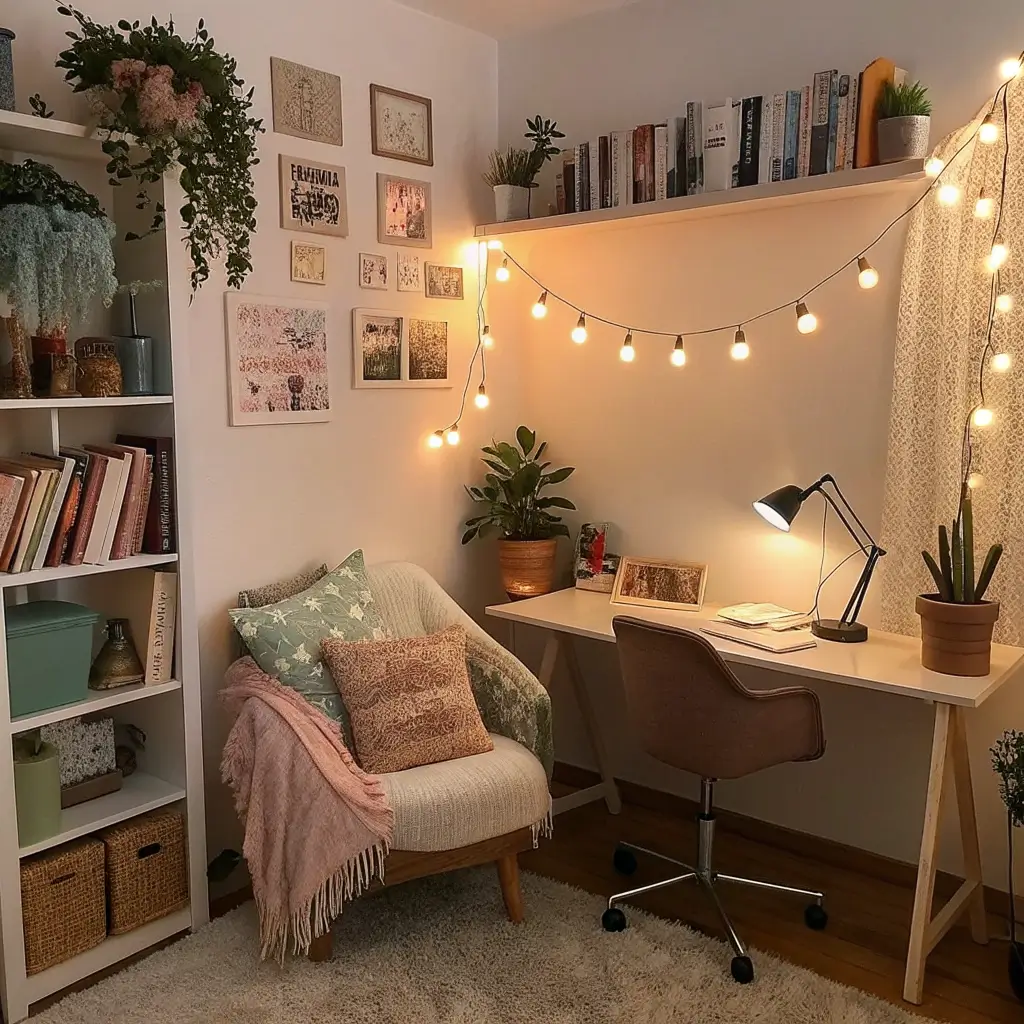
String lights aren’t just for dorm rooms or holiday decor. When used correctly, fairy lights provide a soft, ambient glow that reduces stress and makes your study room feel like a sanctuary. This is the ultimate “cozy vibes” hack, and it’s incredibly budget-friendly.
Avoiding the “College” Cliché
The trick involves choosing warm white bulbs with a copper or black wire. Avoid the bright, multi-colored LEDs unless you want your office to look like a circus. I suggest draping them along the top of your bookshelves or framing your window. Soft lighting recalibrates your nervous system, allowing you to focus on creative tasks without feeling “pushed” by harsh lights.
Placement Ideas for Magic
- Place them inside a glass jar to create a “firefly lamp.”
- Run them under your floating shelves for a futuristic, floating glow.
- Drape them behind a sheer curtain to create a wall of soft light.
- Weave them through your hanging plants for a magical jungle vibe.
- Wrap them around a large mirror to create a vanity-style light source.
Ever wondered why people love working in coffee shops? It’s the lighting. Warm, low-level light makes you feel safe and comfortable. Ambiance is the secret ingredient to a productive study session. IMO, fairy lights provide the best “bang for your buck” in terms of atmosphere.
Pairing with Task Lighting
Fairy lights are for ambiance, not for reading. You still need a dedicated task lamp on your desk to prevent eye strain. The combination of focused task lighting and soft ambient lighting is the key to a perfectly lit cozy study.
Also Read: 10 Fun Study Room Decor Student Ideas to Brighten Your
10. Calm Japandi-Style Study Space
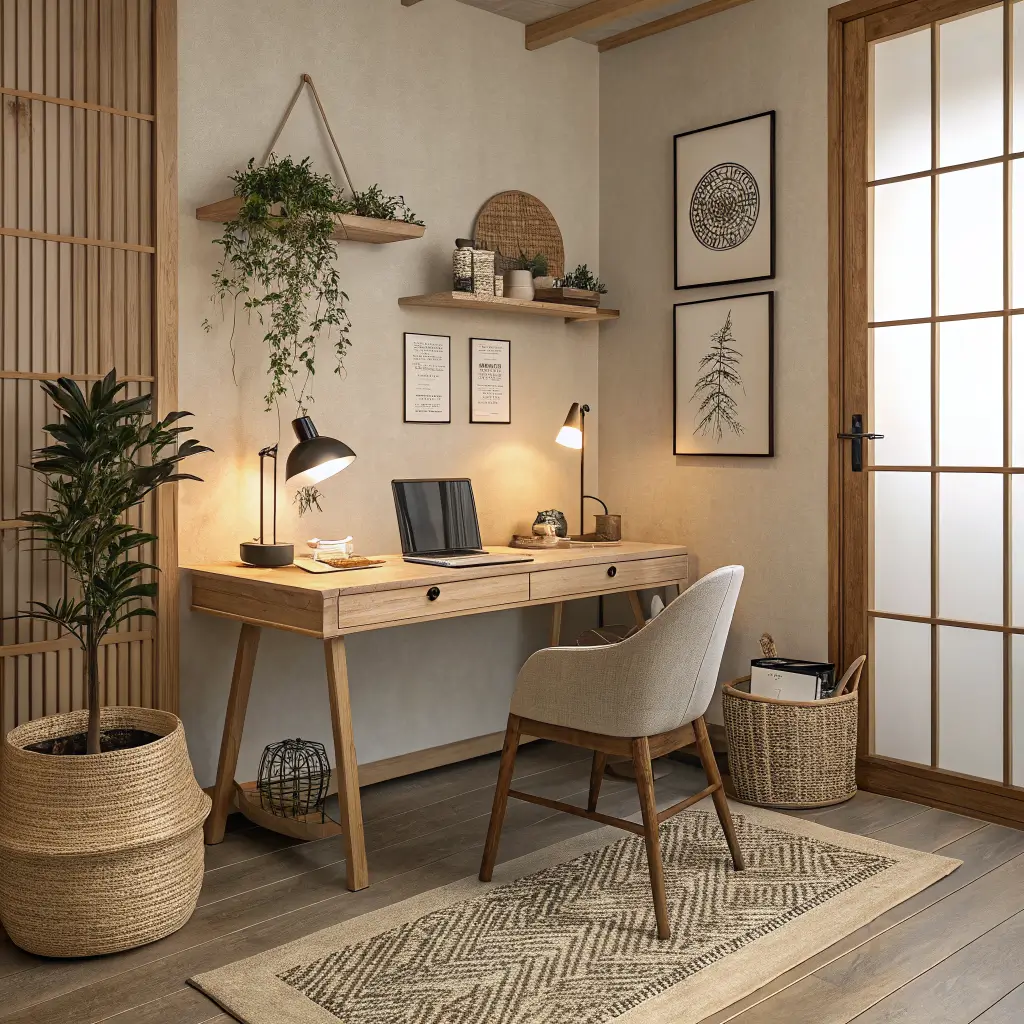
“Japandi” is a hybrid design style that blends the best of Japanese minimalism and Scandinavian comfort. A calm Japandi-style study space uses natural materials, low-profile furniture, and a focus on craftsmanship to create an environment of pure Zen.
The Philosophy of “Wabi-Sabi”
Japandi design celebrates “wabi-sabi”—the beauty of imperfection. This means choosing handmade ceramic mugs over mass-produced ones and finding beauty in the natural grain of your wooden desk. It’s a very mindful, intentional style.
Japandi essentials for your study:
- Low-profile desk: Closer to the ground for a more grounded feel.
- Natural materials: Think bamboo, rice paper, and dark-stained woods.
- Minimalist decor: One or two beautiful, handcrafted objects.
- A neutral color palette with pops of black for contrast.
- Functional art: A beautiful ink-washing brush can serve as both a tool and a decorative object.
Creating a Zen Environment
I recommend adding a small tabletop water fountain for gentle, focus-enhancing sound. Use rice paper screens as room dividers or window coverings. The diffused light they create is incredibly soft and calming. Japandi style removes visual chaos, leaving you with a clean, peaceful slate to do your best thinking.
The Importance of Craftsmanship
Rhetorical question: Why settle for a plastic pen cup when you can have a handcrafted ceramic one? Japandi design encourages you to invest in beautiful, well-made tools. When the objects you use every day are beautiful, the act of using them becomes a small ritual of joy.
Comparing Different Cozy Study Styles
Choosing the right style can be overwhelming. I created this quick comparison to help you narrow down your favorite vibe based on your personality.
| Style | Best For | Main Vibe | Effort to Maintain |
|---|---|---|---|
| Warm Minimalist | Deep Concentration | Calm & Clean | Low |
| Candlelit Evening | Reading & Research | Moody & Relaxing | Medium |
| Soft Neutral | Quiet Luxury | Sophisticated & Serene | Low |
| Boho-Inspired | Creative Brainstorming | Warm & Organic | Medium |
| Japandi-Style | Mindful Work | Zen & Intentional | Medium |
Essential Technical Details for a Cozy Study Room
I know you’re excited about the decor, but if you ignore the “boring” technical specs, your body will hate you. Even a beautiful room can cause physical pain if it’s not set up correctly.
The 90-90-90 Rule for Ergonomics
I suggest you adjust your desk and chair height so your feet are flat on the floor, your knees are at a 90-degree angle, and your elbows are at a 90-degree angle when typing. If your desk is too high, use a footrest. Proper ergonomics prevent long-term physical issues like carpal tunnel and neck pain.
The Importance of Lighting Temperature
When shopping for light bulbs, look at the “Kelvin” (K) rating.
- 2700K – 3000K: Warm white (Essential for a cozy, evening reading vibe).
- 4000K – 5000K: Cool white/Daylight (Great for your main desk to keep you alert, but avoid at night).
I use smart bulbs that I can adjust throughout the day. It’s a small investment that makes a massive difference in my focus and sleep quality.
Frequently Asked Questions
How can I make my study room cozy on a budget?
Textiles are your best friend. A soft rug, a chunky throw blanket, and some plush pillows can make any room feel cozier for under $100. Also, use warm-toned light bulbs and plenty of candles (or LED candles).
What is the best color for a cozy study room?
Warm neutrals like cream, beige, and taupe are fantastic. If you want color, go for deep, moody tones like forest green, navy blue, or burgundy on an accent wall. Avoid bright, high-energy colors.
How do I make a small room feel cozy without feeling cramped?
Focus on textures rather than bulky items. A soft rug takes up the same space as a flat one but adds more coziness. Use vertical space for storage to keep the floor clear. Use warm lighting to create an intimate, cocoon-like feeling.
My Personal Cozy Transformation Story
I want to leave you with a quick story. Two years ago, my “study” was a sterile white corner with a metal desk. I hated being in there. I would take my laptop to a loud coffee shop just to escape the feeling of being in a corporate cubicle.
I finally committed to the Warm Minimalist aesthetic. I swapped the metal desk for a simple oak one, added a soft wool rug, and invested in a beautiful brass task lamp with a warm bulb. The first time I sat down in that space, I felt like my whole body relaxed. I started enjoying my work again, simply because my environment was working with me, not against me. That experience is why I’m so passionate about these cozy study room ideas. A well-designed room is an act of self-care.
Final Thoughts: Build Your Sanctuary
You don’t need a massive office to do massive things. The key to a cozy study room is to create an environment that feels like a safe, comfortable retreat from the rest of the world.
It’s your personal sanctuary for thinking, learning, and creating.
Start small. Maybe buy a new lamp this weekend. Or finally get that soft rug you’ve been eyeing. You will be amazed at how much your mood improves when your environment supports your goals.
Remember, your workspace should serve you, not the other way around. Pick the idea that resonates most with your personality—whether it’s the sleek Japandi look or the fairy-lit wonderland—and start building your sanctuary.
You deserve a space that makes you feel like the most focused and comfortable version of yourself.
Now, go grab a cup of tea and start planning! Your dream cozy study is only a few throw pillows away. And seriously, choose warm light bulbs—your eyes will thank you for it. 🙂