10 Elegant Craftsman House Plans Ideas for Family Homes
- House Plans
 Ben
Ben- 0
- 32 minutes read
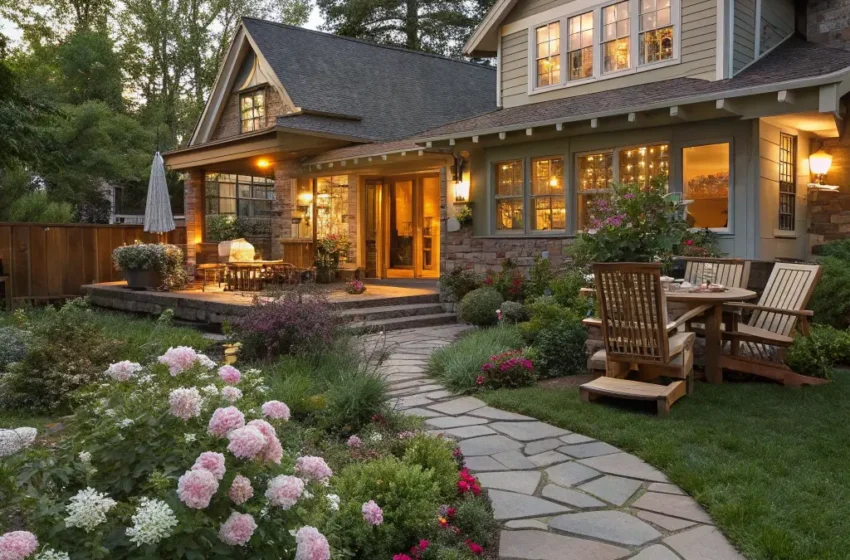
Ever walked past a Craftsman home and felt your heart skip a beat? You know the ones—those gorgeous houses with the deep front porches, exposed rafters, and built-in everything that makes modern homes look like they’re trying too hard.
There’s something about Craftsman architecture that just hits different, and I’m not just saying that because I spent three months obsessing over them before buying my own.
Here’s the thing about Craftsman houses: they were literally designed to flip the bird to Victorian excess.
Back in the early 1900s, while everyone was slapping ornate gingerbread trim on everything, the Arts and Crafts movement said “Nope, we’re doing honest architecture with quality materials and actual craftsmanship.”
And honestly? They nailed it. These homes celebrate the beauty of wood, stone, and simple lines that somehow manage to be both humble and absolutely stunning.
So let’s dive into ten Craftsman house plan ideas that prove this century-old style still knows how to make our modern hearts flutter.
Whether you’re actually building, renovating, or just daydreaming during your lunch break (we’ve all been there), these plans show why Craftsman homes remain the ultimate combination of beauty and brains in residential architecture.
Why Craftsman Homes Still Rule After 100+ Years
Before we explore specific plans, let’s talk about why Craftsman homes have serious staying power. These houses weren’t designed by architects sitting in ivory towers—they came from a movement that believed homes should be livable, beautiful, and built by actual craftspeople who gave a damn about their work.
The genius of Craftsman design lies in its honesty. Exposed beams aren’t fake—they’re structural. Built-in furniture isn’t just pretty—it maximizes space and function. Those tapered columns supporting the porch? They’re proportioned perfectly to please the eye while doing their job. Everything serves a purpose while looking gorgeous doing it.
Modern homeowners love Craftsman style because it offers something McMansions never could: authentic character, human scale, and rooms that actually make sense for how people live. Plus, have you seen those built-in bookcases? They make IKEA furniture look like the temporary solution it really is.
1. Cozy Craftsman Cottages with Front Porches
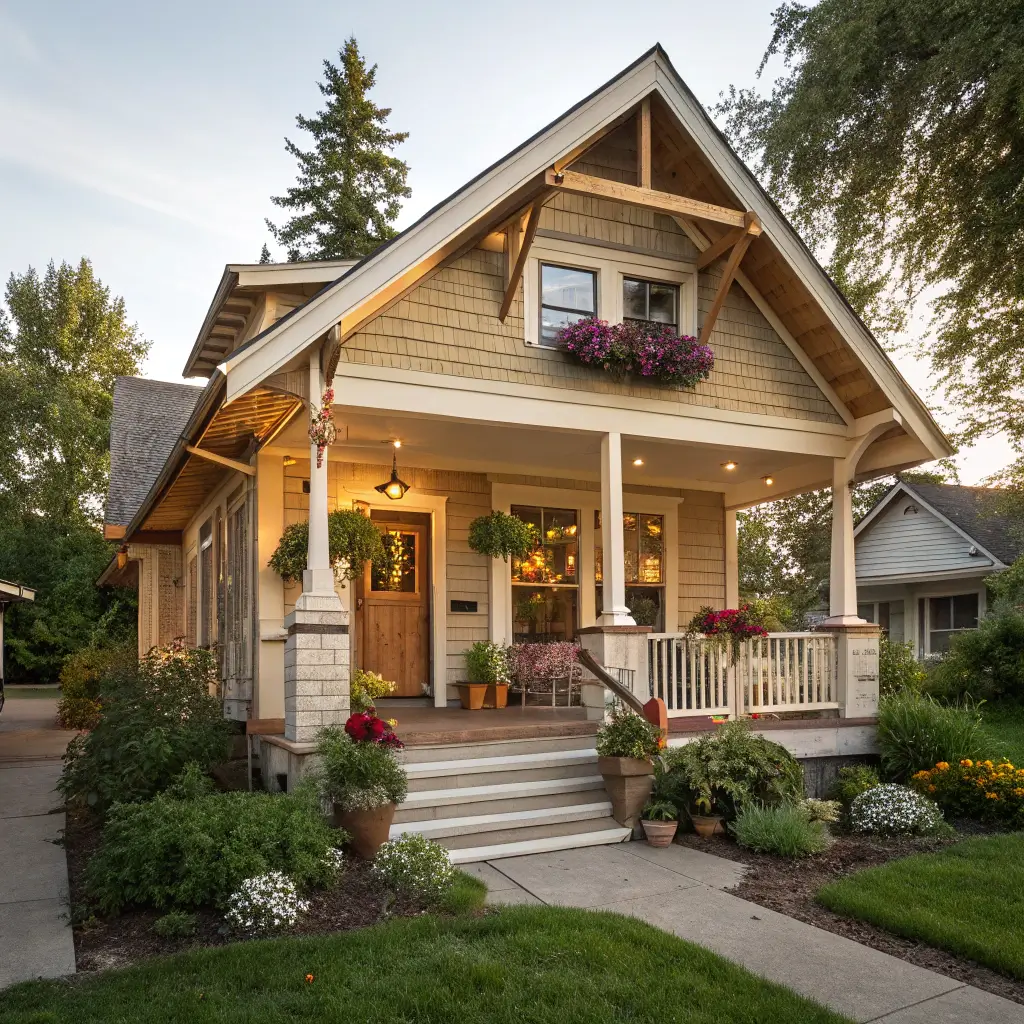
Let’s start with the gateway drug to Craftsman obsession—the cozy cottage with a front porch that practically begs you to sit down with a cup of coffee and judge the neighbors’ landscaping choices.
The Porch That Started It All
Craftsman cottages treat front porches as outdoor rooms, not afterthoughts. These aren’t token stoops where you fumble for keys—they’re legitimate living spaces with enough room for furniture, plants, and actual human interaction. The typical cottage porch spans at least 6-8 feet deep, supported by those iconic tapered columns sitting on stone or brick piers.
The porch roof integrates seamlessly with the main structure, often featuring exposed rafter tails that add visual rhythm. Some cottages include porch swings built right into the framing because apparently, our great-grandparents understood relaxation better than we do.
Interior Coziness That Delivers
Inside, Craftsman cottages maximize every square foot through built-in features and smart layouts. The living room flows into the dining room, often separated by built-in columns or a simple archway. Built-in window seats flank the fireplace, providing storage and extra seating without cluttering the floor.
These cottages typically range from 1,000-1,500 square feet, proving you don’t need a mansion to live well. The key lies in thoughtful design—every element earns its place through both function and beauty.
Modern Cottage Adaptations
Today’s Craftsman cottages update the classic template without losing its soul. Open kitchen concepts replace closed-off cooking spaces. Master suites add private bathrooms. But the bones remain true to the original vision—quality over quantity, craftsmanship over flash.
I stayed in a restored 1920s Craftsman cottage last year, and the way natural light played through the divided-light windows onto the original hardwood floors was basically architectural poetry. No filter needed.
2. Modern Craftsman Homes with Open Floor Plans
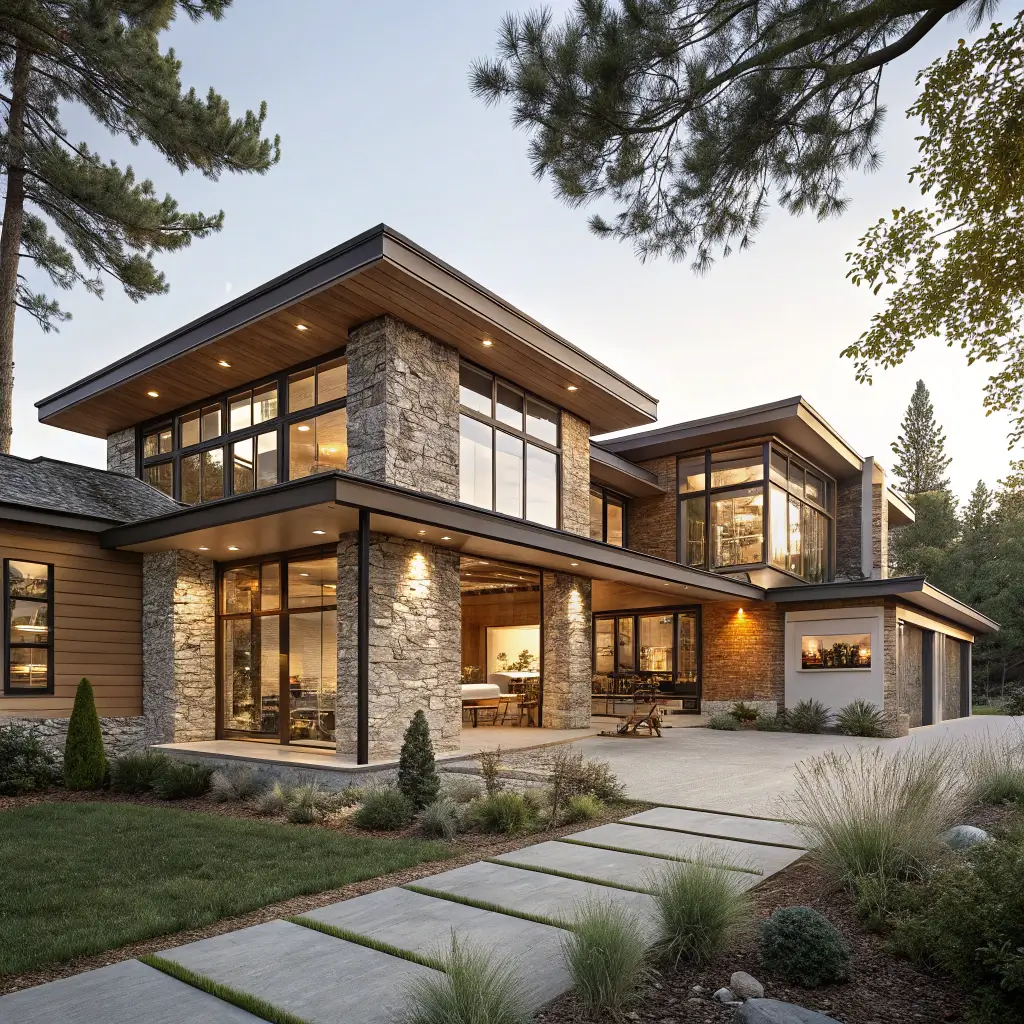
Who says you can’t teach an old architectural style new tricks? Modern Craftsman homes prove that century-old design principles work beautifully with contemporary living.
Opening Up Without Selling Out
Modern Craftsman plans remove walls between kitchen, dining, and living areas while maintaining the style’s characteristic details. The trick involves using architectural elements like beam work, built-in features, and ceiling treatments to define spaces without walls.
Box beam ceilings delineate the dining area. A peninsula with Craftsman-style corbels separates kitchen from living space. Built-in bookcases create subtle room divisions. You get openness without sacrificing the intimate scale that makes Craftsman homes feel cozy.
Kitchen Evolution
The kitchen transformation in modern Craftsman homes deserves its own appreciation society. Original Craftsman kitchens were purely functional, often hidden from view. Modern versions become showpieces that honor the style through Shaker cabinets, subway tile backsplashes, and furniture-quality islands.
Quartz countertops mimic the look of period-appropriate soapstone. Professional appliances hide behind cabinet panels. The result feels both contemporary and timeless—exactly what good design should achieve.
Technology Integration
Modern Craftsman homes seamlessly incorporate technology without disrupting the aesthetic. USB outlets hide inside built-in desks. Smart home systems control lighting and climate invisibly. Entertainment centers tuck into traditional built-in cabinetry.
The goal involves enjoying 21st-century conveniences while maintaining early 20th-century charm. And honestly? It works better than you’d expect.
3. Small Craftsman House Plans for Narrow Lots
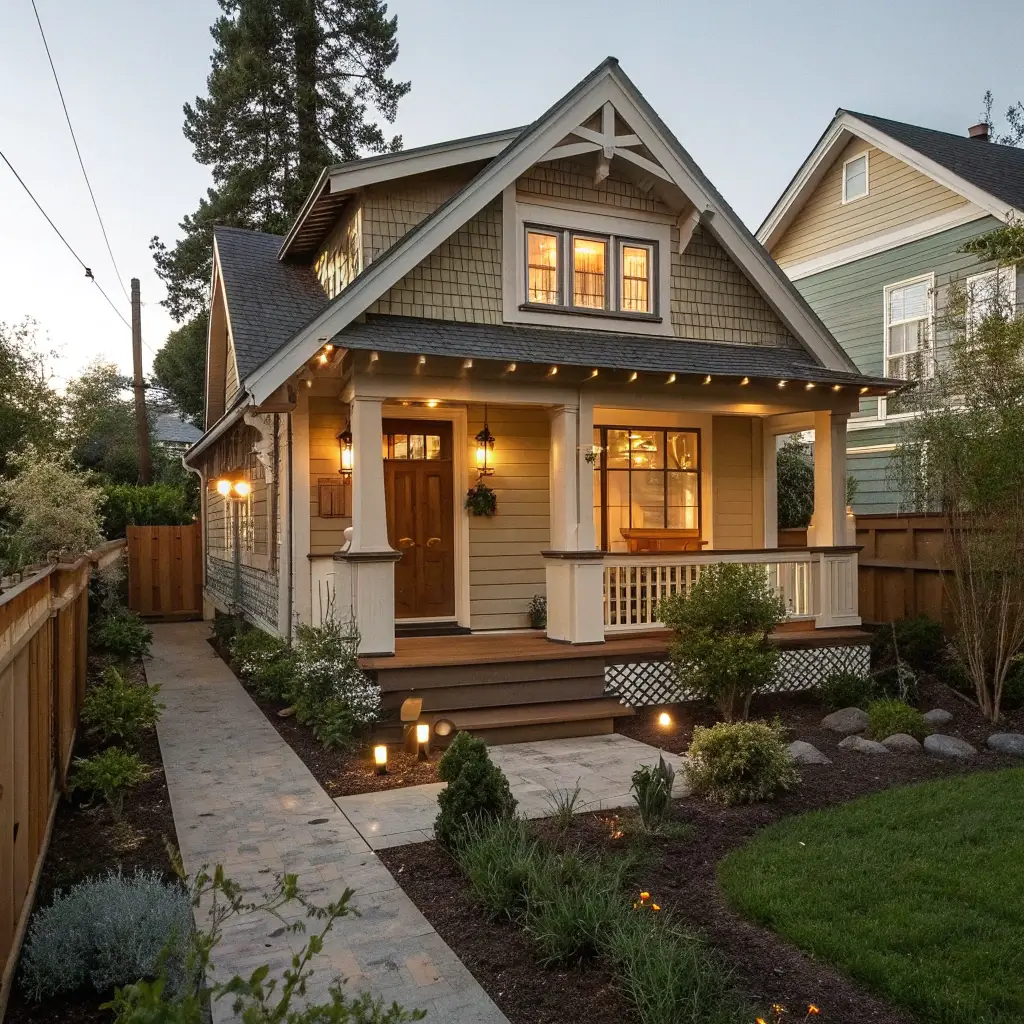
Urban living demands creative solutions, and small Craftsman plans for narrow lots prove that good design transcends square footage limitations.
Vertical Thinking
Narrow lot Craftsman homes go up instead of out, often featuring 1.5 or 2 stories that maximize limited footprints. The key involves maintaining proper proportions—these homes look intentionally compact, not squeezed.
Front porches might be smaller but remain essential. Sometimes they’re just deep enough for two chairs, but they establish that crucial transition between public and private space that defines Craftsman design.
Light and Air Strategies
Narrow homes face unique challenges getting natural light into their centers. Smart Craftsman plans incorporate transom windows, skylights, and light wells that brighten interiors without sacrificing privacy.
Built-in furniture becomes even more crucial in narrow plans. Window seats, built-in dining nooks, and integrated storage maximize every inch without creating clutter. It’s basically Tetris, but make it architectural.
Surprising Spaciousness
The best narrow lot Craftsman plans feel larger than their footprints suggest through clever design moves. Nine-foot ceilings add vertical volume. Consistent flooring throughout creates flow. Strategic mirror placement doubles visual space.
FYI, I’ve seen 18-foot-wide Craftsman homes that feel more spacious than 30-foot-wide builder specials. Design intelligence beats raw square footage every time.
Also Read: 12 Charming Ranch House Plans Ideas and Outdoor Retreats
4. Luxury Craftsman Homes with Rustic Interiors
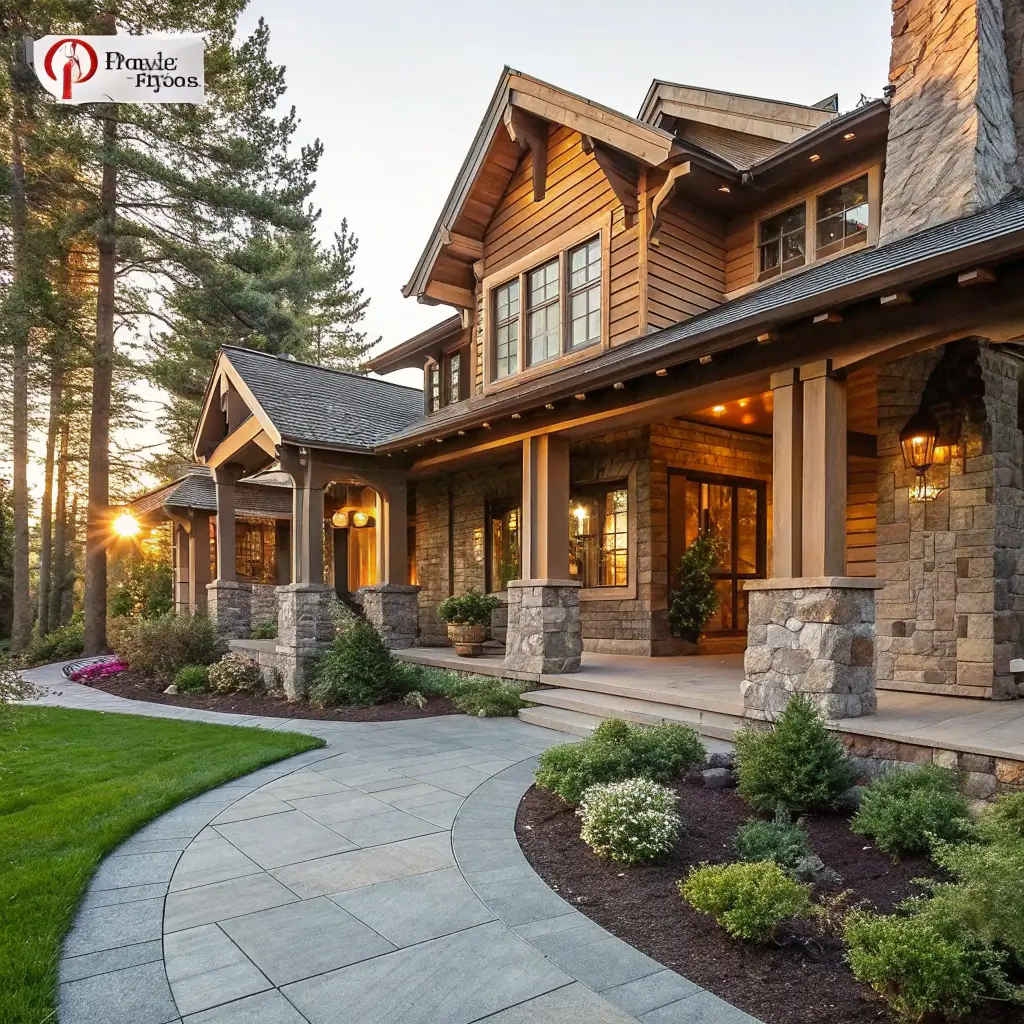
When budget isn’t the primary concern, luxury Craftsman homes showcase what happens when you combine unlimited resources with timeless design principles.
Materials That Make You Weep
Luxury Craftsman homes feature materials that would make Gustav Stickley himself jealous. Quarter-sawn white oak everywhere. Hand-hewn beam work. Copper gutters and downspouts that develop gorgeous patina. Art glass windows that cost more than most people’s cars.
These homes don’t scream wealth—they whisper it through perfectly book-matched wood panels, hand-forged hardware, and stone work that looks effortless but required master craftspeople to execute.
Rustic Meets Refined
The rustic interiors in luxury Craftsman homes balance rough and refined elements perfectly. Smooth plaster walls contrast with rough-hewn beams. Polished concrete floors meet reclaimed wood ceilings. Modern comfort pairs with historical authenticity.
Master suites might include spa bathrooms with heated floors and steam showers, but they’re clad in period-appropriate tile and fixtures. Wine cellars hide behind traditional built-in bookcases. It’s luxury that doesn’t need to announce itself.
Outdoor Living Elevated
Luxury Craftsman homes extend living spaces outdoors through elaborate porches, pergolas, and outdoor rooms. Outdoor kitchens incorporate the same quality materials as interiors. Fire pits become architectural features surrounded by built-in seating.
The landscaping continues the Craftsman aesthetic with native plants, natural stone, and lighting that highlights architectural features after dark. Every view feels composed and intentional.
5. Budget-Friendly Craftsman House Layouts
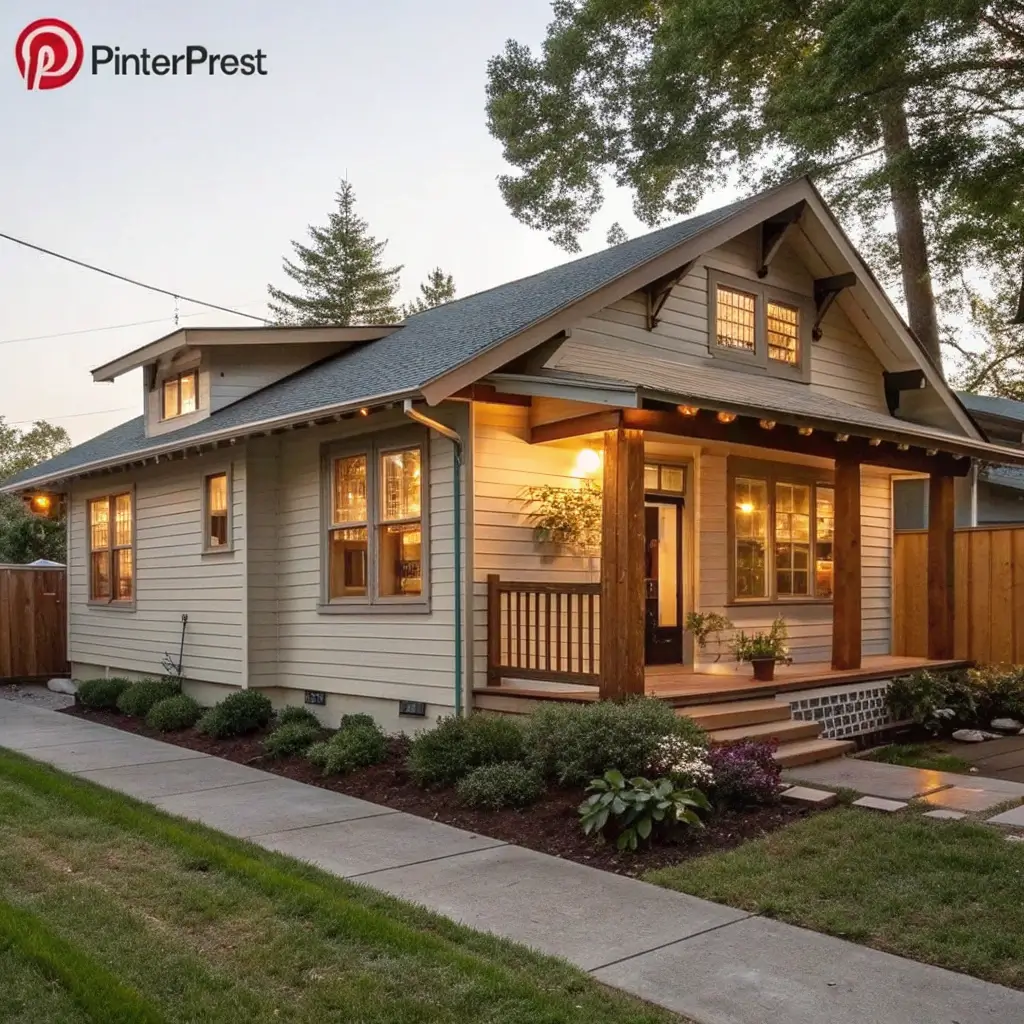
Great design doesn’t require deep pockets. Budget-friendly Craftsman plans deliver the style’s essential elements without the premium price tag.
Simplification Without Sacrifice
Budget Craftsman plans simplify without losing character. Maybe you skip the art glass windows but keep the divided lights. Use MDF trim instead of solid wood but maintain proper proportions. Choose laminate counters that mimic stone rather than actual granite.
The key involves identifying which elements create the most impact and investing there. A simple Craftsman door makes a bigger statement than expensive siding. Built-in bookcases add more value than upgraded carpet.
DIY Opportunities
Craftsman homes actually favor DIY enthusiasts because so many character elements are additive. You can build window boxes, add crown molding, or install board-and-batten gradually as budget allows.
Simple Craftsman plans often include unfinished spaces—basements, attics, or bonus rooms—that owners can complete over time. Start with good bones and add meat as you can afford it.
Smart Material Choices
Budget-friendly doesn’t mean cheap-looking. Fiber cement siding mimics wood shingles convincingly. Stock cabinets with added crown molding look custom. Prefab columns from building suppliers work perfectly when properly proportioned.
The Craftsman emphasis on honest materials actually helps here—painted wood trim looks appropriate, not cheap. Simple materials executed well beat fancy materials done poorly.
6. Craftsman Bungalows with Charming Exterior Details
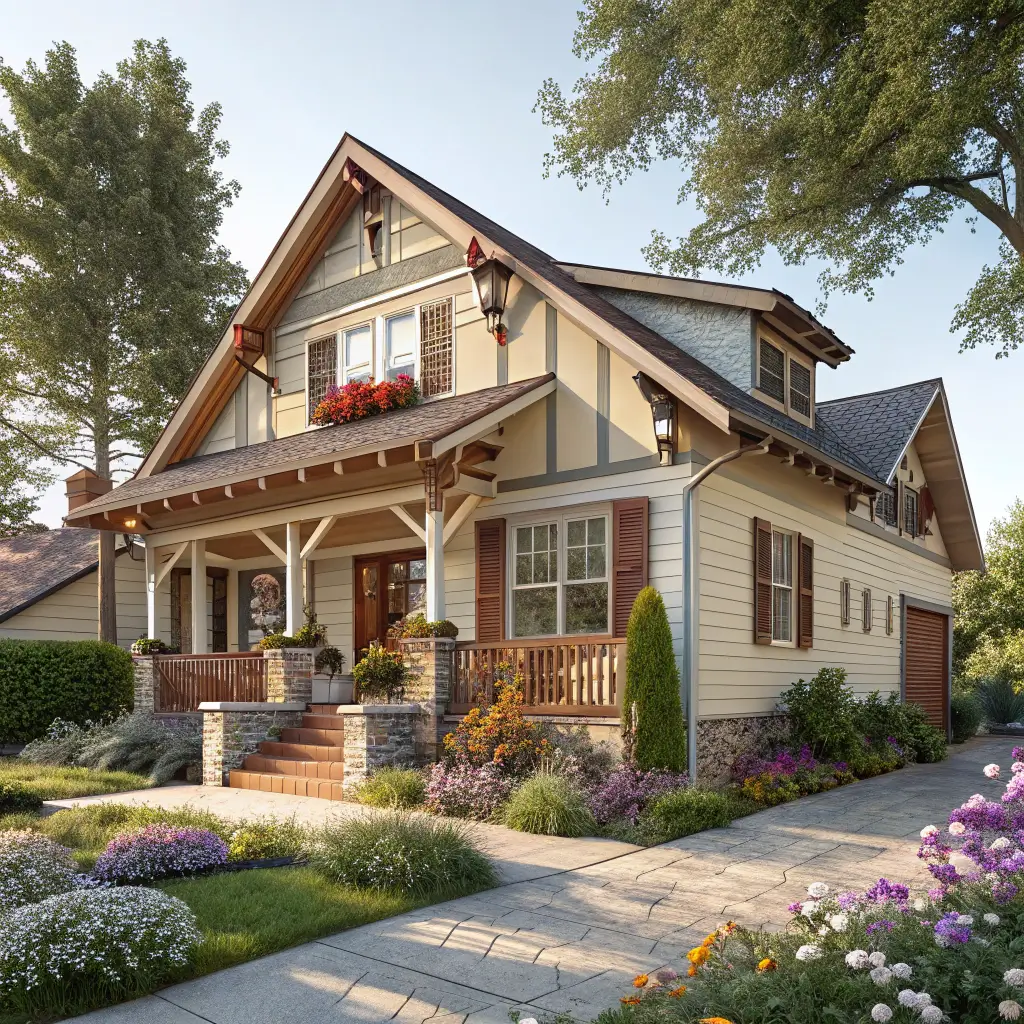
The bungalow represents peak Craftsman design—everything you need on one efficient level with enough character to make your heart sing.
Exterior Elements That Matter
Craftsman bungalows pack massive curb appeal through carefully orchestrated exterior details. Low-pitched gable roofs with wide overhangs create strong horizontal lines. Decorative brackets (called knee braces) support those overhangs while adding visual interest.
Rafter tails extend beyond the roofline, creating shadow patterns that change throughout the day. Dormer windows break up the roofline and add light to upper spaces. Every element contributes to the composed, grounded aesthetic.
Material Mixing Mastery
Bungalows excel at combining materials thoughtfully. Stone or brick foundations transition to wood siding or shingles. Porch piers mix masonry bases with wood columns. The material changes feel natural, not forced.
Color schemes stay earthy and muted—deep greens, warm browns, soft grays. Trim colors complement rather than contrast sharply. The goal involves harmony with the landscape, not domination of it.
Details That Delight
Small touches make Craftsman bungalows special. Decorative vent covers instead of plain ones. Art glass accent windows flanking the front door. Built-in planters integrated into porch railings. These details cost little but add tremendous character.
The cumulative effect of thoughtful details transforms basic shelter into beloved homes. 🙂
Also Read: 10 Inspiring 1000 sq ft House Plans Ideas and Open-Concept
7. Two-Story Craftsman Plans with Spacious Garages
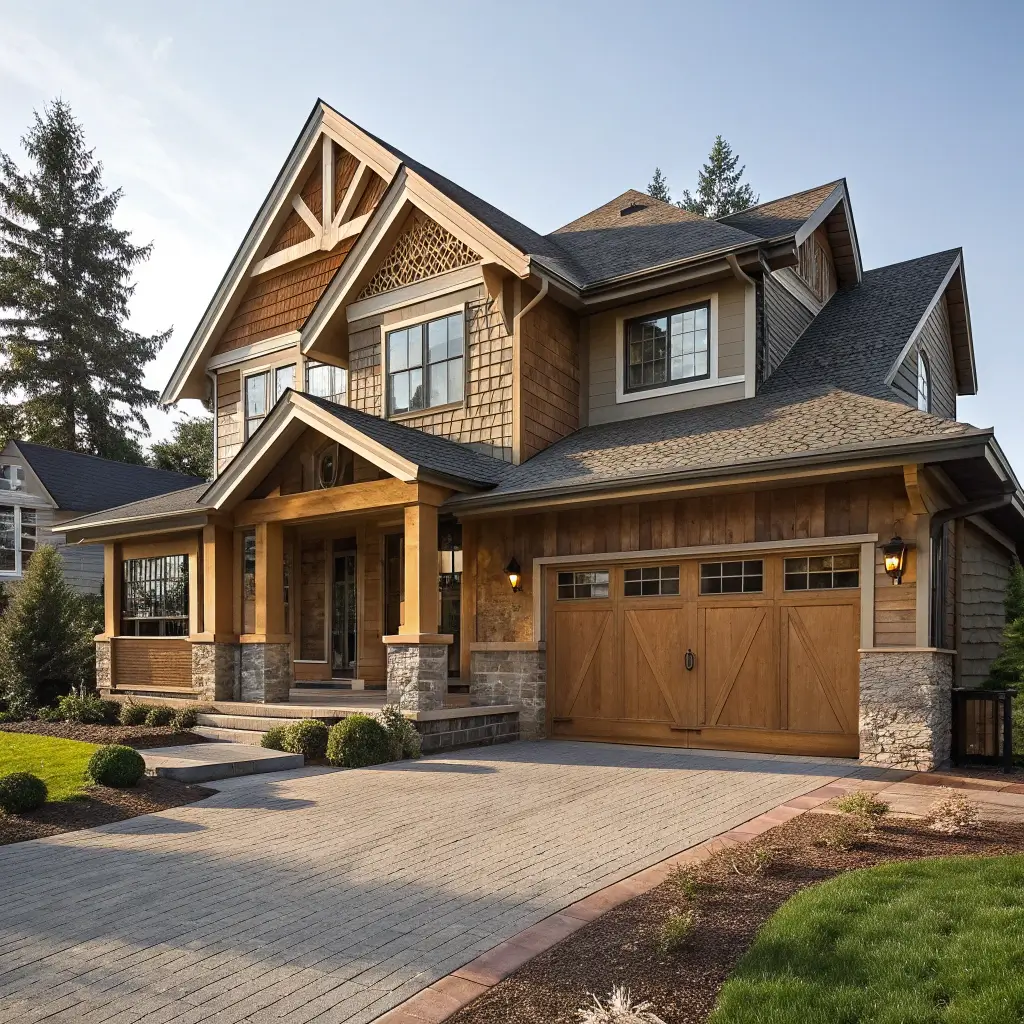
Modern families need serious storage, and two-story Craftsman plans with substantial garages deliver without compromising architectural integrity.
Garage Integration Done Right
The challenge with Craftsman homes involves integrating modern garages without letting them dominate the facade. Smart plans position garages to the side or rear, or use architectural techniques to minimize their visual impact.
When front-facing garages are unavoidable, designers use pergolas, dormers, or second-story extensions to break up the garage mass. Carriage-style doors with decorative hardware maintain period character. Windows in garage doors add light and reduce the solid wall effect.
Bonus Space Above
Two-story plans often position bonus rooms above garages—perfect for home offices, teen suites, or rental units. These spaces connect to the main house or feature separate entries for flexibility.
The key involves maintaining consistent architectural treatment. Dormers, windows, and siding on garage spaces match the main house. The garage doesn’t look like an afterthought but an integral part of the design.
Workshop Dreams
Spacious Craftsman garages acknowledge that many homeowners are makers at heart. Three-car garages provide workshop space. Built-in workbenches continue the Craftsman built-in tradition. Dedicated storage for tools and materials keeps spaces functional.
Some plans include old-school features like mechanic’s pits or dedicated woodshop spaces. The original Craftsman movement would approve—these were homes for people who worked with their hands.
8. Craftsman Homes with Stunning Backyard Designs
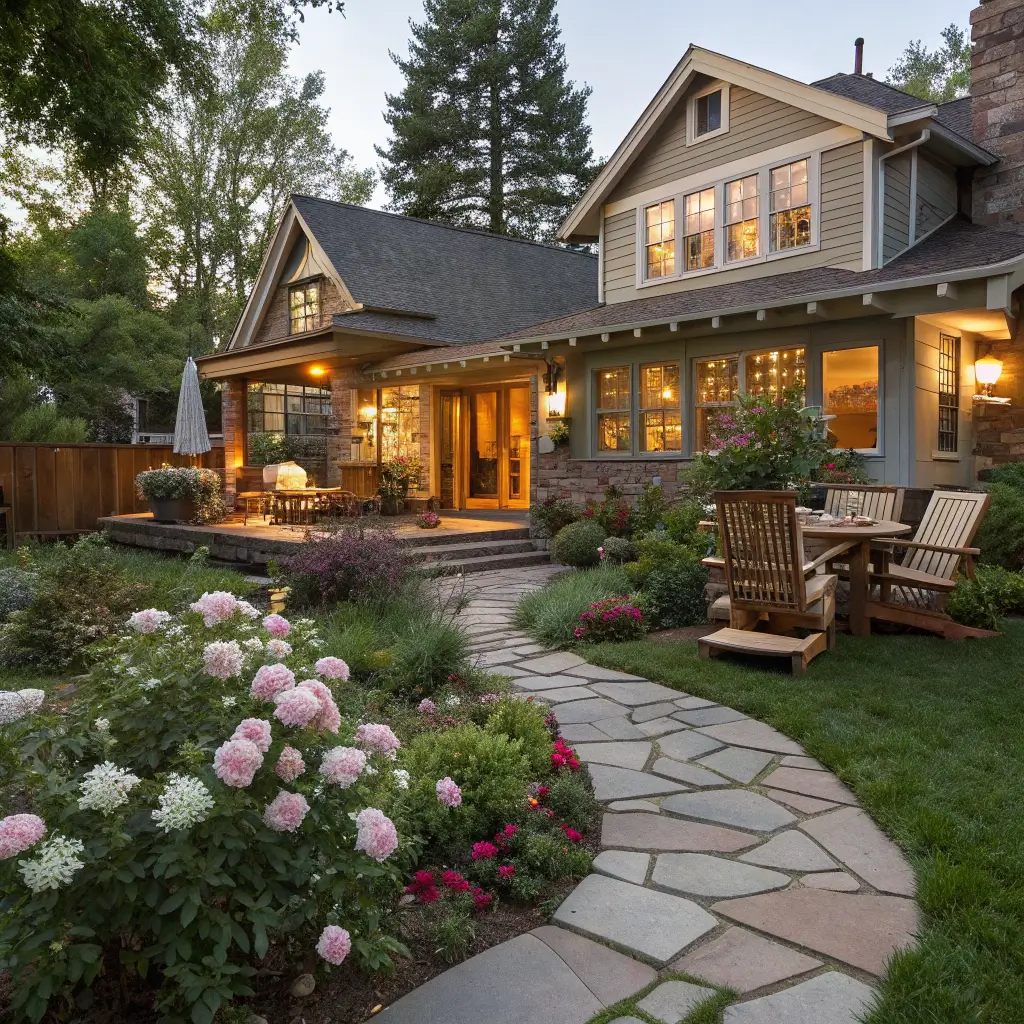
Craftsman architecture doesn’t stop at the back door. These plans extend the design philosophy into outdoor living spaces that feel like natural extensions of the home.
Outdoor Rooms That Work
Craftsman backyard designs create actual rooms outside—dining areas, living spaces, cooking zones—defined by pergolas, arbors, and strategic plantings. These aren’t random patios but thoughtfully designed extensions of interior spaces.
Covered porches wrap around to the back, providing weather-protected transitions. Outdoor fireplaces echo interior ones. Built-in seating continues the furniture-as-architecture theme. Everything feels integrated and intentional.
Garden Integration
Craftsman landscape design emphasizes native plants, natural materials, and organic layouts that feel effortless. Raised planting beds built from stone or wood echo the home’s materials. Pathways meander naturally rather than following rigid geometry.
Water features—fountains, small ponds, or streams—add movement and sound. Lighting highlights architectural features and extends usability into evening hours.
Privacy Without Isolation
Craftsman backyards balance privacy with connection to surroundings. Fences and screens use the same materials and details as the house. Plantings create natural barriers without feeling fortress-like.
The result feels like a private retreat that still participates in the larger landscape. You’re protected but not isolated. IMO, this balance is what makes Craftsman outdoor spaces so successful.
9. Customizable Craftsman Floor Plans for Families
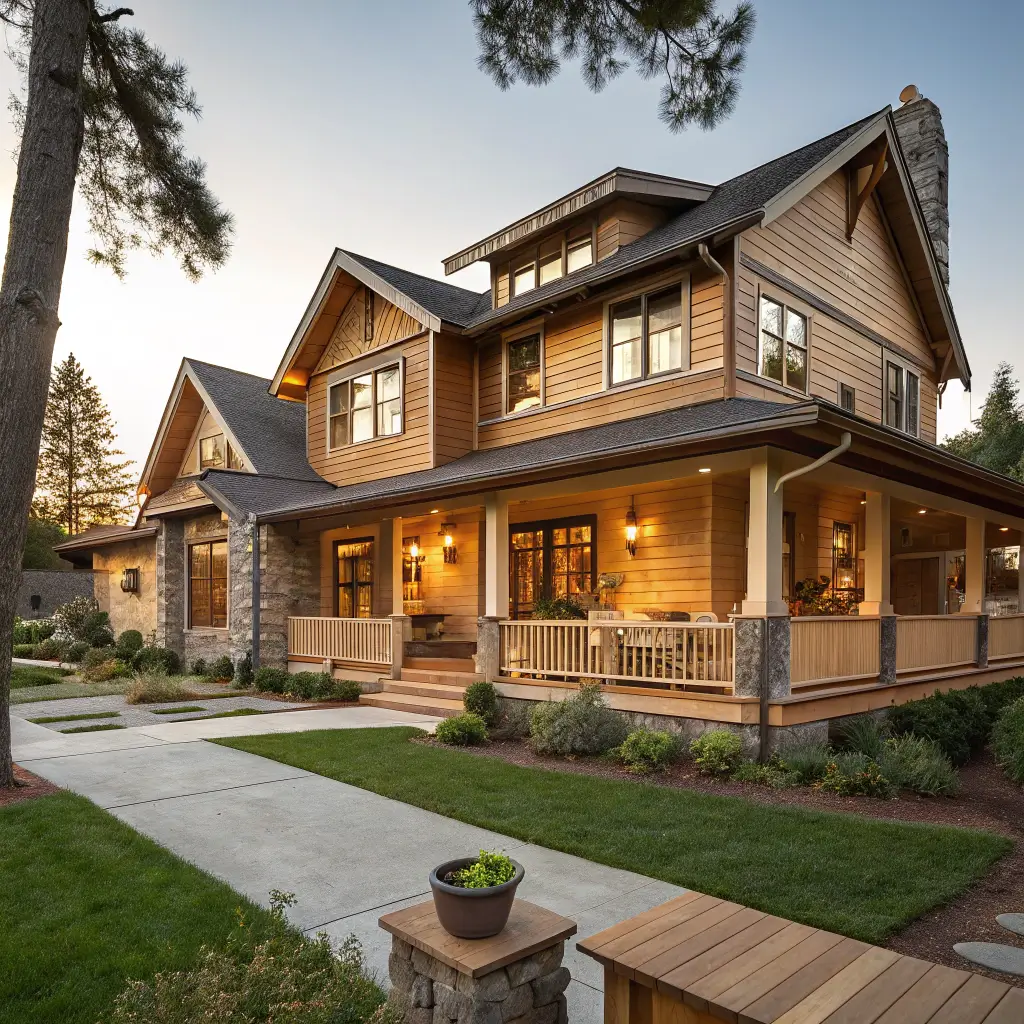
Family needs vary wildly, and customizable Craftsman plans provide frameworks that adapt to different lifestyles while maintaining architectural integrity.
Flexible Foundations
Customizable plans start with solid Craftsman bones—proper proportions, characteristic rooflines, essential architectural elements—then allow modification within those parameters. Maybe you need four bedrooms instead of three. Or prefer a larger kitchen and smaller formal dining room.
The key involves maintaining design principles while adjusting specifics. Room sizes can change, but proportions stay balanced. Window placement might shift, but the rhythm remains consistent.
Modern Family Accommodations
Today’s families need spaces original Craftsman homes never imagined—home offices, media rooms, exercise spaces. Customizable plans integrate these functions without disrupting the overall design.
Mudrooms become command centers with charging stations and backpack storage. Bonus rooms accommodate whatever current family life demands. Flexibility builds into the bones rather than being tacked on awkwardly.
Growing and Shrinking
The best customizable plans anticipate life changes. Nurseries become kids’ rooms then teen suites. Home offices transform into guest rooms when parents visit. Finished basements adapt from playrooms to entertainment spaces as children age.
This adaptability protects your investment—the house grows with you rather than forcing relocation when needs change.
Also Read: 12 Modern 1200 Sq Ft House Plans and Minimalist Designs
10. Tiny Craftsman Homes with Smart Space Solutions
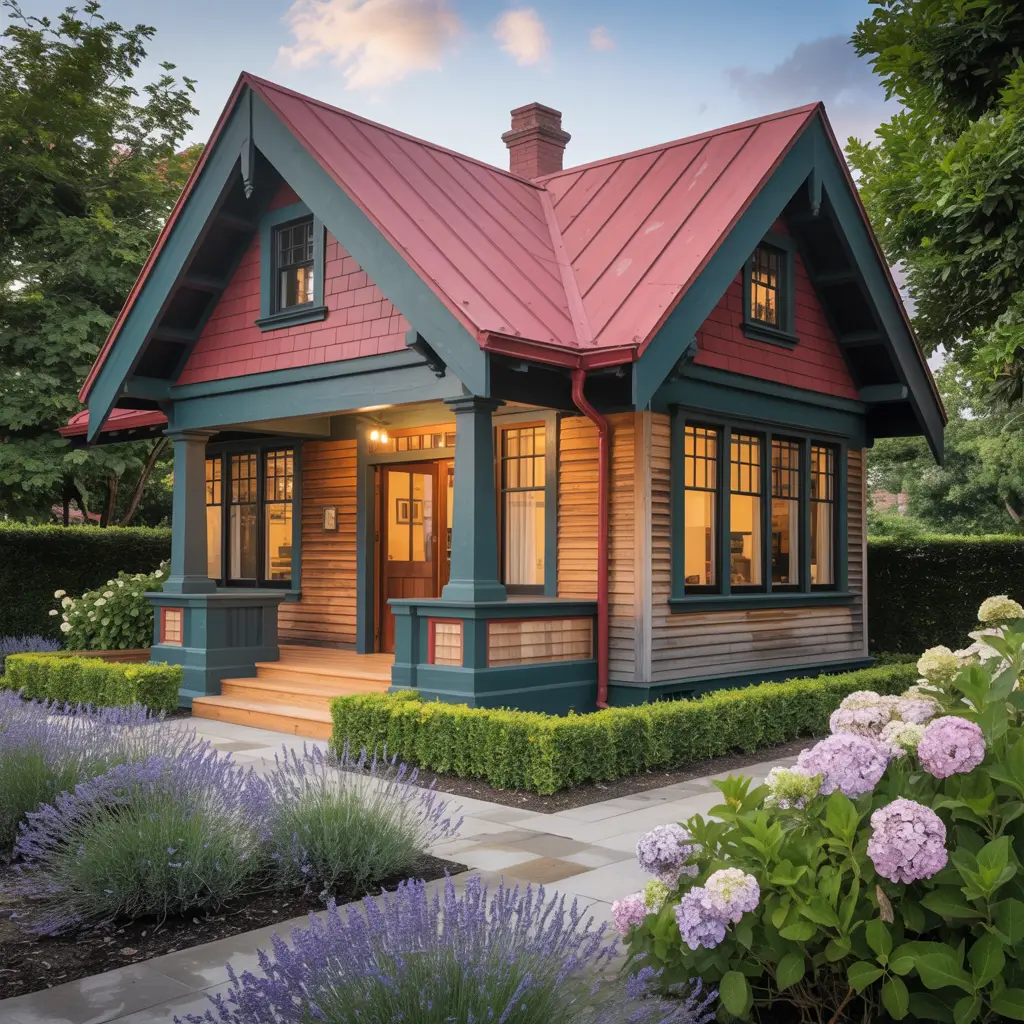
The tiny house movement meets Craftsman design in these compact plans that prove good architecture transcends square footage.
Craftsman Principles at Tiny Scale
Tiny Craftsman homes (typically under 800 square feet) maintain the style’s essential elements while eliminating excess. You still get the front porch, exposed rafters, and built-in features—just in concentrated doses.
These homes embrace quality over quantity religiously. Every board, tile, and fixture earns its place through both function and beauty. There’s no room for meaningless decoration or wasted space.
Built-Ins Become Essential
In tiny Craftsman homes, built-in furniture isn’t just characteristic—it’s survival. Murphy beds fold into Craftsman-styled cabinets. Dining tables drop from walls. Stairs incorporate drawers in every riser.
Window seats provide storage, seating, and architectural interest simultaneously. Kitchen cabinets extend to ceilings. Even bathroom vanities maximize every cubic inch. It’s basically architectural origami, but make it Craftsman.
Outdoor Space Multiplication
Tiny Craftsman homes compensate for interior limitations through generous porches, decks, and outdoor rooms. A 600-square-foot interior might have 200 square feet of covered outdoor living space.
These outdoor areas aren’t afterthoughts but essential components that make tiny living feasible. When weather permits, your living space effectively doubles. :/
Making Your Craftsman Dreams Reality
After exploring these ten Craftsman approaches, you might wonder which direction suits your situation. Start by identifying what draws you to Craftsman style—is it the built-ins, the natural materials, the human scale, or the overall aesthetic?
Consider your lifestyle honestly. Do you actually use formal dining rooms? Need serious storage? Work from home? Craftsman plans accommodate various needs, but different configurations serve different purposes better.
The Investment Perspective
Craftsman homes typically hold value exceptionally well because they offer something builder-grade houses never will—genuine character and quality construction. The style appeals across generations, protecting your investment long-term.
Yes, authentic Craftsman details cost more than vinyl everything. But these homes age gracefully rather than dating quickly. That built-in buffet will still be gorgeous in 50 years. Can you say the same about particle board furniture?
Finding Your Perfect Craftsman Plan
Whether you choose a cozy cottage, luxury estate, or tiny gem, remember that Craftsman design is about more than aesthetics—it’s about creating homes that enhance daily life through thoughtful design and quality craftsmanship.
Don’t let anyone tell you Craftsman style is outdated or limiting. These homes have survived over a century because they nail the fundamentals of good residential design.
They’re human-scaled, honestly built, and absolutely timeless.
Your perfect Craftsman plan exists, waiting to prove that the best homes aren’t just shelters—they’re crafted spaces that make life better simply by living in them.
Now go find your perfect plan and join the century-old club of people who know that good design never goes out of style!