
Do I Need Something in Gas Fireplace? The 7 Absolute Essentials

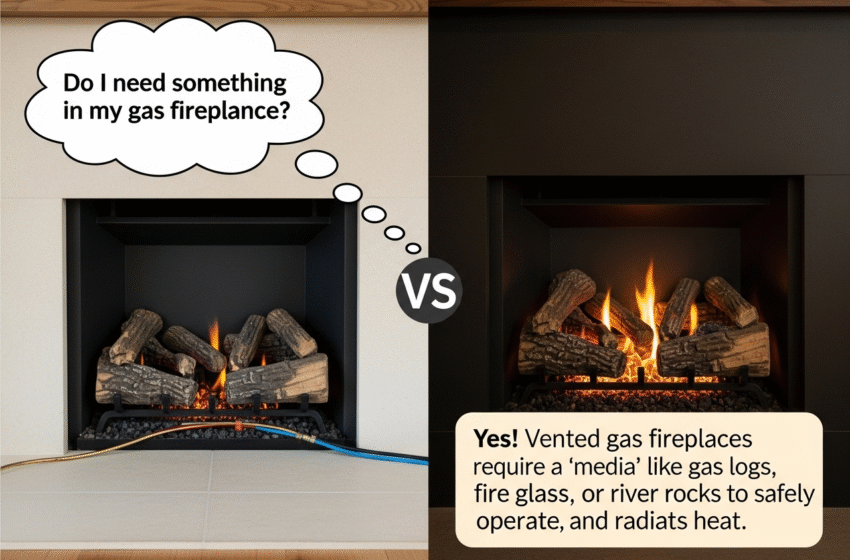
If you’ve found yourself staring at an empty firebox or a newly installed unit and asking, “do i need something in gas fireplace?”, you are asking the most important question possible. The short answer is a definitive yes. A gas fireplace is not a simple appliance; it is a complex system that requires specific components to function safely, efficiently, and beautifully. Operating a gas fireplace without the correct elements is not only ineffective but can be extremely dangerous.
This comprehensive guide will walk you through every single thing you need, from the absolute non-negotiable safety components to the aesthetic touches that create the perfect ambiance. We will demystify the different types of gas fireplaces, explain the critical role of each part, and provide you with a clear checklist to ensure your fireplace is complete, correct, and ready for cozy evenings. Understanding these requirements is the key to enjoying the warmth and comfort of your fireplace with complete peace of mind.
The core question of “do i need something in gas fireplace” hinges on several factors, primarily the type of fireplace you own. The requirements for a direct-vent unit differ from those of a vent-free model or a gas insert. However, some needs are universal: a safe fuel source, a proper ignition system, and specific interior materials designed to handle intense heat. We will explore all of these in detail, ensuring you have a full understanding of what your specific fireplace requires to operate optimally.
Understanding Your Gas Fireplace Type: The First Step
Before you can know what you need, you must identify what you have. The type of gas fireplace dictates its specific requirements. The three main categories are vented, ventless, and gas fireplace inserts. Each has a distinct purpose and set of rules.
Vented Gas Fireplaces (Direct Vent or B-Vent)
These fireplaces are designed to mimic a traditional wood-burning experience and are valued for their realistic flames and aesthetic appeal. They require a sealed ventilation system to expel combustion gases outside your home. A direct-vent system, which is the most common and efficient for modern homes, uses a dual-wall pipe. One pipe draws in fresh air from outside for combustion, while the other expels the exhaust gases .
This sealed system is highly efficient and prevents indoor air quality issues. A B-vent or natural vent system, often used in remodels, uses a single pipe and relies on the natural buoyancy of hot air to vent gases outside, drawing combustion air from the room itself . Because much of the heat produced by vented fireplaces escapes through the vent, they are primarily chosen for their ambiance rather than their heating efficiency .
Ventless Gas Fireplaces (Vent-Free)
This type is designed for maximum heating efficiency. As the name implies, do i need something in gas fireplace like a chimney? Not with a vent-free model. They do not require any external venting because they are engineered to burn gas so efficiently that the combustion produces minimal harmful byproducts . The heat produced is almost entirely radiated into the room, making them excellent supplemental heat sources.
However, because they release a small amount of moisture and combustion gases into the home, they are subject to strict local building codes and are not permitted in some areas, such as Canada . They are also equipped with an Oxygen Depletion Sensor (ODS) that automatically shuts off the gas if oxygen levels in the room fall too low .
Gas Fireplace Inserts
If you have an existing traditional masonry fireplace that is inefficient and drafty, a gas insert is the perfect solution. Inserts are self-contained units that fit snugly into your old firebox, converting it into a highly efficient gas heater . They can be either direct-vent or vent-free, but most are direct-vent, using a liner run up the existing chimney to create a sealed combustion system. This makes them one of the most efficient ways to gain the benefits of a gas fireplace without a major renovation.
Table: Gas Fireplace Types at a Glance
| Fireplace Type | Venting Required | Primary Use | Key Consideration |
|---|---|---|---|
| Vented (Direct Vent) | Yes, sealed pipe system | Ambiance, some heat | Excellent safety and air quality; requires exterior wall or roof access. |
| Vented (B-Vent) | Yes, uses chimney or B-vent pipe | Ambiance, traditional look | Less efficient than direct vent; uses indoor air for combustion. |
| Ventless (Vent-Free) | No | High-efficiency heating | Check local codes; not allowed everywhere; can affect indoor humidity. |
| Gas Insert | Yes, typically uses existing chimney | High-efficiency heating for existing fireplaces | Ideal for upgrading old, inefficient wood-burning fireplaces. |
The Absolute Essentials: What Every Gas Fireplace Needs
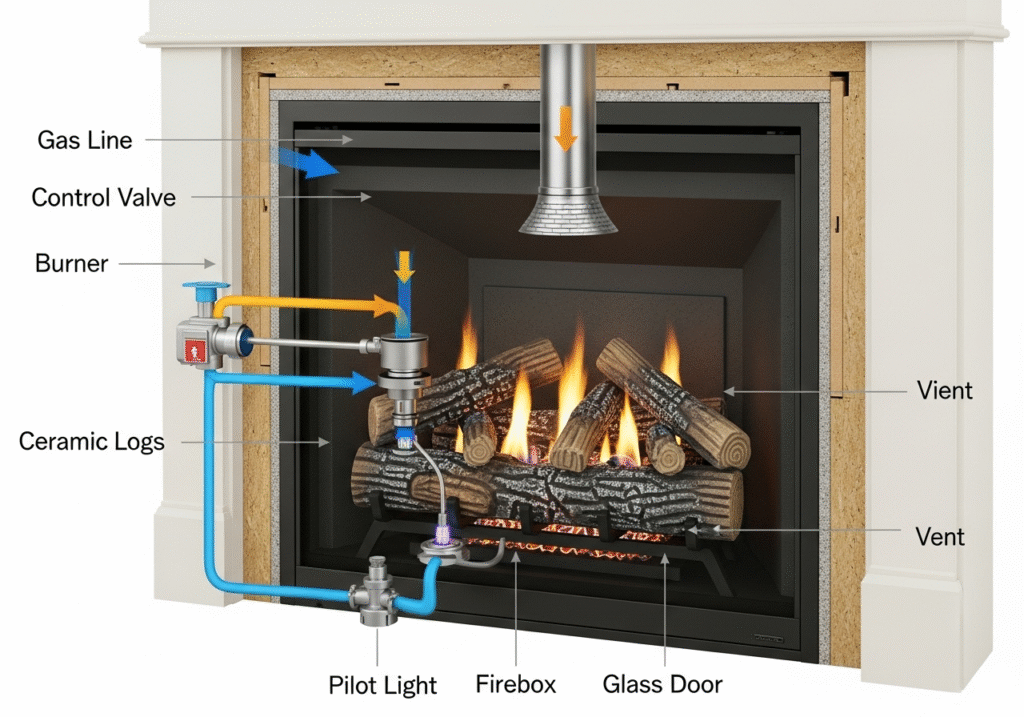
Now that you understand the types, we can answer the core question: do i need something in gas fireplace to make it work? The following components are not optional; they are mandatory for safe and basic operation.
1. A Safe and Certified Gas Supply Line
The most fundamental requirement is, of course, the gas itself. A gas fireplace will be connected to your home’s natural gas supply or an external propane tank via a dedicated, approved gas line and a shut-off valve . This is not a DIY project. The installation of the gas line must be performed by a licensed professional to ensure there are no leaks, which could lead to a fire or carbon monoxide poisoning. The shut-off valve, often located near the fireplace, allows you to turn the gas supply completely off for maintenance or in an emergency. If you ever smell the distinct, sulfur-like odor of rotten eggs, you must turn off this valve immediately, evacuate your home, and contact your gas company or emergency services .
2. A Proper Venting System (For Vented Models)
If your fireplace is a vented model (direct-vent or B-vent), the venting system is its lifeline. Do i need something in gas fireplace to deal with exhaust? Absolutely. This system is critical for channeling toxic combustion gases, like carbon monoxide, safely out of your home . A direct-vent system uses a double-walled pipe: the inner chamber exhausts fumes, while the outer chamber brings in fresh air for combustion. A B-vent system uses a single pipe and relies on the heat of the exhaust to create an upward draft. It is crucial that this venting system is clear of obstructions like bird nests or debris and is installed correctly according to manufacturer specifications. An annual inspection by a professional should include a check of the venting system to ensure it remains safe and functional .
3. A Functional Ignition System
You cannot light a gas fireplace with a regular match. It requires a built-in ignition system. There are two primary types:
- Electronic Ignition (Intermittent Pilot Ignition – IPI): This is the modern standard for its energy efficiency. When you turn on the fireplace with a switch or remote, an electric spark ignites the pilot light, which then lights the main burner. The pilot light is only on when the fireplace is in use, saving energy. Some models have a battery backup to allow operation during a power outage .
- Standing Pilot Light: Common in older models, this system involves a small, continuous flame that is always burning. To light the fireplace, you turn a control knob to allow gas to flow to the main burner, which is ignited by the constant pilot light. While reliable and functional during power outages, it uses more gas over time .
4. Certified Burner Pan and Media: What Goes Inside the Firebox
This is the heart of the question, “do i need something in gas fireplace?” when looking at the empty interior. The answer is a resounding yes. You cannot simply place anything in the firebox. The interior must contain a manufacturer-approved burner pan and specific fireproof media. The burner is a metal assembly where the gas jets are located and where the flame is produced. Placed on and around this burner must be materials designed to withstand extreme heat.
- Gas Logs: These are the most common choice. They are not real wood; they are meticulously crafted from ceramic fiber, refractory ceramic, or cement to look incredibly realistic, mimicking woods like oak, birch, or driftwood . It is critical to use logs designed for your specific fireplace model, as their placement affects the air-to-gas ratio and flame pattern. Moving logs from their designated position can create soot or even be a fire hazard .
- Other Media: For a more contemporary look, many fireplaces use media like fireproof glass beads, lava rock, or river stone instead of logs . These materials are also designed to withstand high heat and distribute flames evenly across the burner.
Using incorrect materials, especially anything combustible, is a severe fire hazard. The components inside are engineered for safety and performance.
Fuel and Ignition: Deeper Dives into Critical Needs
To fully answer “do i need something in gas fireplace,” we must explore two of the most critical systems in greater detail: the fuel type and the ignition mechanism. Choosing the right fuel and understanding how your fireplace lights are fundamental to its operation.
Choosing the Right Fuel: Natural Gas vs. Propane
While both are common options, natural gas and propane are not interchangeable. Your fireplace will be manufactured for one specific type of gas.
- Natural Gas: This is the most common fuel for homes connected to a municipal supply line. It is delivered through a pipeline and is generally less expensive than propane. It burns at a lower BTU (British Thermal Unit) rating than propane, meaning it produces slightly less heat per cubic foot .
- Propane: Often used in homes without access to a natural gas main, propane is stored in a tank on the property. It burns hotter than natural gas (approximately 2,500 BTUs per cubic foot versus 1,010 for natural gas) and is more efficient . Because of this higher heat output, the gas valves and orifices in the fireplace must be sized specifically for propane. Attempting to use one gas in a fireplace designed for the other will result in improper combustion, sooty flames, and potential safety hazards.
If you are converting a fireplace from one gas type to the other, a qualified technician must change the necessary components to ensure safe and efficient operation.
Electronic vs. Standing Pilot Ignition
The method your fireplace uses to ignite is a key part of its operation and efficiency.
- Standing Pilot Light: This traditional system keeps a small flame burning 24/7. The advantage is that the fireplace will work during a power outage. The significant disadvantage is that it constantly consumes a small amount of gas, which can cost around $5-$6 per month, adding up over time . Lighting a standing pilot usually involves a multi-step process of turning a control knob to ‘pilot,’ pressing it down to release gas, and using a spark igniter button or long match to light the flame, which you must then hold down for 30-60 seconds to heat a safety device called a thermocouple .
- Electronic Ignition (Intermittent Pilot): This is the more modern and energy-efficient system. The pilot light is only ignited when you turn on the fireplace. This eliminates the constant gas usage of a standing pilot. Activation is typically as simple as flipping a wall switch or pressing a button on a remote control. You may hear a series of clicks as the system sparks to light the pilot, followed by the main burner igniting . While most require electricity, some models come with a battery backup for outage operation.
Aesthetic and Safety Components: Enhancing Function and Form
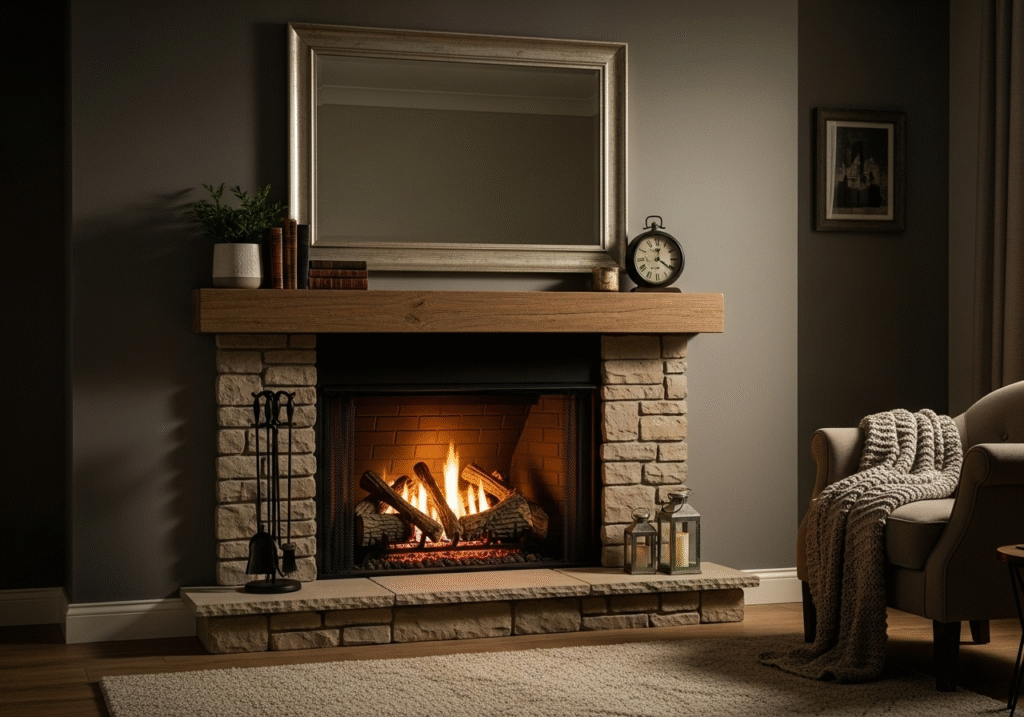
Beyond the purely functional mechanics, the question “do i need something in gas fireplace” extends to the elements that create the desired visual effect and ensure safe interaction with the unit.
The Role of Gas Logs and Media Sets
The logs or media inside your fireplace are not just for show; they play a role in the quality of the flame and the distribution of heat. Choosing between vented and ventless logs is a crucial decision that ties back to your fireplace type.
- Vented Logs: Designed for use in vented fireplaces, these logs are prioritized for aesthetics. They are often more detailed and realistic, creating a tall, dancing yellow flame that closely resembles a wood fire. Because the fireplace is venting to the outside, a significant amount of heat is lost along with the combustion gases. These are perfect if your primary goal is ambiance .
- Ventless Logs: Used exclusively in vent-free fireplaces, these logs are engineered for complete combustion and maximum heat efficiency. The flames are typically smaller and bluer because they must burn very cleanly to be safe for indoor air quality. They are not as visually realistic as vented logs, but they project nearly 100% of their heat into the room. Their design is critical to the safe operation of a vent-free unit .
Safety Barriers: Glass Doors and Protective Screens
A necessary component that addresses the question “do i need something in gas fireplace” from a safety perspective is a protective barrier. The glass front of a direct-vent fireplace or the decorative screen on other models serves a vital purpose: preventing direct contact with the flames and extremely hot surfaces. The glass on a sealed combustion fireplace can reach temperatures exceeding 400°F within minutes, posing a serious burn risk to children and pets . Never operate a gas fireplace without its designated safety screen or glass front in place. Modern fireplaces are designed with these as integral safety features.
Safety and Maintenance: The Ongoing Needs
A complete answer to “do i need something in gas fireplace” must include the ongoing requirements for safe operation. Ownership does not end with installation; it requires vigilance and maintenance.
Carbon Monoxide Detectors: A Non-Negotiable Home Need
Whether your fireplace is vented or ventless, every home with any gas appliance must have working carbon monoxide (CO) detectors installed. Carbon monoxide is an odorless, colorless gas produced by incomplete combustion and is potentially fatal. A CO detector is your last line of defense against a malfunctioning appliance or blocked vent. Install detectors on every level of your home, especially near sleeping areas. It is recommended to place them at least 15 feet away from the fireplace to avoid false alarms and to test them monthly .
Annual Professional Inspection and Cleaning
Even though gas fireplaces are cleaner than wood-burning ones, they are not maintenance-free. An annual inspection by a certified professional is highly recommended. This service typically includes:
- Checking for gas leaks in the supply line and connections.
- Ensuring the ignition system is working correctly.
- Verifying that the venting system is clear and functioning properly.
- Cleaning the burner and logs of any dust or debris that could affect performance.
- Checking that all safety systems, like the thermocouple (which shuts off gas if the pilot goes out) and the ODS sensor on vent-free models, are operational .
This proactive maintenance ensures your fireplace operates safely and efficiently for years to come, preventing small issues from turning into costly repairs.
Troubleshooting and Knowing When to Call a Professional
Part of understanding what you need is recognizing when something is wrong. If your fireplace exhibits any of the following issues, it’s a sign that you need professional assistance.
- The Pilot Light Won’t Stay Lit: This is often caused by a faulty thermocouple. The thermocouple is a safety device that senses the pilot flame’s heat. If it’s not heated sufficiently, it signals the gas valve to shut off. This can mean the thermocouple is dirty, mispositioned, or needs replacement .
- A Yellow or Lazy Orange Flame: A healthy pilot light and burner flame should be mostly blue with possibly a small yellow tip. A predominantly yellow or orange flame indicates incomplete combustion, which can be caused by a lack of oxygen or a clogged burner. This can produce carbon monoxide and requires immediate attention from a technician .
- A Rotten Egg Smell When Lit: As mentioned, this is the odorant added to gas to alert you to a leak. If you smell this at any time, it is an emergency. Turn off the gas supply, evacuate, and call for help .
- The Fireplace Keeps Going Out: This could be due to a weak thermocouple, a draft affecting the pilot light, or an issue with the main gas valve. Repeated failures to stay lit point to a problem that needs professional diagnosis .
Conclusion: So, What Do You Really Need in Your Gas Fireplace?
The question, “do i need something in gas fireplace?” is the mark of a responsible homeowner. The answer is multi-faceted but clear. You need, at a minimum:
- A Correctly Installed Gas Supply: Safely connected by a professional to either natural gas or propane.
- A Proper Venting System: If you have a vented model, this is essential for safety.
- A Functional Ignition System: Whether a standing pilot or electronic ignition, it must be in good working order.
- Approved Burner and Media: Certified gas logs, lava rock, or glass media designed for your specific model are mandatory. You cannot use random objects or real wood.
- Safety Barriers: The designated glass front or protective screen must always be in place during operation.
- Carbon Monoxide Detectors: Installed throughout your home as a critical safety backup.
- Annual Professional Maintenance: To ensure everything continues to work safely and efficiently for the long term.
By ensuring your fireplace has all these elements, you can move from uncertainty to confidence. You can enjoy the unparalleled warmth and ambiance of a gas fireplace, knowing that you have addressed all the essential requirements for safety and performance. The cozy, worry-free fires you desire are within reach when you equip your fireplace with everything it needs.