
Does a Gas Fireplace Work Without Electricity? Let’s Clear This Up

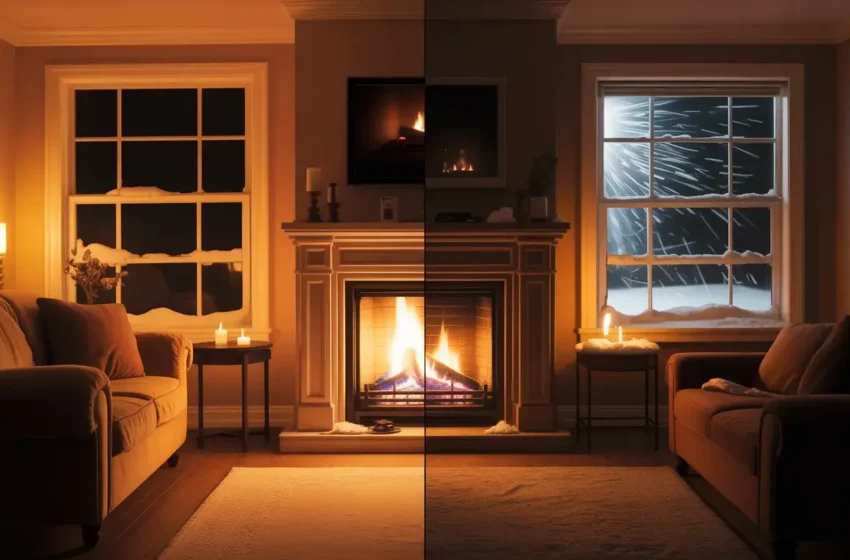
You know what’s funny? People drop thousands on a gas fireplace, then a power outage hits, and suddenly they’re sitting in the dark wondering if their expensive heating setup just became a glorified wall decoration. Sound familiar? 🙂
Here’s the deal: most gas fireplaces CAN work without electricity, but it depends on the type you’ve got. And honestly, understanding this before you buy could save you from some seriously cold nights when the grid decides to take a vacation.
Let me walk you through everything you need to know about gas fireplaces and their relationship with electricity. Trust me, after one too many winter storms, I’ve learned this stuff the hard way.
The Short Answer (Because I Know You’re Impatient)
Yes, many gas fireplaces work without electricity—but not all of them.
The ones that do typically use something called a millivolt or standing pilot system. These bad boys generate their own power through the pilot light, meaning when the power goes out, you’re still golden. The ones that don’t? Well, they rely on electronic ignition systems that need your home’s electrical supply to function.
Pretty straightforward, right? But stick around because there’s way more to this story.
Understanding How Gas Fireplaces Actually Work
Before we get into the electricity debate, let’s talk about what’s going on inside that fancy fireplace of yours.
Gas fireplaces burn either natural gas or propane to create flames and heat. Unlike traditional wood-burning fireplaces (which, let’s be honest, are a pain to maintain), gas versions give you instant heat at the flip of a switch or push of a button. No chopping wood, no cleaning ash, no dealing with smoke billowing into your living room.
The basic components include:
- A gas burner system that creates the flames
- A pilot light or ignition system to start the fire
- A thermocouple or thermopile for safety
- Control valves to regulate gas flow
- Optional blowers and fans for heat distribution
Now here’s where electricity comes into play—or doesn’t, depending on your setup.
The Two Main Types: Millivolt vs. Electronic Ignition
This is the heart of the matter, folks. Understanding these two systems will tell you everything you need to know about whether your fireplace will keep you warm during a blackout.
Millivolt Systems (The Power Outage Champions)
Millivolt systems are the OGs of gas fireplaces. They use a standing pilot light that burns 24/7, and here’s the cool part: that pilot light generates its own electricity through a thermopile.
A thermopile is basically a bunch of thermocouples stacked together. When heated by the pilot flame, it produces enough voltage (around 750 millivolts, hence the name) to power the gas valve and ignition system. No external electricity needed. Zero. Zilch.
The perks of millivolt systems:
- Work completely without household electricity
- Super reliable during power outages
- Simple operation with manual controls
- Wall switches work without power
- Remote controls often use batteries
The downsides? Well…
- That pilot light burns gas constantly (even when you’re not using the fireplace)
- Less energy-efficient overall
- Slightly higher gas bills
- Some people find them outdated
I’ve got a millivolt system in my basement, and let me tell you, during that crazy ice storm two winters ago when half the neighborhood lost power for three days, my place was the only one that stayed warm. Worth the extra gas cost? IMO, absolutely.
Electronic Ignition Systems (The Modern Route)
These are the newer kids on the block, and they’re all about efficiency. Electronic ignition systems (also called IPI—Intermittent Pilot Ignition) don’t keep a pilot light burning all the time. Instead, they use electricity to spark the pilot when you actually want to use the fireplace.
Here’s how they roll:
- No standing pilot light wasting gas
- Electronic ignition creates a spark when needed
- More energy-efficient overall
- Often come with fancy thermostats and programmable features
- Better for the environment (if you care about that sort of thing)
But here’s the catch:
- They need electricity to function
- Power outage = no fire (unless you’ve got a battery backup)
- More complex systems mean more potential points of failure
- Repairs can be pricier
FYI, if you’ve got one of these and you’re worried about power outages, battery backup kits exist. They’re not cheap, but they’ll keep your fireplace running when the lights go out.
So, Will YOUR Gas Fireplace Work Without Power?
Great question! Here’s how to figure it out:
Check Your Ignition Type
Look at your fireplace’s manual (yeah, I know, who keeps those?) or check the manufacturer’s website. If it says “millivolt” or “standing pilot,” you’re good to go without electricity. If it mentions “electronic ignition,” “IPI,” or “intermittent pilot,” you’ll need power—or a battery backup system.
The Wall Switch Test
Here’s a quick and dirty test: if your fireplace has a simple on/off wall switch that looks like a regular light switch, it’s probably millivolt. If you’ve got a digital thermostat or touch screen controls, it’s likely electronic ignition.
Remote Control Clues
Millivolt systems often use simple remote controls powered by regular batteries. Electronic systems usually have more sophisticated remotes with LCD screens and require the base unit to have power.
When in Doubt, Call the Pros
Seriously, if you’re not sure, contact the manufacturer or have a technician check it out. It’s better than finding out the hard way during a winter storm.
What About Direct Vent vs. Ventless Fireplaces?
Hold up—this is where some folks get confused. The venting type (direct vent, ventless, or B-vent) is actually separate from whether the fireplace needs electricity.
Direct vent fireplaces pull air from outside and exhaust combustion gases outside through a dual-chamber pipe. They can be either millivolt or electronic ignition.
Ventless (or vent-free) fireplaces don’t need a chimney at all—they’re designed to burn so cleanly that they can exhaust into the room. Again, these can use either ignition system.
B-vent fireplaces use a traditional chimney. Same deal with the ignition options.
The venting type affects safety, efficiency, and installation requirements, but it doesn’t determine whether you need electricity. Keep those concepts separate in your head, or you’ll drive yourself crazy.
The Blower Factor: When Electricity Still Matters
Here’s something that trips people up: even if your gas fireplace ignites without electricity, you might still need power for the blower fan.
Most gas fireplaces come with optional blower kits that circulate warm air throughout the room. These fans dramatically improve heat distribution and efficiency. But guess what? Blowers require electricity.
So even with a millivolt system, if you rely on that blower to heat your space effectively, a power outage still limits your fireplace’s performance. The flames will burn, but you’ll only get radiant heat from the firebox itself—not the forced air circulation.
Is this a deal-breaker? Depends on your situation. In a small room, radiant heat might be plenty. In a larger space, you’ll notice the difference.
Battery Backup Systems: Your Insurance Policy
If you’ve got an electronic ignition system but you want power-outage protection, battery backups are your friend.
These systems typically use AA or D batteries and automatically kick in when the power goes out. Most will run your fireplace for 24-48 hours depending on usage, which covers most short-term outages.
Installation is usually pretty straightforward—you can often add them to existing electronic ignition fireplaces. Expect to pay anywhere from $100 to $300 for a decent backup system.
One thing to remember: batteries die. Check them regularly (I set a reminder on my phone twice a year) or you’ll find out they’re dead exactly when you need them most. Murphy’s Law, people.
Gas Supply: The Forgotten Variable
Ever wondered why some people lose their gas fireplaces during power outages even with millivolt systems? Plot twist: it might not be the fireplace—it could be the gas supply.
If you’re on natural gas, your supply usually doesn’t depend on electricity. The gas company’s infrastructure keeps flowing even when your power’s out. Lucky you.
But if you’re using propane from a tank with an electric pump? Yeah, that’s a problem. No power means no pump, which means no gas delivery, which means your fireplace is basically a fancy conversation piece until the power returns.
Also, some newer gas meters have electronic components. If your meter needs power and you don’t have it, even a millivolt fireplace won’t help you.
Installation and Conversion: Can You Switch Systems?
So maybe you’ve realized you’ve got an electronic ignition system and you’re thinking, “Can I convert this to millivolt?”
Short answer: Sometimes, but it’s complicated and often not worth it.
Converting electronic to millivolt typically requires:
- Replacing the valve system
- Installing a pilot light assembly
- Possibly modifying the burner
- Updating controls and thermostats
- Professional installation (this isn’t a DIY job)
The cost can easily run $500-$1,500 depending on your specific fireplace model. At that point, you might be better off just getting a battery backup system or accepting that your fireplace won’t work during outages.
Going the other direction (millivolt to electronic) is usually easier and sometimes makes sense if you’re chasing energy efficiency. But again, expect to pay for professional installation.
Safety Considerations You Can’t Ignore
Let’s get serious for a minute. Gas fireplaces are generally safe, but using them during power outages comes with specific concerns.
Carbon Monoxide Monitoring
Your CO detectors need battery backup or battery operation. This is non-negotiable. Hardwired detectors without battery backup won’t work during a power outage, which defeats the entire purpose when you’re burning gas indoors.
I keep battery-operated CO detectors near all my gas appliances, and I test them monthly. Paranoid? Maybe. Alive and well? Definitely.
Ventilation Matters
Even properly vented gas fireplaces can have issues if their venting system gets blocked. Heavy snow, ice, or debris can obstruct direct vent terminals. Before relying on your fireplace during a storm, check that the exterior vents are clear.
Ventless fireplaces need adequate room ventilation. During power outages when windows are closed and air isn’t circulating, be extra cautious. Crack a window if you’re running a ventless unit for extended periods.
Manual Controls and Children
Millivolt systems with manual controls can be turned on by curious kids. Make sure you have proper safety barriers and that everyone in the house knows how the fireplace works—and when not to touch it.
Energy Efficiency: The Real Talk
Alright, let’s address the elephant in the room: millivolt systems waste gas, period.
That standing pilot light burns 24/7/365. Depending on your gas rates and the specific model, this can cost you $100-$300 per year even when you’re not actively using the fireplace. Over a 10-year lifespan, that’s real money.
Electronic ignition systems eliminate this waste. They only burn gas when you’re actually creating heat. If you live somewhere with mild winters and only use your fireplace occasionally, the efficiency difference is huge.
But—and this is a big but—if you live somewhere with frequent power outages or harsh winters, the peace of mind from a millivolt system might outweigh the efficiency costs. You can’t put a price on staying warm when everyone else is freezing. :/
Making the Right Choice for Your Situation
So which system should you get? Here’s my honest take based on different scenarios:
Choose millivolt if:
- You experience frequent power outages
- You live in a cold climate where backup heat is critical
- You prioritize reliability over efficiency
- You’re okay with slightly higher gas bills
- You want simple, bomb-proof operation
Choose electronic ignition if:
- Power outages are rare in your area
- You use your fireplace sparingly
- Energy efficiency is a priority
- You want modern features and programmability
- You don’t mind adding a battery backup system
Real talk: I’d personally go millivolt for a primary heat source or in areas with sketchy power infrastructure. For a supplemental “ambiance” fireplace in a stable location? Electronic ignition all day.
Maintenance Tips to Keep Everything Running
Regardless of which system you have, proper maintenance keeps your fireplace working when you need it most.
Annual professional inspection is crucial. Gas appliances aren’t something to mess around with. A certified technician should check:
- Gas connections and pressure
- Pilot light and ignition system
- Thermocouple or thermopile function
- Venting integrity
- Safety sensors and shutoffs
DIY maintenance you can handle:
- Clean the glass regularly (buildup reduces heat output)
- Vacuum the burner area (dust and debris affect combustion)
- Check batteries in remotes, CO detectors, and backup systems
- Test the fireplace monthly during heating season
- Keep the area around the fireplace clear
I learned this lesson the expensive way: a $150 annual inspection beats a $2,000 emergency repair during a blizzard. Trust me on this one.
The Bottom Line: Know Before You Need It
Look, the time to figure out if your gas fireplace works without electricity is not when the power’s already out and the temperature’s dropping. Do your homework now.
Check your fireplace type, understand its limitations, and have a backup plan. Whether that’s a battery backup system, a portable generator, or just knowing you’ll have radiant heat but no blower—being informed beats being surprised.
Gas fireplaces are awesome. They provide reliable heat, create ambiance, and increase your home’s value. But like any major appliance, you need to understand how they work and what they need to function properly.
So does a gas fireplace work without electricity? For many of us with millivolt systems, absolutely yes. For those with electronic ignition, not without some extra help. Either way, now you know what you’re working with.
Stay warm out there, folks. And maybe keep some extra batteries handy, just in case. 🙂