10 Creative Dog Trot House Plans Ideas for Dream Homes
- House Plans
 Ben
Ben- 0
- 33 minutes read

Picture this: you’re sitting in an open-air hallway between two parts of your house, sipping sweet tea while a gentle breeze flows through, and you can’t help but wonder why everyone doesn’t live this way.
Welcome to the world of dog trot houses—the architectural equivalent of having your cake and eating it too, except the cake is a house and you get to sit in the middle of it.
I discovered dog trot houses completely by accident during a road trip through rural Alabama. We stopped at what looked like two small houses connected by a roof, and the owner caught me gawking.
She laughed and invited us in for lemonade, explaining how her great-grandfather built this “dog trot” design to survive the Southern heat before air conditioning existed.
Sitting in that breezy corridor, feeling the cross-ventilation while being completely protected from the sun, I had my architectural awakening. This wasn’t just smart design—it was genius disguised as simplicity.
So let’s explore ten dog trot house plans that prove this 19th-century innovation deserves a major comeback.
Whether you’re battling scorching summers, craving better indoor-outdoor living, or just want a house that makes people stop and ask “what IS that?”—these ideas will show you why dog trot designs are having their moment.
Why Dog Trot Houses Make Perfect Sense (Even Without Dogs)
Before we dive into specific plans, let’s clear up the elephant—or should I say, dog—in the room. No, you don’t need a dog to live in a dog trot house, though your furry friend would definitely approve of the design. The name comes from dogs lounging in the cool breezeway, but humans quickly figured out this was the best spot in the house.
Dog trot architecture solves multiple problems with elegant simplicity. The central breezeway creates natural air conditioning through cross-ventilation. The separated living spaces provide privacy and sound isolation. The covered outdoor area offers protected living space that’s neither fully inside nor completely outside.
These houses also adapt beautifully to modern lifestyles. That breezeway becomes the ultimate flex space—outdoor dining room, yoga studio, kids’ play area, or party central. The dual structures naturally separate public and private spaces, work and living areas, or even create potential rental income opportunities.
1. Modern Dog Trot House Exterior Designs
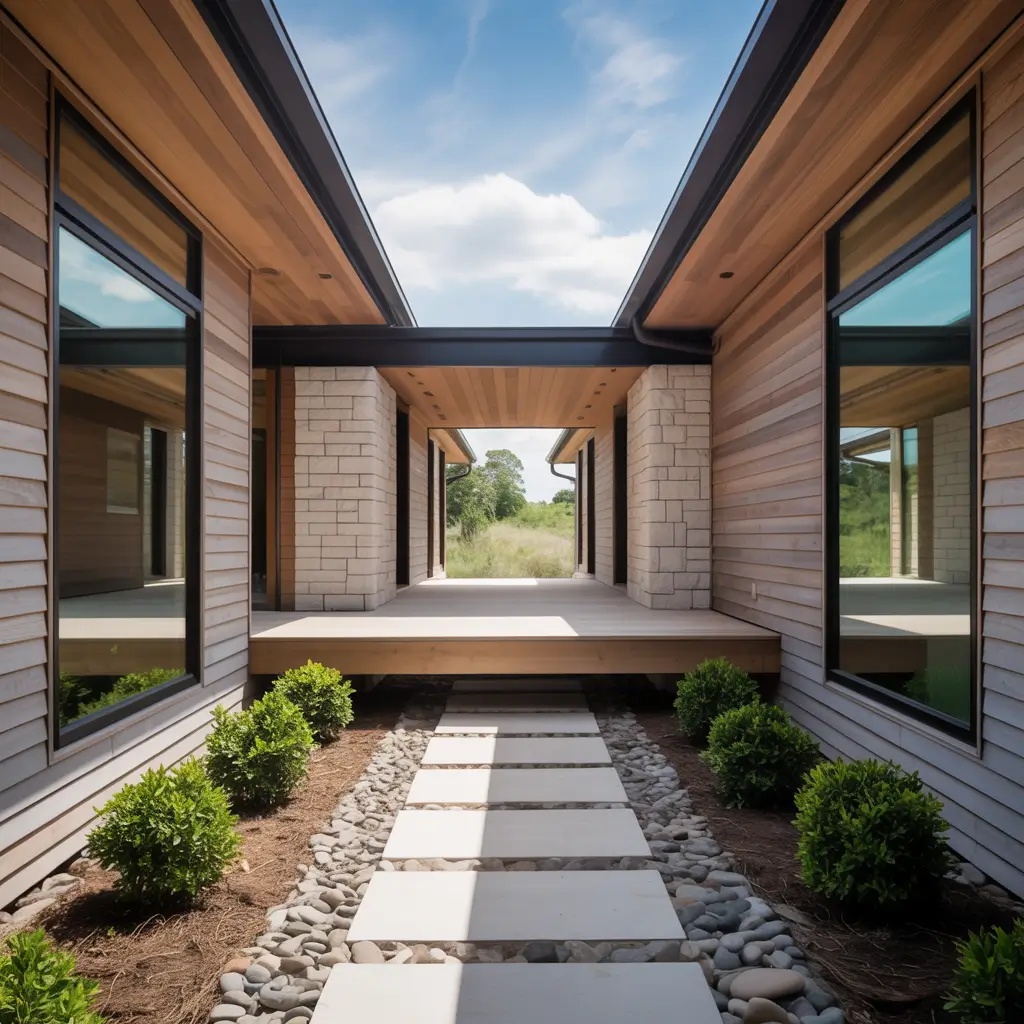
Modern dog trot exteriors take the traditional form and give it a contemporary makeover that would make any architecture magazine swoon. These designs prove that functional can absolutely be fashionable.
Clean Lines Meet Classic Function
Modern dog trot exteriors embrace minimalist aesthetics while maintaining the essential breezeway element. Think flat or shed roofs instead of traditional gables, floor-to-ceiling glass walls flanking the breezeway, and materials like steel, concrete, and sustainably sourced wood creating striking contrasts.
The breezeway transforms from a simple covered passage into an architectural statement. Some designs feature slatted screens for privacy and sun control. Others use pivoting glass panels that can close the breezeway during harsh weather. The traditional becomes transformative.
Material Innovation
Contemporary dog trot houses experiment with material combinations that would make traditional builders’ heads spin. Corten steel cladding develops a rustic patina that honors the rural roots while looking thoroughly modern. Board-formed concrete provides thermal mass and textural interest. Large-format tiles in the breezeway create easy-maintenance outdoor rooms.
I visited a modern dog trot in Austin where they’d used charred wood siding (shou sugi ban) that required zero maintenance while looking absolutely stunning. The contrast between the black exterior and the light-filled breezeway was pure architectural poetry.
Asymmetrical Arrangements
While traditional dog trots featured matching structures, modern designs often play with asymmetry. One side might be two stories while the other stays single level. Different roof heights create visual interest. Varied materials distinguish different functions.
This asymmetry allows for more diverse programming—a tall workshop on one side, cozy living quarters on the other, with the breezeway negotiating the height difference beautifully.
2. Cozy Dog Trot Interiors with Open Breezeways
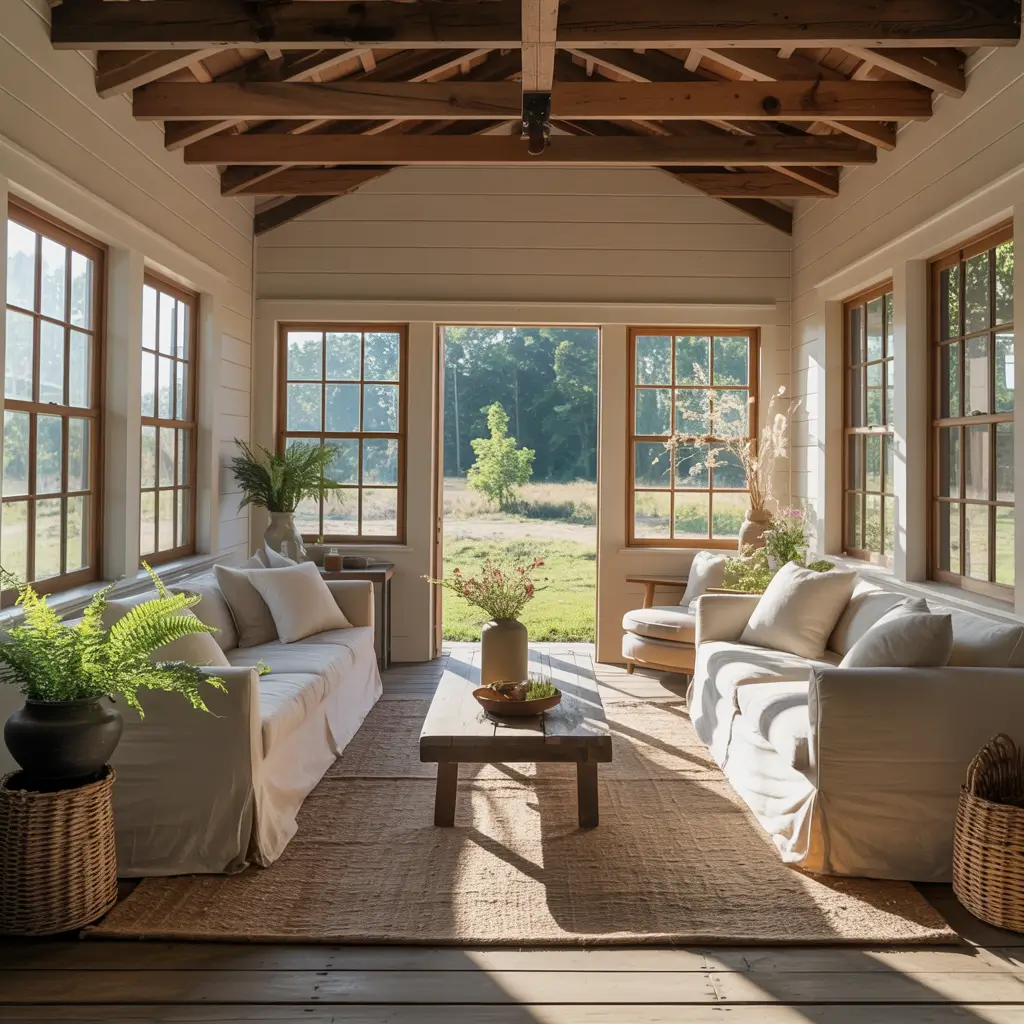
The breezeway might be the star of the show, but cozy interiors make dog trot houses truly livable. These designs maximize comfort in the enclosed spaces while celebrating the openness of the central corridor.
Defining Breezeway Character
Cozy dog trot designs treat the breezeway as a genuine room, not just a pass-through. Ceiling fans ensure air movement on still days. String lights or lanterns create ambiance for evening gatherings. Comfortable furniture—weather-resistant but stylish—makes the space inviting rather than merely functional.
The flooring choices set the tone: worn brick for rustic charm, polished concrete for modern simplicity, or reclaimed wood for warmth. Each material changes how the breezeway feels and functions.
Interior Warmth
Inside the enclosed structures, cozy dog trot designs embrace warmth through materials and layouts. Exposed wood beams reference the traditional construction while adding character. Built-in storage maximizes the typically modest square footage. Window placement ensures cross-ventilation while maintaining privacy.
The key lies in making each structure feel complete and comfortable independently. You’re not just building two halves of a house—you’re creating two distinct spaces that happen to share a really cool hallway.
Seamless Transitions
Cozy designs pay special attention to the transitions between enclosed spaces and the breezeway. French doors create elegant connections. Sliding barn doors add rustic charm while saving space. Folding glass walls can completely open one wall to the breezeway, expanding living space seasonally.
These transitions matter because they determine how you’ll actually use the spaces. Easy flow encourages breezeway use; awkward connections leave it abandoned.
3. Small Dog Trot House Plans for Compact Lots
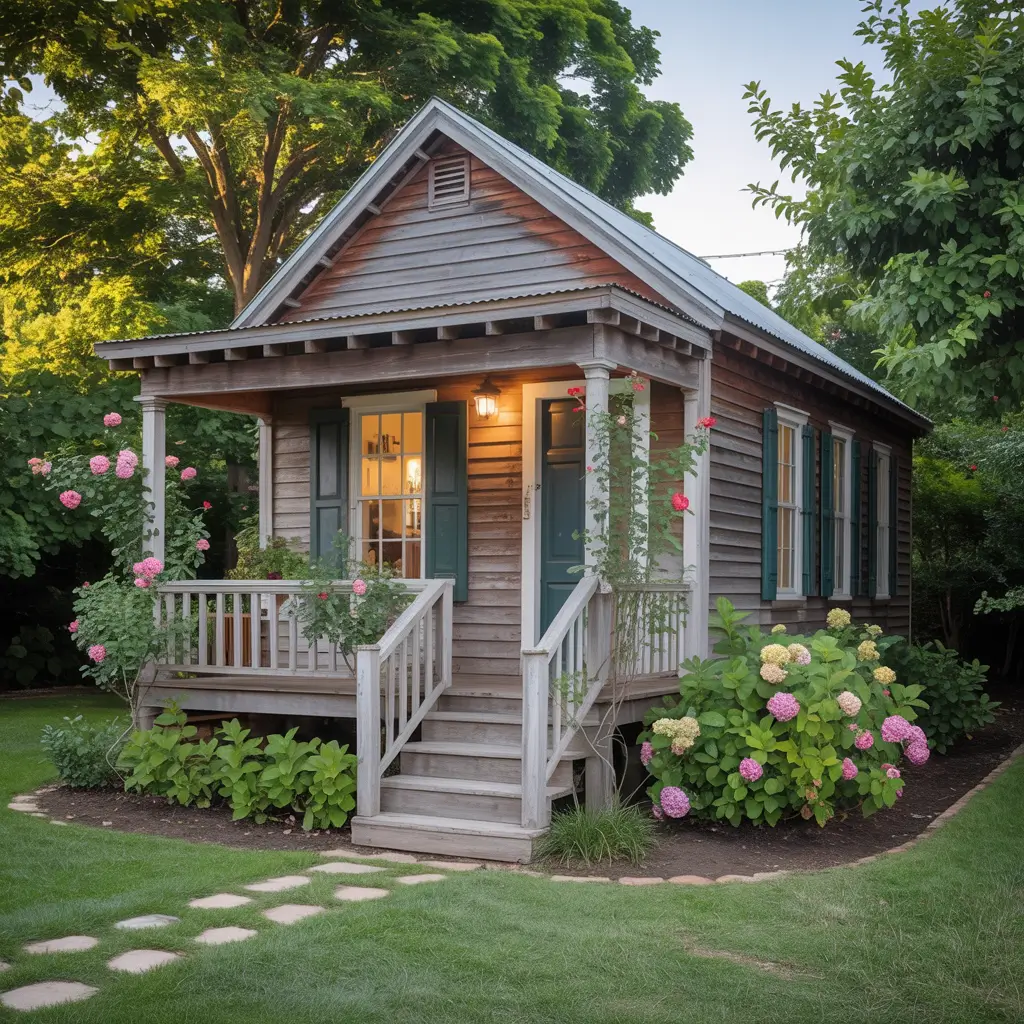
Think you need acres to build a dog trot house? Think again. Small dog trot plans prove this design adapts beautifully to urban lots and modest budgets.
Scaling Down, Not Dumbing Down
Small dog trot houses might total just 800-1200 square feet, but they live larger thanks to the breezeway. Each structure might be only 400 square feet—studio apartment size—but the separation and outdoor room make them feel substantial.
The trick involves being ruthless about what goes in each structure. One side handles all the wet functions—kitchen, bathroom, laundry. The other becomes pure living space—bedroom, office, living area. The breezeway serves as dining room, living room extension, and general hangout zone.
Urban Dog Trot Solutions
City lots present unique challenges for dog trot designs, but creative solutions abound. Narrow lots might stack the structures front-to-back rather than side-by-side, creating a shotgun-style dog trot. The breezeway becomes a courtyard that brings light into the center of the house.
Some urban dog trots use the design to separate house from accessory dwelling unit (ADU), creating rental income or multigenerational living options while maintaining privacy. Check your local zoning—this could be a game-changer. FYI, many cities now encourage ADUs for density without destroying neighborhood character.
Maximizing Minimal Footprints
Small dog trot plans employ every space-saving trick available. Lofted bedrooms in structures with higher ceilings. Built-in furniture that doesn’t eat floor space. Outdoor storage sheds that extend from the main structures.
The breezeway often does double or triple duty in small designs. Morning coffee spot, afternoon homework zone, evening entertainment area. One space, many functions, zero wasted square footage.
Also Read: 12 Gorgeous Victorian House Plans and Bay Window Concepts
4. Luxury Dog Trot Homes with Outdoor Living Spaces
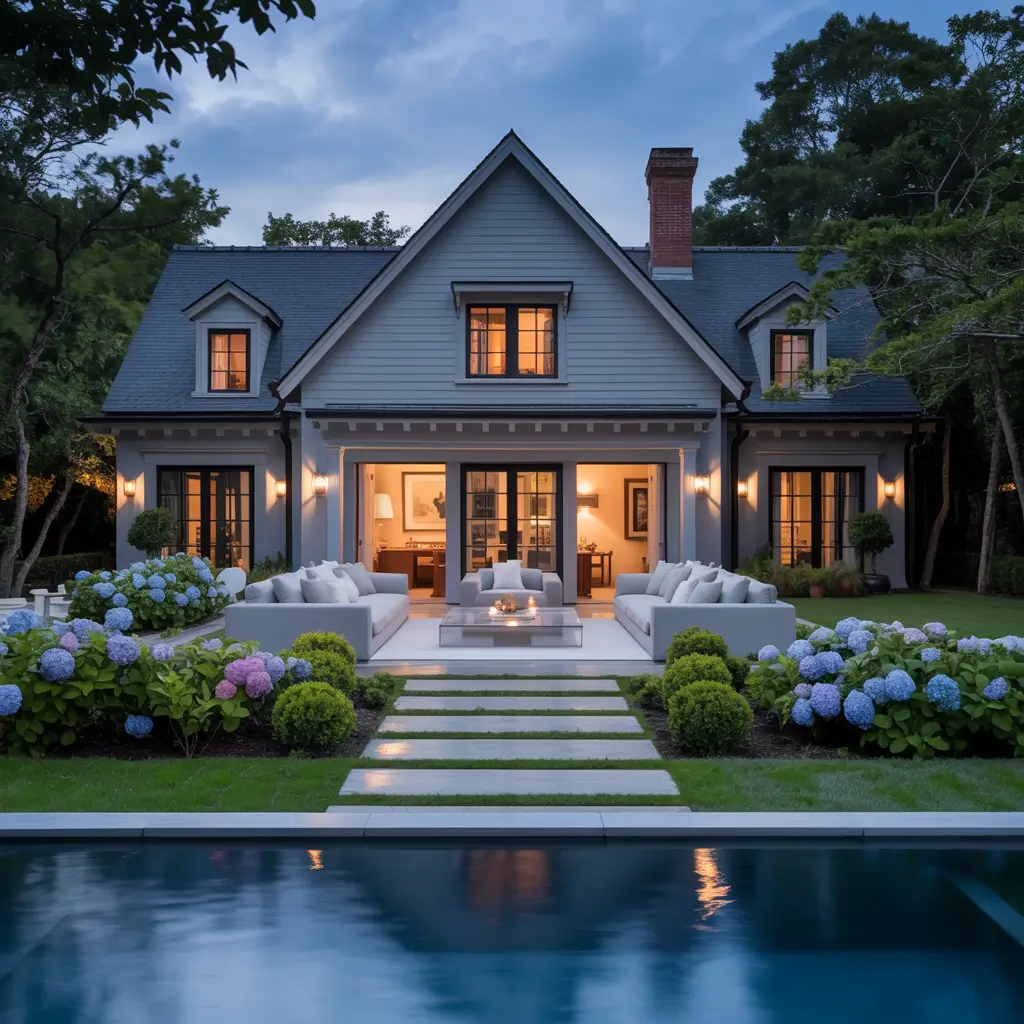
When budget isn’t the constraint, luxury dog trot homes show what happens when this humble design gets the star treatment. Spoiler alert: they’re spectacular.
Resort-Style Breezeways
Luxury dog trot breezeways become outdoor living rooms worthy of Architectural Digest. Full outdoor kitchens with pizza ovens and wine fridges. Fireplaces creating year-round comfort. Retractable screens providing bug-free lounging. Hot tubs tucked discretely into corners.
These aren’t just passages between buildings—they’re destinations. Some luxury designs include multiple breezeway levels, with open lower levels and screened upper porches. Why have one amazing outdoor room when you could have two?
Premium Structure Separation
Luxury dog trots might separate master suites from children’s wings, creating adult retreats and kid kingdoms. Home offices occupy one structure while living happens in the other. Guest suites provide hotel-like privacy.
The separation allows for different design aesthetics in each structure. Modern minimalist office meets cozy traditional living quarters, unified by the breezeway but maintaining distinct personalities.
Landscape Integration
High-end dog trot homes integrate landscape architecture from the planning stage. The breezeway frames views, creating living art from the surrounding landscape. Infinity pools align with breezeway edges. Gardens flow seamlessly from outdoor rooms.
I toured a luxury dog trot in Napa where the breezeway perfectly framed vineyard views while outdoor heaters and a fireplace made it usable year-round. The indoor spaces were gorgeous, but everyone lived in that breezeway. 🙂
5. Minimalist Dog Trot Floor Plan Inspirations
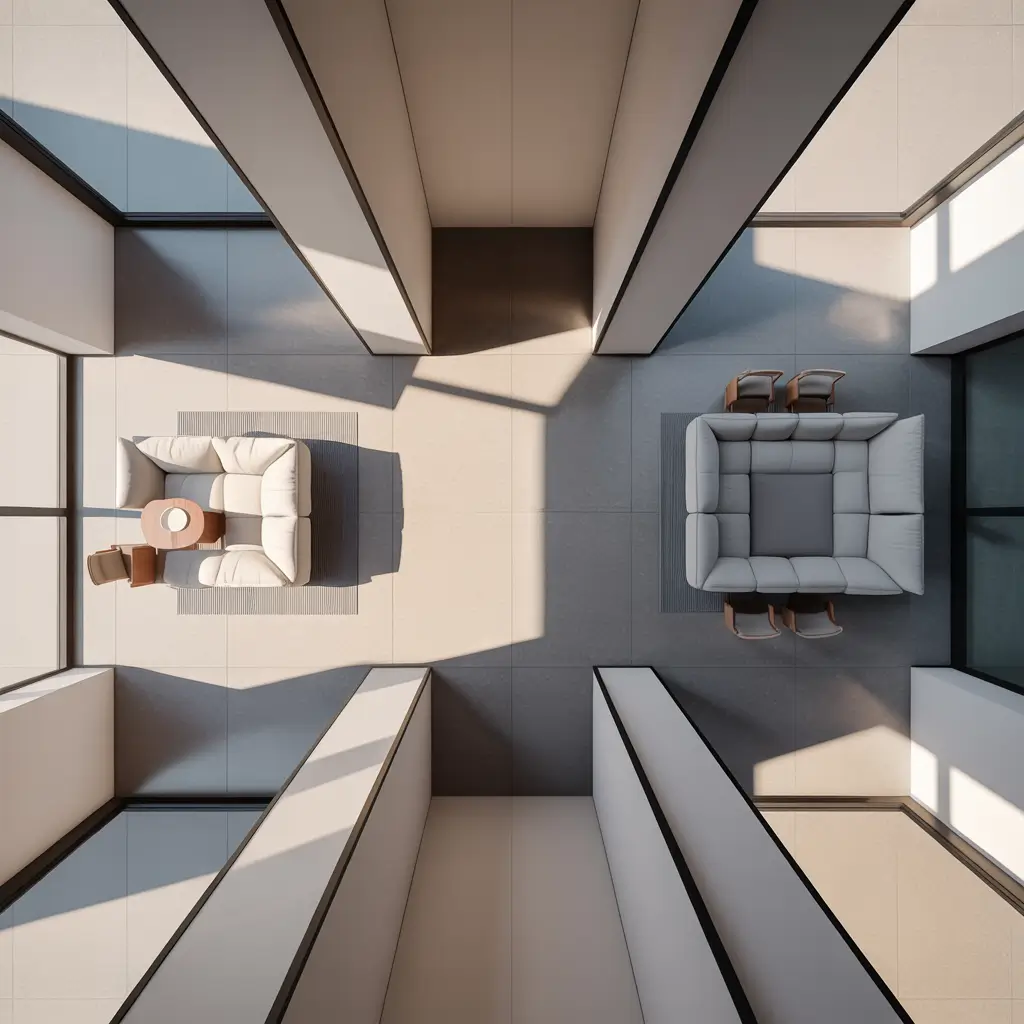
Minimalist dog trot designs strip the concept to its essence—two structures, one breezeway, zero excess. These plans prove that sometimes less really is more.
Essential Elements Only
Minimalist dog trot plans eliminate everything non-essential. Simple rectangular structures. Flat or single-pitch roofs. Unadorned breezeways that celebrate the space itself rather than decorating it.
The floor plans reflect this simplicity. Open layouts within each structure. Minimal interior walls. Built-in storage maintaining clean lines. Every element earns its place through function.
Material Honesty
Minimalist dog trots embrace materials in their natural states. Concrete floors stay polished, not covered. Wood appears in its natural grain. Metal remains unpainted, developing patina over time.
This material honesty reduces costs while creating sophisticated aesthetics. You’re not hiding anything—you’re celebrating the inherent beauty of simple, quality materials.
Flexible Minimalism
The beauty of minimalist dog trot plans lies in their adaptability. Empty spaces become whatever you need. That bare breezeway transforms with just furniture changes. Minimal built-ins mean you can reconfigure as life evolves.
This flexibility makes minimalist dog trots perfect for people whose lives change frequently. Young professionals, growing families, empty nesters—the house adapts rather than constraining.
6. Dog Trot House Plans with Rustic Charm
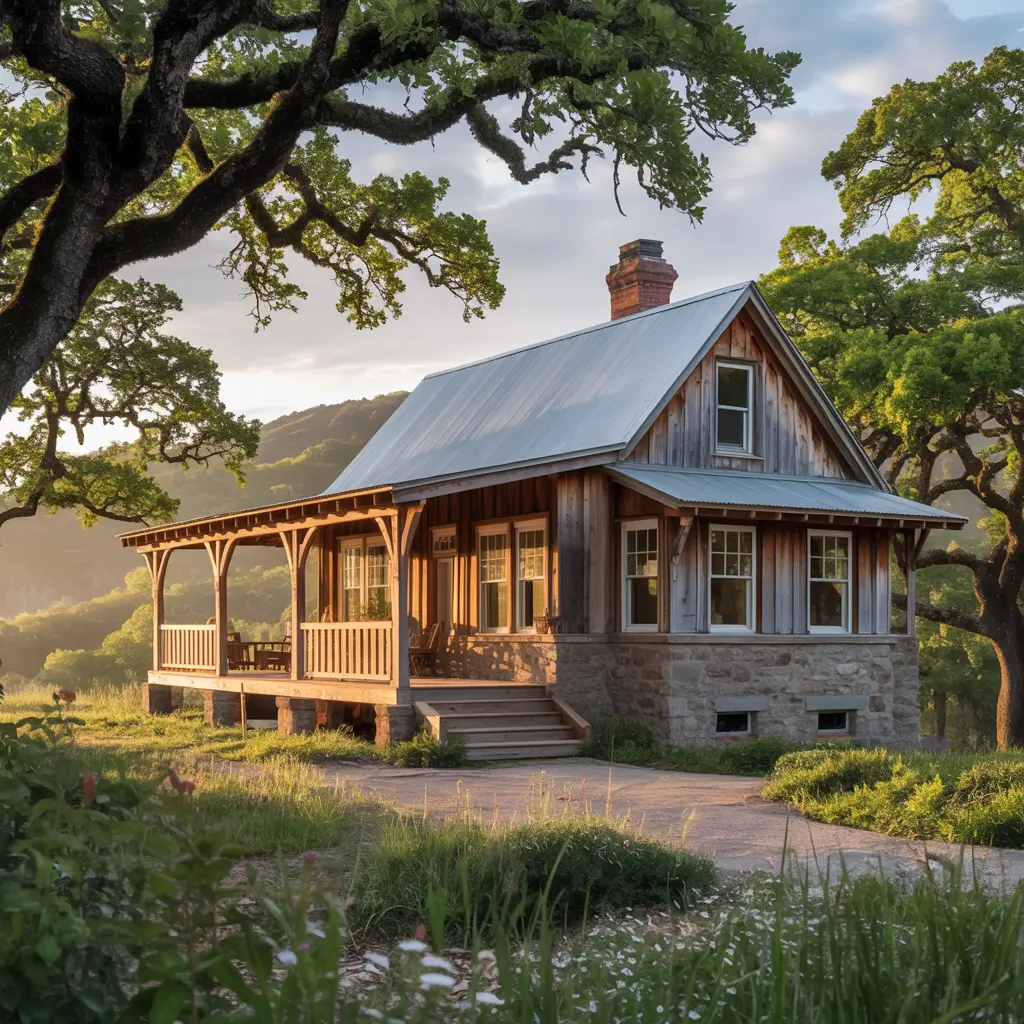
Rustic dog trot plans embrace the style’s agricultural roots, creating homes that feel like they’ve always belonged on the land.
Honoring Historical Roots
Rustic dog trot designs reference the original structures—simple farm buildings connected by practical passages. Wide-plank floors, exposed timber framing, and metal roofs maintain authenticity while meeting modern building codes.
These plans often incorporate reclaimed materials from actual historical structures. Old barn wood becomes siding. Antique doors provide character. Salvaged windows add authenticity while meeting efficiency standards with storm windows.
Modern Rustic Fusion
Today’s rustic dog trots blend old and new thoughtfully. Spray foam insulation hides behind barn wood walls. Modern kitchens nestle into rustic shells. High-efficiency HVAC systems maintain comfort without visible equipment.
The fusion works because both elements respect the design’s honesty. Modern additions don’t pretend to be old; rustic elements don’t apologize for their age.
Landscaping and Rustic Design
Rustic dog trot plans extend the aesthetic into landscaping. Native plantings that look naturally occurring. Gravel or decomposed granite paths. Split-rail fencing defining spaces without blocking views.
The landscape feels evolved rather than designed, as if the house and grounds developed together over generations.
Also Read: 10 Cozy Guest House Plans Ideas for Extra Living Space
7. Family-Friendly Dog Trot Home Layouts
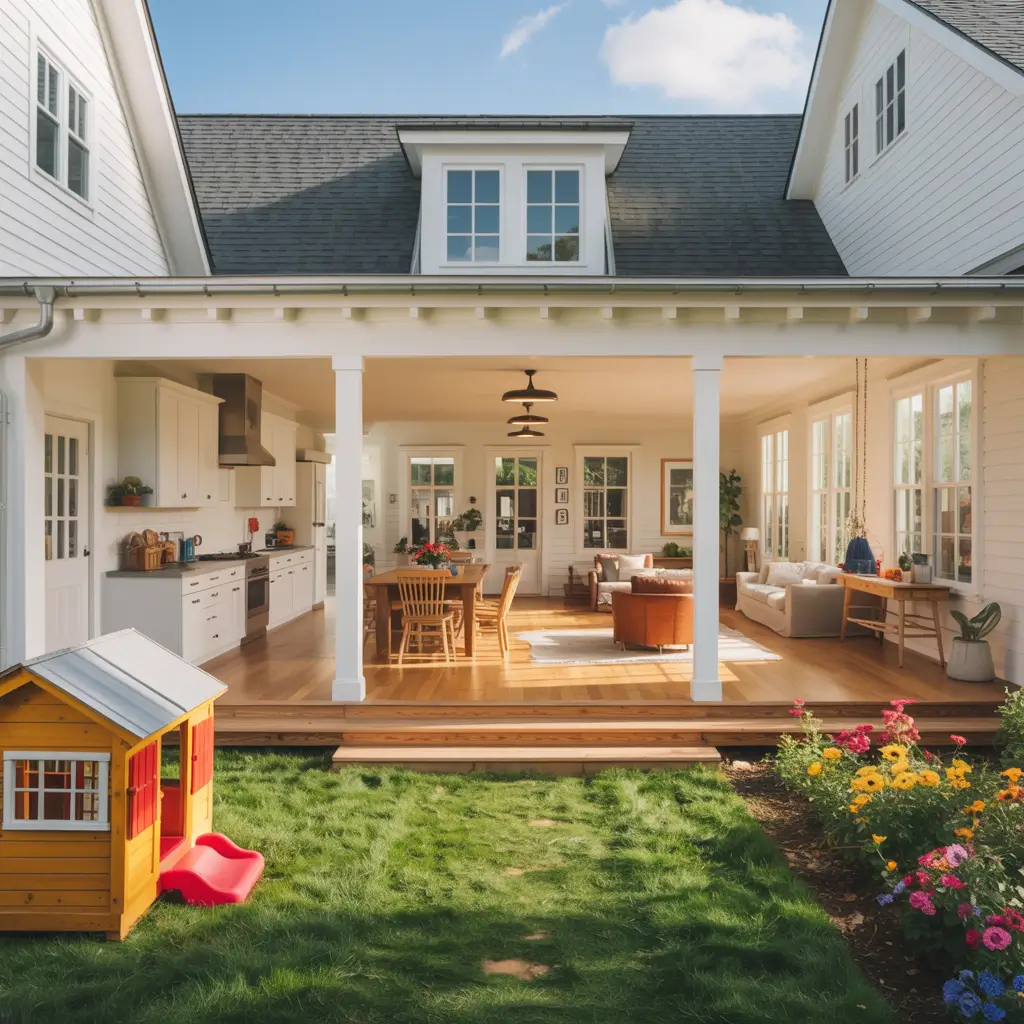
Families discover that dog trot designs solve common household challenges through architectural separation. These layouts keep families together while giving everyone breathing room.
Strategic Space Division
Family dog trot plans typically position adult spaces in one structure, kids’ areas in the other. Parents enjoy quiet mornings while children play in their zone. Homework happens without disturbing work-from-home calls. The breezeway becomes neutral territory where the family gathers by choice.
Some designs create “parent” and “kid” structures with age-appropriate features. Adult side: sophisticated finishes, wine storage, peaceful colors. Kid side: durable materials, built-in storage for toys, vibrant colors. The breezeway: compromise zone with something for everyone.
Safety and Supervision
Family-friendly dog trots address safety concerns through smart planning. Breezeway railings meet code while maintaining openness. Sight lines allow supervision from either structure. Lockable doors provide security when needed.
The separation actually enhances safety by containing messes and hazards. Chemistry homework stays in one building. Power tools remain in another. The breezeway provides safe outdoor play space during weather that would typically keep kids inside.
Growing Family Adaptations
Family dog trot plans anticipate changing needs. Nurseries become toddler rooms, then teen suites. Home offices transform into homework centers. Guest rooms accommodate boomerang kids.
The dual structures make additions easier too. Expanding one side doesn’t require renovating everything. You can grow gradually as needs and budgets allow.
8. Sustainable & Eco-Friendly Dog Trot Designs
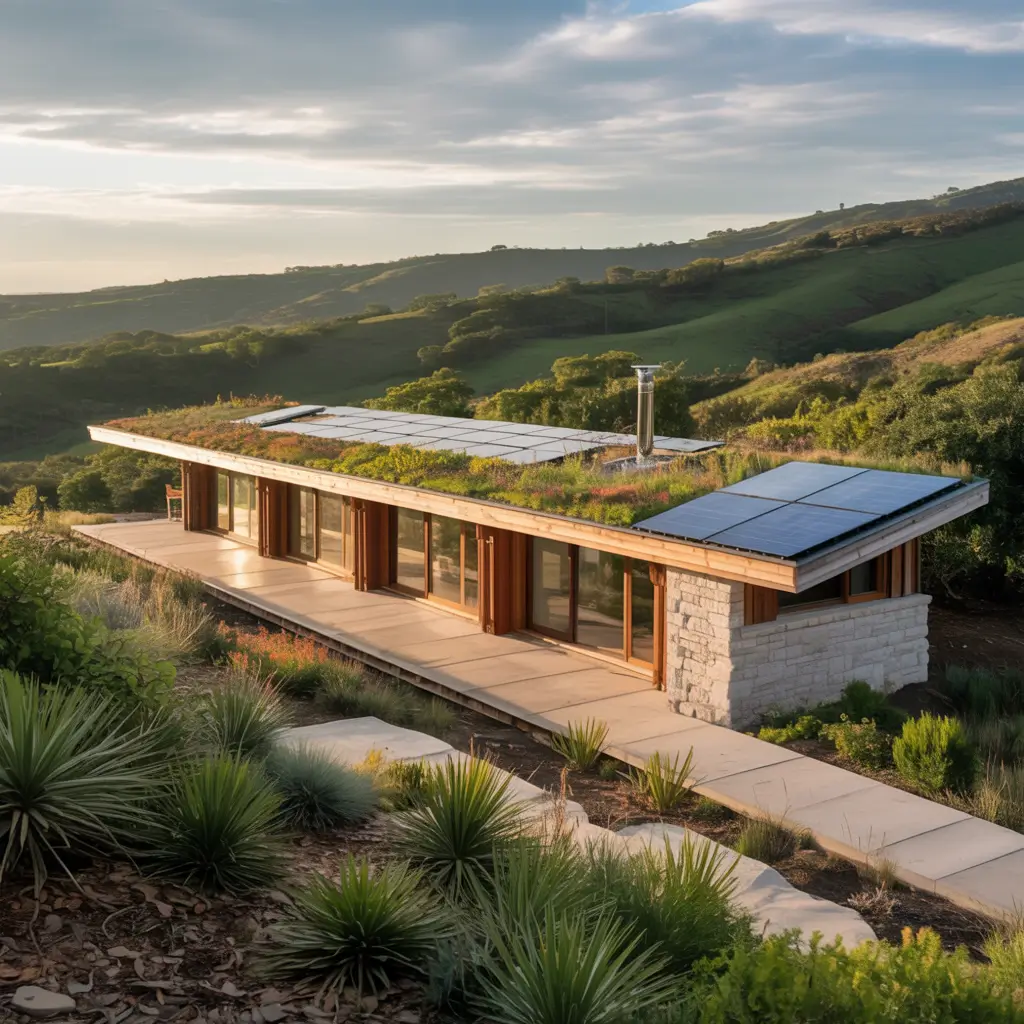
Dog trot houses were sustainable before sustainability was cool. Modern eco-friendly designs amplify these inherent green features.
Passive Cooling Champions
Dog trot designs excel at passive cooling through that brilliant breezeway. Eco-friendly plans optimize this feature with strategic orientation, calculated overhang depths, and thermal mass placement.
The breezeway creates a venturi effect, accelerating air movement between structures. Windows aligned for cross-ventilation multiply the cooling effect. Many sustainable dog trots require no mechanical cooling even in hot climates.
Solar Opportunities
The dual roofs of dog trot houses provide excellent solar panel placement opportunities. One roof might face south for optimal generation while the other handles solar hot water. The breezeway roof can support panels without affecting either living structure.
Some designs incorporate passive solar heating strategies too. South-facing glass on one structure collects winter heat. The breezeway provides summer shading. Thermal mass in floors stores and releases heat gradually.
Sustainable Materials and Methods
Eco-friendly dog trot plans specify sustainable materials throughout. Locally sourced wood reduces transportation emissions. Recycled metal roofing lasts generations. Natural insulation materials like wool or cellulose replace synthetic options.
The smaller individual structures require fewer materials than single large homes. The breezeway needs minimal materials—just roof and floor. This efficiency reduces both environmental impact and costs.
9. Traditional Dog Trot Houses with Modern Upgrades
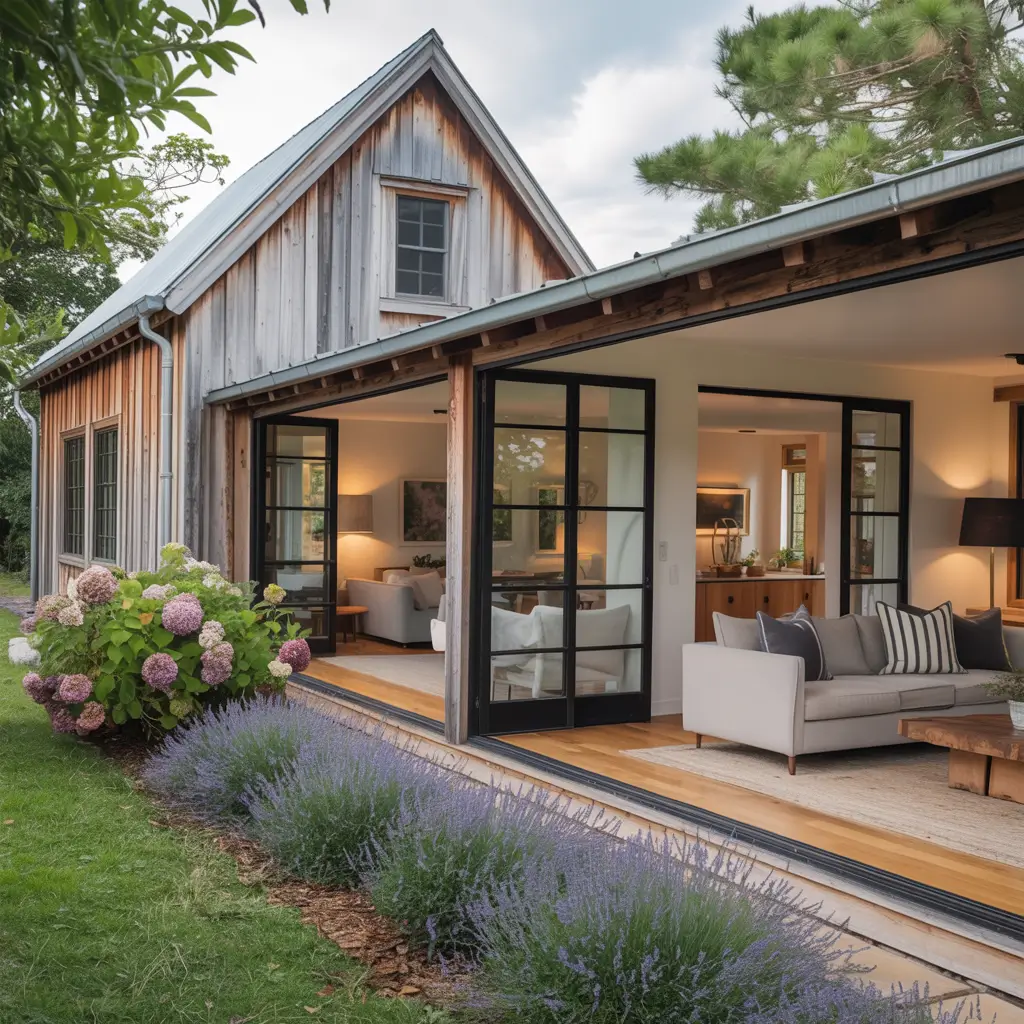
Traditional dog trot designs get contemporary updates that maintain historical character while delivering modern comfort. These plans respect the past while embracing the present.
Preserving Traditional Proportions
Updated traditional dog trot plans maintain the proportions that make these houses so appealing. Low-pitched roofs that seem to hover protectively. Human-scaled structures that feel approachable. Breezeways wide enough for gathering but narrow enough for intimacy.
Modern upgrades hide within these traditional proportions. Insulation fills walls without changing profiles. Modern windows replicate historical patterns while providing efficiency. HVAC systems tuck into attics or crawl spaces.
Technology Integration
Traditional-looking dog trots incorporate modern technology invisibly. Smart home systems control lighting and climate from phones. Security cameras hide in architectural details. Solar panels mount on rear-facing roof slopes.
The goal involves enjoying 21st-century convenience while maintaining 19th-century charm. Your house looks like it could have been built by your great-grandfather but functions like it was designed yesterday.
Comfort Without Compromise
Modern upgrades in traditional dog trot plans focus on comfort. Spray foam insulation eliminates drafts. Mini-split systems provide zone heating and cooling. Modern kitchens and bathrooms hide behind traditional cabinet faces.
These upgrades make traditional dog trot living actually pleasant rather than just atmospheric. You get the aesthetic without the suffering. IMO, this is exactly what historical preservation should achieve. :/
Also Read: 10 Elegant Craftsman House Plans Ideas for Family Homes
10. Dog Trot Plans with Indoor-Outdoor Flow
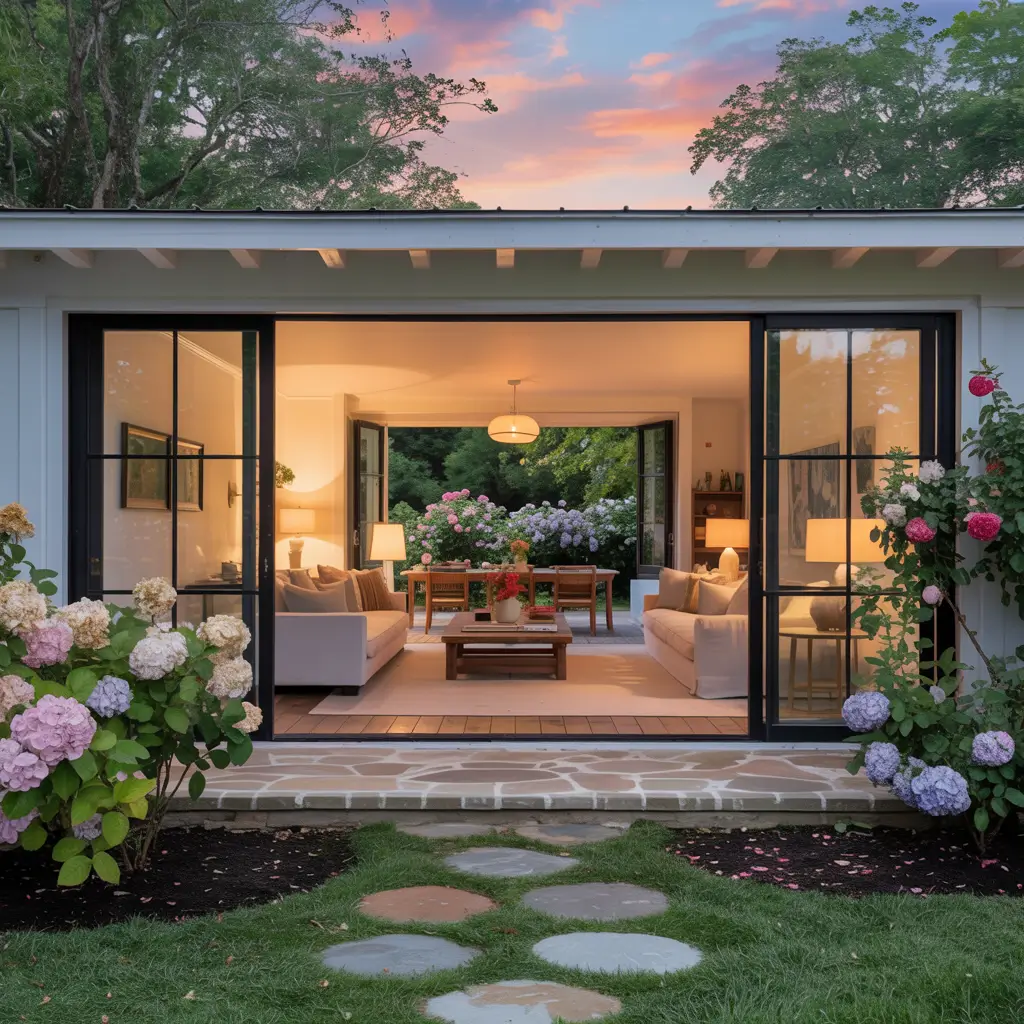
The best dog trot designs blur boundaries between inside and outside, creating homes that breathe with their surroundings.
Maximizing Connections
Indoor-outdoor dog trot plans maximize connections between all three zones—both structures and the breezeway. Large sliding doors replace traditional entries. Folding glass walls open entire sides to the breezeway. Windows align to create sight lines through all spaces.
These connections transform how the house functions. The breezeway becomes a genuine living space rather than just circulation. Interior rooms borrow space visually from the breezeway. The entire compound feels unified despite the separation.
Seasonal Flexibility
Smart indoor-outdoor plans adapt to seasonal changes. Summer: everything opens, tripling your living space. Winter: spaces close but maintain visual connections. Spring and fall: partial opening creates perfect intermediate conditions.
Retractable screens, removable panels, and adjustable louvers allow fine-tuning for weather conditions. The house responds to climate rather than fighting it.
Landscape as Architecture
Indoor-outdoor dog trot plans treat landscape as part of the architecture. The breezeway frames specific views. Gardens extend from interior spaces through the breezeway to the yard beyond. Water features provide cooling and sound.
The landscape isn’t decoration—it’s an essential component of the design. The house and grounds develop together, creating a unified environment rather than a house with a yard.
Making Your Dog Trot Dreams Reality
After exploring these ten approaches, you might wonder if a dog trot house suits your situation. Start by considering your climate—these designs shine in hot regions but work anywhere with thoughtful adaptation.
Think about your lifestyle too. Do you crave indoor-outdoor living? Value privacy within togetherness? Want flexible spaces that adapt to changing needs? Dog trot designs deliver all of these beautifully.
Visit actual dog trot houses if possible. That breezeway experience can’t be fully understood from photos. Feel the air movement, experience the light quality, understand the spatial relationships. Your body will tell you if this design resonates.
Consider starting small. A dog trot pool house or studio lets you experiment with the concept before committing to a full house. Many people build dog trot additions to existing homes, creating hybrid designs that capture the benefits.
Final Thoughts on Dog Trot Living
Dog trot houses offer something increasingly rare in residential architecture—a design that actually makes sense.
They’re sustainable without trying, flexible without complexity, and beautiful without pretension.
In our era of McMansions and tiny houses, dog trot designs occupy a sweet middle ground. They provide plenty of space without excess, privacy without isolation, and outdoor living without exposure.
Whether you build traditional or modern, luxury or modest, the dog trot concept adapts to your needs while maintaining its essential genius—that simple breezeway that changes everything.
Your perfect dog trot plan exists somewhere between historical tradition and contemporary innovation. Find that balance, and you’ll create a home that works as beautifully as it looks.
The dogs of the past would definitely approve!