10 Unique Down Ceiling Design Ideas and Modern Decor Hacks
- Ceiling Design
 Ben
Ben- 0
- 32 minutes read
Look up right now. What do you see? A plain, flat surface that screams “I gave up on design at eye level”? Yeah, I thought so.
We spend thousands on furniture, agonize over paint colors, and somehow completely forget that ceilings exist. But here’s the kicker – down ceilings (also called dropped or false ceilings) are basically cheat codes for making any room look expensive and well-designed.
I discovered the magic of down ceilings when I moved into my first apartment. The place had 12-foot ceilings that made my furniture look like dollhouse pieces.
After installing a down ceiling, suddenly my living room felt cozy instead of cavernous. That blank, echoey space transformed into something that actually felt like home.
What Makes Down Ceilings So Special?
Down ceilings aren’t just about hiding ugly pipes and wires (though they’re pretty great at that). They create layers, add dimension, and give you control over lighting that regular ceilings can only dream about. Plus, they can make your room feel more intimate, improve acoustics, and even help with energy efficiency.
The best part? You don’t need to be a millionaire or an architect to pull off a stunning down ceiling. With the right design and some planning, you can completely transform any room without tearing down walls or selling a kidney.
Let me walk you through ten down ceiling designs that’ll make your space look like you actually know what you’re doing with interior design.
1. Modern Minimalist Down Ceiling
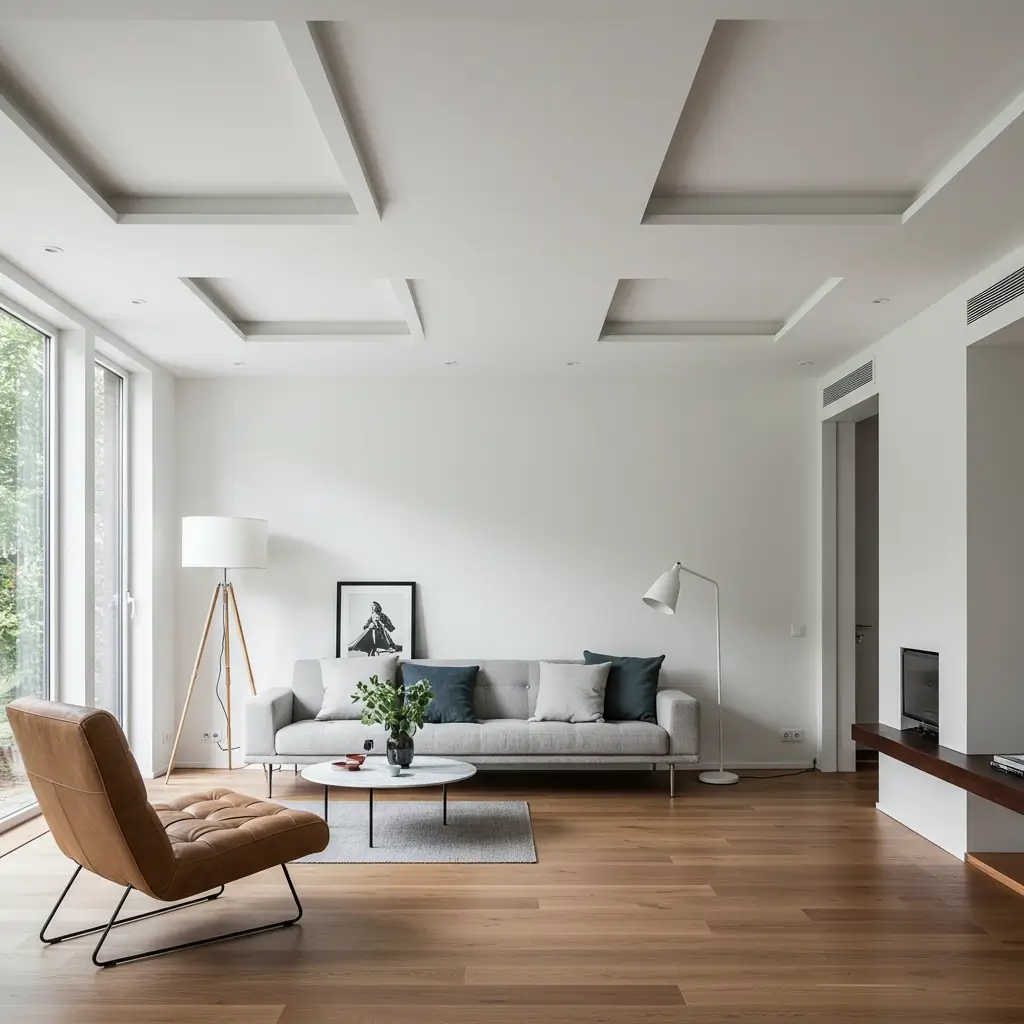
Let’s start with the modern minimalist down ceiling – the design equivalent of that perfectly fitted white t-shirt everyone needs in their wardrobe. Clean lines, no fuss, maximum impact.
I installed one of these in my bedroom last year, and the transformation was ridiculous. We’re talking about a simple rectangular drop with recessed edges and hidden LED strips. No fancy moldings, no complicated patterns – just pure, understated elegance that makes everything else in the room look more expensive.
The key to nailing the minimalist look is precision. Your lines need to be straighter than your friend’s face when you tell them you’re starting another home improvement project. Any wonky edges or uneven surfaces will stick out like a sore thumb when you’re going for that clean aesthetic.
Making Minimalism Work
Here’s what you need to get right:
- Keep the drop subtle (4-6 inches is usually perfect)
- Use the same color as your walls for seamless flow
- Hide all lighting sources completely
- Resist the urge to add “just one more detail”
The beauty of this design lies in what you don’t see. Those hidden LED strips create a soft glow that makes your room feel like it’s floating. It’s architectural magic without the architectural price tag.
2. LED Strip Illuminated Down Ceiling
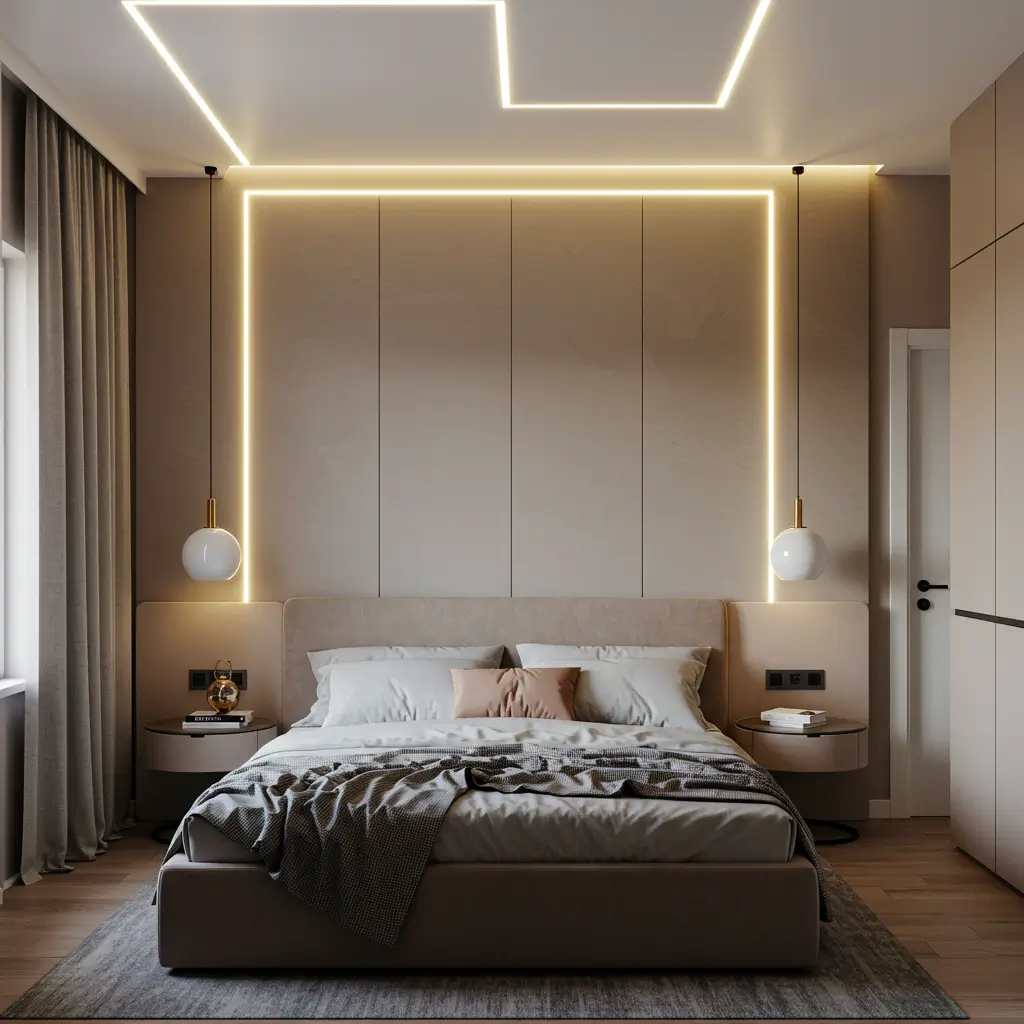
Speaking of LED strips, let’s talk about making them the star of the show. An LED strip illuminated down ceiling turns lighting from a necessity into art. This design uses strategic placement of LED strips to create patterns, zones, or just really cool effects.
Remember those sci-fi movies where everything glows with perfectly even light? That’s basically what you’re creating here. I’ve seen people use RGB strips to change their room’s entire mood with a phone app. Want purple for movie night? Done. Bright white for working? Easy. Party mode with color transitions? You got it.
The trick is layering your lights. Don’t just slap strips around the perimeter and call it a day. Create channels, use different levels, maybe even spell out patterns. One friend created a constellation map on her ceiling using individual LED points – absolutely mind-blowing when the main lights go off.
LED Placement Strategies
Consider these approaches:
- Perimeter lighting for ambient glow
- Cross patterns for zone definition
- Hidden strips behind floating panels
- Smart controls for the ultimate flexibility
Pro tip: Always use diffusers. Nobody wants to see individual LED dots – we’re going for smooth, even light that looks expensive, not like you raided the Christmas decoration clearance aisle.
3. Wooden Panel Down Ceiling

Wooden panels on a down ceiling bring warmth that drywall could never achieve. This isn’t your grandpa’s wood paneling though – modern wooden down ceilings are sleek, sophisticated, and surprisingly versatile.
I helped a friend install wooden slats on his down ceiling last month, and the result was stunning. We used light bamboo strips with small gaps between them, backed by black acoustic material. The contrast was chef’s kiss, and the sound absorption was an unexpected bonus.
You can go full coverage for maximum warmth, or use wood as an accent within a larger design. Diagonal patterns add dynamism, while parallel strips can make rooms feel longer or wider depending on their direction. The wood grain itself becomes part of your room’s texture story.
Wood Selection Tips
Different woods, different moods:
- Pine or bamboo for Scandinavian vibes
- Oak for timeless elegance
- Walnut for luxury feels
- Reclaimed wood for character and sustainability
Just remember that wood and moisture don’t mix. Skip this design for bathrooms unless you’re using properly treated materials or high-quality alternatives.
Also Read: 12 Creative Drawing Room Ceiling Design Ideas to Inspire You
4. Coffered Down Ceiling with Recessed Lighting
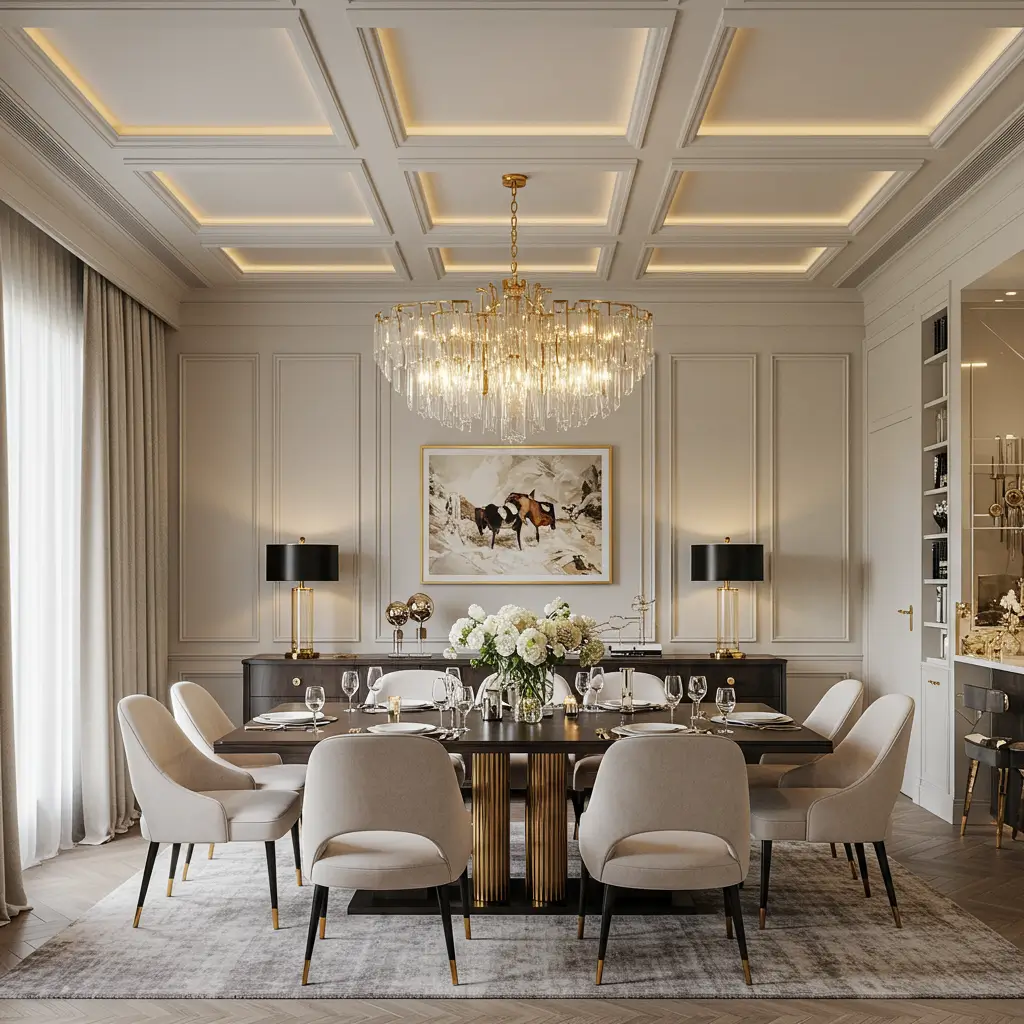
Coffered down ceilings are like the luxury cars of ceiling design – they immediately signal that you’ve got taste (and possibly a trust fund, but we can fake that part). The grid pattern of recessed panels adds instant architectural interest that makes any room feel more substantial.
I used to think coffers were only for mansions and libraries in murder mystery movies. Then I saw a simplified version in a normal apartment, and my mind changed completely. Clean white coffers with LED strips in each recess created this incredible depth and rhythm that made a basic room feel like a million bucks.
The secret is proportion. Too many small coffers look busy; too few large ones look weird. You want that Goldilocks zone where everything feels just right. And please, please measure twice and cut once – nothing ruins the illusion faster than uneven spacing.
Coffer Design Guidelines
Follow these rules for success:
- Keep coffer size proportional to room size
- Maintain consistent spacing throughout
- Depth matters (aim for 4-8 inches)
- Consider beam width carefully (too thin looks cheap)
FYI, this isn’t a weekend warrior project unless you’re seriously handy. The precision required will test your patience and possibly your relationship.
5. Geometric Pattern Down Ceiling
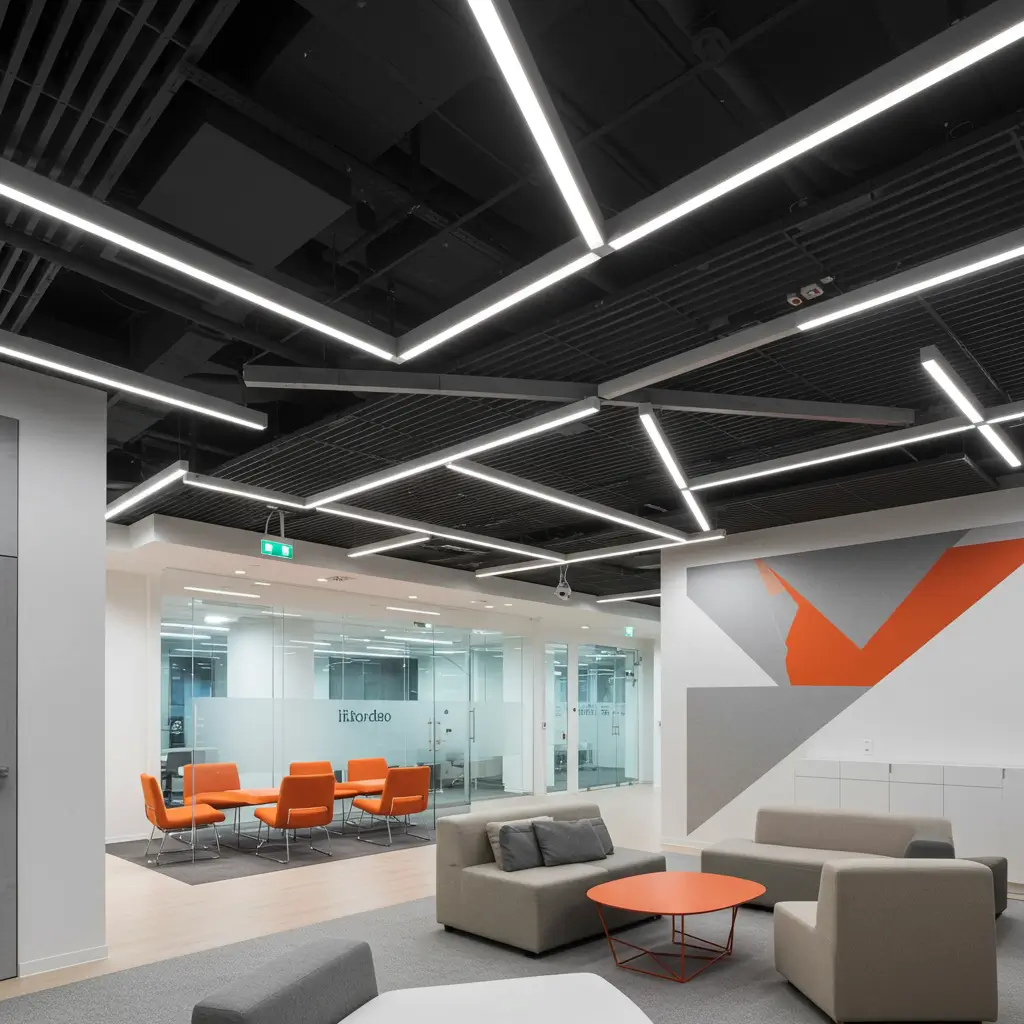
Ready to make a statement? Geometric pattern down ceilings turn your overhead space into a conversation piece. We’re talking triangles, hexagons, or abstract shapes that create visual interest without overwhelming the space.
I saw an incredible example at a restaurant recently – interlocking hexagons at different heights creating this honeycomb effect. Each hexagon had integrated lighting, and the whole thing looked like modern art. Did I spend half my meal staring up? Absolutely. Was it worth it? Also absolutely.
The key with geometric patterns is restraint. Pick one shape and stick with it. Mixing triangles, circles, and squares isn’t eclectic – it’s chaotic. Also, consider how shadows will play across your pattern throughout the day. Sometimes the shadows become more interesting than the actual design.
Pattern Planning Tips
Get these right from the start:
- Start with a scaled drawing or 3D model
- Consider sight lines from different room positions
- Keep patterns symmetrical unless you’re going for intentional asymmetry
- Think about how furniture placement relates to ceiling patterns
Remember, bold patterns are commitment. You can change wall colors easily, but redoing your ceiling is a whole production.
6. Curved Layered Down Ceiling
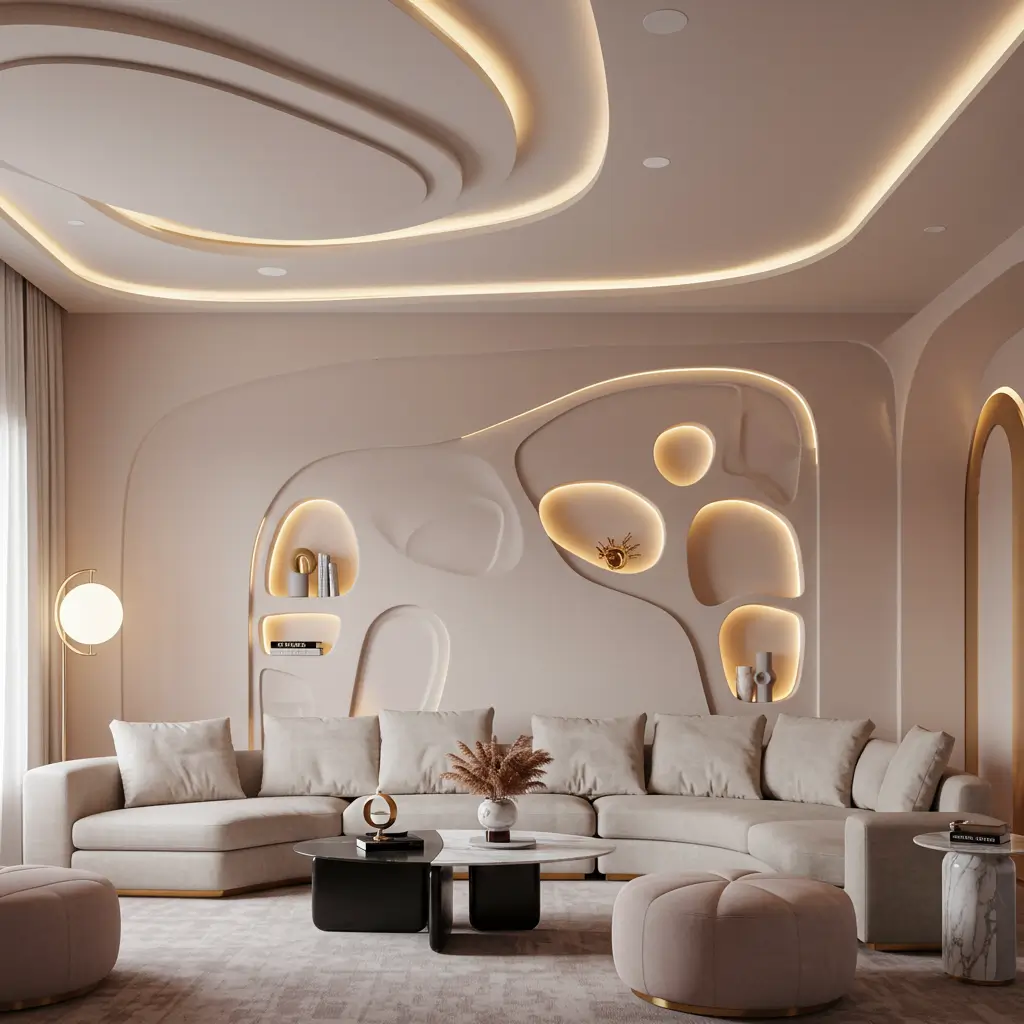
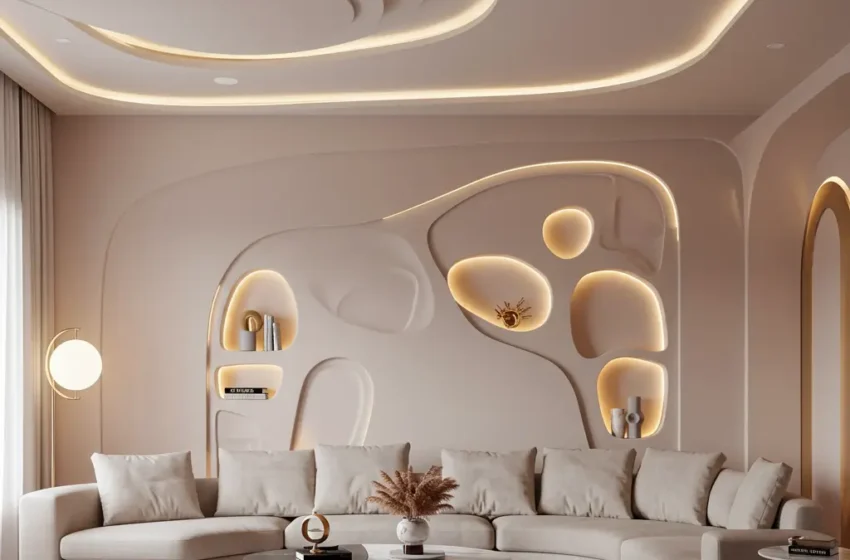
Curves in architecture create flow and movement that straight lines simply can’t match. A curved layered down ceiling brings organic softness to spaces dominated by rectangular everything – walls, windows, furniture, phones, basically our entire lives.
Installing curves isn’t easy (I learned this the hard way), but the impact is worth every curse word during installation. The curves guide your eye around the room, create natural zones, and add a sculptural element that feels artistic rather than just functional.
I’ve seen stunning examples where curves incorporate lighting that follows the flowing lines. Imagine a river of light flowing across your ceiling – it’s mesmerizing and creates this incredible sense of movement even in static space.
Curve Design Considerations
Master these elements:
- Gentle curves work better than tight radiuses
- Consider how curves relate to room flow
- Multiple layers add depth and interest
- Smooth finishing is absolutely critical
This definitely requires professional installation or serious DIY skills. YouTube University might not be enough for this one.
Also Read: 10 Sophisticated Office Ceiling Design Ideas and Cozy Office Vibes
7. Floating Down Ceiling with Spotlights
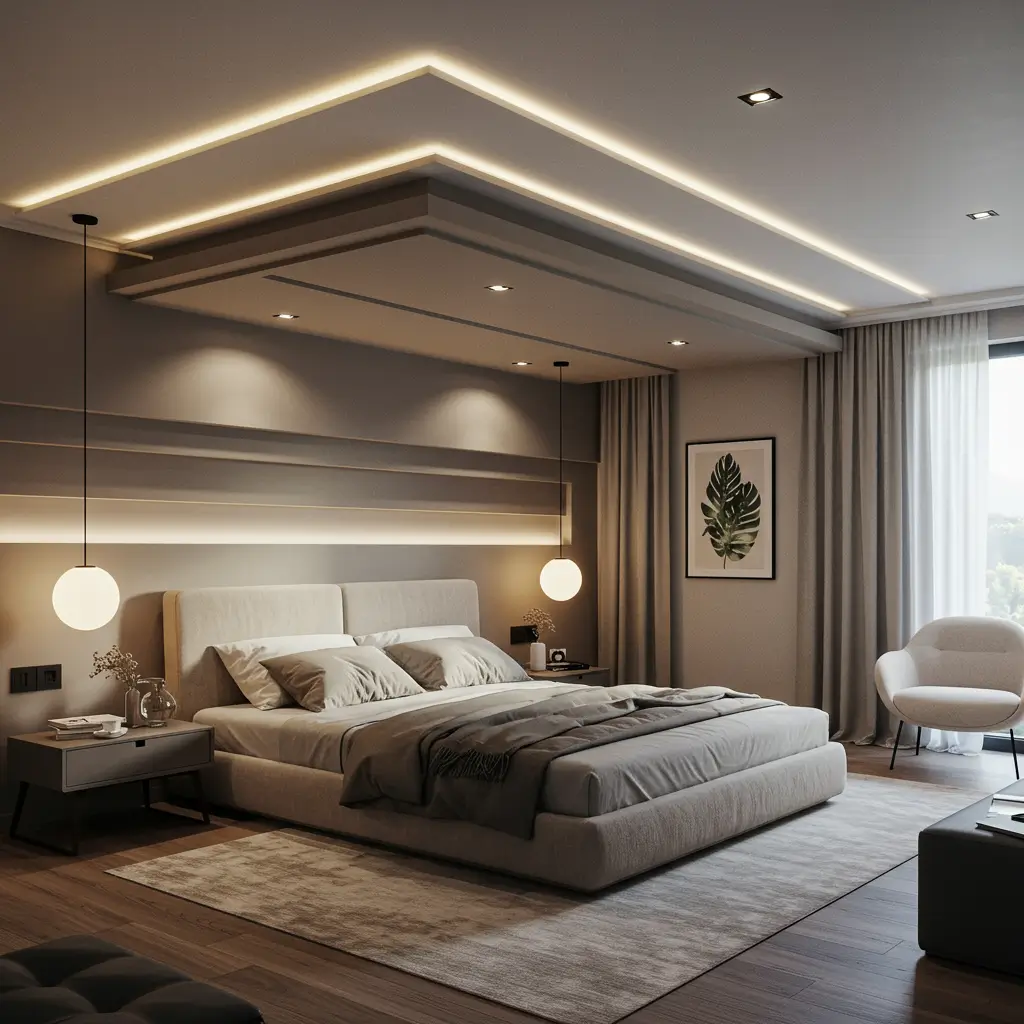
The floating down ceiling with spotlights creates the illusion that part of your ceiling is literally hovering in space. Combined with strategic spotlight placement, you get both ambient and task lighting in one stunning package.
My living room has this design, and guests always ask how the ceiling “floats.” The secret? A recessed mounting system that creates a gap between the floating panel and the main ceiling. Add spotlights in the floating section, and you’ve got directed light wherever you need it without visible fixtures cluttering your ceiling.
The floating element can be any shape – rectangular for modern vibes, circular for softness, or even irregular for artistic flair. Position it over key areas like dining tables or seating groups to define zones without walls.
Spotlight Strategy
Maximize your lighting impact:
- Use adjustable spots for flexibility
- Combine warm and cool lights for different moods
- Consider dimmer switches (always consider dimmer switches)
- Position spots to avoid glare on screens
The gap between the floating element and main ceiling is crucial. Too small and you lose the floating effect; too large and it looks disconnected.
8. Color-Blocked Down Ceiling Design
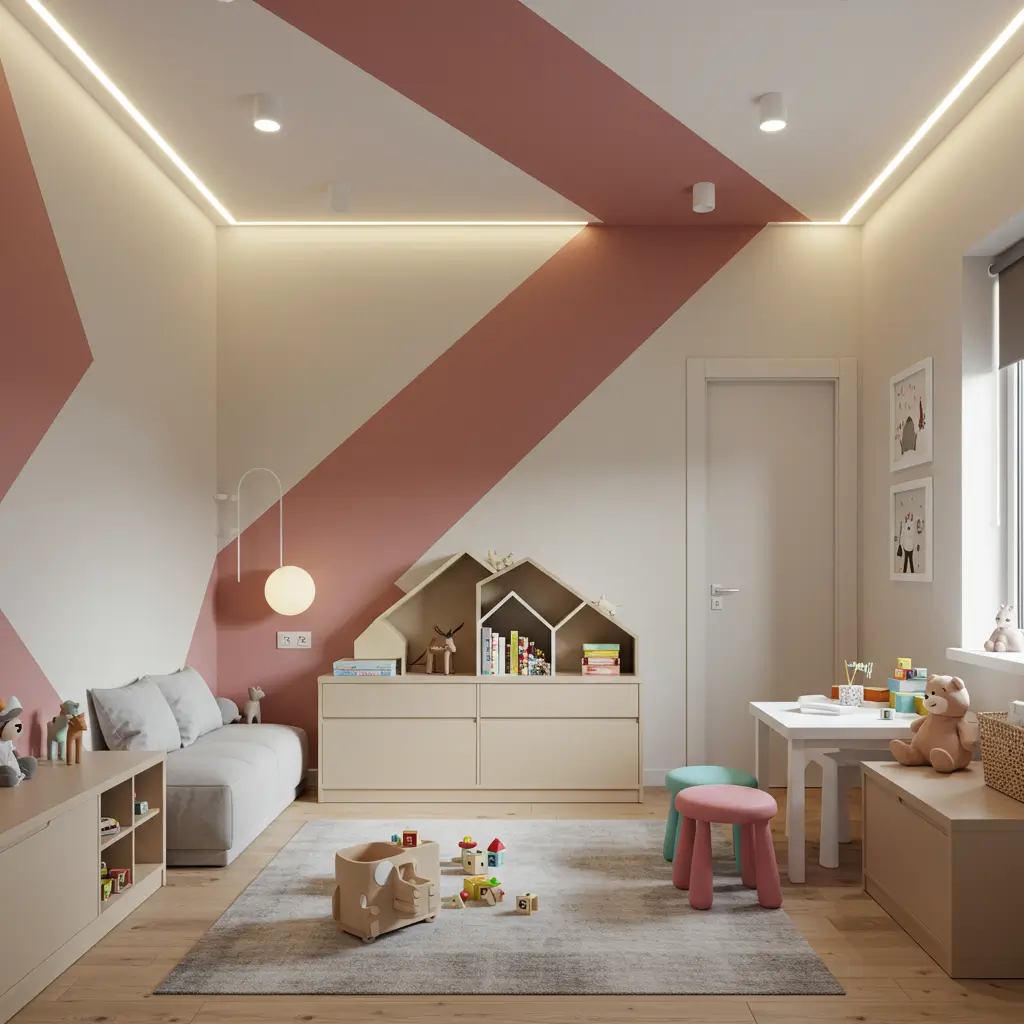
Who says ceilings have to be white? Color-blocked down ceilings use bold colors to create zones, add personality, and make your space unforgettable. This isn’t about painting your entire ceiling hot pink (unless that’s your vibe) – it’s about strategic use of color for maximum impact.
I experimented with this in my home office, creating blocks of navy blue and white that mirror my desk setup below. The color literally helps me stay focused on work zones versus relaxation areas. Plus, it looks incredibly intentional and designed, even though I basically just followed the furniture layout.
Color blocking works especially well in open-plan spaces where you want to define areas without physical barriers. Kitchen zones, living areas, and dining spaces can each have their own ceiling identity while maintaining visual flow.
Color Selection Rules
Make bold choices wisely:
- Stick to 2-3 colors maximum
- Use your existing color palette for cohesion
- Consider how natural light affects colors throughout the day
- Test paint samples on large boards first
Remember, dark colors make ceilings feel lower, while light colors add height. Use this knowledge strategically based on your room’s proportions.
9. Textured Gypsum Down Ceiling
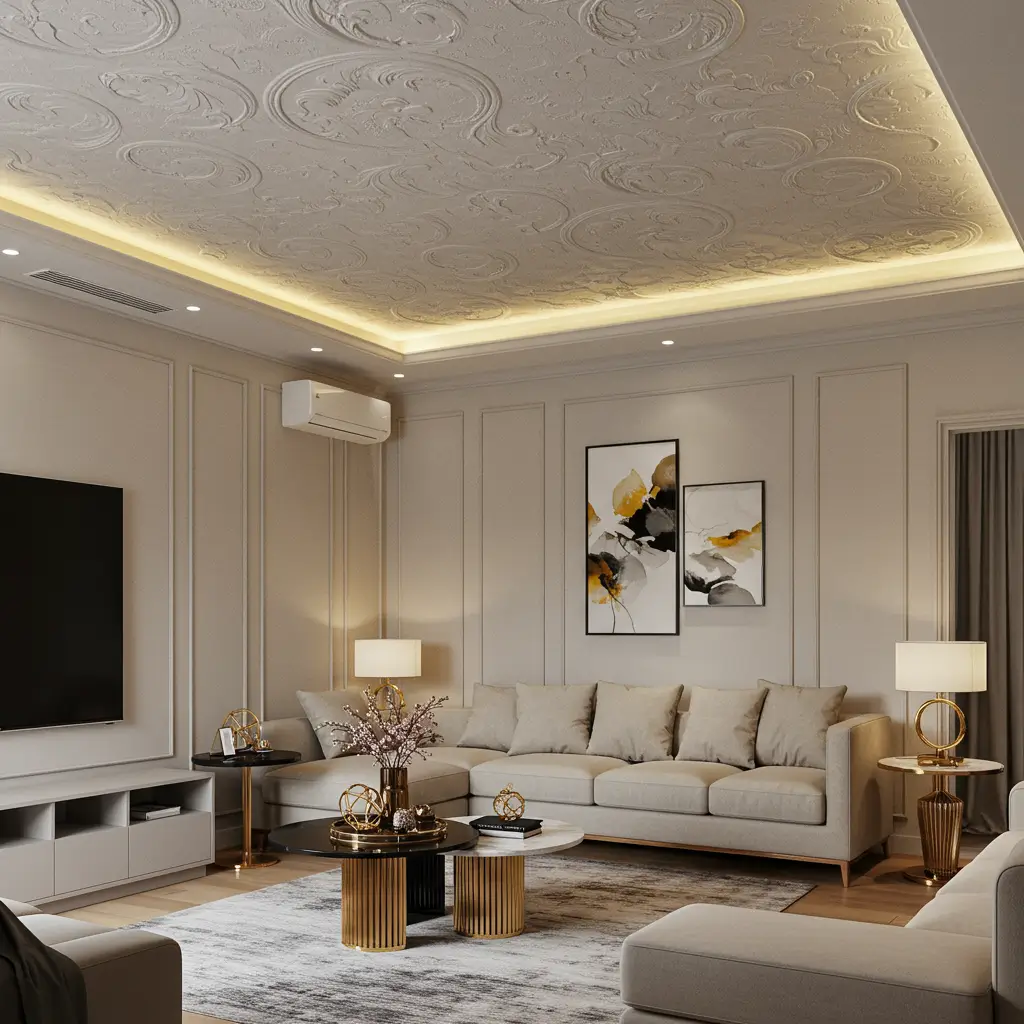
Textured gypsum down ceilings add tactile interest that paint alone could never achieve. We’re not talking about that awful popcorn texture from the 70s – modern gypsum textures are sophisticated, intentional, and absolutely gorgeous when done right.
I recently visited a spa with wave-pattern gypsum ceilings, and the subtle texture created this incredible play of light and shadow throughout the day. It was calming, interesting, and added serious design credibility to the space. That’s when I realized texture doesn’t have to scream for attention to make an impact.
Modern texturing techniques can create anything from subtle ripples to dramatic 3D patterns. Some textures even have acoustic benefits, absorbing sound in echoey spaces. It’s function meeting form in the best possible way.
Texture Options to Consider
Explore these possibilities:
- Subtle swirls for elegance
- Geometric patterns for modern appeal
- Organic patterns for natural vibes
- Smooth sections contrasting with textured areas
Application requires skill – this isn’t a job for your cousin who “painted a room once.” Consistent texture across large areas is surprisingly difficult to achieve.
Also Read: 12 Trendy Living Room Ceiling Design Modern Ideas to Try
10. Mirror-Enhanced Down Ceiling

Last but absolutely not least – mirror-enhanced down ceilings. Before you panic about walking into a funhouse, hear me out. Strategic use of mirrors in your down ceiling can double your room’s visual space and create lighting effects that’ll blow your mind.
I saw this done brilliantly in a small apartment where mirror strips between down ceiling sections created the illusion of skylights. The mirrors reflected natural light during the day and created depth at night. The room felt twice its actual size without that disorienting full-mirror effect
You don’t need to cover everything in mirrors. Small sections, strips, or even mirror-backed recesses can create stunning effects. Antiqued or tinted mirrors add sophistication without the harsh reflection of standard mirrors.
Mirror Placement Strategy
Use mirrors wisely:
- Position to reflect natural light sources
- Avoid angles that create glare
- Consider antiqued or smoked mirrors for subtlety
- Use safety backing always (falling ceiling mirrors = nightmare)
This design requires careful planning. Nobody wants to accidentally create a ceiling that blinds them every sunrise :/
Combining Elements for Maximum Impact
Here’s the thing – you don’t have to choose just one design. The best down ceilings often combine multiple elements. Maybe you want wooden panels with LED strips, or geometric patterns with color blocking. The possibilities are endless when you start mixing and matching.
I’ve seen incredible combinations like floating panels with textured surfaces, or coffered designs with mirror accents. The key is maintaining visual hierarchy – one element should dominate while others support. Too many competing features create chaos instead of interest.
Start simple and add complexity gradually. You can always add more elements later, but removing them requires starting over.
Budget Considerations That Actually Matter
Let’s talk money because beautiful ceilings mean nothing if they bankrupt you. Down ceilings range from surprisingly affordable to “maybe I should just move instead” expensive. The good news? You can achieve stunning results at any budget level with smart planning.
Basic down ceilings with simple LED strips can transform a room for less than you’d spend on a decent sofa. Complex curved designs with integrated smart lighting? That’s entering small-car territory. Know your budget before falling in love with designs you can’t afford.
Consider phased installation. Start with the structure this year, add lighting next year, incorporate special features when you’ve recovered financially. Your ceiling doesn’t need to be perfect immediately.
Making the Decision
Choosing the right down ceiling design depends on your space, style, and how you actually live. Open-plan living needs different solutions than defined rooms. Modern furniture pairs better with minimalist ceilings than ornate coffers.
Think about maintenance too. Textured surfaces collect dust. Mirrors need cleaning. LED strips eventually need replacement. Choose designs you’ll actually maintain, not just what looks good on Pinterest.
Most importantly, pick something you’ll love long-term. Ceiling renovations aren’t like changing throw pillows – you’re living with this decision for years.
Final Thoughts
Your ceiling has been sitting there, ignored and underutilized, just waiting for its moment to shine. These ten down ceiling designs prove that the space above your head holds incredible potential for transforming your entire room.
Whether you go minimalist with hidden LEDs or bold with geometric patterns, remember that the best down ceiling is one that enhances how you actually live in the space.
It should solve problems (hiding those ugly beams), add function (hello, perfect lighting), and make you smile every time you look up.
Don’t let another year pass with that boring, flat ceiling. Pick a design that speaks to you, start planning, and prepare for all the “wow, your place looks amazing” comments coming your way.
Trust me, once you experience life under a thoughtfully designed down ceiling, you’ll wonder why you waited so long to look up!