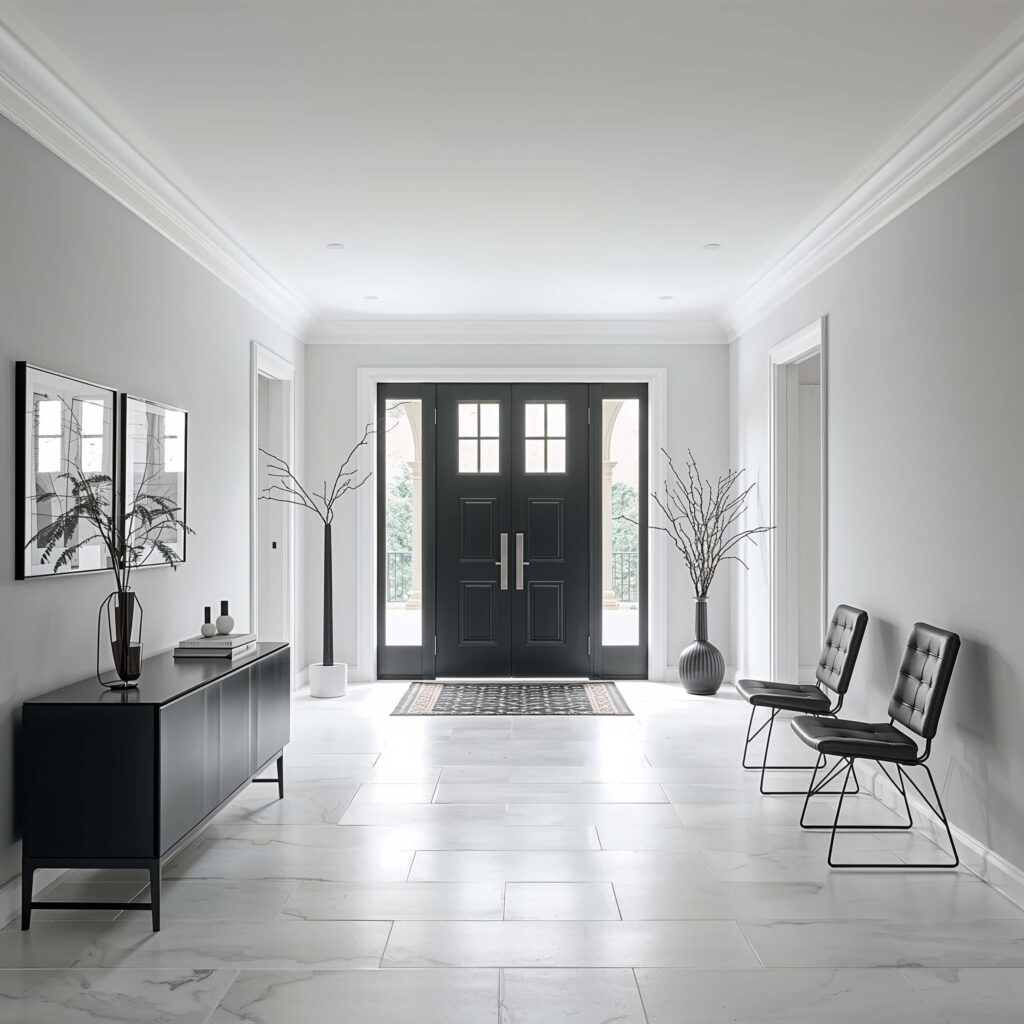
12 Creative Drawing Room Ceiling Design Ideas to Inspire You
- Ceiling Design
 Ben
Ben- 0
- 35 minutes read
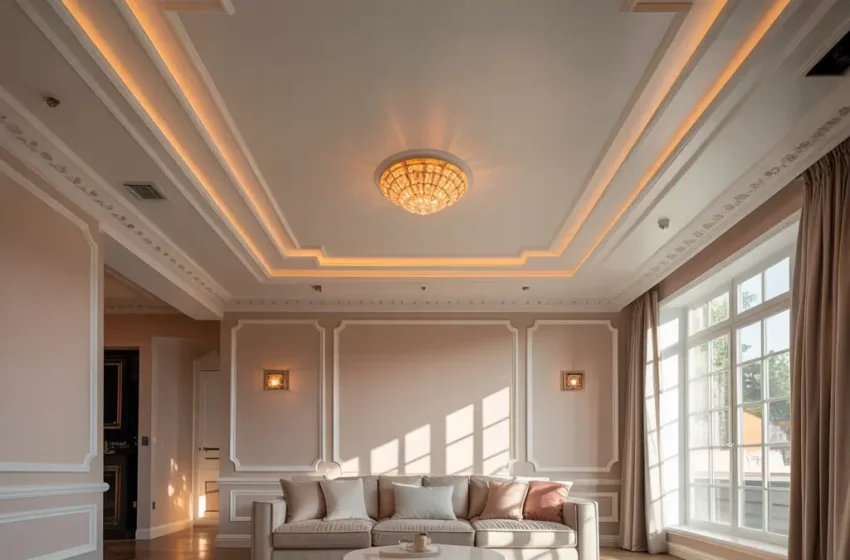
You know that awkward moment when someone visits your drawing room and compliments everything except the ceiling? Yeah, that blank white expanse above everyone’s heads that you’ve been ignoring since you moved in.
Well, I’m here to tell you that your ceiling is basically a blank canvas begging for attention, and ignoring it is like wearing a designer outfit with flip-flops.
I learned this lesson the hard way when I visited my cousin’s newly renovated drawing room. The furniture was nice, the walls were perfect, but what made my jaw drop? The ceiling.
It completely transformed the space from “nice room” to “holy cow, did you hire an interior designer?” That’s when I realized we’ve all been sleeping on the fifth wall of our rooms.
Why Your Drawing Room Ceiling Deserves the Spotlight
Your drawing room is where you entertain guests, spend quality time with family, and probably binge-watch way too many shows. It’s the showpiece of your home, and yet most of us treat the ceiling like it doesn’t exist. But here’s the thing – a well-designed ceiling can make your room feel larger, more luxurious, or cozier, depending on what you’re going for.
The ceiling sets the entire mood of your drawing room. It affects lighting, acoustics, and even how expensive your furniture looks. Trust me, that IKEA sofa suddenly looks a lot fancier under a gorgeous ceiling design.
Plus, ceiling upgrades often give you more bang for your buck than replacing furniture or redoing floors. You’re looking at transforming your entire space without breaking the bank or dealing with the chaos of a full renovation.
1. Modern Minimalist False Ceiling
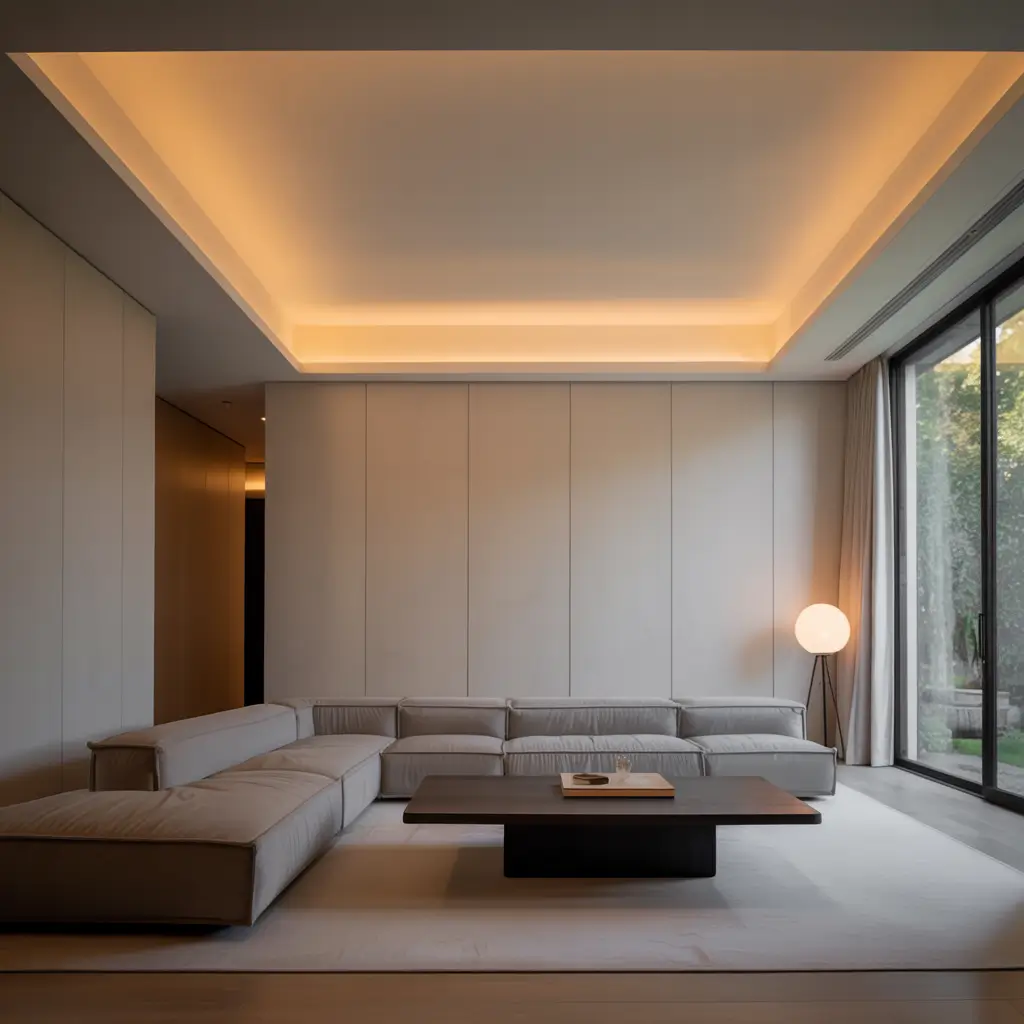
Let’s start with the modern minimalist false ceiling – the little black dress of ceiling designs. Clean lines, subtle recesses, and zero fuss make this perfect for those who believe less is more.
I installed a minimalist false ceiling in my own drawing room two years ago, and people still ask if I hired a professional designer. The secret? Keep it simple. A basic rectangular recess with hidden LED strips creates this gorgeous floating effect that looks way more expensive than it actually costs.
What makes this design so appealing is its versatility. You can paint it the same color as your walls for a seamless look, or go one shade lighter or darker for subtle depth. The recessed lighting eliminates harsh shadows and creates this soft, ambient glow that makes everyone look good – basically Instagram filter for your room.
Getting the Minimalist Look Right
The key elements for nailing this style:
- Stick to straight lines and simple geometric shapes
- Use concealed lighting for that modern glow
- Keep the color palette neutral
- Avoid any ornamental details
Remember, minimalist doesn’t mean boring. The beauty lies in the precision and clean execution.
2. Wooden Beam Accent Ceiling
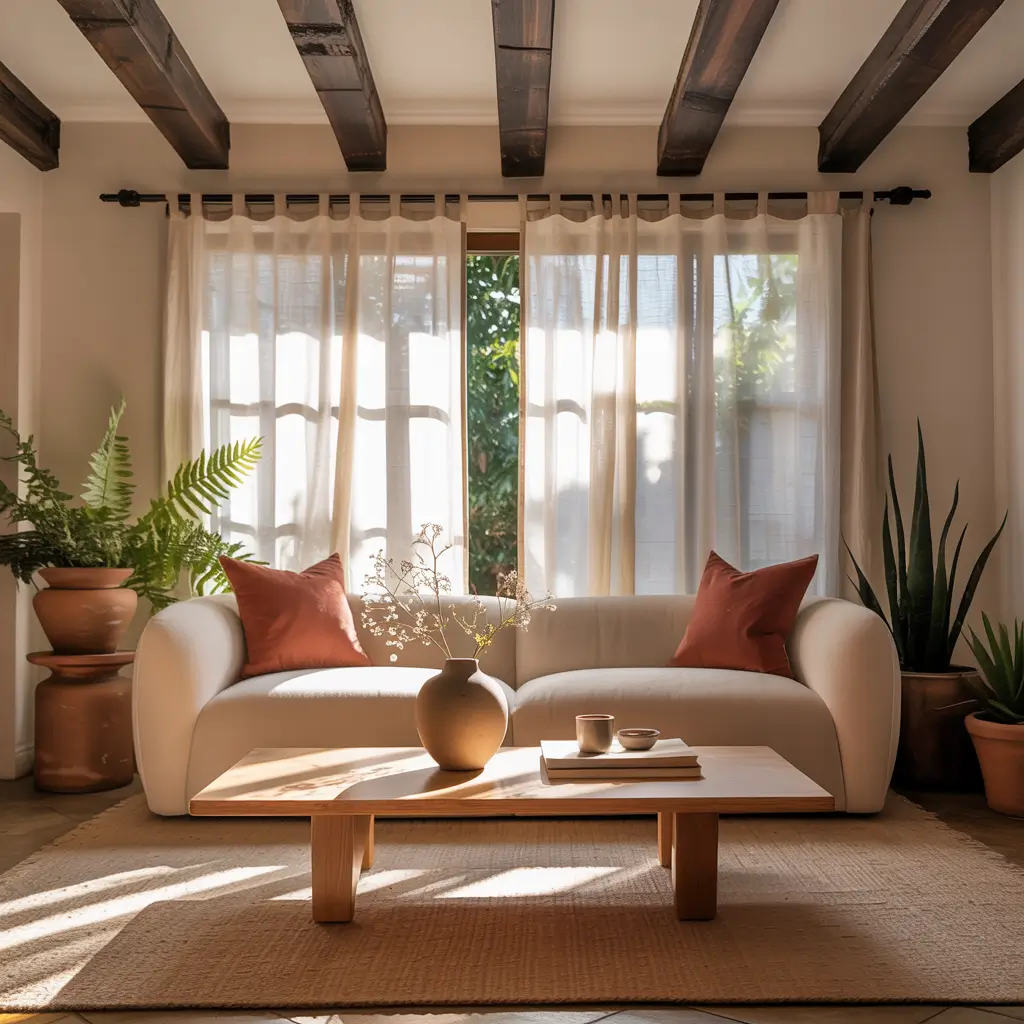
Nothing says warmth and character quite like wooden beams stretching across your ceiling. But forget those heavy, dark beams from grandma’s house – modern wooden beam ceilings are all about creating visual interest without overwhelming the space.
I recently helped a friend install faux wooden beams in her drawing room, and the transformation was incredible. We went with light oak beams against a white ceiling, and suddenly her modern furniture had this perfect touch of organic warmth. The best part? They were hollow foam beams that looked exactly like real wood but cost a fraction of the price.
You can arrange beams in different patterns – parallel for a classic look, grid pattern for more traditional spaces, or even diagonal for something unexpected. The spacing between beams matters too; closer together feels cozier, while wider spacing maintains an open feel.
Wood Tone Selection
Different woods create different moods:
- Light woods (birch, pine) keep things airy and Scandinavian
- Medium tones (oak, cherry) add warmth without heaviness
- Dark woods (walnut, mahogany) bring drama and sophistication
FYI, if you’re going the faux route, the quality has improved dramatically in recent years. Some of these fake beams would fool a carpenter.
3. Tray Ceiling with LED Lights
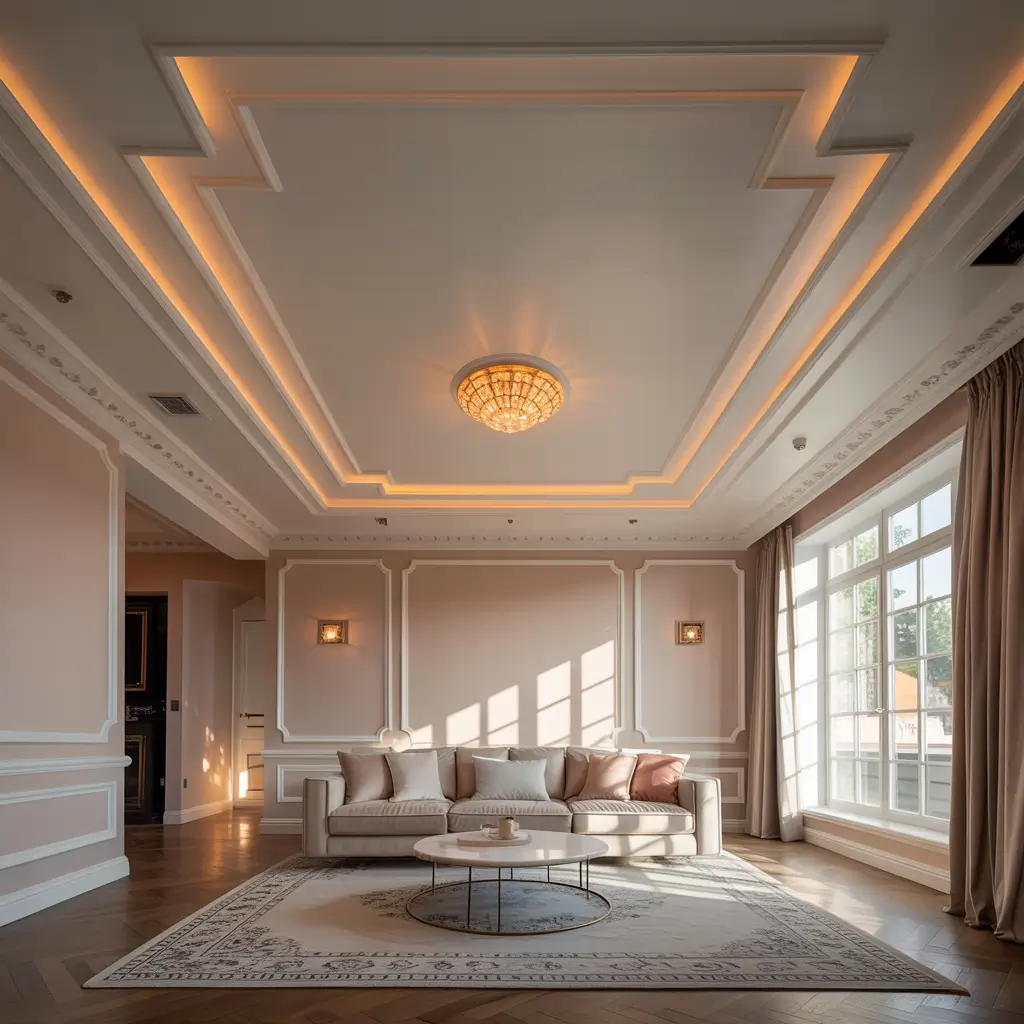
The tray ceiling with LED lights is like the Swiss Army knife of ceiling designs – functional, stylish, and surprisingly adaptable. This recessed ceiling creates a frame around your room that naturally draws the eye upward.
The magic happens when you add LED lighting to the tray’s perimeter. Suddenly, you’ve got this gorgeous indirect lighting that makes your drawing room feel like a high-end hotel lobby. I’ve seen people use color-changing LEDs for parties – imagine setting your ceiling to sunset orange for dinner parties or cool blue for movie nights.
What I love about tray ceilings is how they define space without walls. In open-plan homes, a tray ceiling over your seating area creates an intimate zone without blocking sight lines. It’s architectural psychology at its finest.
Lighting Options for Your Tray
Consider these lighting approaches:
- Warm white for everyday ambiance
- RGB strips for party mode
- Dimmable options for versatility
- Smart controls for ultimate convenience
Pro tip: Don’t make the tray too deep. Anything more than 12 inches starts to feel oppressive unless you have really high ceilings.
Also Read: 10 Sophisticated Office Ceiling Design Ideas and Cozy Office Vibes
4. Coffered Ceiling with Elegant Molding
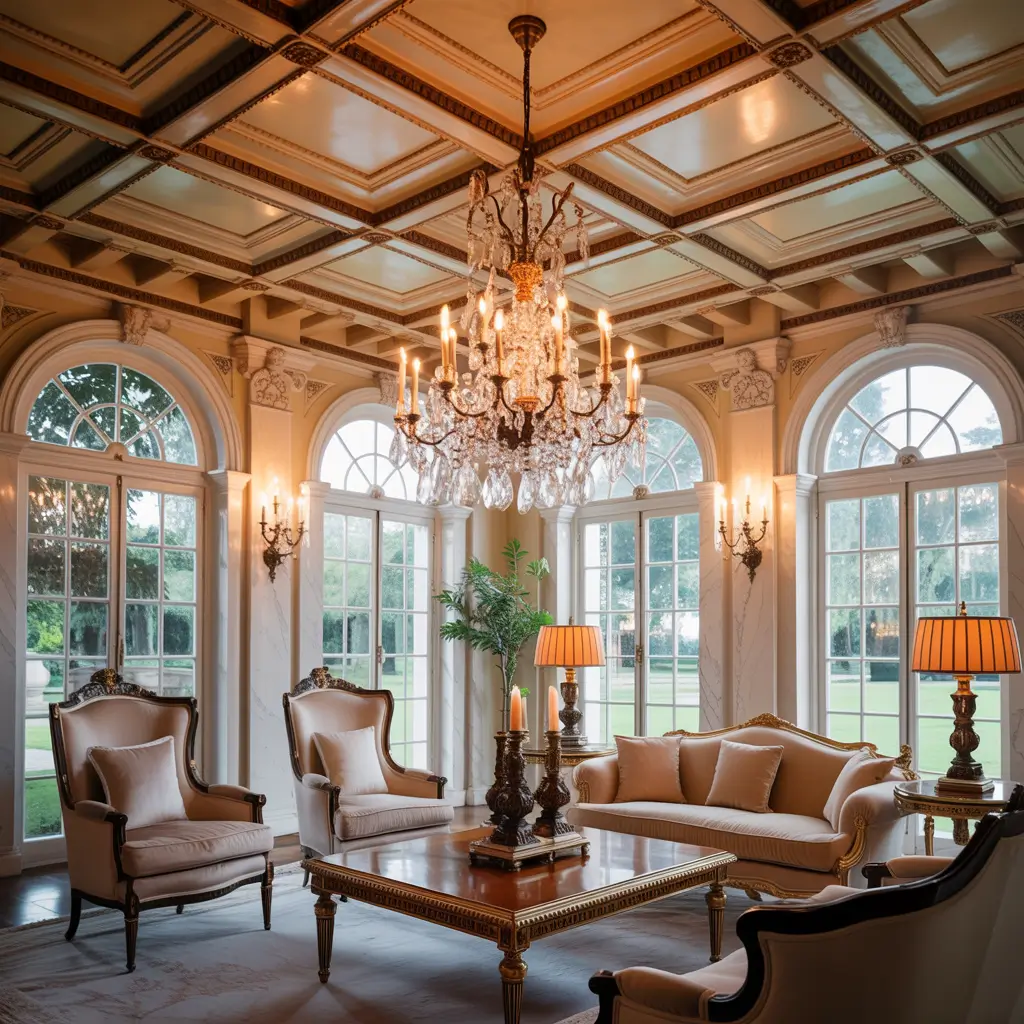
Coffered ceilings bring instant sophistication to any drawing room. Those gorgeous grid patterns with recessed panels? They scream “I have excellent taste” without you having to say a word.
I’ll admit, I was initially intimidated by coffered ceilings, thinking they were only for mansions and law firms. But modern interpretations have made them accessible for regular homes. You don’t need elaborate carved details – simple, clean molding creates that upscale look without the upscale price tag.
The grid pattern naturally divides your ceiling into sections, which is perfect for larger drawing rooms that need visual organization. Each coffer can house a light fixture, or you can alternate between lit and unlit panels for rhythm and interest.
Coffer Sizing Guidelines
Getting proportions right is crucial:
- Larger rooms can handle bigger, fewer coffers
- Smaller spaces need smaller, more numerous coffers
- Standard depth is 3-6 inches
- Keep molding proportional to room size
Warning: This isn’t a DIY weekend project unless you’re seriously skilled. The precision required for those perfect angles will test your patience.
5. Pop Art Geometric Ceiling
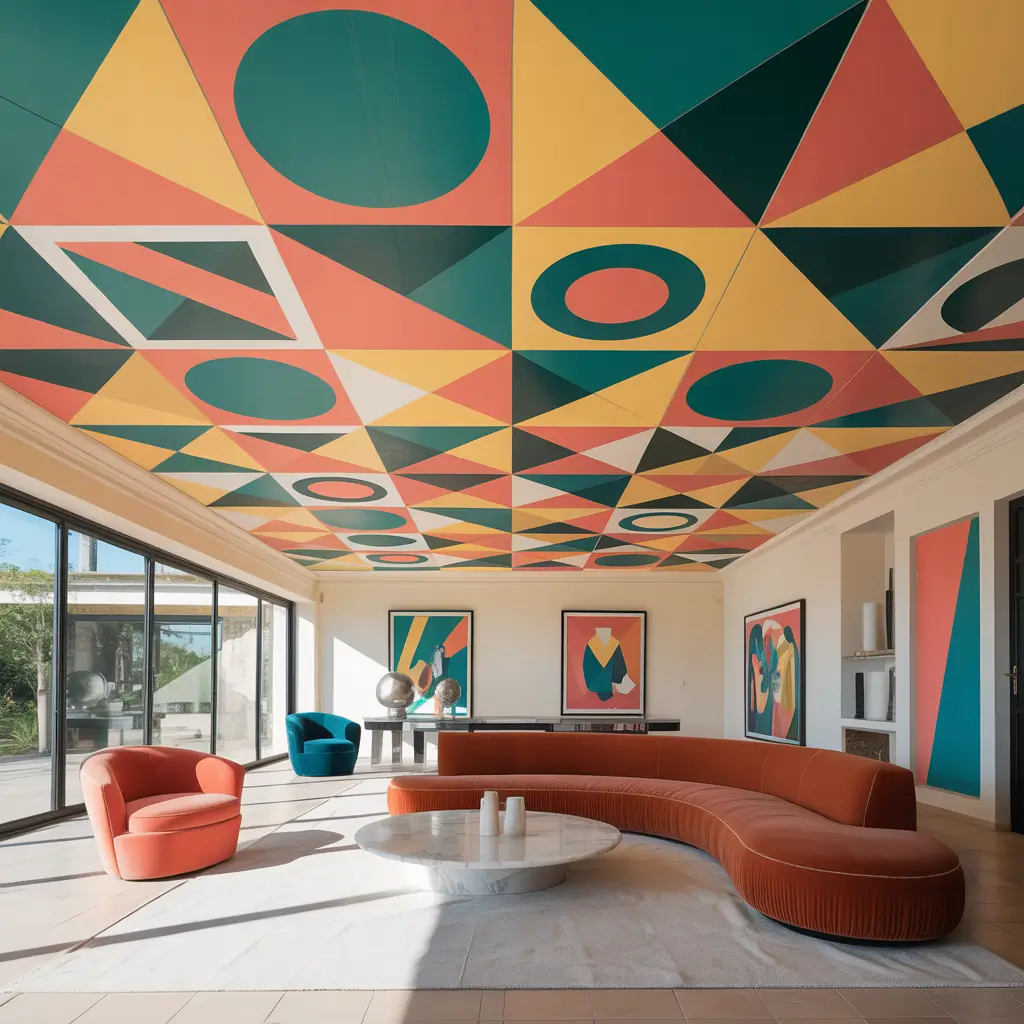
Ready to make a statement? Pop art geometric ceilings turn your drawing room into a conversation starter. We’re talking bold shapes, creative patterns, and the kind of design that makes people pull out their phones for photos.
I saw an amazing example at a friend’s housewarming – triangular patterns in alternating shades of gray that created this incredible 3D effect. Everyone spent the first ten minutes just staring up. That’s the power of geometric design done right.
The beauty of POP (Plaster of Paris) is its moldability. You can create practically any shape or pattern your heart desires. Hexagons for a modern look, circles for something softer, or abstract shapes for pure artistic expression.
Pattern Selection Strategy
Choose patterns that complement your style:
- Triangles and hexagons for contemporary spaces
- Circles and curves for softer aesthetics
- Mixed geometrics for eclectic vibes
- Keep patterns scaled to room size
Just remember – bold patterns are like statement jewelry. One is stunning; too many and you look like you raided a costume shop.
6. Profile Light Cove Ceiling
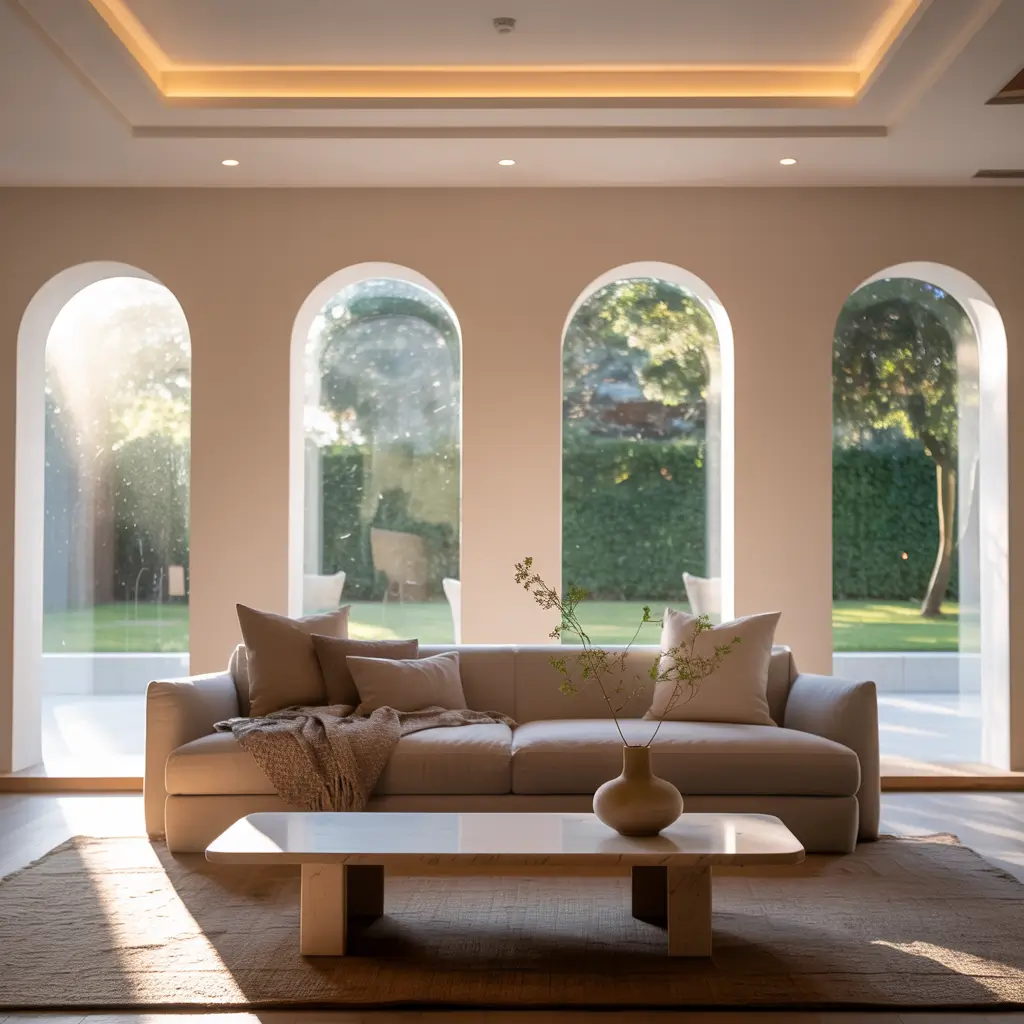
Profile light cove ceilings are the introvert’s dream – all the style without the spotlight. This design uses recessed channels around your ceiling’s perimeter to house LED strips, creating a soft halo effect that’s both modern and timeless.
I installed profile lighting in my drawing room after seeing it in a boutique hotel, and it’s been a game-changer. The indirect light eliminates harsh shadows (goodbye unflattering overhead lighting) and creates this cozy ambiance that makes everyone want to stay longer.
The best part? You can adjust the mood instantly. Bright for reading, dim for movies, somewhere in between for conversations. Add smart controls, and you can change settings from your phone without leaving the couch.
Profile Design Options
Explore different profile styles:
- Straight channels for minimalist appeal
- Curved profiles for organic flow
- Multiple layers for depth
- Asymmetrical placement for modern edge
Installation tip: Make sure your profiles are perfectly level. Even slight imperfections show up when the lights are on.
Also Read: 12 Trendy Living Room Ceiling Design Modern Ideas to Try
7. Textured 3D Panel Ceiling
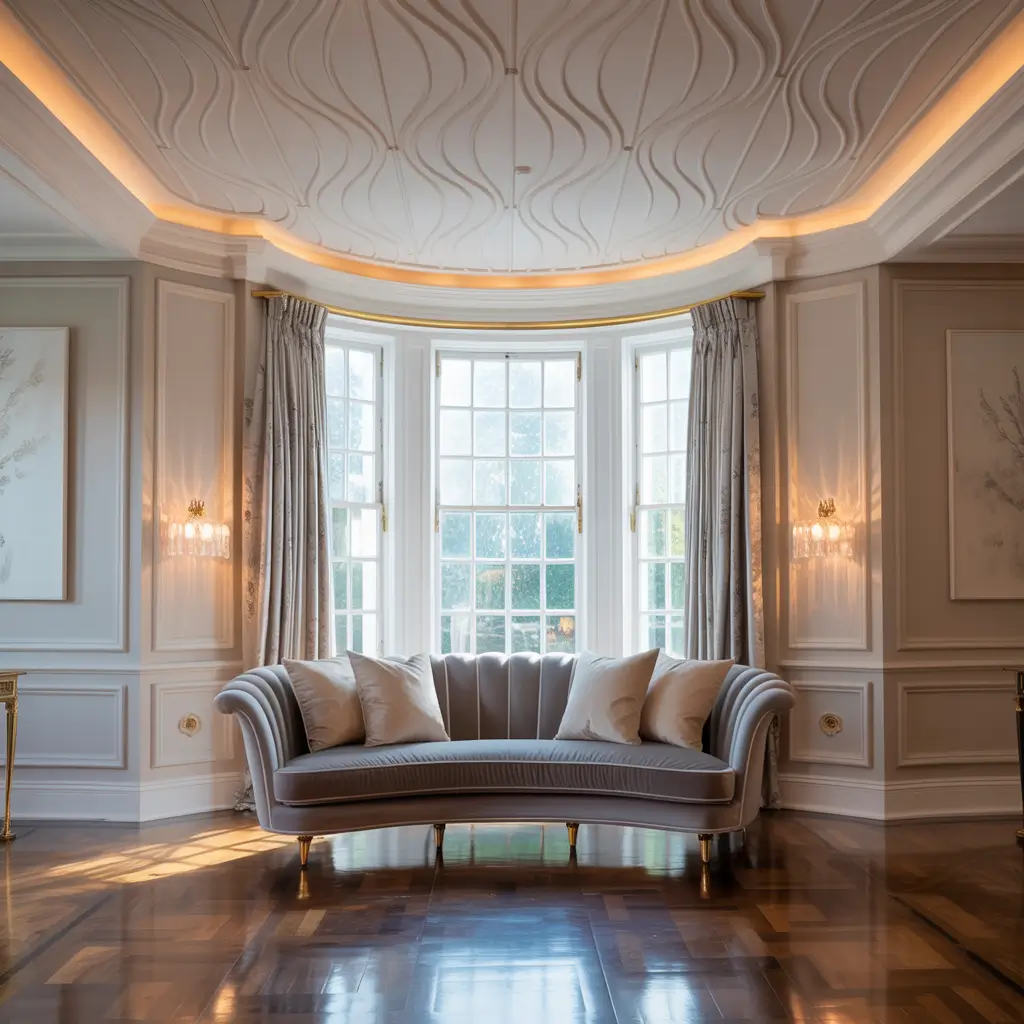
Textured 3D panels bring tactile interest to your ceiling that paint alone could never achieve. These dimensional tiles create shadows and highlights that change throughout the day as light moves across them.
My neighbor installed wavy 3D panels in her drawing room, and I’m not gonna lie – I’m jealous. The subtle texture adds sophistication without screaming for attention. It’s like having sculpture on your ceiling that also happens to hide imperfections beautifully.
Modern 3D panels come in everything from subtle waves to dramatic geometric patterns. Some even have acoustic properties, which is brilliant if your drawing room doubles as a home theater.
Choosing the Right Texture
Consider these factors:
- Subtle patterns for formal spaces
- Bold textures for contemporary rooms
- Light colors to maintain brightness
- Consider maintenance (deep textures collect dust)
The panels are surprisingly DIY-friendly if you’re patient with measuring and cutting. Just don’t rush the layout planning phase.
8. Glass or Acrylic Panel Ceiling
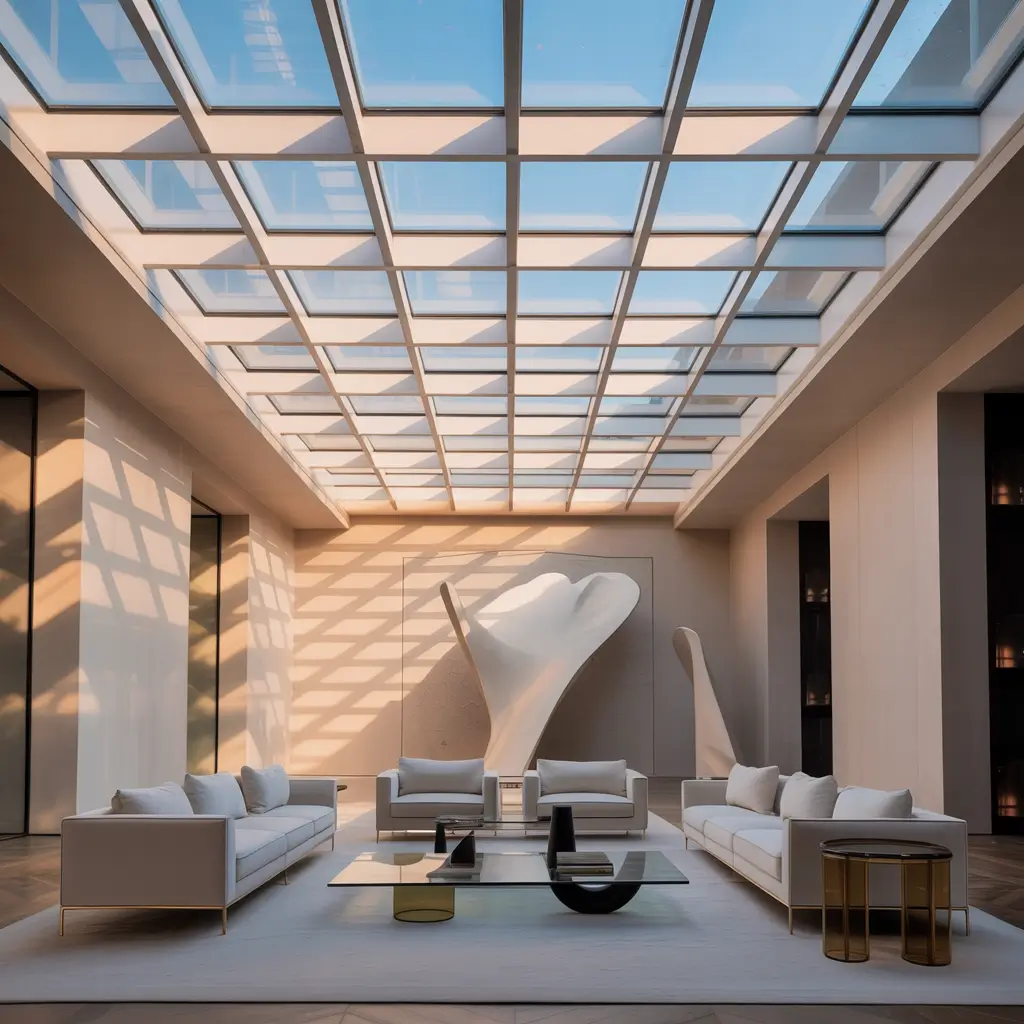
Glass or acrylic panels in your ceiling might sound crazy, but hear me out. These translucent elements create visual interest while maintaining openness – perfect for smaller drawing rooms that need every trick to feel spacious.
I experienced this design at an architect’s home where frosted glass panels with backlighting created this ethereal glow. During the day, they diffused natural light from above. At night, LED backlighting turned them into floating light boxes. Mind = blown.
You don’t need to cover the entire ceiling. Strategic placement of glass panels can define zones, create focal points, or simply add unexpected elegance. Plus, acrylic options are lighter and safer than glass while looking nearly identical.
Glass vs. Acrylic
Making the right choice:
- Glass: More scratch-resistant, premium feel
- Acrylic: Lighter, safer, more affordable
- Frosted finishes hide ceiling imperfections
- Clear options need pristine structure above
Safety note: Always use tempered glass and proper support structures. This isn’t the place to cut corners.
9. Circular Dome Ceiling Design
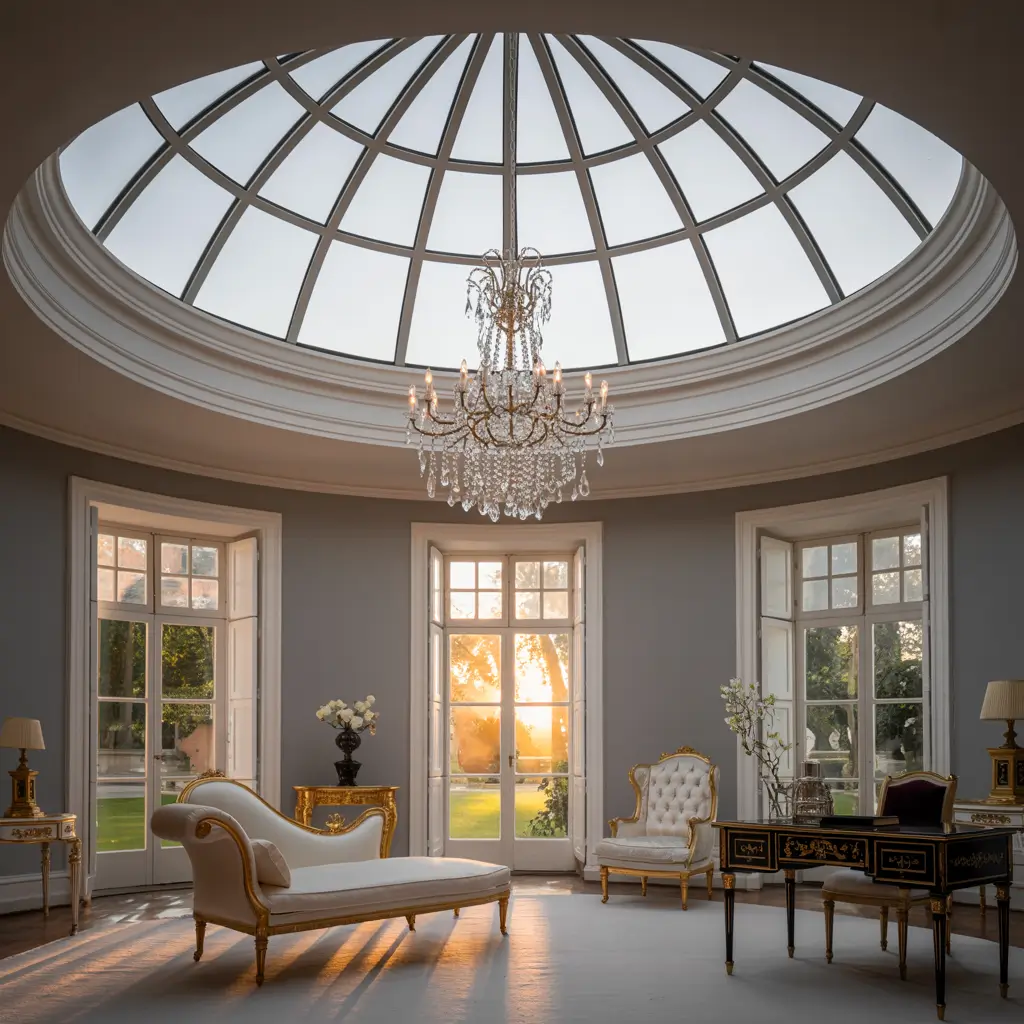
Want to add architectural drama without major construction? A circular dome ceiling (even a shallow one) creates a focal point that elevates your entire drawing room.
I used to think domes were only for palaces and capitol buildings, but modern techniques make them accessible for regular homes. We’re not talking about massive structural domes – just subtle circular recesses that add dimension and elegance.
The circular shape naturally draws the eye upward and creates a sense of height, even in rooms with standard ceilings. Add a statement chandelier in the center, and you’ve got instant luxury.
Dome Design Considerations
Key factors for success:
- Scale the dome to room proportions
- Keep depth subtle (6-12 inches usually works)
- Center it over your main seating area
- Consider integrated lighting options
This definitely requires professional installation, but the impact is worth every penny.
Also Raed: 10 Creative Interior Ceiling Design Ideas for Stylish Spaces
10. Rustic Exposed Wooden Ceiling
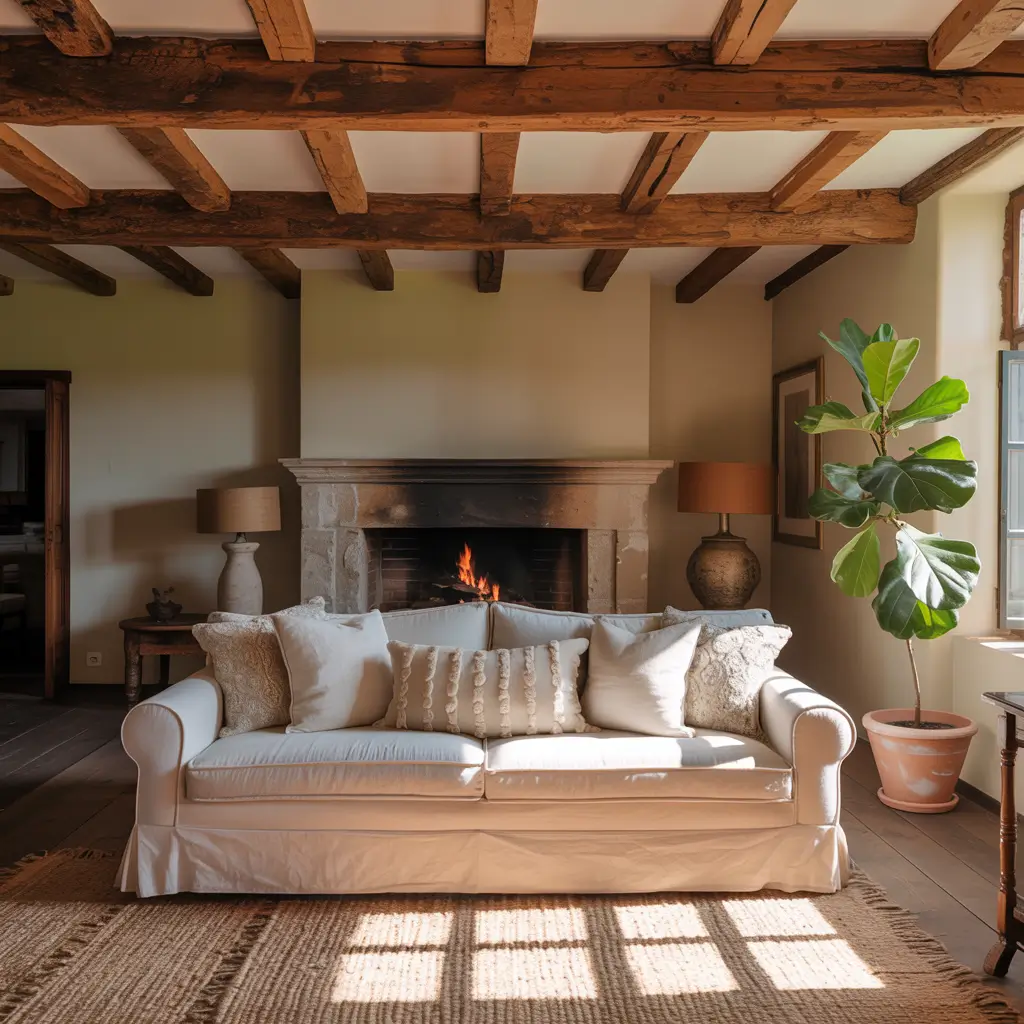
Sometimes the best design is what’s already there. Exposed wooden ceilings celebrate natural materials and architectural bones, creating warmth and character that manufactured materials can’t match.
My parents exposed the original wood beams in their drawing room during renovation, and it completely changed the space’s personality. Those 100-year-old timbers tell a story that no new material could replicate.
If you don’t have original beams to expose, you can create the look with reclaimed wood planking. The irregular grains, knots, and color variations add authentic charm that makes your drawing room feel like a cozy lodge.
Wood Treatment Options
Preserve and enhance your wood:
- Natural sealers maintain authentic color
- Whitewashing brightens without hiding grain
- Dark stains add drama and richness
- Regular maintenance keeps wood beautiful
Remember, exposed wood affects acoustics. Add soft furnishings to balance sound reflection.
11. Two-Tone Layered False Ceiling
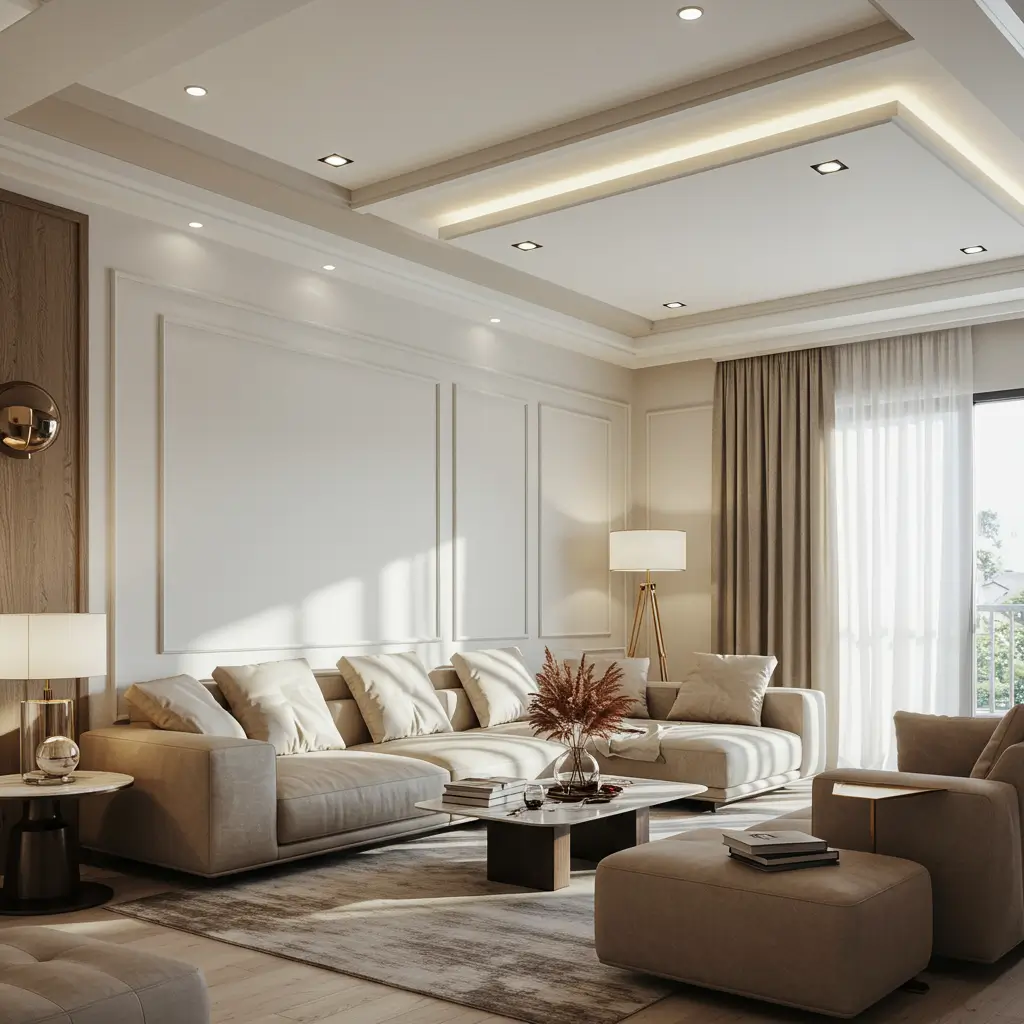
Why settle for one color when you can have two? Two-tone layered ceilings use color contrast to create depth and define spaces without physical barriers.
I experimented with this in my drawing room – white for the main ceiling and warm gray for the dropped section over the seating area. The contrast is subtle but effective, creating a cozy zone within the larger space. Guests always comment on how the room feels both open and intimate.
The key is choosing colors that complement rather than compete. You can go bold with contrasting colors for drama, or subtle with different shades of the same color for sophistication.
Color Combination Ideas
Tried and tested combinations:
- White and gray for modern elegance
- Cream and brown for warmth
- White and navy for nautical vibes
- Same color, different finishes for subtle texture
IMO, this is one of the most budget-friendly ways to add architectural interest without actual architecture.
12. Floral or Artistic Painted Ceiling
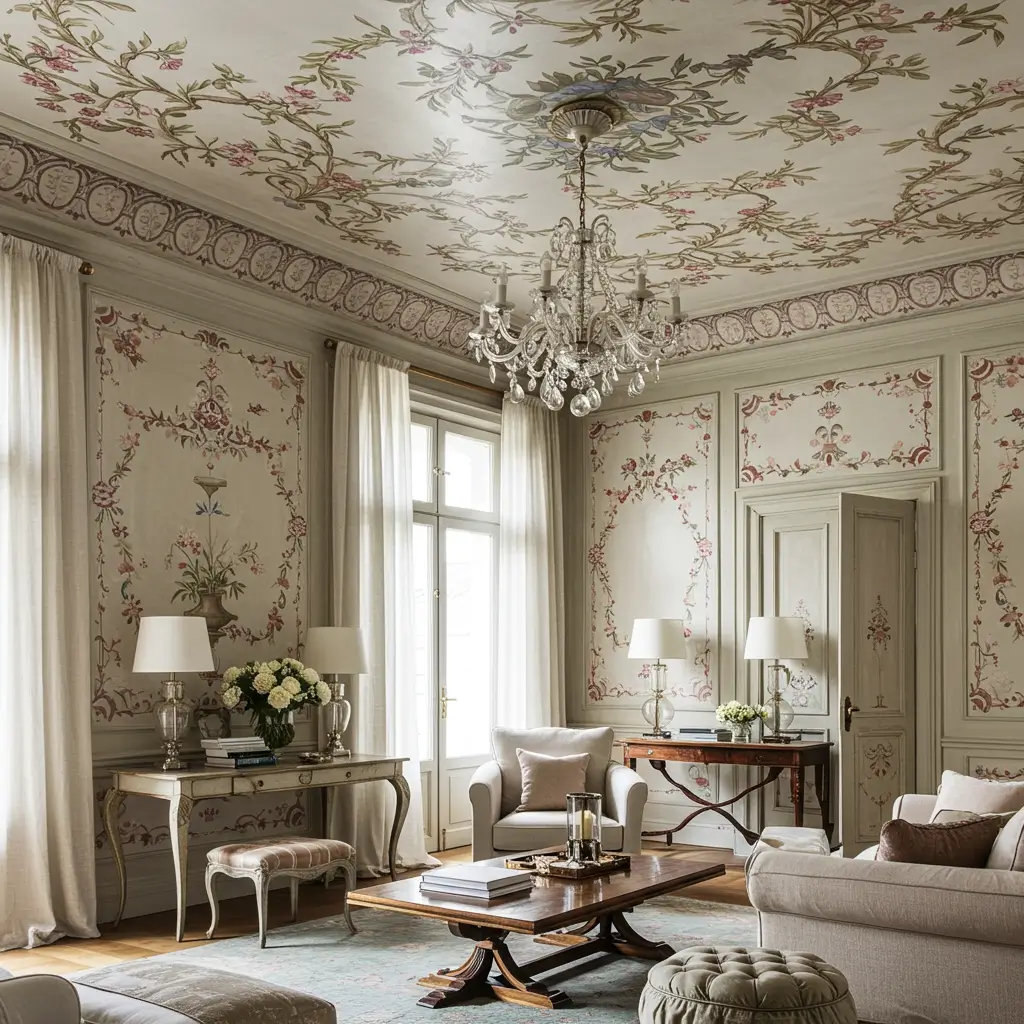
Last but definitely not least – the artistic painted ceiling. This is where you throw conventional wisdom out the window and turn your ceiling into a masterpiece.
I was skeptical about painted ceilings until I saw one done right. A friend hired a local artist to paint abstract clouds on her drawing room ceiling, and it’s absolutely mesmerizing. It’s like having permanent art that you can enjoy while lounging on the sofa.
Modern ceiling murals go way beyond traditional frescoes. Think abstract patterns, geometric designs, or even trompe-l’oeil effects that create illusions of height or architectural details that don’t exist.
Planning Your Painted Ceiling
Essential considerations:
- Hire a skilled artist (this isn’t a DIY job)
- Consider your room’s lighting
- Think long-term (will you tire of it?)
- Document the process for social media gold
Fair warning: This is a commitment. Unlike furniture, you can’t easily change your mind about a painted ceiling 🙂
Bringing It All Together
So there you have it – twelve ways to transform that boring expanse above your head into something spectacular. The best part? Many of these ideas can work together. Maybe combine wooden beams with LED strip lighting, or add 3D panels within a tray ceiling design.
The key is choosing a design that matches your lifestyle, budget, and the overall vibe of your home. Your drawing room ceiling should feel like a natural extension of your style, not something copied from a magazine.
Remember, the ceiling is the largest uninterrupted surface in your room. Whatever you do up there will have a massive impact on how the entire space feels. So take your time, consider your options, and don’t be afraid to go bold.
Making the Investment Worth It
Let’s talk ROI because a beautiful ceiling means nothing if it bankrupts you. The good news is that ceiling improvements typically offer great value. Unlike trendy furniture that goes out of style, a well-designed ceiling remains timeless.
Start by setting a realistic budget and prioritizing impact. Sometimes simple LED lighting makes a bigger difference than complex structural changes. You can always add elements over time – maybe start with paint this year and add molding next year.
Consider the long-term benefits too. Good ceiling design can improve lighting efficiency, reduce energy costs, and even improve acoustics. Plus, it definitely adds value if you ever decide to sell.
Final Thoughts
Your drawing room ceiling has been patiently waiting for its glow-up, and now you’ve got twelve amazing ways to give it the attention it deserves.
Whether you go minimalist with a false ceiling or bold with artistic paintings, remember that the best ceiling design is one that makes you smile every time you look up.
Don’t let another year pass with that blank canvas overhead. Pick a design that speaks to you, start planning, and get ready for all the compliments you’re about to receive.
Trust me, once you transform your ceiling, you’ll wonder why everyone doesn’t do it.
Now stop reading and start looking up – your dream ceiling is waiting to happen!