Duraflame Electric Fireplace: Your Cozy Corner Without the Hassle

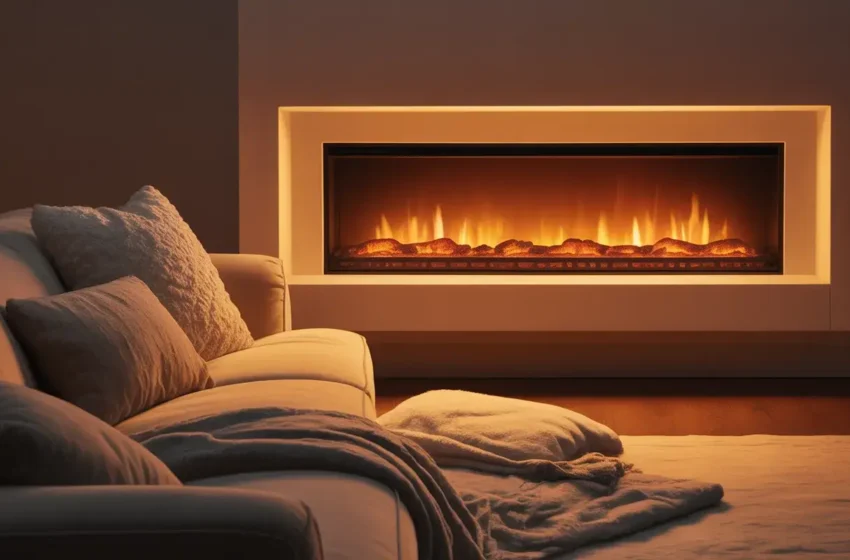
Look, I get it. You want that warm, fuzzy fireplace vibe in your home, but you’re not exactly keen on dealing with actual logs, chimney cleaning, or—heaven forbid—accidentally burning your house down.
Enter the Duraflame electric fireplace, your new best friend in the quest for cozy living without the chaos.
I’ve spent enough time researching (and let’s be honest, obsessing over) these things to give you the real scoop, so grab your coffee and let’s chat about why these electric beauties might just be exactly what your living room is missing.
What Exactly Is a Duraflame Electric Fireplace Anyway?
So here’s the deal: Duraflame isn’t just that brand your parents bought fake logs from back in the day. They’ve seriously upped their game and jumped into the electric fireplace market with both feet. These aren’t your grandmother’s space heaters with some flickering orange lights slapped on the front (though no shade to grandma—she did her best).
Duraflame electric fireplaces are essentially plug-and-play heating units that mimic the look and warmth of a real fireplace without any of the annoying parts. No wood splitting, no ash cleaning, no carbon monoxide worries keeping you up at 3 AM. You literally just plug them in, turn them on, and boom—instant ambiance.
The company makes several different models, from freestanding stoves that look like they came straight out of a cottage in the woods to sleek inserts you can pop into an existing fireplace. They’ve really thought about different living situations, which I appreciate because not everyone lives in a sprawling mansion with ten fireplaces (shocking, I know).
Why People Are Obsessed With These Things
The Convenience Factor Is Unreal
Remember those romantic movie scenes where someone’s building a fire, looking all rugged and capable? Yeah, that’s cute for about five minutes in real life. Then you realize you’re covered in soot, you can’t get the logs to catch, and your smoke detector is screaming at you like you’ve personally offended it.
Duraflame electric fireplaces eliminate all that drama. You want heat? Flip a switch. You want just the pretty flames without turning your room into a sauna in July? They’ve got you covered—most models let you run the flame effect independently from the heat. It’s like having your cake and eating it too, except the cake is fire and won’t make you gain weight. 🙂
I’ve personally used mine on summer evenings when I wanted the cozy vibes for a movie night but didn’t want to sweat through my pajamas. Game changer, honestly.
Your Wallet Will Actually Thank You
Here’s where things get interesting from a practical standpoint. Traditional fireplaces are money pits—and I’m not being dramatic. Between installation costs that can run into the thousands, annual chimney inspections, cleaning services, and actually buying firewood (which apparently costs approximately one kidney these days), you’re looking at serious cash.
Duraflame electric fireplaces? Most models run between $150 to $500 depending on size and features. That’s it. No installation fees unless you count plugging something into an outlet as “installation.” No ongoing maintenance costs. The only thing you’ll pay for is the electricity to run it, which is surprisingly minimal.
FYI, most models use around 1,500 watts on the high heat setting, which translates to roughly the same energy consumption as a hair dryer. You’re probably not running your fireplace 24/7, so we’re talking maybe $10-20 extra on your monthly electric bill during heavy use. Compare that to heating oil or gas fireplaces, and you’re saving a small fortune.
Installation? More Like Plug-and-Chill
Ever wondered why more people don’t have fireplaces? Because installing a traditional one is basically like inviting chaos into your home for several weeks. You need contractors, permits, chimney installation, ventilation systems—it’s a whole production.
With Duraflame electric fireplaces, installation is so simple it’s almost embarrassing to call it that. Freestanding models literally require you to take them out of the box and plug them in. That’s the entire process. I’ve assembled IKEA furniture that was more complicated (and more likely to cause a mental breakdown).
Even the insert models that fit into existing fireplaces are pretty straightforward. You basically slide them in, maybe secure them with a couple of brackets, and you’re done. No contractors needed, which means no awkward small talk while someone judges your home decor choices.
The Different Types You Can Choose From
Freestanding Stove Models
These bad boys look like classic wood-burning stoves but without any of the actual wood-burning parts. They’re my personal favorite for smaller spaces or if you’re renting and can’t make permanent changes to your place.
Duraflame’s freestanding stoves typically measure around 20-25 inches wide and can heat spaces up to 400-1,000 square feet depending on the model. They’ve got that vintage charm that makes your apartment look way more sophisticated than it probably is (no judgment—mine’s the same).
The cool thing about these is their portability. Need heat in your bedroom during winter? Roll it over there. Want it in your home office during the day? No problem. It’s like having a fireplace with wheels, which sounds ridiculous but is actually brilliant.
Fireplace Inserts
If you’ve got an existing fireplace that you never use because it’s a pain in the butt, inserts are your salvation. They fit right into that empty fireplace opening and transform it into something actually functional.
Duraflame makes inserts in various sizes, so you can find one that fits your specific fireplace dimensions. Most of them come with a trim kit that covers any gaps and makes it look like it was custom-built for your space. Pretty slick, if you ask me.
I’ve seen these in action at a friend’s house, and honestly, guests couldn’t tell it wasn’t a real fireplace until they got close. The flame effect technology has come so far that it’s genuinely impressive.
Mantel Packages
Want the whole shebang without the construction project? Mantel packages come with the electric fireplace unit already built into a decorative mantel and surround. It’s literally furniture with a bonus fire feature.
These are perfect if you want that classic fireplace look but have a completely blank wall to work with. They come in different styles—traditional wood finishes, white cottage vibes, even modern minimalist designs. You can match your existing decor without breaking a sweat.
The storage space on these is also clutch. Most models have shelves or cabinets where you can stash your TV components, books, or that random collection of candles you keep buying even though you already have 47 of them. Just me? :/
Features That Actually Matter
Flame Technology That Doesn’t Look Cheap
Let’s talk about the elephant in the room: do electric fireplaces look fake? Honestly, the cheap ones? Yeah, they look like a toddler’s toy. But Duraflame has invested in some seriously decent flame technology that actually looks believable.
Most of their models use LED lights with multiple color options and settings to create realistic-looking flames. Some of the newer models even have ember bed lighting that glows like real hot coals. It’s not going to fool a fireplace purist from two feet away, but from normal viewing distance? It looks pretty darn convincing.
You can usually adjust the flame brightness and speed, which is weirdly satisfying. Want slow, lazy flames for a chill evening? Done. Want more intense, flickering flames for dramatic effect? You got it. It’s like being the director of your own cozy movie scene.
Heat Output You Can Actually Feel
Here’s the thing about electric fireplaces that some people don’t realize: they’re legitimate heat sources. We’re not talking about those decorative candles that give off about as much warmth as a friendly smile.
Duraflame models typically put out around 4,600 BTUs, which is enough to heat a decent-sized room. Most can handle anywhere from 400 to 1,000 square feet depending on insulation, ceiling height, and how drafty your place is. They work on the same principle as space heaters—a fan blows air over heated coils and distributes it throughout the room.
IMO, they work best as supplemental heat sources. I wouldn’t rely on one to heat your entire house during a blizzard, but for taking the chill off a room or maintaining comfort in moderately cold weather? They’re solid performers.
The heat settings usually include high, low, and off, giving you flexibility based on the weather and your personal comfort level. And since the heat and flame effects operate independently, you’re not stuck choosing between ambiance and comfort.
Remote Control Because It’s 2026
Most Duraflame electric fireplaces come with remote controls, and thank goodness for that. There’s something deeply satisfying about adjusting your fireplace from the comfort of your couch while wrapped in a blanket burrito.
The remotes typically control all the important stuff: heat settings, flame brightness, timer functions, and temperature settings if your model has a thermostat. It’s not fancy smart-home integration or anything, but honestly, sometimes simple is better. Less stuff to malfunction, you know?
Some models also have manual controls directly on the unit for when you inevitably lose the remote in the couch cushions for the third time this week. Not that I’m speaking from personal experience or anything.
Safety Features for Peace of Mind
Unlike traditional fireplaces that are basically controlled chaos waiting to happen, electric fireplaces are ridiculously safe. Duraflame includes several safety features that make these things suitable for homes with kids, pets, or just generally clumsy adults (guilty as charged).
The glass front stays relatively cool compared to real fireplaces—you can touch it without burning your hand off, though I wouldn’t recommend letting kids use it as a hand warmer. Most models have automatic shut-off features if they overheat, and some include tip-over protection that cuts power if the unit gets knocked over.
There’s no open flame, no gas leaks to worry about, no carbon monoxide, no flying sparks that could set your carpet on fire. You can literally leave it running and go to bed without the same level of paranoia you’d have with a real fireplace. (Though obviously, still use common sense and follow manufacturer guidelines.)
The Real Talk: Pros and Cons
What Makes Them Awesome
Let me break down why these things have basically taken over the electric fireplace market:
Affordability: Compared to any other fireplace option, these are dirt cheap. You’re getting heat, ambiance, and furniture (in the case of mantel models) for less than most people spend on a weekend getaway.
Zero Maintenance: I cannot stress this enough—you don’t have to do anything. No cleaning, no chimney sweeps, no replacing fire bricks, no hauling ashes outside in your pajamas on a freezing morning. You might need to dust it occasionally, but that’s literally it.
Flexibility: Don’t like where you put it? Move it. Switching apartments? Take it with you. Want to use it in different rooms? Go for it. Try doing that with a built-in fireplace.
Energy Efficiency: These things only heat the room you’re in, unlike central heating that warms your entire house (including rooms you’re not even using). That translates to real savings on your heating bill.
Instant Gratification: No waiting for logs to catch or fires to die down. You want heat now? You got it. Done with it? Turn it off. It’s the microwave of fireplaces, but in a good way.
The Not-So-Great Parts
Look, I’m not going to pretend these are perfect because nothing is. Here’s what you should know:
It’s Not the Real Thing: If you’re a hardcore fireplace enthusiast who loves everything about traditional fires—the smell, the crackling, the primal satisfaction of building your own fire—an electric version won’t scratch that itch. It’s an imitation, albeit a pretty good one.
Limited Heating Range: These work great for individual rooms but won’t heat your whole house. If that’s what you need, you’re better off looking at central heating solutions.
Electricity Dependent: Power goes out? So does your fireplace. Not ideal during winter storms when you might actually need heat the most.
Visual Limitations: From across the room, they look great. Up close, you can tell it’s not real fire. Some people don’t care; others find it bothers them. Depends on your personal tolerance for artificial aesthetics.
Shopping Tips From Someone Who’s Been There
Figure Out Your Space First
Before you start browsing models and falling in love with pretty mantels, measure your space. I know it’s boring, but trust me—ordering something that doesn’t fit is way more boring when you have to deal with returns.
Consider where you’ll plug it in (they need a standard 120V outlet), whether you want it to be a focal point or blend in, and how much floor space you can actually dedicate to it. Freestanding models need clearance on all sides for ventilation, so factor that in.
Don’t Cheap Out Too Much
I’m all about saving money, but with electric fireplaces, the absolute cheapest options often look… cheap. Like “why did I even bother” cheap. Duraflame sits in a sweet spot where they’re affordable but don’t look like you pulled them out of a discount bin.
You don’t need the most expensive model with every bell and whistle, but spending an extra $50-100 for better flame effects and build quality is usually worth it. These things are going to be in your living space where you look at them every day—invest accordingly.
Read Real Reviews
Not just the glowing 5-star ones or the angry 1-star rants, but the middle-ground reviews from people who’ve actually used the product for a while. Look for consistent complaints or praise about specific features.
Pay attention to reviews mentioning noise levels (some models have louder fans than others), actual heat output in real-world conditions, and durability over time. The official product description will tell you it’s amazing; customer reviews will tell you if the remote stopped working after two months.
Check the Return Policy
Even with all the research in the world, sometimes you get something home and it just doesn’t work for your space. Make sure wherever you’re buying from has a reasonable return policy, especially if you’re shopping online and can’t see the unit in person first.
Some retailers have restocking fees for large items, which can add up. Others offer free returns within a certain time frame. Read the fine print before you click that “buy now” button in a moment of cozy-fireplace-induced euphoria.
Setting It Up and Making It Work for You
Placement Strategy
Where you put your Duraflame electric fireplace actually matters more than you might think. You want it somewhere you’ll actually enjoy it—probably where you spend the most time hanging out, like facing your couch or near your favorite reading chair.
Avoid placing it near high-traffic areas where people might bump into it constantly or where kids might use it as a jungle gym. Keep it away from water sources (bathrooms, near sinks) because electricity and water are not friends.
For maximum heating efficiency, try to place it on an interior wall rather than an exterior one. Exterior walls lose more heat, so you’ll be fighting an uphill battle trying to keep the room warm.
Making It Look Intentional
Nothing screams “I just bought this and stuck it somewhere” like an electric fireplace shoved awkwardly into a corner with nothing around it. Take a few minutes to style it a bit.
If you’ve got a mantel model, decorate the mantel like you would any furniture surface—some candles, a plant, a piece of art, whatever fits your style. For freestanding stoves, consider placing them on a decorative hearth pad or positioning them as a room focal point with furniture arranged around them.
You can add baskets of blankets nearby for extra cozy vibes, or position some comfy seating to take advantage of the heat and visual appeal. It’s all about making it feel like part of your intentional design rather than an afterthought.
Maintenance (Or Lack Thereof)
I mentioned this earlier, but it bears repeating: these things require almost zero maintenance. Dust the exterior every now and then with a soft cloth. Maybe vacuum any vents if you notice dust buildup. That’s literally it.
Don’t use harsh chemicals on the glass front—just a soft, slightly damp cloth works fine. Some people like to use glass cleaner, which is fine, just don’t go overboard. The goal is to keep it clean, not perform surgery on it.
Once a year, you might want to check that all the settings still work properly and that nothing sounds weird when it’s running. But honestly, if you’re not having issues, there’s not much to check.
The Environmental Angle
Is It Actually Eco-Friendly?
This is where things get a bit nuanced. Electric fireplaces don’t produce emissions in your home, which is great for indoor air quality. No smoke, no carbon monoxide, no particulates that aggravate allergies or asthma.
However, electricity has to come from somewhere. Depending on your local power grid, that might mean coal, natural gas, nuclear, or renewable sources. So while the fireplace itself is clean, the overall environmental impact depends on your region’s energy mix.
That said, because they’re efficient zone heaters, they can reduce your overall energy consumption compared to heating your whole house. If you’re keeping your central heat lower and using the electric fireplace to heat just the room you’re in, you might actually reduce your carbon footprint.
Comparing to Other Options
Against wood-burning fireplaces, electric ones are generally more eco-friendly. Wood burning releases particles, carbon dioxide, and other emissions. Even EPA-certified wood stoves are less clean than electric.
Gas fireplaces are somewhere in the middle. They’re cleaner than wood but still produce emissions. They’re also more efficient than electric in terms of pure heat output per dollar spent on fuel, but they come with installation costs and safety concerns.
Electric fireplaces win on convenience and safety, tie on environmental impact (depending on factors), and lose slightly on that intangible “real fire” experience that some people crave.
Common Questions People Actually Ask
Can You Really Heat a Room With These?
Yes, absolutely. I heat my 300-square-foot home office with one all winter, and it works great. The key word here is “supplemental.” These aren’t going to replace your central heating system for your whole house, but for heating individual rooms? They’re legit.
On really cold days, you might need to combine it with some central heat, but for most moderate winter weather, a Duraflame electric fireplace can handle a room just fine.
Do They Use a Lot of Electricity?
Not as much as you’d think. Running one on high heat for 8 hours a day for a month would cost around $30-40 in most areas, give or take based on your local electricity rates. That’s comparable to or less than running a space heater, and way less than heating your whole house to the same temperature.
Plus, you can run just the flame effect without heat, which uses minimal electricity—like, less than leaving a few light bulbs on.
Will It Work If the Power Goes Out?
Nope, and that’s one of the main downsides. No power means no heat and no pretty flames. If you live somewhere with frequent power outages during winter, you’ll want a backup heat source. A generator could run it, but at that point, you might as well use the generator for more critical stuff.
Final Thoughts on Getting Cozy
At the end of the day, Duraflame electric fireplaces are about making your home more comfortable without making your life more complicated.
They’re not trying to be authentic wood-burning fireplaces—they’re trying to be something better for modern living: convenient, safe, affordable, and reasonably attractive.
Are they perfect? No. Will they satisfy a true fireplace purist? Probably not. But for the vast majority of us who just want to be cozy without the hassle, they’re pretty much ideal.
I’ve spent enough evenings curled up in front of mine with a book and a cup of tea to confidly say they deliver on the promise of comfort and ambiance. The fact that I didn’t have to take out a second mortgage or hire a contractor to get there is just a bonus.
If you’re on the fence about getting one, my advice is simple: go for it. They’re affordable enough that if you hate it, you’re not out thousands of dollars. But chances are, you’ll wonder why you waited so long to add a little extra warmth and coziness to your space.
Now if you’ll excuse me, I’m going to go turn mine on and pretend it’s cold enough outside to justify running the heat in February. Don’t judge—ambiance is important. 🙂