
Electric Fireplace Insert with Blower: Your Ultimate Guide to Cozy Warmth Without the Hassle

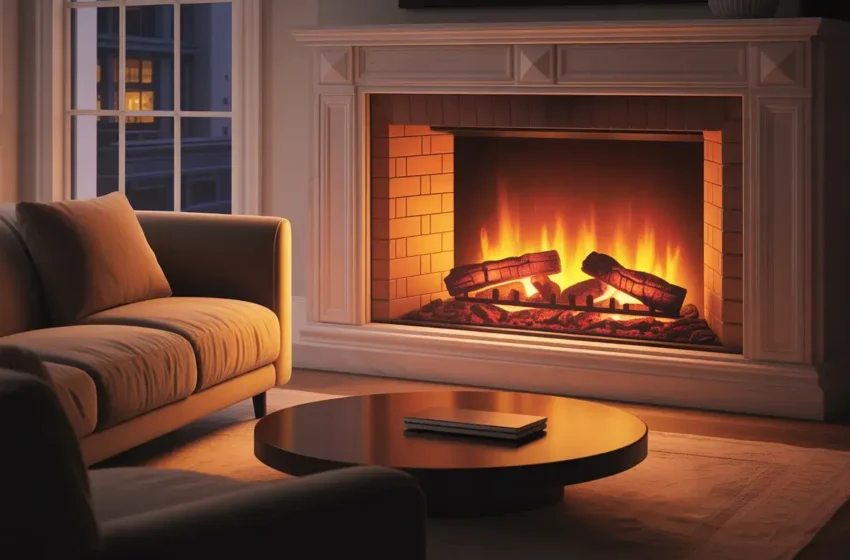
Look, I’m not gonna sugarcoat it—traditional fireplaces are a pain. Sure, they look gorgeous in those home décor magazines, but let’s talk about reality for a second.
Chopping wood? Check. Cleaning out ash every other day? Check. Worrying about carbon monoxide and chimney fires? Double check.
That’s where electric fireplace inserts with blowers come swooping in like your favorite superhero, minus the cape but with all the warmth and none of the drama.
I fell down this rabbit hole a few years back when I was desperately trying to make my drafty living room feel less like an ice cave. What I discovered completely changed my perspective on home heating. Electric fireplace inserts with blowers aren’t just some gimmicky alternative—they’re actually brilliant solutions for modern living. And trust me, once you understand what makes these bad boys tick, you’ll wonder why you didn’t make the switch sooner.
What Exactly Is an Electric Fireplace Insert with Blower?
Alright, let’s start with the basics because I know some of you are scratching your heads right now. An electric fireplace insert is essentially a self-contained unit that you pop into your existing fireplace opening. Think of it as giving your old-school fireplace a high-tech makeover without the need for major renovations or selling your kidney to pay for it.
Now, here’s where the blower part comes in—and honestly, this is the game-changer. The blower (or fan, if we’re being casual about it) is what pushes that toasty warm air out into your room. Without it, you’d basically have a pretty light show that does squat for actually heating your space. The blower takes the heat generated by the electric heating element and distributes it throughout your room like a champ.
I remember the first time I turned mine on. I was skeptical, I’ll admit it. How could something that plugs into a regular outlet compete with a roaring wood fire? But within 15 minutes, my living room went from “why do we even live here?” to “I never want to leave this couch.” The blower makes all the difference, folks.
Why You Should Care About the Blower Function
Here’s the thing: not all electric fireplace inserts come with blowers, and that’s a rookie mistake waiting to happen if you’re actually trying to heat your space. Let me break down why the blower is absolutely essential:
Heat Distribution That Actually Works
Without a blower, the heat just kinda… sits there. It rises straight up (thanks, physics) and doesn’t do much for warming your actual living space. The blower actively pushes that warm air outward and downward, creating circulation that heats your room way more efficiently.
Faster Heating Times
Nobody wants to sit around freezing while waiting for their fireplace to “warm up the space.” With a blower working its magic, you’ll feel the difference within minutes. I’ve timed mine—it takes about 10-12 minutes to noticeably warm up my 400-square-foot living room. Not too shabby, right?
Better Energy Efficiency
When heat gets distributed properly, your fireplace doesn’t have to work as hard to maintain your desired temperature. This means lower energy bills, which means more money for important things like pizza and streaming subscriptions. FYI, my electric bill only went up about $25-30 per month during winter when using mine regularly.
The Anatomy of These Heating Marvels
Let me geek out for a minute and walk you through what’s actually happening inside one of these units. Understanding the components helps you make smarter buying decisions and troubleshoot issues down the road.
The Heating Element
This is where the actual heat generation happens. Most electric fireplace inserts use either infrared quartz elements or metal coil heating elements. The infrared ones tend to be more energy-efficient and provide more even heating, while the metal coils heat up faster but can be a bit less consistent.
I personally prefer infrared because it doesn’t dry out the air as much. Ever notice how forced-air heating makes your skin feel like the Sahara Desert? Yeah, infrared helps avoid that.
The Blower Assembly
This is your MVP right here. The blower typically consists of a fan motor and strategically placed vents. When you crank up the heat, the blower kicks in automatically (though some models let you control it separately, which is pretty sweet).
Quality blowers run quietly—and I mean library-quiet. The cheap ones? They sound like a small aircraft preparing for takeoff. Trust me, spend the extra $50-100 for a quiet blower. Your sanity will thank you.
The Flame Effect Technology
Now we’re getting to the fun part. Modern electric fireplace inserts use LED technology to create surprisingly realistic flame effects. Some use refracted light through spinning mirrors, others use LED strips with color-changing technology. The more expensive models even have adjustable flame colors and speeds.
Can they perfectly replicate a real fire? Nah, let’s be honest. But are they convincing enough to create ambiance while you’re binge-watching your favorite show? Absolutely.
The Control Panel
Most units come with a remote control (because it’s 2026, and if you’re making me get off the couch to adjust settings, we have problems). You’ll typically control heat settings, flame brightness, blower speed, and timers. Some fancy models even have smartphone apps. Do you need to control your fireplace from your phone? Probably not. Is it cool? Kinda, yeah 🙂
Shopping Smart: What to Look for When Buying
Alright, so you’re convinced you need one of these in your life. Great! But before you whip out that credit card, let’s talk about what separates the winners from the “why did I buy this?” regrets.
Size Matters (No, Really)
You need to measure your existing fireplace opening. I know, I know—measuring stuff is boring. But installing a unit that’s too small looks ridiculous, and one that’s too large won’t fit. Standard sizes range from 23 to 42 inches wide, but custom sizes exist if you’re working with something unusual.
Also consider the depth. Some inserts are pretty shallow (around 10 inches), while others extend back 16+ inches. Make sure you’ve got the clearance.
BTU Output
BTUs (British Thermal Units) measure heating capacity. For context, most electric fireplace inserts with blowers range from 4,000 to 5,000 BTUs. This typically heats spaces between 400-500 square feet effectively.
Don’t believe the marketing hype claiming one unit can heat your entire 2,000-square-foot home. Physics doesn’t work that way, and you’ll just end up disappointed. These units are perfect for supplemental heating or heating single rooms.
Blower Noise Levels
I’ve already mentioned this, but it bears repeating: CHECK THE NOISE LEVEL. Read reviews specifically mentioning blower noise. People are usually pretty honest about whether something sounds like a jet engine or a gentle whisper.
Decibel ratings below 50 dB are ideal. Anything above 60 dB will probably annoy you during quiet moments.
Installation Requirements
Most electric fireplace inserts just plug into standard 120V outlets, which is awesome. Some larger units require 240V, which means you’ll need an electrician and additional costs. For the love of all that’s warm and cozy, check the electrical requirements before buying.
Also look at whether the unit requires a blower kit or if it’s included. Some manufacturers sell them separately (which feels like a scam, IMO, but whatever).
Warranty and Customer Service
A solid warranty tells you the manufacturer stands behind their product. Look for at least one year on parts, ideally longer on the heating element and electronics. I’ve seen warranties ranging from 90 days (hard pass) to lifetime limited warranties (now we’re talking).
Customer service matters too. When something goes wrong—and eventually something always does—you want a company that actually answers their phone and helps you troubleshoot.
Installation: Easier Than You Think
Here’s some good news: installing an electric fireplace insert with a blower is way easier than you’re probably imagining. I’m reasonably handy but definitely not a professional, and I managed mine in about two hours, including breaks for snacks and second-guessing myself.
The Basic Process
First, you’ll clean out your existing fireplace. Get rid of all that old ash, debris, and whatever else has accumulated in there. Seriously, actually clean it—don’t just sweep the obvious stuff.
Next, most inserts come with a trim kit or surround panel that frames the unit and covers any gaps between the insert and your fireplace opening. You’ll position this according to the instructions. Some screw in place, others use brackets.
Then you slide the insert into the opening, level it (use an actual level, not your eyeballs), and secure it. Most units have adjustable brackets or tabs that let you anchor them properly.
Finally, plug it into your outlet—preferably a dedicated circuit if you’ve got one. And boom, you’re done. Well, except for reading the manual and setting up the remote, but that’s the easy part.
Professional Installation Worth It?
For most people? Nah. Save yourself the $200-400 installation fee and DIY it. However, if you need electrical work done (like adding a dedicated circuit or upgrading to 240V), hire a licensed electrician. Don’t mess around with electrical stuff you don’t understand.
The Real-World Benefits You’ll Actually Notice
Theory is great and all, but let’s talk about what life is actually like after you install one of these things.
Your Energy Bills Won’t Skyrocket
One of my favorite things about electric fireplace inserts is how they sip electricity compared to cranking up your whole-house heating system. I use mine as a zone heater in whatever room I’m occupying, which means I can keep my thermostat lower and still feel toasty.
The math works out beautifully. Running a typical 1,500-watt insert for 8 hours costs roughly $1.20 per day (depending on your local electricity rates). Compare that to heating your entire house 24/7, and you’re looking at serious savings.
Zero Maintenance Headaches
Remember what I said about traditional fireplaces being a pain? Yeah, electric inserts are the opposite. No chimney to clean. No ash to haul out. No wood to stack. No gas lines to worry about.
The only maintenance is occasionally dusting off the unit and maybe vacuuming the intake vents. That’s it. I spend more time maintaining my coffee maker than my fireplace insert.
Instant Ambiance On Demand
Want a cozy fire ambiance but it’s 75 degrees outside? No problem. Most electric inserts let you run the flame effect without the heat. This is criminally underrated for setting the mood during dinner parties or movie nights.
I’ve used mine flame-only mode all year round because, honestly, staring at flickering flames is just nice. It’s like having a screensaver for your fireplace.
Safety Features That Actually Matter
Electric fireplace inserts come with built-in safety features that make them way safer than traditional options. Overheat protection, cool-touch glass (most models), automatic shut-off timers, and no open flames mean you can actually leave the room without worrying about burning your house down.
Got kids or pets? The safety factor alone makes these things worth their weight in gold.
Common Concerns and Misconceptions
Let’s address some of the questions and worries I see people stress about all the time:
“But Is It Really Heating My Room or Just Blowing Hot Air?”
Both, technically—but yes, it’s legitimately heating your space. The blower circulates heated air, which raises the overall room temperature. It’s not just creating a warm breeze that disappears immediately.
I’ve measured temperature differences with an actual thermometer (because I’m nerdy like that), and my living room temperature increases by 8-12 degrees Fahrenheit when running the insert for about 30 minutes.
“Won’t This Destroy My Electric Bill?”
Not unless you’re running it 24/7 in every room simultaneously. Used smartly as supplemental or zone heating, electric fireplace inserts are actually pretty economical. Just be strategic about when and where you use them.
“The Flames Look Fake Though, Right?”
Older models? Yeah, they looked pretty cheesy. Modern ones? They’re actually impressively realistic, especially in dim lighting. Will they fool a firefighter? No. Will they fool your dinner guests after a couple glasses of wine? Probably 🙂
Top Features Worth Paying Extra For
If you’ve got some wiggle room in your budget, these features are legitimately worth the upgrade:
Adjustable Flame Settings
Being able to control flame brightness, color, and speed adds so much to the ambiance. Some nights you want a gentle flicker, other nights you want a raging inferno effect.
Multi-Speed Blower Control
Manual blower control lets you fine-tune comfort levels. Sometimes you want maximum heat distribution, other times just a gentle warmth.
Smart Thermostats
Built-in thermostats that automatically maintain your desired temperature are clutch. Set it and forget it—the unit handles the rest.
Realistic Log Sets and Ember Beds
High-quality log sets with glowing embers look way better than cheap plastic alternatives. You’re staring at this thing; make it look good.
Troubleshooting Common Issues
Even the best units occasionally hiccup. Here’s how to handle the most common problems:
If your blower isn’t working, first check if it’s even supposed to be running some models only activate the blower when heat is on. Make sure your heat settings are actually engaged. If still nothing, check for blocked vents or intake areas.
If you’re getting heat but no flame effect, check your brightness settings (sounds dumb, but I’ve done this). Verify the LED bulbs haven’t burned out—they’re usually replaceable.
Weird noises from the blower usually mean something’s obstructing the fan or the motor needs lubrication. Power it down, check for debris, and consult your manual for maintenance instructions.
The Bottom Line
Electric fireplace inserts with blowers represent the perfect intersection of form, function, and convenience for modern homes.
They deliver real heat, create genuine ambiance, require virtually zero maintenance, and won’t break the bank to operate.
Are they perfect? Nah. They can’t fully replicate the experience of a crackling wood fire or the primal satisfaction of building and tending a real fire.
But for 99% of people living in 2026 who want warmth and atmosphere without the hassle, they’re pretty much ideal.
I’ve been using mine for several years now, and honestly, I can’t imagine going back. The combination of instant heat, zero cleanup, and legitimate cost savings has converted me into a true believer.
Plus, there’s something deeply satisfying about pressing a button and immediately getting cozy warmth—call me lazy, but I call it smart.
So if you’re on the fence about getting an electric fireplace insert with a blower, take it from someone who’s been there: just do it. Your future warm, cozy, and significantly less stressed self will thank you.
And hey, if you end up not liking it, most places have decent return policies. But I’m betting you’ll love it as much as I do.
Now if you’ll excuse me, it’s time to fire up my insert, grab a hot chocolate, and settle in for the evening. Because that’s just how we roll now—warm, comfortable, and completely hassle-free.