12 Refreshing Feng Shui Bedroom Layout Ideas for Positive Vibes
- Bedroom Design
 Ben
Ben- 0
- 35 minutes read
Ever walked into a bedroom and immediately felt either totally relaxed or weirdly uncomfortable? That’s not random—that’s energy flow, and feng shui practitioners have been decoding this stuff for thousands of years.
Now, before you roll your eyes thinking this is all about mystical crystals and burning sage (though hey, if that’s your thing, go for it), modern feng shui is actually incredibly practical.
It combines ancient wisdom with common-sense design principles that just happen to create bedrooms that feel amazing to be in.
I stumbled into feng shui accidentally when my chronic insomnia forced me to try literally everything. Moving my bed away from the door? Game changer.
Getting rid of the mirror facing my bed? Suddenly I could sleep through the night.These simple shifts completely transformed not just my sleep, but my entire relationship with my bedroom.
Whether you’re a total feng shui believer or just someone who wants their bedroom to feel better, these twelve layout ideas offer practical solutions that work.
Let’s dive into arrangements that balance energy, promote rest, and maybe even boost your love life along the way.
Why Feng Shui Bedroom Layouts Actually Matter
Feng shui isn’t just about arranging furniture prettily—it’s about creating spaces that support your wellbeing. The principles focus on how energy (called “chi”) moves through your room, and honestly, once you understand the basics, they make total sense.
Think about it: you spend roughly a third of your life in your bedroom. That space influences your sleep quality, your morning mood, and your intimate relationships. Doesn’t it deserve some thoughtful arrangement?
The best part about feng shui bedroom layouts is that they address practical concerns alongside energetic ones. Good feng shui naturally creates better traffic flow, maximizes natural light, and reduces clutter. You get both the mystical benefits and the real-world improvements.
1. Serene Minimalist Feng Shui Bedroom
Minimalism and feng shui go together like coffee and mornings. Both philosophies believe that clutter blocks positive energy flow, and both prioritize creating peaceful, intentional spaces.
The Power of Empty Space
In feng shui terms, empty space allows chi to circulate freely. When you cram furniture into every corner and pile stuff on every surface, you create energetic traffic jams. Your bedroom feels heavy and stagnant instead of light and refreshing.
The minimalist feng shui approach keeps only essential furniture. Your bed takes center stage, positioned in the “command position” where you can see the door but aren’t directly in line with it. One or two nightstands provide necessary function without excess. A single dresser handles storage needs.
Everything else either finds a home elsewhere or gets donated. Those exercise weights collecting dust? They carry “active” energy that conflicts with restful sleep energy. The stack of unread books guilt-tripping you from the corner? That’s mental clutter manifesting as physical clutter.
Creating Calm Through Simplicity
Colors stay soft and neutral in minimalist feng shui bedrooms. Think warm whites, gentle grays, soft earth tones. These shades promote relaxation and allow your mind to settle. Bright reds or electric blues might look cool, but they stimulate rather than soothe.
Natural materials enhance the serene vibe. Wood furniture, cotton bedding, and maybe a wool rug underfoot connect you to earth energy. Synthetic materials can disrupt energy flow, though I’ll admit my budget polyester sheets worked just fine until I could afford organic cotton upgrades.
2. Cozy Earth Element Harmony Layout
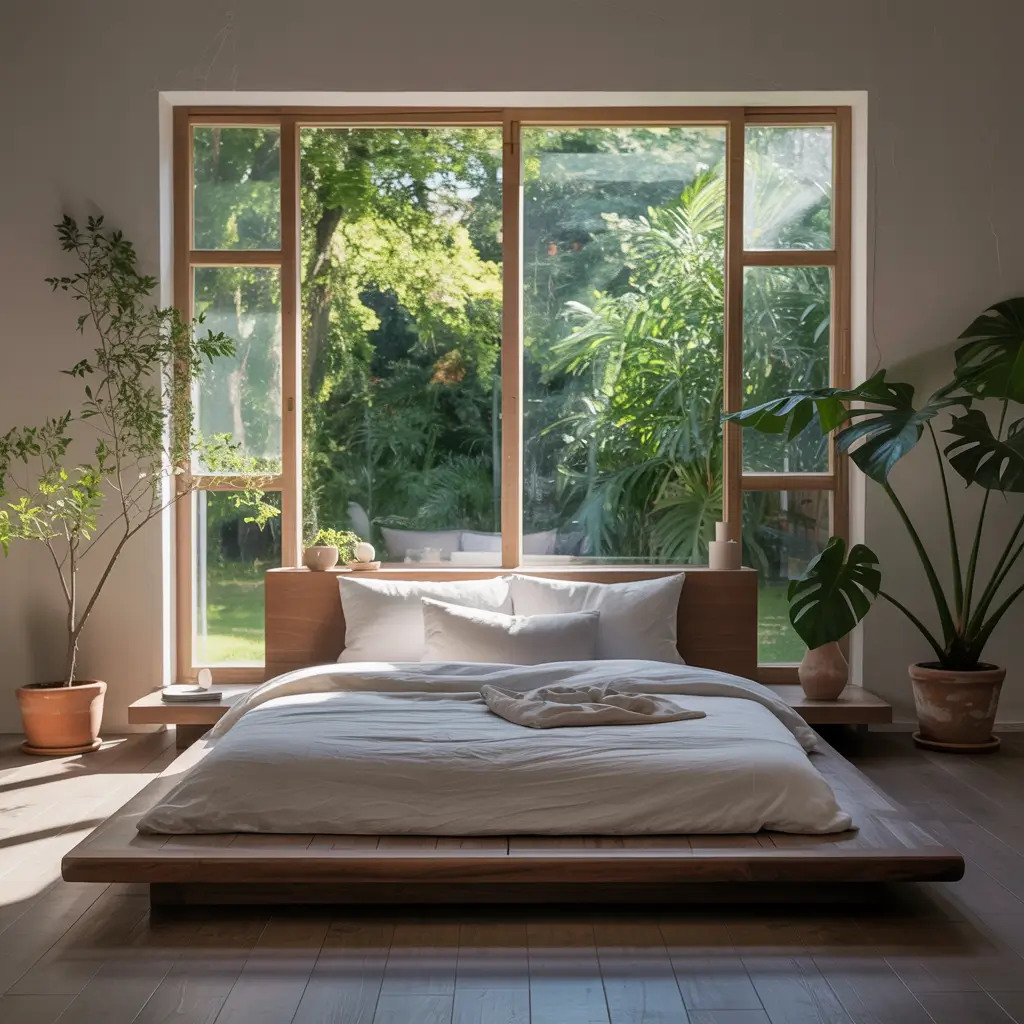
Earth element bedrooms ground you in stability and nurturing energy. These layouts work particularly well for people who feel scattered, anxious, or disconnected from their physical bodies.
Embracing Earthy Energy
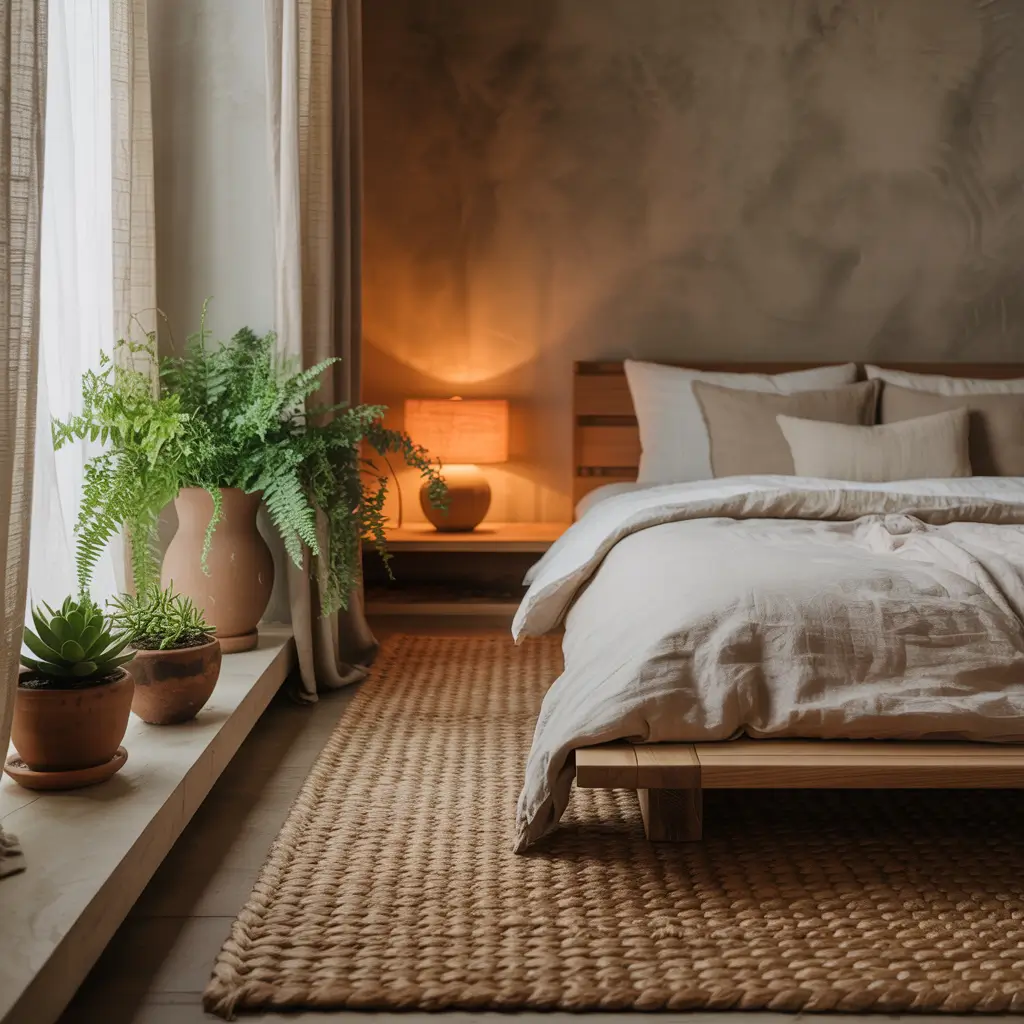
Earth element layouts use square and rectangular shapes, low-profile furniture, and horizontal lines. Your bed sits close to the ground—platform beds or low frames work perfectly. This grounded positioning helps you feel stable and secure.
Colors pull from earth’s palette: warm browns, soft yellows, terracotta, and sandy beiges. These tones create warmth without the intensity of fire colors. They wrap you in comfort like a cozy blanket on a chilly morning.
Textures matter enormously in earth element bedrooms. Layer different fabrics—a nubby linen duvet, smooth cotton sheets, a chunky knit throw. These varied textures engage your senses and strengthen your connection to the physical world.
Positioning for Stability
Earth element feng shui positions furniture to create enclosed, protective feelings. Push your bed against a solid wall (never a window). Add a substantial headboard that feels supportive behind you. Place matching nightstands on both sides for balanced earth energy.
Square area rugs anchor the space and define your sleeping zone. Choose rugs large enough to extend beyond your bed on three sides. This creates an energetic foundation that supports restful sleep.
Plants add living earth energy, but choose them carefully. Rounded leaf plants like rubber plants or peperomias work better than spiky varieties. Skip cacti entirely—their sharp points create “sha chi” (attacking energy) that disrupts peaceful sleep.
3. Balanced Yin-Yang Master Suite
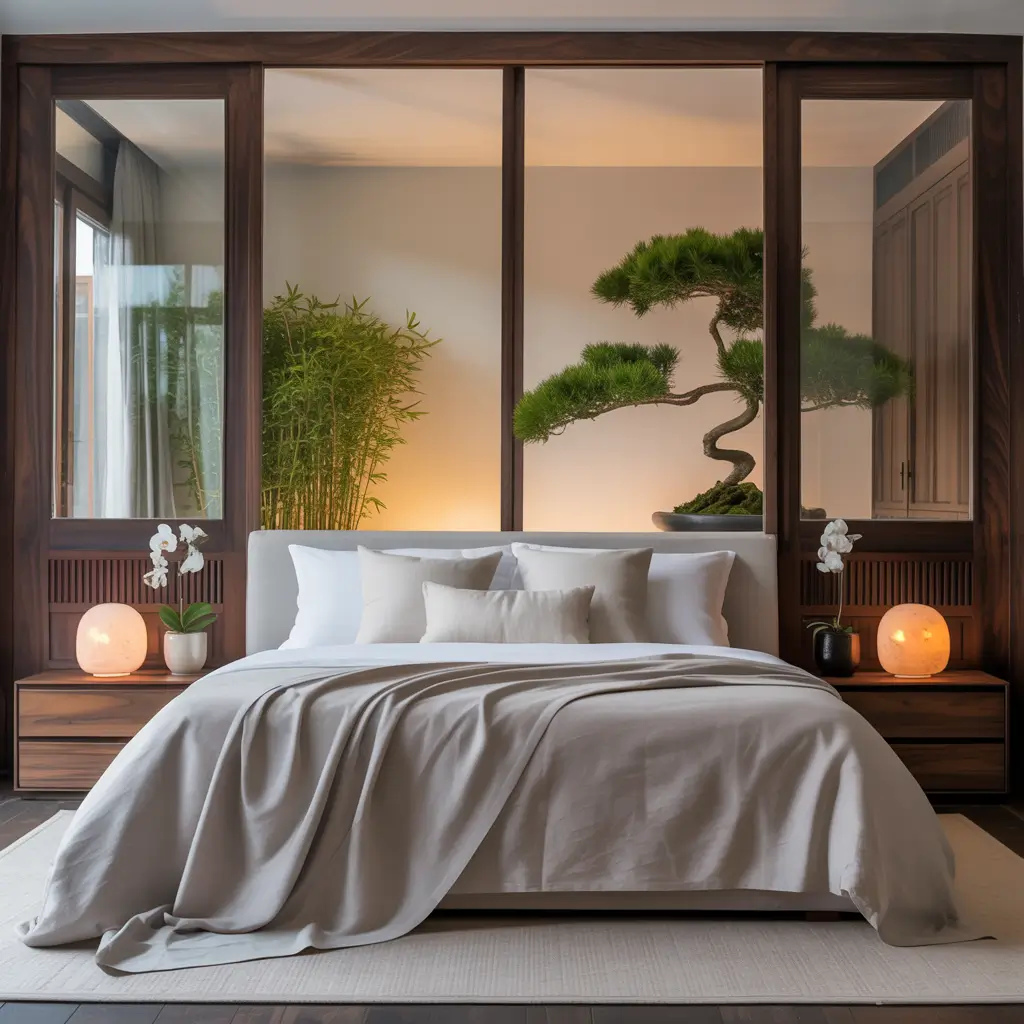
Feng shui recognizes that bedrooms need both yin (passive, feminine) and yang (active, masculine) energies for true balance. Master suites with proper yin-yang balance support both rest and romance.
Understanding Bedroom Duality
Bedrooms are primarily yin spaces—they’re meant for rest, relaxation, and intimacy. But pure yin energy can become stagnant. You need touches of yang to keep energy fresh and vital.
The key lies in creating yin dominance with strategic yang accents. Soft textures, curved lines, and dim lighting establish yin foundation. Then you add controlled yang elements: a single piece of angular furniture, one bright color accent, or a small area of focused task lighting.
Practical Balance Tips
Start with yin basics. Choose a bed with soft, curved edges rather than sharp corners. Layer plush bedding in soothing colors. Install dimmer switches for adjustable lighting that can shift from yang brightness to yin softness.
Add yang elements thoughtfully. A single red throw pillow introduces yang fire energy without overwhelming the space. A rectangular mirror (yang shape) with a curved frame (yin influence) balances both energies. Paired nightstands—one round, one square—create subtle energetic variety.
I learned about yin-yang balance the hard way when my ultra-feminine, all-pink-and-ruffles bedroom killed my dating life. Adding some masculine elements—darker wood furniture, geometric patterns, straighter lines—created space for partnership energy. Just saying, it worked 😉
Also Read: 10 Stylish Small Bedroom Layout Ideas for Modern Homes
4. Romantic Love-Boosting Bedroom Design
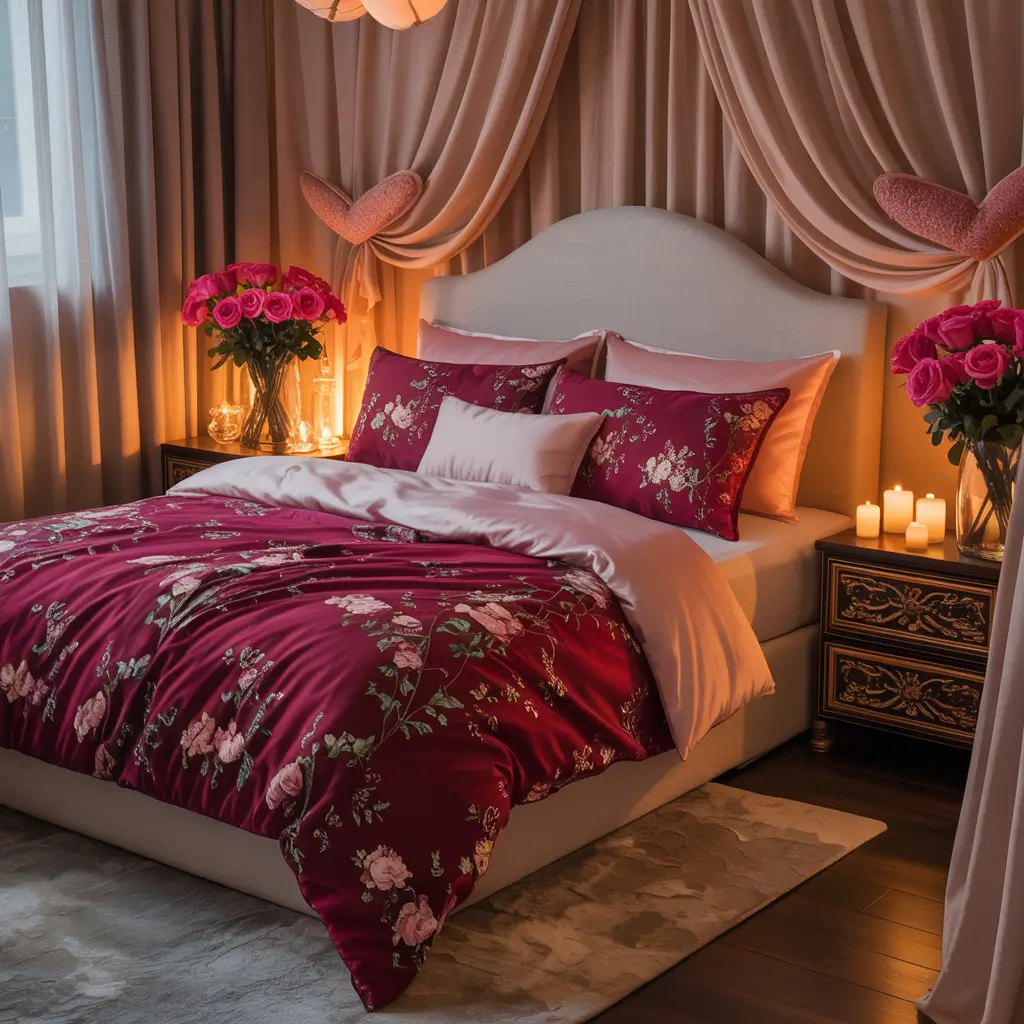
Want to attract love or deepen your current relationship? Feng shui offers specific layout strategies for enhancing romantic energy in your bedroom. And no, you don’t need cheesy heart decorations everywhere.
Creating Partnership Energy
Love-focused feng shui emphasizes pairs and balance. Everything comes in twos—two nightstands, two lamps, two pillows. This pairing creates space for partnership, whether you’re single or coupled.
Position your bed so both sides remain accessible. Pushing one side against a wall literally blocks partnership energy. Even in small rooms, try to maintain at least minimal access to both sides. You’re telling the universe there’s room for another person in your life.
Remove photos of family, friends, or exes from your bedroom. These images bring other people’s energy into your intimate space. Replace them with artwork depicting pairs—two birds, coupled abstract forms, or romantic (but tasteful) imagery.
Color and Sensory Enhancement
Pink and red tones boost romantic energy, but use them sparingly. A pair of pink pillows or rose-colored lampshades adds enough fire without turning your bedroom into a Valentine’s Day explosion. Peach tones work beautifully too—they’re softer than red but still carry romantic warmth.
Engage all senses to create romance-ready spaces. Soft, luxurious bedding invites touch. Subtle essential oils like ylang-ylang or jasmine add sensual scent. Gentle background music or a small water fountain provides soothing sound. Every sensory element should whisper “romance” rather than shouting it.
5. Clutter-Free Flowing Energy Room
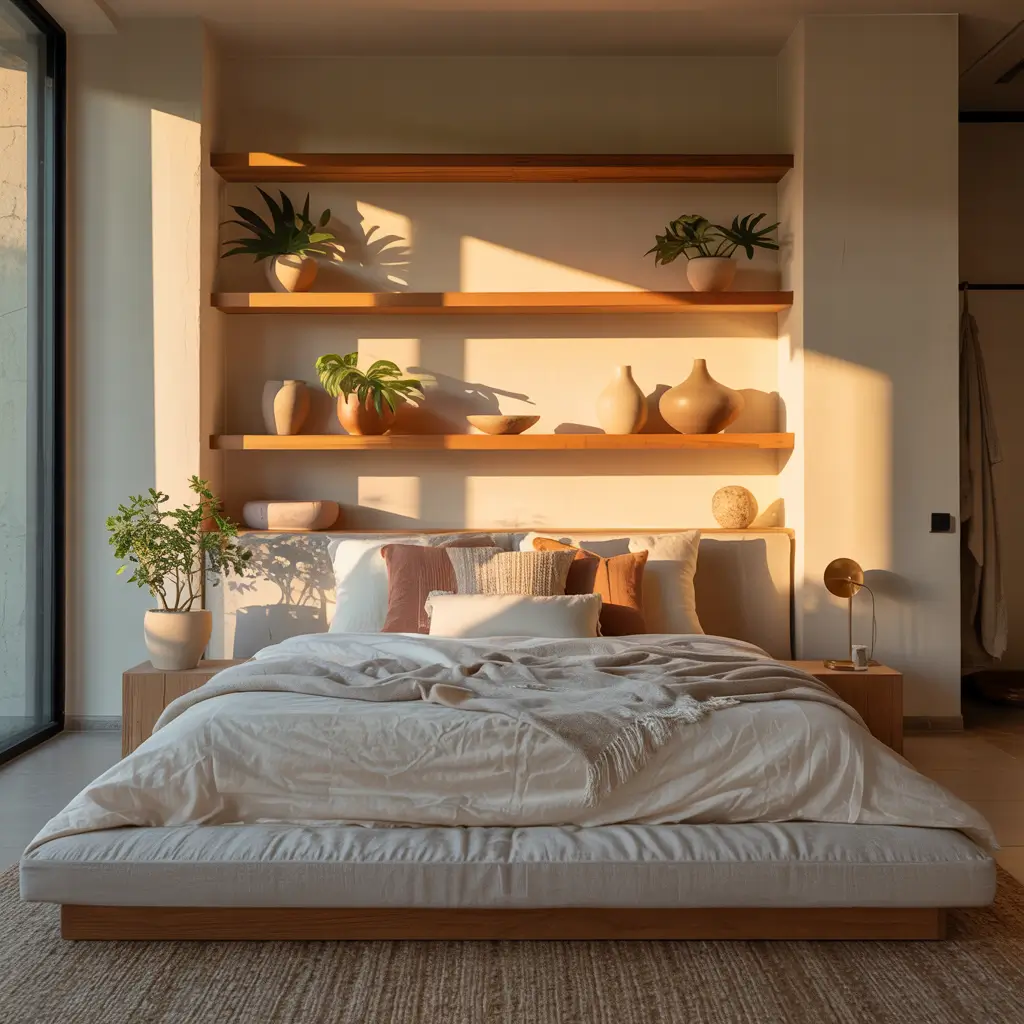
Clutter is feng shui’s mortal enemy. It blocks chi flow, creates stagnant energy, and literally makes your bedroom feel heavier. The clutter-free layout prioritizes open pathways and hidden storage.
Understanding Energy Pathways
Chi enters through your bedroom door and needs clear paths to circulate. When you pile clothes on chairs, stack books on floors, or cram things under your bed, you create energetic obstacles. The chi gets stuck, and so do you—mentally, emotionally, and sometimes even physically.
Map your room’s natural pathways. How do you move from door to bed? From bed to closet? From bed to bathroom? These routes must stay clear. No furniture legs to navigate around, no dropped clothes to step over, no random objects blocking your way.
Strategic Storage Solutions
Under-bed storage seems practical, but feng shui says think twice. The space beneath your bed should stay empty for chi to circulate freely around you while sleeping. If you absolutely must store things there, limit it to soft items like extra bedding—never shoes, electronics, or work materials.
Closets become your secret weapons. Install organizers that maximize vertical space. Use matching hangers for visual calm. Door-mounted organizers capture otherwise wasted space. Keep closet doors closed to contain any remaining chaos.
Nightstands with drawers beat open shelving every time. Drawers hide necessary but unglamorous items—phone chargers, medications, random stuff that accumulates. The clean surface that remains promotes mental clarity and peaceful sleep.
6. Modern Feng Shui with Natural Light
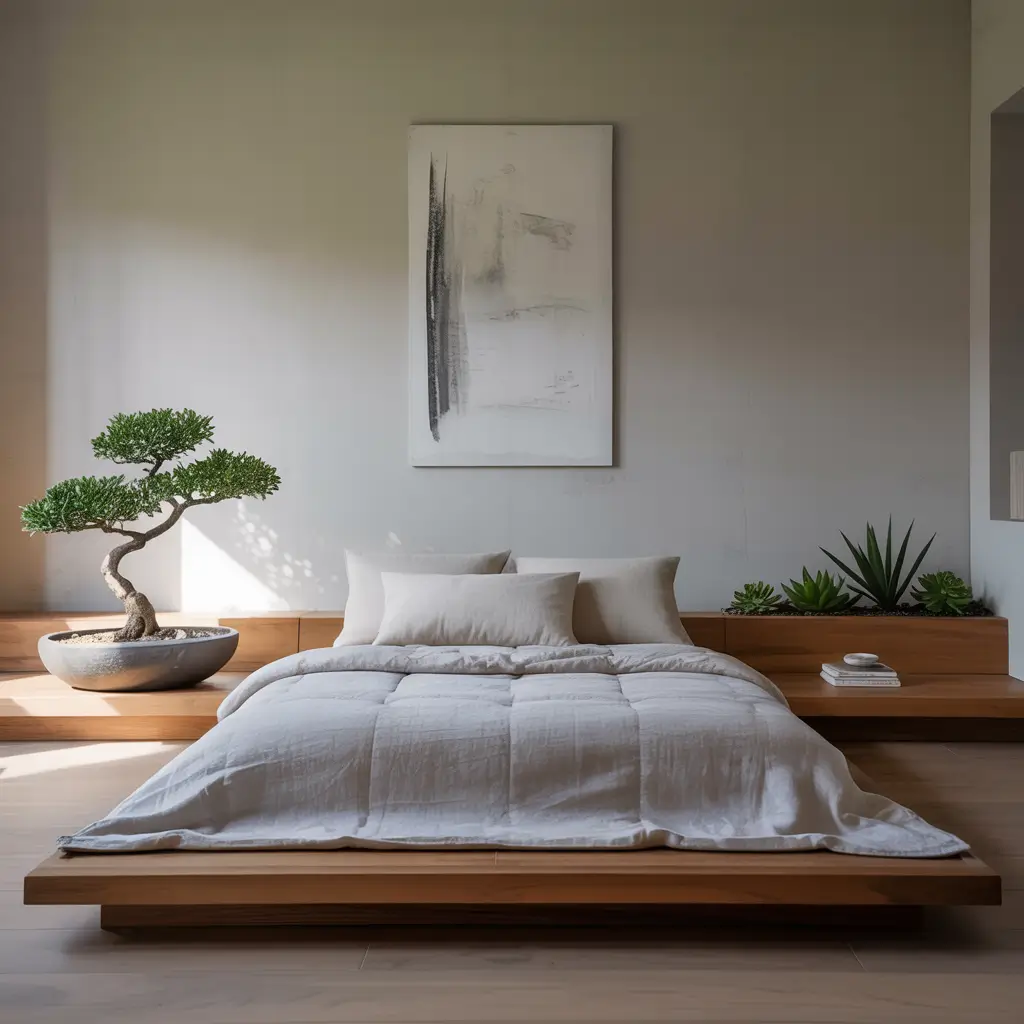
Natural light carries powerful positive chi. Modern feng shui layouts maximize daylight exposure while maintaining bedroom privacy and controlling harsh glare.
Working with Windows
Position your bed to receive gentle morning light without harsh afternoon sun. East-facing windows provide energizing sunrise exposure that naturally regulates circadian rhythms. Avoid beds directly under windows though—this position lacks the solid wall support that creates psychological security.
Window treatments need careful consideration. Heavy blackout curtains block too much positive chi during daytime. Instead, layer treatments—sheer curtains for daytime privacy with light transmission, heavier drapes for nighttime darkness. This flexibility lets you control light and energy flow throughout the day.
Mirrors strategically amplify natural light. Place them perpendicular to windows rather than directly opposite—this spreads light without creating harsh reflections. Just keep mirrors away from direct bed views. Seeing your reflection while lying down disrupts restful energy.
Artificial Light Strategies
Modern feng shui embraces technology when it serves wellbeing. Smart bulbs that shift from bright daylight tones to warm evening hues support natural energy rhythms. Task lighting for reading creates focused yang energy without overwhelming yin sleeping space.
Avoid overhead lighting directly above your bed. This position creates oppressive downward energy. Instead, use table lamps, wall sconces, or floor lamps that cast gentle, indirect illumination. The goal is ambient glow, not spotlight brightness.
Also Read: 10 Chic Small Bedroom Makeover Ideas for Minimalist Rooms
7. Peaceful Wood Element Retreat
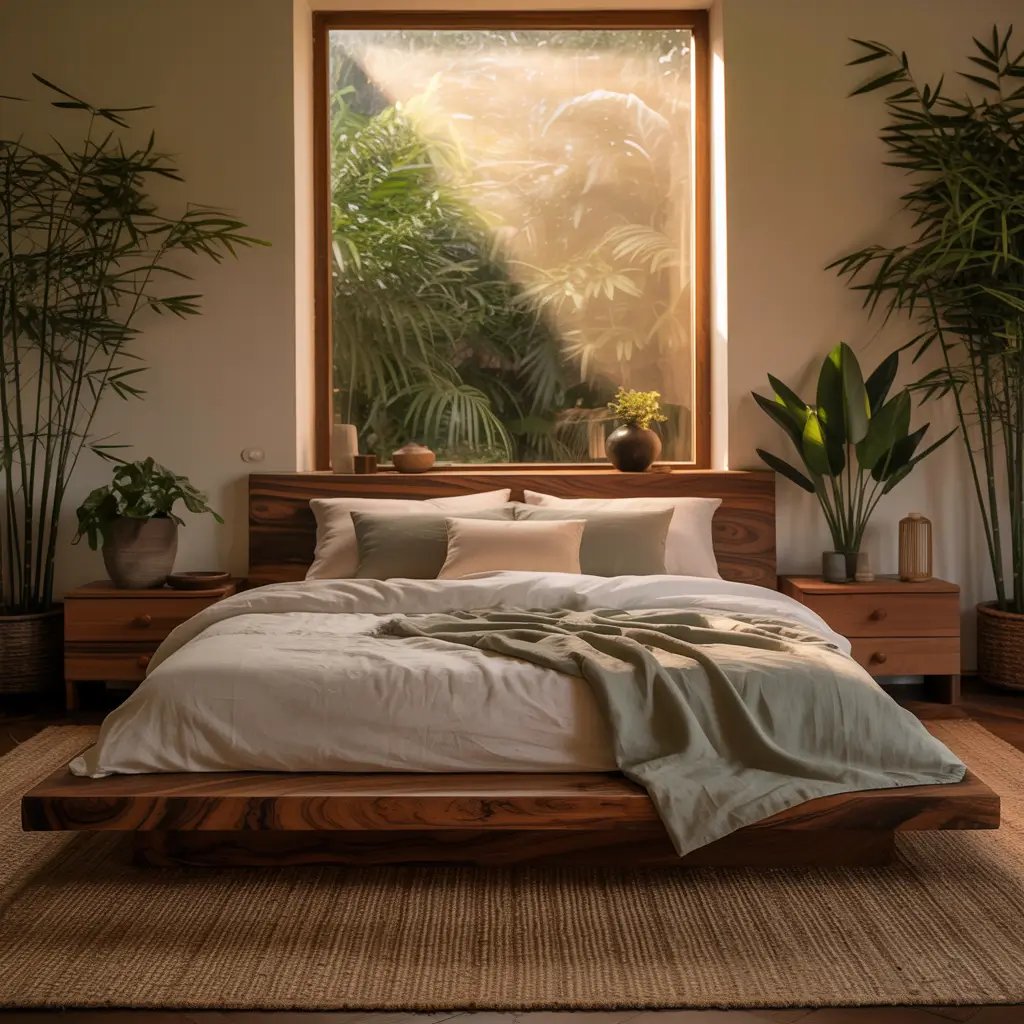
Wood element bedrooms promote growth, flexibility, and renewal. These layouts work wonderfully for people feeling stuck or stagnant in life.
Incorporating Wood Energy
Wood element designs favor vertical lines and rectangular shapes. Tall furniture—armoires, bookcases, or floor lamps—draws energy upward. This upward movement encourages personal growth and forward momentum in your life.
Green and brown tones dominate wood element palettes. Sage green walls, forest green accents, and natural wood furniture create the feeling of being surrounded by a peaceful forest. Even in urban apartments, these colors connect you to nature’s renewing energy.
Living plants amplify wood element energy. Choose healthy, upward-growing varieties like bamboo, fiddle leaf figs, or snake plants. Position them where they’ll receive adequate light—struggling plants create struggling energy.
Avoiding Wood Overwhelm
Too much wood energy creates pressure and overwhelm. Balance it with earth elements (ceramics, stones) that ground wood’s upward thrust. Add metal accents (picture frames, lamp bases) to “prune” excessive growth energy.
Keep wood furniture well-maintained. Scratched, damaged, or wobbly wooden pieces disrupt smooth energy flow. That creaky bed frame might have character, but it’s also broadcasting instability into your sleep space.
FYI, fake wood often carries less potent energy than genuine timber. If budget demands laminate furniture, balance it with real plants or authentic wooden accessories to maintain wood element integrity.
8. Wealth-Attracting Bedroom Arrangement
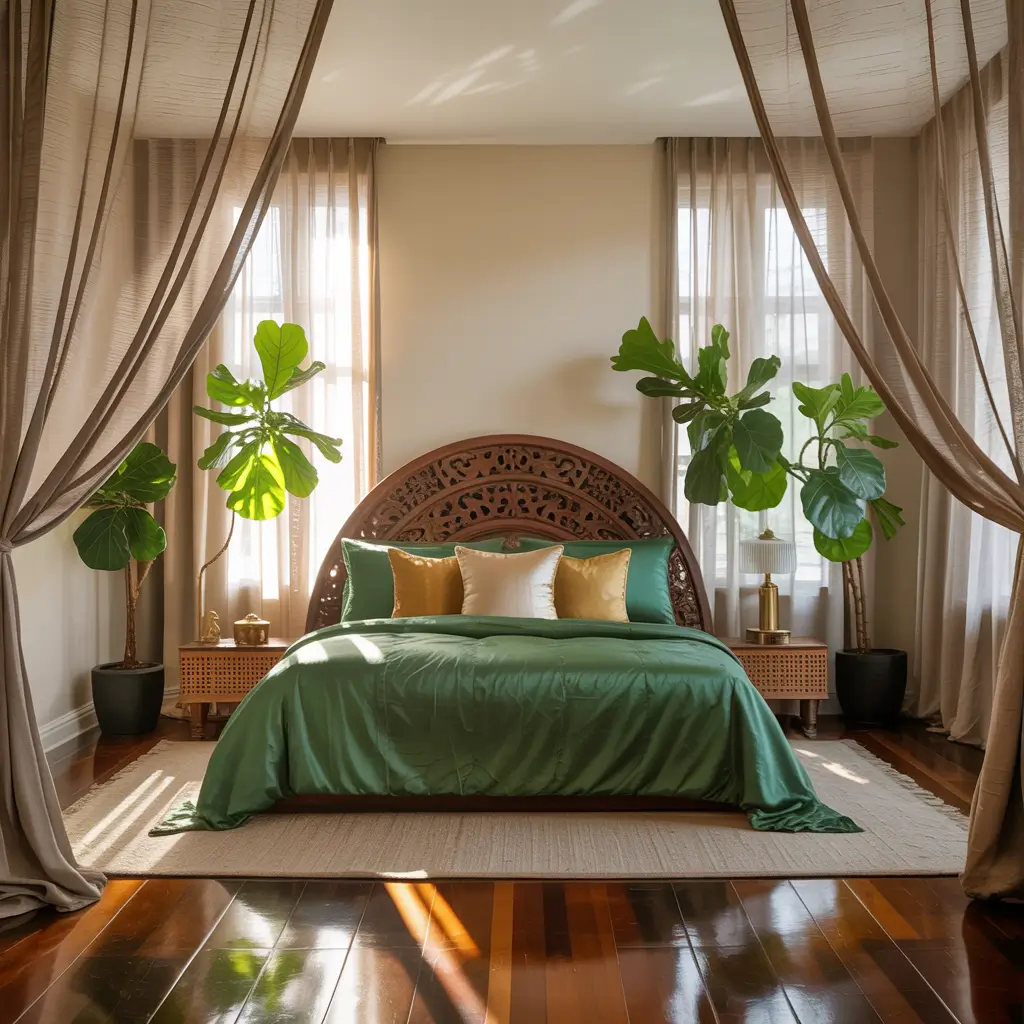
While bedrooms aren’t ideal spaces for aggressive wealth activation (that’s better for offices), certain arrangements can support abundance consciousness and remove prosperity blocks.
Abundance Positioning
Position your bed in the wealth corner—the far left corner from your bedroom entrance. This placement aligns you with prosperity energy while you sleep. If that’s not practical, place symbols of abundance in that corner instead.
Your bed should feel abundant itself. Invest in quality bedding that makes you feel rich every night. Threadbare sheets and lumpy pillows broadcast lack consciousness. You don’t need designer everything, but your bed should feel genuinely luxurious to you.
Keep your bedroom door fully functional. Squeaky hinges, sticky locks, or doors that don’t close properly restrict opportunity flow. Think about it—if your bedroom door barely opens, how can abundance enter your life?
Colors and Symbols
Purple, gold, and deep blue enhance wealth energy. A purple throw pillow or golden picture frame adds prosperity vibration without overwhelming bedroom tranquility. Avoid red in wealth areas—it can make money “burn” through your fingers.
Images matter in wealth-attracting bedrooms. Replace pictures of single objects with abundant groupings—a bowl of fruit rather than one apple, a lush garden instead of a lone flower. These images program your subconscious for abundance.
Remove broken items immediately. That cracked mirror, wobbly nightstand, or lamp that only works sometimes? They’re broadcasting “broken” energy that affects your prosperity. Fix them or remove them—no exceptions.
9. Calming Water Element Inspired Space
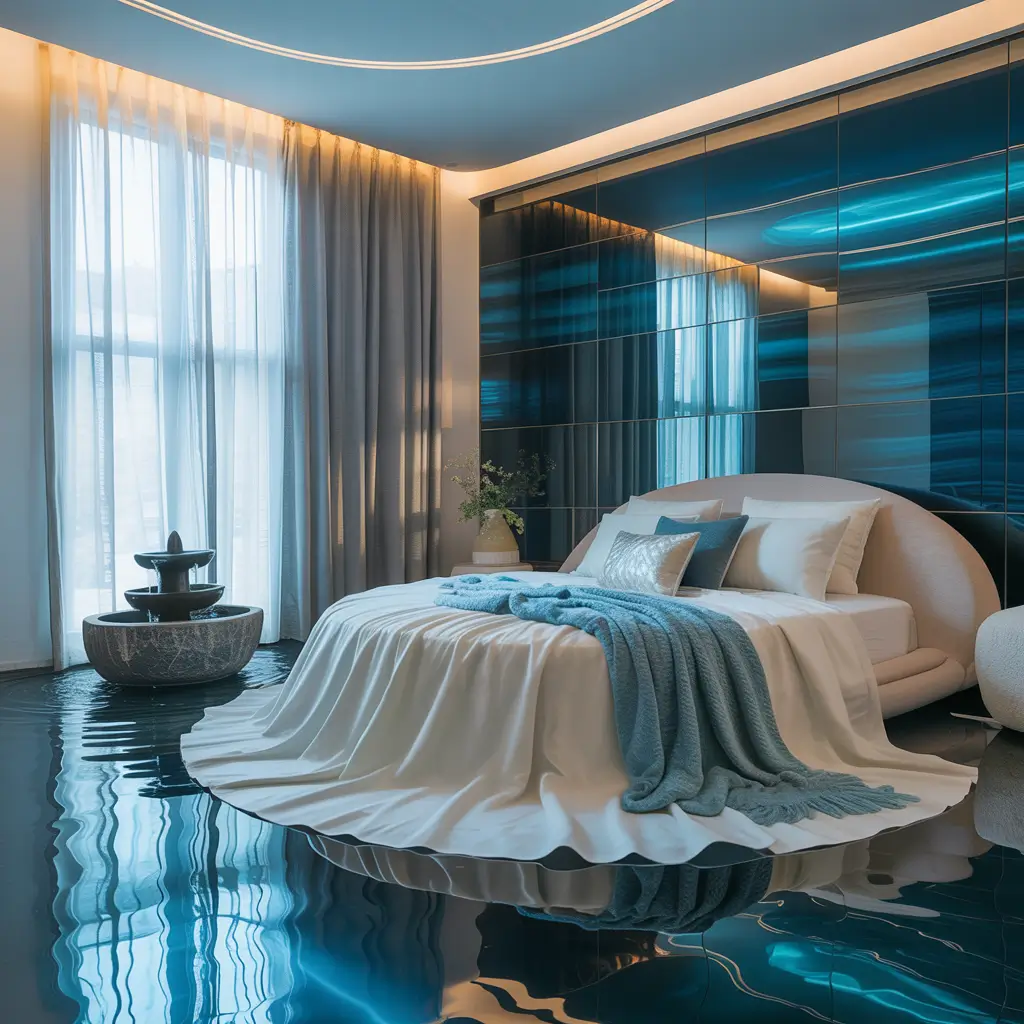
Water element bedrooms promote deep wisdom, spiritual connection, and emotional flow. These layouts particularly benefit people who feel emotionally stuck or creatively blocked.
Flowing Water Energy
Water element designs embrace curves and flowing lines. Choose furniture with rounded edges, flowing fabric drapes, and organic shapes. Avoid sharp corners and rigid geometry that block water’s natural flow.
Black and deep blue colors represent water energy. But since these dark shades can feel heavy in bedrooms, use them as accents rather than dominant colors. A midnight blue throw, black picture frames, or deep blue artwork adds water energy without overwhelming the space.
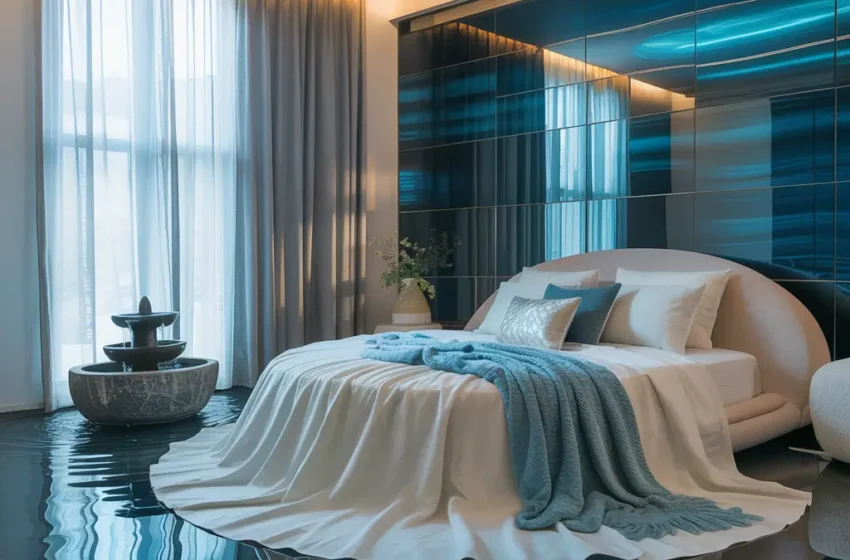
Actual water features require caution in bedrooms. Small fountains can add soothing sound and flowing energy, but they must stay clean and functional. Stagnant or dirty water creates stagnant energy—exactly what you don’t want where you sleep.
Balancing Water’s Depth
Pure water energy can become too deep and introspective. Balance it with wood elements (plants, green colors) that water naturally nourishes. Add earth elements (ceramics, crystals) to contain water’s spreading tendency.
Mirrors represent water in feng shui, but use them carefully in bedrooms. One or two mirrors positioned thoughtfully enhance energy flow. Too many mirrors—or mirrors reflecting the bed—create restless, unstable energy that disrupts sleep.
Also Read: 12 Trendy Black and White Bedroom Decor Ideas for Small
10. Balanced Five Elements Bedroom Layout
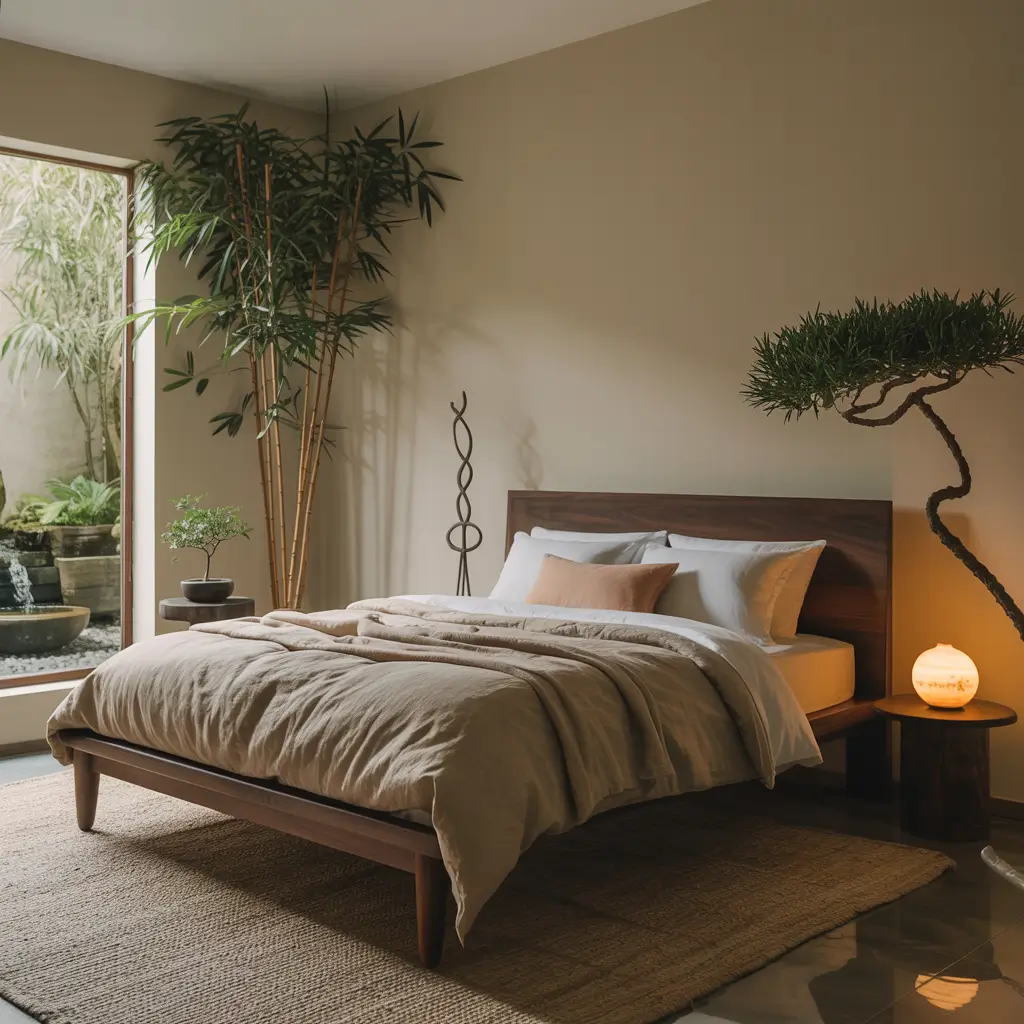
The most harmonious bedrooms incorporate all five feng shui elements—wood, fire, earth, metal, and water—in balanced proportions. This creates complete energetic harmony.
Understanding Elemental Relationships
Each element supports and controls others in specific ways. Wood feeds fire, fire creates earth (ash), earth produces metal, metal collects water, water nourishes wood. When you include all elements, you create a self-sustaining energetic ecosystem.
Start with your dominant element based on your needs. Need grounding? Emphasize earth. Seeking passion? Add fire. Want growth? Focus on wood. Then add supporting elements in smaller doses.
Practical Element Integration
Here’s how to incorporate each element practically:
- Wood: Furniture, plants, green colors, vertical rectangles
- Fire: Candles, lighting, red/pink accents, triangular shapes
- Earth: Ceramics, stones, brown/yellow colors, square shapes
- Metal: Picture frames, hardware, white/gray colors, circles
- Water: Mirrors, flowing fabrics, blue/black colors, wavy patterns
The key is proportion. Your bedroom might be 40% earth (for grounding), 20% wood (for growth), 15% water (for wisdom), 15% metal (for clarity), and 10% fire (for passion). Adjust percentages based on what you need most.
11. Small Bedroom Feng Shui Optimization
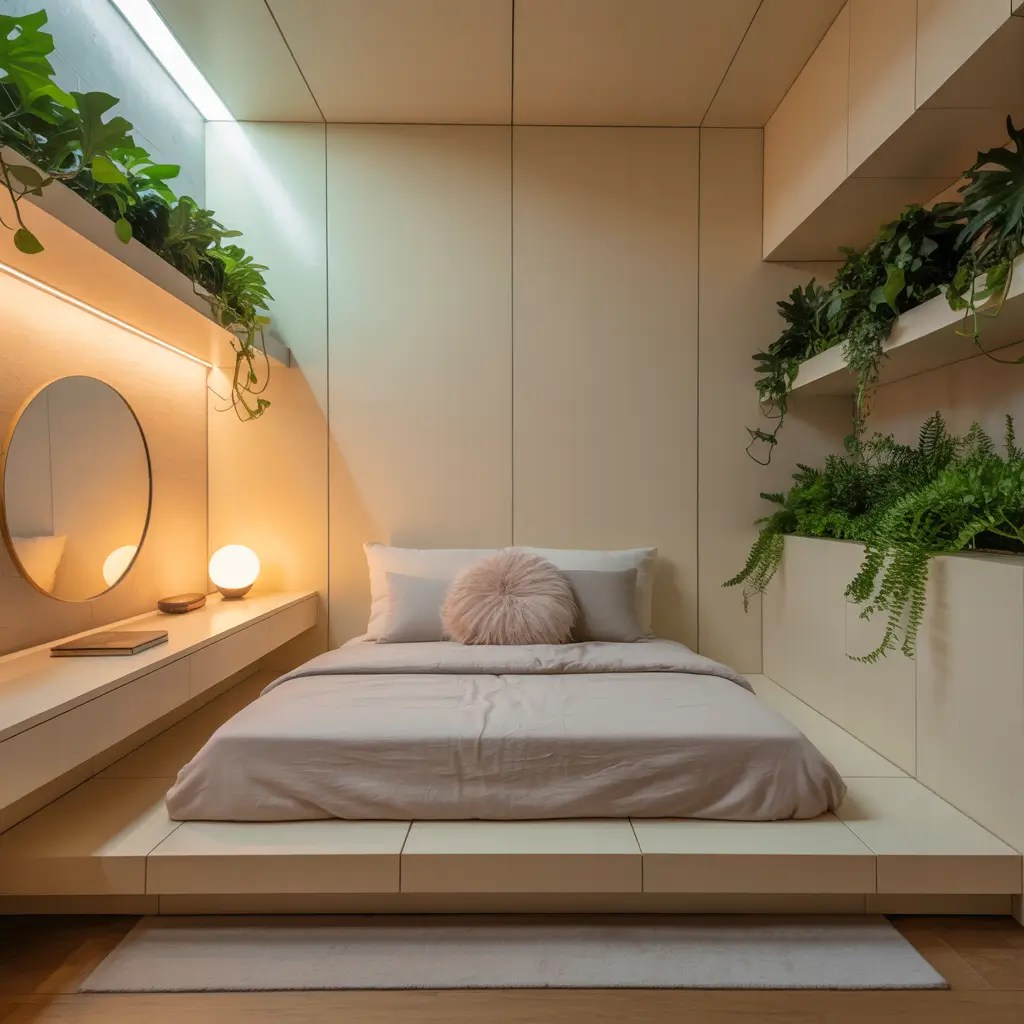
Small bedrooms present unique feng shui challenges, but smart layouts can actually concentrate positive energy rather than cramping it.
Maximizing Limited Space
Command position becomes even more crucial in small bedrooms. Your bed must have a solid wall behind it and a clear view of the door, even if this means creative angling. This position maximizes your sense of control and security in the limited space.
Choose furniture with legs to maintain energy flow underneath. Bulky pieces that sit directly on floors create energetic blocks that feel especially heavy in small rooms. Even raising furniture a few inches improves chi circulation dramatically.
Vertical storage saves floor space while maintaining flow. Wall-mounted shelves, hanging organizers, and tall narrow dressers use vertical territory that usually goes wasted. Just don’t overload walls—too much stuff at eye level creates visual pressure.
Color and Light Tricks
Light colors expand small spaces energetically and visually. Soft whites, pale blues, and gentle greens make rooms feel larger and more breathable. Dark colors might look sophisticated, but they compress energy in already tight quarters.
Mirrors work magic in small bedrooms when positioned correctly. One large mirror creates more expansion than several small ones. Place it perpendicular to your window to spread natural light without doubling clutter views.
12. Zen-Inspired Sleep Sanctuary
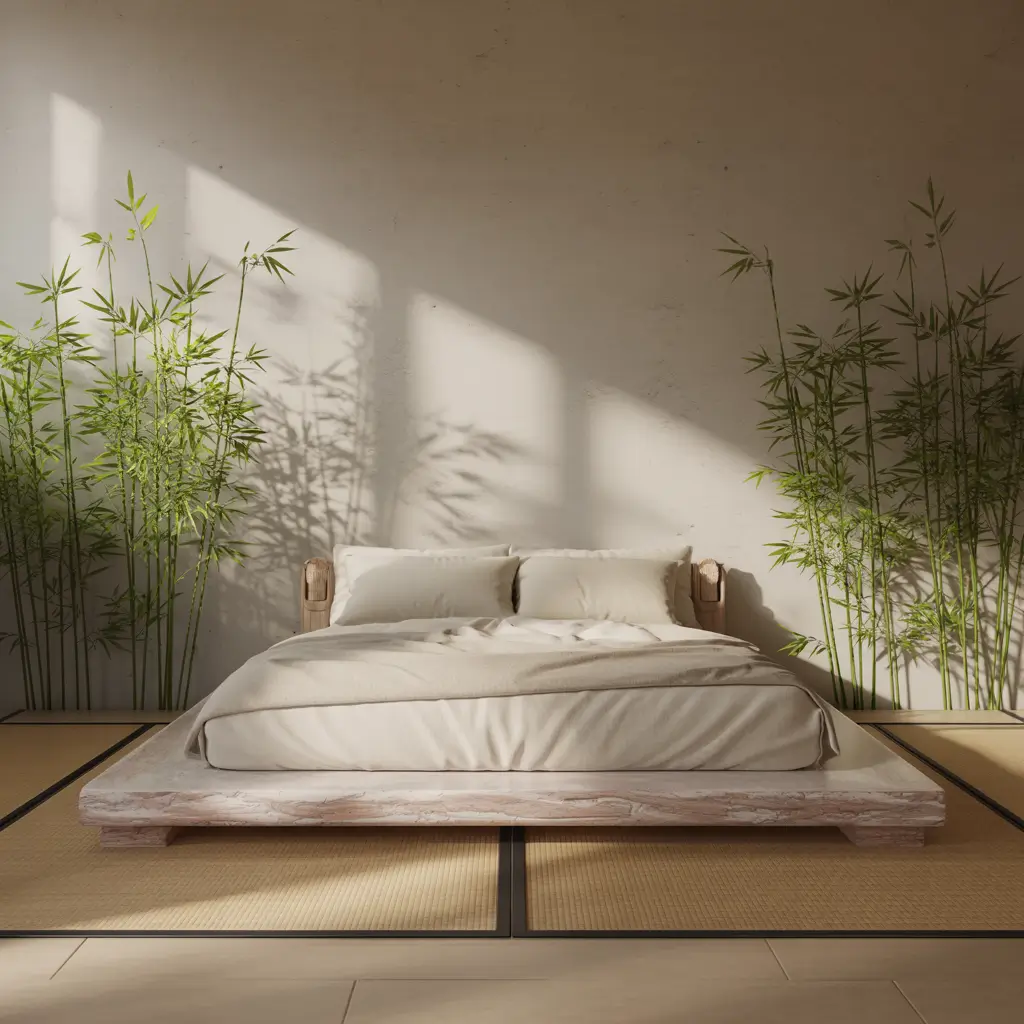
Zen-influenced feng shui strips bedroom energy down to its absolute essence: peaceful, restorative sleep. These layouts prioritize tranquility above all else.
Creating Ultimate Peace
Zen bedrooms eliminate everything non-essential. No exercise equipment, no work materials, no hobby supplies. The room serves one purpose—sleep—and every element supports that singular focus.
The bed sits low and simple, often just a mattress on a platform. Bedding stays minimal—quality over quantity. One perfect pillow beats five mediocre ones. Simple cotton or linen in natural colors creates visual calm.
Electronics disappear completely in true zen bedrooms. Phones charge elsewhere. TVs don’t exist here. Even alarm clocks get replaced with gentler wake-up methods like sunrise simulators. The room becomes a complete sanctuary from digital life.
Maintaining Sacred Space
Zen bedrooms require daily maintenance. Make your bed immediately upon waking. Keep surfaces completely clear. Address any clutter instantly before it accumulates.
This might sound rigid, but there’s profound peace in this simplicity. When you enter your zen bedroom, your nervous system immediately recognizes it as a place of rest. No visual stimulation, no mental to-do lists triggered by visible items, just pure tranquility.
IMO, even incorporating just some zen principles—like removing work materials and minimizing electronics—creates noticeable improvements in sleep quality.
Bringing Feng Shui into Your Real Life
Look, you don’t have to become a feng shui master or completely redesign your bedroom overnight. Start with one or two changes that resonate with you.
Maybe it’s moving your bed to command position. Maybe it’s finally clearing out under-bed clutter. Maybe it’s adding some pairs to attract love.
The beauty of feng shui is that even small adjustments can create meaningful shifts. That minor bed repositioning might dramatically improve your sleep.
Removing that mirror facing your bed might calm your nighttime anxiety. Adding those matching nightstands might actually help your relationship.
Remember, your bedroom should support your specific needs and goals. Use these feng shui principles as guidelines, not rigid rules. Trust your instincts about what feels right in your space.
Most importantly, pay attention to how changes affect you. Do you sleep better? Feel calmer? Wake up more refreshed?
Your experience matters more than perfect feng shui compliance. Create a bedroom that serves you, and the good energy will follow.