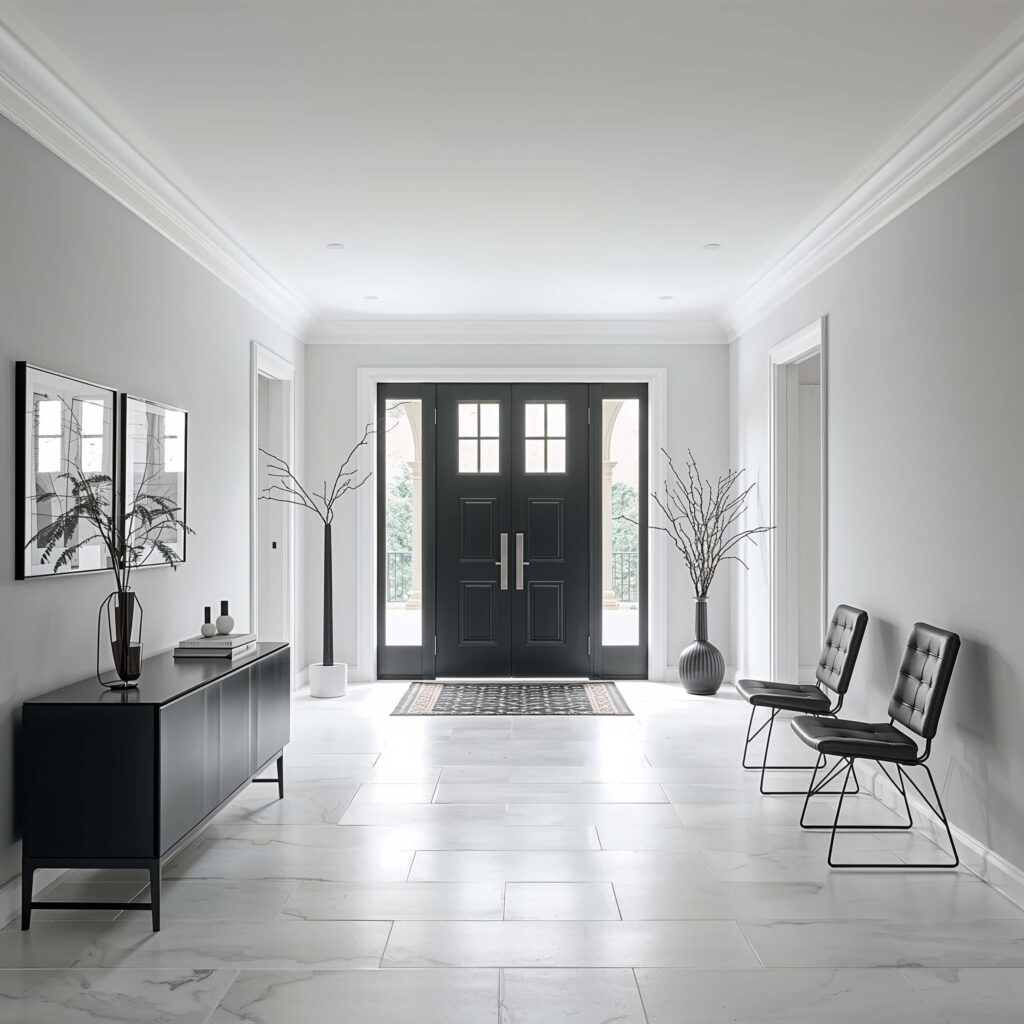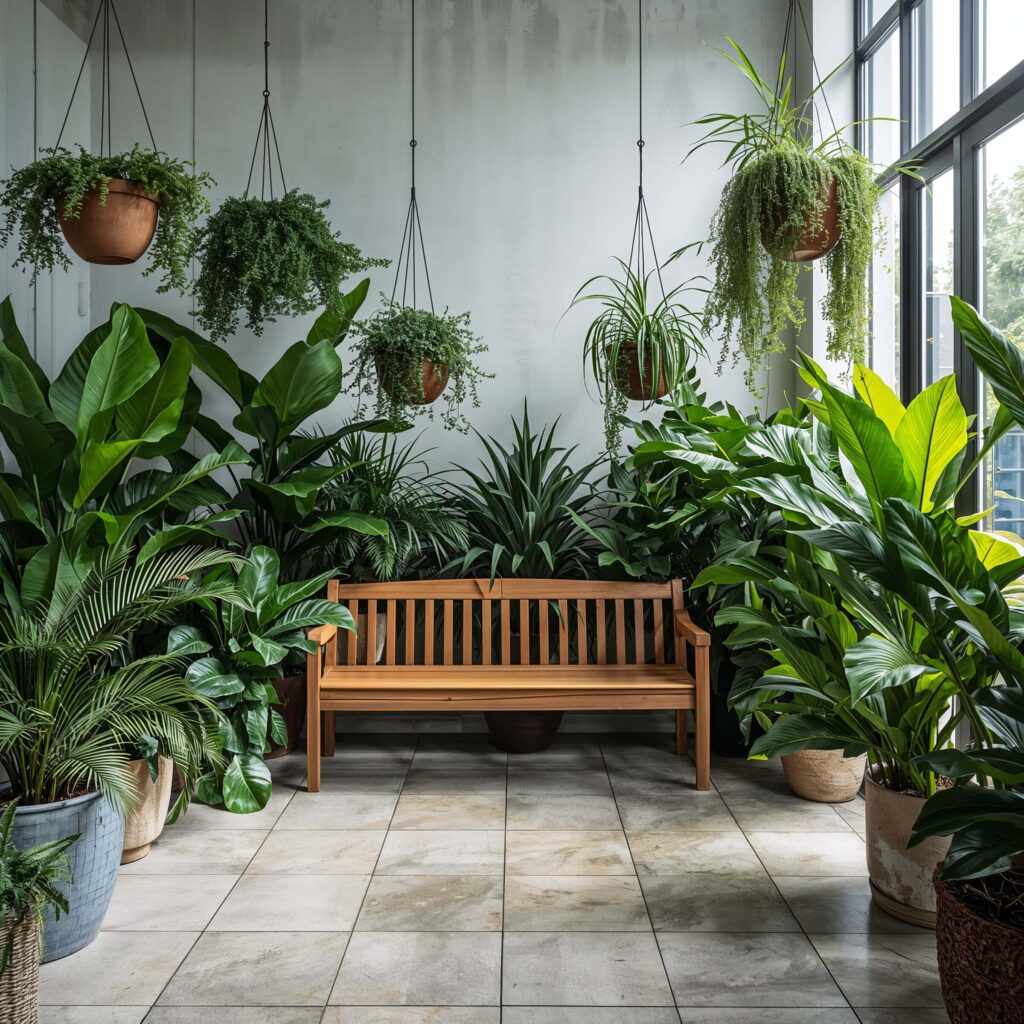
10 Inspiring Full Home Interior Design Ideas and Room Transformations
- Home Interior Design
 Ben
Ben- 0
- 60 minutes read
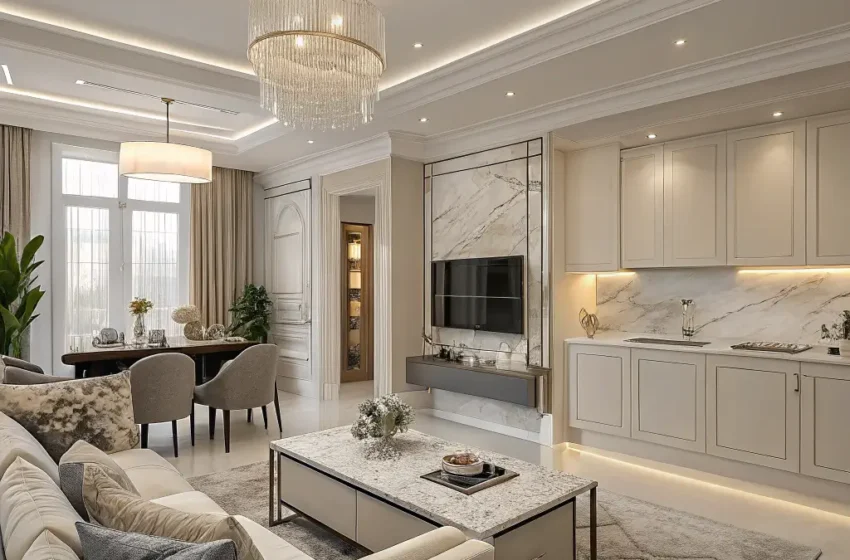
You know that feeling when you walk into someone’s house and everything just… flows?
Like they didn’t just decorate individual rooms but actually created a cohesive experience throughout their entire home? Yeah, that’s not an accident, and honestly, it’s not as difficult as you might think.
Most people approach home design room by room, which makes total sense—until you step back and realize your ultra-modern kitchen clashes violently with your farmhouse living room.
I’ve been there, and trust me, it wasn’t pretty. The good news? Designing your entire home with a unified vision transforms everything from a collection of spaces into an actual HOME that tells your story.
So grab your favorite drink (I’m on my third coffee, don’t judge), and let’s talk about 10 complete home interior design approaches that’ll give you that cohesive, pulled-together look.
Whether you’re starting from scratch or planning a total makeover, these ideas will help you create spaces that flow seamlessly from room to room.
Modern Minimalist Full Home Design
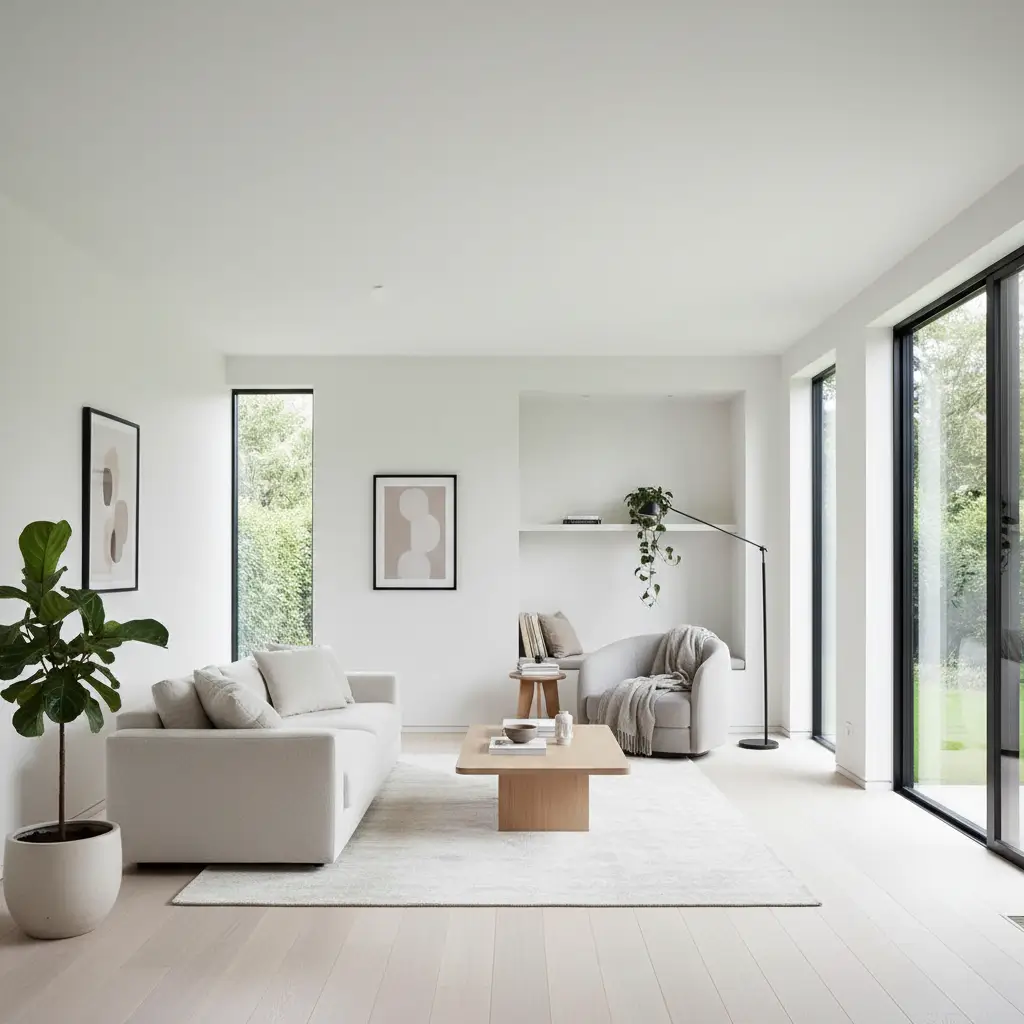
Let’s start with the style everyone claims to want but few people actually commit to—true minimalism. And I mean ACTUAL minimalism, not “minimalism with 47 throw pillows.”
The Core Philosophy
Modern minimalist design follows a simple mantra: less is genuinely more. This approach strips away excess, celebrates negative space, and makes every single item in your home earn its place. Think clean lines, neutral palettes, and functionality that borders on obsessive.
Your entire home becomes a study in restraint:
- Living spaces: Low-profile furniture with simple silhouettes
- Kitchen: Handleless cabinets, hidden appliances, minimal countertop items
- Bedrooms: Platform beds, built-in storage, limited decor
- Bathrooms: Floating vanities, frameless glass, concealed storage
Color Palette and Materials
The minimalist home typically works within a tight color range:
- Whites, greys, and blacks as your foundation
- Maybe one accent color used sparingly throughout
- Natural materials like wood, stone, and metal
- Matte finishes dominating over glossy surfaces
I helped my sister design her minimalist home last year, and the transformation was honestly shocking. She went from chronic clutter to everything-has-a-place, and she swears her stress levels dropped significantly. Coincidence? I think not.
Making It Livable
Here’s where people mess up—they confuse minimalism with cold, uncomfortable spaces. True minimalism prioritizes quality and comfort:
- Invest in fewer, better furniture pieces
- Ensure adequate hidden storage throughout
- Add warmth through natural wood tones
- Include soft textiles in neutral colors
- Let natural light do the heavy lifting
The result? A home that feels spacious, calm, and intentionally curated rather than sterile or empty.
Cozy Rustic Home Makeover Ideas
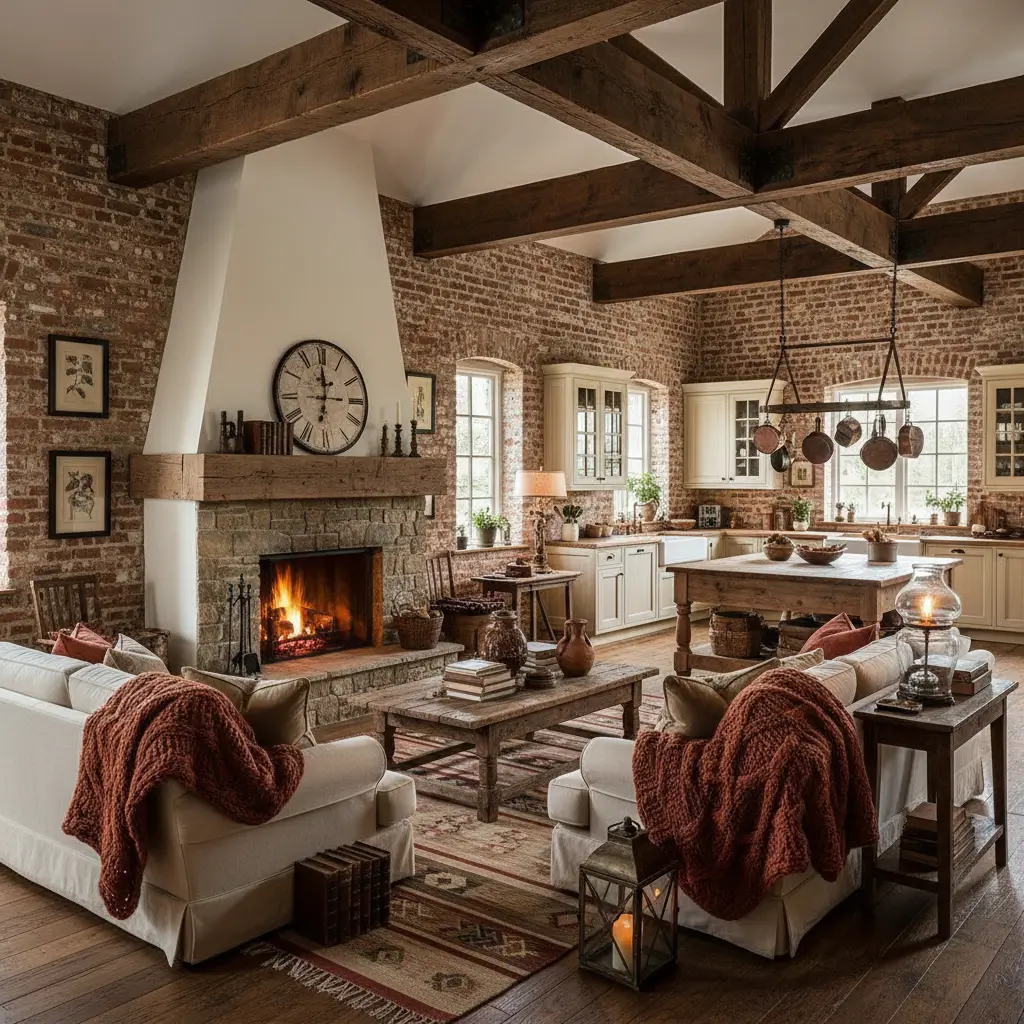
Now we’re swinging to the complete opposite end of the spectrum—rustic design that wraps you in warmth like a flannel blanket on a cold morning.
Embracing Natural Materials
Rustic design celebrates raw, organic materials in their most authentic forms:
- Reclaimed wood: Exposed beams, barn doors, shiplap walls
- Stone: Fireplaces, accent walls, natural tile
- Metal: Wrought iron fixtures, copper accents, aged hardware
- Natural textiles: Wool, cotton, linen, leather
Creating Flow Throughout Your Home
The key to rustic design working throughout your entire home? Consistency in materials and warmth. Use the same wood tones in multiple rooms, repeat stone elements, and maintain that cozy, lived-in feeling everywhere.
Living room to kitchen to bedroom—the rustic aesthetic flows through:
- Exposed wooden beams continuing across open spaces
- Stone fireplace materials echoed in kitchen backsplashes
- Similar wood furniture finishes in every room
- Warm lighting throughout (think Edison bulbs and lantern-style fixtures)
The Modern Rustic Hybrid
Pure rustic can feel heavy, so I always recommend the modern rustic approach. This means:
- Clean-lined furniture in rustic materials
- Neutral color palettes with warm undertones
- Mix of rough (wood, stone) and smooth (plaster, linen) textures
- Simplified accessories rather than cluttered shelves
My parents renovated their home in this style, and honestly, it’s become everyone’s favorite place to gather. There’s something about those exposed beams and the big farmhouse table that just makes you want to settle in and stay awhile.
Luxury Contemporary Interior Inspirations

Want to feel like you live in a five-star hotel? Luxury contemporary design delivers that every single day.
Defining Luxury Contemporary
This style combines modern sensibilities with high-end materials and finishes. We’re talking about spaces that feel current, sophisticated, and unapologetically luxurious.
Key characteristics include:
- High-quality materials: Marble, brass, velvet, exotic woods
- Statement pieces: Sculptural furniture, designer lighting, art
- Sophisticated palette: Rich jewel tones or monochromatic neutrals
- Architectural details: Coffered ceilings, custom millwork, feature walls
- Layered lighting: Chandeliers, sconces, recessed lighting working together
Creating Cohesion in Luxury Design
The challenge with luxury design? Avoiding the “furniture showroom” effect where every room screams for attention. Cohesion comes from repeated elements:
- Use the same metal finish (brass, chrome, or matte black) throughout your home
- Repeat your primary stone or marble in multiple applications
- Maintain a consistent level of formality across spaces
- Echo shapes and silhouettes in furniture selections
The Investment Priorities
You can’t make everything luxury without winning the lottery (and if you have, call me). Prioritize visible, high-impact elements:
- Flooring: High-quality hardwood or stone throughout
- Lighting fixtures: Statement pieces in main areas
- Kitchen and bathrooms: Premium finishes and fixtures
- One signature piece per room: A designer sofa, custom dining table, etc.
IMO, luxury is as much about restraint and quality as it is about expensive materials. A few perfect pieces always trump a bunch of mediocre ones.
Also Read: 15 Modern Home Office Interior Design Ideas to Spark Creativity
Scandinavian Style Full Home Decor
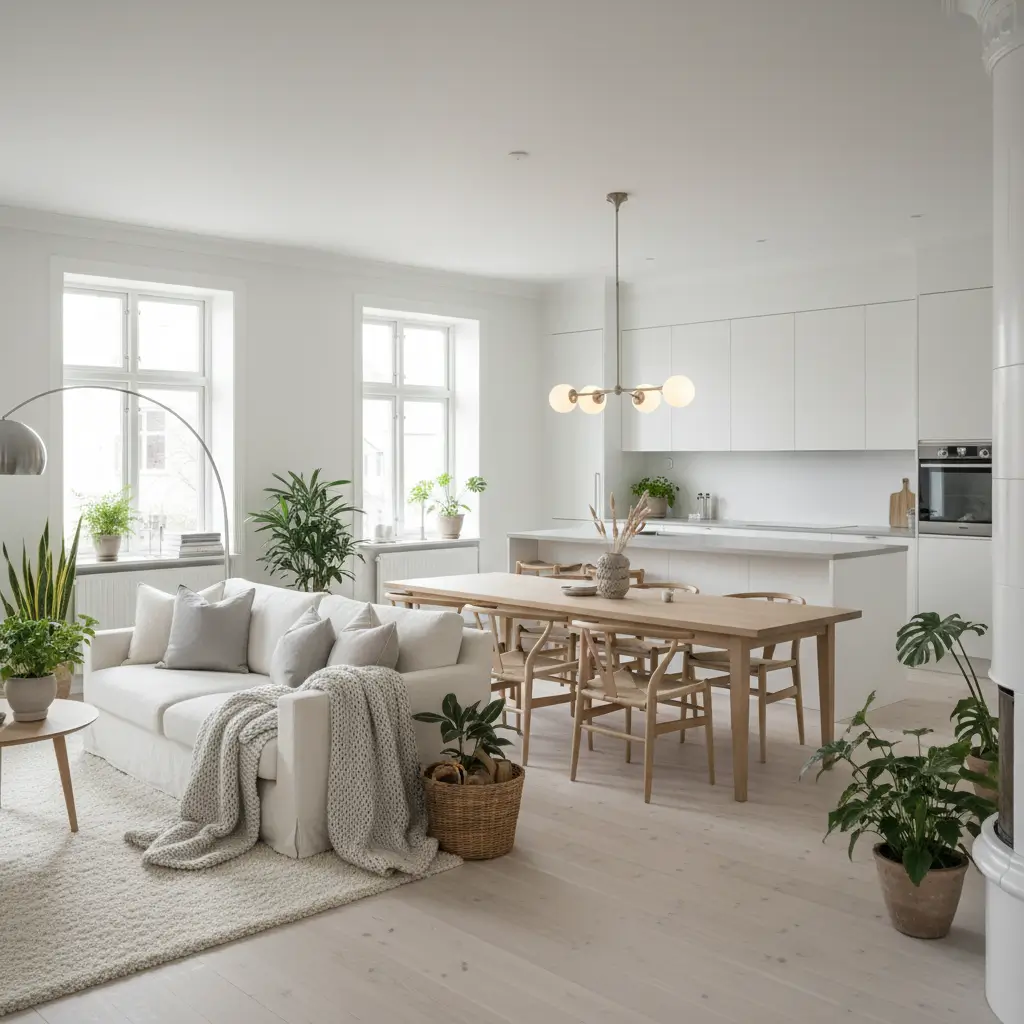
Scandinavian design has dominated Pinterest boards for years, and honestly, it deserves the hype. This approach creates homes that feel bright, functional, and effortlessly beautiful.
The Scandi Foundation
Scandinavian style balances minimalism with warmth, creating spaces that feel both clean and inviting:
- Light, neutral colors: Whites, light greys, soft beiges
- Natural wood: Light oak, ash, or birch in natural finishes
- Functional design: Furniture that’s beautiful AND practical
- Textiles: Cozy layers in natural materials
- Plants: Greenery bringing life to neutral spaces
Room-by-Room Application
The beauty of Scandi design? It translates perfectly to every room:
Living spaces: Light wood floors, white walls, simple furniture with clean lines, cozy textiles, minimal accessories
Kitchen: White or light wood cabinets, open shelving, simple hardware, natural countertop materials
Bedrooms: Platform beds in light wood, white bedding, simple pendant lights, minimal nightstands
Bathrooms: White tile, light wood vanities, black fixtures for contrast, plants
The Hygge Factor
You can’t talk about Scandinavian design without mentioning hygge—that Danish concept of coziness and contentment. Create it through:
- Layered lighting (multiple sources at different levels)
- Soft textiles throughout
- Candles (so many candles)
- Natural elements and plants
- Comfortable seating arrangements
I designed my apartment in this style three years ago, and I genuinely look forward to coming home every day. There’s something about all that light and simplicity that just makes life feel easier 🙂
Vibrant Eclectic Home Design Concepts
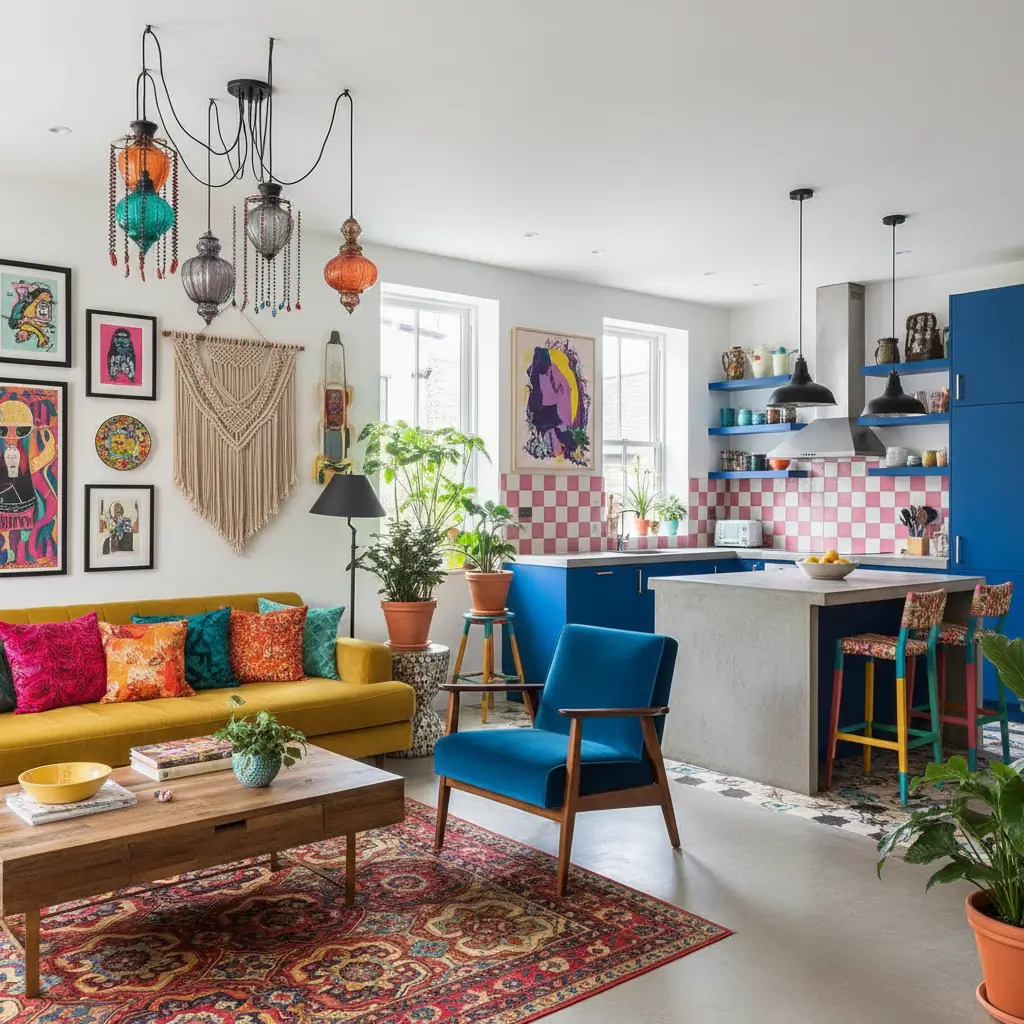
For those of you who think “choose one style” sounds like a personal attack—eclectic design is your jam.
Controlled Chaos
Eclectic design mixes styles, periods, and influences, but here’s the catch: it requires MORE intentionality than single-style approaches, not less. Random chaos isn’t eclectic—it’s just messy.
Creating cohesion in eclectic homes requires:
- A unifying color palette: Even if you mix styles, consistent colors tie everything together
- Repeated materials: Use wood, metal, or specific textiles throughout
- Balanced proportions: Mix styles but maintain similar scales
- Intentional placement: Every piece should feel purposeful
Building Your Eclectic Story
The best eclectic homes tell a story. Mix elements with intention:
- Vintage finds with modern pieces
- Global textiles with contemporary furniture
- Traditional art with minimalist frames
- Antique accessories with sleek surfaces
Consider these combinations throughout your home:
- Mid-century modern sofa with Persian rug and contemporary art
- Farmhouse dining table with acrylic chairs and industrial lighting
- Traditional bedroom furniture with bold, graphic bedding
The Common Mistakes
Where people go wrong with eclectic design:
- Too many competing focal points: Each room needs a clear star
- No white space: Even eclectic rooms need breathing room
- Mismatched scales: Mixing styles works; mixing drastically different proportions doesn’t
- Ignoring color theory: You still need a cohesive palette
The eclectic approach requires confidence and a good eye. Start with a neutral foundation, then layer in your unique finds and favorite pieces.
Elegant Neutral Palette Home Ideas

Neutral doesn’t mean boring—it means sophisticated, timeless, and incredibly versatile.
Beyond Beige
Modern neutral palettes go far beyond basic beige. Consider the full spectrum:
- Warm whites: Cream, ivory, warm white
- Greiges: That perfect grey-beige hybrid
- True greys: From pale silver to charcoal
- Taupes: Warm browns with grey undertones
- Natural tones: Warm browns, soft tans, mushroom
Creating Depth with Neutrals
The secret to successful all-neutral design? Layering multiple tones and textures. A single beige throughout your home feels flat. Five coordinating neutrals with varied textures? That’s sophisticated.
Apply this principle room by room:
- Living room: Greige walls, cream sofa, charcoal accent chair, taupe rug, warm white curtains
- Kitchen: White cabinets, grey countertops, natural wood floors, taupe backsplash
- Bedroom: Cream walls, white bedding, grey headboard, natural wood furniture
The Texture Strategy
When you remove color variety, texture becomes your primary design tool:
- Smooth: Velvet, sateen, polished surfaces
- Rough: Linen, jute, raw wood, stone
- Soft: Faux fur, wool, cashmere
- Hard: Metal, glass, lacquered wood
Mix these textures within your neutral palette to create visual interest without introducing new colors.
Adding Life Without Color
Neutral homes still need personality. Add it through:
- Plants and greenery: The only “color” you need
- Natural materials: Wood grain, stone veining, metal patina
- Varied lighting: Warm and cool temperatures for different moods
- Architectural details: Molding, paneling, textured walls
FYI, I’ve lived in neutral homes, and the biggest advantage? You can change your entire vibe with different accessories without repainting or buying new furniture. It’s design on easy mode.
Also Read: 12 Beautiful Modern Home Interior Design Ideas for Small Spaces
Small Space Full Home Solutions
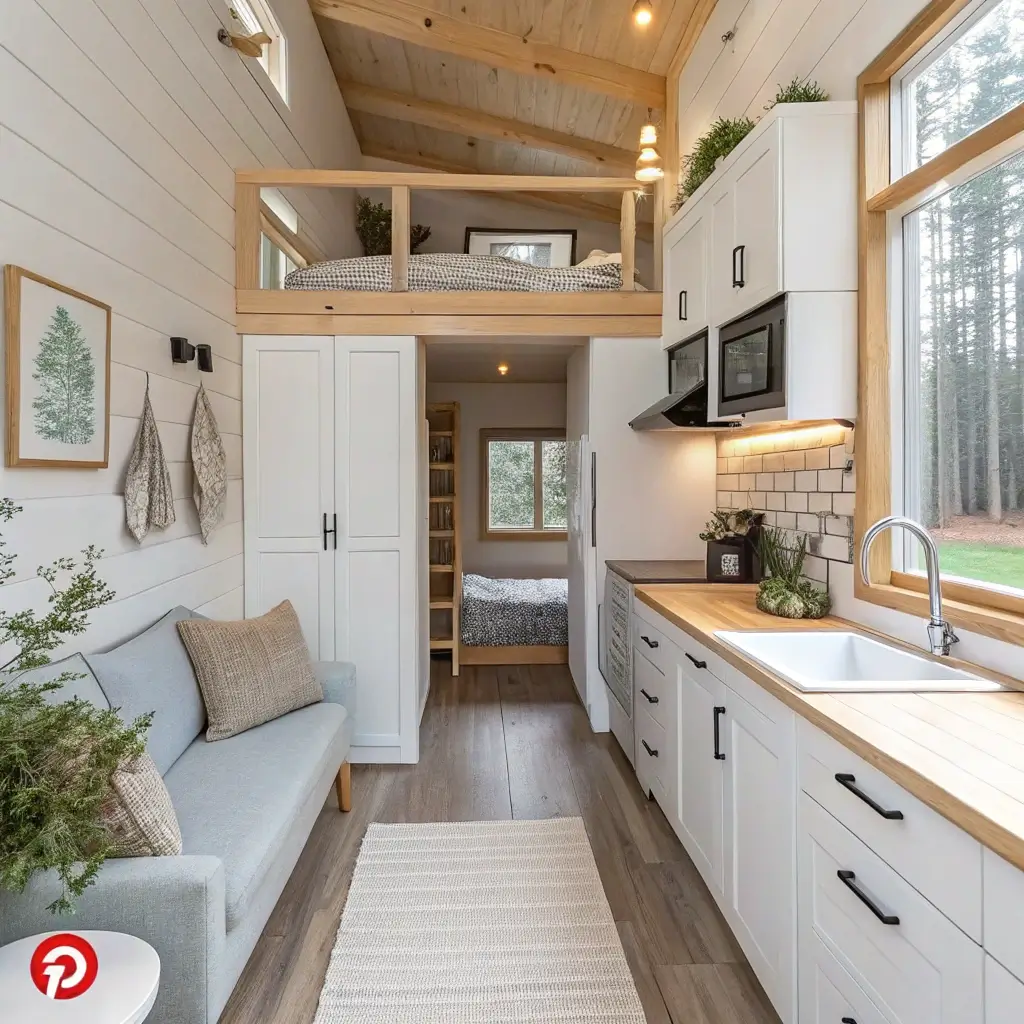
Small homes require smart design choices that maximize every square foot without sacrificing style.
The Small Space Mindset
Designing small spaces starts with embracing constraints rather than fighting them. Small can be cozy, efficient, and beautiful—it just requires strategic thinking.
Core principles for small home design:
- Multi-functional furniture: Pieces that serve multiple purposes
- Vertical thinking: Use wall height for storage and visual interest
- Light and bright: Maximize natural light and use light colors
- Hidden storage: Everything needs a home
- Visual continuity: Reduce visual clutter through consistency
Room-Specific Solutions
Living areas:
- Sofa beds or daybeds for guest sleeping
- Nesting tables that tuck away
- Wall-mounted TV to free floor space
- Floating shelves instead of bookcases
Kitchens:
- Vertical storage maximizing cabinet height
- Fold-down tables or rolling islands
- Magnetic knife strips and hanging pot racks
- Appliance garages to hide countertop items
Bedrooms:
- Platform beds with built-in storage
- Wall-mounted nightstands
- Mirrored closet doors to expand perceived space
- Vertical clothing storage solutions
Bathrooms:
- Floating vanities creating floor space
- Recessed medicine cabinets
- Over-toilet storage
- Frameless glass shower enclosures
Color and Design Choices
Small spaces benefit from specific design decisions:
- Consistent flooring throughout to eliminate visual breaks
- Light color palettes to maximize brightness and openness
- Large-scale patterns sparingly (counterintuitively, they work better than small busy patterns)
- Mirrors strategically placed to reflect light and expand space
I lived in a 600-square-foot apartment for years, and honestly? I designed it so well that people were shocked when I told them the actual square footage. Smart design makes all the difference.
Boho Chic Complete Home Interiors

Bohemian design celebrates creativity, individuality, and global influences in the most beautiful, layered way.
The Boho Essentials
Creating a cohesive boho home means understanding the core elements:
- Rich, warm colors: Terracotta, mustard, deep greens, warm reds
- Global textiles: Moroccan rugs, Turkish pillows, Indian throws
- Natural materials: Rattan, jute, macramé, wood, leather
- Plants: Lots and lots of greenery
- Vintage and handmade items: Pieces with history and character
- Layered textures: More is genuinely more in boho design
Creating Flow in Boho Spaces
The challenge? Making bohemian design flow cohesively rather than looking like a chaotic thrift store. Achieve this through color consistency:
Choose 4-5 core colors and repeat them throughout every room. Your living room rug might be terracotta and cream; echo those tones in bedroom pillows, kitchen textiles, and bathroom accessories.
Room-by-Room Boho
Living spaces: Low seating, floor cushions, layered rugs, plants at multiple heights, macramé wall hangings, vintage finds
Bedrooms: Canopy beds or hanging textiles, layers of patterned bedding, rattan furniture, plants, warm lighting
Kitchens: Open shelving displaying eclectic dishware, patterned tiles, plants on counters, woven baskets for storage
Bathrooms: Patterned tiles, plants, woven baskets, vintage mirrors, colorful textiles
The Modern Boho Approach
Pure maximalist boho can feel overwhelming. Modern boho simplifies slightly:
- White or neutral walls as a clean foundation
- Fewer but more impactful patterns
- Edited accessories rather than covering every surface
- Mix of boho elements with clean-lined modern pieces
The result feels fresh, collected, and personal without crossing into cluttered territory.
Smart Home Interior Design Ideas
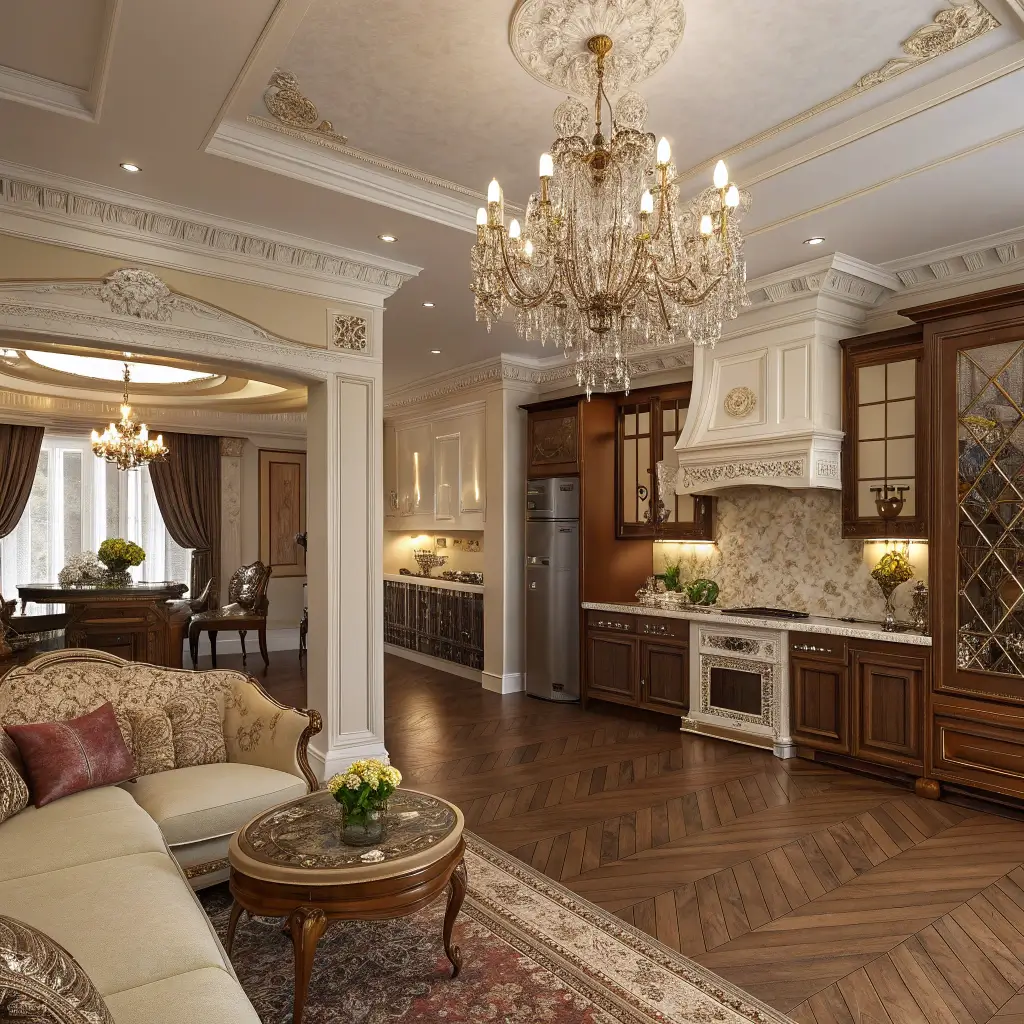
Technology integration isn’t just about gadgets—it’s about creating homes that respond to your needs intelligently while maintaining beautiful design.
Invisible Technology
The best smart home design hides the technology. Integrate without advertising:
- Recessed speakers rather than visible units
- Motorized shades with hidden mechanisms
- Smart lighting in beautiful fixtures
- Charging stations built into furniture
- Hidden cable management throughout
Smart Systems Worth Integrating
Focus on technology that genuinely improves daily life:
Lighting control:
- Programmable scenes for different activities
- Circadian rhythm lighting adjusting throughout the day
- Voice or app control from anywhere
- Automatic adjustments based on natural light
Climate control:
- Smart thermostats learning your preferences
- Zone control for different areas
- Energy monitoring and optimization
- Remote access when traveling
Security and access:
- Smart locks with multiple access methods
- Video doorbells and cameras
- Integrated alarm systems
- Automated lighting when away
Entertainment:
- Whole-home audio systems
- Streaming integration throughout
- Automated TV/screen concealment
- Universal remote control systems
Design Integration
Making smart homes beautiful requires hiding the mechanics:
- Custom millwork concealing screens and equipment
- In-wall and in-ceiling speakers
- Furniture with integrated charging and connectivity
- Control panels disguised as artwork or mirrors
- Motorized systems for TVs, shades, and art
I recently helped design a smart home where the TV rises from a custom cabinet at the foot of the bed. Ridiculous? Maybe. Incredibly cool? Absolutely. The point is, technology should enhance your design, not dominate it.
The Investment Strategy
You don’t need to automate everything immediately. Start with high-impact systems:
- Lighting control (biggest impact on ambiance)
- Climate control (comfort and energy savings)
- Security systems (peace of mind)
- Entertainment in main living areas
- Motorized window treatments for difficult windows
Then expand as budget allows and technology improves.
Also Read: 10 Inspiring Home Interior Design Living Room Ideas for Minimalists
Timeless Classic Full Home Makeover
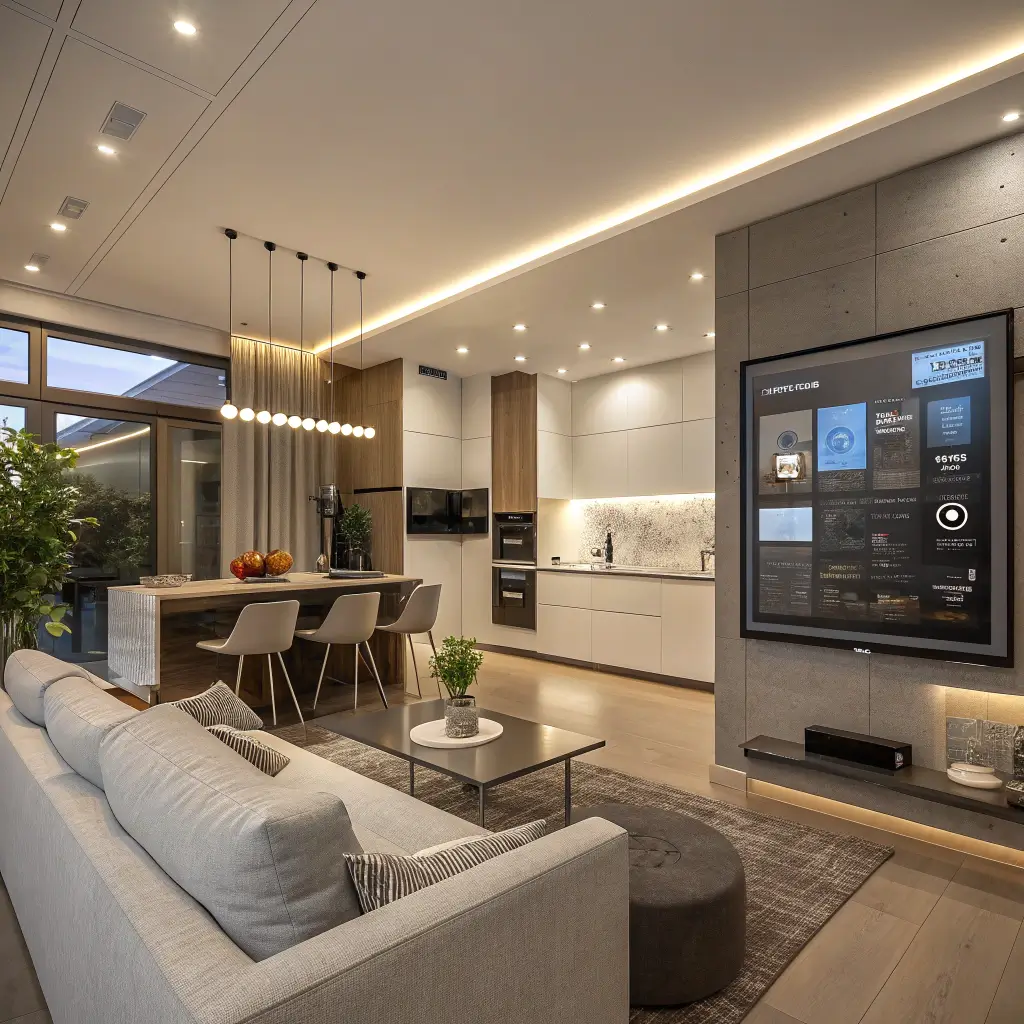
Some people chase trends. Others create homes that’ll look beautiful in 20 years. Classic design offers enduring beauty and proven appeal.
What Makes Design Timeless?
Classic interiors share specific characteristics:
- Quality materials: Real wood, natural stone, quality fabrics
- Traditional proportions: Balanced, symmetrical, harmonious
- Neutral foundations: Walls and large pieces in lasting colors
- Classic furniture styles: Designs that have endured for decades
- Refined details: Crown molding, wainscoting, quality hardware
The Classic Color Palette
Timeless homes work within proven color combinations:
- Navy and white
- Grey and cream
- Black, white, and wood tones
- Soft whites with natural materials
- Earth tones in sophisticated combinations
These palettes never look dated because they’ve never been purely trendy—they’re fundamentally pleasing color combinations.
Room-by-Room Classic Approach
Living spaces: Traditional sofa styles (Chesterfield, English roll arm), symmetrical furniture arrangements, classic rugs, table lamps with traditional bases, art in classic frames
Dining rooms: Wood dining tables (rectangular or round), upholstered dining chairs, traditional chandelier, sideboard or buffet, classic china cabinet
Kitchens: Shaker-style cabinets, subway or classic tile, marble or granite countertops, traditional faucets and fixtures, apron-front sinks
Bedrooms: Upholstered or wood headboards in classic styles, nightstands with drawers, traditional dressers, classic bedding in quality materials
Bathrooms: Pedestal or furniture-style vanities, classic tile patterns, chrome or brass fixtures, traditional mirrors
Updating Classic Design
Classic doesn’t mean frozen in time. Modernize through:
- Simplified versions of traditional furniture
- Updated color applications (classic navy but in fresh combinations)
- Mix of periods (not everything from the same era)
- Modern art in classic frames
- Current technology integrated discretely
My grandmother’s home has barely changed in 40 years, and somehow it still looks elegant and current. That’s the power of truly classic design—it transcends trends by never fully participating in them.
Bringing It All Together: Choosing Your Direction
Feeling paralyzed by options? Here’s how to actually make a decision and move forward.
Self-Assessment Questions
Ask yourself:
- What’s my lifestyle? Do you entertain frequently? Have kids or pets? Work from home?
- What’s my maintenance tolerance? Some styles require more upkeep than others
- What’s my budget reality? Be honest about what you can invest
- What makes me feel good? Which spaces have you entered and immediately felt comfortable?
- What’s my timeline? Some approaches work better for gradual implementation
The Hybrid Approach
You don’t have to choose exactly one style. Many successful homes combine elements from multiple approaches:
- Scandinavian minimalism + cozy rustic warmth
- Classic foundation + modern contemporary updates
- Neutral palette + eclectic accessories
- Small space solutions + bohemian textiles
The key? Choose ONE approach as your primary direction, then selectively incorporate elements from others.
Starting Your Transformation
Don’t try to redesign everything simultaneously. Create a phased approach:
Phase 1: Main living areas (living room, kitchen)
Phase 2: Primary bedroom and bathroom
Phase 3: Additional bedrooms and bathrooms
Phase 4: Finishing touches, accessories, landscaping
This makes the project manageable financially and mentally.
The Common Thread
Regardless of which style you choose, successful full-home design requires:
- Consistent flooring or at least flooring that transitions thoughtfully
- Cohesive color palette with colors repeated throughout
- Similar finish choices (hardware, fixtures, metals)
- Appropriate lighting tailored to each space
- Quality over quantity in furnishings and accessories
Final Thoughts
Designing an interior home feels overwhelming—I get it. But here’s the truth: having a clear vision actually makes decisions easier, not harder.
When you know you’re creating a modern minimalist home, you stop second-guessing whether that ornate vintage mirror fits (it doesn’t). When you’ve committed to Scandinavian design, you know exactly what you’re looking for.
The homes I’ve seen transform most successfully? They’re the ones where someone made a confident choice and stuck with it. Not rigidly—design evolves and adapts—but with clear intention.
Start with the style that resonates most deeply with you. The one that makes you feel something when you see it. The approach that aligns with how you actually live, not how you think you should live.
And remember, your home is a long-term project. You don’t need to complete everything this month, or even this year. Each intentional choice builds toward the cohesive whole you’re creating.
Now stop pinning inspiration photos and start actually making decisions. Future you, living in a beautifully cohesive home that tells your story, will be so grateful you finally committed.
Your dream home isn’t going to design itself—but with a clear direction and consistent execution, you absolutely can create it. Now go make it happen.