12 Lovely Home Interior Design Bedroom Ideas and Trendy Designs
- Home Interior Design
 Ben
Ben- 0
- 65 minutes read

Your bedroom looks like a hotel room—and not the fancy kind. More like the “I just moved in three years ago and still haven’t unpacked” kind.
We’ve all been there, staring at our sad, beige walls, wondering when we became the person who owns zero decorative pillows.
Here’s the reality: your bedroom should be the best room in your house. You spend roughly a third of your life there, so why does it get the leftover furniture and that random poster from college?
I spent years treating my bedroom like an afterthought until I finally realized that good sleep and good design actually go hand-in-hand.
So let’s fix this together. I’m sharing 12 bedroom interior design ideas that’ll transform your space from “meh” to “wow, can I just stay in bed all day?” (which, let’s be honest, is the ultimate goal).
These aren’t cookie-cutter Pinterest fails—these are real, achievable designs that work for different personalities, budgets, and commitment levels.
Grab your coffee, get comfortable, and let’s turn your bedroom into the sanctuary it deserves to be.
Minimalist Zen Bedroom

You know what’s ironic? Creating a minimalist bedroom requires maximum intentionality. But once you nail it, the mental clarity you get is absolutely worth the effort.
The Foundation Elements
A minimalist zen bedroom strips away everything unnecessary and celebrates what remains. This style works beautifully for people who feel overwhelmed by visual clutter or those craving a truly restful space.
Start with these core elements:
- Low-profile platform bed in natural wood or upholstered neutral fabric
- Absolutely minimal nightstands (think floating shelves or single-drawer units)
- One statement piece maximum per wall
- Hidden storage solutions for everything you actually need
- Natural materials like wood, linen, cotton, and stone
Color Palette That Calms
Your zen bedroom needs a restricted color palette—and I mean restricted. Choose 2-3 colors maximum:
- Warm whites or soft greys for walls
- Natural wood tones for furniture
- Maybe one muted accent color (sage green, soft terracotta, or warm taupe)
The magic happens when you layer different textures within this limited palette. Linen bedding, a chunky knit throw, smooth wood surfaces, and maybe a simple wool rug create visual interest without color chaos.
The “Less Is More” Practice
Here’s where people struggle: minimalism isn’t about empty rooms. It’s about keeping only what serves you. Every item should either be functional, beautiful, or ideally both.
I cleared out my bedroom last spring following this principle, and it was brutal. That decorative bowl I never used? Gone. The stack of books I’d already read? Relocated. The result? A space that genuinely helps me unwind instead of reminding me of unfinished tasks.
Apply the one-in-one-out rule religiously. Want new throw pillows? The old ones gotta go. New lamp? Donate the existing one. This keeps your zen space actually zen.
Luxe Hotel-Style Bedroom
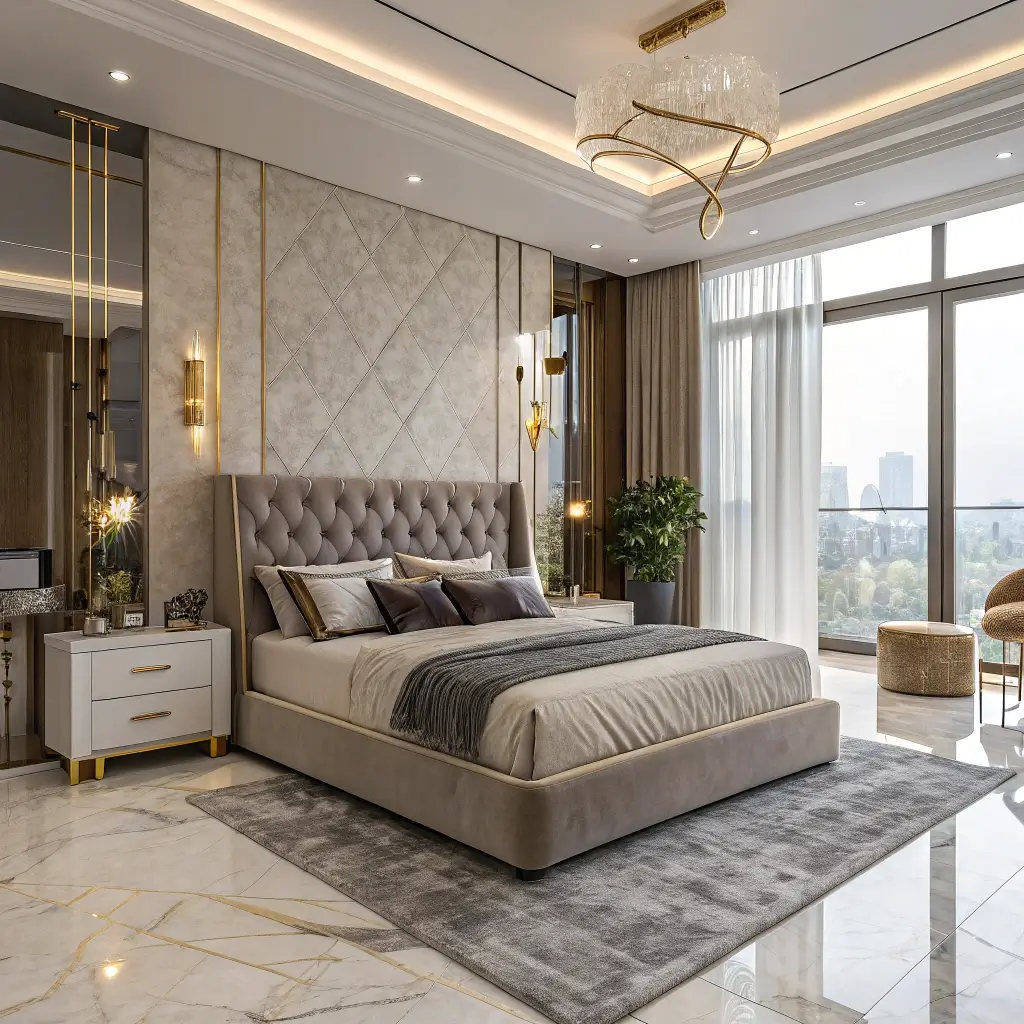
Ever wonder why hotel beds feel so much better than yours? Spoiler alert: it’s not magic—it’s layering, quality materials, and attention to detail.
The Bedding Investment
Hotel-style bedrooms start with exceptional bedding. And yeah, this means spending actual money on sheets, but hear me out—you’ll notice the difference every single night.
Invest in:
- High thread count sheets (400-600 is the sweet spot; higher isn’t always better)
- Multiple pillows in varying firmness levels
- A quality duvet insert with a removable cover
- Layered blankets for visual and practical depth
- Bed skirt or upholstered bed frame for that finished look
The Color Strategy
Hotels typically use crisp whites with neutral accents because it photographs well and feels universally luxurious. You can absolutely replicate this:
- All-white bedding as your foundation
- Grey, cream, or taupe upholstered headboard
- Metallic accents in lighting and hardware (brass or chrome)
- One accent color in artwork or a single throw
Lighting That Sets the Mood
Hotel rooms nail the lighting, and you can too. Install dimmer switches on everything—this single change transforms the entire vibe.
Layer your lighting:
- Bedside table lamps or wall-mounted sconces for reading
- Soft overhead lighting (recessed or a statement chandelier on a dimmer)
- Maybe LED strips behind the headboard for ambient glow
- Blackout curtains with sheer underlayers for light control
I added dimmer switches to my bedroom two years ago for maybe $40 total, and I genuinely can’t believe I lived without them. The ability to adjust lighting for different moods? Game-changer.
Cozy Cottage Bedroom
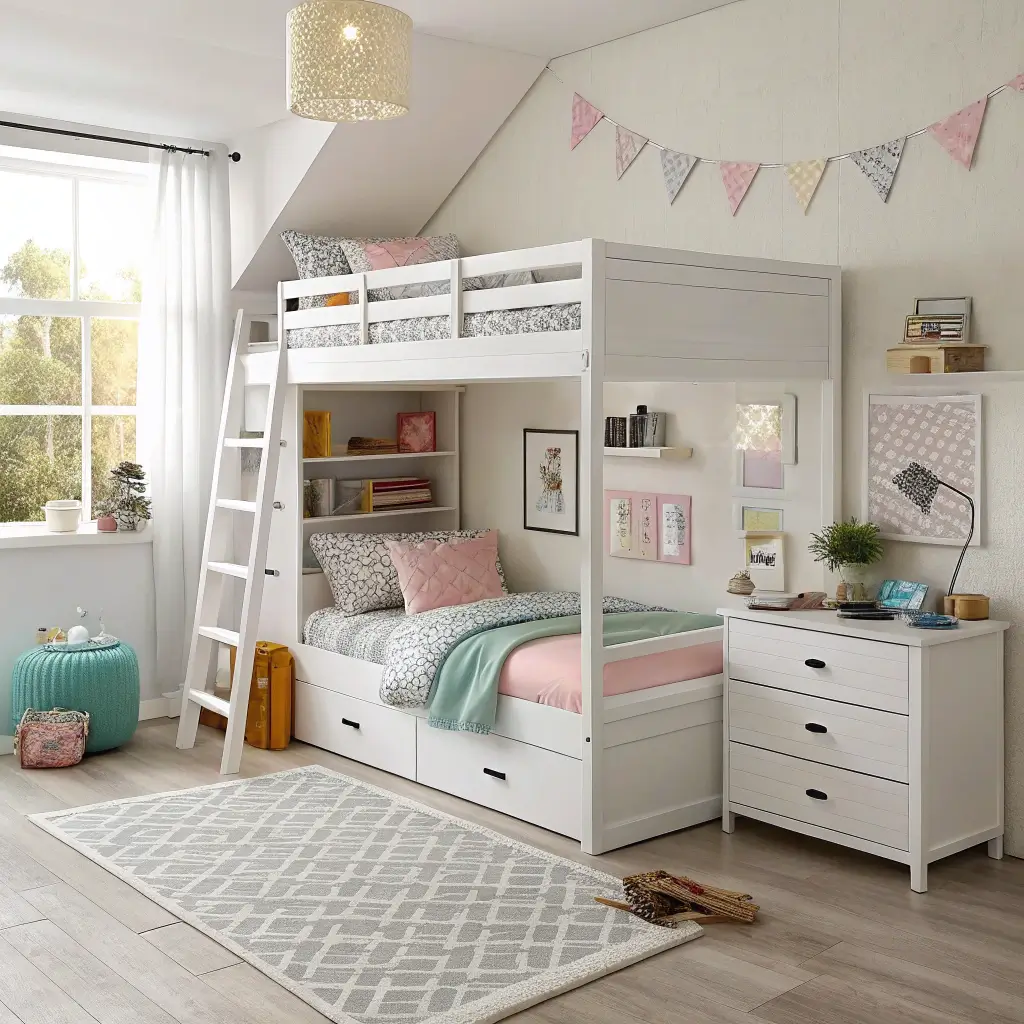
If minimalism makes you sad and you’d rather be wrapped in seventeen blankets reading a book, cottage style is calling your name.
Embracing Soft, Layered Comfort
Cottage bedrooms celebrate comfort and collected charm over sleek minimalism. Think grandmother’s house, but make it your own generation.
Key elements include:
- Vintage or vintage-inspired furniture with character and patina
- Floral or traditional patterns in bedding and curtains
- Lots of textiles layered generously
- Warm, soft lighting through table lamps with fabric shades
- Personal collections displayed thoughtfully
The Color Palette
Cottage style works beautifully in:
- Soft pastels: Blush pink, mint green, powder blue, butter yellow
- Warm neutrals: Cream, ivory, warm white
- Classic combinations: White and soft blue, cream and sage green
The key? Keep colors muted and soft rather than bright and saturated. You want cozy, not chaotic.
Texture and Pattern Mixing
This style gives you permission to mix patterns—florals with stripes, checks with toile—as long as you keep the color palette cohesive. Here’s how:
- Start with one dominant pattern (maybe floral bedding)
- Add a secondary pattern in smaller doses (striped curtains)
- Include solid textures (chunky knit throw, linen pillows)
- Repeat colors across different patterns to tie everything together
IMO, cottage bedrooms feel the most “homey” of any style. There’s something deeply comforting about all those layers and patterns.
Also Read: 10 Inspiring Full Home Interior Design Ideas and Room Transformations
Industrial Loft Bedroom
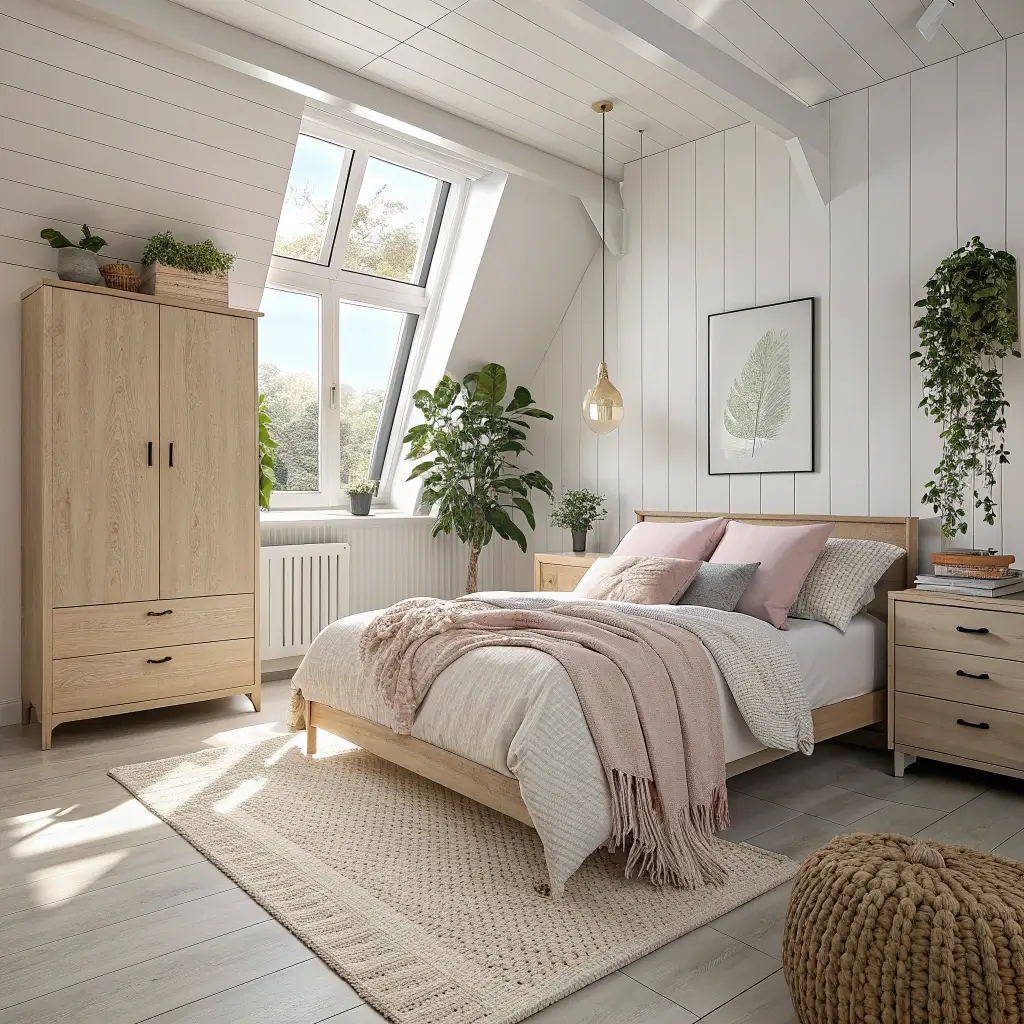
Raw, edgy, and unapologetically urban—industrial bedrooms work especially well in older buildings with existing character, but you can create this vibe anywhere.
The Material Mix
Industrial design celebrates unfinished and raw materials:
- Exposed brick walls (or brick-look panels if you’re not blessed with the real thing)
- Metal bed frames, lighting fixtures, and furniture accents
- Concrete or stained concrete floors
- Reclaimed wood furniture with visible age and character
- Edison bulb lighting and exposed filaments
Creating the Look From Scratch
Don’t have exposed brick or concrete? You can still nail this aesthetic:
- Paint walls in dark greys or charcoal for that urban warehouse feel
- Add metal shelving units for open storage
- Incorporate leather furniture pieces (a reading chair or bench)
- Install industrial-style lighting (cage pendants, pipe fixtures)
- Use weathered wood accessories like reclaimed wood headboards
Softening the Edge
Pure industrial can feel cold for a bedroom. Balance hard materials with soft textiles:
- Plush area rugs over hard floors
- Soft bedding in neutral colors
- Throw blankets in warm tones
- Maybe a vintage rug for warmth and color
The contrast between tough materials and cozy textiles creates a bedroom that feels edgy but still inviting enough to actually sleep in.
Coastal Beach Bedroom
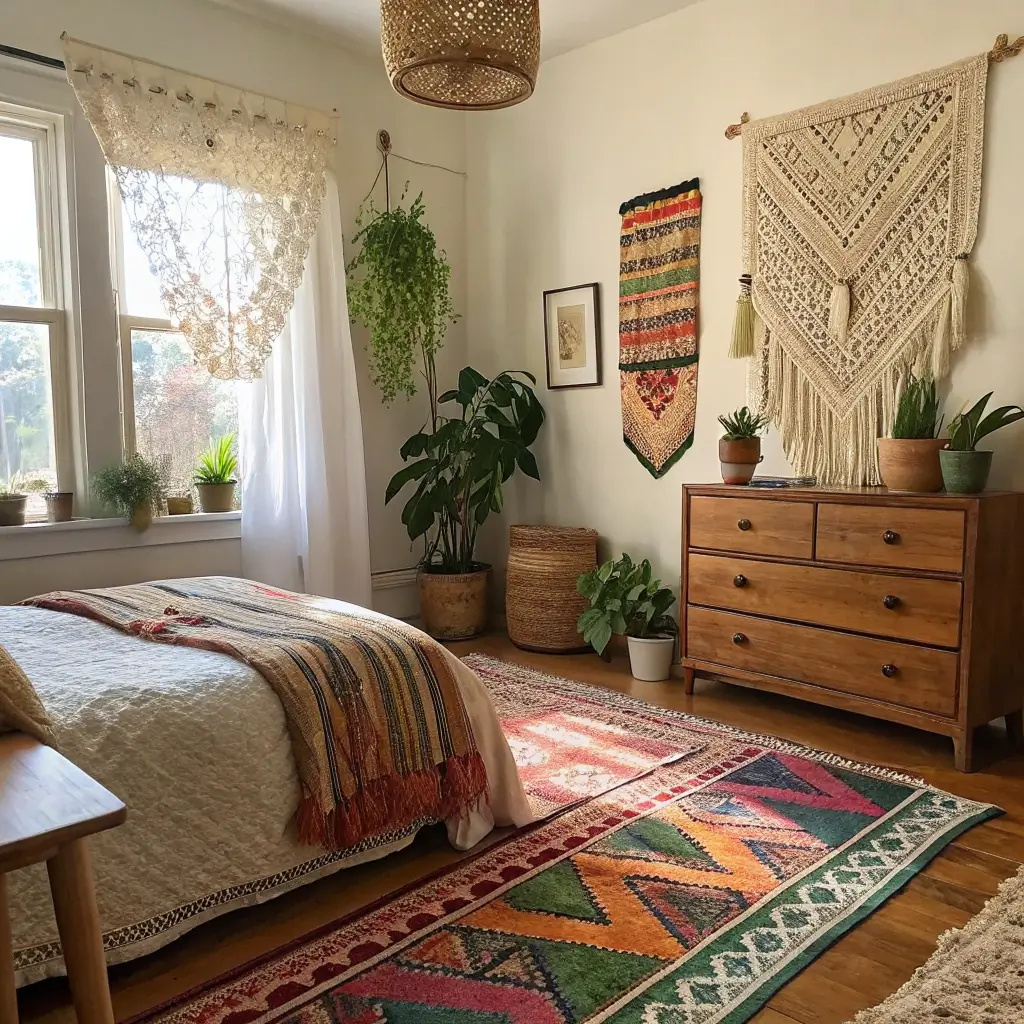
Close your eyes and imagine waking up to ocean breezes and soft light. Can’t afford the beachfront property? Create the vibe instead.
The Coastal Color Foundation
Beach-inspired bedrooms work within a specific, nature-inspired palette:
- Soft blues and aquas: Think sky and sea, not bright turquoise
- Sandy neutrals: Cream, beige, warm white, taupe
- Crisp white: For contrast and brightness
- Natural wood tones: Driftwood grey or light oak
Materials That Evoke the Coast
Bring the beach inside through natural, textured materials:
- Linen and cotton bedding (nothing synthetic or overly polished)
- Jute or sisal rugs
- Rattan or wicker furniture pieces
- Natural wood with weathered or whitewashed finishes
- Sheer white curtains that flutter in the breeze
Avoiding the Theme Trap
Here’s where coastal design goes wrong: too literal with the theme. Skip the seashell collections, anchor artwork, and “beach house” signs. Instead, create the feeling through:
- Color palette and natural materials
- Light, airy window treatments
- Simple artwork (abstract blues, black and white beach photography)
- Maybe one subtle nod like a piece of driftwood or coral
I helped design a coastal bedroom last year for a friend who lives in Arizona (not exactly beachfront), and we created such a convincing vibe that she swears the room feels ten degrees cooler. The power of good design 🙂
Moody Dark Bedroom
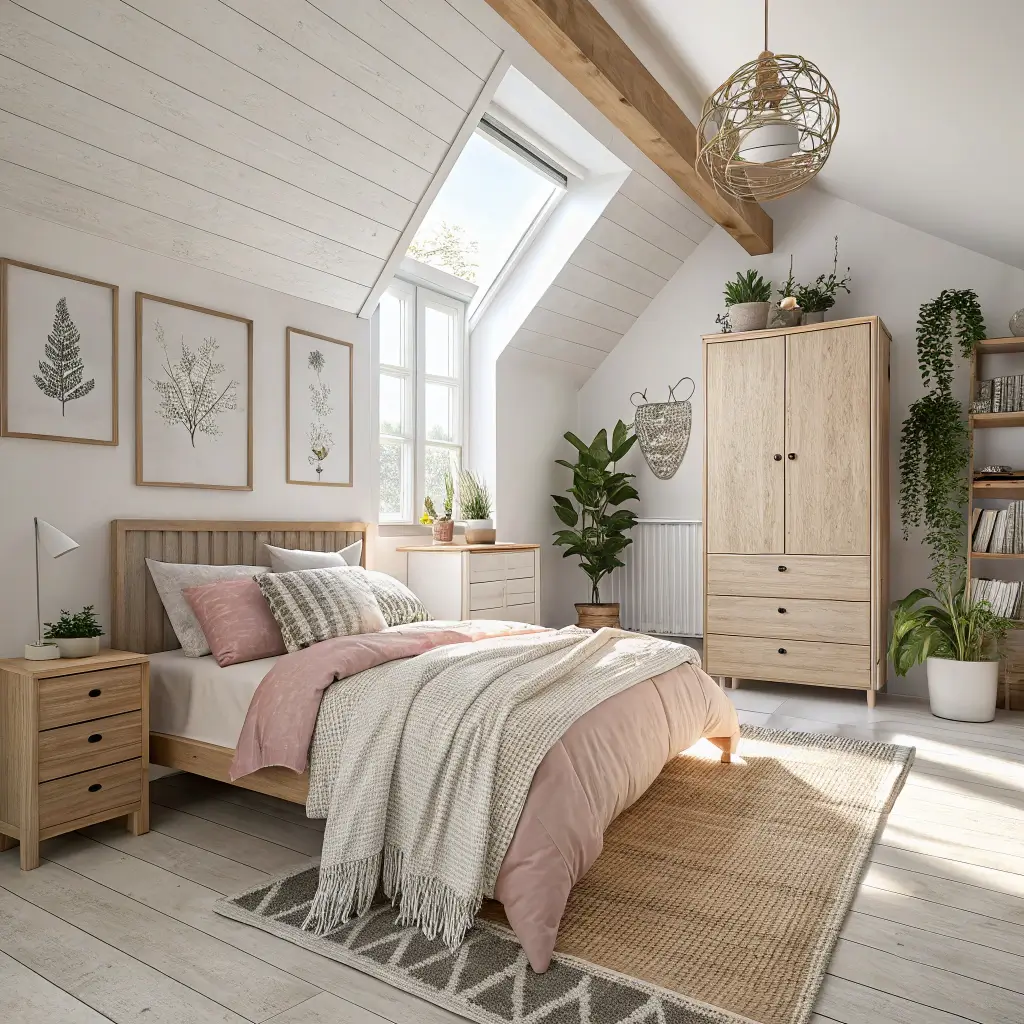
Controversial opinion: dark bedrooms are actually better for sleep AND can look absolutely stunning. Fight me.
Embracing the Darkness
Most people fear dark paint, but moody bedrooms create incredible atmosphere and genuinely improve sleep quality by blocking light reflection.
Consider these rich, deep colors:
- Navy blue: Classic and sophisticated
- Charcoal grey: Modern and versatile
- Forest green: Dramatic and nature-inspired
- Deep plum or burgundy: Luxurious and cozy
- Black: Yes, really—matte black can be gorgeous
Making Dark Work
The trick to dark bedrooms? Intentional lighting and strategic contrast:
- Layer multiple light sources at different heights
- Use brass or gold fixtures that warm up the space
- Include white or cream bedding for contrast
- Add mirrors to bounce available light
- Ensure adequate task lighting for reading
Avoiding the Cave Effect
Dark walls need texture and dimension to avoid feeling flat:
- Matte paint finishes that absorb light beautifully
- Textured wallpaper in dark tones
- Varied fabrics and materials
- Artwork with lighter elements
- Plants for organic contrast
FYI, I painted my bedroom navy two years ago after years of safe beige, and I’ll never go back. The cocooning effect for sleep is unmatched, and the drama factor? Chef’s kiss.
Also Read: 15 Modern Home Office Interior Design Ideas to Spark Creativity
Feminine Romantic Bedroom
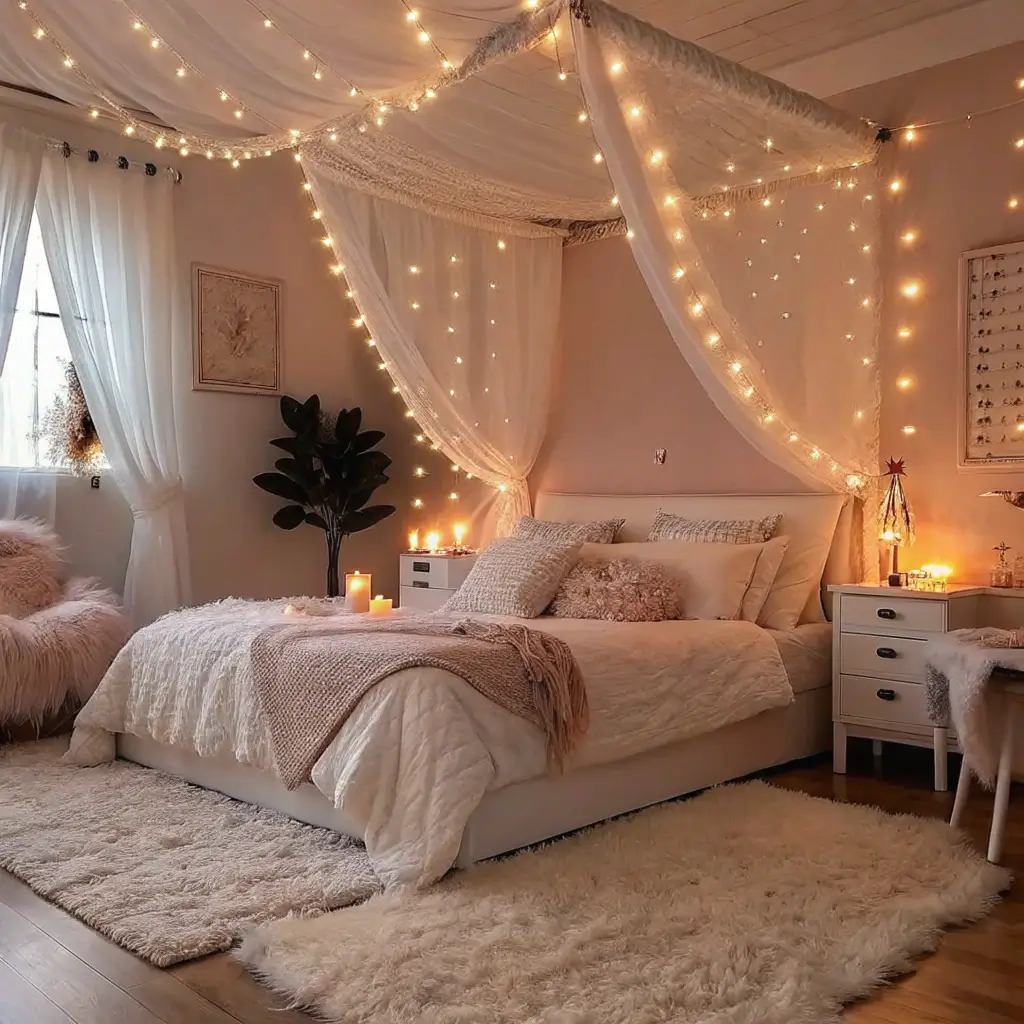
Soft, pretty, and unapologetically feminine—this style creates a dreamy retreat that celebrates beauty and romance.
The Romantic Elements
Feminine bedrooms incorporate delicate details and soft aesthetics:
- Curved furniture lines: Rounded headboards, curved nightstands
- Soft, romantic fabrics: Velvet, silk, satin, tulle
- Delicate lighting: Chandeliers, crystal lamps, soft pendants
- Ornate details: Tufted headboards, decorative molding
- Fresh flowers: Real or high-quality faux arrangements
Color Palettes That Work
This style shines in soft, romantic colors:
- Blush pink and cream
- Soft lavender and white
- Champagne gold and ivory
- Dusty rose and grey
- All-white with metallic accents
The key? Keep colors soft and muted rather than bright and bold. You want whisper-soft elegance, not Barbie’s dream house (unless that’s specifically your goal, in which case, own it).
Modern Feminine vs. Overly Sweet
You can create a feminine bedroom without it feeling like a teenager’s room:
- Choose one romantic element as your focal point (maybe a gorgeous chandelier)
- Balance soft colors with sophisticated neutrals
- Mix textures for depth (velvet with linen, silk with cotton)
- Keep furniture lines relatively simple despite ornate details
- Edit accessories—not every surface needs lace doilies
The modern feminine bedroom feels grown-up, sophisticated, and beautiful without being saccharine.
Scandinavian Hygge Bedroom
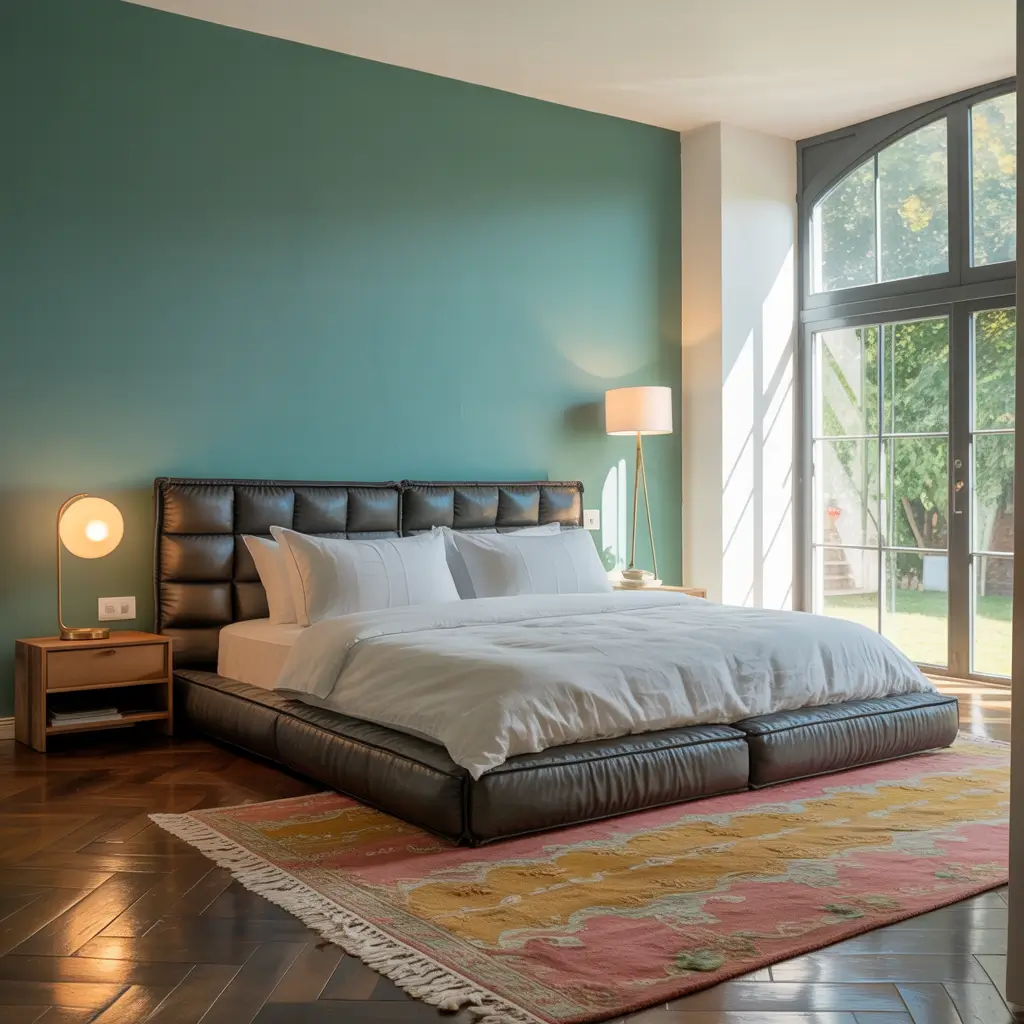
Scandinavian design creates bedrooms that feel both minimal and incredibly cozy—a combination that shouldn’t work but absolutely does.
The Hygge Foundation
Danish hygge (that wonderful concept of coziness and contentment) translates perfectly to bedroom design:
- Light wood furniture in natural finishes (oak, ash, birch)
- White or very light walls to maximize natural light
- Textured textiles in natural materials
- Minimal decor with maximum impact
- Plants bringing life to neutral spaces
- Candles creating warm, flickering light
The Scandi Color Approach
Keep your palette light, bright, and naturally inspired:
- Warm whites and soft greys
- Natural wood tones
- Maybe one muted accent (soft blue, sage green, dusty pink)
- Black accents for definition
The result? Rooms that feel spacious, calm, and somehow both minimal and cozy simultaneously.
Creating Warmth in Minimalism
This is the secret sauce of Scandinavian bedrooms—warmth despite simplicity:
- Layer soft textiles (linen sheets, wool blankets, sheepskin rugs)
- Include warm lighting at multiple levels
- Add plants in simple pots
- Use natural materials throughout
- Create cozy reading nooks with simple chairs and good lighting
I designed my sister’s bedroom in this style, and she literally spends twice as much time in there now. The combination of calming simplicity and genuine coziness just works.
Maximalist Eclectic Bedroom
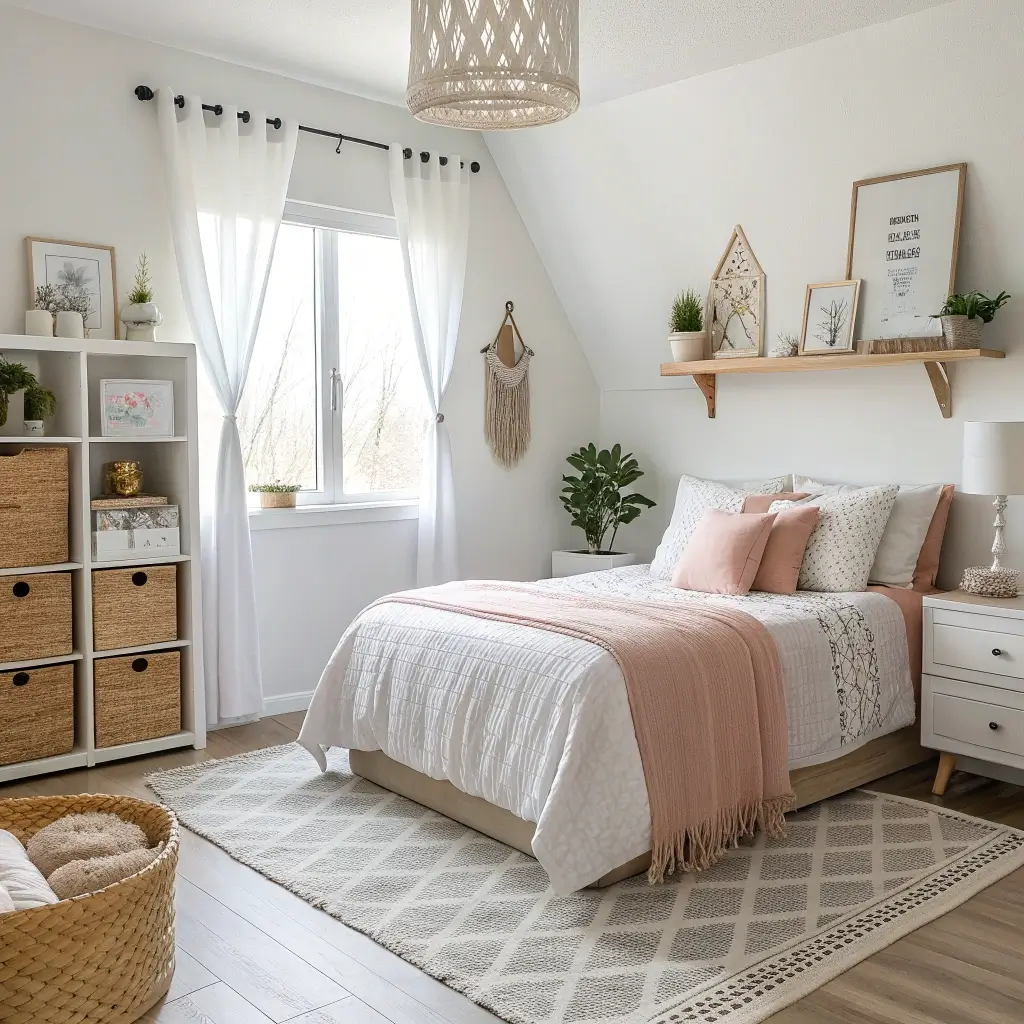
For those of you thinking “all these minimal bedrooms are boring”—I see you, and I’ve got you covered. Maximalism celebrates MORE.
The Maximalist Mindset
Maximalist bedrooms embrace pattern, color, collections, and personality without apology. But here’s the catch: successful maximalism still requires intention.
Elements of maximalist bedrooms:
- Bold patterns mixed with confidence
- Rich, saturated colors layered throughout
- Collections displayed proudly
- Gallery walls covering entire surfaces
- Varied textures in abundance
- Statement everything: lighting, furniture, bedding
The Cohesion Secret
Random chaos isn’t maximalism—it’s just messy. Create cohesion through repeated colors:
- Choose 4-5 core colors
- Repeat those colors across different patterns and items
- Use one dominant color to anchor the space
- Layer patterns that share at least one color
- Include neutral moments for the eye to rest
Pattern Mixing Mastery
Mixing patterns successfully requires understanding scale and color:
- Combine different scale patterns (large florals with small geometrics)
- Ensure patterns share some colors
- Include solid textures between busy patterns
- Vary the visual weight across the room
This style definitely isn’t for everyone, but if you love it, LOVE it fully. Half-hearted maximalism just looks cluttered.
Also Read: 12 Beautiful Modern Home Interior Design Ideas for Small Spaces
Nature-Inspired Biophilic Bedroom
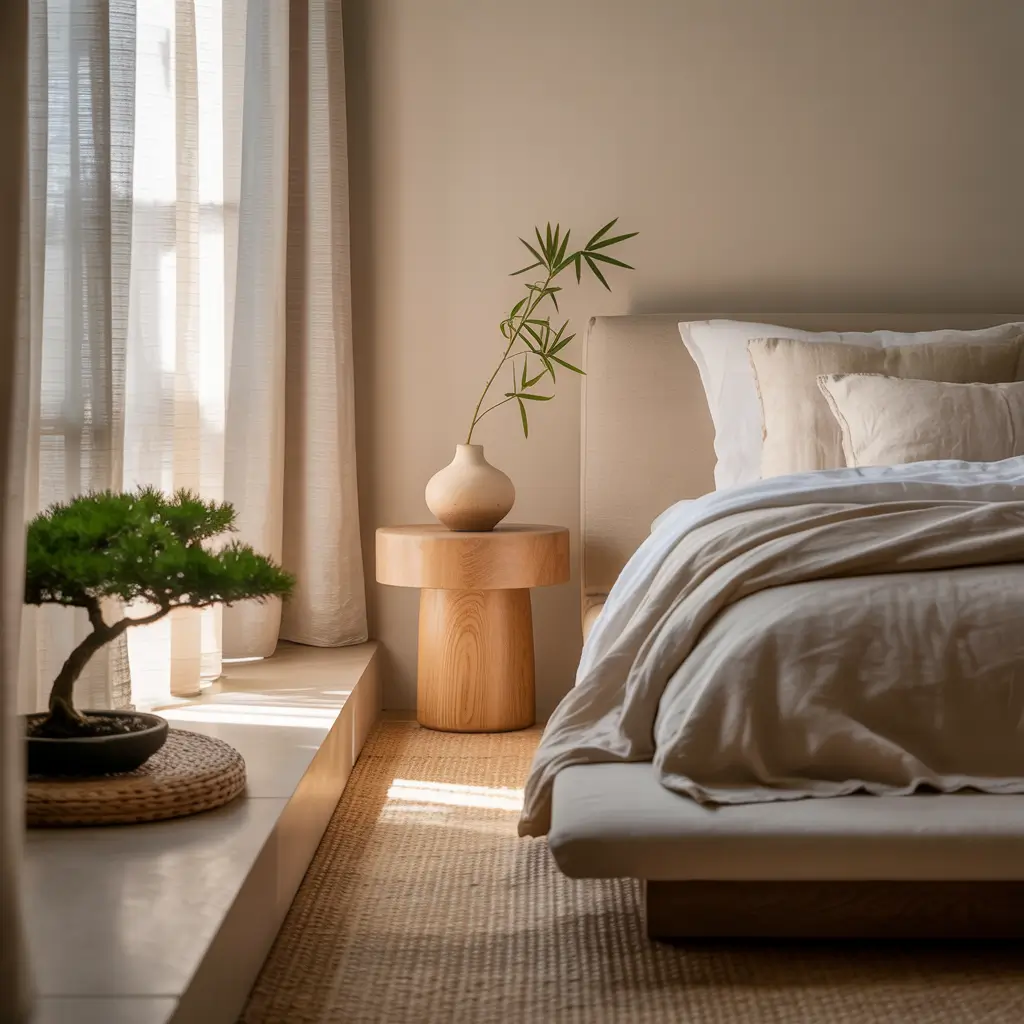
Biophilic design connects you with nature, and honestly? We all need more of that, especially in urban environments.
Bringing Nature Inside
Biophilic bedrooms incorporate natural elements to promote well-being:
- Plants, plants, plants: Multiple varieties at different heights
- Natural materials: Wood, stone, clay, linen, wool
- Nature-inspired colors: Greens, browns, terracottas, sky blues
- Natural light: Maximized through window treatments
- Organic shapes: Curved furniture, irregular textures
- Nature artwork: Botanical prints, landscape photography
Plant Strategy
Don’t just stick a sad succulent on your nightstand. Create intentional plant moments:
- Tall floor plants in corners (fiddle leaf fig, bird of paradise)
- Hanging plants adding vertical interest
- Shelf plants at varying heights
- Nightstand greenery (but keep it simple for practical reasons)
Choose plants appropriate for bedroom conditions. Low-light tolerant options include pothos, snake plants, and ZZ plants. If you’ve got great natural light, you can go wild with options.
Natural Material Layering
Every surface should incorporate natural materials:
- Wood bed frame or headboard
- Linen or organic cotton bedding
- Jute or wool rug
- Stone or ceramic accessories
- Rattan or woven baskets for storage
The cumulative effect creates a space that feels grounded, calming, and genuinely connected to the natural world.
Vintage Glam Bedroom
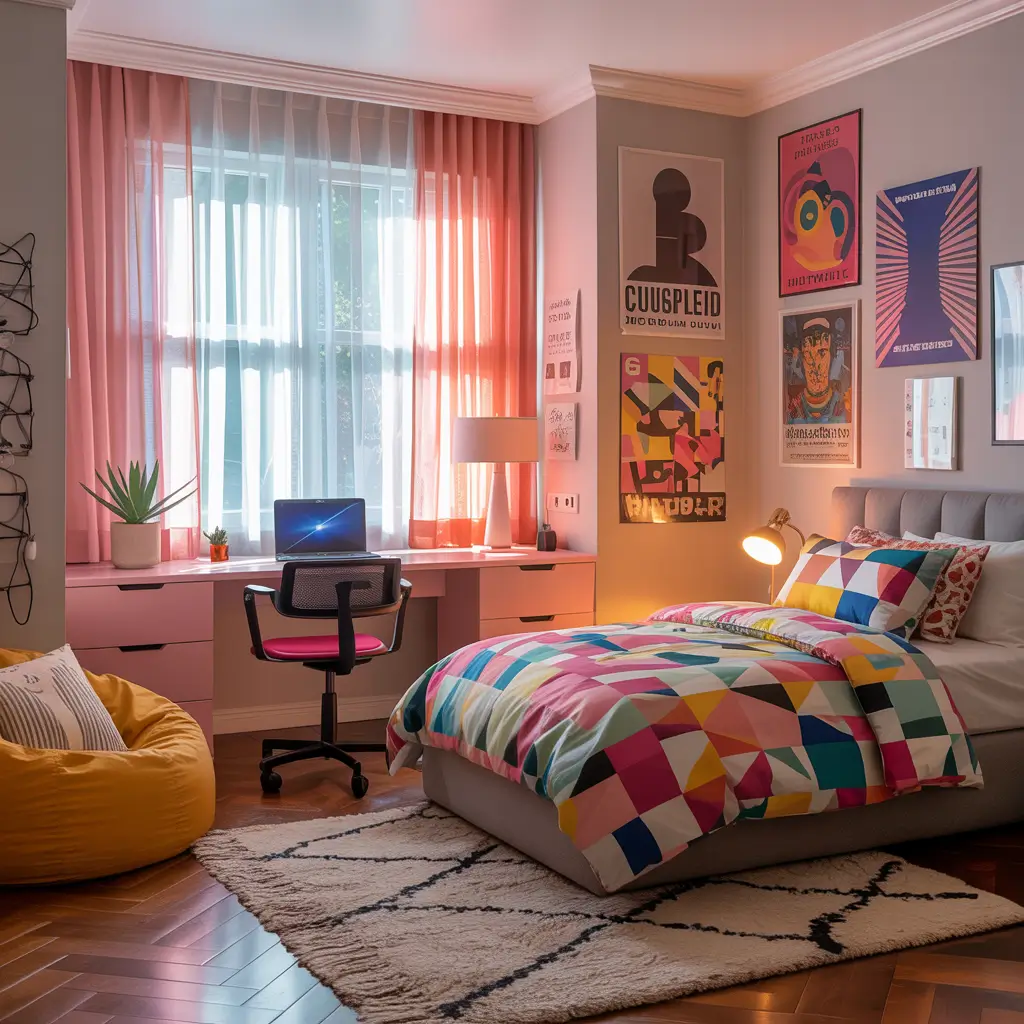
Old Hollywood meets modern sensibility—vintage glam creates bedrooms dripping with sophistication and timeless elegance.
The Glam Elements
Vintage glamour incorporates luxurious materials and dramatic details:
- Velvet everything: Headboards, chairs, pillows, curtains
- Metallic accents: Gold, brass, or silver finishes
- Mirrored furniture: Nightstands, dressers, accent pieces
- Crystal or glass: Chandeliers, lamps, accessories
- Tufted upholstery: Classic button-tufting on headboards
- Dramatic window treatments: Heavy curtains with tiebacks
Color Palettes for Glamour
Vintage glam works beautifully in rich, luxurious colors:
- Black and gold
- Navy and brass
- Emerald green and gold
- Blush pink and champagne gold
- Cream and silver
The key? High contrast and obvious luxury. This style doesn’t do subtle.
Modern Updates to Vintage Glam
Avoid the costume-y feel by mixing vintage elements with modern touches:
- Vintage-inspired chandelier with modern minimal nightstands
- Tufted velvet headboard with simple, modern bedding
- Mirrored furniture with contemporary artwork
- Classic color palettes with modern geometric patterns
I added a vintage brass chandelier to my otherwise minimal bedroom, and that single piece elevated the entire space. Sometimes one glam element is all you need.
Smart Tech-Integrated Bedroom
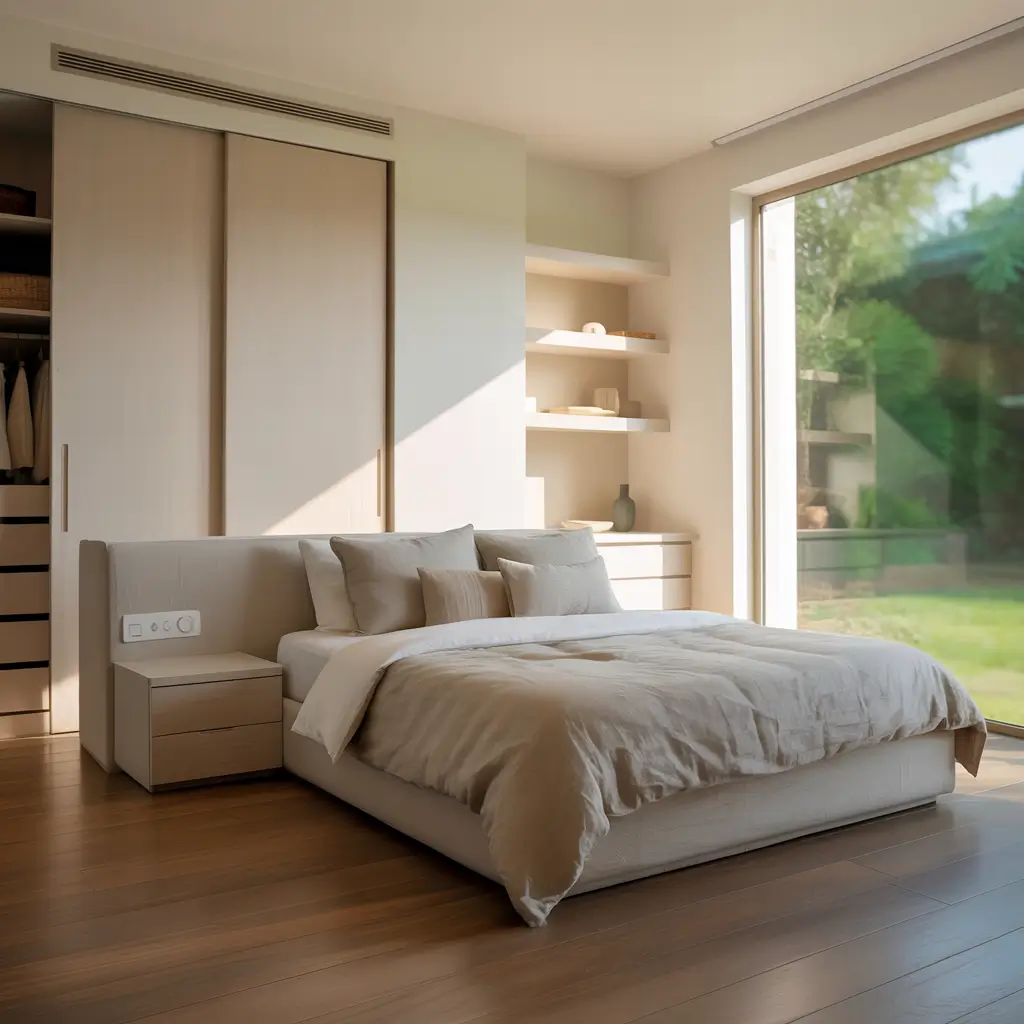
Your bedroom can be beautiful AND intelligent. Smart technology enhances comfort, convenience, and even sleep quality when integrated thoughtfully.
Essential Smart Bedroom Tech
Focus on technology that genuinely improves your sleep and daily routine:
- Smart lighting: Programmable scenes, circadian rhythm bulbs, voice control
- Automated window treatments: Motorized shades opening with sunrise
- Climate control: Smart thermostats maintaining ideal sleep temperature
- Sound systems: White noise, meditation, music throughout
- Smart mattresses or sleep tracking: Monitor and optimize sleep quality
- Charging solutions: Wireless charging built into nightstands
Invisible Integration
The best smart bedrooms hide the technology:
- In-wall speakers rather than visible units
- Hidden cable management
- Charging stations built into furniture
- Control panels disguised as artwork
- Motorized TV lifts concealing screens
Creating the Perfect Sleep Environment
Use technology to optimize your sleep conditions automatically:
- Lights dimming gradually before bedtime
- Temperature dropping to ideal sleep range (around 65-68°F)
- Blackout shades closing automatically
- White noise engaging on schedule
- Gentle wake-up lighting simulating sunrise
I installed smart bulbs in my bedroom lamps last year—they cost maybe $50 total—and being able to say “lights to 10%” while already in bed is genuinely life-changing. Start small with smart tech and expand as you discover what improves your life.
Making Your Choice: Which Bedroom Style Fits You?
Twelve styles, one bedroom. How do you actually choose?
The Decision Framework
Ask yourself these questions:
What’s your natural tendency?
- Do you accumulate or purge?
- Do colors energize or overwhelm you?
- Do you like change or consistency?
What’s your lifestyle?
- Do you need serious storage?
- Do you work from your bedroom (please say no)?
- Do you share the space?
What’s your commitment level?
- Are you renting or owning?
- What’s your budget reality?
- How much maintenance will you actually do?
The Hybrid Approach
You don’t need to choose exactly one style. Many successful bedrooms blend elements:
- Scandinavian base with coastal colors
- Minimalist foundation with vintage glam lighting
- Industrial materials with cozy cottage textiles
- Modern smart tech in any aesthetic style
The key? Choose one style as your primary direction (maybe 70%), then selectively incorporate elements from another (30%).
Starting Small, Building Up
Don’t try to complete your bedroom transformation in one weekend. Create a phased approach:
Phase 1: Paint and bedding (biggest visual impact)
Phase 2: Main furniture pieces (bed, nightstands, dresser)
Phase 3: Lighting updates
Phase 4: Accessories, artwork, final touches
This makes the project manageable financially and prevents decision fatigue.
The Non-Negotiables for Any Bedroom
Regardless of which style you choose, certain elements make ANY bedroom better:
Invest in Sleep Quality
Your mattress and bedding directly impact your health:
- Quality mattress suited to your sleep style
- Multiple pillow options
- Breathable, comfortable bedding
- Adequate blanket layering
Skimp elsewhere before you skimp on these essentials.
Control Your Light
Darkness promotes better sleep:
- Blackout curtains or blinds
- Dimmers on all light switches
- Eliminate electronic light pollution
- Consider sleep masks if needed
Manage Your Temperature
Cool bedrooms promote better sleep:
- Programmable thermostat
- Breathable bedding materials
- Adequate air circulation
- Seasonal bedding adjustments
Maintain Cleanliness
Clutter disrupts sleep and peace:
- Adequate storage for everything
- Regular decluttering routine
- Clean bedding weekly
- Minimize dust-collecting items
These aren’t design elements—they’re functional necessities that no aesthetic choice should compromise.
Final Thoughts
Your bedroom isn’t just another room—it’s where you start and end every single day. The space should support your sleep, reflect your personality, and genuinely make you happy to be there.
I’ve designed dozens of bedrooms over the years, and you know what I’ve learned? The “perfect” bedroom design is the one that makes YOU feel good.
Not the one that gets the most Pinterest saves or looks like a magazine spread. The one that makes you sigh with contentment when you walk in.
Maybe that’s a minimalist zen sanctuary where visual calm helps you decompress. Maybe it’s a maximalist explosion of pattern and color that sparks joy every morning.
Maybe it’s somewhere in between with smart tech handling the practical stuff while vintage glam handles the aesthetic stuff.
The point is—it’s YOUR bedroom. Design it for your life, your preferences, your needs.
Start with one element from this list that genuinely resonates. Maybe it’s painting your walls that moody navy you’ve been eyeing.
Maybe it’s finally investing in hotel-quality bedding. Maybe it’s adding those plants you’ve been killing in other rooms (bedrooms are often more forgiving).
Take it one intentional decision at a time, and before you know it, you’ll have created something genuinely special. A bedroom that isn’t just a place to sleep, but a true personal sanctuary.
Now stop reading articles about bedroom design and actually start designing your bedroom. Future well-rested you is waiting.