
2 Proven Steps: How to Light a Gas Fireplace Safely & Easily
- Gas Fire Place Idea
 Ben
Ben- 0
- 15 minutes read
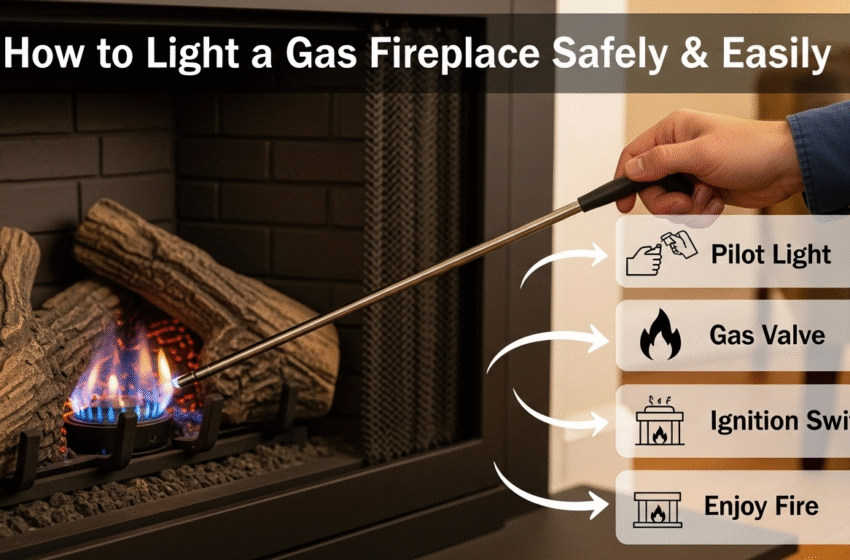
There’s nothing quite like the warm, inviting ambiance of a gas fireplace. It’s an instant source of coziness on a chilly evening. However, if you’re a new homeowner or it’s your first time using one, the process can seem a bit daunting. Knowing exactly how to light a gas fireplace is essential for both your safety and the enjoyment of your appliance.
This comprehensive guide will walk you through the entire process, from identifying your fireplace type to troubleshooting common issues. We’ll cover the two main ignition systems and provide a step-by-step checklist to ensure you do it correctly every time.
Understanding Your Gas Fireplace Ignition System
Before you begin, it’s critical to identify what type of ignition system your fireplace uses. The method for how to light a gas fireplace depends entirely on this. There are two primary types: manual ignition and electronic ignition.
Manual Ignition Systems (Pilot Lights)
These are common in older models. A small, continuously burning flame known as a standing pilot light is the ignition source for the main burners. This system itself has two subtypes:
- Manual Knob with Piezo Igniter: This involves turning a gas control knob to the “Pilot” position and pressing a button (often red) to create a spark that lights the pilot.
- Manual with Ignition Wand: You use a long match or a dedicated fireplace lighter to manually light the pilot flame after turning the gas knob.
Electronic Ignition Systems
Newer, more energy-efficient fireplaces use electronic ignition. They do not have a constantly burning pilot light. There are two main kinds:
- Intermittent Pilot Ignition (IPI): When you turn on the fireplace, an electronic spark ignites a pilot light, which then lights the main burner. The pilot may turn off once the burner is lit or stay on for the duration of use.
- Hot Surface Ignition (HSI): This system uses an electrically heated element (like a tiny filament) to light the gas directly, with no pilot light involved.
Pro Tip: The easiest way to identify your system is to look for a wall switch or remote control. If you have one, you likely have an electronic ignition system. If the only controls are on the fireplace itself, it’s probably a manual system.
How to Light a Gas Fireplace with a Manual Ignition System
Follow these steps carefully if your fireplace has a manual knob.
Step-by-Step Guide
- Find the Control Knob and Gas Valve: Locate the fireplace’s control panel. It’s often behind a lower louver or under the fireplace base. Ensure the gas shut-off valve (usually a lever on the gas line) is parallel to the pipe, indicating it’s “ON.”
- Turn the Knob to “Pilot”: Find the gas control knob. It typically has settings for “Off,” “Pilot,” and “On.” Turn the knob so the pointer is aligned with “Pilot.”
- Press and Hold the Knob: To begin the flow of gas to the pilot, you must press the knob down. Press it firmly and hold it.
- Ignite the Pilot Light:
- If you have a piezo igniter button: While holding the control knob down, press the red piezo igniter button repeatedly until you see the pilot light ignite.
- If you need a lighter: While holding the control knob down, carefully bring a long match or fireplace lighter to the pilot opening (a small tube near the burners) until it lights.
- Continue Holding for 30-60 Seconds: Keep the knob pressed down for about a minute after the pilot is lit. This allows the thermocouple (a safety device) to heat up and signal the gas valve that a flame is present.
- Release the Knob: Slowly release the pressure on the control knob. The pilot flame should remain lit. If it goes out, wait a few minutes for any gas to dissipate and repeat steps 2-5, holding the knob down a little longer.
- Turn the Knob to “On”: Once the pilot is stable, turn the control knob to the “On” position.
- Light the Main Burners: Use the same control knob or a separate switch/button to turn on the main fireplace burners. They should ignite from the pilot flame.
How to Light a Gas Fireplace with an Electronic Ignition System
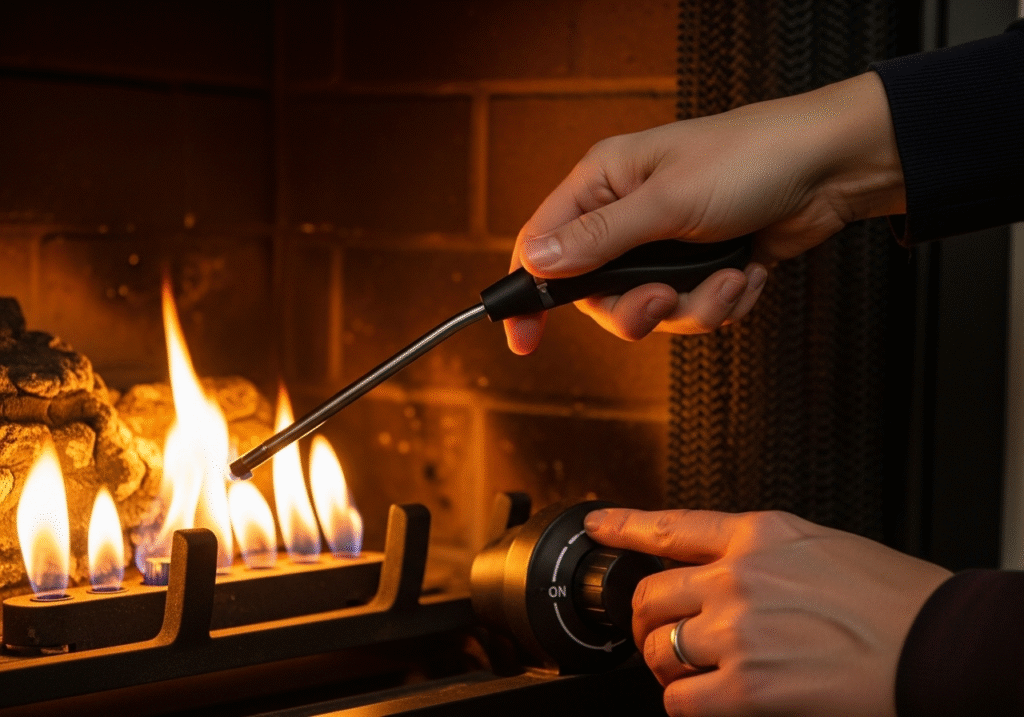
This process is generally much simpler and is the modern standard.
Using a Wall Switch or Remote
- Ensure Gas is On: Confirm that the main gas supply valve to the fireplace is open.
- Locate the Controls: Find the wall switch (which often looks like a standard light switch) or your remote control.
- Turn On the Fireplace:
- Wall Switch: Simply flip the switch to the “On” position. You should hear a faint clicking sound as the igniter sparks, followed by the burner igniting within 10-15 seconds.
- Remote Control: Press the “On” button. The same ignition sequence will occur.
If the fireplace doesn’t light on the first try, turn it off, wait a few minutes, and try again. It may take a couple of attempts to clear any air from the gas line.
Essential Safety Tips Before You Light
Safety is paramount when dealing with gas appliances. Always follow these rules from experts like the National Fire Protection Association (NFPA).
- Read the Manual: Your fireplace’s manufacturer manual has model-specific instructions. Always consult it first.
- Smell Gas? Don’t Light! If you smell rotten eggs (the odor added to natural gas and propane), do not light the fireplace. Leave the house immediately and call your gas company or emergency services from a safe distance.
- Keep the Area Clear: Ensure no flammable materials (e.g., furniture, curtains, decorations) are near the fireplace.
- Use a Carbon Monoxide Detector: All homes with gas appliances should have working CO detectors. Gas fireplaces produce carbon monoxide, which must be vented safely outside.
- Open a Window Slightly: If your home is very airtight, cracking a window can ensure proper combustion air flow and prevent negative pressure issues.
- Annual Inspection: Have a qualified HVAC technician inspect and clean your fireplace annually to ensure it’s operating safely and efficiently. You can find certified professionals through organizations like HVAC Excellence.
Troubleshooting Common Problems
Even when you know how to light a gas fireplace, things can sometimes go wrong.
- Pilot Light Won’t Stay Lit: This is often caused by a faulty thermocouple. This safety device senses the pilot flame and tells the gas valve it’s safe to stay open. If it’s dirty or broken, it will shut off the gas. This typically requires professional service.
- Burners Ignite But Don’t Stay On: This could be related to a different sensor called a thermopile, which generates the electricity needed for the gas valve on millivolt systems. Again, this is a job for a pro.
- No Gas Flow: Double-check that the main gas shut-off valve is fully open. Also, check if other gas appliances in your home are working to rule out a broader gas supply issue.
- Electronic Igniter is Clicking But No Flame: The gas may not be reaching the burner. Ensure the gas is on. If it is, the problem could be a clogged pilot tube or a gas valve issue.
Conclusion
Learning how to light a gas fireplace is a simple yet vital skill for any homeowner. By correctly identifying your ignition system and following the precise steps for manual or electronic lighting, you can enjoy the warmth and comfort of your fireplace with confidence. Remember, safety is the top priority. Always be alert for the smell of gas, keep your fireplace well-maintained, and when in doubt, call a certified technician. Now, sit back, relax, and enjoy the flames!