
2 Steps on How to Light Pilot Light Gas Fireplace: Safety & Troubleshooting Guide


Learning how to light pilot light gas fireplace systems is an essential skill for any homeowner with gas fireplace appliances. When the temperature drops and you’re looking forward to a cozy evening by the fire, discovering that your pilot light has gone out can be frustrating. However, with proper knowledge and safety precautions, most homeowners can safely relight their gas fireplace pilot light without professional assistance. This comprehensive guide will walk you through every step of the process, from understanding the components of your pilot light system to troubleshooting common problems and knowing when to call a professional.
The pilot light is a small, continuously burning flame that serves as the ignition source for your gas fireplace’s main burner. While modern fireplaces often use electronic ignition systems, many homes still have standing pilot light systems that require manual lighting when extinguished. The process may seem daunting if you’ve never done it before, but with careful attention to safety and the specific instructions for your model, you can successfully restore warmth and ambiance to your living space. This guide covers everything from basic safety protocols to advanced troubleshooting techniques, ensuring you have the knowledge needed to handle this common household task confidently.
Section 1: Understanding Your Gas Fireplace Pilot Light System
Before attempting to light your pilot light, it’s crucial to understand the components involved and how they work together. This knowledge will help you troubleshoot issues and work more confidently with your appliance.
What is a Pilot Light?
A pilot light is a small gas flame that remains burning continuously to ignite the main burner when the fireplace is turned on . This system has been used for decades in gas appliances including fireplaces, water heaters, and furnaces. The primary purpose of the pilot light is to provide an immediate ignition source, eliminating the need for matches or lighters each time you want to use your fireplace. While modern electronic ignition systems are more energy-efficient, pilot light systems remain common in many households due to their reliability and simplicity .
Key Components of a Pilot Light System
Your gas fireplace’s pilot light system consists of several important components that work together to ensure safe operation:
- Pilot Tube/Gas Line: This small pipe delivers a controlled flow of gas from the main supply to the pilot light assembly where ignition occurs .
- Thermocouple: This critical safety device detects whether the pilot flame is burning. When heated by the pilot flame, it generates a small electric current that signals the gas valve to remain open. If the pilot light goes out, the thermocouple cools, stopping the electrical signal and closing the gas valve to prevent gas buildup .
- Thermopile: Some systems include a thermopile, which works alongside the thermocouple but generates more electrical current to help open and close the main gas valve .
- Gas Control Valve: This valve regulates gas flow to both the pilot light and main burner. It typically has three positions: “Off,” “Pilot,” and “On” .
- Ignition System: Your fireplace may have either a piezoelectric igniter (which creates a spark when you push a button) or require manual lighting with a match or lighter .
Types of Ignition Systems
Gas fireplaces typically feature one of two ignition systems for the pilot light:
- Piezoelectric Ignition: Common in newer appliances, this system uses a button that creates an electric spark to ignite the pilot light when pressed . You’ll often hear a clicking sound when the button is pressed as the spark is generated.
- Manual Ignition: Older models may require you to use a long match or grill lighter to manually ignite the pilot light after gas begins flowing to the assembly .
Understanding which system your fireplace has is essential for following the correct lighting procedure. Consult your owner’s manual if you’re unsure, or look for an obvious ignition button near the gas control valve .
Section 2: Essential Safety Precautions Before You Begin
Working with gas appliances requires strict adherence to safety protocols. Never underestimate the potential dangers associated with natural gas or propane, which include fire hazards, explosions, and carbon monoxide poisoning .
Gas Leak Detection and Response
Before attempting to light your pilot light, always check for gas leaks using your sense of smell. Natural gas has a distinctive rotten egg odor added specifically for leak detection . If you detect even a faint gas smell:
- Do not attempt to light the pilot light
- Turn off the gas supply at the main valve if it’s safe to do so
- Ventilate the area by opening windows and doors
- Evacuate the premises if the smell is strong
- Contact your gas company or emergency services from a safe location
Never ignore the smell of gas, and never use electrical switches, appliances, or phones if you suspect a leak, as they can create sparks that might ignite accumulated gas .
Proper Ventilation and Workspace Preparation
Ensure your workspace is properly prepared before beginning:
- Open a window or door in the room to ensure adequate ventilation
- Remove flammable materials from around the fireplace area
- Keep children and pets away from the workspace during the process
- Have a fire extinguisher readily available as a precautionary measure
- Ensure the fireplace and surrounding area are completely cool before beginning
Personal Protective Equipment
While not always discussed in basic guides, considering personal protective equipment can enhance safety:
- Safety glasses to protect your eyes from unexpected flashes or debris
- Heat-resistant gloves if you need to handle components that might be warm
- Closed-toe shoes to protect your feet
Remember, if at any point you feel uncomfortable or uncertain during the process, stop immediately and contact a qualified professional .
Section 3: Preparation Steps Before Lighting

Proper preparation ensures a smoother, safer pilot lighting experience. Take these essential steps before attempting to ignite your pilot light.
Gather Necessary Supplies
Having the right tools on hand before you begin will prevent interruptions and frustrations:
- Long matches or a grill lighter: Essential for fireplaces without piezoelectric ignition systems
- Flashlight: To improve visibility in the often-dark fireplace interior
- Owner’s manual: For model-specific instructions
- Damp cloth or paper towel: For cleaning dust off instruction plates or components
- Mirror (optional): To help view hard-to-see areas of the firebox
Locate Critical Components
Before starting the lighting process, identify these key components:
- Gas control valve: Typically located behind the fireplace’s lower access panel or beneath the firebox
- Pilot light assembly: Look for a small metal tube with a nearby thermocouple (a thin metal rod)
- Instruction plate: Many manufacturers include lighting instructions on a metal or laminated card near the gas valve
- Main gas shut-off valve: Know the location of both the fireplace’s dedicated shut-off valve and your home’s main gas valve
If the instruction plate is dirty (a common issue), use a damp paper towel to clean it carefully, making the directions legible .
Initial Gas Valve Settings
Begin with these preliminary valve adjustments:
- Turn the gas control knob to the “Off” position
- Wait at least 5 minutes to allow any accumulated gas to dissipate
- Sniff for gas again after waiting to ensure safety
This waiting period is crucial for safety, as it allows any unburned gas that may have accumulated to disperse, reducing the risk of ignition flare-ups .
Table: Preparation Checklist Before Lighting Pilot Light
Section 4: Step-by-Step Pilot Light Lighting Instructions
Follow these detailed instructions carefully to safely light your gas fireplace pilot light. The process varies slightly depending on your ignition system type.
Method 1: Lighting with Piezoelectric Ignition
Most modern gas fireplaces feature piezoelectric ignition systems, which create a spark electronically . Follow these steps:
- Turn the gas control knob to “Pilot”: After completing the preliminary safety steps, rotate the knob from “Off” to the “Pilot” position .
- Press and hold the control knob: Push the knob inward with your thumb or finger. This action bypasses the thermocouple safety mechanism, allowing gas to flow to the pilot assembly . You may hear a slight hissing sound as gas begins flowing.
- Activate the igniter: While continuing to hold the control knob depressed, press the piezoelectric igniter button repeatedly. You should see a small blue spark near the pilot assembly with each press . Position yourself so you can observe the pilot area directly.
- Observe ignition: Continue sparking until the pilot light ignites. This may take several attempts—be patient and persistent . The pilot flame should appear as a small, steady blue flame approximately 1-2 inches tall .
- Maintain pressure on the knob: After the pilot lights, continue holding the control knob down for approximately 30-60 seconds. This allows the thermocouple to heat up sufficiently to generate the electrical signal needed to keep the gas valve open .
- Slowly release the knob: After the holding period, gently release pressure on the control knob. If the pilot light remains lit, you’ve successfully completed the ignition sequence . If the flame goes out, repeat the process, holding the knob down longer to ensure the thermocouple heats properly .
- Turn the knob to “On”: Once the pilot remains lit after releasing the knob, turn the gas control valve to the “On” position . This allows gas to flow to the main burner when the fireplace is activated.
Method 2: Lighting with Match or Lighter
If your fireplace lacks a piezoelectric igniter, you’ll need to manually light the pilot using a long match or grill lighter :
- Turn the gas control knob to “Pilot”: As with the previous method, begin by rotating the knob to the “Pilot” position .
- Press and hold the control knob: Depress the knob to initiate gas flow to the pilot assembly .
- Introduce the flame: While holding the knob down, carefully position the flame from your long match or grill lighter at the pilot opening . Keep your hand and flammable materials (like clothing sleeves) away from the immediate ignition area.
- Observe ignition: The pilot should light almost immediately when the flame meets the gas flow .
- Maintain pressure: As with the piezoelectric method, continue holding the knob down for 30-60 seconds to allow the thermocouple to heat properly .
- Release slowly and test: Gently release the knob. If the pilot stays lit, turn the valve to the “On” position .
Final Steps After Successful Ignition
After successfully lighting your pilot light:
- Replace any access panels or doors you removed to reach the controls
- Turn on the main fireplace using the wall switch, remote control, or thermostat to ensure the main burner ignites properly
- Observe the flame quality: The pilot flame should be primarily blue with a slight yellow tip—a consistently yellow or orange flame indicates incomplete combustion, which may require professional attention
- Monitor the fireplace for several minutes to ensure stable operation
Section 5: Troubleshooting Common Pilot Light Problems
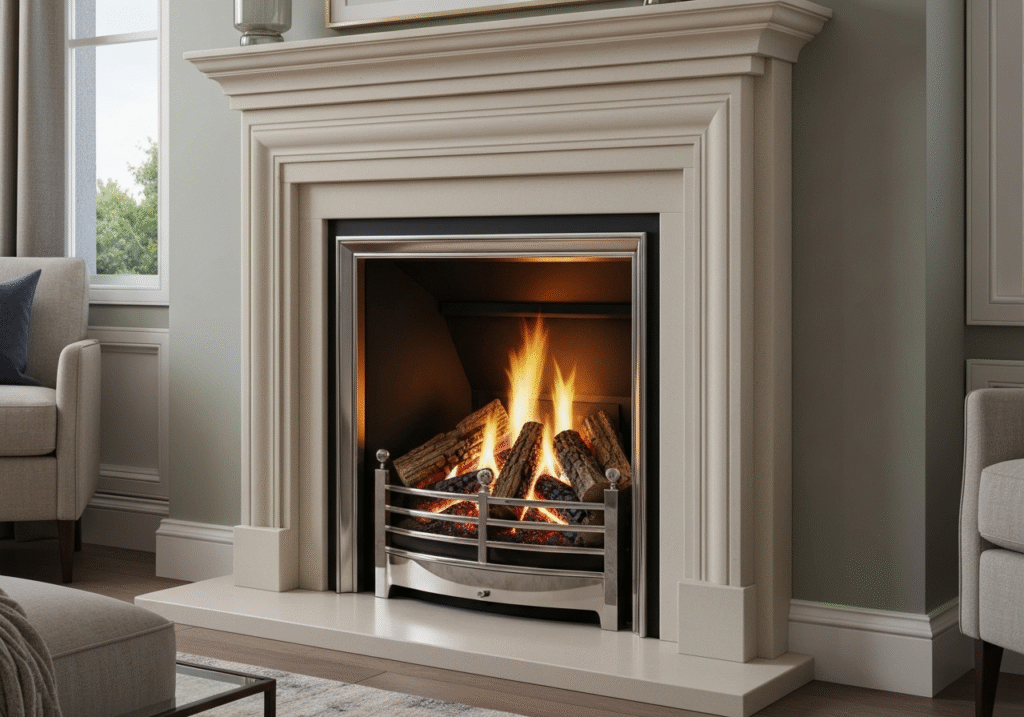
Even when following proper procedures, you may encounter issues when attempting to light your pilot light. Here are common problems and their solutions.
Pilot Light Won’t Ignite
If you cannot get the pilot light to ignite at all:
- Check gas supply: Verify that the main gas valve to the fireplace is fully open . Also check if other gas appliances in your home are working—if not, the issue may be with your home’s gas supply .
- Inspect for air in the gas line: If the fireplace hasn’t been used for an extended period (such as over the summer), air may have entered the gas line . Hold the pilot button down longer to purge the line—you may need to wait until you detect a gas smell indicating pure gas has reached the pilot assembly .
- Examine the igniter: For piezoelectric systems, listen for a strong clicking sound when pressing the igniter button. If the sound is weak or absent, the igniter may need replacement .
Pilot Lights But Won’t Stay Lit
If the pilot ignites but extinguishes when you release the control knob:
- Extend the holding time: The most common cause is insufficient heating of the thermocouple. Try holding the knob down longer (up to 90 seconds) before releasing .
- Check thermocouple alignment: Ensure the pilot flame is directly contacting the thermocouple tip. If the flame is misdirected, the thermocouple won’t heat properly .
- Clean the thermocouple: A dirty thermocouple may not generate sufficient voltage. Turn off the gas and gently clean the thermocouple with a soft cloth or fine-grit sandpaper .
- Test the thermocouple: If cleaning doesn’t help, the thermocouple may need replacement. This typically requires professional assistance .
Weak or Flickering Pilot Flame
A pilot flame should be steady and blue. If it’s weak, yellow, or flickering:
- Clean the pilot orifice: Dust, soot, or debris may be clogging the pilot tube opening . Turn off the gas and use compressed air or a soft brush to clean the orifice .
- Check for drafts: Air currents from nearby windows, vents, or fans can disrupt the pilot flame . Eliminate drafts if possible.
- Verify gas pressure: Low gas pressure can cause a weak flame. Contact your gas provider or a technician if you suspect this issue .
Main Burner Won’t Ignite When Pilot Is Lit
If the pilot stays lit but the main burner won’t ignite:
- Check the thermopile: The thermopile generates electricity to open the main gas valve. If it’s faulty, the main burner won’t ignite despite a functioning pilot . This typically requires professional testing and potential replacement.
- Inspect wall switches/controls: Faulty wall switches, remote controls, or thermostats can prevent the main burner from igniting . Check batteries in remote controls and ensure connections are secure.
- Look for blocked burner ports: Debris in the main burner ports can prevent ignition. Carefully clean ports with a soft brush when the system is off and cool .
Table: Common Pilot Light Problems and Solutions
Section 6: When to Call a Professional
While many pilot light issues can be resolved with DIY methods, some situations require professional expertise. Recognizing these scenarios is crucial for your safety and the proper functioning of your fireplace.
Situations Requiring Professional Assistance
Contact a qualified technician if you encounter:
- Persistent gas odor: If you smell gas even when the pilot is off, or if the odor persists after successful lighting
- Pilot light won’t stay lit: After multiple attempts with proper technique, including holding the knob for extended periods
- Yellow or orange pilot flame: A consistently yellow or orange flame (rather than primarily blue) indicates incomplete combustion, which can produce carbon monoxide
- Suspected thermocouple or thermopile failure: These components typically require professional testing and replacement
- Gas valve issues: If the control knob is difficult to turn, doesn’t stay in position, or appears damaged
- Unusual noises: Hissing, whistling, or popping sounds that persist after lighting may indicate serious issues
- Water near the fireplace: Moisture in the drip loop or other components can indicate problems requiring professional attention
Finding a Qualified Professional
When selecting a technician:
- Choose certified specialists: Look for professionals certified by organizations like the National Fireplace Institute (NFI) or with specific gas fireplace training
- Verify insurance and licensing: Ensure the company is properly insured and licensed for gas work in your area
- Ask about experience: Inquire about specific experience with your fireplace brand or model
- Get multiple estimates: For non-emergency repairs, consider getting quotes from multiple providers
The Importance of Annual Maintenance
Even if you successfully light your pilot light, scheduling annual professional maintenance is recommended. A comprehensive service typically includes:
- Thorough cleaning of components including burner ports, pilot assembly, and glass
- Inspection of safety devices including thermocouple and thermopile
- Checking for gas leaks throughout the system
- Verifying proper ventilation and checking for carbon monoxide issues
- Testing overall system performance and efficiency
Regular maintenance can prevent many common pilot light problems and ensure your fireplace operates safely and efficiently throughout the heating season .
Section 7: Preventive Maintenance and Long-Term Care
Proper maintenance reduces the likelihood of pilot light problems and extends your fireplace’s lifespan. Incorporate these practices into your home maintenance routine.
Regular Cleaning Schedule
- Monthly during heating season: Visually inspect the pilot flame color and stability
- Annually (before heating season): Complete cleaning of the pilot assembly and surrounding components
- As needed: Clean glass doors and exterior surfaces with appropriate cleaners
Pilot Assembly Cleaning Steps
For basic pilot maintenance:
- Turn off gas supply completely at the dedicated fireplace valve
- Allow components to cool completely if the fireplace has been used recently
- Gently clean the pilot assembly using a soft brush or compressed air to remove dust, debris, and soot
- Inspect the thermocouple tip for soot buildup and clean gently with fine-grit sandpaper if necessary
- Verify proper flame alignment once relit to ensure the flame adequately contacts the thermocouple
Seasonal Considerations
- Summer shutdown: Some homeowners turn off the pilot during warm months to save gas (approximately $5-10 monthly) . However, leaving it on prevents spiders and insects from nesting in the pilot tube—a common cause of clogs .
- Fall startup: If you turn off the pilot for summer, allow extra time for the initial lighting in fall, as air may have entered the gas line
- Winter readiness: Test your pilot light early in the heating season to address any issues before cold weather arrives
Monitoring Flame Characteristics
Regularly observe your pilot flame for these ideal characteristics:
- Color: Primarily blue with a slight yellow tip
- Height: Consistent, approximately 1-2 inches tall
- Stability: Steady without flickering or wavering
Any significant deviation from these characteristics may indicate a need for cleaning or professional service.
Conclusion
Learning how to light pilot light gas fireplace systems is a valuable skill that ensures you can enjoy your fireplace whenever desired. By following the detailed steps outlined in this guide—prioritizing safety, methodically preparing, carefully executing the lighting process, and addressing common issues—you can confidently maintain this important household appliance. Remember that while many pilot light issues are resolvable through DIY methods, knowing when to call a professional is equally important for your safety and the longevity of your fireplace.
Regular maintenance and attentive observation of your pilot light’s performance will minimize problems and ensure many cozy seasons of reliable operation. When in doubt, always err on the side of caution—gas appliances demand respect and careful handling. With the knowledge gained from this comprehensive guide, you’re well-equipped to handle most pilot lighting situations safely and effectively.
Key Takeaways
- Safety first: Always check for gas leaks and ensure proper ventilation before attempting to light your pilot light
- Follow manufacturer instructions: Consult your specific model’s manual whenever possible, as procedures can vary
- Be patient with the process: Holding the control knob down for 30-60 seconds after ignition is crucial for allowing the thermocouple to heat properly
- Recognize when to call a professional: Persistent problems, gas odors, or yellow flames require expert attention
- Perform regular maintenance: Periodic cleaning and inspection prevent many common pilot light issues