
How to Turn On Gas Fireplace: Your No-Nonsense Guide to Cozy Warmth

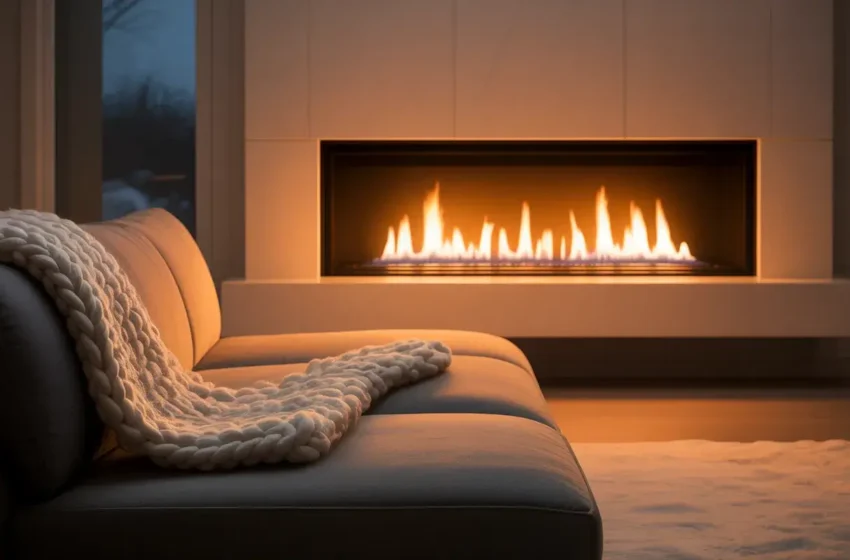
Look, I get it. You’re standing in front of your gas fireplace, maybe it’s your first winter in a new place, or perhaps you just had one installed, and you’re staring at it like it’s some sort of alien technology.
Don’t worry—I’ve been there, and honestly? Turning on a gas fireplace is way easier than you think.
Let me walk you through this like we’re grabbing coffee together, and I promise by the end of this, you’ll be a gas fireplace pro.
Why Gas Fireplaces Are Actually Awesome (Quick Pep Talk)
Before we dive into the how-to stuff, can we just appreciate gas fireplaces for a second? Unlike their wood-burning cousins that require you to channel your inner lumberjack, gas fireplaces are basically the “easy button” of home heating. No chopping wood, no dealing with ash everywhere, and—this is my favorite part—no smoke detectors going berserk at 2 AM.
I switched to a gas fireplace three years ago, and honestly, I should’ve done it sooner. The convenience factor alone is worth it. Plus, my living room doesn’t smell like a campground anymore (though some people are into that, no judgment).
Understanding Your Gas Fireplace Type (Because Not All Are Created Equal)
Here’s the thing: gas fireplaces come in a few different flavors, and knowing which one you have is kinda important before you start pushing buttons and turning knobs.
Standing Pilot vs. Intermittent Pilot Ignition (IPI)
Standing Pilot Systems are the old-school types. They’ve got a little flame that stays lit 24/7, just hanging out and waiting for you to need heat. Think of it like a pilot light on a water heater—always ready to go.
Intermittent Pilot Ignition (IPI) Systems are the newer, fancier versions. These don’t keep a flame burning all the time. Instead, they use electronic ignition to light up when you need them. More energy-efficient? Absolutely. Slightly more complicated? Maybe a tiny bit.
Manual vs. Remote Control Systems
Some fireplaces are manual—you’re getting up close and personal with the unit to turn it on. Others have remote controls or wall switches, which is basically living in the future. IMO, remote control systems are worth their weight in gold when you’re already cozy under a blanket and don’t want to move 🙂
FYI, if you’ve got a smart home setup, some modern gas fireplaces even integrate with those systems. Technology, am I right?
Safety First (Yeah, I Know, Boring But Necessary)
Okay, before we get to the fun part, we need to talk safety for a hot minute. I promise I won’t lecture you too hard, but gas is involved here, and we want to keep all your eyebrows intact.
Check for Gas Leaks
This is non-negotiable. If you smell gas (that distinctive rotten egg smell), do NOT attempt to light your fireplace. Get out of your house and call your gas company immediately. Seriously, don’t mess around with this.
When everything’s normal and you’re just doing routine lighting, it’s still smart to give the area a quick sniff before you start. Better safe than sorry, trust me.
Keep the Area Clear
Make sure there’s nothing flammable hanging out near your fireplace. No curtains, no paper, no random pile of magazines you’ve been meaning to read. Give it some breathing room.
Annual Inspections Are Your Friend
I know, I know—another thing to add to your adulting checklist. But getting your gas fireplace inspected annually by a professional is actually important. They’ll catch issues before they become problems, and you’ll sleep better knowing everything’s working correctly.
The Step-by-Step Guide to Lighting Your Gas Fireplace
Alright, here’s what you came for! Let’s get that baby fired up. I’ll break this down by fireplace type because, as we established, they’re not all the same.
For Standing Pilot Gas Fireplaces
This is the most common type, and once you’ve done it a couple times, it becomes second nature.
Step 1: Locate Your Control Panel
First things first—you need to find the control panel. It’s usually behind a metal panel at the bottom of your fireplace or sometimes tucked away on the side. You might need to remove a screen or decorative front to access it. Don’t worry, it’s designed to come off easily.
Step 2: Find the Gas Control Knob
Inside that panel, you’ll see a gas control knob. It typically has three positions: ON, OFF, and PILOT. There should also be a red igniter button nearby. If you’re lucky, there might even be instructions printed right there on the panel (though they’re usually in print so tiny you’ll need a magnifying glass, because apparently fireplace manufacturers hate our eyesight).
Step 3: Turn Everything to OFF
Start with the knob turned to OFF. Wait about five minutes before proceeding. This lets any built-up gas dissipate. I usually use this time to grab a snack or check my phone—multitasking at its finest.
Step 4: Switch to PILOT
Turn the knob to the PILOT position. You’ll need to push the knob down while you do this—it won’t turn otherwise. Keep holding it down; this is important for the next step.
Step 5: Press the Igniter Button
While still holding down the control knob, press that red igniter button repeatedly. You should hear clicking sounds—that’s the igniter sparking. Keep your eyes on the pilot light area (there’s usually a little window or you can see it through the logs). You’re looking for a small blue flame to appear.
Step 6: Keep Holding (Patience, Grasshopper)
Once you see the pilot light flame, keep holding that control knob down for about 30 seconds. This allows the thermocouple (a safety device) to heat up. If you let go too soon, the flame will go out, and you’ll have to start over. Been there, done that, got frustrated :/
Step 7: Release and Turn to ON
After 30 seconds, slowly release the knob. The pilot flame should stay lit. If it goes out, wait five minutes and repeat steps 3-6. If it stays lit (yay!), turn the knob from PILOT to ON.
Step 8: Adjust Your Flame
Now you should have a nice fire going! Most systems have a dial or knob that lets you control the flame height. Play around with it until you get the ambiance and heat you want.
For Intermittent Pilot Ignition (IPI) Systems
These are a bit simpler, actually, since they’re electronic.
Step 1: Make Sure You Have Power
IPI systems need electricity to work. Check that your fireplace is plugged in or that the circuit breaker hasn’t tripped. Sounds obvious, but you’d be surprised how many times this is the issue.
Step 2: Flip the Wall Switch or Use Your Remote
If you have a wall switch, flip it to ON. If you’ve got a remote, press the ON button. The system should automatically ignite the pilot light and then the main burner.
Step 3: Listen for the Magic
You should hear some clicking or humming as the igniter does its thing, followed by the whoosh of the gas igniting. It usually takes just a few seconds.
Step 4: Adjust as Needed
Use your remote or wall controls to adjust the flame height to your preference. These systems often have thermostats too, so you can set a specific temperature.
For Fireplace Systems with Wall Switches
Some gas fireplaces are wired to simple wall switches—basically the easiest thing ever.
Step 1: Make Sure the Pilot Light is On
Even with a wall switch, you usually need the pilot light burning. Follow the standing pilot instructions above to get that going if it’s not already lit.
Step 2: Flip the Switch
Literally just flip the wall switch to ON. That’s it. You’re done. Welcome to the future.
Step 3: Bask in Your Success
Seriously, if you have this setup, you’ve hit the jackpot. Enjoy your effortless fire.
Troubleshooting Common Issues (When Things Don’t Go According to Plan)
Let’s be real—sometimes things don’t work perfectly on the first try. Here are some common hiccups and how to fix them.
The Pilot Light Won’t Stay Lit
This is probably the most common frustration. If your pilot light keeps going out after you release the control knob, a few things could be going on.
The thermocouple might be dirty or positioned incorrectly. The thermocouple is that little metal probe near the pilot flame—it senses the heat and tells the gas valve it’s safe to stay open. If it’s not getting enough heat, it’ll shut off the gas.
Try cleaning it gently with fine sandpaper or a soft cloth. Make sure it’s positioned so the pilot flame is hitting it directly. Sometimes it gets knocked out of position, and a small adjustment is all you need.
No Spark from the Igniter
If you’re pressing the igniter button and getting nothing—no clicking, no spark—the igniter might be dead. Check if it needs batteries (some do). If it’s battery-powered and you replace them but still nothing, the igniter itself might need replacement.
You can also try lighting the pilot manually with a long lighter or match if your fireplace has an access point for this (check your manual). Just be super careful if you go this route.
You Smell Gas
Stop everything immediately. Turn off the gas supply to the fireplace. Open windows. Do not use anything electrical or create any sparks. Leave your home and call your gas company or a professional. This isn’t something to DIY your way through—gas leaks are serious business.
The Main Burner Won’t Light
If your pilot is lit but the main burner isn’t firing up, check that your control knob is fully turned to ON. Also verify that any thermostats are set high enough to actually call for heat. Sometimes it’s the simple stuff that gets us.
Maintaining Your Gas Fireplace (Keep the Good Times Rolling)
You want your fireplace to work reliably for years, right? A little maintenance goes a long way.
Annual Professional Cleaning
Yeah, I mentioned this before, but it’s worth repeating. Get a professional to clean and inspect your fireplace once a year. They’ll clean the burner, check the gas connections, test the safety features, and make sure everything’s running smoothly.
I schedule mine every fall before fireplace season kicks in. It’s one of those adulting tasks that’s actually worth doing.
Keep the Glass Clean
If your fireplace has glass doors, they’ll get sooty over time. Use a cleaner specifically designed for fireplace glass—regular glass cleaner won’t cut it. Clean glass makes your fire look better and lets more heat through.
Check Your Batteries
If you have a remote or battery-powered igniter, check those batteries periodically. There’s nothing more annoying than wanting to light your fireplace and discovering dead batteries.
Mind the Logs and Embers
Gas fireplace logs and embers can shift over time. Make sure they’re positioned correctly according to your manufacturer’s instructions. Improperly placed logs can affect how the fire looks and even how efficiently it burns.
Energy Efficiency Tips (Because Heating Bills Suck)
Gas fireplaces are generally pretty efficient, but here are some ways to maximize that efficiency.
Use the Blower Fan
If your fireplace has a blower fan, use it! It circulates the warm air throughout the room instead of letting it all rise to the ceiling. I didn’t use mine for the first month I owned my fireplace because I didn’t even know it was there—big mistake. The difference is noticeable.
Close the Damper on Your Wood Fireplace
If you have both a gas fireplace and a traditional wood-burning fireplace, make sure the damper on the wood fireplace is closed. An open damper is basically an open window letting all your heat escape.
Only Heat the Rooms You’re Using
This is more of a general heating tip, but if your gas fireplace can adequately heat your main living space, you might be able to turn down your central heating. We do this all the time—the fireplace heats the living room and kitchen area, and we keep the heat lower in bedrooms.
Consider a Programmable Thermostat
If your fireplace system is compatible, a programmable or smart thermostat can help you use it more efficiently. Set it to warm up before you get home or to lower at night when you’re sleeping.
When to Call a Professional (Know Your Limits)
I’m all for DIY projects, but some things are best left to the pros. Here’s when to make that call.
Installation and Major Repairs
Never, ever attempt to install a gas fireplace yourself unless you’re a licensed professional. The same goes for major repairs involving gas lines or electrical components. This isn’t the time to watch a YouTube tutorial and wing it.
Persistent Problems
If you’ve troubleshot an issue multiple times and it keeps happening, call someone. Repeatedly relighting a pilot that won’t stay lit isn’t just annoying—it could indicate a bigger problem that needs professional attention.
Annual Inspections
I know I sound like a broken record, but seriously—get that annual inspection. Professionals have the tools and knowledge to spot issues you’d never catch.
Converting from Pilot to IPI (Or Vice Versa)
Some people wonder if they can convert their standing pilot system to an IPI system. The answer is: maybe, but it’s definitely a job for a professional.
IPI systems can save you money on gas since they’re not burning a pilot light 24/7. In my area, that can add up to about $40-60 per year in savings. Whether that’s worth the conversion cost depends on your situation.
Talk to a fireplace technician about your options. They can tell you if your specific model can be converted and what it would cost.
Final Thoughts: You’ve Got This!
See? I told you turning on a gas fireplace wasn’t that complicated. Once you’ve done it a few times, it becomes totally automatic. You won’t even think about the steps—you’ll just do them.
The key things to remember are: safety first (always), wait those five minutes after turning to OFF, hold that control knob down long enough when lighting the pilot, and don’t be afraid to call a professional when you need one.
Now get out there and enjoy the cozy warmth of your gas fireplace. There’s something incredibly satisfying about the ambiance of a fire without all the work of a wood-burning fireplace.
Trust me, once you get the hang of it, you’ll wonder why anyone still messes with firewood.
And hey, if you have any issues or questions, most fireplace manufacturers have customer service lines. Don’t hesitate to use them—they’ve heard it all before, and they’re usually pretty helpful.