10 Cozy Interior Design Styles Ideas for Comfortable Living
- Home Interior Design
 Ben
Ben- 0
- 35 minutes read
So you’re staring at your living room thinking “this needs… something,” but you can’t quite put your finger on what. Trust me, I’ve been there.
I once spent three months living with a bright orange accent wall because I couldn’t decide on a design direction. Spoiler alert: orange wasn’t it.
Finding your interior design style feels like taking a personality quiz that actually matters.
After years of helping friends figure out why their spaces felt “off” and transforming my own home through multiple identity crises, I’ve learned that understanding different design styles is the secret to creating spaces that actually feel like you. Not your Pinterest board, not that influencer you follow – you.
These ten interior design styles represent the major players in the design world, each with its own personality, rules (that you can totally break), and devoted followers.
Whether you’re a minimalist at heart or a maximalist in denial, understanding these styles will help you create a home that makes sense, looks intentional, and most importantly, makes you happy every time you walk through the door.
1. Modern Minimalist Interior Design Styles
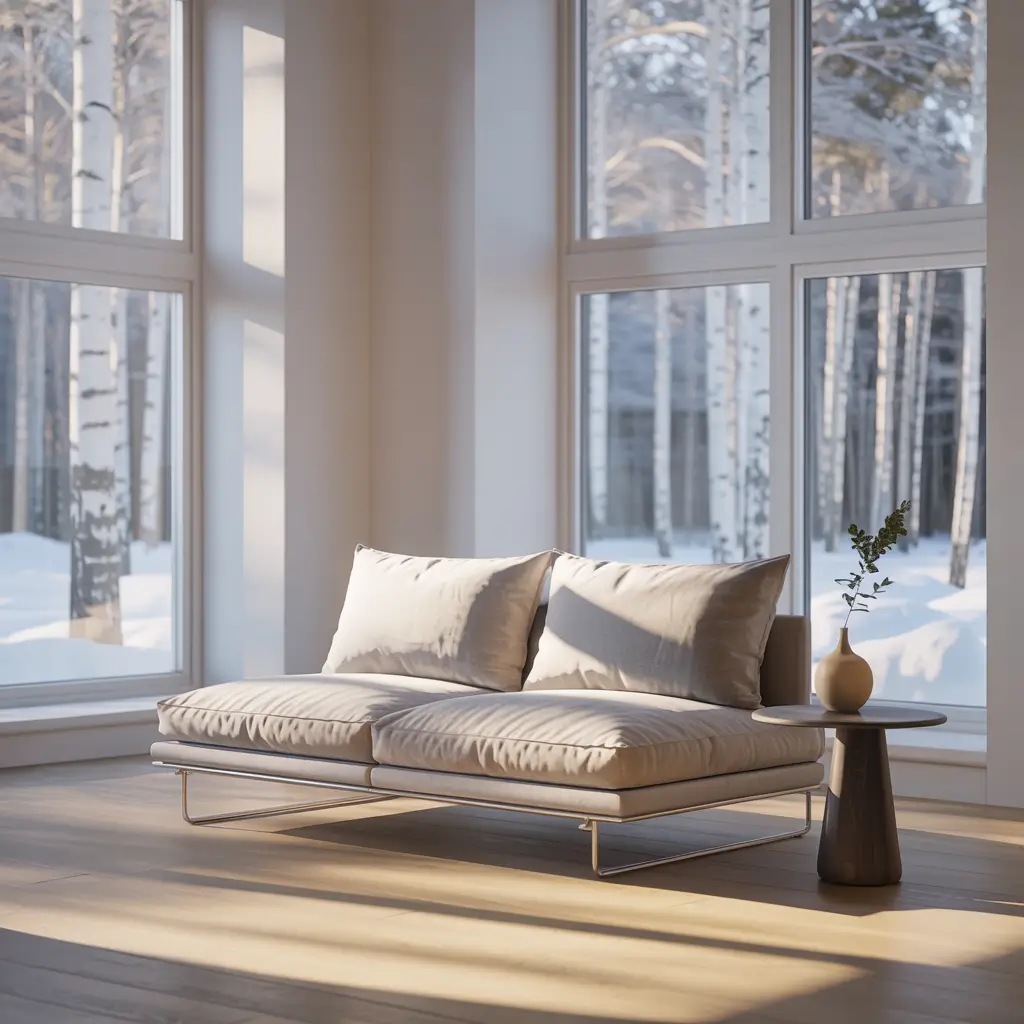
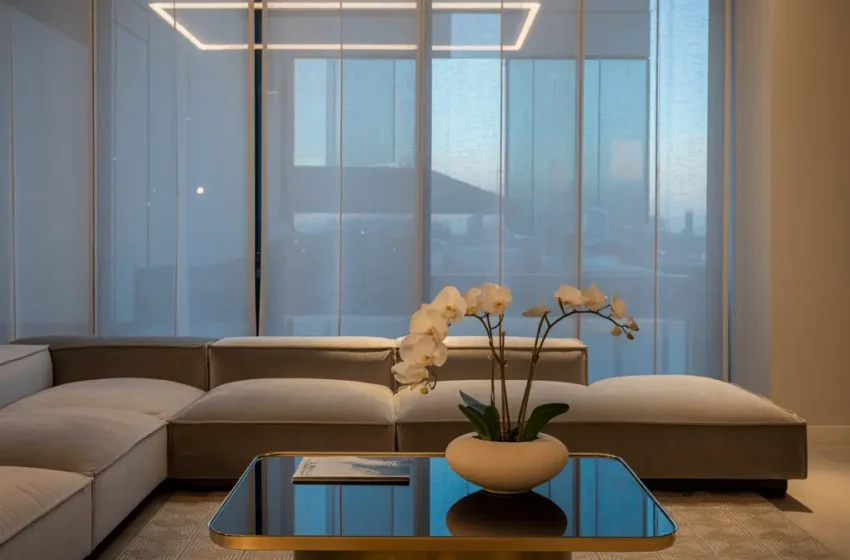
Modern minimalist design strips everything down to only what’s essential, beautiful, and functional. This isn’t about living in an empty white box – it’s about being intentional with every single thing you allow into your space.
The philosophy behind minimalism changed how I think about my home entirely. Every item needs to earn its place through either function or joy, preferably both. That decorative bowl that just collects dust? Gone. The sleek console table that holds your keys and looks like sculpture? That stays. I purged probably 70% of my belongings when I went minimalist, and weirdly, my space feels bigger and richer now.
Color palettes in minimalist design stick to neutrals, but neutrals doesn’t mean boring. Different shades of white, gray, beige, and black create depth through subtle variation. My minimalist bedroom uses four different whites – yes, they’re all different – and the layering creates more visual interest than my old colorful chaos ever did.
Key Elements of Modern Minimalism
Essential components for the look:
- Clean lines without ornamental details
- Hidden storage keeping surfaces clear
- Quality over quantity in every choice
- Natural light maximized throughout
- Neutral color schemes with perfect execution
- Negative space as a design element
The biggest misconception about minimalism? That it’s cold or impersonal. Good minimalist design feels warm through textures and materials – think cashmere throws, natural wood, soft linens. The warmth comes from quality, not quantity.
2. Cozy Scandinavian Home Style Ideas
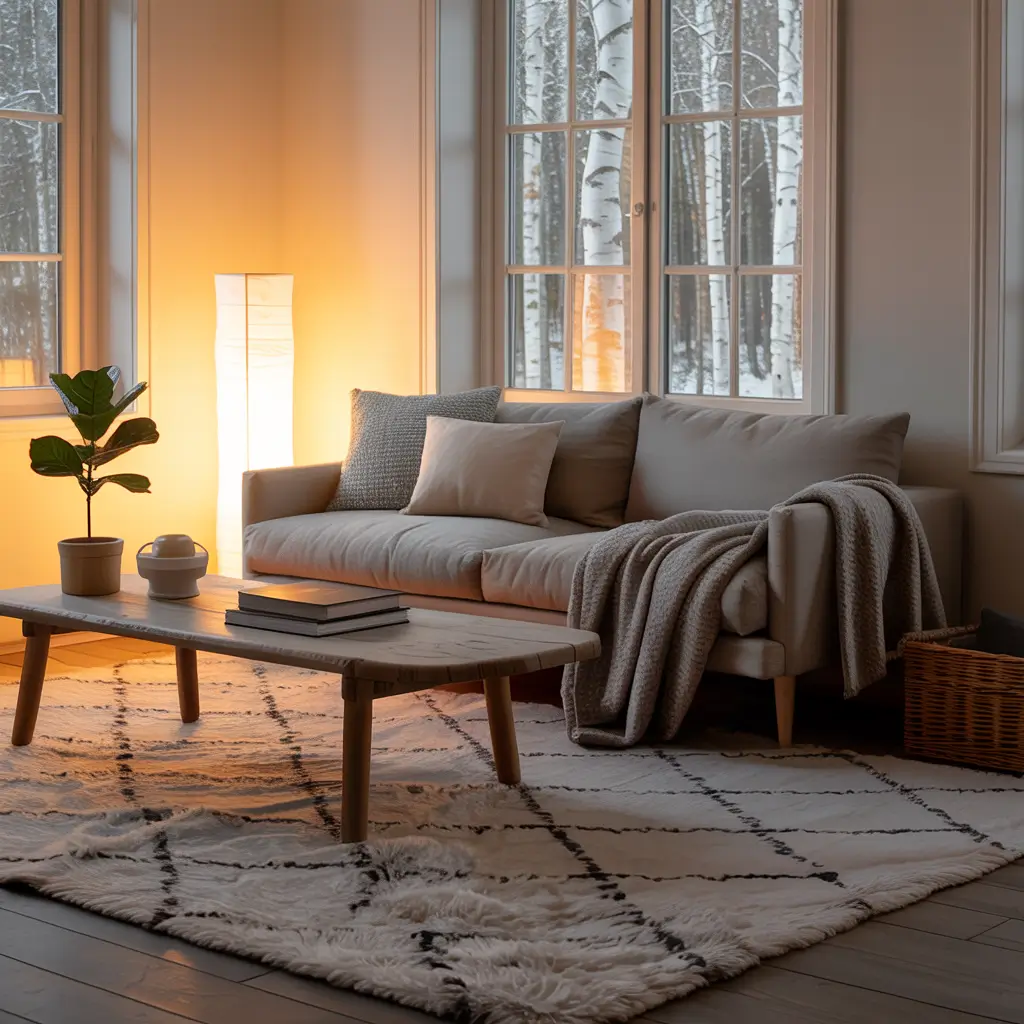
Scandinavian style makes you want to curl up with hot cocoa even in July. It’s minimalism’s friendlier cousin – still clean and uncluttered but with way more texture, warmth, and that magical hygge everyone keeps talking about.
The color palette defines Scandinavian style immediately. Whites and light grays dominate, with natural wood tones adding warmth and occasional black accents for contrast. But here’s what nobody tells you – Scandinavian design works because of the textures, not the colors. Chunky knit blankets, sheepskin rugs, rough linen curtains – these create the cozy factor that makes the style so appealing.
Functionality drives every Scandinavian design choice. Beautiful objects that actually work define the aesthetic. That gorgeous wooden cutting board doubles as serving platter. The minimal coat rack is also sculpture. My Scandinavian-inspired entryway has three pieces of furniture total, but each one works hard and looks beautiful doing it.
Creating Scandinavian Coziness
Building hygge at home:
- Layered textiles for warmth and texture
- Natural materials like wood and wool
- Warm lighting through multiple sources
- Simple furniture with clean lines
- Plants and greenery bringing life inside
- Minimal clutter but maximum comfort
The lifestyle aspect matters here. Scandinavian design encourages slow living – reading by the fireplace, long dinners with friends, afternoon fika breaks. The design supports the lifestyle, not vice versa.
3. Elegant Classic Interior Design Styles
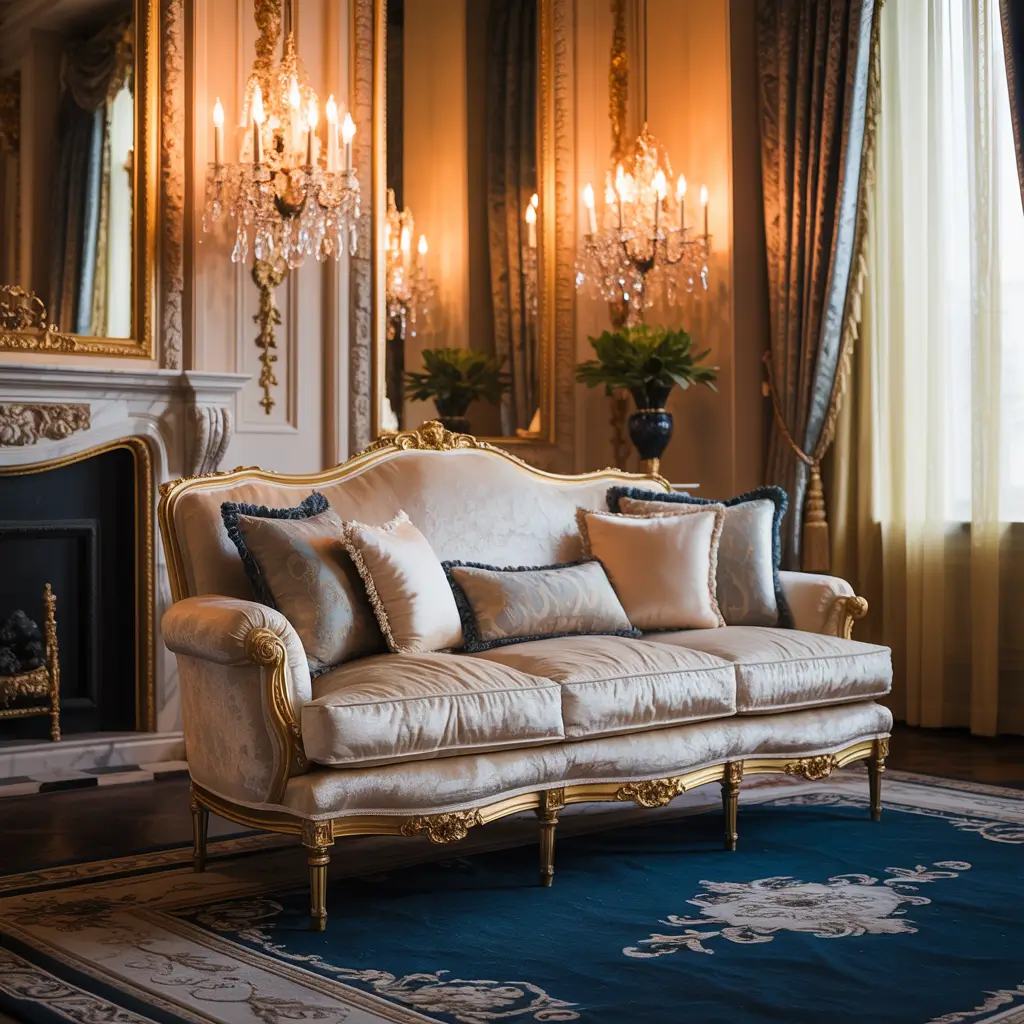
Classic interior design brings timeless elegance that never goes out of style. This is the design equivalent of a little black dress – always appropriate, always sophisticated, never trendy but never dated either.
Traditional elements define classic style. Crown molding, wainscoting, formal furniture arrangements – these create rooms that feel established and refined. I added crown molding to my dining room last year, and suddenly it went from “place where we eat” to “dining room worthy of dinner parties.” The transformation was shocking.
Symmetry rules in classic design. Matching lamps on matching side tables flanking the sofa, centered artwork, balanced arrangements – everything has a partner and a place. This might sound rigid, but the predictability actually feels calming. Your eye knows where to go, nothing jars or surprises.
Classic Design Foundations
Timeless elements that always work:
- Rich wood furniture with quality craftsmanship
- Formal furniture arrangements creating conversation areas
- Traditional patterns like damask or toile
- Layered window treatments combining function and beauty
- Antiques and heirlooms adding authenticity
- Neutral backgrounds with rich accent colors
The investment factor is real with classic design. Quality pieces cost more upfront but last generations. That solid wood dresser might hurt your wallet now, but your grandkids will fight over it someday.
Also Read: 10 Unique Luxury Interior Design Ideas to Transform Homes
4. Bohemian Chic Room Inspiration
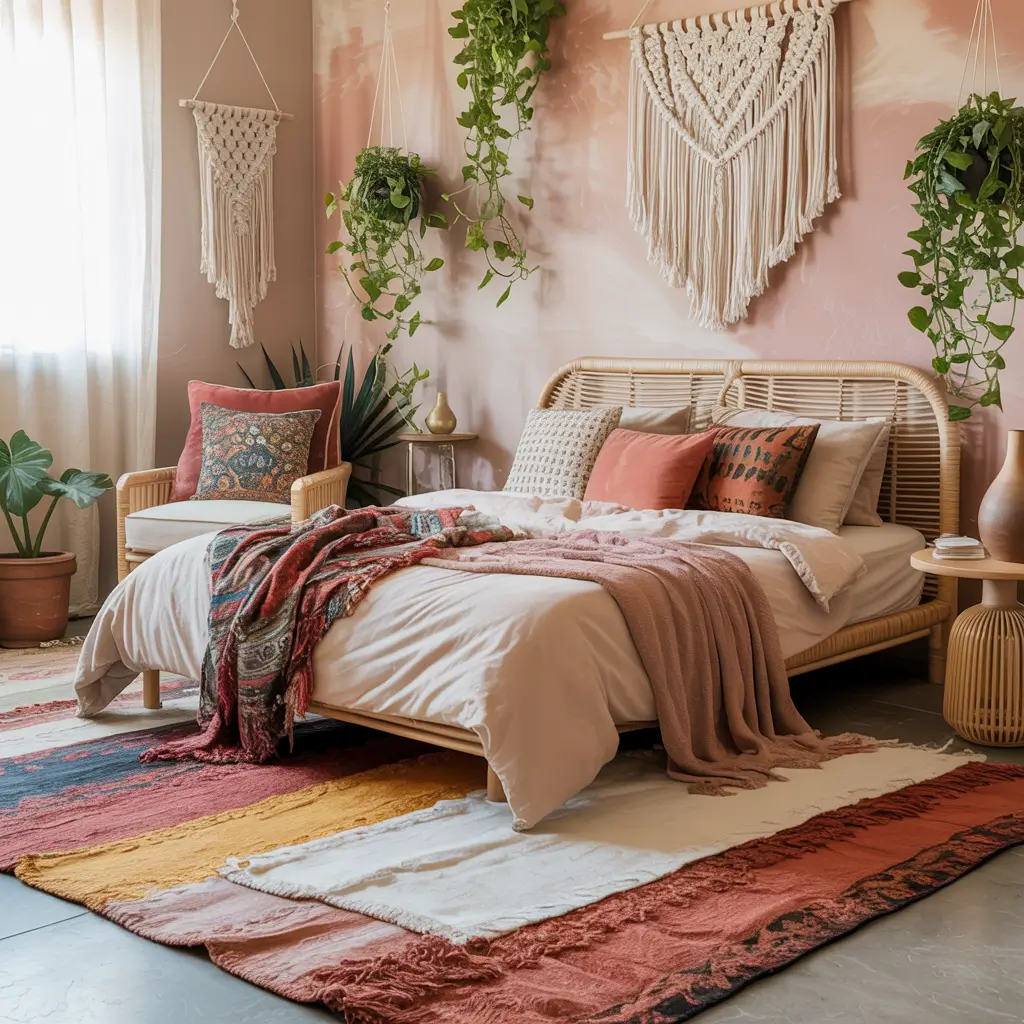
Bohemian style throws every rule out the window and somehow makes chaos look intentional and inviting. It’s maximalism with a purpose, global inspiration with personal meaning, and probably the most forgiving style for those of us who can’t stick to one aesthetic.
Layering defines bohemian interiors. Rugs on rugs, pillows on pillows, patterns on patterns – but there’s method to the madness. The key is finding a common thread, whether it’s a color family, a texture theme, or a cultural inspiration. My bohemian guest room has probably fifteen patterns happening, but they all share warm earth tones that tie everything together.
Personal collections shine in bohemian spaces. Travel souvenirs, flea market finds, inherited treasures – everything tells a story. This isn’t about buying a “boho room” from a catalog. It’s about displaying your journey, your interests, your weird obsession with vintage brass animals (just me?).
Bohemian Style Essentials
Creating organized chaos:
- Mixed patterns that somehow work together
- Global textiles from various cultures
- Plants everywhere – seriously, everywhere
- Low seating options like floor cushions
- Vintage and antique pieces with history
- Warm, rich colors creating depth
The maintenance reality? Bohemian rooms require constant editing or they tip from eclectic to hoarder. The line is thinner than you’d think.
5. Industrial Loft Interior Design Ideas
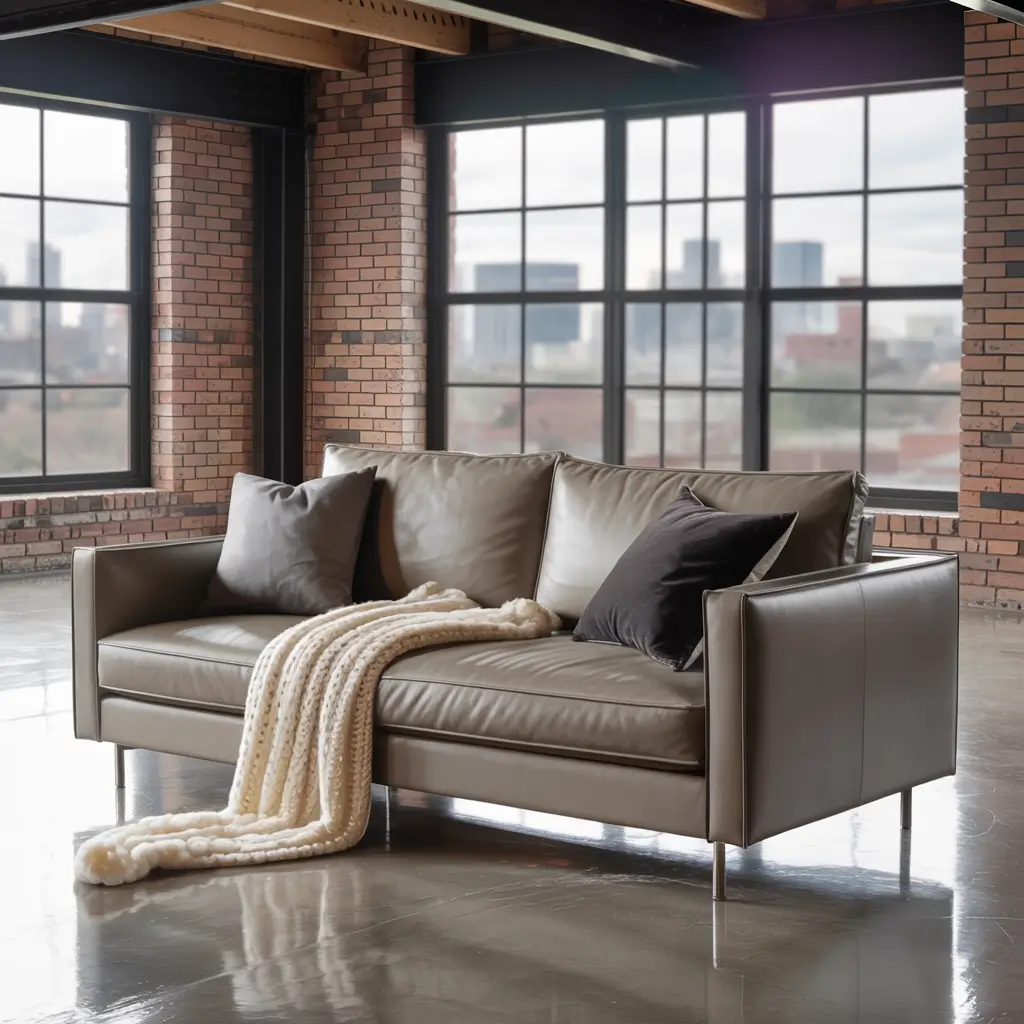
Industrial design celebrates raw materials and urban grit in a way that makes exposed pipes look intentional instead of unfinished. This style turned necessity (converting old warehouses to living spaces) into the ultimate urban aesthetic.
Raw materials define industrial spaces. Exposed brick, concrete floors, visible ductwork, metal fixtures – everything that’s usually hidden becomes the decoration. My friend’s industrial loft keeps the original factory windows, complete with rust stains. What would be a problem in other styles becomes character here.
The color palette stays neutral but not boring. Blacks, grays, browns, and rust tones create depth without competing with the architectural elements. Pops of color come through art or a single statement piece, not through the foundational design.
Industrial Design Components
Urban elements that work:
- Exposed structural elements as features
- Metal and wood combinations throughout
- Open floor plans without unnecessary walls
- Vintage industrial furniture or good reproductions
- Edison bulb lighting for warm ambiance
- Minimal window treatments maximizing light
The comfort challenge is real. Industrial spaces can feel cold without soft elements to balance the hard materials. Leather, wool, and soft textiles prevent your loft from feeling like an actual warehouse.
6. Mid-Century Modern Style Interiors
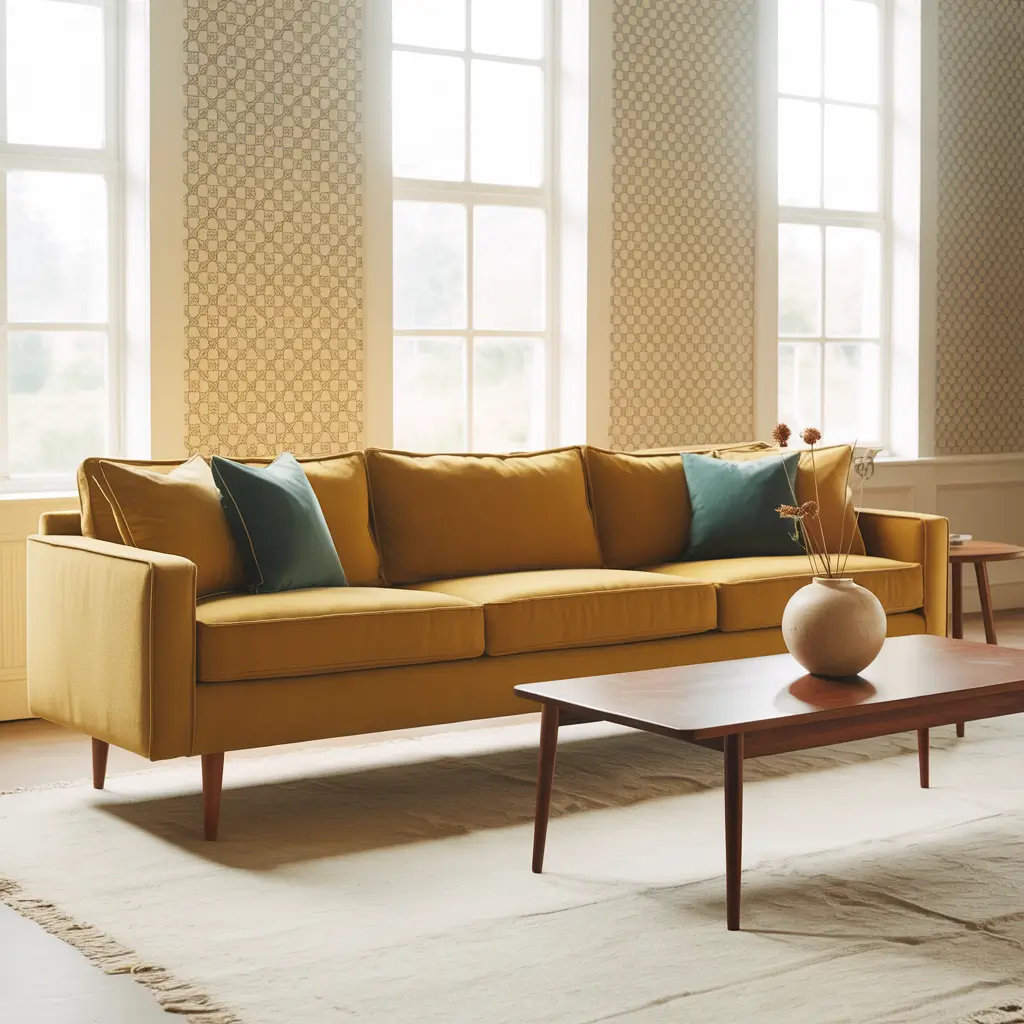
Mid-century modern design proves that the 1950s and ’60s absolutely nailed furniture design. This style manages to look both retro and futuristic, which shouldn’t be possible but totally works.
Clean lines with organic curves define mid-century modern. Furniture legs taper, backs curve, edges soften – but everything stays streamlined. I bought my first mid-century modern chair at an estate sale, and suddenly understood why people obsess over this stuff. The proportions just feel right.
The color palette mixes natural and bold. Warm woods meet orange, turquoise, or mustard yellow in combinations that shouldn’t work but absolutely do. My mid-century inspired living room pairs walnut furniture with burnt orange accents, and visitors always comment on how “happy” the room feels.
Mid-Century Modern Markers
Defining characteristics:
- Tapered furniture legs on everything
- Mixed materials like wood and metal
- Geometric patterns in textiles and art
- Indoor-outdoor connection through large windows
- Functional simplicity without ornament
- Statement lighting from the era
FYI, authentic mid-century pieces have become seriously expensive. Good reproductions capture the style without requiring a second mortgage.
Also Read: 12 Modern Clinic Interior Design Ideas for Sleek Layouts
7. Rustic Farmhouse Home Decor Ideas
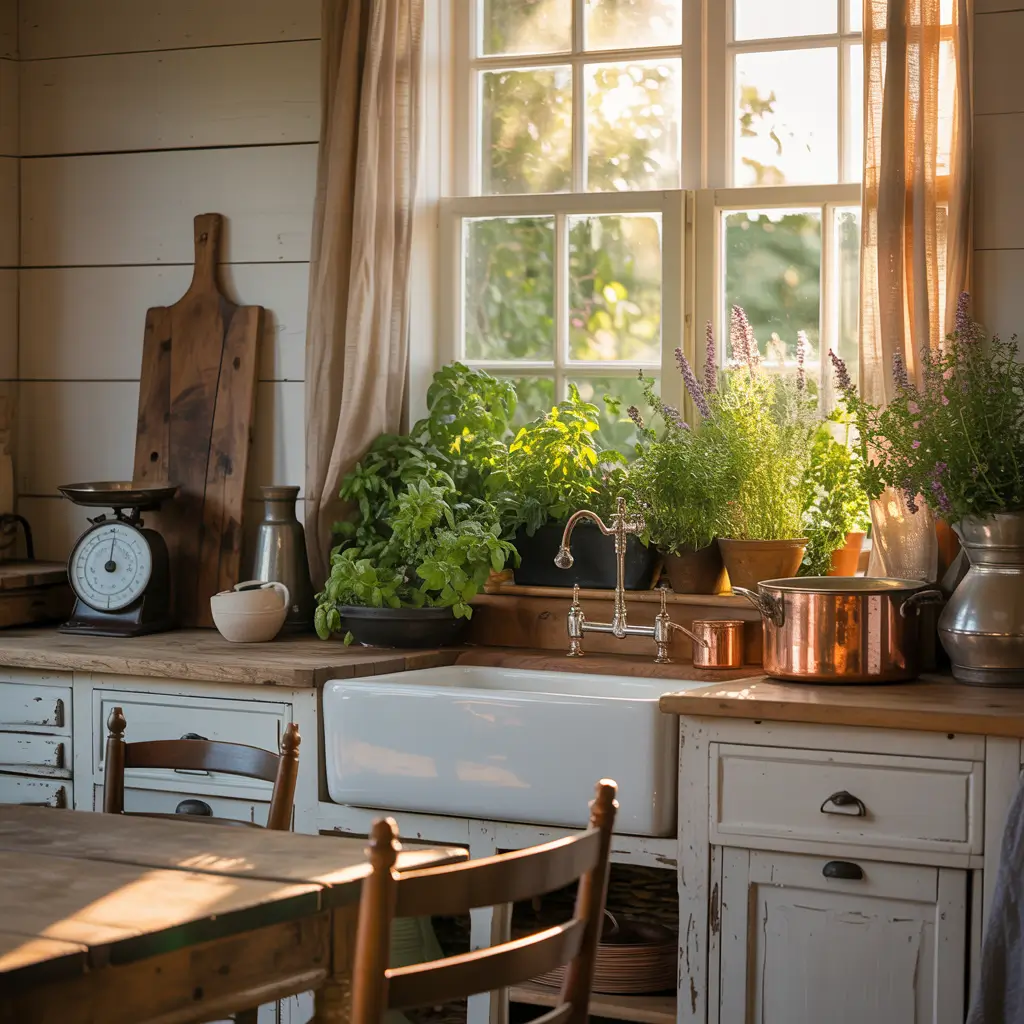
Rustic farmhouse style brings countryside charm to any location, even if your nearest farm is the grocery store produce section. This isn’t about actual farming – it’s about the warmth and authenticity we associate with rural life.
Natural materials dominate farmhouse design. Reclaimed wood, wrought iron, natural stone – everything looks like it has a history. I used reclaimed barn wood for an accent wall, and the character it adds makes every other wall look boring by comparison.
The modern farmhouse evolution saved this style from kitsch. Clean lines meet rustic materials for spaces that feel current, not like museum recreations. Shiplap doesn’t have to be everywhere, mason jars aren’t mandatory, and you can skip the rooster decorations entirely.
Farmhouse Style Staples
Rural charm without the clichés:
- Natural wood elements throughout
- Neutral color palettes with white predominating
- Mixed metals like copper and iron
- Vintage or antique accessories with purpose
- Practical furniture that looks lived-in
- Cozy textiles like buffalo check or grain sack
The authenticity factor matters. Real farmhouse style comes from function, not just aesthetic. Every element should look like it serves a purpose.
8. Contemporary Luxury Interior Styles
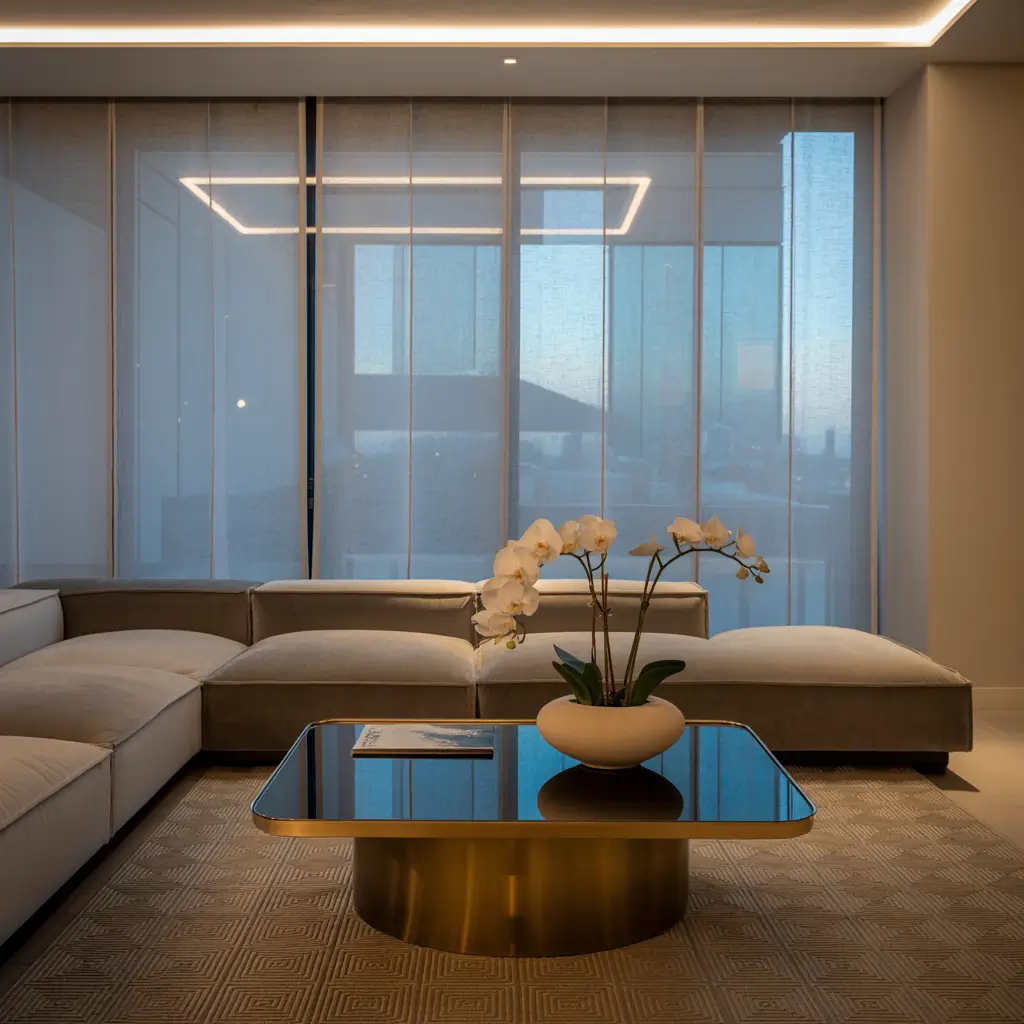
Contemporary luxury takes current design trends and elevates them with premium materials and flawless execution. This isn’t about showing off wealth – it’s about creating spaces that feel expensive through quality and sophistication.
The materials make contemporary luxury. Natural stone, hardwood, metals, glass – everything genuine, nothing fake. The difference between marble-look laminate and real marble might seem small in photos, but in person? Night and day. Trust me, I’ve tried both.
Technology integration defines modern luxury. Smart home systems, automated everything, hidden screens – the home works seamlessly while looking effortlessly elegant. My friend’s contemporary luxury home has a TV that rises from a cabinet. Excessive? Maybe. Cool? Absolutely.
Contemporary Luxury Elements
Sophisticated modern features:
- High-end materials throughout
- Custom millwork and built-ins
- Statement art pieces as focal points
- Designer furniture from recognized names
- Sophisticated lighting on multiple levels
- Seamless technology integration
The maintenance commitment is serious. Luxury materials require luxury care – but the daily experience of living with quality makes it worthwhile IMO :/
9. Eclectic Mix & Match Design Ideas
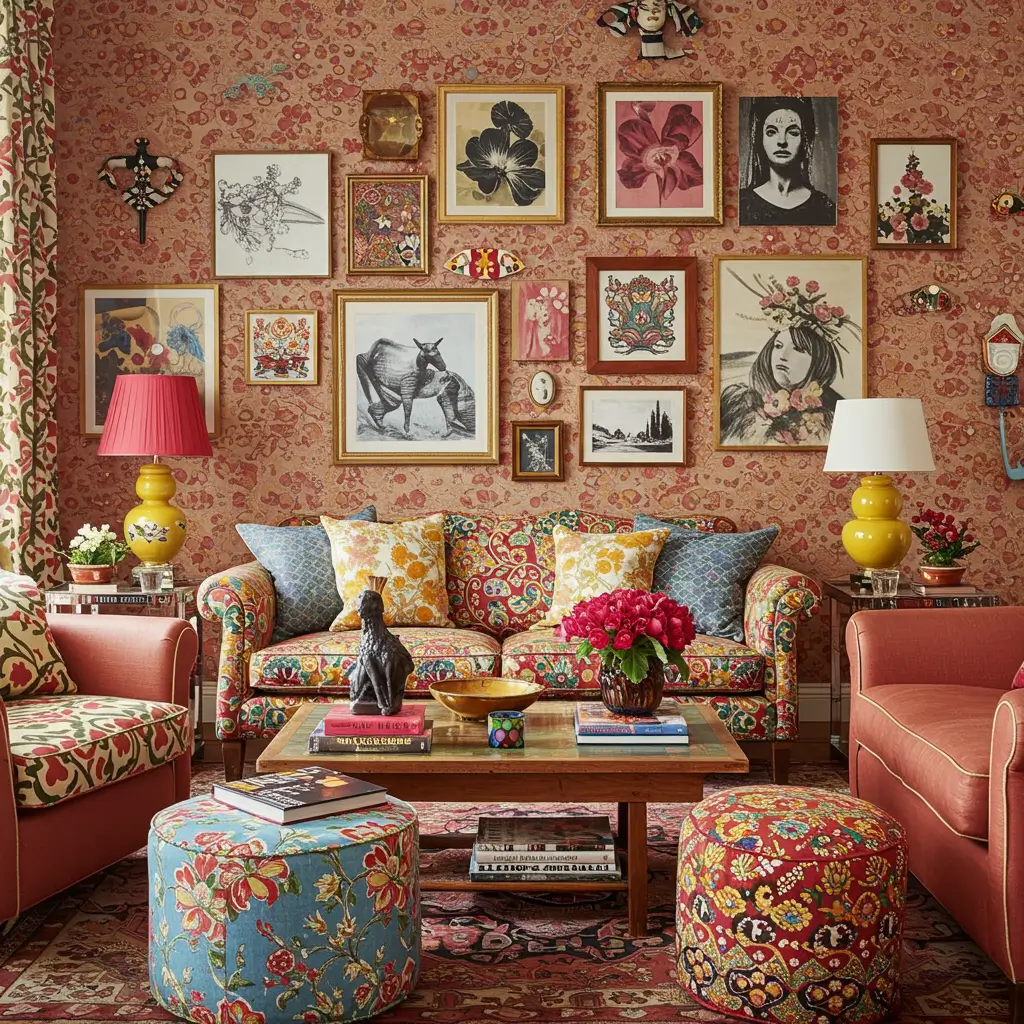
Eclectic design gives you permission to love what you love without apology. It’s organized chaos, intentional mixing, and probably the most personal style because it can’t be copied from a catalog.
The key to successful eclectic design? Finding unexpected connections between disparate elements. Maybe it’s a color that repeats, a shape that echoes, or a theme that ties things together. My eclectic living room combines Victorian, modern, and industrial pieces, but they all share brass accents that create cohesion.
Confidence makes eclectic work. You have to commit to the mix without second-guessing every combination. That antique Persian rug with the modern acrylic coffee table? If you love it, it works. The minute you start doubting, the whole thing falls apart.
Eclectic Design Principles
Making the mix work:
- Common threads linking different elements
- Balanced proportions despite different styles
- Intentional placement not random scatter
- Color coordination even with pattern mixing
- Quality pieces regardless of era or style
- Personal meaning behind choices
The editing process never ends with eclectic design. Constant refinement keeps it from becoming cluttered chaos. It’s a living style that evolves with you.
Also Read: 10 Inspiring Kitchen Interior Design Modern Ideas for Style
10. Coastal Beach House Interior Styles
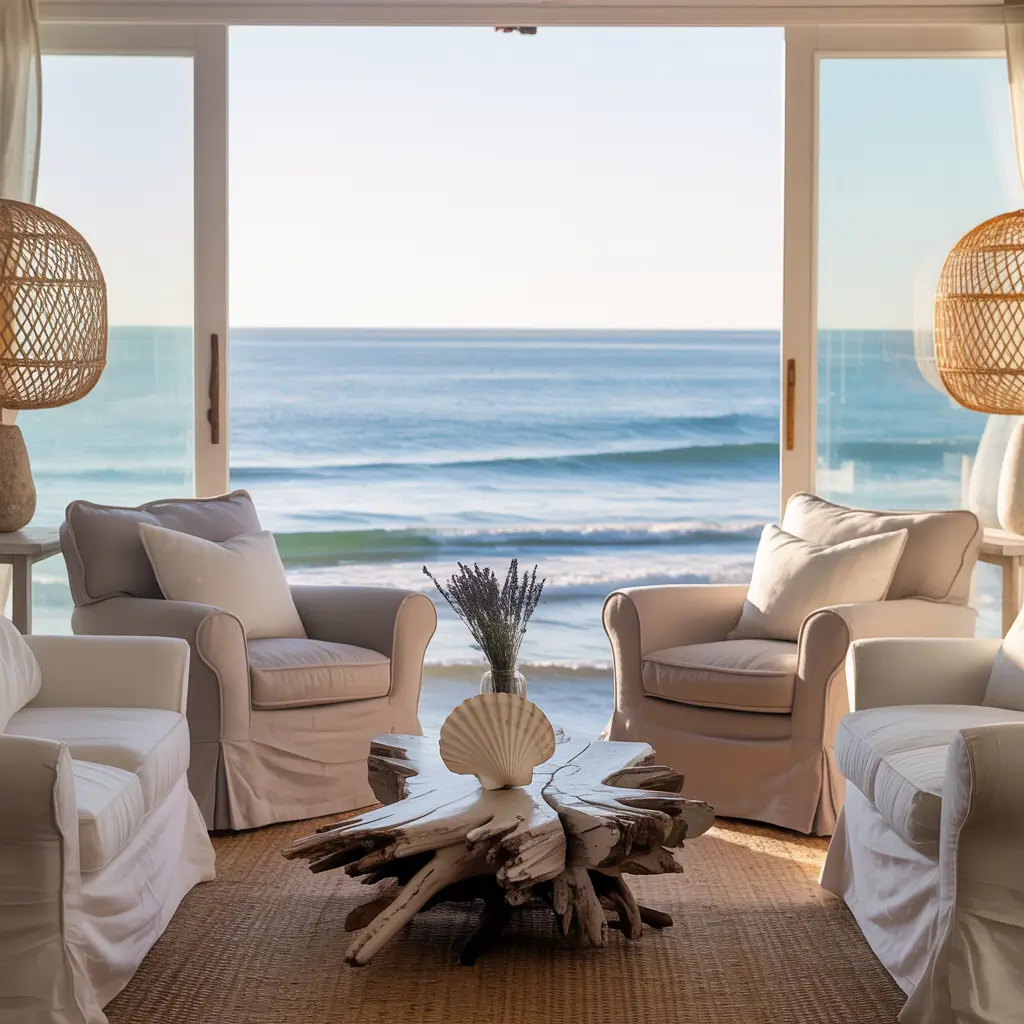
Coastal design brings ocean vibes inland without resorting to anchors and sailboats everywhere. Modern coastal style captures the feeling of beach living – relaxed, breezy, sun-bleached – without the tourist trap clichés.
The color palette stays ocean-inspired but sophisticated. Blues, whites, and sand tones create the foundation, but it’s the execution that matters. Navy instead of bright blue, oyster instead of stark white, driftwood gray instead of brown. My landlocked coastal bedroom feels more “beach house” than actual beach houses I’ve stayed in.
Natural textures define authentic coastal style. Rattan, jute, weathered wood, linen – materials that could survive salt air and sandy feet, even if they never have to. The textures tell the coastal story more than any decorative seahorse ever could.
Coastal Style Essentials
Beach vibes without the kitsch:
- Natural fiber rugs and textiles
- Weathered wood furniture or finishes
- Flowing curtains that catch breezes
- Natural light maximized throughout
- Casual furniture arrangements for relaxation
- Ocean-inspired art that’s subtle, not literal
The versatility surprises people. Coastal style works anywhere, not just beach towns. It’s about capturing a feeling, not copying a location.
Finding Your Design Style
After exploring these ten interior design styles, here’s the truth nobody talks about: most of us don’t fit neatly into one category.
Maybe you’re minimalist in the bedroom but bohemian in the living room. Perhaps you love Scandinavian simplicity with industrial edge. That’s not confusion – that’s personal style.
Start by identifying what resonates. Look at each style and note what appeals – not what you think should appeal, but what actually makes you excited. Your genuine reactions matter more than any design rules.
The best interiors combine elements from multiple styles while maintaining cohesion. Choose a dominant style then add accents from others that complement rather than compete.
My home is primarily Scandinavian with industrial touches and mid-century modern furniture. It shouldn’t work on paper, but it feels exactly right.
Remember that your interior design style should support your lifestyle, not complicate it. Choose styles that match how you actually live, not how you think you should live. Because at the end of the day, the best design style is the one that makes you love being home.
And if that means mixing farmhouse with contemporary luxury? Then that’s your style, and you should own it completely 🙂