12 Beautiful Study Room Design Ideas and Bright Nooks
- Bedroom Design
 Ben
Ben- 0
- 45 minutes read

Your current workspace probably feels like a trap. I know that feeling because I spent two years trying to answer emails from a couch that slowly devoured my spine.
My “desk” consisted of a precarious stack of books and a lukewarm coffee cup. Everything changed when I finally took my study room design seriously.
You deserve a space that fuels your brain rather than draining your battery. Designing a study room isn’t just about picking a chair that looks cool on Instagram.
It involves creating a psychological sanctuary where the outside world disappears and your best ideas finally have room to breathe.
I’ve experimented with every layout from hyper-minimalist to “botanical jungle,” and I’ve learned that the right environment can literally double your output.
Let’s walk through 12 study room design ideas that will transform your workspace from a cluttered corner into a high-performance hub.
Whether you have a whole spare room or just a tiny nook under the stairs, one of these concepts will definitely spark some inspiration.
1. Minimalist Scandinavian Study Nook
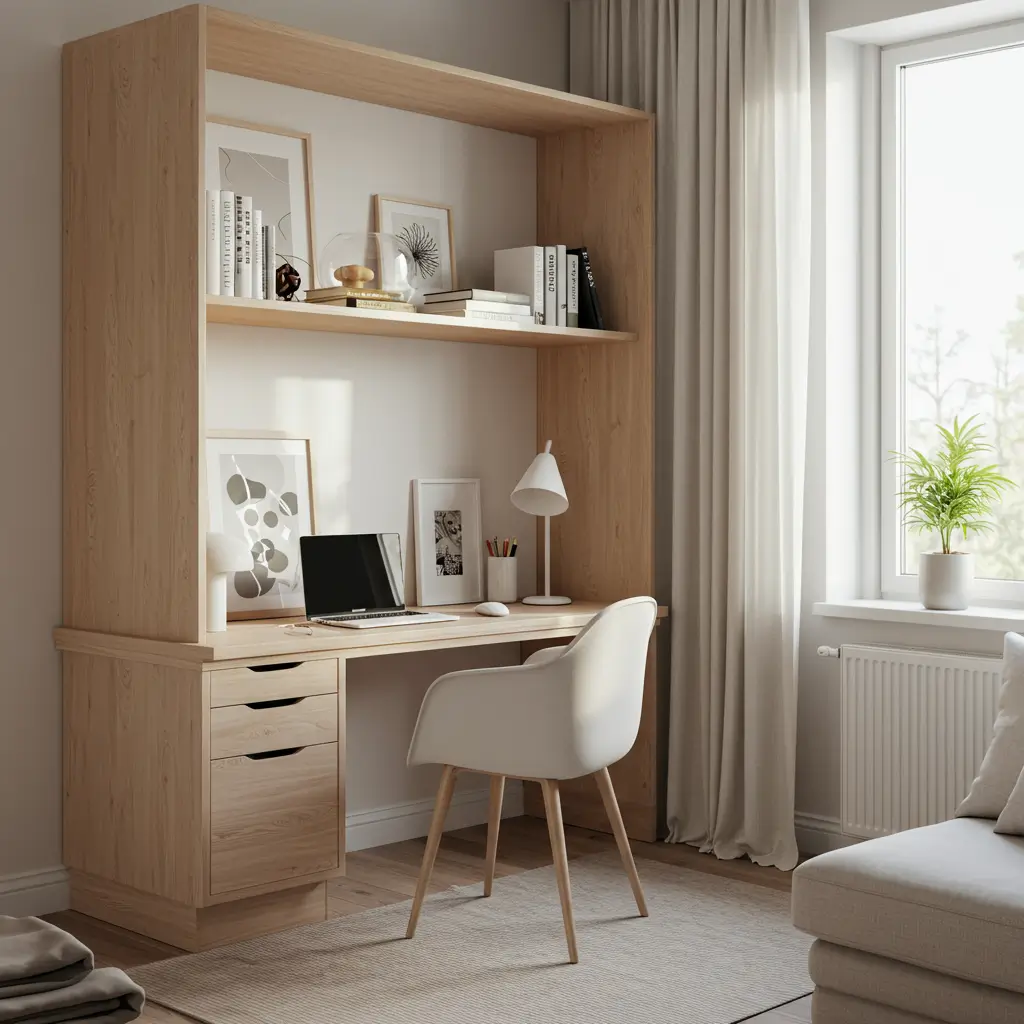
Scandinavian design rules the world for a reason. It focuses on clean lines, light colors, and natural materials. I love this style for a study room because it eliminates visual noise. If your eyes aren’t jumping between twenty different colors and textures, your brain stays locked on the task at hand.
Why White and Wood Work
The “White and Wood” combo creates a sense of peace that you won’t find in a traditional corporate office. I recommend a desk made of light oak or birch paired with a crisp white wall. This setup reflects natural light, making the room feel larger and much more inviting.
Key features of this design:
- Tapered furniture legs to create a sense of openness.
- Hidden cable management to keep the surface clutter-free.
- Sheer curtains that soften sunlight without blocking it.
- A single statement lamp with a matte finish.
Keep the Decor Purposeful
In a Scandi nook, every object needs to earn its place. I usually suggest adding just one high-quality ceramic vase or a simple wooden clock. Ever wondered why this works so well? It’s because simplicity reduces decision fatigue. When your environment is simple, your work becomes the most interesting thing in the room.
2. Cozy Rustic Study Corner
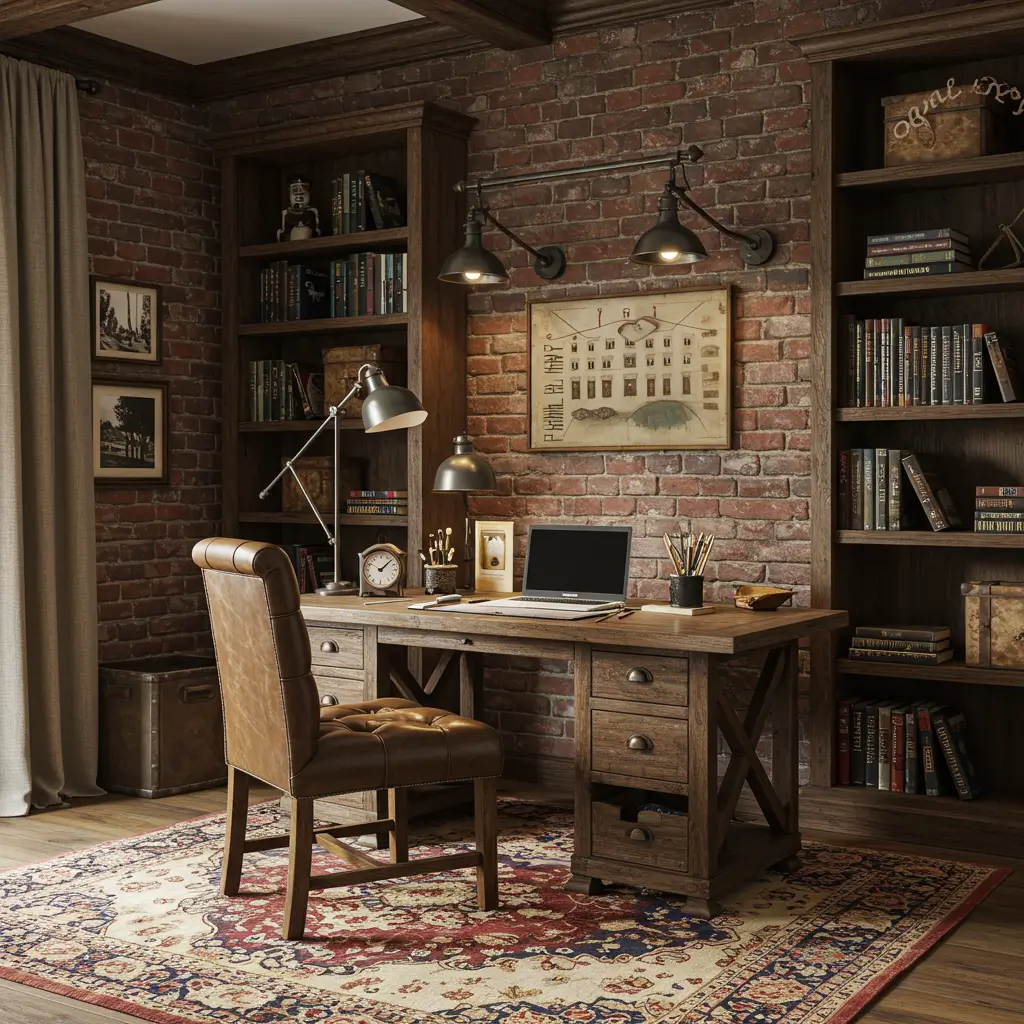
Maybe you find minimalism a bit too cold. If you crave warmth and history, the rustic study corner is your best bet. I once helped a friend turn an old attic corner into a rustic retreat, and he now refuses to work anywhere else. This style leans into textures that feel grounded and real.
Embracing Natural Imperfections
Rustic design celebrates the “unfinished.” Look for a desk with a live-edge wooden top or a reclaimed wood surface. The knots and grain patterns provide a tactile experience that plastic or metal simply cannot replicate.
Essential rustic elements:
- Woven baskets for filing papers and storing supplies.
- A leather desk mat that develops a beautiful patina over time.
- Warm-toned lighting (around 2700K) to mimic a fireplace glow.
- A vintage rug to add a layer of history underfoot.
The Psychology of Comfort
When you feel physically comfortable, your stress levels drop. I find that a rustic environment helps me tackle high-pressure projects without feeling overwhelmed. It’s like working inside a high-end cabin. Use antique brass hardware on your drawers to give the space a touch of old-world class.
3. Modern Industrial Desk Setup
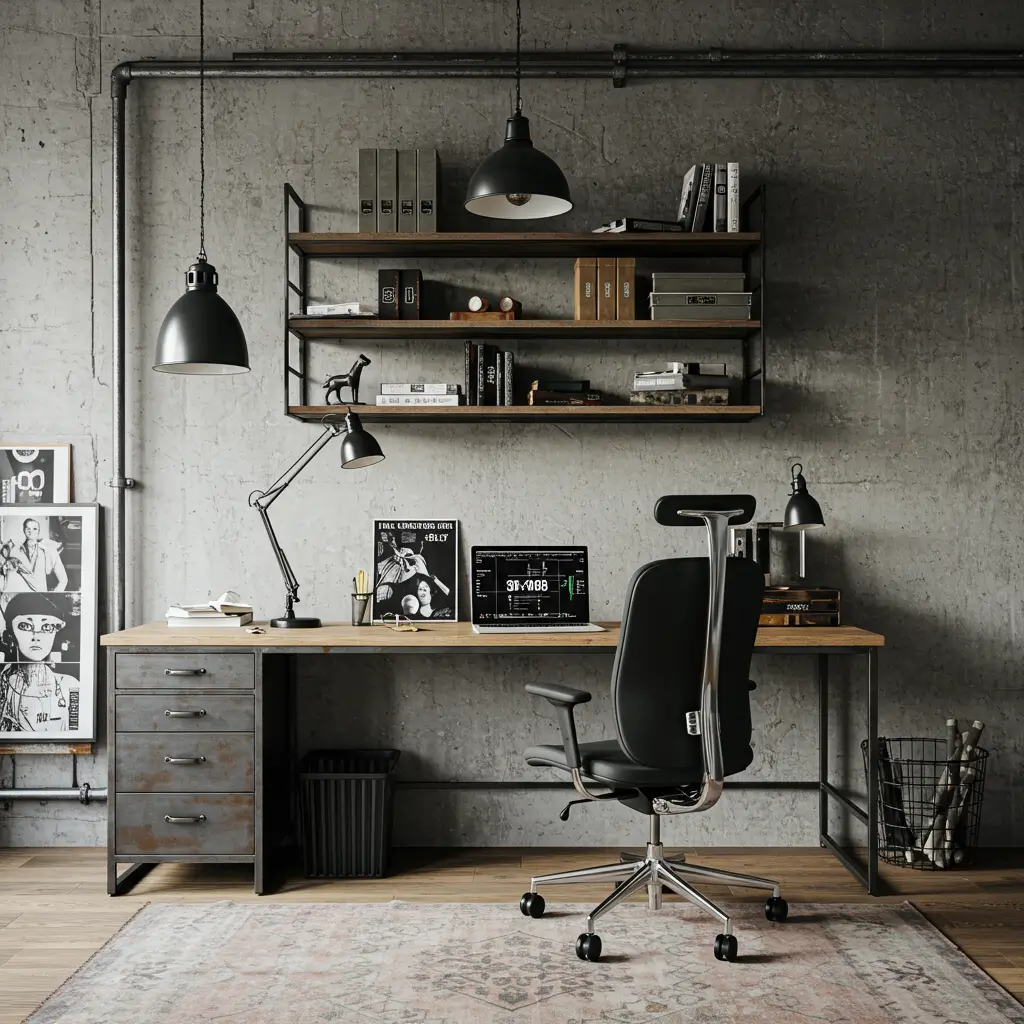
If you want a space that screams “serious business,” go industrial. This look uses raw materials like iron, steel, and exposed brick. It’s edgy, masculine, and incredibly sturdy. I personally use an industrial setup for my heavy-duty creative work because the furniture feels like it could survive a small earthquake.
The Power of Metal and Masonry
An industrial study room thrives on contrast. I recommend pairing a heavy black metal desk frame with a dark walnut or concrete-style top. If you don’t have real brick walls, don’t worry. High-quality brick-look wallpaper or even dark gray charcoal paint creates the same moody atmosphere.
What to look for in industrial furniture:
- Exposed bolts and joints for an architectural look.
- Wire mesh organizers instead of solid plastic bins.
- Edison bulb fixtures that cast a dramatic, amber light.
- Caster wheels on chairs or storage units for mobility.
Balancing the Edge
The danger with industrial design is that it can feel a bit too harsh. I always suggest adding a few potted succulents or a wool throw blanket. These small touches soften the metal edges without ruining the “warehouse loft” vibe. Contrast fuels visual interest, and in a study, it keeps you alert.
Also Read: 10 Stylish Study Room Decor Ideas with Smart Storage
4. Small Space Functional Study Room
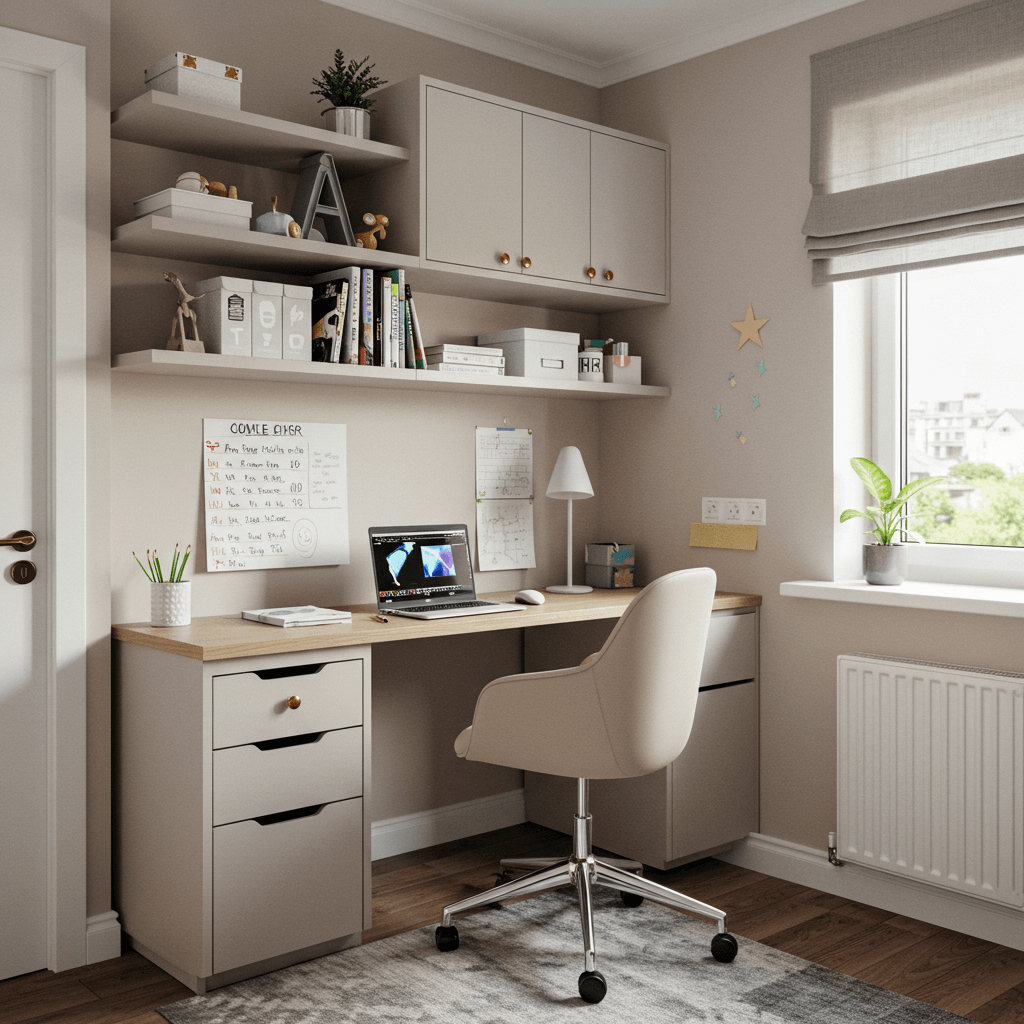
Not everyone has a 200-square-foot room to spare. Most of us are fighting for every inch. A small space functional layout requires you to think vertically. I lived in a tiny studio for three years, and I managed to build a fully functional office inside a closet. We call these “cloffices,” and they are absolute life-savers.
Maximize Your Vertical Real Estate
When floor space disappears, look up at your walls. I recommend installing floor-to-ceiling shelving around your desk. This allows you to store your books, printer, and files without eating up the area where your legs need to go.
Small space survival tips:
- Use a “Ghost Chair” (clear acrylic) to keep the room looking open.
- Install a sliding keyboard tray to free up your desk surface.
- Add a large mirror to bounce light and fake a larger room.
- Use corner desks to utilize often-wasted space.
Multi-Functional Thinking
Your desk might need to double as a vanity or a crafting station. I suggest buying modular storage boxes that you can swap out depending on the task. A small space doesn’t limit your potential; it just forces you to become an organization ninja. FYI, an organized tiny space usually yields more focus than a messy big room.
5. Bohemian Inspired Study Room
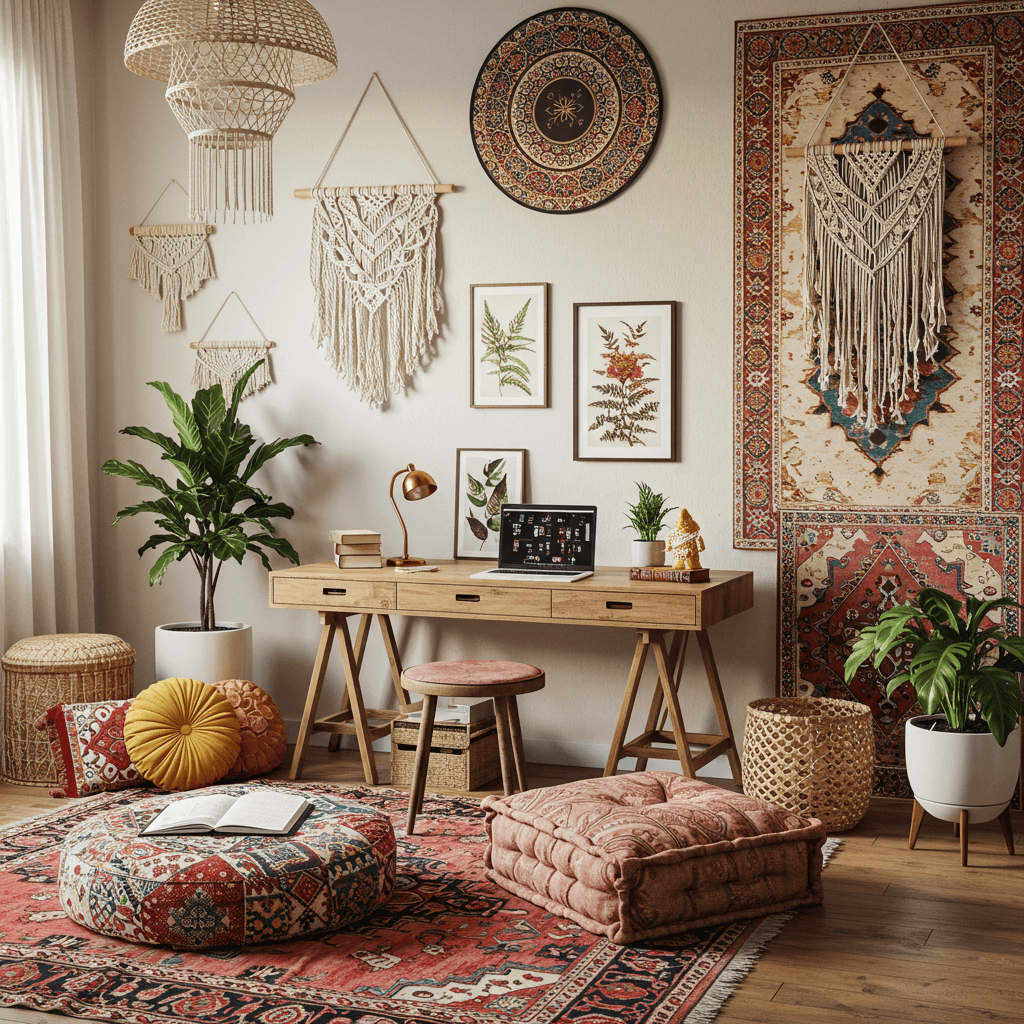
Creativity hates rules. If your work involves brainstorming, designing, or writing, the Bohemian study room will keep your inspiration flowing. This style is all about layers, patterns, and personal expression. I find that a Boho room feels more like a living space than an office, which helps lower the “I have to work” anxiety.
Textures and Textiles
Boho design loves fabrics. I recommend covering your chair with a chunky knit throw and placing a colorful Persian or Moroccan rug on the floor. These layers absorb sound, making the room much quieter for deep thinking.
Boho essentials for your study:
- Macrame wall hangings for a soft, artistic touch.
- Mismatched vintage furniture that tells a story.
- Floor cushions for when you need to read or meditate.
- Beaded or rattan light shades that create interesting shadows.
The More-is-More Philosophy
Unlike the Scandinavians, Bohemians embrace “curated clutter.” Display your favorite travel souvenirs, old cameras, or a collection of crystals on your desk. These personal artifacts spark joy and keep your workspace feeling human. It’s your room; make it look like it belongs to you, not a catalog.
6. Colorful Teen Study Room
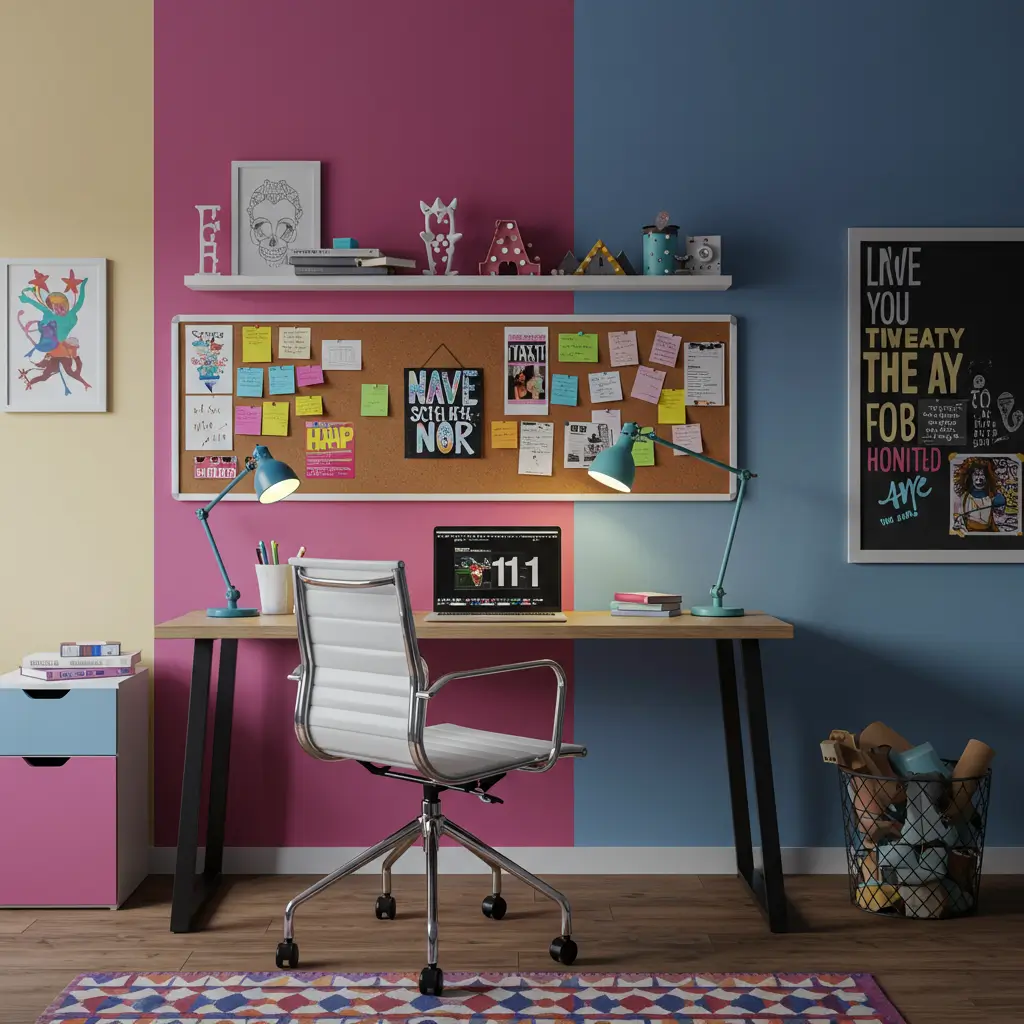
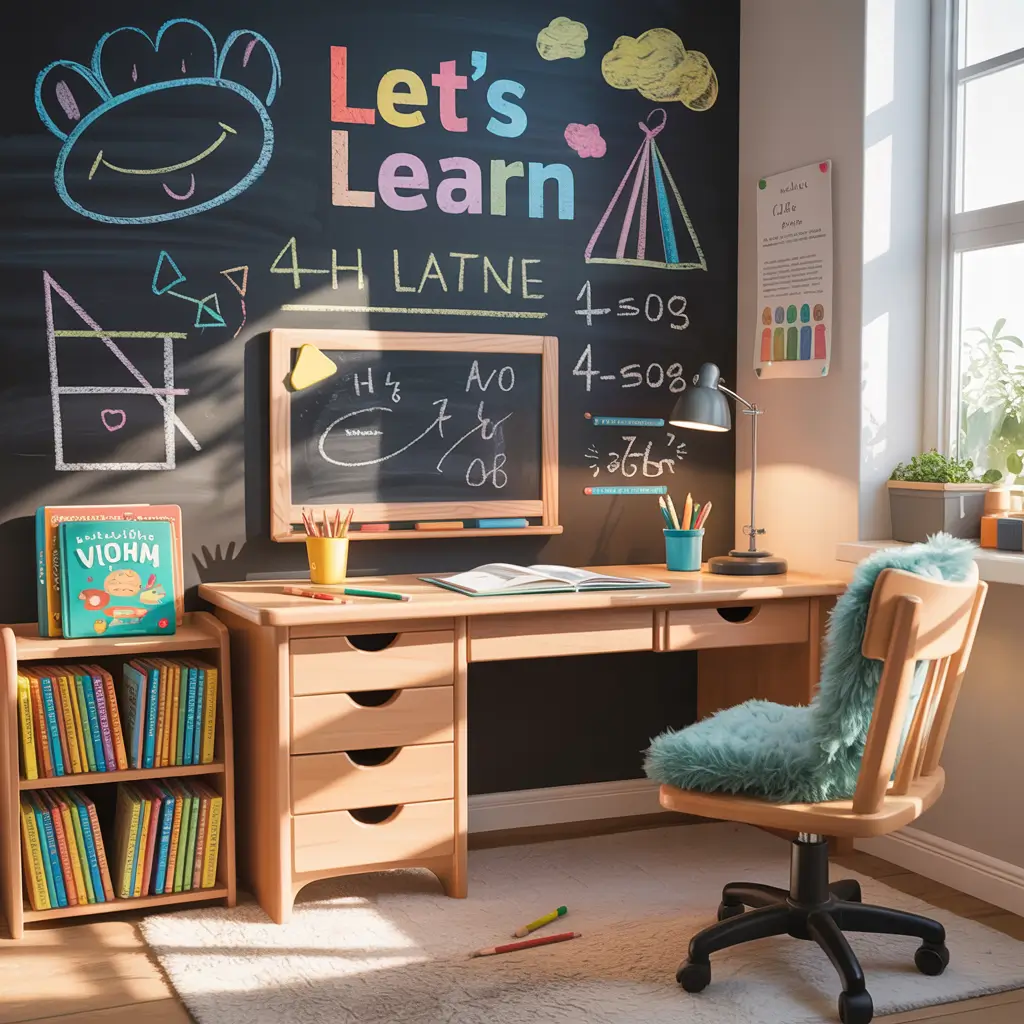
Studying for exams is depressing enough without doing it in a beige box. A colorful teen study room should feel high-energy and motivating. I’ve noticed that students perform better when they actually like their surroundings. Bold colors can actually stimulate different parts of the brain.
Picking the Right Palette
Don’t just throw every color at the wall. I suggest picking one “power color” and using it strategically. Blue promotes calm and focus, while yellow boosts energy and optimism. I personally love a deep teal accent wall paired with bright orange desk accessories.
Ways to inject color:
- Paint the inside of your bookshelves a bright neon shade.
- Use a colorful ergonomic chair as the room’s centerpiece.
- Hang a giant magnetic whiteboard for colorful brainstorming.
- Choose a patterned rug that ties all your colors together.
Personalization is Mandatory
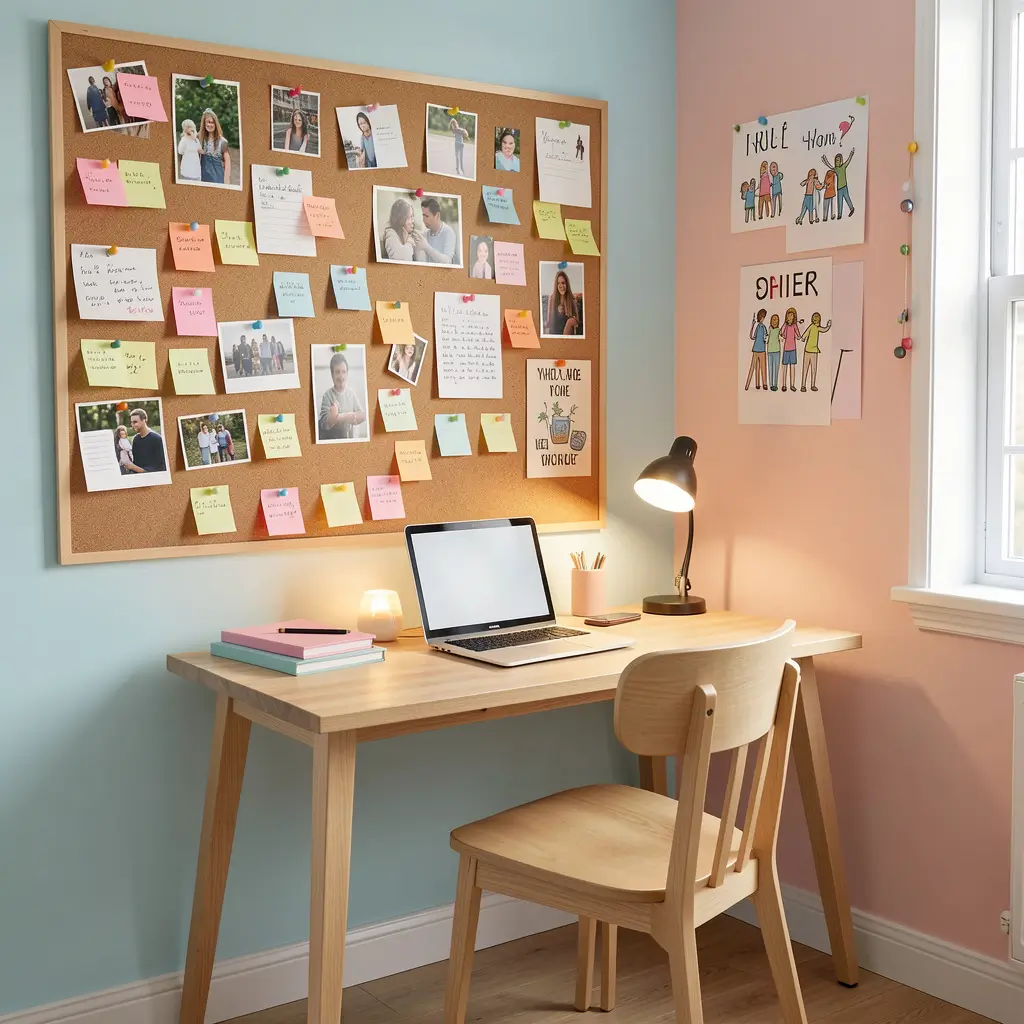
A teen’s study space should reflect their hobbies. I recommend adding corkboards for pinning photos, concert tickets, and sketches. This keeps the room evolving. If the space feels like a reflection of their personality, they will treat study time as a personal project rather than a chore.
Also Read: 12 Fun Kids Bedroom Boys Ideas and Cool Study Zones
7. Compact Wall-Mounted Desk Design
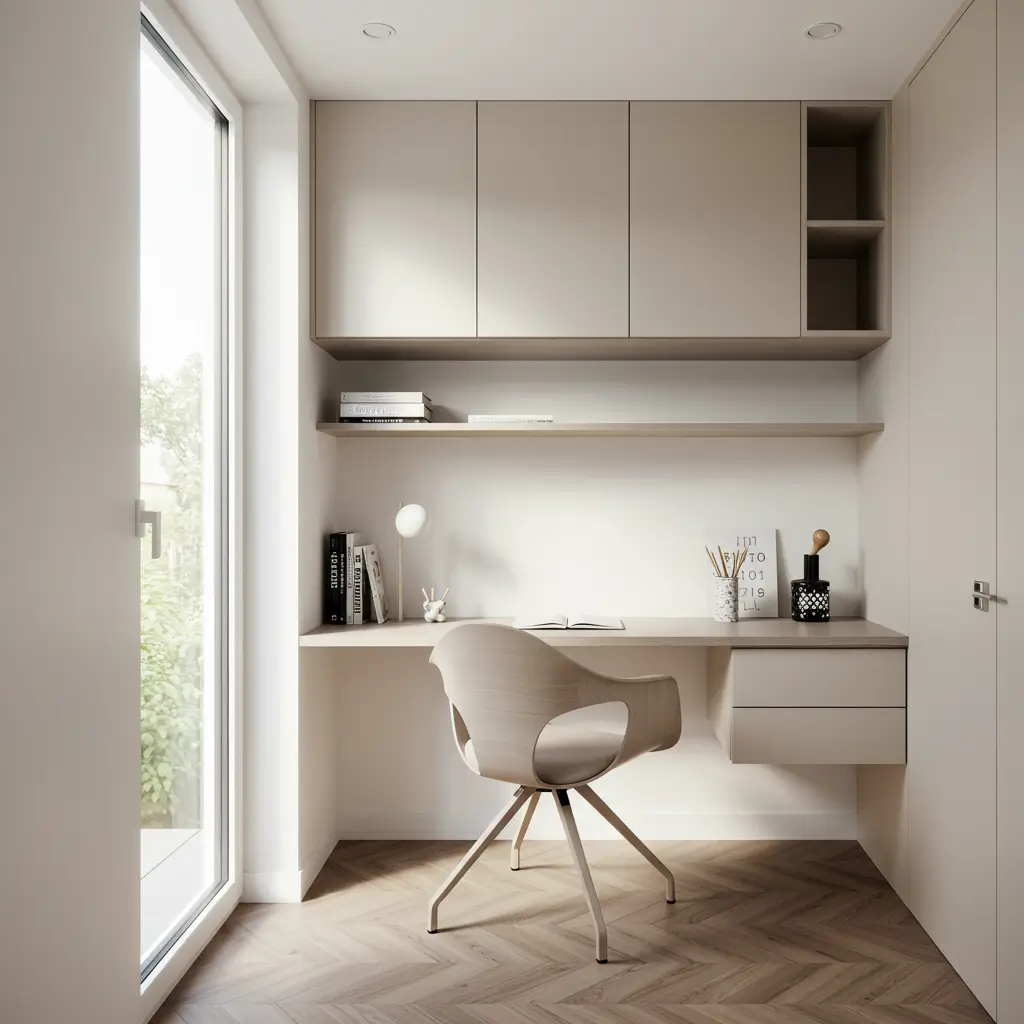
If you live in a high-rent city, you probably don’t have a spare inch. Enter the wall-mounted desk. This is the ultimate design for minimalists and apartment dwellers. I love the “floating” look because it keeps the floor clear, making the whole room feel much airier.
The Illusion of Weightlessness
A floating desk removes the “legs” that usually clutter up your visual field. I recommend a sturdy wall-mounted unit with a fold-down top. When the workday ends, you literally fold the desk back into the wall. It’s the perfect way to “leave the office” when your office is also your bedroom.
Design tips for floating desks:
- Mount it at the perfect ergonomic height for your specific body.
- Install LED strip lights underneath for a futuristic glow.
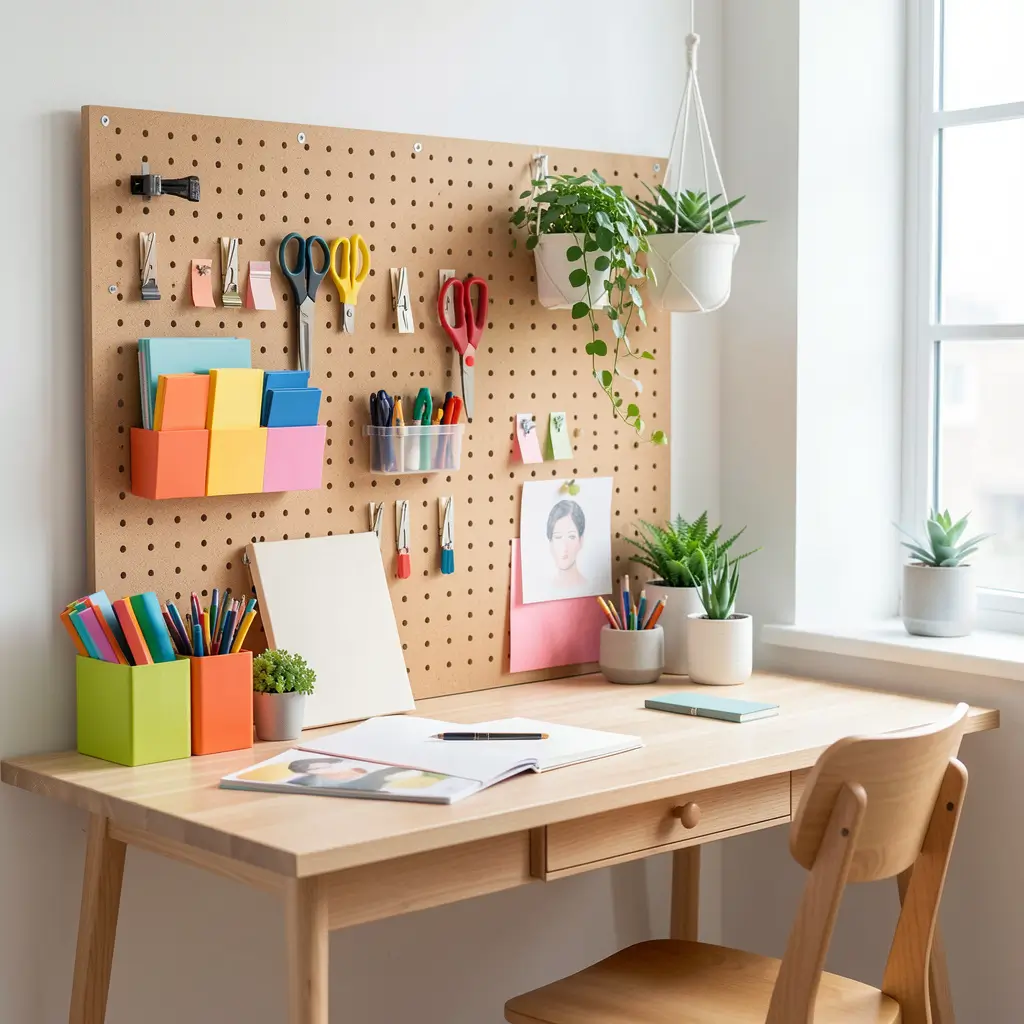
- Use wall-mounted organizers (like a pegboard) above the desk.
- Keep the chair lightweight so you can easily tuck it away.
Vertical Storage Hacks
Since the desk is small, your storage must be smart. I suggest using floating shelves that match the wood of your desk. Place your most-used items at eye level and the “once-a-month” files on the highest shelf. Vertical design saves your floor space and your sanity.
8. Natural Light-Filled Study Room
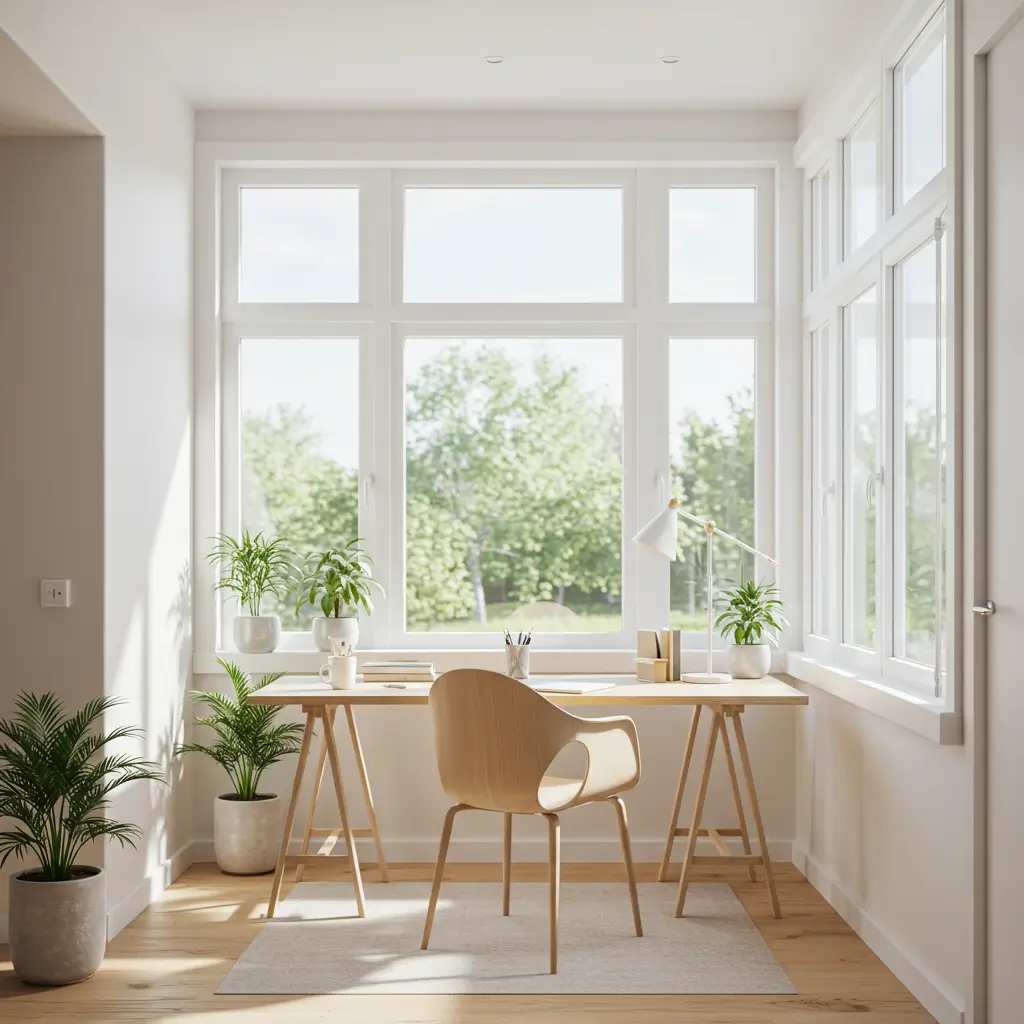
Why work in a cave? If you have a room with a large window, your study room design should revolve entirely around that light source. I once moved my desk from a dark corner to a window-facing position, and my afternoon slump completely vanished. Natural light boosts serotonin and keeps you awake.
Positioning for Maximum Impact
Never put your monitor directly in front of a bright window—you’ll deal with a glare that will ruin your eyes. Instead, I recommend placing the desk perpendicular to the window. This way, the light washes across your workspace, but you aren’t squinting at a sunlit screen.
Light-maximizing tricks:
- Use light-reflecting paint (satin or eggshell finish) on the walls.
- Avoid bulky furniture that blocks the flow of light.
- Add a glass-top desk to let light pass through to the floor.
- Place a mirror on the opposite wall to double the brightness.
The View as a Mental Reset
When your brain gets stuck, you need a “visual break.” Looking out a window for 20 seconds helps your eyes recalibrate and prevents fatigue. I find that watching the weather change makes the workday feel less stagnant. If you have a garden view, you’re basically winning at life. 🙂
9. Elegant Classic Library Style Study
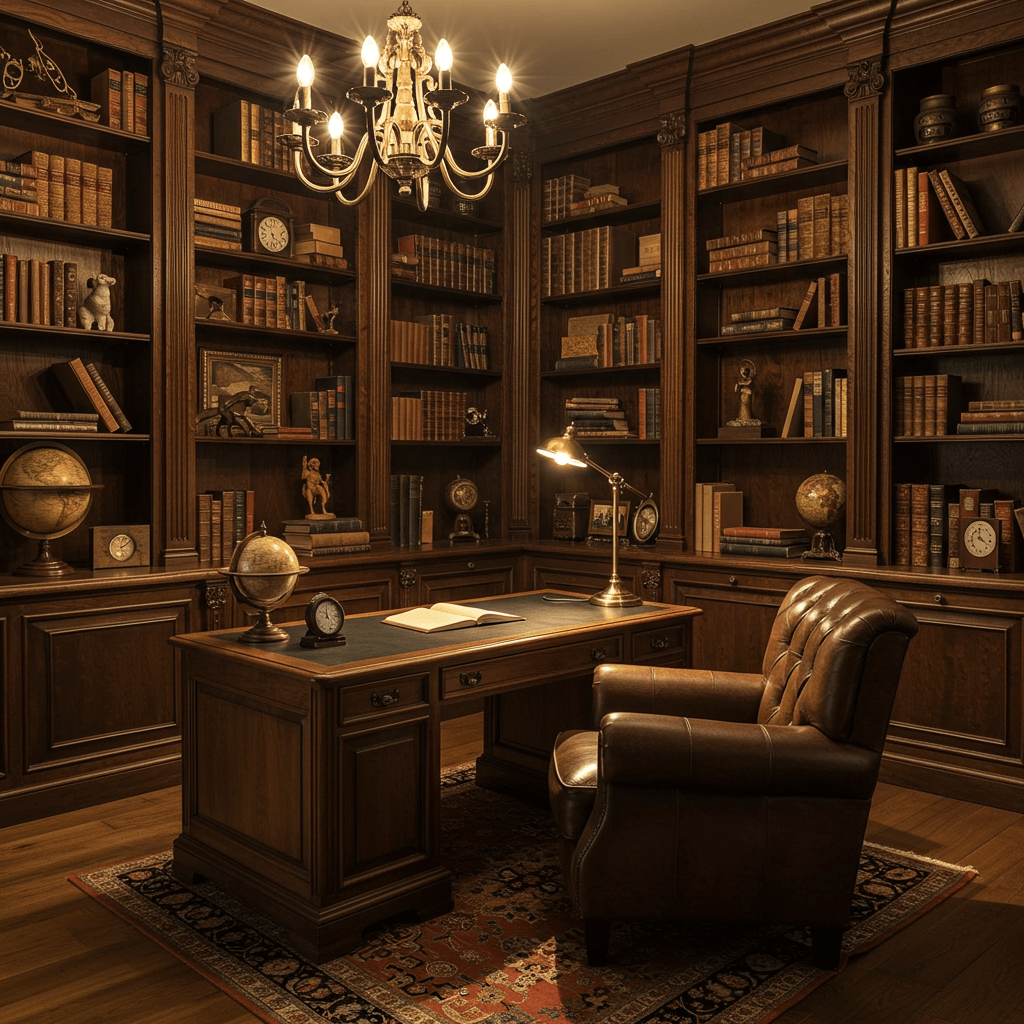
Do you want to feel like a sophisticated professor or a high-powered lawyer? The classic library style never goes out of fashion. It uses dark woods, leather, and symmetry to create an atmosphere of authority and deep intellect.
The Heavyweight Materials
This design requires substance. I recommend a solid mahogany or cherry wood desk with an ornate design. Pair it with a high-back leather executive chair. You want furniture that feels like it has weight and history.
Classic library elements:
- Floor-to-ceiling built-in bookcases with a rolling ladder.
- Wainscoting or wood paneling on the lower half of the walls.
- A green-shaded “banker’s lamp” for that iconic look.
- Gold or bronze accents on picture frames and desk tools.
Creating a Focus Cocoon
Darker rooms actually help some people concentrate by narrowing their visual field. I love using deep navy or forest green paint in a classic study. These colors feel incredibly luxurious and calm. IMO, this is the best style for anyone who does a lot of heavy reading or philosophical thinking.
Also Read: 10 Modern Kids Room Interior Design Ideas for Growing Kids
10. Tech-Savvy Modern Study Room
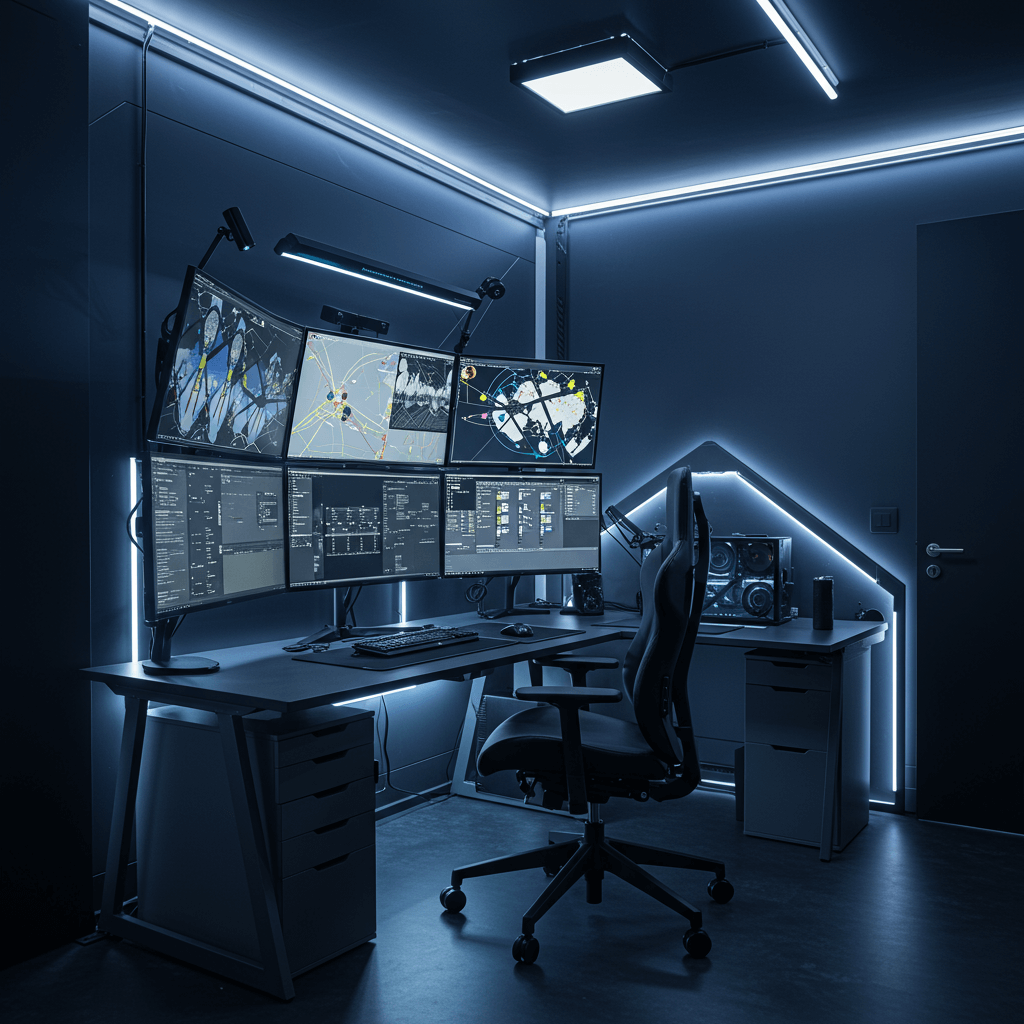
If you are a coder, a gamer, or a digital creator, you need a tech-savvy setup. This design prioritizes hardware integration and high-tech aesthetics. I spent months perfecting my cable management, and let me tell you, seeing zero wires is a spiritual experience.
The Ultimate Command Center
A modern tech room needs a large L-shaped desk to accommodate multiple monitors. I suggest a motorized standing desk so you can keep your circulation moving during long sessions. This isn’t just a study; it’s a command center.
Tech-focused features:
- RGB ambient lighting that you can sync with your screen.
- Acoustic foam panels to improve sound quality for calls.
- Under-desk mountings for your PC tower and peripherals.
- High-speed charging hubs built directly into the desk.
Streamlining the Digital Workflow
Technology should serve you, not distract you. I recommend using monitor arms to lift your screens off the desk. This frees up space for your tablet, notepad, and coffee. An ergonomic mechanical keyboard and a vertical mouse also prevent carpal tunnel. When your tech works seamlessly, your work feels effortless.
11. Budget-Friendly DIY Study Room
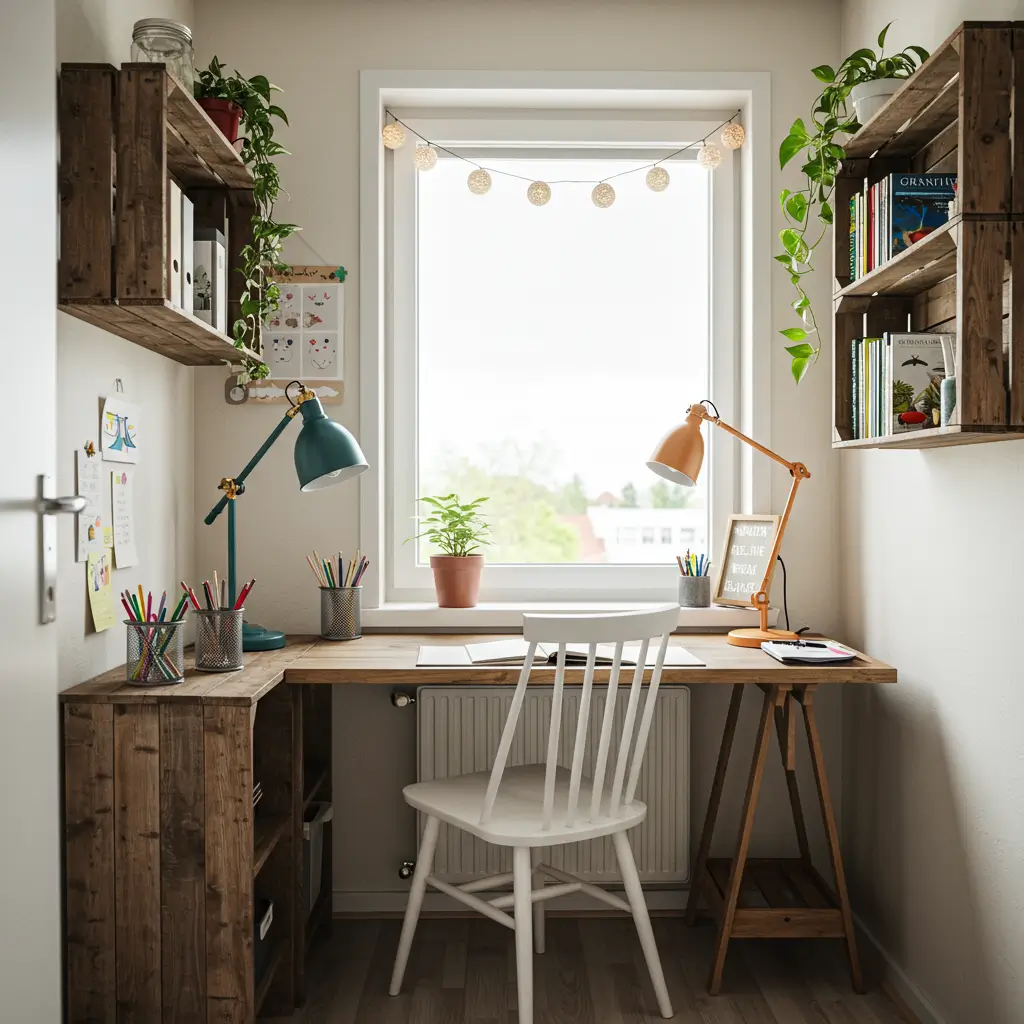
You don’t need a trust fund to have a beautiful study. A budget-friendly DIY design often has more character than a store-bought one. I built my first home office using items I found on the side of the road and a $50 trip to the hardware store.
The Art of the Flip
Check your local thrift stores or Facebook Marketplace. I recommend looking for old dining tables to use as spacious desks. A quick sanding and a fresh coat of paint can turn a $20 “ugly” table into a designer masterpiece.
DIY project ideas:
- Use wooden crates stacked on their sides as a bookshelf.
- Paint an “arch” on the wall to define your study area without using a divider.
- Make a desk lamp using a glass jar and a basic lighting kit.
- Repurpose old glass jars as pen and supply holders.
Smart Splurging
When working with a small budget, you have to be strategic. Spend your money on the chair. You can work on a plywood board if you have to, but a bad chair will cost you hundreds in physical therapy later. FYI, you can always upgrade your desk later, but your back needs support now.
12. Green Indoor Plant Study Space
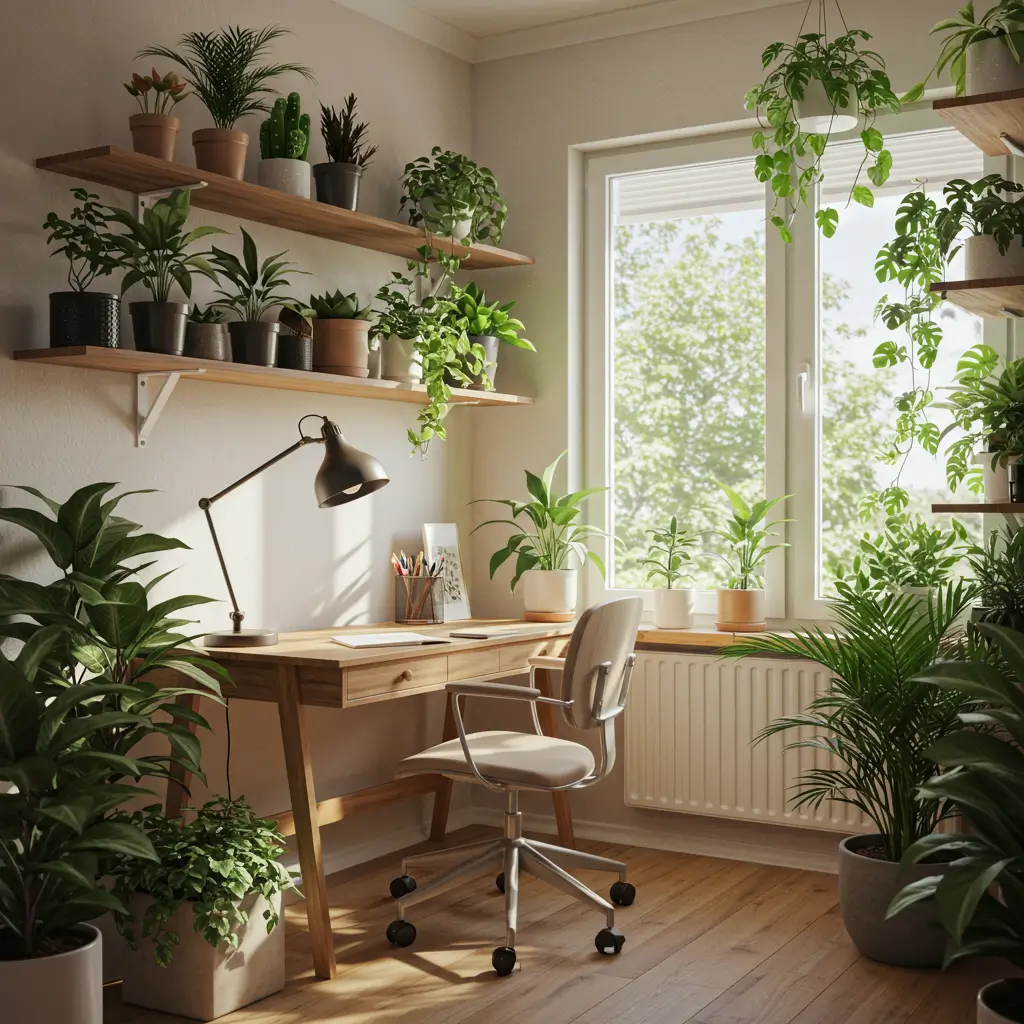
“Biophilic design” is a fancy way of saying we should put more plants in our rooms. A green indoor plant study space improves air quality and lowers your heart rate. I have about twelve plants in my study, and they make the room feel alive and vibrant.
Creating an Indoor Jungle
I recommend placing plants at different heights to create a “canopy” effect. Put a trailing Pothos on a high shelf so its vines hang down. Place a large Monstera or Snake Plant in the corner to fill empty space.
Benefits of a plant-filled study:
- Reduced background noise (leaves actually absorb sound).
- Improved air oxygen levels for better brain function.
- A natural “visual rest” for your eyes.
- A sense of responsibility that keeps you grounded.
Choosing the Right Roommates
If you are new to plant parenthood, don’t buy anything fussy. I suggest starting with a ZZ plant or a Sansevieria. These guys are virtually indestructible. They thrive in low light and don’t care if you forget to water them for a week. A study room should inspire you, not give you more chores! 🙂
Comparison of Study Room Design Elements
To help you narrow down your choices, I’ve put together a quick comparison of the three most popular design directions.
| Feature | Minimalist | Rustic | Tech-Savvy |
|---|---|---|---|
| Primary Material | Light Wood/Metal | Reclaimed Wood/Leather | Steel/Glass/Plastic |
| Lighting | Natural/Single Task | Warm/Vintage | RGB/LED Strips |
| Desk Style | Sleek/Floating | Heavy/Chunky | Standing/Motorized |
| Vibe | Zen/Airy | Cabin/Grounded | High-Energy/Modern |
| Maintenance | Low | Medium | High (Cable Mgmt) |
Technical Details for a Perfect Setup
Before you start dragging furniture around, you need to consider the “boring” technical specs. These details ensure that your study room design is actually functional and not just pretty.
Ergonomics 101
Your desk should be at a height where your elbows are at a 90-degree angle when typing. Most desks sit at 28 to 30 inches high. Your monitor should stay at eye level—no looking down! If you have to tilt your head, you are setting yourself up for neck pain.
The Lighting Spectrum
If you work mostly during the day, aim for cool-white bulbs (4000K-5000K) as they mimic daylight and keep you alert. If you are a night owl, swap to warm bulbs (2700K) in the evening to help your brain prepare for sleep.
Storage Ratios
I follow the 80/20 rule for storage. 80% of your items should hide in closed drawers or cabinets. Only 20% of your most beautiful or frequently used items should stay visible. This maintains the aesthetic while keeping your tools accessible.
Frequently Asked Questions
How do I make a study room in a bedroom?
Use a rug to define the office “zone.” Try to place your desk facing away from the bed so you aren’t tempted to nap. A tall plant or a room divider also helps create a mental boundary between work and sleep.
What is the best color for a study room?
Sage green and soft blues are the champions of concentration. Avoid bright red as it can increase your heart rate and make you feel anxious during long study sessions.
How can I design a study room with no windows?
Focus on “Full Spectrum” LED bulbs that mimic sunlight. Use plenty of mirrors and light-colored furniture to prevent the room from feeling like a basement. Adding high-quality faux plants also brings in a sense of nature without the need for UV rays.
Final Thoughts
Building the perfect foyer study room is an act of self-care. It’s an investment in your future success and your daily happiness.
Don’t feel like you have to do everything at once. Start by clearing your desk, then maybe add a better lamp or a new plant this weekend.
I’ve lived in messy rooms and I’ve lived in curated studios. The curated ones win every single time.
When you walk into a room that looks like it was designed for a high-achiever, you naturally start acting like one.
Pick one of these 12 study room design ideas and start sketching your new layout. You’ll be amazed at how much faster you finish your work when you actually enjoy the chair you’re sitting in.
Now, go forth and create that focus sanctuary! And seriously, please hide your power strips. You’ll thank me later. 🙂