12 Trendy Laminate Door Design Ideas to Upgrade Your Home
- Door Design
 Ben
Ben- 0
- 46 minutes read
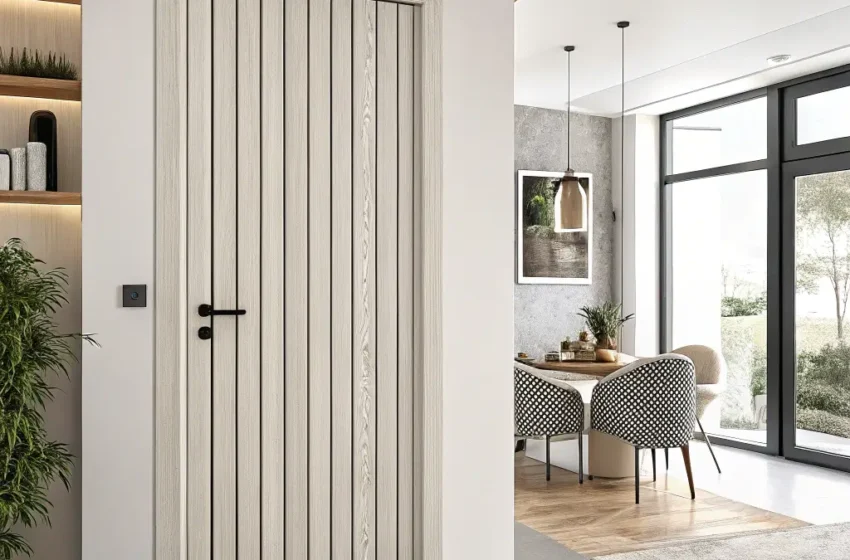
Laminate doors are basically the undercover superstars of home design—they give you all the looks for a fraction of the price, yet somehow they still get shade from the solid wood snobs.
While everyone’s debating whether to drop thousands on real wood or settle for boring hollow core, you’re here considering the smart middle ground that actually makes sense for most people.
I discovered the magic of laminate doors during my first apartment renovation when my budget was tight but my design standards weren’t.
Those laminate doors I installed seven years ago? Still looking fresh, still getting compliments, and I still have money left over for things like, you know, food and electricity.
That’s when I realized laminate isn’t the compromise—it’s the smart choice that nobody warns you about because they’re too busy trying to sell you expensive alternatives.
Whether you’re renovating on a budget, want low-maintenance options, or just appreciate good design that doesn’t require selling organs, these twelve laminate door design ideas will show you exactly why laminate deserves serious respect.
Let’s explore some options that prove you don’t need solid wood to get solid style.
Minimalist Matte Laminate Doors
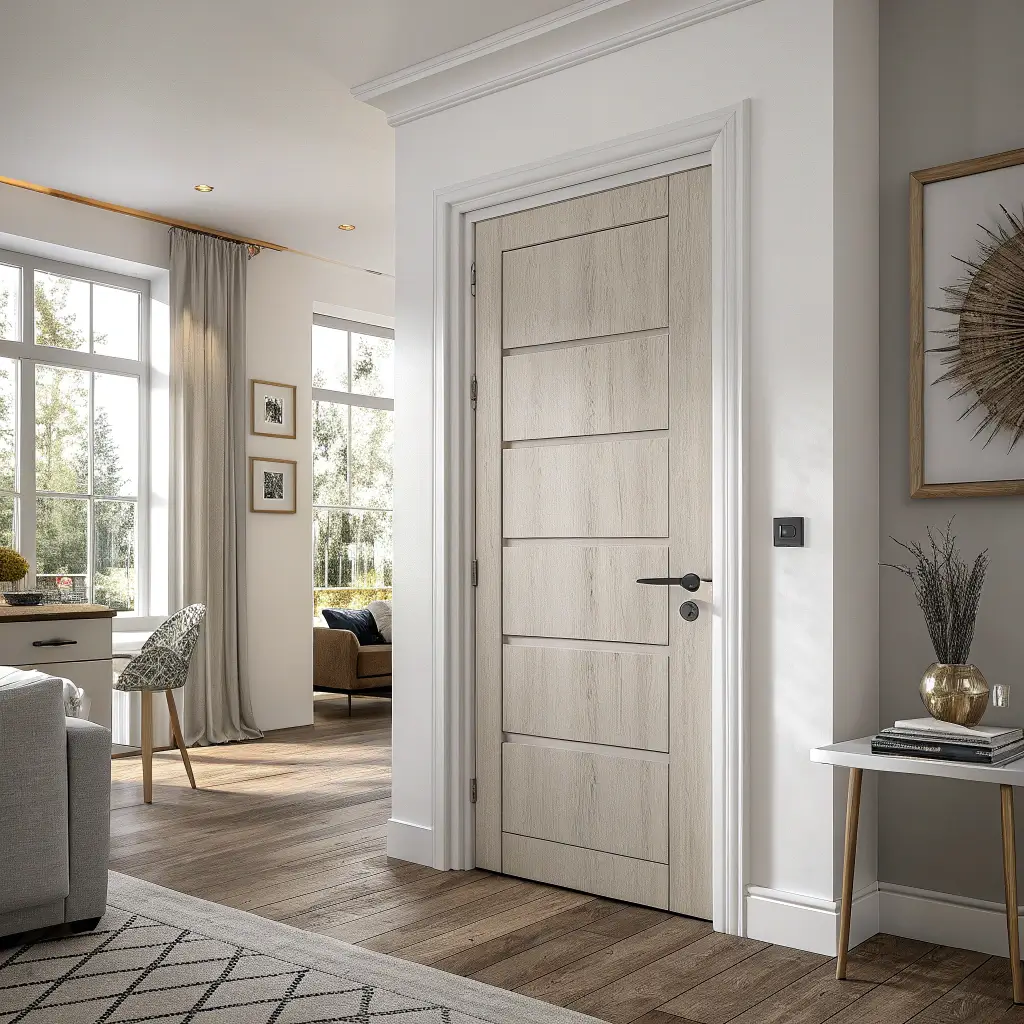
Minimalist matte laminate doors are basically the introvert’s dream—they do their job beautifully without demanding attention. These understated champions prove that flat surfaces and muted finishes can create more impact than the flashiest alternatives.
The Matte Revolution
Matte laminate eliminates shine and reflection, creating this soft, touchable quality that feels expensive and sophisticated. The surface absorbs light rather than bouncing it around, giving rooms a calm, grounded feeling that glossy finishes simply can’t achieve.
I switched from semi-gloss to matte laminate on my bedroom doors last year, and the difference was shocking. The doors went from looking like basic builder-grade to appearing custom and intentional. Plus, matte hides fingerprints like an absolute champion—crucial for anyone with kids or anyone who touches doors (so, everyone).
Color Options for Matte
Matte laminate works beautifully in various colors:
- Soft whites: Clean without being stark
- Warm grays: Sophisticated and versatile
- Deep charcoal: Bold without being shiny
- Natural beiges: Timeless and calming
- Muted pastels: Personality without overwhelm
Maintenance Benefits
The practical side of matte laminate makes daily life easier. The textured surface resists showing smudges, scratches appear less obvious than on glossy surfaces, and cleaning requires just a damp cloth rather than special products. It’s basically the low-maintenance friend who still looks put together.
High-Gloss Contemporary Laminate Doors
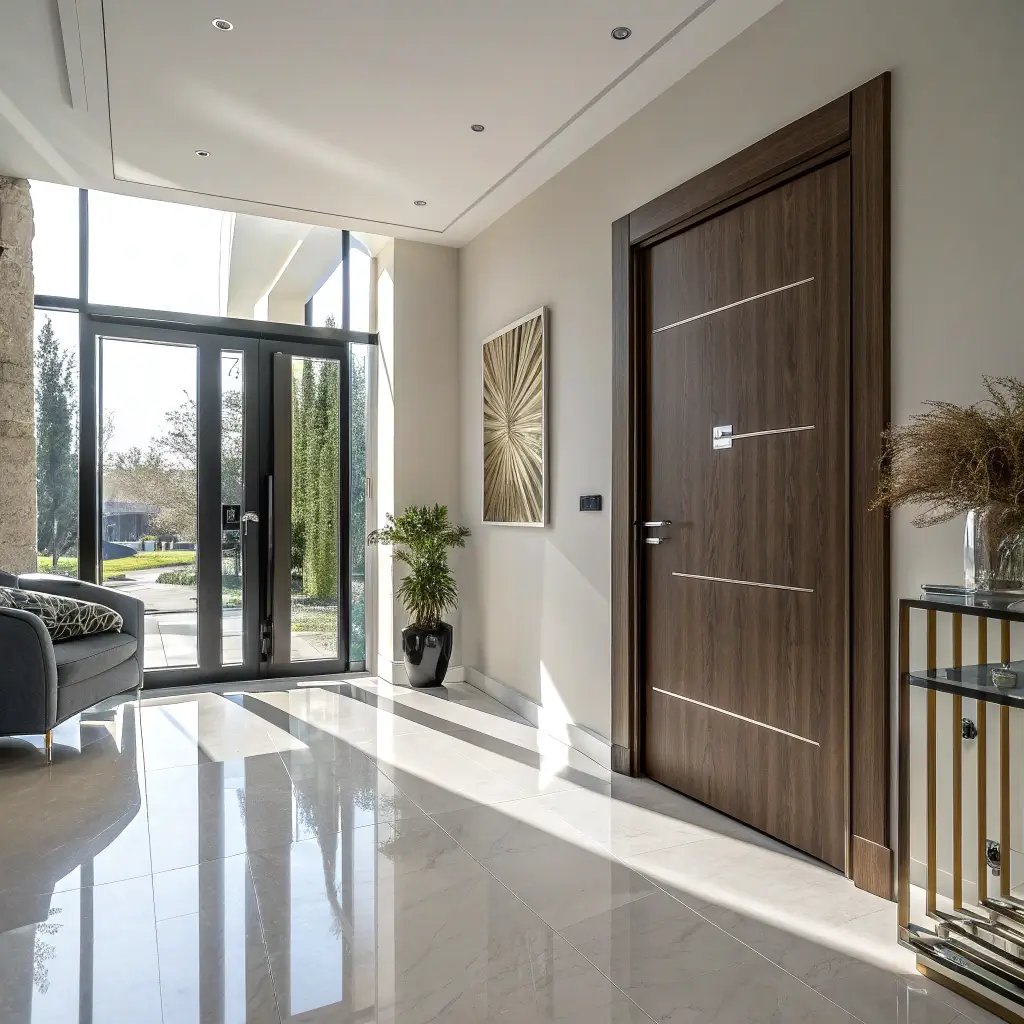
High-gloss laminate doors are the extroverts of the door world—they reflect light, create drama, and make spaces feel larger and brighter. These shiny beauties bring serious contemporary appeal to modern homes.
The Reflective Advantage
High-gloss finishes act like mirrors, bouncing light around rooms and creating the illusion of more space. In small apartments or dark hallways, glossy laminate doors can literally brighten your day by maximizing every bit of available light.
My friend installed high-gloss white laminate doors in her tiny condo, and suddenly her 600-square-foot space felt like 800. The reflection tricks your brain into perceiving more space than actually exists. Sometimes the best design solutions are optical illusions.
Color Impact with Gloss
Glossy finishes make colors appear more vibrant and saturated:
- Pure white: Creates crisp, modern aesthetics
- Bold black: Dramatic and sophisticated
- Navy blue: Rich depth with shine
- Emerald green: Jewel-toned elegance
- Custom colors: Maximum personality with gloss
Cleaning Reality Check
Here’s what nobody tells you about high-gloss laminate—it shows everything. Every fingerprint, every smudge, every sneeze within a three-foot radius will appear on that shiny surface. But honestly, a quick wipe with glass cleaner keeps them looking perfect, and the visual impact justifies the minimal extra maintenance.
Wood-Textured Laminate Doors
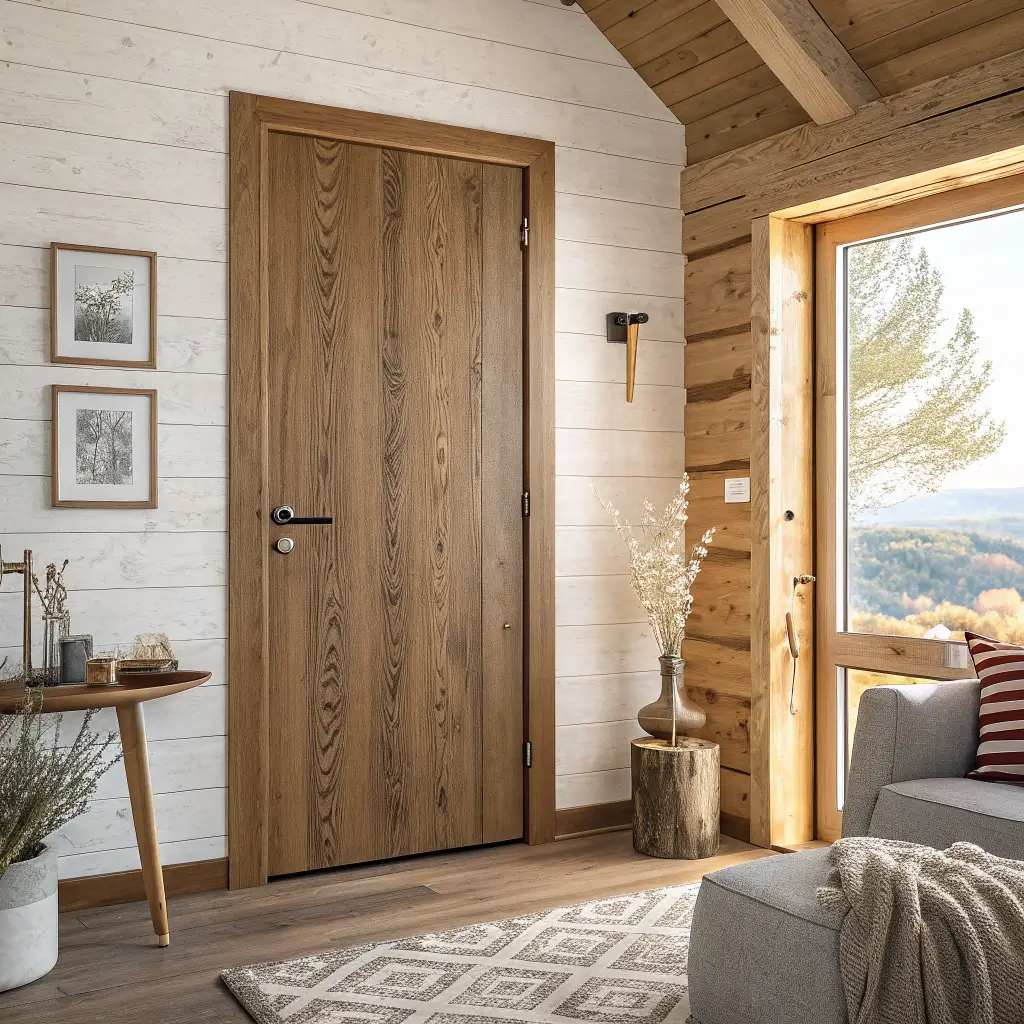
Wood-textured laminate doors are basically catfishing but for home design, and I mean that as a compliment. These convincing imposters give you the look of real wood without the warping, maintenance, or premium price tag.
The Technology Behind the Look
Modern laminate technology has become scary good at replicating wood. We’re talking about embossed textures that follow the printed grain, varied patterns that mimic natural wood variation, and finishes that capture the depth of real wood surfaces.
I installed oak-textured laminate doors throughout my home, and guests consistently ask what type of wood I used. When I reveal they’re laminate, the surprise is genuine. The days of obvious fake wood are long gone.
Popular Wood Looks
Wood-textured laminate comes in endless varieties:
- Oak: Classic grain with versatile appeal
- Walnut: Rich, dark sophistication
- Maple: Light and bright with subtle grain
- Cherry: Warm reddish tones
- Exotic woods: The look without the environmental guilt
The Practical Superiority
Here’s where laminate actually beats real wood—it doesn’t warp with humidity, maintains consistent color without fading, resists scratches better than soft woods, requires zero maintenance beyond cleaning, and costs a fraction of genuine hardwood. Sometimes the imitation improves on the original.
Also Read: 10 Unique Single Door Design Ideas to Inspire Your Decor
Two-Tone Laminate Door Designs
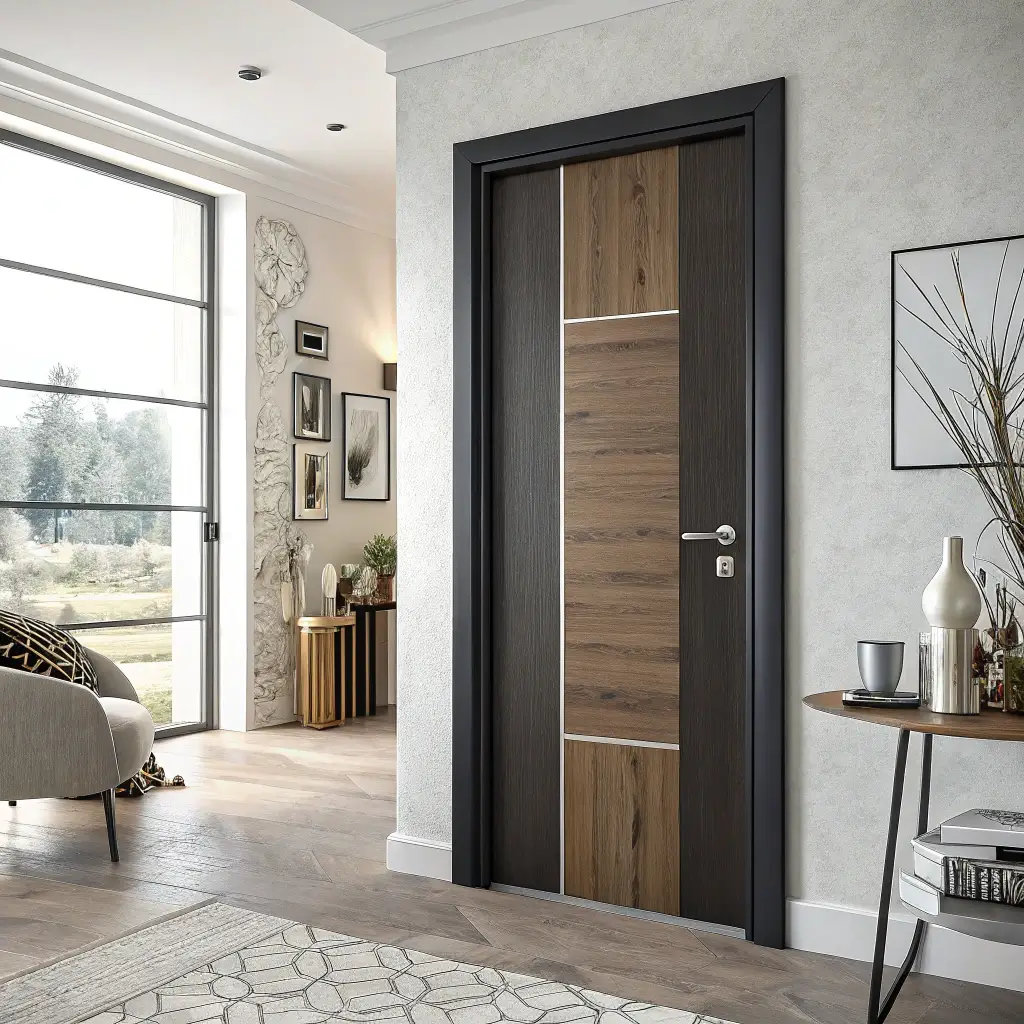
Two-tone laminate doors prove you don’t have to choose just one color—you can have your cake and eat it too. These designs use contrasting laminate colors to create visual interest and define spaces within the door itself.
Color Combination Strategies
Successful two-tone designs follow basic principles:
- Complementary colors: Maximum contrast and energy
- Analogous colors: Harmonious and sophisticated
- Neutral combinations: Safe but elegant
- Accent splits: Dominant color with bold accent
- Horizontal or vertical divisions: Creating different visual effects
Design Proportions
The ratio between your two colors dramatically affects the result. I tried a 50/50 split on my office door (white top, gray bottom), and it looked too balanced—almost boring. Switching to a 70/30 ratio created way more visual interest.
The golden ratio (roughly 60/40) often works well, but don’t be afraid to go more extreme with 80/20 or even 90/10 for subtle accent effects.
Application Techniques
Creating clean two-tone effects requires:
- Precise measurements and planning
- Quality edge banding for clean transitions
- Careful installation to align sections
- Consistent finishing across both laminates
- Professional cutting for crisp division lines
Patterned Geometric Laminate Doors
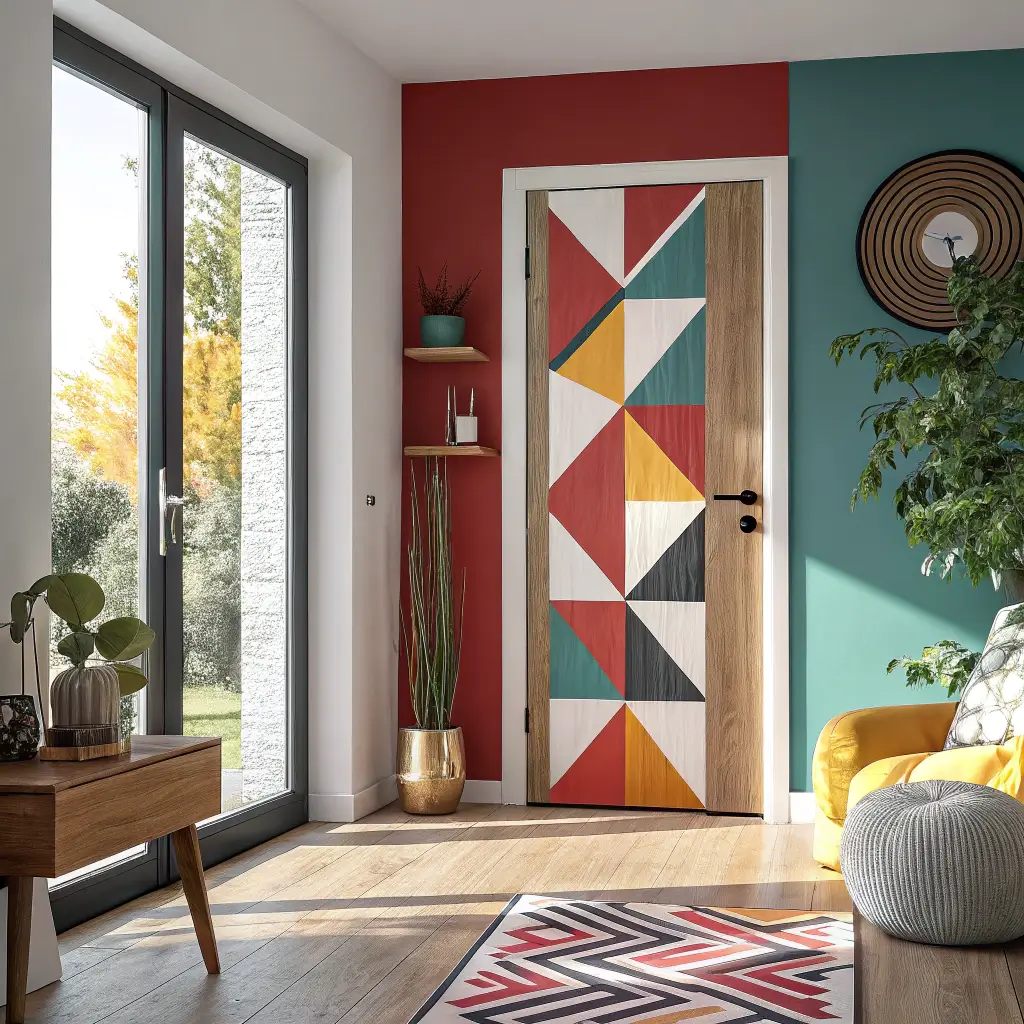
Patterned geometric laminate doors turn mathematics into art. These precision-designed beauties use repeating shapes and patterns to create doors that function as focal points rather than just barriers.
Pattern Possibilities
Geometric laminate patterns range from subtle to bold:
- Chevron: Classic with movement
- Hexagonal: Modern organic geometry
- Linear stripes: Simple but effective
- Abstract asymmetry: Breaking expectations
- Grid variations: Architectural interest
Creating Visual Impact
The key to successful patterned doors is balance. Too busy and they overwhelm the space; too subtle and they disappear. I designed a door with a subtle hexagonal pattern that reads as texture from a distance but reveals itself as pattern up close. That layered interest keeps doors from becoming boring.
Modern Manufacturing Magic
Digital printing technology has revolutionized patterned laminate. Designs that would’ve been impossible or prohibitively expensive a decade ago now come standard from many manufacturers. You can even upload custom patterns for truly unique doors.
FYI, some companies offer online design tools where you can preview patterns on virtual doors before ordering. It’s like playing The Sims but for real doors.
Frosted Glass & Laminate Combo Doors
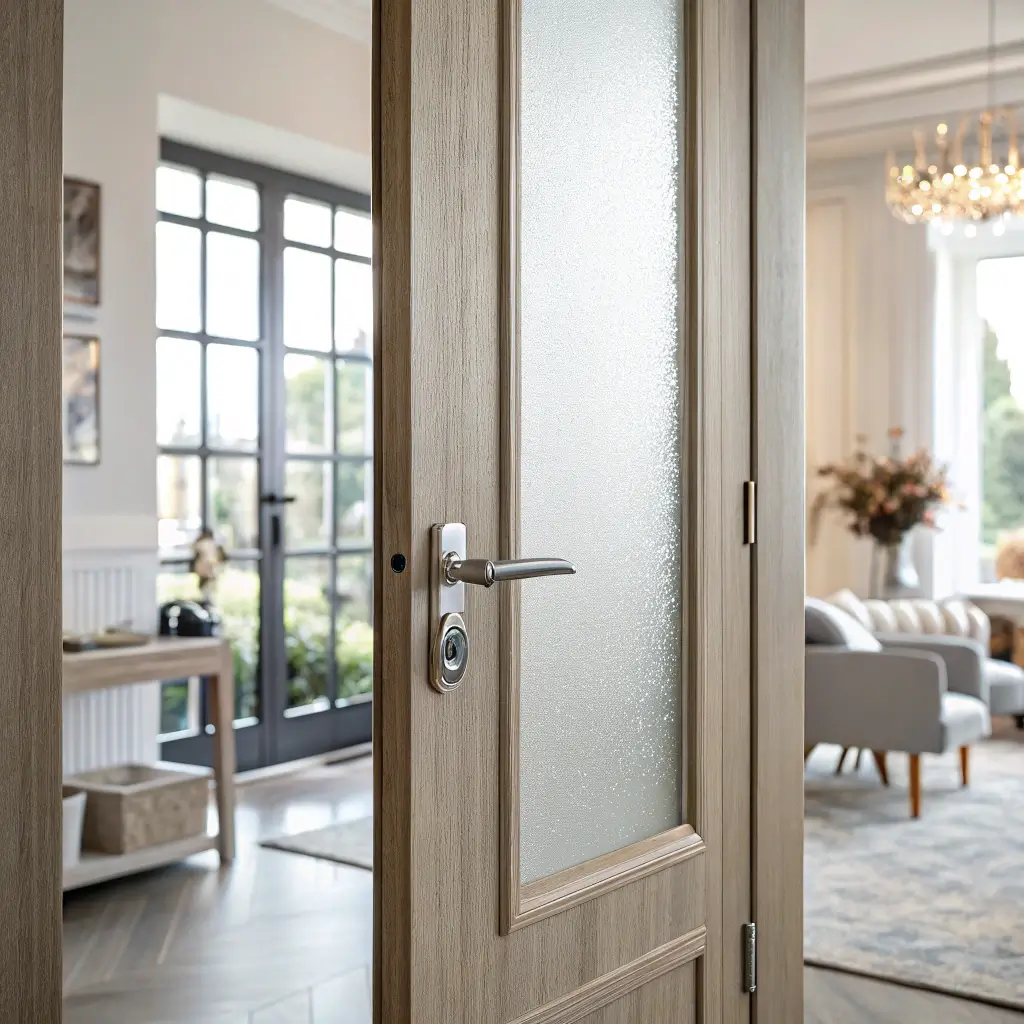
Frosted glass and laminate combo doors combine the best of both worlds—the privacy and warmth of laminate with the light-transmitting benefits of glass. These hybrids solve multiple design challenges simultaneously.
The Light and Privacy Balance
Laminate frames provide structure and privacy while frosted glass panels allow light flow. It’s basically the perfect compromise for spaces that need separation without isolation, like home offices or bedrooms off common areas.
My home office has a laminate door with three frosted glass panels, and it’s genius. I get natural light from the hallway while maintaining privacy for video calls. The laminate frame makes it feel substantial while the glass keeps it from feeling heavy.
Panel Configuration Options
Different arrangements create different effects:
- Vertical panels: Creating height and elegance
- Horizontal panels: Adding width and modernity
- Asymmetrical placement: Contemporary and unexpected
- Small accent windows: Subtle light without exposure
- Large central panels: Maximum light transmission
Material Coordination
Success requires coordinating laminate and glass:
- Match laminate color to overall design scheme
- Choose glass opacity appropriate for location
- Consider how light will interact with both materials
- Ensure proper sealing between materials
- Select hardware that complements both elements
Also Read: 10 Inspiring Door Design Interior Ideas for Small Spaces
Rustic Laminate Finish Doors
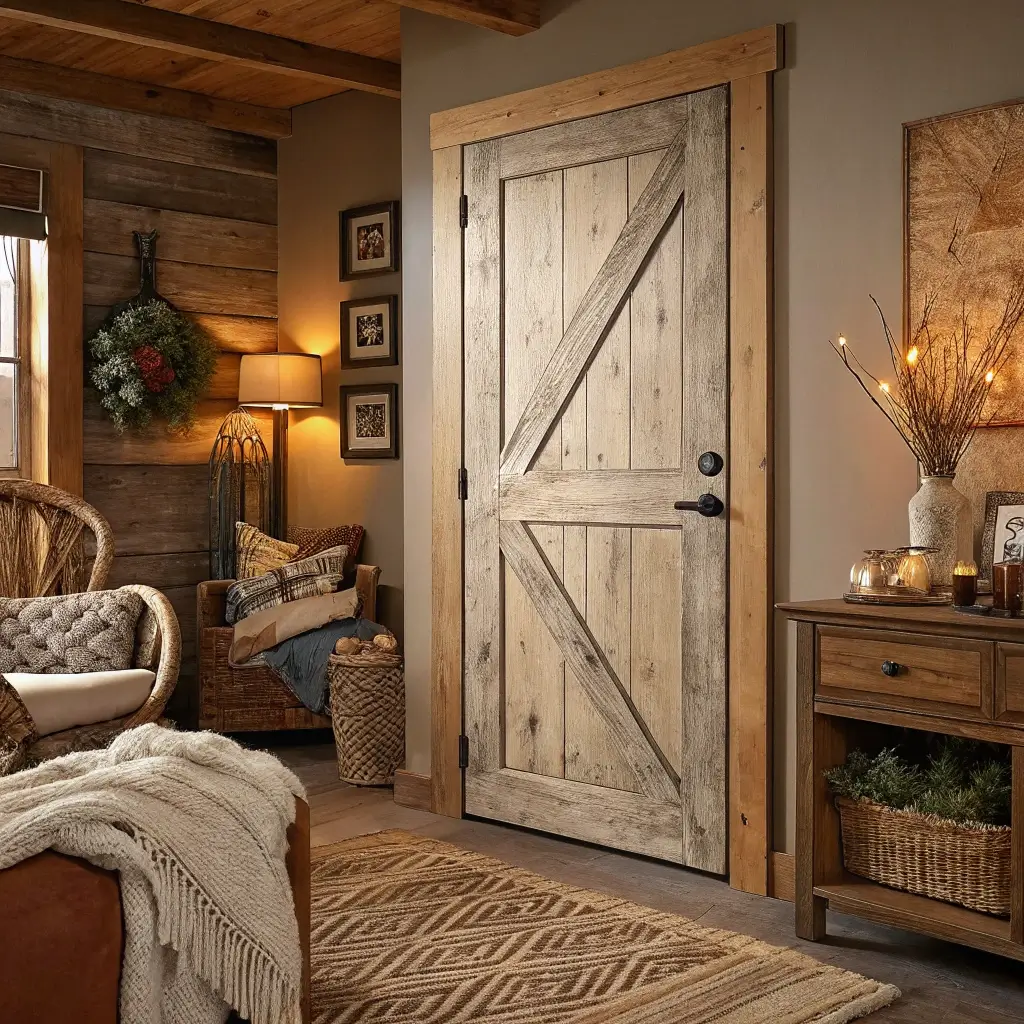
Rustic laminate doors bring farmhouse charm without actual farms or the maintenance headaches of real weathered wood. These textured finishes prove that laminate can channel character just as effectively as genuine materials.
Achieving Authentic Rustic Look
Modern rustic laminates replicate weathered wood through:
- Multi-tonal coloring mimicking age
- Deep embossing creating authentic texture
- Distressed patterns showing natural wear
- Varied grain patterns suggesting reclaimed wood
- Matte finishes preventing artificial shine
Design Applications
Rustic laminate works in various settings:
- Farmhouse and cottage styles obviously
- Contemporary spaces needing warmth
- Industrial lofts wanting organic elements
- Traditional homes seeking character
- Any space benefiting from textural interest
I installed rustic gray laminate doors in my modern kitchen, and they add this perfect organic element that prevents the space from feeling too cold or clinical. Sometimes the best design decisions involve intentional contrast.
The Maintenance Advantage
Here’s where rustic laminate beats actual rustic wood—the “weathered” look is permanent and intentional, you never need to oil or seal the surface, the texture won’t splinter or crack, cleaning is simple and straightforward, and it maintains its rustic charm indefinitely without actual aging.
Metallic Accented Laminate Doors
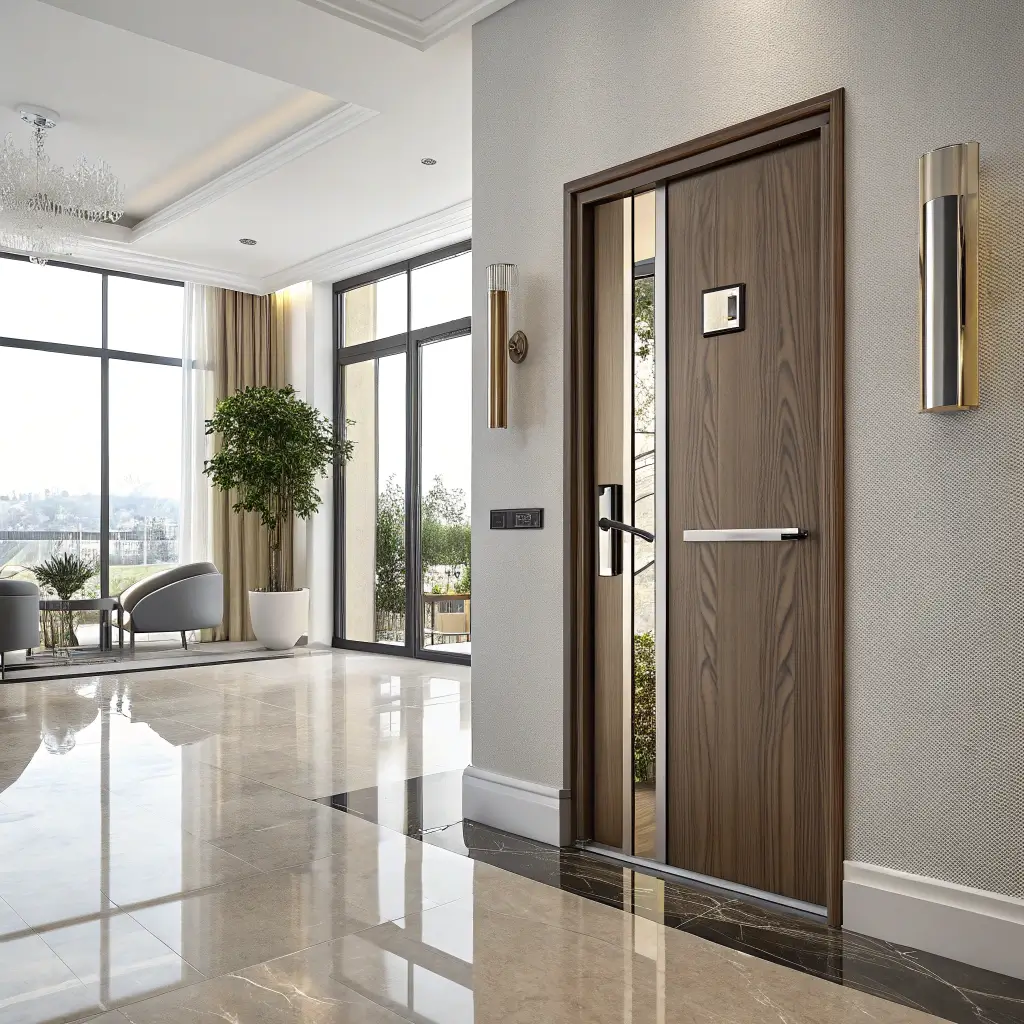
Metallic accented laminate doors combine affordable laminate with glamorous metal elements, creating sophisticated designs that look way more expensive than they actually are.
Metal Accent Applications
Metallic elements can appear in various forms:
- Horizontal or vertical strips: Creating linear interest
- Corner brackets: Adding decorative protection
- Handle integration: Making hardware part of design
- Edge banding: Defining boundaries with metal
- Inlay patterns: Geometric or organic designs
Finish Combinations
Different metal finishes create different moods:
- Brass: Warm and luxurious
- Chrome: Cool and contemporary
- Copper: Warm with unique patina potential
- Black metal: Bold and sophisticated
- Brushed finishes: Subtle and refined
I added brass strip accents to my closet doors, and the transformation was remarkable. The doors went from basic laminate to looking custom and expensive with minimal investment. Sometimes small details make the biggest difference.
Installation Considerations
Adding metal accents to laminate requires:
- Proper adhesives for long-term bonding
- Precise cutting and placement
- Understanding expansion differences
- Coordinating with other metal elements
- Professional installation for complex designs
Laminates with Vertical Stripes
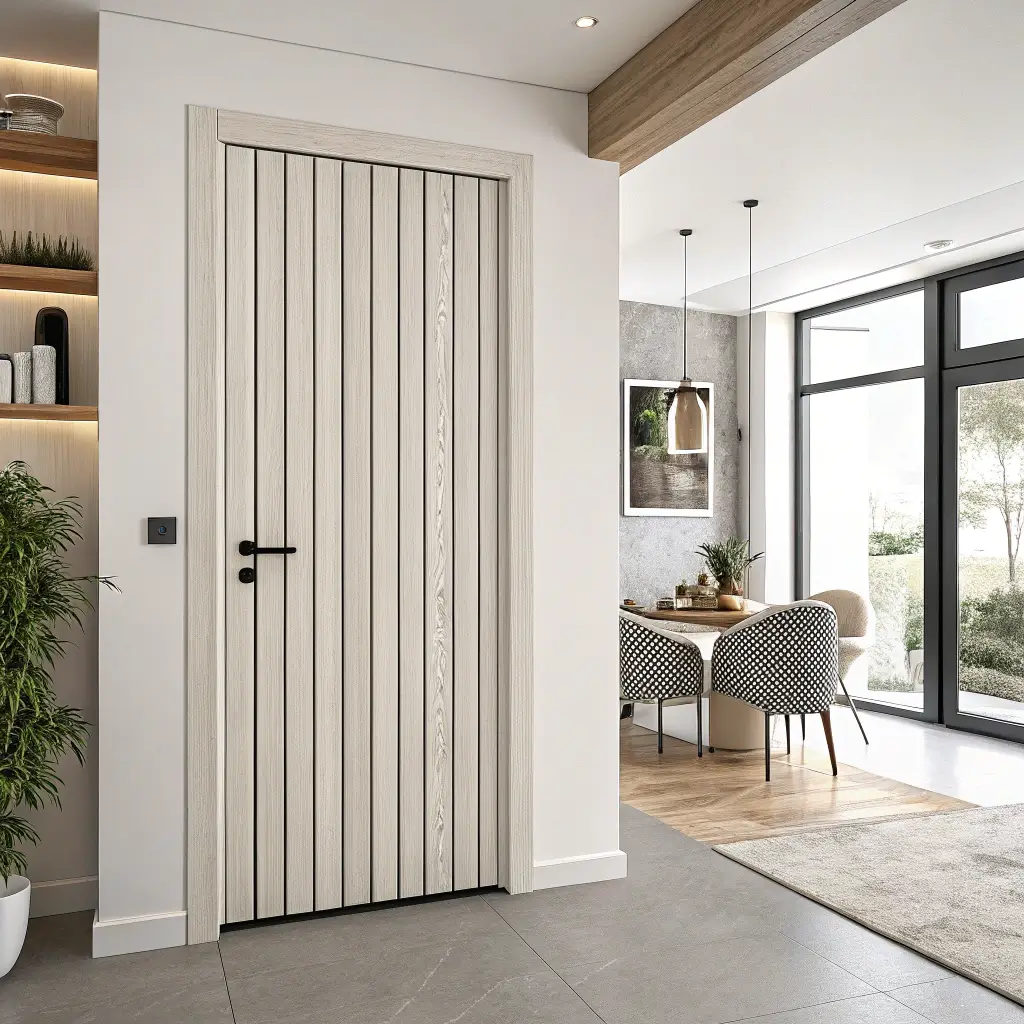
Laminate doors with vertical stripes create height and elegance through simple linear patterns. These designs prove that sometimes the most effective solutions are also the simplest.
The Vertical Advantage
Vertical stripes draw eyes upward, making ceilings feel higher and spaces feel more expansive. The linear patterns create rhythm without complexity, adding visual interest while maintaining simplicity.
Stripe Variations
Vertical striped laminates offer variety:
- Narrow stripes: Creating texture and refinement
- Wide stripes: Bold and contemporary
- Varied widths: Adding complexity and interest
- Tonal variations: Subtle depth within one color
- Contrasting colors: Maximum visual impact
Integration Strategies
Vertical stripe doors work best when:
- Ceiling heights support vertical emphasis
- Surrounding design elements don’t compete
- Color choices complement overall palette
- Stripe width suits door and room proportions
- Pattern aligns properly across door surface
Also Read: 12 Inspiring Iron Door Design Ideas and Elegant Door Designs
Bold Colored Laminate Doors
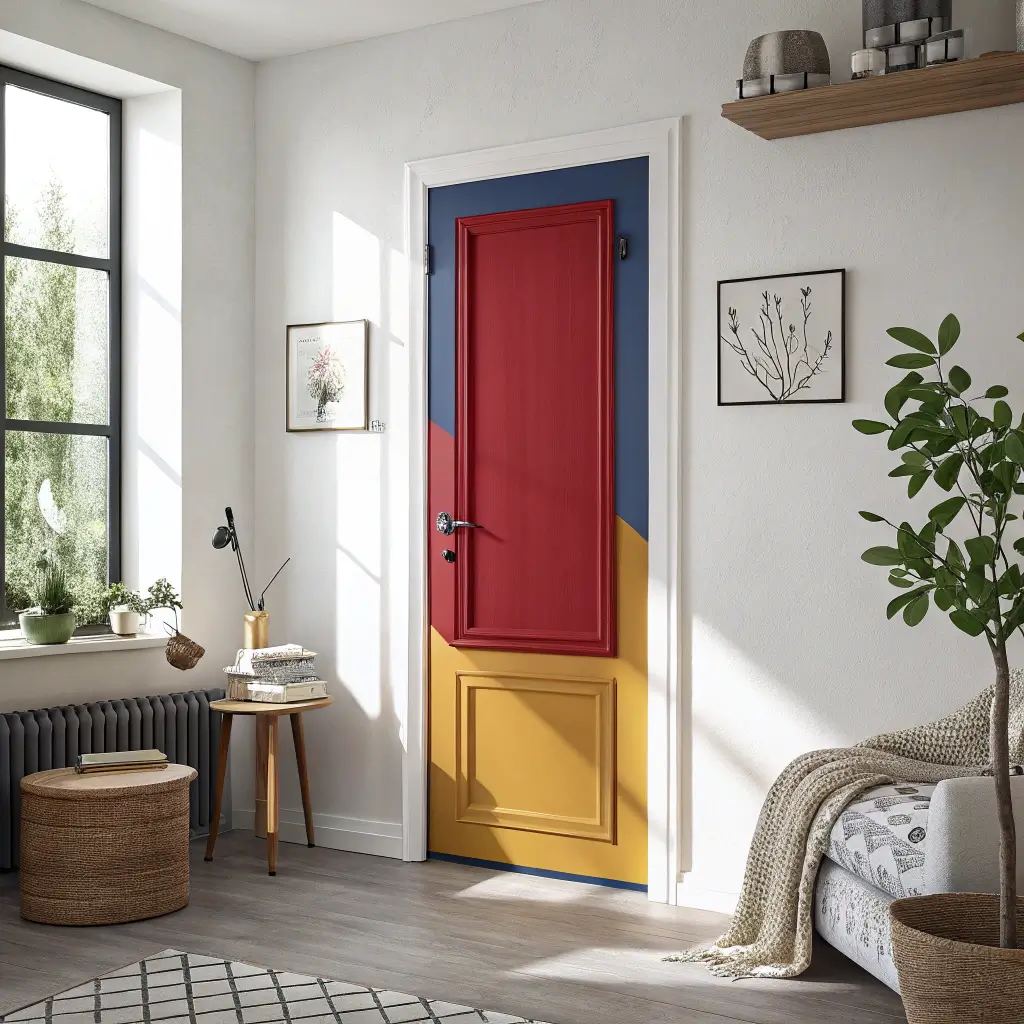
Bold colored laminate doors are for people who believe life’s too short for boring beige. These vibrant statements inject personality into spaces while maintaining laminate’s practical benefits.
Color Psychology in Action
Different bold colors create different effects:
- Electric blue: Energizing and modern
- Vibrant coral: Warm and welcoming
- Forest green: Natural yet bold
- Bright yellow: Cheerful and optimistic
- Deep plum: Sophisticated and dramatic
I painted—wait, I mean installed bold teal laminate on my bathroom door, and it completely transformed my boring hallway. What was once just a passage between rooms became a design feature that actually makes me happy.
Making Bold Work
Success with colored laminate requires:
- Choosing colors that complement existing palette
- Considering how color appears in different lighting
- Balancing bold doors with neutral surroundings
- Thinking long-term about color fatigue
- Using quality laminate with fade resistance
The Laminate Advantage
Here’s where laminate beats paint for bold colors—consistent color throughout the material, no chipping or touch-ups needed, superior fade resistance compared to paint, easy cleaning maintains vibrant appearance, and replacement is simple if you tire of the color.
Laminated Panel with Inset Mirrors
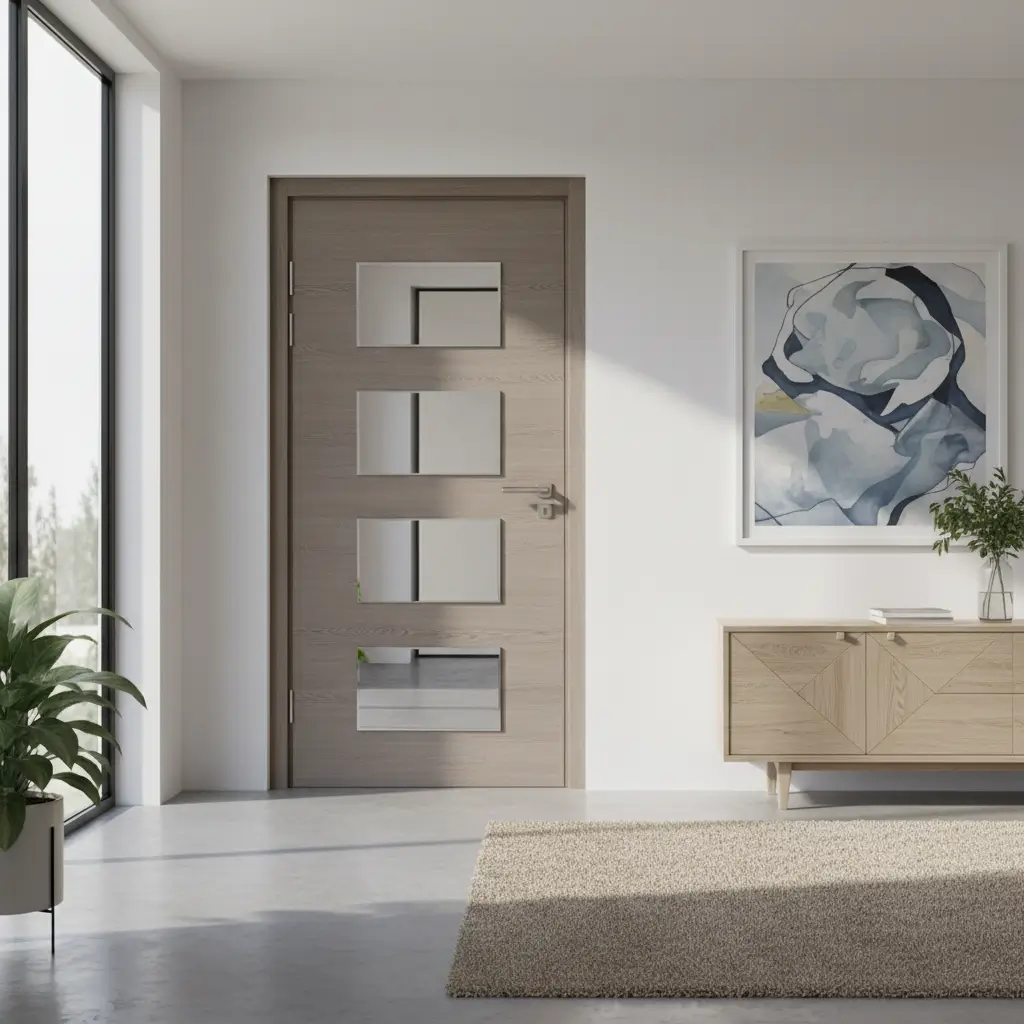
Laminated panels with inset mirrors are multitasking champions—they provide privacy, reflect light, expand perceived space, AND eliminate the need for separate full-length mirrors. That’s serious efficiency.
The Space-Expanding Effect
Mirrors literally double the visual space of rooms. A laminate door with mirror inserts reflects opposite walls and light sources, creating depth that makes even small rooms feel more spacious.
My sister’s tiny bedroom went from cramped to cozy simply by replacing her solid laminate door with one featuring mirror panels. Guests always comment on how spacious her room feels, not realizing they’re looking at a reflection of half the room.
Mirror Configuration Options
Different arrangements create different effects:
- Full mirror with laminate frame: Maximum reflection
- Vertical mirror strips: Modern and elongating
- Geometric mirror sections: Contemporary interest
- Central mirror with laminate borders: Balanced approach
- Asymmetrical mirror placement: Unexpected and artistic
Practical Considerations
Mirror doors require specific planning:
- Additional weight needs sturdy hardware
- Proper backing prevents mirror distortion
- Safety considerations for breakage
- Regular cleaning maintains appearance
- Strategic placement avoids awkward reflections
Laminated Doors with Carved Textures
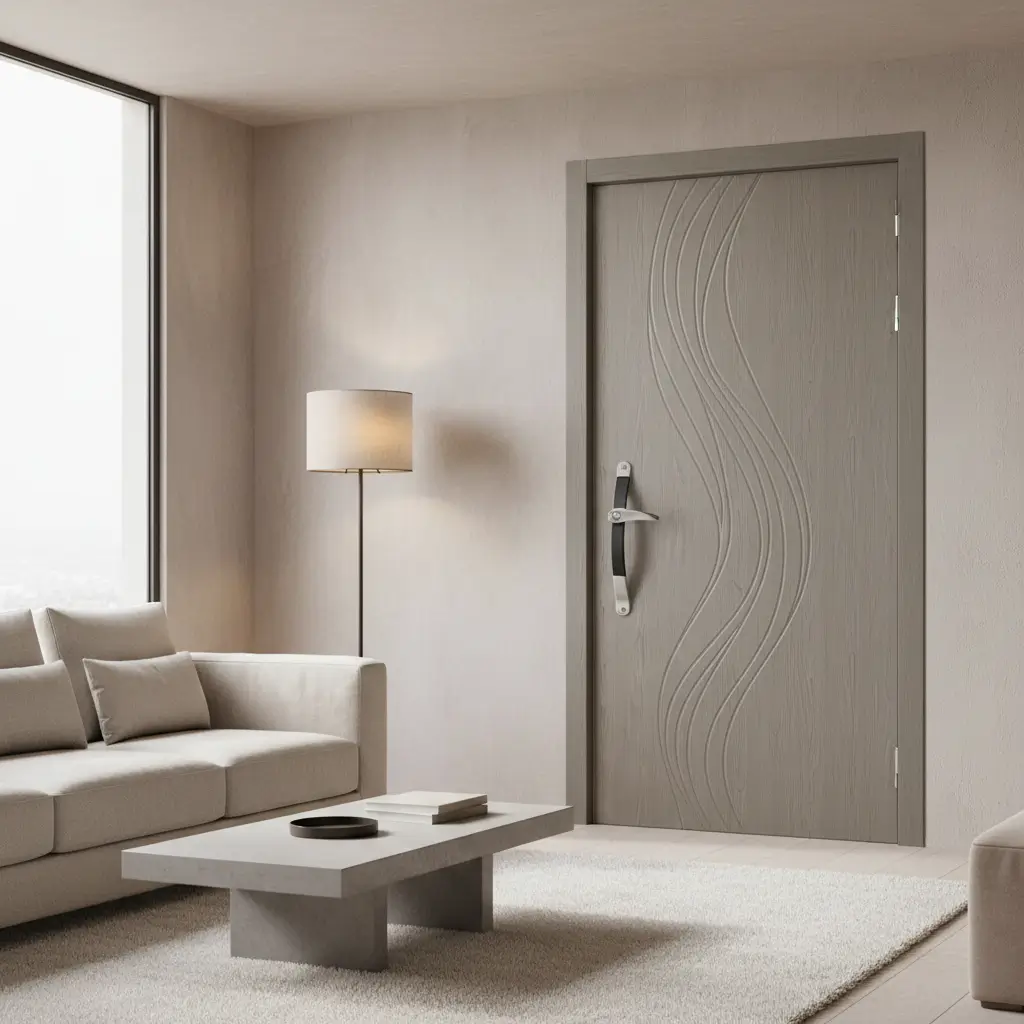
Laminated doors with carved textures prove that laminate can do three-dimensional design just as effectively as solid materials. These textured beauties add depth and shadow play that flat laminates can’t achieve.
Texture Creation Methods
Modern manufacturing creates carved effects through:
- Deep embossing during laminate production
- Layered laminate creating dimensional patterns
- Routed substrates with laminate overlay
- 3D printing technology for custom textures
- Mixed materials creating relief patterns
Pattern Possibilities
Carved texture options range widely:
- Fluted panels: Vertical grooves creating linear rhythm
- Geometric reliefs: Mathematical patterns with depth
- Organic patterns: Nature-inspired textures
- Abstract designs: Artistic three-dimensional effects
- Traditional motifs: Classic patterns with modern execution
I designed doors with subtle wave-pattern texturing that you barely notice in direct light but becomes prominent when light hits from the side. That changing appearance throughout the day keeps the doors interesting rather than static.
The Laminate Benefit
Textured laminate beats carved wood because the texture never splinters or chips, cleaning is easier than carved wood grooves, the pattern remains consistent and intentional, moisture doesn’t affect dimensional stability, and cost is fraction of genuine carved materials.
Making Your Laminate Door Decision
Choosing the right laminate doors involves balancing aesthetics, budget, maintenance willingness, and practical needs. But here’s the secret—laminate gives you more design flexibility at better prices than almost any other material.
Consider your lifestyle first. Have kids? Matte finishes and darker colors hide wear better. Want low maintenance? Laminate beats real wood every time. Need custom looks on standard budgets? Laminate makes it possible.
Don’t let material snobs make you feel bad about choosing laminate. Modern laminate technology has advanced so far that the quality gap between laminate and “real” materials has essentially disappeared for most applications. You’re not compromising—you’re being smart.
IMO, laminate doors offer the best combination of style, durability, and value of any door material available. The initial savings let you invest in other areas or just, you know, have an emergency fund 🙂
Final Thoughts
Laminate doors have evolved from budget alternatives to legitimate design choices that deliver serious style without serious prices.
Whether you choose matte minimalism or high-gloss drama, wood textures or bold colors, carved patterns or metallic accents, laminate provides options that work for real budgets and real lifestyles.
I’ve lived with laminate doors in three different homes now, and they’ve consistently performed better and looked fresher longer than the “premium” materials I’ve also tried.
The combination of affordability, durability, and design flexibility makes laminate doors the smart choice that nobody regrets.
The key is treating laminate as a legitimate design material rather than a compromise. Choose colors and patterns that excite you, select finishes appropriate for your space, invest in quality hardware, and install them properly. Do these things, and your laminate doors will look amazing for decades while costing a fraction of alternatives.
So embrace the laminate, ignore the material snobs, and create beautiful spaces with doors that actually make financial sense.
Your wallet will thank you, your home will look great, and you’ll have the satisfaction of making smart design decisions that deliver both style and substance.
After all, the best design isn’t about spending the most money—it’s about making choices that work for your life, your budget, and your aesthetic. Laminate doors do exactly that, and they look damn good doing it.