12 Sophisticated Luxury Home Interior Design Ideas for Glamour
- Home Interior Design
 Ben
Ben- 0
- 57 minutes read
Let’s be honest—we all have that secret Pinterest board filled with luxury homes we’ll probably never afford. You know, the ones with chandeliers that cost more than your car and sofas you’re afraid to actually sit on.
But here’s the thing about luxury design: it’s not just about throwing money at a space. True luxury comes from thoughtful details, quality materials, and design principles that make spaces feel special.
I’ve spent years obsessing over high-end interiors (my wallet wishes I hadn’t), touring designer showhouses, and yes, occasionally splurging on that one perfect piece that made my credit card weep.
So let me share what I’ve learned about creating spaces that look and feel genuinely luxurious—whether your budget has six zeros or just a couple.
Ready to transform your home from “nice place” to “when can I move in?” Let’s explore 12 luxury interior design ideas that actually work in real life.
Modern Minimalist Luxury Living Room
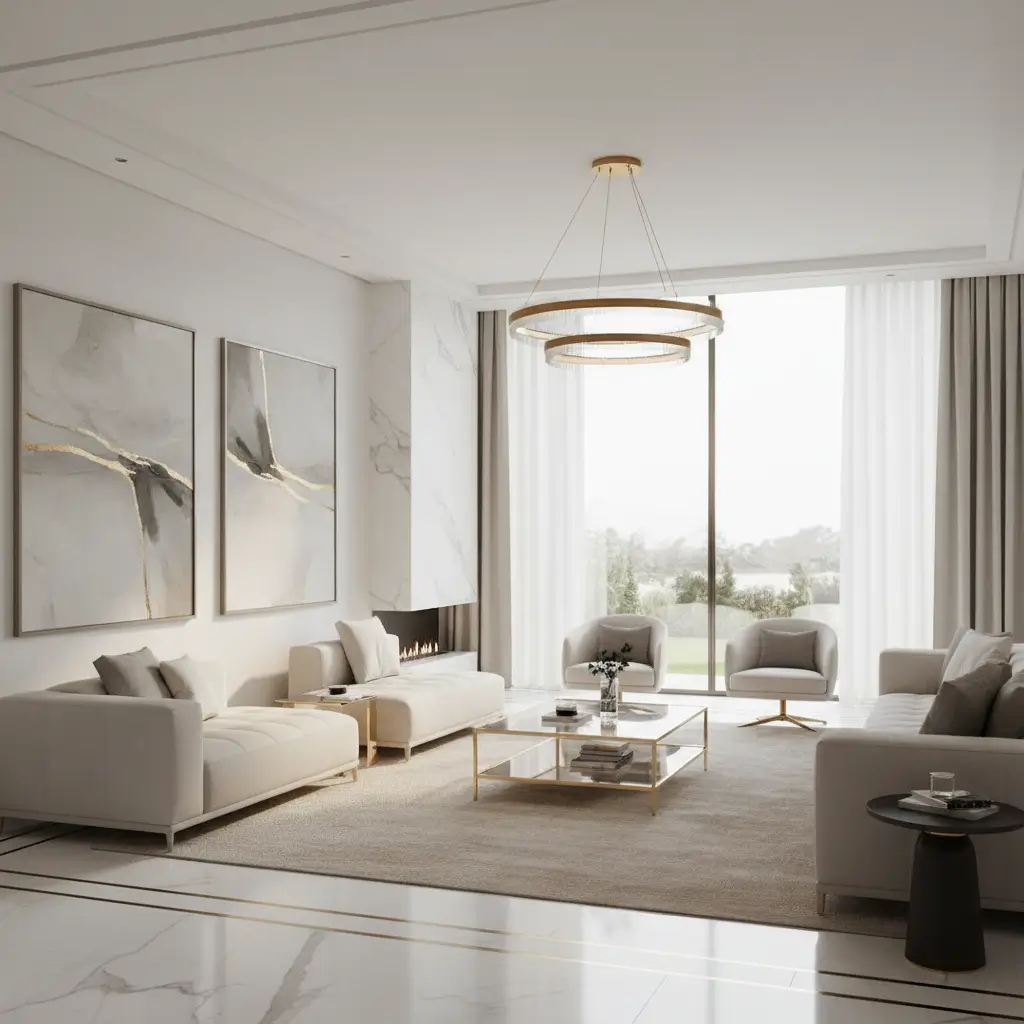
Forget everything you think you know about minimalism. Luxury minimalism isn’t about empty rooms and uncomfortable furniture—it’s about intentional simplicity and exceptional quality.
The Quality-Over-Quantity Principle
The foundation of minimalist luxury starts with investing in fewer, better pieces. I’m talking about that sofa that costs as much as a used car but will last for decades. The coffee table made from a single slab of rare wood. The perfectly proportioned chair that feels like it was built specifically for your body.
When you own less, you can justify spending more on each piece. And trust me, one stunning designer chair makes more impact than five mediocre ones.
The Perfect Neutral Palette
Luxury minimalist spaces typically work within a sophisticated, layered neutral palette:
- Warm whites (never stark hospital white)
- Soft greys with complex undertones
- Taupe and greige (that perfect grey-beige hybrid)
- Black as an accent, not a dominant color
- Natural wood tones for warmth
The magic happens when you layer different textures within this limited palette. A bouclé sofa, nubby linen pillows, smooth marble coffee table, and plush wool rug create visual interest without color chaos.
The Power of Negative Space
What separates basic minimalism from luxury minimalism? The intentional use of emptiness.
Luxury designers understand that negative space isn’t just what’s left over—it’s an active design element that creates breathing room and highlights the beauty of what remains. Think gallery-style spacing between furniture, walls with selective art placement, and surfaces that aren’t cluttered with accessories.
I remember walking into a designer’s home where an entire wall was left completely bare except for one perfect sculpture on a simple pedestal. That emptiness made the piece look like it belonged in a museum—and probably cost less than filling the wall with mediocre art.
Classic European Elegance Interiors

European elegance never goes out of style. This approach celebrates heritage, craftsmanship, and timeless beauty without feeling stuffy or museum-like.
The French vs. Italian Approach
European elegance comes in different flavors, each with distinct characteristics:
French Elegance:
- Curved furniture with cabriole legs
- Ornate gilded mirrors and picture frames
- Parquet flooring in herringbone patterns
- Soft color palettes (cream, duck egg blue, pale gold)
- Crystal chandeliers and sconces
Italian Elegance:
- Richer color palettes (terracotta, ochre, deep green)
- Marble and stone surfaces
- Ornate ceiling treatments
- Substantial furniture with dramatic proportions
- Religious or classical art influences
The Art of Antique Integration
True European elegance mixes periods and provenances. The key? Balance antiques with contemporary pieces to avoid the “time capsule” effect.
Try pairing a Louis XV chair with a clean-lined modern sofa, or place contemporary art above an antique console. This juxtaposition creates tension and interest while keeping the space feeling current.
Ever wondered why some traditional spaces feel stuffy while others feel timeless? It’s this deliberate mixing of periods that makes the difference.
The Textile Elevation
European luxury leans heavily on exceptional textiles:
- Silk damask upholstery
- Velvet drapery with substantial weight
- Hand-knotted Persian or Turkish rugs
- Tapestry pillows or wall hangings
- Fine linens with hand-embroidered details
These textiles add layers of texture, pattern, and color that create richness and depth. I spent an ungodly amount on custom silk drapery for my dining room, and five years later, it remains the single most transformative element in the space.
Glamorous Metallic Accents Design
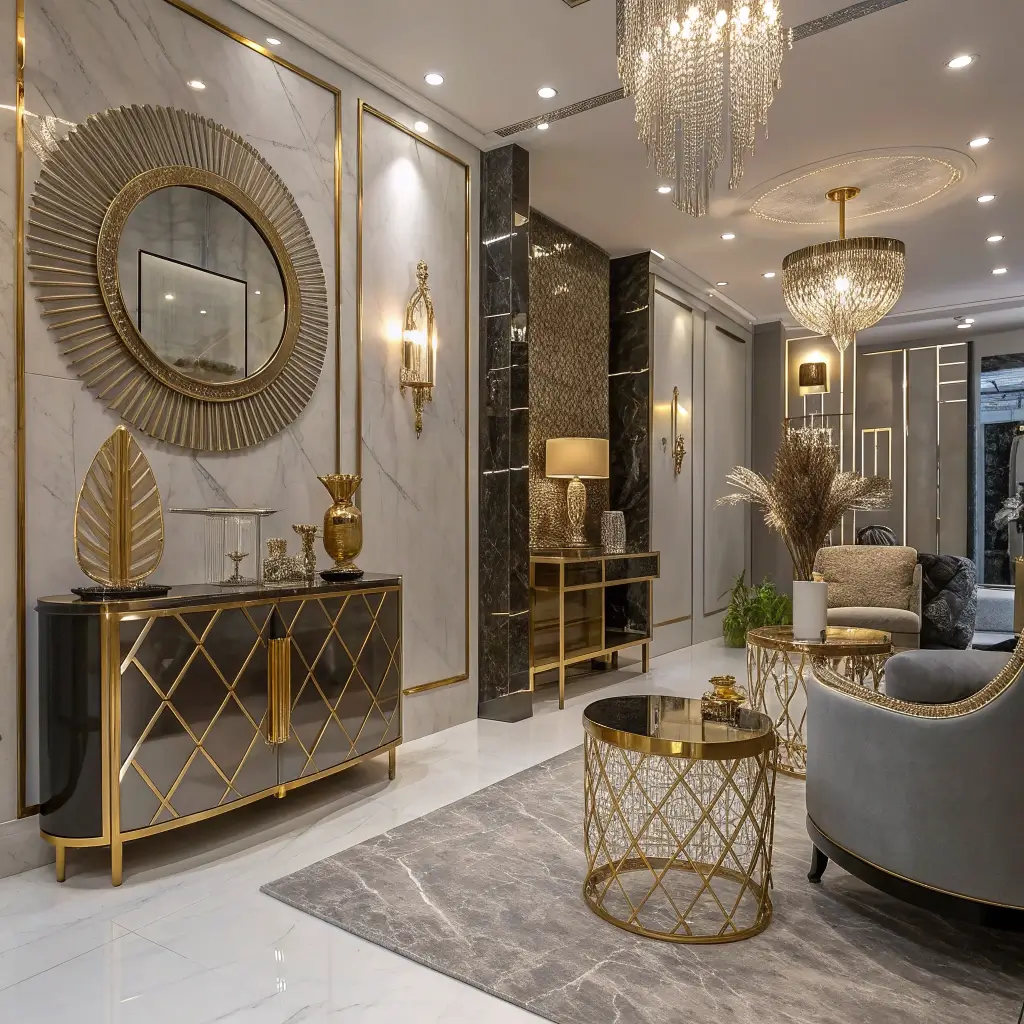
Nothing says luxury quite like the gleam of metal. Used judiciously, metallic elements add instant sophistication and visual excitement to any space.
The Metal Hierarchy
Not all metals create the same effect:
Gold: Warm, traditional, opulent
Silver: Cool, modern, sleek
Brass: Vintage, warm, currently trending
Bronze: Earthy, substantial, timeless
Copper: Warm, distinctive, statement-making
For 2026, we’re seeing a strong preference for warm metals like brass and gold over the cooler silvers and chromes that dominated the 2010s.
Strategic Placement
The secret to metallic luxury? Restraint and strategic placement. Consider these high-impact applications:
- Statement lighting fixtures (chandeliers, pendants, sconces)
- Cabinet hardware and door handles
- Mirror and picture frames
- Furniture legs or bases
- Decorative objects (boxes, trays, sculptures)
I recently updated my dining room by simply swapping out the hardware on my buffet from chrome to unlacquered brass. The transformation was remarkable—the piece went from looking like mass-market furniture to something custom and high-end.
The Patina Factor
In luxury design, perfect isn’t always perfect. The most sophisticated metal applications embrace patina and aging:
- Unlacquered brass that darkens over time
- Antiqued mirror with deliberate spotting
- Burnished bronze with variable coloration
- Aged copper developing verdigris
- Silver with subtle tarnish in crevices
This natural aging adds character and depth that shiny new metals can’t match. It’s the difference between nouveau riche and old money—one screams “I just bought this” while the other whispers “I’ve always had this.”
Also Read: 12 Trendy Best Home Interior Design Ideas to Transform Room
Cozy High-End Contemporary Bedrooms
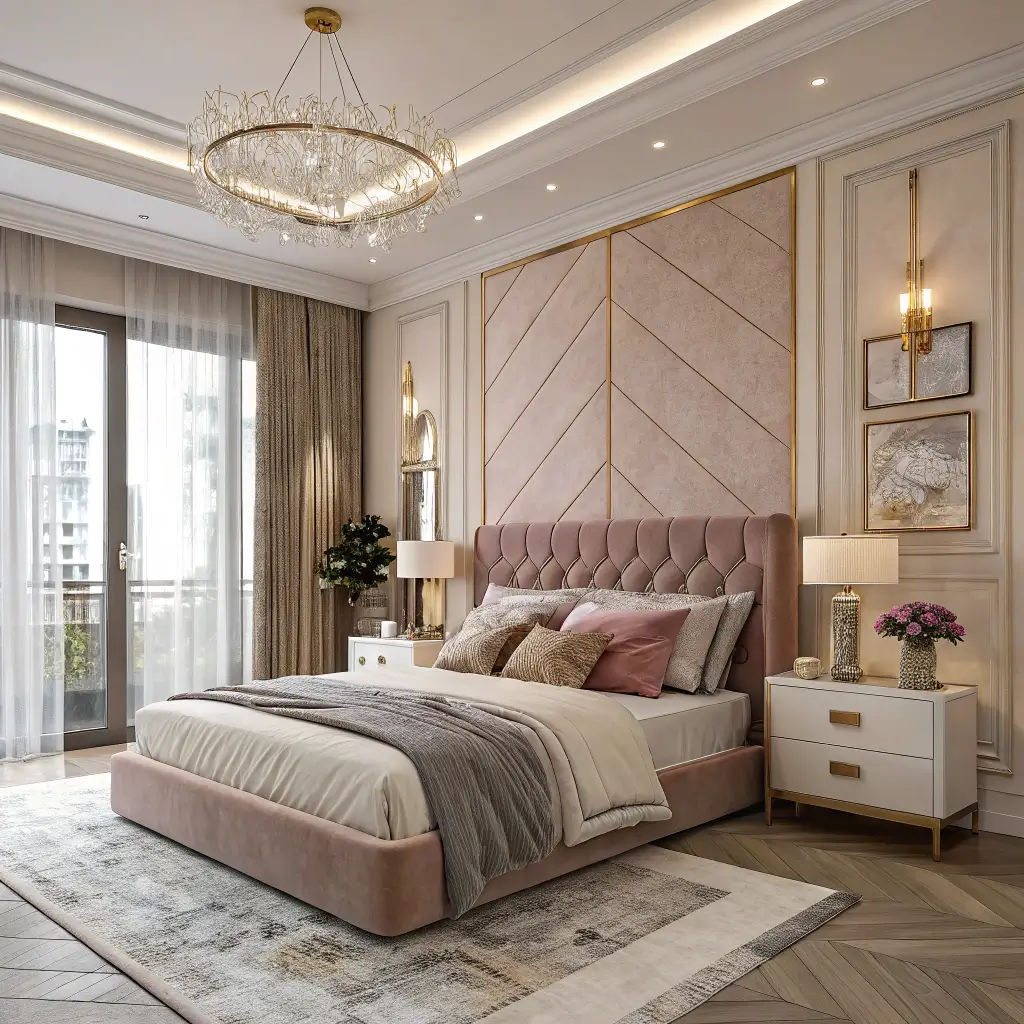
Luxury bedrooms balance opulence with comfort. After all, what’s the point of a gorgeous bedroom if you can’t actually relax in it?
The Bedding Investment
Nothing says luxury like exceptional bedding. This is one area where I never compromise—we spend a third of our lives in bed, so why not make it extraordinary?
Invest in:
- High-quality sheets (480-600 thread count Egyptian cotton or linen)
- Down or premium down-alternative duvet with seasonal weights
- Multiple pillow options for both aesthetics and comfort
- Cashmere or silk throws for layering
- Custom or European shams that actually fit your pillows
Pro tip: Hotels use white bedding because it creates a clean, luxurious look. You can replicate this at home, adding texture through different fabrics rather than patterns.
The Lighting Layers
Luxury bedrooms never rely on a single overhead light. Instead, they incorporate multiple lighting sources at different heights:
- Recessed ceiling lights on dimmers
- Statement pendant or chandelier
- Bedside table lamps or sconces
- Accent lighting in architectural features
- Subtle LED strips for ambient glow
This layered approach creates ambiance and allows you to adjust the mood from energizing morning light to relaxing evening glow.
The Headboard Statement
In high-end bedrooms, the headboard becomes a focal point and work of art:
- Floor-to-ceiling upholstered panels
- Custom designs incorporating lighting
- Rare wood with beautiful grain patterns
- Channel-tufted velvet or leather
- Built-in nightstand integration
I splurged on a custom velvet headboard that extends wall-to-wall behind my bed, and it transformed the room from nice to luxurious overnight. Sometimes one dramatic element makes more impact than ten small upgrades.
Opulent Marble and Gold Kitchens
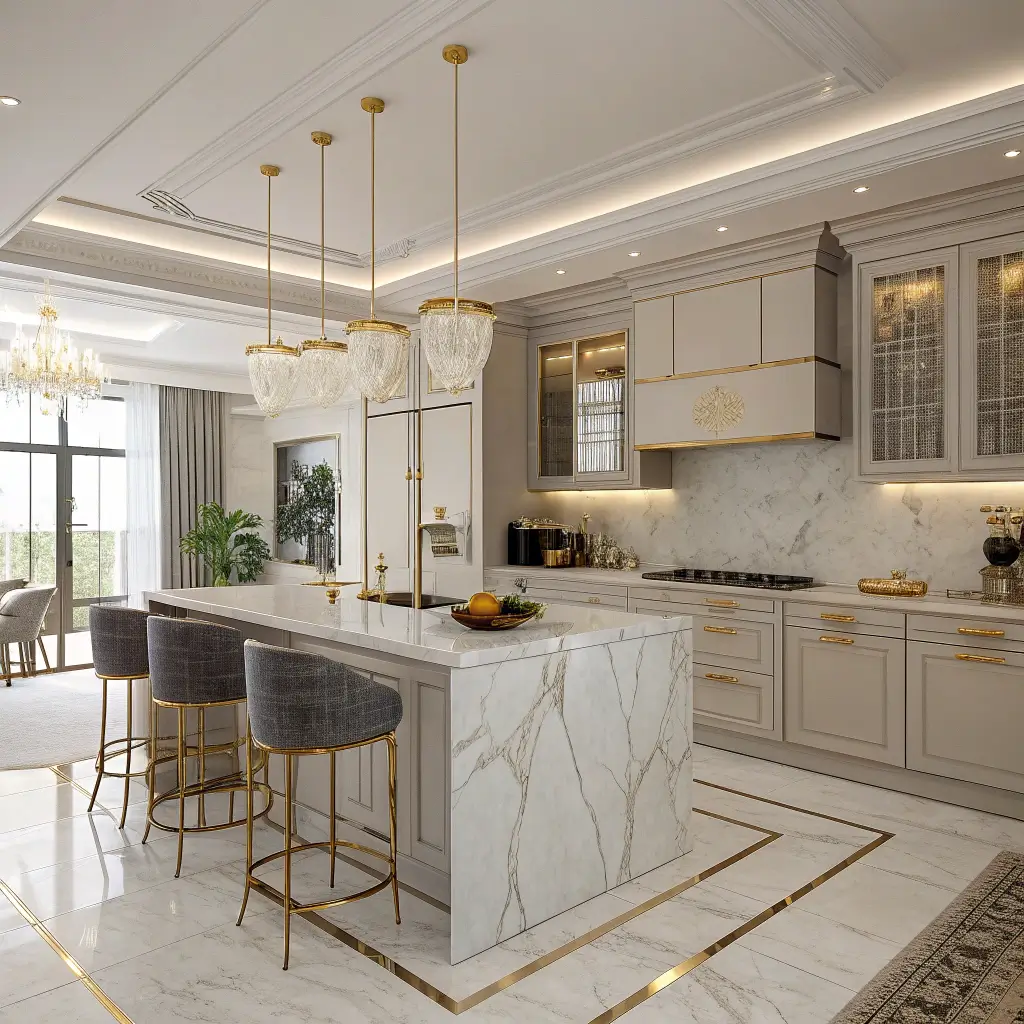
The kitchen has evolved from purely functional to the showpiece of the home. Luxury kitchens combine performance with jaw-dropping aesthetics.
The Marble Selection
Not all marble is created equal. For truly luxurious kitchens, consider these high-impact stones:
- Calacatta Gold: Dramatic gold veining on white background
- Statuario: Bold grey veining with bright white base
- Nero Marquina: Black with striking white veins
- Arabescato: Complex, swirling patterns in grey and white
The most luxurious applications use book-matched slabs, where the veining pattern is mirrored across adjacent pieces, creating a symmetrical, almost artistic effect.
The Gold Hardware Elevation
Gold hardware transforms ordinary cabinetry into something extraordinary. Consider these applications:
- Cabinet pulls and knobs in unlacquered brass
- Statement gold faucet (bigger is better)
- Gold pot filler above the range
- Metallic range hood as a focal point
- Gold-toned lighting fixtures
FYI, mixing metals is perfectly acceptable in luxury design—just do it intentionally rather than accidentally. A primary metal (gold) with a secondary accent metal (perhaps matte black) creates sophisticated depth.
The Unexpected Luxury Details
What separates good kitchens from great ones? Unexpected details that surprise and delight:
- Hidden appliance garages for small electrics
- Custom cabinet interiors with specialized storage
- Integrated cutting boards and prep areas
- Secondary prep sink or bar sink
- Dedicated beverage station or coffee bar
These thoughtful additions make the kitchen not just beautiful but genuinely pleasurable to use. Because true luxury isn’t just about how things look—it’s about how they function.
Artistic Statement Wall Interiors
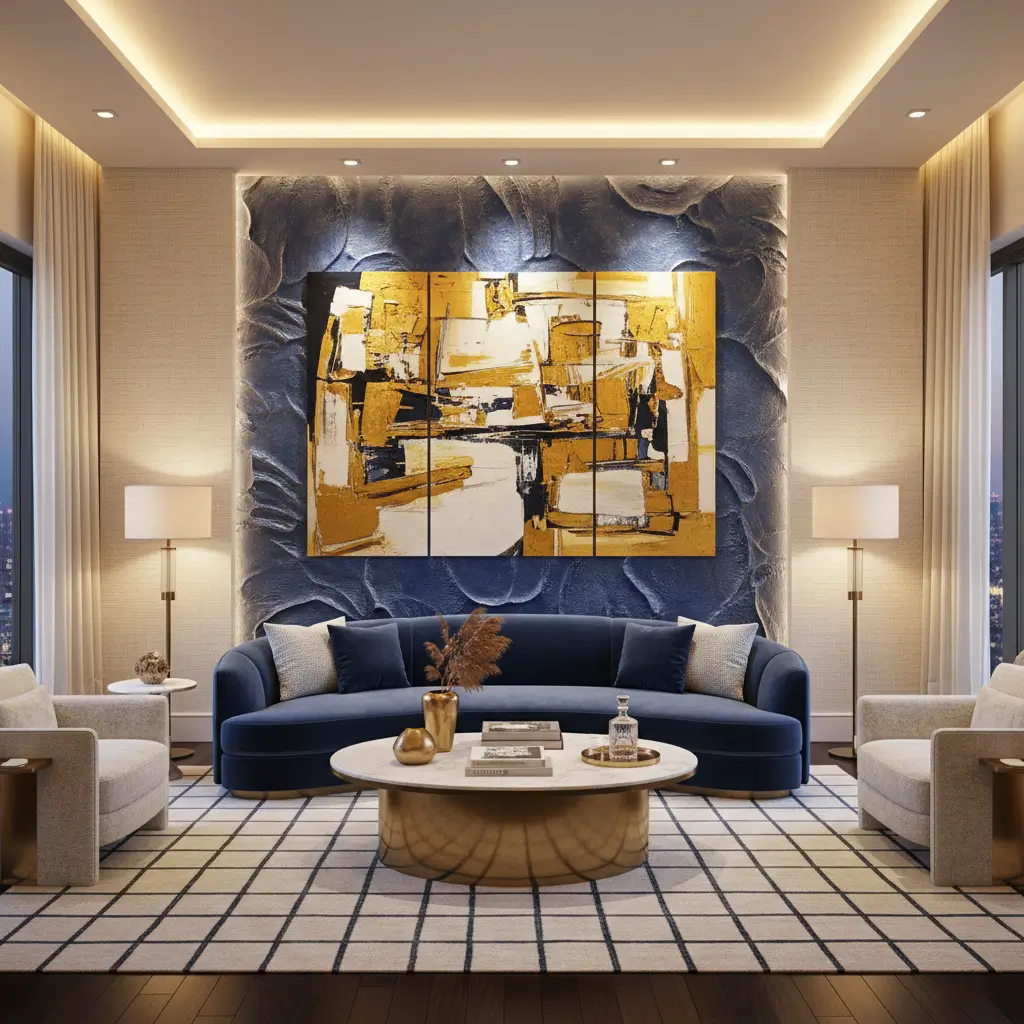
Nothing transforms a space faster than a truly spectacular wall treatment. Statement walls create instant drama and personality.
Beyond Basic Paint
Luxury homes elevate walls beyond basic paint with:
- Hand-painted murals commissioned from artists
- Custom wallpaper in silk or grasscloth
- Dimensional stone or wood treatments
- Decorative plaster techniques (Venetian, Moroccan tadelakt)
- Fabric wall upholstery
These treatments turn walls into art pieces that set the tone for the entire room.
The Gallery Wall Reimagined
The standard gallery wall gets a luxury upgrade through:
- Museum-quality framing with archival materials
- Cohesive color stories across varied art pieces
- Professional art lighting
- Unexpected mixing of mediums (photography, paintings, textiles)
- Rare or limited edition pieces
The difference between a basic gallery wall and a luxury one often comes down to the framing—custom, archival framing costs more but transforms even modest art into something special.
The Architectural Approach
Some of the most striking statement walls incorporate architectural elements:
- Floor-to-ceiling wood paneling in unexpected patterns
- Stone accent walls with dramatic veining
- Backlit onyx or alabaster panels
- Fluted or reeded wall treatments
- Laser-cut screens or dimensional panels
I visited a home with a living room wall made entirely of backlit onyx panels. The amber glow created the most incredible ambiance—like perpetual golden hour inside the house. Not cheap, but absolutely unforgettable.
Also Read: 12 Lovely Home Interior Design Bedroom Ideas and Trendy Designs
Ultra-Modern Open-Concept Spaces
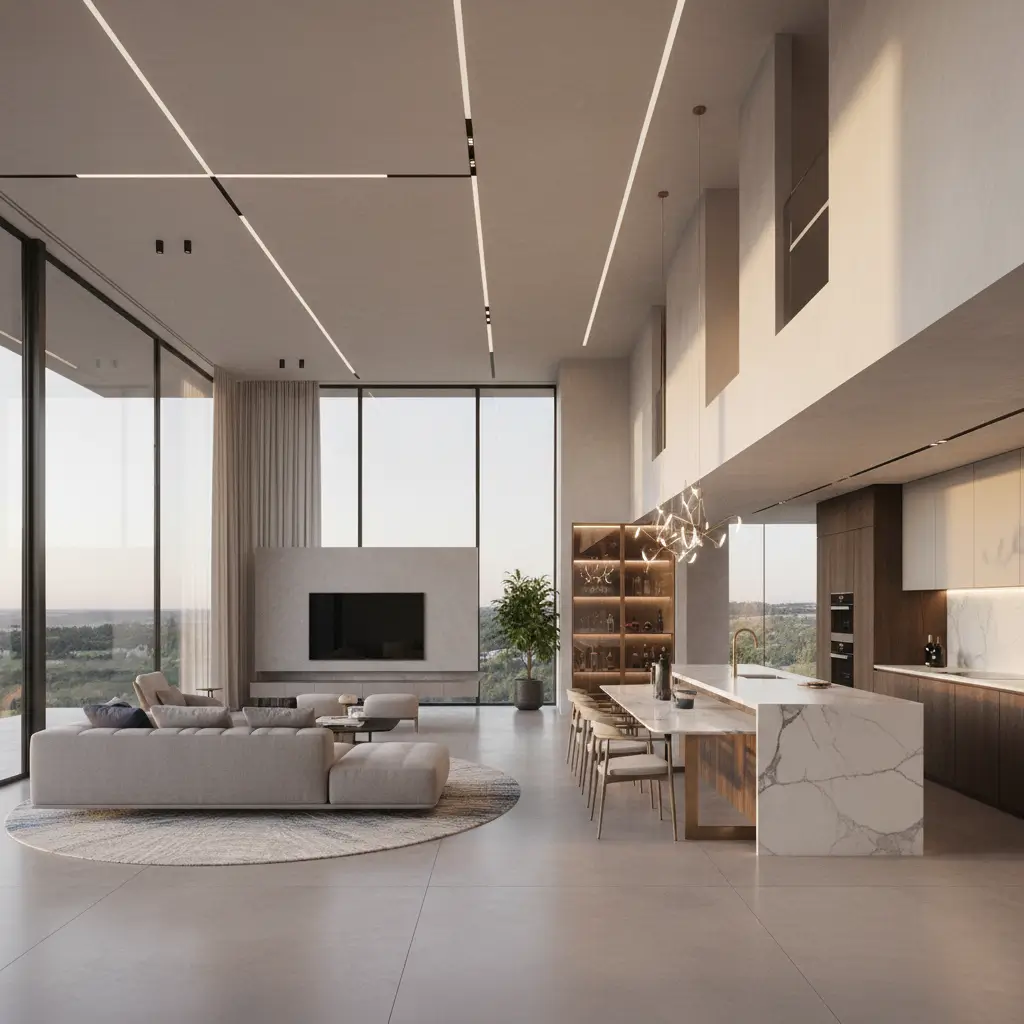
Modern luxury embraces flow and connection between spaces while maintaining distinct zones and functions.
The Seamless Flooring Strategy
Ultra-modern open spaces use continuous flooring to create visual cohesion:
- Large-format porcelain tiles (48″ x 48″ or larger)
- Wide-plank engineered hardwood
- Polished concrete with minimal joint lines
- Terrazzo with custom aggregate mix
- Seamless epoxy or resin floors
This uninterrupted flooring creates a gallery-like foundation for furniture and art.
The Zone Definition Techniques
Without walls, luxury open concepts define spaces through:
- Level changes (subtle steps between areas)
- Ceiling treatments that define zones
- Strategic lighting that highlights different areas
- Area rugs anchoring furniture groupings
- Partial walls or decorative screens
These subtle divisions create intimacy within openness—the best of both worlds.
The Technology Integration
Ultra-modern luxury spaces incorporate seamless technology:
- Hidden audio systems with invisible speakers
- Motorized window treatments programmed to time of day
- Smart lighting systems with programmable scenes
- Concealed television and entertainment equipment
- Climate zones controlled by smart home systems
The key to luxury tech? You experience it without seeing it. Nothing ruins a beautiful space faster than a tangle of cords or obvious speakers.
Luxe Scandinavian Comfort Design
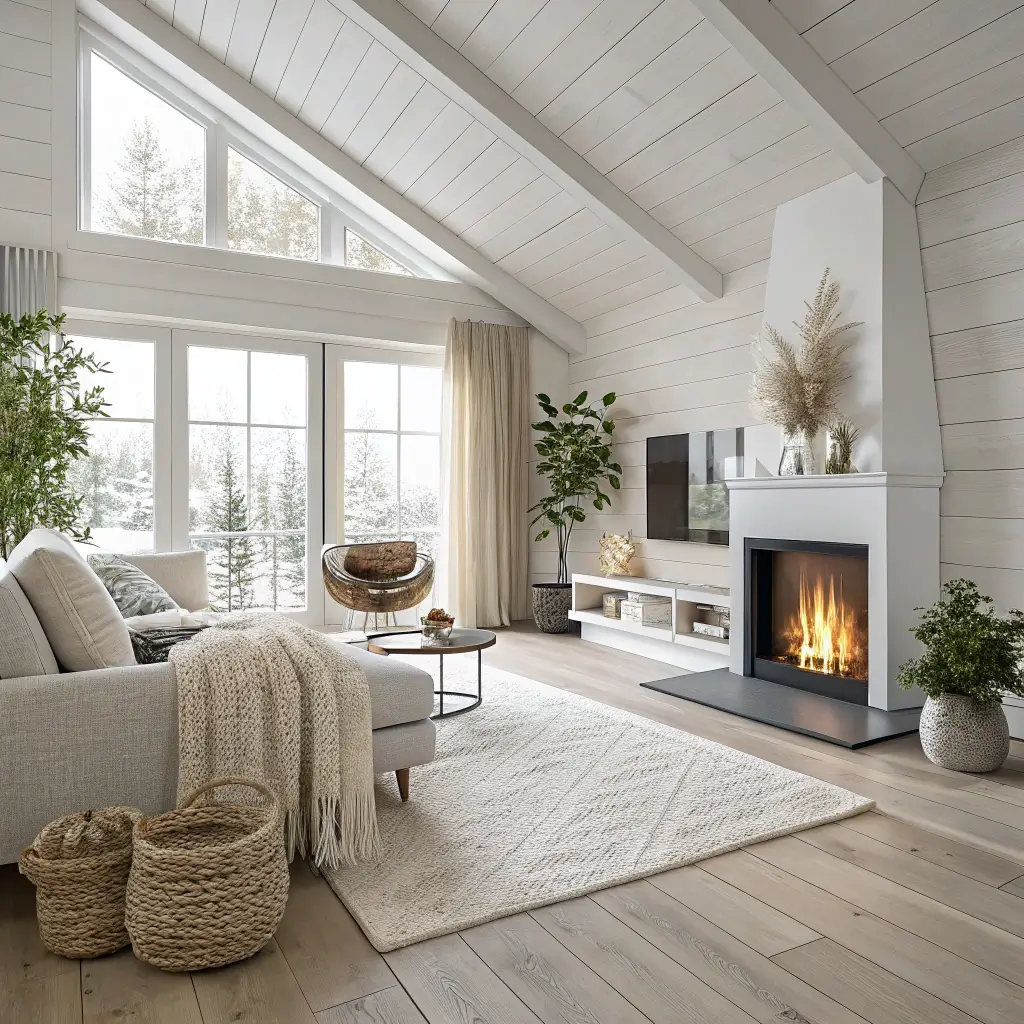
Scandinavian luxury proves that comfort and sophistication can coexist beautifully. This style combines minimalist principles with uncompromising comfort.
The Material Authenticity
Luxe Scandinavian interiors celebrate authentic, natural materials:
- Pale woods (oak, ash, birch) with visible grain
- Natural stone with subtle veining
- Linen, wool, and cotton textiles
- Vegetable-tanned leather that patinas beautifully
- Handcrafted ceramics and glass
The luxury comes from the quality and authenticity of these materials, not from ornate details or flashy finishes.
The Comfort-First Furniture
Scandinavian luxury prioritizes genuine comfort without sacrificing aesthetics:
- Deep-seated sofas with down-filled cushions
- Ergonomically designed dining chairs
- Beds with integrated reading positions
- Lounge chairs that accommodate various postures
- Ottomans and footstools encouraging relaxation
These pieces look simple but feel incredible—the hallmark of true Scandinavian design.
The Hygge Factor
The Danish concept of “hygge” (pronounced hoo-gah) centers around creating comfort and well-being:
- Layered lighting creating warm pools of illumination
- Natural materials that feel good to touch
- Arrangement of furniture that encourages conversation
- Indoor plants connecting to nature
- Fireplaces or candles adding warmth and movement
I redecorated my living room with Scandinavian principles, and guests actually comment on how good it “feels” to be in the space—not just how it looks. That’s the hygge effect in action.
Vintage Hollywood Glam Bedrooms
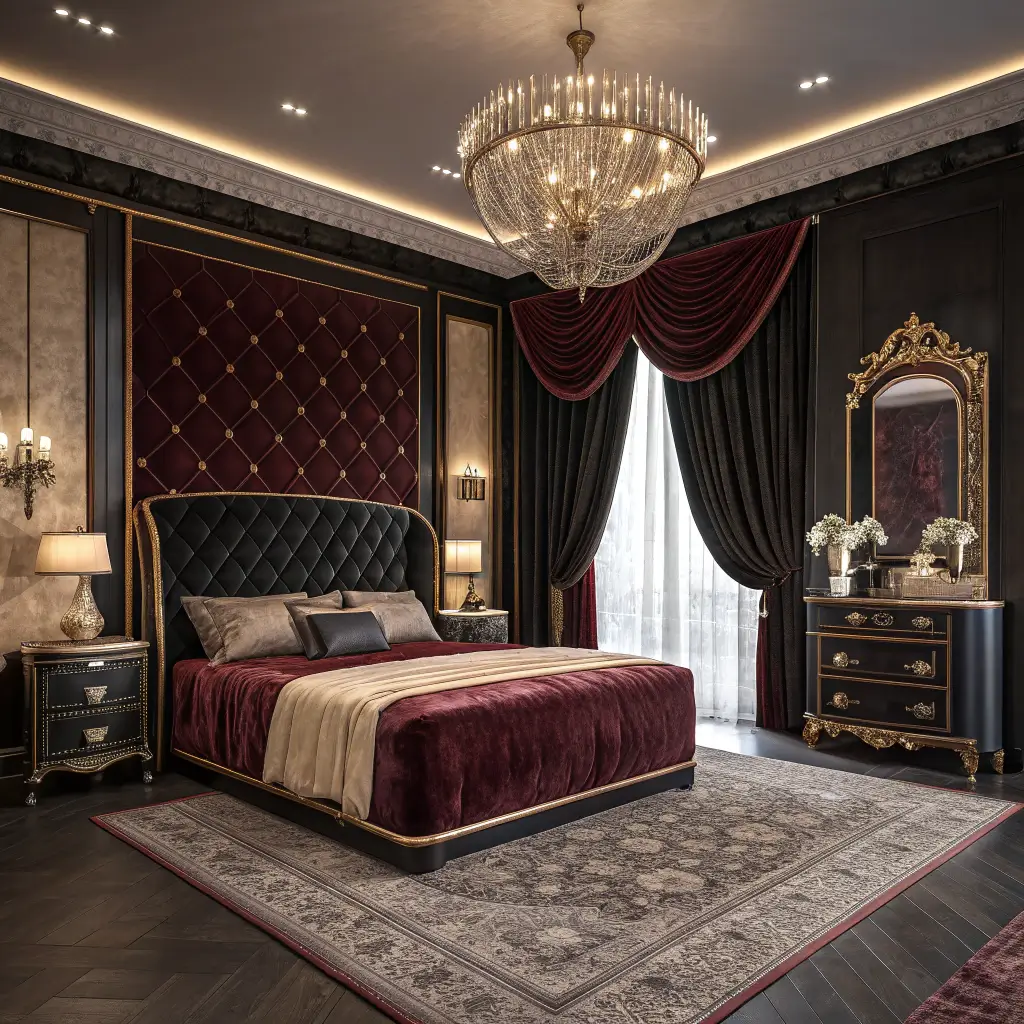
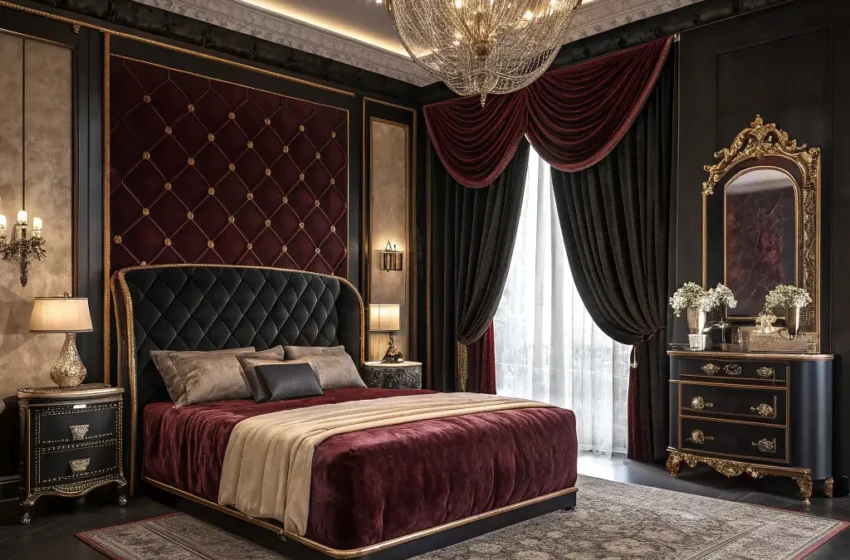
Channel the golden age of cinema with bedrooms that exude drama, romance, and unapologetic glamour.
The Statement Bed
Hollywood glam bedrooms center around show-stopping beds:
- Tufted headboards extending to the ceiling
- Four-poster beds with dramatic curtains
- Upholstered bed frames in velvet or silk
- Custom bedding with elaborate detailing
- Oversized headboards in unexpected shapes
The bed becomes the undeniable star of the room—just as it should be.
The Vanity Moment
Every Hollywood bedroom needs a dedicated vanity area:
- Mirrored vanity table with specialized lighting
- Luxurious vanity chair or stool in velvet or silk
- Vintage-inspired mirror with perfect lighting
- Display space for beautiful bottles and accessories
- Integrated power for styling tools
This space elevates the daily routine into a moment of self-care and glamour.
The Dramatic Lighting
Hollywood glamour requires theatrical lighting:
- Crystal chandeliers creating sparkle and drama
- Sconces casting flattering light at face level
- Table lamps with substantial bases and custom shades
- Picture lights highlighting artwork
- Concealed lighting creating ambient glow
Proper lighting doesn’t just illuminate a space—it creates mood and atmosphere. That’s why movie sets have lighting designers, not just people who install bulbs.
Also Read: 10 Inspiring Full Home Interior Design Ideas and Room Transformations
Grand Staircase and Foyer Designs
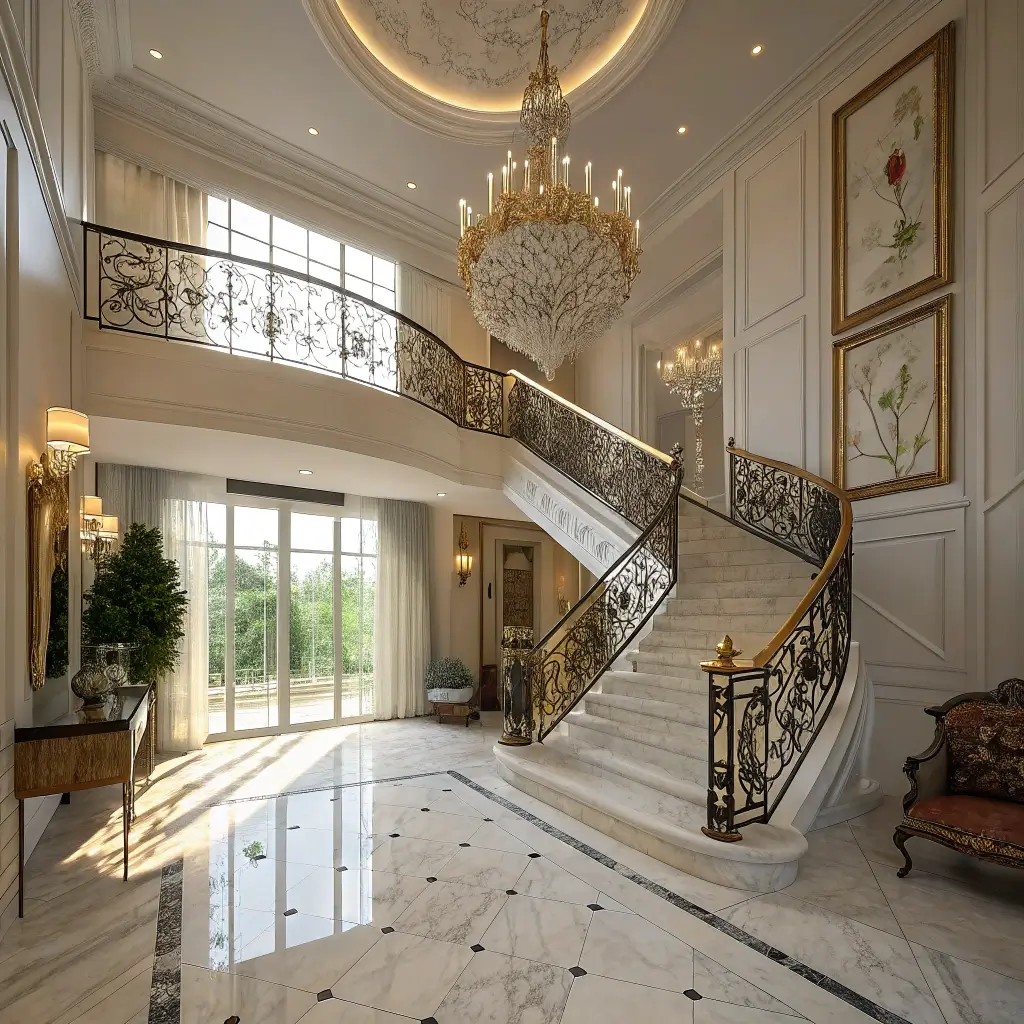
First impressions matter. Luxury homes create unforgettable entrances that set the tone for the entire property.
The Staircase as Sculpture
In truly luxurious homes, staircases transcend function to become architectural art:
- Floating treads creating the illusion of weightlessness
- Curved or spiral forms with engineering precision
- Custom railings in metal, glass, or wood
- Integrated lighting highlighting each step
- Rare wood or stone treads with perfect grain matching
These staircases become the central design element around which the home revolves.
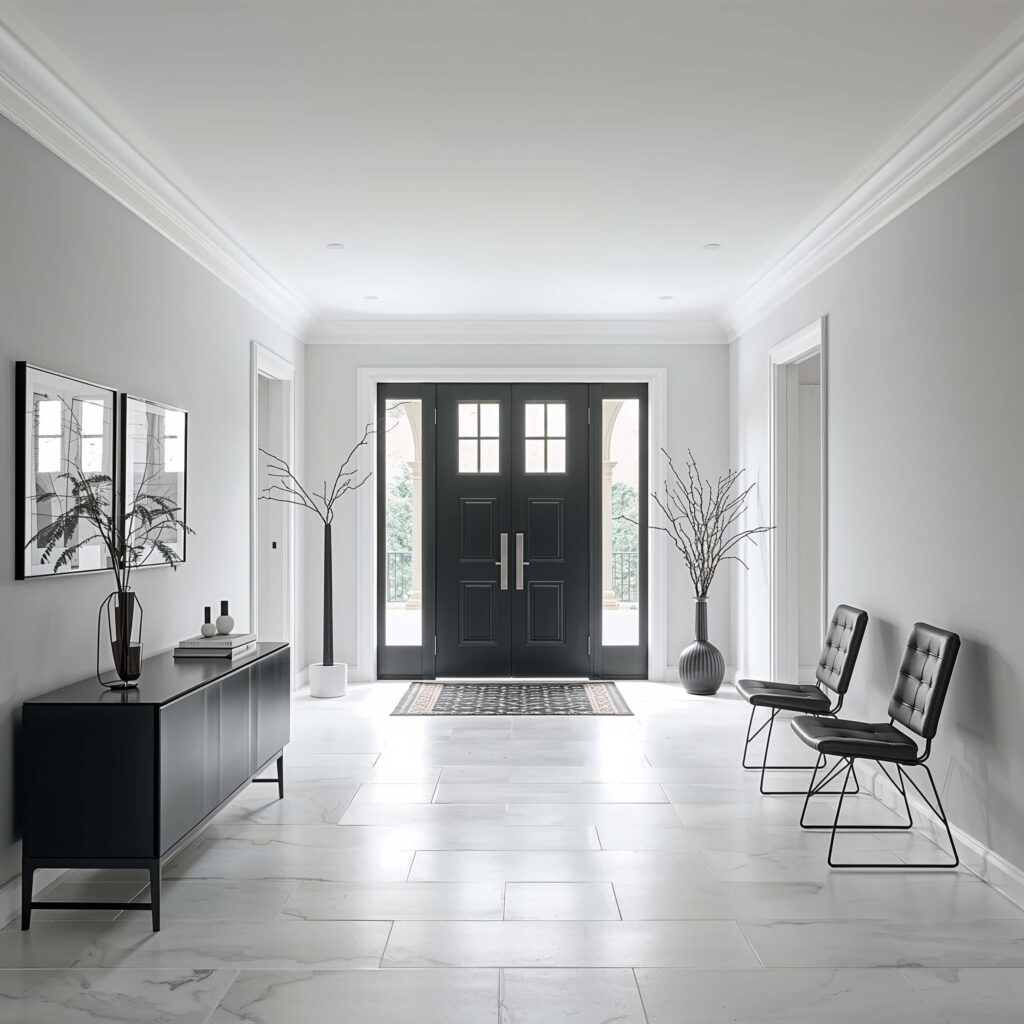
The Foyer Statement Pieces
Luxury foyers always include impactful focal elements:
- Oversized chandeliers scaled to the ceiling height
- Museum-quality art establishing the home’s aesthetic
- Console tables in rare materials or custom designs
- Mirrors strategically placed to expand the space
- Sculptural objects with perfect proportions
These pieces create an immediate impression of sophistication and taste.
The Flooring Pattern Play
Luxury foyers often feature intricate flooring patterns:
- Marble inlays creating geometric designs
- Parquet patterns in rare wood species
- Custom mosaic tile work
- Contrasting stone borders framing the space
- Medallion centers anchoring the room
I once visited a home with a foyer floor entirely made of book-matched marble in a starburst pattern. Years later, I still think about that floor—it was basically art you walked on.
Sophisticated Black and White Interiors
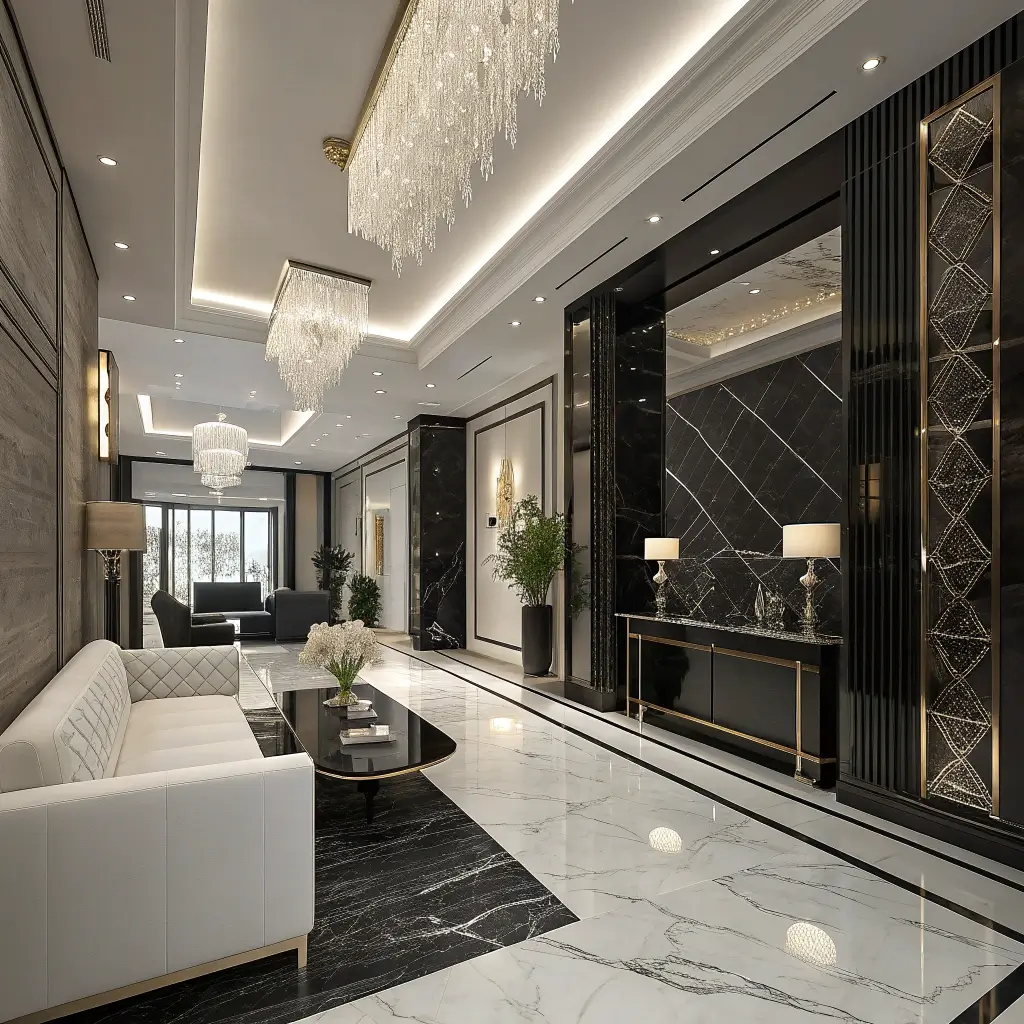
The ultimate in timeless elegance, black and white interiors create dramatic contrast and timeless sophistication.
The Balance Principle
Successful black and white spaces maintain a careful balance of dark and light:
- 60% dominant color (usually white)
- 30% secondary color (usually black)
- 10% accent (often metallic or a single bold color)
This ratio prevents the space from feeling too stark or too heavy.
The Texture Necessity
Without color variety, black and white interiors rely heavily on texture for visual interest:
- Bouclé fabrics adding dimension to upholstery
- Marble with dramatic veining
- Lacquered surfaces creating depth and reflection
- Matte and glossy finishes creating contrast
- Natural materials adding warmth and complexity
The most sophisticated black and white spaces incorporate at least five different textures to create depth and interest.
The Art Integration
Black and white interiors provide the perfect gallery-like backdrop for art:
- Black and white photography in perfect proportion
- Colorful art that pops against neutral surroundings
- Sculpture highlighted against simple backgrounds
- Abstract art with graphic impact
- Text-based art making bold statements
The contrast of black and white creates a naturally dramatic setting that makes art look more intentional and impactful.
Indoor-Outdoor Luxury Living Spaces

The ultimate luxury in today’s world? Seamless connection to nature without sacrificing comfort or style.
The Boundary Dissolution
Luxury indoor-outdoor spaces blur the lines between inside and outside through:
- Floor-to-ceiling glass walls that fully retract
- Consistent flooring extending from inside to out
- Outdoor kitchens and dining areas with full functionality
- All-weather furniture that doesn’t scream “patio set”
- Climate considerations (heating, cooling, wind protection)
The goal? Creating outdoor rooms that feel as comfortable and well-designed as interior spaces.
The Four-Season Strategy
Truly luxurious outdoor living spaces work year-round:
- Covered areas providing protection from elements
- Integrated heating for cooler temperatures
- Misting systems for hot weather comfort
- Windscreens and privacy elements
- Lighting designed for evening enjoyment
IMO, if you can only use your outdoor space three months of the year, you’ve missed the point of indoor-outdoor living.
The Landscape Integration
Luxury outdoor spaces integrate designed landscape as part of the architecture:
- Specimen trees creating natural focal points
- Water features adding sound and movement
- Vertical gardens or living walls
- Custom planters built into architectural elements
- Strategic lighting highlighting landscape at night
I helped design a friend’s terrace where we incorporated a mature olive tree growing through an opening in the overhead pergola. That single element transformed the space from “nice deck” to “am I in a luxury resort in Italy?”
Making Luxury Accessible: The Bottom Line
True luxury interior design isn’t about spending the most money—it’s about making thoughtful, intentional choices that elevate your space.
You can incorporate luxury principles at any budget by:
- Investing strategically in fewer, better pieces
- Editing ruthlessly to create breathing room
- Focusing on materials and textures rather than trends
- Considering proportions and scale in your space
- Prioritizing quality lighting at multiple levels
The most luxurious homes share one quality: they feel intentional and considered rather than randomly assembled. That intentionality is available at any price point.
Does luxury always mean expensive? Not necessarily. But it does mean thoughtful. It means choosing quality over quantity.
And sometimes, yes, it means saving up for that one perfect piece rather than settling for something that’s just okay.
The good news? You can start small. Choose one room, apply one luxury principle, and watch how it transforms not just how your space looks, but how it feels.
Because at its core, luxury isn’t about impressing others—it’s about creating environments that genuinely enhance your daily experience.
Now go make something beautiful. Your future self will thank you for it. 🙂